Tag Archives: river

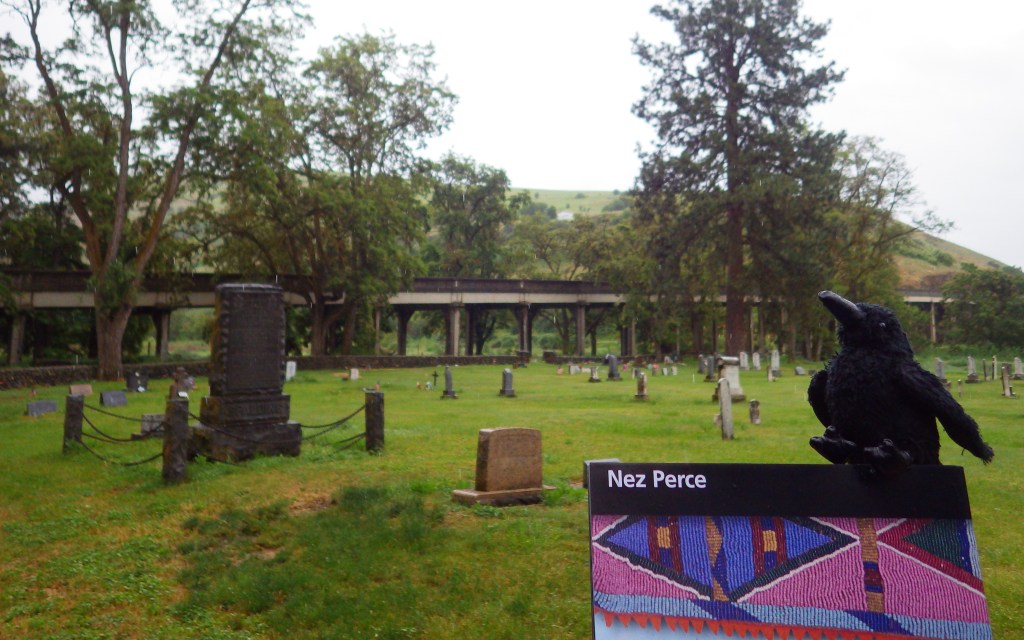
Nez Perce National Historical Park

Overview

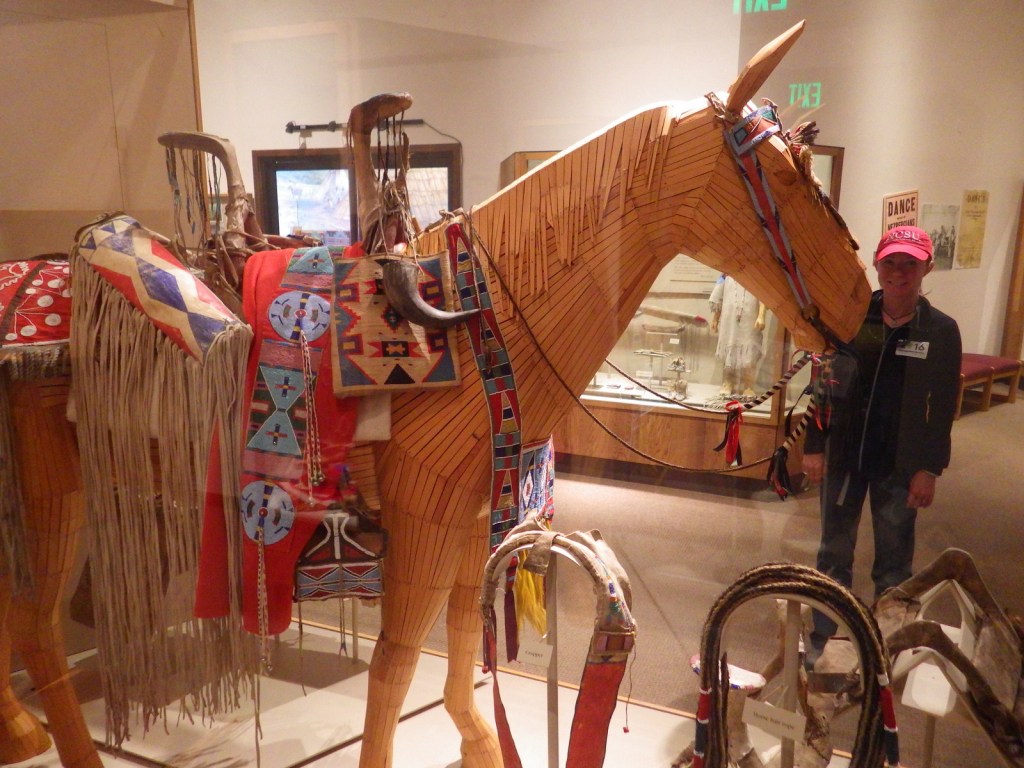
Nez Perce National Historical Park is unique because it comprises 38 sites stretching across four states, not even including an 1877 incident inside Wyoming’s Yellowstone National Park.  Many of the locations (as well as Big Hole National Battlefield) cover the War of 1877, when a portion of the tribe fled more than 1,000 miles from Oregon towards the Canadian border only to be stopped 40 miles short by the U.S. Army at Bear Paw Battlefield in Montana.  Under the leadership of legendary Chief Joseph they crossed the Rocky Mountains at Lolo Pass, made famous by the Lewis and Clark Expedition that the tribe assisted in 1805.
Highlights

Museum, film, Heart of the Monster, Lolo Pass, Bear Paw Battlefield

Must-Do Activity

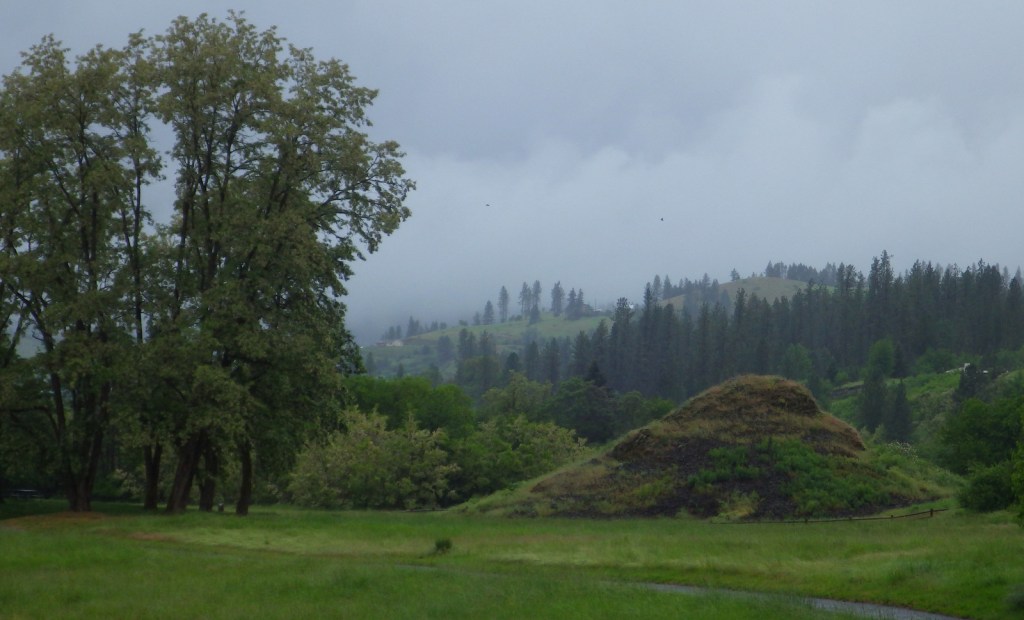
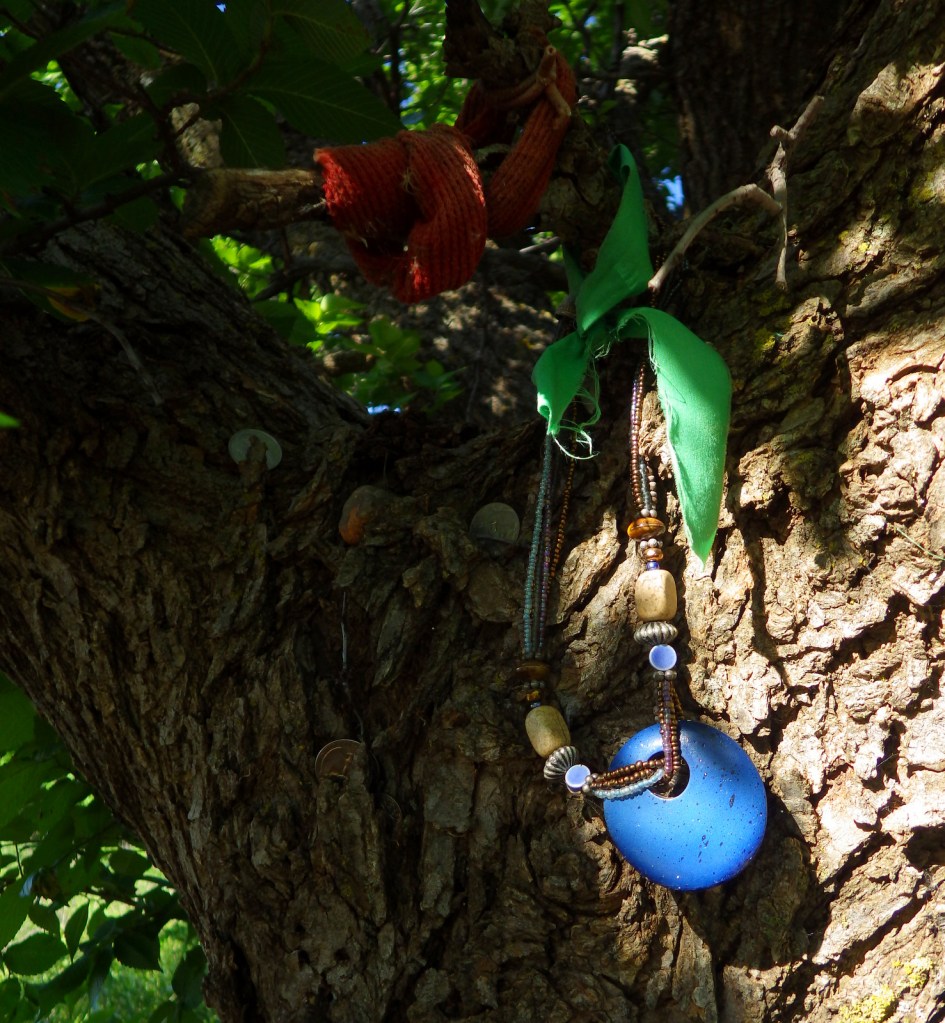
The main National Park Service (NPS) visitor center is in Spalding, Idaho on the Nez Perce Indian Reservation where the “heart of the monster” resides.  According to legend, after Coyote slew the monster that inhaled all the people, its heart and liver came to rest on the banks of the Clearwater River.  This park is also unique because the Nez Perce remain an active tribe with a strong sense of community, as documented in the excellent new film at the visitor center.  Highway 12 follows the beautiful Clearwater River through northern Idaho and provides access points for the unpaved Lolo Motorway (a section of the Nez Perce National Historical Trail) and its many scenic overlooks.

Best Trail

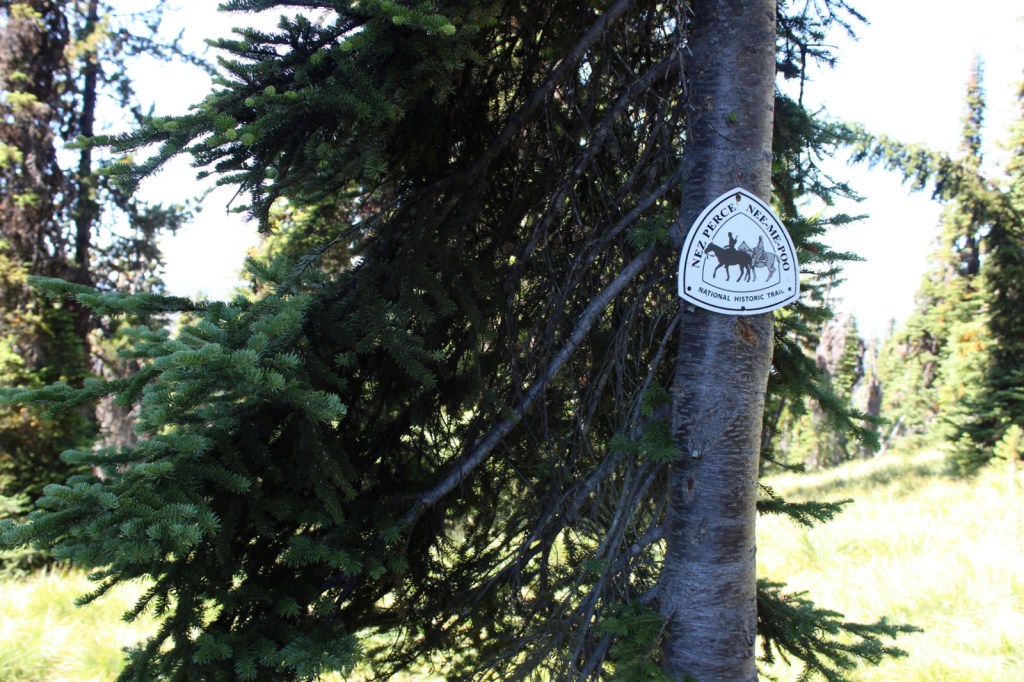
Nez Perce National Historical Trail stretches 1,170 miles from Oregon to Montana, ending at the NPS site at Bear Paw Battlefield where a five-day fight finally led to the tribe’s surrender in October 1877.

Instagram-worthy Photo

At a roadside pullout on Highway 95 in Idaho, the NPS interprets White Bird Battlefield where 34 U.S. Army soldiers were killed on June 17, 1877 escalating the U.S. government’s conflict with the Nez Perce into a war.

Peak Season

Summer

Hours

https://www.nps.gov/nepe/planyourvisit/hours.htm

Fees

None

Road Conditions

Most of the major roads are paved, with the notable exception of the Lolo Motorway which requires a high clearance vehicle (and four-wheel drive on its western end).

Camping

There are camping opportunities ranging from dispersed to developed located throughout Clearwater, Nez Perce, and Wallowa-Whitman National Forests.

Related Sites

Big Hole National Battlefield (Montana)

Grant-Kohrs Ranch National Historic Site (Montana)

Whitman Mission National Historic Site (Washington)

Explore More – After the 1863 “Steal Treaty” reduced the Nez Perce Reservation by 90%, what was the 1887 federal law that allowed another 90% to end up in white ownership?

Washita Battlefield National Historic Site

Overview

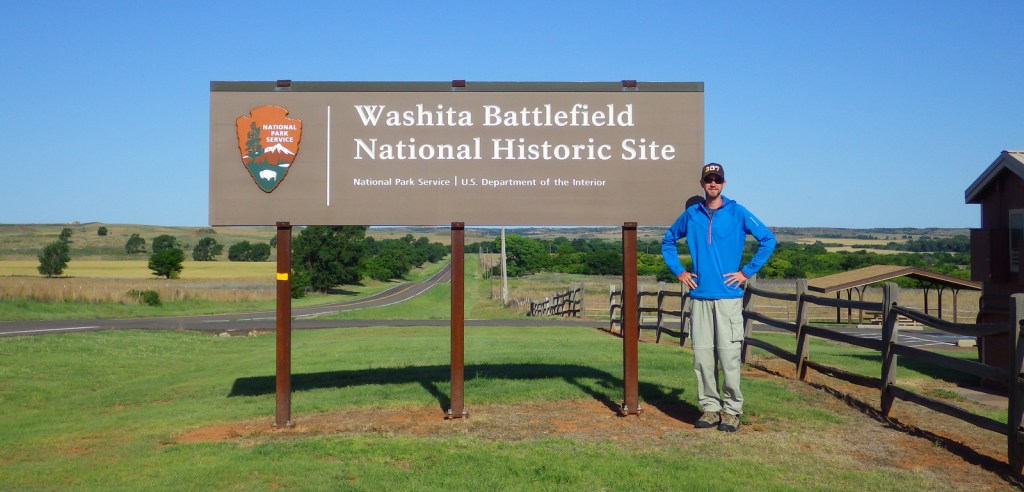
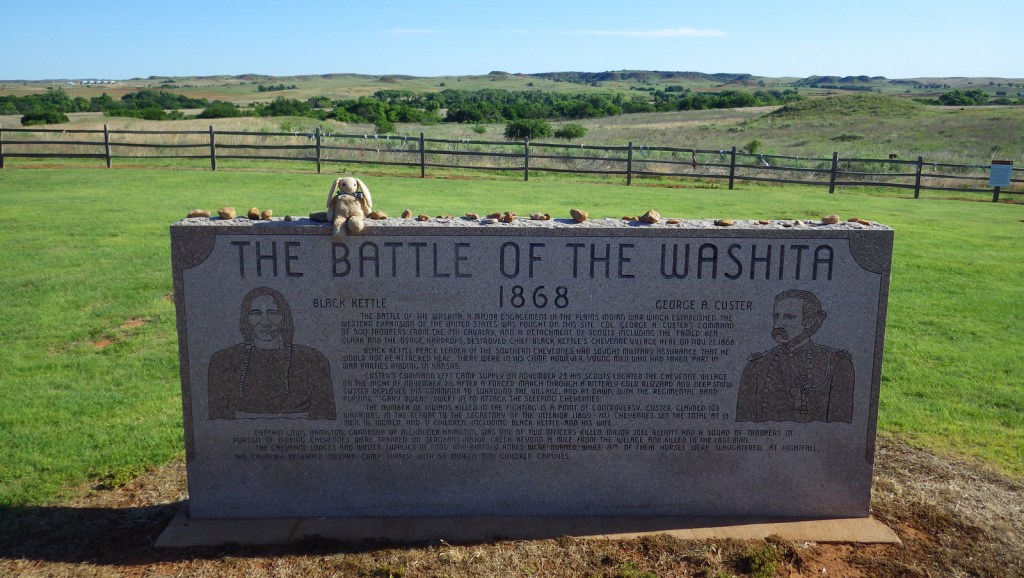
Many retaliatory acts occurred in the aftermath of the 1864 Sand Creek Massacre in Colorado, leading the U.S. Army to launch a campaign against the Cheyenne, Arapaho, and Kiowa following the signing of several peace treaties.  In November 1868, after unsuccessfully seeking protection at Fort Cobb, Cheyenne Chief Black Kettle and Arapaho Chief Big Mouth returned to their winter villages in the Washita River Valley.  The very next day a surprise attack was launched by Lieutenant Colonel George Custer, capturing 53 and killing thirty to sixty Cheyennes, including Black Kettle and his wife.  Under Major General Philip Sheridan’s policy of “total war,” approximately 800 horses were then slaughtered and the village burned. 

Highlights

Museum, film, interpretive trail

Must-Do Activity

The events that took place the morning of November 27, 1868 in western Oklahoma have been described either as a battle or a massacre.  A small National Park Service (NPS) visitor center with exhibits on the events is shared with the U.S. Forest Service’s Black Kettle National Grassland.  Located just down the road on Highway 47 is a self-guided walking tour of the prairie battlefield. 

Best Trail

The 1.4-mile hiking trail through the battlefield leaves from an overlook of the historic site down to the Washita River where trees grow.

Instagram-worthy Photo

The vegetation is typical of Oklahoma prairie with grasses, yucca, and Indian blanket (in bloom in late May).

Peak Season

Summer

Hours

https://www.nps.gov/waba/planyourvisit/hours.htm

Fees

None

Road Conditions

All roads paved

Camping

There are private campgrounds in Cheyenne, Oklahoma, or you can head 25 miles southeast to Foss State Park.

Related Sites

Black Kettle National Grassland (Oklahoma-Texas)

Sand Creek Massacre National Historic Site (Colorado)

Little Bighorn Battlefield National Monument (Montana)

Chickasaw National Recreation Area (Oklahoma)

Explore More – When was this National Historic Site authorized by Congress?

Canyonlands National Park

Overview

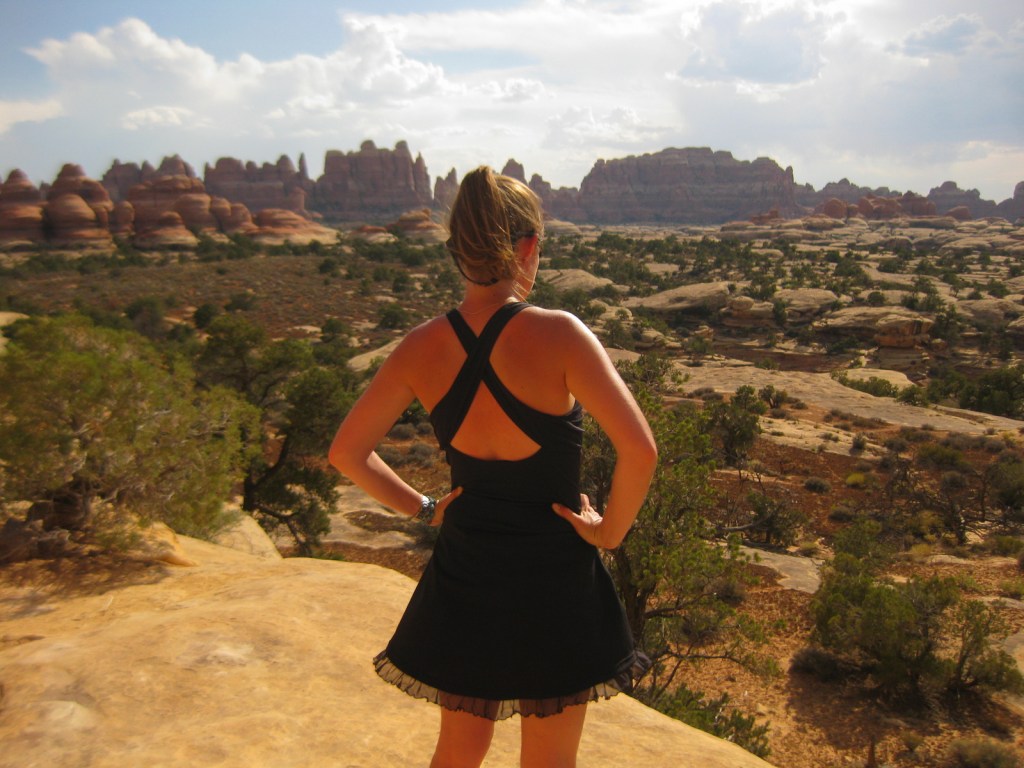
Canyonlands National Park was established in 1964, part of a large expansion of the National Park Service (NPS) system during the Johnson administration.  It is divided into four distinct areas that are not easily connected by roads: The Needles District, The Maze District, Horseshoe Canyon Unit, and the most heavily-trafficked Island in the Sky District near Moab, Utah.  Backpacking is a major draw to this park, as is whitewater rafting on the Colorado and Green Rivers.

Learn more in our guidebook to the 62 National Parks, A Park to Yourself: Finding Adventure in America’s National Parks (available on Amazon).

Highlights

Mesa Arch, Grand View Point, Chesler Park, Druid Arch, The Maze, Great Gallery

Must-Do Activity

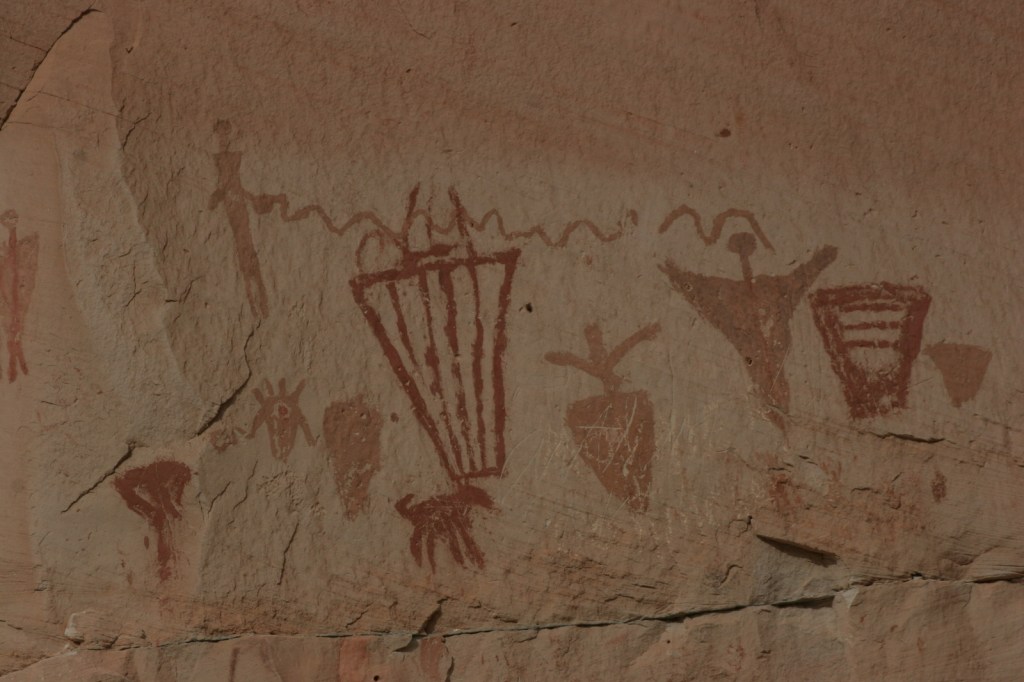
Horseshoe Canyon is a separate unit of Canyonlands National Park accessible by good dirt road from Highway 24 southwest of Green River, Utah.  Its main attractions are four large pictograph panels estimated at 3,000 years old at the bottom of the 800-foot deep canyon.  The largest panel, dubbed the Great Gallery, stretches over 200 feet with numerous life-sized human figures painted in red and white on a sandstone wall.  It is a 3.5-mile hike to get there from the trailhead on top of the canyon rim that drops down to and then follows a meandering stream which passes three smaller panels.

Best Trail

There are miles of incredibly scenic trails in The Needles District, many of which leave from Elephant Hill Trailhead.  We recommend the six-mile roundtrip hike to Chesler Park where you will see the pointy formations that gave this district its name.  Druid Arch or Angel Arch make great destinations for long day hikes, but you should at least stop at Slickrock Foot Nature Trail to get a feel for sandstone beneath your soles.

Instagram-worthy Photo

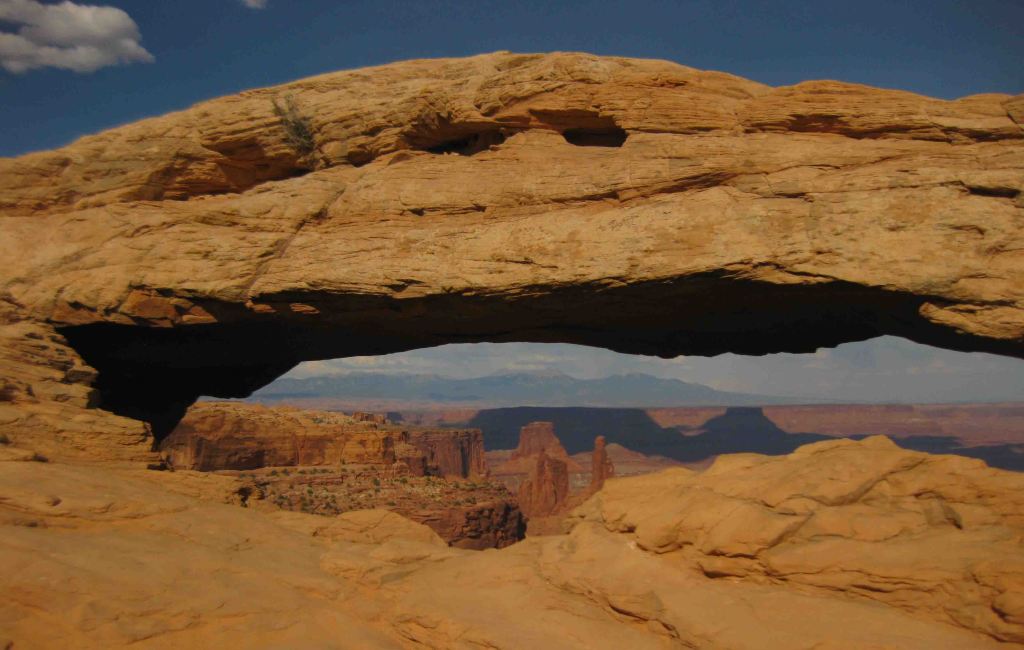
You may have never heard of the Island in the Sky District, but you have surely seen a sunrise photograph of Mesa Arch since it makes it on many calendars.  Walk the half-mile loop to the edge of the cliff where this famous formation frames distant mountains.

Peak Season

Spring and fall

Hours

https://www.nps.gov/cany/planyourvisit/hours.htm

Fees

$30 per vehicle or America the Beautiful pass

Road Conditions

There are seriously rough 4×4 roads throughout this park, so ask a park ranger about road conditions before attempting any drive.  The scenic drive that dead ends at Grand View Point in the Island in the Sky District is entirely paved.

Camping

There is running water at Squaw Flat Campground in The Needles District, but none available at the small Willow Flat Campground in the Island in the Sky District.  White Rim Road and Chesler Park are also famous for their backcountry campsites accessible by 4×4 vehicles (permit required).  Due to high demand, backpacking permits within this park are among the most expensive in the entire NPS system.

Related Sites

Arches National Park (Utah)

Capitol Reef National Park (Utah)

Natural Bridges National Monument (Utah)

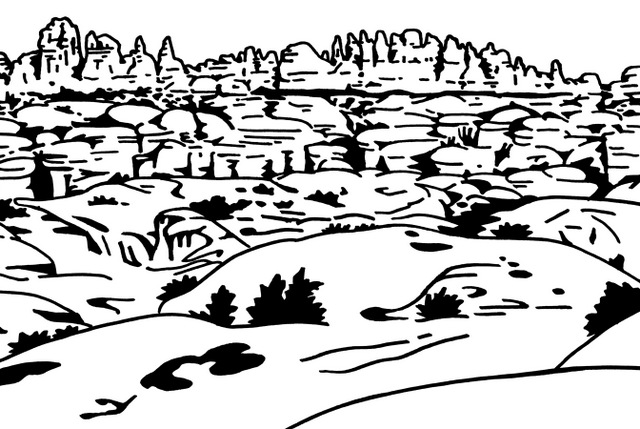
This design we created to celebrate Canyonlands National Park is available on a variety of products at Cafe Press and Amazon.

Explore More – It may look small in photographs, but just how tall is Druid Arch in The Needles District?

We are a participant in the Amazon Services LLC Associates Program, an affiliate advertising program designed to provide a means for us to earn fees by linking to Amazon.com and affiliated sites.

Theodore Roosevelt Island National Memorial

Overview

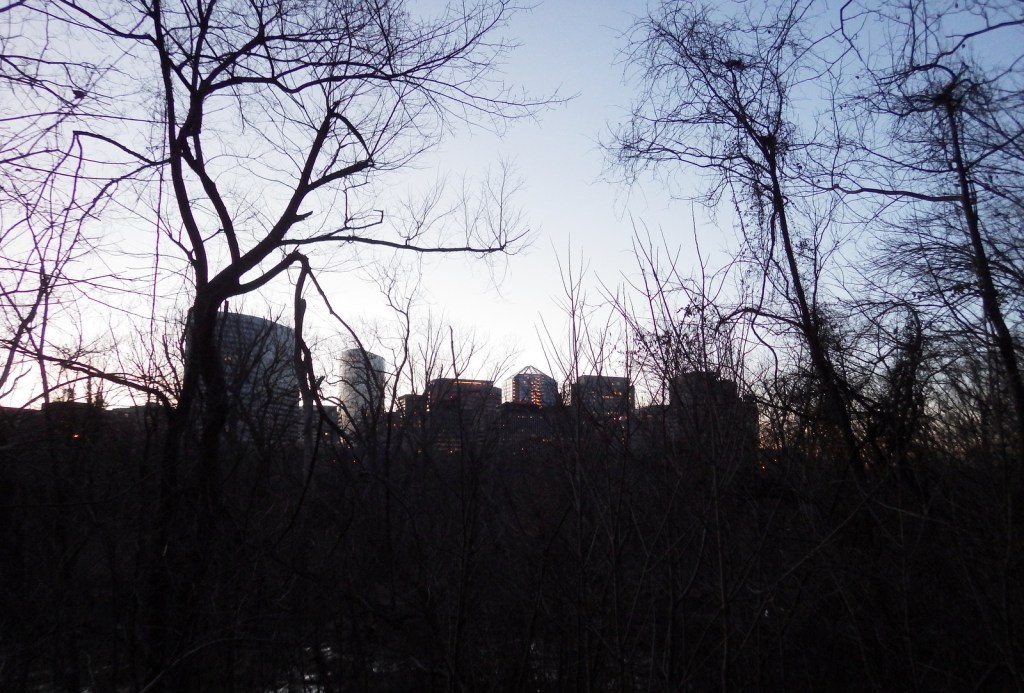
As a strict adherent to his own personal philosophy promoting “the strenuous life,” President Theodore Roosevelt regularly swam in the Potomac River, even in the middle of winter.  As a president with a proud record of conservation (especially in creating National Monuments), it is meaningful that his memorial lies on an 80-acre island with 2.5 miles of gravel trails leading through its beautiful and diverse deciduous forest. 

Highlights

Upland Trail, Swamp Trail, statue

Must-Do Activity

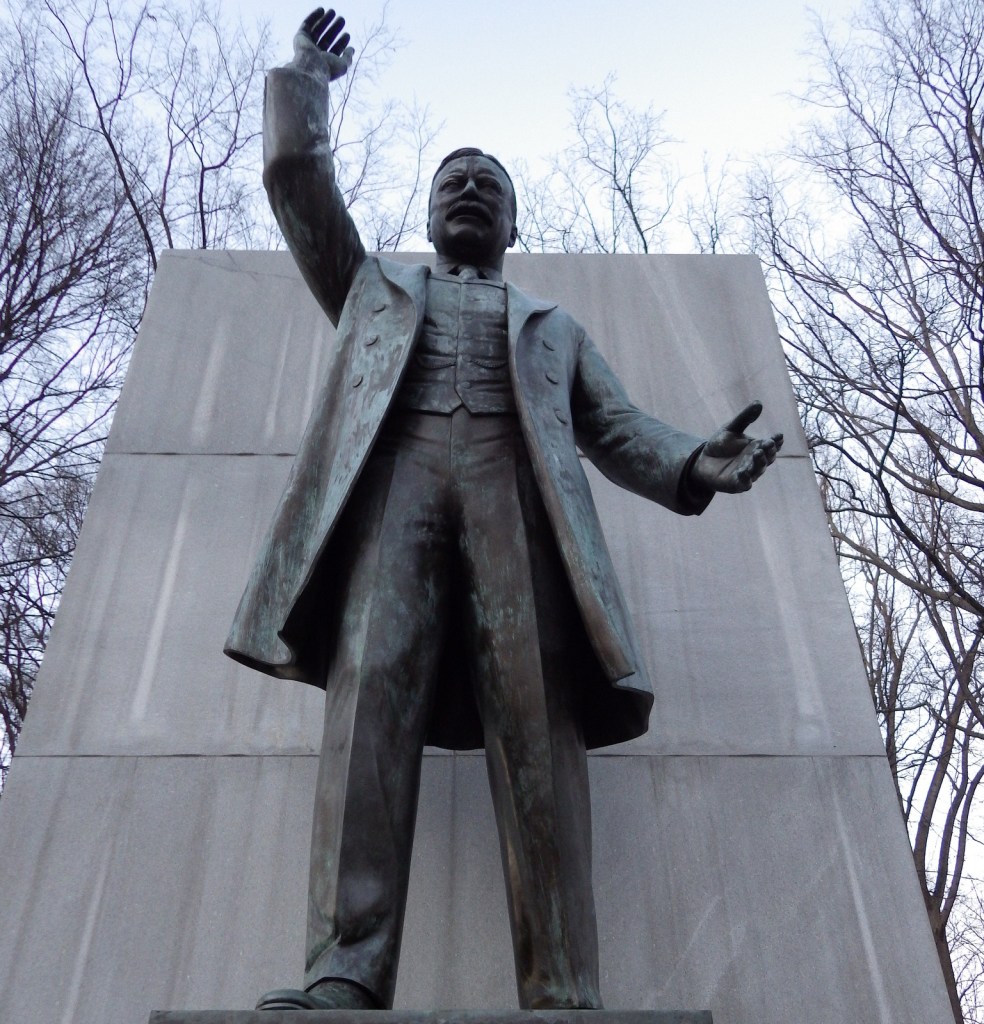
Fittingly, Theodore Roosevelt Island National Memorial is only accessible via a footbridge from the Virginia side of the Potomac River.  Dedicated in 1967, a 17-foot statue of the man is surrounded by several fountains and four monoliths carved with his words.  The foundation of a brick mansion owned by the Mason family in the 1800s can be seen from the trails on the island.

Best Trail

Teddy would surely appreciate that the island is situated along the Mount Vernon Trail, an 18-mile pathway that follows the western bank of the Potomac River.

Instagram-worthy Photo

Teddy Roosevelt was known as a flamboyant orator, which is even captured in his silent statue.  In 1912, he famously gave an 84-minute campaign speech after being shot in the chest by a would-be assassin.

Peak Season

Summer

Hours

https://www.nps.gov/this/planyourvisit/hours.htm

Fees

None

Road Conditions

The parking lot is only accessible from the northbound lanes of the George Washington Memorial Parkway, which is itself a unit of the National Park Service (NPS) system.

Camping

None

Related Sites

George Washington Memorial Parkway (Maryland-Virginia)

Franklin Delano Roosevelt Memorial (District of Columbia)

Rock Creek Park (District of Columbia)

Explore More – When did the Theodore Roosevelt Memorial Association purchase the island?

Paterson Great Falls National Historical Park

Overview

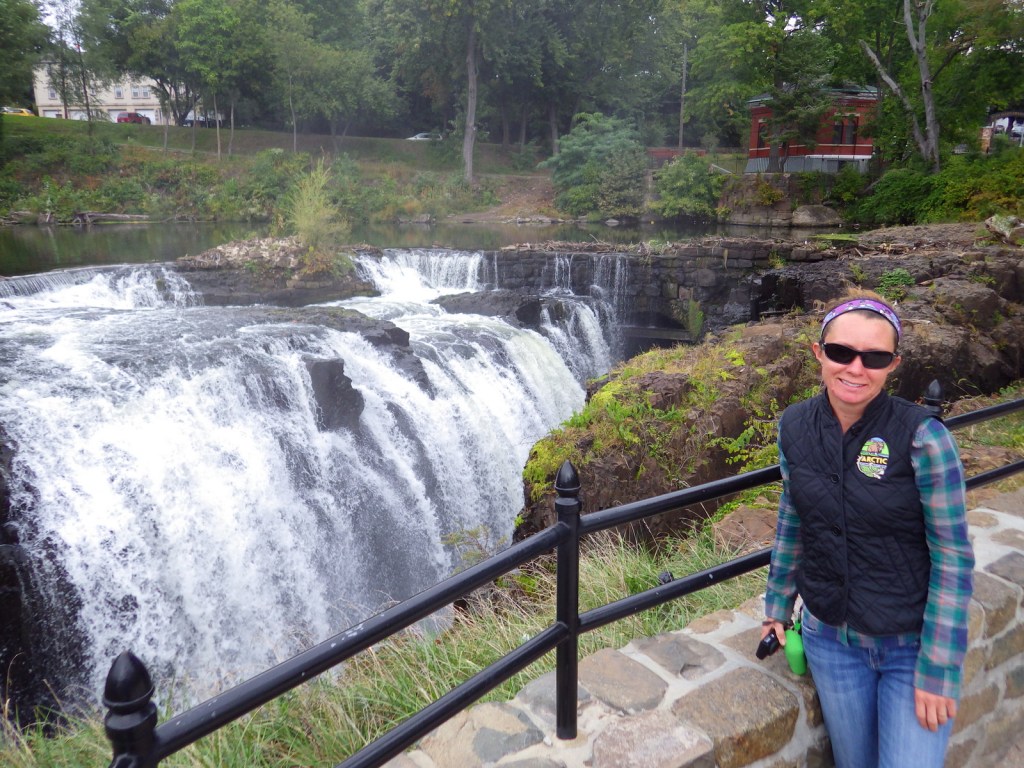
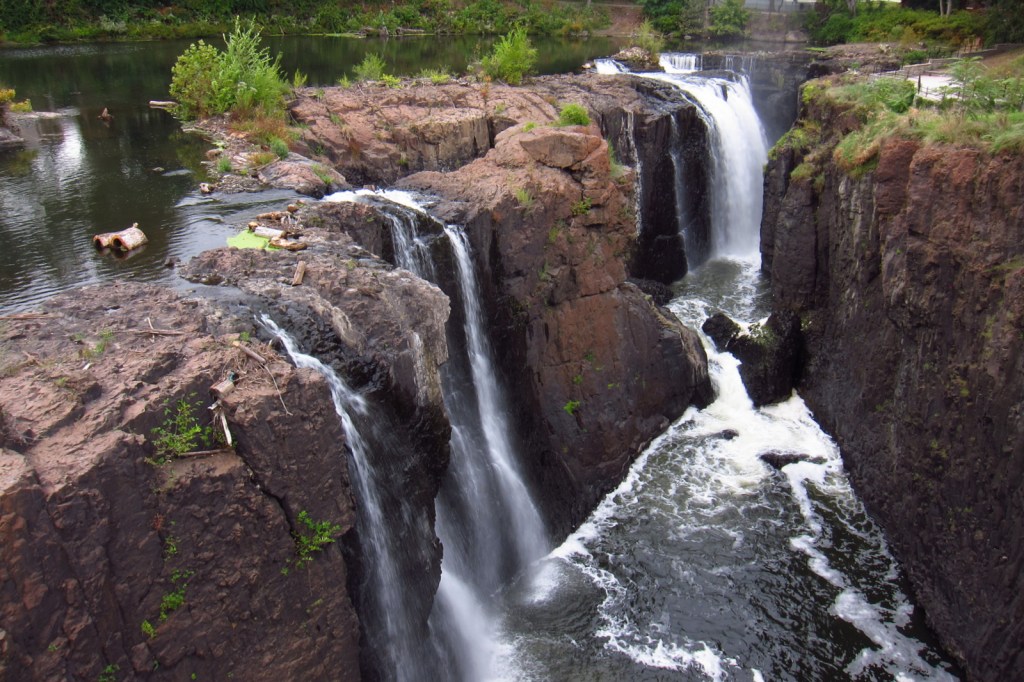
A flowing 77-foot waterfall in a narrow 300-foot wide gorge, Paterson Great Falls has long stood out as a natural wonder in New Jersey.  The entire Passaic River drops over this volcanic ridge, making it the second largest waterfall by volume east of the Mississippi River (Niagara Falls is first).  In 1792, the nation’s first Secretary of the Treasury, Alexander Hamilton, founded the City of Paterson to harness this hydropower for manufacturing.  Paterson Great Falls was named a National Natural Landmark in 1966 and a National Historical Park in 2011.

Highlights

Great Falls Historic District Cultural Center, Colt Gun Mill, Overlook Park, Mary Ellen Kramer Park

Must-Do Activity

Start your visit at the Great Falls Historic District Cultural Center, and, if you have time, explore the Paterson Museum (donation requested).  Carefully cross the street to Overlook Park for excellent view of the Great Falls Power Plant, then take the footbridges behind the hydroelectric plant to Mary Ellen Kramer Park for better photographic angles of the waterfall.  Guided tours by park rangers are offered in the summer months.

Best Trail

A walking tour of Paterson, New Jersey continues beyond Mary Ellen Kramer Park to Hinchcliffe Stadium where Negro League Baseball was once played.  On the other side of the Passaic River, follow the river’s raceways to the red-brick ruins of Allied Textile Printing and the Colt Gun Mill.

Instagram-worthy Photo

The Great Falls Power Plant opened in 1914 and still produces enough power to supply 11,000 households.  The “S.U.M. 1791” on the building’s exterior refers to Alexander Hamilton’s Society for Establishing Useful Manufactures.

Peak Season

Summer

Hours

https://www.nps.gov/pagr/planyourvisit/hours.htm

Fees

None

Road Conditions

All roads are paved and there is a free parking lot at Overlook Park.

Camping

None

Related Sites

Lowell National Historical Park (Massachusetts)

Thomas Edison National Historical Park (New Jersey)

Morristown National Historical Park (New Jersey)

Explore More – It cost $14.5-million to refurbish the Great Falls Power Plant in 1986; how much did it cost to build the entire thing in 1914?