Tag Archives: prairie

Black Kettle National Grassland

Black Kettle National Grassland

Oklahoma, Texas

Managed by U.S. Forest Service, Southern Region

33,113 acres (31,286 federal/ 1,827 other)

Website: https://www.fs.usda.gov/detail/cibola/home/?cid=stelprdb5397425

Overview

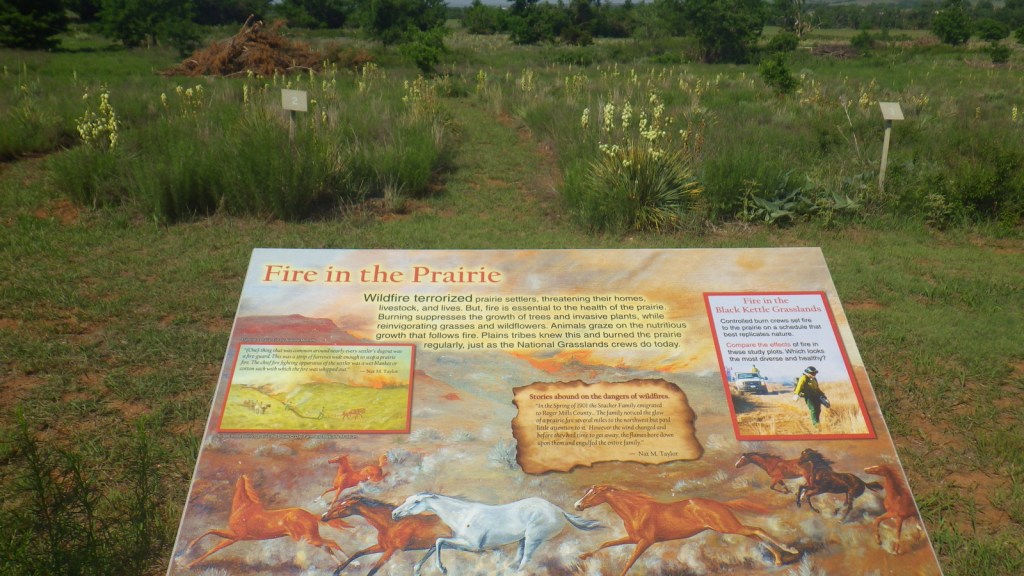
Like Cimarron National Grassland in Kansas, Black Kettle National Grassland was purchased by the federal government during the 1930s Dust Bowl.  This is one of the only National Grasslands with a visitor center, shared with the National Park Service (NPS) who manages Washita Battlefield National Historic Site at the site of an 1868 massacre that took the life of Chief Black Kettle of the Southern Cheyenne.  Even though the downstairs U.S. Forest Service office was closed on our Saturday visit, the NPS ranger at the desk provided a map and information on the National Grassland.  We also walked the paved interpretive trail at the visitor center that explained homesteading, prescribed burning, and preserving the rare shinnery oak species. 

Highlights

Black Kettle Recreation Area, Lake Marvin, Spring Creek Lake, Croton Creek Watchable Wildlife Area, Skipout Lake, Cheyenne Nature Walk

Must-Do Activity

Recreation here surrounds four reservoirs, including a tiny parcel around 63-acre Lake Marvin in Texas.  In Oklahoma, there are 60-acre Skipout Lake, 50-acre Spring Creek Lake, and 80-acre Dead Warrior Lake.  Fishing, picnicking, and free primitive camping are allowed at all four reservoirs, with a 1.75-mile trail circling Skipout Lake and wooded trails south of Dead Warrior Lake in Black Kettle Recreation Area. 

Best Trail

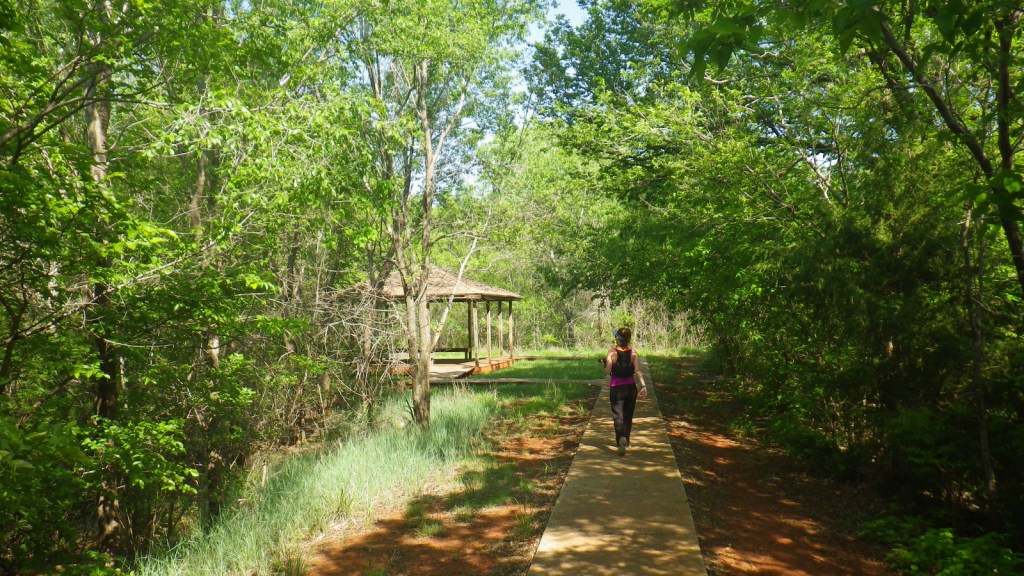
Unlike some other National Grasslands, there are multiple marked and maintained trails here, including two loops totaling 1.6 miles at Croton Creek Watchable Wildlife Area (south of Highway 47) lined by small signs describing native grasses, trees, and birds.  A slightly hidden trail is shown on the Forest Service app in the town of Cheyenne where a sidewalk heads into the woods leaving from the parking lot at the high school baseball field.  The Cheyenne Nature Walk is paved and has a gazebo and boardwalk crossing a wetland area that was dry during our May visit.

Watchable Wildlife

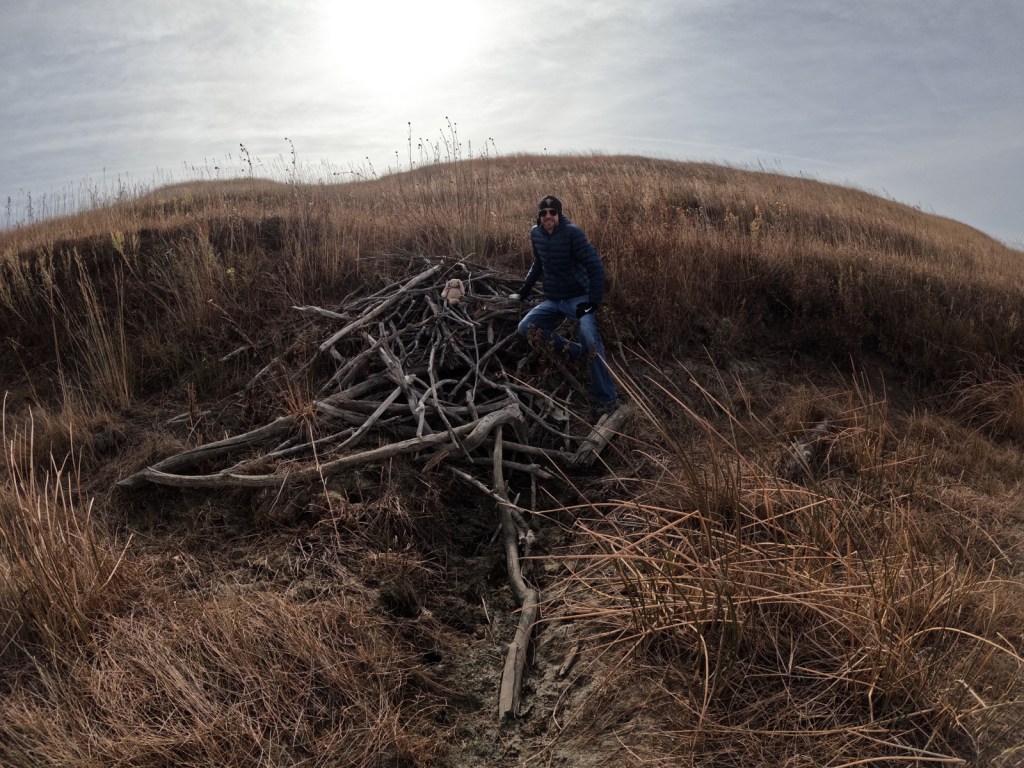
Three unique bird species we spotted during our May visit were Mississippi kites, northern bobwhite quail, and scissor-tailed flycatchers.  In addition, we saw cardinals and woodpeckers, and heard whippoorwills, barn owls, and barred owls overnight.  Wild turkeys, cedar waxwings, and lesser prairie chickens are also among the 277 bird species identified.  Tracks of white-tailed deer and raccoons were abundant on the Croton Creek Trail, plus there are bobcats, mountain lions, and beavers in the area.  Fishermen can catch black bass, saugeye, catfish, and other types of pan fish. 

Instagram-worthy Photo

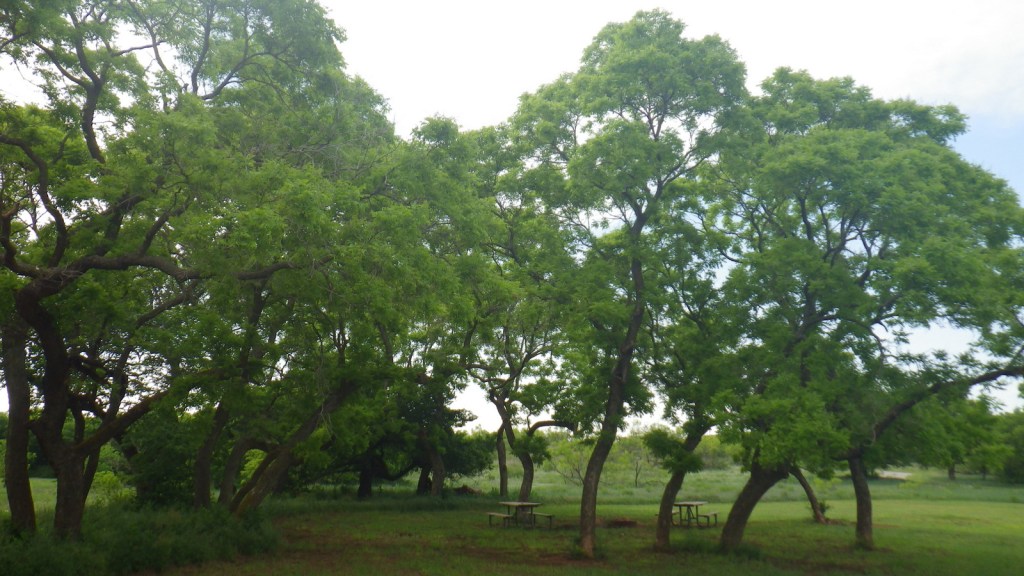
This area is more heavily wooded than some other prairie National Grasslands, which can be experienced on the Croton Creek Trail and Cheyenne Nature Walk (watch for poison-ivy).

Peak Season

Spring and fall

Fees

None

Road Conditions

Highways 283, 33, and 47 are paved roads that run through the National Grassland, and despite abundant spring rainstorms, we did not have any difficulty with the unpaved roads.

Camping

All four lakes offer free primitive campsites with some picnic tables, as does Croton Creek Watchable Wildlife Area where we stayed only six miles west of Cheyenne.  RV campsites with hookups at Lake Marvin cost $20 a night.

Related Sites

Washita Battlefield National Historic Site (Oklahoma)

Alibates Flint Quarries National Monument (Texas)

Cimarron National Grassland (Kansas)

Nearest National Park

Great Sand Dunes

Explore More – The South Canadian River flows north of Black Kettle National Grassland, but what is the river that runs through the middle of it?

Cimarron National Grassland

Cimarron National Grassland

Kansas

Managed by U.S. Forest Service, Rocky Mountain Region

116,319 acres (108,176 federal/ 8,143 other)

Website: https://www.fs.usda.gov/psicc

Overview

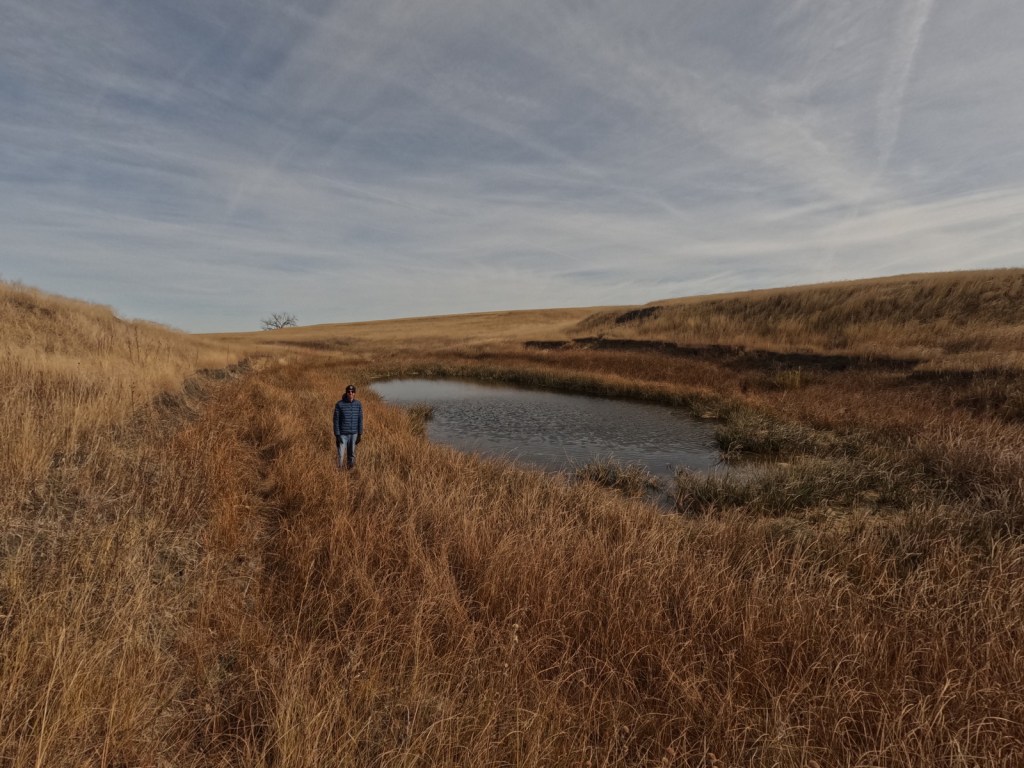
Following the devastating “Dust Bowl,” several Congressional Acts in the 1930s allowed the federal government to purchase and restore damaged agricultural lands in the Great Plains.  Most of the 20 National Grasslands have their origin in these times, which is why they are often a patchwork of federal and private ownership.  Cimarron National Grassland is no exception, although its fairly contiguous swath of government land in the southwest corner of Kansas represents the largest parcel of public land in the entire state.  Today recreation is one of the multiple uses of this landscape, that also includes cattle grazing and oil/gas drilling.  There are 200 stock ponds here (a few stocked with gamefish), plus the Cimarron River, which even when appearing dry often flows a foot below the surface.  Cimarron is a Spanish word for a feral horse, like an American mustang.

Highlights

Point of Rocks, Cimarron Overlook, Middle Spring, Cottonwood Picnic Area, Cimarron Recreation Area, Turkey Trail, Companion Trail, Santa Fe National Historic Trail

Must-Do Activity

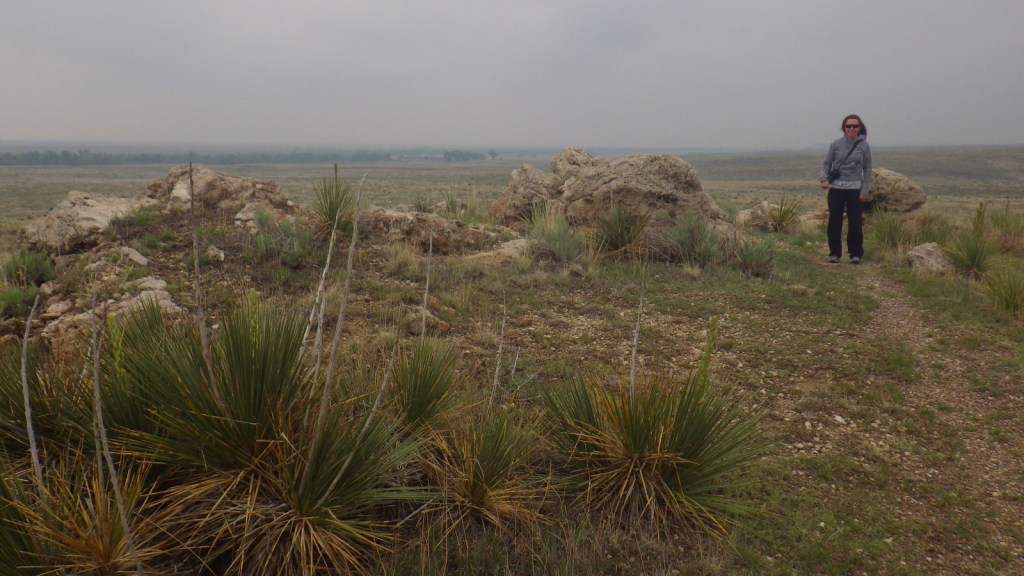
Point of Rocks is the third-highest point in Kansas and was a major landmark on the Cimarron Route of the Santa Fe National Historic Trail that later became a permanent settlement.  There are no buildings left here, but the parking lot offers interpretive signs and a great view across the Cimarron River.  A steep trail from the top accesses the Companion Trail that parallels the Santa Fe National Historic Trail for 19 miles through the National Grassland.  A mile back towards Highway 27, Middle Spring is on the National Register of Historic Places as one of only three reliable water sources along the Cimarron Route. 

Best Trail

The Turkey Trail is open to OHVs and connects 10.5 miles from Cottonwood Picnic Area to Cimarron Recreation Area, where the Cimarron River Trail continues east for another ten miles or so.

Watchable Wildlife

Cimarron National Grassland is one of the best places in Kansas for birdwatching with more than 360 species identified.  There are two lesser prairie-chicken leks with permanent blinds set up for watching spring mating rituals.  During our short visit we spotted ravens, turkey vultures, shrikes, redwing blackbirds, mourning doves, meadowlarks, red-headed woodpeckers, barn swallows, kingbirds, Bullock’s orioles, canvasbacks, and some variety of hawk.  Based on the signs there are also mountain plovers and burrowing owls, which inhabit the burrows of prairie dogs and can imitate the sound of a prairie rattlesnake.  When we arrived at the smoke-obscured overlook for Point of Rocks we startled a group of four mule deer, and we also read that elk were reintroduced here at one point.

Instagram-worthy Photo

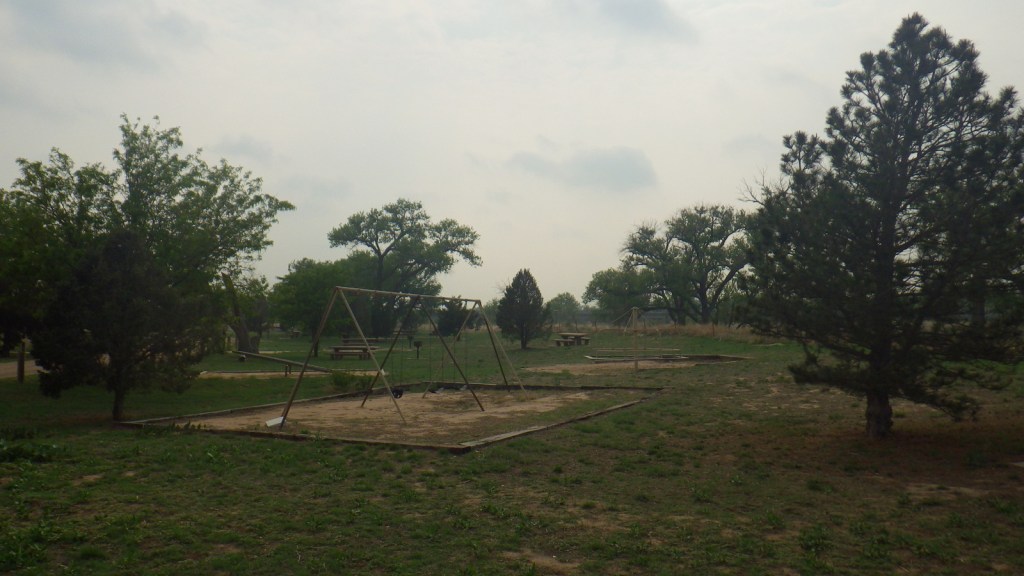
Cottonwood Picnic Area is fenced off from river access, but it has picnic tables and a playground with old-school equipment like teeter-totters.  There is also a fun table with metal seats from old tractors and two old tractors unearthed in 2003 after being buried to stabilize the river bank following floods in the 1930s.

Peak Season

Spring

Fees

None

Road Conditions

Paved Highway 27 cuts north-south through the National Grassland bisecting the unpaved Sea of Grass Auto Tour, which we found to be in good shape at least for the three miles to Point of Rocks.

Camping

Cimarron Recreation Area offers 14 campsites, fishing ponds, and a corral for horses, plus dispersed camping is allowed in most of the National Grassland.

Related Sites

Tallgrass Prairie National Preserve (Kansas)

Fort Larned National Historic Site (Kansas)

Nicodemus National Historic Site (Kansas)

Nearest National Park

Great Sand Dunes

Explore More – Passed in 1937, what Congressional Act requires 25% of revenue generated by the National Grasslands to be returned to the county for schools and roads?

Bienville National Forest

Bienville National Forest

Mississippi

Managed by U.S. Forest Service, Southern Region

382,821 acres (178,541 federal/ 204,280 other)

Website: https://www.fs.usda.gov/mississippi

Overview

Managed collectively with Mississippi’s five other National Forests, Bienville is centered around the town of Forest, which has numerous rooster statues.  The ranger station is located just south of Interstate 20 and has an interpretive trail that passes a pond on a half-mile loop.  Just north of the freeway, there is Harrell Prairie Hill National Natural Landmark and 189 acres of old-growth forest protected in Bienville Pines Scenic Area (which we could not locate any signs nor trailheads to access).

Highlights

Harrell Prairie Hill National Natural Landmark, Marathon Lake Recreation Area, Coursey Lookout Tower, Shongelo Lake Recreation Area, Shockaloe Horse Trail

Must-Do Activity

Marathon Lake is 50 acres in size and got its name from Marathon Lumber Company, which closed in 1929.  The lake was built in the 1950s for recreation in the former logging camp.  Bienville National Forest also has the upper courses of the Leaf and Strong Rivers and several other lakes, including five-acre Shongelo Lake (with a swimming area and hiking trail open May to September), 67-acre Beaver Lake (open year round), and 33-acre Greentree Reservoir (open year round).

Best Trail

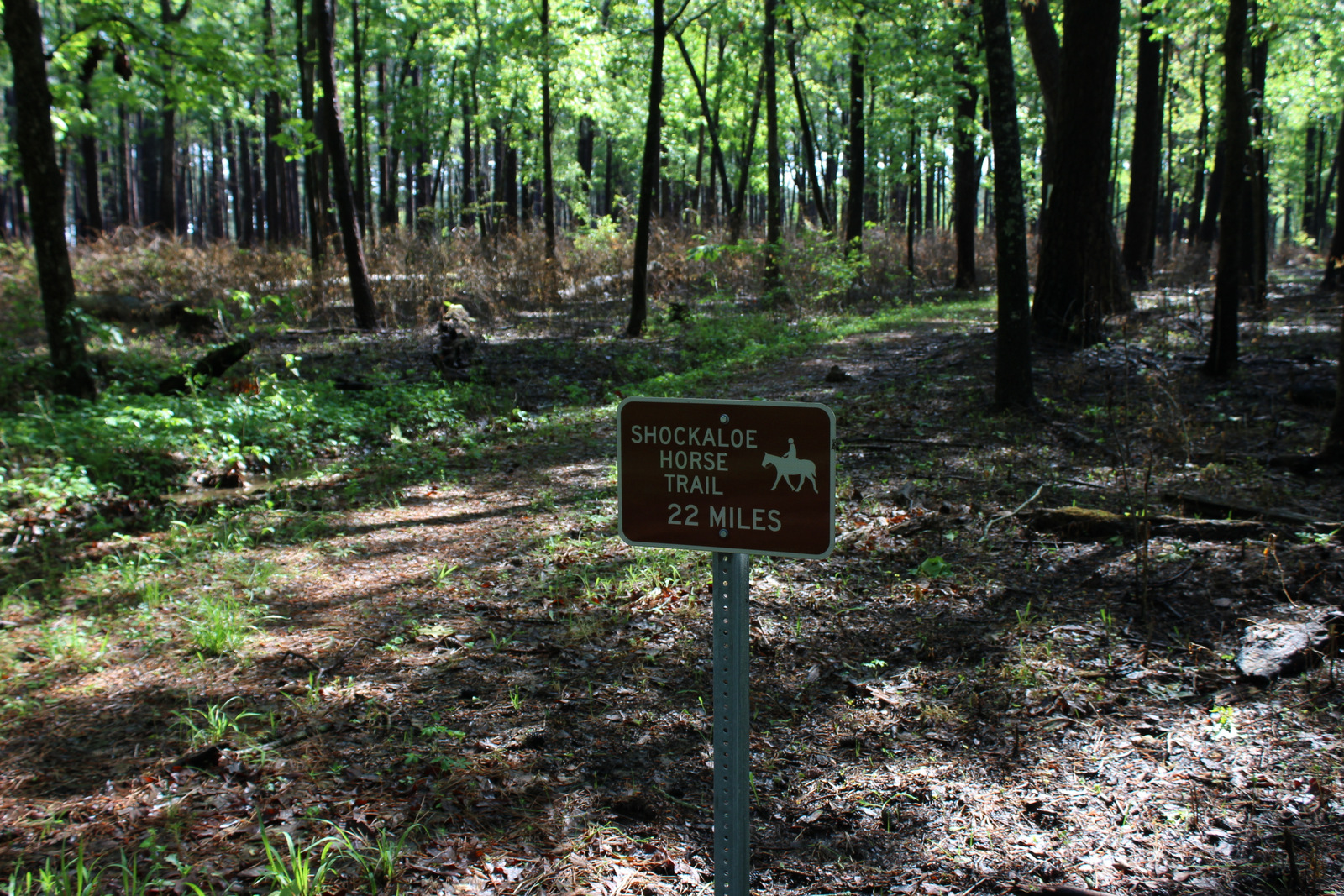
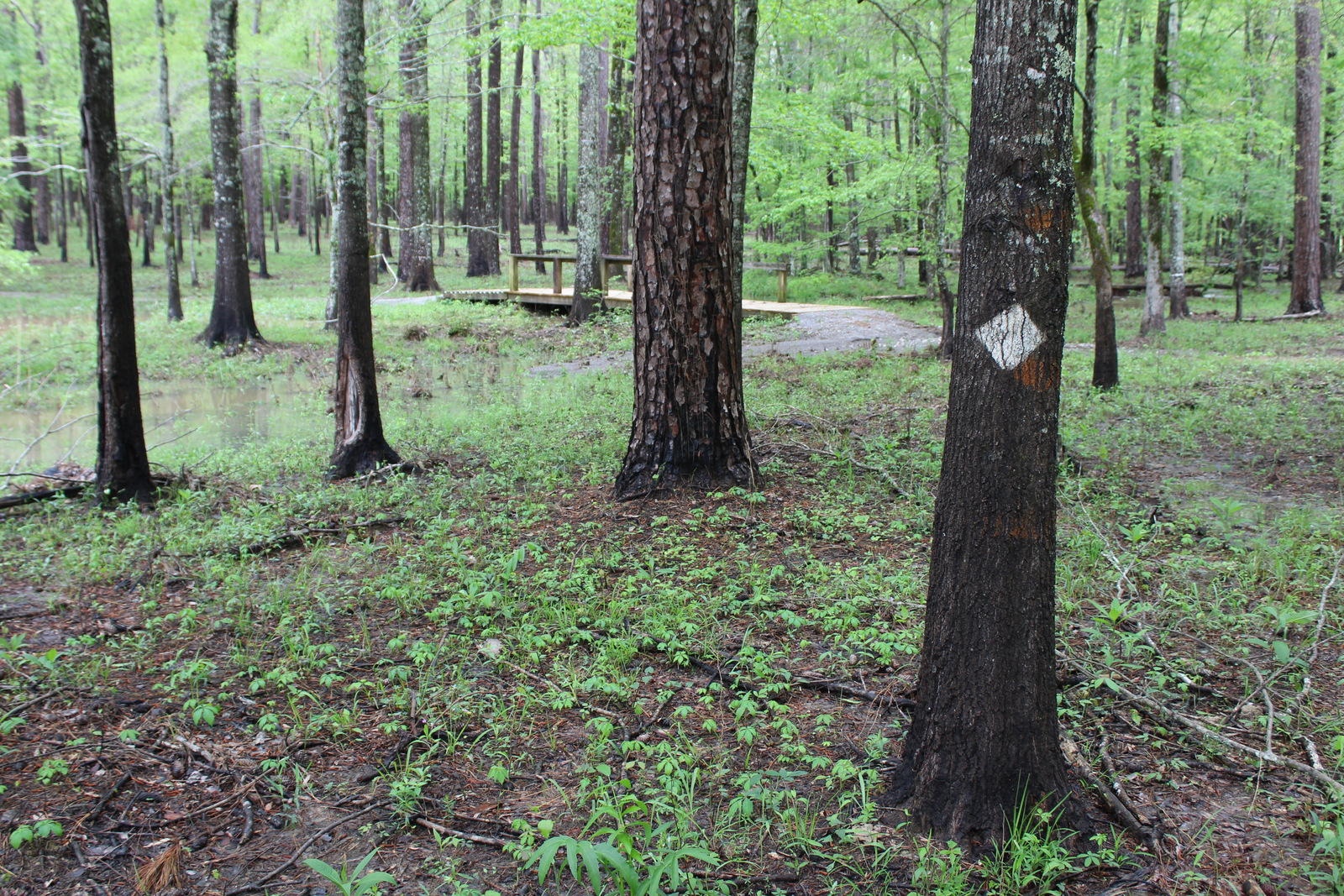
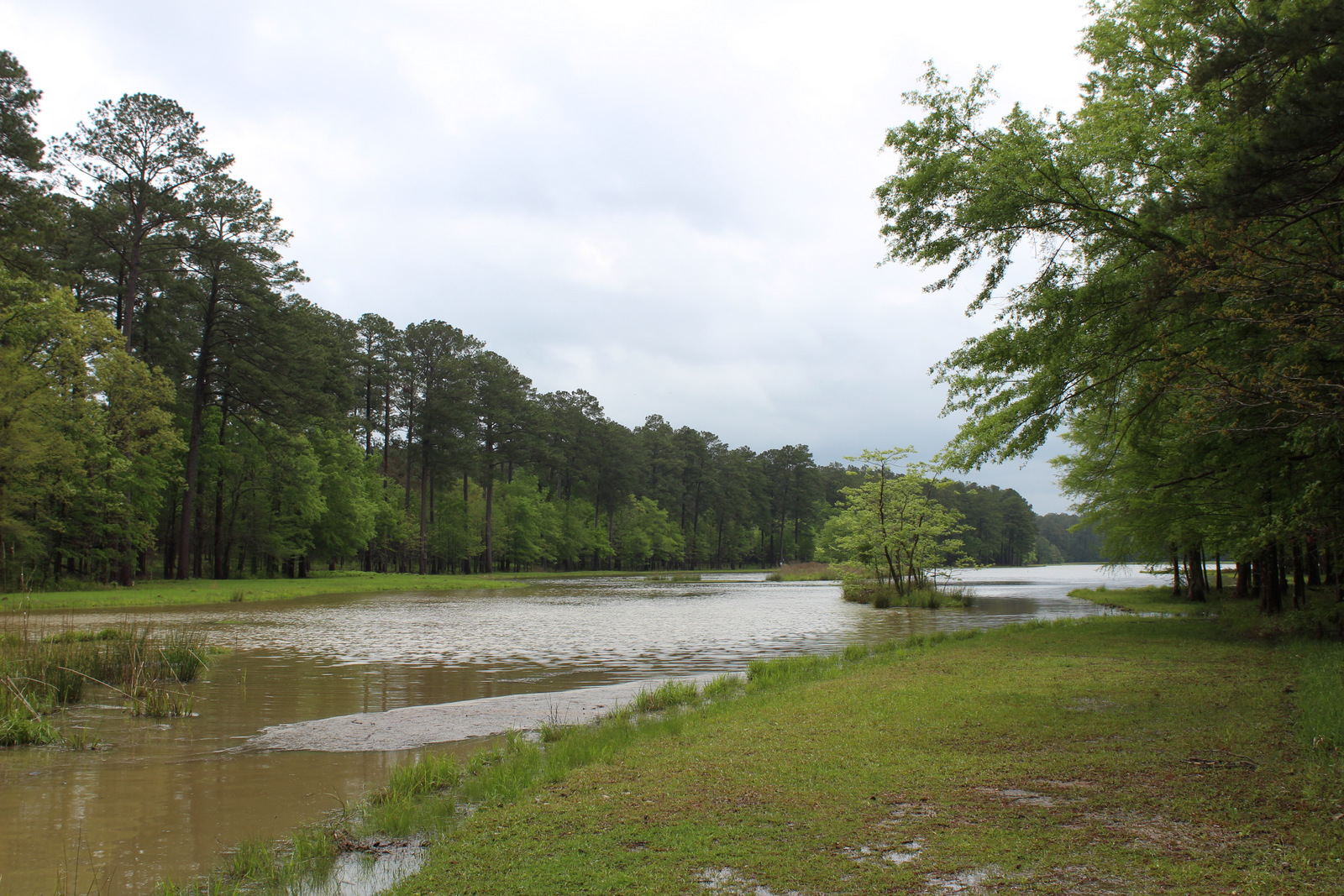
Despite the lake being at flood levels that submerged many parts of the trail, we circumnavigated Marathon Lake in about 1.7 miles and didn’t get our feet wet.  The 22-mile long Shockaloe Horse Trail was too muddy for us to hike in April.

Watchable Wildlife

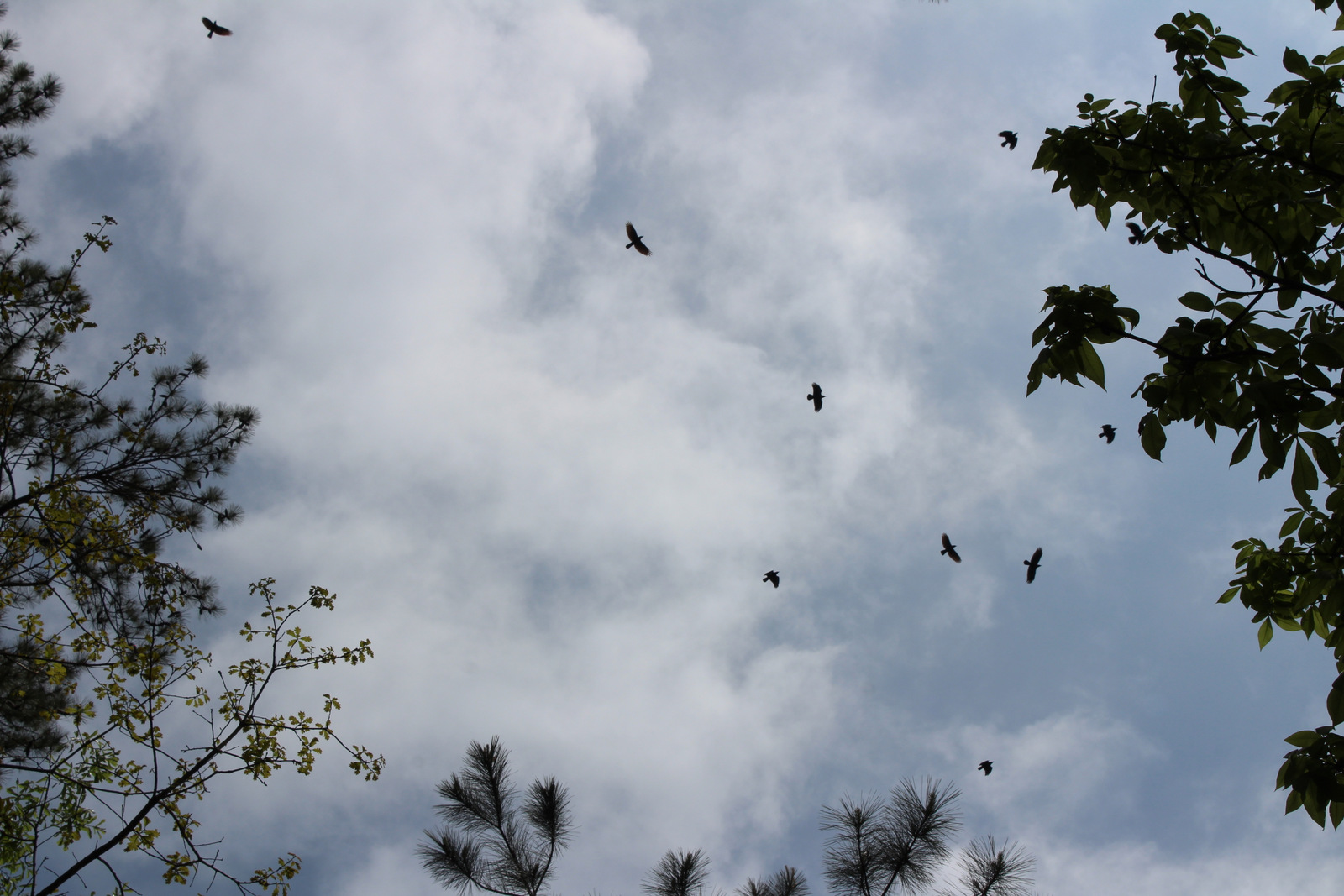
The National Forest’s lakes have largemouth bass, bream, catfish, and crappie that attract fishermen.  At Marathon Lake we saw several great egrets, little blue herons, and a very noisy murder of crows.  Endangered red-cockaded woodpeckers nest in large pines trees (at least 60 years old), especially longleaf pines.  Gray rat snakes can climb trees, so red-cockaded woodpeckers drill small holes around their nesting cavity because fresh pine resin causes the snakes to turn around or slip off the tree.  There are three Wildlife Management Areas within Beinville National Forest that provide hunting opportunities for white-tailed deer, wild turkey, and invasive wild pigs.

Instagram-worthy Photo

Harrell Prairie is the largest and least disturbed alkaline prairie in the state and is burned about every three years to maintain native vegetation.  It is located down Forest Road 518 in Caney Creek Wildlife Management Area, which is closed May 2 to September 14, perhaps to protect wildflowers.

Peak Season

Spring and fall

Fees

There is a $5 day-use fee at Shongalo Lake and Marathon Lake, but no day-use fee at the Shockaloe Trailhead or Greentree Reservoir.

Road Conditions

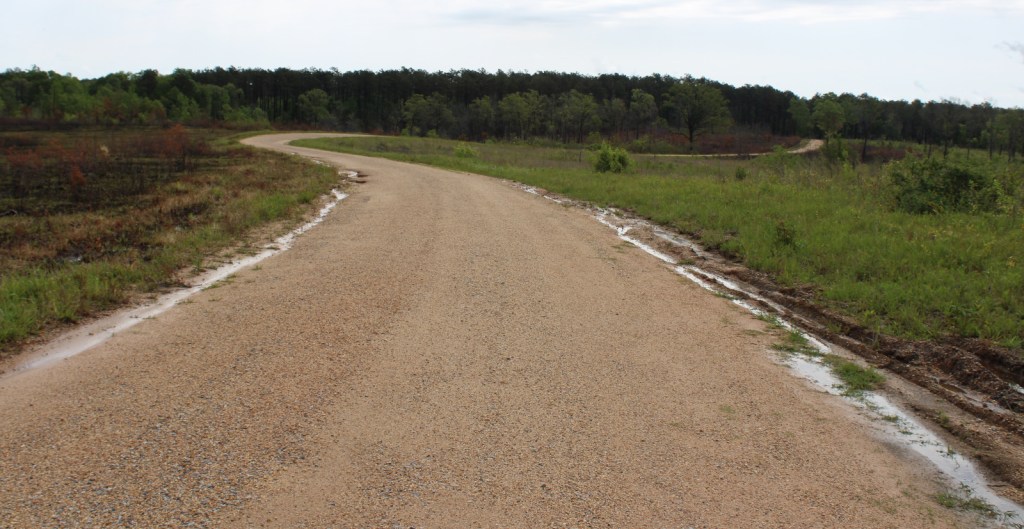
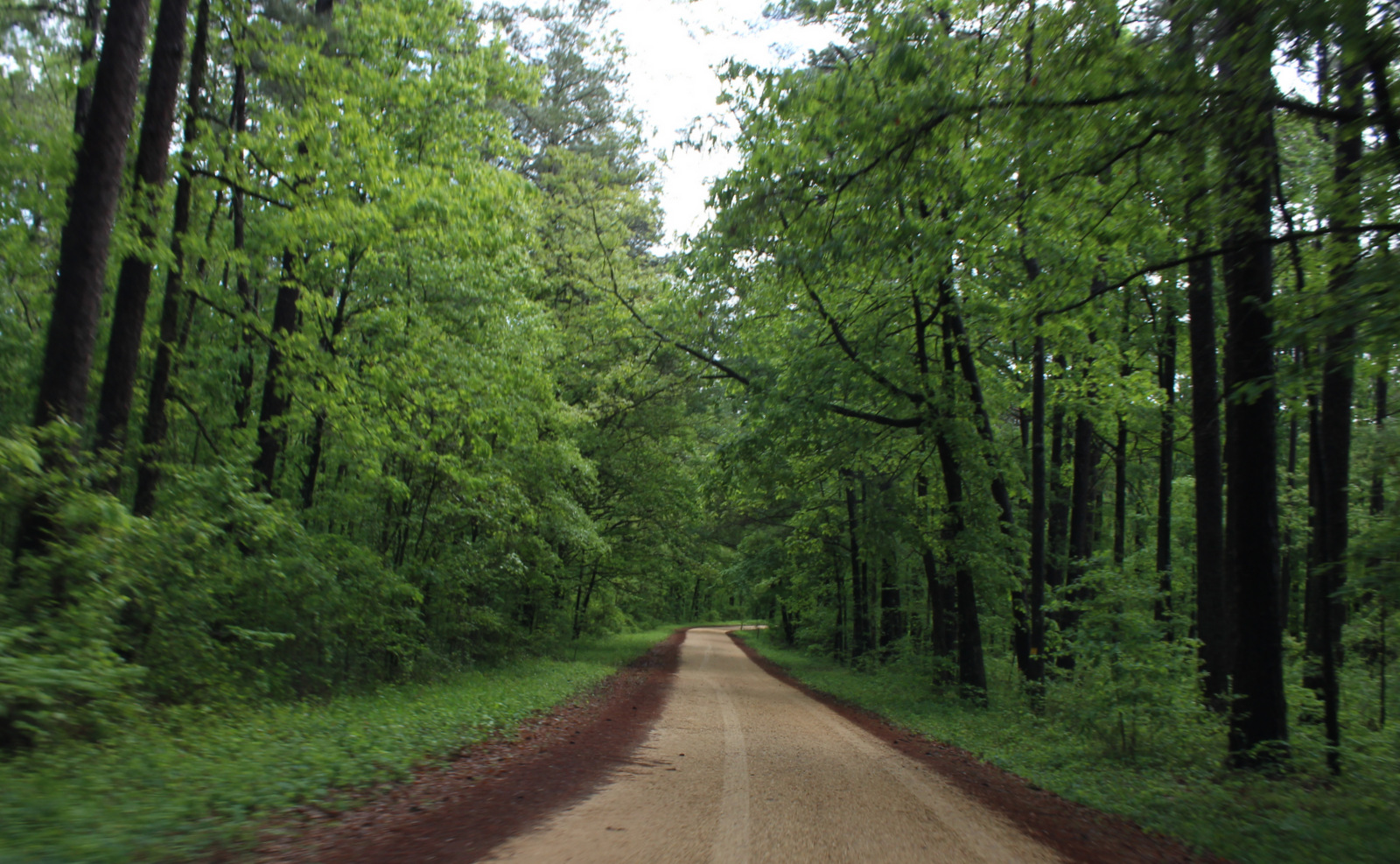
The dirt roads were in good condition in April, even when the trails were flooded and muddy.

Camping

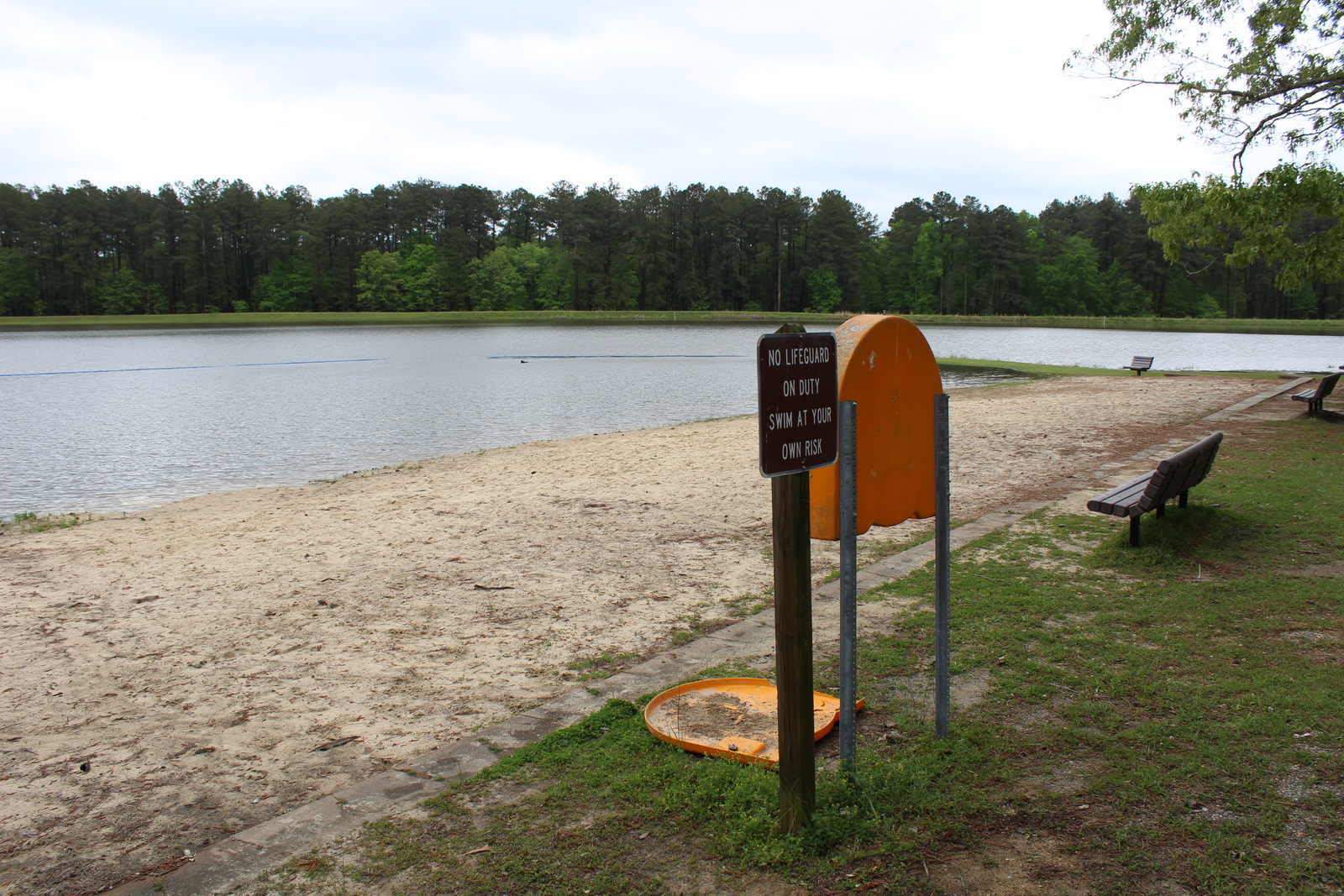
Marathon Lake has 34 campsites ($20 per night with water and electric hook-ups), a boat ramp, a swimming area, and two bath houses with warm showers.  Camping is only $7 per night at Shockaloe Base Camp I, but no camping is allowed at Base Camp II.

Wilderness Areas

None

Related Sites

Natchez Trace National Scenic Trail (Mississippi-Alabama-Tennessee)

Medgar and Myrlie Evers Home National Monument (Mississippi)

Tupelo National Battlefield (Mississippi)

Nearest National Park

Hot Springs (Arkansas)

Conifer Tree Species

baldcypress, loblolly pine, longleaf pine, shortleaf pine

Flowering Tree Species

white oak, southern red oak, willow oak, overcup oak, blackjack oak, laurel oak, shagbark hickory, winged elm, black gum, tupelo gum, sweetgum, red maple, flowering dogwood, tulip-poplar, sweet bay, southern magnolia, black cherry, loblolly bay, Amerian holly, yaupon holly, dahoon holly, black titi, azalea

Explore More – Bienville National Forest is named after whom?

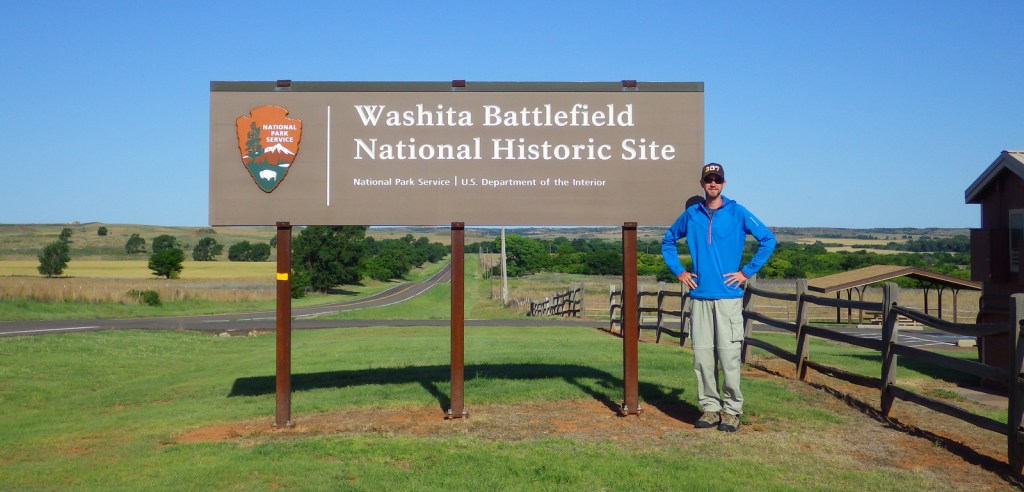
Washita Battlefield National Historic Site

Overview

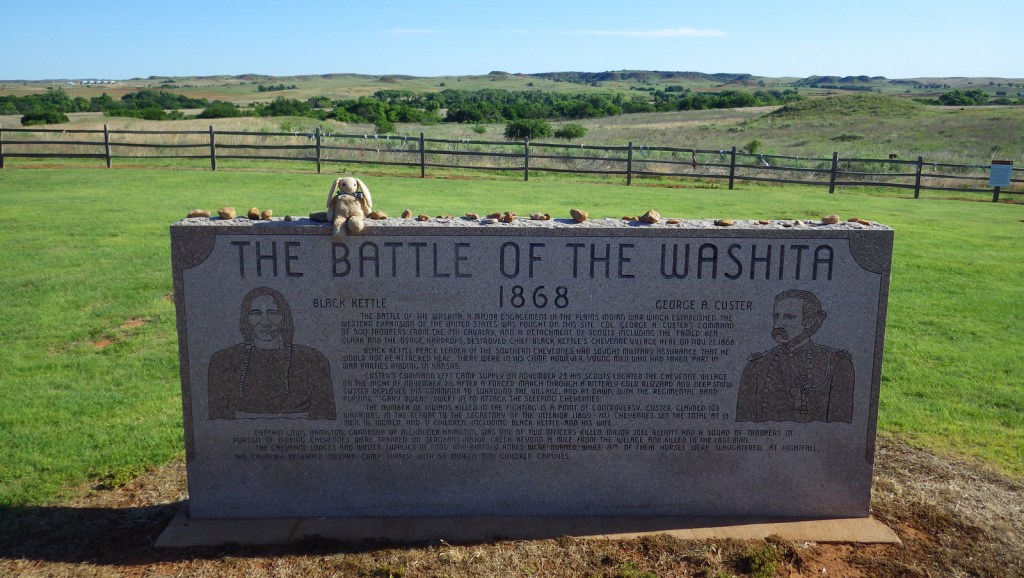
Many retaliatory acts occurred in the aftermath of the 1864 Sand Creek Massacre in Colorado, leading the U.S. Army to launch a campaign against the Cheyenne, Arapaho, and Kiowa following the signing of several peace treaties.  In November 1868, after unsuccessfully seeking protection at Fort Cobb, Cheyenne Chief Black Kettle and Arapaho Chief Big Mouth returned to their winter villages in the Washita River Valley.  The very next day a surprise attack was launched by Lieutenant Colonel George Custer, capturing 53 and killing thirty to sixty Cheyennes, including Black Kettle and his wife.  Under Major General Philip Sheridan’s policy of “total war,” approximately 800 horses were then slaughtered and the village burned. 

Highlights

Museum, film, interpretive trail

Must-Do Activity

The events that took place the morning of November 27, 1868 in western Oklahoma have been described either as a battle or a massacre.  A small National Park Service (NPS) visitor center with exhibits on the events is shared with the U.S. Forest Service’s Black Kettle National Grassland.  Located just down the road on Highway 47 is a self-guided walking tour of the prairie battlefield. 

Best Trail

The 1.4-mile hiking trail through the battlefield leaves from an overlook of the historic site down to the Washita River where trees grow.

Instagram-worthy Photo

The vegetation is typical of Oklahoma prairie with grasses, yucca, and Indian blanket (in bloom in late May).

Peak Season

Summer

Hours

https://www.nps.gov/waba/planyourvisit/hours.htm

Fees

None

Road Conditions

All roads paved

Camping

There are private campgrounds in Cheyenne, Oklahoma, or you can head 25 miles southeast to Foss State Park.

Related Sites

Black Kettle National Grassland (Oklahoma-Texas)

Sand Creek Massacre National Historic Site (Colorado)

Little Bighorn Battlefield National Monument (Montana)

Chickasaw National Recreation Area (Oklahoma)

Explore More – When was this National Historic Site authorized by Congress?

Homestead National Historical Park

Overview

In the midst of the Civil War, a Republican-dominated legislature passed the Homestead Act of 1862, which allowed citizens to stake a claim to 160 acres of unappropriated government land.  Until its repeal in 1976, over 270-million acres across 30 states were transferred from public land to private ownership under this law.  Potential landowners had to apply and pay a fee then “prove up” their claim by farming at least 10 acres and building a home within five years.  Nebraska’s Homestead National Monument of America was authorized in 1936 to remember this era of settlement and renamed in 2021.

Highlights

Heritage Center, film, Palmer-Epard cabin, Freeman School, restored tallgrass prairie

Must-Do Activity

Since 1939, half of this 200-acre piece of land has been managed to resemble the tallgrass prairie that existed here when the Freeman family claimed this T-shaped homestead on January 1, 1863.  It was one of the first farms started after passage of the Homestead Act by Congress.  Inside the Heritage Center, there are many unique exhibits that tell the story of settlement across the western United States of America (plus Florida).  Do not forget to stop by the Education Center and one-room Freeman Schoolhouse that was used from 1872 to 1967.

Best Trail

At the park, 2.5 miles of walking trails connect the museums at the Heritage Center and the Education Center, passing by hedgerows of Osage-orange trees. 

Instagram-worthy Photo

The Heritage Center’s roofline is designed to resemble a single-bottom plow stands and it sits at the edge of a restored tallgrass prairie ecosystem.  Similar to Fort Scott National Historic Site and Tallgrass Prairie National Preserve in Kansas, prescribed fire is used here to promote the growth of native plants.

Peak Season

Summer

Hours

https://www.nps.gov/home/planyourvisit/hours.htm

Fees

None

Road Conditions

All roads paved except a short section to access the parking lot for the Freeman School.  The parking lot at the Heritage Center is exactly one acre in size to help visitors visualize the 10 acres required to farm for “proving up” a homestead.

Camping

Four miles east of the park, Beatrice, Nebraska has two city parks with campgrounds.

Related Sites

Tallgrass Prairie National Preserve (Kansas)

Scotts Bluff National Monument (Nebraska)

Hubbell Trading Post National Historic Site (Arizona)

Explore More – Which First Amendment right was first challenged in court because of its use in teaching at the one-room Freeman School?

We are a participant in the Amazon Services LLC Associates Program, an affiliate advertising program designed to provide a means for us to earn fees by linking to Amazon.com and affiliated sites.