Tag Archives: National Park

Montana Road Trip Itinerary

93,149,312 acres

Statehood 1889 (41st)

Capital: Helena

Population: 1,084,225 (43rd)

High Point: Granite Peak (12,807 feet)

Best time of year: Summer

After we published our guidebook 50 States of Great: Road Trip Guide to America in 2023, we decided to start a new type of blog post where we create a travel itinerary for all 50 states, in addition to our usual public land entries.  After starting with Kansas, Georgia, Idaho, Rhode Island, Minnesota, Hawai’i, Arizona, Louisiana, South Dakota, and Indiana, we decided to head back west to Montana.  There are so many great trails in the state’s National Forests that we had a difficult time narrowing it down.  We made an ambitious seven-day plan starting in southeast Montana on Interstate 90, with enough options to easily extend the trip into three weeks or more.

Day 1

Little Bighorn Battlefield National Monument (click here for our blog post)

The best time to visit the National Monument is around June 25, the anniversary of Custer’s Last Stand when a reenactment of the battle is held on private land bordering the National Park Service site.

Makoshika State Park

It is illegal to remove dinosaur fossils from these badlands, but there are many on display at the visitor center, in addition to nearby museums (plus reservations can be made to dig on private land).  The few campsites are in high demand to spend the night in these colorful canyons where caprocks rise high above juniper trees. 

Optional stop at Pompeys Pillar National Monument

A sandstone monolith on the Yellowstone River has been a place for humans to record their passing for 11,000 years.  The most famous inscription was left by Captain William Clark on July 25, 1806, the sole on-site evidence of the Corps of Discovery’s three-year journey.

Optional stop at Bighorn Canyon National Recreation Area (click here for our blog post)

This underappreciated gem in the National Park Service system features gorgeous scenery and abundant wildlife, including bighorn sheep and wild horses.  The highlight is across the state line in Wyoming where Devil Canyon Overlook sits atop cliffs that drop over 1,000 feet straight down to the level of the narrow reservoir. 

Day 2

Gallatin National Forest (click here for our blog post)

Gallatin Petrified Forest is only accessible by trail, either from a short two-mile one-way jaunt or by backpacking the 27-mile Gallatin Divide-Devils Backbone Trail.  Earthquake Lake Geologic Area stretches along Highway 287 to commemorate the events that occurred around midnight on August 17, 1959, when a deadly magnitude 7.5 earthquake hit West Yellowstone.

Custer National Forest (click here for our blog post)

Some of the National Forest’s miles of hiking trails access the Crazy Mountains and Hellroaring Plateau.  The two-mile Glacier Lake Trail steadily climbs 1,100 feet then drops into a bowl containing a stunning reservoir that straddles the Wyoming-Montana border.

Optional drive on Beartooth All-American Road

Custer National Forest is famous for its stretch of Highway 212 that climbs from the prairie around the town of Red Lodge up to 10,947 feet at Beartooth Pass across the Wyoming border in Shoshone National Forest.  The road follows the southern border of the giant 943,626-acre Absaroka-Beartooth Wilderness, which contains the highest point in Montana.

Optional stop at Yellowstone National Park (click here for our blog post)

Located mostly in Wyoming and partly in Montana and Idaho, you could easily spend an entire summer in the world’s first National Park and not see all the thermal features, lakes, waterfalls, wildlife, and hiking trails.

Day 3

Lewis & Clark Caverns State Park

Once a U.S. National Monument, the state now runs a campground here and offers guided tours through a limestone show cave where bats live in the summer.

Beaverhead National Forest (click here for our blog post)

The free Potosi Campground is situated near the trailhead for Upper Potosi Hot Springs where a 0.8-mile trail leads past the uphill side of a clear 100°F pool with room for about six adults.

Optional stop at Chico Hot Springs

If you leave Yellowstone National Park north through Gardiner on Highway 89, consider stopping at this developed hot springs (fee) that offers live music poolside on some nights (especially if the park’s Boiling River was closed).  In business since 1897, even Teddy Roosevelt stopped to rest here.

Day 4

Bannack State Park

East of Lemhi Pass on the Idaho border (which is also the Continental Divide National Scenic Trail through there), Bannack State Park preserves more than 50 buildings from a gold rush town that was the territorial capital in 1864. 

Big Hole National Battlefield (click here for our blog post)

The site of a surprise attack by the U.S. Army on the morning of August 9, 1877, where Nez Perce warriors forced the troops to retreat, capturing a Howitzer cannon and allowing women and children to escape toward the newly created Yellowstone National Park.  Part of the widespread Nez Perce National Historical Park, a small visitor center here overlooks the battlefield and a paved road accesses trails through it.

Bitterroot National Forest (click here for our blog post)

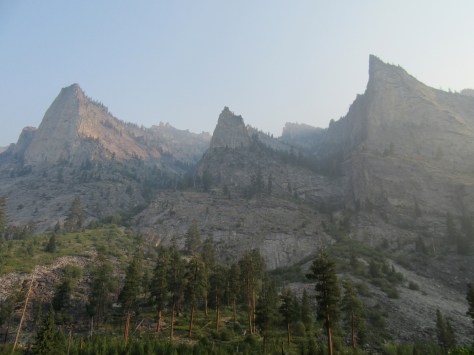
Blodgett Creek Trail leads 12.6 miles one-way to Blodgett Lake, but you do not have to go that far to appreciate its incredible beauty. 

Optional stop at Elkhorn Hot Springs

In the Pioneer Mountains, about ten miles north of Highway 278 is the privately owned Elkhorn Hot Springs (fee), a great place to relax after hiking.  There is free dispersed camping to the north in Beaverhead National Forest.

Day 5

Travelers’ Rest State Park

Follow in the footsteps of the Lewis and Clark expedition by driving the Lolo Trail (Highway 12), soaking at Lolo Hot Springs, or walking around Travelers’ Rest State Park (still a great place to camp). 

Missoula

Do as the University of Montana students do and float tubes down the Clark Fork River through town.  In the summer, look for webcam-famous Iris the Osprey in the parking lot near the football stadium.  The Historical Museum at Fort Missoula preserves buildings dating back to 1877, including an Alien Detention Center used during World War II.

Lolo National Forest (click here for our blog post)

Outside Missoula, there are many trails in Rattlesnake National Recreation Area and Blue Mountain Recreation Area, plus the Aerial Fire Depot and Smokejumper Center, Ninemile Historic Remount Depot, and Savenac Historic Tree Nursery Area.

Optional stop at Grant-Kohrs Ranch National Historic Site (click here for our blog post)

This working ranch commemorates the nineteenth-century lifestyle of cattle barons and cowboys.  Free guided tours are offered inside the large ranch house, and a self-guided walking tour enters 15 buildings with displays on the history of barbwire, branding irons, and much more. 

Day 6

National Bison Range

Established in 1908 under President Theodore Roosevelt and now run by the Confederated Salish and Kootenai Tribes.  Start at the visitor center, then take the 19-mile Red Sleep Mountain Drive to see mule deer, white-tailed deer, elk, pronghorns, bighorn sheep, and the namesake bison. 

Flathead National Forest (click here for our blog post)

Jewel Basin Hiking Area is famous among backpackers, and further south so is Holland Lake, which has several campgrounds.  The steep Holland-Gordon Trail passes Holland Falls as it climbs 2,100 feet in 5.8 miles to Upper Holland Lake and continues into “the Bob” (Bob Marshall Wilderness).  Flathead National Forest contains more than 2,800 miles of hiking trails, including 38 miles of the Pacific Northwest National Scenic Trail and a stretch of the Continental Divide National Scenic Trail.

Optional stop at Mission Mountains Wilderness

Located within Flathead National Forest, a popular trail accesses multiple mountain lakes; it is only 1.5 miles one-way to Glacier Lake, but we recommend continuing to Turquoise Lake.  It borders the Mission Mountains Tribal Wilderness (permits required). 

Day 7

Glacier National Park (click here for our blog post)

Waterton-Glacier International Peace Park’s renowned Going-to-the-Sun Road was built to cross the park from east to west in the 1920s (reservations are required to drive it between 7 a.m. and 3 p.m. in the summer).  At its highest point at 6,646-foot Logan Pass, the road crosses the Continental Divide National Scenic Trail.

Optional stop at Kootenai National Forest (click here for our blog post)

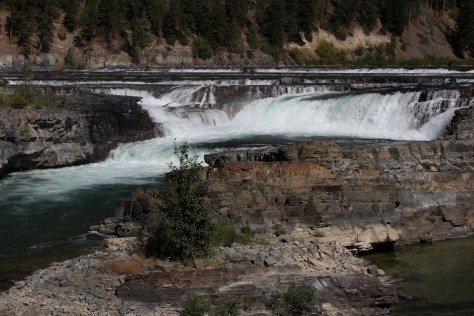
In the state’s northwest corner, incredible views await at Blue Mountain Trail, Skyline National Recreation Trail, Scenery Mountain Lookout Trail, Ross Creek Scenic Area of old-growth western redcedar trees, and Kootenai Falls (located in a county park on the side of Highway 2).

Day 8+

Helena National Forest (click here for our blog post)

Meriwether Lewis named the Gates of the Mountains on July 19, 1805, and today a two-hour jet boat tour on the Missouri River provides history on the Corps of Discovery, American Indian pictographs, the Mann Gulch Fire, and the collapse of Hauser Dam.  A trail through Refrigerator Canyon is less than ten feet wide at its narrowest point, where towering 200-foot limestone cliffs keep it cool and breezy throughout the summer. 

Great Falls

North of Helena on Interstate 15 is the Lewis and Clark Interpretive Center (fee), which is managed by the U.S. Forest Service on the banks of the Missouri River.

Upper Missouri River Breaks National Monument (click here for our blog post)

This 375,000-acre National Monument preserves a stretch of the Missouri River that still looks much the way it did when Lewis and Clark explored it.  Start your journey by paying for permits at the Bureau of Land Management interpretive center in historic Fort Benton, where you can launch your canoe or kayak to access 149 miles of the river.  There are developed boat camps with vault toilets along the route, or you can pick your own spot near one of the Corps of Discovery campsite markers.

Deerlodge National Forest (click here for our blog post)

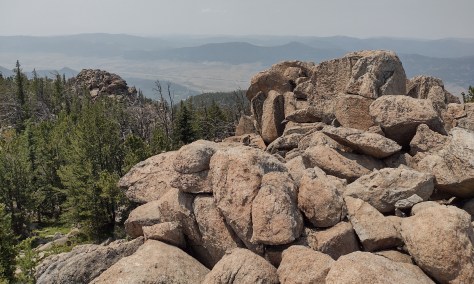
It includes portions of the Boulder Mountains, Flint Creek Range, and Elkhorn Mountains, as well as part of the Anaconda-Pintler Wilderness.  Our favorite hike is Haystack Mountain National Recreation Trail off Interstate 15, where a climb of 2,000 feet ends at a mountaintop boulder field with panoramic views and the remnants of a fire lookout tower.

Lewis & Clark National Forest (click here for our blog post)

Backpacking is a major draw with trails in the Snowy Mountain Range and parts of the Scapegoat and Bob Marshall Wilderness areas, which provide crucial habitat for grizzly bears.  It encompasses one of the most famous formations along the Continental Divide National Scenic Trail, the 15-mile long Chinese Wall (a 1,000-foot-tall cliff composed of five-million-year-old limestone). 

Learn more about Montana’s Most Scenic Drive, Wonderful Waterfall, Top State Park, and other categories in our travel guidebook 50 States of Great: Road Trip Guide to America.

Kobuk Valley National Park

Kobuk Valley National Park

Alaska

Managed by National Park Service

Established 1978 National Monument, 1980 National Park

1,714,578 acres

Website: nps.gov/kova

Overview

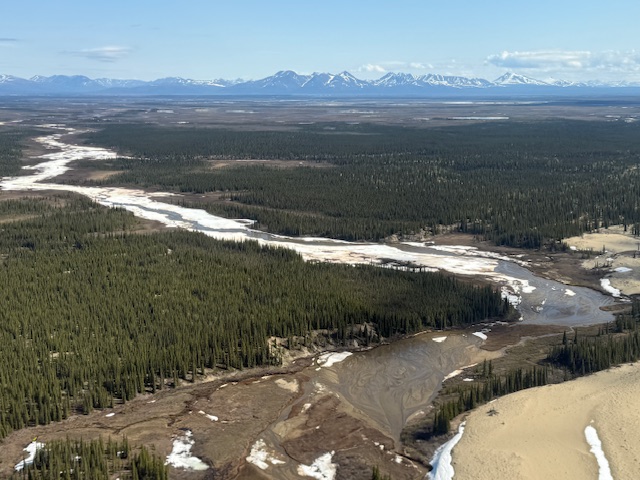
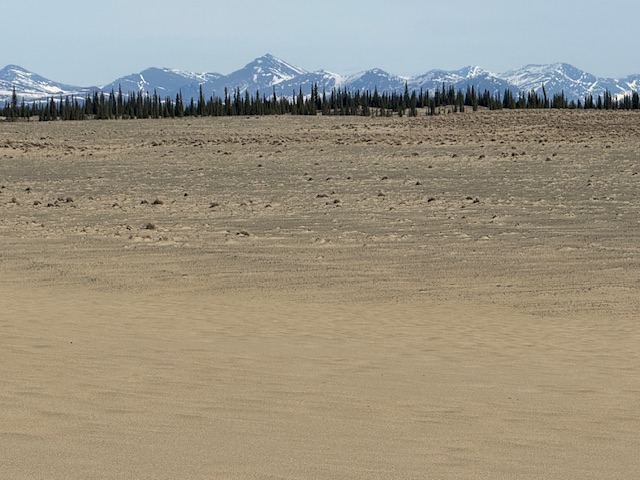
In northwest Alaska, an area roughly the size of Delaware is set aside to protect an 85-mile stretch of the Kobuk River.  Kobuk Valley National Park also includes the Waring Mountains to the south and the Baird Mountains that border Noatak National Preserve.  Hunters have been coming for at least 12,500 years to Onion Portage where caribou gather to cross the river.  In the 1960s, archeologist J. Louis Giddings built a cabin and cache so he could excavate a two-acre plot.  He and his assistants dug through 30 artifact-bearing layers that provided evidence of nine cultural periods from the Akmak Complex to the Arctic Woodland Eskimo.

Learn more about how to visit this National Park in the expanded second edition of our guidebook A Park to Yourself: Finding Solitude in America’s 63 National Parks

Highlights

Great Kobuk Sand Dunes, Onion Portage Archeological District

Must-Do Activity

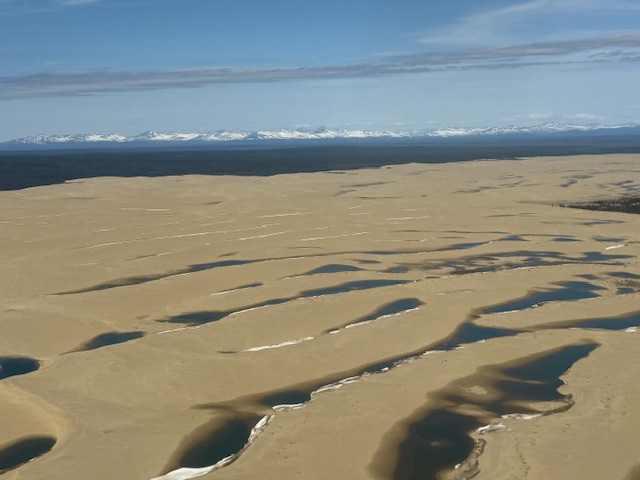
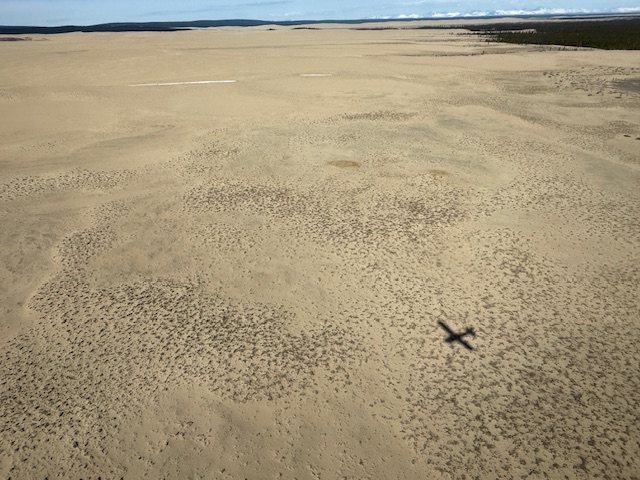
The Northwest Arctic Heritage Center in Kotzebue is located 75 river miles from the western edge of the park.  Riverside ranger stations operate in the summer at Kallarichuk in the west and Onion Portage in the east.  A flightseeing tour of the park typically lands on the Great Kobuk Sand Dunes, which are the remnant of a dune field that once covered as much as 200,000 acres after the Pleistocene glaciation.  Float trips take at least a week on the wide Kobuk River or the rougher Salmon River, which is designated a Wild and Scenic River.  The Kobuk River starts within a narrow canyon with Class V rapids inside Gates of the Arctic National Park and Preserve, but soon flattens out and becomes a braided channel, like many rivers in Alaska. 

Best Trail

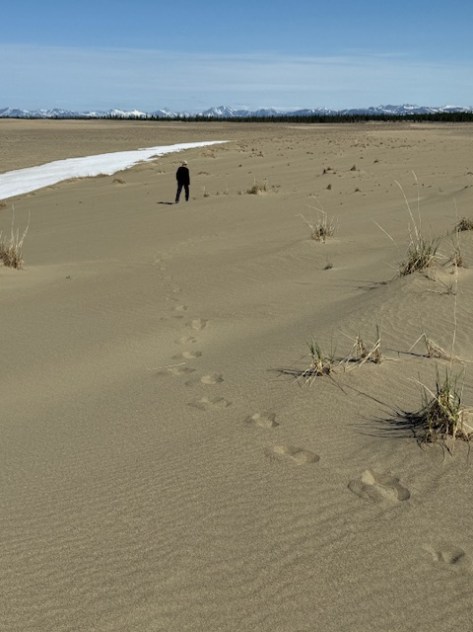
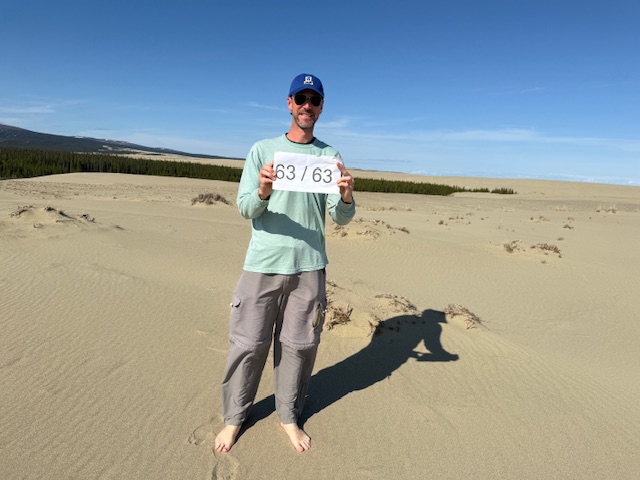
There are no established trails in the park, but it is easy to wander through the sand dunes and soft enough to go barefoot.

Photographic Opportunity

The Great Kobuk Sand Dunes are a geological anomaly sitting north of the Arctic Circle, once studied by NASA as an analog for polar dunes on Mars.

Peak Season

Summer

Hours

https://nps.gov/kova/planyourvisit/basicinfo.htm

Fees

None

Road Conditions

There are no roads into Kobuk Valley National Park, so most visitors arrive by small airplane, which can cost around $5,000 to charter for the day.  If you are leaving from Fairbanks, we recommend flying with Sven from Aviation Expeditions who will do a combination trip that also lands in Gates of the Arctic National Park and Preserve.

Camping

Backcountry camping is allowed throughout the park, but is not permitted on the 81,000 acres of Native Corporation lands that are typically situated along the rivers. 

Related Sites

Gates of the Arctic National Park and Preserve (Alaska)

Noatak National Preserve (Alaska)

Denali National Park and Preserve (Alaska)
Explore More – What is the current estimated size of the Western Arctic caribou herd that crosses the Kobuk River at Onion Portage?

Know someone who loves National Parks? Gift them our travel guidebook A Park to Yourself: Finding Solitude in America’s 63 National Parks

Indiana Road Trip Itinerary

22,928,710 acres

Statehood 1816 (19th)

Capital: Indianapolis

Population: 6,785,528 (17th)

High Point: Hoosier Hill (1,257 feet)

Best time of year: Summer

Last year we published our guidebook 50 States of Great: Road Trip Guide to America, so we decided to start a new type of blog post where we create a travel itinerary for all 50 states, in addition to our usual National Forest and National Park entries.  After starting by jumping around to KansasGeorgia, Idaho, Rhode Island, Minnesota, Hawai’i, Arizona, Louisiana, and South Dakota, we headed to the Midwest for our tenth state.  We start in the northwest corner of Indiana on the shores of Lake Michigan near Chicago, then all roads lead to Indianapolis, so we head south with plenty of options to extend the trip. See for yourself why Indiana made it on our Top 10 States for State Parks list.

Day 1

Indiana Dunes National Park (click here for our complete blog post)

Indiana Dunes National Lakeshore was originally created in 1966 as a compromise between industrialists seeking to build more steel mills and conservationists wanting to preserve biodiversity.  Though it is now one of the 63 National Parks, the quiet Dunewood Campground still provides hot showers in a wooded setting inland from the lakeshore.

Optional stop at Indiana Dunes State Park

Complete the 3 Dune Challenge by climbing the three tallest dunes in the State Park (separate entrance fee) to earn a prize at the visitor center shared with the National Park.

Day 2

Raclin Murphy Museum of Art

This museum on the University of Notre Dame campus in South Bend offers free admission and highlights Christian art from Europe.  Guided tours are offered of the famous football stadium year-round, and the Basilica of the Sacred Heart and adjacent Grotto of Our Lady of Lourdes spiritual shrine are always open.  On a college football gameday, do not miss the midnight drumming circle beneath the golden dome and other traditions throughout the day.

Optional stop at Studebaker National Museum

South Bend was once the headquarters for manufacturing Studebakers and the museum displays many made-in-Indiana automobiles.

Day 3

RV/MH Hall of Fame

Elkhart is recognized as “the RV Capital of the World” since so many Recreational Vehicles are built in local factories.  The Hall of Fame first opened in 1991 then moved to a larger building where it exhibits more than 50 historic vehicles dating back to the 1913 Earl Travel Trailer.  You can also take a free plant tour of Jayco, Inc. to see RVs being manufactured in nearby Middlebury.

Optional stop at Hall of Heroes Superhero Museum

Six miles down the road in Elkhart, the Hall of Heroes Superhero Museum has more than 50,000 comic books and countless toys and movie props on display.  All-you-can-play arcade games are included with your admission.

Optional stop at Turkey Run State Park

This popular state park is about an hour west of Indianapolis and offers camping, hiking, swimming, kayaking, and fishing.

Day 4

Indianapolis Motor Speedway

The first auto race took place here in 1909 and the first Indy 500 was held two years later.  The car that won that inaugural Indy 500 was the Marmon Wasp and it is held in the track’s Hall of Fame Museum, along with the Borg-Warner Trophy.  This is considered the world’s largest stadium (with a capacity of 257,325).  When cars are not running, you can take a bus tour around the oval (at significantly less than 200 miles-per-hour) and kiss the 36-inch strip of bricks at the finish line left unpaved. 

Optional stop at James A. Allison Exhibition Center

Down the road from the racetrack, the free James A. Allison Exhibition Center tells the story of a local auto parts builder who expanded his company (founded in 1915) into engines for military airplanes.

Optional stop at the Children’s Museum of Indianapolis

Hands-on exhibits abound in this renowned museum southeast of downtown.

Day 5

Spring Mill State Park

Today you can still buy cornmeal ground by the historic gristmill that runs for ten minutes every hour, part of Pioneer Village where costumed reenactors demonstrate chair caning, broom making, and fiddle making.  The park also contains trails, an elevated flume reconstructed by the Civilian Conservation Corps (CCC), Hamer Pioneer Gardens, guided boat trips that enter 500 feet into Twin Caves, and the Grissom Memorial Museum dedicated to the local hero who was the second American astronaut in space and died in a 1967 launchpad fire.

Optional stop at White River State Park

Located in downtown Indianapolis, this unique State Park surrounds the Indiana State Museum, Eiteljorg Museum of American Indian and Western Art, Indiana Zoo, and NCAA Hall of Champions featuring many interactive exhibits next door to the National Collegiate Athletics Association (NCAA) headquarters.

Day 6

Hoosier National Forest (click here for our complete blog post)

Created in 1935 from cutover and abandoned farmland, the National Forest’s best hike is Hemlock Cliffs Trail, a 1.2-mile loop through a canyon that passes two unique waterfalls.  A 0.8-mile trail runs through the 88 acres of old-growth forest of Pioneer Mothers Memorial Forest.  The tall trees here range in age from 150- to 600-years-old, and the black walnuts that grow in a moist cove known as Walnut Cathedral are considered the finest specimens in the country.

Optional stop at Muscatatuck National Wildlife Refuge

A visitor center and auto trail make this the most developed National Wildlife Refuge in Indiana for birding and fishing.  The nearby Big Oaks National Wildlife Refuge encompasses a former military property and requires special authorization to visit.

Day 7

Lanier Mansion State Historic Site

The beautiful Lanier Mansion was built for James Franklin Doughty Lanier, a prominent businessman in the state of Indiana around the mid-1800s. The Greek Revival-style house was completed in 1844 and is one of the finest buildings in Madison’s National Historic Landmark District on the Ohio River.  Well-preserved Madison was an important waystation on the Underground Railroad. 

Clifty Falls State Park

This park protects a deep, boulder-strewn canyon with several waterfalls, including one with a 60-foot drop.  It also has a campground and the blufftop Clifty Inn built in 1924 with views of the Ohio River.

Optional stop on the Indiana Cave Trail

A driving route connects several show caves in the southern part of the state where the brisk air is always a humid 57°F.  Highlights include Indiana Caverns, Wyandotte Caves State Recreation Area, Squire Boone Caverns, Marengo Cave, and Bluespring Caverns that offers a one-hour boat ride through America’s longest navigable underground river. 

Day 8+

George Rogers Clark National Historical Park (click here for our complete blog post)

A beautiful 80-foot-tall granite memorial was built on the site of Fort Sackville in the 1930s to commemorate the victory Clark led there on February 25, 1779.  After watching the 20-minute film in the visitor center in Vincennes, go inside the circular memorial with 16 columns in classic Greek style to see a bronze statue surrounded by seven murals.  You can then walk down the Wabash River to see the home of President William Henry Harrison and the old territorial capitol.

Holiday World

Located in the town of Santa Claus, this Christmas-themed amusement park has roller coasters, a water park, and many shops.

Lincoln Boyhood National Memorial (click here for our complete blog post)

Take a walk past the pioneer cemetery to the Cabin Site Memorial where a bronze casting of sill logs and the fireplace hearthstones are at the site of Abraham Lincoln’s family cabin from 1829.  The Living Historical Farm has costumed interpreters in the summer that depict homestead life at an authentic cabin and several outbuildings that were moved here from other parts of Indiana.

Angel Mounds State Historic Site

Near Evansville is a 430-acre site where there are 11 grass-covered Mississippian mounds built as early as 1,000 years ago, plus a replica village, simulated excavation site, and a visitor center full of artifacts. 

Milan ’54 Museum

Commemorates the town’s 1954 high school boys’ basketball team that defeated the mighty Muncie Central for the state championship, as immortalized in the 1986 film Hoosiers.

Indiana Basketball Hall of Fame

In a state obsessed with basketball, this museum was moved from the capital city to New Castle in 1990 so it could have more room for expansion. 

Learn more about Indiana’s Most Scenic Drive, Top Backpacking Destination, and other categories in our travel guidebook 50 States of Great: Road Trip Guide to America.

Arizona Road Trip Itinerary

72,700,211 acres

Statehood 1912 (48th)

Capital: Phoenix

Population: 7,151,502 (14th)

High Point: Mt. Humphreys (12,643 feet)

Best time of year: Winter and spring

Last year we published our guidebook 50 States of Great: Road Trip Guide to America, so we decided to start a new type of blog post where we create a travel itinerary for all 50 states, in addition to our usual National Forest and National Park entries.  After starting with KansasGeorgiaIdahoRhode Island, Minnesota, and Hawai‘i we decided to do a state in the southwest.  Arizona probably needs two separate itineraries, with the southern deserts being a great destination in the winter and the high-elevation northern part of the state better in the summer (see Day 8+).  We made an ambitious seven-day plan starting in the south, with plenty of options to extend the trip.  Scott grew up in Arizona, so he could have easily made this a four-week itinerary and still left out many good options. 

Day 1

Organ Pipe Cactus National Monument (click here for our blog post)

On the Mexican border sits 330,689 acres of undeveloped Sonoran Desert recognized as a UNESCO International Biosphere Reserve in 1976.  Its namesake cactus is more common further south and shares this landscape with 27 other species of cacti, including the famous saguaro.  The park’s jagged Ajo Mountains are mostly volcanic rhyolite and to see them at their best, we recommend driving the 21-mile dirt road loop in the evening before turning in for the night at the excellent Twin Peaks Campground, run by the National Park Service (NPS).

Optional stop at Casa Grande Ruins National Monument (click here for our blog post)

Arizona has 19 National Monuments (more than any other state), so if you flew into Sky Harbor Airport in Phoenix start with the one located right off Interstate 10.

Optional stop at Kofa National Wildlife Refuge

Desert bighorn sheep can be seen in this remote part of southwest Arizona south of Quartzsite.  Cibola and Imperial National Wildlife Refuges along the Colorado River are good spots for birding.

Day 2

Titan Missile Museum

Southwest of Tucson, Arizona in a nondescript stretch of desert are the remains of an underground Intercontinental Ballistic Missile (ICBM) silo built in 1963, during the height of the Cold War.  The nuclear warhead and rocket fuel was long ago removed from the site, but otherwise everything has been preserved.  A tour guide takes you below ground in the original elevator to explain the steps required to unleash this devastating weapon. 

Coronado National Forest (click here for our blog post)

The Catalina Highway ascends from Tucson through multiple life zones from saguaro-dotted desert to ponderosa pine forests at more than 9,000 feet in elevation.  The expansive vistas along the drive are worth the many switchbacks, with Windy Point Vista is an especially beautiful wayside in the pinyon-juniper woodland zone.  At the base of the Santa Catalina Mountains, also within Coronado National Forest, tram rides are available through beautiful Sabino Canyon Recreation Area.

Optional stop at Saguaro National Park (click here for our blog post)

If you didn’t get your fill of cacti the first day, you will at this park with separate sections east and west of Tucson.  If you only have time for one, we recommend the eastern Rincon Mountain District.

Optional stop at Tumacácori National Historical Park (click here for our blog post)

South of Tucson in Tubac, San Cayetano de Tumacácori is a Spanish mission founded in 1691 by Padre Kino and abandoned in 1848.  It became a National Monument in 1908 when it was restored to its ruined state based on photographs dating from 1868.

Day 3

Kartchner Caverns State Park

The highly decorated cave was not discovered until 1974, when its location was kept a tight secret while efforts were made to preserve it for future visitors.  There are two guided tours on paved trails offered, and if you space out your reservations far enough you can take a hike on the 2.4-mile Foothills Loop Trail in between.

Bisbee

The copper mining center of Bisbee was once the largest city between El Paso and San Francisco.  The well-maintained Victorian architecture and flights of steep staircases give this border town a unique atmosphere. 

Optional stop at Coronado National Memorial (click here for our blog post)

The park does not actually contain a statue or large memorial to Coronado.  It does have a steep three-quarter mile trail to a 600-foot long limestone cave bearing Coronado’s name, which visitors can explore on their own with flashlights.

Day 4

Chiricahua National Monument (click here for our blog post)

Tucked away in the southeastern corner of Arizona, millions of years of erosion left behind a spectacular collection of rhyolite rock formations that rise above surrounding evergreen trees.  All the trails are good, but we recommend an all-day hike through Echo Canyon to the Heart of Rocks Loop where you will find formations resembling camels, ducks, and anything else you can imagine. 

Salt River Canyon

Start driving north and be sure to stop for photos where U.S. Highway 60 drops steeply into this gorgeous canyon between Globe and Show Low.

Optional stop at Wilcox Playa Wildlife Area

In the winter, sandhill cranes stay in large numbers in the wetlands south of Wilcox and Interstate 10.

Optional stop at Fort Bowie National Historic Site (click here for our blog post)

To visit the NPS visitor center, the literal “must-do activity” is to hike 1.5 miles from the trailhead.  You do pass interpretive signs, a cemetery, and ruins along the way.

Day 5

Petrified Forest National Park (click here for our blog post)

A paved walkway behind the Rainbow Forest Museum is a great place to start, as NPS rangers give guided tours there throughout the day.  It is worth a hike to Agate House and a connection to the Giant Logs Trail to see more petrified wood, but be sure to bring water with you in the summer since there is no shade.

“Standin’ on the corner” statue in Winslow

Jackson Browne and Glenn Frey probably could not have guessed when they penned the 1970s anthem “Take It Easy” that it would inspire a statue in an Arizona town on historic Route 66.  Perhaps even more fitting is the mural behind it that shows the reflection of a girl driving a flatbed truck.  Located off Interstate 40, Winslow is a great place “to loosen your load.”

Cameron Trading Post

As a kid, Scott’s family would always spend the night at the hotel here before taking friends and family to the Grand Canyon National Park.  Try the mutton stew or Indian taco in the restaurant at this historic spot.

Optional stop at Meteor Crater

There is a good museum at this big, round hole in the ground along Interstate 40.  It is definitely worth seeing once in your life.

Optional stops at Sunset Crater Volcano, Walnut Canyon, and Wupatki National Monuments (click here for our blog posts)

Heading north from Flagstaff, a 36-mile loop drive through Sunset Crater Volcano National Monument to adjacent Wupatki National Monument passes by the red-hued cinder cone through ponderosa pine forests and sunflower-filled meadows on its way to an arid, rocky high desert region that is dotted with Sinagua ruins from around AD 1100.  Nearby cliff dwellings were built in Walnut Canyon National Monument around the same time by another group of Sinagua.  To get up close with the cliff dwellings inside shallow limestone caves requires a hike down 200 stairs on the one-mile loop Island Trail. 

Day 6

Grand Canyon National Park (click here for our blog post)

Visit the South Rim of the park from the less busy eastern entrance and stop at the Watchtower and other scenic views along the way.  It is worth spending a few nights here and hiking (or riding a mule) to the bottom of the canyon, but that is not for everyone.  If you come in the summer, consider a trip to the North Rim or remote Toroweap (online permit required).

Optional stop at Little Colorado River Gorge Navajo Tribal Park

A nice overlook above a canyon along Highway 64 on the way into Grand Canyon National Park.

Day 7

Sedona

Famous for art galleries and New Age mysticism, the red rock city of Sedona offer plenty of stores and restaurants.  Be sure to leave some time to explore some unpaved roads and hiking trails in the surrounding area.

Coconino National Forest (click here for our blog post)

There are numerous trails in the National Forest around Sedona, where sandstone buttes (like Bell Rock and Cathedral Rock) dominate the landscape.  The shady West Fork Trail in Oak Creek Canyon is perfect on hot summer days, though in the winter it is also beautiful covered in snow and ice.

Optional stop at Sycamore Canyon Wilderness

This designated Wilderness (55,937 acres) is shared between three National Forests: Coconino, Kaibab, and Prescott.  The easiest way in is on the Parsons Trail located outside Clarkdale, west of Sedona.  The trailhead is accessed by driving the dirt Forest Road 131 for 10.5 miles from where it splits off near Tuzigoot National Monument.

Optional stop at Tuzigoot National Monument (click here for our blog post)

The Sinagua pueblo at Tuzigoot had about 110 rooms and is estimated to have housed 200 to 300 people.  You can walk inside portions of the ruin, including a section with a reconstructed roof.

Day 8+

Montezuma Castle National Monument (click here for our blog post)

If you are driving back south on Interstate 17 to Phoenix, this cliff dwelling makes a nice stop to break up the trip.

Tonto National Monument (click here for our blog post)

These cliff ruins east of Phoenix are worth the hike up to, as are many parts of Tonto National Forest, especially the Flat Iron, Hieroglyph Canyon, and Weaver’s Needle.

Hubbell Trading Post National Historic Site (click here for our blog post)

This is a unique NPS site with livestock (sheep, horses, turkeys) and a hands-on play area for children, as well as the original dusty store which allows visitors to travel back into the late-1800s.  There are frequent Navajo rug weaving demonstrations and tours inside the Hubbell Home are available for a fee. 

Canyon de Chelly National Monument (click here for our blog post)

In the heart of the Navajo Nation in northeast Arizona lies this picturesque National Monument.  Humans have inhabited this area for 4,500 years, leaving behind numerous pictographs and the dramatic ruins of Ancestral Puebloan cliff dwellings.

Navajo National Monument (click here for our blog post)

Visitors can reserve spots on the ranger-led day hike to Betatakin cliff dwelling or the 20-person backpacking trips to Keet Seel that are offered twice per month in the summer.  The latter is a strenuous trip covering 17 miles total with numerous stream crossings and all water must be carried in.  The hardest part is at the end, when a 1,000 foot climb awaits, but it is worth it to be one of the few who get to see Keet Seel, the 150-room ruin that is second in size only to Cliff Palace at Mesa Verde National Park.

Monument Valley Navajo Tribal Park

On the border of Arizona and Utah, entrance into Monument Valley Navajo Tribal Park allows you to see the iconic Mitten Buttes in person, which have served as a backdrop for countless films.  You can even pitch your tent at The View Campground overlooking the red rock formations. 

Havasupai Reservation

It is hard to argue against Mooney Falls and the other waterfalls in Havasu Canyon as being the most outstanding in the state, but it can be difficult (and expensive) to obtain one of the limited reservations available to visit the Havasupai Reservation that borders Grand Canyon National Park.

Baaj Nwaavjo I’tah Kukveni – Ancestral Footprints of the Grand Canyon National Monument (click here for our blog post)

The newest of Arizona’s 19 National Monuments includes the pictographs in Snake Gulch, part of Kaibab National Forest.

Pipe Spring National Monument (click here for our blog post)

Retention ponds keep this area green in the hot summer months where ducks paddle and dragonflies buzz through the humid air.  When a NPS ranger is present, you can walk around inside Winsor Castle, a Mormon fort that dates back to 1870. 

Antelope Canyon

Guided tours are required to access these beautiful slot canyons located on private land on the Navajo Nation

Glen Canyon National Recreation Area (click here for our blog post)

You might want to bring your “selfie stick” to iconic Horseshoe Bend Overlook, a short 0.7-mile one-way hike from the parking area on Highway 89 outside Page.

Lake Mead National Recreation Area (click here for our blog post)

At Arizona Hot Springs, pools are formed by sandbags in a narrow canyon.  It is accessible from Liberty Bell Trailhead by a 6.5-mile out-and-back hike through a beautiful arroyo down to Black Canyon (now the upper reaches of Lake Mohave formed by a dam) on the Colorado River.  The trail is closed during the hot summer months, but you can still access it by boat from Willow Beach Marina or just downstream from the Hoover Dam (with a special permit).  Further south on Lake Mohave, stop at Emerald Cove for incredible photographs.

Learn more about Arizona’s Most Scenic Drive, Wonderful Waterfall, Top State Park, and other categories in our new travel guidebook 50 States of Great: Road Trip Guide to America.

Gateway Arch National Park

Gateway Arch National Park

Missouri

Managed by National Park Service

Established 1935 National Expansion Memorial, 2018 National Park

91 acres

Website: nps.gov/jeff

Overview

On February 22, 2018, the 60th National Park in the U.S. was created from what was formerly Jefferson National Expansion Memorial in St. Louis, Missouri.  Gateway Arch National Park encompasses 91 acres on the Mississippi River, including the historic 1828 courthouse and the iconic 630-foot-tall arch that was finished in 1965.  We first visited on our cross-country road trip in 2007 and returned in 2016 while the underground museum was under construction and the greenway was extended over Interstate 44.  When we came back in 2022, the courthouse was closed for renovation, but the museum had reopened with exhibits explaining the importance of this city as a starting point for the settlement of the west after President Thomas Jefferson signed the Louisiana Purchase, doubling the size of the country in 1803.  It is by far the smallest of the 63 National Parks (5,457 acres less than Hot Springs), which begs the question: Why wasn’t this designated a National Historical Park instead?

Learn more about how to visit this National Park in the expanded second edition of our guidebook A Park to Yourself: Finding Solitude in America’s 63 National Parks

Highlights

Gateway Arch, tram, film, museum, Old Courthouse, Old Cathedral

Must-Do Activity

Unlike other National Parks, this one does not preserve a natural landmark, but it does have claustrophobia-inducing tram cars (fee) that take you four-minutes to the top of the Gateway Arch for excellent views across Illinois and Missouri.  It is worth the hassle to go through a security screening to see the new museum.  The 35-minute film Monument to the Dream is also available for a fee. 

Best Trail

There are sidewalks that follow the Mississippi River and loop around the arch.  Be sure to cross the street to the Old Courthouse where the first of two trials in the infamous Dred Scott case was held in 1854.  Continue west behind to the courthouse to the Kiener Memorial Fountain for a photo that frames the building beneath the Gateway Arch.

Photographic Opportunity

The 630-foot-tall Gateway Arch is the defining landmark of St. Louis, but the historic 1834 Old Cathedral still serves as an active Catholic Church inside the park boundaries.

Peak Season

Summer

Hours

https://www.nps.gov/jeff/planyourvisit/hours.htm

Fees

There is no fee to walk the grounds or pass through security for the museum and gift shop, but you do have to pay to view the film or ride the tram to the top of Gateway Arch.  When open, the Old Courthouse is also free to enter.

Road Conditions

All roads are paved, but parking can be tricky.  We suggest paying for a parking garage or paying to park on the river levee near the paddlewheel boats, since car break-ins are common in downtown St. Louis.

Camping

This is the only National Park without the option to camp, so consider heading southwest to the wonderful Ozark National Scenic Riverways or Mark Twain National Forest.  In southeast Missouri, Johnson’s Shut-Ins State Park is rated as one of the best RV campgrounds in the country.

Related Sites

Ulysses S. Grant National Historic Site (Missouri)

Ste. Genevieve National Historical Park (Missouri)

Harry S Truman National Historic Site (Missouri)

Explore More – In 1947, how many city blocks were razed to make way for the memorial, including several historic buildings dating back to 1818?

We designed this Gateway Arch logo for the park available on Amazon.com

We are a participant in the Amazon Services LLC Associates Program, an affiliate advertising program designed to provide a means for us to earn fees by linking to Amazon.com and affiliated sites.