Tag Archives: National Monument

Poverty Point National Monument

Overview

Mound builders historically settled near major rivers, especially the Ohio and Mississippi, because the floodplains provided fertile soil for farming.  However, Poverty Point was settled 3,700 years ago by hunter-gatherers so efficient they did not need agriculture to provide leisure time.  They built a city with a population estimated at 1,500 along Bayou Macon in northeast Louisiana. 

Highlights

72-foot-tall Mound A, film, tram tour

Must-Do Activity

A guided tram ride with a State Park ranger is included in your admission fee, which in addition to the film shown in the State Park visitor center is the best way to learn about this site.  The tram tour does not stop to allow visitors to climb Mound A, so you will have to return in your own vehicle.

Best Trail

A stairway leads to the top of Mound A, the most impressive mound at 72 feet tall in the shape of a bird with a 70-foot-wide base.  It required approximately 15-million basket loads of soil to complete.  They had no wheelbarrows or domesticated animals for assistance, so each basket was carried by hand to form the largest manmade structure in North America at the time.  No wonder this site was chosen in 2014 as a UNESCO World Heritage Site.

Instagram-worthy Photo

The inhabitants constructed other mounds and built their houses atop concentric rings in a semi-circle D-shape facing towards Bayou Macon.  This pattern is best seen from atop Mound A.

Peak Season

The tram tour operates March through October.

Hours

https://www.nps.gov/popo/planyourvisit/hours.htm

Fees

$4 per adult for general admission or $10 for the tram tour, and America the Beautiful passes are no longer accepted.

Road Conditions

All roads paved

Camping

There are private campgrounds nearby or 40 miles away is Chemin-A-Haut State Park.

Related Sites

Hopewell Culture National Historical Park (Ohio)

Ocmulgee Mounds National Historical Park (Georgia)

Effigy Mounds National Monument (Iowa)

Nearest National Park

Hot Springs

Explore More – Why will you not find any National Park Service logos at this National Monument?
Alibates Flint Quarries National Monument

Overview

Quarrying in this part of the panhandle of Texas dates back 13,000 years to the last Ice Age.  The flint found here was especially good for making spear points and was traded across the continent over the centuries.  However, the harsh climate meant few humans lived here until recently, except between AD1200 and 1450.  Alibates Flint Quarries National Monument is jointly managed with Lake Meredith National Recreation Area by the National Park Service (NPS).

Highlights

Flint knapping demonstrations, 10-minute film, ranger-guided tour of quarries

Must-Do Activity

Outside the NPS visitor center, dedicated park rangers frequently demonstrate the art of knapping points from flint blanks (not from within park boundaries) and other primitive survival skills. 

Best Trail

We recommend you take the free ranger-guided tour (offered twice daily) up to the quarries to get the full experience.  It is a bit of a climb, but is the only way access the sites.

Instagram-worthy Photo

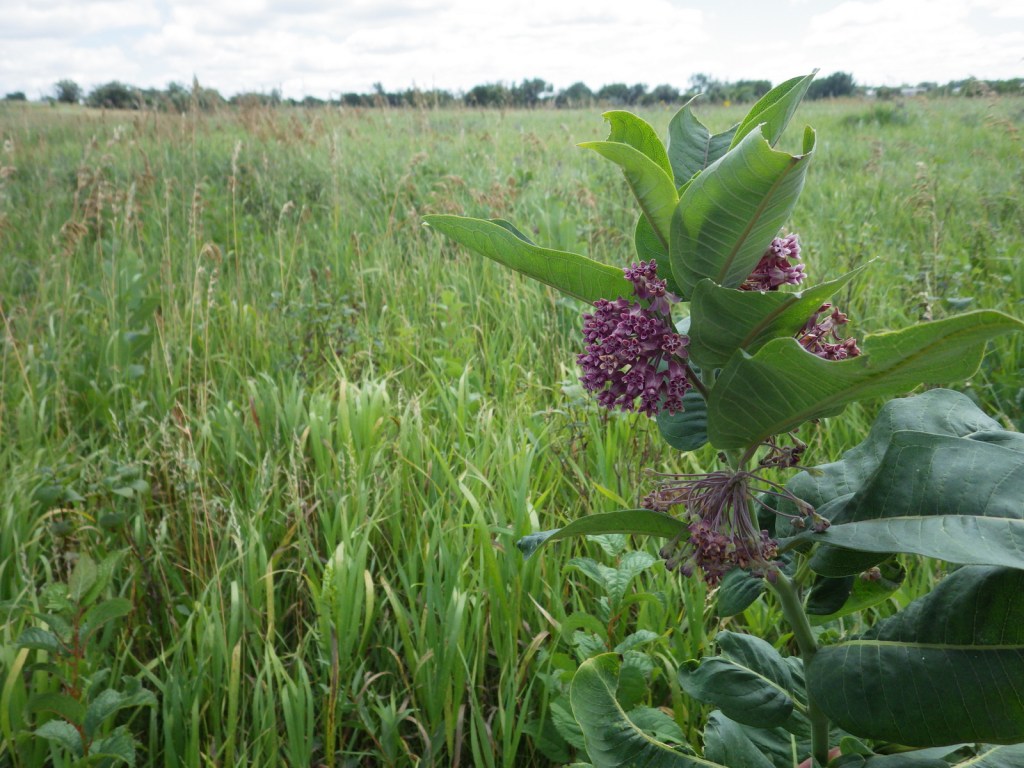
The flint here not only holds a great edge, it is also beautifully colored.  The rangers will be happy to let you take rock samples home from knapping demonstrations (since the flint is not from within park boundaries).

Peak Season

Spring and fall, as it can be very hot in the summer.

Hours

https://www.nps.gov/alfl/planyourvisit/hours.htm

Fees

None

Road Conditions

Paved to the National Monument and many good dirt roads surround Lake Meredith National Recreation Area.

Camping

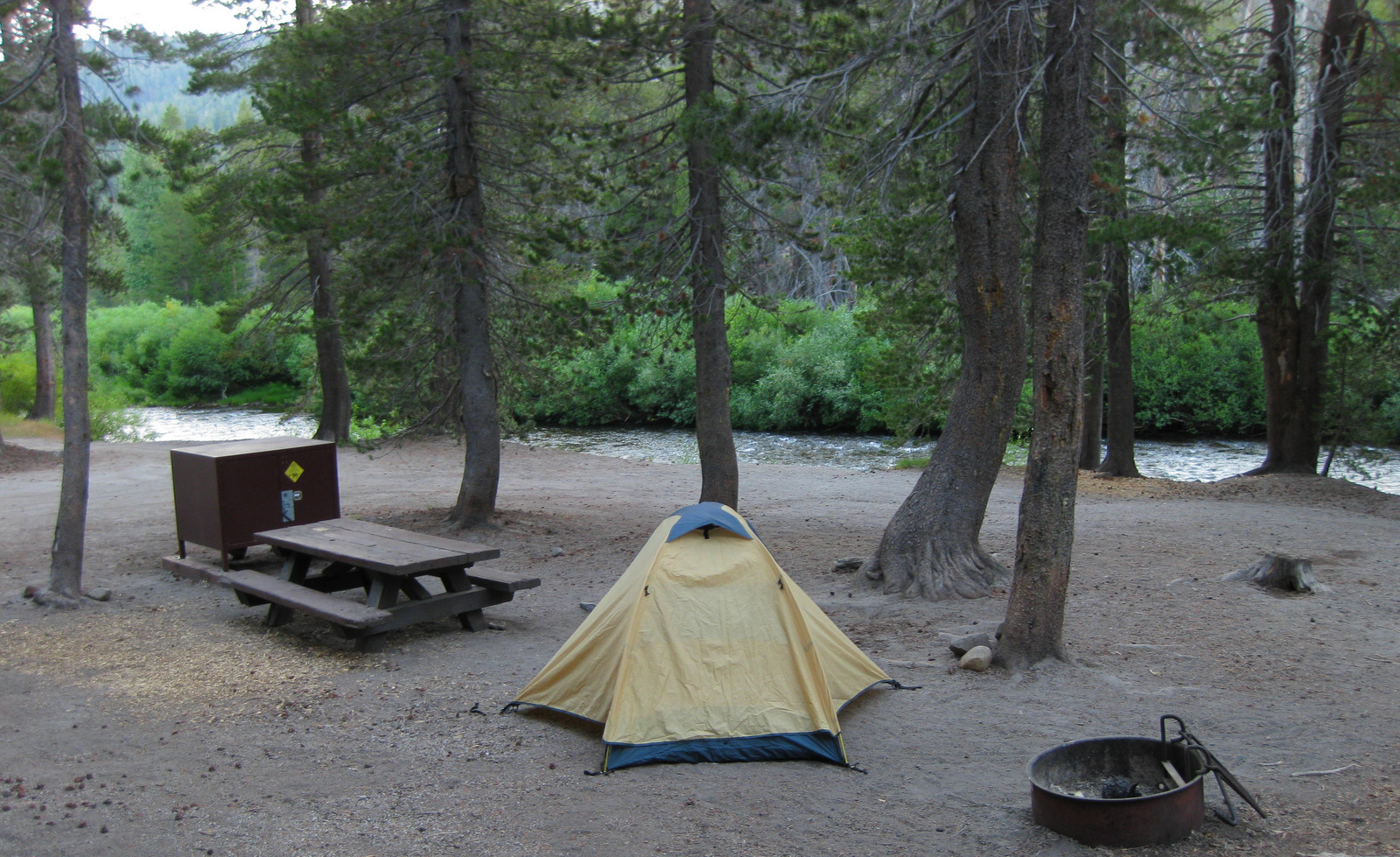
Free primitive camping is available around Lake Meredith where there are many dirt roads to explore, as well as developed campgrounds (fee).

Explore More – What is the origin of the interesting name “Alibates?”

Russell Cave National Monument

Overview

Humans have been visiting Russell Cave in northeast Alabama since about the time its limestone roof collapsed creating an entrance around 10,000 years ago.  A timeline of human invention was preserved in the floor of this hunting camp for millennia, from atlatls to bows, pottery to pump drills.  The park rangers were the friendliest we encountered during Pretirement and often offer demonstrations of prehistoric tools and weapons.

Highlights

Museum with American Indian artifacts, boardwalk to cave entrance, nature trails

Must-Do Activity

There are a select few artifacts displayed on site in the National Park Service (NPS) visitor center.  From there a short boardwalk leads through the forest to an overlook of the archaeological digs at the cave entrance, which you cannot enter. 

Best Trail

Two nature trails (0.6 and 1.2 miles long) split off from the boardwalk to explore the surrounding hills.

Instagram-worthy Photo

This cave is not famous for its pretty cave formations, but for its incredible archaeological record.  If you want to see beautiful stalactites and stalagmites, I recommend you head west to the impressive Cathedral Caverns State Park.

Peak Season

Summer, when it can be muggy and buggy.

Hours

https://www.nps.gov/ruca/planyourvisit/basicinfo.htm

Fees

None

Road Conditions

All roads paved, but RVs are not recommended on Highway 156 if entering from the north.

Camping

DeSoto State Park has a campground and primitive camping is allowed at three sites in nearby Little River Canyon National Preserve.

Explore More – How far down into the cave floor did archaeologists dig in the 1950s?

Top 10 National Monuments

National Monument is the most common designation in the National Park Service (NPS) System.  Many of our favorites among the roughly 130+ National Monuments are wild places managed by the U.S. Forest Service and Bureau of Land Management.  The NPS typically has a more developed, tourist-friendly infrastructure with visitor centers, trails, and tours.  Here is a ranking of our top 10 National Monuments of the approximately 88 run by the NPS.

10. John Day Fossil Beds (Oregon)

Fantastic colors and geology in the hills of Oregon

9. Organ Pipe Cactus (Arizona)

28 species of cacti are found here in southern Arizona’s Sonoran Desert

8. Statue of Liberty (New York/New Jersey)

Ellis Island and Lady Liberty make an unforgettable day trip

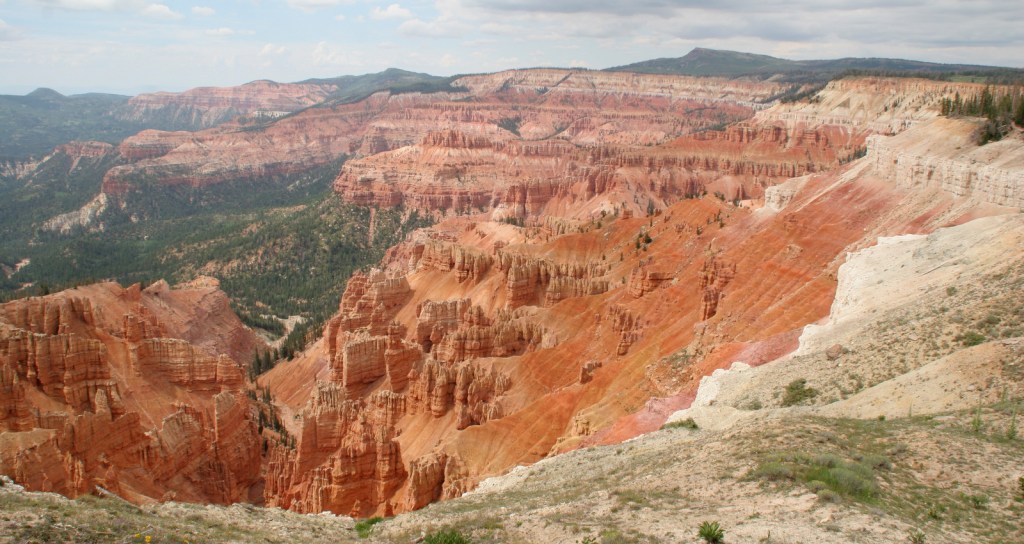
7. Cedar Breaks (Utah)

High-elevation amphitheater of red rock hoodoos in Utah

6. Timpanogos Cave (Utah)

Make the climb to see incredibly delicate helictites in Utah

5. Navajo (Arizona)

Ranger-guided tours lead down into the canyon to well-preserved Betatakin and Keet Seel cliff dwellings

4. Bandelier (New Mexico)

Climb into these cliff dwellings in northern New Mexico

3. Jewel Cave (South Dakota)

Tour the world’s third longest cave under South Dakota

2. Dinosaur (Utah/Colorado)

A significant fossil quarry surrounded by a beautiful landscape

…and finally our #1 National Monument managed by the NPS:

1. Lava Beds (California)

Explore below ground in this remote section of northern California


Honorable Mentions

Fort Stanwix (New York)

An exact 1750s replica surrounded by Rome, New York

Oregon Caves (Oregon)

Fun cave tours and excellent hiking in an old-growth forest

World War II Valor in the Pacific (Hawaii/Alaska/California)

Disbanded in 2019, Pearl Harbor National Memorial was one part of this diverse monument

Statue of Liberty National Monument

Overview

By the time the Statue of Liberty was completed in 1886, New York City was already the gateway to America for millions of “homeless, tempest-tost” immigrants.  Between 1855 and 1890, Castle Clinton on Manhattan Island served as a landing facility for 8-million people.  The federal government took control of immigration in 1890, within two years opening a processing station on Ellis Island in New York Harbor. Ferry service to Ellis Island and Liberty Island is available from Castle Clinton National Monument in New York City or Liberty State Park in Jersey City.

Highlights

Statue of Liberty, Ellis Island Immigration Museum, ferry ride

Must-Do Activity

Approximately 12-million people were screened on Ellis Island between 1892-1924, though nearly 10% were turned away.  Reopened to tourists in 1990, it is a haunting place to visit.  The National Park Service museum offers excellent exhibits and films highlighting the travails of immigrants over the centuries. 

Best Trail

None, but a special ranger-guided tour of Ellis Island will take you to areas you cannot see on your own.

Instagram-worthy Photo

The Statue of Liberty was a gift from the U.S. ally France, intended to mark the centennial of the Declaration of Independence in 1876.  By the time the 151-foot tall,225-ton copper woman was ready, the U.S. was scrambling to come up with money to build its 154-foot tall pedestal. Pocket change was collected across the nation, a truly grassroots effort that allowed even schoolchildren to claim a part of the monument. 

Peak Season

Summer, but these world-renowned monuments are busy year round.

Hours

https://www.nps.gov/stli/planyourvisit/hours.htm 

Fees

$18.50 per adult for ferry to both sites, plus a parking fee at Liberty State Park.  While free timed tickets are available to access the pedestal, you must reserve months in advance if you wish to climb to the Statue of Liberty’s crown.

Road Conditions

Paved, but you will likely have to deal with traffic.  There is plenty of parking at Liberty State Park in New Jersey.

Camping

None

Explore More – Why is there a boundary on Ellis Island that divides it between the states of New Jersey and New York?

We are a participant in the Amazon Services LLC Associates Program, an affiliate advertising program designed to provide a means for us to earn fees by linking to Amazon.com and affiliated sites.