Tag Archives: National Historical Park

Paterson Great Falls National Historical Park

Overview

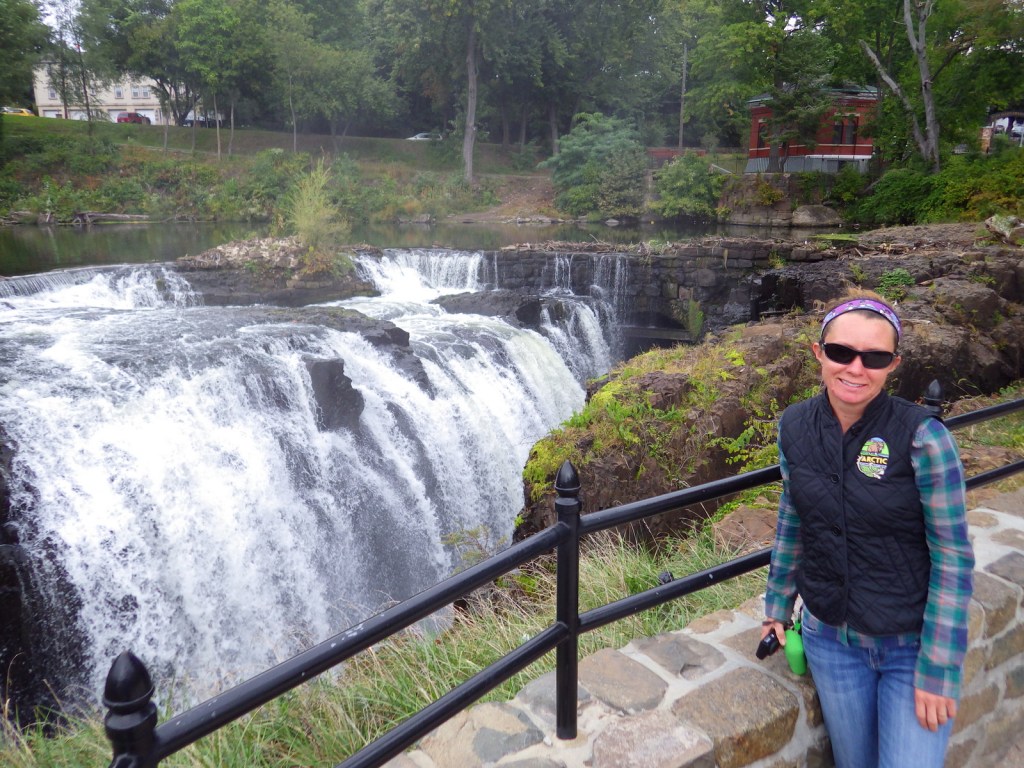
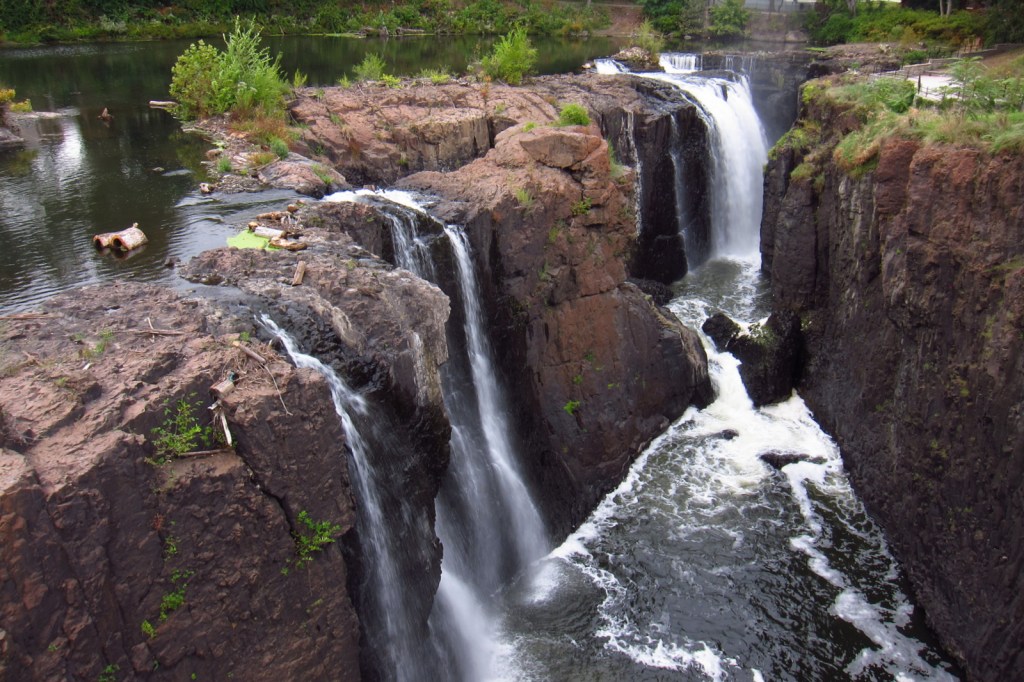
A flowing 77-foot waterfall in a narrow 300-foot wide gorge, Paterson Great Falls has long stood out as a natural wonder in New Jersey.  The entire Passaic River drops over this volcanic ridge, making it the second largest waterfall by volume east of the Mississippi River (Niagara Falls is first).  In 1792, the nation’s first Secretary of the Treasury, Alexander Hamilton, founded the City of Paterson to harness this hydropower for manufacturing.  Paterson Great Falls was named a National Natural Landmark in 1966 and a National Historical Park in 2011.

Highlights

Great Falls Historic District Cultural Center, Colt Gun Mill, Overlook Park, Mary Ellen Kramer Park

Must-Do Activity

Start your visit at the Great Falls Historic District Cultural Center, and, if you have time, explore the Paterson Museum (donation requested).  Carefully cross the street to Overlook Park for excellent view of the Great Falls Power Plant, then take the footbridges behind the hydroelectric plant to Mary Ellen Kramer Park for better photographic angles of the waterfall.  Guided tours by park rangers are offered in the summer months.

Best Trail

A walking tour of Paterson, New Jersey continues beyond Mary Ellen Kramer Park to Hinchcliffe Stadium where Negro League Baseball was once played.  On the other side of the Passaic River, follow the river’s raceways to the red-brick ruins of Allied Textile Printing and the Colt Gun Mill.

Instagram-worthy Photo

The Great Falls Power Plant opened in 1914 and still produces enough power to supply 11,000 households.  The “S.U.M. 1791” on the building’s exterior refers to Alexander Hamilton’s Society for Establishing Useful Manufactures.

Peak Season

Summer

Hours

https://www.nps.gov/pagr/planyourvisit/hours.htm

Fees

None

Road Conditions

All roads are paved and there is a free parking lot at Overlook Park.

Camping

None

Related Sites

Lowell National Historical Park (Massachusetts)

Thomas Edison National Historical Park (New Jersey)

Morristown National Historical Park (New Jersey)

Explore More – It cost $14.5-million to refurbish the Great Falls Power Plant in 1986; how much did it cost to build the entire thing in 1914?
Pecos National Historical Park

Overview

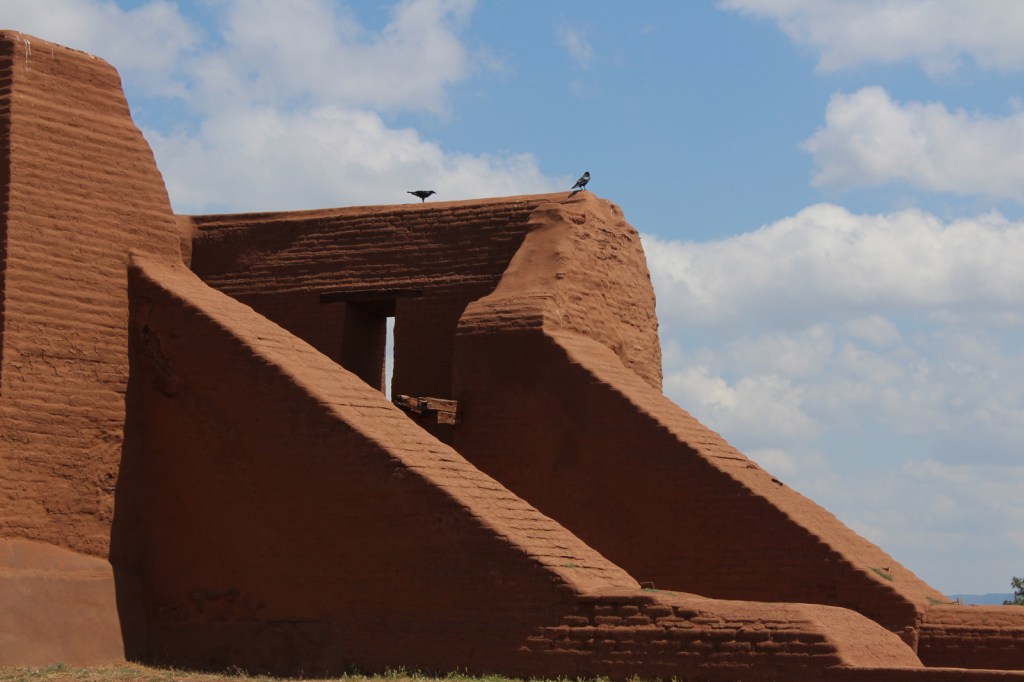
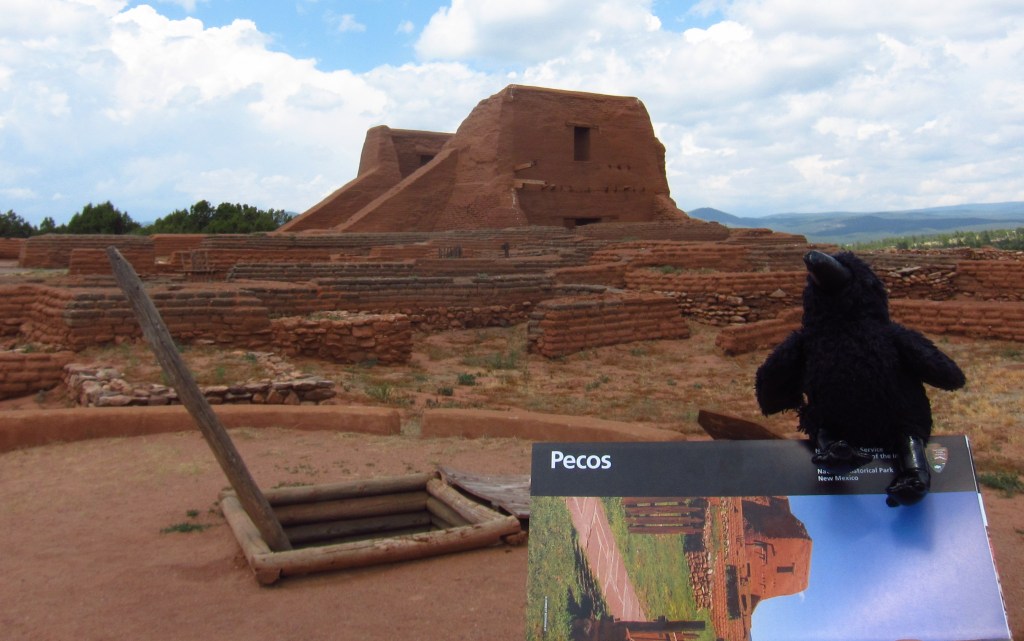
In 1540, Pecos (called Cicuyé by the natives) was a thriving trading center connecting Plains Indians and the Pueblos of northern New Mexico.  It was that year that Spanish conquistador Francisco Vasquez de Coronado led his army to the site during his futile search for the Seven Cities of Gold.  Today you can explore the fascinating ruins at Pecos National Historical Park not far off Interstate 25, which came to replace portions of Route 66, which itself replaced the original Santa Fe Trail.  All of these routes funneled through the mountains at 7,562-foot Glorieta Pass, one of the main reasons for the creation of Northern Rio Grande National Heritage Area.  Glorieta Pass was also the site of a March 26-28, 1862 Civil War battle.

Highlights

Museum, film, Pueblo and Mission Ruins Trail, Glorieta Unit

Must-Do Activity

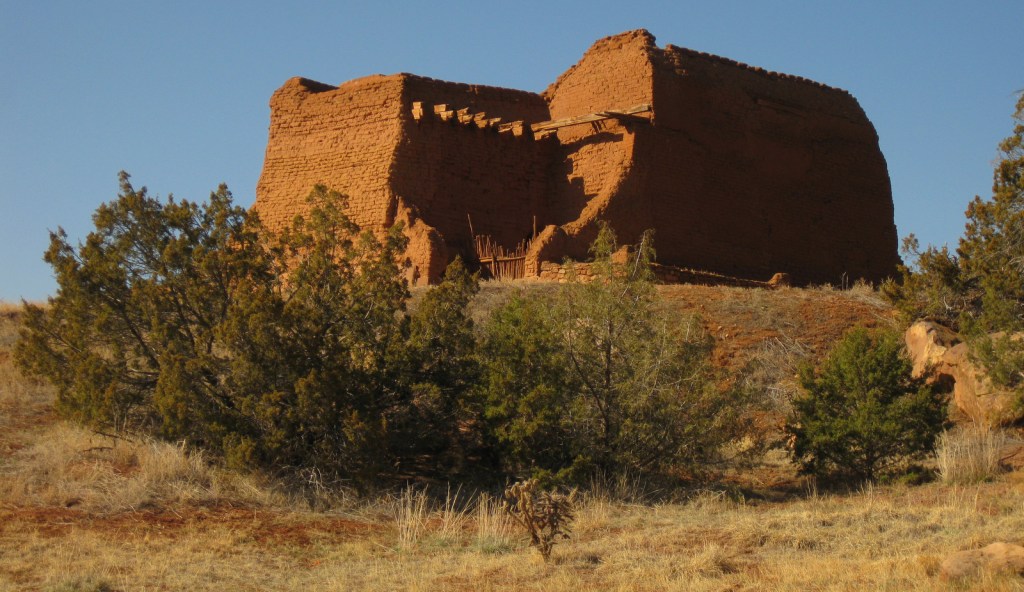
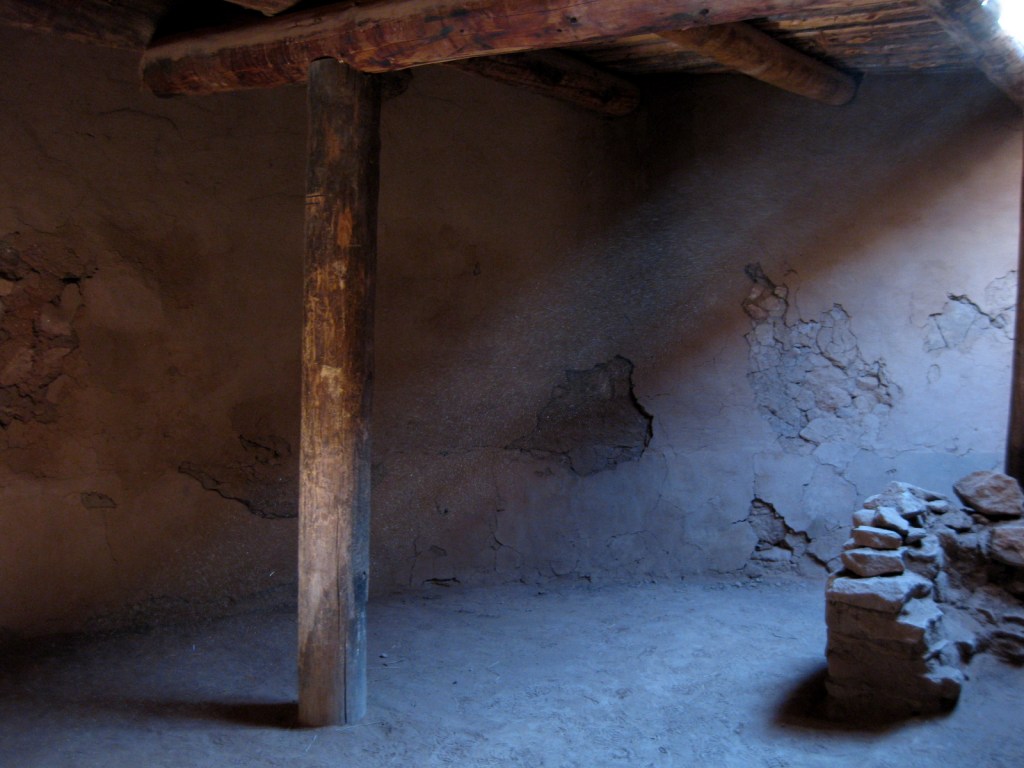
A massive Catholic mission with walls eight feet thick was the legacy the Spanish left behind, which was subsequently destroyed in the widespread revolt of 1680.  The church ruins seen today are a remnant of one rebuilt at a smaller scale in 1717, which interestingly includes ceremonial kivas adjacent to its lofty walls.  In the following centuries Comanche raids commenced, trade routes changed, and the pueblo abandoned in 1838.  At the main National Park Service (NPS) visitor center, you can get the combination for the lock at Pigeon’s Ranch where a 2.25-mile trail passes through parts of the 1862 Battle of Glorieta Pass.

Best Trail

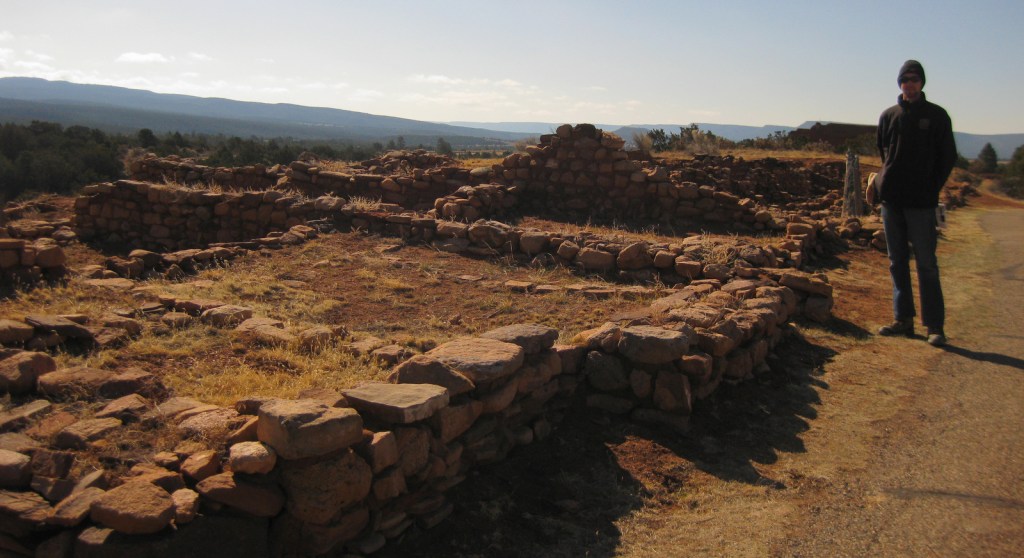
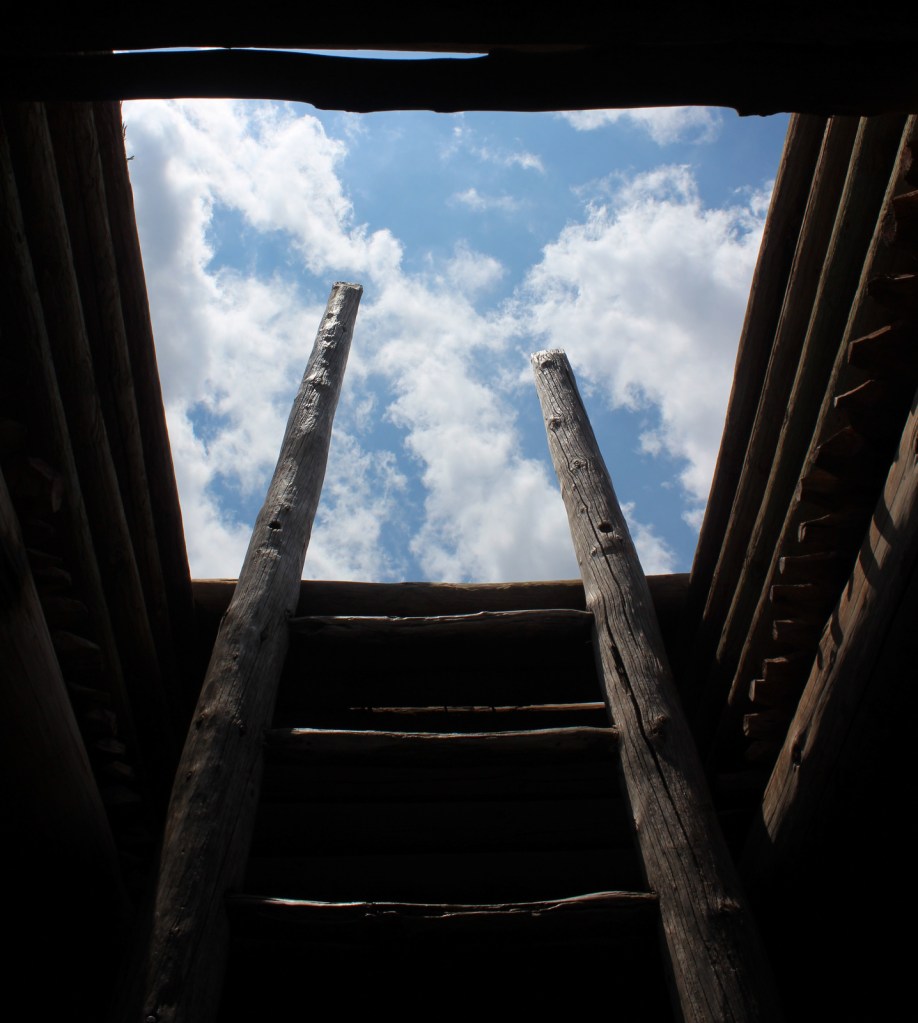
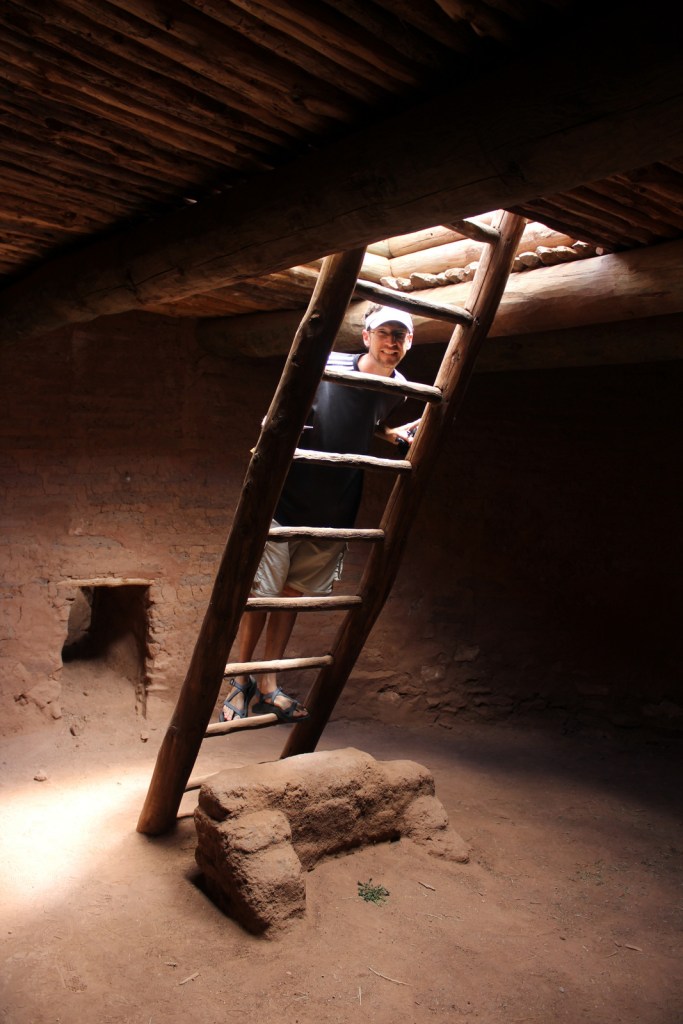
A 1.25-mile self-guided trail allows you to take a peek inside the mission and climb down into two reconstructed kivas to imagine what life was like when this was a bustling pueblo of over 2,000 inhabitants.

Instagram-worthy Photo

There are two reconstructed kivas along the 1.25-mile Pueblo and Mission Ruins Trail, including one right outside the walls of the Catholic mission.  Climb down into a kiva for a trip back in time and a great photographic opportunity (once the dust settles).

Peak Season

Summer

Hours

https://www.nps.gov/peco/planyourvisit/hours.htm

Fees

None

Road Conditions

All roads paved

Camping

There is no NPS campground at the site, but there are numerous camping opportunities throughout Santa Fe National Forest.

Related Sites

Salinas Pueblo Missions National Monument (New Mexico)

Petroglyph National Monument (New Mexico)

Fort Union National Monument (New Mexico)

Explore More – Who was the religious leader credited with organizing the 1680 Pueblo Revolt that drove the Spanish out of northern New Mexico (though they returned in 1692)?

Appomattox Court House National Historical Park

Overview

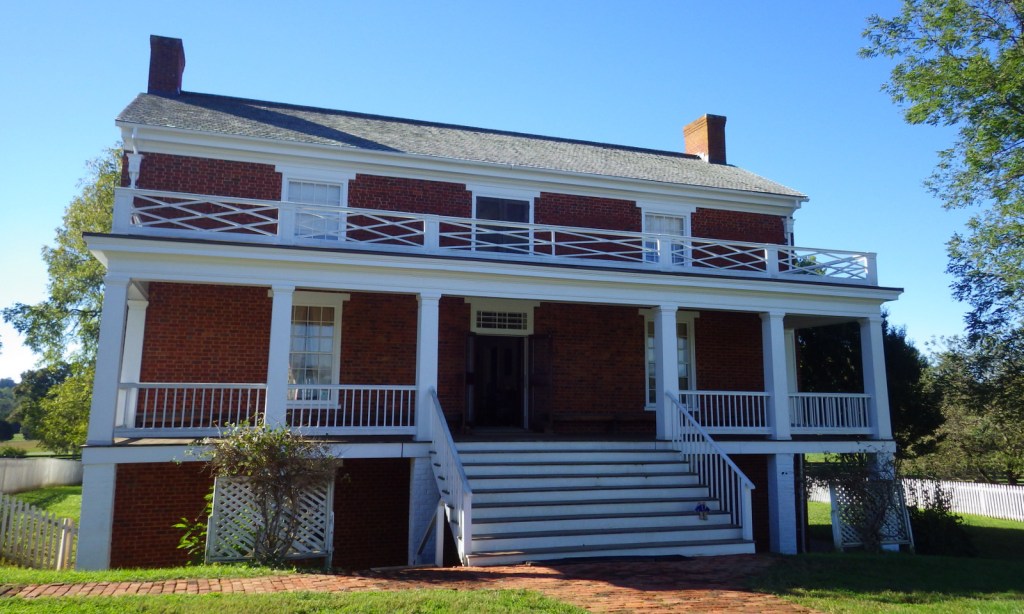
If the name Appomattox Court House rings a bell, that is because in U.S. History class you learned it was where the Civil War ended on April 9, 1865.  There was a courthouse in the town of Appomattox Court House, Virginia, but that is not where Robert E. Lee and Ulysses S. Grant signed surrender papers; actually it was the home of Wilmer McLean.  In 1893, the McLean house was completely disassembled to be turned into an offsite museum, but was later brought back and rebuilt by the National Park Service (NPS).  The county jail is one of several other restored buildings in the park originally designated a National Monument in 1935 and changed to a National Historical Park in 1954.

Highlights

Museum, film, reconstructed McLean House, guided tours

Must-Do Activity

The restored courthouse now serves as the NPS visitor center and museum, from where visitors can start their walk through Meeks General Store, Clover Hill Tavern, the county jail, and other period buildings.  Much of the furniture from the McLean House was taken as souvenirs by Union officers, as well as a doll owned by 7-year-old Lula McLean that was not returned until 1992.

Best Trail

A four-mile hiking trail connects the Village of Appomattox Court House with the April 9, 1865 battlefield and the two General’s headquarters.

Instagram-worthy Photo

You have to take a photo inside the restored room in the McLean house where Lee surrendered his army of 9,000 men, essentially ending the Civil War.

Peak Season

Summer

Hours

https://www.nps.gov/apco/planyourvisit/hours.htm

Fees

None

Road Conditions

All roads paved

Camping

None in the park, but the campground at Holliday Lake State Park is only 12 miles away.

Related Sites

Petersburg National Battlefield (Virginia)

Richmond National Battlefield Park (Virginia)

Booker T. Washington National Monument (Virginia)

Explore More – Seven regiments of African American soldiers in the Union Army participated in the Battle of Appomattox Court House; how many men is that?

Homestead National Historical Park

Overview

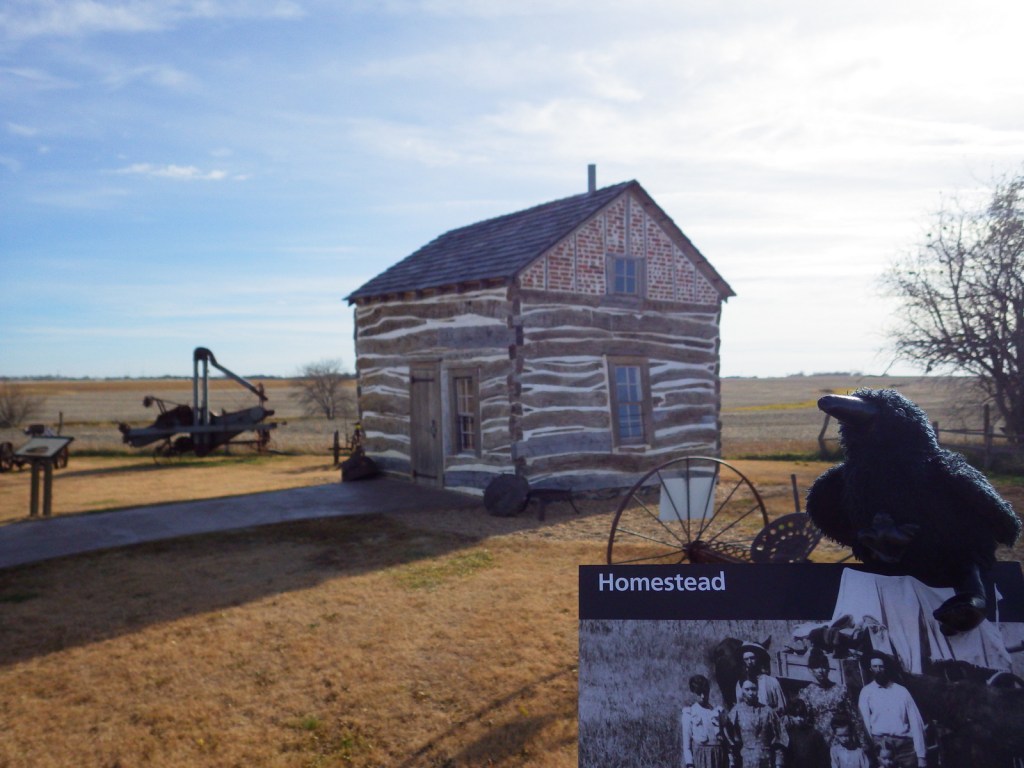
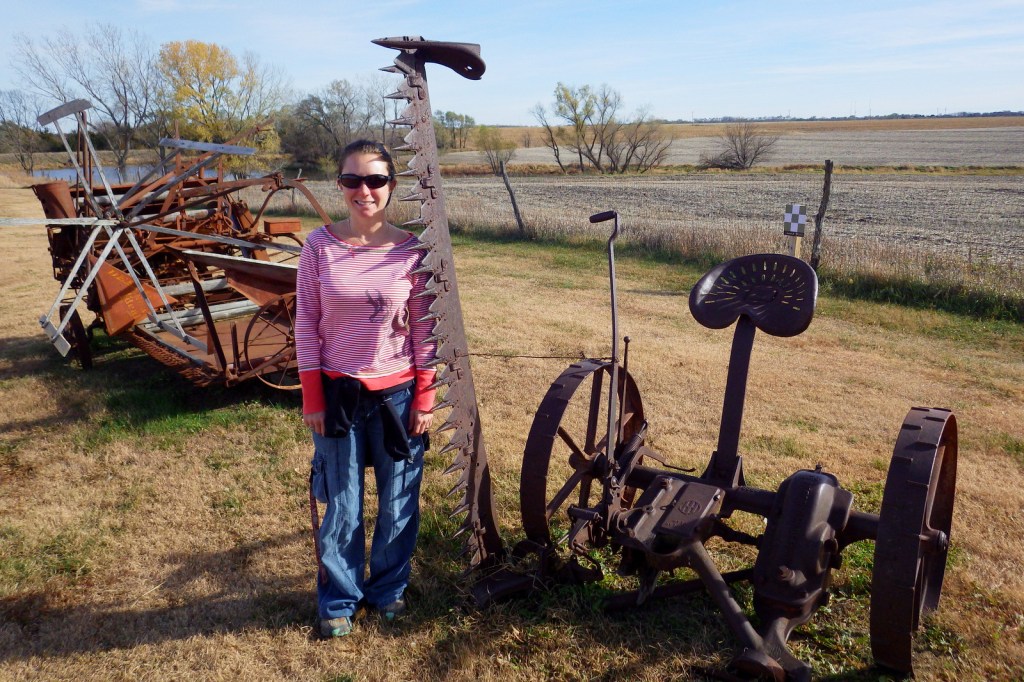
In the midst of the Civil War, a Republican-dominated legislature passed the Homestead Act of 1862, which allowed citizens to stake a claim to 160 acres of unappropriated government land.  Until its repeal in 1976, over 270-million acres across 30 states were transferred from public land to private ownership under this law.  Potential landowners had to apply and pay a fee then “prove up” their claim by farming at least 10 acres and building a home within five years.  Nebraska’s Homestead National Monument of America was authorized in 1936 to remember this era of settlement and renamed in 2021.

Highlights

Heritage Center, film, Palmer-Epard cabin, Freeman School, restored tallgrass prairie

Must-Do Activity

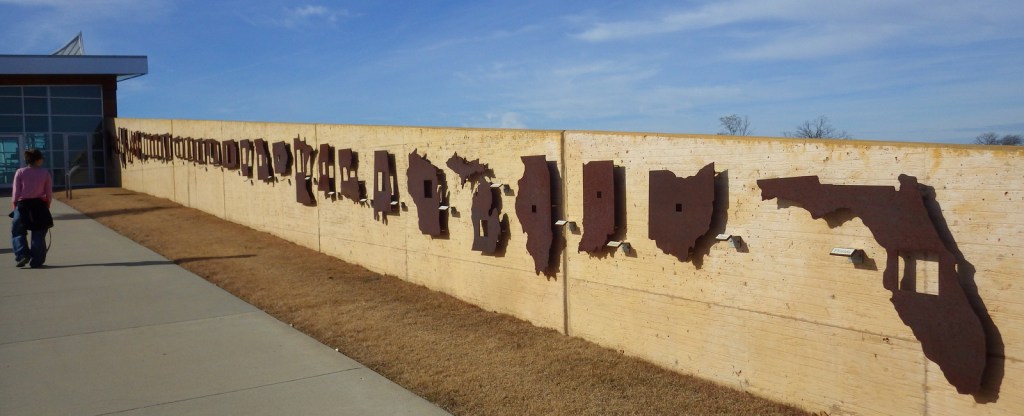
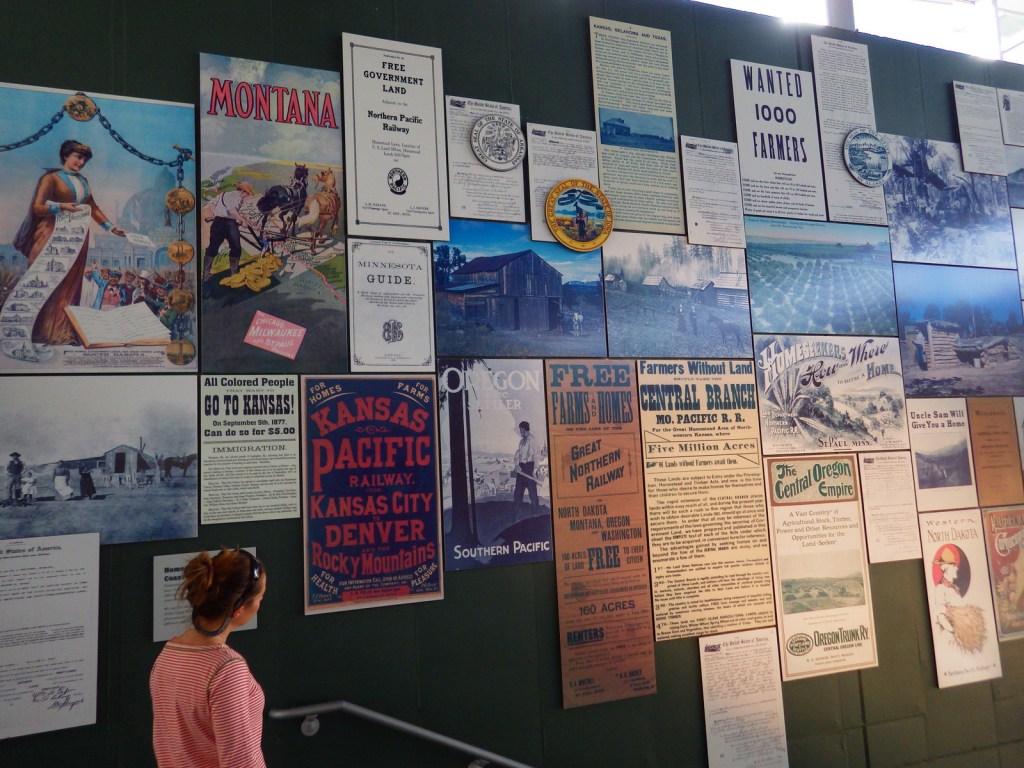
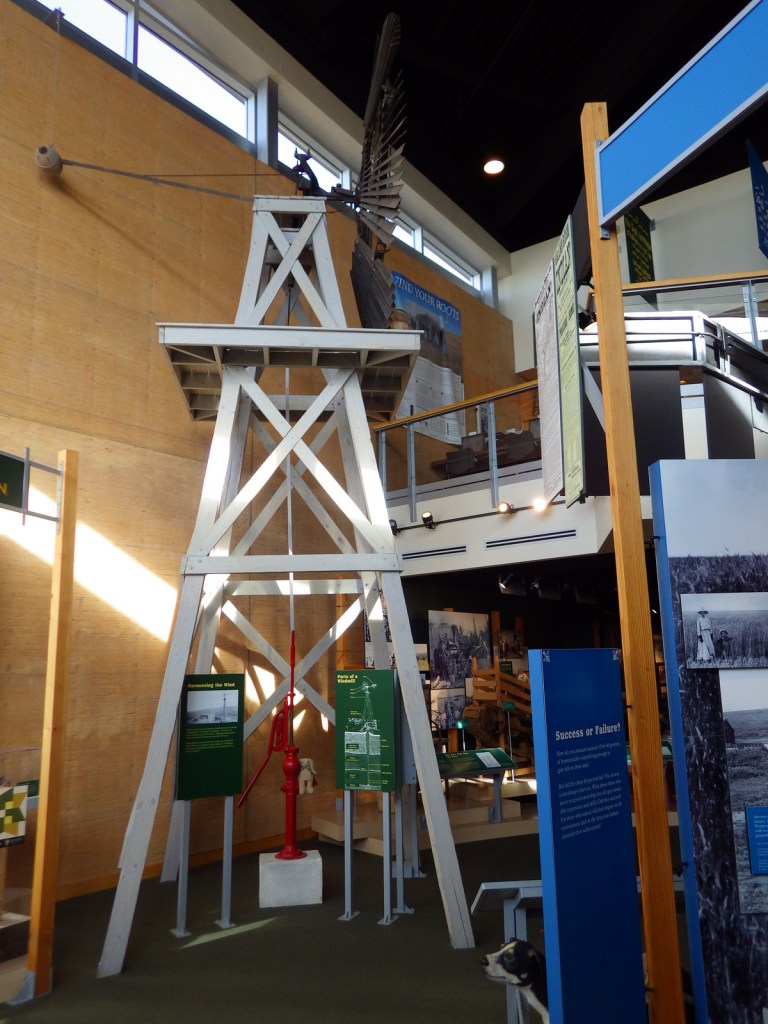
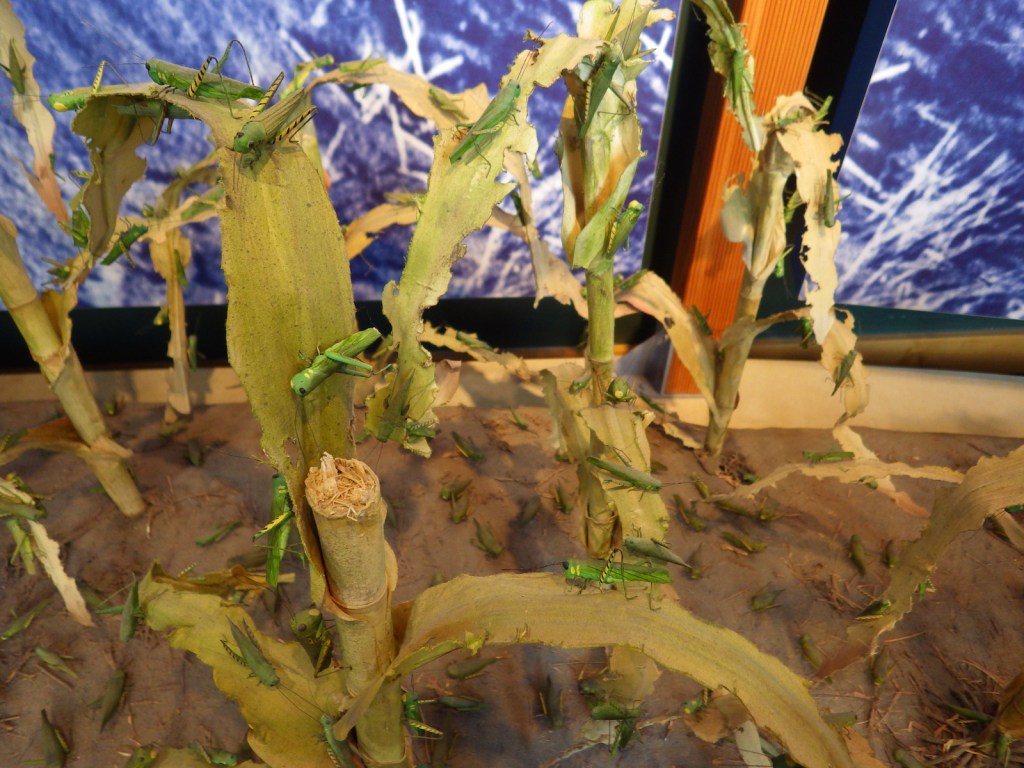
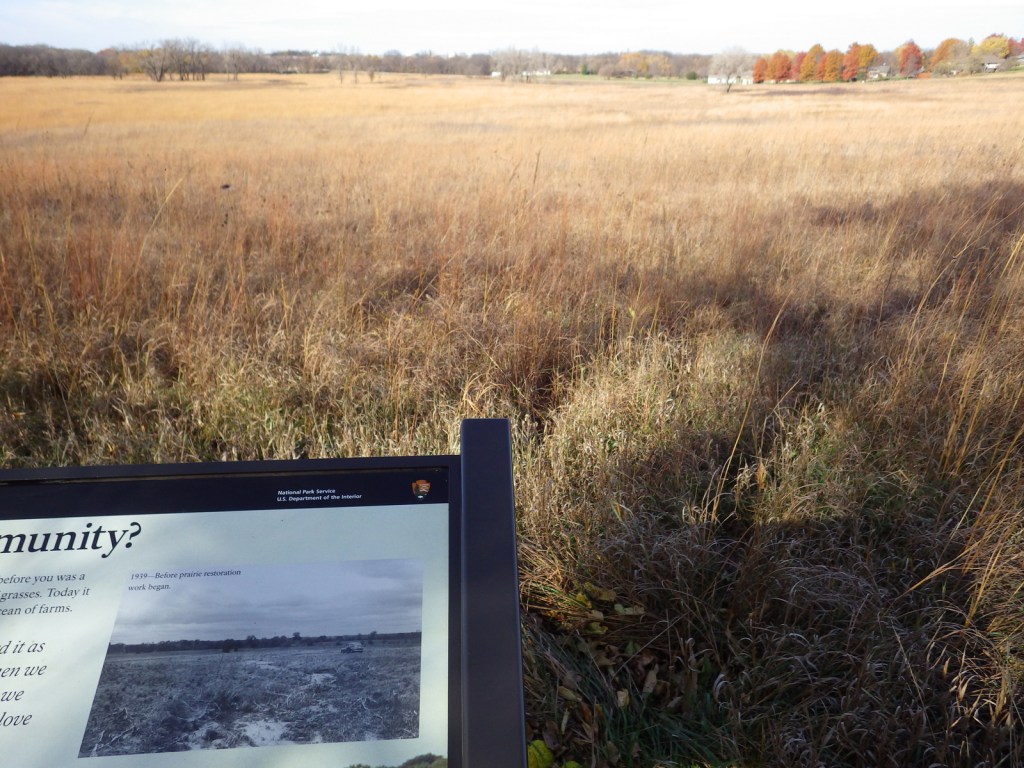
Since 1939, half of this 200-acre piece of land has been managed to resemble the tallgrass prairie that existed here when the Freeman family claimed this T-shaped homestead on January 1, 1863.  It was one of the first farms started after passage of the Homestead Act by Congress.  Inside the Heritage Center, there are many unique exhibits that tell the story of settlement across the western United States of America (plus Florida).  Do not forget to stop by the Education Center and one-room Freeman Schoolhouse that was used from 1872 to 1967.

Best Trail

At the park, 2.5 miles of walking trails connect the museums at the Heritage Center and the Education Center, passing by hedgerows of Osage-orange trees. 

Instagram-worthy Photo

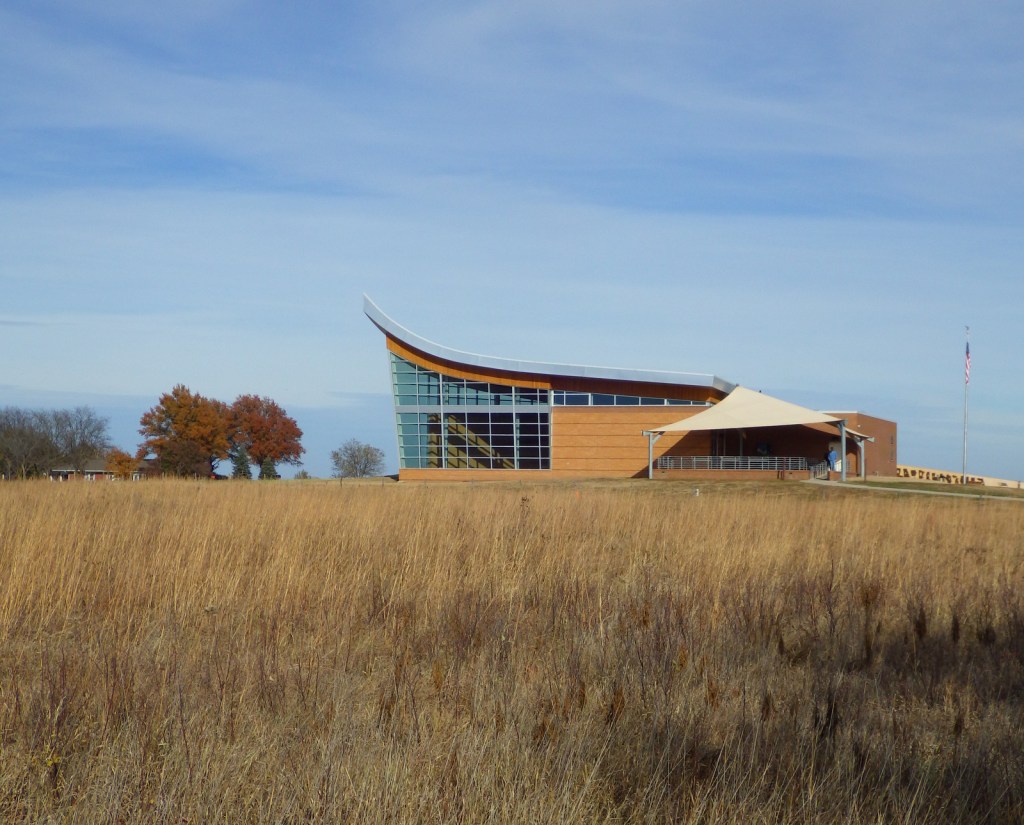
The Heritage Center’s roofline is designed to resemble a single-bottom plow stands and it sits at the edge of a restored tallgrass prairie ecosystem.  Similar to Fort Scott National Historic Site and Tallgrass Prairie National Preserve in Kansas, prescribed fire is used here to promote the growth of native plants.

Peak Season

Summer

Hours

https://www.nps.gov/home/planyourvisit/hours.htm

Fees

None

Road Conditions

All roads paved except a short section to access the parking lot for the Freeman School.  The parking lot at the Heritage Center is exactly one acre in size to help visitors visualize the 10 acres required to farm for “proving up” a homestead.

Camping

Four miles east of the park, Beatrice, Nebraska has two city parks with campgrounds.

Related Sites

Tallgrass Prairie National Preserve (Kansas)

Scotts Bluff National Monument (Nebraska)

Hubbell Trading Post National Historic Site (Arizona)

Explore More – Which First Amendment right was first challenged in court because of its use in teaching at the one-room Freeman School?

We are a participant in the Amazon Services LLC Associates Program, an affiliate advertising program designed to provide a means for us to earn fees by linking to Amazon.com and affiliated sites.

Fort Sumter and Fort Moultrie National Historical Park

Overview

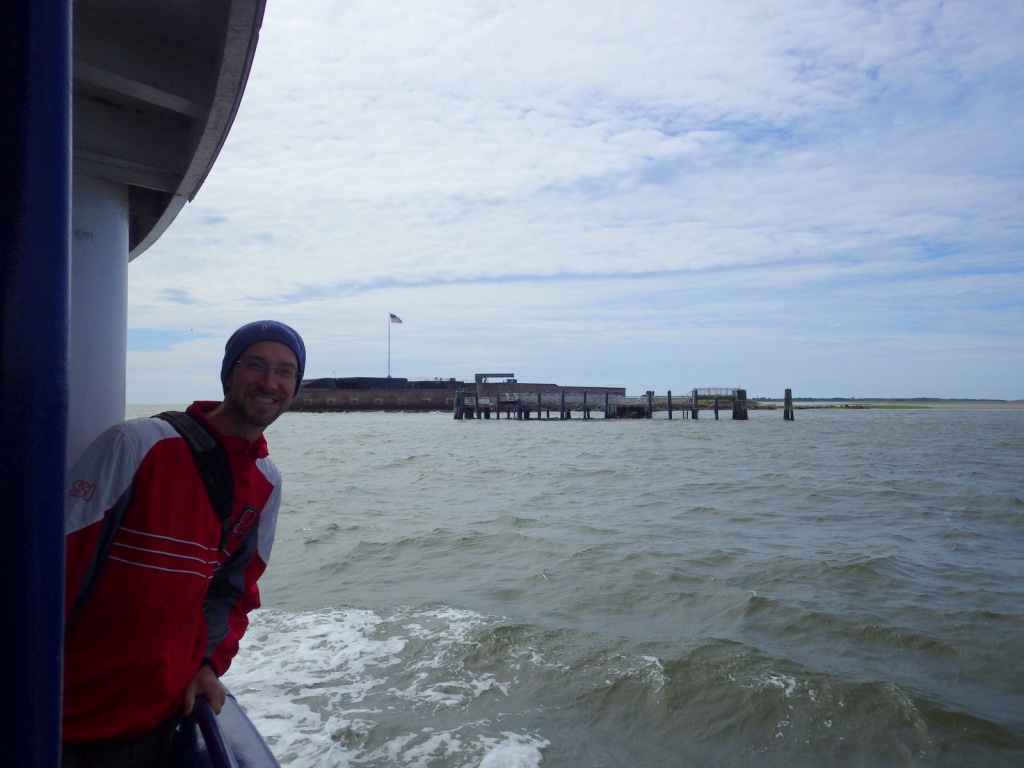
Located at the entrance to the harbor of Charleston, South Carolina, a group of defensive forts have gone through many permutations since the 1770s.  The most famous, the five-sided Fort Sumter was still unfinished (after 30 years of construction) when South Carolina became the first state to secede from the United States on December 20, 1860.  This led Major Robert Anderson to flee Fort Moultrie with 85 Union troops for Fort Sumter, which Confederates fired at on April 12, 1861, marking the first shot of the Civil War.  Fort Sumter is only accessible by ferry, but you can drive a car to the National Park Service (NPS) museum at Fort Moultrie, commemorated on the U.S. quarter-dollar coin minted in 2016.

Highlights

Museum, Fort Moultrie, Fort Sumter, wildlife

Must-Do Activity

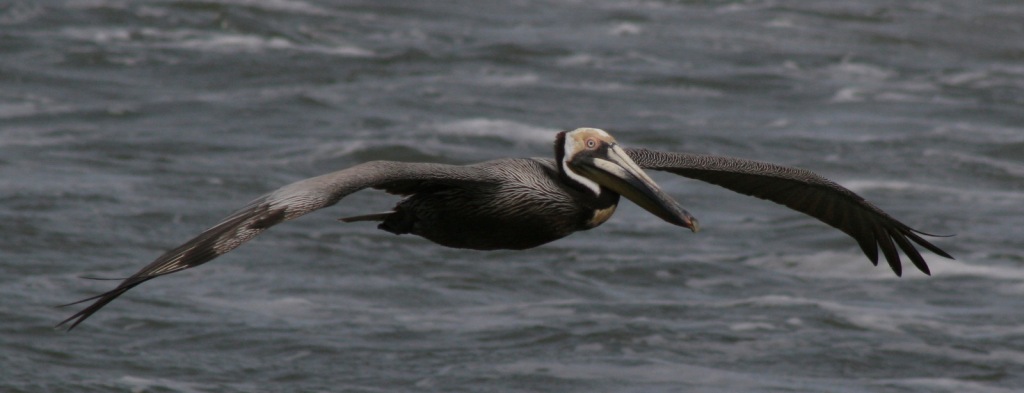
Fort Sumter was built upon a sandbar in Charleston Harbor, raised and leveled with 70,000 tons of granite brought down from New England.  A toll ferry takes visitors to the island from downtown Charleston or Patriots Point Naval and Maritime Museum.   Dolphins, pelicans, and shore birds are commonly spotted on the 40-minute ferry ride to Fort Sumter.  Destroyed by the end of the Civil War, the fort today looks nothing like it did back then, having gone through multiple upgrades before it was deactivated in 1947.  At the site, the NPS displays cannons representing each era alongside interpretive signs.

Best Trail

A walk through Fort Moultrie explains its 170 years of military use before it became part of Fort Sumter National Monument in 1948.  Constructed on Sullivan’s Island in South Carolina, Fort Moultrie was not yet finished when a British attack was repelled on June 28, 1776 at the beginning of the Revolutionary War.  After being destroyed during the Civil War, it saw new life during World War I with the placement of disappearing rifles and World War II with anti-aircraft guns. 

Instagram-worthy Photo

Major Robert Anderson surrendered and lowered the U.S. flag on April 14, 1861, though there were no casualties during the bombardment.  After rifled cannons had reduced the fort’s walls to rubble, Major Anderson raised the exact same flag above Fort Sumter four years later to-the-date near the end of the Civil War. 

Peak Season

Summer

Hours

https://www.nps.gov/fosu/planyourvisit/hours.htm

Fees

$10 per person to visit Fort Moultrie (or America the Beautiful pass); charge for passenger ferry to Fort Sumter but no NPS fee

Road Conditions

Free parking at Fort Moultrie, but pay parking for the ferry from Liberty Square in downtown Charleston or Patriots Point Naval and Maritime Museum.

Camping

None

Related Sites

Fort Pulaski National Monument (Georgia)

Charles Pinckney National Historic Site (South Carolina)

Congaree National Park (South Carolina)

Explore More – Who was the famous Native American chief who died of scarlet fever as a prisoner at Fort Moutlrie in 1838?

We are a participant in the Amazon Services LLC Associates Program, an affiliate advertising program designed to provide a means for us to earn fees by linking to Amazon.com and affiliated sites.