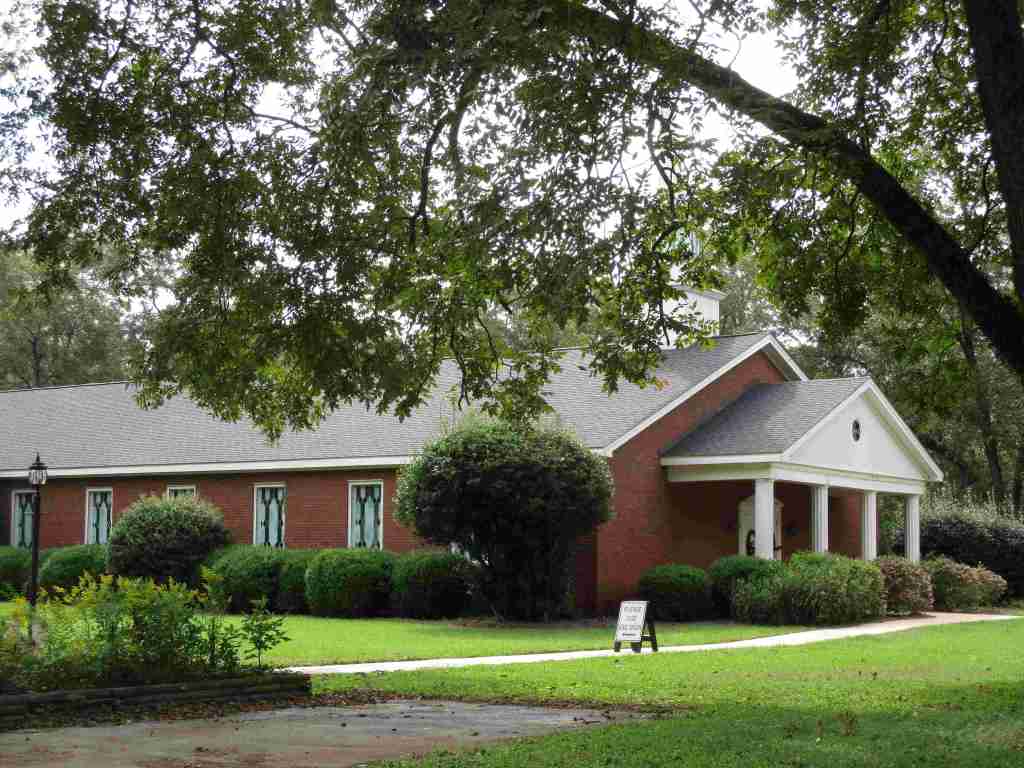
Jimmy Carter was the 39th U.S. President (1977-1981) and the first to reach the age of 100 before he passed away on December 29, 2024. Following his presidency, he and his wife (Rosalynn) returned to their hometown of Plains and cemented their legacy as diplomats and humanitarians, mostly through their work with the Carter Center in Atlanta (he was awarded a Nobel Peace Prize in 2002). Up until the end, Jimmy Carter taught Sunday school at Maranatha Baptist Church, which is open to the public. The National Historical Park encompasses Jimmy’s boyhood farm, high school, and the old Plains railroad depot. It also includes his residence since 1961, which continues to be closed but will eventually be turned into a museum by the National Park Service (NPS). In July 2025, the Carter Gardens and Burial Site of Jimmy and Rosalynn Carter opened to the public.
Highlights
Plains High School, film, train depot, boyhood farm, burial site, Carter Gardens
Must-Do Activity
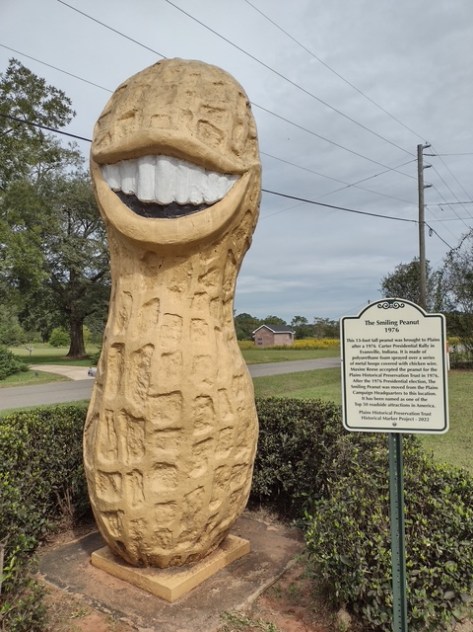
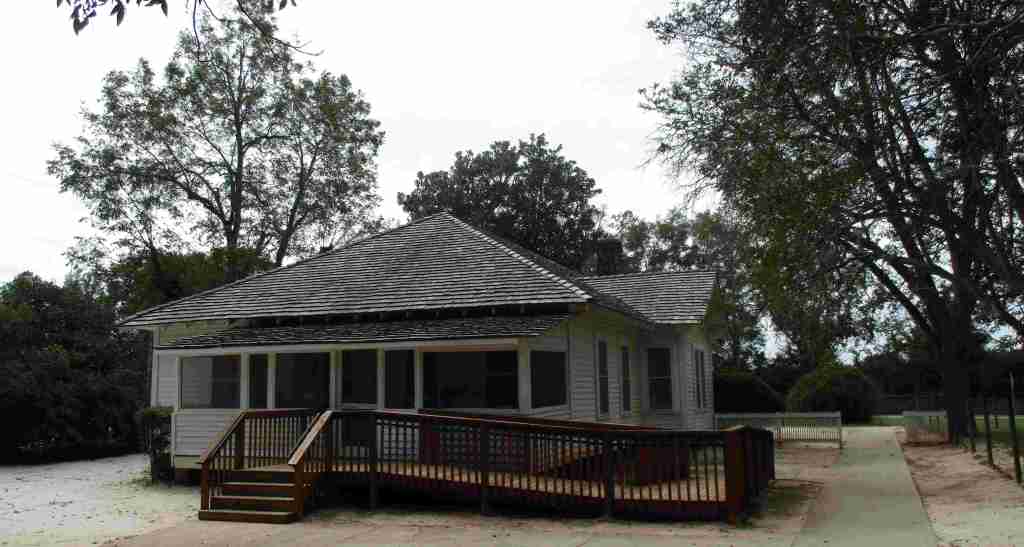
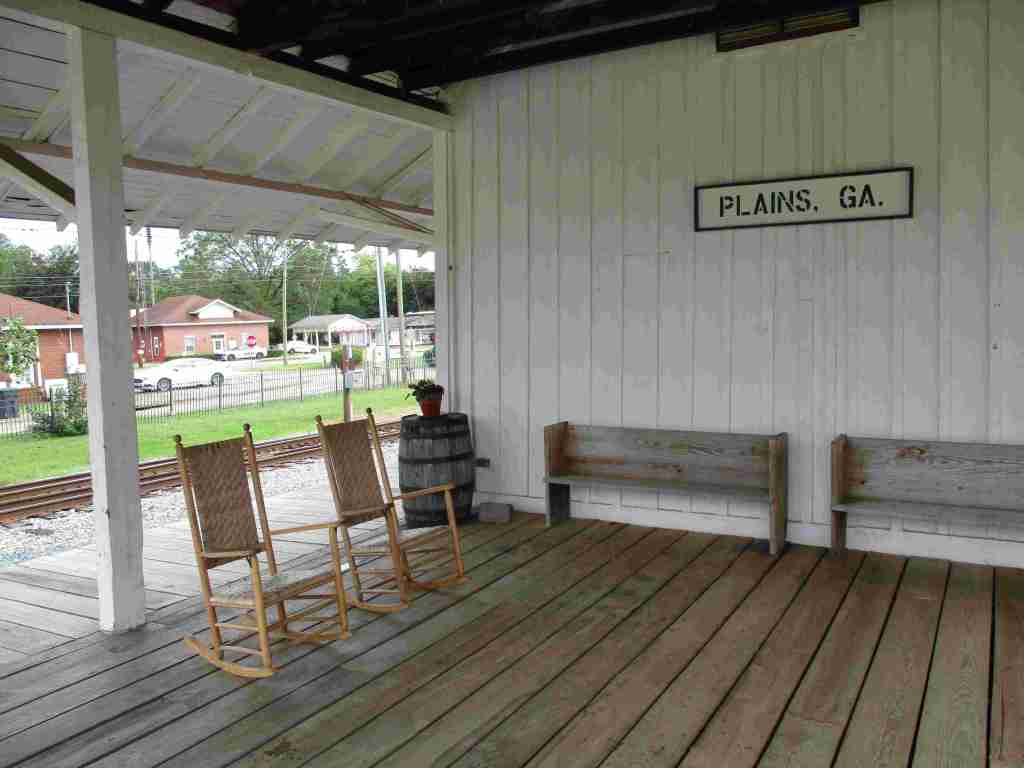
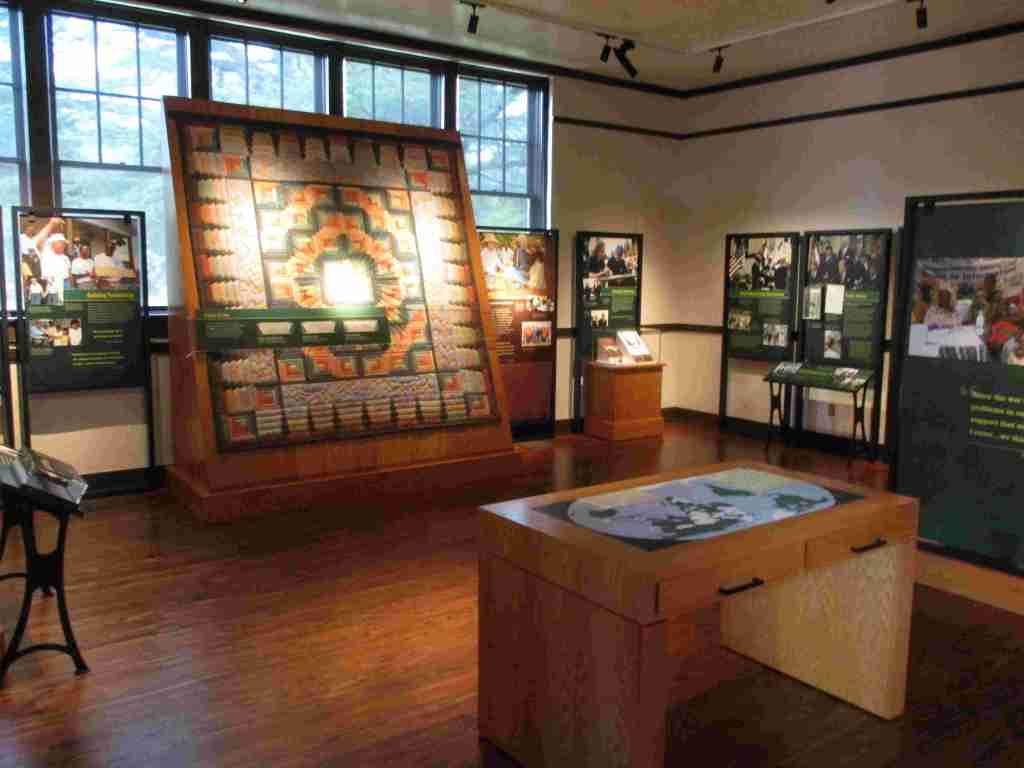
The best place to start a visit is the NPS visitor center and museum in the former Plains High School, which is full of artifacts and information on the Carters. Next, drive or walk to the main street, where the train depot that shut down in 1951 was turned into Jimmy’s presidential campaign headquarters. While downtown, check out the shops for souvenirs and try some boiled peanuts or soft-serve peanut-flavored ice cream. There are several other sites of interest around Plains, including the boyhood home, burial site, Carter Gardens, Maranatha Baptist Church, and peanut statue (see Photographic Opportunity).
Best Trail
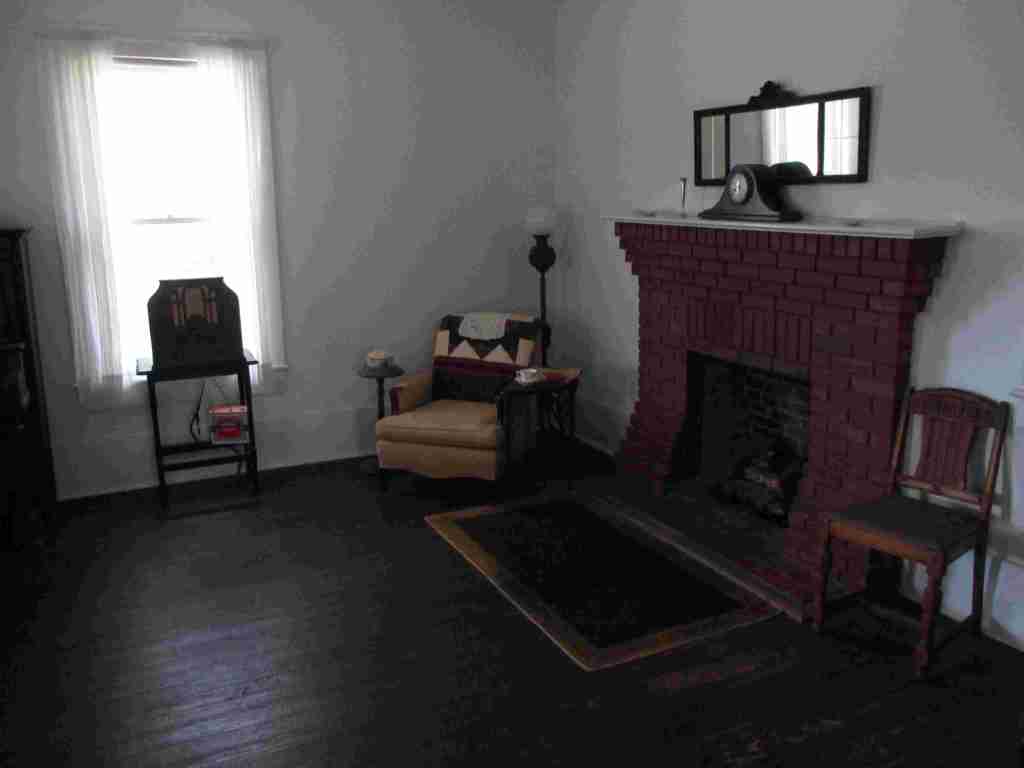
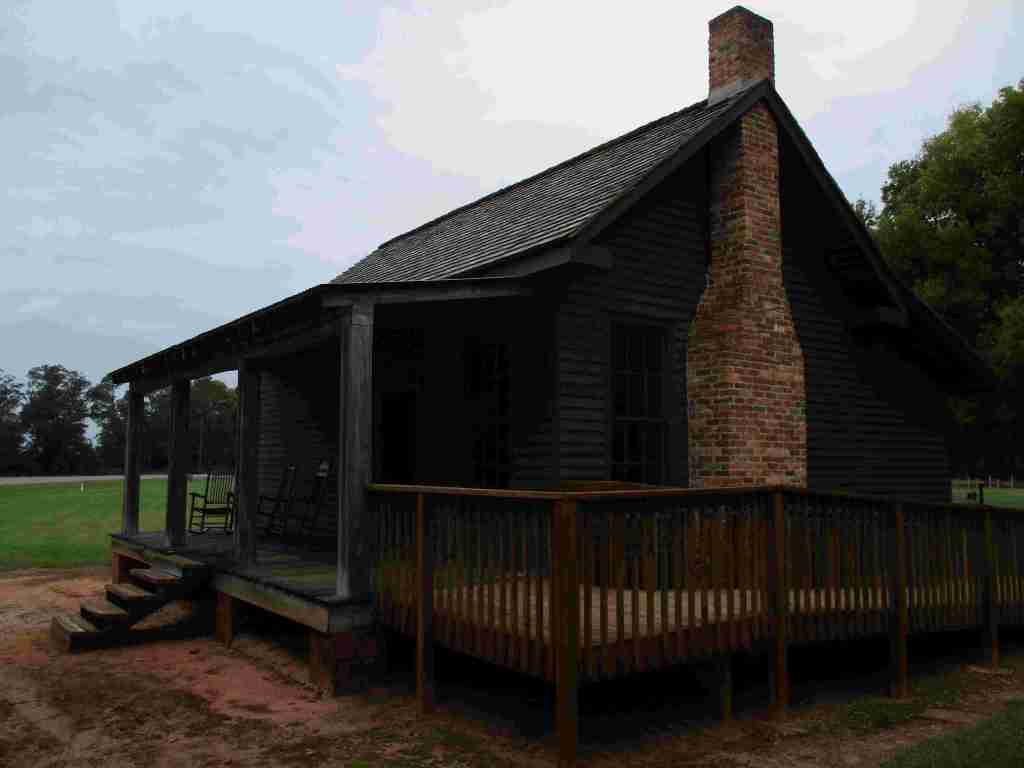
A half-mile trail winds through the boyhood farm where Jimmy lived starting at age four. Farm animals and seasonal crops are raised here, including peanuts. You can take a self-guided tour through his boyhood home, which was restored to its appearance before electricity was installed in 1938.
Photographic Opportunity
While not part of the official National Historical Park, when you drive up Buena Vista Road to see Maranatha Baptist Church, you pass the 13-foot-tall Jimmy Carter peanut statue built during the 1976 presidential election to support the former peanut farmer.
Paved parking is available at the high school, train depot, and boyhood farm (located about three miles west of town).
Camping
About 30 miles away in each direction are campgrounds at Georgia Veterans State Park and Providence Canyon State Park (which is featured on a U-Haul super graphic).
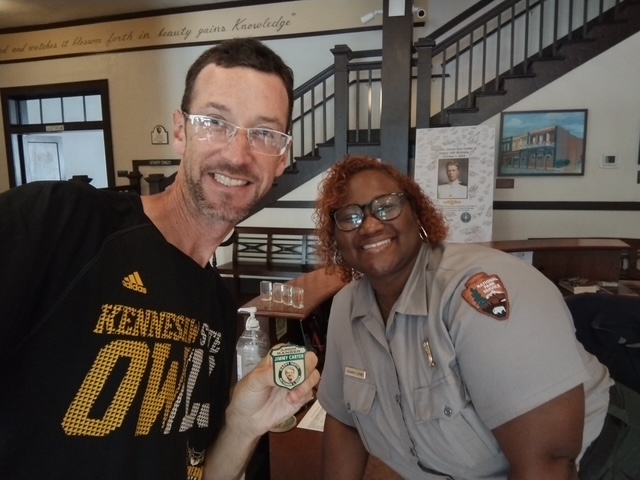
Jimmy’s boyhood homeJimmy’s boyhood bedroomDowntown PlainsInside Plains High SchoolA 100th birthday card for JimmyScott earned a special 100th birthday Junior Ranger badgeMarantha Baptist ChurchVulturin’ about the park
Explore More – According to an urban legend, why was a hole cut in the back of the Jimmy Carter peanut statue by the U.S. Secret Service?
Last year we published our guidebook 50 States of Great: Road Trip Guide to America, so we decided to start a new type of blog post where we create a travel itinerary for all 50 states, in addition to our usual National Forest and National Park entries. After starting by jumping around to Kansas, Georgia, Idaho, Rhode Island, Minnesota, Hawai’i, and Arizona, we headed back to the south for Louisiana. Just in time for Mardi Gras, we made an ambitious seven-day plan starting in New Orleans, with plenty of options to extend the trip.
Eating beignets is a great way to start your trip to Louisiana, and this is the most touristy place to get them, located on the Riverwalk in New Orleans.
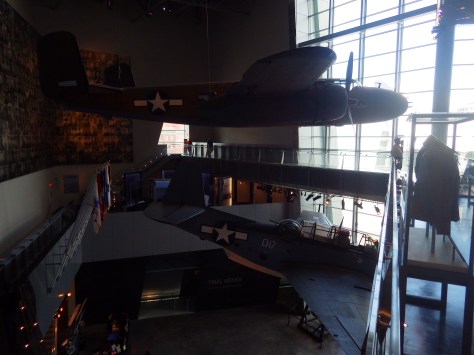
It is easy to spend an entire day here (fee) because of all the interactive exhibits and informational touchscreen kiosks. You do not even have to leave for lunch, since the Soda Shop and American Sector Restaurant & Bar are on site. We recommend you purchase a ticket including the 4-D film Beyond All Boundaries and the submarine experience based on the final mission of the USS Tang. This is our vote for #1 museum in the entire U.S.
French Quarter
Every American needs to visit the French Quarter at least once in their life (although whether that’s during the wildness of Mardi Gras is up to you), and it is walkable from the National WWII Museum. Consider stopping by iconic Lafayette Square, Old Ursuline Convent Museum, or the New Orleans Pharmacy Museum.
Ghost Tour
We have heard rave reviews about the ghost tours offered in New Orleans, and hope to attend one someday to compare it to the others we have done.
We camped here and it felt like we were off in the wild while still within the city’s suburbs.
Day 2
New Orleans Jazz National Historical Park
The New Orleans Jazz Museum (fee) is located in the old U.S. mint building right in the heart of the historic French Quarter. Check the online schedule for musical performances put on by the National Park Service (NPS) and enter the free visitor center shared with Jean Lafitte National Historical Park and Preserve.
Go out to lunch in New Orleans
Louisiana is famous for its Cajun food, including gumbo, étouffée, jambalaya, po’boys, and red beans and rice.
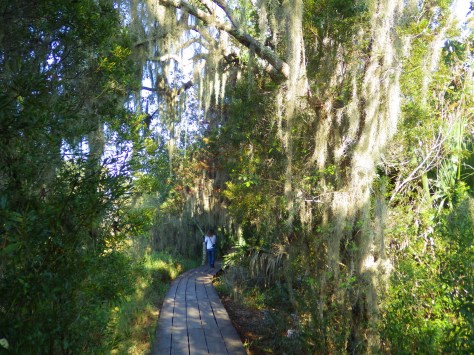
Make sure you visit the 24,000-acre Barataria Preserve to experience the bayous of Louisiana, whether you hike or take a boat tour (fee). South of downtown New Orleans off Highway 45, keep your feet dry by hiking the boardwalks on the Bayou Coquille Trail. In addition, this park includes three Acadian Cultural Centers spread throughout southwestern Louisiana.
Optional stop at Chalmette Battlefield
Another part of Jean Lafitte National Historical Park and Preserve encompasses the land where Andrew Jackson led the defeat of the British to retain New Orleans for the U.S. after the end of the War of 1812.
Day 3
Baton Rouge
Check out the art-deco capitol building where you might see white pelicans floating on the lake next door. We read that the pelican on the state flag is supposed to be a brown pelican (the official state bird) even though the artist made it white so it stood out against the blue background. Also consider visiting the Old State Capitol, Old Governor’s Mansion, or USS Kidd destroyer ship.
Optional drive along the Lake Ponchartrain Causeway
Not the most direct route between New Orleans and the capital city, this 23.8-mile causeway is considered the longest continuous bridge over water in the world. It is free to drive northbound, but don’t attempt it when it’s smoky or foggy, as it becomes very dangerous to drive.
Optional stop at LSU Tigers game
Louisiana State University is located in Baton Rouge and they are famous for their tailgating scene and raucous fans who support their perennially excellent football, women’s basketball, and gymnastics teams.
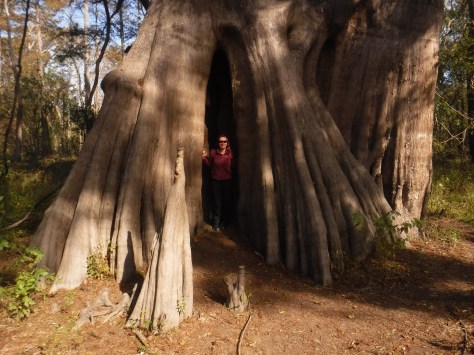
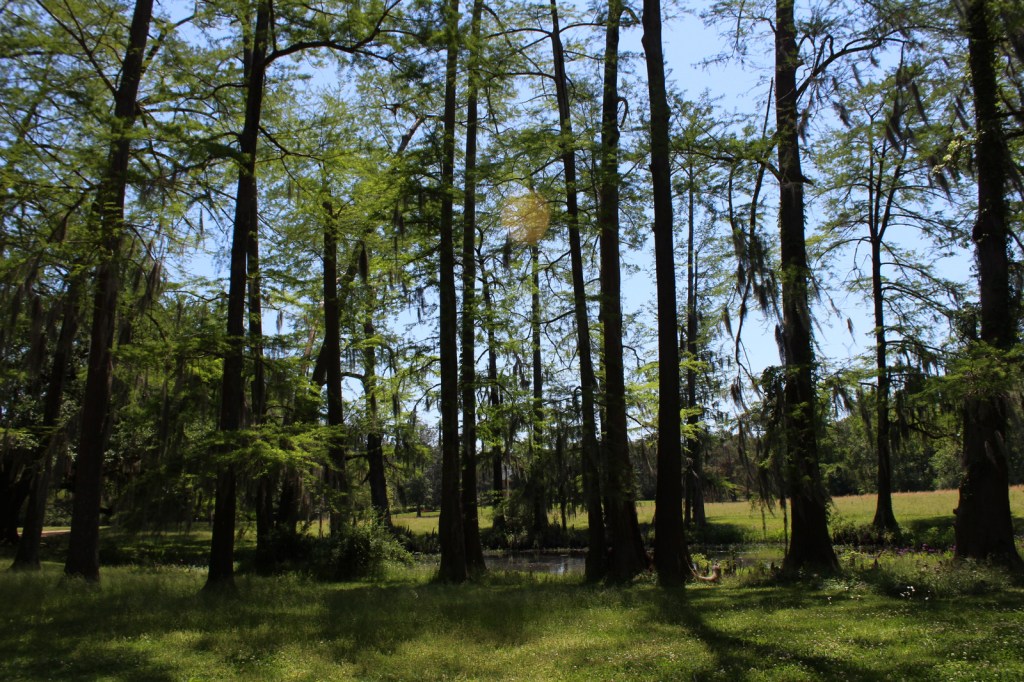
Northwest of Baton Rouge, the largest of all baldcypress trees in the U.S. is found at the end of a flat, half-mile trail, where there is a new boardwalk built around the tree to protect its roots. This area is located down six miles of dirt road full of potholes (and is sometimes flooded).
Louisiana is home to 24 National Wildlife Refuges, many found in its southern half where bayous are full of alligators and mostly uninhabited by humans, like this one west of Baton Rouge.
In southwest Louisiana, this route traverses 180 miles of pavement around Calcasieu Lake and the Gulf of Mexico coastline. Much of the state’s oceanfront is inaccessible swamp, but in this corner of the state there are 26 miles of beautiful sandy beaches where ocean waves and seashells await. Consider spending the night in Holly Beach.
Further inland, there are 700,000 acres of wetlands that attract waterfowl to Sabine National Wildlife Refuge, while the surrounding area is used by farmers to grow rice and raise crawfish.
There are eight parcels that constitute the sprawling 603,360-acre Kisatchie National Forest, which has over 40 developed recreation sites and 100 miles of trails. It encompasses lakes for boating and swimming, plus baldcypress-lined bayous for canoeing and fishing. Old-growth longleaf pine forests can be accessed by the paved Longleaf Trail Scenic Byway, just off Interstate 49. A 1.5-mile interpretive loop at Longleaf Vista is a good place to start.
Red Dirt National Wildlife Management Preserve
Camping is allowed in this area next to the 8,700-acre Kisatchie Hills Wilderness where you can backpack along trails. Kisatchie National Forest also offers several lakefront camping areas elsewhere. Lake Fausse Pointe, Lake Bistineau, and Chicot State Parks all have campgrounds with lake access, as well cabins available for rent.
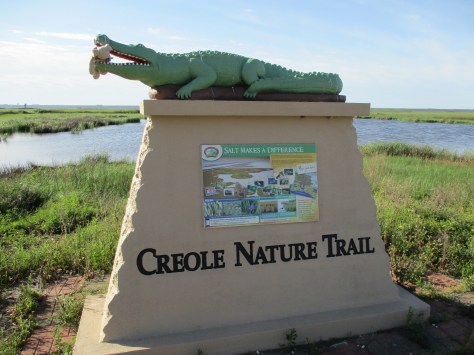
The Creole Nature Trail Adventure Point is a self-guided audio tour and starts off Interstate 10 in Sulphur, where a museum has hands-on displays that introduce visitors to local wildlife and Cajun culture.
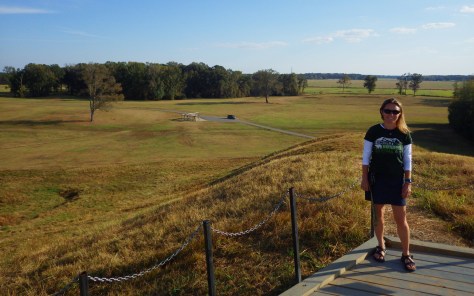
Settled 3,700 years ago by hunter-gatherers, this ancient city with a population estimated at 1,500 was situated along Bayou Macon in northeast Louisiana. The inhabitants constructed several mounds, the most impressive is 72-feet-tall in the shape of a bird, which required approximately 15-million basket-loads of soil to complete.
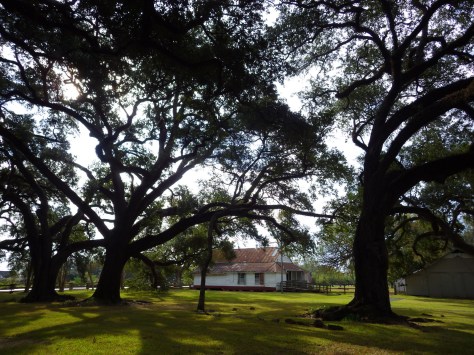
Oakland Plantation survived the Civil War intact, but in the wake of Reconstruction tenant farming created a new form of indentured servitude. Self-guided tours of the site take you through the mule barn, several cottages, and an old general store that still looks open for business along Highway 494. Slave/tenant quarters are also preserved at Magnolia Plantation downstream, but the main house is closed to the public.
Festivals dedicated to celebrating and eating frogs and crawfish; it does not get any more Louisiana than that! Also, consider arriving during one of the many music festivals dedicated to jazz, zydeco, or other regional musical styles.
An annual battle reenactment takes place at the site of a siege during the Civil War; further north, another Civil War reenactment is held at Pleasant Hill.
This forested Wildlife Management Area is located between Monroe and Alexandria in central Louisiana. It includes Rock Falls, which at 17 feet in height is the tallest waterfall in the state, accessible on a seven-mile trail.
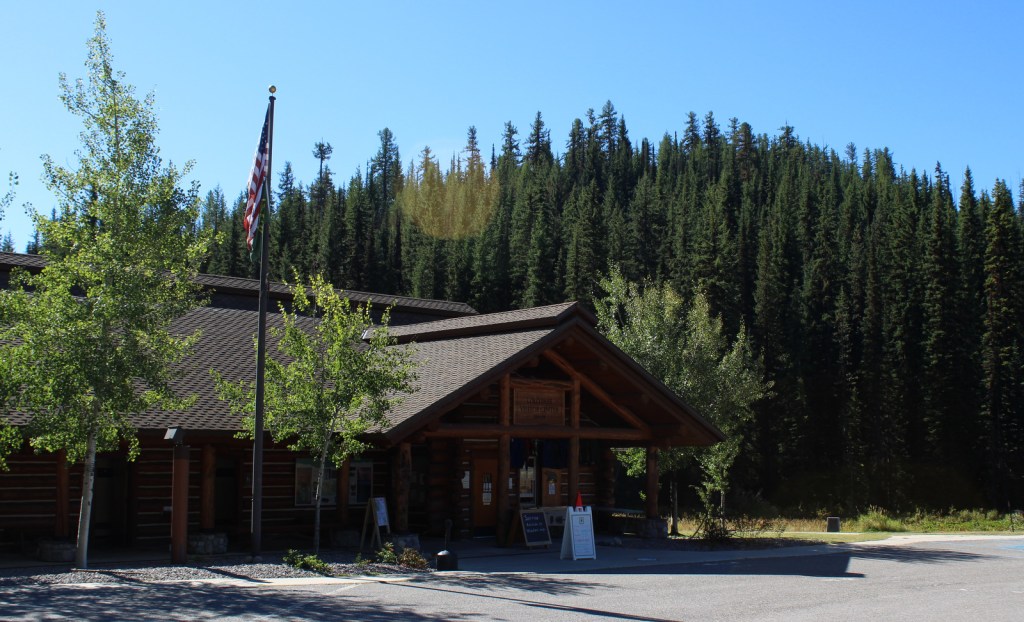
In central Idaho, Clearwater National Forest was established in 1908 and administratively combined with Nez Perce National Forest in 2012. A great place to start is the Forest Service visitor center at Lolo Pass on the Idaho-Montana border southwest of Missoula, where you will learn about the Corps of Discovery’s visit in 1805. Elsewhere, the North Fork of the Clearwater River ends in the Dworshak Reservoir where a separate section of the National Forest can be explored on the White Pine Scenic Byway and Elk River Backcountry Byway. The latter accesses Giant Cedar Grove and Elk Creek Falls, which is three separate waterfalls totaling a 140-foot drop.
Highlights
White Pine Scenic Byway, Lolo Pass, Lolo Motorway, DeVoto Memorial Grove, Colgate Licks, Jerry Johnson Hot Springs, Shoestring Falls, Elk Creek Falls, Giant Cedar Grove, Aquarius Natural Area, Nez Perce (Nee-Me-Poo) National Historic Trail, and Lewis and Clark National Historic Trail, Down River Trail, Beason Meadows National Recreation Trail
Must-Do Activity
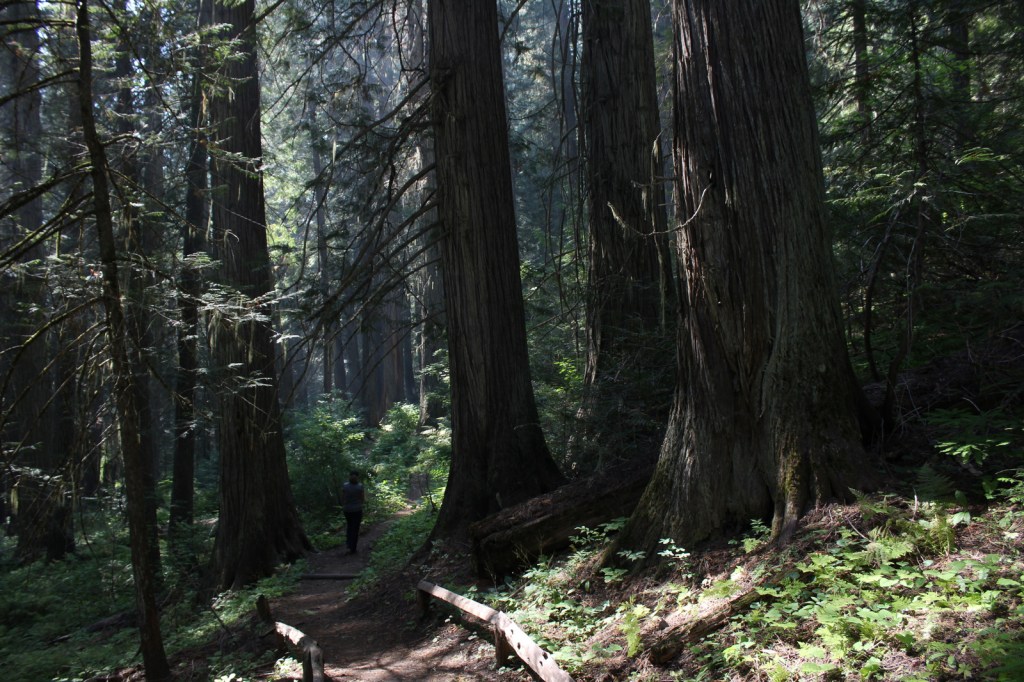
Most of the recreational activity in Clearwater National Forest occurs along the Northwest Passage Scenic Byway (Highway 12), which runs west from the Lolo Pass visitor center along the Lochsa National Wild and Scenic River. The legendary dirt road called the Lolo Motorway (see below) can be accessed from several points along this route. Both the famous Jerry Johnson Hot Springs and the smaller Weir Creek Hot Springs are reachable from roadside trailheads. Also along Highway 12, short trails lead through the DeVoto Memorial Grove of western redcedars and Colgate Licks mineral springs.
Best Trail
From parking areas on both sides of Highway 12, it is only about a one-mile easy walk to Jerry Johnson Hot Springs where multiple pools can be found creekside and uphill at the source. The trail continues along Warm Springs Creek into the Selway-Bitterroot Wilderness and beyond.
Watchable Wildlife
The North Fork of the Clearwater and the Lochsa Rivers provide habitat for fish and water-loving animals like moose, raccoons, river otters, muskrats, beavers, fishers, ospreys, and bald eagles. The mountains are home to elk, mule deer, mountain goats, black bears, martens, red foxes, gray wolves, and mountain lions.
Instagram-worthy Photo
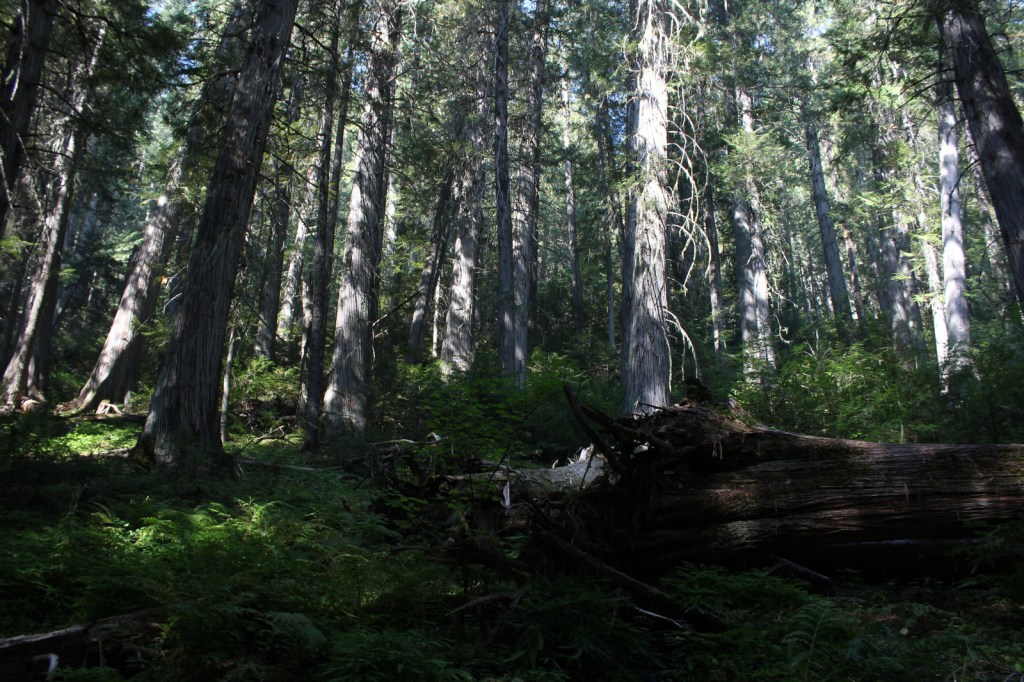
A short trail leads through the DeVoto Memorial Grove of western redcedars, named for author Bernard DeVoto.
Peak Season
Summer
Fees
None
Road Conditions
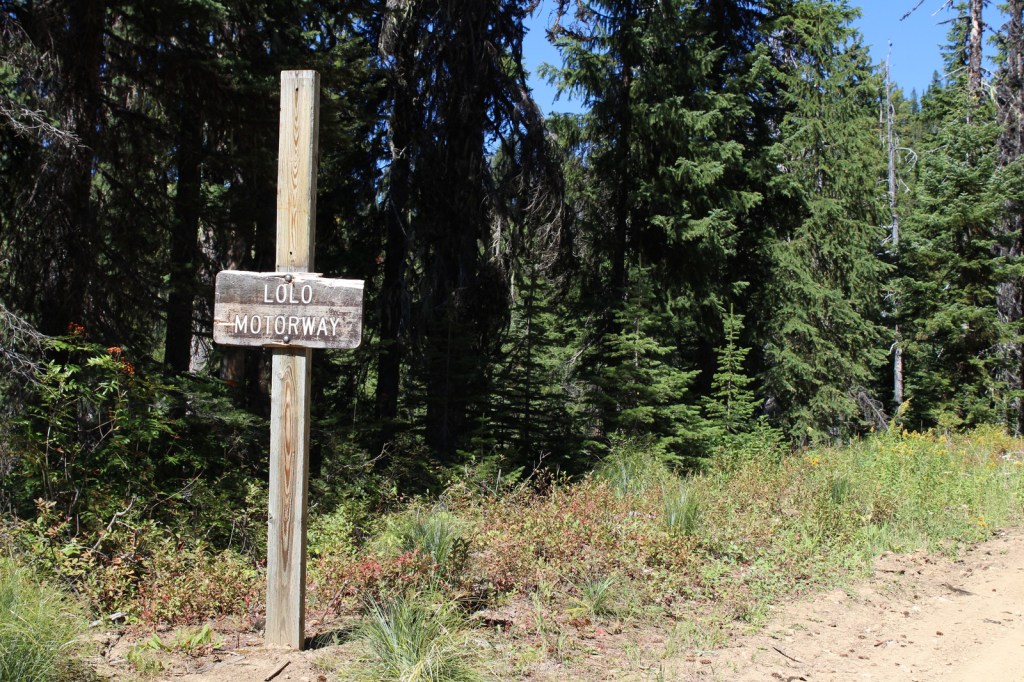
The scenic 73-mile Lolo Motorway is a single-lane, dirt road that tracks both the Nez Perce (Nee-Me-Poo) and Lewis and Clark National Historic Trails. Also labeled Forest Road 500, it follows a ridgeline north of the Lochsa River and several steep access roads climb to meet it from Highway 12. High-clearance vehicles (or motorcycles) are a must and four-wheel drive is required on the rougher western end of the route. Driving up Parachute Hill Forest Road 569 and down Saddle Camp Forest Road 107 makes for a good four-hour loop with short stops at the Indian Post Office and Devils Chair.
Camping
Although it is close to Highway 12, the pleasant Jerry Johnson Campground is one of several campgrounds found along the Lochsa National Wild and Scenic River and located only a short drive from the trailhead for the hot springs.
Wilderness Areas
Selway-Bitterroot Wilderness (also in Bitterroot, Nez Perce, and Lolo National Forests)
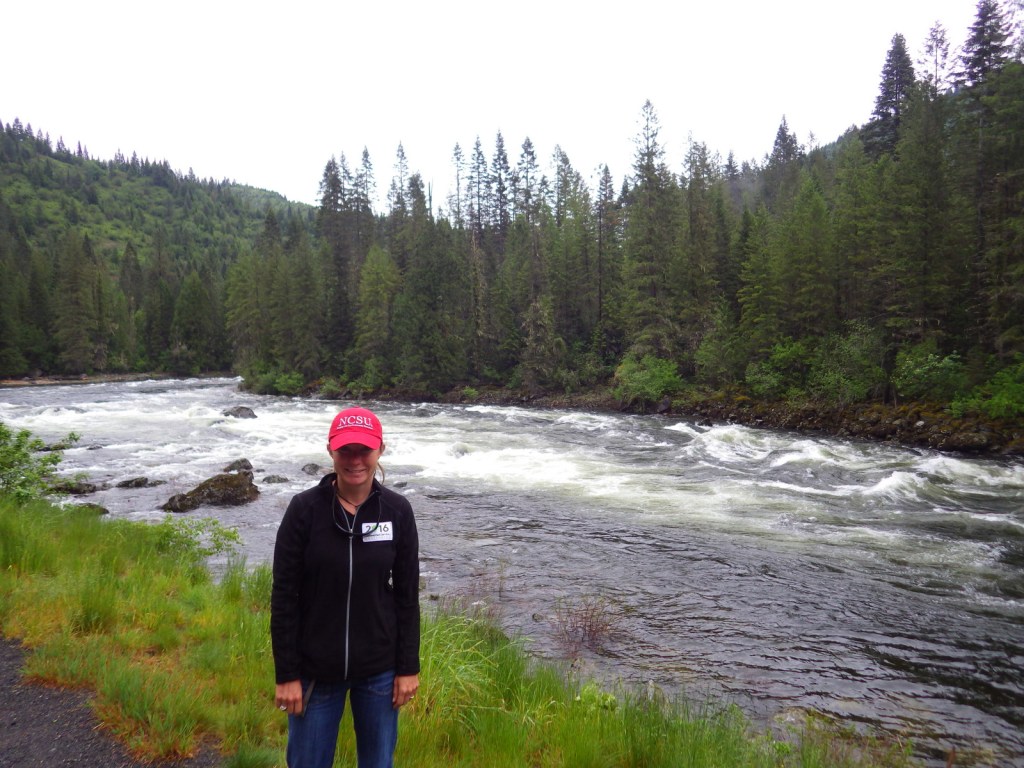
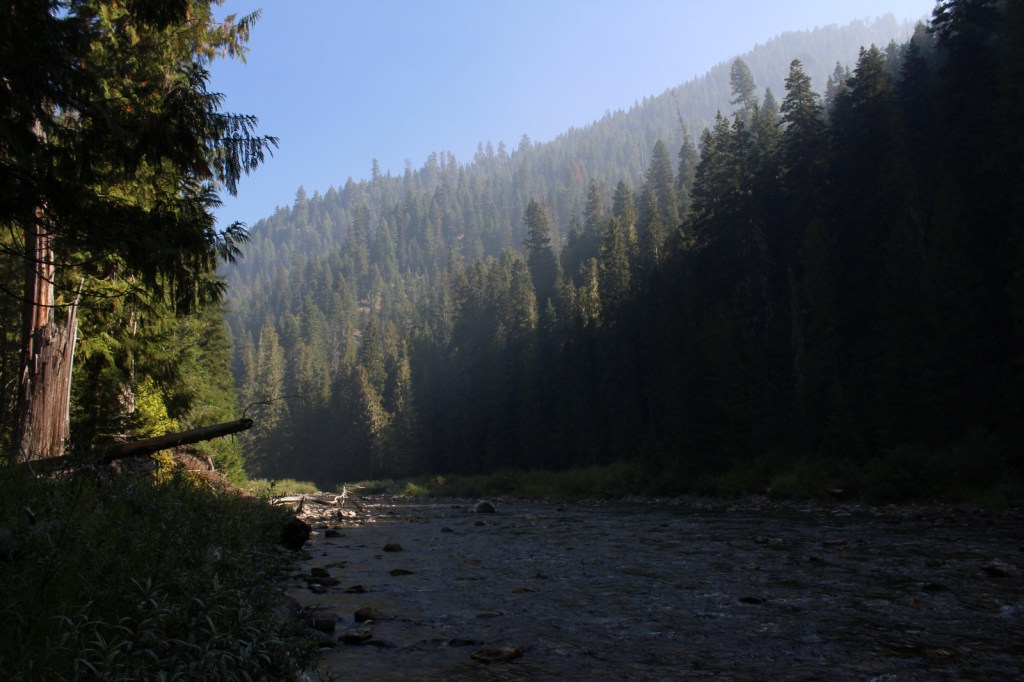
Walking bridge across the Lochsa RiverScott’s mother at Jerry Johnson Hot SpringsJerry Johnson Hot SpringsJerry Johnson CampgroundLolo Pass Visitor CenterTiff at the roaring Lochsa River during spring snowmeltDeVoto Memorial GroveDogwoodScott hugging a western redcedar in the DeVoto Memorial GroveLolo MotorwayLolo MotorwayLolo MotorwayRaven about the forest
Learn more about Clearwater and the 154 other National Forests in our new guidebook Out in the Woods
We are a participant in the Amazon Services LLC Associates Program, an affiliate advertising program designed to provide a means for us to earn fees by linking to Amazon.com and affiliated sites.
Authorized in 1988, Natchez National Historical Park occupies 108 acres in the riverside town of Natchez, Mississippi. The town started as Fort Rosalie, a French trading post built on the Mississippi River in the early 1700s, now the site of the Visitor Reception Center. National Park Service (NPS) rangers or volunteers are always on location at the William Johnson House and Melrose Estate. A newer part of the park is located at the Forks of the Road where interpretive signs discuss its role as a major slave trading market from 1833 to 1863.
Highlights
Melrose Estate, William Johnson House, Fort Rosalie, Forks of the Road
Must-Do Activity
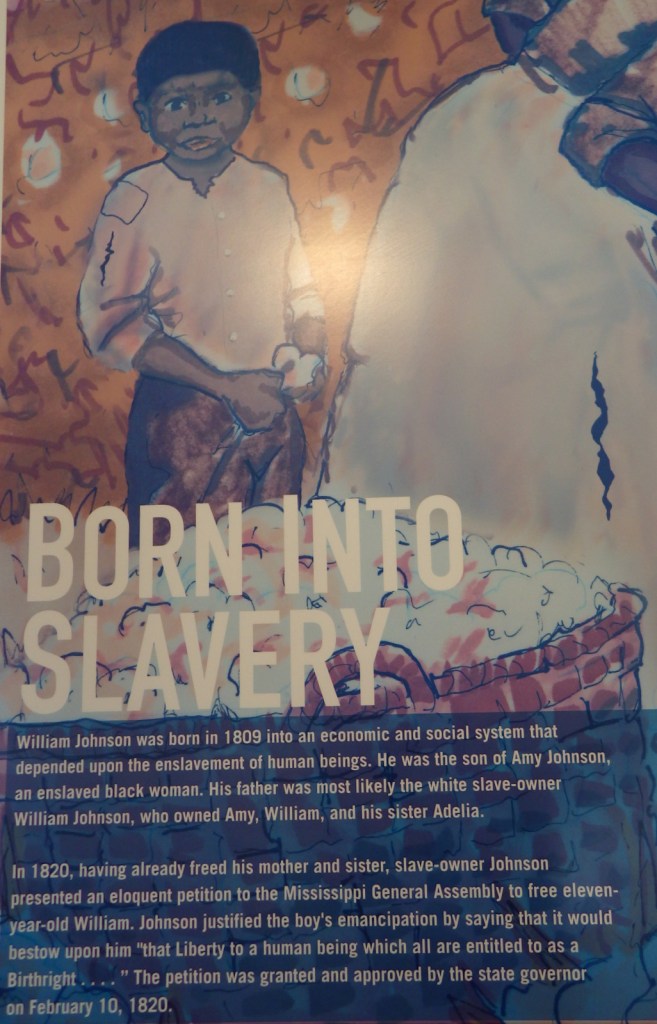
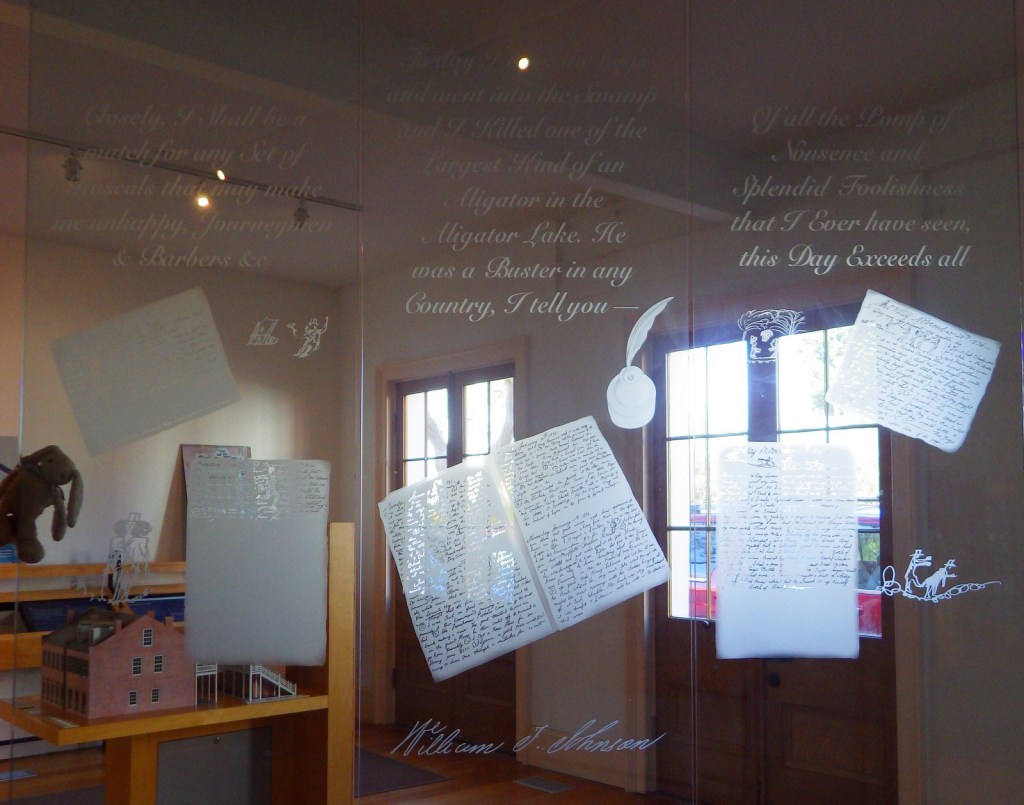
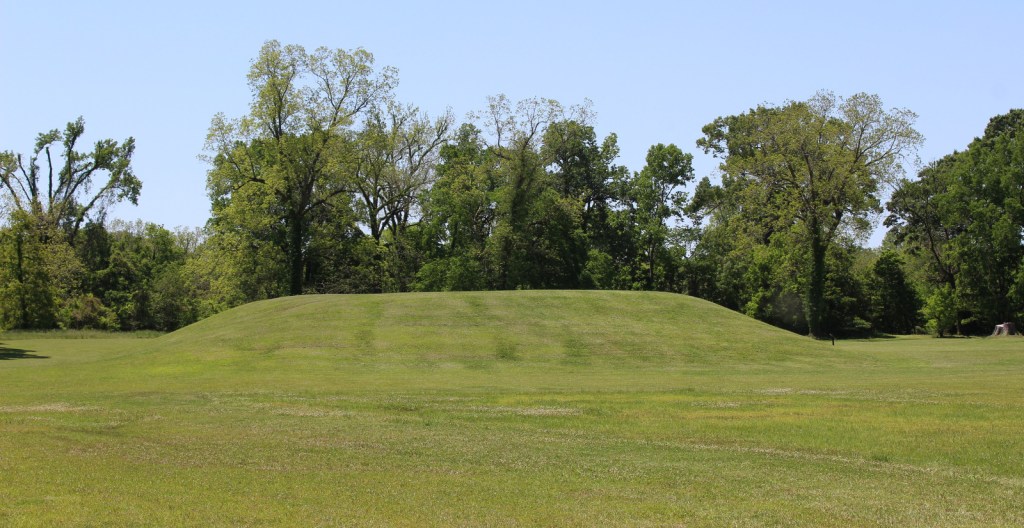
The museum in the William Johnson House tells the story of a slave freed at age 11 by his owner, also named William Johnson and presumed to be his father. The boy apprenticed to a barber, eventually becoming a successful businessman and slave owner himself. A diary he kept for 16 years provides insight into antebellum Natchez, including the May 7, 1840 tornado that destroyed downtown, which had about 5,000 inhabitants at the time. Inside the NPS museum you will learn the strange story of William Johnson’s murder in 1851 that ended in three mistrials. Although it is not part of the NPS unit, we also recommend a stop at the Grand Village of the Natchez Indians State Historic Site for its free museum, film, historic mounds, and air conditioning (which is important in the humid summer).
Best Trail
Naturally, Natchez is one terminus of the Natchez Trace Parkway, which also preserves its share of history starting at the Elizabeth Female Academy Site (Milepost 5.1) just outside town. There are a few portions of the Old Trace that you can still follow along on the Natchez Trace National Scenic Trail.
Instagram-worthy Photo
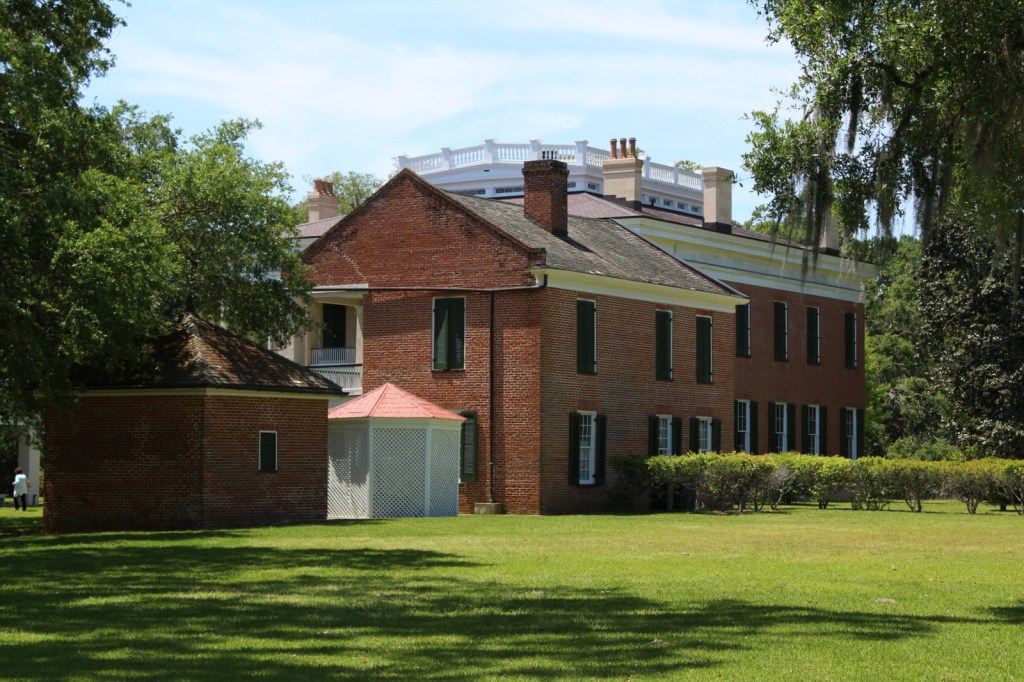
The Melrose Estate recalls the antebellum period when slaves grew cotton in the rich soil of the Mississippi River floodplains.
The NPS museum at the William Johnson House is closed daily for lunch.
Fees
None for Fort Rosalie, William Johnson House, and Melrose Estate grounds, but $10 per person for mansion interior tours (no discount for America the Beautiful pass)
Road Conditions
All roads paved
Camping
Rocky Springs is the furthest south campground managed by the NPS on the Natchez Trace Parkway (Milepost 54.8) and it has no fees for camping.
View of the Mississippi RiverScott at the William Johnson HouseExcerpts from William Johnson’s diaryTiff inside the William Johnson House in 2016Melrose EstateThe Great Sun’s Mound at the Grand Village of the Natchez IndiansThe museum at the Grand Village of the Natchez Indians
Explore More – In 1839 a fire burned through Natchez destroying the William Johnson House, but the family was living in the country at the time to avoid an epidemic of what disease?
The Keweenaw Peninsula juts north into Lake Superior from Michigan’s Upper Peninsula and is home to the richest copper ore (97% pure) on the planet. American Indian artifacts made from this region’s copper have been found at several other National Park Service (NPS) sites, such as Georgia’s Ocmulgee Mounds National Historical Park and Ohio’s Hopewell Culture National Historical Park. In the 1840s, immigrants representing 38 ethnic groups flooded this area to work as miners. More recently, the NPS led a project to recreate historic buildings and archaeological sites within the digital world of Minecraft (click here for an article).
The NPS does not have much of a presence in this park, but rather relies on its partners to preserve the heritage sites. We highly recommend the Miner’s Tour guided by the Adventure Mining Company in Greenland, Michigan. In addition to getting a great history lesson, we rappelled down an 80-foot deep mine shaft and walked across a swinging bridge without handrails. They also offer a less intense tour for all ages.
Best Trail
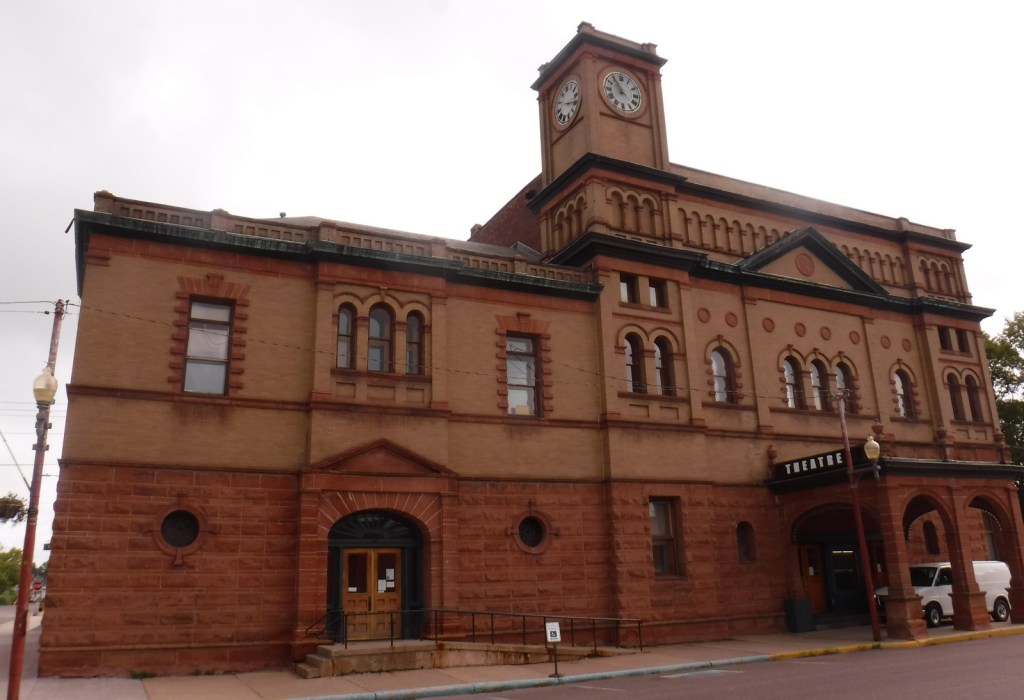
We walked the streets of Calumet, Michigan while doing our laundry across the street from the historic Calumet Theatre. The NPS visitor center was closed, but we still got to see the Copper Country Firefighters History Museum and the Keweenaw Heritage Center inside St. Anne’s Church. We also recommend a stop at the quirky vintage consignment store in the three-story Vertin Building built in 1885.
Instagram-worthy Photo
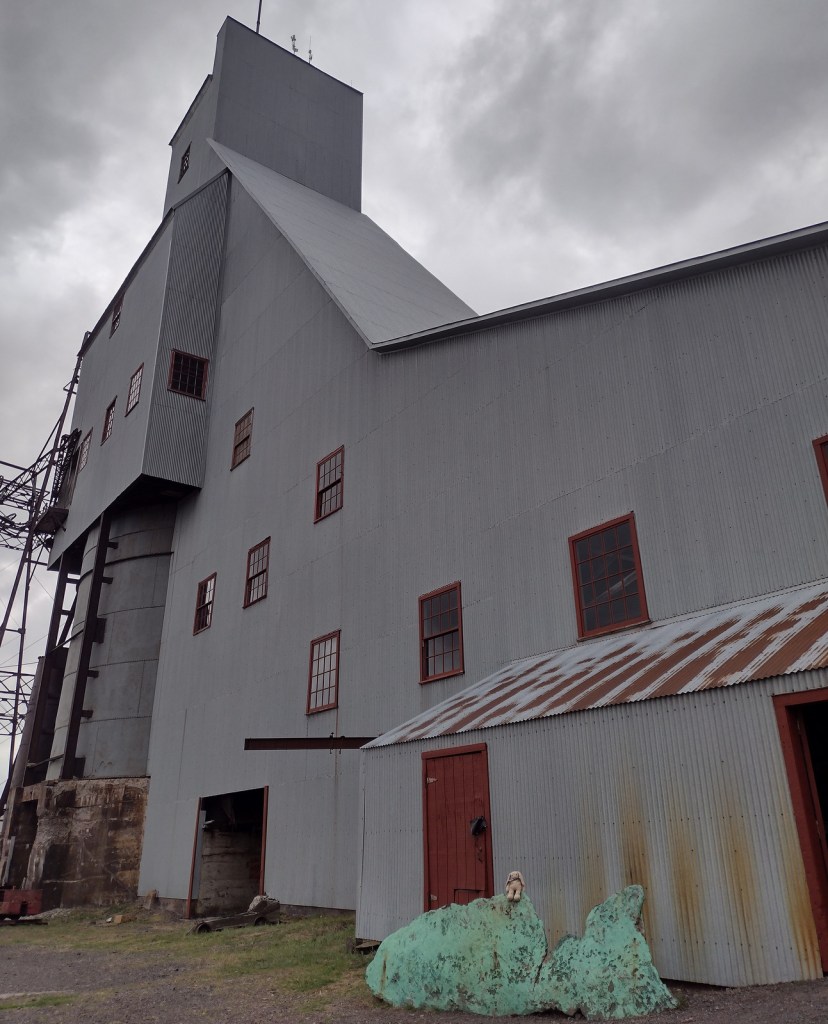
Quincy Mine is the most tourist-friendly part of Keweenaw National Historical Park offering a museum, tram ride, and underground mine tours.
No NPS fees, but each heritage site charges its own admission with one of the cheapest being the $1 donation per person requested at the Copper Range Historical Museum in South Range, Michigan.
Road Conditions
Most roads are paved, with the exception of the short gravel road to the Adventure Mining Company.
Camping
Fort Wilkins and McLain State Parks both have campgrounds and dispersed campsites can be found in parts of Ottawa National Forest. Backpacking is popular in Porcupine Mountains Wilderness State Park.








































 Raven About The Parks