Tag Archives: National Historic Site

Manzanar National Historic Site

Overview

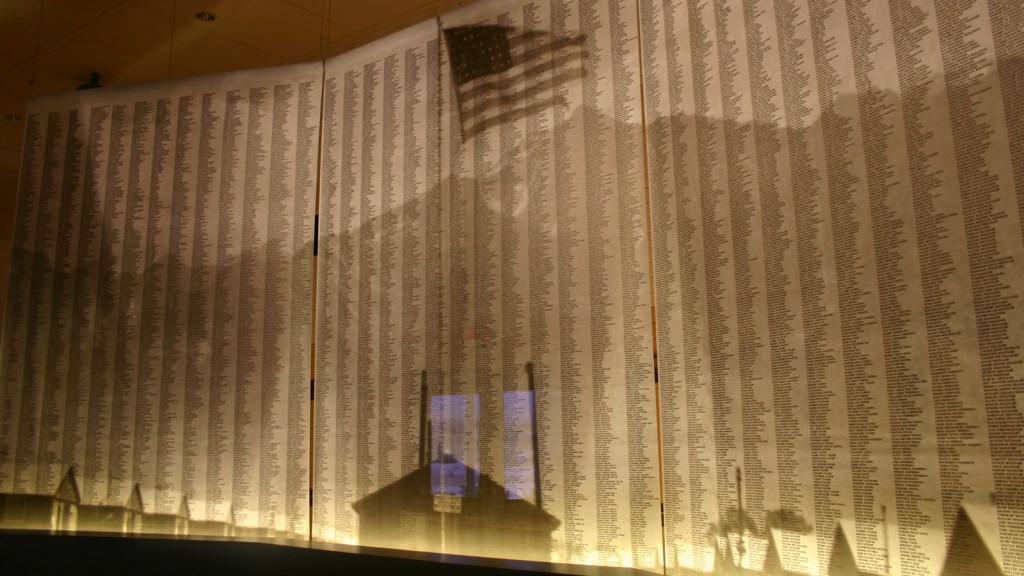
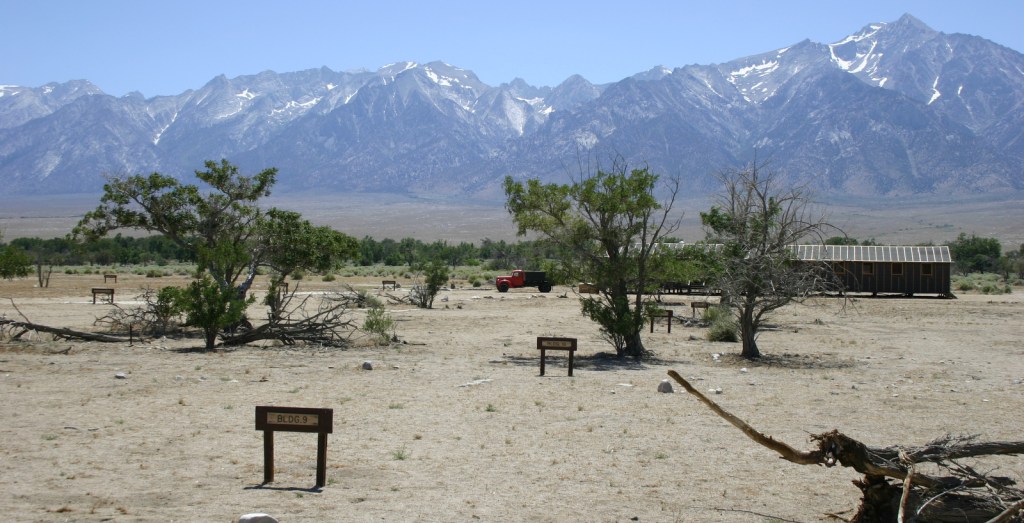
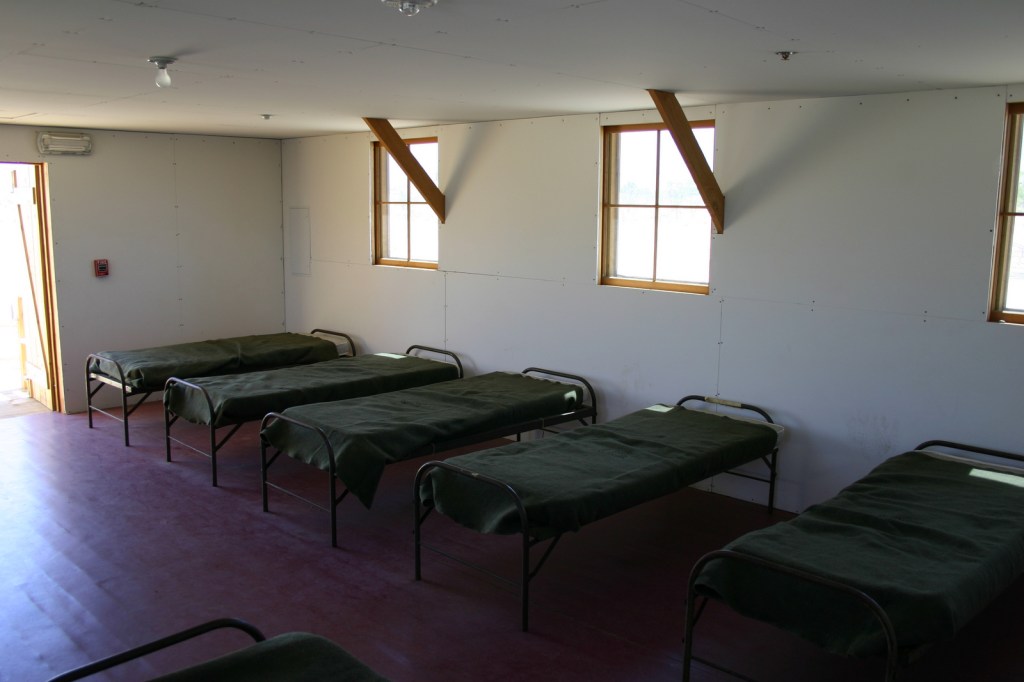
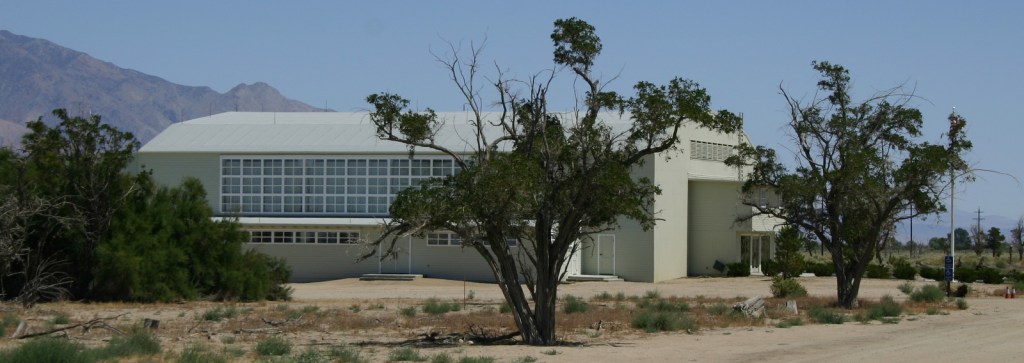
One of the many things that makes this country great is its willingness to remember inglorious moments in its past, such as the internment of Japanese-Americans during World War II.  Following the 1941 attack on Pearl Harbor, President Franklin D. Roosevelt signed an executive order authorizing the detention of more than 110,000 U.S. citizens of Japanese descent.  Manzanar War Relocation Center was the first of 10 internment camps built throughout the western U.S.  It held about 10,000 citizens (mostly from Los Angeles, California) in 36 blocks of wooden barracks across a one square-mile fenced enclosure. 
Highlights

Museum, film, reconstructed barracks, gardens, memorial

Must-Do Activity

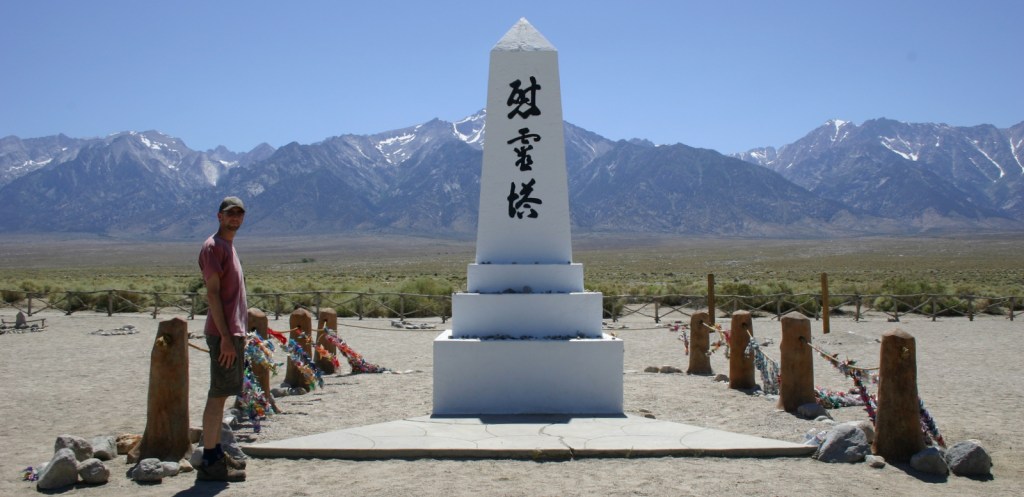
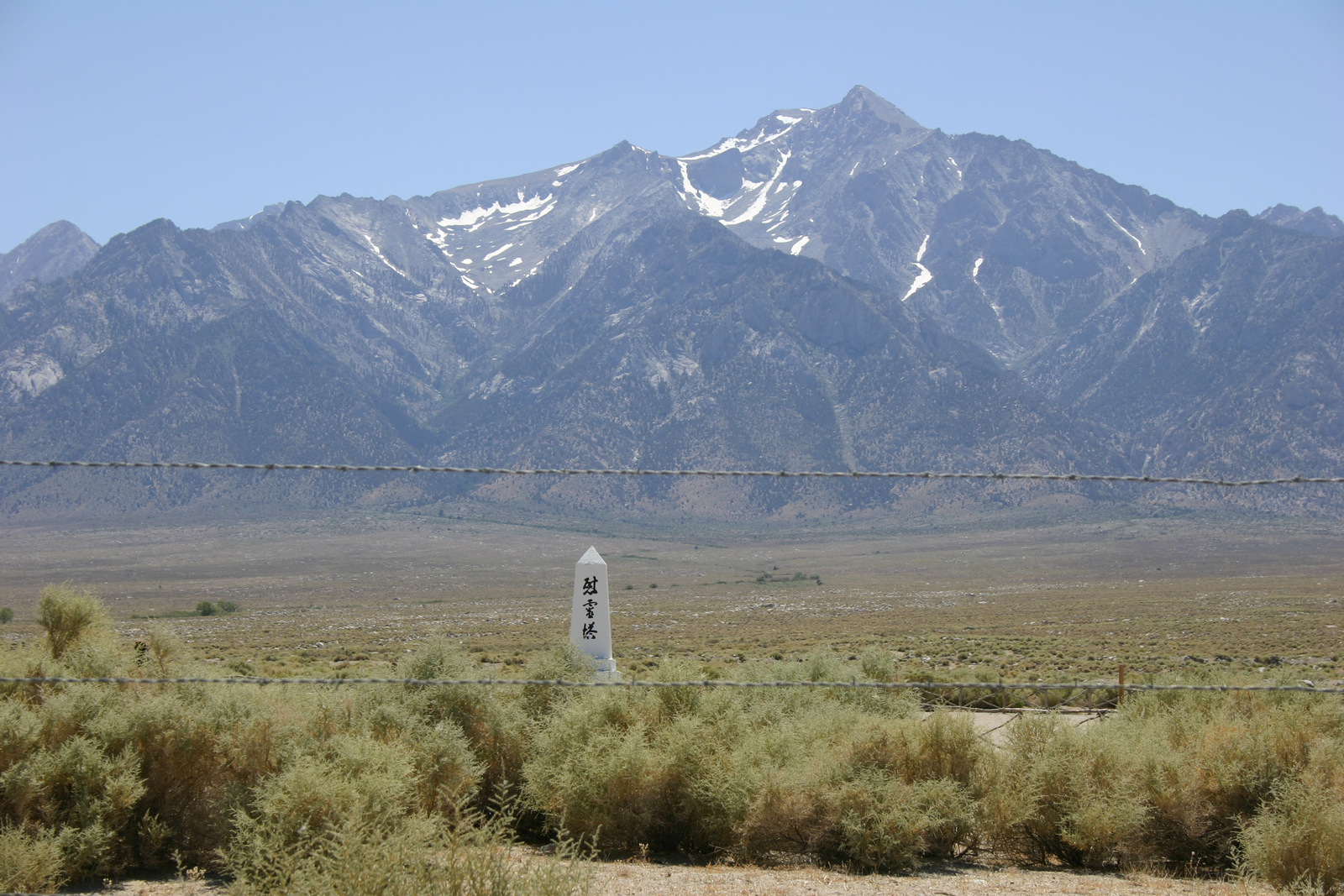
Opened in 2004, the National Park Service visitor center is located inside the former camp auditorium, which now houses an excellent museum.  Self-guided walking and auto tours take visitors to two reconstructed barracks, the camp gardens, and a cemetery with the Manzanar Memorial.

Best Trail

You can walk or drive the 3.2-mile auto tour with 27 interpretive stops.

Instagram-worthy Photo

Located in the camp’s cemetery, the Manzanar Memorial is often swathed in origami paper cranes.

Peak Season

Summer, though temperatures can get hot with little shade.

Hours

https://www.nps.gov/manz/planyourvisit/hours.htm

Fees

None

Road Conditions

Manzanar is located right off Highway 395 west of Death Valley National Park and the dirt roads inside the site are passable by all vehicles.

Camping

Camping is available in Death Valley National Park and dispersed camping is allowed in the scenic Alabama Hills managed by the Bureau of Land Management.
Explore More – How many Japanese-Americans served in the U.S. military during World War II?

Andrew Johnson National Historic Site

Overview

At age 15, Andrew Johnson fled his apprenticeship in Raleigh,North Carolina and eventually started a tailor shop in Greeneville, Tennessee.  In 1829, he began his political career, ultimately serving as a U.S. Representative, Governor of Tennessee, U.S. Senator, Vice President, and President upon the assassination of Abraham Lincoln in 1865.  He was the first President to be impeached after vetoing the Tenure of Office Act (later found unconstitutional by the Supreme Court) and was acquitted by the margin of one vote.

Highlights

House tour, tailor shop, museum, film, National Cemetery

Must-Do Activity

Start at the visitor center, which offers a film, a small museum, and the enclosed tailor shop where Andrew Johnson worked before going into politics.  Dress-up clothes are available if you want to take a photo straight out of the mid-1800s (no smiling for authenticity).  There you can also pick up a free timed ticket for the homestead tour and a ticket to vote in Johnson’s impeachment trial. 

Best Trail

None

Instagram-worthy Photo

The small National Cemetery atop a hill in Greeneville, Tennessee contains the graves of Andrew Johnson, his wife, and about 200 soldiers.

Peak Season

Open year round

Hours

https://www.nps.gov/anjo/planyourvisit/hours.htm

Fees

None

Road Conditions

All roads paved with designated parking lots at the visitor center, homestead, and cemetery.

Camping

Cherokee National Forest offers campgrounds southeast of Greeneville.

Explore More – Why did young Andrew Johnson flee North Carolina six years before his apprenticeship contract expired?


WONDON WAS HERE

Ford’s Theatre National Historic Site

Overview

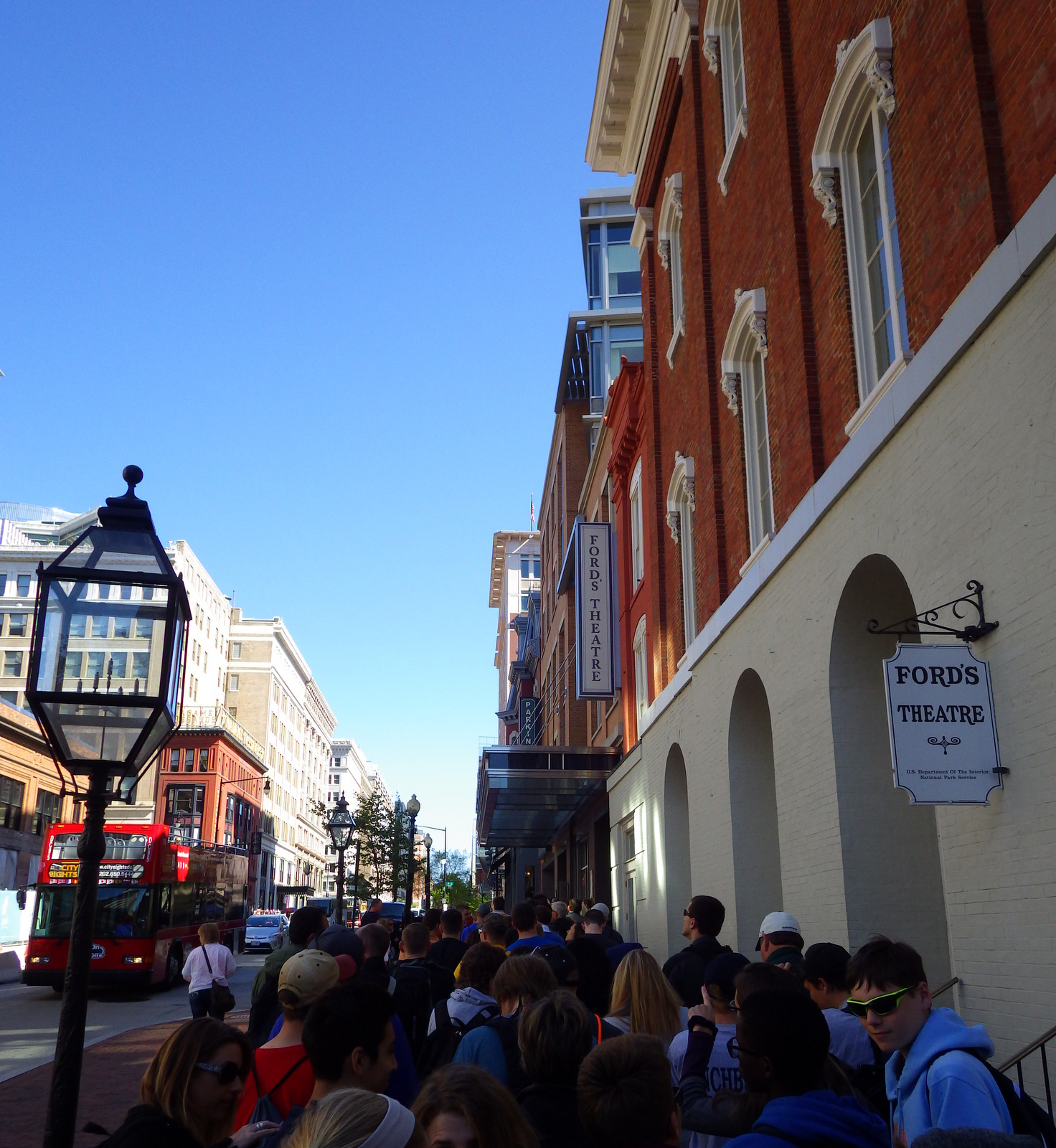
On April 14, 1865, President Abraham Lincoln attended a play at Ford’s Theatre in Washington, D.C., which General U.S. Grant was also expected to attend.  It is common knowledge that Lincoln was shot by an actor (John Wilkes Booth) not performing in the play and died the next morning of his wounds.  What is less well known is that the assassination plot also targeted the Secretary of State William Seward(critically injuring six men and one woman) and Vice President Andrew Johnson (which was never attempted).  Since 1933,the National Park Service has run the site and the neighboring Petersen house where Lincoln died, which are open to tourists with timed tickets except when rehearsals are underway in the still-active theatre.

Highlights

Museum, Booth’s gun, ranger program, live theatre

Must-Do Activity

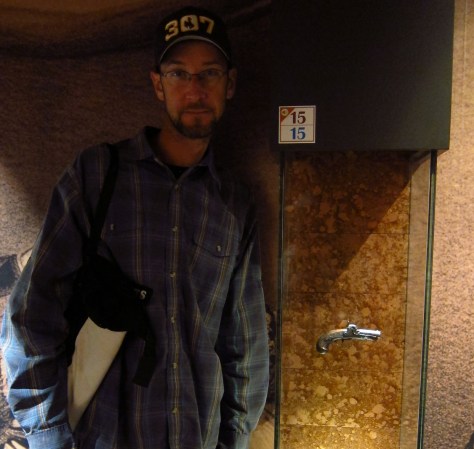
You can get a ticket to the free ranger talk that does not include the National Park Service’s excellent museum downstairs from the theatre, but this should not be skipped by visitors.  It contains thought-provoking interpretative material and the original gun used by Booth to shoot Lincoln.

Best Trail

Take a walk to the boarding house where the conspirators met, which is now a restaurant in D.C.’s Chinatown.  Mary Surratt, who ran the boarding house, became the first woman executed by the U.S. federal government on July 7, 1865.

Instagram-worthy Photo

There are still plays performed at Ford’s Theatre, but your timed ticket will only get you in to listen to a ranger talk about the assassination without any singing or acting.  Either way, the stage right balcony provides the best view of the President’s box seats.

This image has an empty alt attribute; its file name is ford.jpg

Peak Season

Summer, but it is open year round.

Hours

https://www.nps.gov/foth/planyourvisit/basicinfo.htm

Fees

A timed ticket is available online (with a reservation fee) and in person (free).  Theatre performances charge an admission fee.

Road Conditions

All roads paved, but parking can be a challenge in Washington, D.C., though it is easier on weekends.

Camping

None

Explore More – Are theatre-goers allowed to sit in the presidential box during performances?

WONDON WAS HERE

Brown v. Board of Education National Historical Park

Overview

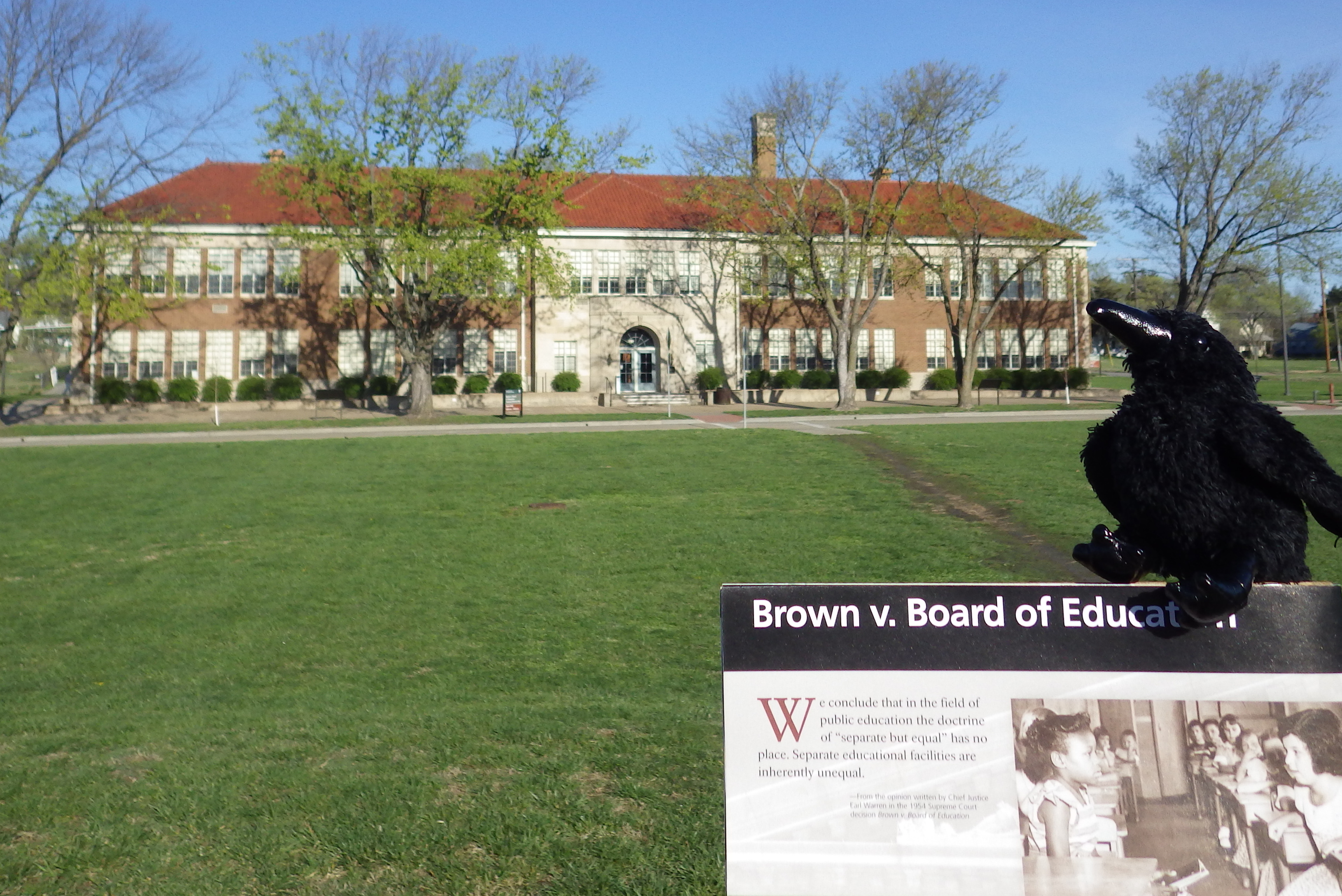
This is the only National Park Service (NPS) site named for a court case.  The one named started here in Topeka in 1951 when segregation was the law of the land.  Five cases were consolidated when the issue escalated to the Supreme Court by 1954, when they finally overturned the 1896 ruling of Plessy v. Ferguson.  In his decision, Chief Justice Earl Warren wrote, “Separate education facilities are inherently unequal.”  In 2022, it was changed from a National Historic Site to a National Historical Park with addition of units at two high schools in Summerton, South Carolina.

Brown.JPG

Highlights

Monroe Elementary School, Hall of Courage

Must-Do Activity

Tour the former African-American-only Monroe Elementary School, restored to its 1950s appearance with some classrooms turned into exhibits on the civil rights movement worldwide.  If you visit on a weekday, you might hear the halls filled with the sounds of children again, since it is a frequent fieldtrip destination.

Best Trail

None

Instagram-worthy Photo

Walking the Hall of Courage gives some idea of what it would have been like as an African-American student attending a desegregated school in the 1950s.

IMGP4264.JPG

Peak Season

Spring seems to be popular for school fieldtrips.

Hours

https://www.nps.gov/brvb/planyourvisit/basicinfo.htm

Fees

None

Road Conditions

All paved with a designated NPS parking lot.  Check the address (1515 SE Monroe St.) for Monroe Elementary School on the NPS website as our GPS sent us to the park headquarters inside Topeka’s main post office.

Camping

None at the site, but nearby Lake Shawnee Campground is run by the county.

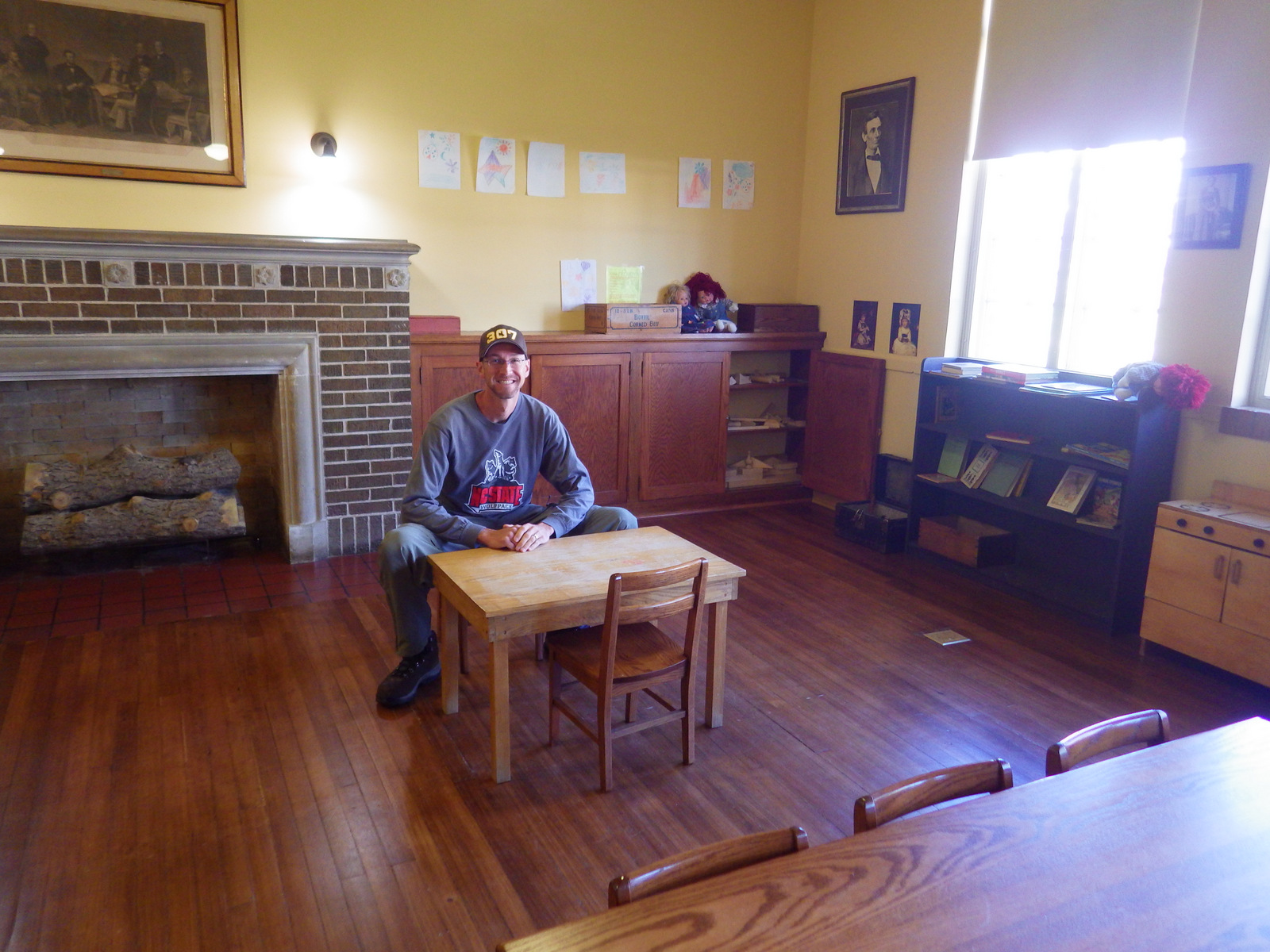
Scott in a kindergarden classroom
This is how a classroom at Monroe Elementary School would have looked in the 1950s (note the fireplace for heat).
IMGP4269
IMGP4266
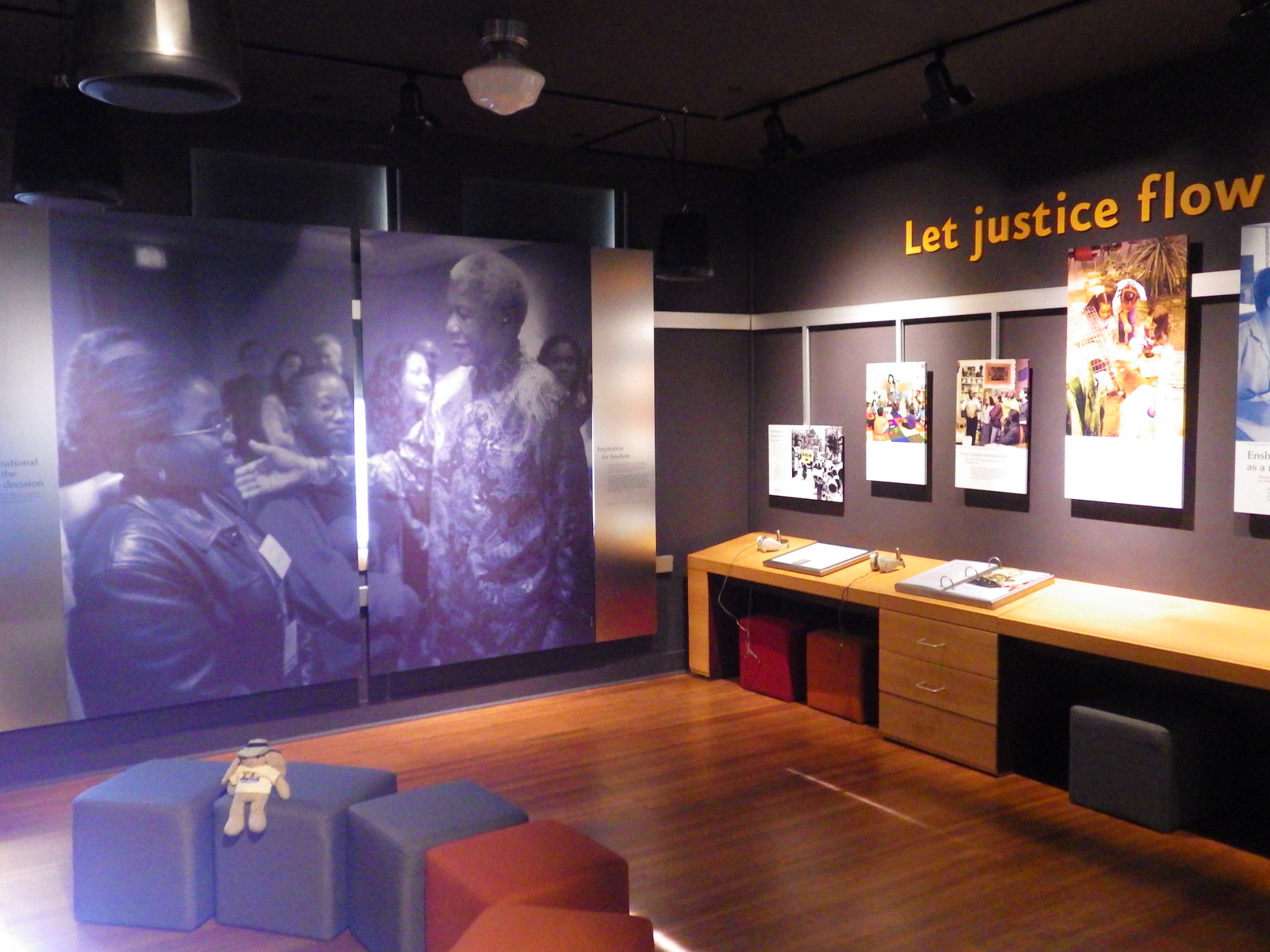
There is plenty to see and read in the visitor center, including the story of Nelson Mandela.

Explore More – Which future Supreme Court Justice headed the legal team for the Browns?

1WonsTiny2

WONDON WAS HERE

Andersonville National Historic Site

Overview

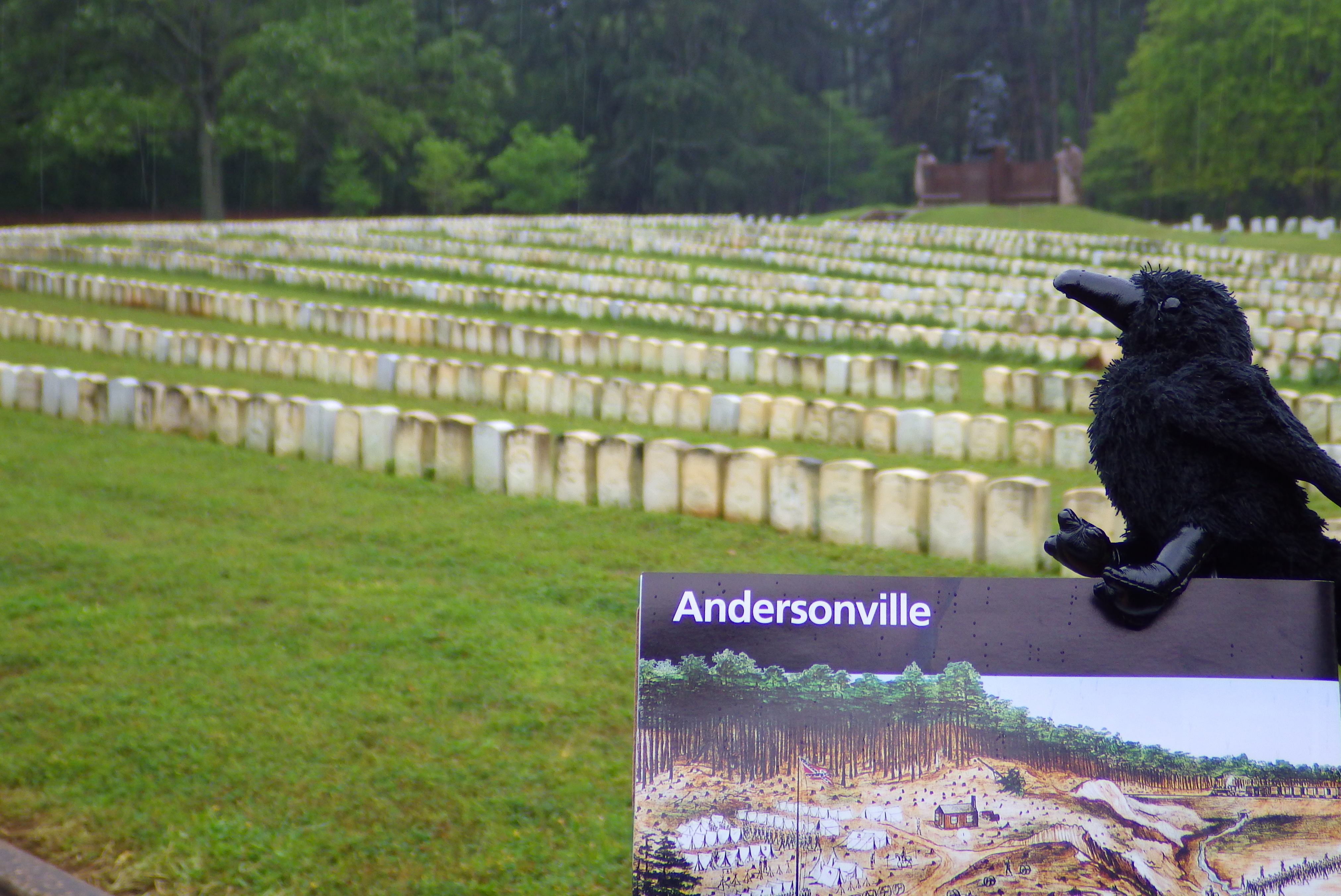
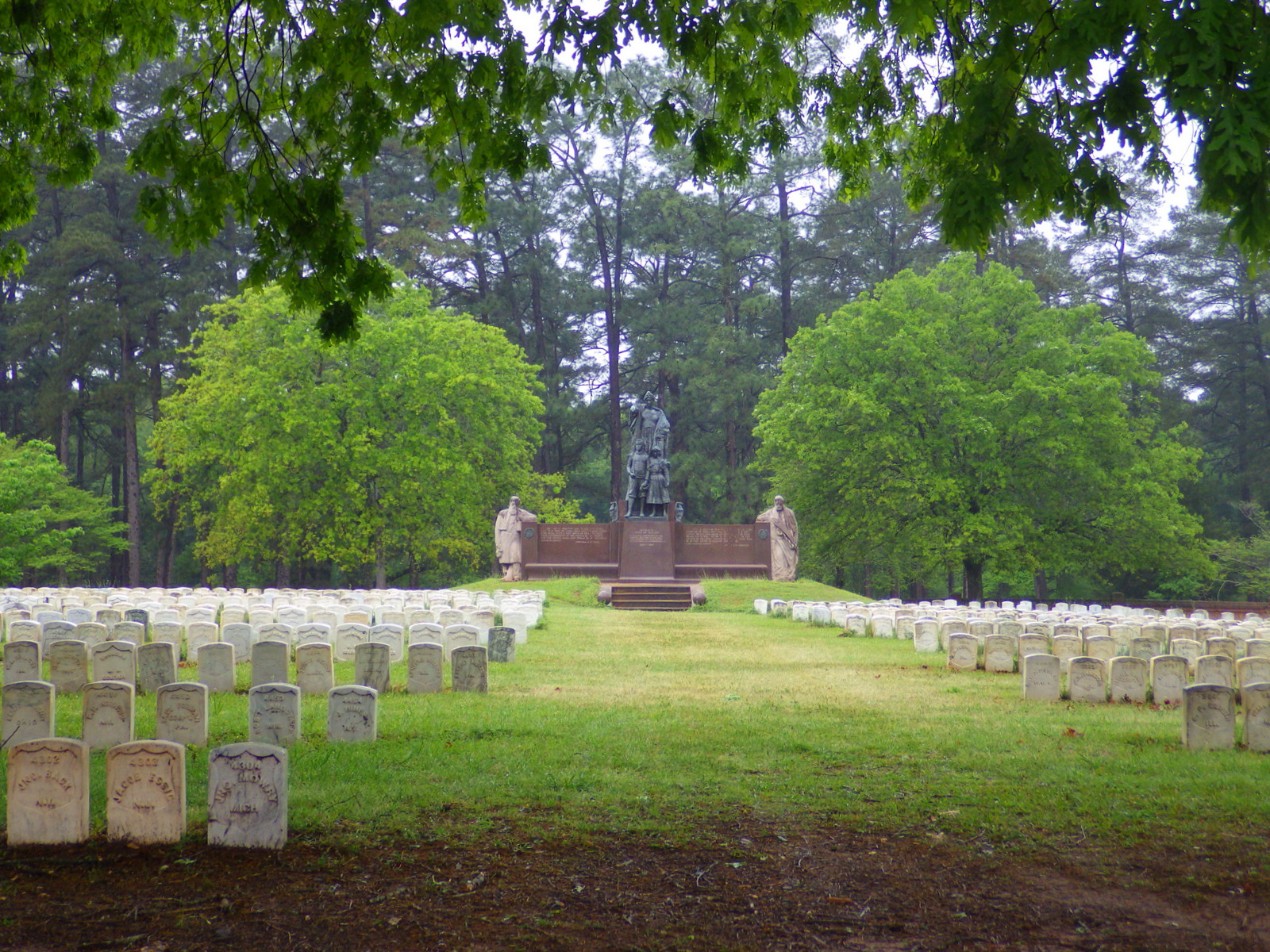
During the Civil War, Andersonville Prison in central Georgia held approximately 32,000 Union prisoners in a compound designed for only 10,000.  As the tide turned against the Confederacy in 1864, the prisoners were not adequately cared for and thousands perished.  Following the war, Clara Barton helped lead the effort to identify the 12,920 men buried here and place a gravestone for each of them.  In addition to being a National Park Service (NPS) site, it remains an active military cemetery and is also home to the National Prisoner of War Museum.

Andersonville

Highlights

National Prisoner of War Museum, monuments in Andersonville National Cemetery, prison site

Must-Do Activity

This may not be the best NPS site to bring children to, given the exhibits in the National Prisoner of War Museum do not pull punches in their depictions of the brutality endured by captured combatants throughout the ages.  That said, it is very well-done and a powerful experience.  We can promise that you will not leave this small Georgia town harboring the same feelings about war with which you arrived.

Best Trail

Walk (or drive) around the Civil War prison site to read interpretive panels and see the reconstruction of the North Gate and Northeast Corner of the stockade.

Instagram-worthy Photo

You thought your deadlines were tough, but if an Andersonville prisoner crossed this “dead line” he was immediately shot.

IMGP5206.JPG

Peak Season

Year round, though it can get hot and humid in the summer.

Hours

https://www.nps.gov/ande/planyourvisit/basicinfo.htm

Fees

None

Road Conditions

All roads are paved.

Camping

None in the park, but several campgrounds nearby including one across the road from the cemetery and Georgia Veterans Memorial State Park near Americus.

In the National Cemetery at Andersonville

Reflection of the American flag on the tomb of the unknown

Tiff outside the main gate at Andersonville

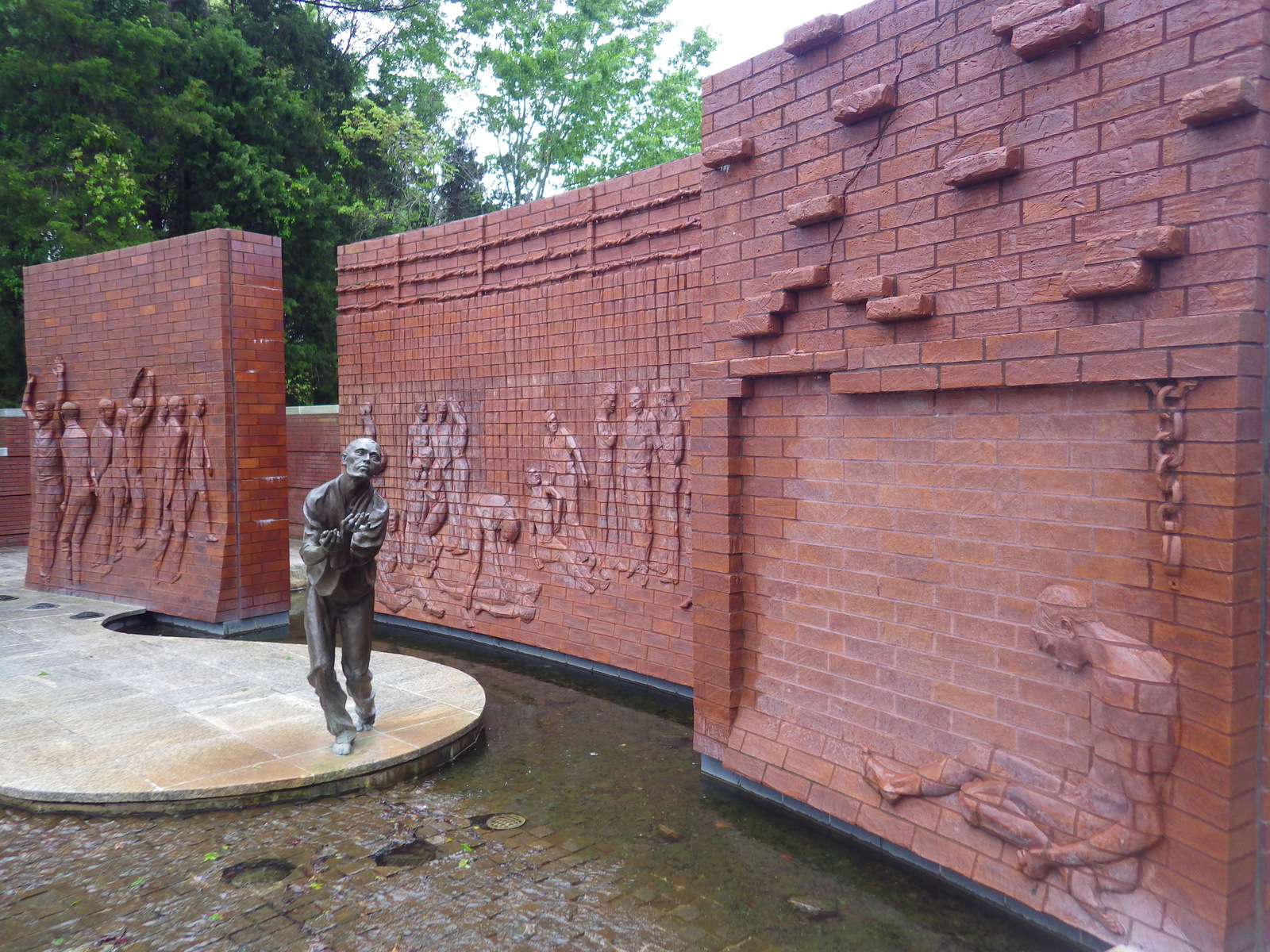
The memorial outside of the museum

Tiff in the POW museum (those are all guns trained on her)
Tiff inside the National Prisoner of War Museum.

Inside the POW museum

Explore More – What was the fate after the Civil War of Confederate camp commander Henry Wirz?

1WonsTiny

WONDON WAS HERE