Tag Archives: National Historic Site

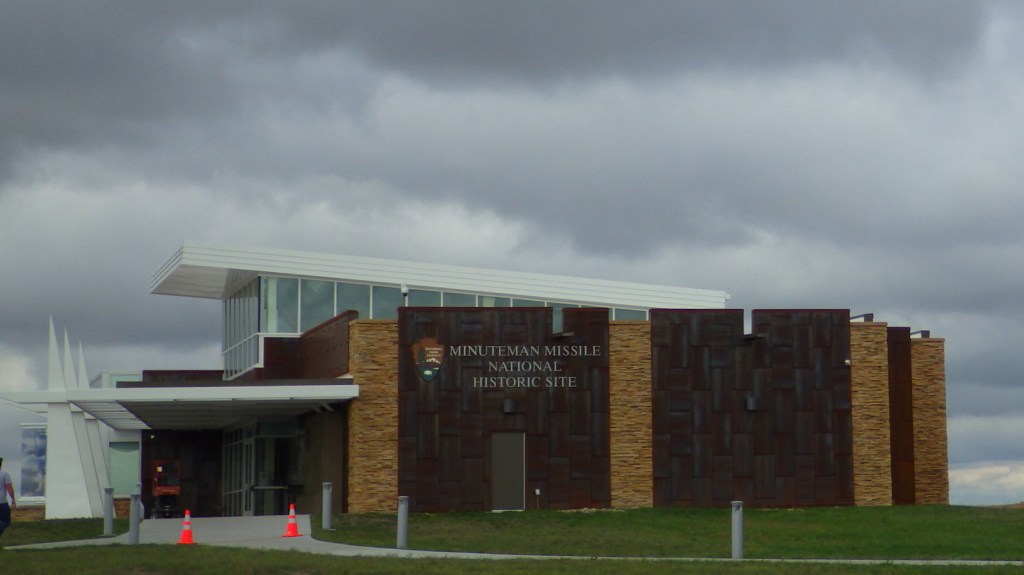
Minuteman Missile National Historic Site

Overview

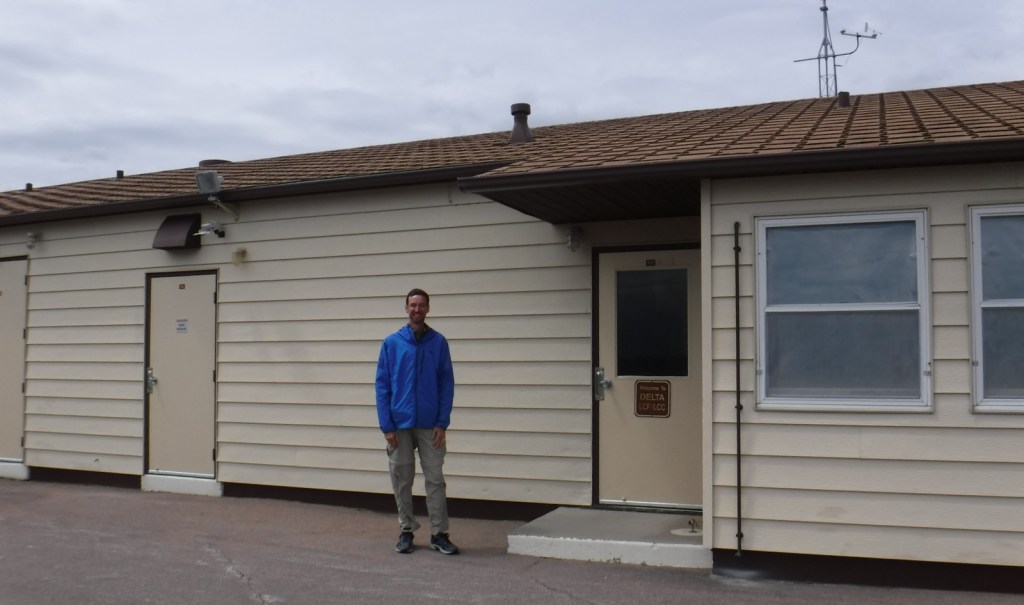
During the Cold War, there were 150 intercontinental ballistic missile (ICBM) silos in South Dakota.  Start your visit at the thought-provoking museum in the National Park Service (NPS) visitor center on Interstate 90, located at Exit 131 (the east entrance into Badlands National Park).  It can be hard to get onto a tour of the Delta-01 launch control facility that same day without reservations, but you can always stop at the Delta-09 missile silo at Exit 116.

Highlights

Museum, Delta-09 missile silo, guided tours of Delta-01 launch control facility

Must-Do Activity

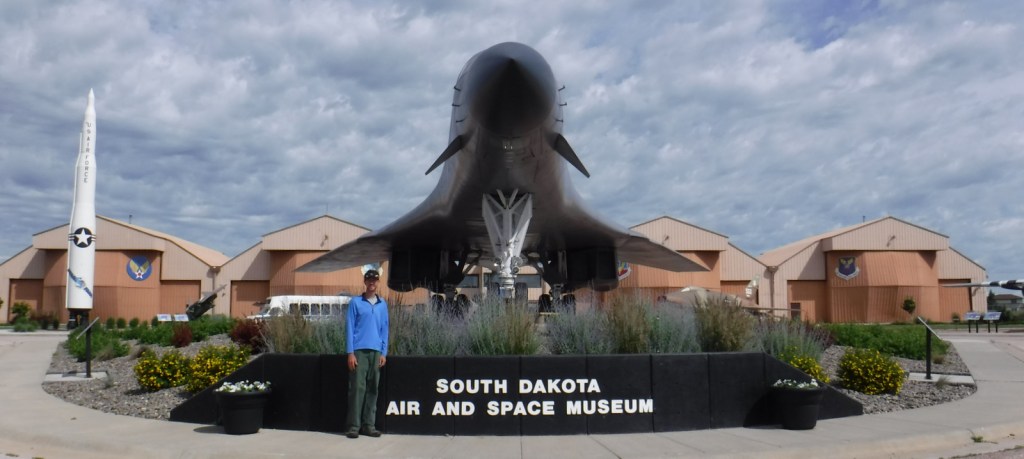
Guided tours of the Delta-01 launch control facility have very limited space and a nominal fee, but are no longer solely first-come, first served thanks to an online reservation system.  Guided tours are also available of the Minuteman II training silo at Ellsworth Air Force Base down the road on Interstate 90 at Exit 67, which is home of the free South Dakota Air and Space Museum (that is definitely worth a stop).

Best Trail

Located off Interstate 90 Exit 116, you can walk around the Delta-09 missile silo, which has interpretive signs around a deactivated Minuteman II ICBM.

Instagram-worthy Photo

Stop to read the quote by the front door to the NPS visitor center.  It is a sobering reminder of the brutal logic behind “nuclear deterrence” and “Mutually Assured Destruction (MAD).”

Peak Season

Summer and the September weekend of the Custer State Park bison roundup.

Hours

https://www.nps.gov/mimi/planyourvisit/hours.htm

Fees

No fee for the main visitor center or the Delta-09 missile silo, but there is a small charge for the guided tour of the Delta-01 launch control facility.

Road Conditions

Access to the multiple sites is by paved or good gravel roads.

Camping

Campgrounds and free backcountry camping are allowed in nearby Badlands National Park.

Explore More – A single Minuteman II missile has a 1.2-megaton warhead, which is equivalent in power to what percentage of all munitions used throughout World War II?
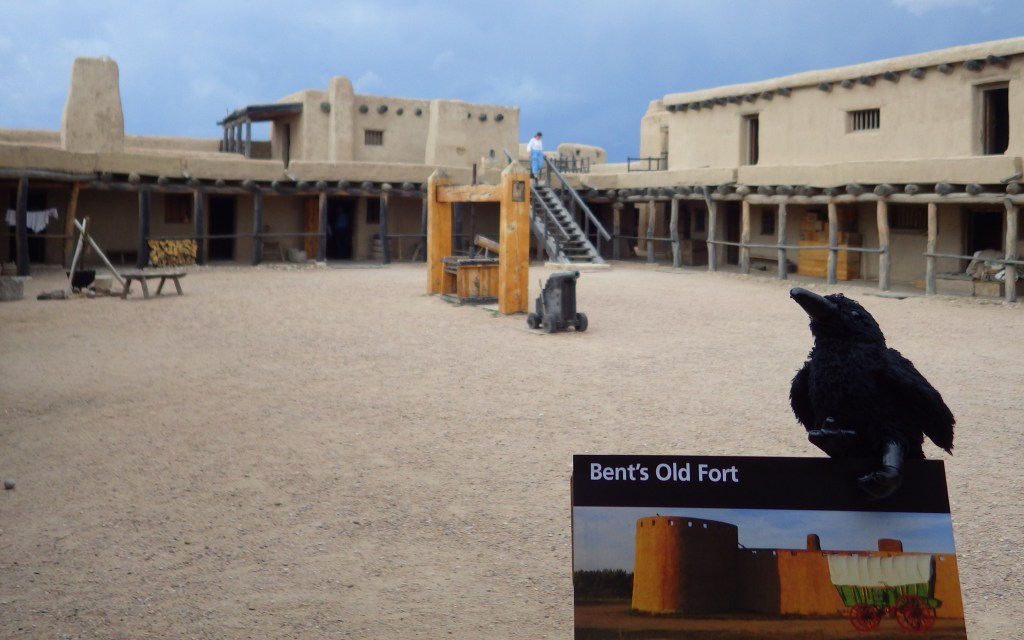
Bent’s Old Fort National Historic Site

Overview

Bent’s Old Fort on the Arkansas River on the prairie of eastern Colorado has been painstakingly reconstructed to its appearance of 1845.  It was originally built in 1833, long before Fort Larned and Fort Union announced the U.S. military presence on the 1,200-mile-long Santa Fe Trail.  Historical reenactors are happy to talk to visitors about the site and its famous inhabitants and visitors.

Highlights

Reconstructed fort, film, living history

Must-Do Activity

The “old fort” was originally built with the financial backing of the two Bent brothers from St. Louis and a Taos trader named Ceran St. Vrain.  It was a huge success, bringing a period of peace to warring tribes on the Great Plains, particularly after William Bent married a Cheyenne woman.  Things changed once Texas was annexed by the U.S. in 1845 and the military moved in, spurring a move to Bent’s New Fort 38 miles downstream.  

Best Trail

The parking lot is less than a half-mile walk from the fort, yet we found that approaching on foot added to the historic experience, as did speaking with the reenactors roaming inside.  Closer handicap parking is available.  Another trail leads to the banks of the Arkansas River on a 1.75-mile loop.

Instagram-worthy Photo

In 1975, the adobe fort was reconstructed on its original foundation in southeast Colorado based on drawings by Lieutenant James Abert, a topographical engineer stationed here in 1845 and 1846. 

Peak Season

Summer, but watch for afternoon thunderstorms.

Hours

https://www.nps.gov/beol/planyourvisit/hours.htm

Fees

$3 per adult except $5 during June 8-9 Santa Fe Trail Encampment, September 15 Hispanic Heritage Day, October 20 Native American Heritage Day, and the December 7-8 Traditional Holiday Celebration. America the Beautiful pass accepted, too.

Road Conditions

All roads paved, although they can be closed due to spring floods on the Arkansas River.

Camping

There are private campgrounds in nearby La Junta, Colorado and a public one run by the Corps of Engineers at John Martin Reservoir (27 miles east on Highway 50).

Explore More – What combination of factors led William Bent to burn the original fort and build a new one 38 miles down the Arkansas River?

Top 10 National Historic Sites

There are 77 National Historic Sites managed by the National Park Service and several others that are affiliated sites.  Similar to the list of our Top 10 National Historical Parks, these choices represent our experience and not the significance of a place in the annals of U.S. history.  In fact, most of these spots we never would have heard about when sitting next to each other in Mrs. Williams’ AP American History class back in high school.  Check out all of our Top 10 lists here.

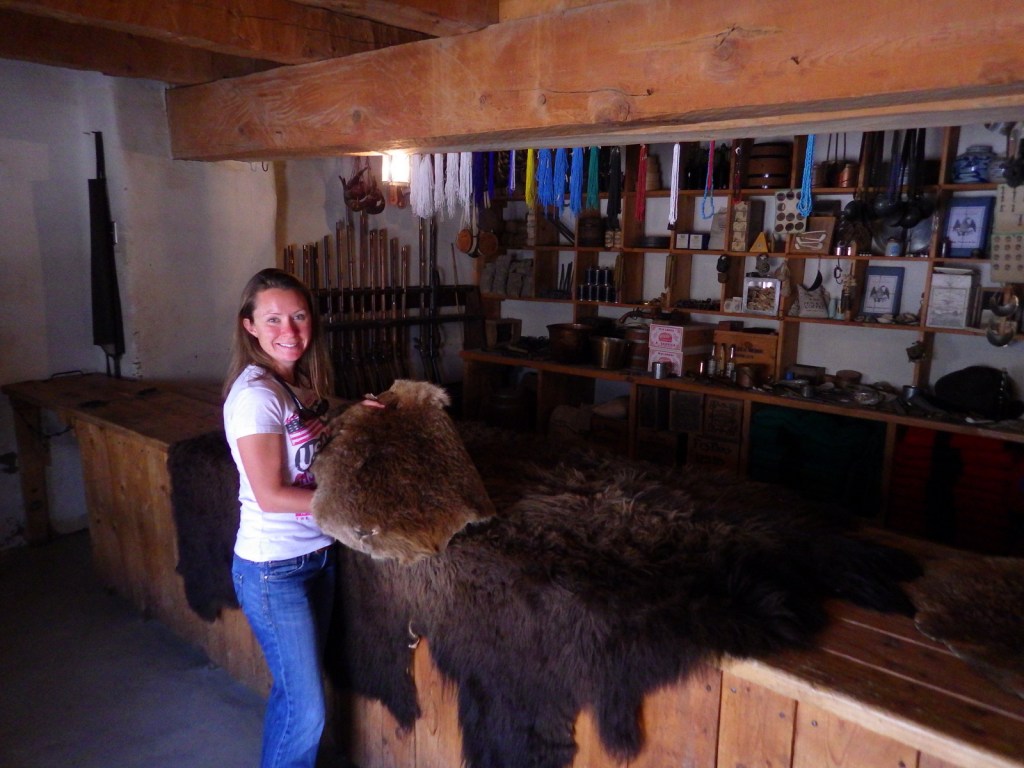
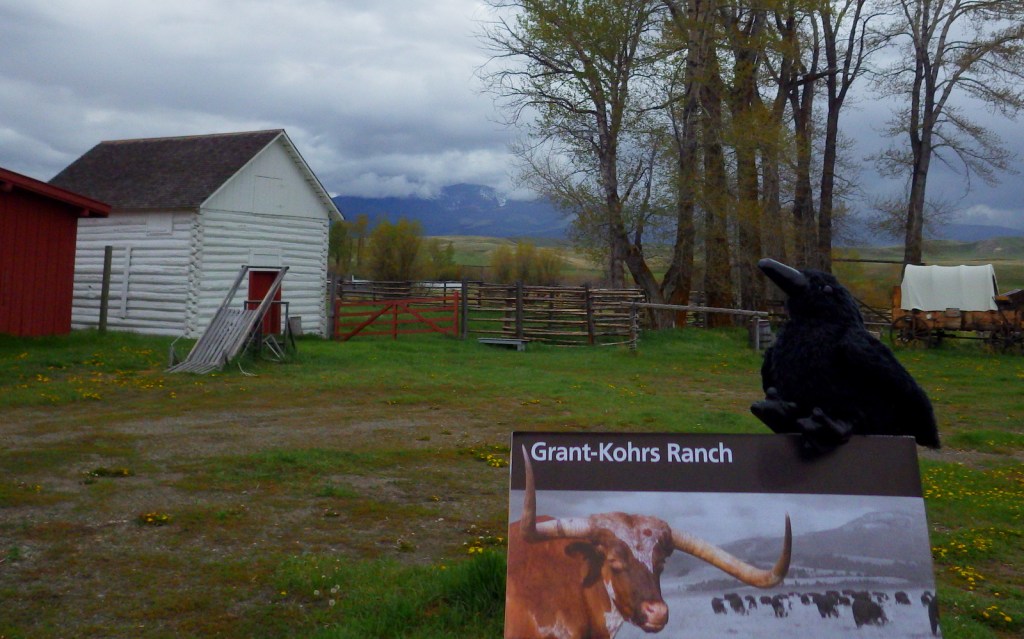
10. Grant-Kohrs Ranch (Montana)

All things “cowboy” are remembered here

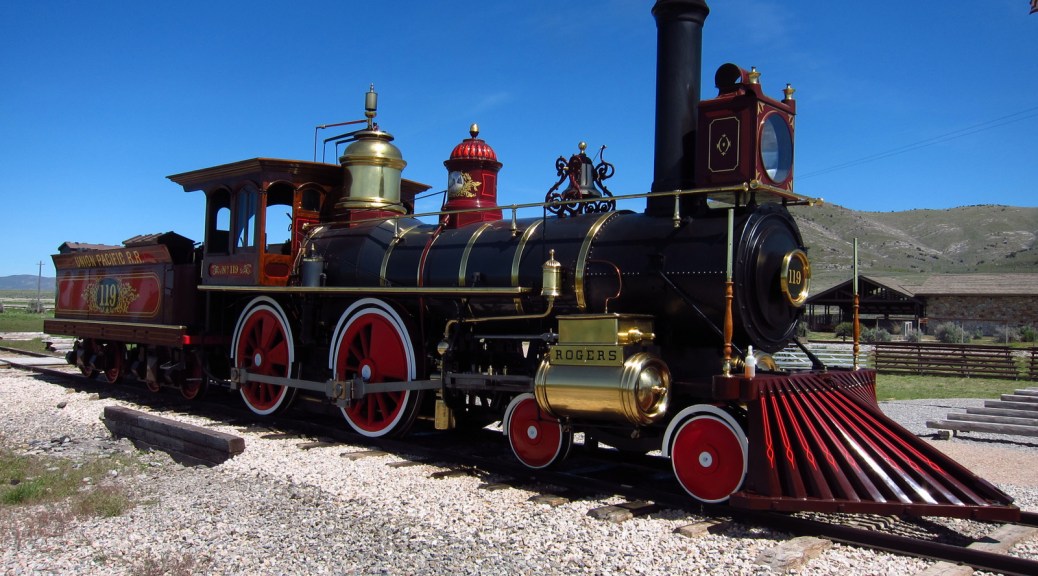
9. Golden Spike (Utah)

Colorfully reconstructed train engines daily evoke May 10, 1869

8. Little Rock Central High School (Arkansas)

Learn about integration kitty-corner from this architectural beauty

7. Ford’s Theatre (Washington, D.C.)

Live theater is still performed at this infamous assassination site

6. Christiansted National Historic Site (Virgin Islands)

The yellow walls of this seaside fort are great for photographs

5. Bent’s Old Fort (Colorado)

Costumed reenactors take you back in time on the Santa Fe Trail

4. Minuteman Missile (South Dakota)

A great museum and guided tours recall the Cold War era

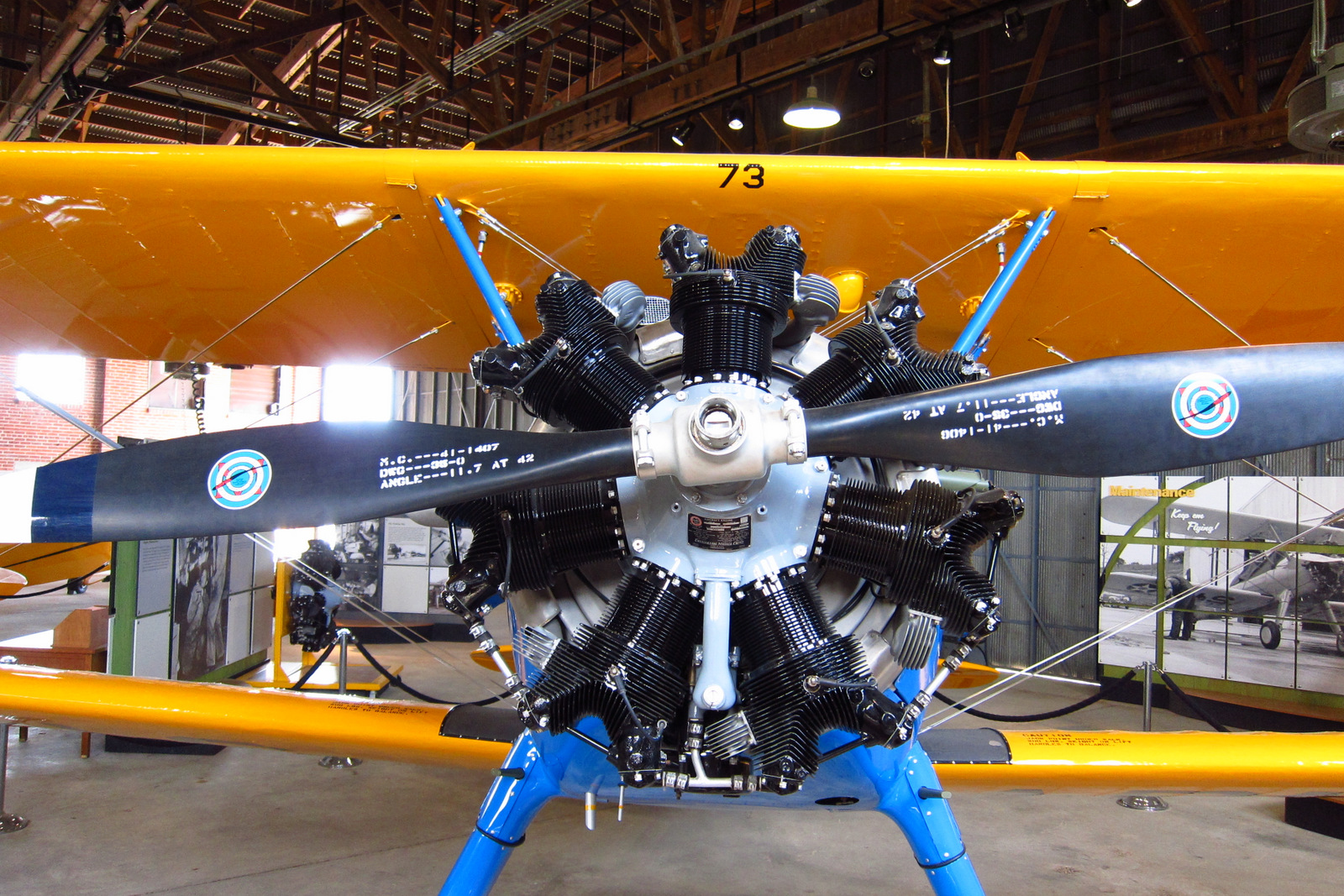
3. Tuskegee Airmen (Alabama)

Civil Rights pioneers are celebrated at this site created in 1998

2. Manzanar (California)

The U.S.A. is a great nation because it remembers the shameful parts of its past

…and finally our #1 National Historic Site!

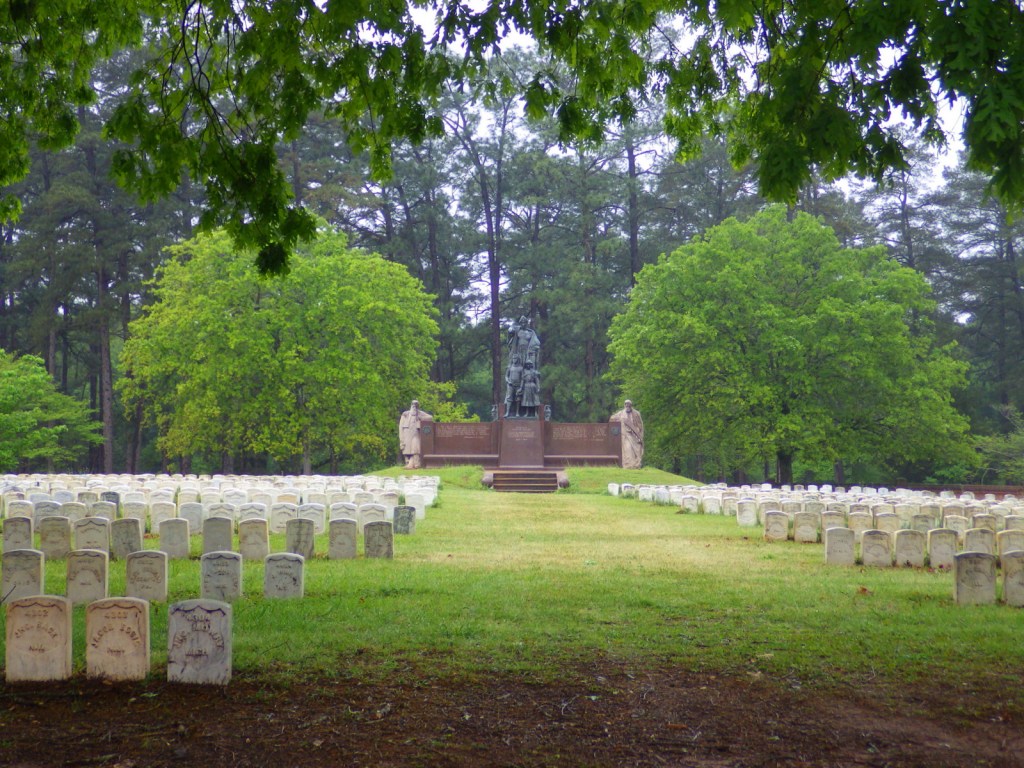
1. Andersonville (Georgia)

Visiting the National Prisoner of War Museum is a powerful experience

Honorable Mentions

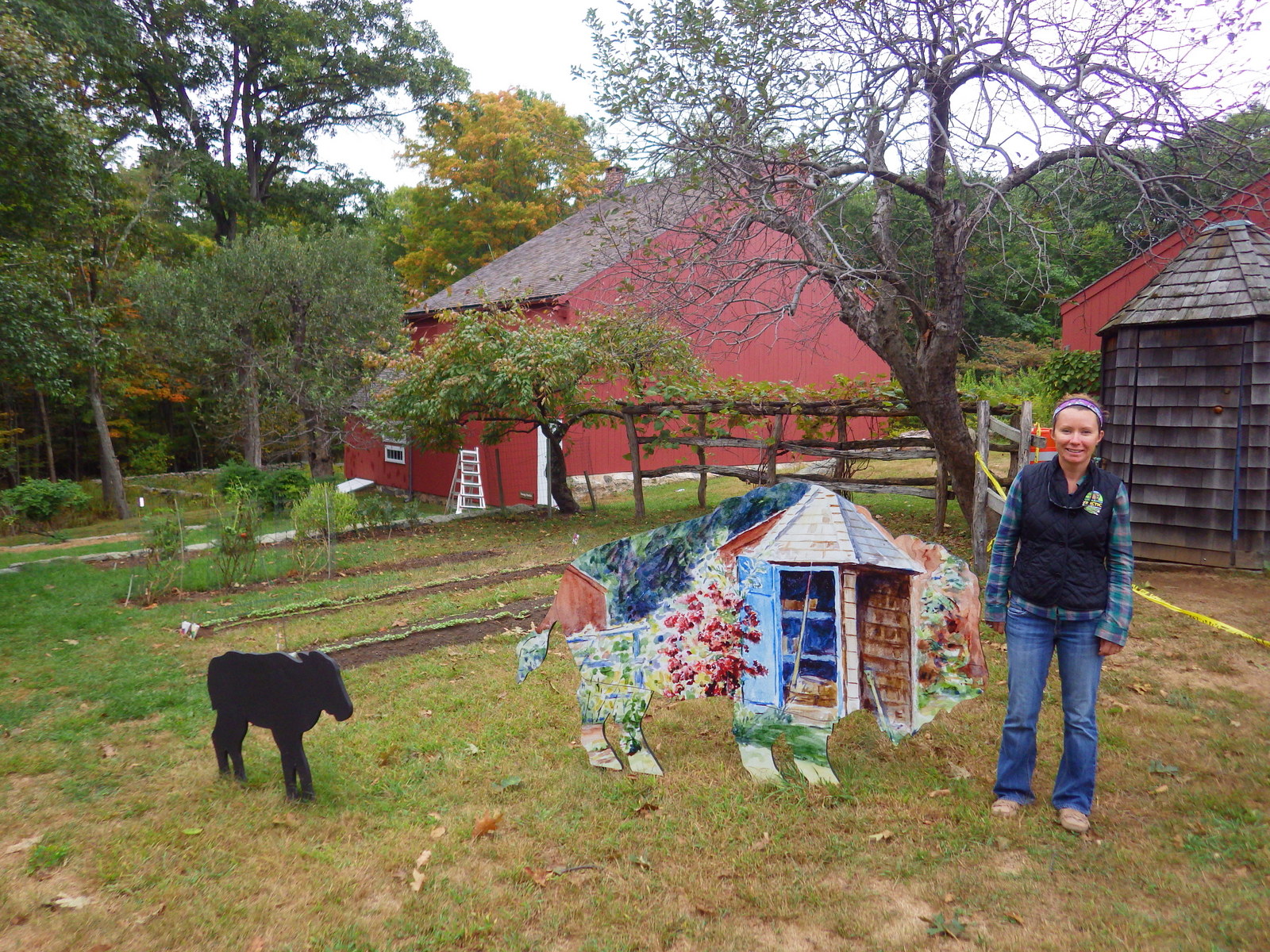
Weir Farm (Connecticut)

Now a National Historical Park, borrow art supplies to create your own memory of this artist colony

Brown v. Board of Education (Kansas)

Now a National Historical Park, find thought-provoking exhibits on segregation fill the classrooms of an old school in Topeka

Grant-Kohrs Ranch National Historic Site

Overview

This site in Deer Lodge, Montana commemorates the late-1800s lifestyle of cattle barons and cowboys.  In 1866, Conrad Kohrs bought this ranch from Johnny Grant and went on to amass a huge cattle herd that grazed across 10-million acres of public land from Colorado to Canada.  Today this remains a working ranch with the sounds and smells of horses, cattle, and poultry.

Highlights

Working cattle ranch, living history demonstrations

Must-Do Activity

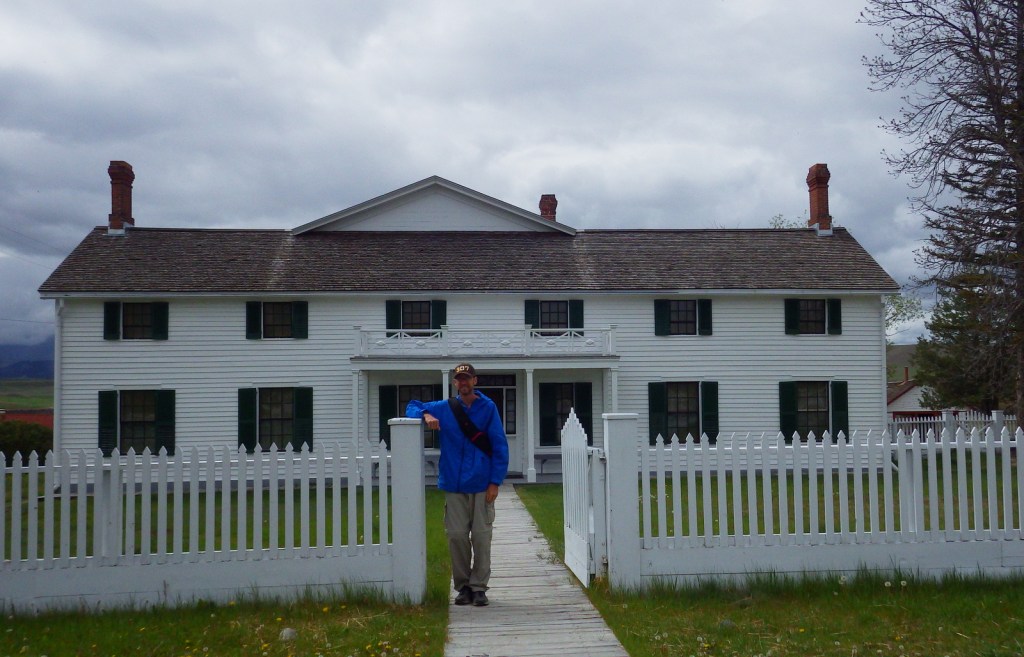
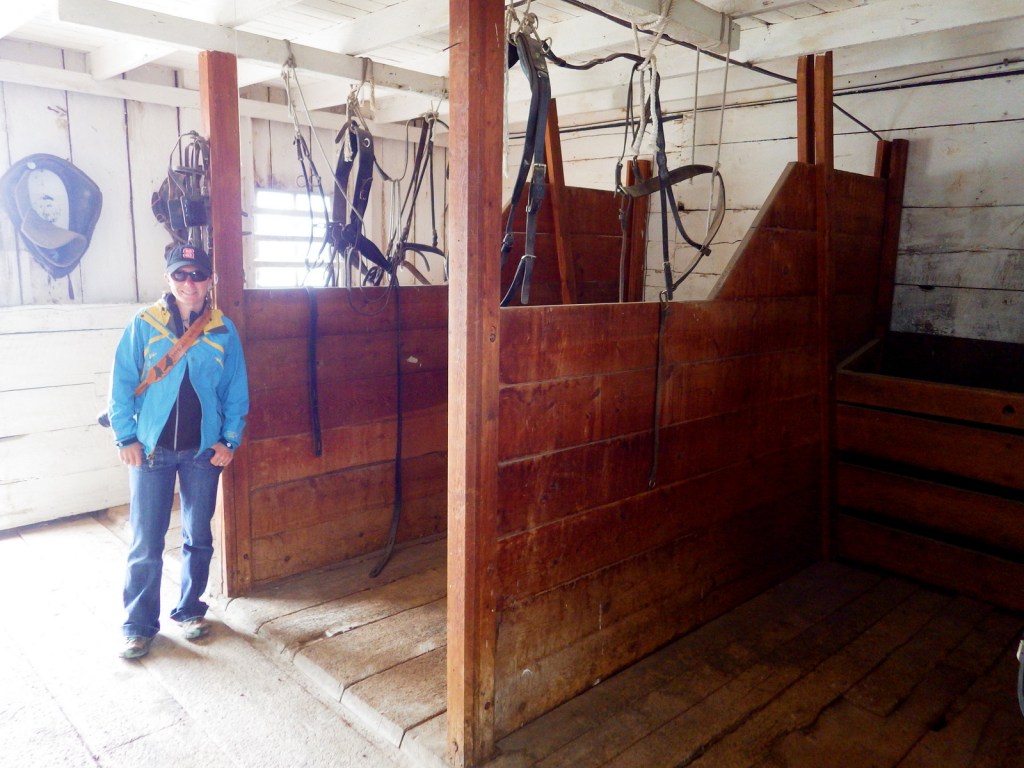
There is no admission fee and a free guided tour is offered inside the large ranch house originally built by Johnny Grant in 1862, with a brick addition doubling its size in 1890.  After the tour, you can practice your roping skills on cattle dummies.  Be sure to stop by the blacksmith shop to ask the volunteer there about all the different types of horseshoes on display.  Inside the Buggy Shed you can see the elaborate harnesses once used on the huge Belgian draft horses that still work here at the ranch.

Best Trail

You step back into the 1800s when you walk the quarter-mile trail from the National Park Service (NPS) visitor center to the Grant-Kohrs Ranch.  A self-guided walking tour enters 15 buildings with displays on the history of cowboys, barbwire, branding irons, and so much more.  There are a total of 7 miles of walking paths on the property, including a nature trail along Cottonwood Creek.

Instagram-worthy Photo

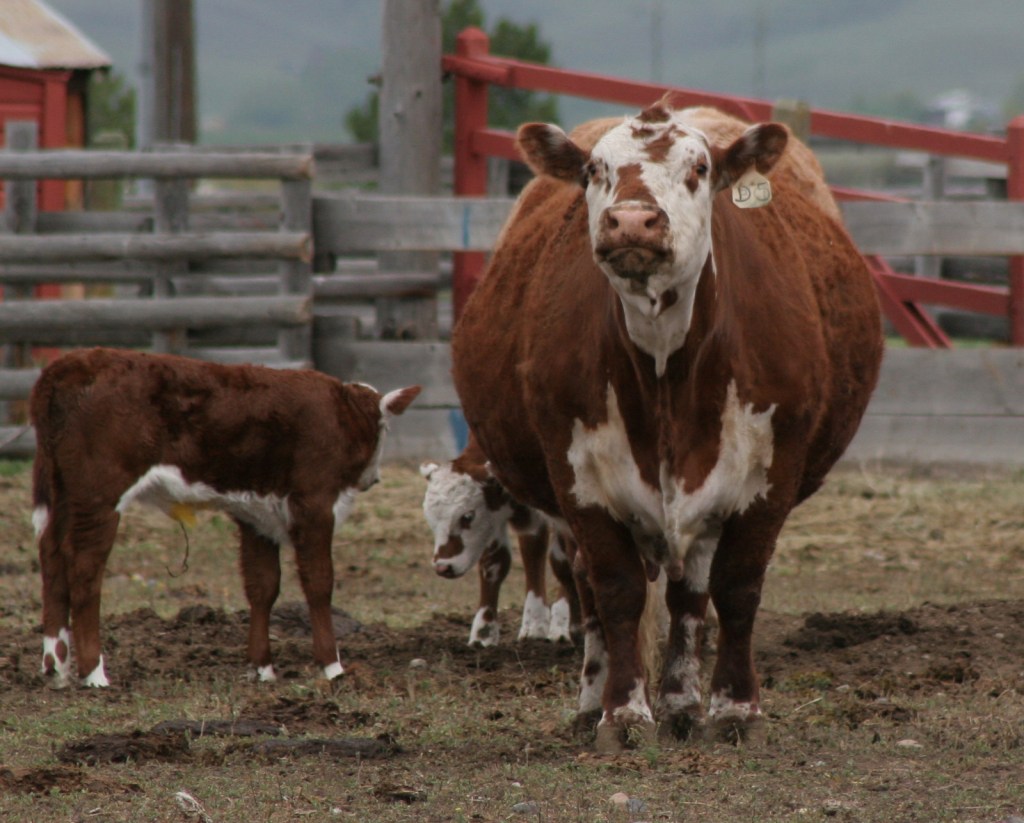
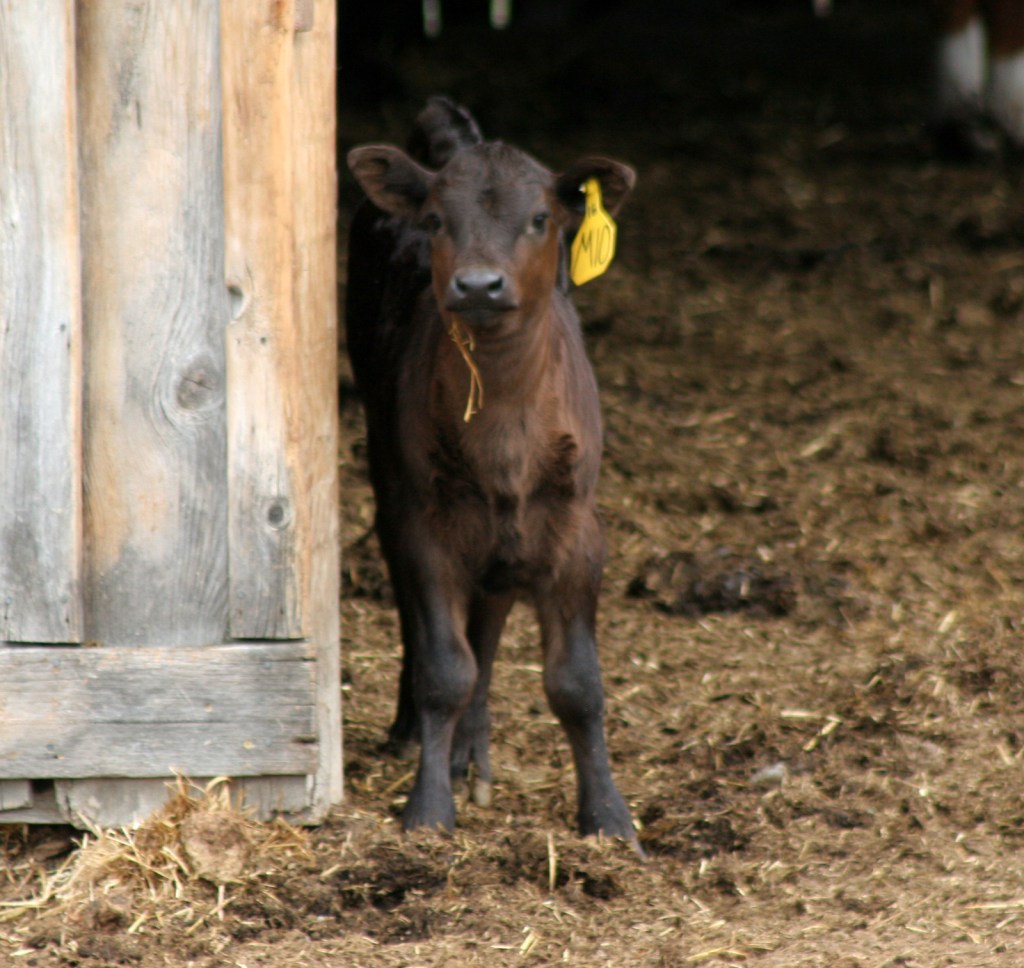
As you explore, keep your eye out for livestock and cowboys on horseback.  It was calving season for the Herefords when we visited in mid-May.

Peak Season

Summer

Hours

https://www.nps.gov/grko/planyourvisit/hours.htm

Fees

None

Road Conditions

Entrance road is paved

Camping

There are private campgrounds in Deer Lodge, Montana, and Lost Creek state Park offers a primitive campground 25 miles away.

Explore More – What is a “beaver slide hay stacker” and how does it work?

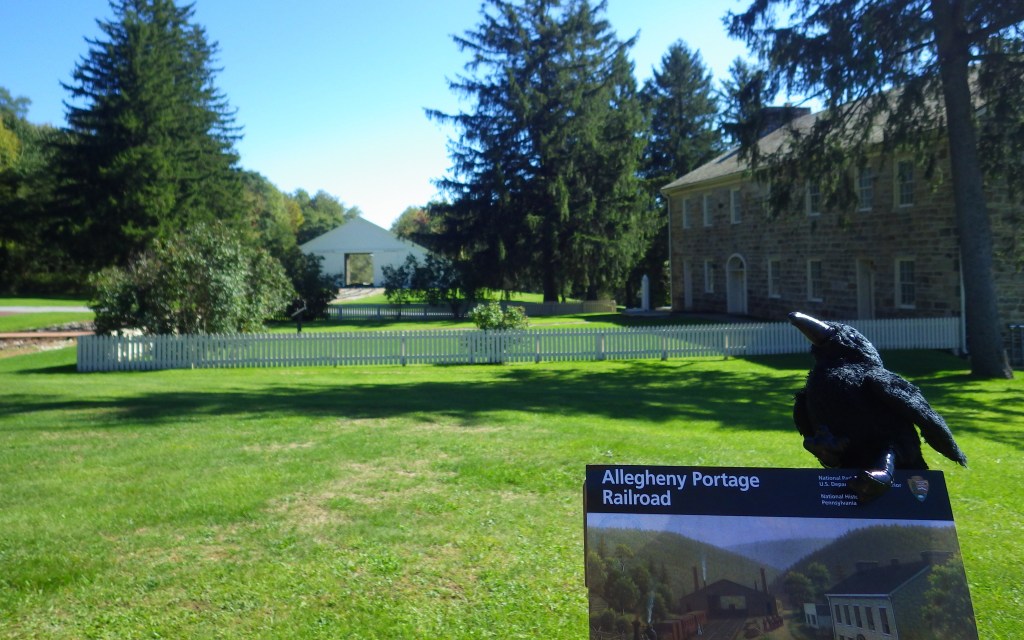
Allegheny Portage Railroad National Historic Site

Overview

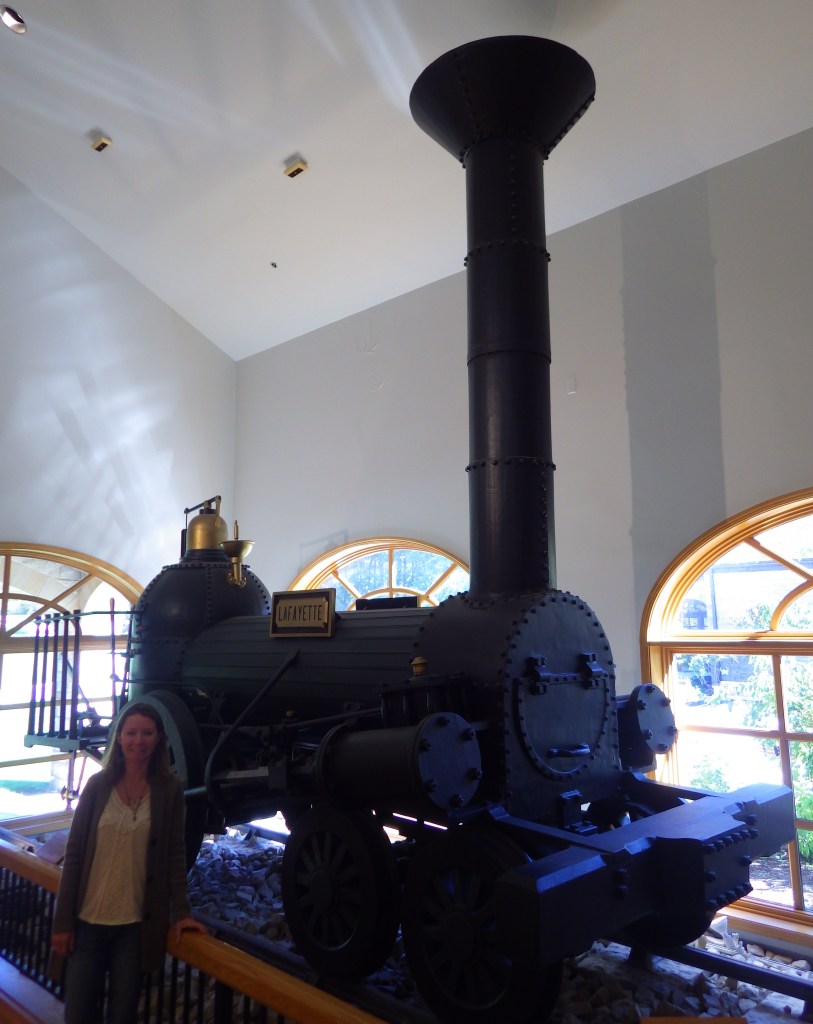
Rather than blast a canal through the mountains, this unique railroad carried sectioned canal boats 36 miles up and over the Alleghenies on a series of 10 inclined planes run by stationary steam engines.  It only ran between 1834 and 1854 before becoming obsolete when the Pennsylvania Railroad provided continuous service to the Ohio River Valley.

Highlights

Museum, film, Engine House 6, Lemon House, Skew Arch Bridge

Must-Do Activity

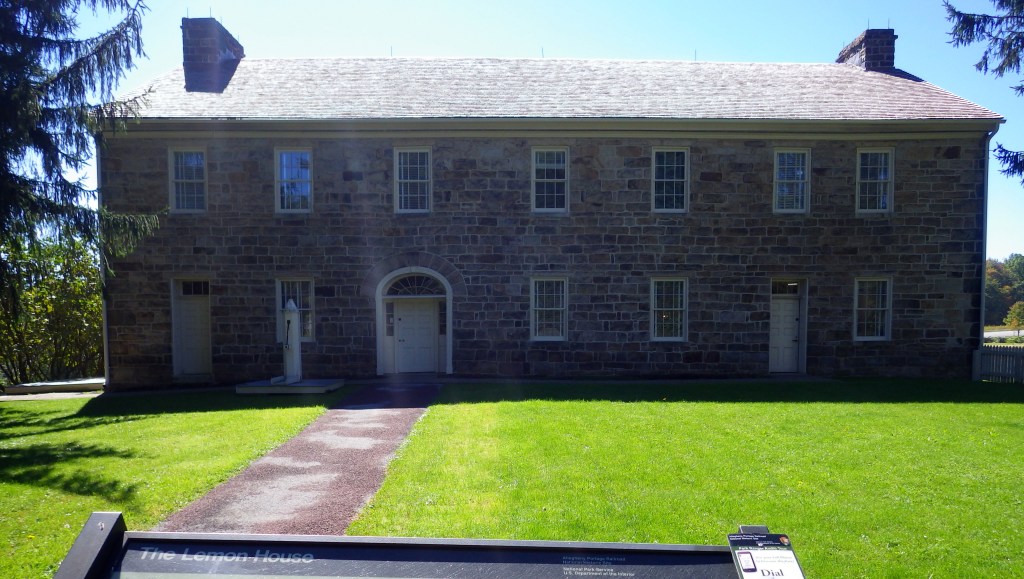
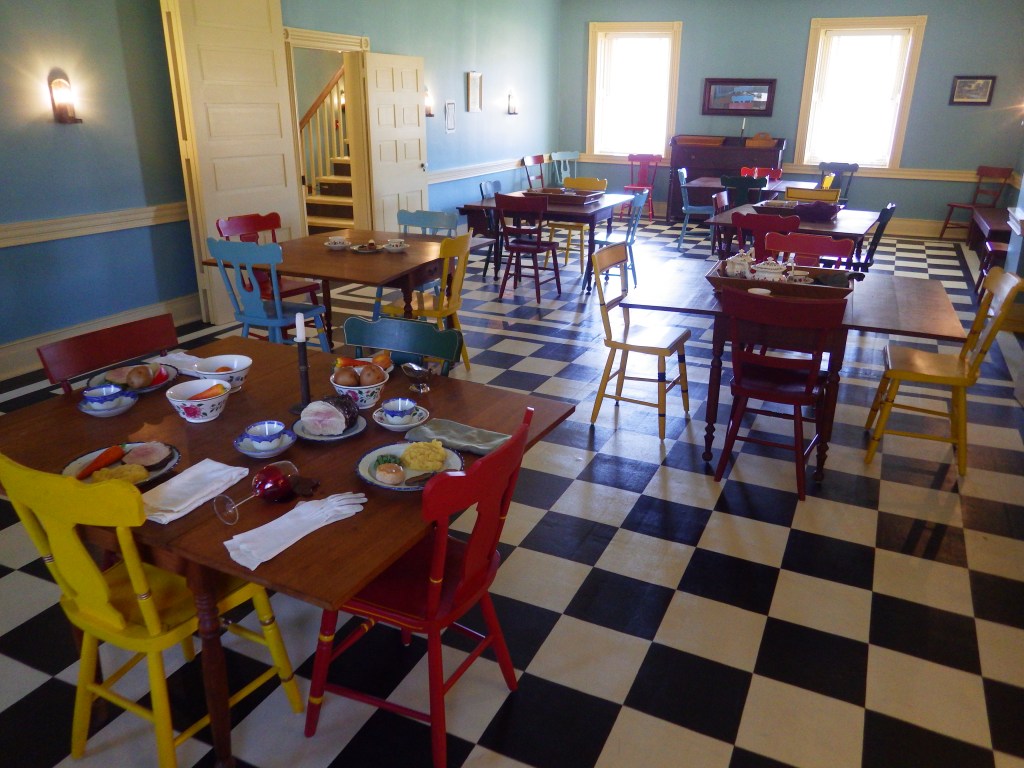
After watching the film in the visitor center, follow the boardwalk through a stone quarry to Engine House 6 Exhibit Building to see a life-sized model of a stationary steam engine and its cable system.  Continue on to Lemon House on Cresson Summit, built around 1832 to serve as a home and tavern. 

Best Trail

From the Engine House 6 Exhibit Building, you can walk a trail through the forest or the mowed incline less than half a mile down to Skew Arch Bridge, or you can drive there.

Instagram-worthy Photo

Skew Arch Bridge was the only road bridge purposely built along the portage.  The “skew” comes in because in 1833 the bridge design was changed to accommodate a bend in the Huntington, Cambria, and Indiana Turnpike Road.  The arch is 22 feet tall and demonstrates the excellence of stone masonry at the time as it was built without mortar.

Peak Season

Summer

Hours

https://www.nps.gov/alpo/planyourvisit/hours.htm

Fees

None

Road Conditions

All roads paved

Camping

Prince Gallitzin State Park offers a campground with showers 20 miles northwest of Altoona, Pennsylvania.

Explore More – What is Staple Bend Tunnel famous for being the first example of with railroads in the United States?