Tag Archives: National Forest

Bitterroot National Forest

Bitterroot National Forest

Montana, Idaho

Managed by U.S. Forest Service, Northern Region

1,655,753 acres (1,587,070 federal/ 68,683 other)

Website: https://www.fs.usda.gov/bitterroot

Overview

First established as the 4.1-million-acre Bitter Root Forest Reserve in 1898, the smaller Bitterroot National Forest today flanks both sides of Highway 93 and the Bitterroot River Valley.  This stretch of the Idaho-Montana border is rough, mountainous country and about half this National Forest is designated Wilderness (see below).  The Continental Divide National Scenic Trail follows a portion of the boundary between Bitterroot National Forest and Beaverhead National Forest, heading northeast from Lost Trail Pass where Highway 93 crosses into Idaho.

Highlights

Nez Perce Auto Trail, Lost Trail Pass, Lake Como, Magruder Massacre Site, Trapper Peak, Skalkaho Falls, Blodgett Canyon, Boulder Creek Falls, Palisade Mountain National Recreation Trail, Continental Divide National Scenic Trail

Must-Do Activity

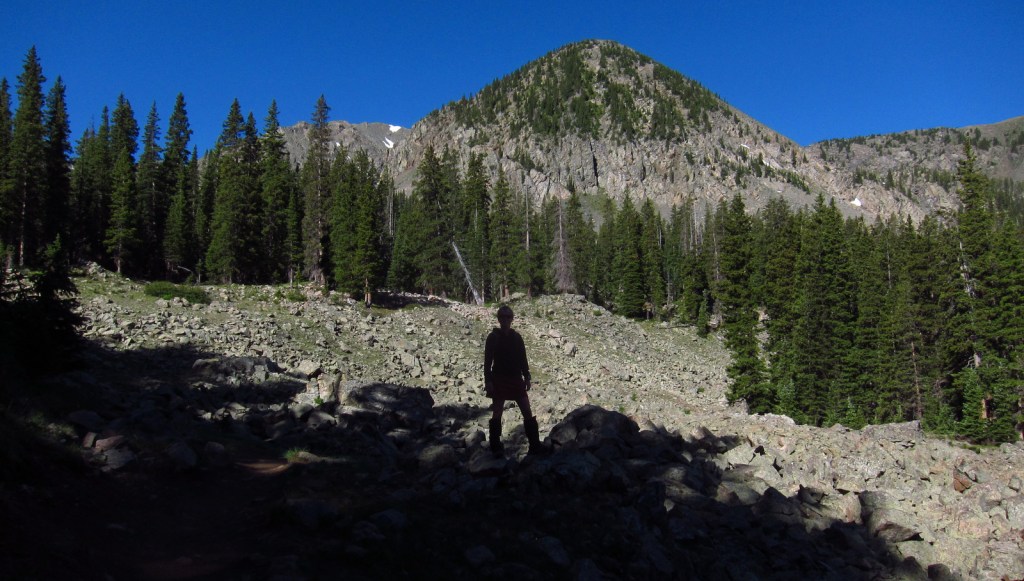
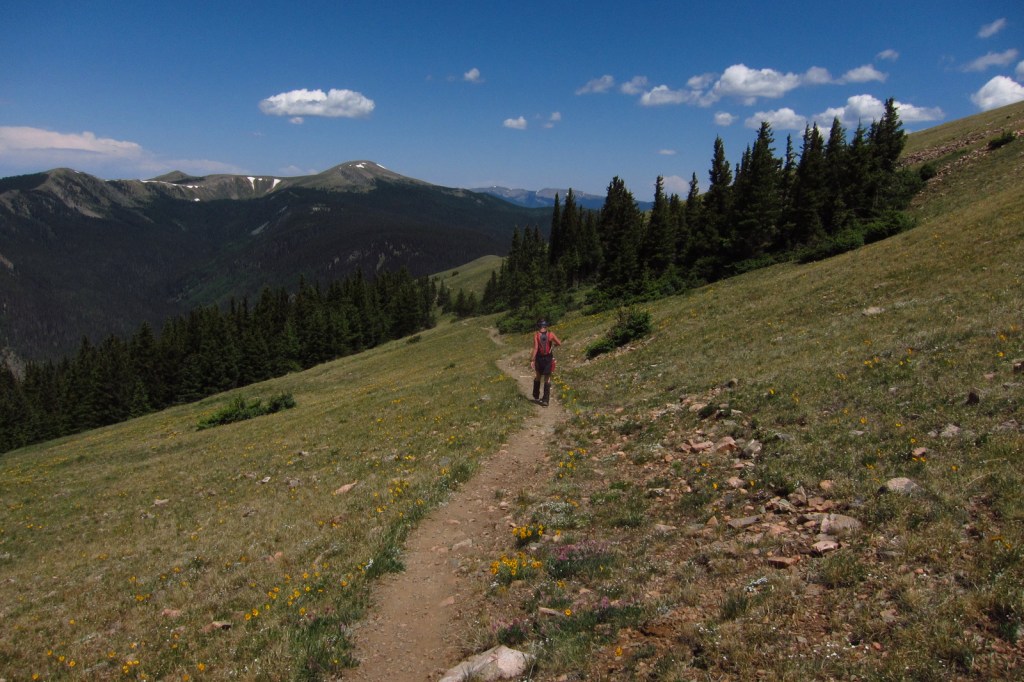
There are trails going west up seemingly every canyon in the Bitterroot Mountains, while Lost Horse Creek has a road that follows it nearly to the Idaho border.  Wildfire smoke obscured the views during our visit in July 2021, but the glacier-carved mountain scenery was still impressive on Blodgett Creek Trail.  We imagine on a clear day the views would rival California’s Yosemite Valley.  There are many more roads (and some trails) to explore in the Sapphire Mountains east of Highway 93.

Best Trail

Blodgett Creek Trail leads 12.6 miles one-way to Blodgett Lake, but you do not have to go that far to appreciate its incredible beauty.  The trail climbs steadily as it follows the creek, passing the memorial to smokejumper Don Mackey on its way to two waterfalls: the first at 4.5 miles hidden in a slot canyon and the second a wide cascade only a half-mile further (for a cumulative elevation gain of 1,637 feet).  Leaving from a nearby trailhead, Blodgett Overlook Trail is a steep 2.8 miles out-and-back.  A similar trek with outstanding views, Bear Creek Overlook Trail climbs about 1,000 feet as it switchbacks 2.6 miles one-way.

Watchable Wildlife

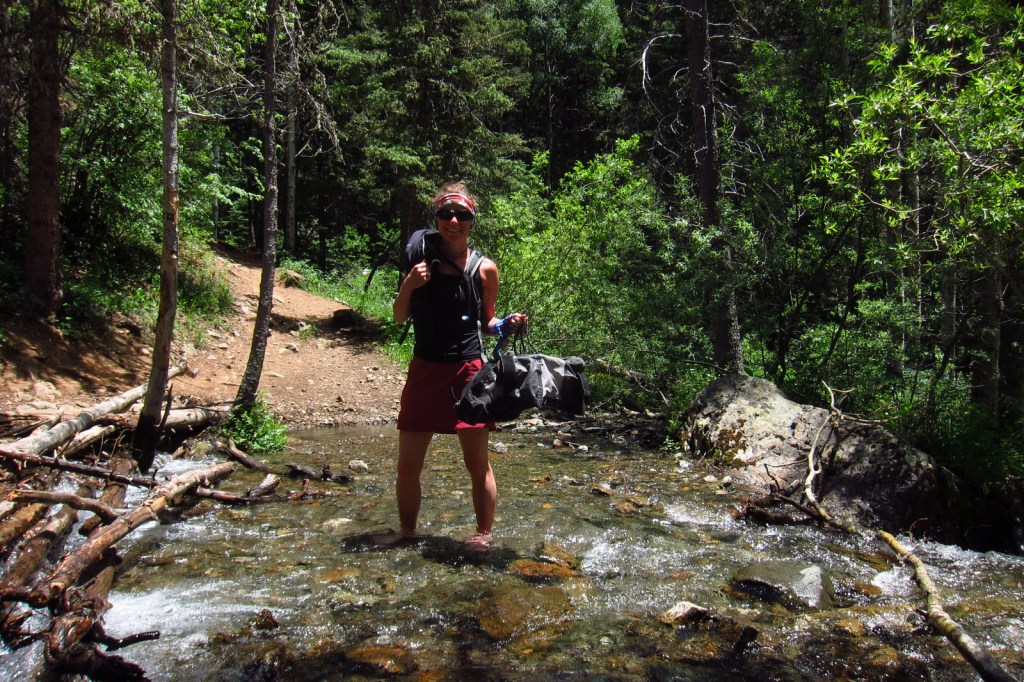
On our backpacking trip into Blodgett Canyon we saw bats, many trout and a beaver dam in the creek, plus a variety of bird life, including a dipper (or ouzel) and a hairy woodpecker.  We also heard hermit thrushes and pikas calling in the rocky scree slopes.  The Bitterroot and Sapphire Mountains are home to elk, mule deer, white-tailed deer, bighorn sheep, mountain goats, and moose, as well as mountain lions, black bears, and grizzly bears (which were reintroduced starting in 2003).  Wildlife watchers should drive the U.S. Forest Service’s Sula Deer, Elk, and Bighorn Driving Tour.

Instagram-worthy Photo

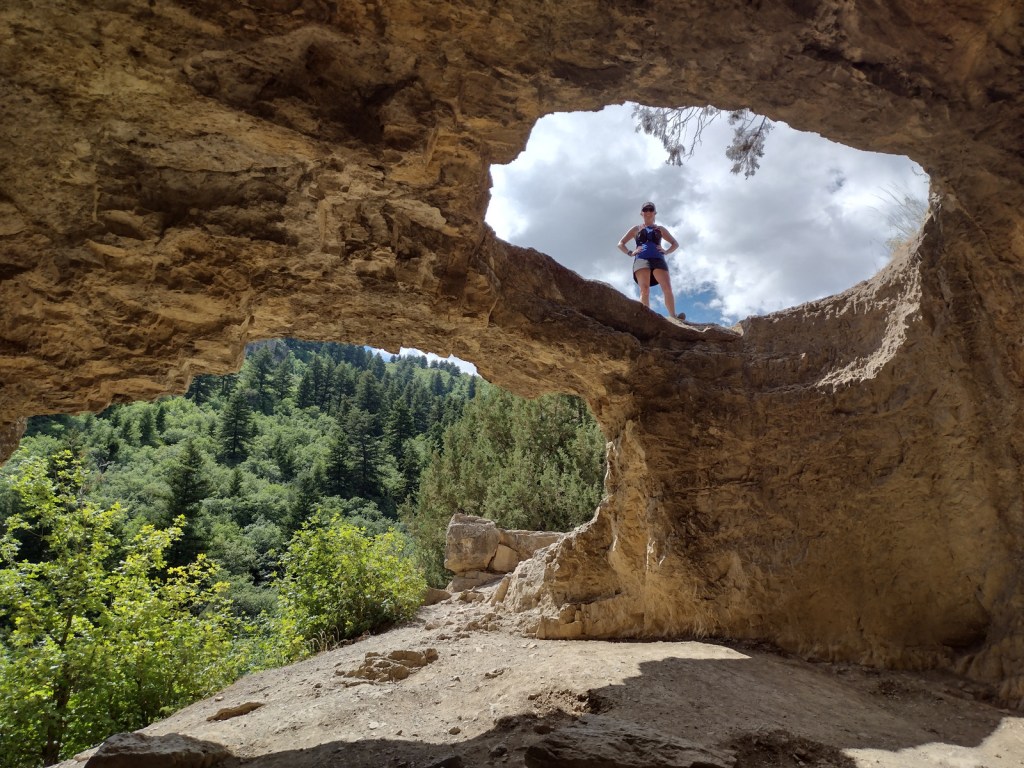
As you hike the Blodgett Creek Trail keep an eye on the ridgeline to the south for a massive natural arch that punches a hole in the skyline.

Peak Season

Summer

Fees

None

Road Conditions

The last three miles to Blodgett Trailhead were well-groomed dirt road and the route from Hamilton, Montana had signs at every turn.

Camping

Located on a creek, Blodgett Campground (fee) seemed like a nice spot, though it was a bit noisy and smoky on a weekend in mid-July.  We also read that Deep Creek Campground is nice and is located near the ruins of a 1930s Civilian Conservation Corps camp.

Wilderness Areas

Anaconda-Pintler Wilderness (also in Beaverhead-Deerlodge National Forest)

Frank Church-River of No Return Wilderness (also in Payette, Salmon-Challis, Boise, and Nez Perce National Forests)

Selway-Bitterroot Wilderness (also in Nez Perce, Clearwater, and Lolo National Forests)

[Allan Mountain Roadless Area]

Related Sites

Beaverhead National Forest (Montana)

Big Hole National Battlefield (Montana)

Yellowstone National Park (Wyoming-Montana-Idaho)

Nearest National Park

Glacier (Montana)

Conifer Tree Species

ponderosa pine, whitebark pine, lodgepole pine, Douglas-fir, western redcedar, subalpine larch, Engelmann spruce, subalpine fir, grand fir, western yew

Flowering Tree Species

quaking aspen, black cottonwood, bog birch, Rocky Mountain maple, red alder, red-osier dogwood, sagebrush

Explore More – How tall is Trapper Peak, the highest point in Bitterroot National Forest?

Grey Towers National Historic Site

Grey Towers National Historic Site

Pennsylvania

Managed by U.S. Forest Service

102 acres

Website: https://www.fs.usda.gov/greytowers

Overview

The sole National Historic Site managed by the U.S. Forest Service, Grey Towers was the ancestral home of Gifford Pinchot, the agency’s first director and the twice-elected governor of Pennsylvania.  Completed in 1886, the 43-room, L-shaped mansion was built to look like a French château.  After Gifford’s father endowed the nation’s first graduate forestry program at Yale, their summer school was held on the property from 1901 to 1926.

Highlights

Mansion tour, Letter Box, Bait Box, Finger Bowl, Pinchot Timeline Trail

Must-Do Activity

We had just visited the three National Park Service sites in Hyde Park, New York before we stumbled upon this spot while driving to Steamtown National Historic Site, so we opted not to take another guided tour (fee) inside a mansion.  It was a beautiful September day, so instead we enjoyed an hour walking around and photographing the property while stopping to read the numerous interpretive signs.  Our favorite cottage was the Bait Box, a playhouse for Gifford’s son.

Best Trail

There are self-guided interpretive trails around the 102-acre property, including the Pinchot Timeline Trail and Forestry Trail.

Instagram-worthy Photo

The Finger Bowl was a unique outdoor dining area where chairs were pulled up to the edge of a pool that had bowls of food floating on its surface.  It sits beneath a beautiful, wisteria-covered arbor.

Peak Season

Summer

Hours

The grounds are open daily 9 a.m. to 5:30 p.m. from Memorial Day weekend through October and the gates are locked at 4:30 p.m. the rest of the year.  Guided tours (fee) of the home and gardens start every hour on the hour starting at 11 a.m. Thursday through Monday in the summer.

Fees

There is no fee to walk the grounds, but it costs $8 per person to take the tour (50% off with America the Beautiful pass).

Road Conditions

The road to Grey Towers is paved and there is limited handicap parking located much closer to the house than the main parking lot.

Camping

See our blog post on Delaware Water Gap National Recreation Area for a list of State Parks and State Forests with campgrounds in the area.

Related Sites

Upper Delaware Scenic and Recreational River (New York-Pennsylvania)

Hopewell Furnace National Historic Site (Pennsylvania)

Steamtown National Historic Site (Pennsylvania)

Nearest National Park

Shenandoah (Virginia)

Explore More – Gifford’s father regretted the environmental damage done by which industry where he made his fortune?

Bighorn National Forest

Bighorn National Forest

Wyoming

Managed by U.S. Forest Service, Rocky Mountain Region

1,115,160 acres (1,107,571 federal/ 7,589 other)

Website: https://www.fs.usda.gov/bighorn

Overview

In northern Wyoming, the Bighorn Mountains are crisscrossed by three scenic byways: Cloud Peak Skyway, Bighorn Scenic Byway, and Medicine Wheel Passage.  Bighorn National Forest has such amazing views you can even enjoy them without stepping foot on the ground.  While you could enjoy the National Forest strictly through your windshield, you should lace up your hiking boots and explore some of the 150 miles of trails within the spectacular 189,039-acre Cloud Peak Wilderness.

Highlights

Shell Falls, Fallen City, Medicine Wheel National Historic Landmark, Bucking Mule Falls, Coney Lake, Porcupine Falls, Crazy Woman Creek, Ten Sleep Canyon, Mistymoon Trail

Must-Do Activity

Medicine Wheel National Historic Landmark is an 80-foot-diameter circle of rocks divided into 28 spokes to match the lunar cycle.  This breathtaking archaeological site lies at nearly 10,000 feet in elevation with stunning panoramas in all directions.  It is possible to drive all the way to the site with a four-wheel-drive vehicle, but most visitors park in the lot located three miles up the road that climbs steeply from the turnoff on Highway 14A.  From the parking area, it is a 1.5-mile walk down the undulating road, which can be cold and windy even in the middle of the summer.

Best Trail

Mistymoon Trail is one of the most famous backpacking areas in the state of Wyoming, a six-mile jaunt into scenic Cloud Peak Wilderness with only about 1,000 feet elevation gain to Mistymoon Lake.  Leaving from the same trailhead at West Tensleep Lake, another trail leads to Mirror Lake and Lost Twin Lakes after multiple stream crossings.

Watchable Wildlife

As you might guess from its name, the National Forest is home to bighorn sheep, although they had to be reintroduced after being eradicated by diseases and hunting.  Given its location at the edge of the Great Plains, both white-tailed deer and mule deer overlap here, usually to the detriment of less-aggressive mule deer.  The North Tongue River is one of several clear waterways that attract trout fishermen, and elk hunters crowd this area in the fall.

Instagram-worthy Photo

You will definitely want to get out of the car to see 120-foot tall Shell Falls, which is located right off Highway 14. 

Peak Season

Summer

Fees

None

Road Conditions

Snow can close Cloud Peak Skyway (Highway 16) and Bighorn Scenic Byway (Highway 14) temporarily in the winter, and Medicine Wheel Passage (Highway 14A) until late spring.  Forest Road 27 is a wide gravel road that leads seven miles north from Highway 16 to West Tensleep Lake Campground and trailhead.  Accessing the short trail to 600-foot tall Bucking Mule Falls involves driving about ten miles of dirt roads.

Camping

There are many campgrounds, including popular ones at Meadowlark Lake and West Tensleep Lake.  For a more-developed experience, try Medicine Lake Lodge or Meadowlark Lake Resort.  We have driven through this area multiple times and found a couple good dispersed campsites on dirt roads.

Wilderness Areas

Cloud Peak Wilderness

Related Sites

Bighorn Canyon National Recreation Area (Montana-Wyoming)

Little Bighorn Battlefield National Monument (Montana)

Black Hills National Forest (South Dakota-Wyoming)

Nearest National Park

Yellowstone (Wyoming-Montana-Idaho)

Conifer Tree Species

Douglas-fir, Rocky Mountain juniper, subalpine fir, Engelmann spruce, white spruce, limber pine, ponderosa pine, lodgepole pine

Flowering Tree Species

quaking aspen, Rocky Mountain maple, curlleaf mountain-mahogany, sagebrush

Explore More – How tall is Cloud Peak, namesake for the 189,039-acre Cloud Peak Wilderness?

Top 10 Campgrounds in National Forests 


This was a difficult ranking because there are thousands of campgrounds in the 155 National Forests and we tend to prefer dispersed camping (since we don’t love campfire smoke).  That said, we have stayed in a quite a few U.S. Forest Service campgrounds (especially in 2020-21) all across the country: this top 10 list represents 10 different states +6 others in the Honorable Mentions!  Click here to see all our Top 10 Lists, including four that cover camping in National Parks.

10. Chattahoochee (Georgia)

Hickey Gap Campground offers free streamside campsites near the start of the Appalachian National Scenic Trail at Springer Mountain

9. San Isabel (Colorado)

Turquoise Lake Recreation Area has beautiful mountain views just outside historic Leadville

8. Jefferson (Virginia)

We stayed in a mountaintop campground in Mt. Rogers National Recreation Area before hiking a section of the Appalachian National Scenic Trail inhabited by wild ponies (who like to bite)

7. Humboldt (Nevada)

It is impressive how many campsites they jammed onto the mountainside next to stunning Angel Lake, plus check out the campgrounds in pretty Lamoille Canyon

6. Allegheny (Pennsylvania)

Aptly-named Hearts Content has a large campground across the road from an old-growth forest of white pines and eastern hemlocks

5. Siuslaw (Oregon)

Elk Creek Campground is only one option with access to coastal Oregon Dunes National Recreation Area

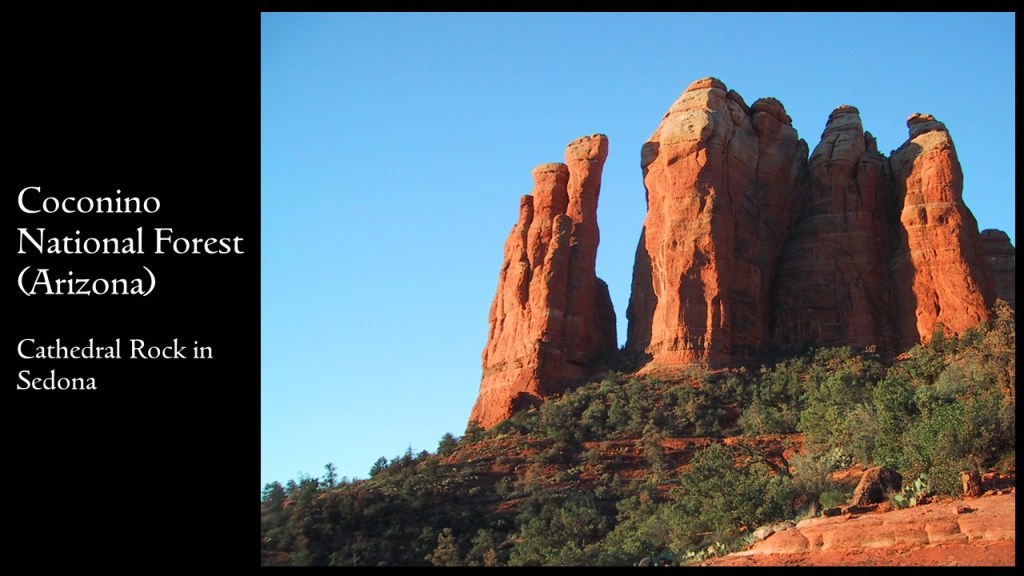
4. Coconino (Arizona)

Lockett Meadow Campground is special place (but now requires a three-mile hike up the closed road), as are the coveted campsites in Oak Creek Canyon on scenic Highway 89A

3. Ocala (Florida)

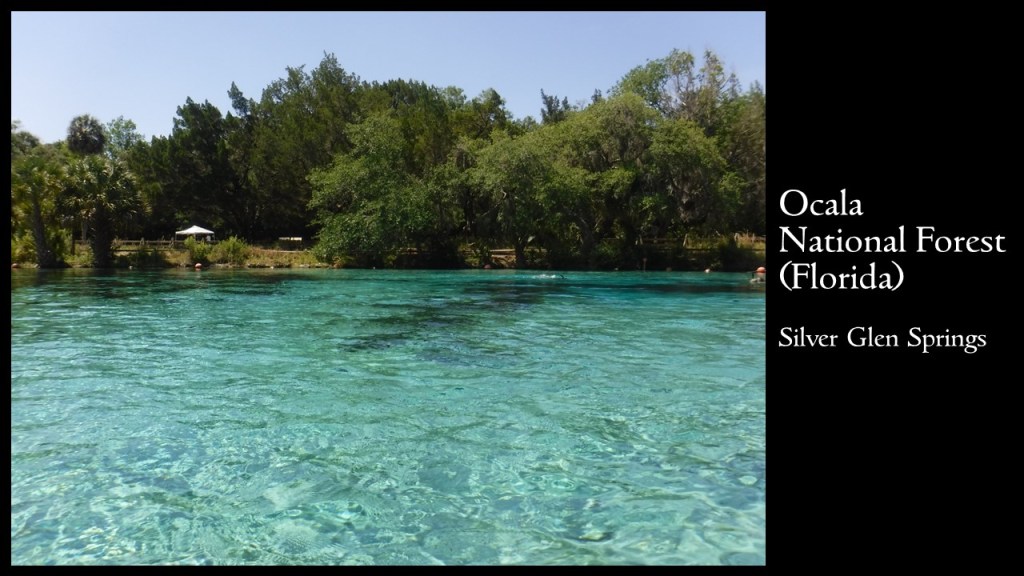
Crystal clear natural springs attract swimmers and campers to Juniper Springs, Silver Glen, Salt Springs, and Alexander Springs Recreation Areas (reservation recommended)

2. Beaverhead (Montana)

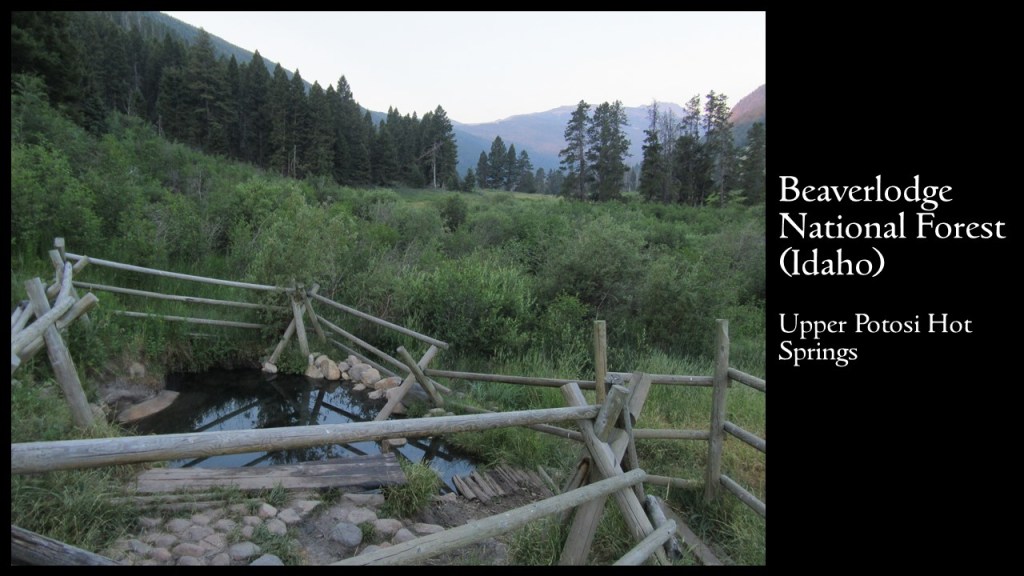
Potosi Campground is free and only a short hike from Upper Potosi Hot Springs

…and finally our #1 campground in a National Forest:

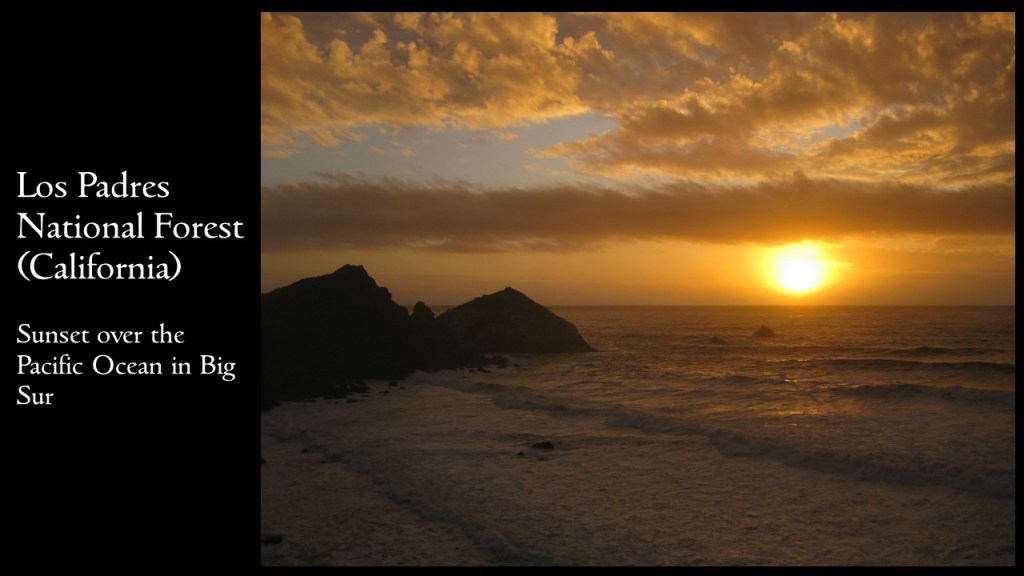
1. Los Padres (California)

Incredibly scenic Kirk Creek Campground sits atop a cliff overlooking the Pacific Ocean in Big Sur

Honorable Mentions

Cache (Utah)

Although the campgrounds are located right along Highway 89, we suspect the Logan River drowns out the road noise

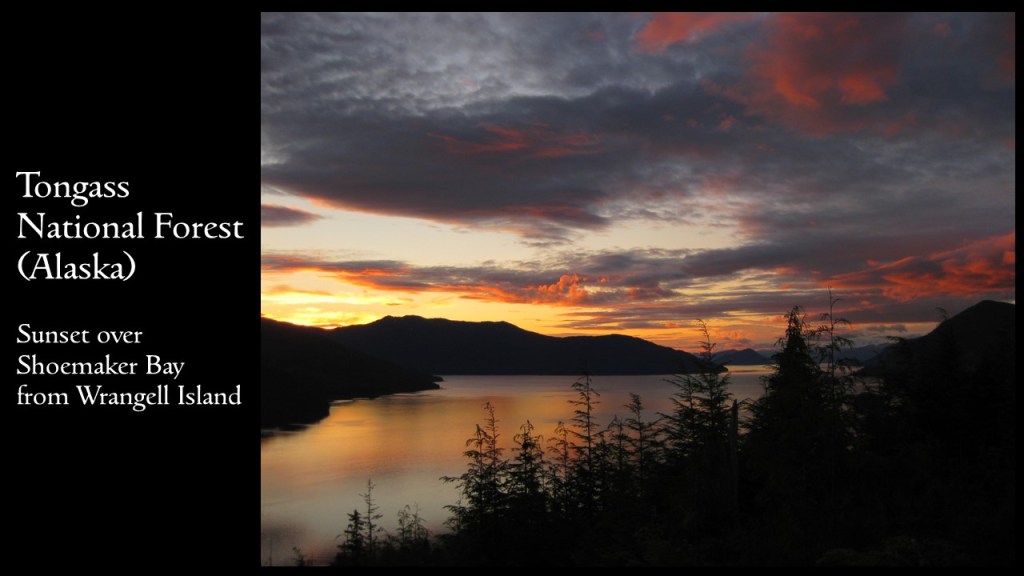
Tongass (Alaska)

This scenic spot just outside Wrangell would rank higher, but it is more of a designated campsite than a campground

Homochitto (Mississippi)

Maybe we are partial to Clear Springs Campground because we arrived in the dark after fleeing a fire in Kisatchie National Forest, plus it had showers

Hiawatha (Michigan)

Hovey Lake Campground is free, but it only has four campsites; it would be fun to boat to a campground in Grand Island National Recreation Area

Finger Lakes (New York)

We spent a quiet night in Blueberry Patch Campground on a forested ridgeline between two of the Finger Lakes

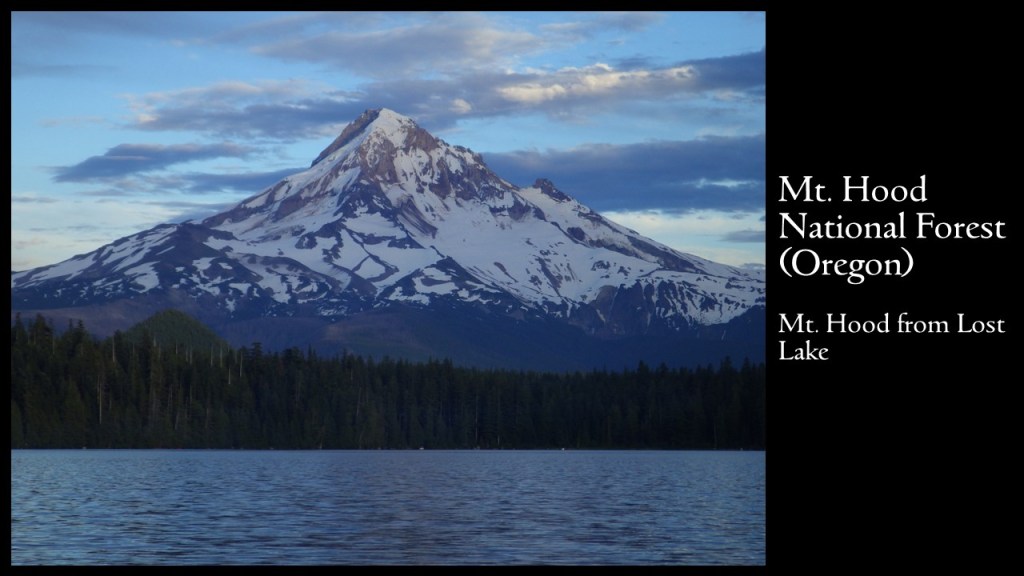
Mt. Hood (Oregon)

Located east of Portland, Lost Lake Campground has to have one of the best views in the country

Nebraska (Nebraska)

Pine plantations are a nice break from the sandhill prairies surrounding Bessey Recreation Complex, as well as Steer Creek Campground in Samuel R. McKelvie National Forest

Bienville National Forest

Bienville National Forest

Mississippi

Managed by U.S. Forest Service, Southern Region

382,821 acres (178,541 federal/ 204,280 other)

Website: https://www.fs.usda.gov/mississippi

Overview

Managed collectively with Mississippi’s five other National Forests, Bienville is centered around the town of Forest, which has numerous rooster statues.  The ranger station is located just south of Interstate 20 and has an interpretive trail that passes a pond on a half-mile loop.  Just north of the freeway, there is Harrell Prairie Hill National Natural Landmark and 189 acres of old-growth forest protected in Bienville Pines Scenic Area (which we could not locate any signs nor trailheads to access).

Highlights

Harrell Prairie Hill National Natural Landmark, Marathon Lake Recreation Area, Coursey Lookout Tower, Shongelo Lake Recreation Area, Shockaloe Horse Trail

Must-Do Activity

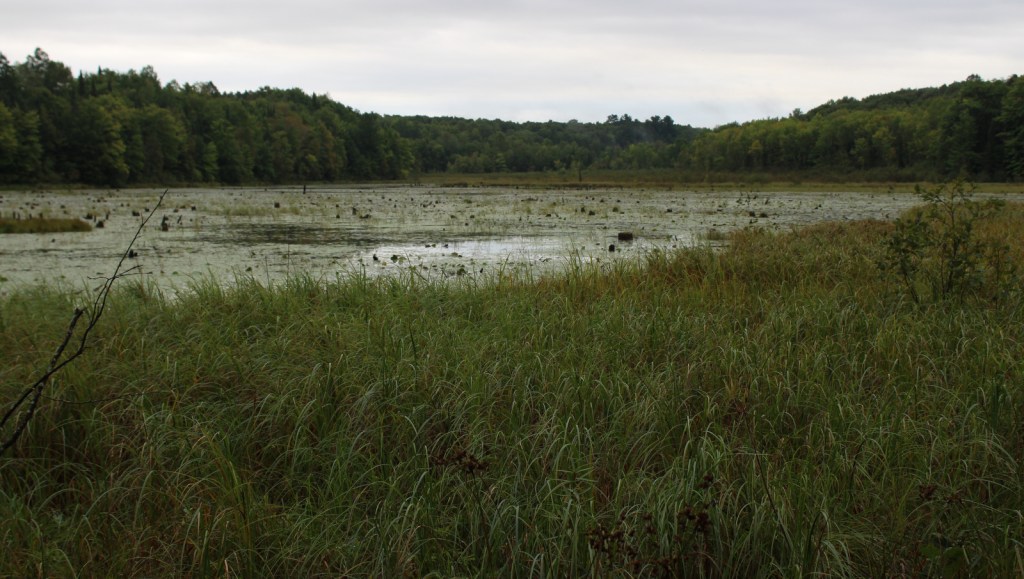
Marathon Lake is 50 acres in size and got its name from Marathon Lumber Company, which closed in 1929.  The lake was built in the 1950s for recreation in the former logging camp.  Bienville National Forest also has the upper courses of the Leaf and Strong Rivers and several other lakes, including five-acre Shongelo Lake (with a swimming area and hiking trail open May to September), 67-acre Beaver Lake (open year round), and 33-acre Greentree Reservoir (open year round).

Best Trail

Despite the lake being at flood levels that submerged many parts of the trail, we circumnavigated Marathon Lake in about 1.7 miles and didn’t get our feet wet.  The 22-mile long Shockaloe Horse Trail was too muddy for us to hike in April.

Watchable Wildlife

The National Forest’s lakes have largemouth bass, bream, catfish, and crappie that attract fishermen.  At Marathon Lake we saw several great egrets, little blue herons, and a very noisy murder of crows.  Endangered red-cockaded woodpeckers nest in large pines trees (at least 60 years old), especially longleaf pines.  Gray rat snakes can climb trees, so red-cockaded woodpeckers drill small holes around their nesting cavity because fresh pine resin causes the snakes to turn around or slip off the tree.  There are three Wildlife Management Areas within Beinville National Forest that provide hunting opportunities for white-tailed deer, wild turkey, and invasive wild pigs.
Instagram-worthy Photo

Harrell Prairie is the largest and least disturbed alkaline prairie in the state and is burned about every three years to maintain native vegetation.  It is located down Forest Road 518 in Caney Creek Wildlife Management Area, which is closed May 2 to September 14, perhaps to protect wildflowers.
Peak Season

Spring and fall

Fees

There is a $5 day-use fee at Shongalo Lake and Marathon Lake, but no day-use fee at the Shockaloe Trailhead or Greentree Reservoir.

Road Conditions

The dirt roads were in good condition in April, even when the trails were flooded and muddy.

Camping

Marathon Lake has 34 campsites ($20 per night with water and electric hook-ups), a boat ramp, a swimming area, and two bath houses with warm showers.  Camping is only $7 per night at Shockaloe Base Camp I, but no camping is allowed at Base Camp II.

Wilderness Areas

None

Related Sites

Natchez Trace National Scenic Trail (Mississippi-Alabama-Tennessee)

Medgar and Myrlie Evers Home National Monument (Mississippi)

Tupelo National Battlefield (Mississippi)

Nearest National Park

Hot Springs (Arkansas)

Conifer Tree Species

baldcypress, loblolly pine, longleaf pine, shortleaf pine

Flowering Tree Species

white oak, southern red oak, willow oak, overcup oak, blackjack oak, laurel oak, shagbark hickory, winged elm, black gum, tupelo gum, sweetgum, red maple, flowering dogwood, tulip-poplar, sweet bay, southern magnolia, black cherry, loblolly bay, Amerian holly, yaupon holly, dahoon holly, black titi, azalea

Explore More – Bienville National Forest is named after whom?