Tag Archives: National Battlefield

Kennesaw Mountain National Battlefield Park

Overview

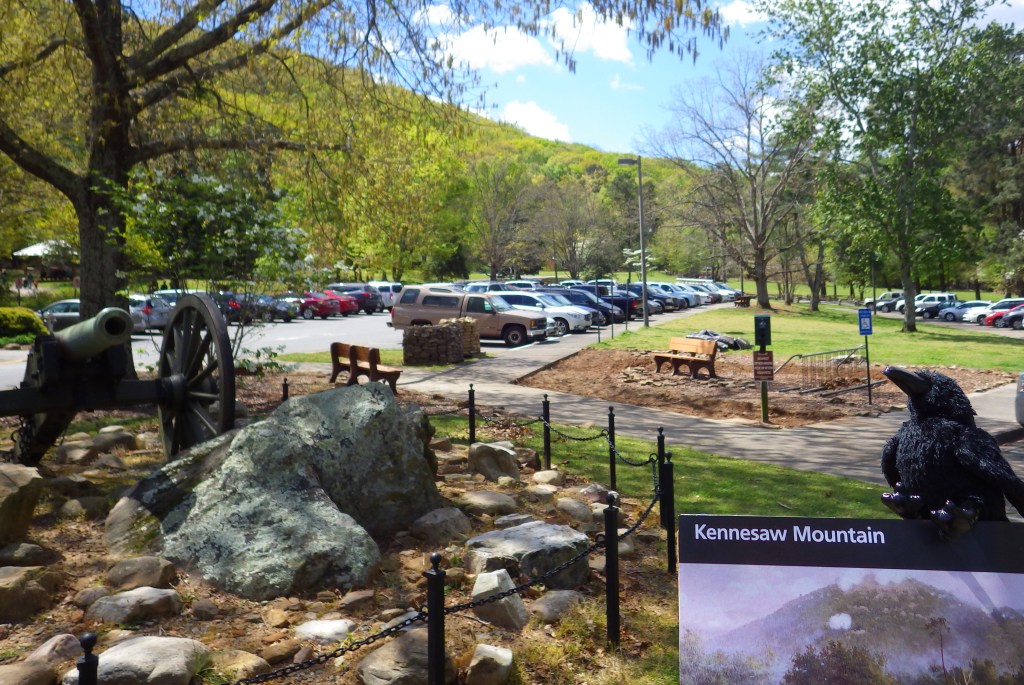
There are probably not many places on the list of top 50 most visited units in the National Park Service (NPS) system that you have never heard of, but Kennesaw Mountain National Battlefield Park may be one.  Located in a suburb of Atlanta, Georgia, this 2,923-acre park receives more than 2.3-million visitors annually.  The park memorializes a Civil War battlefield on General Sherman’s “scorched earth” march to Atlanta in 1864 and is now surrounded by a heavily-populated suburb and a university.  Watch for pedestrians on the road to the top of the 700-foot tall Kennesaw Mountain.
Highlights

Museum, film, scenic views, hiking trails, Kolb’s Farm, cannons

Must-Do Activity

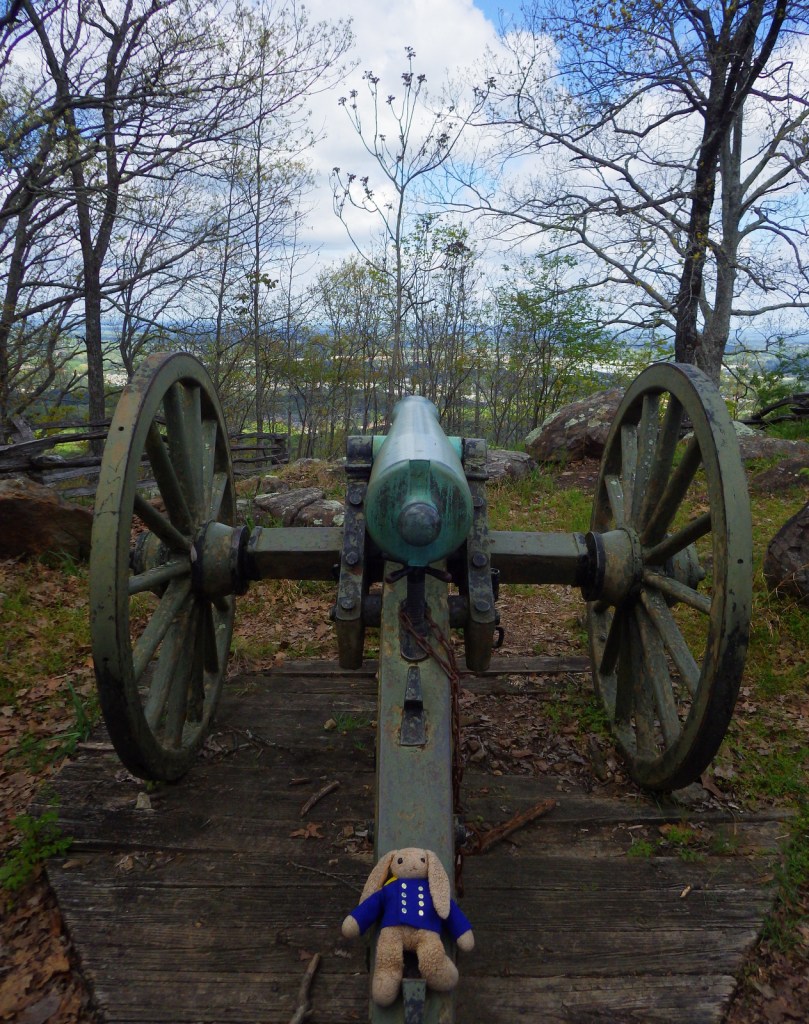
You can drive to the cannons and earthworks on top of Kennesaw Mountain when the shuttle bus is not running on weekdays, but most recreationists walk the road or trails to get there.  Inside the NPS visitor center at the 700-foot hill’s base, you will learn about the Atlanta Campaign of 1864 when Union General William Tecumseh Sherman led 100,000 troops out of Chattanooga, Tennessee on the “March to the Sea.”  After 5,350 soldiers died at Kennesaw Mountain, he decided to just go around it on his way to the city, causing the Confederates to abandon their fortifications there.  If you do drive to the top, you will need to go around many pedestrians and bikers, too.

Best Trail

There are 19.7 miles of hiking trails, but we found that most visitors just walked or biked down the center of the paved road to the top.

Instagram-worthy Photo

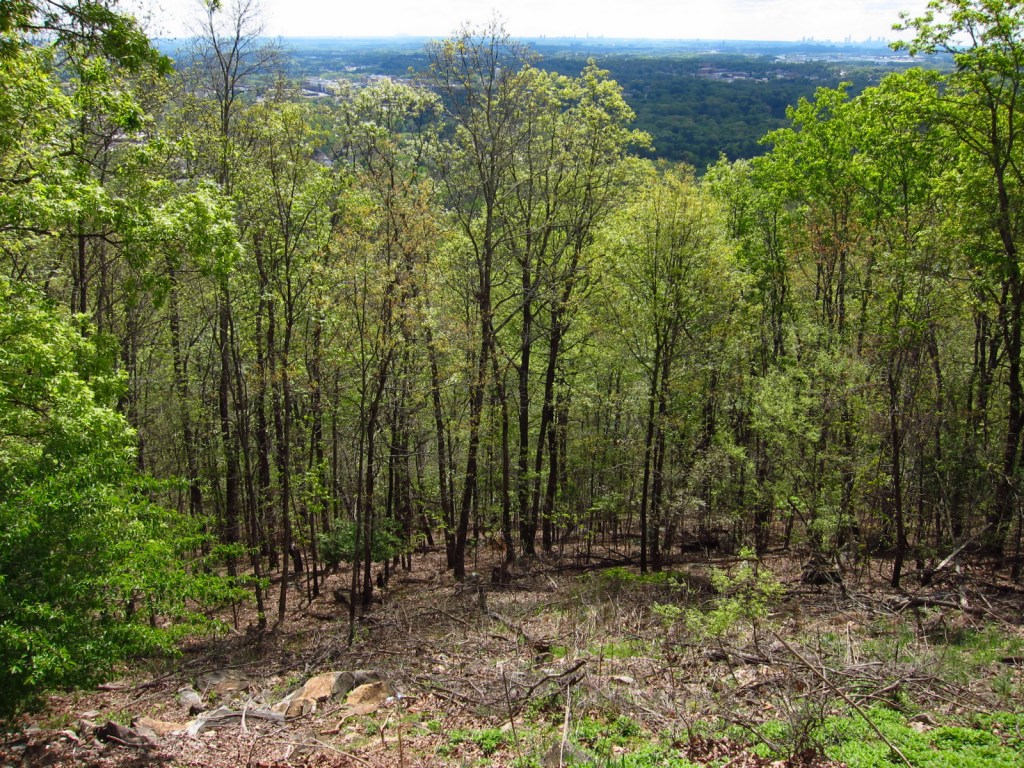
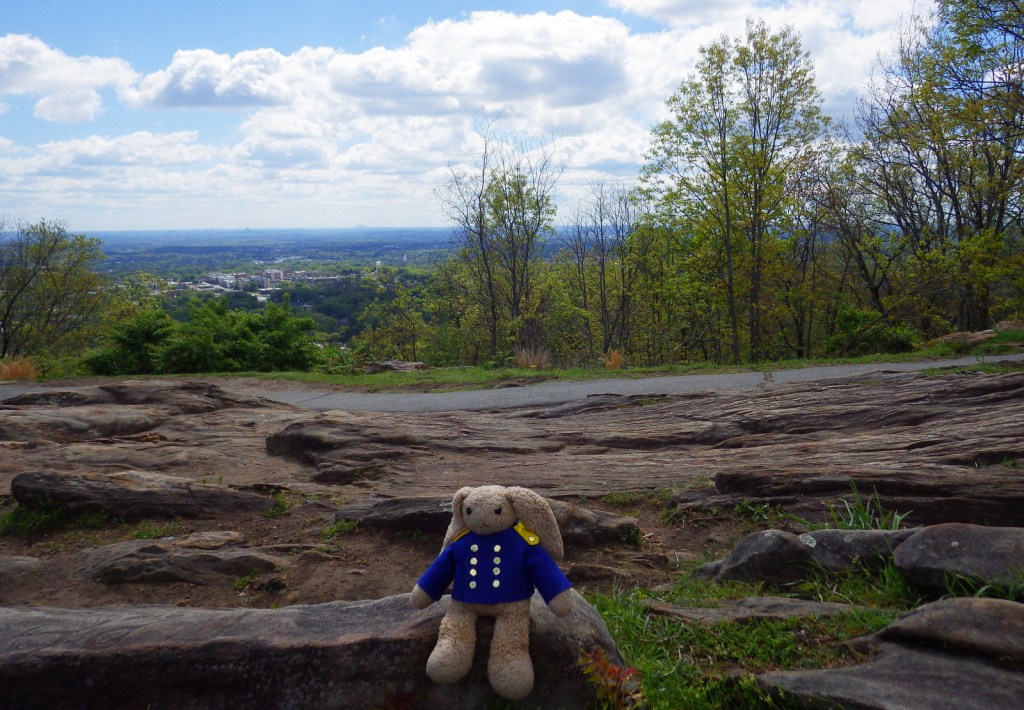
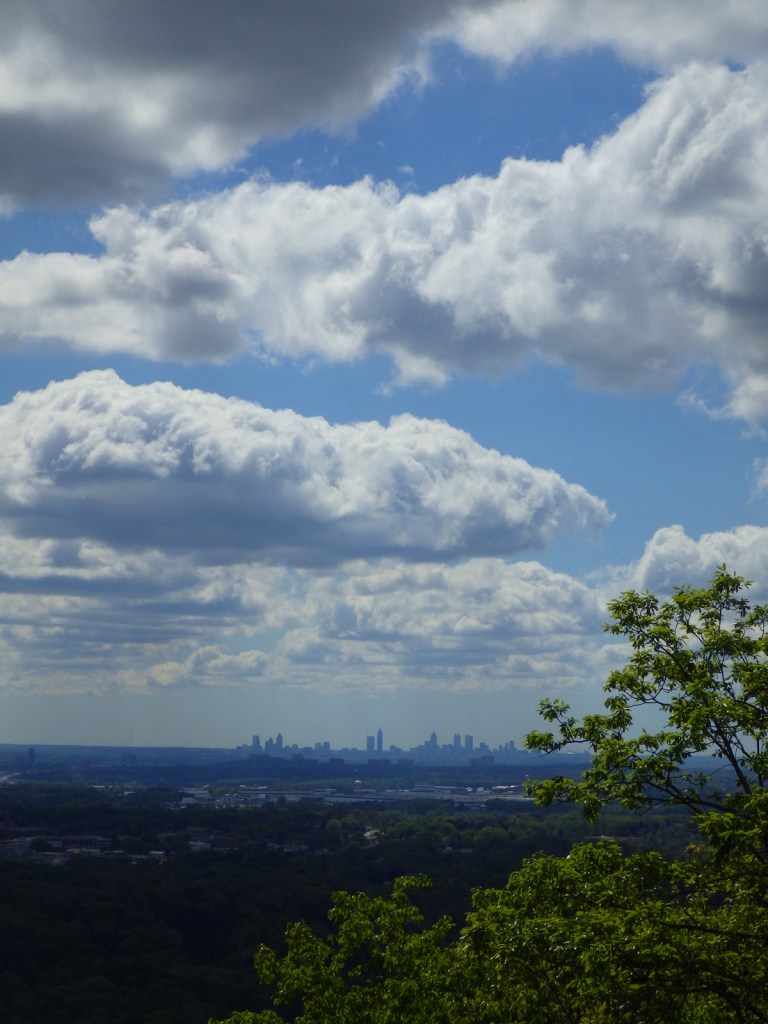
Kennesaw Mountain offers sweeping views of the Atlanta-metropolitan area.
Peak Season

Spring and fall

Hours

https://www.nps.gov/kemo/planyourvisit/hours.htm

Fees

$5 per vehicle or America the Beautiful pass

Road Conditions

The road to the top is paved, but there is limited parking up there so a shuttle bus runs on weekends.

Camping

There are several campgrounds on nearby Lake Altoona managed by the U.S. Army Corps of Engineers.  Red Top Mountain State Park is also located north of Kennesaw, Georgia.

Related Sites

Chickamauga and Chattanooga National Military Park (Tennessee-Georgia)

Chattahoochee River National Recreation Area (Georgia)

Andersonville National Historic Site (Georgia)
Explore More – The attack on Kennesaw Mountain occurred on June 27, 1864, but when did the Union army finally occupy Atlanta?

Antietam National Battlefield

Overview

Antietam National Battlefield was established in 1890 to commemorate those who fought in Sharpsburg, Maryland on September 17, 1862, the bloodiest single day in American military history with more than 23,000 total casualties.  In fact, it was in the aftermath of Antietam that Clara Barton earned her nickname “The Angel of the Battlefield” before going on to found the American Red Cross in 1881.  The battle was a draw, but together with a Union victory at Harpers Ferry stopped the Confederate advance north and provided the impetus for President Lincoln’s Emancipation Proclamation. 

Highlights

Museum, film, driving tour, Observation Tower, Pry House Medical Museum, cannons

Must-Do Activity

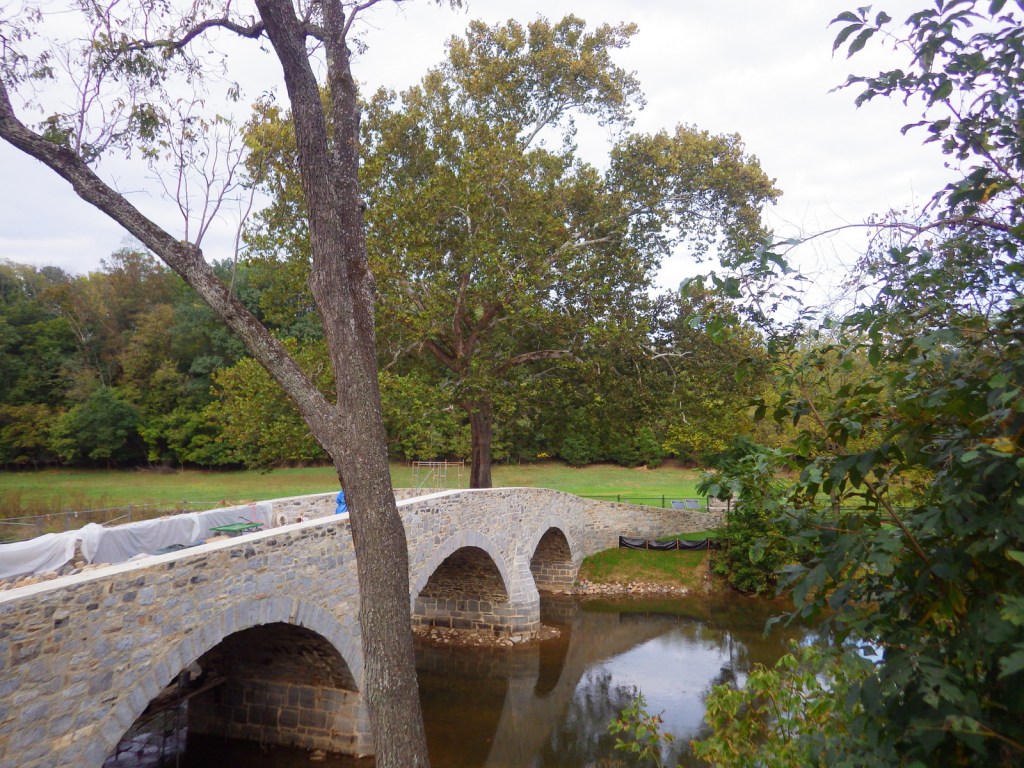
Your entrance fee allows you access to the museum and eight-mile driving tour, as well as 3,200 acres of beautiful Maryland countryside.  Even though this site holds a grisly honor, today it is a charming open space with picturesque bridges and monuments, perfect for a pleasant walk or bike ride.  During our visit, Burnside Bridge was being rebuilt after it collapsed in 2014.  Overall, it is a much quieter spot than nearby Gettysburg National Military Park.

Best Trail

The park has more than doubled in size since 1990 and there are walking trails accessible all along the driving tour route.  At a minimum, you should get out of the car to walk “Bloody Lane” before climbing up the Observation Tower.

Instagram-worthy Photo

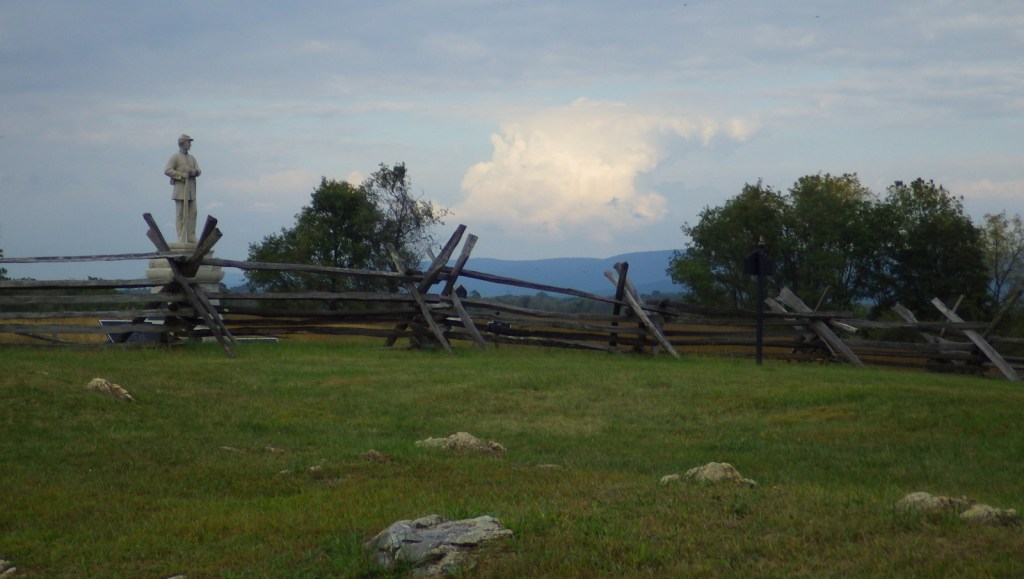
A split-rail fence provided cover for Confederate troops on Sunken Road, also known as “Bloody Lane.”  A nice view of it and the Maryland countryside is offered from the Observation Tower.

Peak Season

Summer

Hours

https://www.nps.gov/anti/planyourvisit/hours.htm

Fees

$20 per vehicle or America the Beautiful pass

Road Conditions

All roads paved

Camping

Reservations are required for organized groups to camp within the park, but there is a walk-in campground located five miles south within Chesapeake and Ohio Canal National Historical Park.  Greenbrier State Park offers a developed campground about 15 miles away.

Related Sites

Catoctin Mountain Park (Maryland)

Harpers Ferry National Historical Park (West Virginia-Maryland-Virginia)

Clara Barton National Historic Site (Maryland)

Explore More – How many Union soldiers are interred at Antietam National Cemetery (alongside veterans from four other wars)?
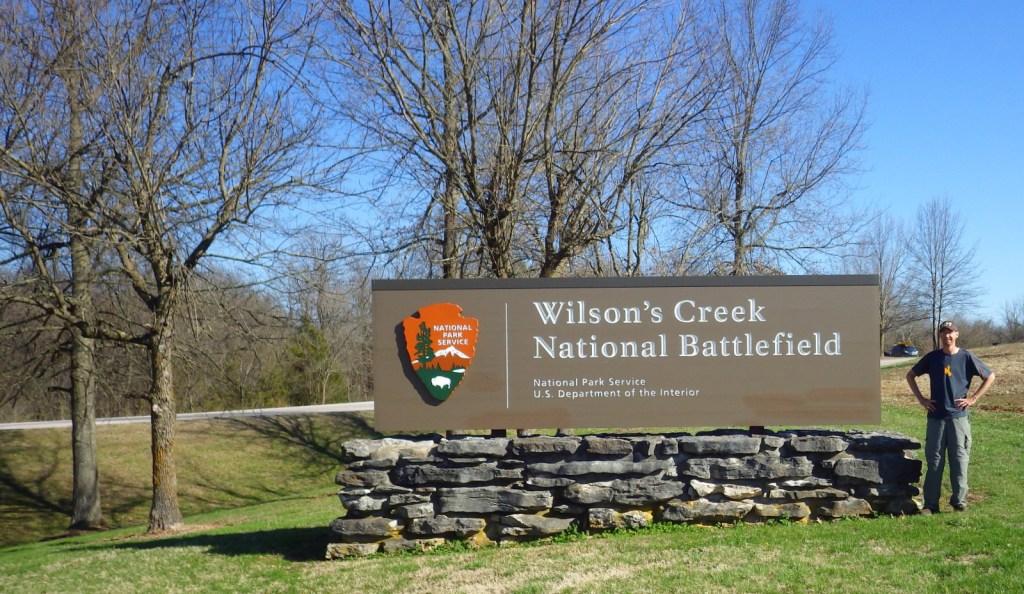
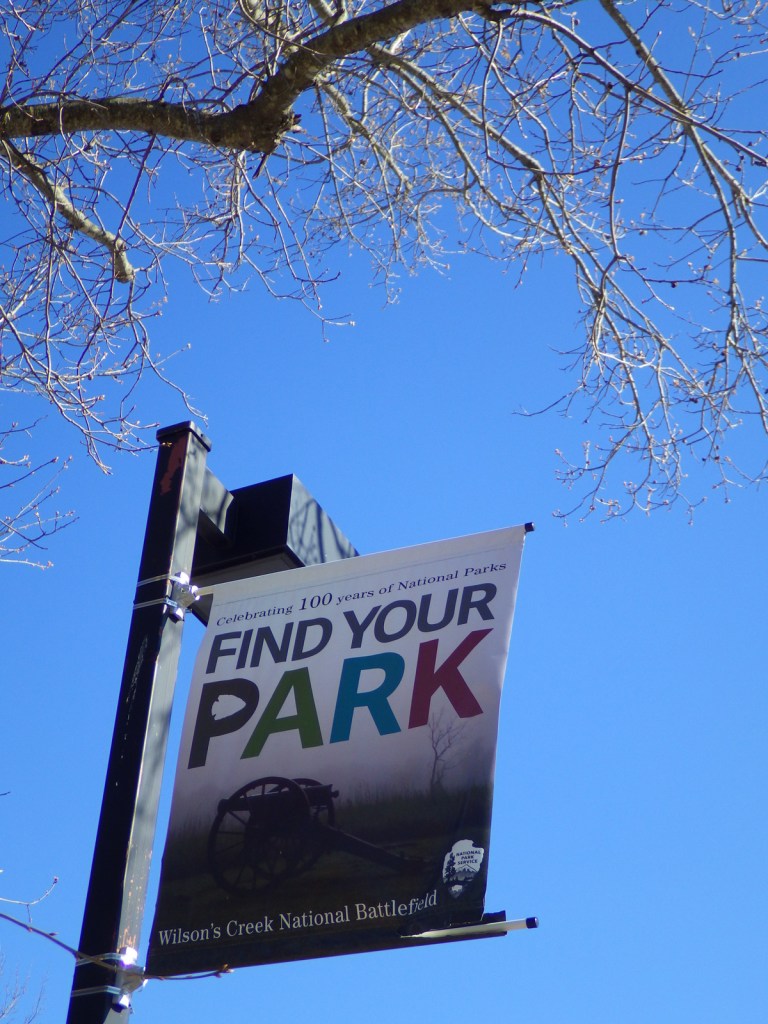
Wilson’s Creek National Battlefield

Overview

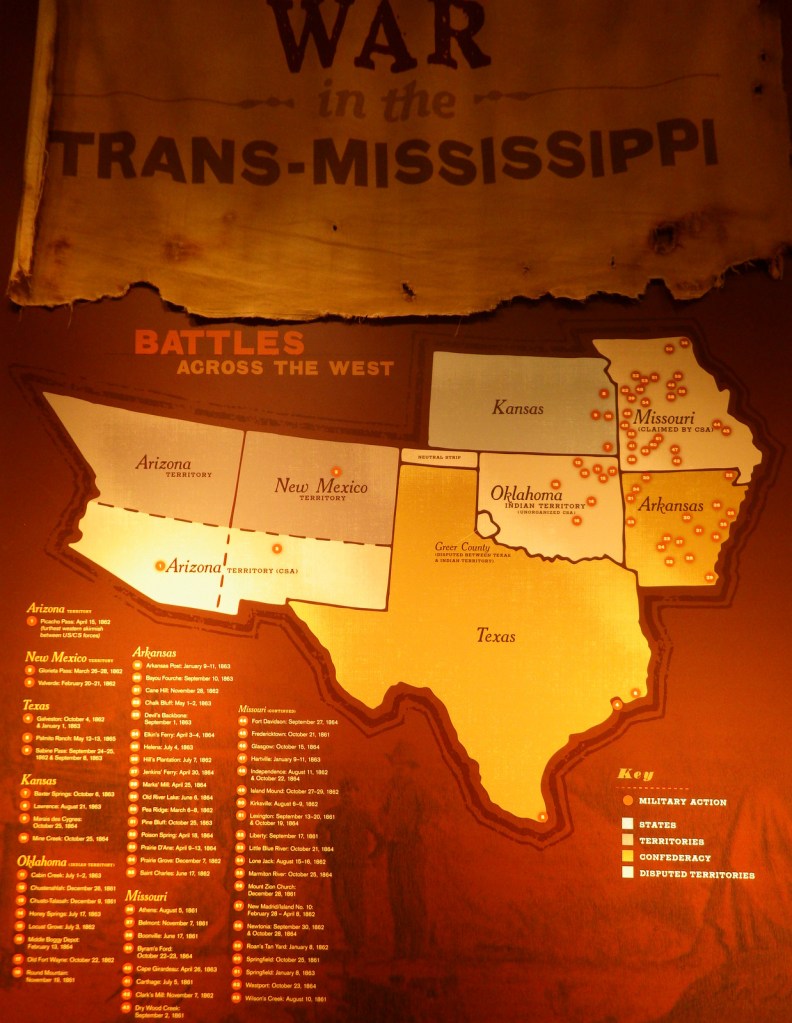
Early in the Civil War control of the state of Missouri hung in the balance.  Union and Confederate forces gathered near Springfield and both organized surprise attacks for the morning of August 10, 1861.  Rain overnight caused Confederate General Sterling Price to cancel his plan, but Union General Nathaniel Lyon went through with his in the face of overwhelming odds.  The strategy worked briefly but cost Lyon his life.  Even though the Union army retreated that day, seven months later they prevailed during the Battle of Pea Ridge in northern Arkansas, successfully keeping Missouri in the Union. 

Highlights

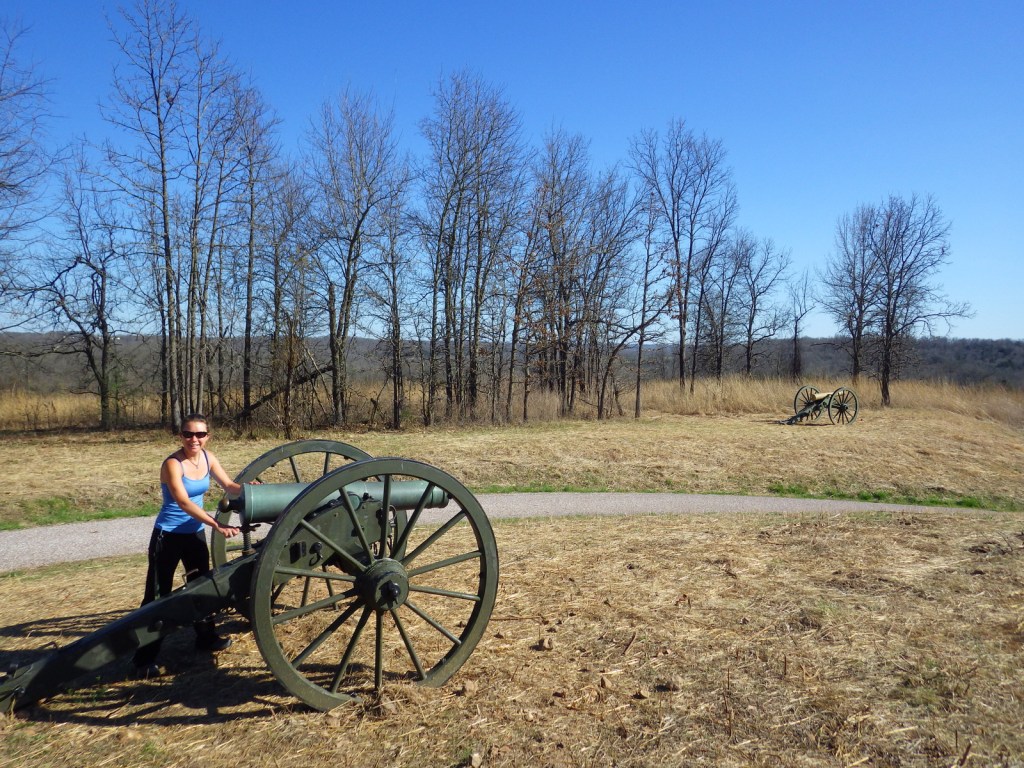
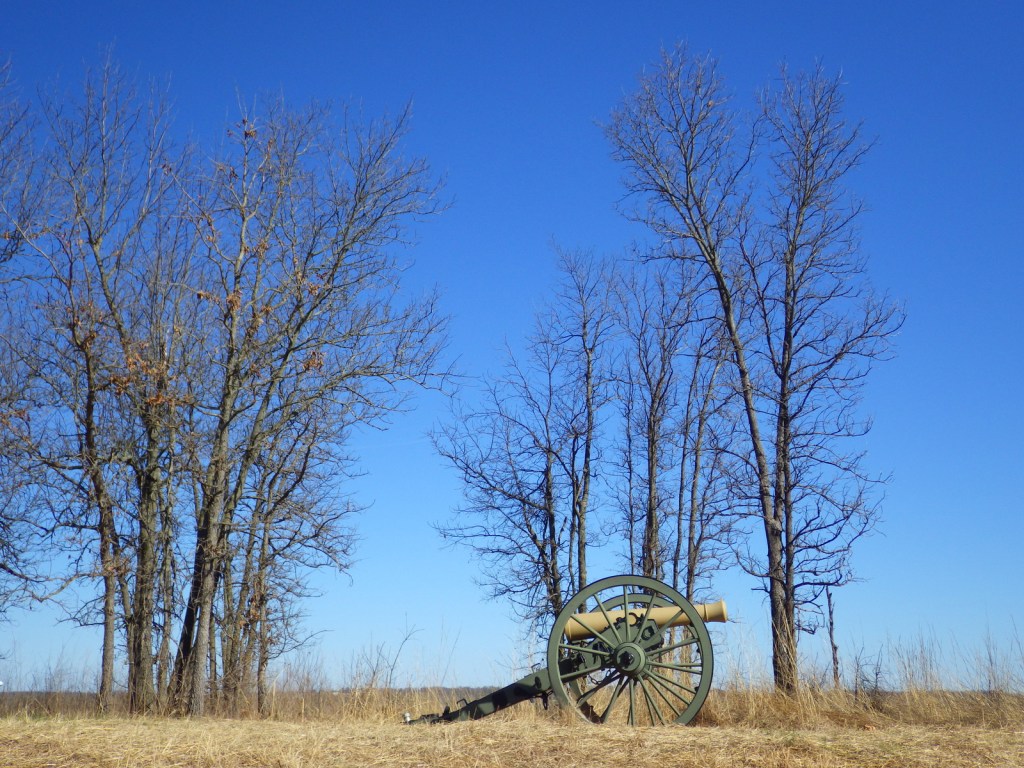
Museum, film, driving tour, Ray House, cannons

Must-Do Activity

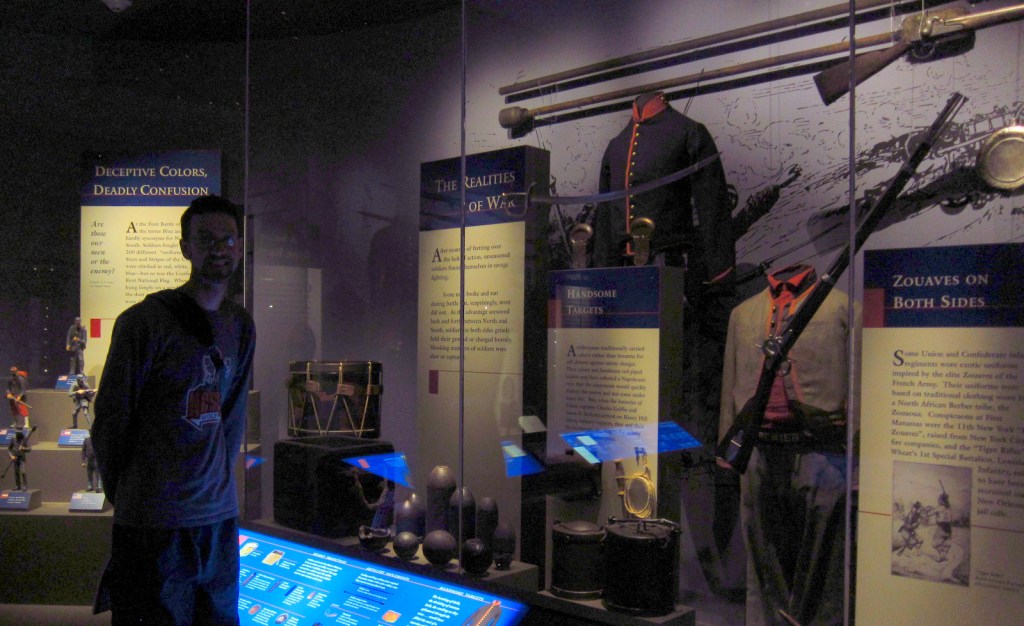
Missouri stayed in the Union throughout the war despite the $10-million in property damage caused by guerrilla fighters, making it the third most fought-over state.  Start your visit by watching a short film, then peruse the excellent museum before taking the five-mile driving route that provides an overview of the battle at eight interpretive stops.  The paved road is heavily used by locals for jogging and biking, so drive carefully.

Best Trail

A portion of the infamous Trail of Tears crosses through this park following the route of the telegraph wire south towards Elkhorn Tavern in Arkansas’ Pea Ridge National Military Park.  There are also hiking and equestrian trails through the park’s 1,926 acres.

Instagram-worthy Photo

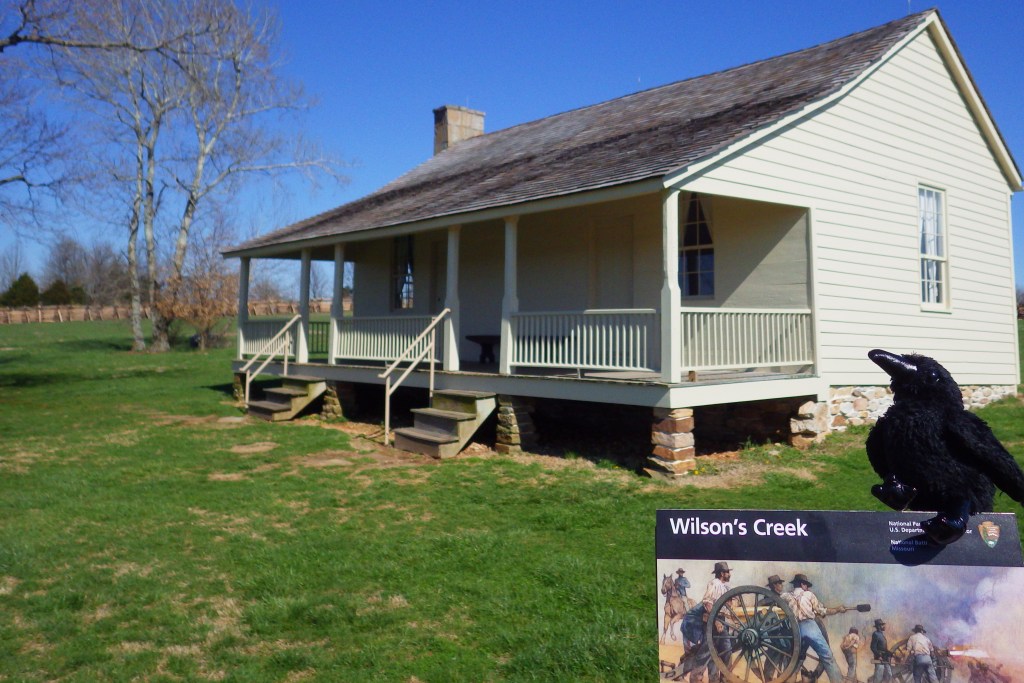
Rebuilt at its original location, there is a reconstruction of the Ray House, which was used as a Confederate hospital.  Nearby split-rail fences add to the bucolic ambiance.

Peak Season

Summer

Hours

https://www.nps.gov/wicr/planyourvisit/hours.htm

Fees

$20 per vehicle or America the Beautiful pass

Road Conditions

Paved, but gate closes tour road exactly at 5 p.m.

Camping

Within five miles there is a private campground near Interstate-44, plus a variety of state parks within an hour’s drive.

Related Sites

Pea Ridge National Military Park (Arkansas)

Ulysses S. Grant National Historic Site (Missouri)

George Washington Carver National Monument (Missouri)

Explore More – How many Union soldiers were buried in the sinkhole near Totten’s Battery on Bloody Hill (then in 1867 were moved to a National Cemetery in Springfield)?

Manassas National Battlefield Park

Overview

The first major confrontation of the Civil War occurred on July 21, 1861 at Bull Run Creek near Manassas, Virginia.  Due to its proximity to Washington, D.C., civilians drove their carriages down to picnic and watch the spectacle of 34,000 men trying to kill each other.  It was on Henry Hill that Confederate General Thomas “Stonewall” Jackson earned his nickname when he refused to flee in the face of a Union advance.  In the north it was known as the Battle of Bull Run and run they did when Confederate reinforcements arrived to take the field.  The next year there was another fight here, which the southern army also won on its march north before being turned back at Antietam.

Highlights

Museum, film, “Stonewall” Jackson statue, cannons, Stone House

Must-Do Activity

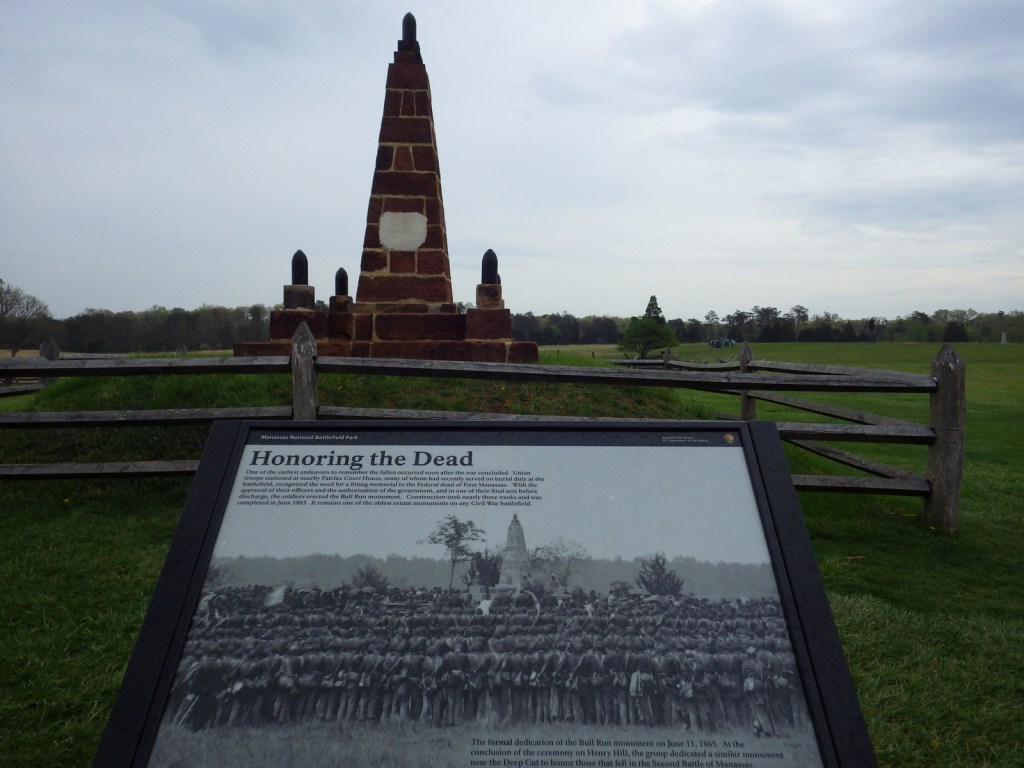
As with other battlefield sites, Manassas National Battlefield Park has a National Park Service (NPS) visitor center with a movie, maps, driving tour, and hiking trails.  Start in the museum, as the fiber-optic maps with recorded narration are one of the best ways to understand the events of each battle.  The first of the two Battles of Bull Run took place around the visitor center on Henry Hill.  The second battle was spread across the landscape and is the focus of the 18-mile driving tour.

Best Trail

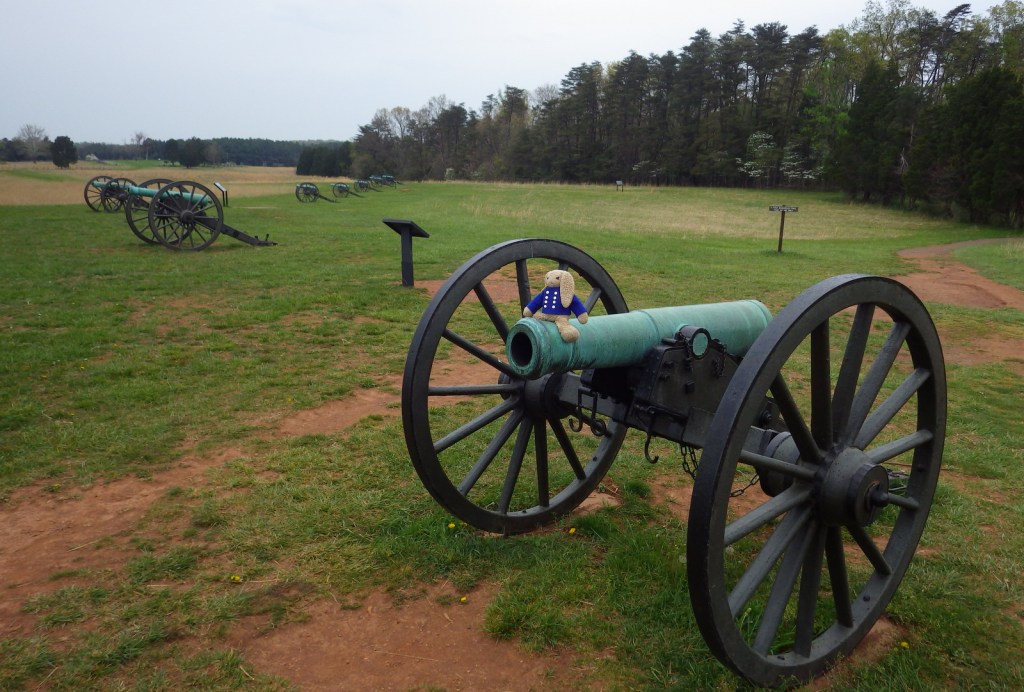
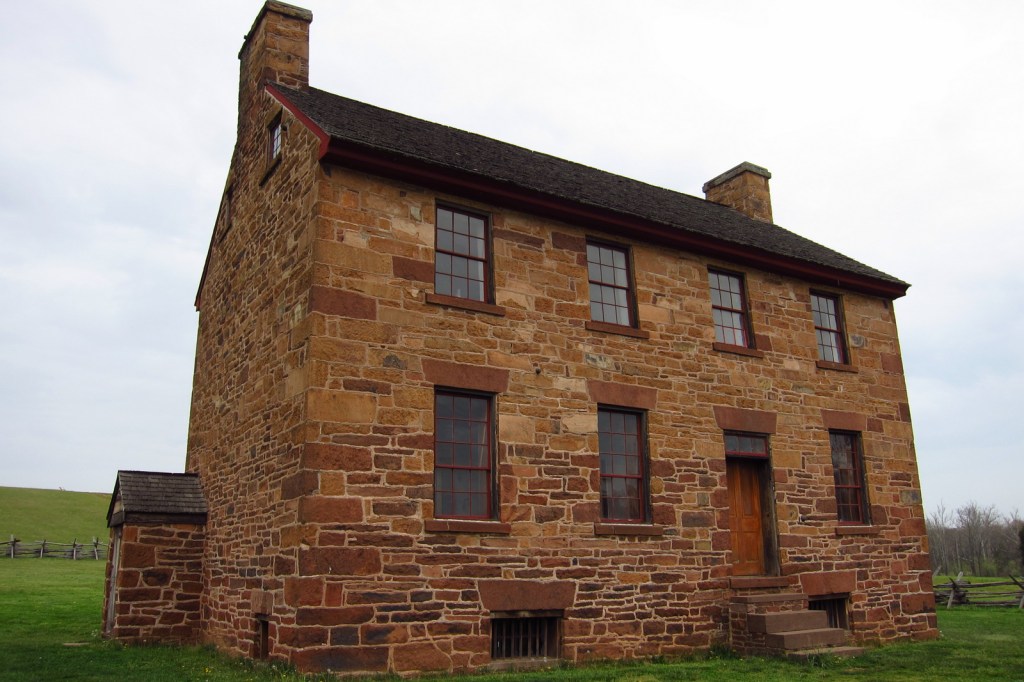
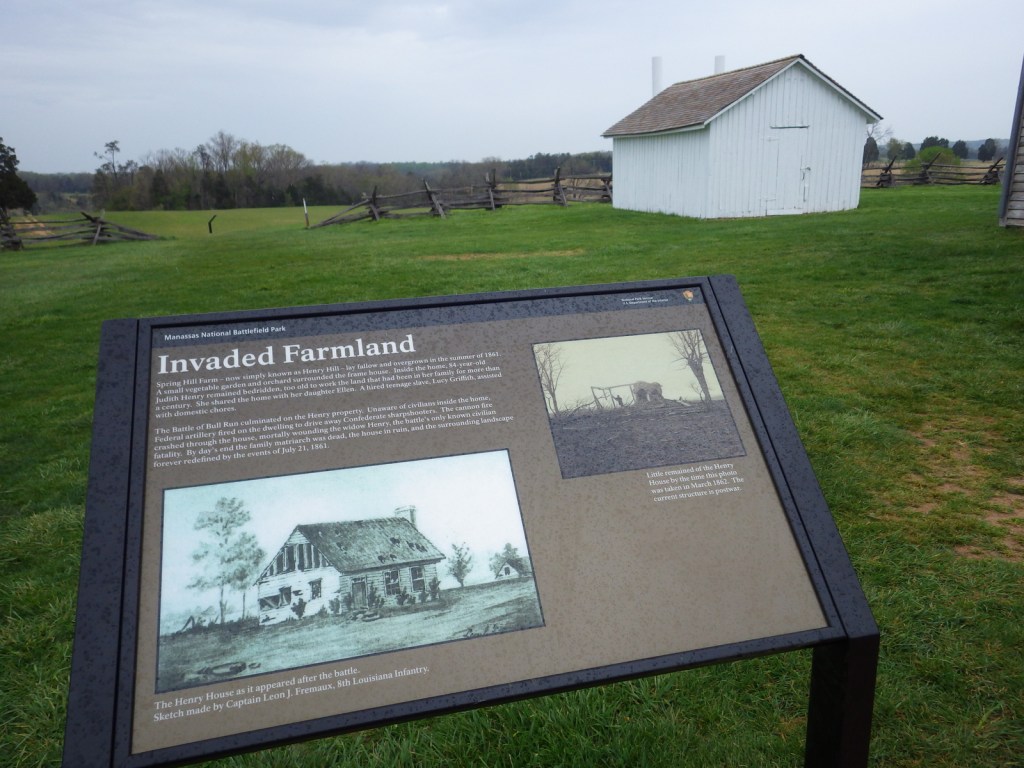
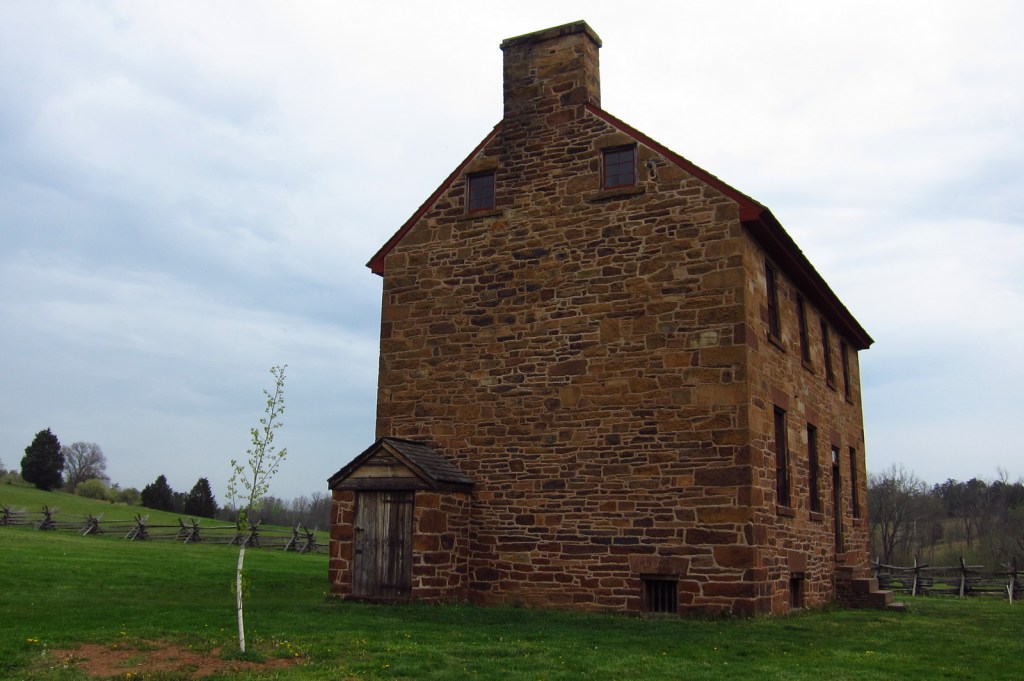
Cannons line the one-mile hiking trail on Henry Hill, where one of the first civilian casualties of the Civil War occurred in a house that was rebuilt in 1870 and still stands.

Instagram-worthy Photo

General Thomas “Stonewall” Jackson earned his nickname at the first battle at Manassas.  We understand that Confederate statues are justifiably controversial, but this is one place that they actually belong.

Peak Season

Summer

Hours

https://www.nps.gov/mana/planyourvisit/hours.htm

Fees

None

Road Conditions

Exercise caution as the 18-mile driving tour goes through residential areas with a couple unpaved roads.

Camping

There is not an NPS campground, but nearby Bull Run Regional Park has 150 sites with RV hookups.

Related Sites

Antietam National Battlefield (Maryland)

Fredericksbug and Spotsylvania County Battlefields Memorial National Military Park (Virginia)

Cedar Creek and Belle Grove National Historical Park (Virginia)

Explore More – What state has a memorial to its troops on the spot where 123 men were killed in five minutes on August 30, 1862 (which was the greatest loss of life in any single infantry regiment in a Civil War battle)?

River Raisin National Battlefield Park

Overview

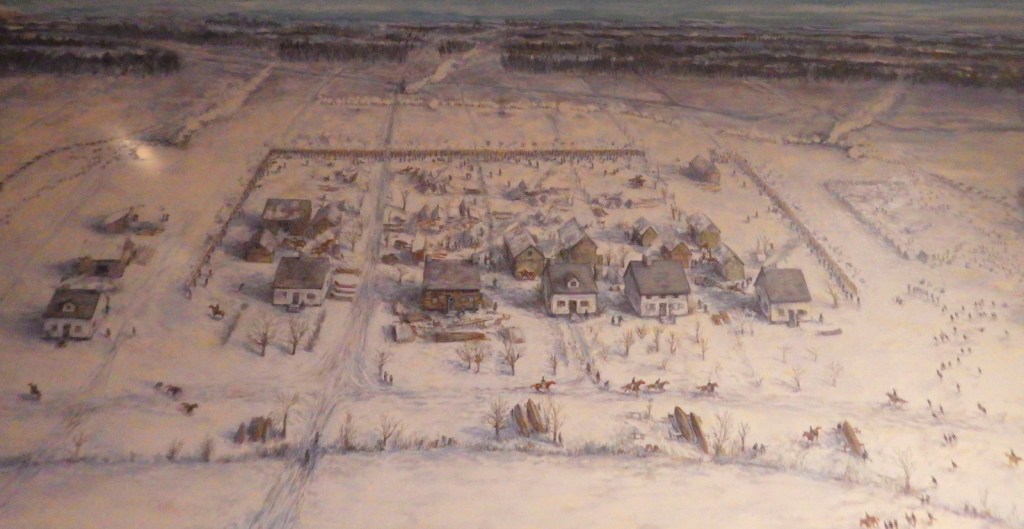
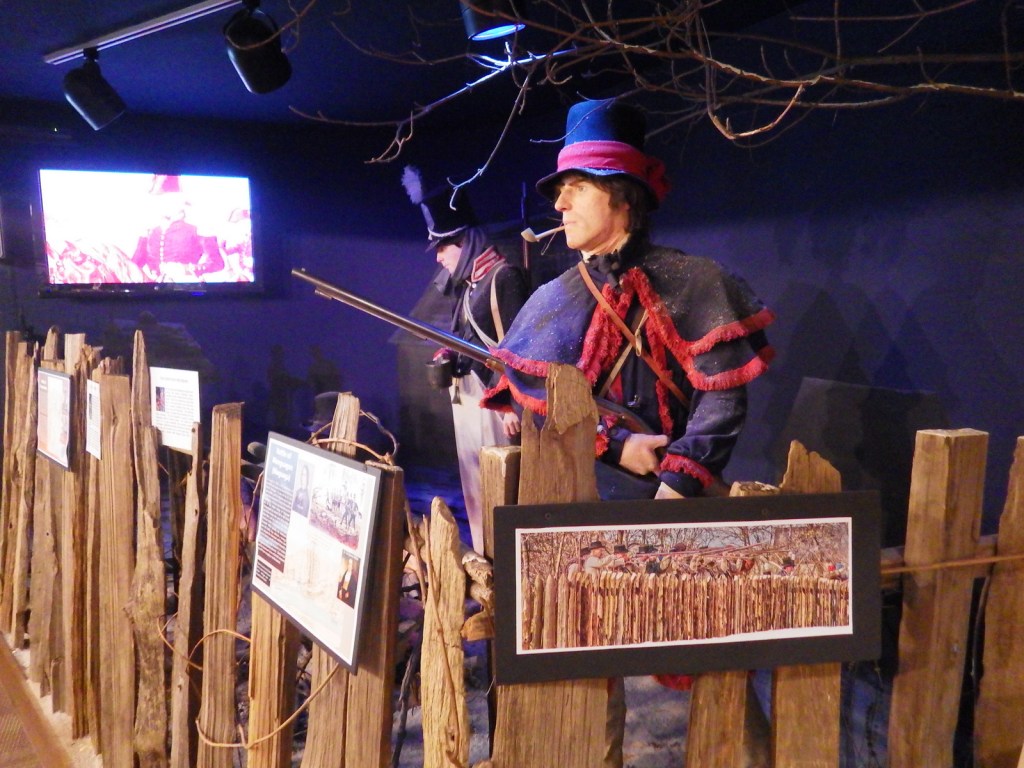
River Raisin National Battlefield Park is located in Monroe, Michigan near where the mouth of the river empties into Lake Erie.  During the War of 1812, the U.S. had a plan to invade Canada which fell through after the surrender of Detroit.  Five months later in January 1813, U.S. troops were heading towards Detroit when they made a detour to Frenchtown to drive off a small detachment of Canadians.  Following an initial victory, a few mornings later a British surprise attack captured or killed all but 33 of nearly 1,000 troops.  When Indian allies of the British returned to scalp six (according to the British) or 42 (according to the Americans) injured prisoners the devastating defeat became immortalized in the rallying cry “Remember the Raisin!”

Highlights

Museum, film, River Raisin Heritage Trail

Must-Do Activity

River Raisin National Battlefield Park was not authorized until 2009, so it has a nice new visitor center opened in 2011.  The National Park Service (NPS) has even attempted to make it kid-friendly by creating a stuffed animal of Major Muskrat with multiple costume options available in the gift shop.  It is not often that an NPS site commemorates an American defeat in battle.  In 1813, the U.S. went onto victory at the Battle of Lake Erie and the Battle of Thames in southern Ontario.  For some reason, the Canadians do not have their own National Historic Site dedicated to that one.

Best Trail

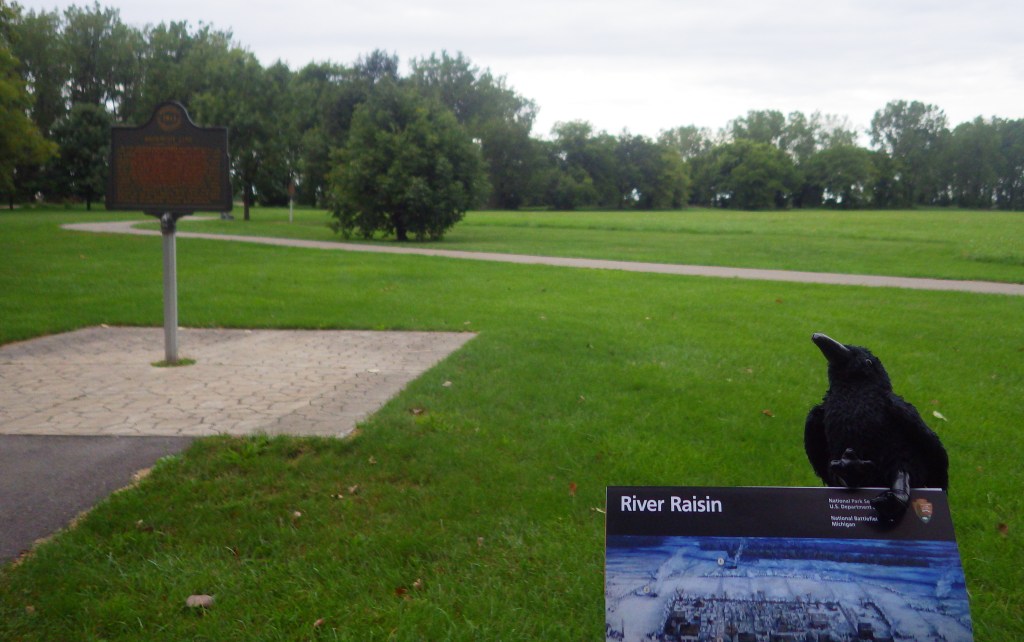
The 42-acre park is mostly a lawn with a paved path dotted by interpretive signs.  You can also hook into the River Raisin Heritage Trail, which takes you to Sterling Stare Park on Lake Erie.

Instagram-worthy Photo

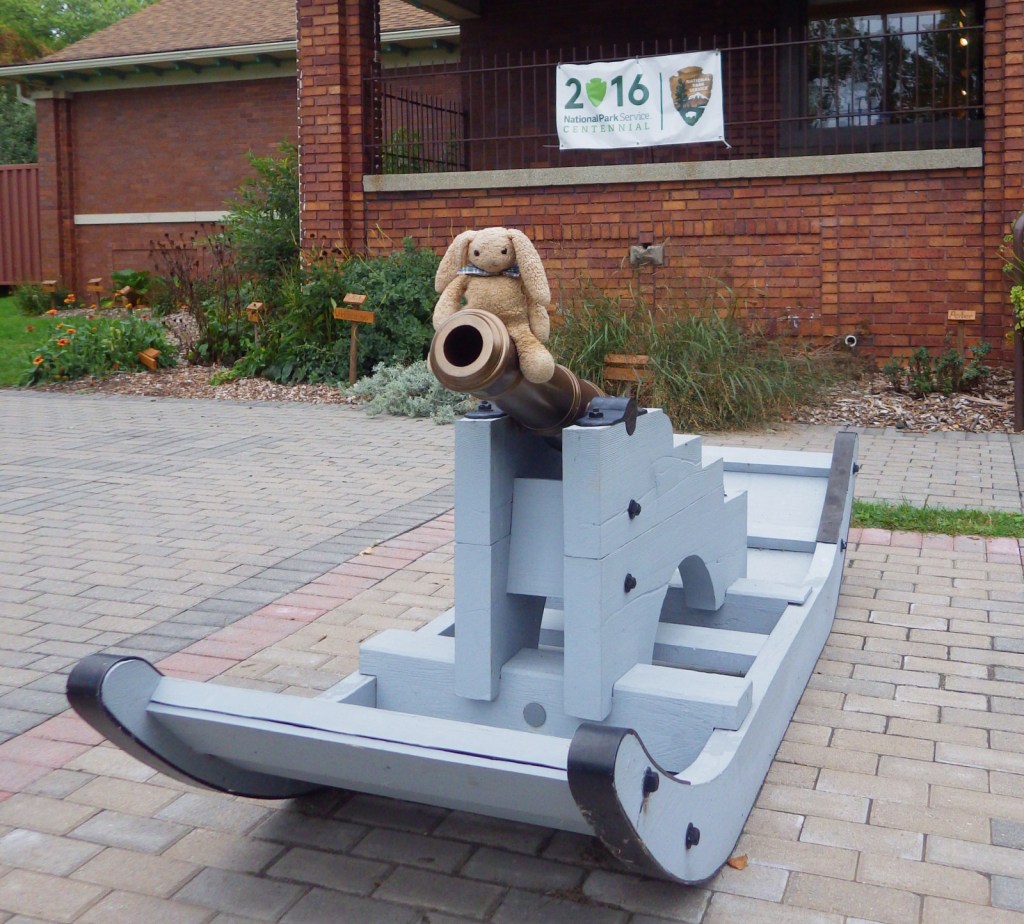
A replica of a cannon used at the January battle is on sled runners; pretty unique!

Peak Season

Summer

Hours

https://www.nps.gov/rira/planyourvisit/hours.htm

Fees

None

Road Conditions

All roads paved

Camping

Sterling State Park offers a 256-site campground on Lake Erie.

Related Sites

Perry’s Victory and International Peace Memorial (Ohio)

Horseshoe Bend National Military Park (Alabama)

Sleeping Bear Dunes National Lakeshore (Michigan)

Explore More – Native Americans were left out of the Treaty of Ghent that ended the War of 1812, so when did the U.S. sign the Treaty of Springwells officially ending hostilities?