Tag Archives: museum

Arkansas Post National Memorial

Overview

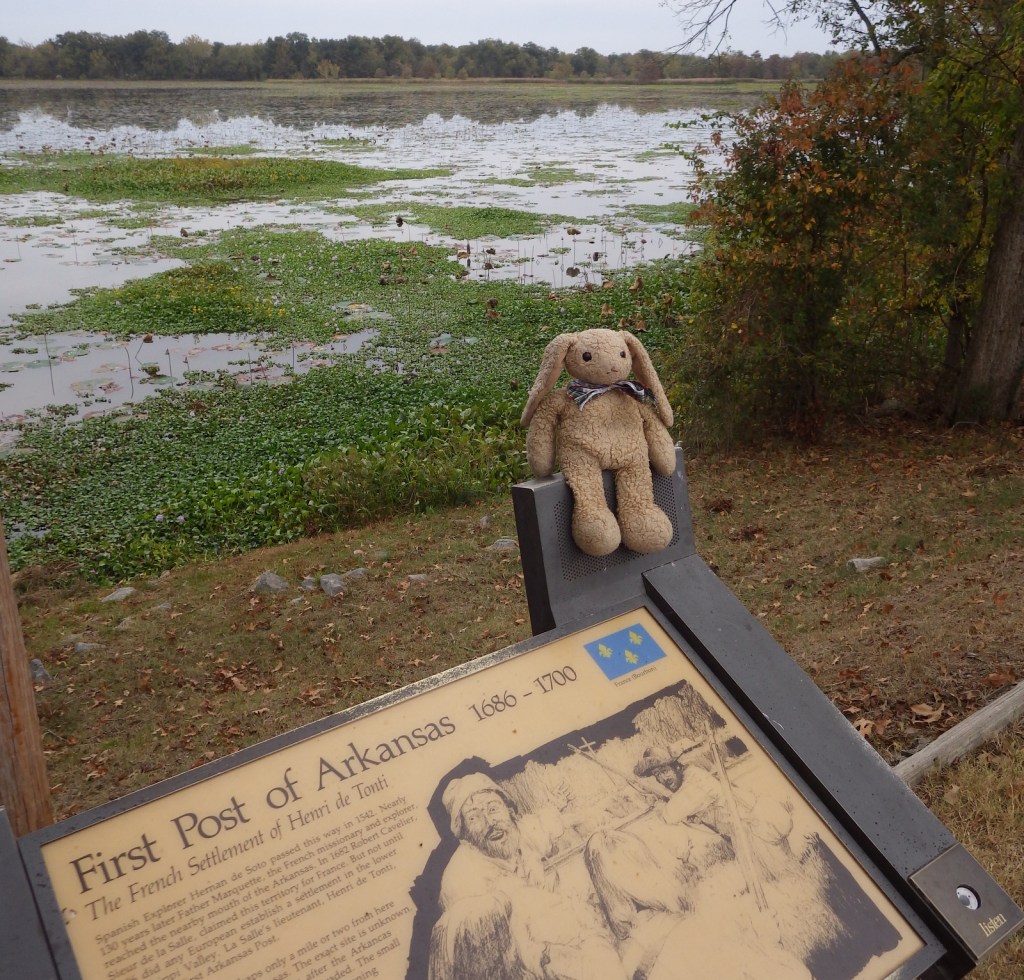
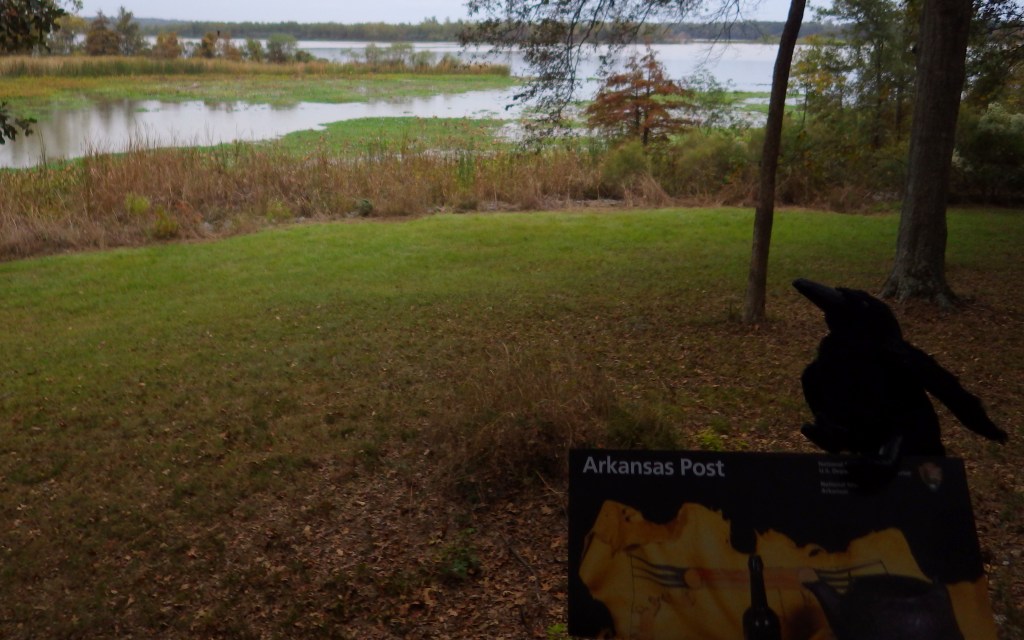
Arkansas Post National Memorial is in the southeastern section of its namesake state near the confluence of the Arkansas and Mississippi Rivers.  The French first settled this area in 1686 in order to trade with a large village of Quapaw Indians.  From 1763-1800 the fort was controlled by the Spanish, who were attacked by the British here in 1783 in what became known as the Colbert Incident, considered one of the final battles in the American Revolution.
Highlights

Museum, film, ruins, cannons, wildlife, fishing

Must-Do Activity

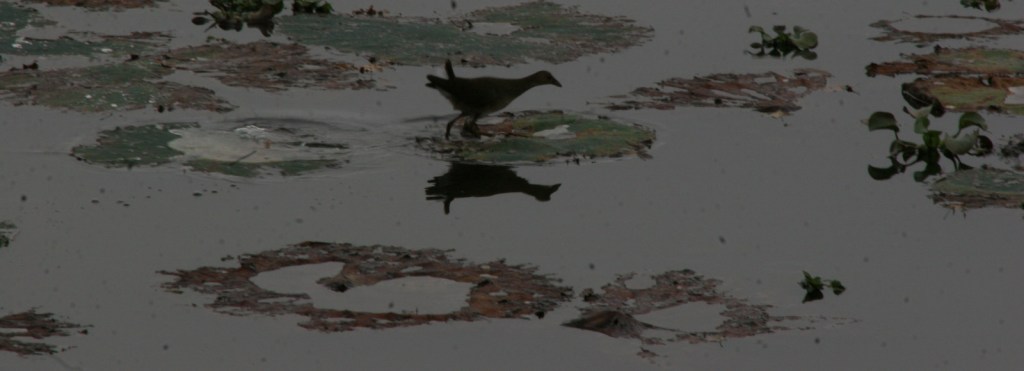
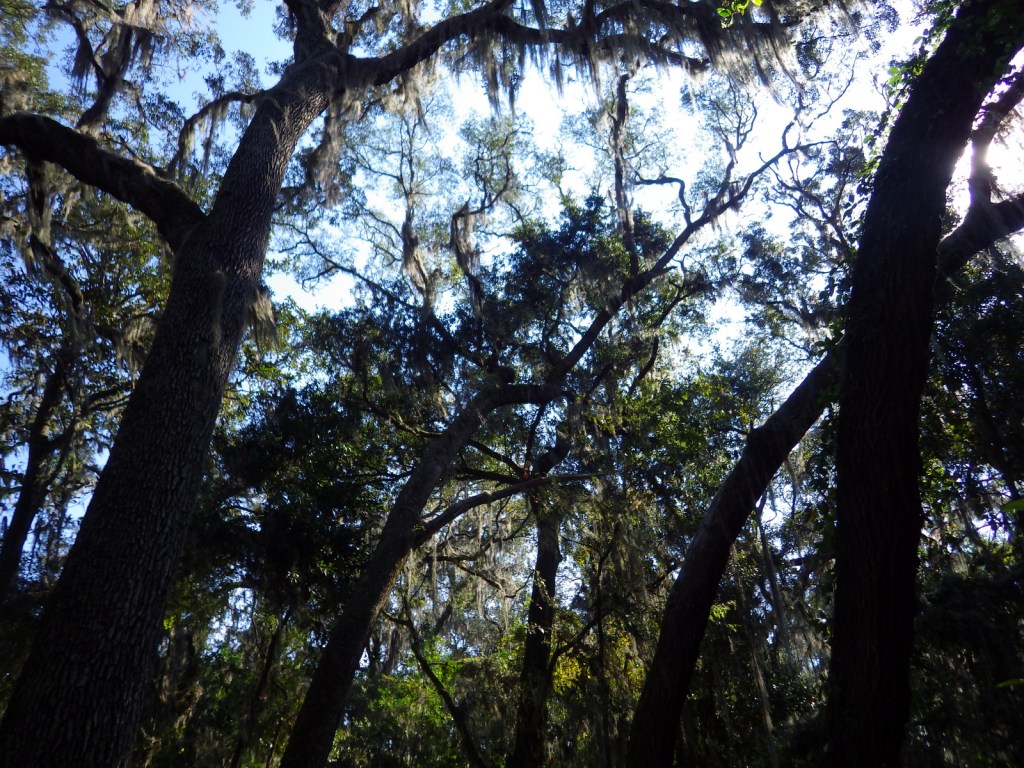
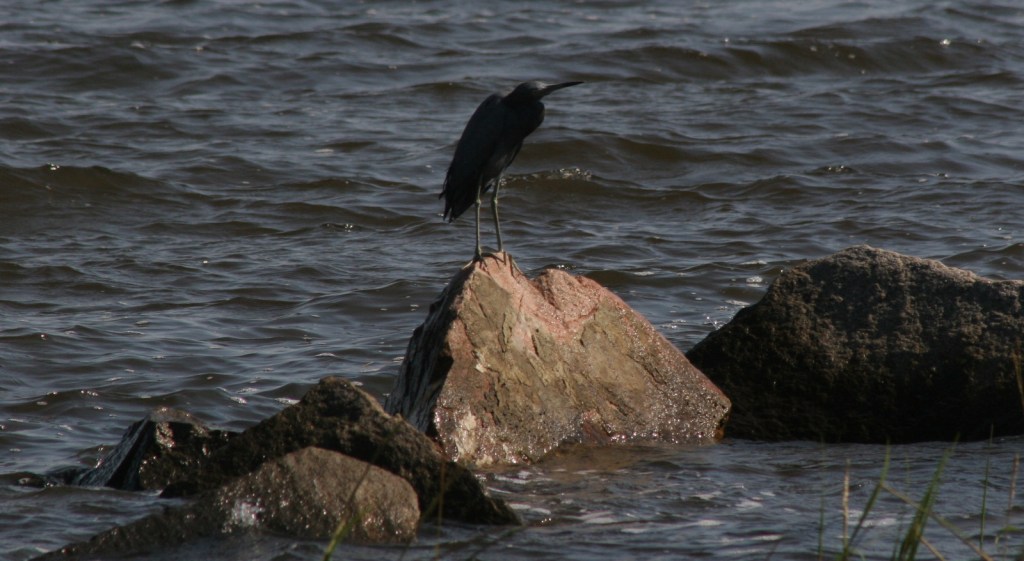
Following the Louisiana Purchase, the post briefly served as the territorial capital, then that moved to Little Rock, Arkansas in 1821.  It fell into decline until Fort Hindman was built during the Civil War, after which time much of the shoreline was washed away by the Arkansas River.  There are not many human structures left to see at the site, but the bayou offers great opportunities for birdwatching.

Best Trail

A trail passes Park Lake through the Old Townsite to shoreline views of Post Bayou and the Arkansas River.  A trench dug by the Confederate army during the Civil War is also visible from the trail and a side road north of the visitor center.

Instagram-worthy Photo

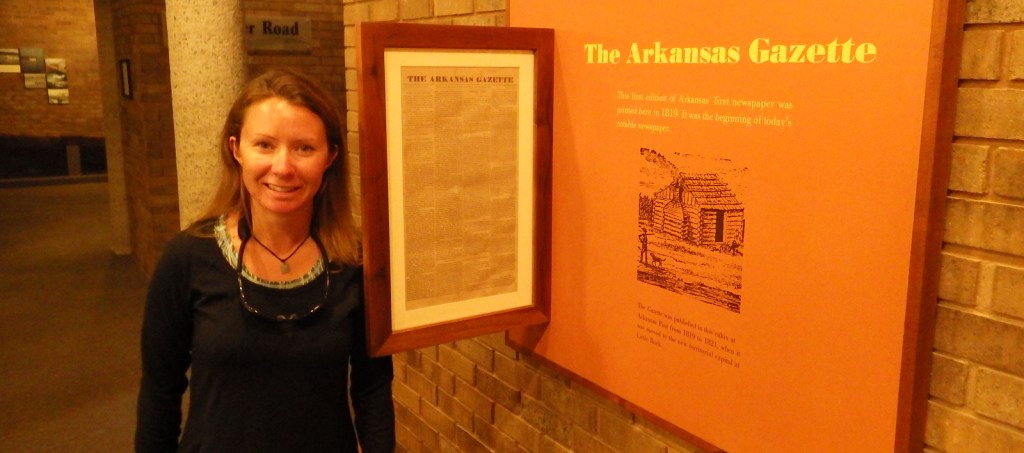
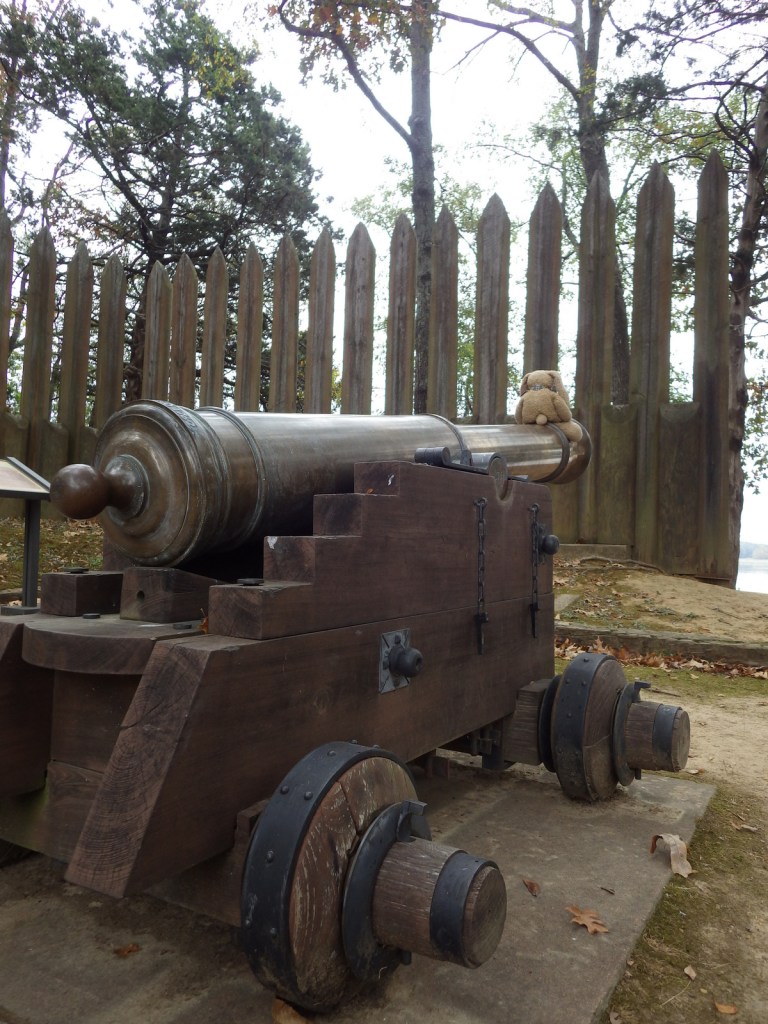
There are plenty of cannons around to pose with, but Tiff was most excited about the original location of The Arkansas Gazette newspaper that started right here in 1819 and is still printed today in Little Rock (which is where she grew up with Wondon).

Peak Season

Spring and fall when there are less mosquitoes.

Hours

https://www.nps.gov/arpo/planyourvisit/basicinfo.htm

Fees

None

Road Conditions

All roads paved

Camping

Camping is not allowed within the park, but the U.S. Army Corps of Engineers manages campgrounds at Pendleton Bend and Merrisach Lake Park.

Related Sites

Little Rock Central High School National Historic Site (Arkansas)

Hot Springs National Park (Arkansas)

Natchez Trace Parkway (Mississippi-Tennessee)

Explore More – Following the 1863 Civil War battle to take the fort, how many Confederate soldiers were taken prisoner?
Fort Raleigh National Historic Site

Overview

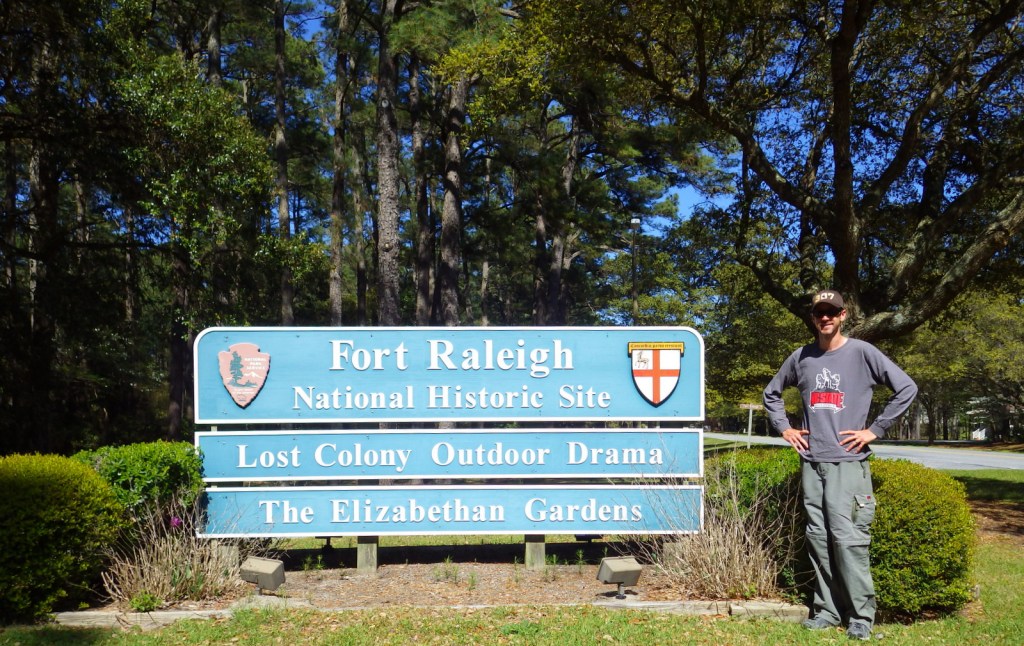
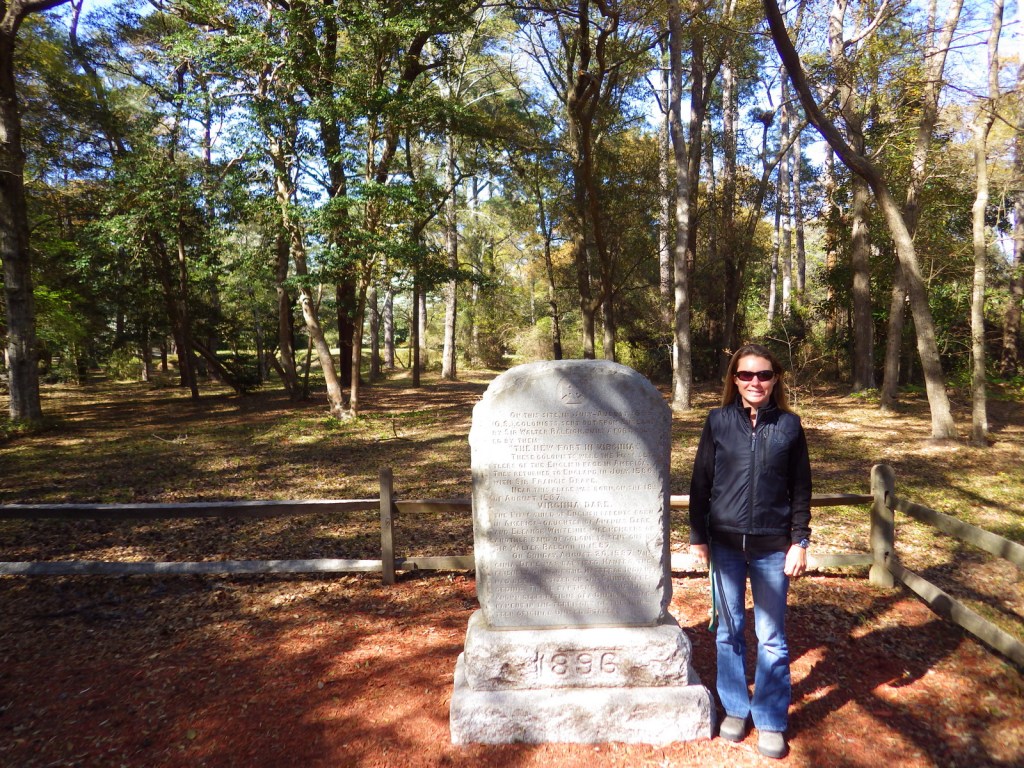
In Manteo, North Carolina, the Outer Banks islands protect Albemarle Sound, where Roanoke Island can be found.  If that name sounds familiar, it is because it was here that Fort Raleigh became the first English settlement in North America.  First scoped out in 1584, its original inhabitants all left with Sir Francis Drake after supply ships failed to arrive.  The 117 colonists that came in 1587 actually wanted to settle further north on Chesapeake Bay, but their captain left them here instead.  John White soon sailed back to England to get aid, but an ongoing war with the Spanish Armada kept him away until 1590.  Upon his return he found the fort deserted, the buildings stripped, and a fencepost marked “CROATOAN” (the name of nearby island).  White was thwarted in his attempt to land on Croatoan Island by a hurricane, so to-this-day nobody knows the true fate of the colonists.

Highlights

Museum, site of first British colony in America, Lost Colony Outdoor Drama

Must-Do Activity

The National Park Service museum has excellent displays, including the videos of Sir Walter Raleigh (the fort’s namesake) in the Elizabethan Room.  It offers all the theories on happened to the settlers so visitors can decide what they believe.  “The Lost Colony” did lend its name to an outdoor musical performed most nights throughout the summer within the boundaries of Fort Raleigh National Historic Site. 

Best Trail

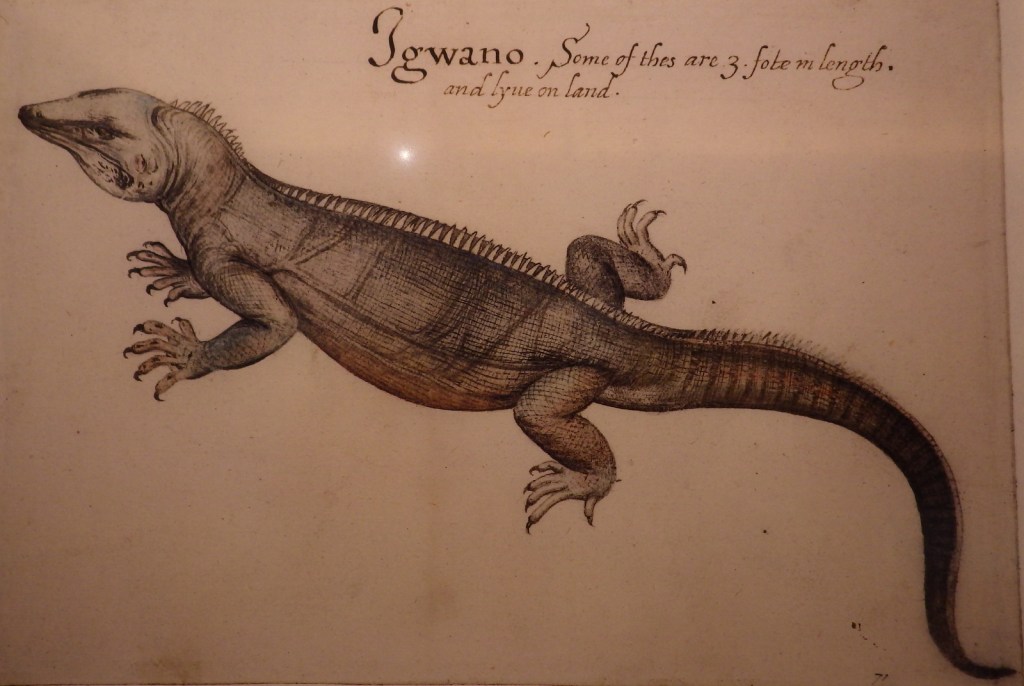
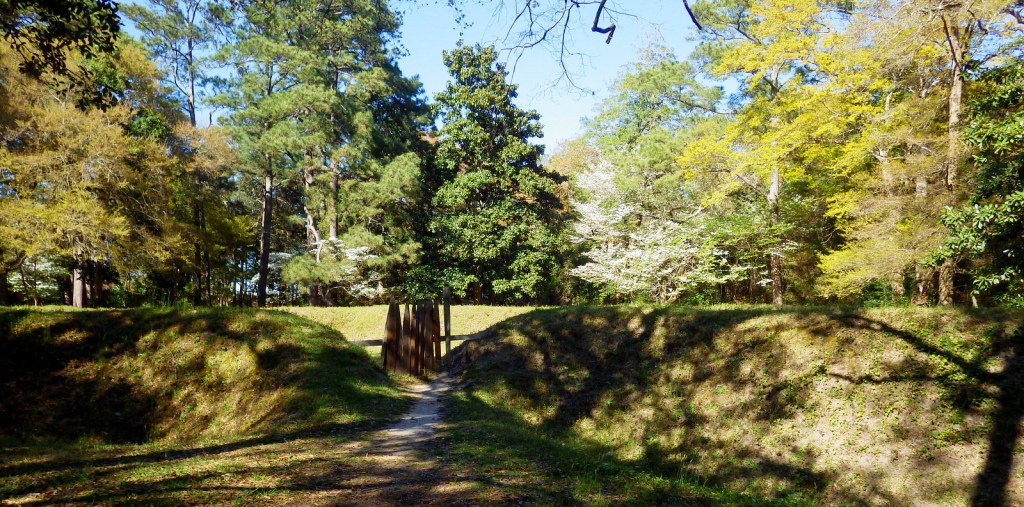
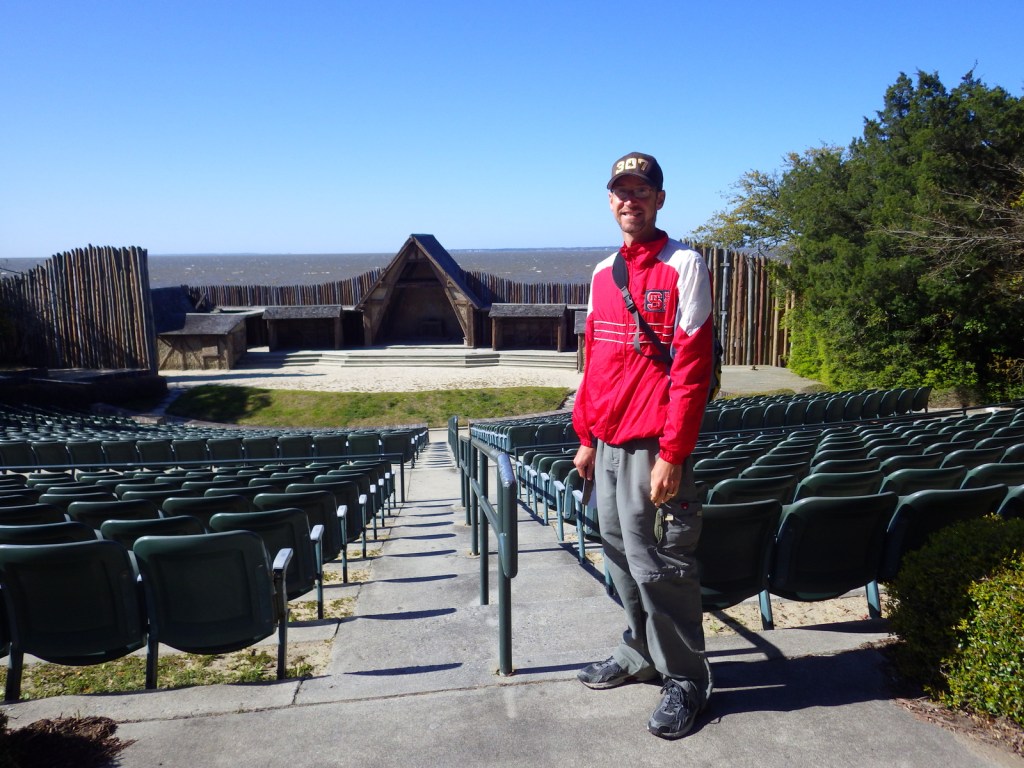
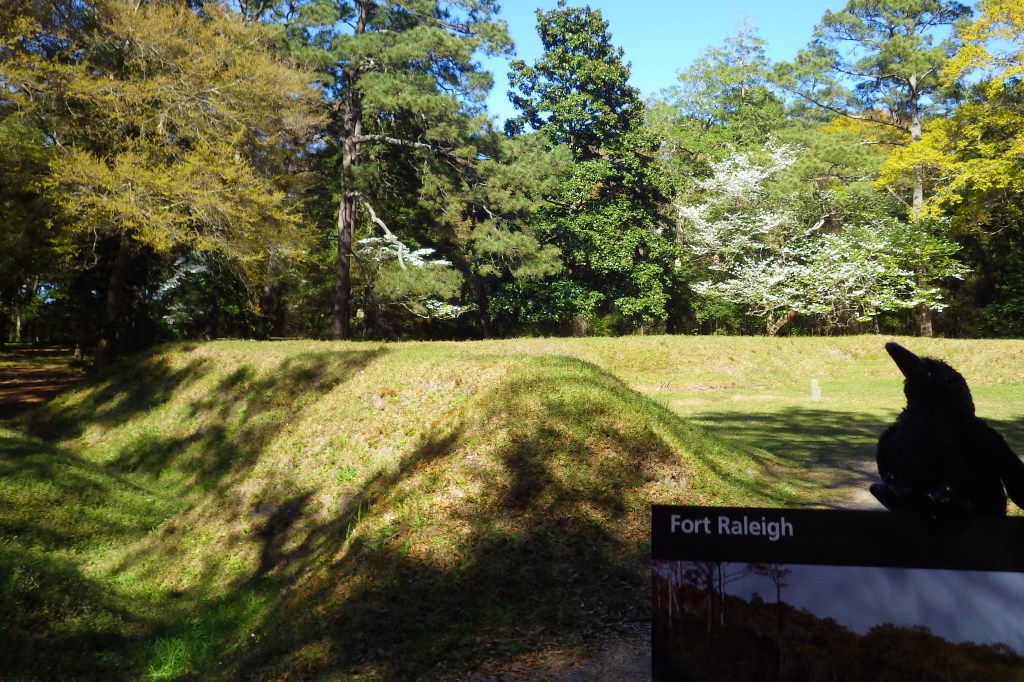
The Thomas Hariot Nature Trail provides views of the reconstructed earthen fort, musical theater, and Albemarle Sound.  Hariot was a scientist who searched Roanoke Island in 1585 for precious metals and made drawings of the local flora and fauna.

Instagram-worthy Photo

Waterside Theatre has hosted the outdoor symphonic play “The Lost Colony” every summer since 1937.

Peak Season

Summer beach season when the musical theater has performances

Hours

https://www.nps.gov/fora/planyourvisit/hours.htm

Fees

None, except for tickets to the Lost Colony Outdoor Drama.  Admission is also charged at the adjacent Elizabethan Gardens.

Road Conditions

All roads paved.

Camping

There is a private campground nearby, but we recommend you reserve a campsite near the beach within beautiful Cape Hatteras National Seashore.

Related Sites

Cape Hatteras National Seashore (North Carolina)

Wright Brothers National Memorial (North Carolina)

Colonial National Historical Park (Virginia)

Explore More – What was the name of the baby girl born at Fort Raleigh, famous as the first child born of English parents in the Americas?
Fort Caroline National Memorial

Overview

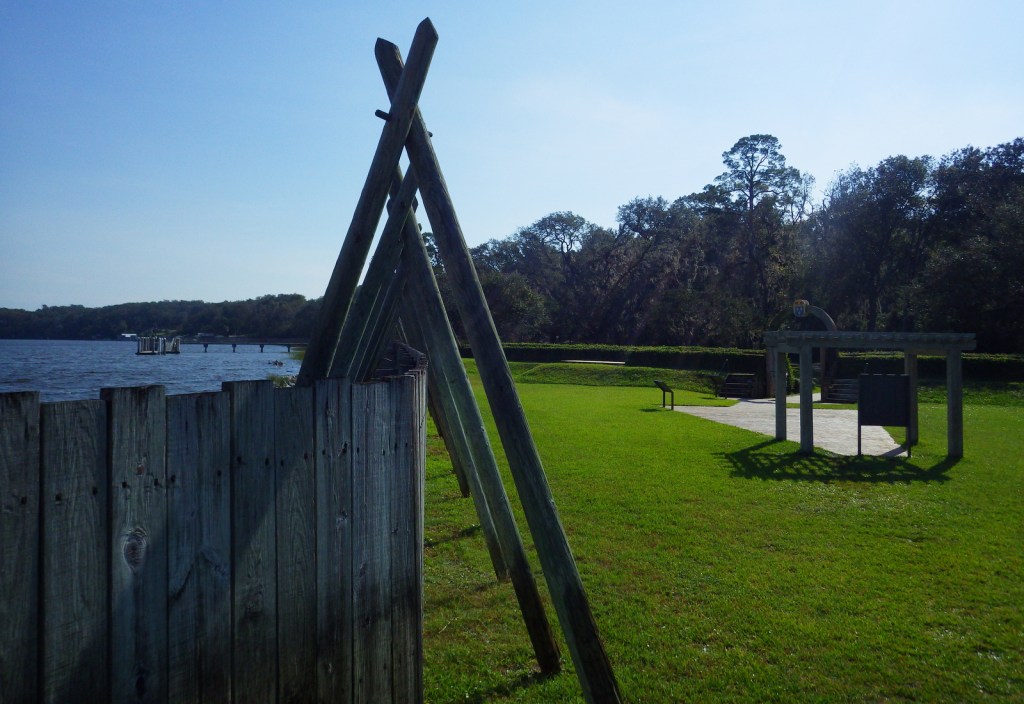
After a failed settlement by persecuted French Protestants (Huguenots) in 1562, two years later a group of 200 soldiers, artisans, and a few women established a colony at the mouth of the St. Johns River (east of present-day Jacksonville, Florida).  Led by René de Goulaine de Laudonnière, they hurriedly assembled the triangular Fort Caroline, named for King Charles IX.  In 1565, Jean Ribault arrived with 600 more settlers and soldiers.  After learning the Catholic Spanish had established a base to the south at St. Augustine, Ribault set sail for a surprise attack, only to be shipwrecked by a hurricane.  The unprotected Fort Caroline was easily captured by the Spanish, who executed 140 of its 200 inhabitants.  The Spanish then killed the majority of the 250 French marooned at Matanzas Inlet, which gained its name from these “slaughters.”

Highlights

Museum, reconstructed fort, Hammock Trail, Ribault Monument

Must-Do Activity

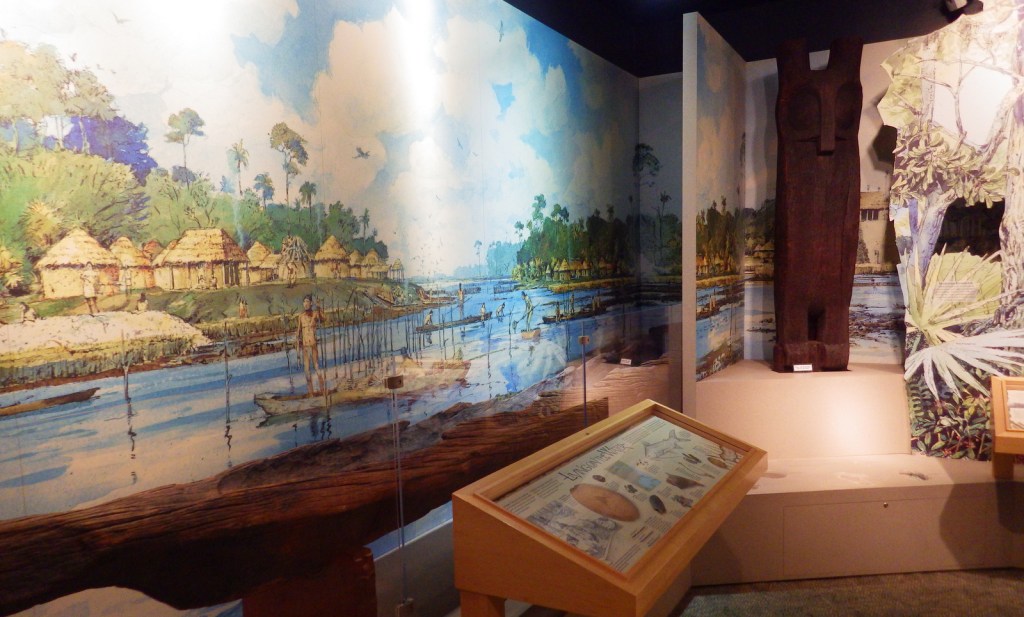
The National Park Service (NPS) administers Fort Caroline National Memorial (established in 1950) as a unit of Timucuan Ecological and Historic Preserve (established in 1988).  Start your visit at the NPS museum, which provides information on the indigenous Timucuan, as well as the European colonization efforts.  After walking the Hammock Trail to see the reconstructed fort, drive to the nearby Ribault Monument, a replica of a stone column left by Jean Ribault at the mouth of the St. Johns River on May 2, 1562.

Best Trail

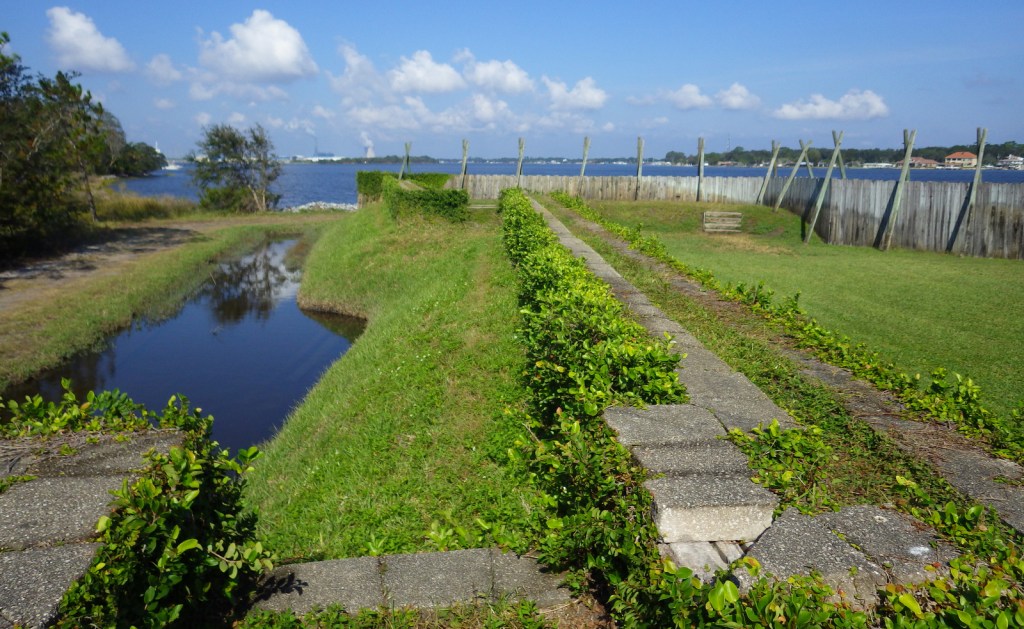
Within this 139-acre National Memorial, the Hammock Trail visits the reconstructed fort along the St. Johns River.  Starting from two parking lots south of Fort Caroline Road several trails explore Spanish Pond and the Theodore Roosevelt Area of Timucuan Ecological and Historic Preserve.

Instagram-worthy Photo

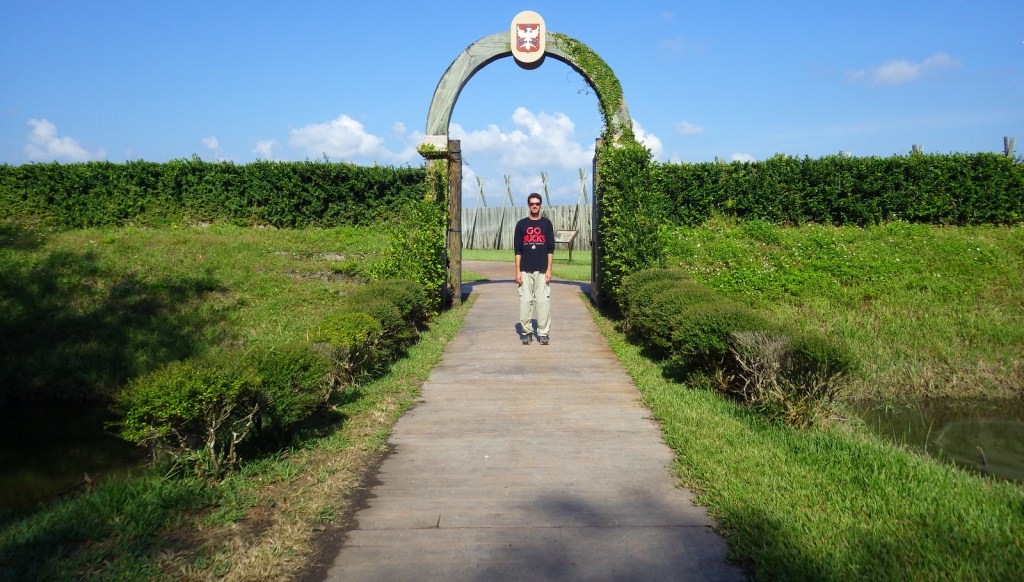
The actual site of the original fort has never been found (and is probably underwater), but you can tour a one-third scale reconstruction of the triangular structure based upon a drawing from 1564 by French artist Jacques le Moyne.  The French got a measure of revenge in 1568 when they attacked and burned Spanish-controlled Fort Caroline, but they could not take St. Augustine and never colonized Florida again.

Peak Season

Winter when there is less mosquito activity.

Hours

https://www.nps.gov/timu/learn/historyculture/foca_visiting.htm

Fees

None

Road Conditions

All roads paved

Camping

Little Talbot Island State Park and Kathryn Abbey Hanna Park (run by the city of Jacksonville) both have campgrounds.

Related Sites

Timucuan Ecological and Historic Preserve (Florida)

Castillo de San Marcos National Monument (Florida)

Fort Matanzas National Monument (Florida)

Explore More – When the Spanish took control of Fort Caroline in 1565, what did they rename it?

Top 10 Museums in National Parks

We recently published our expanded 2nd edition of our guidebook to the 63 National Parks (available on Amazon), so we thought it would be a good time to rank our favorite museums in the parks.  The National Parks typically stick with the “go outside and play” philosophy, but these selected parks do a great job of interpreting human and natural history inside a museum.  Our photograph options are limited and mainly include Wondon the Traveling Bunny (who has his own blog).  We will rank our Top 10 museums in other National Park Service (NPS) units in a future list (check out all our Top 10 Lists here). 

Know someone who loves National Parks? Gift them our travel guidebook A Park to Yourself: Finding Solitude in America’s 63 National Parks

10. Great Smoky Mountains National Park (Tennesee-North Carolina)

Sugarlands Visitor Center has a nice natural history museum, plus the historic structures at Cataloochee, Elkmont, and Cades Cove serve as outdoor museums.

9. Mesa Verde National Park (Colorado)

If this is your first visit, after you buy your tour tickets at the park entrance head directly to the Chapin Mesa Museum that overlooks the ruins of Spruce Tree House.

8. Great Basin National Park (Nevada)

Great Basin Visitor Center is in Baker, outside the park boundaries, but it is worth a stop to see a cross-section of Prometheus, a nearly 5,000-year-old bristlecone pine tree.

7. Everglades National Park (Florida)

Ernest F. Coe Visitor Center is home to an excellent museum interpreting the natural history of the “river of grass.”

6. Cuyahoga Valley National Park (Ohio)

Boston Store and Canal Visitor Centers both have excellent hands-on exhibits and, taking a page from Parks Canada, you can play dress-up, too.

5. Gateway Arch National Park (Missouri)

Part of the reason this became a National Park in 2018 was due to the opening of its new museum beneath the arch, but do not miss a visit inside the colorful Old Courthouse.

4. Denali National Park and Preserve (Alaska)

There are great exhibits on wildlife at Denali Visitor Center near the park entrance and Eielson Visitor Center at Mile 66 on the main park road (only accessible by bus).

3. Hot Springs National Park (Arkansas)

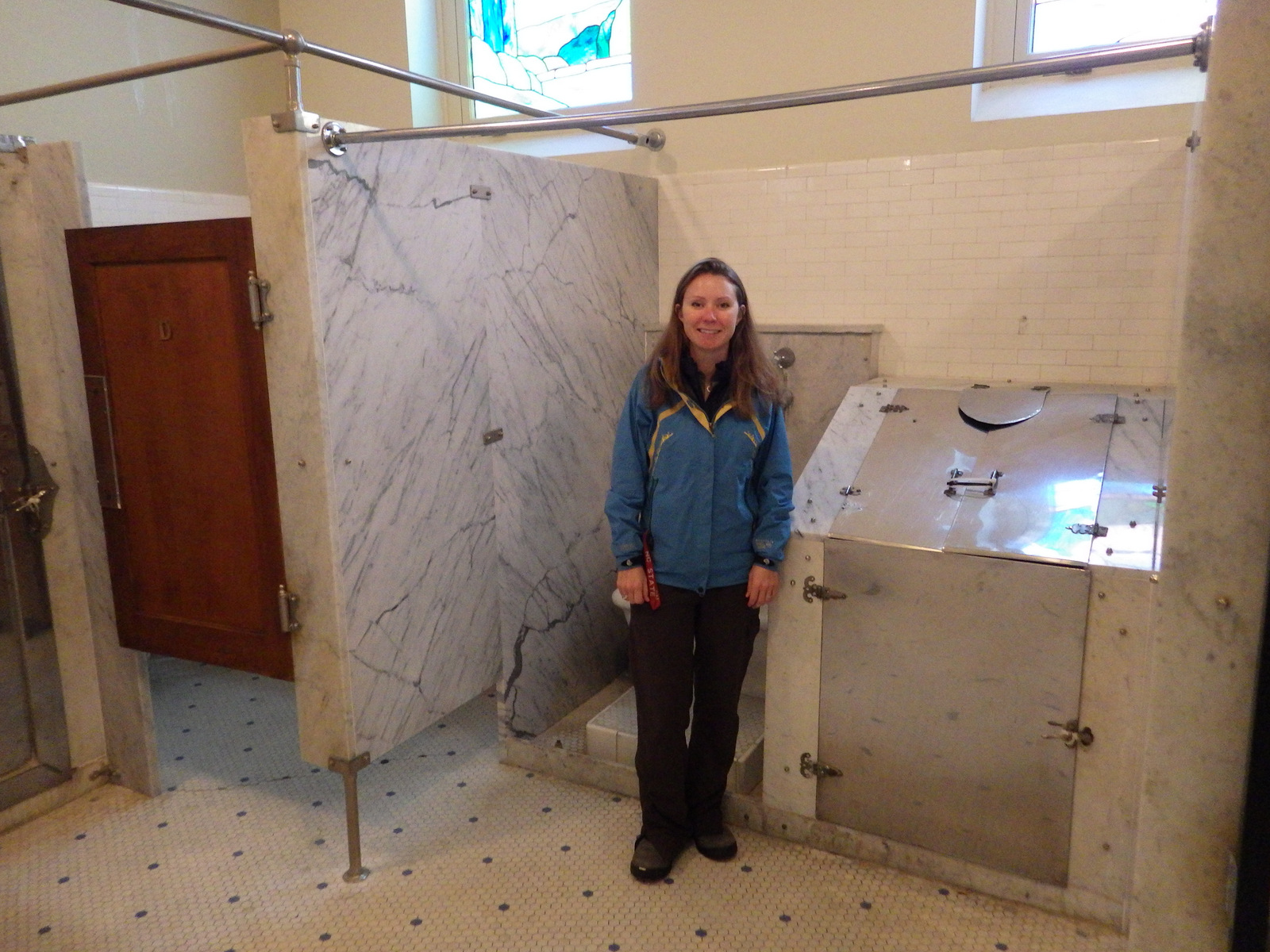
Fordyce Bathhouse on Central Avenue is now entirely a museum with multiple stories of exhibits and plenty of stories to tell.

2. Mammoth Cave National Park (Kentucky)

There is an excellent interpretive museum inside the visitor center for the world’s longest cave.

… and finally our #1 museum in a National Park:

1. Yellowstone National Park (Wyoming-Montana-Idaho)

Learn all about the Yellowstone Supervolcano at Old Faithful and Canyon Village Visitor Centers, but also check out the Museum of the National Park Ranger near Norris Junction.

Honorable Mentions

Wind Cave National Park (South Dakota)

It can be easy to miss the museum that is downstairs from the park bookstore and tour ticket booth, so do not make that rookie mistake.

Wrangell-St. Elias National Park and Preserve (Alaska)

The Main Park Visitor Center is located on the Richardson Highway, but the main attraction requires you to brave the drive to McCarthy and cross the pedestrian bridge to the Kennecott ghost town.

Know someone who loves National Parks? Gift them our travel guidebook A Park to Yourself: Finding Solitude in America’s 63 National Parks

Harriet Tubman Underground Railroad National Historical Park

Overview

This relatively undeveloped section of Maryland’s Eastern Shore might still be recognizable to Harriet Tubman, who was born here as Araminta “Minty” Ross in 1822.  After her own solo escape to Philadelphia using the Underground Railroad network in 1849, she returned thirteen times to conduct approximately 70 people north, as well as to provide detailed instructions that enabled another 70 to find freedom.  During the Civil War, Tubman served as a Union spy and became the first woman to lead an armed U.S. military assault.

Highlights

Museum, Blackwater National Wildlife Refuge, Bucktown Village Store

Must-Do Activity

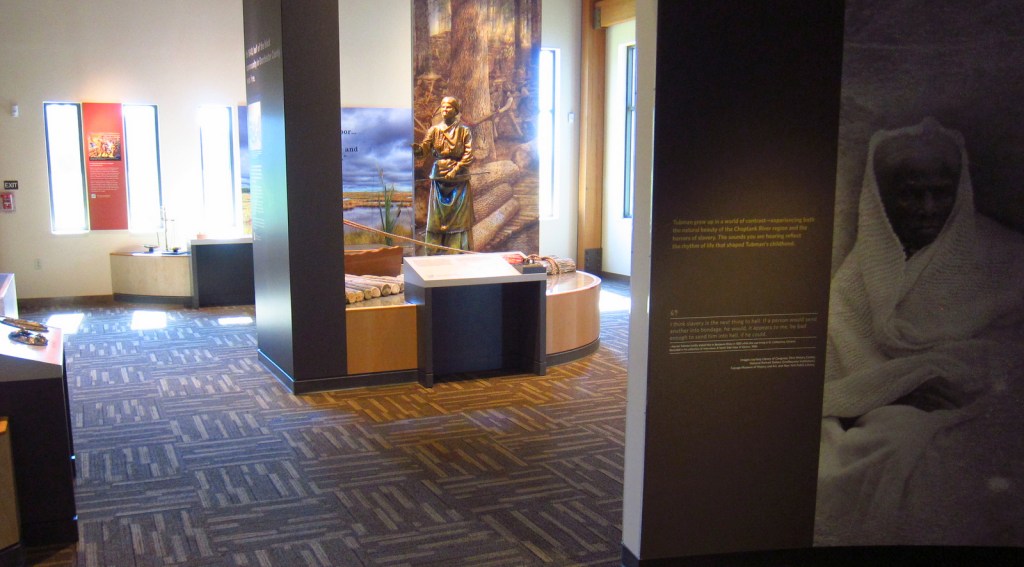
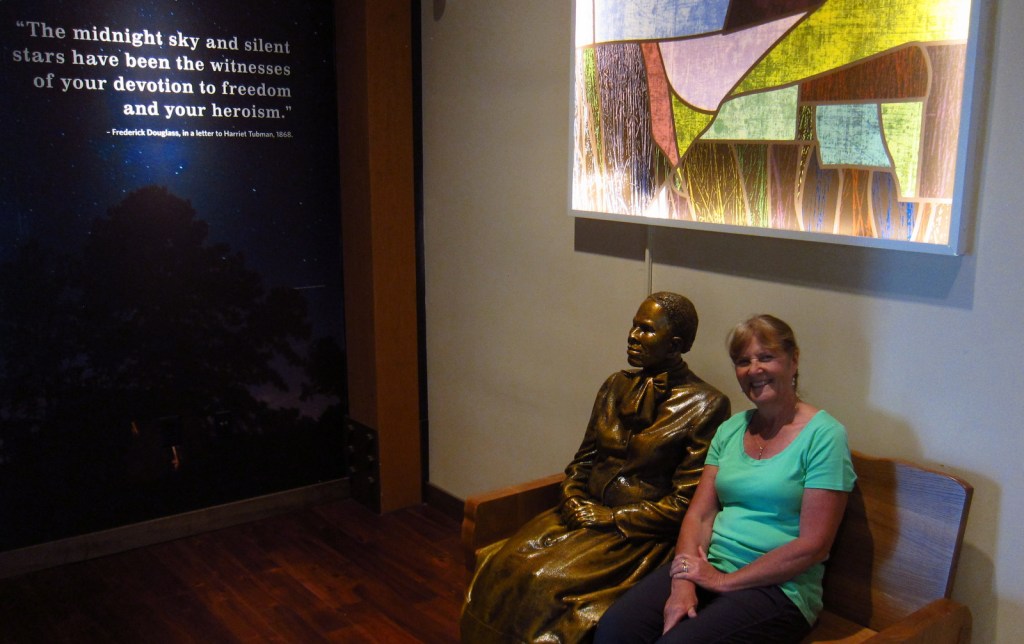
Harriet Tubman lived a hard life, as described in the exhibits at Harriet Tubman Underground Railroad State Park (museum opened in March 2017), managed in association with the National Park Service.  Pick up a map at the museum, then make as many stops as you wish along the 125-mile long Harriet Tubman Underground Railroad Byway, which offers a free downloadable audio guide.  You will definitely be inspired by the story of this brave conductor on the Underground Railroad.

Best Trail

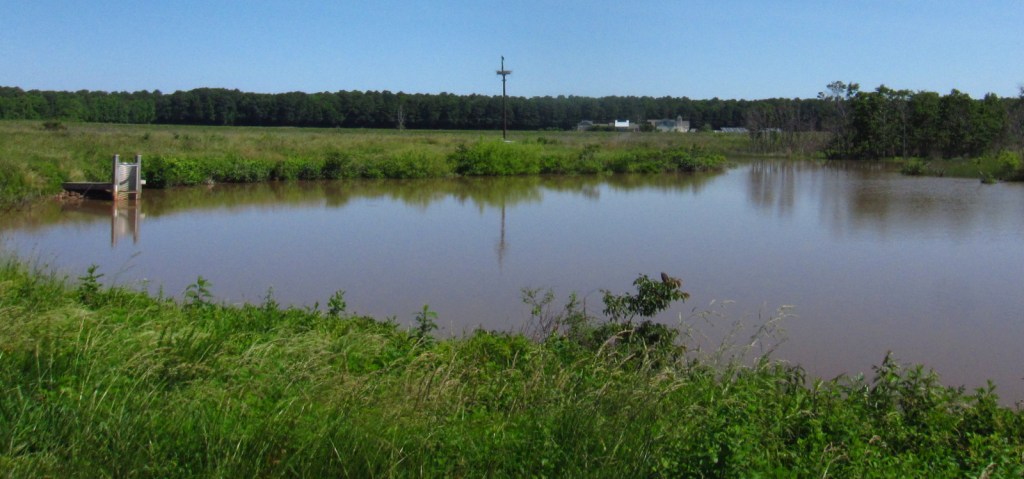
Near the museum at Harriet Tubman Underground Railroad State Park, 28,000-acre Blackwater National Wildlife Refuge is a great place to see ospreys and overwintering birds. The Key Wallace loop trail is 2.7 miles long.

Instagram-worthy Photo

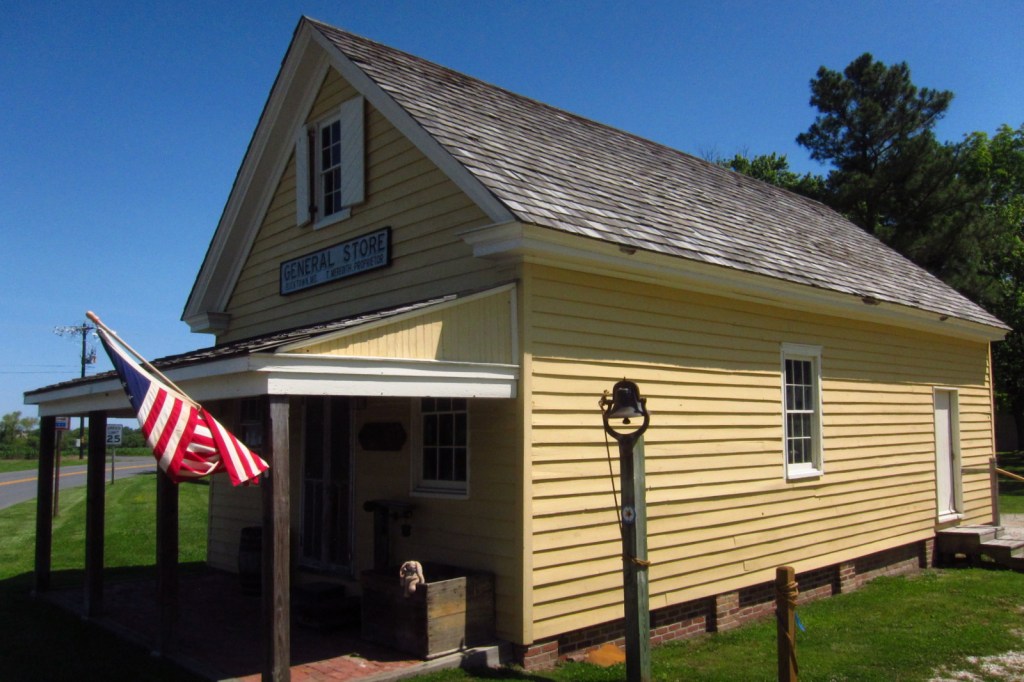
Bucktown Village Store has been restored to its 1800s appearance and is open to visitors.  Harriet Tubman accomplished amazing feats despite suffering seizures throughout her life from a skull fracture suffered at the Bucktown Village Store during her youth (see the photo below for the full story). 

Peak Season

Summer

Hours

https://www.nps.gov/hatu/planyourvisit/hours.htm

Fees

None, except at Blackwater National Wildlife Refuge, which is only $3 per vehicle and accepts America the Beautiful passes.

Road Conditions

All major roads are paved on the 125-mile long Harriet Tubman Underground Railroad Byway and the driving route is well-maintained through Blackwater National Wildlife Refuge. 

Camping

There are developed campgrounds at the northern end of Assateague Island National Seashore on Maryland’s Atlantic Coast.

Related Sites

Frederick Douglass National Historic Site (District of Columbia)

Assateague Island National Seashore (Maryland-Virginia)

First State National Historical Park (Delaware)

Explore More – Before it became a National Historical Park, when was Harriet Tubman Underground Railroad National Monument established?