
Kansas
52,325,581 acres (2.3% of U.S.)
Statehood 1861 (34th of 50)
Capital: Topeka
Population: 2,937,880 (35th of 50)
High Point: Mt. Sunflower (4,041 feet)
Best time of year: Fall for apple picking, football games, OZtoberFest, and fall foliage
We recently published our guidebook 50 States of Great: Road Trip Guide to America, so we decided to start a new type of blog post where we create a travel itinerary for all 50 states, in addition to our usual National Forest and National Park entries. We are starting with Kansas, an often-overlooked travel destination where we have had a lot of fun on multiple visits dating back to 2007. We made a seven-day plan starting in the southwest corner of the state, with plenty of options to extend the trip.
Day 1
Cimarron National Grassland (click here for our blog post) / Santa Fe National Historic Trail
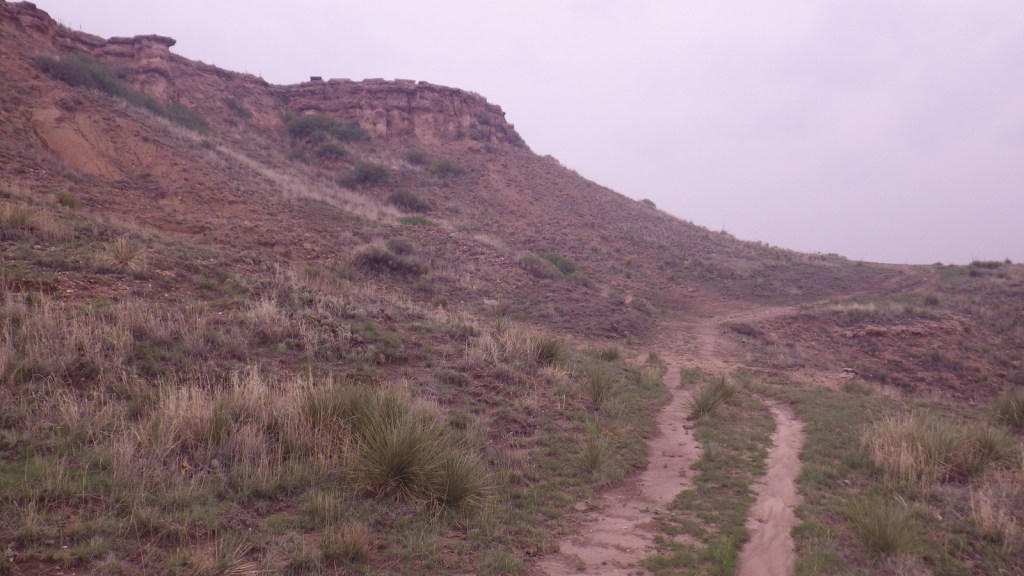
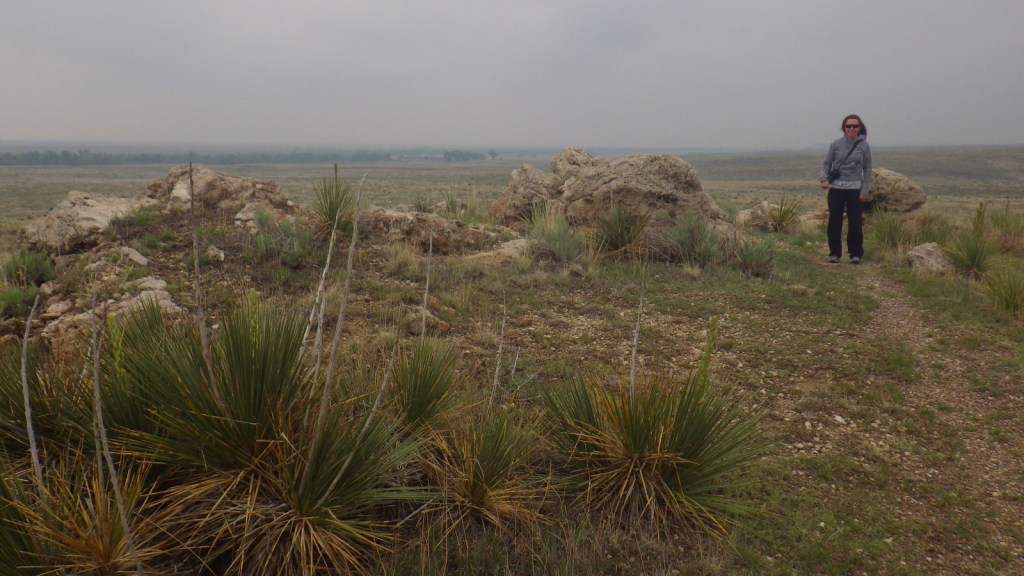
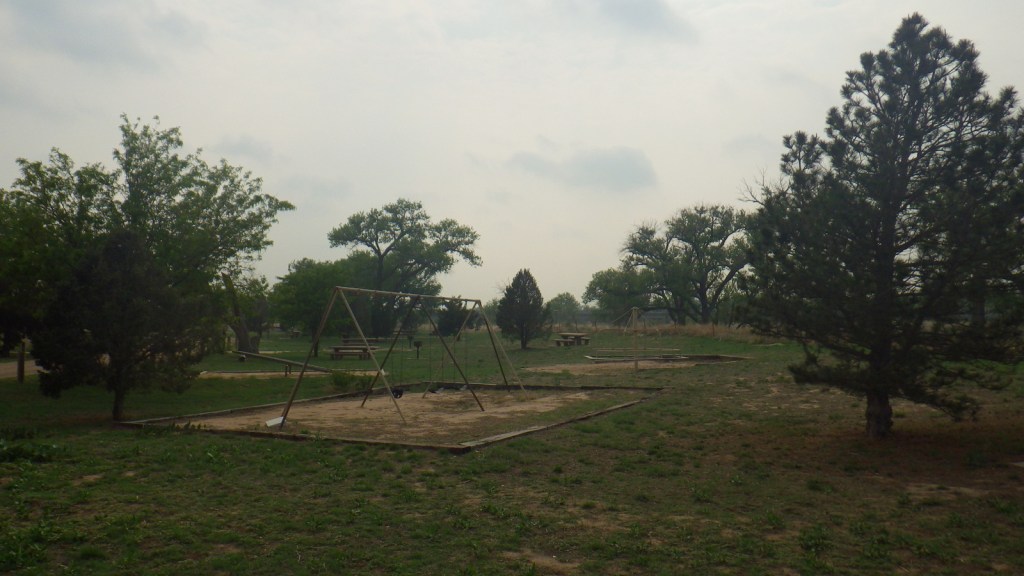
The state’s largest parcel of public land at 108,175 acres contains Middle Springs, Cottonwood Picnic Area (with the 10.5-mile Turkey Trail), and Point of Rocks, an important landmark on the Santa Fe Trail and third highest point in Kansas. In the spring, birdwatchers gather at two viewing blinds to watch the elaborate mating rituals of lesser prairie-chickens, one of the more than 360 bird species identified here.

Liberal
Dorothy’s House landed here after it was swept up in the tornado to the Land of Oz, located next to the free Seward County Coronado Museum. While visiting, you can pose with your favorite character from L. Frank Baum’s allegory along a yellow brick walkway.

Optional stop at Dalton Gang Hideout Museum
Walk the 95-foot-long escape tunnel built by the notorious outlaw family beneath their farmhouse to evade law enforcement.
Day 2
Big Well Museum in Greensburg
Completed in 1888, it is the world’s largest hand dug well at 109 feet deep (and 32 feet in diameter) to access the massive Ogallala Aquifer. On May 4, 2007, the town of Greensburg was devastated by a powerful tornado, but the resilient population rebuilt around the historic well.

Boot Hill Museum in Dodge City
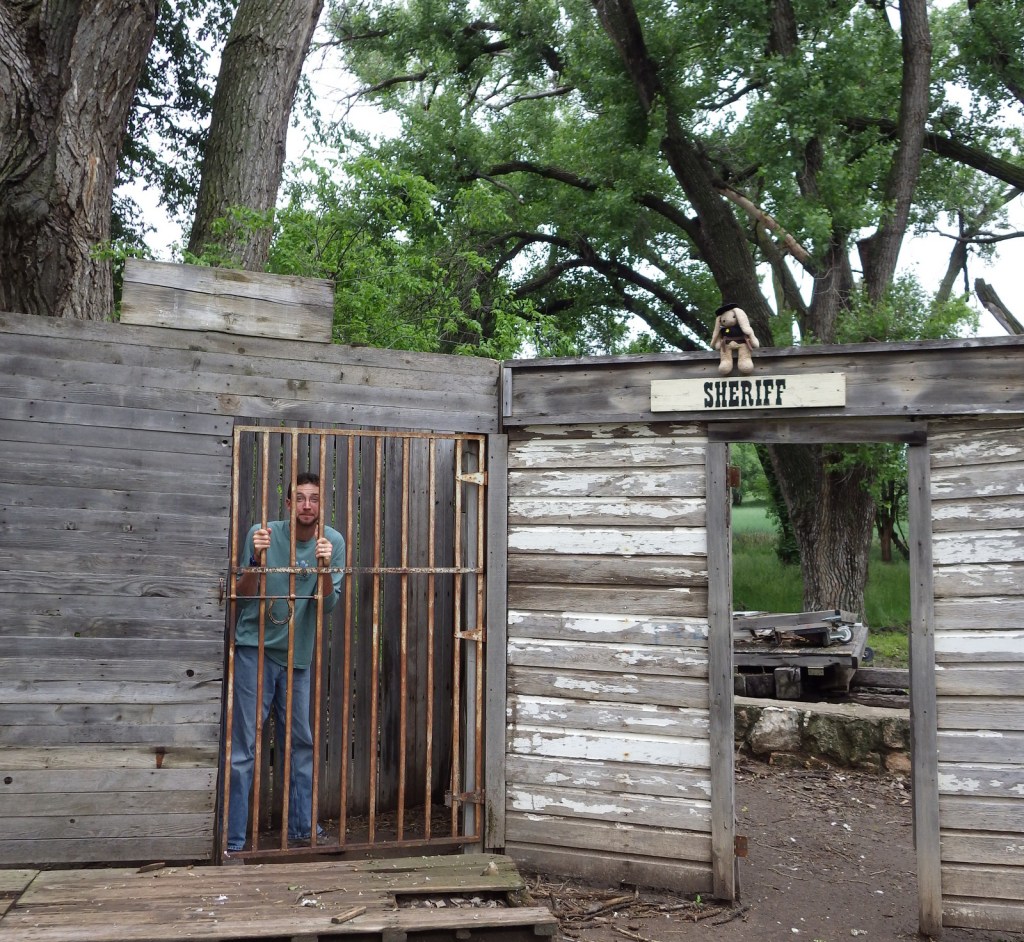
This bloody frontier town earned the moniker “Wickedest Little City in America.” Even though the buildings on Front Street are mostly reproductions, there remains an authentic Wild West vibe in the air as you walk past artifacts from the 1800s. If you plan to spend the night after your visit to the Boot Hill Museum, consider paying extra for the brisket dinner and nightly variety show (in the summer) at the Long Branch Saloon.

Optional stop at Dodge City Zoo
Across the railroad tracks from the Boot Hill Museum, the Dodge City Zoo in Wright Park offers free admission to see a multitude of mammals and birds.
Day 3
Fort Larned National Historic Site (click here for our blog post)
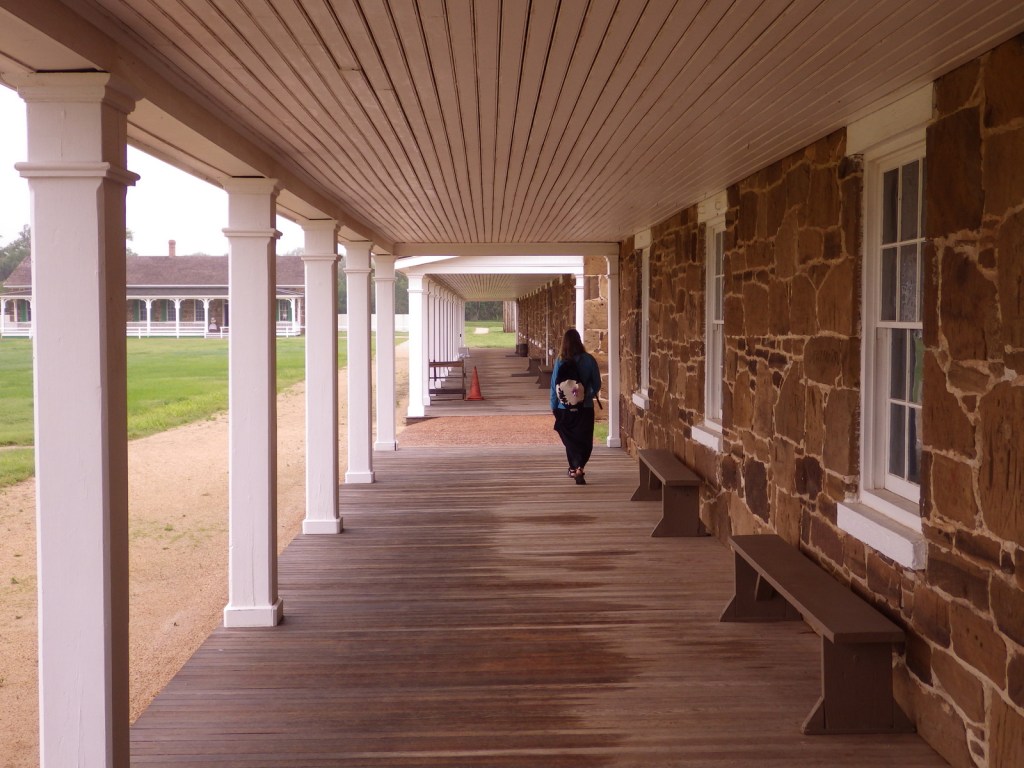
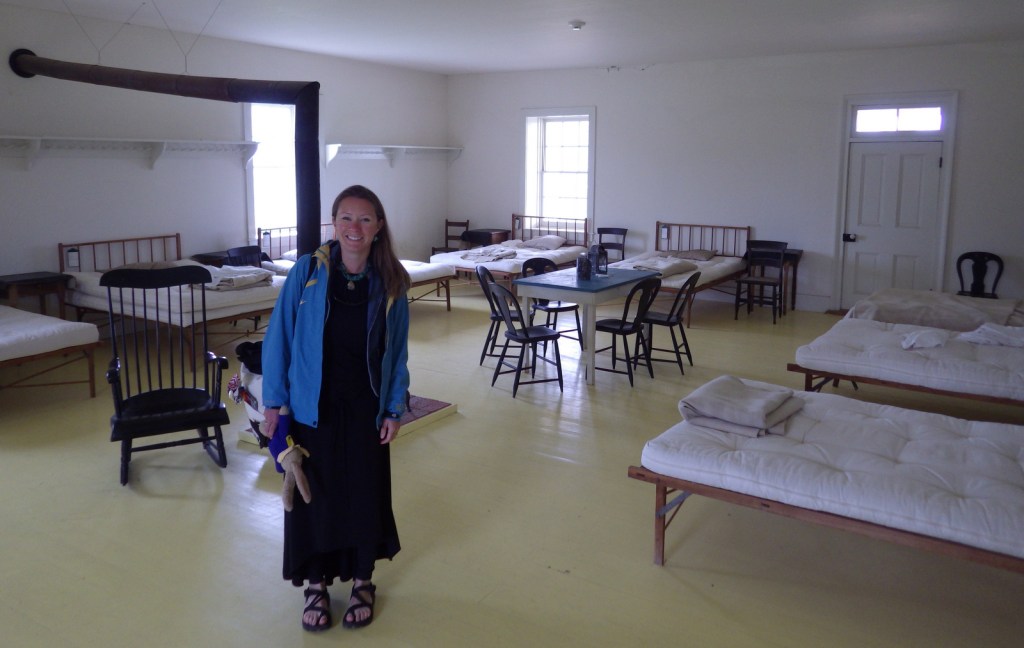
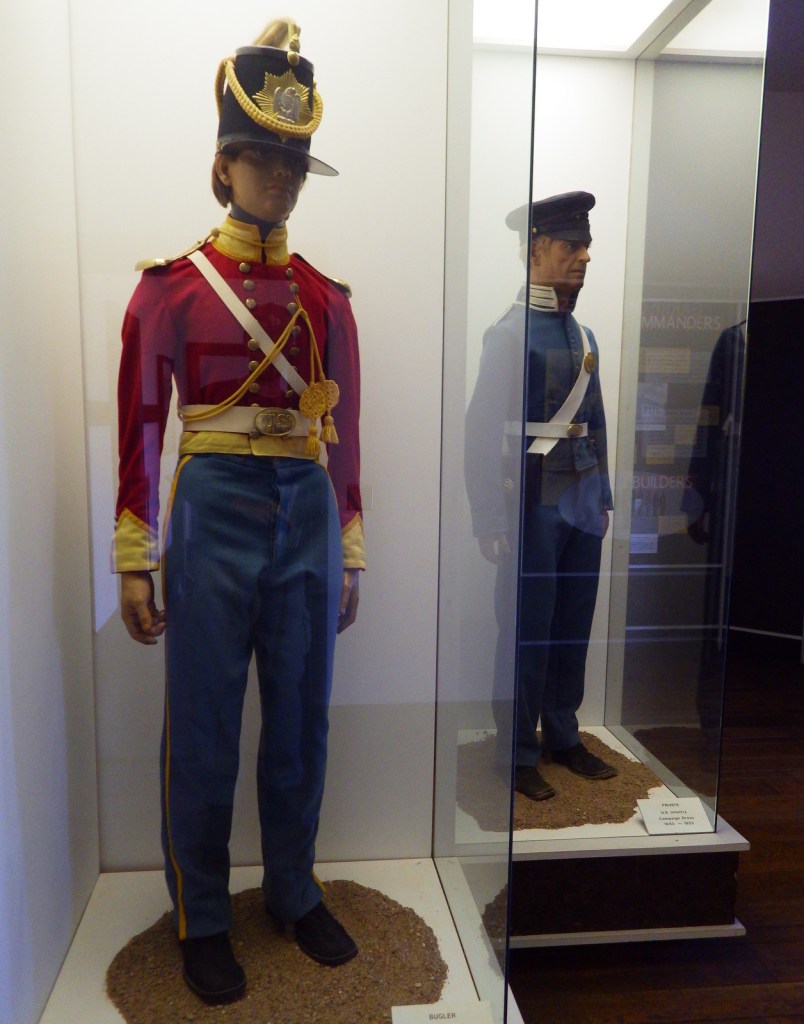
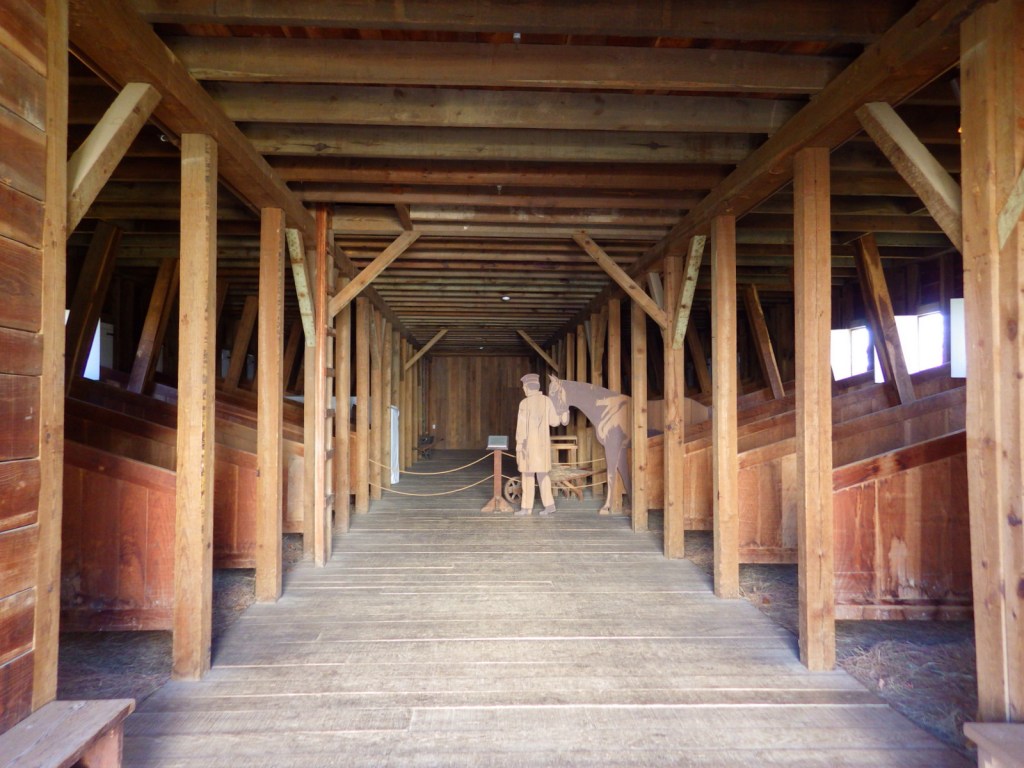
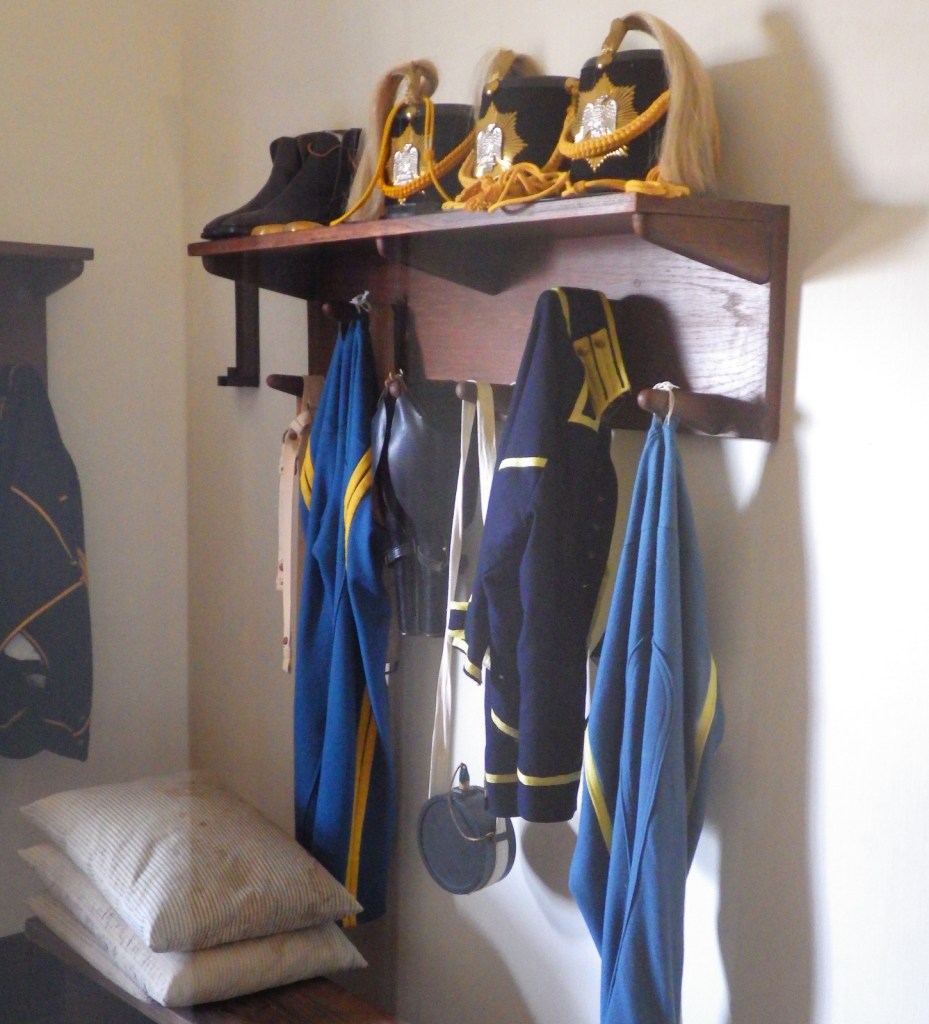
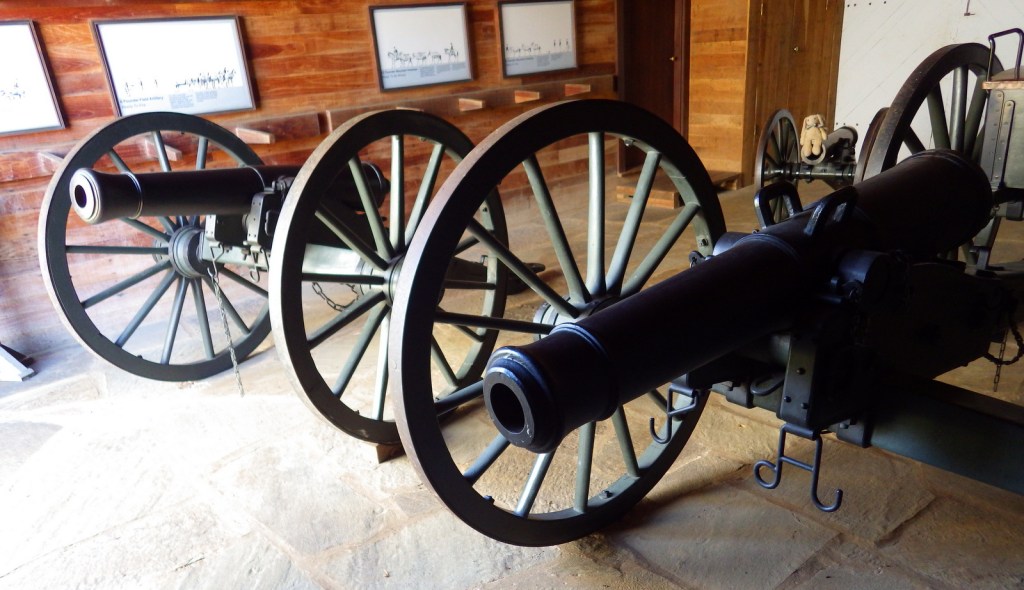
The fort was only active from 1860 to 1878, but after becoming private property it continued to function as a working ranch which explains why it is in such good shape today. Costumed re-enactors are really what make this site special, from the blacksmith to the schoolteacher to the commissar to the officers’ wives.

Quivira National Wildlife Refuge
A 14-mile auto route and hiking trails to observation blinds offer great opportunities to see a variety of birds and mammals in this wetland south of the great bend of the Arkansas River.

Optional stops at Geographic Center, Coronado Heights Park, Big Basin Prairie Preserve, and Mushroom Rock State Park
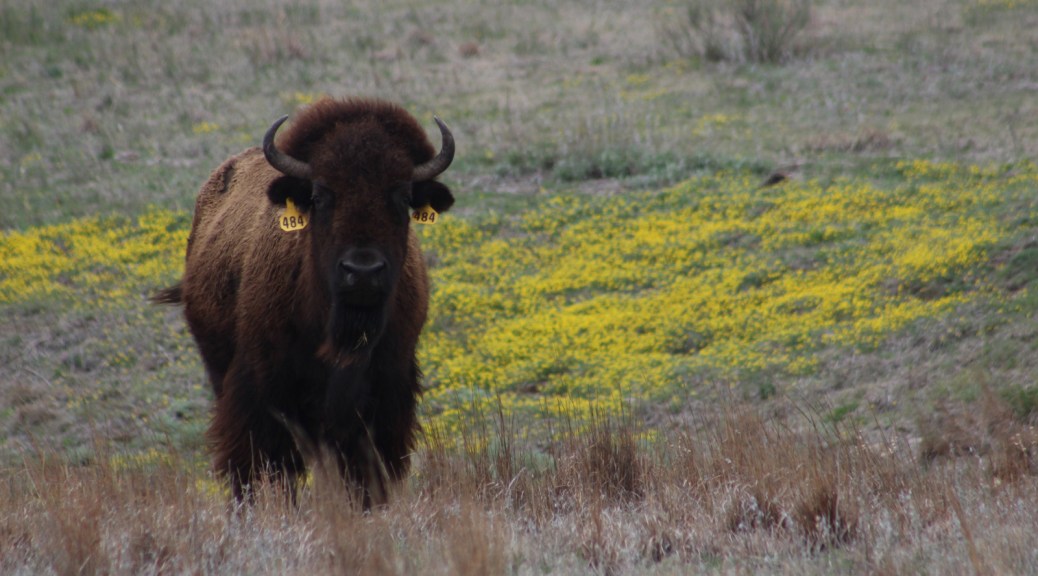
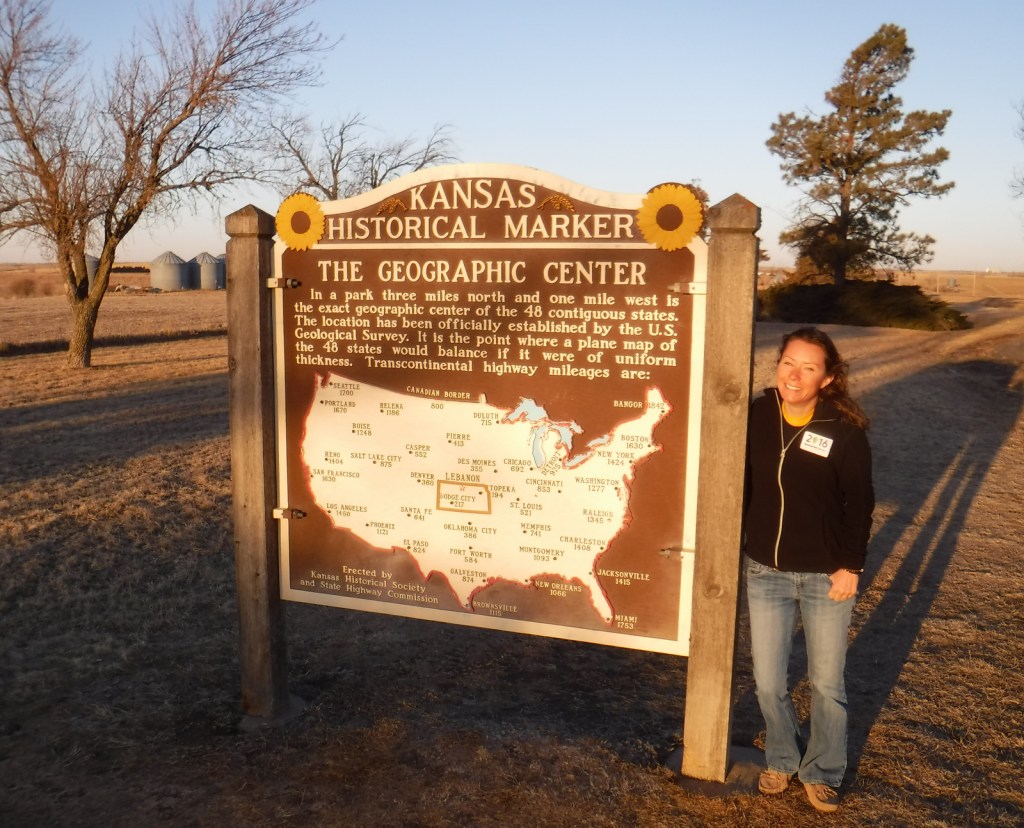
Roadside attractions in central Kansas include the Geographic Center of the 48 contiguous states and the hilltop tower at Coronado Heights Park near historic Lindsborg. There is also a small herd of bison in 1,818-acre Big Basin Prairie Preserve. At Mushroom Rock State Park, interesting sandstone concretions held together by calcium carbonate have withstood the erosion that washed away the surrounding bedrock over time.
Day 4
Strataca in Hutchinson
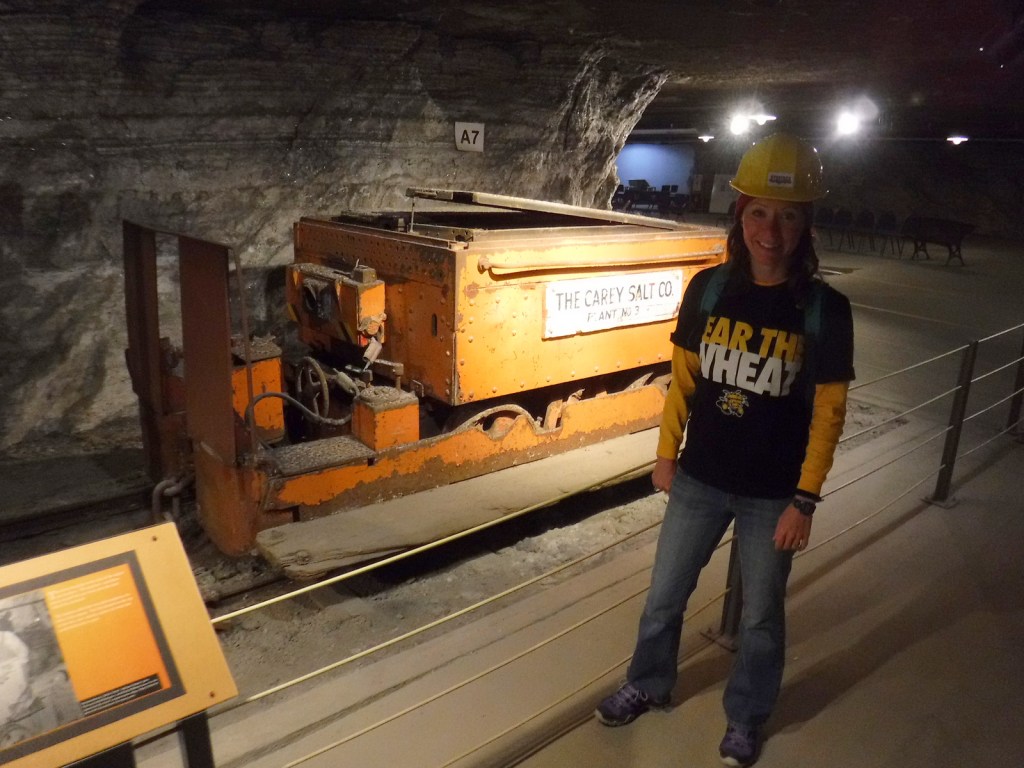
Strataca takes visitors in an elevator 650 feet down through the Equus Beds Aquifer into an underground salt mine with 67 miles of tunnels. A tram tour (hardhat provided) is part of the admission price, as is the opportunity to take home a big chunk of salt.
Cosmosphere in Hutchinson
Cosmosphere International SciEd Center and Space Museum contains the largest collection of space artifacts outside the Smithsonian’s National Air and Space Museum in Washington, D.C.
Wichita
The state’s largest city and “Airplane Capital of the World” has the Great Plains Nature Center, Kansas Aviation Museum, and a fun dinner theater at Mosley Street Melodrama.

Optional stop at Hutchinson Zoo
Another one of the many free zoos located throughout Kansas.
Day 5
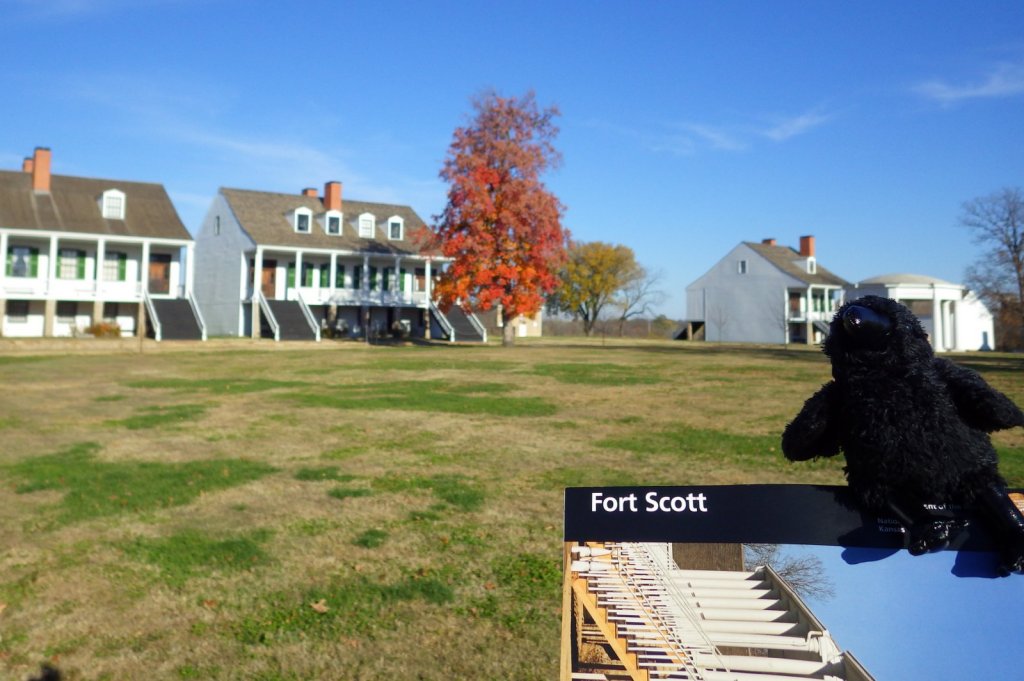
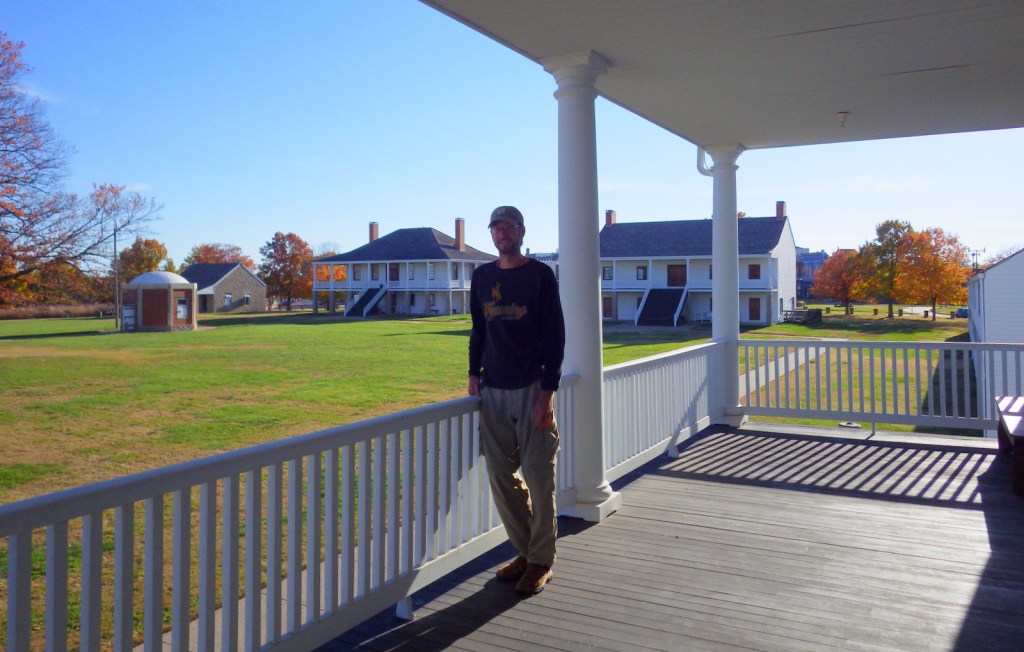
Fort Scott National Historic Site (click here for our blog post)
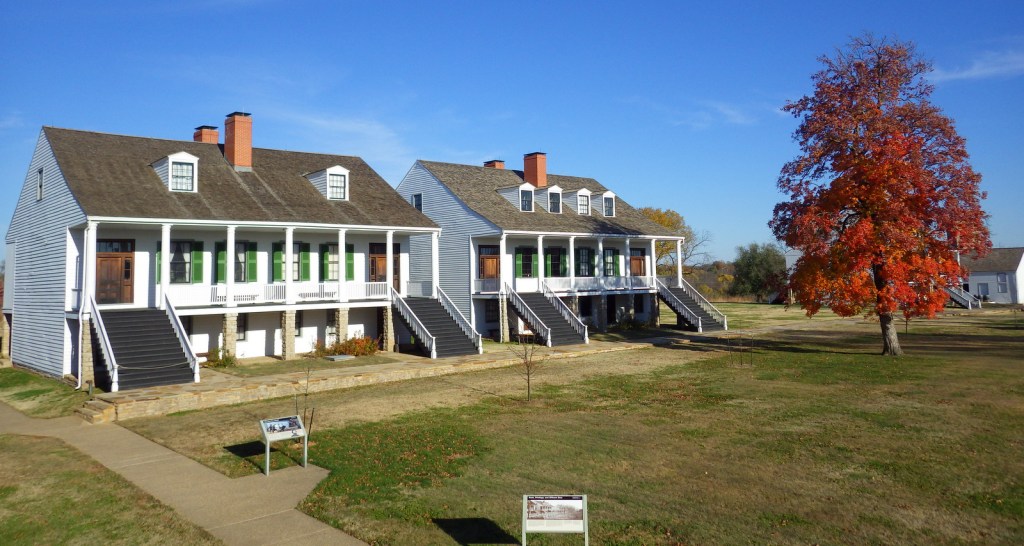
The maple trees were changing colors during our November visit to Fort Scott National Historic Site, their vibrant leaves in sharp contrast to the fort’s white buildings.
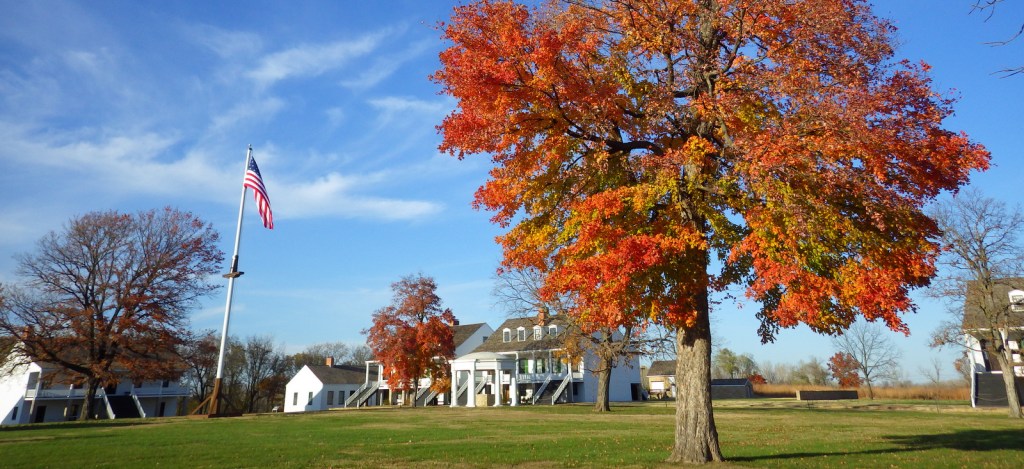
Fall is a great time to visit the cider mill to see the apples being processed and eat some freshly made cider donuts.

Tallgrass Prairie National Preserve (click here for our blog post)
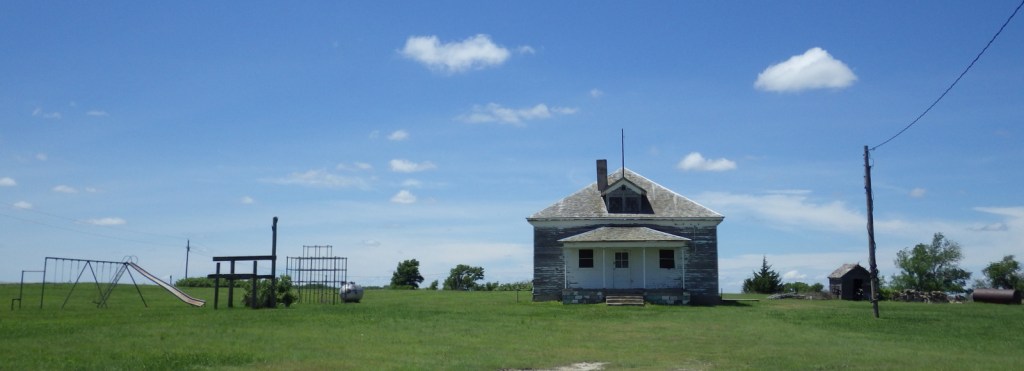
There are many miles of trails that wander through the 10,894-acre preserve that is jointly run by the Nature Conservancy and National Park Service. A reintroduced bison herd roams these hills, where you can visit the historic Spring Hill Ranch and the one-room Lower Fox Creek School, which was open from 1884 to 1930.

Brown v. Board of Education National Historic Site (click here for our blog post)
In downtown Topeka, you can tour the former African-American-only Monroe Elementary School, restored to its 1950s appearance with some classrooms turned into exhibits on the civil rights movement worldwide.
Optional stop at Kansas University in Lawrence
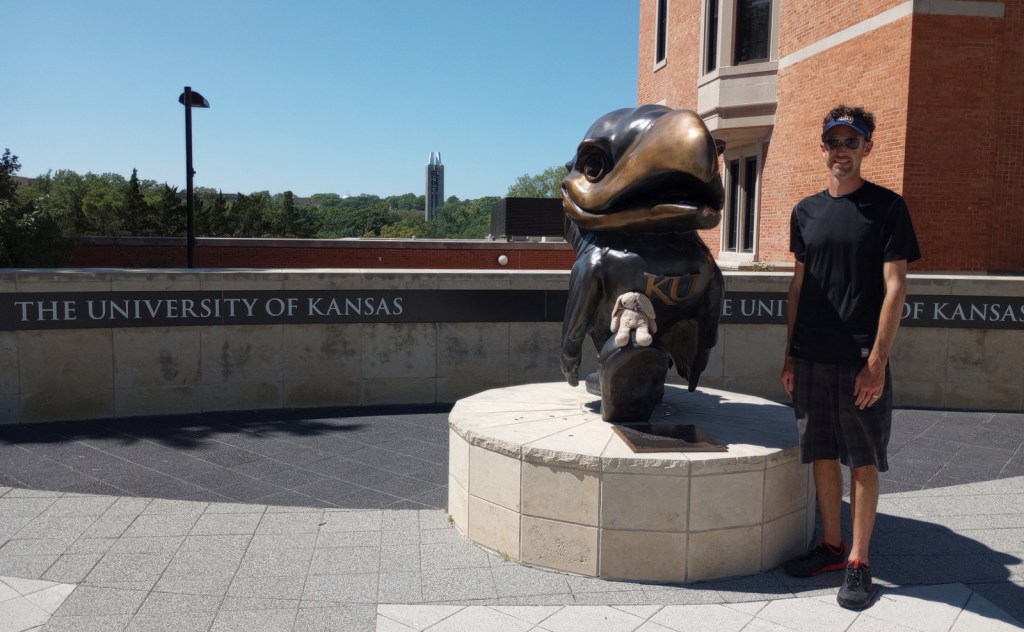
Come for a college football or basketball game and stay to see the original rules for basketball written by Dr. James Naismith, the free Spencer Museum of Art, the historic Natural History Museum, and numerous Jayhawk statues across campus.
Day 6
Kansas City
Not all the best attractions of Kansas City are in Missouri, so explore the beautiful Museum at PrairieFire, try some famous barbecue at Joe’s gas station, and go apple picking in the fall at Cider Hill Family Orchard.

Wamego
Like Liberal on the other side of the state, Wamego also has a Wizard of Oz-themed part of town and holds the annual OZtoberFest in October.
Optional stop at Kansas State University in Manhattan
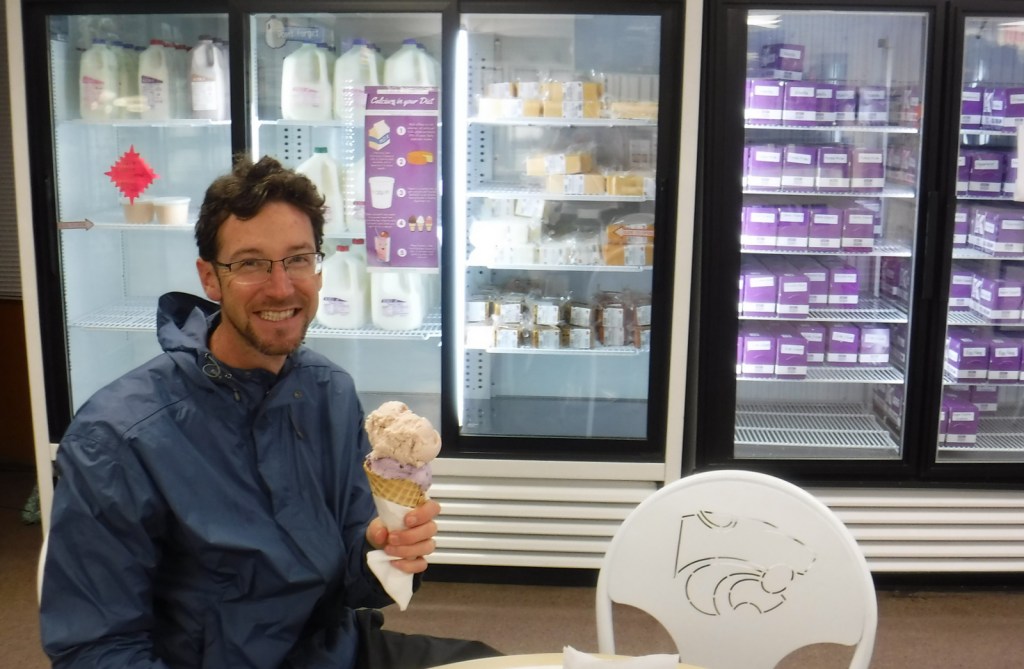
Sample some Purple Pride and Apple Dapple ice cream at Call Hall Dairy Bar, then visit the free Beach Museum of Art and the American Museum of Baking inside Emerson Library that displays a sample of Egyptian bread dating back 3,800 years (insert fruit cake joke here). Kansas State University Gardens is a great stop regardless of the season given its fountains and Insect Zoo with a modest $3 entry fee.
Day 7
Ft. Leavenworth
Check in and get your day pass from the military visitor center before driving onto the army base to visit the Buffalo Soldiers Memorial and Frontier Army Museum at Fort Leavenworth.

Atchison
Amelia Earhart Birthplace Museum and Haunted Tours that include the infamous Sallie House.
Optional stop at Marysville
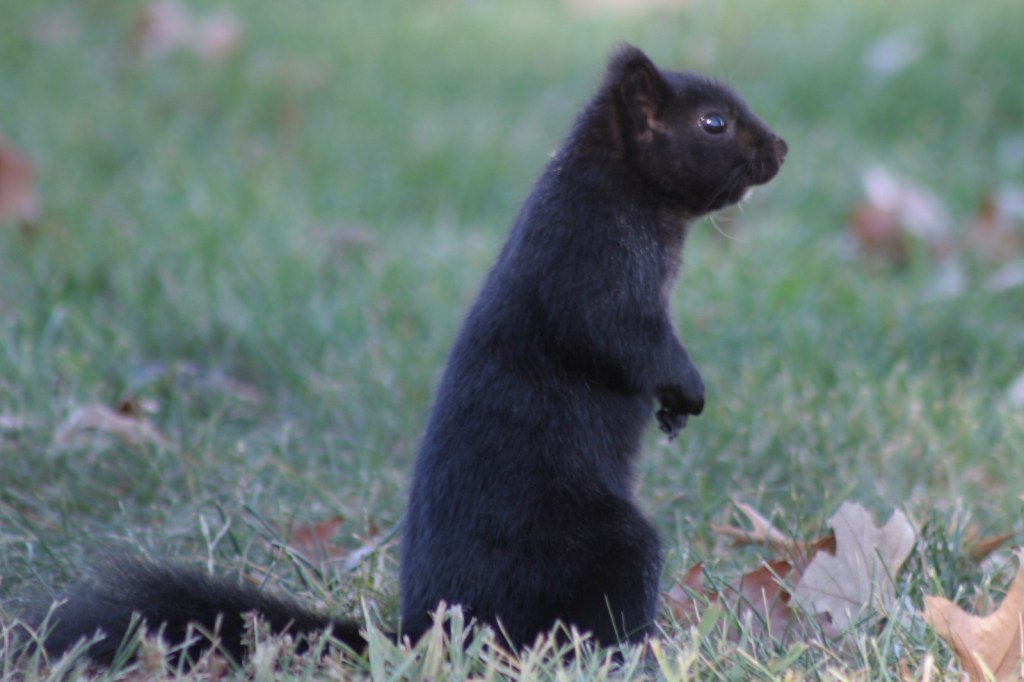
An Oregon Trail town founded in 1855 that still has its old Pony Express Station located downtown near the beautiful 1891 Marshall County Courthouse. It is also home to a population of black squirrels that are reportedly escapees from a traveling circus.
Day 8+ optional swing through northwestern Kansas
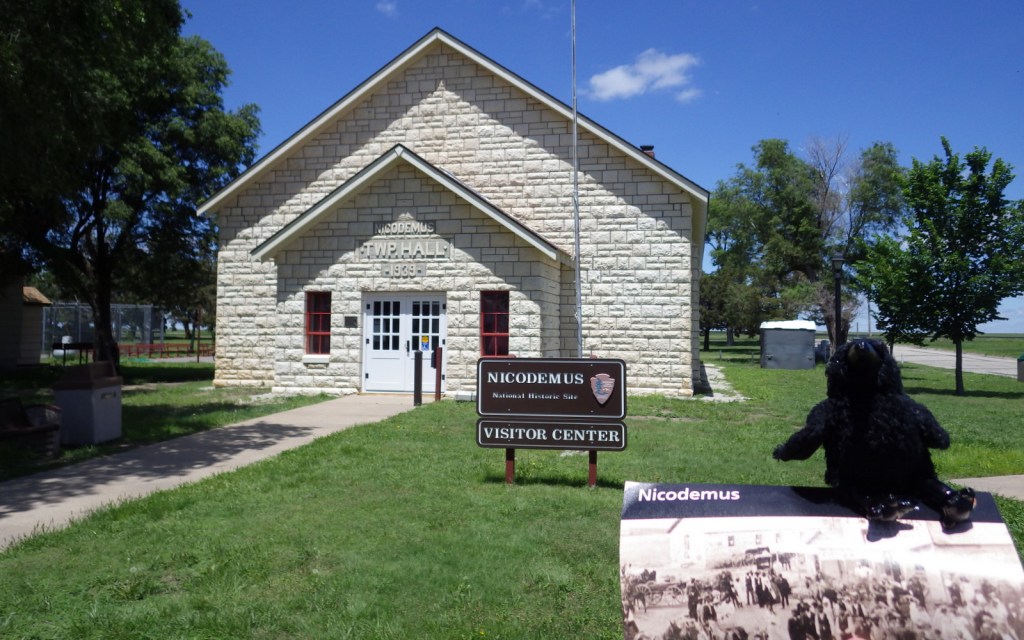
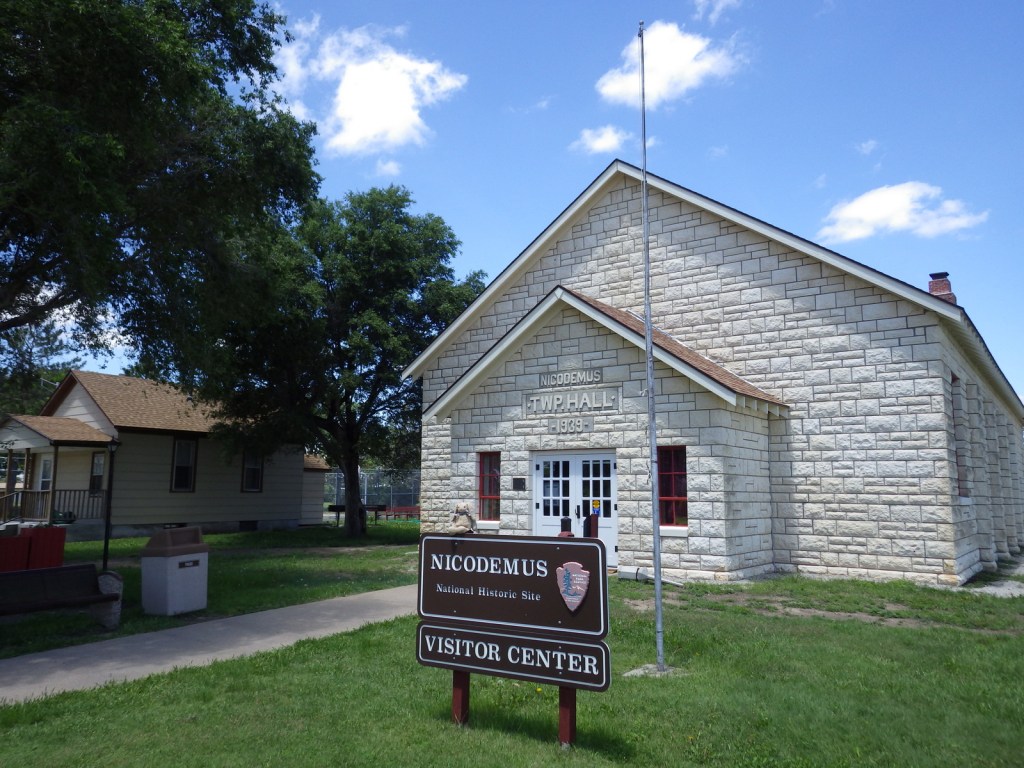
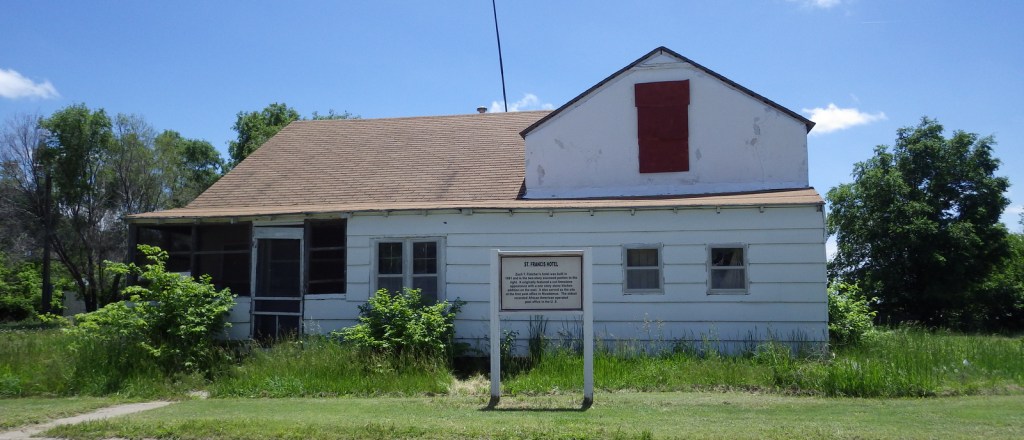
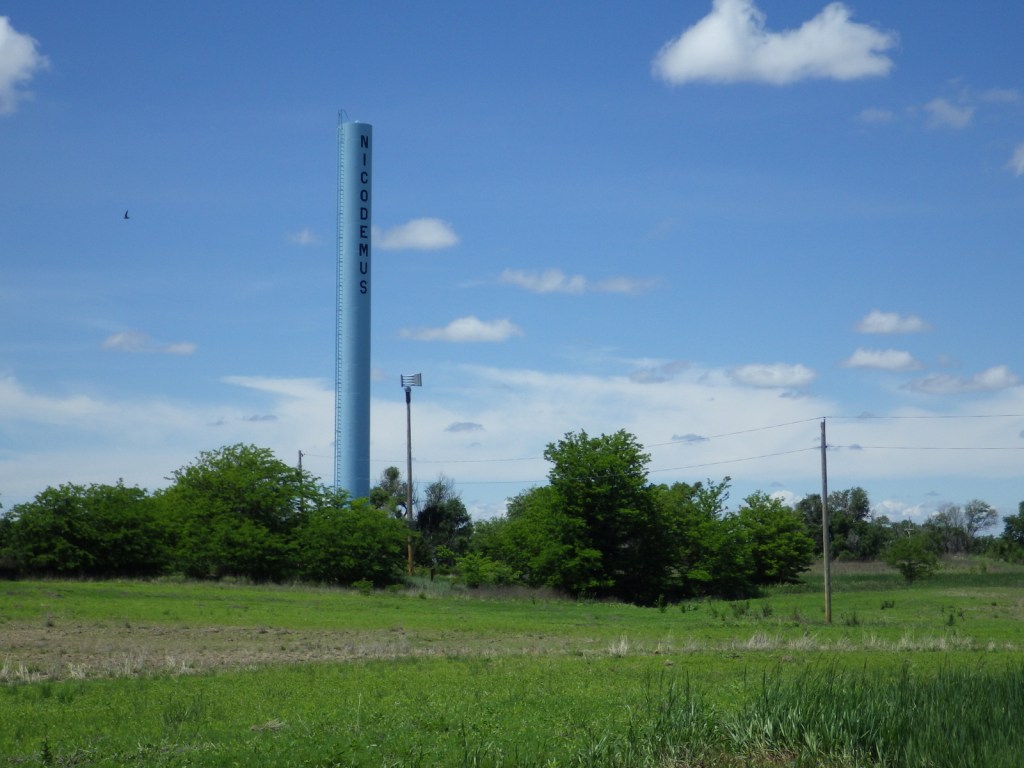
Nicodemus National Historic Site (click here for our blog post)
Founded in 1877 by former slaves from Kentucky freed after the Civil War, this historic town is representative of the African-American population boom in Kansas that jumped from only 627 to 43,107 between 1860 and 1880.

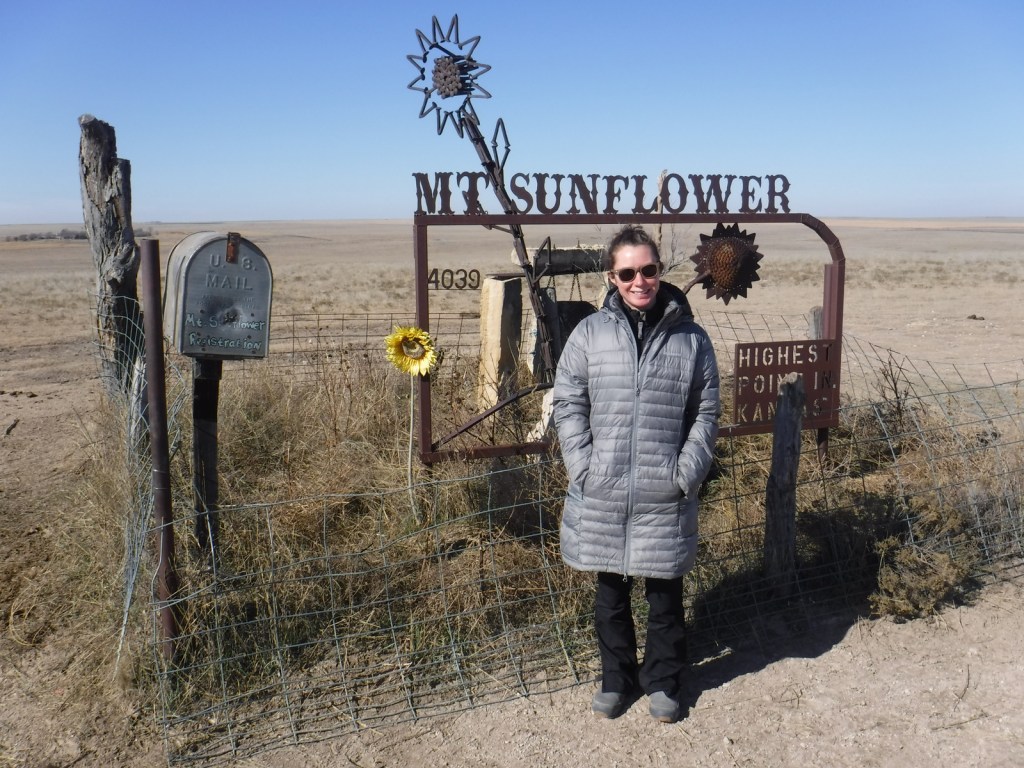
Mt. Sunflower
You can drive to the top of Kansas, a small hill near the western border with Colorado.
Buffalo Bill bronze sculpture in Oakley
An impressive 9,000-pound bronze statue stands outside a Cultural Center highlighting Buffalo Bill’s fascinating life. Also worthwhile is the Fick Fossil and History Museum.

Monument Rocks
A dirt road detour south of Interstate 70 takes travelers to Monument Rocks, the first National Natural Landmark designated by the U.S. Department of the Interior in 1968. The 70-foot-tall chalk formations are chock full of fossils formed 80-million years ago during the Cretaceous Period. The white monoliths really light up at sunset and sunrise, but since they are on private property no camping is allowed at the site.

Learn more about Kansas’ Most Scenic Drive, Wonderful Waterfall, Top State Park, and other categories in in our new travel guidebook 50 States of Great: Road Trip Guide to America.





















 Raven About The Parks