Tag Archives: house

Timucuan Ecological and Historic Preserve

Overview

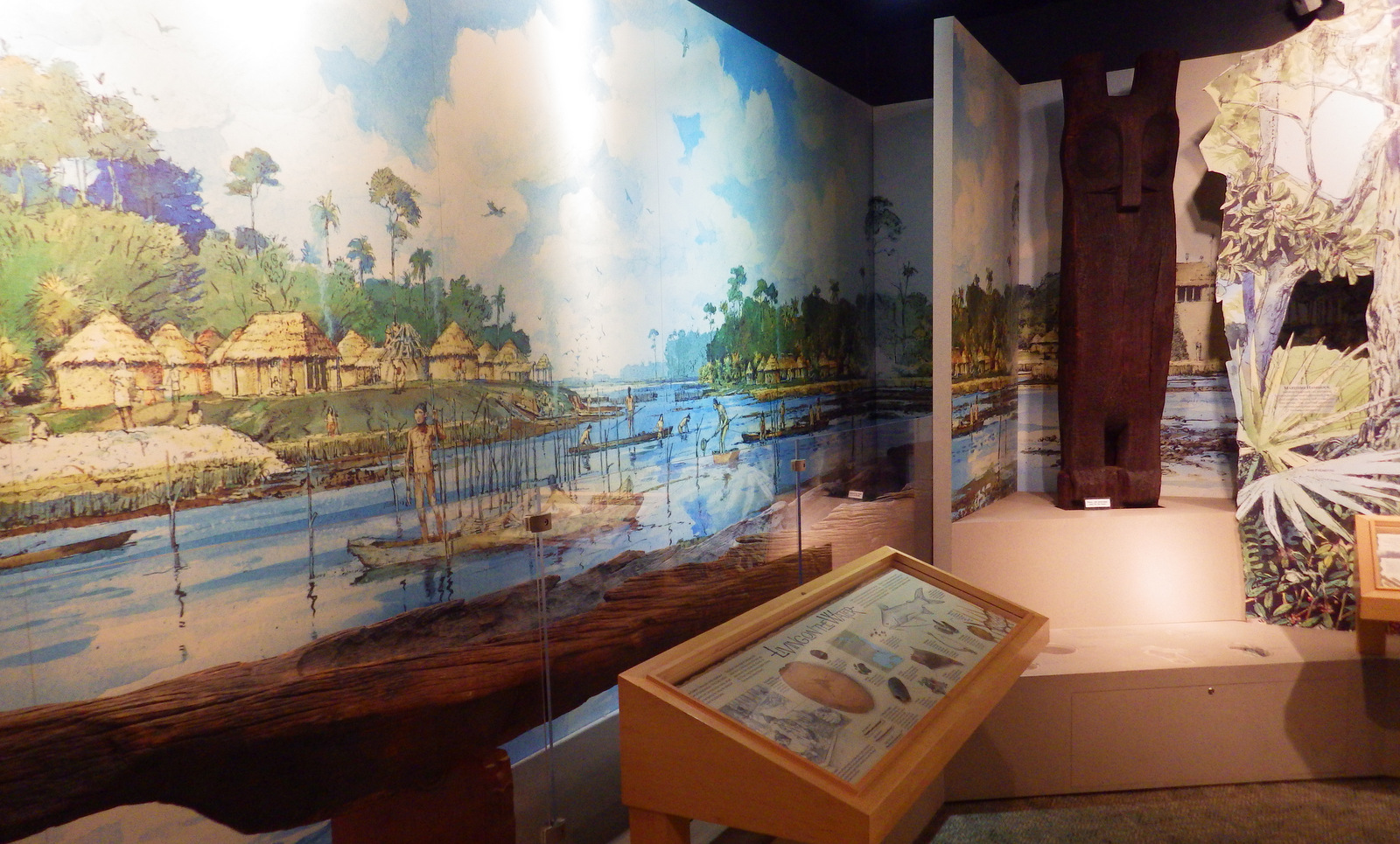
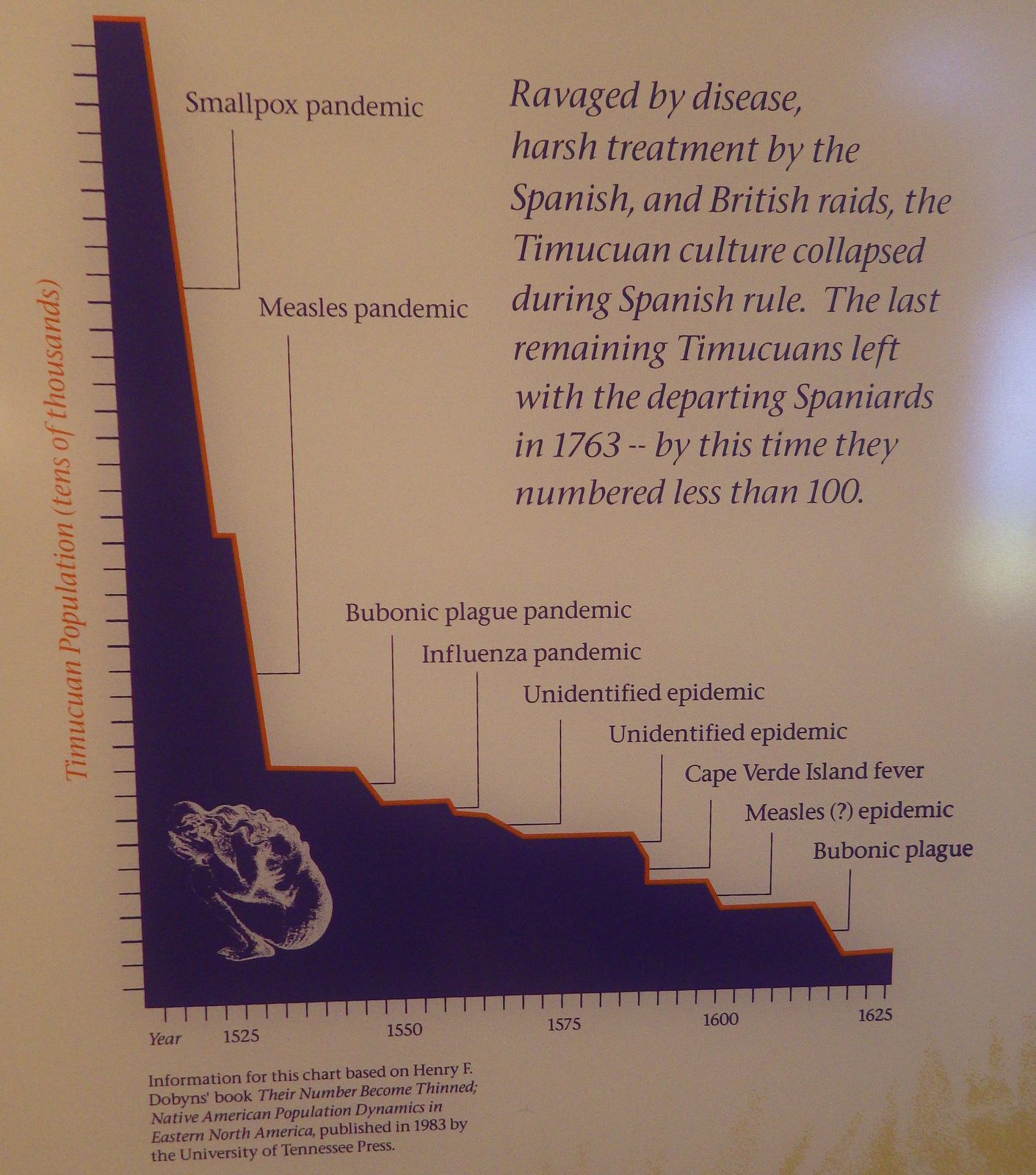
The Timucuan Indians inhabited northeastern Florida’s coastal wetlands and maritime hammocks when French colonists first arrived in 1562.  The settlers constructed Fort Caroline (a National Memorial established in 1950), which the National Park Service (NPS) administers as a unit of Timucuan Ecological and Historic Preserve (established in 1988).  Start your visit at the NPS museum at Fort Caroline National Memorial, which provides information on the indigenous Timucuan, as well as the European colonization efforts.  Then you can tour a one-third scale reconstruction of the triangular Fort Caroline based upon a drawing from 1564 by French artist Jacques le Moyne.

Highlights

Fort Caroline, Kingsley Plantation, Theodore Roosevelt Area

Must-Do Activity

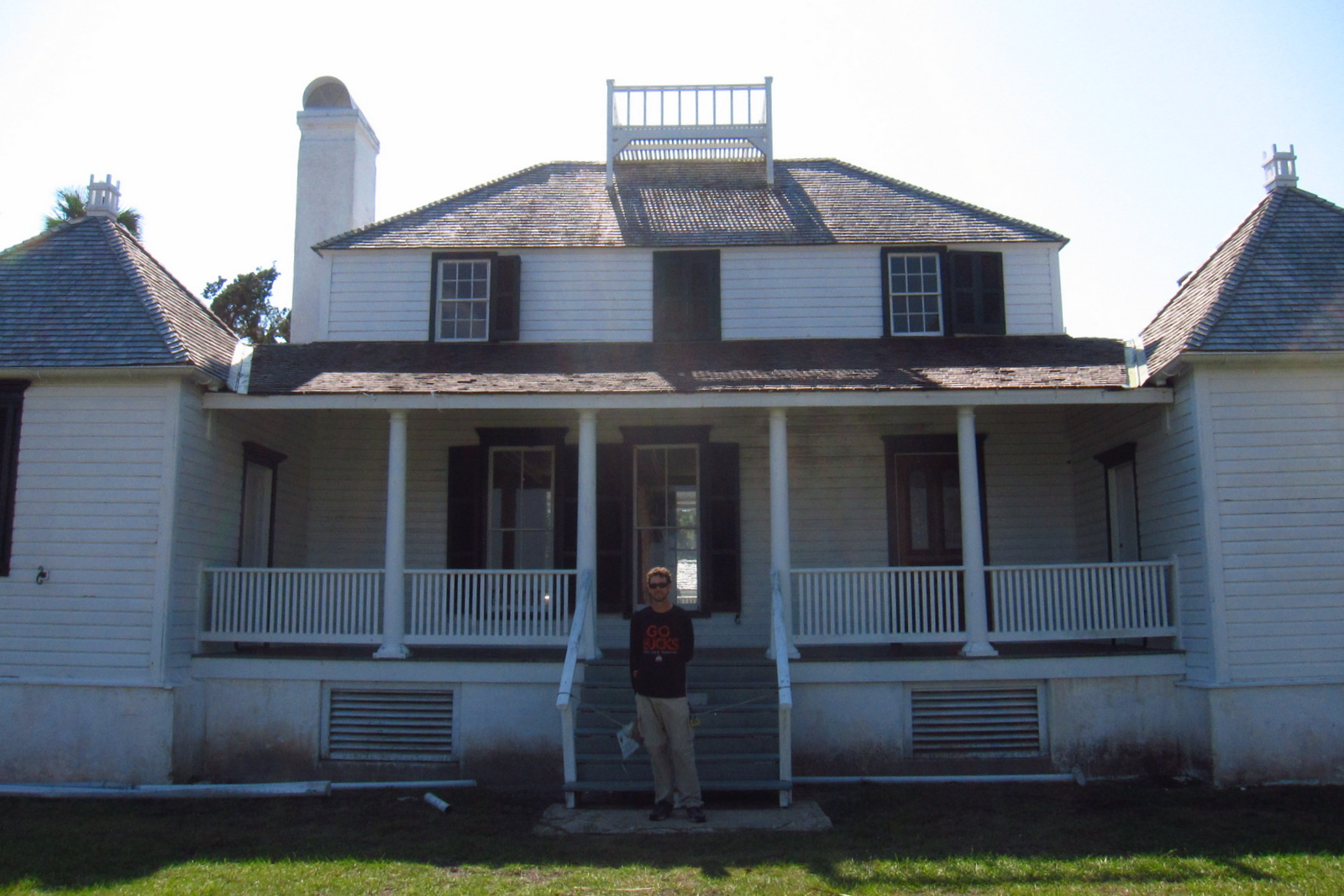
The second place the NPS manages a visitor center is at Kingsley Plantation on Fort George Island east of Jacksonville, Florida.  Established in 1798, it is the oldest remaining plantation house in Florida.  Slaves here harvested Sea Island cotton, which is still grown in a small garden alongside indigo, another regional cash crop.  Visitors can take a self-guided trail around the property, but tours inside the main plantation house are only offered on weekends and require a reservation.

Best Trail

The 1.5-mile Willie Browne Trail winds through the 600 undeveloped acres at Theodore Roosevelt Area, donated by the trail’s namesake to the Nature Conservancy in 1969.  The Spanish Pond Trail connects this trail with Fort Caroline National Memorial.

Instagram-worthy Photo

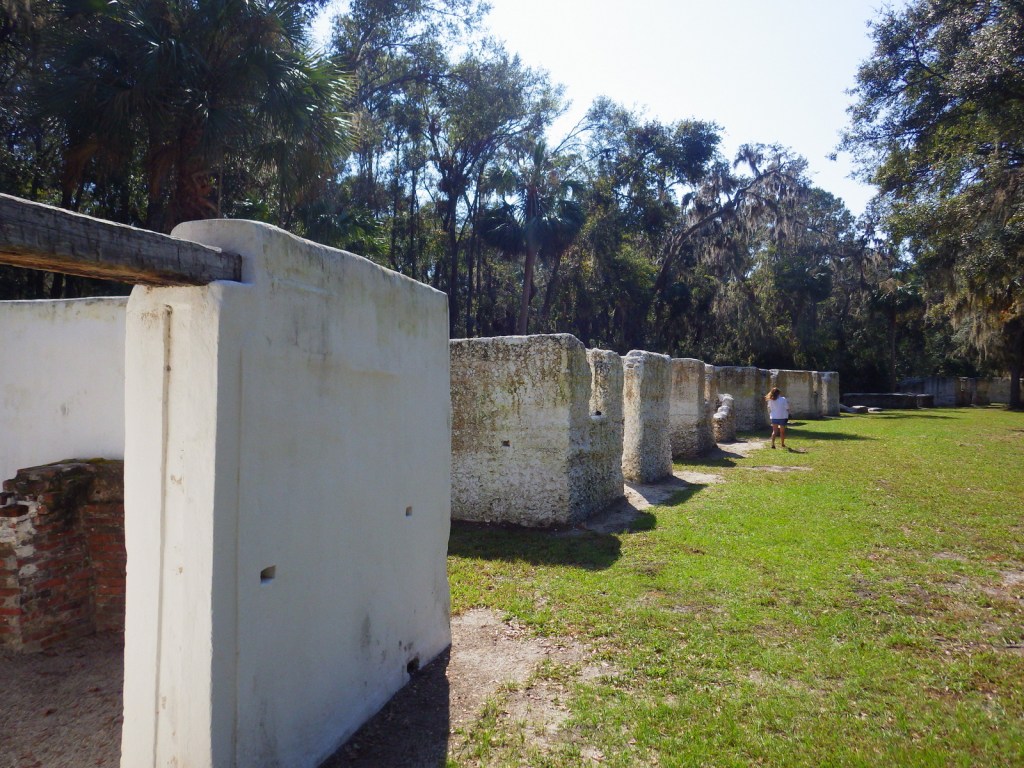
The tabby walls of 23 of the original 32 slave quarters still stand in a row at Kingsley Plantation. 

Peak Season

Winter

Hours

https://www.nps.gov/timu/planyourvisit/hours.htm

Fees

None

Road Conditions

All major roads are paved, but the fastest route between Fort Caroline and Kingsley Plantation is probably via the St. Johns River Ferry.

Camping

The NPS does not have a campground, but nearby Little Talbot Island State Park, Huguenot Memorial Park, and Kathryn Abbey Hanna Park all do.

Related Sites

Fort Caroline National Memorial (Florida)

Fort Matanzas National Monument (Florida)

Castillo de San Marcos National Monument (Florida)

Explore More – Florida had “relatively liberal” racial policies under Spanish rule, but that changed when it became a U.S. territory in what year?

Natchez National Historical Park

Natchez National Historical Park

Mississippi

Managed by National Park Service

Established 1988

108 acres

Website: nps.gov/natc

Overview

Authorized in 1988, Natchez National Historical Park occupies 108 acres in the riverside town of Natchez, Mississippi.  The town started as Fort Rosalie, a French trading post built on the Mississippi River in the early 1700s, now the site of the Visitor Reception Center.  National Park Service (NPS) rangers or volunteers are always on location at the William Johnson House and Melrose Estate.  A newer part of the park is located at the Forks of the Road where interpretive signs discuss its role as a major slave trading market from 1833 to 1863.

Highlights

Melrose Estate, William Johnson House, Fort Rosalie, Forks of the Road

Must-Do Activity

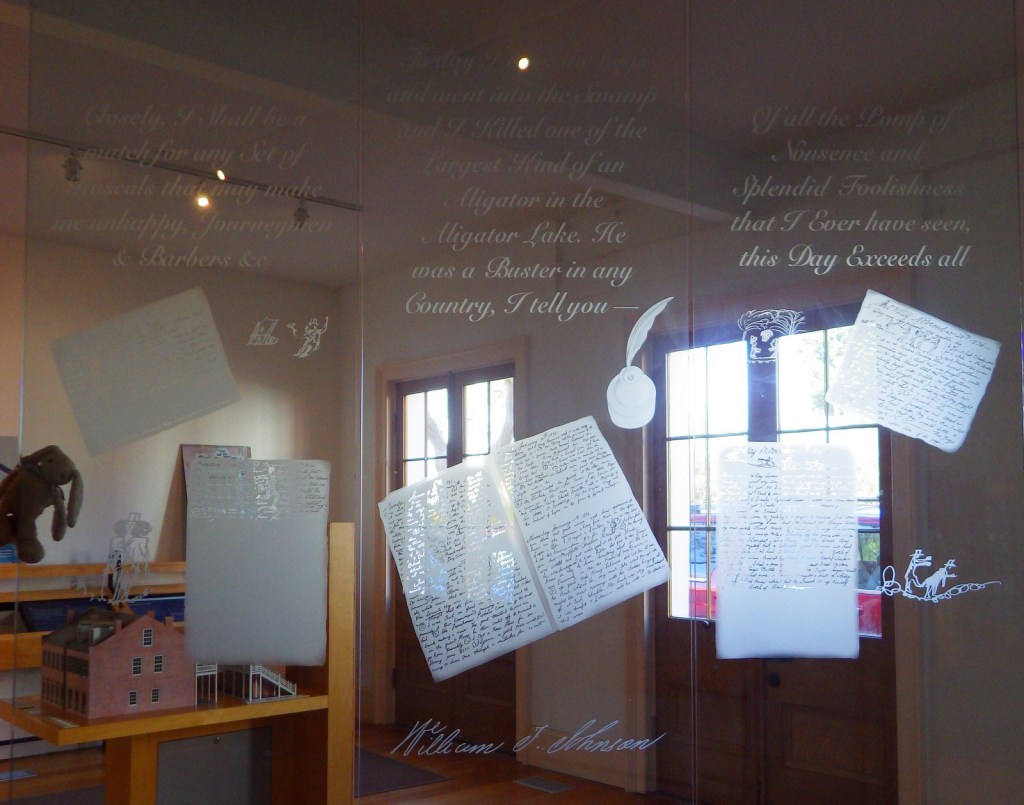
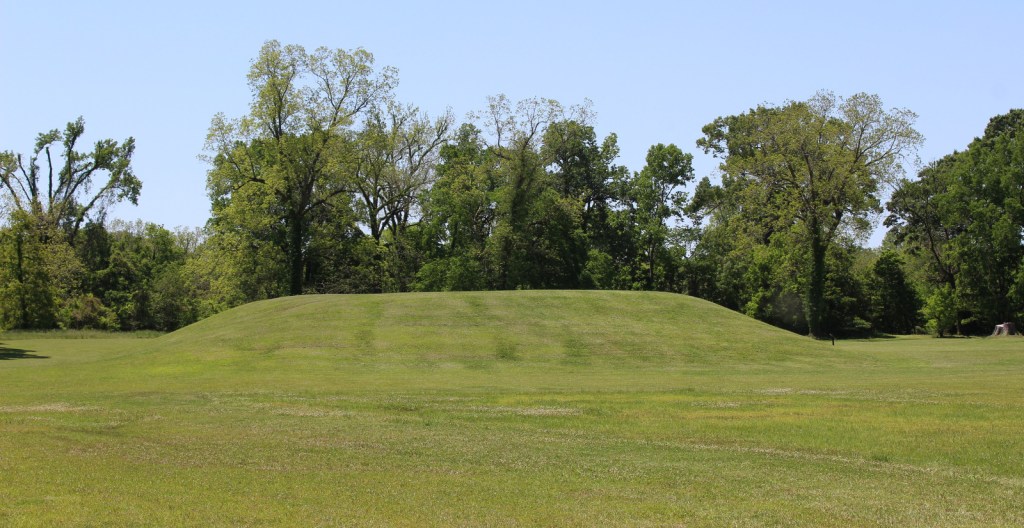
The museum in the William Johnson House tells the story of a slave freed at age 11 by his owner, also named William Johnson and presumed to be his father.  The boy apprenticed to a barber, eventually becoming a successful businessman and slave owner himself.  A diary he kept for 16 years provides insight into antebellum Natchez, including the May 7, 1840 tornado that destroyed downtown, which had about 5,000 inhabitants at the time.  Inside the NPS museum you will learn the strange story of William Johnson’s murder in 1851 that ended in three mistrials. Although it is not part of the NPS unit, we also recommend a stop at the Grand Village of the Natchez Indians State Historic Site for its free museum, film, historic mounds, and air conditioning (which is important in the humid summer).

Best Trail

Naturally, Natchez is one terminus of the Natchez Trace Parkway, which also preserves its share of history starting at the Elizabeth Female Academy Site (Milepost 5.1) just outside town.  There are a few portions of the Old Trace that you can still follow along on the Natchez Trace National Scenic Trail.

Instagram-worthy Photo

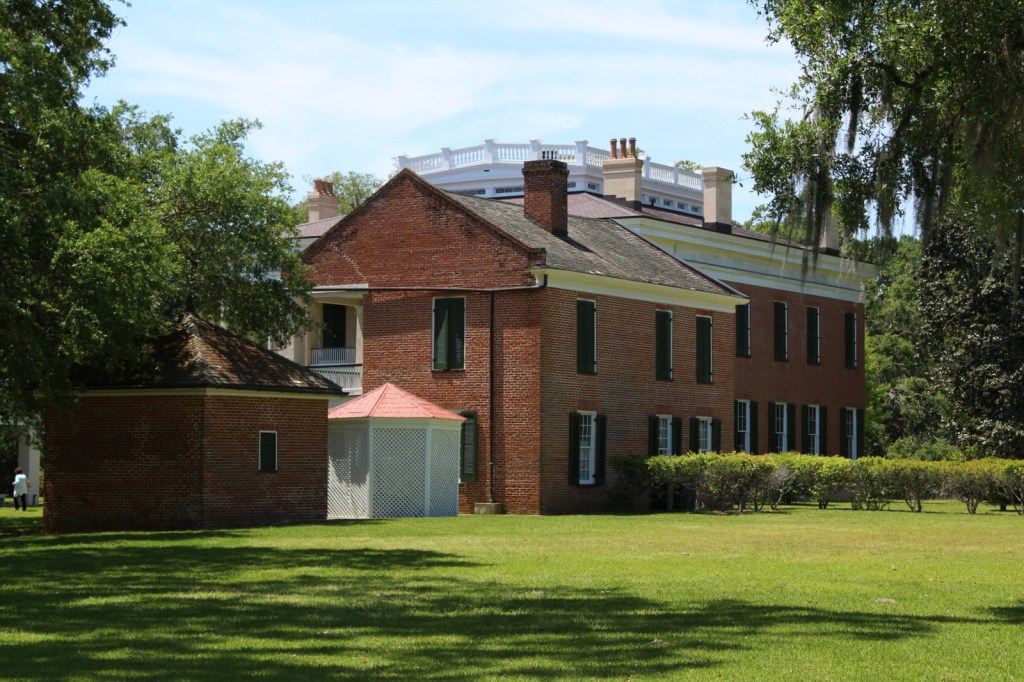
The Melrose Estate recalls the antebellum period when slaves grew cotton in the rich soil of the Mississippi River floodplains.

Peak Season

Spring and fall

Hours

https://www.nps.gov/natc/planyourvisit/hours.htm

The NPS museum at the William Johnson House is closed daily for lunch.

Fees

None for Fort Rosalie, William Johnson House, and Melrose Estate grounds, but $10 per person for mansion interior tours (no discount for America the Beautiful pass)

Road Conditions

All roads paved

Camping

Rocky Springs is the furthest south campground managed by the NPS on the Natchez Trace Parkway (Milepost 54.8) and it has no fees for camping.

Related Sites

Vicksburg National Military Park (Mississippi)

Cane River Creole National Historical Park (Louisiana)

Natchez Trace National Scenic Trail (Mississippi-Alabama-Tennessee)

Natchez Trace Parkway (Mississippi-Alabama-Tennessee)

Nearest National Park

Hot Springs

Explore More – In 1839 a fire burned through Natchez destroying the William Johnson House, but the family was living in the country at the time to avoid an epidemic of what disease?

Chickamauga and Chattanooga National Military Park

Overview

Chickamauga and Chattanooga National Military Park was authorized in 1890, the first park of its kind in the United States.  It covers multiple battlefields from late-1863 that straddle the Tennessee-Georgia borderline.  Though the Confederate army initially won at Chickamauga, Georgia, the Union took control of Chattanooga, Tennessee after the arrival of General Ulysses S. Grant with reinforcements in November.  Like Fort Monroe in Virginia, this area then became a beacon for escaped slaves, eventually numbering 2,000 people.

Highlights

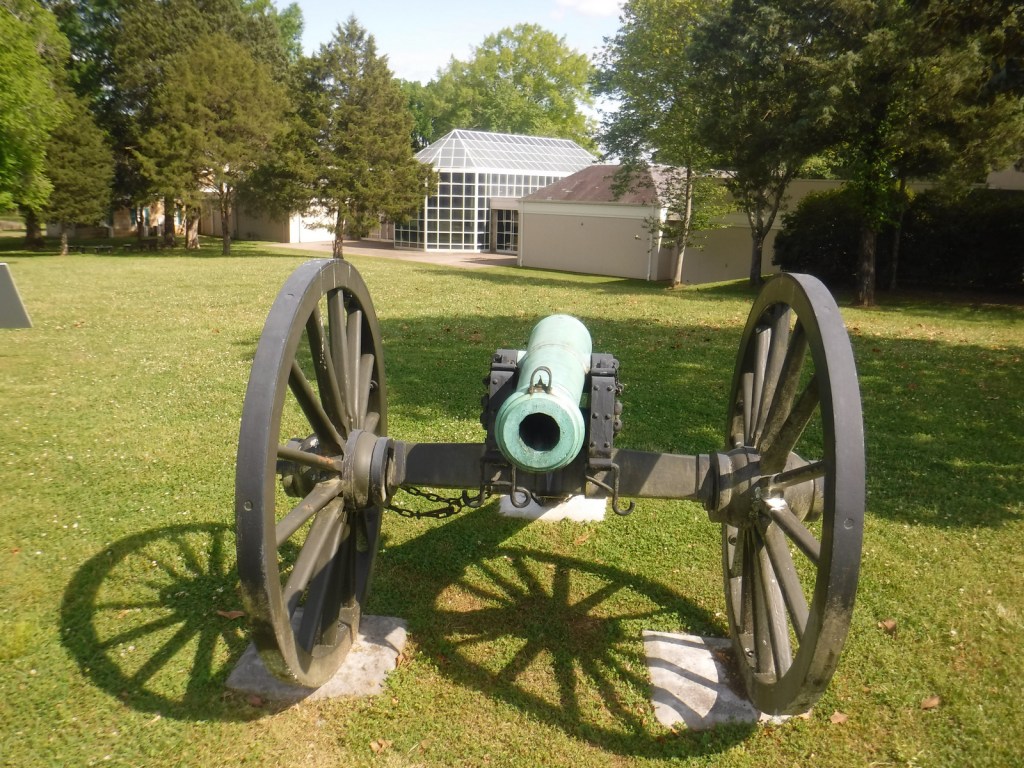
Museums, film, driving tour, Point Park, Ochs Memorial Observatory, Cravens House, cannons

Must-Do Activity

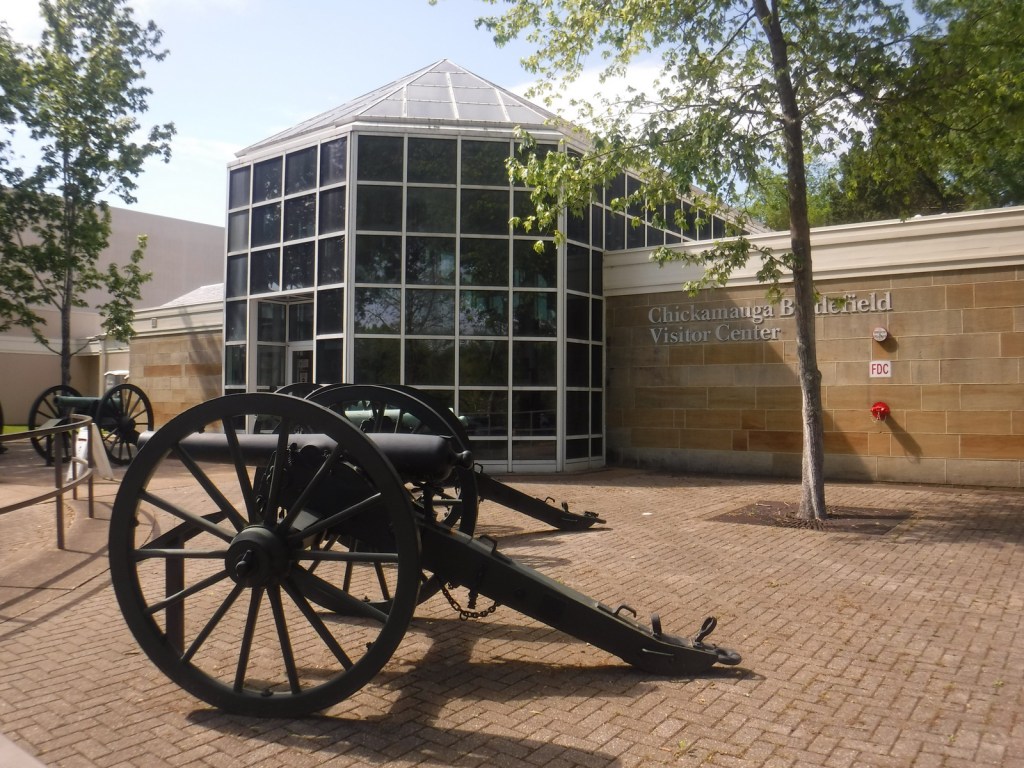
Point Park sits on top of Lookout Mountain offering awesome views of the city of Chattanooga and Moccasin Bend on the Tennessee River.  It is also the home of Ochs Memorial Observatory and museum, one reason Point Park charges an admission fee.  The nearby National Park Service (NPS) visitor center displays the 30×13-foot painting The Battle of Lookout Mountain by James Walker.  At the Chickamauga battlefield, a seven-mile long driving tour explains what happened there on September 20, 1863.  The National Military Park also entails seven small military reservations and the Phelps Monument along the road atop Missionary Ridge, east of Chattanooga.

Best Trail

There are miles of trails atop Lookout Mountain and Ochs Memorial Observatory is only accessible by trail (and many stair steps).  It contains a museum dedicated to the Civil War and American Indians, specifically the Cherokee who passed through Moccasin Bend (which has its own three-mile loop trail) on the Trail of Tears in 1838.

Instagram-worthy Photo

The entrance to Point Park is designed to look like the Army Corps of Engineers insignia.

Peak Season

Summer

Hours

https://www.nps.gov/chch/planyourvisit/hours.htm

Fees

$10 per person to enter Point Park or America the Beautiful pass

Road Conditions

All roads paved, but there is limited free parking available at the NPS visitor center near Point Park.

Camping

Cloudland Canyon State Park in Georgia is about 20 miles southwest of Chattanooga, Tennessee.

Related Sites

Fort Donelson National Battlefield (Tennessee-Kentucky)

Shiloh National Military Park (Tennessee-Mississippi)

Kennesaw Mountain National Battlefield Park (Georgia)

Explore More – Why did President Abraham Lincoln consider capturing Chattanooga (a town of only 2,500) as important as Atlanta?
Cedar Creek and Belle Grove National Historical Park

Overview

The Shenandoah Valley was the Confederate States of America’s “breadbasket” in the 1860s and thus had strategic importance during the Civil War.  This led to numerous skirmishes and the fight that took place on October 19, 1864 is commemorated at Cedar Creek and Belle Grove National Historical Park.  Little of the land within this 3,700-acre park established in 2002 is owned by the federal government, but the National Park Service (NPS) has done a significant amount of work to improve its interpretive signage since our first visit in 2016.

Highlights

Morning Attack Trails, driving tour, Hupp’s Hill Museum, Belle Grove historic plantation

Must-Do Activity

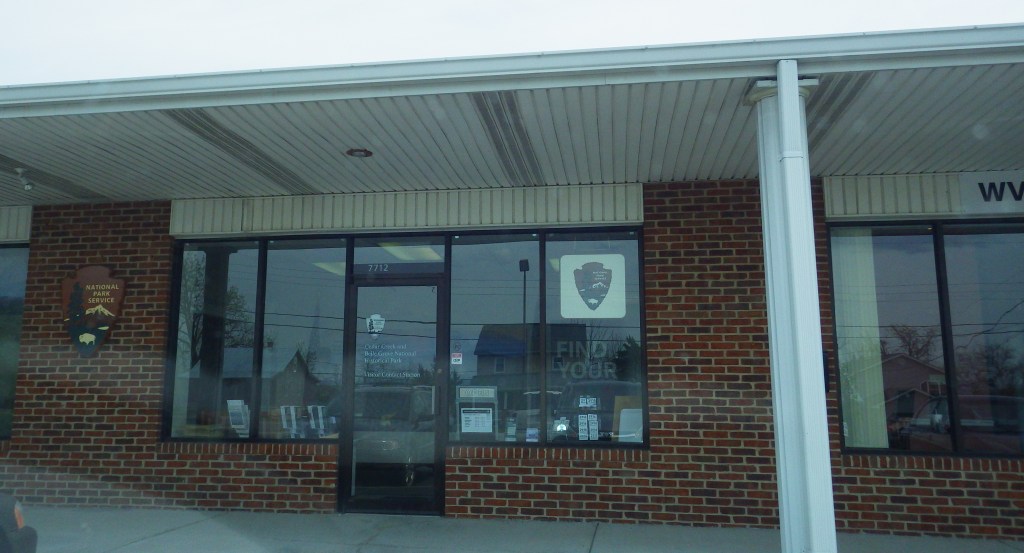
If you need the stamp for your NPS passport, stop at the Visitor Contact Station located in a strip mall in Middletown, Virginia.  There you can pick up a free guide to help you follow the driving tour focused on the October 19, 1864 battle fought at Cedar Creek.  There is also a free app available on the park’s website.  Managed by a non-profit that organizes an annual reenactment of the battle, Hupp’s Hill Civil War Park has a museum (fee).  You can also pay to take a tour of the manor house at Belle Grove.

Best Trail

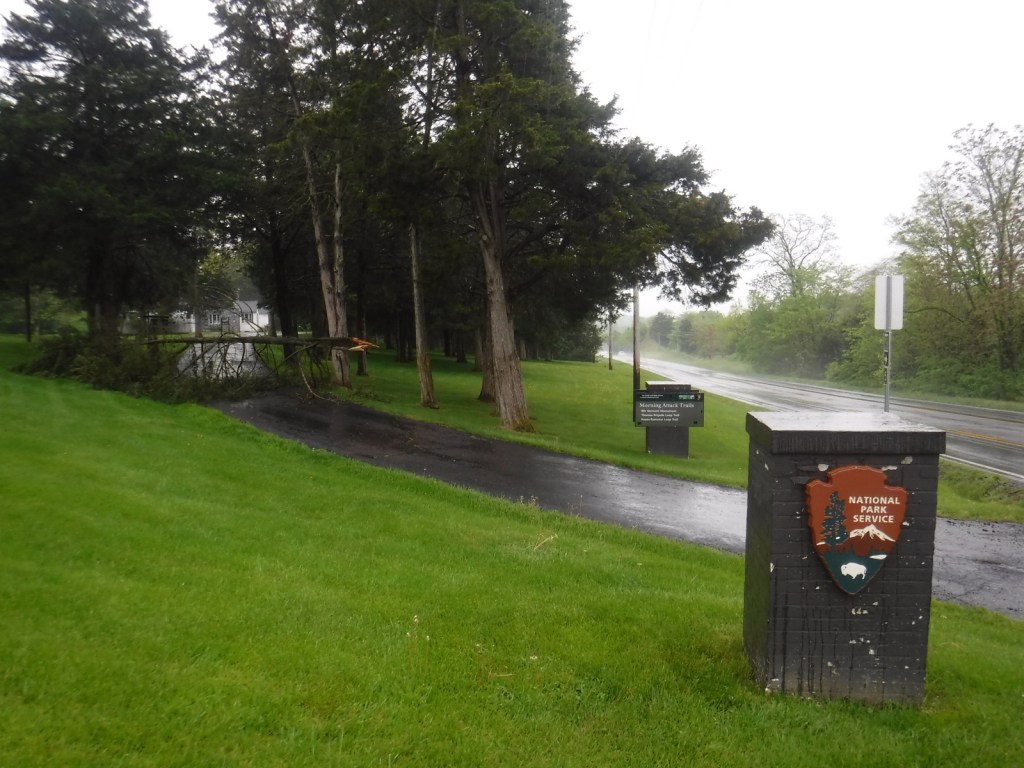
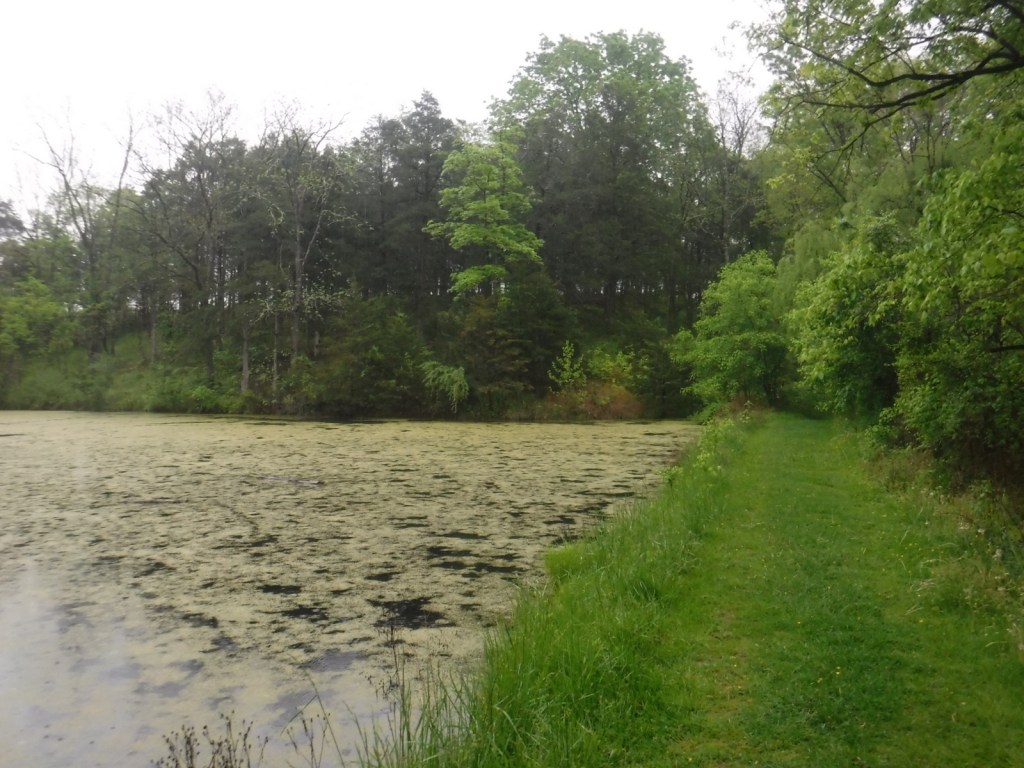
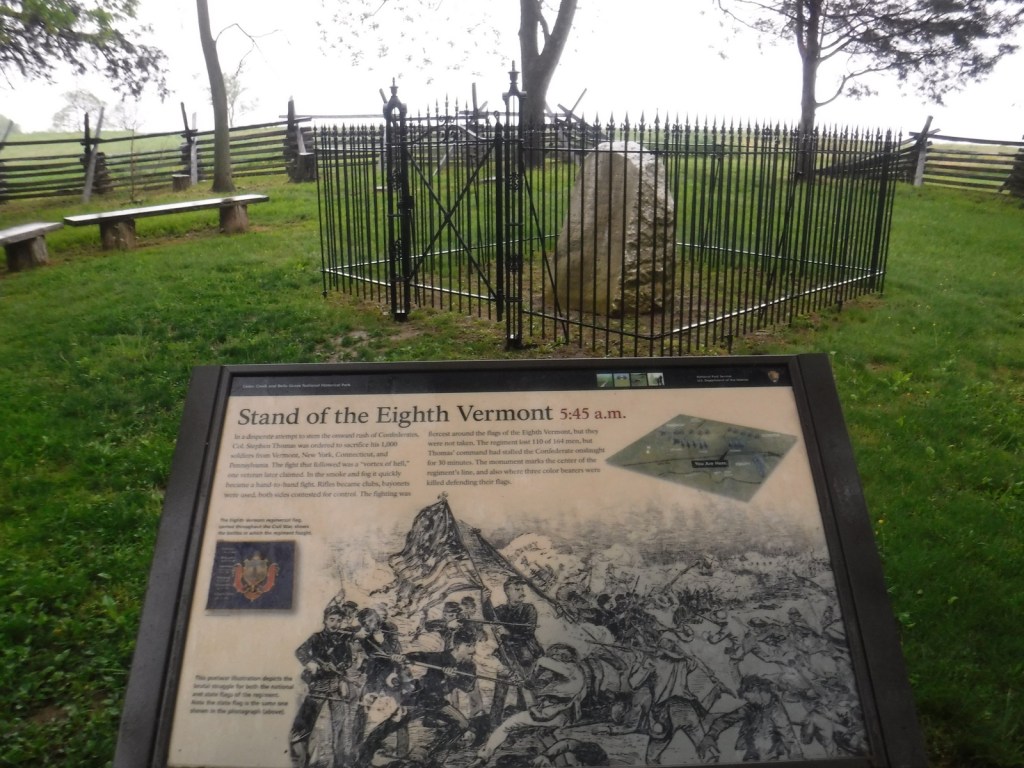
The Morning Attack Trails are located next to the NPS Headquarters off Highway 11 with interpretive signage placed on the 300-yard long 8th Vermont Monument Trail, 0.6-mile Thomas Brigade Loop, and 0.7-mile Hayes-Ramseur Loop.

Instagram-worthy Photo

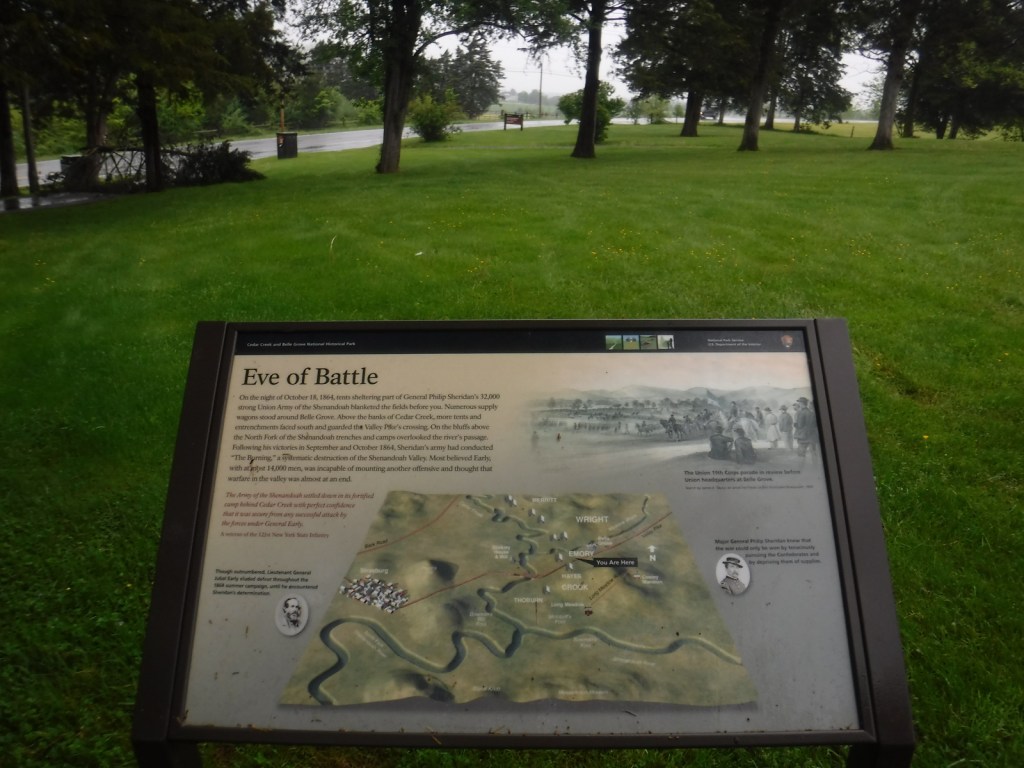
Available for guided tours (fee) between April and December, the manor house at Belle Grove plantation dates back to 1797.  Union General Philip Sheridan used the house as his headquarters in 1864 and most of his 31,600 troops camped on the property.

Peak Season

Fall

Hours

https://www.nps.gov/cebe/planyourvisit/hours.htm

Fees

Admission charged for guided tours of Belle Grove manor house and entrance to Hupp’s Hill Museum.

Road Conditions

Some of the roads on the driving tour are unpaved and not recommended for buses or RVs.

Camping

None

Related Sites

Gettysburg National Military Park (Pennsylvania)

Harpers Ferry National Historical Park (West Virginia-Maryland-Virginia)

Shenandoah National Park (Virginia)

Explore More – Belle Grove was owned by Isaac Hite, Jr. and his wife Nelly, who was the sister of which U.S. President?

Guilford Courthouse National Military Park

Overview

Even in the wake of Patriot victories at Kings Mountain and Cowpens, the British army was not giving up their southern colonies without a fight.  Major General Nathanael Greene was in charge of the Continental Army in the southern theater and his troops were aggressively pursued by British General Charles Cornwallis.  Although he lost the battle on March 15, 1781, Greene’s name was later applied to the nearby town of Greensboro, North Carolina.

Highlights

Museum, film, Hoskins Farm, Major General Nathanael Greene statue

Must-Do Activity

Start at the National Park Service (NPS) visitor center, watch the short film (also available on the NPS website), then make stops along the 2.25-mile auto tour.  You will learn the story of what took place on March 15, 1781, when Greene’s defensive position at Guilford Courthouse was attacked by British forces.  While the Patriots withdrew they only suffered 7% casualties, compared to the British who lost 28% of their army, leading them to eventually retreat to Yorktown, Virginia.  After the battle, Greene continued to fight, leading his men against overmatched backcountry outposts of British troops such as the one at Ninety Six, South Carolina. 

Best Trail

In addition to the auto tour route, a paved bicycle path wends through the battlefield.  The lovely 229-acre Guilford Courthouse National Military Park is heavily utilized for recreation by the local people of Greensboro.  As such, you are allowed to walk your dog in the park. In the summer, you can also walk around Hoskins Farm, though its buildings are closed, as is the old Colonial Heritage Center.

Instagram-worthy Photo

Many monuments line the pathways that cut through 229-acre Guilford Courthouse National Military Park, with the equestrian statue of Major General Nathanael Greene being the most prominent.

Peak Season

Summer

Hours

https://www.nps.gov/guco/planyourvisit/hours.htm

Fees

None

Road Conditions

All roads paved

Camping

The city of Greensboro operates a campground with showers south of town.

Explore More – Which British politician remarked, “Another such victory would destroy the British Army” following the battle at Guilford Courthouse?