Tag Archives: history

La Sal National Forest

La Sal National Forest

Utah, Colorado

Managed by U.S. Forest Service, Intermountain Region

535,288 acres

Website: https://www.fs.usda.gov/mantilasal

Overview

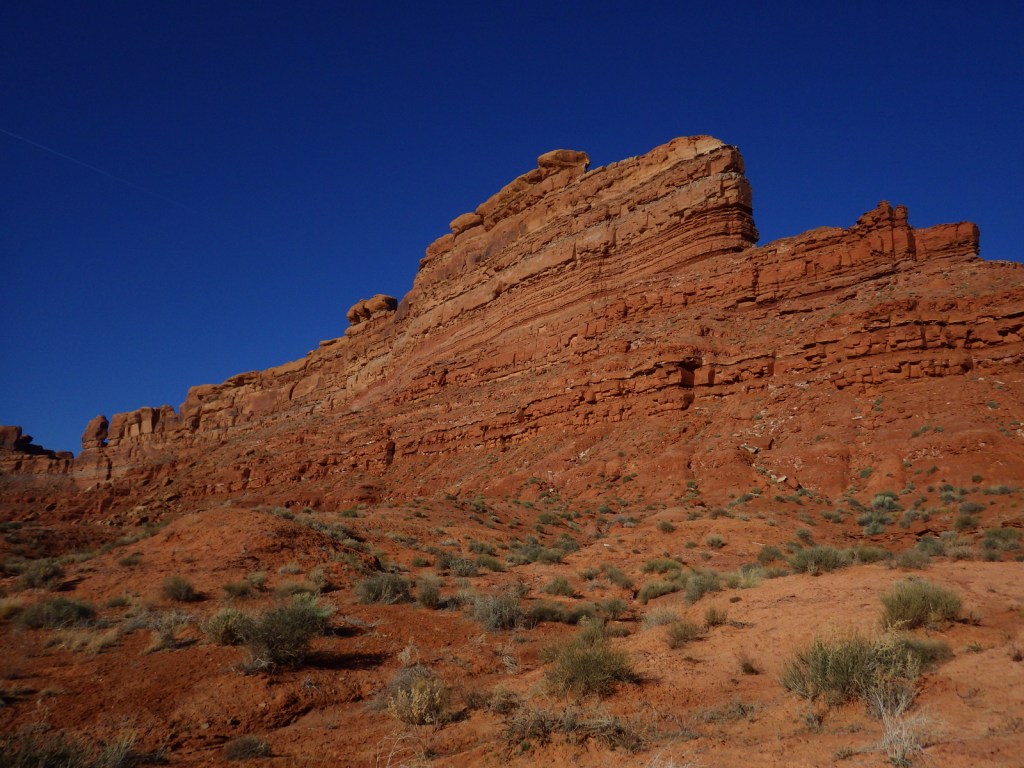
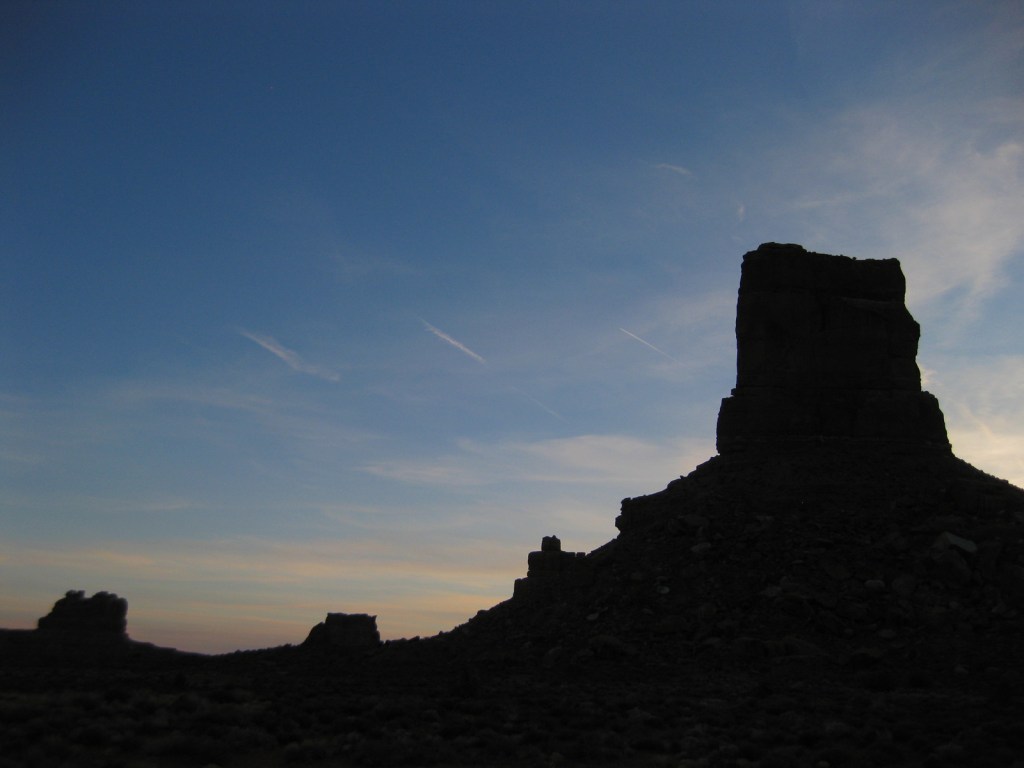
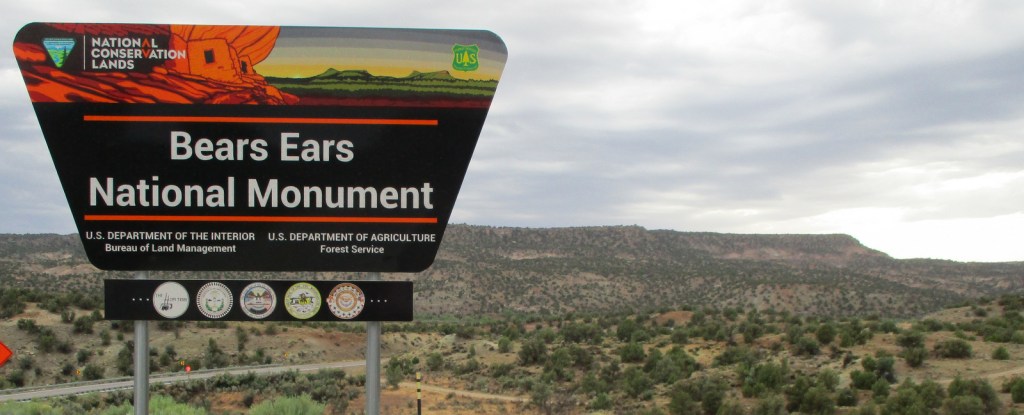
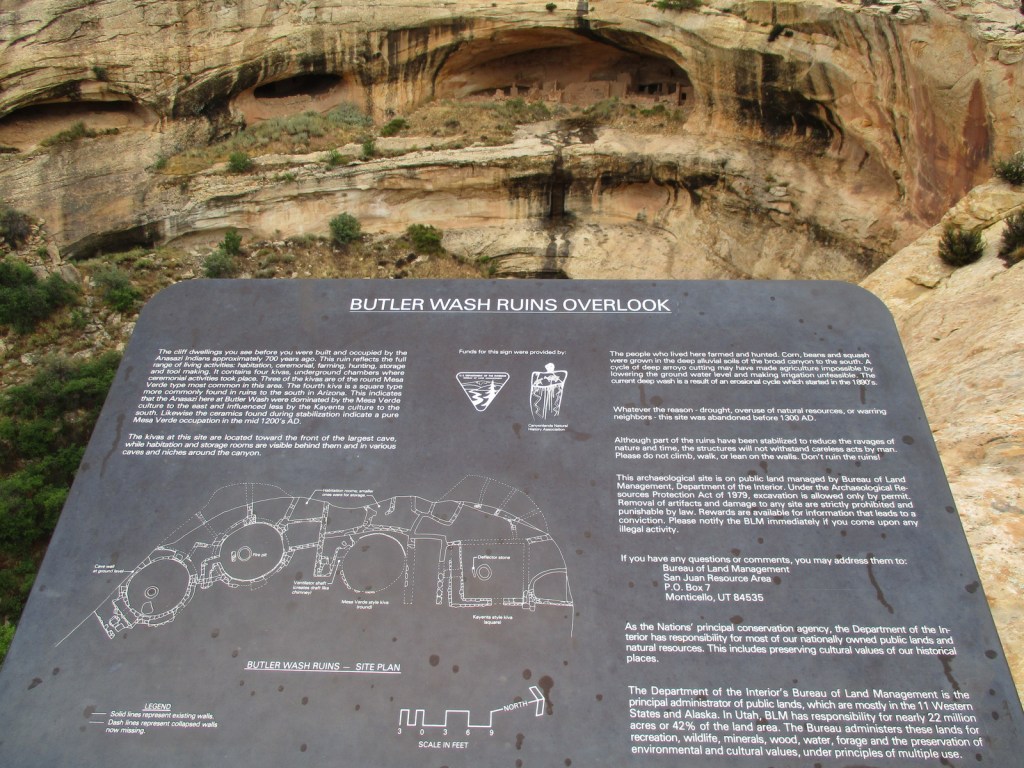
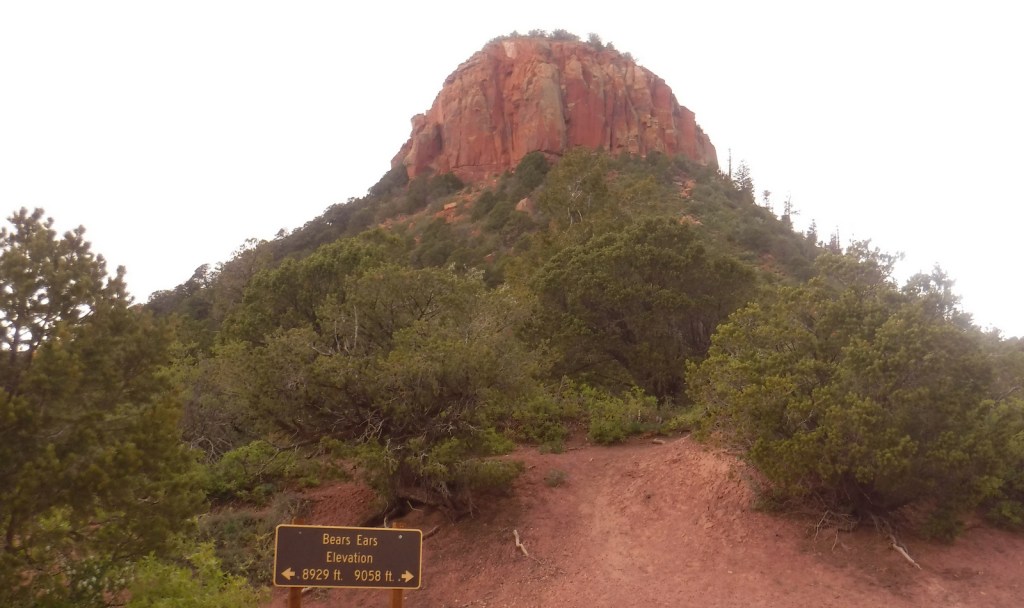
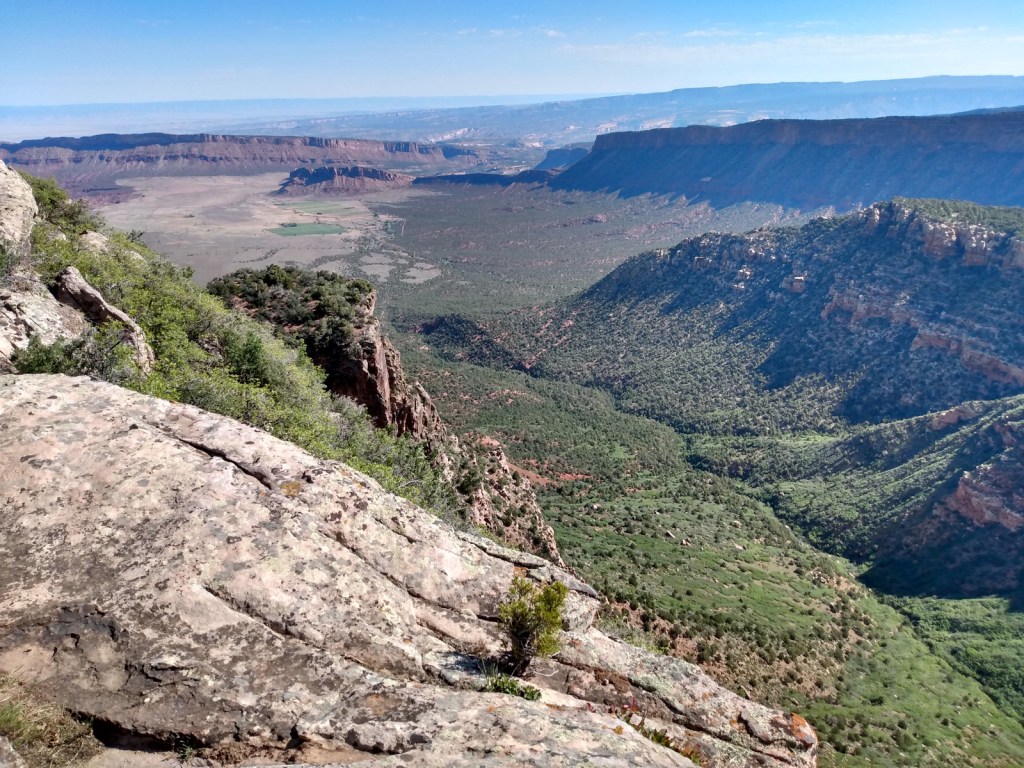
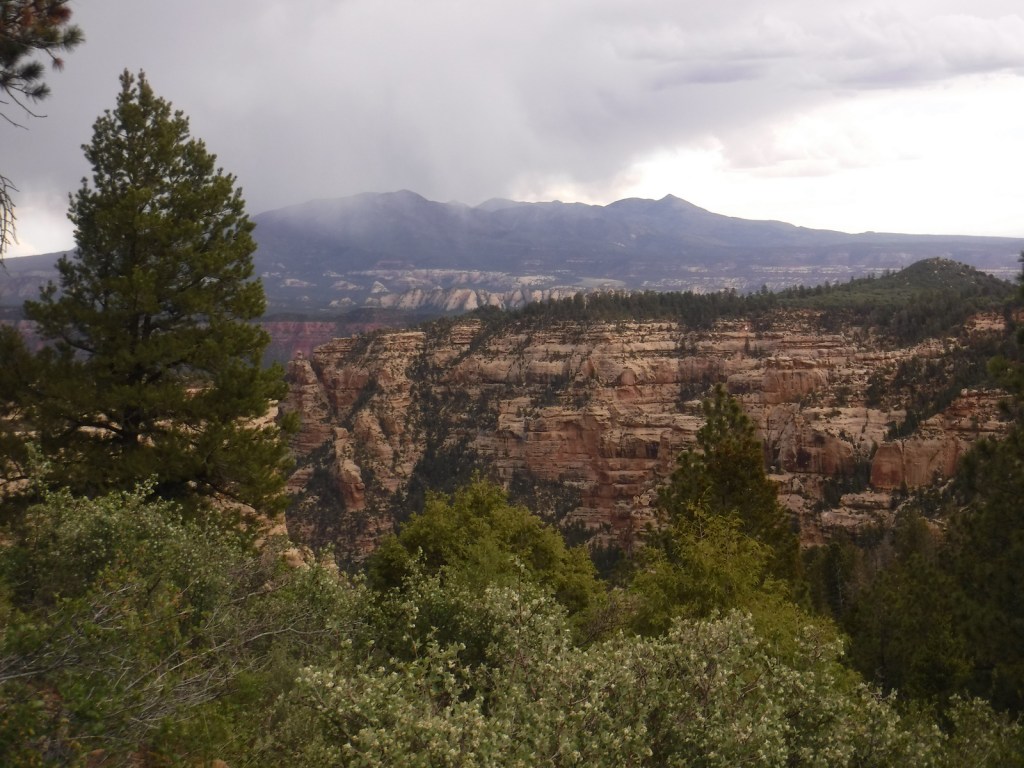
La Sal National Forest is found in two separate sections of southeastern Utah surrounding the La Sal and Abajo Mountains, topping out on 12,721-foot Mt. Peale.  Much of the southern portion of the National Forest, including the Dark Canyon Wilderness, was included in the 1.35-million-acre Bears Ears National Monument, established in 2016 and then controversially reduced in size before being restored.  Since 1949, it has been administratively combined with the northern and separate Manti National Forest, so it can be difficult to find information for La Sal National Forest alone.  

Highlights

Bears Ears National Monument, La Sal Mountain Loop Scenic Backway, Warner Lake, Bull Canyon Dinosaur Tracks, Buckeye Reservoir, Elk Ridge Scenic Backway, Harts Draw Highway, Abajo Loop State Scenic Backway, Mt. Peale, Arch Canyon, Mt. Tukuhnikivatz

Must-Do Activity

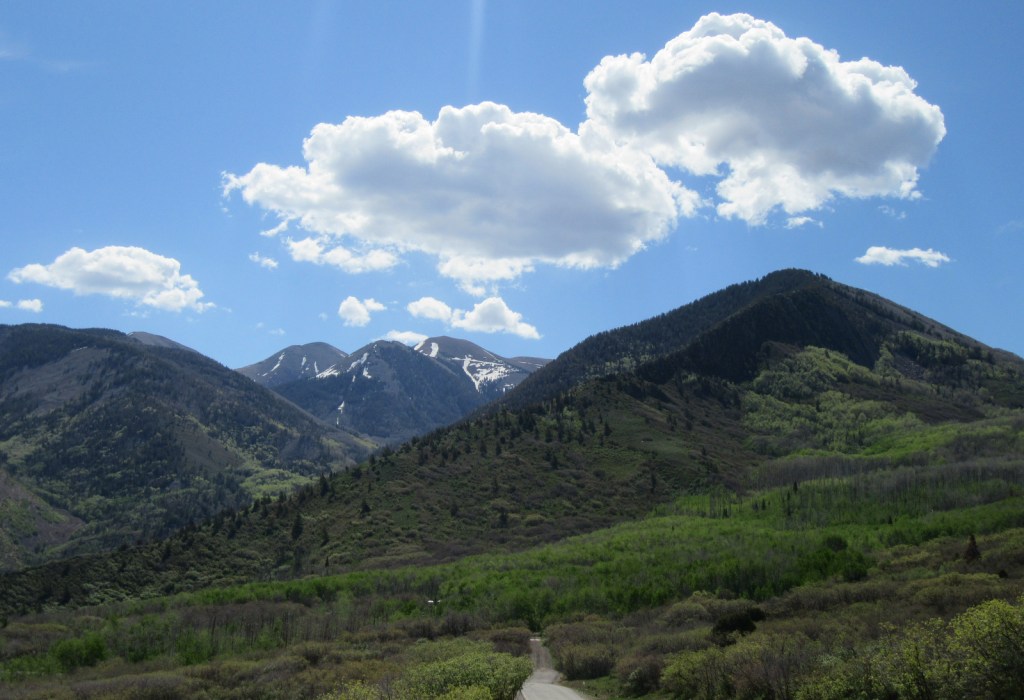
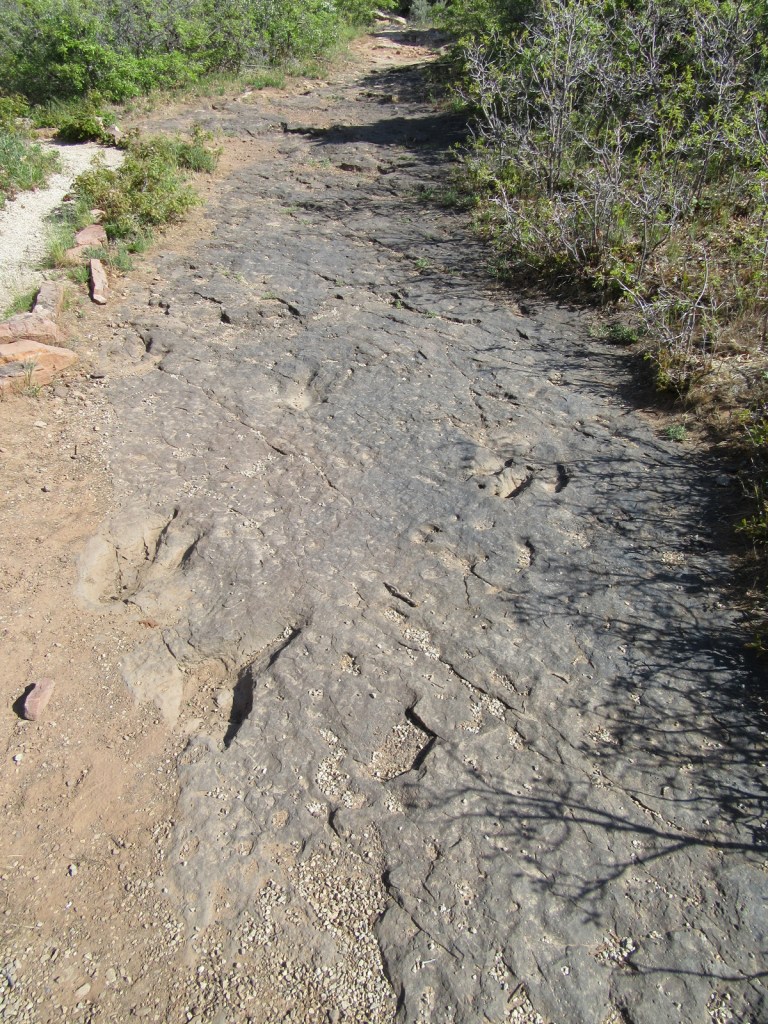
Many visitors access the forest south from Moab on the mostly-paved La Sal Mountain Loop Scenic Backway, a steep drive suitable for passenger vehicles that is accessible in the warmer months.  The often snow-capped La Sal Mountains are featured as the backdrop in nearly every photo of Delicate Arch in Arches National Park.  The Sierra La Sal (“Salt Mountains” in Spanish) were a prominent landmark on the Old Spanish Trail between Santa Fe and Los Angeles.  Be sure to make the dirt Gateway Road (FS 207) detour 5.4 miles to visit Bull Canyon Dinosaur Tracks, where there is also a commanding view of Fisher Mesa and Bull Canyon.  Oowah Lake and Warner Lake are also located on unpaved side roads (3.2 and 5.2 miles respectively) from La Sal Mountain Loop Road.

Best Trail

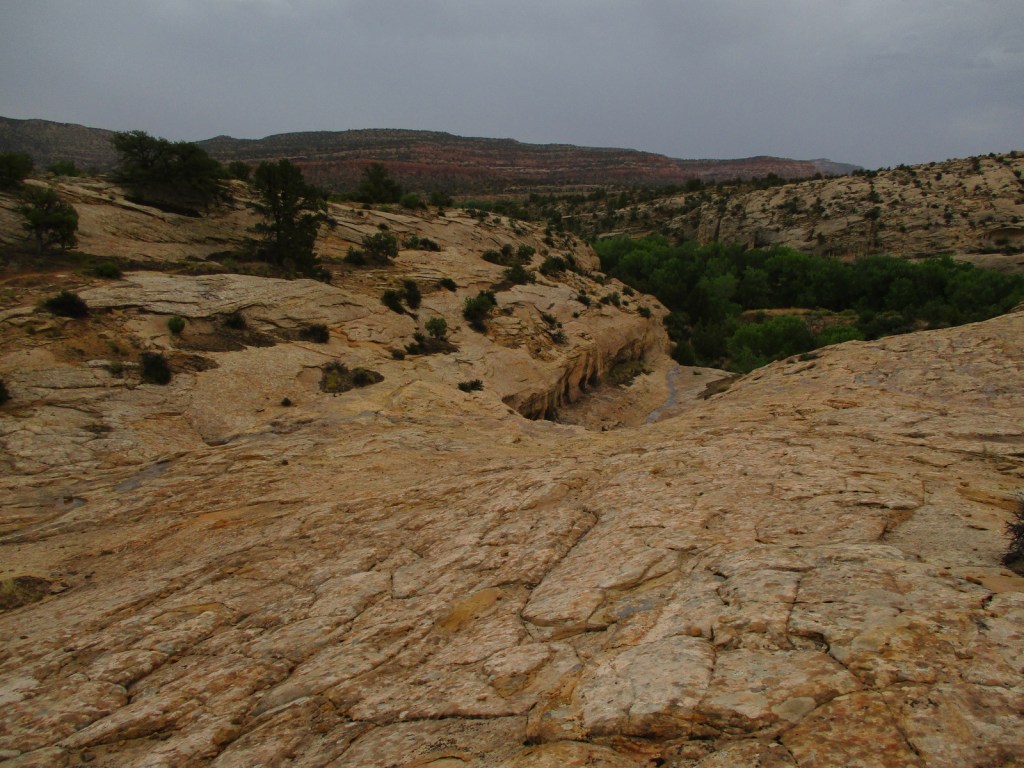
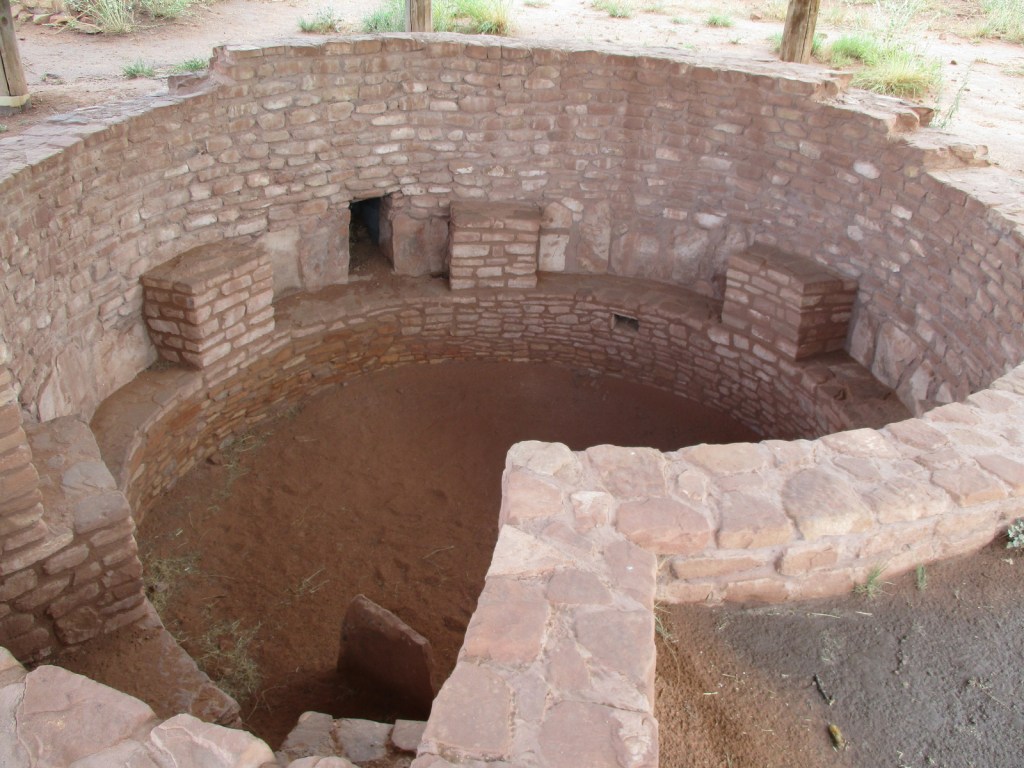
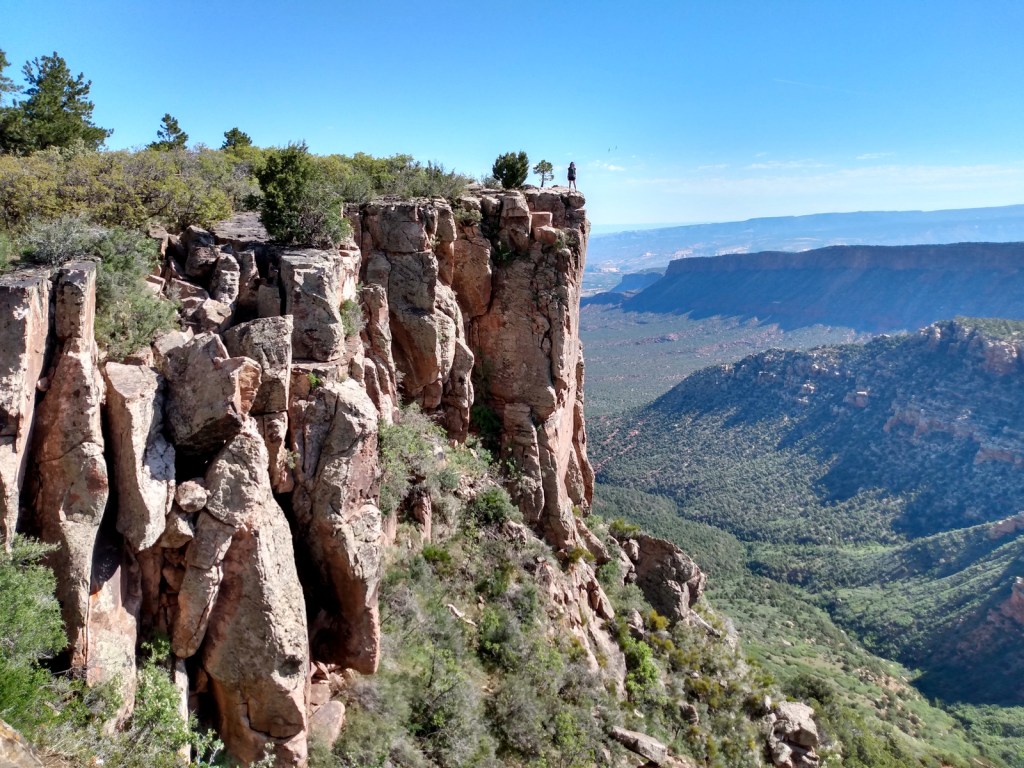
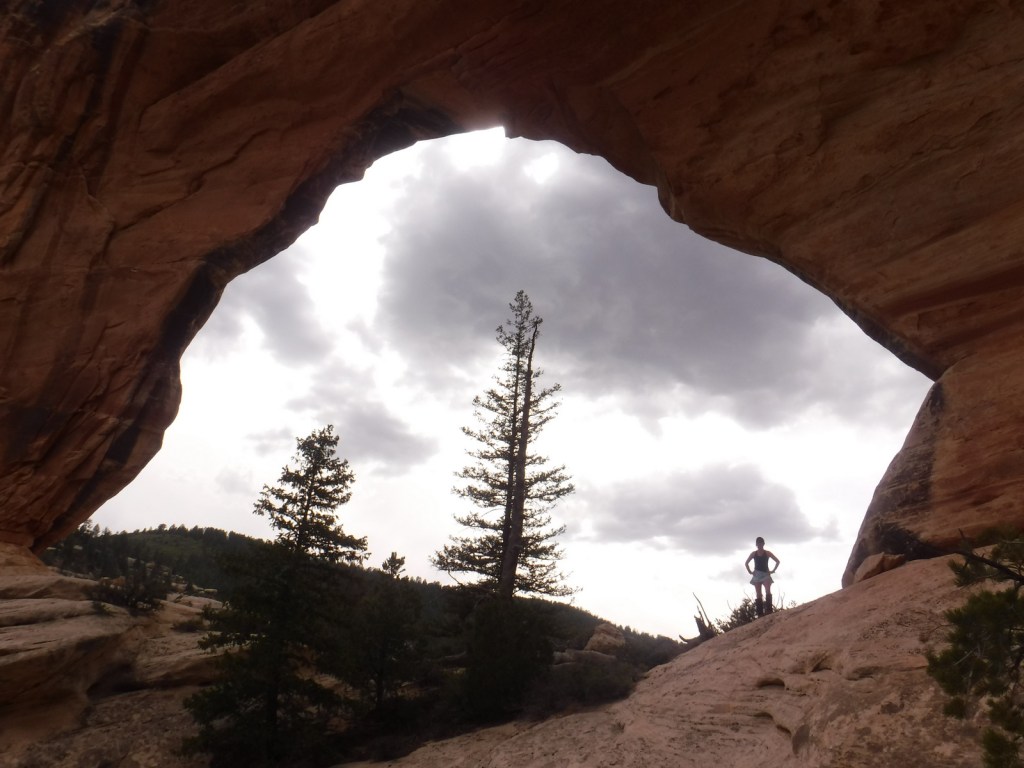
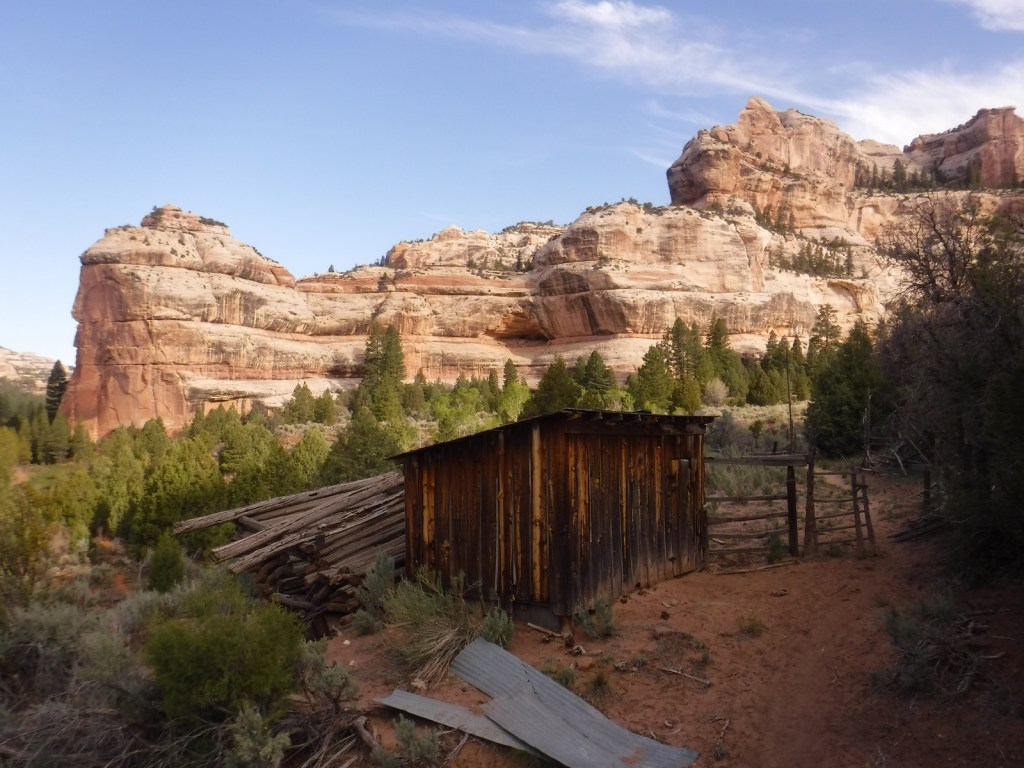
The 58-mile-long Elk Ridge Scenic Backway is a well-maintained, though unpaved route that leads north from Natural Bridges National Monument to Highway 211, which connects to the Needles District of Canyonlands National Park.  There are multiple trails along the way that provide access to the Dark Canyon Wilderness, an area known for old-growth forests, natural arches, and Ancestral Puebloan ruins and pictographs.  A high-clearance vehicle is not required to reach Big Notch Trailhead where a trail steeply drops into Dark Canyon.  Erosion has cut red clay walls that make navigation somewhat difficult in places.  About four miles in, not far past the large Cicada Arch on the north side, you reach a spring at the meeting with Drift Trail Canyon.  Another two miles takes you to Scorup Cabin, a good place to turn around or explore Horse Pasture Canyon.

Watchable Wildlife

Wildlife species are similar to Utah’s Dixie National Forest and Fishlake National Forest, including black bears, mountain lions, bobcats, coyotes, porcupines, raccoons, skunks, badgers, bighorn sheep, elk, mule deer, and pronghorns.  Large birds include bald eagles, golden eagles, northern goshawks, turkey vultures, wild turkeys, common ravens, and various species of owls and woodpeckers.  Look for short-horned lizards in the Dark Canyon Wilderness.  There are many trout and other gamefish found in the streams and small lakes spread across the high-elevations of the La Sal and Abajo Mountains.

Photographic Opportunity

In the summer months, take La Sal Mountain Loop Scenic Backway to Bull Canyon Dinosaur Tracks to see 200-million-year-old therapod tracks, plus an awesome overlook to the north.

Peak Season

Summer

Fees

None

Road Conditions

La Sal Mountain Loop Road is mostly paved, but side roads to Bull Canyon Dinosaur Tracks, Oowah Lake, and Warner Lake are not.  The 58-mile-long Elk Ridge Scenic Backway is a rocky, unpaved route that leads north from Natural Bridges National Monument to Highway 211; and side roads to some trailheads require a high-clearance vehicle.

Camping

Warner Lake Campground takes reservations, as does Buckeye Reservoir in Colorado and a few others.  Dispersed camping is also an option, especially along lightly-traveled Elk Ridge Scenic Backway.

Wilderness Areas

Dark Canyon Wilderness

Wilderness

Related Sites

Arches National Park (Utah)

Bears Ears National Monument (Utah)

Natural Bridges National Monument (Utah)

Nearest National Park

Canyonlands

Conifer Tree Species

Utah juniper, Rocky Mountain juniper, two-needle pinyon pine, ponderosa pine, white fir, subalpine fir, Engelmann spruce, Douglas-fir

Flowering Tree Species

Gambel oak, quaking aspen, Fremont cottonwood, Utah serviceberry, bigtooth maple, manzanita, sagebrush

Explore More – Due to an administrative error in 1908, what was the misspelled name of La Sal National Forest (which was quickly corrected)?

Learn more about this and the 154 other National Forests in our new guidebook Out in the Woods

We are a participant in the Amazon Services LLC Associates Program, an affiliate advertising program designed to provide a means for us to earn fees by linking to Amazon.com and affiliated sites.

Medgar and Myrlie Evers Home National Monument

Medgar and Myrlie Evers Home National Monument

Mississippi

Managed by National Park Service

Established 2019

0.74 acres

Website: nps.gov/memy

Overview

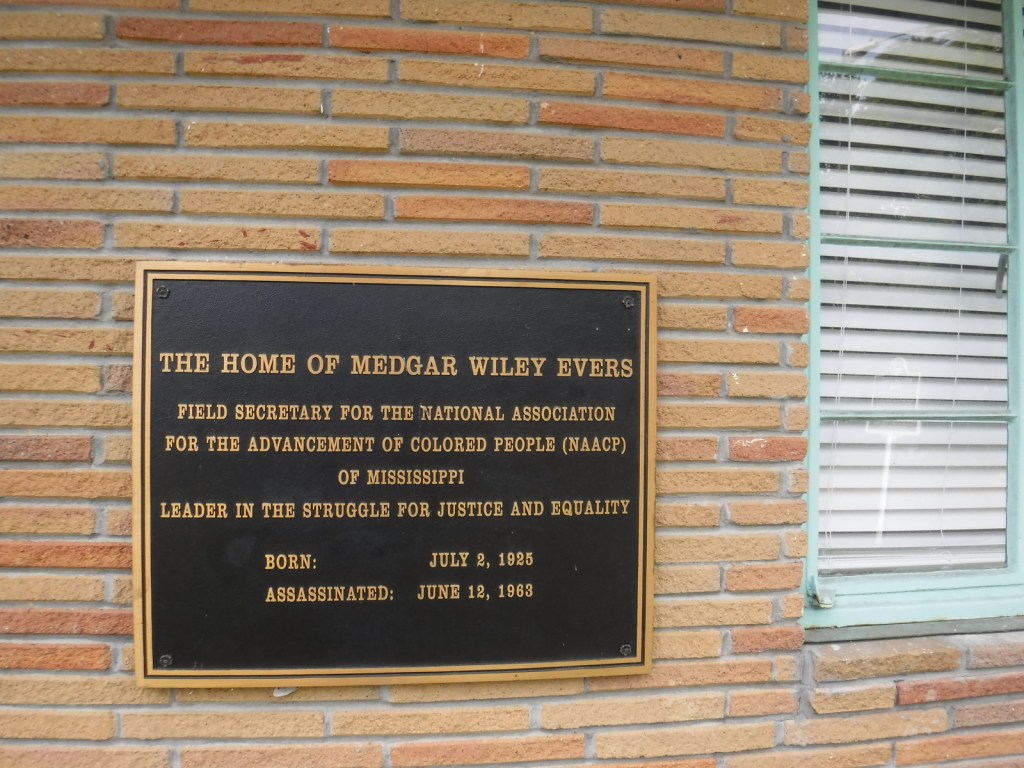
In the early 1960s, Medgar Evers served as a field secretary for the National Association for the Advancement of Colored People (NAACP) and became a target for racial hatred in Jackson, Mississippi.  After Medgar was slugged while aboard a bus and almost run over by a car, the Evers family home was firebombed on May 28, 1963.  Then just before midnight on June 11, Medgar was assassinated in his driveway by a sniper from a vacant lot across the street.  Medgar died the next morning and his wife Myrlie moved the family to California where she continued as a civil rights advocate (and was eventually elected as Chair of the NAACP).  The family rented the property for 30 years before donating it to Tougaloo College who restored the house and sold it to the National Park Service (NPS) in 2020.

Learn more about the other 137 National Monuments in our book Monumental America: Your Guide to All 138 National Monuments. It is now available for sale on Amazon.com.

Highlights

Evers’ House, Myrlie’s Garden

Must-Do Activity

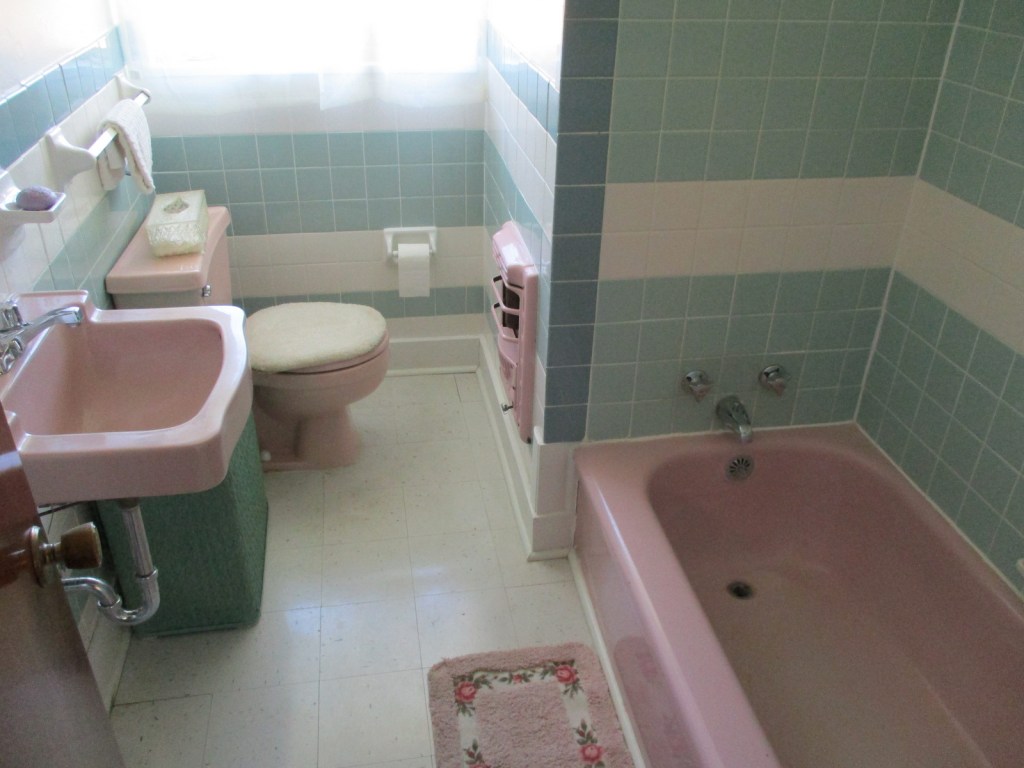
In 1956, the Evers family chose this new house because it did not have a front door, but rather an entrance on the side off the covered carport for security.  After you enter the house from the back door, be sure to find where the bullet hole is still in the wall to the kitchen.  You will also notice that the children’s beds were on the floor below the window level for safety, and Medgar trained them to crawl to the bathroom in case of an attack.  There is a four-page Junior Ranger booklet for the site that can be completed during a short visit, which takes a serious yet positive tone for this important civil rights site.  Still, it made it on our list of the Top 10 Most Depressing National Park Service Sites.

Best Trail

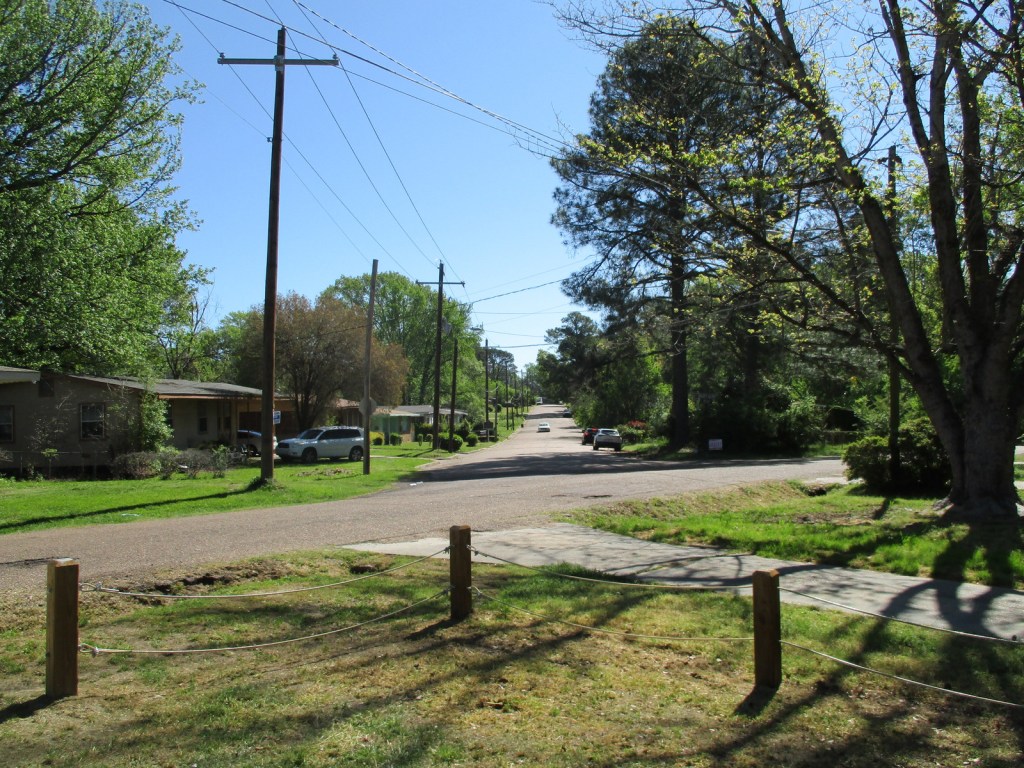
There is a sidewalk through Myrlie’s Garden, a community garden less than one-tenth of a mile from the house where interpretive signs on the wooden fence tell the life story of the Evers.

Photographic Opportunity

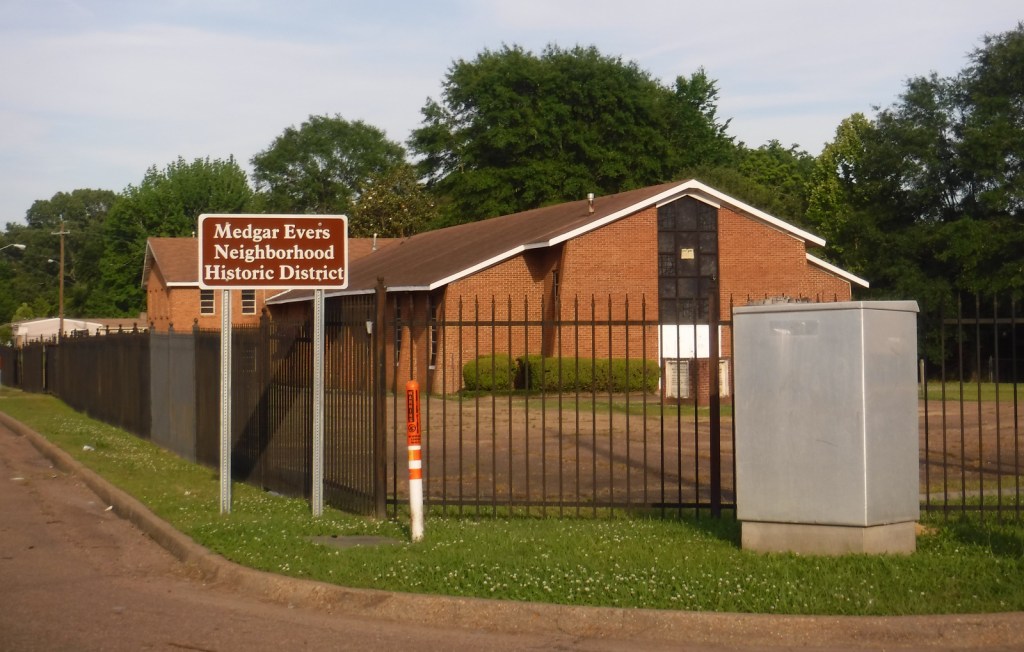
In Jackson’s Elraine Subdivision, the Evers’ house is one of 36 ranch-style houses built as the first planned middle-class subdivision for African Americans in Mississippi after World War II.

Peak Season

Spring and fall

Hours

Closed Sundays and Mondays, and noon to 1 p.m. for lunch

https://www.nps.gov/memy/planyourvisit/hours.htm

Fees

None

Road Conditions

There is street parking available in the neighborhood, but rangers prefer that you park at Myrlie’s Garden and walk over.

Camping

There are three free NPS campgrounds along the 444-mile Natchez Trace Parkway, which runs through Jackson, Mississippi.  To the east on Interstate 20, Bienville National Forest also has camping options.

Related Sites

Emmett Till and Mamie Till-Mobley National Monument (Mississippi-Illinois)

Natchez Trace National Scenic Trail (Mississippi-Alabama-Tennessee)

Birmingham Civil Rights National Monument (Alabama)

Explore More – The assassin Byron De La Beckwith was immediately caught, then set free after two deadlocked trials, so how many years later was he finally convicted?

Learn more about the other 137 National Monuments in our book Monumental America: Your Guide to All 138 National Monuments
Charles Young Buffalo Soldiers National Monument

Charles Young Buffalo Soldiers National Monument

Ohio

Managed by National Park Service

Established 2013

60 acres

Website: nps.gov/chyo

Overview

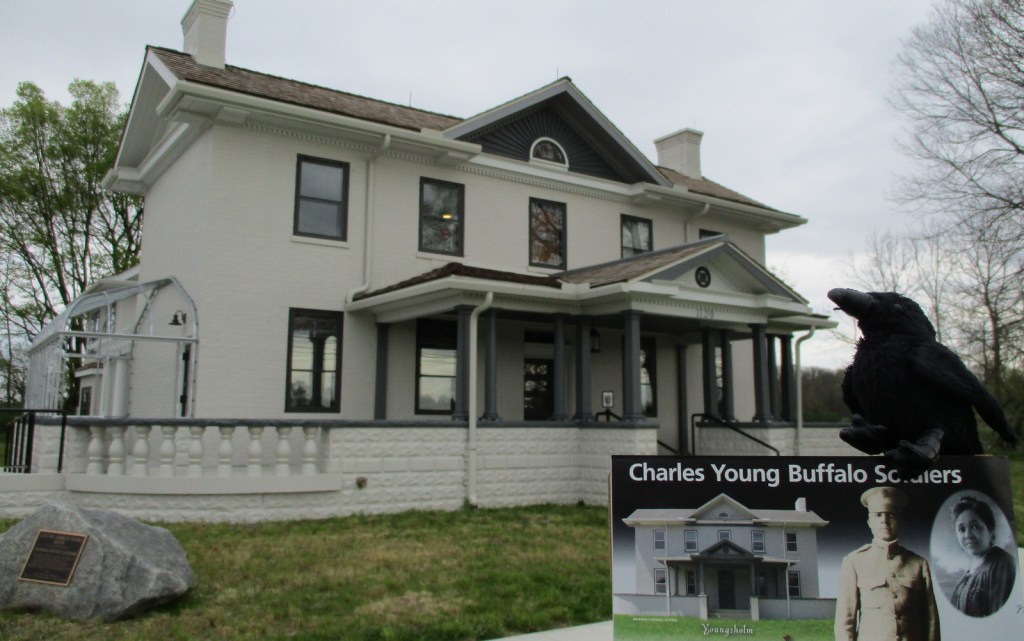
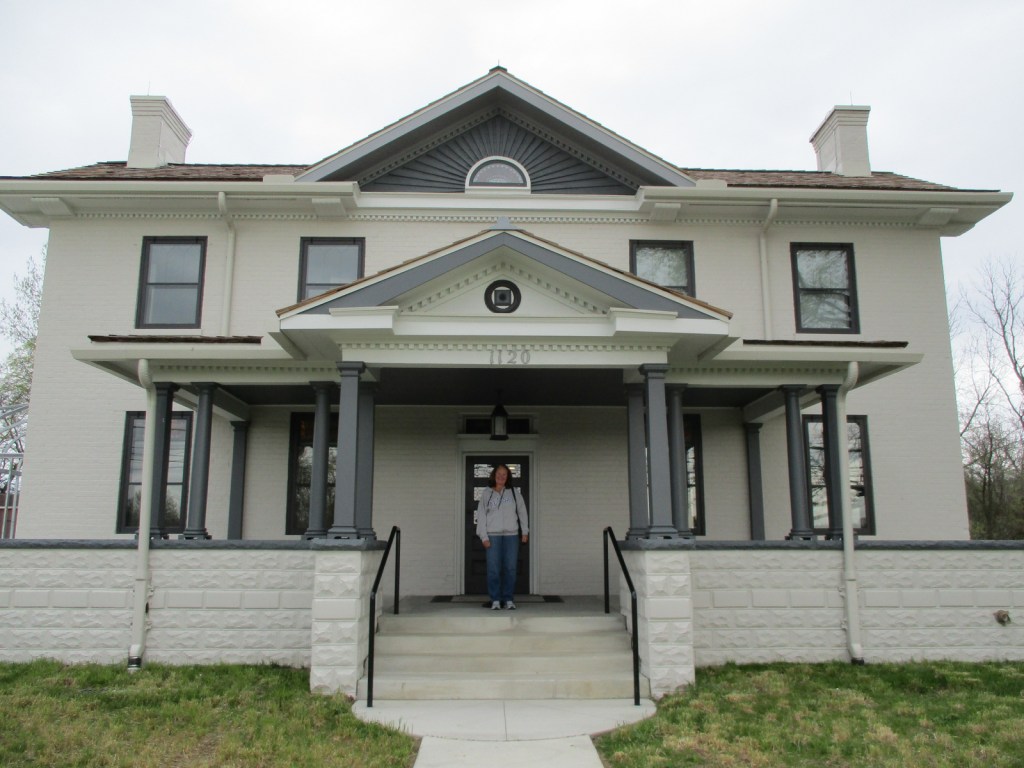
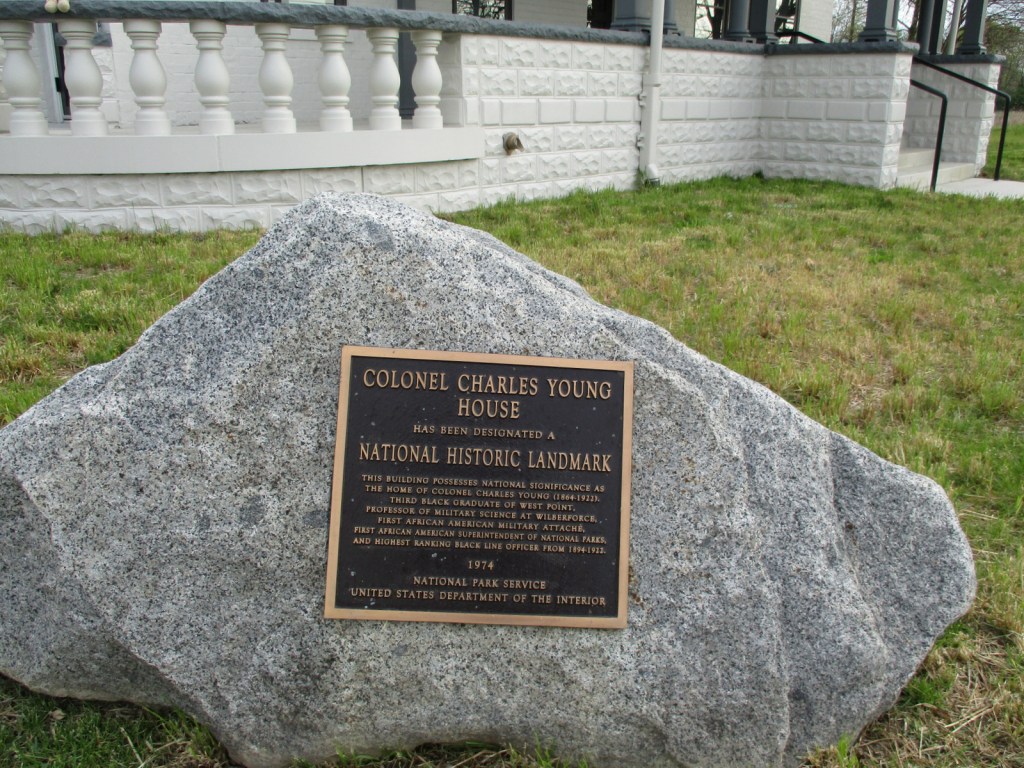
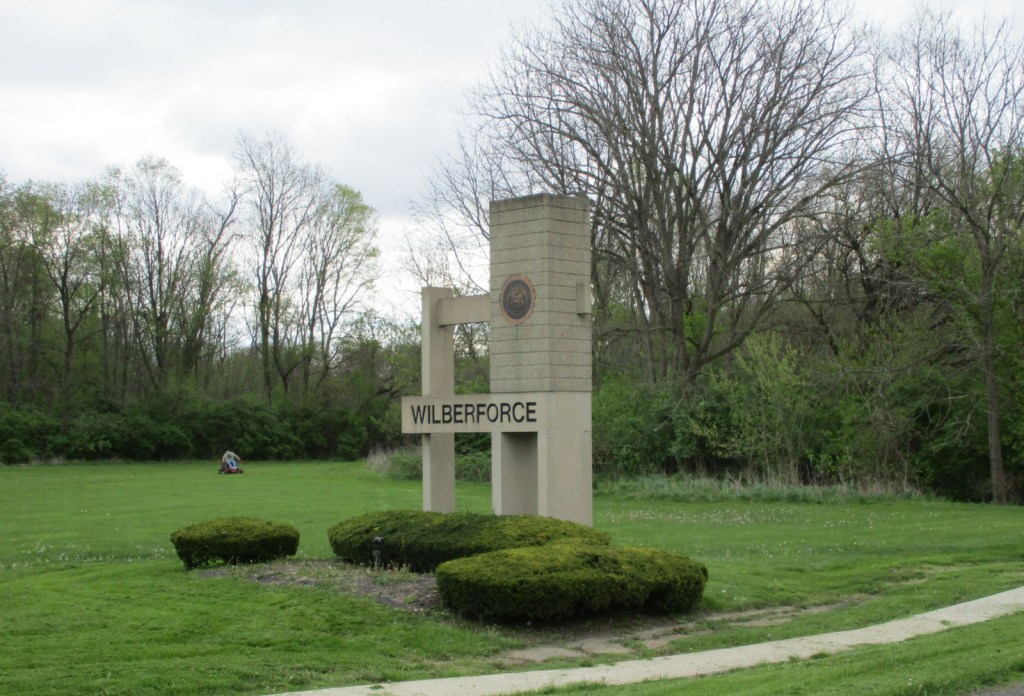
Charles Young was born to enslaved parents in 1864 and went on to become only the third African American to graduate from the U.S. Military Academy at West Point despite being the target of constant insults and social isolation.  He was commissioned an Army officer, serving with the “Buffalo Soldiers,” so named by American Indians because their hair and ferocious fighting style was similar to the bison.  Young became the first African American to serve as the Superintendent of a National Park when he commanded troops at General Grant (now Kings Canyon) and Sequoia National Parks in 1903.  Four years later, Young and his family purchased the 1839-built house he called “Youngsholm” after teaching military science at nearby Wilberforce University for over a decade.  His military career took him to the Philippines, Dominican Republic, Haiti, Mexico, and Liberia, but he was not allowed to fight in Europe during World War I.  In 1922, Young died while serving as a military attaché in Africa and after a campaign by his family and notable African-American celebrities his body was reinterred at Arlington National Cemetery.

Learn more about the other 137 National Monuments in our book Monumental America: Your Guide to All 138 National Monuments. It is now available for sale on Amazon.com.

Highlights

Youngsholm, film, living history demonstrations

Must-Do Activity

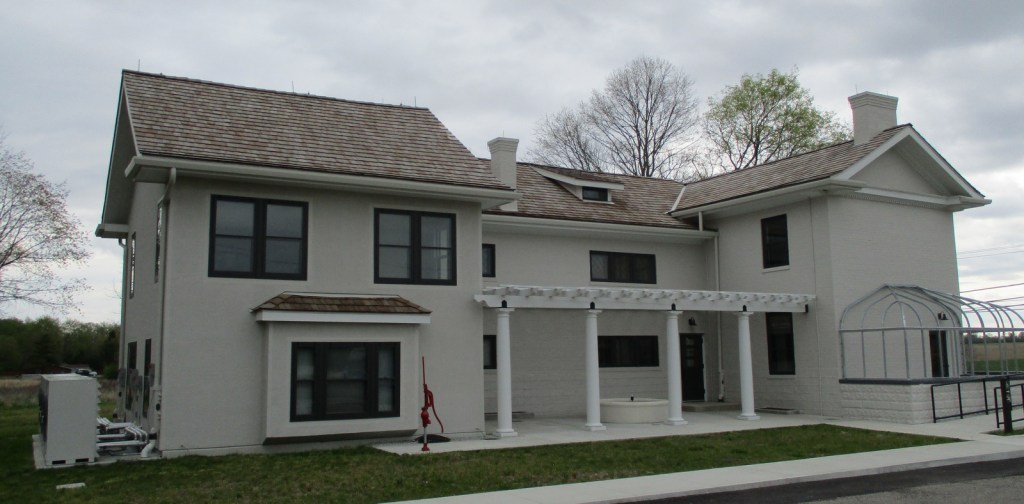
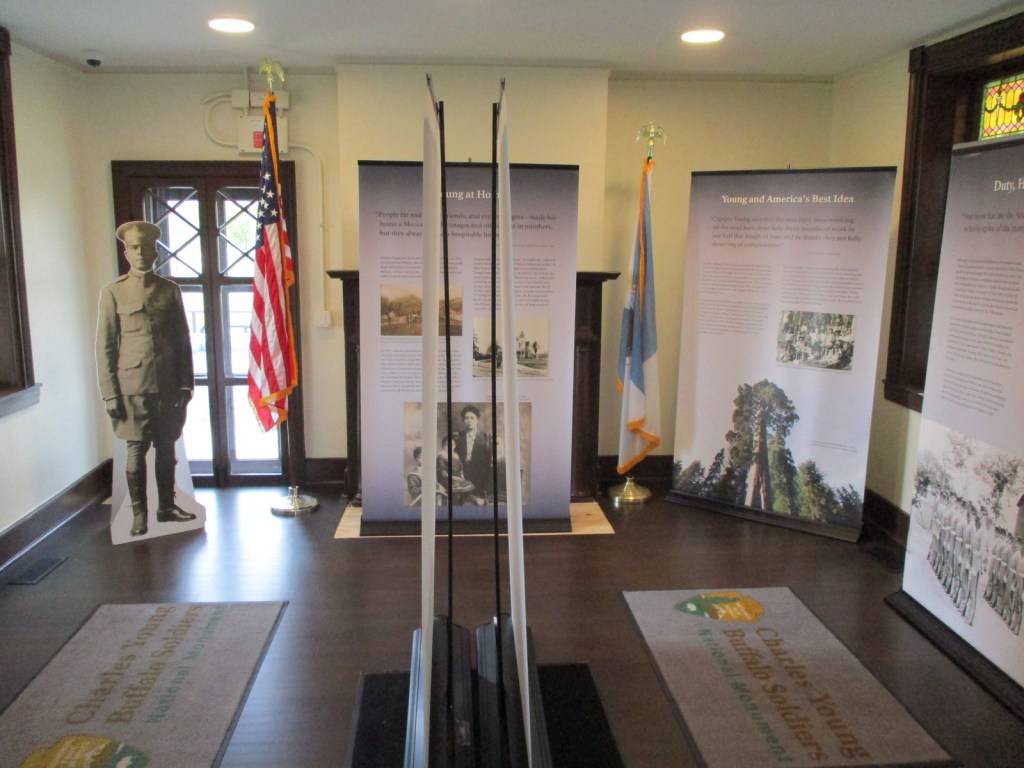
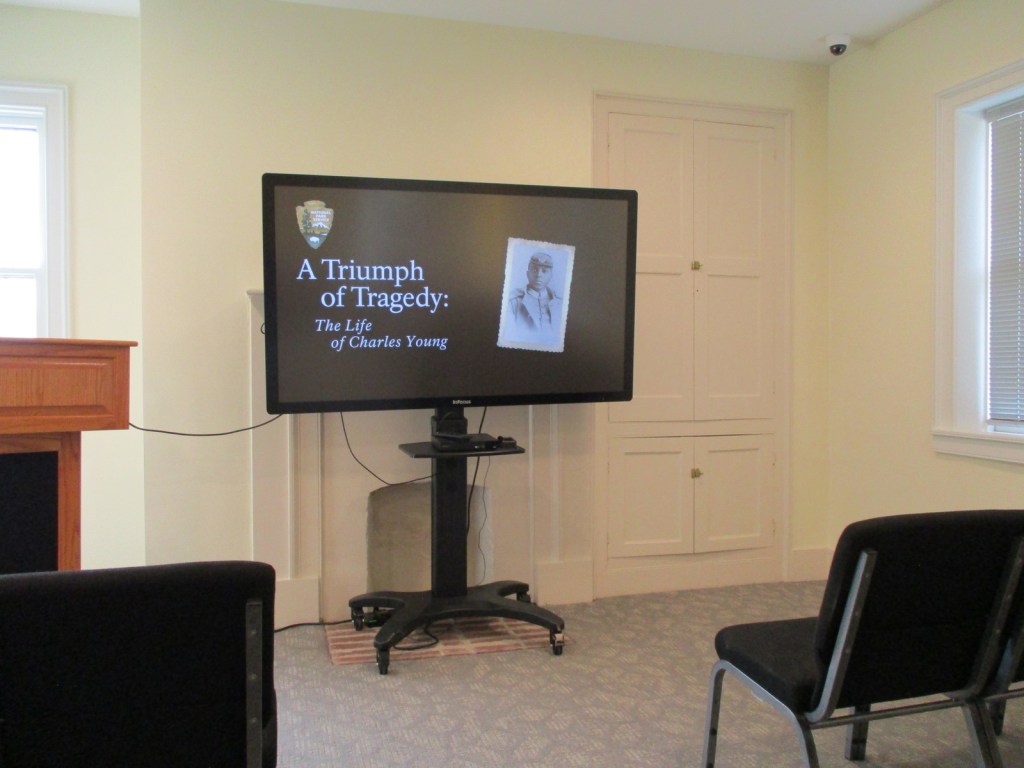
A “15-month renovation” of Youngsholm began in October 2021 to restore the house and add an elevator, which in typical government fashion was not finished until April 2024.  There is a film focused on his life as a civil rights trailblazer that is played on the second floor of the house, which you can also watch online before visiting.  We also recommend the 2023 PBS special Buffalo Soldiers that focuses extensively on Charles Young.  None of the rooms inside Youngsholm are furnished, but there are many informational signs about Young and the Buffalo Soldiers.  In addition, 30-minute talks on a variety of topics are given on most weekends by park rangers and there is a Junior Ranger booklet for the site.

Best Trail

None

Photographic Opportunity

A short drive across Highway 42 from Youngsholm takes you to Wilberforce University where there is an Ohio Historical Marker telling the story of Charles Young’s connection with the school. 

Peak Season

Summer

Hours

https://www.nps.gov/chyo/planyourvisit/hours.htm

Fees

None

Road Conditions

Youngsholm is located right off paved Highway 42 near the campus of Wilberforce University.

Camping

The scenic Hocking Hills State Park has 172 campsites (reservations recommended) and is one of the most popular places to camp in Ohio.  Hueston Woods State Park offers 490 campsites, 59 cabins, and a lodge.

Related Sites

Dayton Aviation Heritage National Historical Park (Ohio)

Hopewell Culture National Historical Park (Ohio)

Fort Davis National Historic Site (Texas)

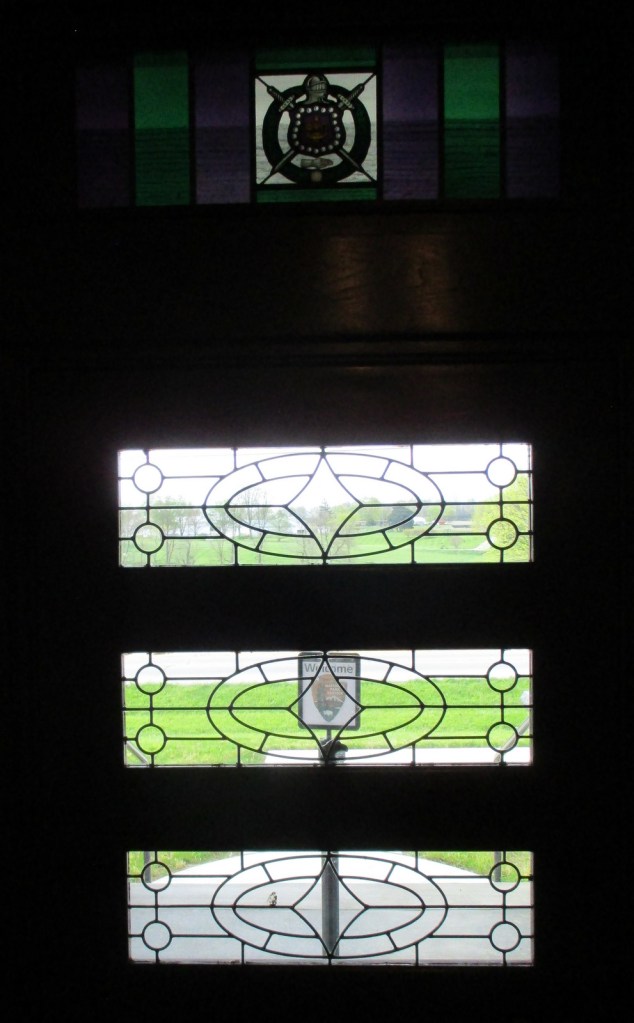
Explore More – What fraternity of African-American leaders is represented by the purple-and-green stained-glass window in Youngsholm?

Learn more about the other 137 National Monuments in our book Monumental America: Your Guide to All 138 National Monuments

Governors Island National Monument

Governors Island National Monument

New York

Managed by National Park Service

Established 2001

22 acres

Website: nps.gov/gois

Overview

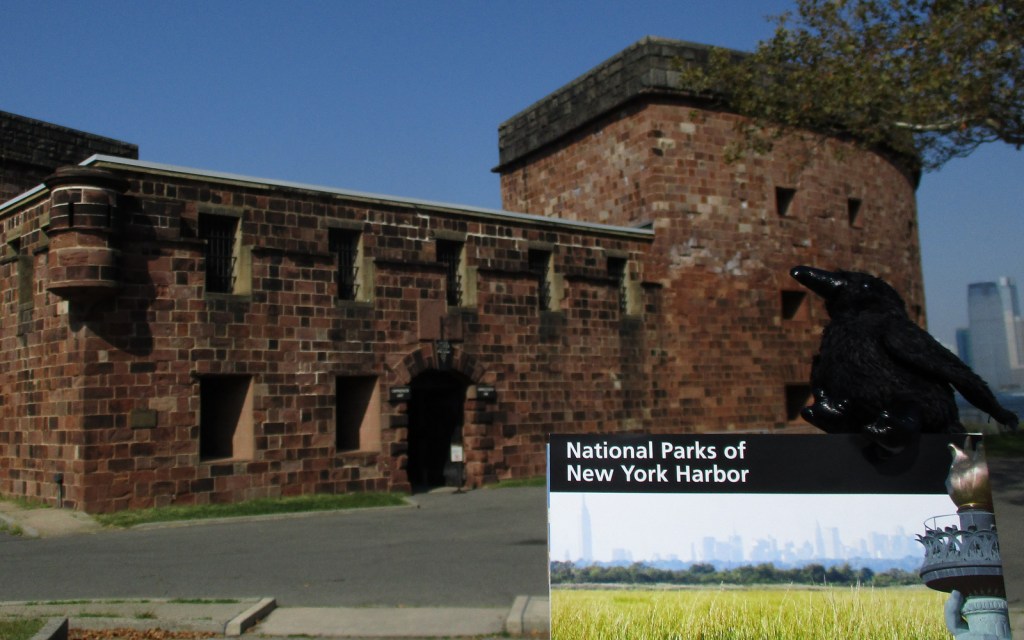
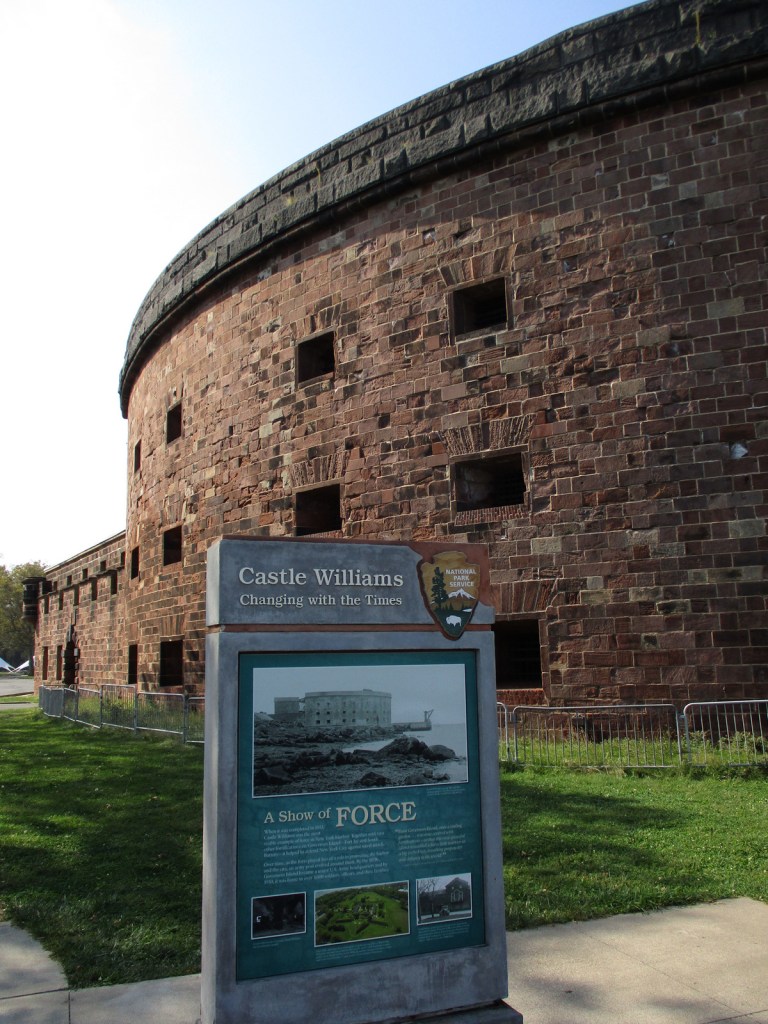
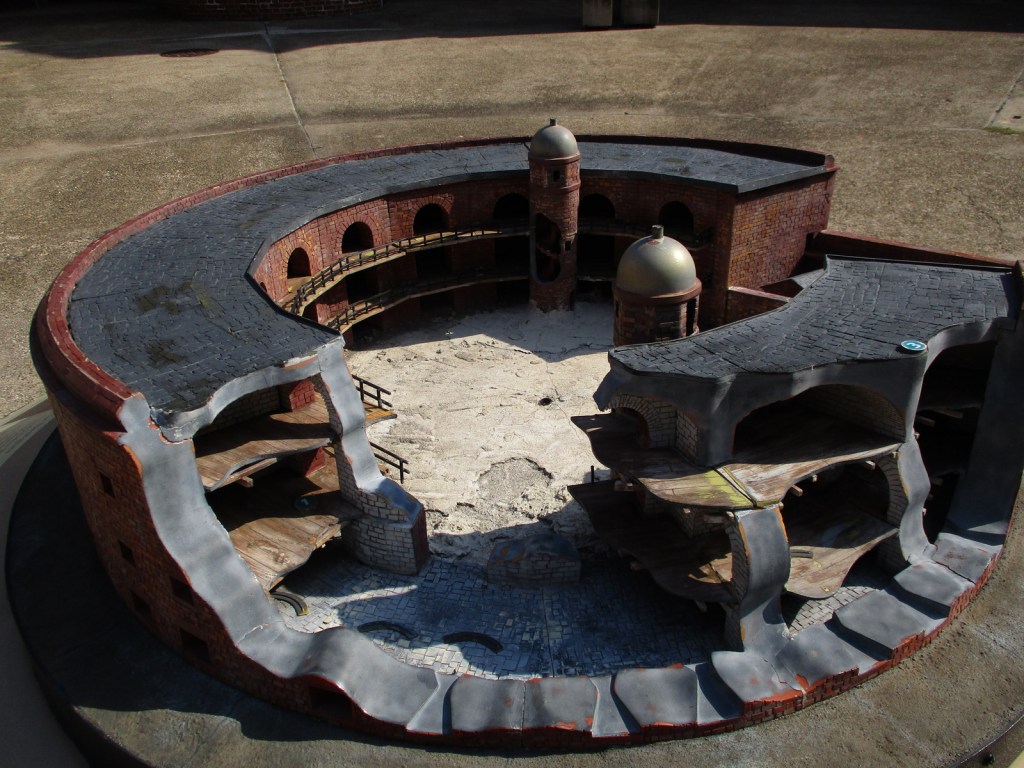
Originally named Nutten Island by the Dutch who settled New Amsterdam in 1624, this 172-acre island off Manhattan was later set aside for the exclusive use of the British royal governors of New York.  The indigenous Lenape called it Paggank (“Nut Island”) because of its chestnut, hickory, and oak trees.  After 200 years of military use by the Army and Coast Guard, Governors Island was retired in 1996.  Like nearby Castle Clinton National Monument, Fort Jay and Castle Williams date to pre-War of 1812 and were saved from demolition in 1901 by forward-thinking Secretary of War Elihu Root.  Over the decades, the island served as a Civil War prison, a muster area for troops during the Mexican-American War and World War II, the largest Coast Guard base in the nation for its final 30 years, and runway for Wilbur Wright’s 1909 flight around the Statue of Liberty.  Governors Island National Monument is part of a 90-acre National Historic Landmark District that contains the commanding officer’s quarters known as the Admiral’s House.

Learn more about the other 137 National Monuments in our book Monumental America: Your Guide to All 138 National Monuments. It is now available for sale on Amazon.com.

Highlights

Ferry, Castle Williams, Fort Jay

Must-Do Activity

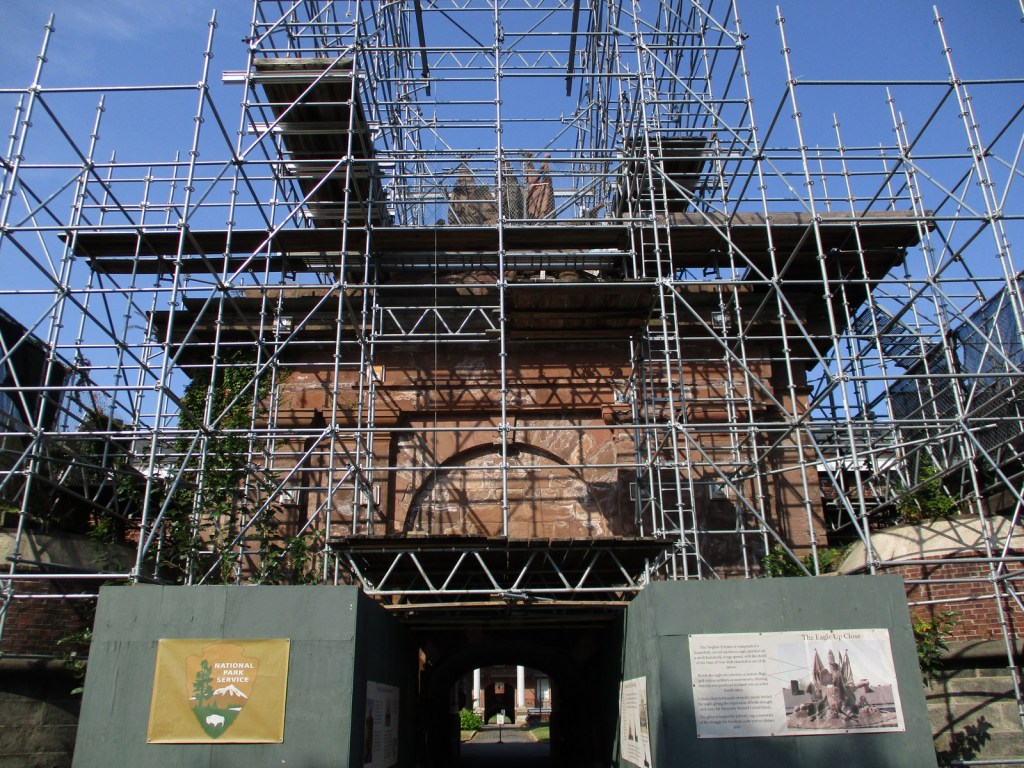
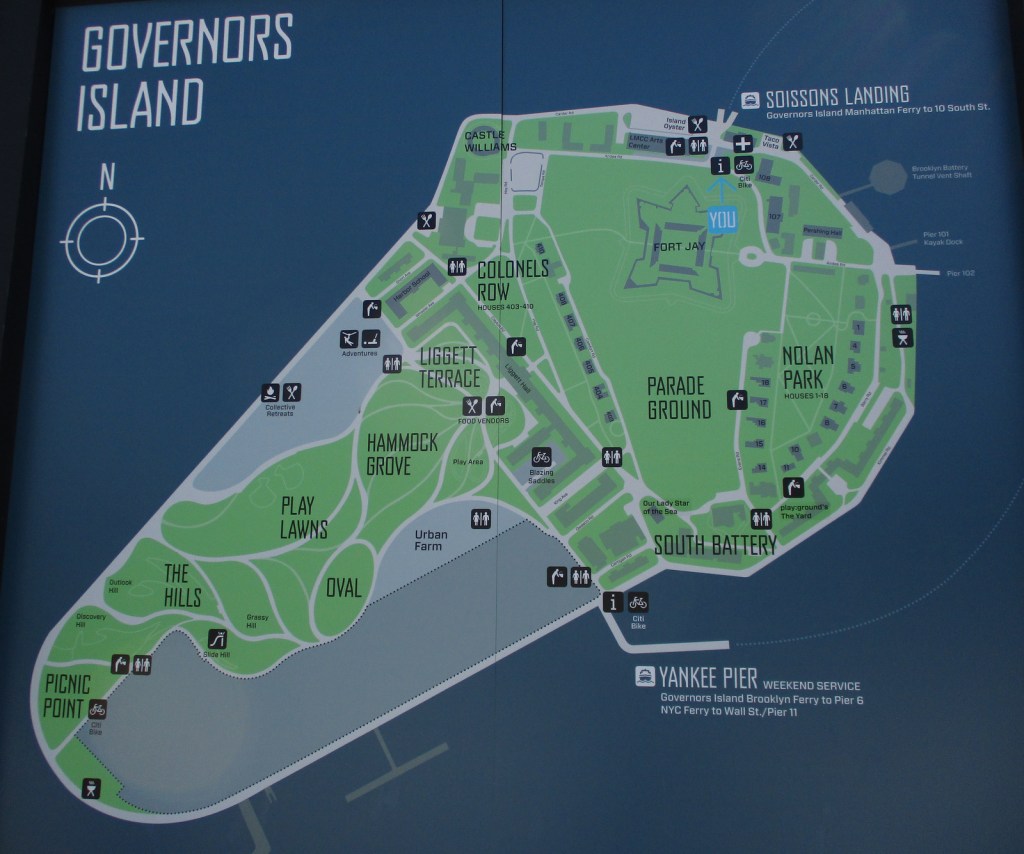
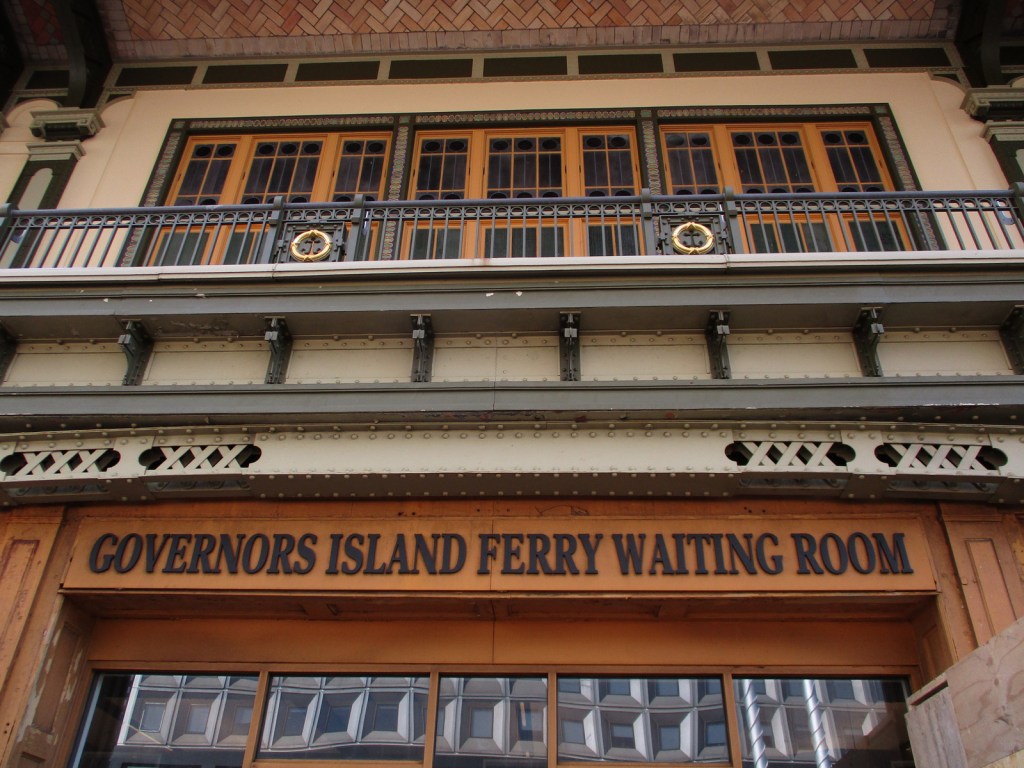
Private boats are not allowed, so the only way to get onto Governors Island is by ferry and it is only open to visitors from Memorial Day weekend through September.  From the Battery Maritime Building in Lower Manhattan you will dock at Soissons Landing near Fort Jay.  There may also be weekend ferry service from Brooklyn Bridge Park Pier 6 and Wall Street/Pier 11 that both land at Yankee Pier near the South Battery.  During special events, living history demonstrations celebrate the island’s military heritage.  Near Soissons Landing, be sure to enter Castle Williams and Fort Jay, which have interpretive signs from the National Park Service.

Best Trail

Most visitors do not go much south of the Parade Ground, but almost the entire island is open for walking or biking (rentals available) on the old roads.

Photographic Opportunity

On a clear day, the ferry boat and island both afford incredible views of the New York City skyline, Ellis Island, and Statue of Liberty.

Peak Season

Summer

Hours

https://www.nps.gov/gois/planyourvisit/basicinfo.htm

Fees

Ferry tickets cost about $5 roundtrip for an adult.

Road Conditions

Roads are heavily trafficked in New York City and there is no designated parking for the National Park Service site, so we recommend you take the subway to access the ferry.

Camping

Collective Retreats has glamping tents and suites on their private property on the west side of Governors Island. Click here to visit their website for details.

Related Sites

Castle Clinton National Monument (New York)

African Burial Ground National Monument (New York)

Hamilton Grange National Memorial (New York)

Explore More – What group owns and manages the other 150 acres of Governors Island that is not part of the National Monument?

Learn more about the other 137 National Monuments in our book Monumental America: Your Guide to All 138 National Monuments

Tule Lake National Monument

Tule Lake National Monument

California

Managed by National Park Service and U.S. Fish and Wildlife Service

Established 2008

1,391 acres

Website: nps.gov/tule

Overview

Following the 1941 attack on Pearl Harbor, President Franklin D. Roosevelt signed an executive order authorizing the detention of more than 110,000 U.S. citizens of Japanese descent at ten concentration camps in the contiguous United States.  At Tule Lake War Relocation Center, 7,400 acres were enclosed by barbwire to hold about 12,000 people in northeast California.  Once a loyalty questionnaire was distributed throughout the ten camps, those considered disloyal to the U.S. government were all shipped to the renamed Tule Lake Segregation Center, which held 18,789 inmates at its peak.  Overcrowding, harassment, beatings, and a fatal farm accident led to riots and mass demonstrations, and martial law was declared from November 13, 1943 to January 15, 1944.  This camp was the last to be closed on March 20, 1946, months after the end of the war.  It was named a National Historic Landmark in 2006, and two years later became one of nine sites within World War II Valor in the Pacific National Monument (which included Pearl Harbor National Memorial).  When that was disbanded in 2019, Tule Lake National Monument was created.

Learn more about the other 137 National Monuments in our book Monumental America: Your Guide to All 138 National Monuments. It is now available for sale on Amazon.com.

Highlights

Tulelake-Butte Valley Fairgrounds Museum, Tule Lake Segregation Center prison

Must-Do Activity

Most of the buildings at Tule Lake Segregation Center were moved elsewhere following the war.  One of the few remaining structures is the prison, which is only accessible on ranger-guided tours offered Memorial Day to Labor Day on Thursdays through Sundays (call ahead for required reservations).  The concrete jail had six cells to hold 24 men, but incarcerated over 100 at one time mostly outside in Army tents used as unheated punishment quarters.  The prison is always visible from the National Park Service (NPS) visitor center off Highway 139.  It is worth getting a tour to go inside to see original graffiti from inmates and the reinstalled metal doors that were purchased by a private citizen in the 1940s and kept at their farm for decades.  Tulelake-Butte Valley Fairgrounds Museum (fee) has a one-hour audio tour and there are online virtual tours that show several sites within Tule Lake National Monument, including the inside of the jail prior to the restoration.

Best Trail

There are no designated trails there, but from the NPS visitor center near Newell you can photograph the rock formation known as Peninsula/Castle Rock (solely managed by the U.S. Fish and Wildlife Service).  It is also visible while checking out the rock art at Petroglyph Point within Lava Beds National Monument.

Photographic Opportunity

The Civilian Conservation Corps (CCC) was stationed at Camp Tulelake from 1935 to 1942, constructing 23 buildings and repairing canals.  Several small groups of Japanese Americans were held at Camp Tulelake to separate them from the general population at Tule Lake Segregation Center.  Later in the war, Italian and German POWs were stationed there before the buildings were transferred to the U.S. Fish and Wildlife Service.  Currently, tours of Camp Tulelake are not available due to ongoing preservation work, but you can photograph it through the fence on Hill Road and hike to bird viewing blinds in Tule Lake National Wildlife Refuge.

Peak Season

Summer

Hours

https://www.nps.gov/tule/planyourvisit/hours.htm

Fees

Ranger-guided tours require a reservation, but they are free.  There is an entrance fee for the museum at Tulelake-Butte Valley Fairgrounds.

Road Conditions

Highway 139 and Hill Road are paved, but most of the roads through the former Tule Lake Segregation Center and Tule Lake National Wildlife Refuge are unpaved.

Camping

Indian Well Campground is located in Lava Beds National Monument near the visitor center and Cave Loop Road.  Dirt roads in the nearby Modoc and Klamath National Forests provide free dispersed camping.

Related Sites

Manzanar National Historic Site (California)

Minidoka National Historic Site (Idaho-Washington)

Amache National Historic Site (Colorado)

Explore More – Providing crucial habitat along the Pacific Flyway, what type of migratory birds can be seen at Tule Lake, Clear Lake, and Modoc National Wildlife Refuges?

Learn more about the other 137 National Monuments in our book Monumental America: Your Guide to All 138 National Monuments