Tag Archives: history

Independence National Historical Park

Overview

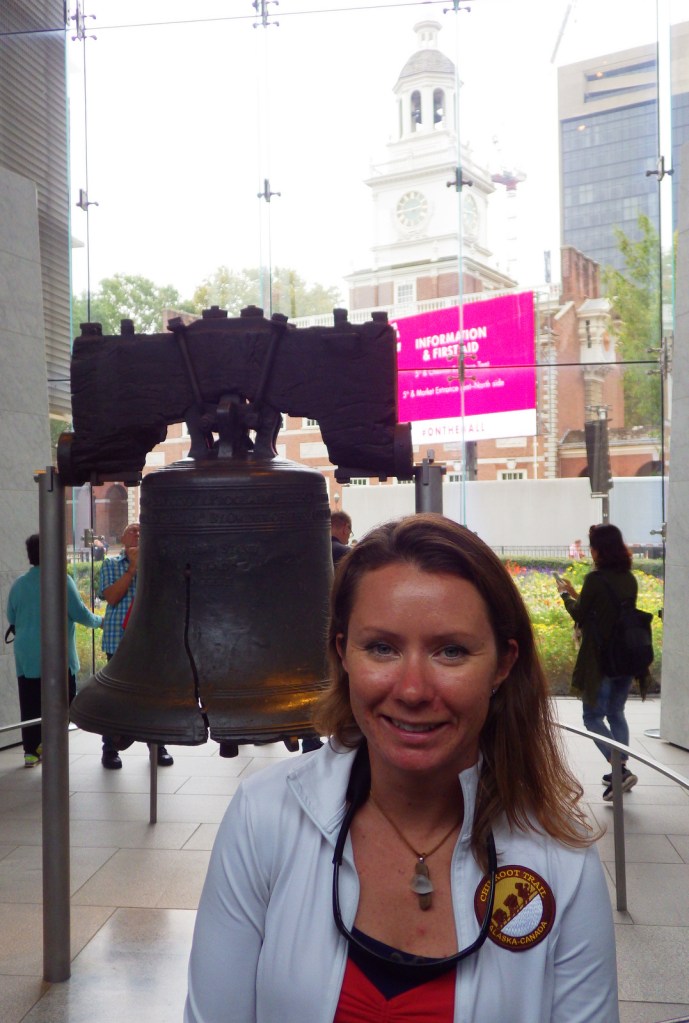
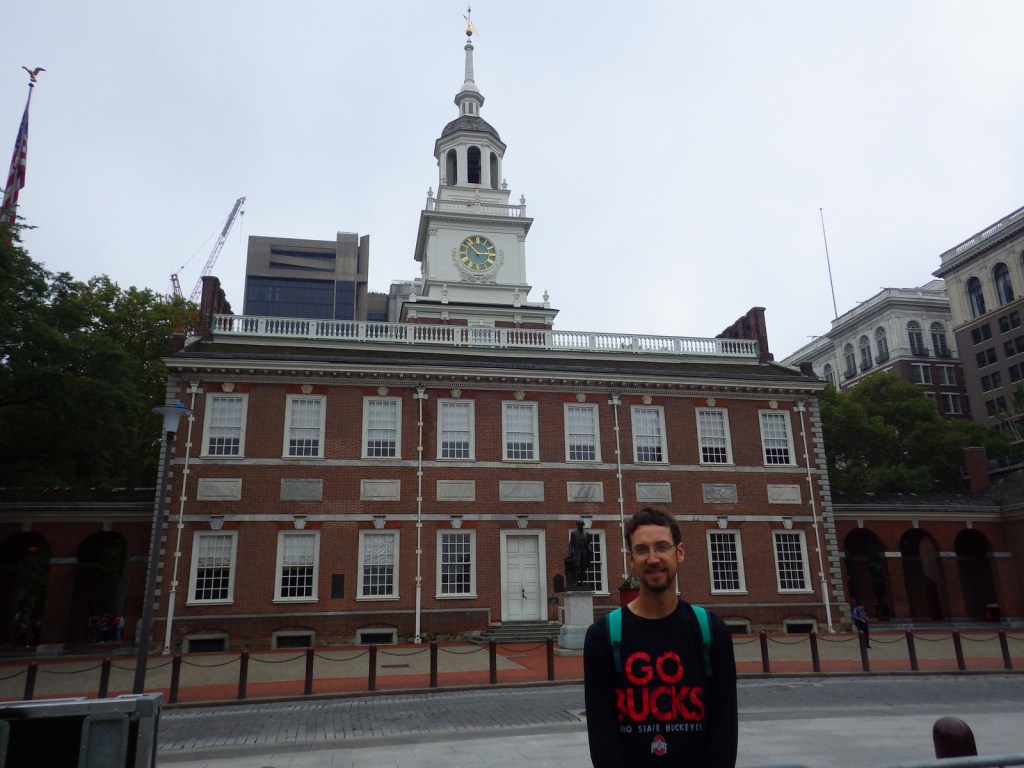
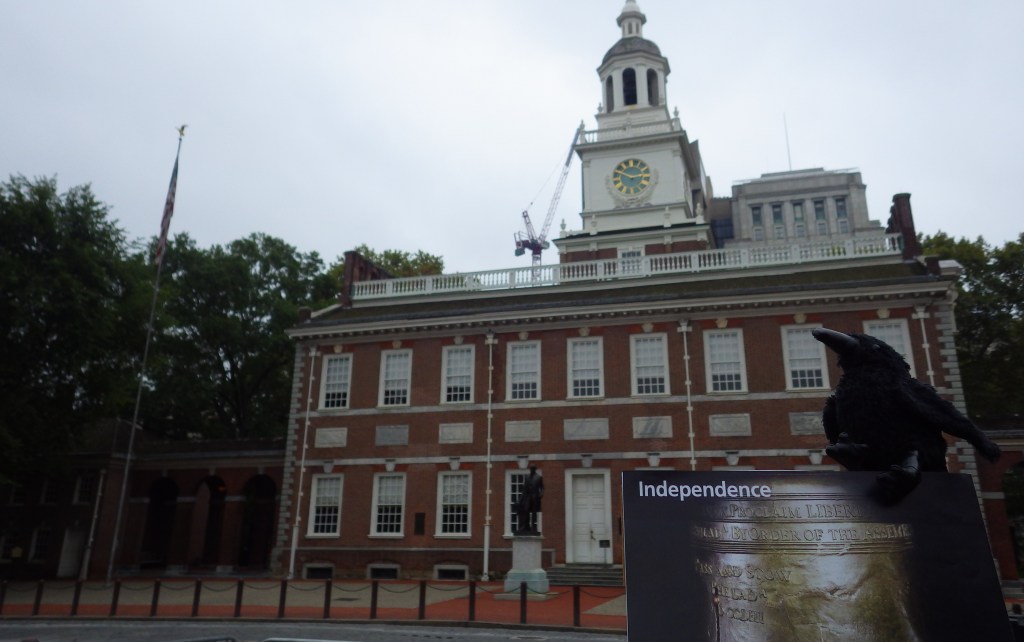
Philadelphia, Pennsylvania is home to Independence National Historical Park, one of the most popular units in the National Park Service (NPS) System with approximately 5-million visitors annually.  The “City of Brotherly Love” was the site of many important moments before, during, and after the American Revolution.  Independence Hall is a World Heritage Site where the Declaration of Independence was adopted on July 4, 1776 and the U.S. Constitution was created in 1787. 
Highlights

Liberty Bell, Independence Hall, City Tavern, Carpenters’ Hall, Ben Franklin’s grave

Must-Do Activity

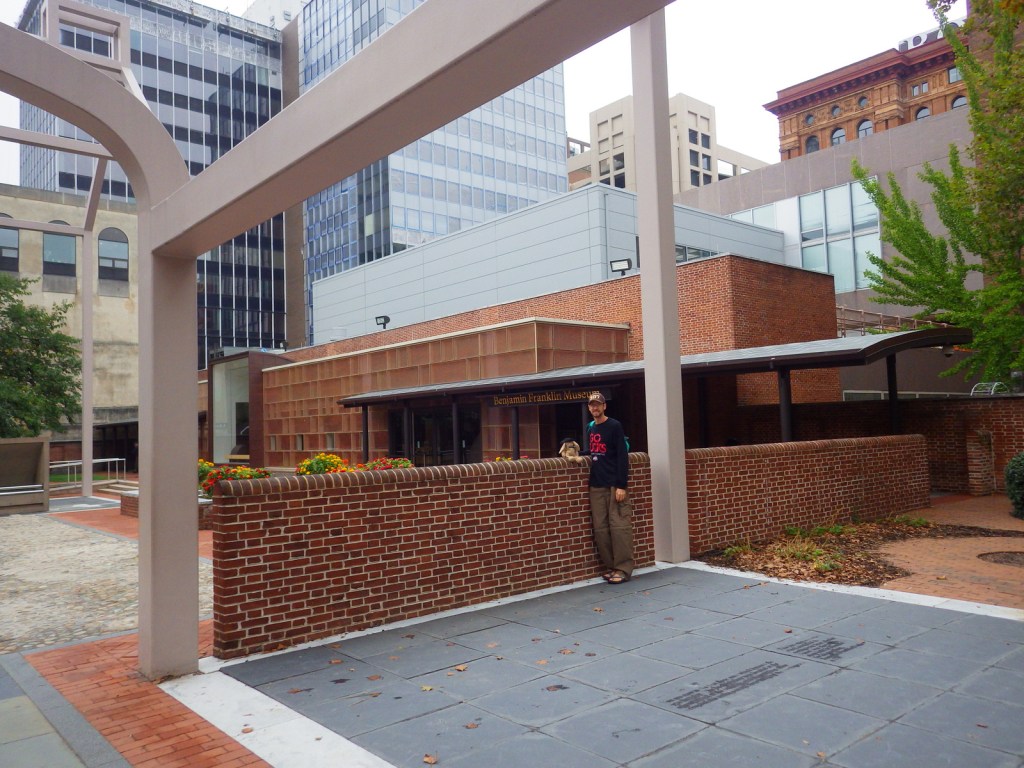
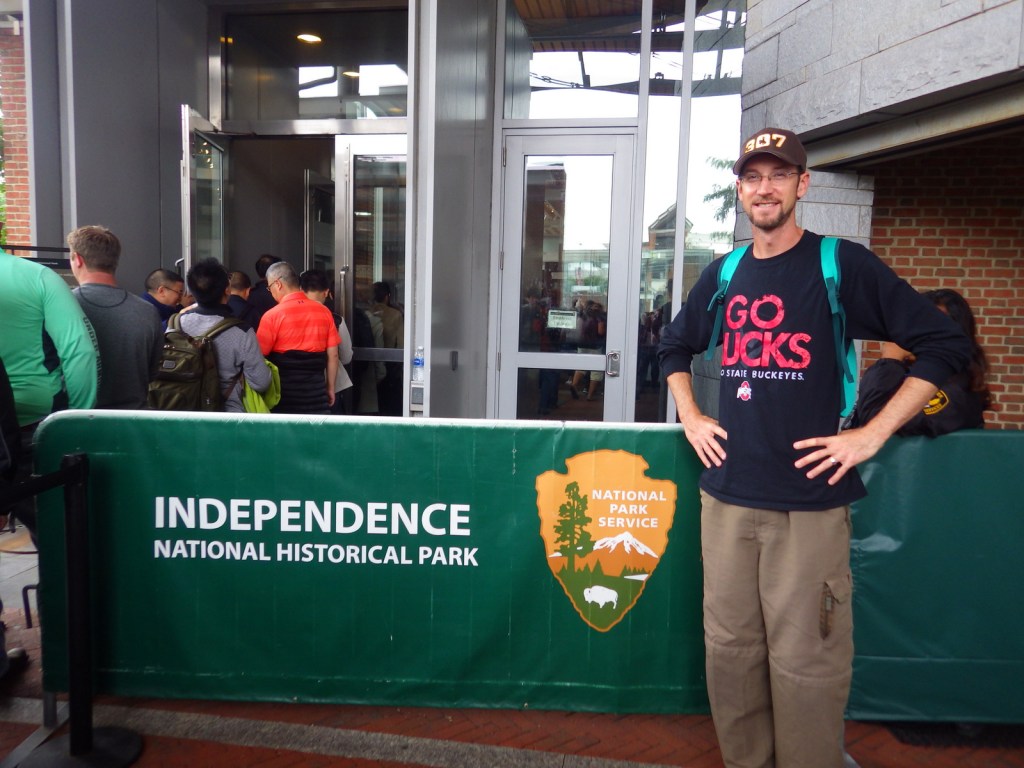
We do not recommend watching the two films at the NPS visitor center, but plan to arrive early as the free timed tickets to tour Independence Hall are all claimed first thing each morning.  It is free to enter the Liberty Bell Center to see the famous cracked bell.  While waiting in the security screening line, you will be on the grounds of the house used by the country’s first two presidents, Washington and Adams.  Less busy is Carpenters’ Hall, where the First Continental Congress met in 1774.  Nearby non-NPS sites include the National Constitution Center, Benjamin Franklin Museum, and new Museum of the American Revolution, all of which charge an admission fee. 

Best Trail

Walk the streets of Philadelphia past Ben Franklin’s grave, Betsy Ross’ house, the reconstructed City Tavern (where you can grab a bite to eat), and the Todd House (the home of Dolley Madison and her first husband).

Instagram-worthy Photo

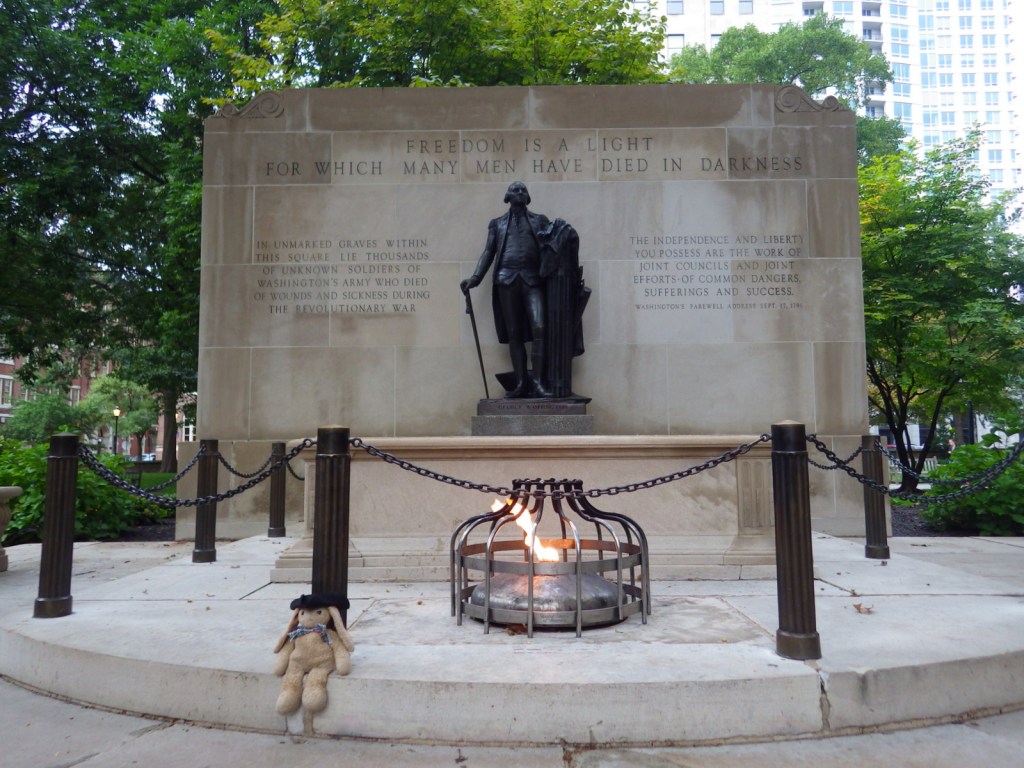
Less iconic than the Liberty Bell and Independence Hall, Washington Square is a small park that contains to the Tomb of the Unknown Soldier of the American Revolution.
Peak Season

Summer

Hours

https://www.nps.gov/inde/planyourvisit/hours.htm

Fees

None, except for parking (there is an underground parking garage at the NPS visitor center) and visiting some museums and historic buildings (like Betsy Ross’ house).

Road Conditions

All roads paved, but street parking is limited.

Camping

None in Philadelphia, Pennsylvania, but there are options in its suburbs.
Explore More – When did Philadelphia serve as the nation’s capital?

Moores Creek National Battlefield

Overview

A little known Revolutionary War battle took place northwest of Wilmington, North Carolina on February 27, 1776.  It pitted American rebels with cannons against Loyalists primarily armed with broadswords.  In its aftermath, North Carolina became the first state to pre-approve its delegates to sign the Declaration of Independence, hence the “First in Freedom” motto on their license plates.  It is well worth the detour for a short history lesson on your way to the beautiful beaches of southeast North Carolina.

Highlights

Film, History Trail, Women’s Monument, Tarheel Trail

Must-Do Activity

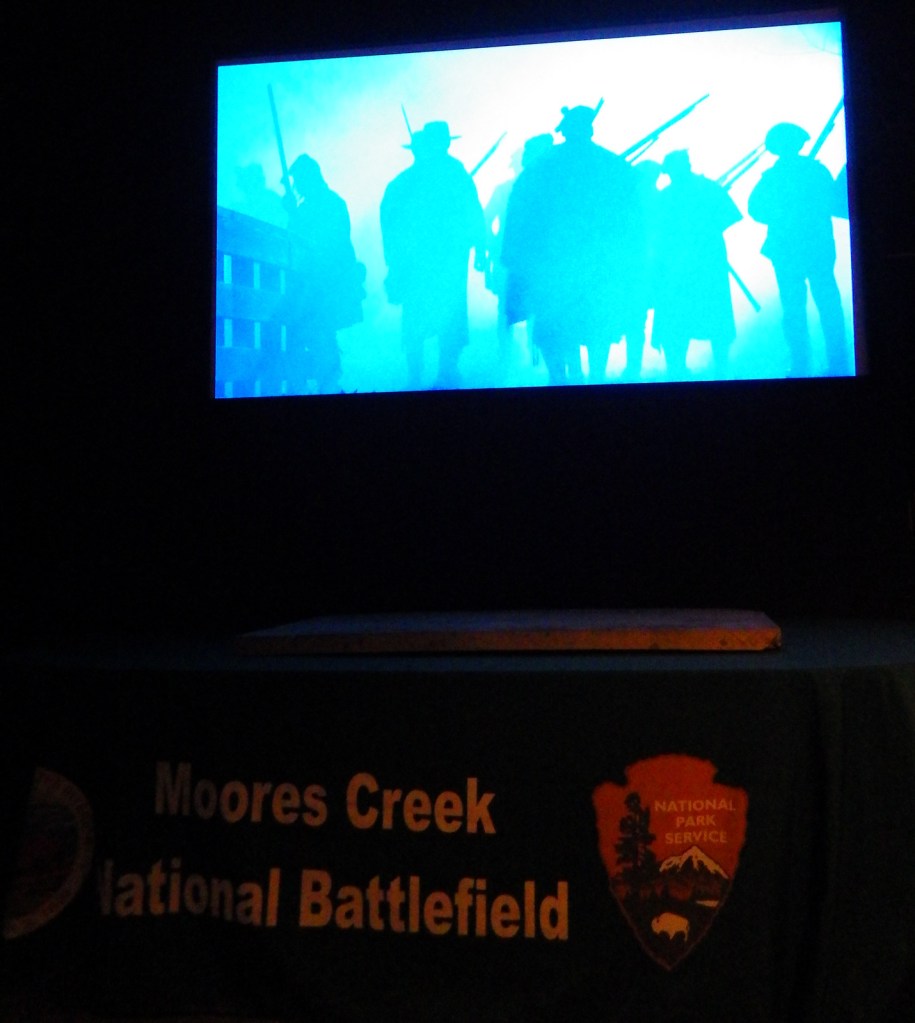
After watching the film in the National Park Service visitor center, walk to the reconstructed bridge.  At this site, a British force of 1,600 soldiers marching towards the Atlantic Ocean was halted at a narrow bridge that had its planks removed and girders greased.  After the difficult crossing, British troops were met by entrenched patriot forces that killed 30 and wounded 40 while suffering only one casualty.  It would prove a pivotal victory in dissuading British military efforts in the Carolinas for the next two years. 

Best Trail

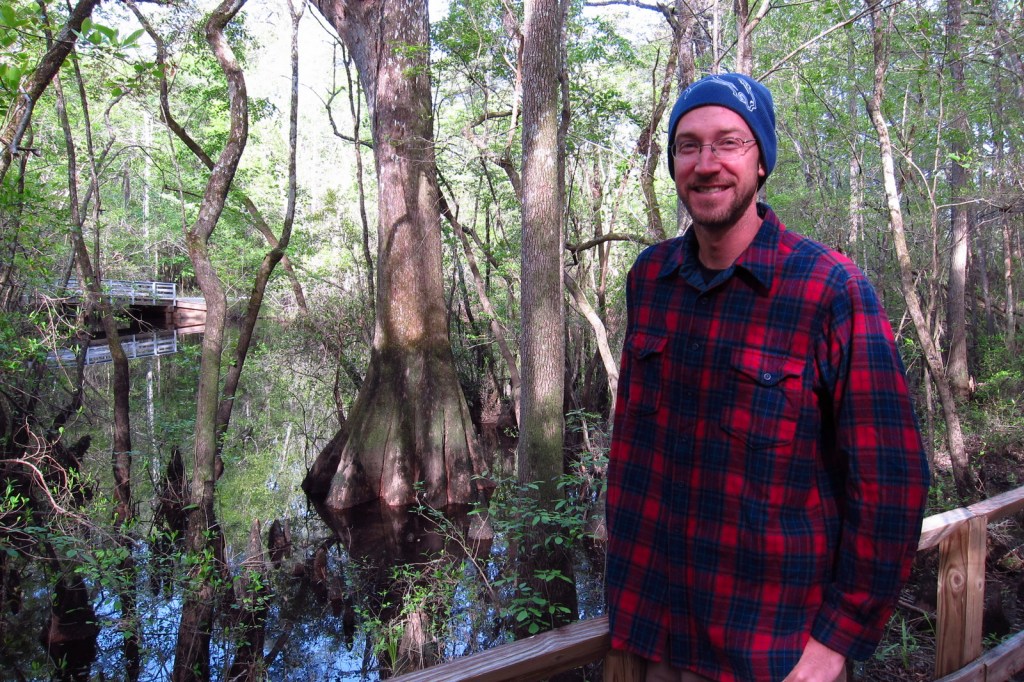
The 0.7-mile History Trail leads past the major points of interest, as well as reconstructed earthworks and cannons, in a beautiful forest setting.  The 0.3-mile Tarheel Trail describes the production of naval stores (tar, pitch, and turpentine).

Instagram-worthy Photo

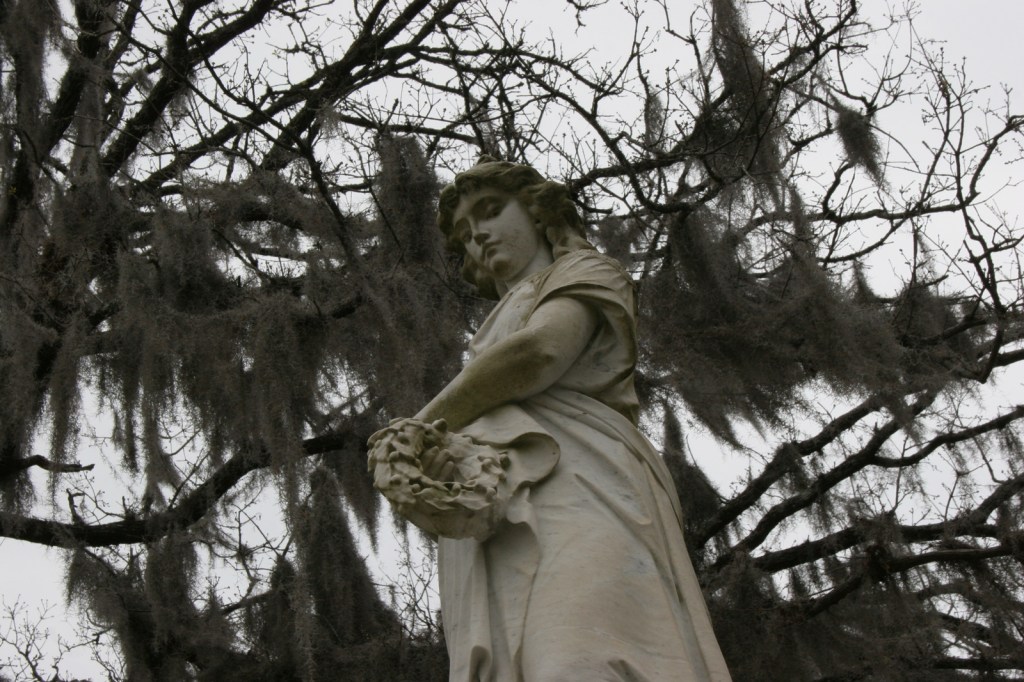
The Women’s Monument is one of several statues at Moores Creek National Battlefield.

Peak Season

Summer, though it can get muggy and buggy.

Hours

https://www.nps.gov/mocr/planyourvisit/hours.htm

Fees

None

Road Conditions

All roads paved

Camping

Carolina Beach State Park in Wilmington, North Carolina has a nice, forested campground a short drive inland from the beach; plus it is home to unique carnivorous plants.

Explore More – Why are North Carolinians called Tarheels?

Minute Man National Historical Park

Overview

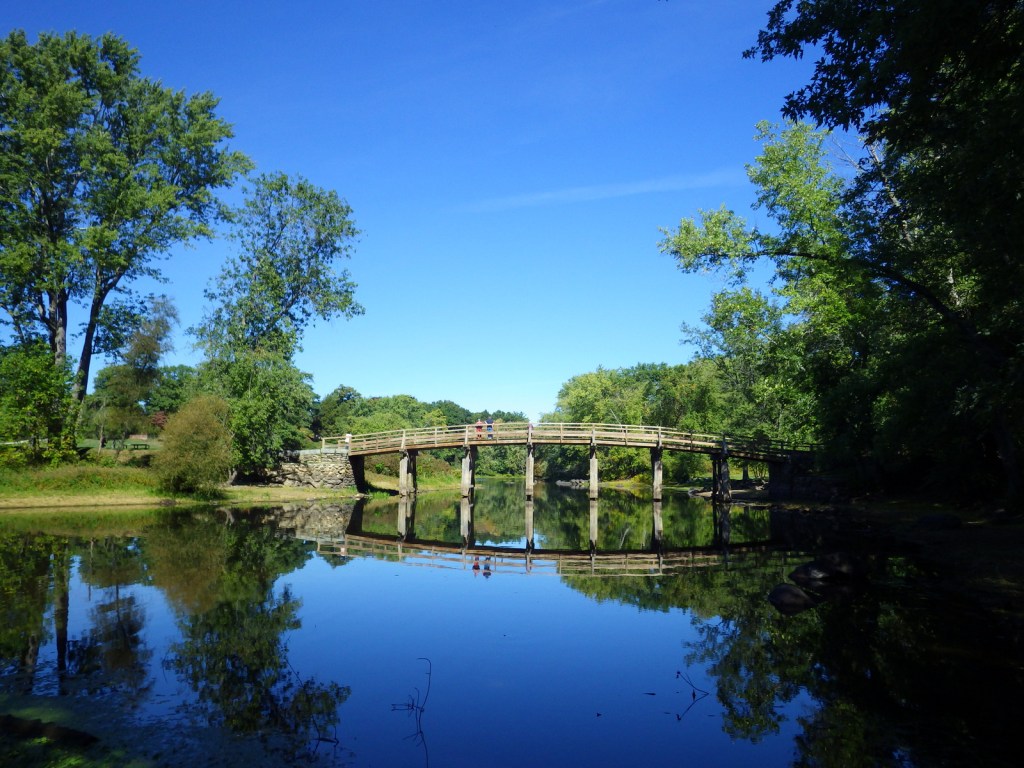
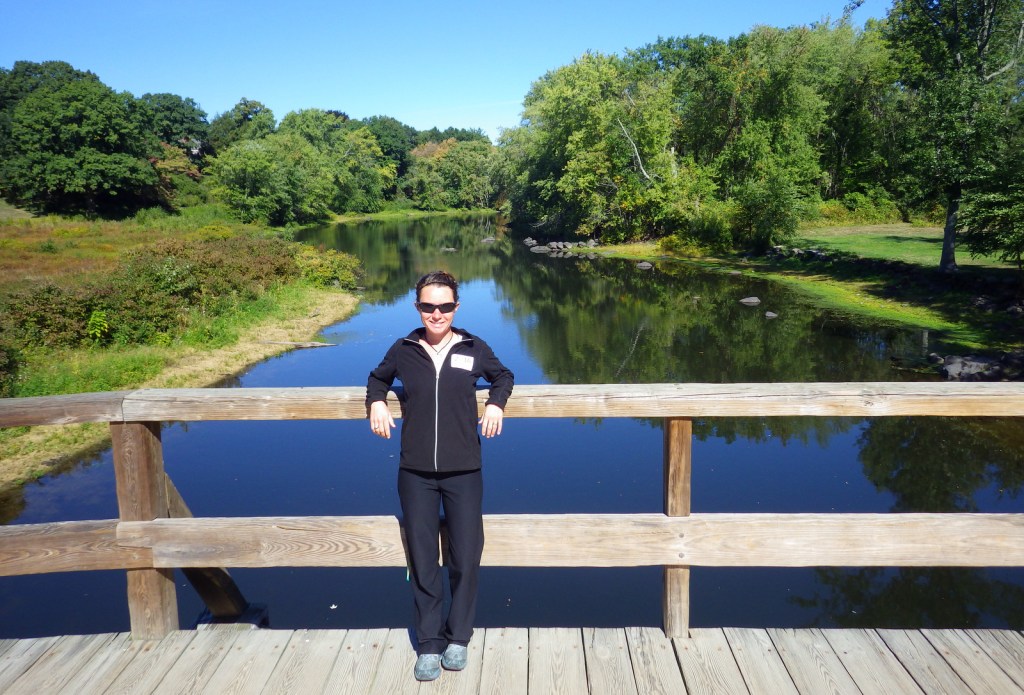
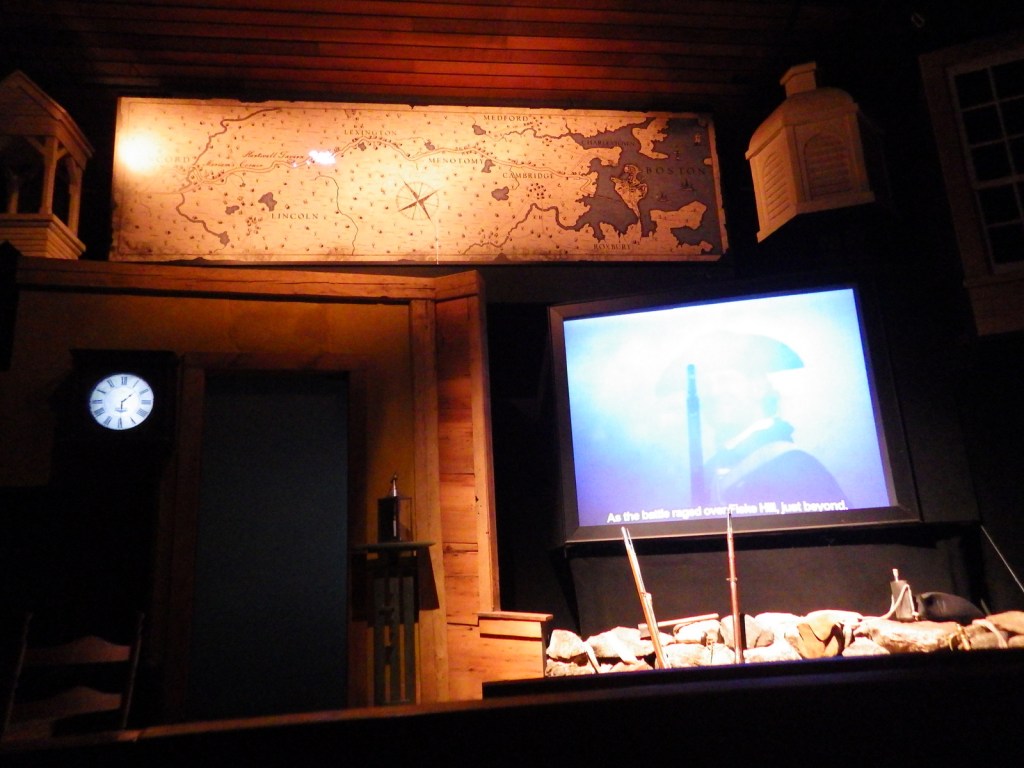
The events that occurred at Lexington and Concord, Massachusetts on April 19, 1775 were immortalized by Ralph Waldo Emerson as “the shot heard round the world.”  First of all, a “Minute Man” was a colonial militiaman who was always ready to fight at a minute’s notice.  Secondly, when the colonial militia fired upon British troops at North Bridge, it was considered an act of treason against the Crown and truly started the Revolutionary War at a time when the majority of colonists did not want independence. 

Highlights

Films, Hartwell Tavern, North Bridge, the Wayside, Sleepy Hollow Cemetery

Must-Do Activity

If your memory on what exactly happened here is a bit foggy, start with the multimedia presentation at either of two National Park Service (NPS) visitor centers, located in the suburbs west of Boston.  At Lexington, you will learn the true story of how Paul Revere’s ride ended early when he was captured by British soldiers and that he did not mention redcoats, instead yelling “the Regulars are coming out!”  At Concord, you will learn about “the shot heard round the world.” 

Best Trail

Battle Road Trail stretches 5 miles between Fiske Hill in Lexington to Meriam’s Corner in Concord, and is open to bicycles.  It passes many historic sites, including Hartwell Tavern.

Instagram-worthy Photo

We recommend a walk up Author’s Ridge in Sleepy Hollow Cemetery.  The graves of famous local writers, including Ralph Waldo Emerson, Henry David Thoreau, Louisa May Alcott, and Nathaniel Hawthorne, are located here.

Peak Season

Summer

Hours

Hours for the many historic buildings vary and most are not open every day of the week.

https://www.nps.gov/mima/planyourvisit/hours.htm

Fees

None, except at some historic buildings (like the Wayside) which require guided tours.

Road Conditions

All roads paved

Camping

Harold Parker State Forest (28 miles northeast) has campsites with running water. There is no camping at Walden Pond State Reservation.

Explore More – Which famous authors once resided at the Wayside in Concord, Massachusetts?

Virgin Islands National Park

Overview

More than half the island of St. John is part of Virgin Islands National Park, a Caribbean paradise known for its white sand beaches and crystal waters.  The National Park also includes 95% of Hassel Island, which was once a peninsula connected to St. Thomas.  The region is still recovering after Hurricanes Irma and Maria did extensive damage in 2017, but did not seem to affect the sugar mill ruins that have been standing since the 1720s.

Highlights

Trunk Bay, Maho Bay, Annaberg Sugar Mill, Petroglyph Trail, Saltpond Bay

Must-Do Activity

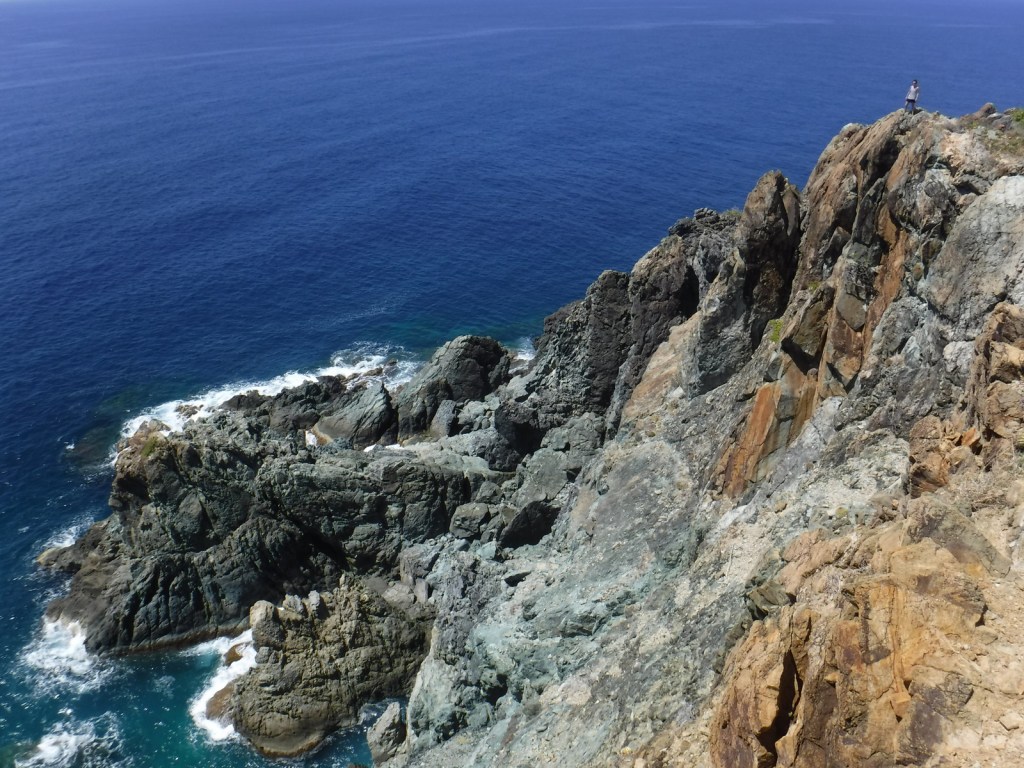
Snorkeling is the number one reason to visit St. John, which is surrounded by coral reefs.  The Underwater Trail in popular Trunk Bay is a good place to start, but our favorite spot to snorkel was from the beautiful beach at Saltpond Bay where we saw sea turtles, reef squids, and countless other species.  From the beach a trail leads 1.8 miles roundtrip to the 200-foot high cliffs at Ram Head.

Best Trail

Reef Bay Trail starts near the island’s high point at 900 feet in elevation, then descends 1.5 miles to the split for Petroglyph Trail where the rocks around a seasonal waterfall have several Taino carvings.  Reef Bay Trail continues another mile to the ruins of a sugar mill where ranger-led hikes (fee) are met by a boat.

Instagram-worthy Photo

A small, paved pulloff at the top of a hill on North Shore Road looks east towards the white sand beaches of Trunk Bay, an image used in almost every promotional publication for St. John. 

Peak Season

Winter

Hours

https://www.nps.gov/viis/planyourvisit/hours.htm

Fees

None, except when lifeguards are on duty at Trunk Bay.

Road Conditions

Two narrow, winding, paved routes (North Shore and Centerline Roads) leave from Cruz Bay where the ferries arrive.  Several dirt roads require four-wheel-drive, including Catherineberg Road.  Note: you drive on the left side of the road in the U.S. Virgin Islands, but in standard American left-side driver seat vehicles.

Camping

None on the island of St. John until the NPS reopens Cinnamon Bay Campground, which closed following the 2017 hurricanes.

We created this design to celebrate Virgin Islands National Park and it is available on a variety of products at Cafe Press and Amazon.

Explore More – How long did the violent slave revolt in 1733 last before French troops arrived on St. John to return slaves to the sugarcane plantations?

We are a participant in the Amazon Services LLC Associates Program, an affiliate advertising program designed to provide a means for us to earn fees by linking to Amazon.com and affiliated sites.

Agate Fossil Beds National Monument

Overview

Ancient mammal bones from Agate Fossil Beds can be found in museums around the world.  Excavations began at Carnegie Hill in 1904 and soon thereafter at University Hill to be shipped back to Lincoln, Nebraska.  You would never guess at the thousands of fossils removed from these nondescript hills while hiking the 2.7 miles across the prairie from the National Park Service (NPS) visitor center.

Highlights

Museum, film, Daemonelix Trail

Must-Do Activity

The NPS visitor center has an excellent display of the 20-million-year-old inhabitants of this spot, as well as a great collection of American Indian artifacts.  You can also learn about the mystery of the daemonelix, a corkscrew burrow which baffled researchers until it was eventually discovered to have been formed by palaeocastor, an ancestral land beaver.  

Best Trail

The Daemonelix Trail on the west side of the National Monument allows you to get an up close view of one of the palaeocastor’s corkscrew burrows.  A cast of this exact same formation is on display at the Smithsonian Museum of Natural History in Washington D.C.

Instagram-worthy Photo

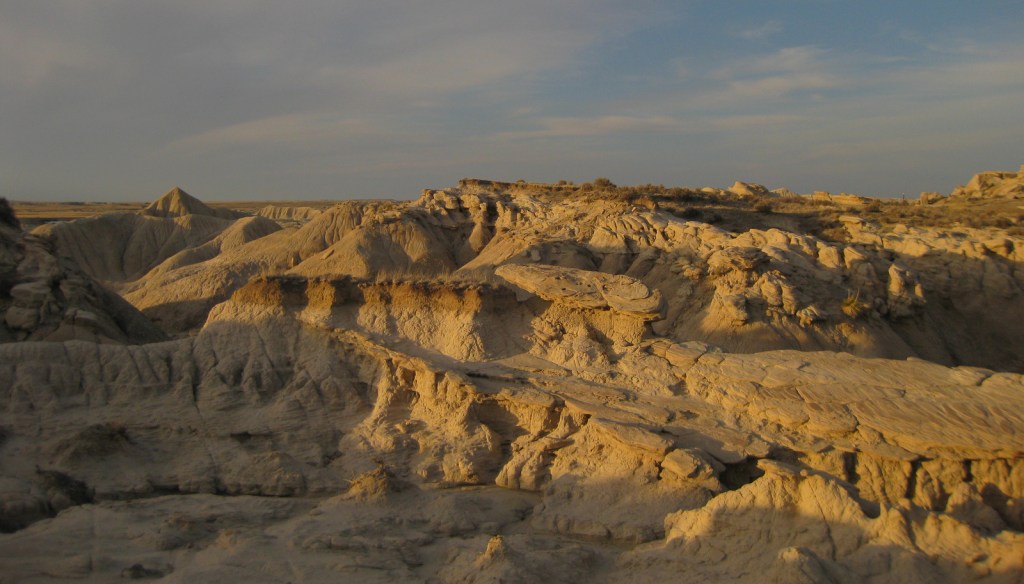
Northwest of the National Monument in Oglala National Grassland, Toadstool Geologic Park is a beautiful badlands that is best photographed at sunset.  While exploring its trails, look for fossilized bones and trackways, plus be sure to visit the Hudson-Meng Education and Research Center, which is open in the summer.

Peak Season

Summer

Hours

https://www.nps.gov/agfo/planyourvisit/hours.htm

Fees

None

Road Conditions

The entrance road from Highway 29 in the west and through the park is paved, but turns to well-graded gravel east of the National Monument.

Camping

No camping within the National Monument, but there is a free primitive campground at Toadstool Geologic Park in Oglala National Grassland.  Fort Robinson State Park offers camping, cabin rentals, and accommodations in former military barracks.

Explore More – How did the frontiersman James H. Cook collect the impressive array of American Indian artifacts now on display in the NPS visitor center?