Tag Archives: history

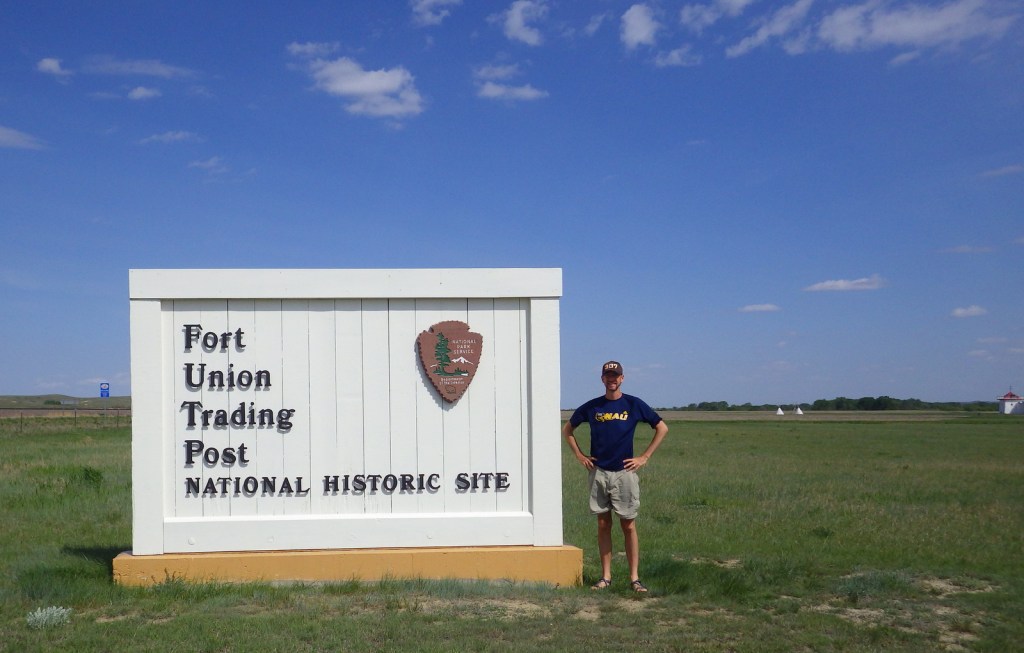
Fort Union Trading Post National Historic Site

Overview

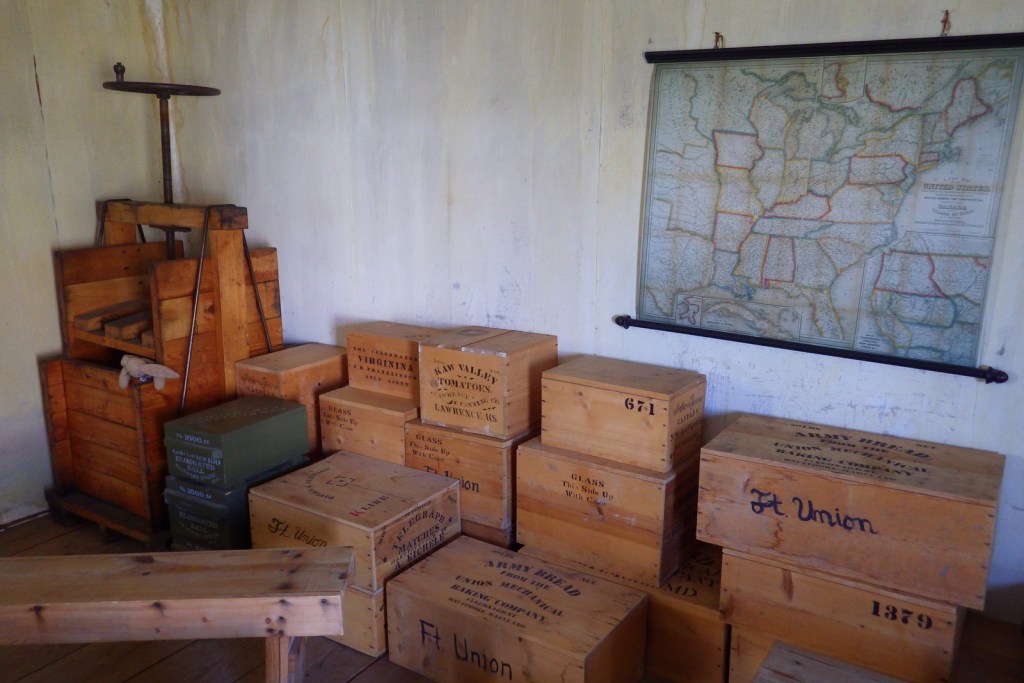
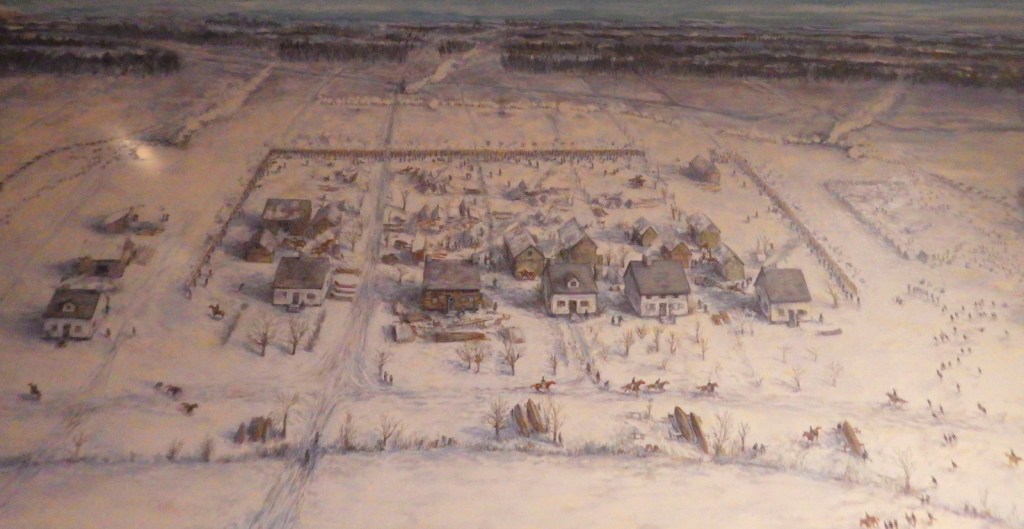
When you park at Fort Union Trading Post National Historic Site you are in Montana, but as you walk to the fort you cross into North Dakota, changing time zones from Mountain to Central Time.  Strategically located near the confluence of the Yellowstone and Missouri Rivers, the trading post lasted from 1828 to 1867 when it was sold to the U.S. Army who dismantled it to build Fort Buford two miles downstream.  Fort Union primarily traded with Plains Indians for bison hides, since beaver skin top hats were out of fashion by that point.

Highlights

Museum, reconstructed fort, Fort Buford State Historic Site, Missouri-Yellowstone River confluence

Must-Do Activity

The National Park Service (NPS) visitor center is located inside the reconstructed Bourgeois (field agent) House, one of several buildings and palisades rebuilt between 1985 and 1991 using rot-resistant fir instead of the original cottonwood.  After touring Fort Union, drive to Fort Buford State Historic Site where a visitor center (fee) opened at the two rivers’ confluence in August 2003 as part of the Lewis and Clark bicentennial celebration.

Best Trail

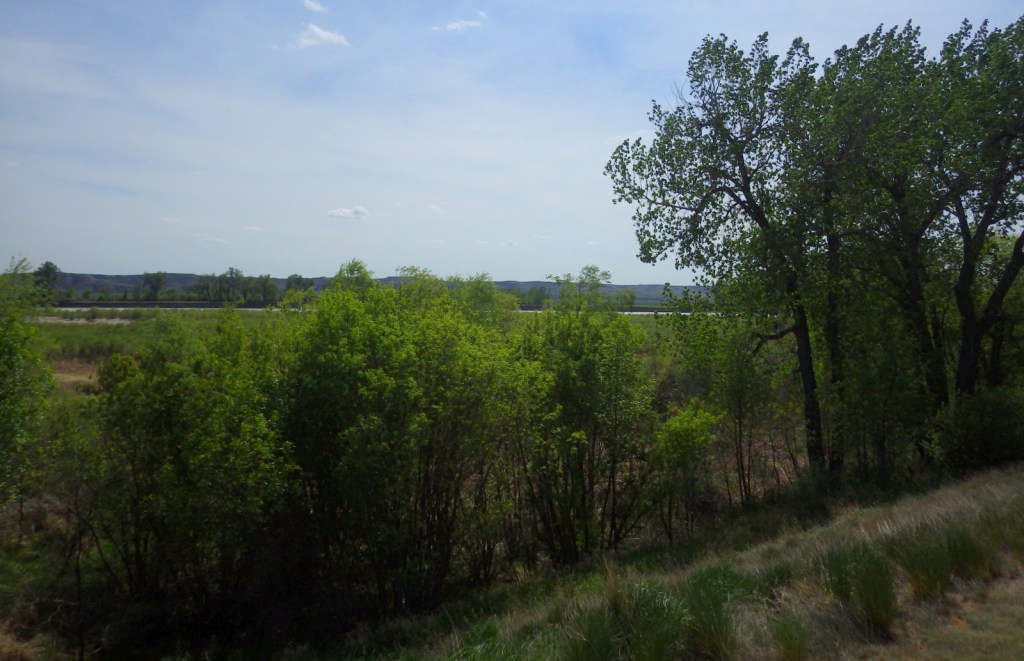
The Bodmer Overlook Trail climbs one mile to a point where Swiss painter Karl Bodmer sketched the fort in 1833.  The trailhead is located north of Highway 1804.

Instagram-worthy Photo

The colorful Bourgeois House is where the trading post manager lived.  A four-day fur-trade rendezvous is held annually at the park in June.

Peak Season

Summer

Hours

https://www.nps.gov/fous/planyourvisit/hours.htm

Fees

None at the NPS site, but there is an entrance fee at Fort Buford State Historic Site.

Road Conditions

Access roads are paved.

Camping

There is a campground at nearby Fort Buford State Historic Site.

Related Sites

Knife River Indian Villages National Historic Site (North Dakota)

Fort Vancouver National Historic Site (Washington)

Theodore Roosevelt National Park (North Dakota)

Explore More – What famous ornithologist stayed at the fort in 1843?

Fort McHenry National Monument and Historic Shrine

Overview

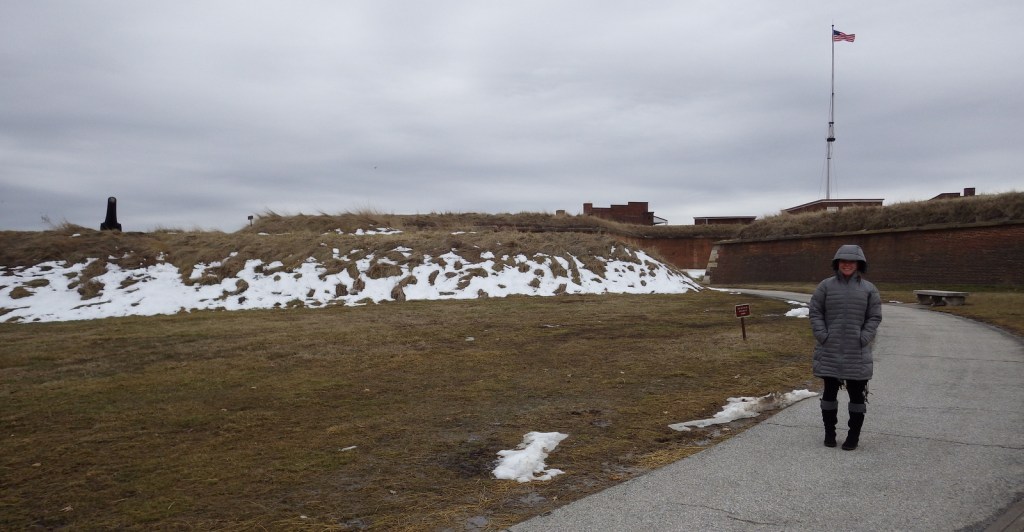
More than 200 years ago, Fort McHenry survived a 25-hour bombardment from the British navy and inspired Francis Scott Key to write “The Star-Spangled Banner” (which did not officially become the U.S. national anthem until 1931).  The flag flying the night of September 13, 1814 measured 42 x 30 feet!  It is no wonder he was stirred while watching “the rockets’ red glare” from aboard a U.S. truce ship under British guard floating in the Chesapeake Bay outside Baltimore, Maryland.  The Congreve rocket was a new type of weapon at the time, and, luckily for the Americans, very inaccurate.

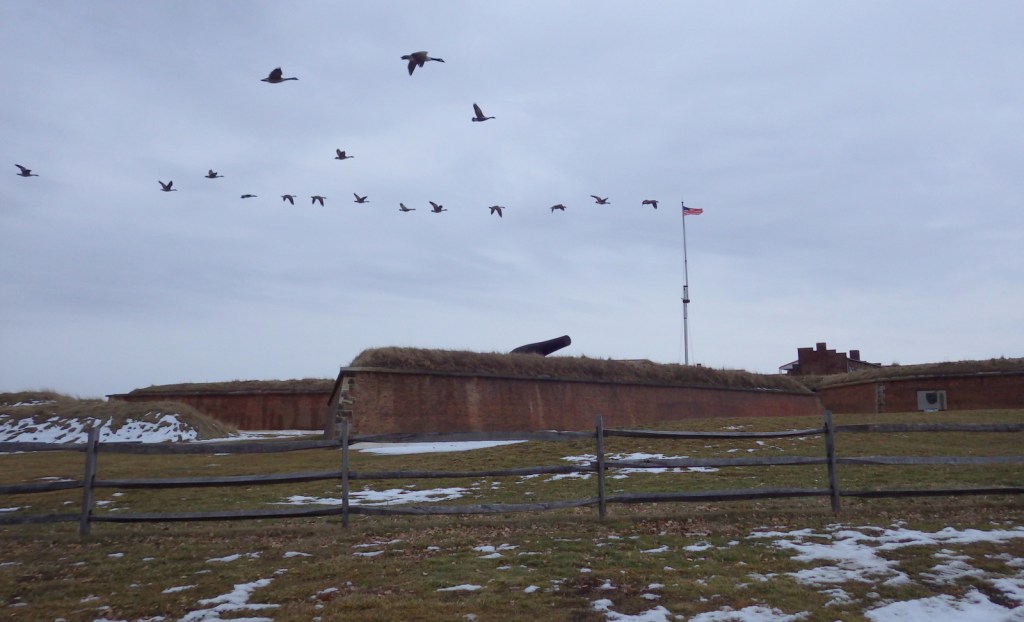
Geese flyover!

Highlights

Museum, film, fort, twice daily flag changes

Must-Do Activity

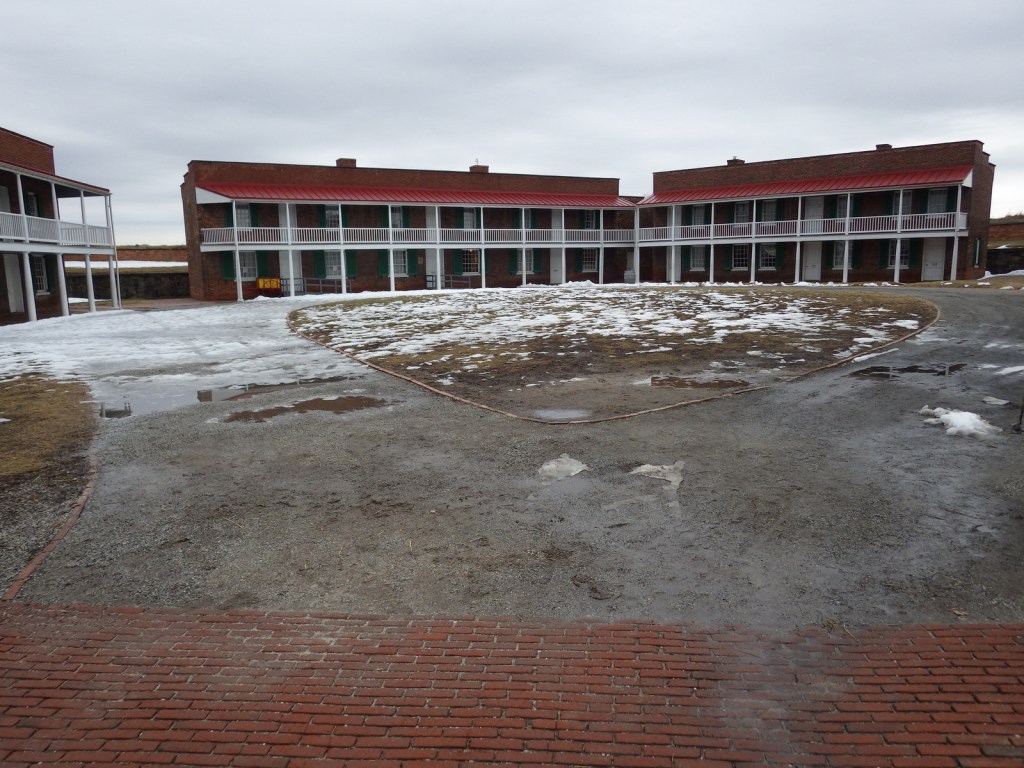
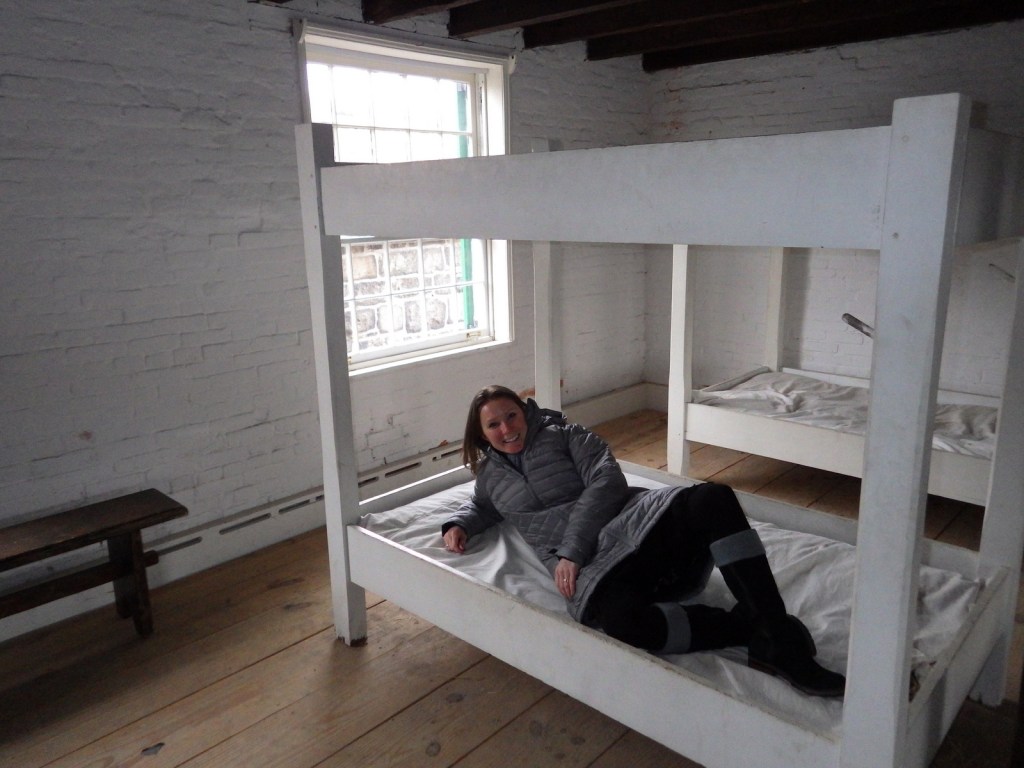
Fort McHenry went on to serve as a temporary prison during the Civil War, when its many cannons were pointed towards the city of Baltimore so Confederate sympathizers would not secede from the Union.  During World War I, the fort served as a veterans’ hospital before being designated a National Park Service (NPS) unit in 1925.  Later it was re-designated Fort McHenry National Monument and Historic Shrine, the only park with this unique distinction. 

Best Trail

Star Spangled Banner National Historic Trail is not a hiking trail so much as it is a collection of sites related to the War of 1812 in and around the Chesapeake Bay and Potomac River.

Instagram-worthy Photo

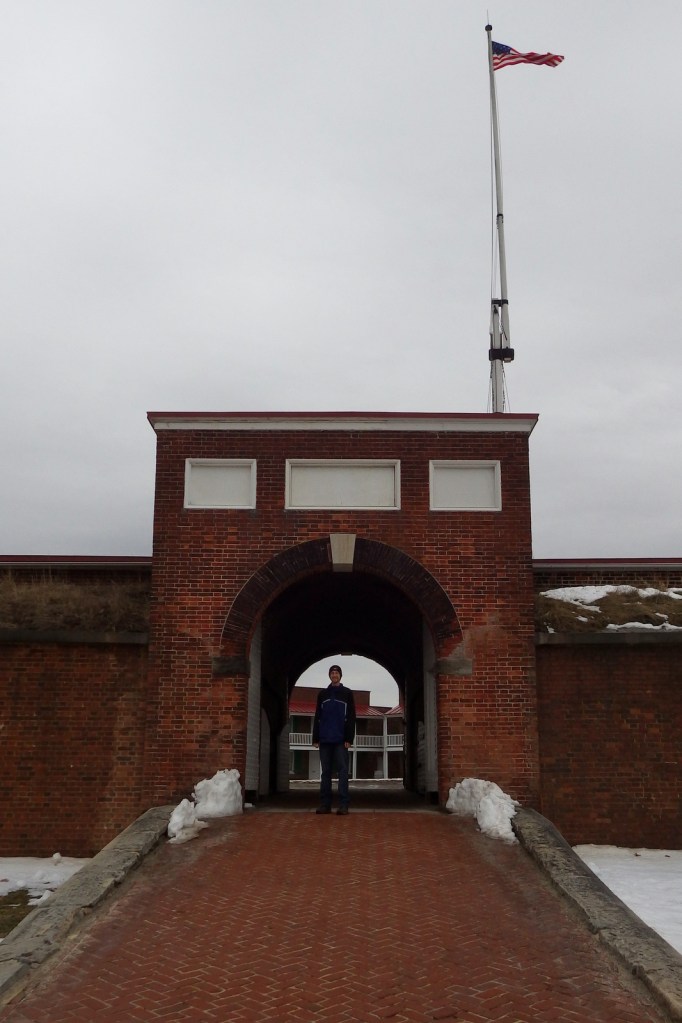
Our flag is still there.  This is officially the only NPS unit where the U.S. flag flies 24 hours a day.  Daily flag changes take place at 9:30 a.m. and 4:20 p.m., weather permitting.

Peak Season

Summer

Hours

https://www.nps.gov/fomc/planyourvisit/hours.htm

Fees

$15 per person or America the Beautiful pass

Road Conditions

All roads paved to the designated NPS parking lot.

Camping

Patapsco Valley State Park is located west of Baltimore, Maryland.

Related Sites

Belmont-Paul Women’s Equality National Monument (District of Columbia)

Hampton National Historic Site (Maryland)

Fort Washington Park (Maryland)

Explore More – When a new state is added to the union, the newly redesigned flag is first flown over Fort McHenry, so when did that last occur?

We are a participant in the Amazon Services LLC Associates Program, an affiliate advertising program designed to provide a means for us to earn fees by linking to Amazon.com and affiliated sites.

Horseshoe Bend National Military Park

Overview

It was near Daviston, Alabama on March 27, 1814 that a fortified village of Upper Creek (or Red Stick) Indians was attacked by a superior force under the leadership of Major General Andrew Jackson.  Jackson started by firing cannons at the barricade for two hours, then his overanxious Indian allies pressed the issue by crossing the river to fight.  Jackson quickly ordered his men to charge and overtook the stronghold.  This proved to be the final battle of the Creek Indian War of 1813-14, which is considered part of the War of 1812.  In the treaty that followed, the tribe ceded much of the land that became the state of Alabama to the United States.  When Jackson became president in 1828, he signed the Indian Removal Bill and soon both the Upper Creeks and his former Indian allies were forced west on the Trail of Tears.

Highlights

Museum, film, auto tour, nature trail

Must-Do Activity

A short but good film is the best way to start learning about this lesser known yet important battle of the War of 1812 that brought fame to Andrew Jackson.  A diorama in the visitor center illustrates the fortifications used at Horseshoe Bend.   On the three-mile auto tour, only short walks are required from any interpretive pullout.

Best Trail

An alternative to the auto tour is a 2.8-mile nature trail that visits the same interpretive sites.

Instagram-worthy Photo

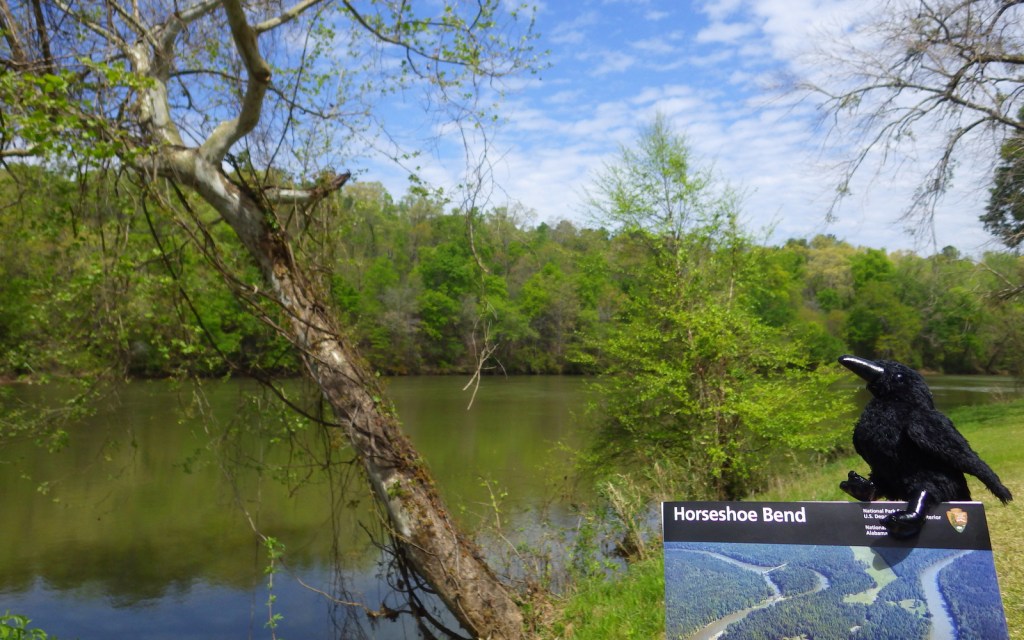
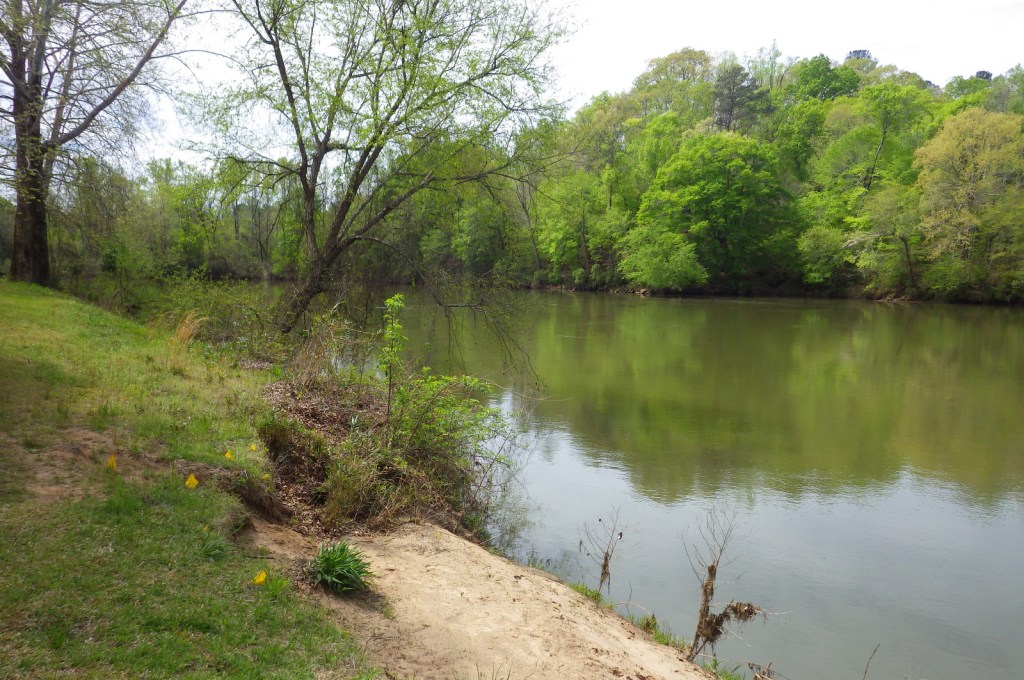
A tight curve in the Tallapoosa River in eastern Alabama provided the name for Horseshoe Bend National Military Park.  Indian allies of the U.S. started the 1814 battle by swimming then paddling stolen canoes across the river to get behind the fortifications.

Peak Season

Summer

Hours

https://www.nps.gov/hobe/planyourvisit/hours.htm

Fees

None

Road Conditions

All roads paved

Camping

There is no camping allowed here, but Wind Creek State Park has a campground 25 miles southwest of the park.

Related Sites

Jean Lafitte National Historical Park and Preserve (Louisiana)

Fort Smith National Historic Site (Arkansas-Oklahoma)

Russell Cave National Monument (Alabama)

Explore More – Where did a much more famous U.S. victory during the War of 1812 take place under the command of Major General Andrew Jackson?
River Raisin National Battlefield Park

Overview

River Raisin National Battlefield Park is located in Monroe, Michigan near where the mouth of the river empties into Lake Erie.  During the War of 1812, the U.S. had a plan to invade Canada which fell through after the surrender of Detroit.  Five months later in January 1813, U.S. troops were heading towards Detroit when they made a detour to Frenchtown to drive off a small detachment of Canadians.  Following an initial victory, a few mornings later a British surprise attack captured or killed all but 33 of nearly 1,000 troops.  When Indian allies of the British returned to scalp six (according to the British) or 42 (according to the Americans) injured prisoners the devastating defeat became immortalized in the rallying cry “Remember the Raisin!”

Highlights

Museum, film, River Raisin Heritage Trail

Must-Do Activity

River Raisin National Battlefield Park was not authorized until 2009, so it has a nice new visitor center opened in 2011.  The National Park Service (NPS) has even attempted to make it kid-friendly by creating a stuffed animal of Major Muskrat with multiple costume options available in the gift shop.  It is not often that an NPS site commemorates an American defeat in battle.  In 1813, the U.S. went onto victory at the Battle of Lake Erie and the Battle of Thames in southern Ontario.  For some reason, the Canadians do not have their own National Historic Site dedicated to that one.

Best Trail

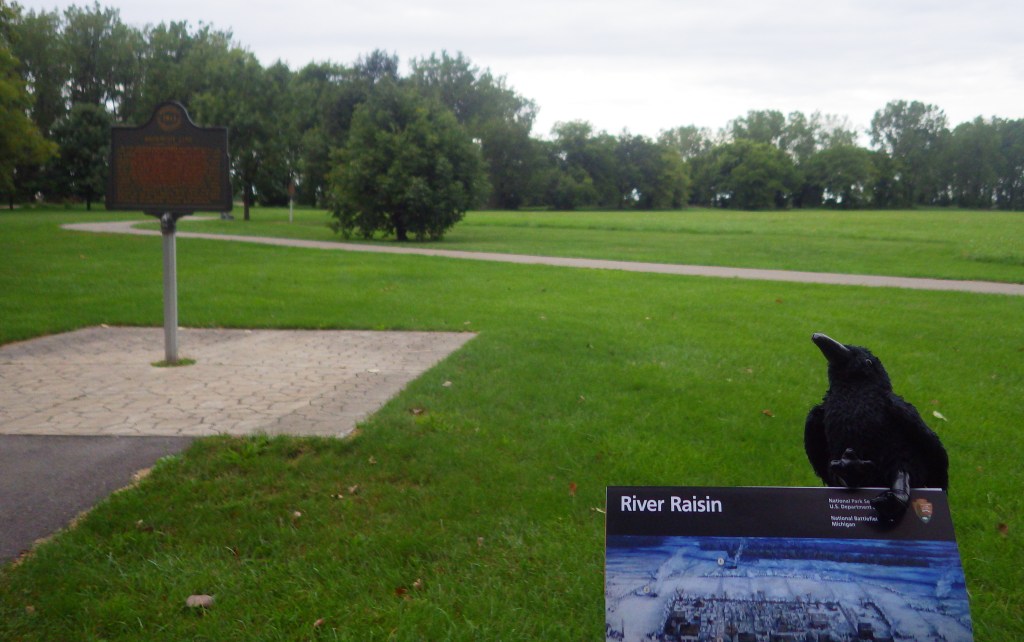
The 42-acre park is mostly a lawn with a paved path dotted by interpretive signs.  You can also hook into the River Raisin Heritage Trail, which takes you to Sterling Stare Park on Lake Erie.

Instagram-worthy Photo

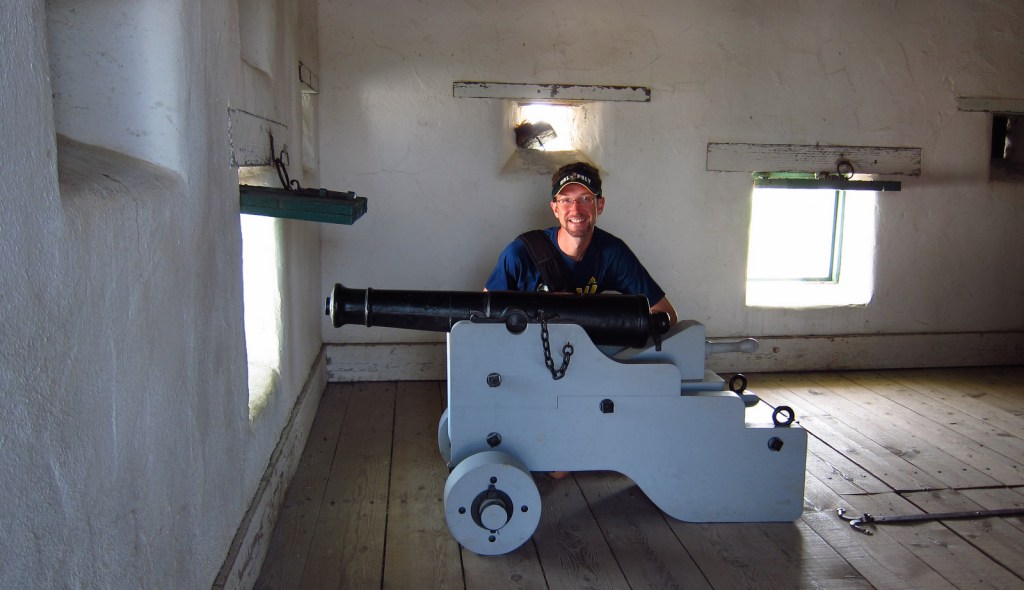
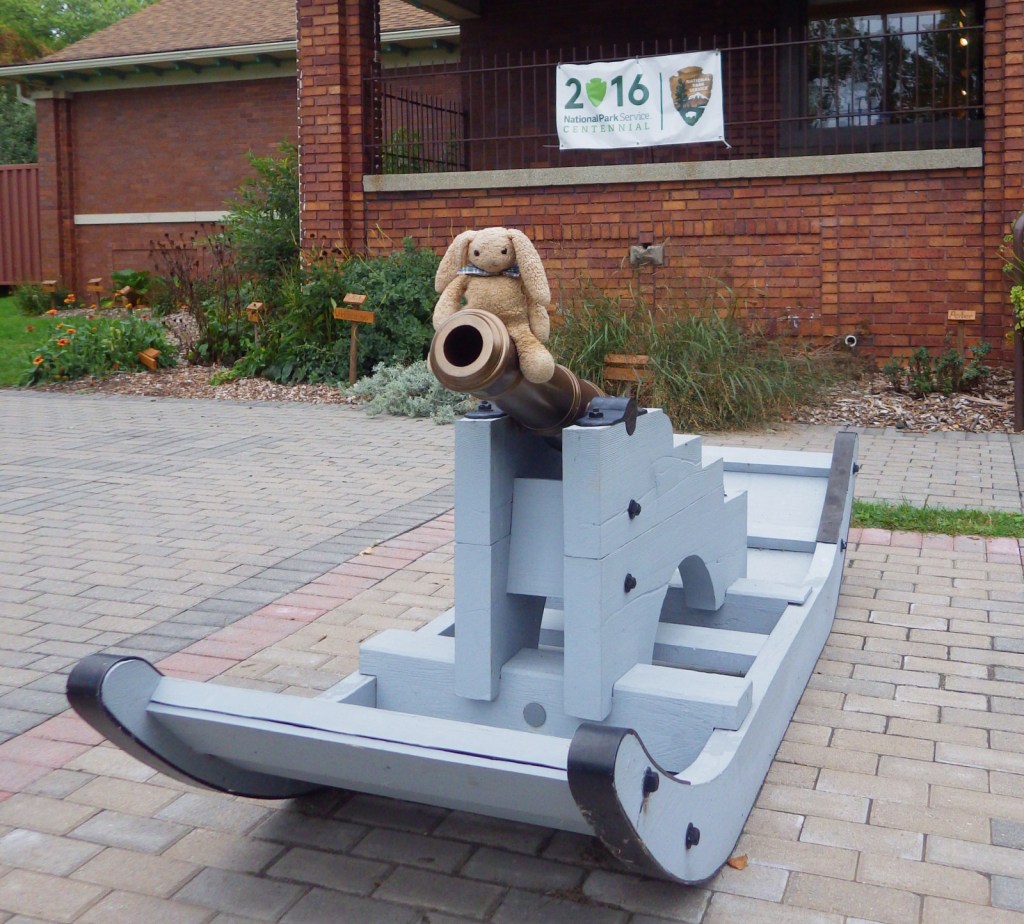
A replica of a cannon used at the January battle is on sled runners; pretty unique!

Peak Season

Summer

Hours

https://www.nps.gov/rira/planyourvisit/hours.htm

Fees

None

Road Conditions

All roads paved

Camping

Sterling State Park offers a 256-site campground on Lake Erie.

Related Sites

Perry’s Victory and International Peace Memorial (Ohio)

Horseshoe Bend National Military Park (Alabama)

Sleeping Bear Dunes National Lakeshore (Michigan)

Explore More – Native Americans were left out of the Treaty of Ghent that ended the War of 1812, so when did the U.S. sign the Treaty of Springwells officially ending hostilities?
Montezuma Castle National Monument

Overview

Central Arizona’s Montezuma Castle was one of the first four National Monuments established by President Theodore Roosevelt in 1906.  Conveniently accessible just off Interstate 17 on the way to Sedona or the Grand Canyon, it is a great place to stretch your legs after the 90-minute car ride from Phoenix.  Located in the scenic Verde River Valley, it is one of several sites related to the Sinagua people managed by the National Park Service (also see Walnut Canyon, Tuzigoot, and Wupatki).

Highlights

Cliff dwelling, Montezuma Well

Must-Do Activity

Protected in a cliff recess above Beaver Creek, the five-story tall ruin is not accessible to tourists and can only be viewed from below.  Its name “Montezuma” refers to the mistaken belief that it was somehow connected to the Aztec Empire of Mexico, but its inhabitants had more in common with the Sinagua people living in around Arizona in the 1400s.  Continue on the paved walkway to the ground-level ruins of Castle A and views of Beaver Creek.

Best Trail

To investigate a separate unit of Montezuma Castle National Monument, drive 11 miles north to Montezuma Well, a limestone sinkhole filled by a natural spring that produces 1.5-millions gallons of 74°F water daily.  The trail is only a half-mile long loop, but it is worth the trip to see the historic irrigation ditches and the 55-foot deep sinkhole.

Instagram-worthy Photo

It is unclear why the Sinagua people abandoned the cliff dwelling around 1425, but it may have been due to disease, drought, or climate change.  There were 35 to 50 inhabitants of Montezuma Castle and even more at Castle A, which had approximately 50 rooms.

Peak Season

Summer

Hours

https://www.nps.gov/moca/planyourvisit/hours.htm

Fees

$10 per person or America the Beautiful pass; Montezuma Well is free

Road Conditions

Access roads are paved.

Camping

There is no campground at the National Monument, but many located within massive Coconino National Forest, which also allows dispersed camping.

Related Sites

Tuzigoot National Monument (Arizona)

Tonto National Monument (Arizona)

Sunset Crater Volcano National Monument (Arizona)

Explore More – In what year did the National Park Service stop allowing visitors to climb ladders to walk inside Montezuma Castle?