Tag Archives: history

Angelina National Forest

Angelina National Forest

Texas

Managed by U.S. Forest Service, Southern Region

402,231 acres (153,180 federal/ 249,051 other)

Website: https://www.fs.usda.gov/main/texas/home

Overview

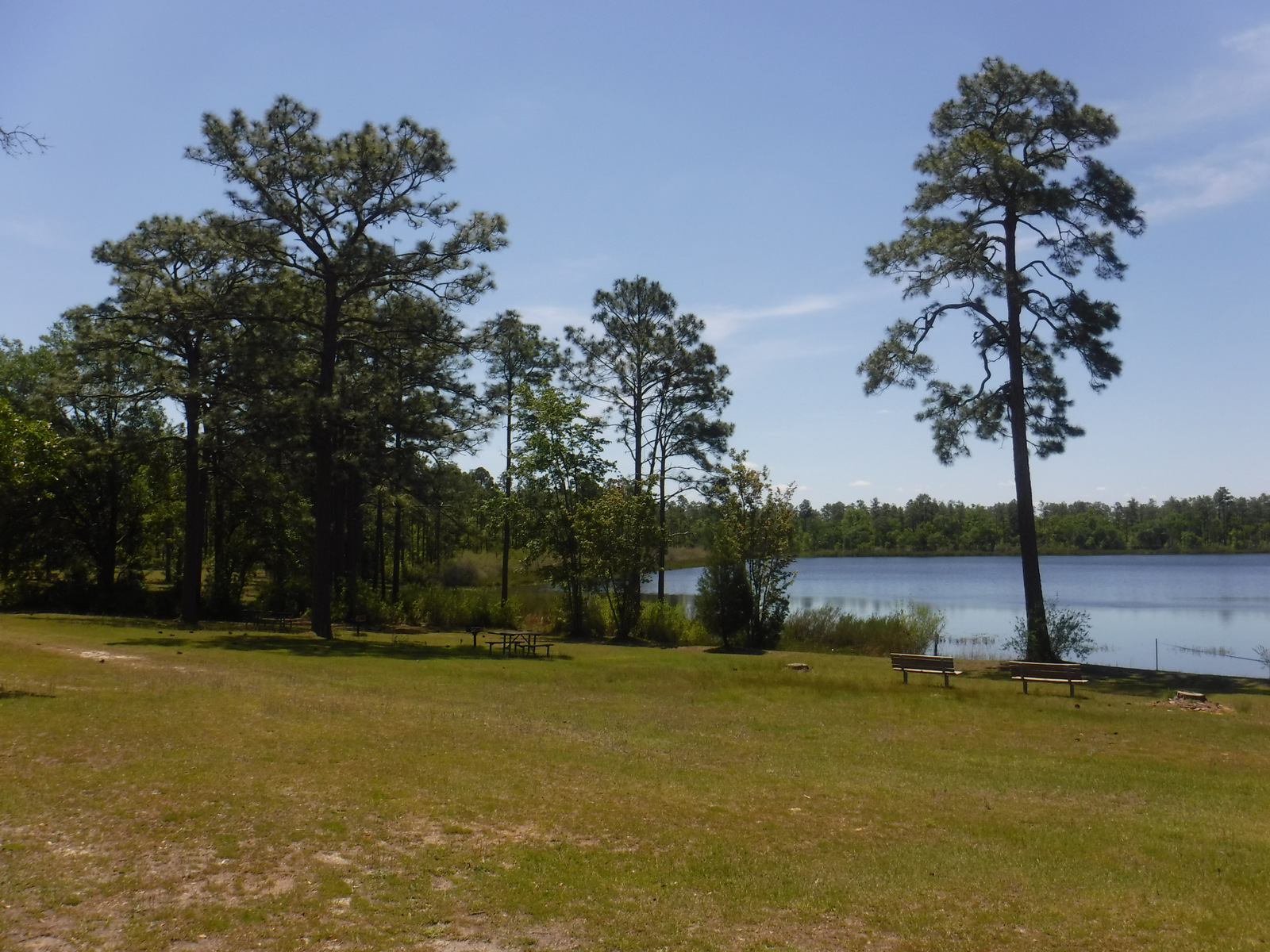
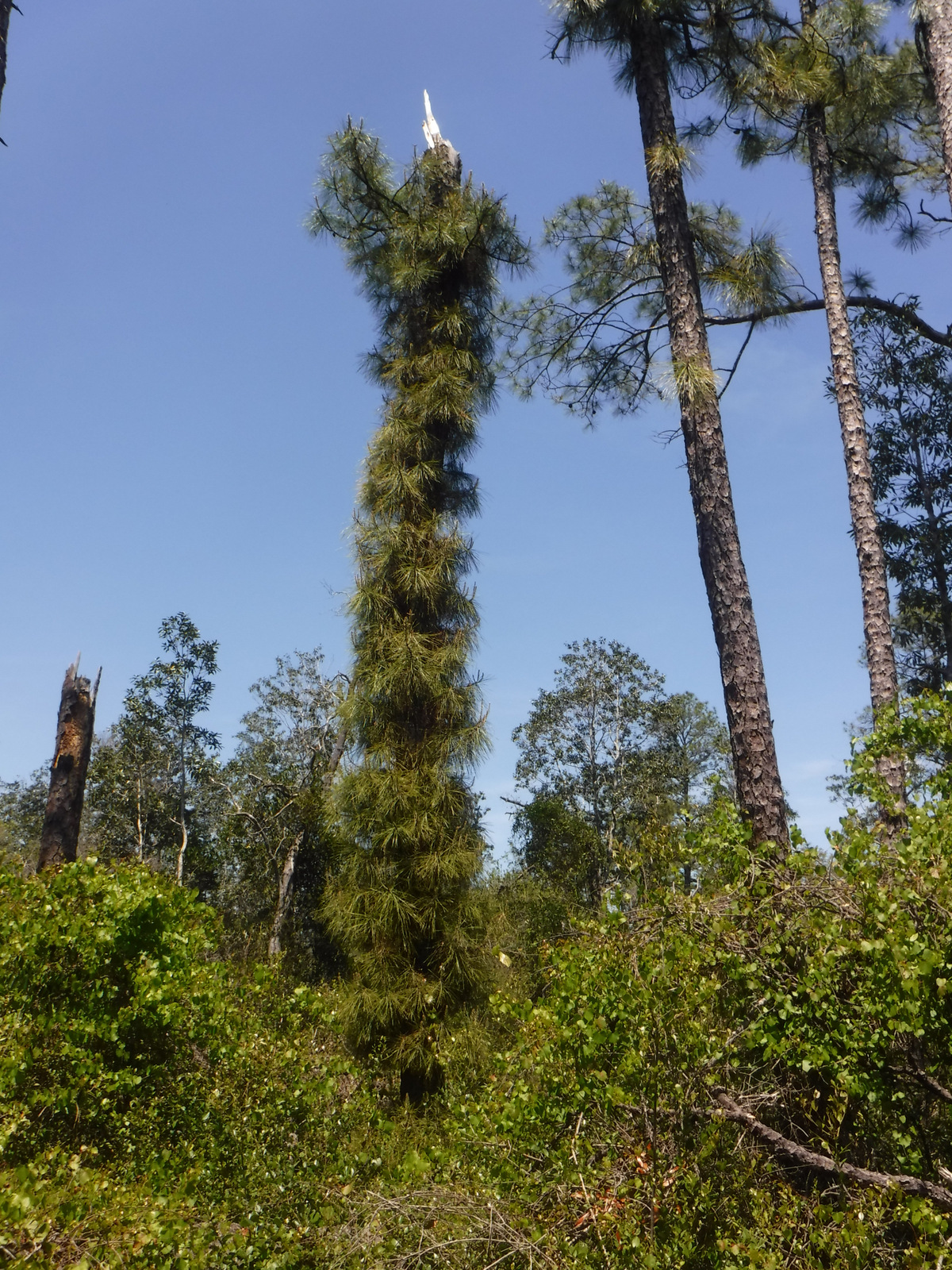
Angelina National Forest lies in the piney woods region of eastern Texas dominated by longleaf, loblolly, and shortleaf pine trees.  In 1935, land acquisition began to create Angelina and the three other nearby National Forests it is co-managed with (Davy Crockett, Sabine, and Sam Houston).  Sam Rayburn Reservoir bisects Angelina National Forest into a north and south section in the flooded Neches River Basin.

Highlights

Sam Rayburn Reservoir, Boykin Springs Recreation Area, Caney Creek Recreation Area, Black Branch Barrens, Bouton Lake, Aldridge Sawmill Historic Site, Sawmill Trail

Must-Do Activity

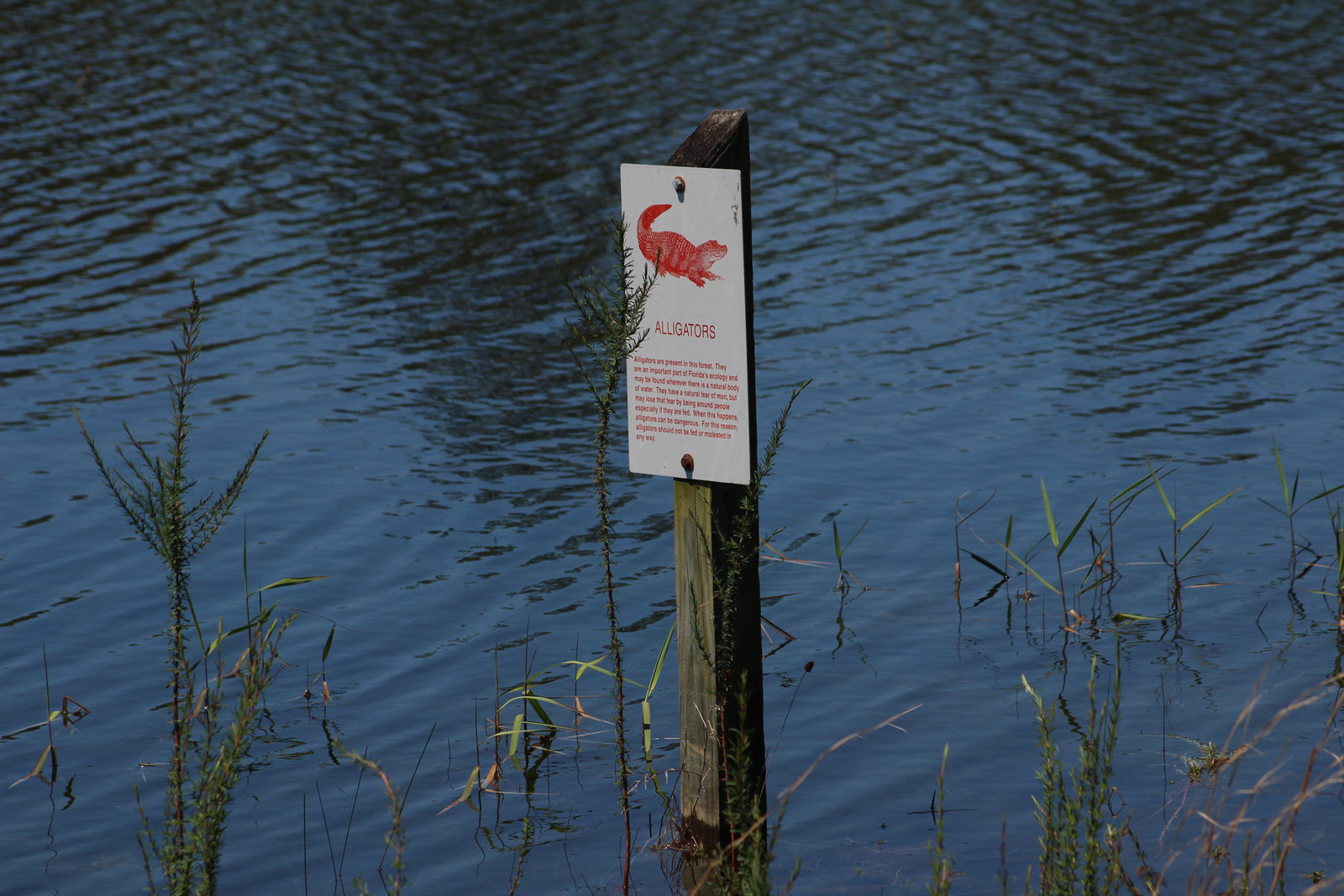
Other than Sam Rayburn Reservoir, the most developed portion of the National Forest is Boykin Springs Recreation Area.  The lake, campground, and Civilian Conservation Corps (CCC) structures are at the end of 2.5-mile long Forest Road 313 off Highway 63.  About twenty minutes away Bouton Lake (12 acres) is located seven miles down Forest Road 303 and offers primitive camping, fishing, and an overgrown hiking trail amidst bottomland hardwoods and baldcypress trees (please respect the private property on the west side).

Best Trail

The 5.5-mile out-and-back Sawmill Trail connects Boykin Springs Recreation Area to the Aldridge Sawmill Historic Site.  The trail goes through a burn and can be hard to follow in places due to multiple user trails, so be sure to follow the yellow-painted metal markers on trees.  The sawmill has been heavily sprayed with graffiti, but if you aim your camera up to the second story it does not look as bad.  The trail that used to connect to the sawmill from Bouton Lake has been closed since it crossed private property.

Watchable Wildlife

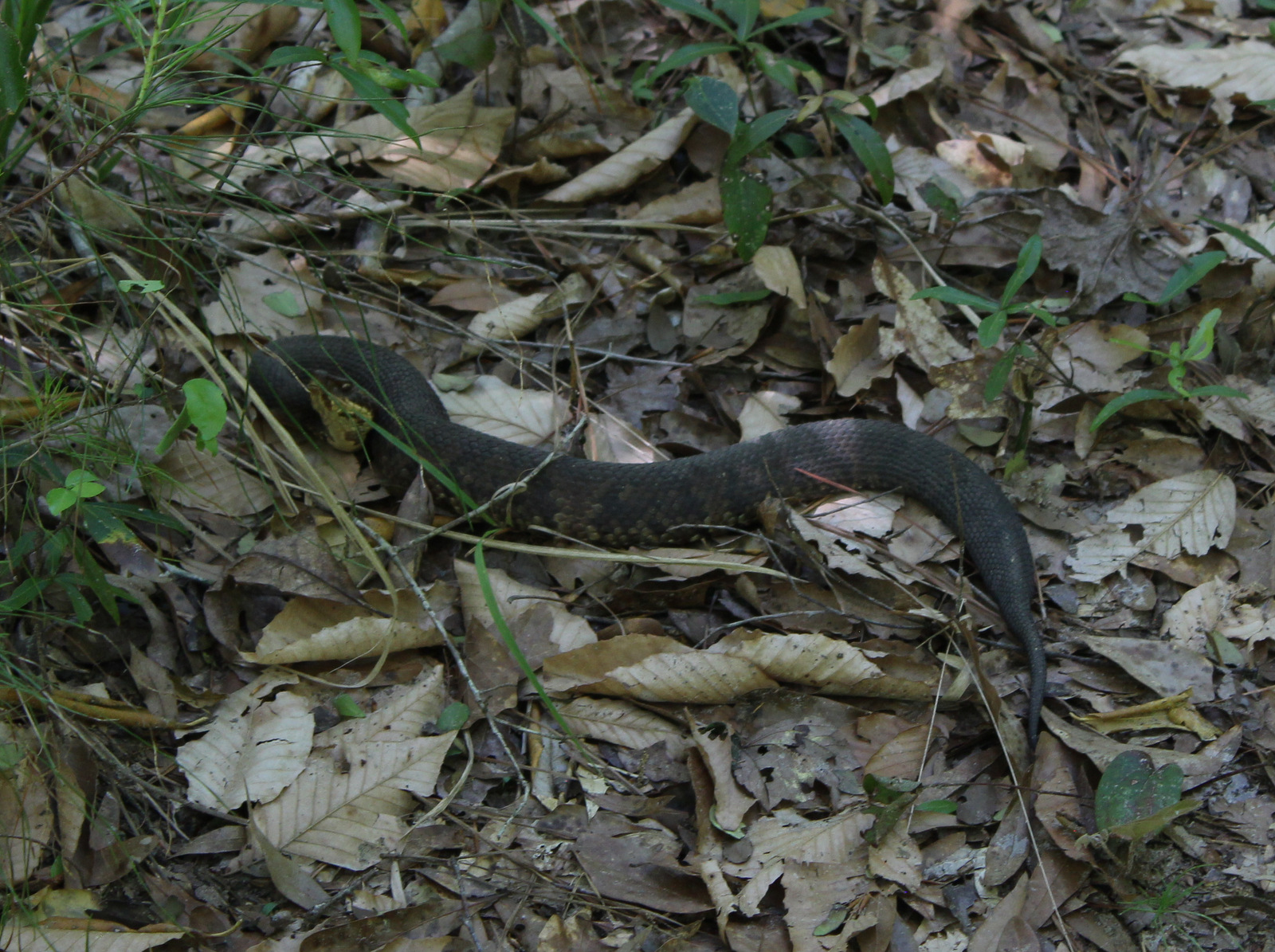
At Boykin Springs Recreation Area we spotted a pileated woodpecker, cardinal, robins, and crows.  The endangered red-cockaded woodpecker can be found in the longleaf pine forests.  On the Sawmill Trail we saw a copperhead snake near the creek and turtles in the pond at the end.  Hunters seek white-tailed deer, wild turkey, American woodcock, and bobwhite quail in the forest, which also provides wintering habitat for bald eagles.

Instagram-worthy Photo

A cool rock spillway originally built by the Civilian Conservation Corps (CCC) in 1938 drains from the nine-acre lake at Boykin Springs Recreation Area.  It was reconstructed to its original appearance in the years after Hurricane Rita hit in 2005.

Peak Season

Spring and fall

Fees

None

Road Conditions

Forest Road 303 to Bouton Lake is a very good dirt road, but the west side of the lake is privately owned and a one-lane road leads to a gate, so unless you want to drive backwards for a ways just park as soon as you get to the camping area.

Camping

There are developed campgrounds at Boykin Springs and Caney Creek Recreation Areas, plus an undeveloped (and free) area to camp at Bouton Lake.

Wilderness Areas

Turkey Hill Wilderness

Upland Island Wilderness

Related Sites

Big Thicket National Preserve (Texas)

Davy Crockett National Forest (Texas)

Sabine National Forest (Texas)

Nearest National Park

Hot Springs (Arkansas)

Conifer Tree Species

baldcypress, longleaf pine, shortleaf pine, loblolly pine

Flowering Tree Species

laurel oak, blackjack oak, post oak, overcup oak, swamp chestnut oak, cherrybark oak, water oak, black hickory, water hickory, red maple, American beech, American holly, yaupon holly, southern magnolia, sweetbay magnolia, swamp red bay, water tupelo, water elm, winged elm, Carolina ash, green ash, wax myrtle

Explore More – Other than looking cool, what function do the knees serve that protrude from the baldcypress root system?

We are a participant in the Amazon Services LLC Associates Program, an affiliate advertising program designed to provide a means for us to earn fees by linking to Amazon.com and affiliated sites.

Saint Francis Dam Disaster National Memorial and Monument

Saint Francis Dam Disaster National Memorial and Monument

California

Managed by U.S. Forest Service, Angeles National Forest

353 acres

Website: https://stfrancisdammemorial.org/

Overview

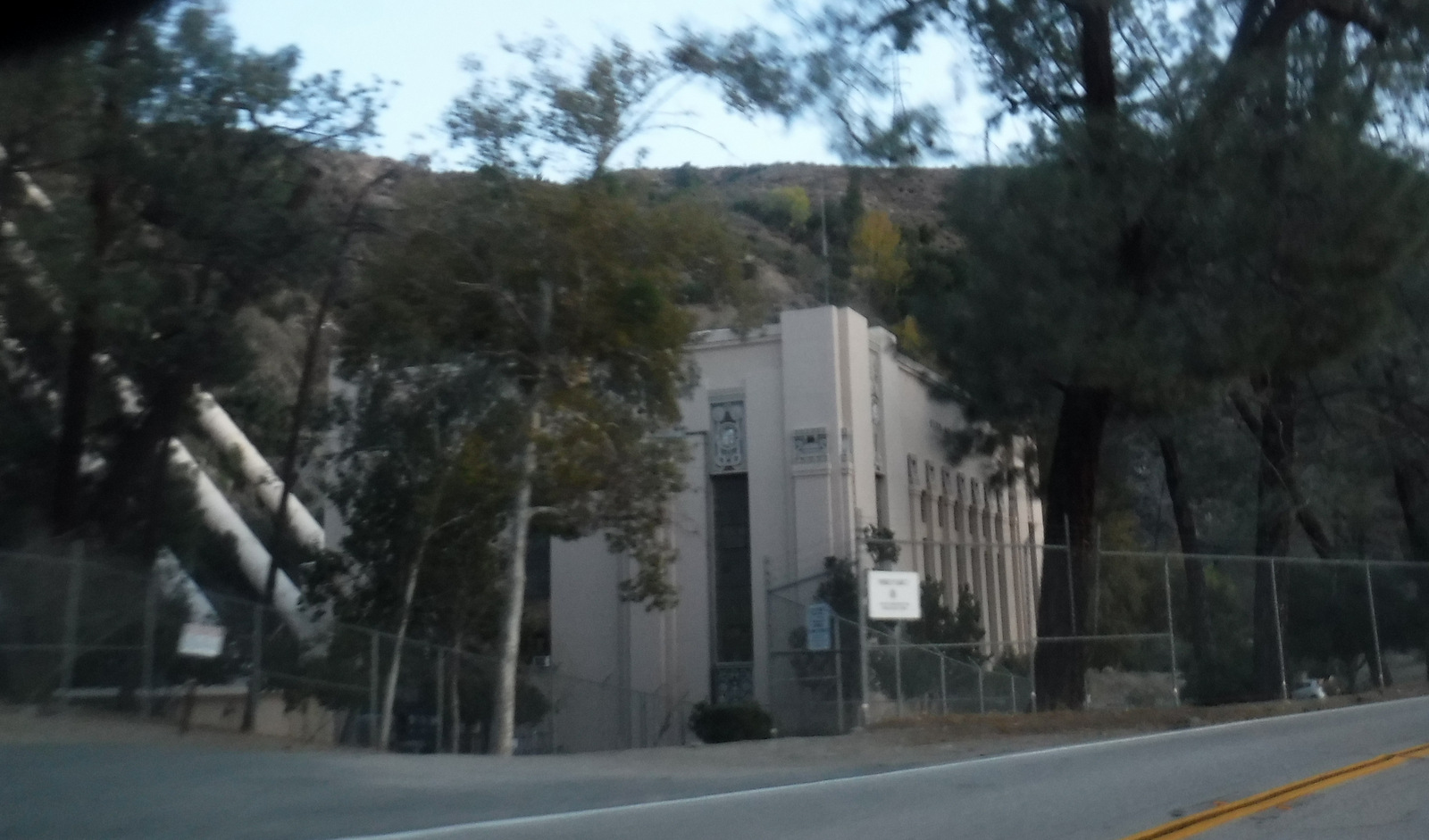
Saint Francis Dam Disaster National Memorial and Monument was authorized on March 12, 2019 to commemorate the 431 lives that were lost when an 185-foot-tall concrete gravity dam failed around midnight on the same date 91 years earlier. The death toll is second in the history of California to the 1906 earthquake in San Francisco.  Saint Francis Dam was only two years old when it failed, and other dams from that time period remain in use as part of the Los Angeles aqueduct system.  Currently, a California Historical Landmark is located 1.5 miles south at Powerhouse No. 2, but there is nothing developed at the actual site. In 2003 in Santa Paula, a memorial statue was erected featuring two motorcycle officers in honor of two heroes who warned sleeping residents of the impending flood, saving countless lives.
A detailed historical account of the disaster is available on Wikipedia.

Highlights

Ruins of dam, California Historical Landmark #919, Santa Paula Memorial

Must-Do Activity

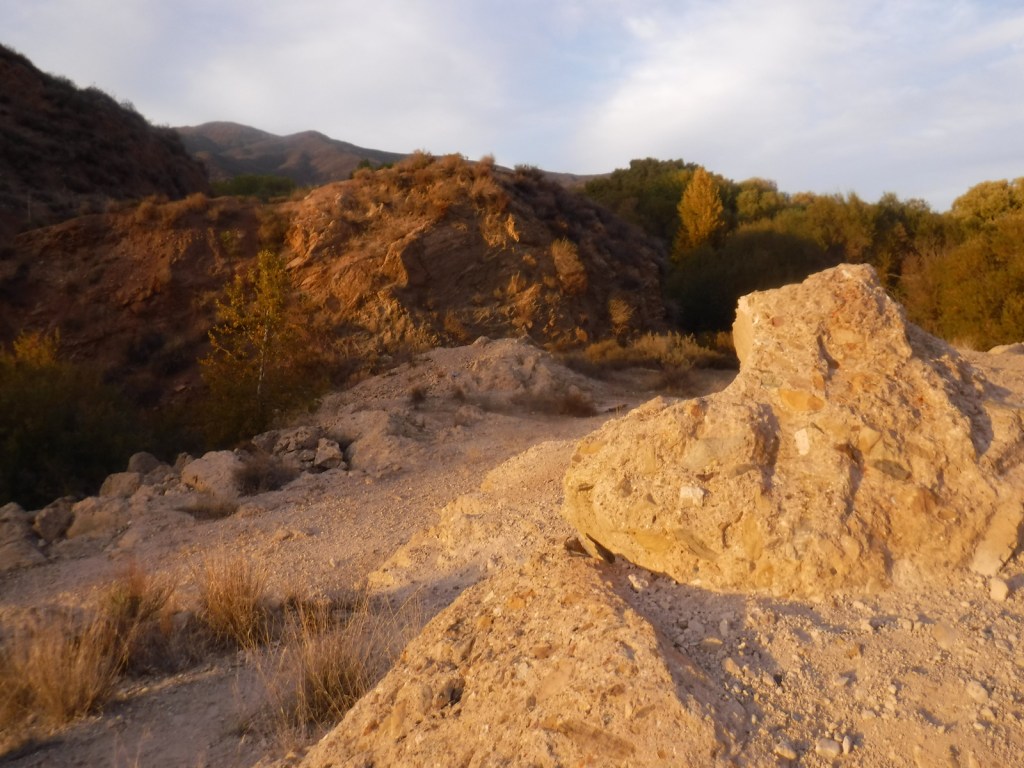
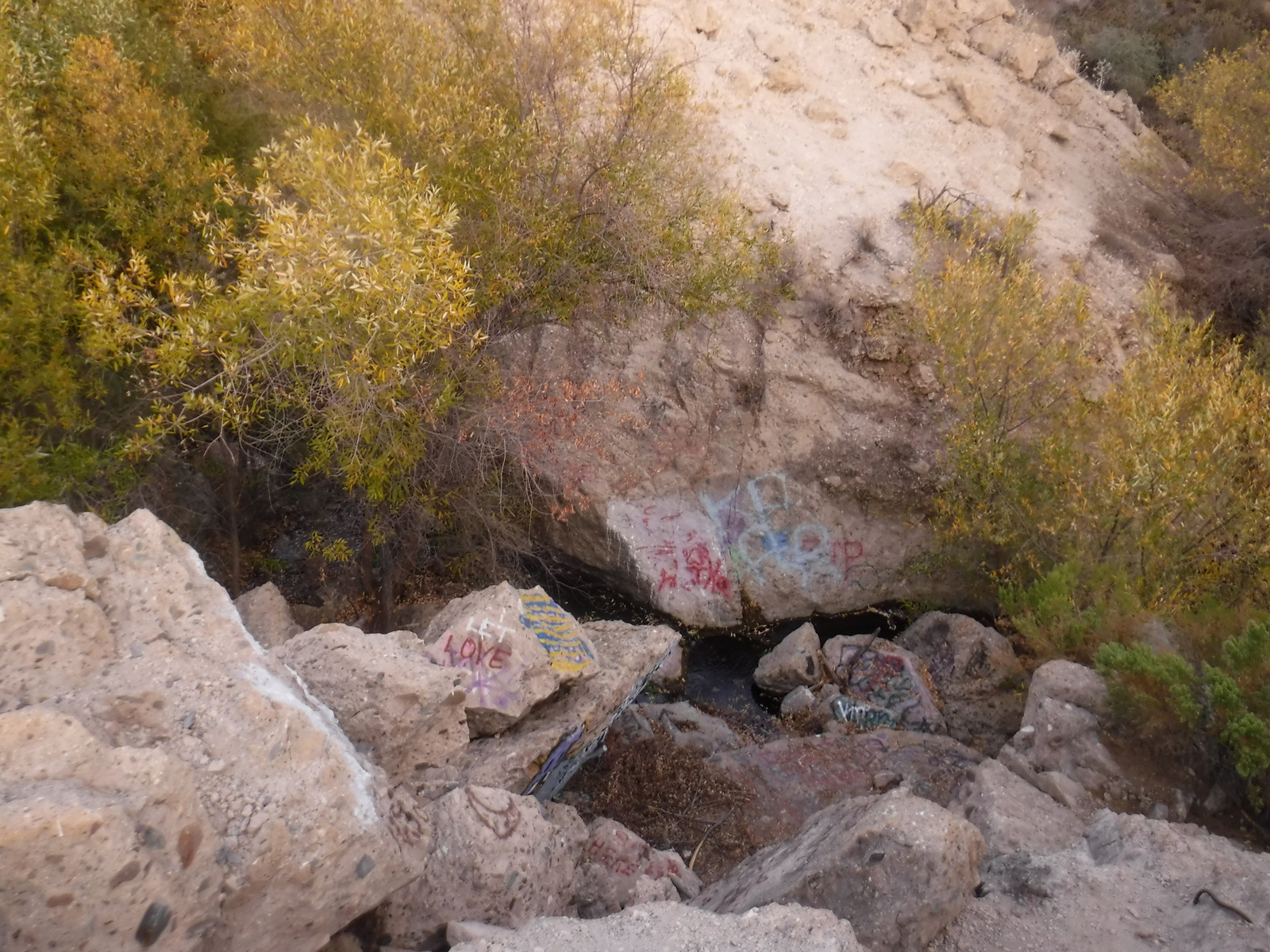
There are plans to build a National Memorial at the dam, but currently it is a pile of rubble heavily spray-painted by local teenagers.  After its fall in 1928, authorities further toppled the structure with dynamite, bulldozers, and jackhammers to discourage sightseers and souvenir hunters.  The site is located in a scenic canyon where the leaves were just turning yellow for winter during our mid-November visit.  It is less than a mile walk to the site from the unmarked pulloff on the east side of San Francisquito Canyon Road in Angeles National Forest.  The pathway is the heavily overgrown original roadbed that was abandoned after a storm in 2005 and it reeked of urine.  It will be interesting to see how the Forest Service cleans up the area in the future.

Best Trail

There is no official trail, and it is quite a steep drop from the paved remnants of old San Francisquito Canyon Road to the actual rubble pile down at creek level.

Instagram-worthy Photo

The dam disaster site is not much to look at right now, but there are some angles where you can avoid getting graffiti in your photo.

Peak Season

Spring and fall

Fees

None

Road Conditions

San Francisquito Canyon Road is paved, but exercise caution as there is currently no sign for the parking areas nor is there a turn lane on this high-speed two-lane highway.

Camping

There are numerous Forest Service campgrounds in the area, with Spunky Canyon and South Portal being the closest to the north.

Related Sites

Santa Gabriel Mountains National Recreation Area (California)

Santa Monica Mountains National Recreation Area (California)

Sand to Snow National Monument (California)

Nearest National Park

Channel Islands (California)

Explore More – How many billions of gallons of water were released when the St. Francis Dam failed in 1928?

Waco Mammoth National Monument

Overview

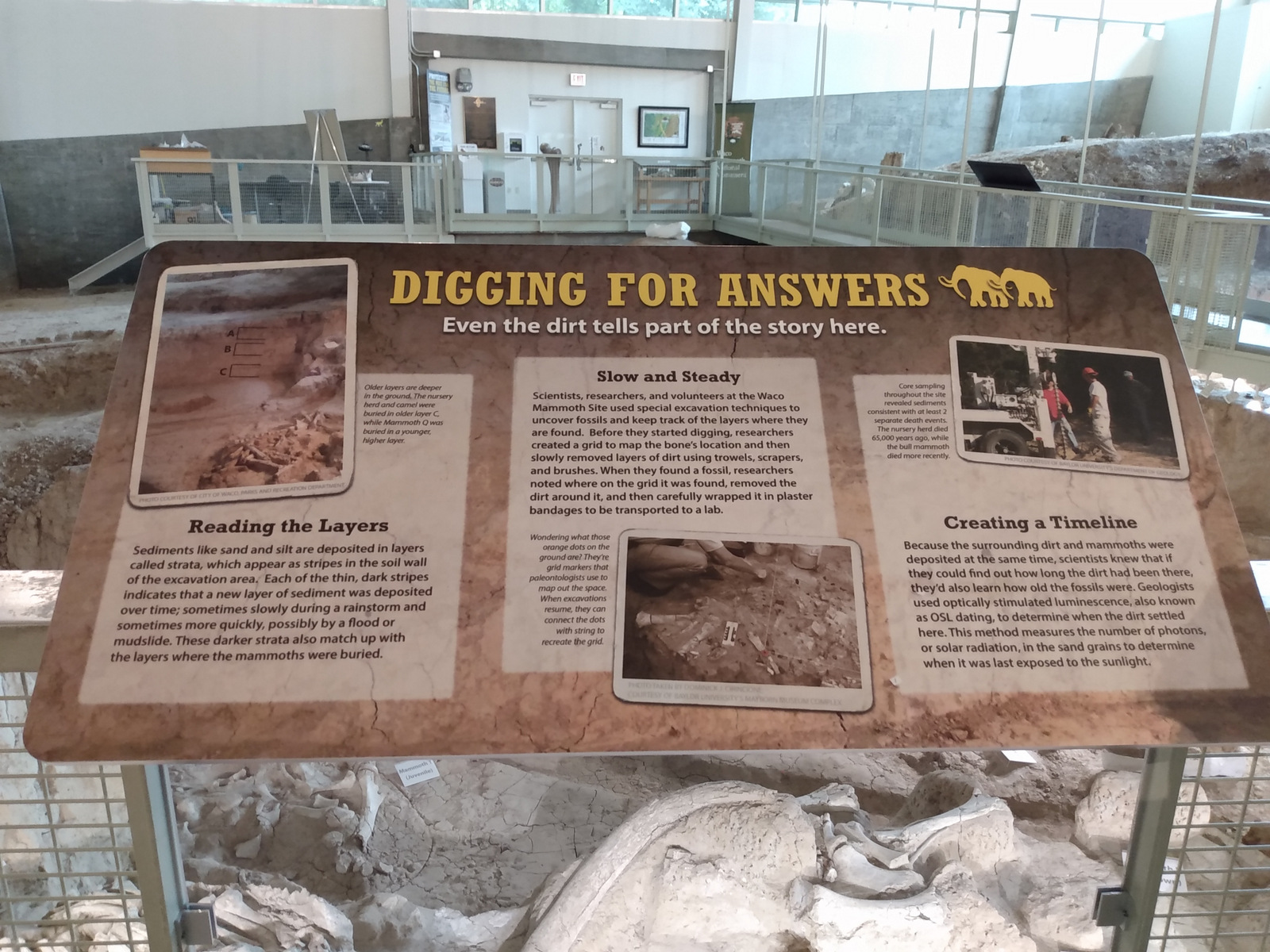
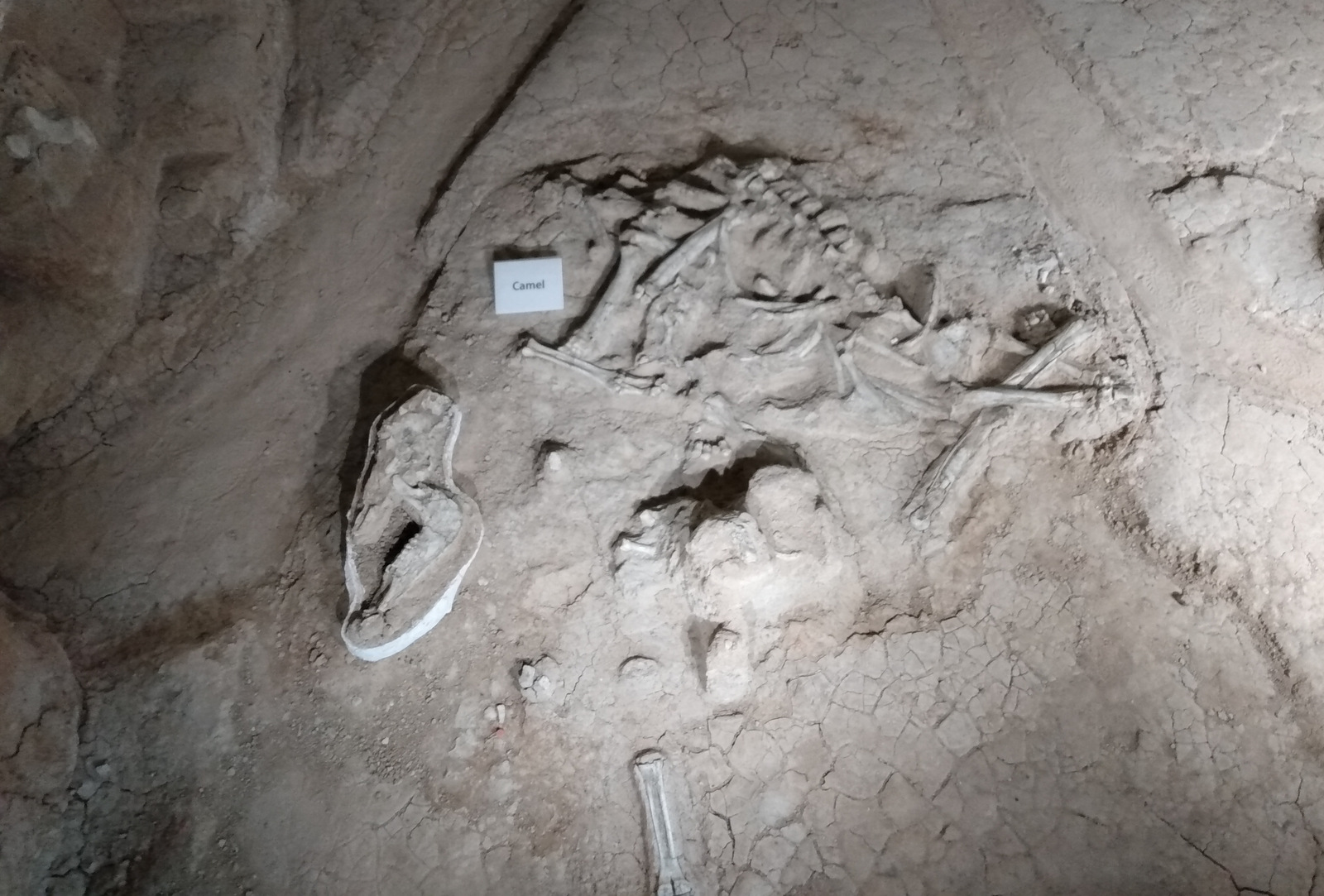
Columbian mammoths grew up to 14 feet in height, much larger than woolly mammoths that reached about 10 feet.  About 65,000 years ago, a nursery herd of Columbian mammoths died in a ravine here due to unknown causes, possibly a flood or drought.  Then about 51,000 years ago, another three mammoths died at the same spot before the onset of a new glacial period.  Many of the fossils have been left in situ within the Dig Shelter, but others are on display at Baylor University’s Mayborn Museum Complex.

Highlights

Dig Shelter tour, Eagle Trail

Must-Do Activity

Established in 2015, this National Monument was already developed for visitors by the city of Waco and Baylor University.  As such, annual America the Beautiful passes provide no discount for the guided tour to the Dig Shelter where the 65,000-year-old Columbian mammoth and camel bones have been excavated.  First discovered in 1978, this dig site has since had a building constructed around it, making it a pleasant place to visit year round.

Best Trail

From the paved Mammoth Trail, there is the short Deer Loop that connects to the longer Eagle Trail.  Located south of Waco Mammoth National Monument, Cameron Park in Waco has trails along the Brazos and Bosque Rivers.

Instagram-worthy Photo

The Dig Shelter is only viewable on a guided tour (admission charged).

Peak Season

Spring and fall

Hours

https://www.nps.gov/waco/planyourvisit/hours.htm

Fees

$5 per person for the tour (no discount for America the Beautiful pass)

Road Conditions

All roads paved

Camping

Many private campgrounds can be found around Waco, Texas, in addition to six Corps of Engineers campgrounds on Waco Lake that take reservations.

Related Sites

Alibates Flint Quarries National Monument (Texas)

Guadalupe Mountains National Park (Texas)

Agate Fossil Beds National Monument (Nebraska)

Explore More – A small tooth was discovered here from a cub of what fearsome Ice Age predator?

Fort Bowie National Historic Site

Overview

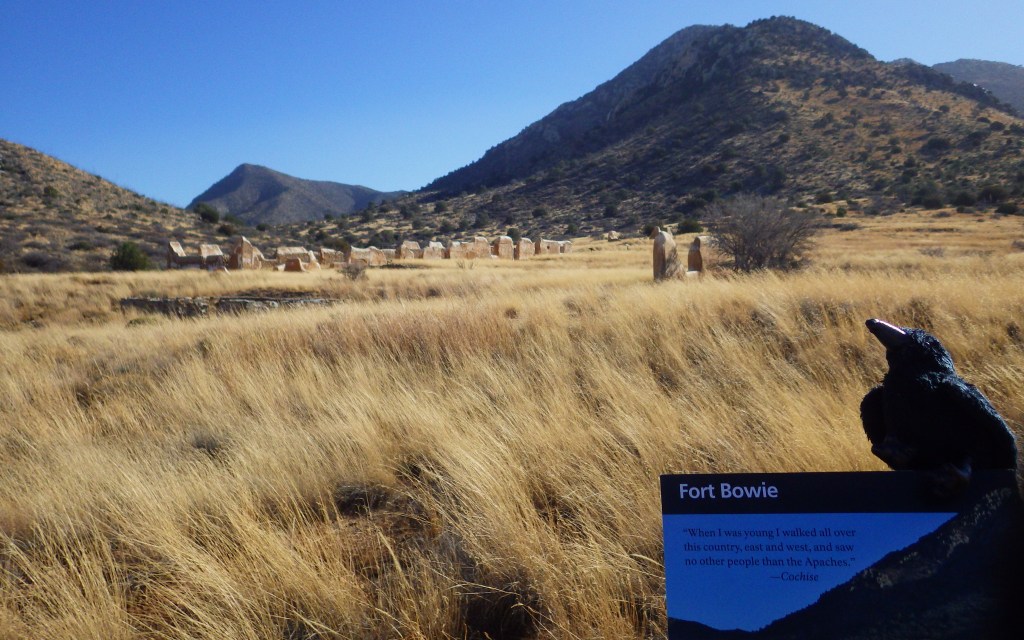
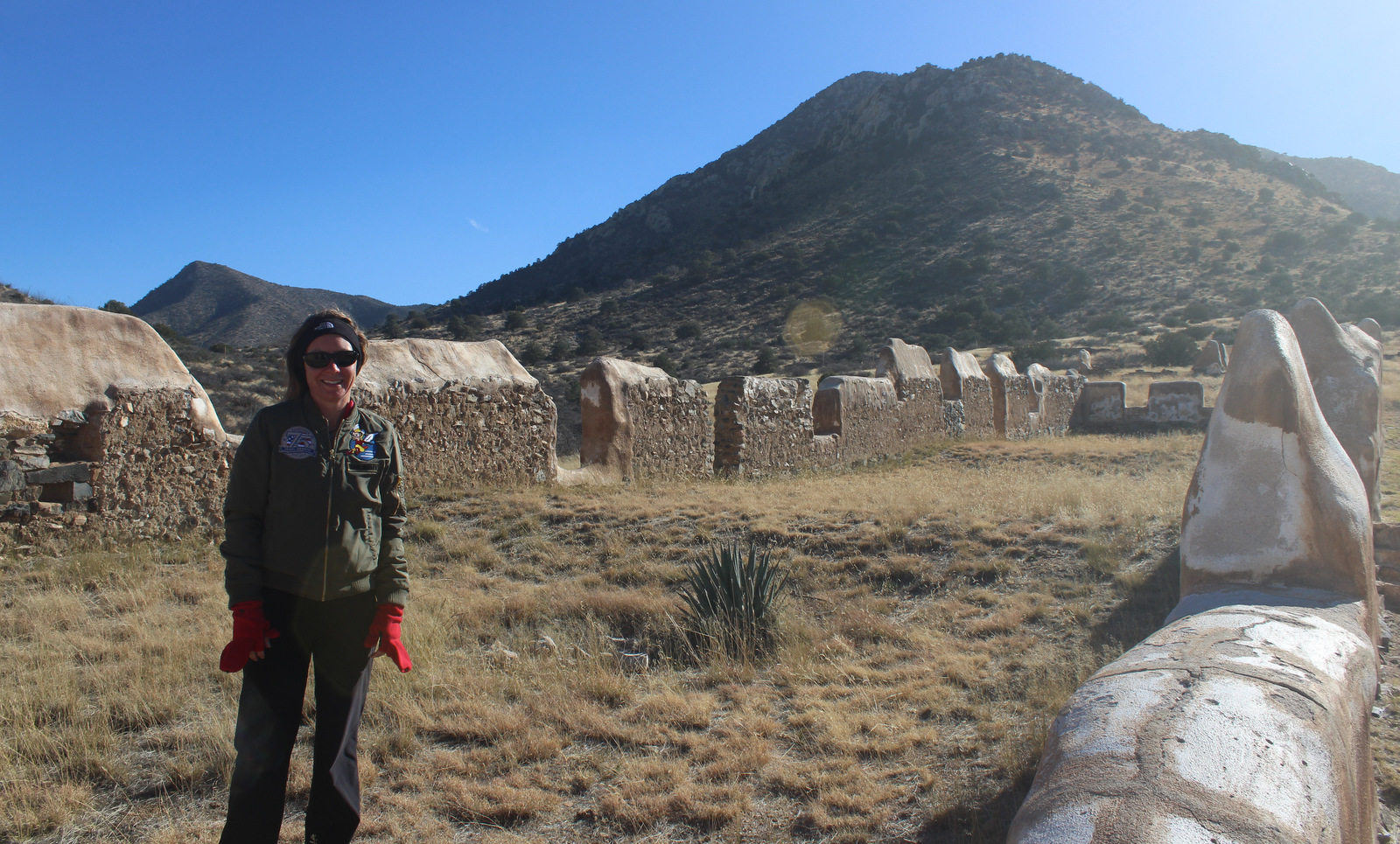
The spring at Apache Pass has attracted humans to this part of the Sonoran Desert for hundreds of years (at least).  As you might have guessed from its name, the Apaches were the area’s inhabitants when the Butterfield Overland Mail route built a station here in 1858.  Four years later, after Apaches ambushed the Union Army during the Civil War, they constructed Fort Bowie to help keep peace in New Mexico.  The fort received an upgrade in 1868, and then was used to fight against Cochise and Geronimo until it was finally abandoned in 1894.

Highlights

Fort Bowie ruins, cemetery, stage station ruins, site of wagon train massacre

Must-Do Activity

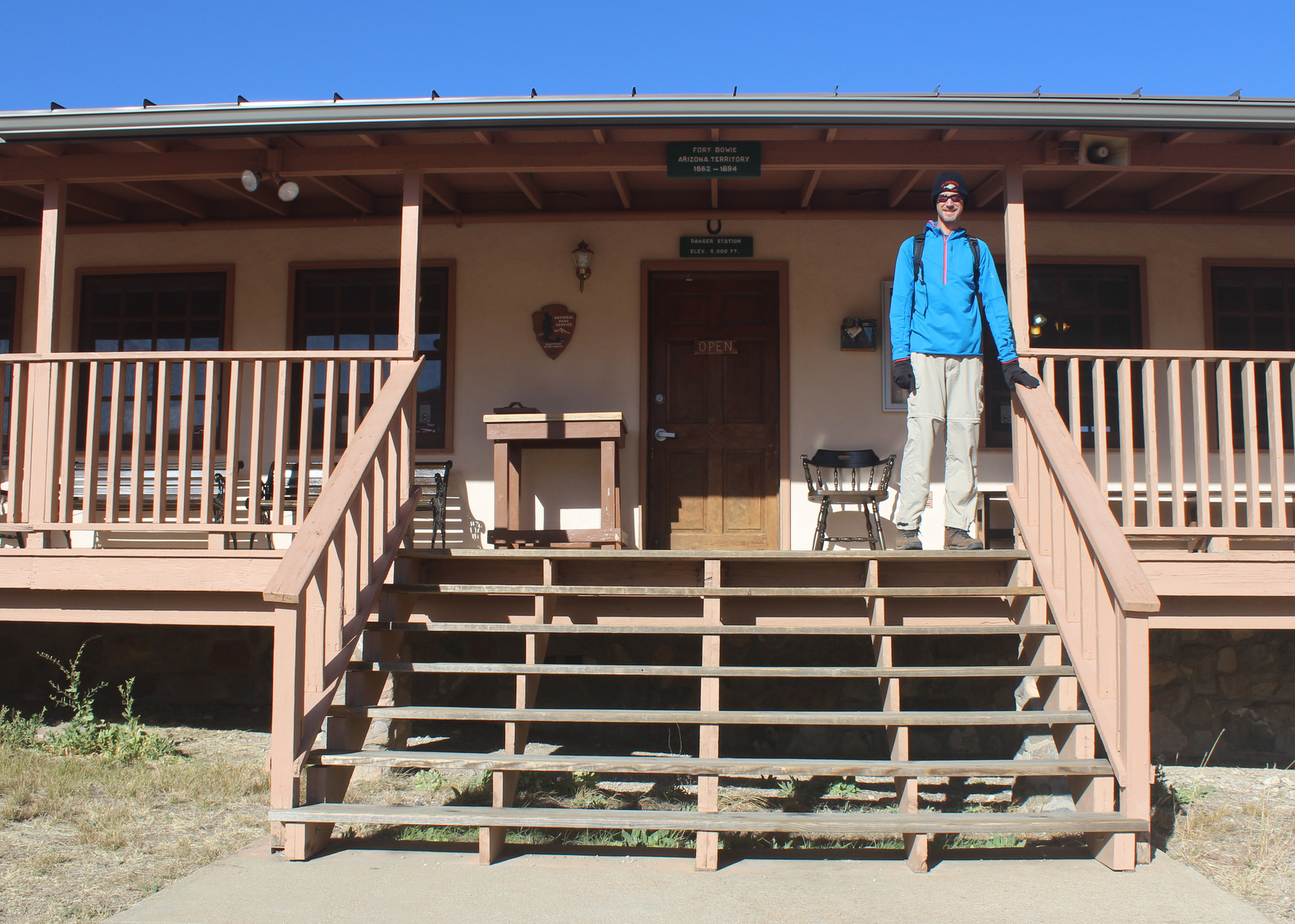
To visit the National Park Service (NPS) visitor center, the literal “must-do activity” is to hike 1.5 miles from the trailhead.  You do pass interpretive signs, a cemetery, and ruins along the way, plus you earn an “I Hike For Health” pin just by getting there.  For those unable to hike the trail, contact the NPS for alternate access directions.

Best Trail

Getting to the NPS visitor center means hiking three miles roundtrip in a shadeless desert.  If it is a nice day, make a loop of it by taking Overlook Ridge on the way back to the trailhead.

Instagram-worthy Photo

The post cemetery has freshly-painted wooden grave markers, including one for Geronimo’s two-year-old son.

Peak Season

Winter

Hours

https://www.nps.gov/fobo/planyourvisit/hours.htm

Fees

None

Road Conditions

Access to this NPS site requires driving a graded dirt road that is impassable during flash floods.

Camping

Private campgrounds are available in Bowie and Wilcox, Arizona, but we recommend a night at the NPS campground in Chiricahua National Monument (which is well-known for its ringtail and coati sightings).

Related Sites

Chiricahua National Monument (Arizona)

Coronado National Memorial (Arizona)

Tumacacori National Historical Park (Arizona)

Explore More – When did Geronimo finally surrender to U.S. troops before being sent to Fort Bowie and on to Florida’s Fort Pickens (now part of Gulf Islands National Seashore)?

Timucuan Ecological and Historic Preserve

Overview

The Timucuan Indians inhabited northeastern Florida’s coastal wetlands and maritime hammocks when French colonists first arrived in 1562.  The settlers constructed Fort Caroline (a National Memorial established in 1950), which the National Park Service (NPS) administers as a unit of Timucuan Ecological and Historic Preserve (established in 1988).  Start your visit at the NPS museum at Fort Caroline National Memorial, which provides information on the indigenous Timucuan, as well as the European colonization efforts.  Then you can tour a one-third scale reconstruction of the triangular Fort Caroline based upon a drawing from 1564 by French artist Jacques le Moyne.

Highlights

Fort Caroline, Kingsley Plantation, Theodore Roosevelt Area

Must-Do Activity

The second place the NPS manages a visitor center is at Kingsley Plantation on Fort George Island east of Jacksonville, Florida.  Established in 1798, it is the oldest remaining plantation house in Florida.  Slaves here harvested Sea Island cotton, which is still grown in a small garden alongside indigo, another regional cash crop.  Visitors can take a self-guided trail around the property, but tours inside the main plantation house are only offered on weekends and require a reservation.

Best Trail

The 1.5-mile Willie Browne Trail winds through the 600 undeveloped acres at Theodore Roosevelt Area, donated by the trail’s namesake to the Nature Conservancy in 1969.  The Spanish Pond Trail connects this trail with Fort Caroline National Memorial.

Instagram-worthy Photo

The tabby walls of 23 of the original 32 slave quarters still stand in a row at Kingsley Plantation. 

Peak Season

Winter

Hours

https://www.nps.gov/timu/planyourvisit/hours.htm

Fees

None

Road Conditions

All major roads are paved, but the fastest route between Fort Caroline and Kingsley Plantation is probably via the St. Johns River Ferry.

Camping

The NPS does not have a campground, but nearby Little Talbot Island State Park, Huguenot Memorial Park, and Kathryn Abbey Hanna Park all do.

Related Sites

Fort Caroline National Memorial (Florida)

Fort Matanzas National Monument (Florida)

Castillo de San Marcos National Monument (Florida)

Explore More – Florida had “relatively liberal” racial policies under Spanish rule, but that changed when it became a U.S. territory in what year?