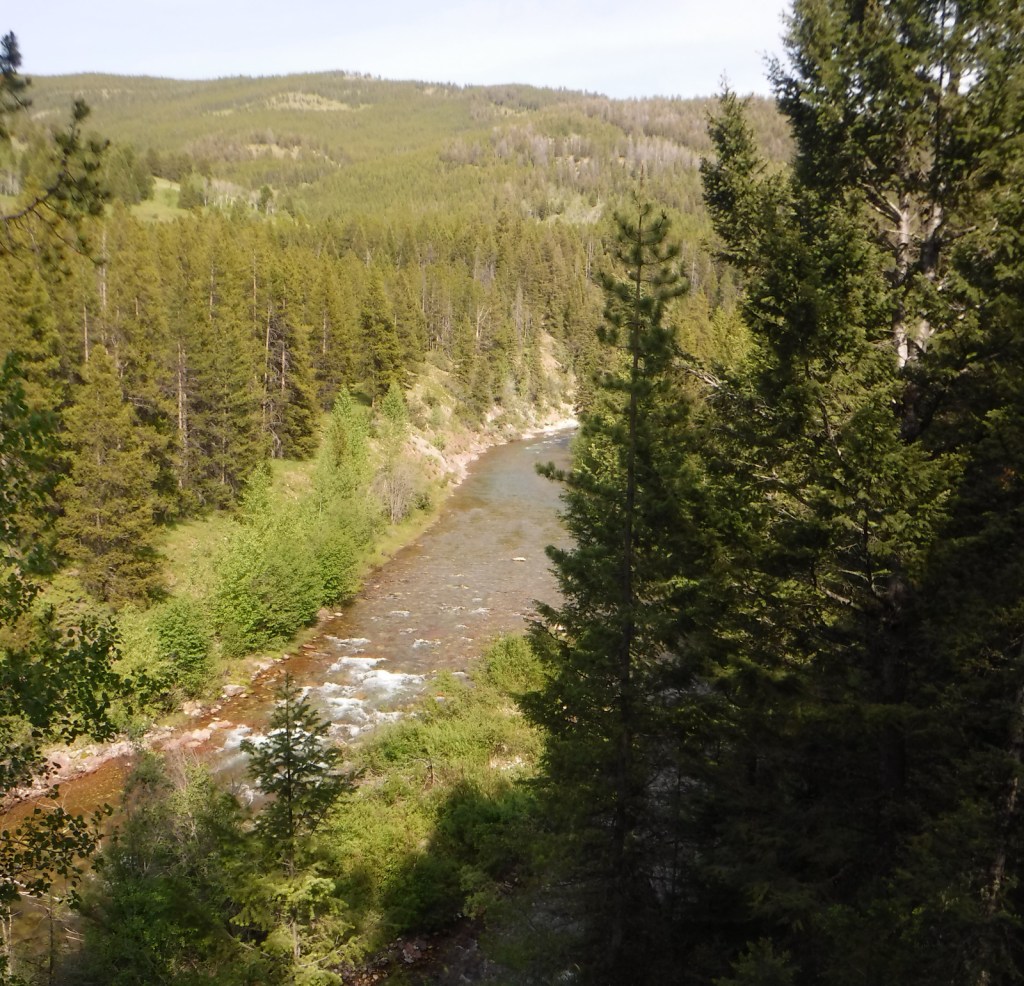
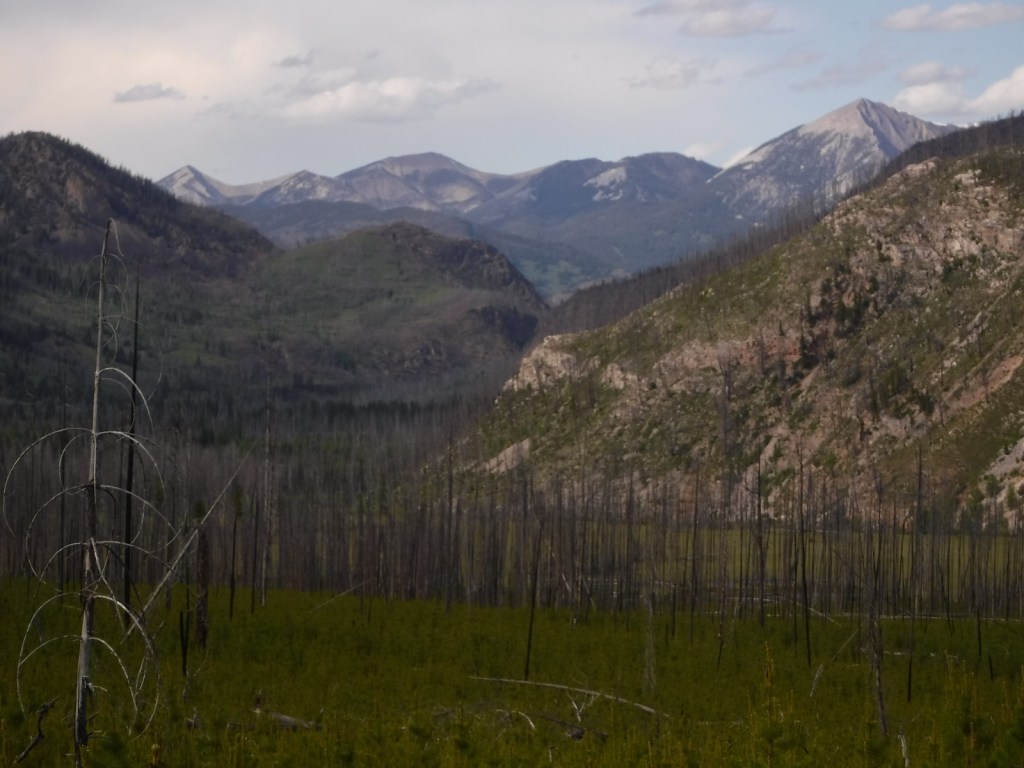
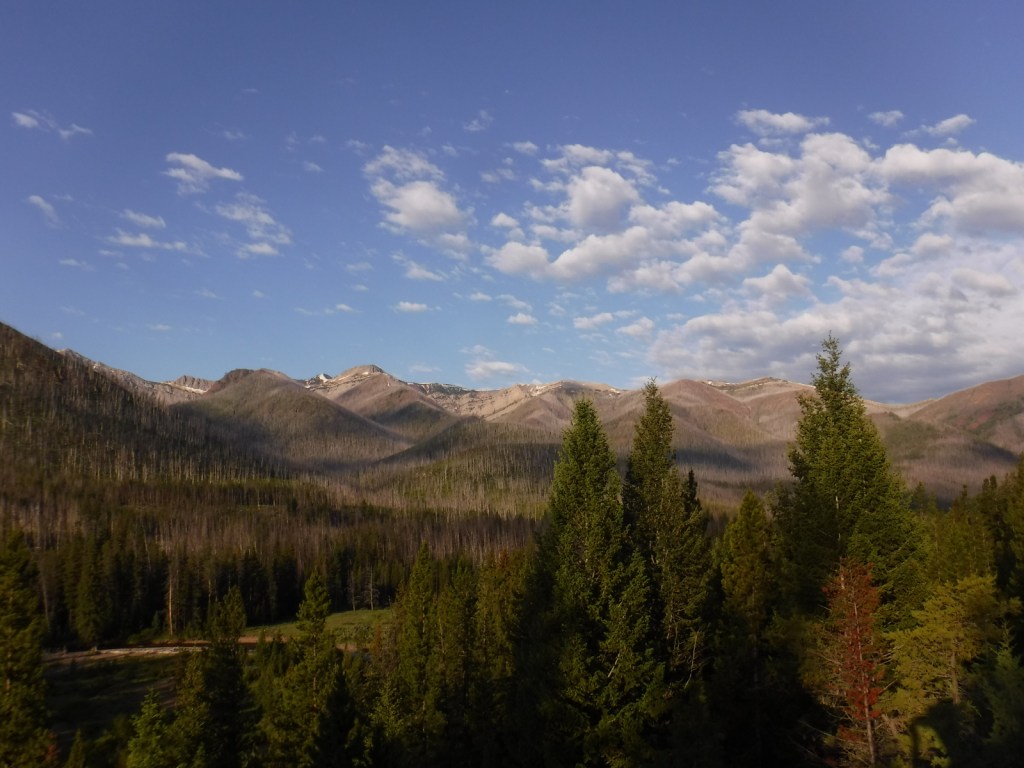
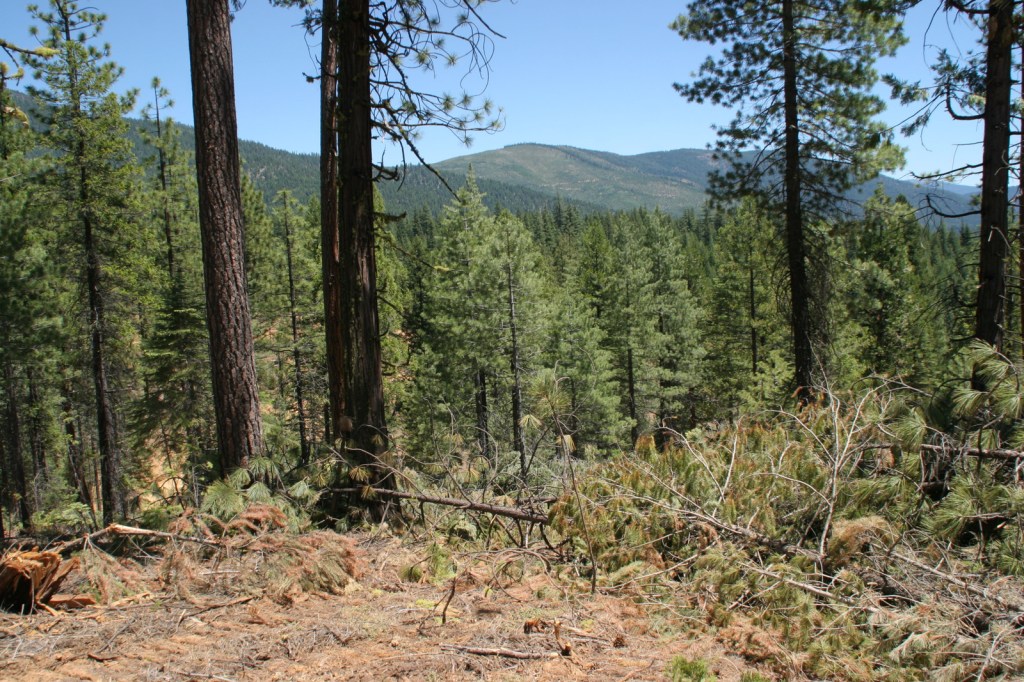
East of the Continental Divide in Montana, Lewis and Clark National Forest is split across eight mountain ranges east and west of the Missouri River. The largest western section butts up against Glacier National Park to the north and includes parts of the Scapegoat and the Bob Marshall Wilderness areas, which provide crucial habitat for grizzly/brown bears and world-class places for backpacking. The Lewis and Clark Forest Reserve dates back to 1897, with the now-defunct Jefferson and Absaroka National Forests added in 1932 and 1945 respectively. Since 2014, it has been co-managed with Helena National Forest.
Highlights
King Hill Scenic Byway, Cataract Falls, Sun River Gorge, Gibson Reservoir, Mt. Wright, Deep Creek Loop National Recreation Trail, Windy Mountain Trail, Crystal Cascades Trail, Crystal Lake Shoreline Loop Trail, Continental Divide National Scenic Trail
Must-Do Activity
We have always wanted to visit the National Park Service and U.S. Forest Service’s 25,000 square-foot Lewis and Clark Interpretive Center in Great Falls, Montana. It features an exhibit hall, hiking trails, and a 158-seat theater, and it is open daily in the summer and Wednesday through Sunday in the offseason. We have also wanted to backpack in the rugged Snowy Mountains, which draw backcountry skiers in the winter and horseback riders in the summer. We will have to return to this central part of Montana, which includes one of our favorite places to explore: Upper Missouri River Breaks National Monument run by the Bureau of Land Management.
Best Trail
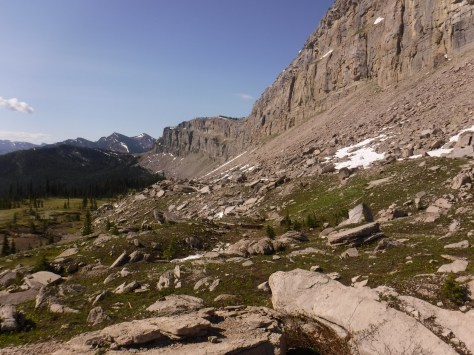
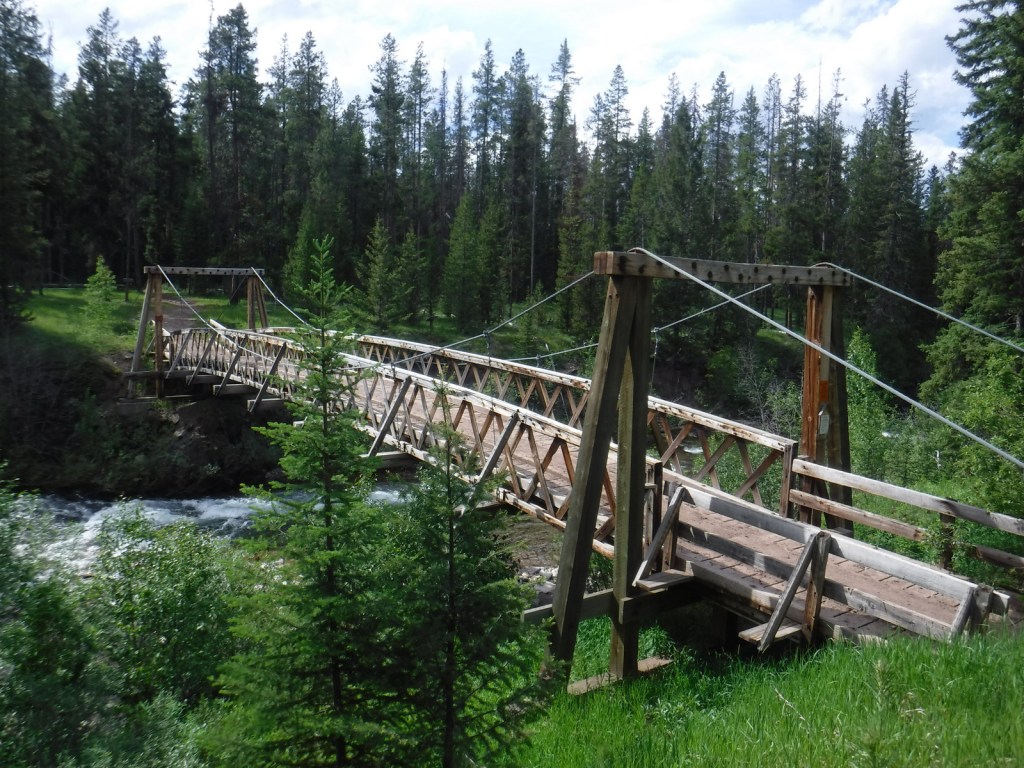
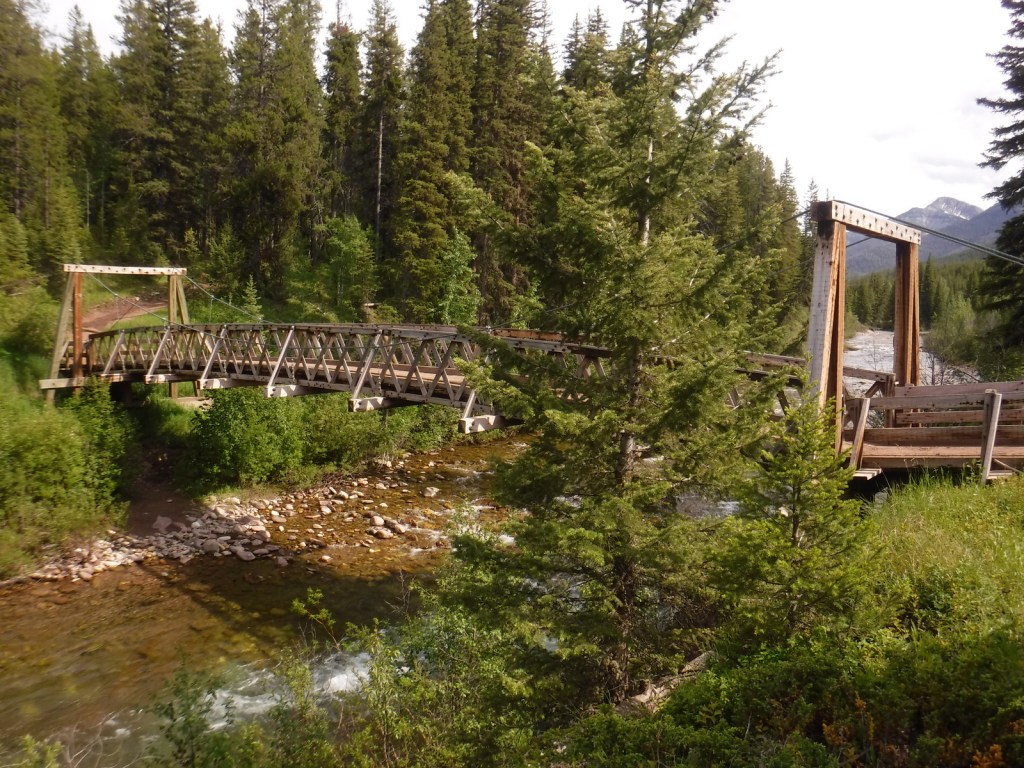
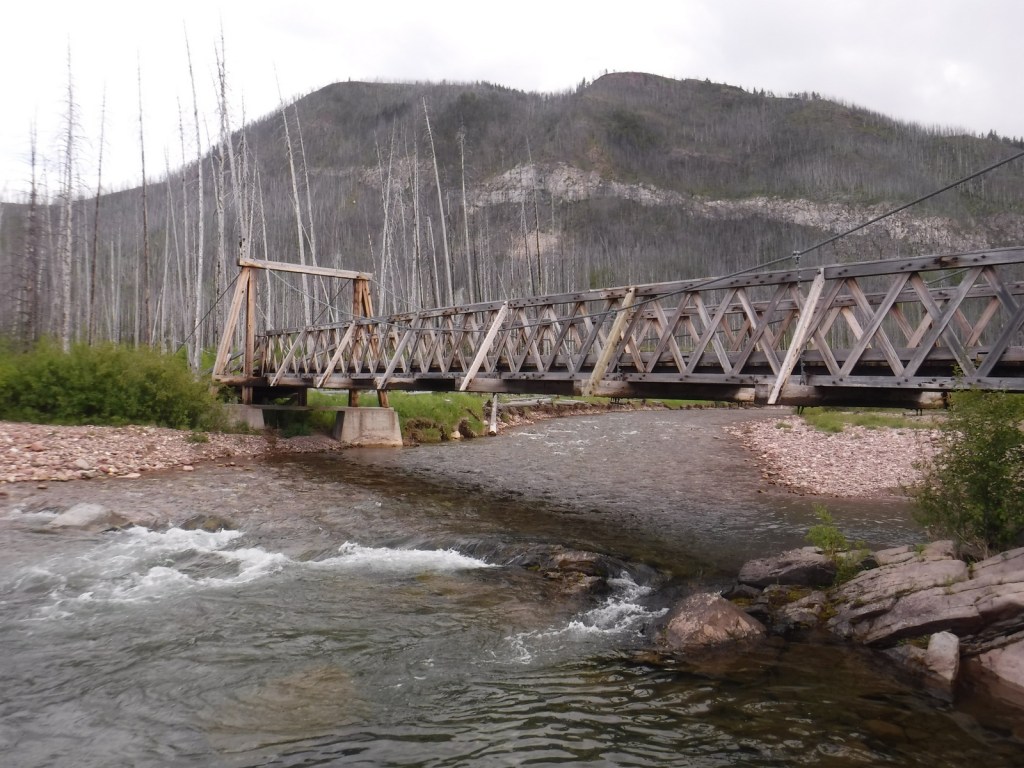
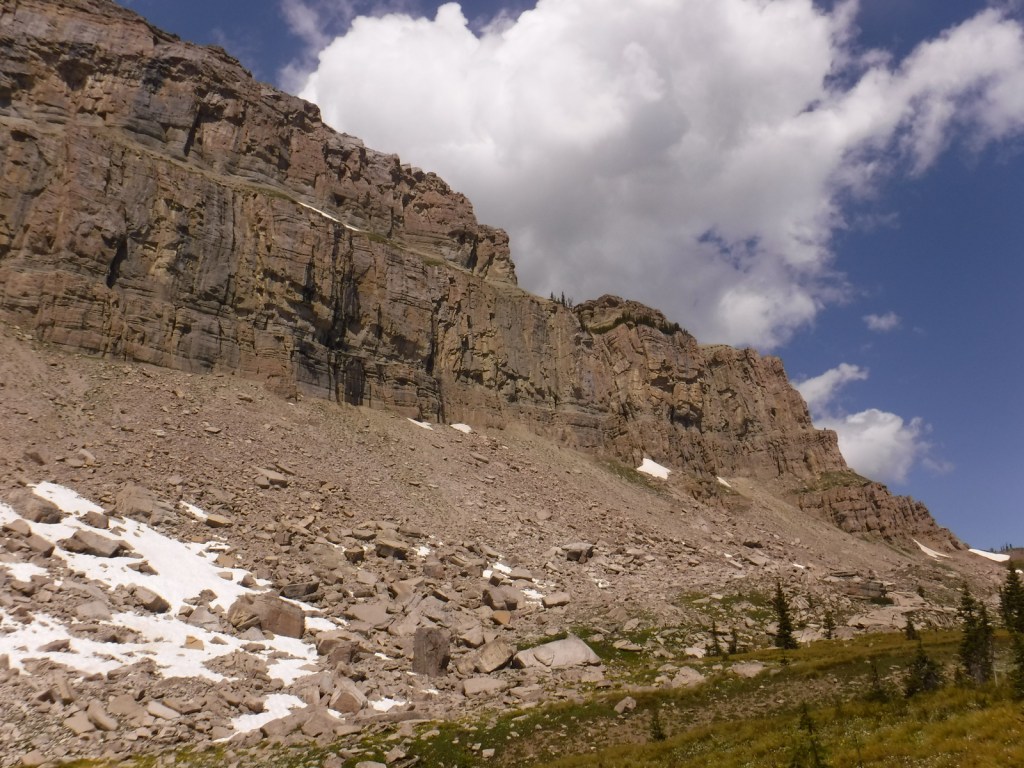
One of the most famous formations along the Continental Divide National Scenic Trail is the 15-mile long Chinese Wall, a 1,000-foot-tall cliff composed of five-million-year-old limestone. Its closest access is 15 miles one-way from the South Fork Sun Trailhead, which is often marked as Packers on maps at the end of the gravel Benchmark Road (Forest Road 235). The trail begins by following the South Fork Sun River before crossing a bridge and entering the Bob Marshall Wilderness. We got a late start on the way in and came across a grizzly/brown bear grazing near the trail that evening and, on the drive out, we stopped to photograph three moose near Wood Lake Campground and a common loon in Anderson Lake.
Watchable Wildlife
Grizzly/brown bears are the most famous residents of the National Forest. Additional mammals include black bears, mountain lions, Canada lynxes, wolverines, mule deer, Columbian white-tailed deer, mountain goats, bighorn sheep, elk, and moose. Bald eagles, red-tailed hawks, and three types of grouse are often spotted. There are excellent fly-fishing opportunities in the 1,600 miles of rivers and streams.
None except for the Lewis and Clark Interpretive Center in Great Falls, which costs $8 per person or you can use an America the Beautiful pass.
Road Conditions
We drove the gravel Benchmark Road (Forest Road 235), which was long and in excellent condition.
Camping
There are 29 vehicle-accessible campgrounds in Lewis and Clark National Forest, including Wood Lake Campground near the South Fork Sun Trailhead. Backcountry and dispersed camping options abound.
Lassen National Forest Reserve dates back to 1905, then a decade later when Lassen Peak explosively erupted (the first eruption to be photographed in the continental U.S.), 106,589-acre Lassen Volcanic National Park was carved out. The two federal areas are connected by the 187-mile-long Lassen Scenic Byway (Highways 44 and 89) that traces the volcanic legacy of the southern Cascade Range. The 41,100-acre Ishi Wilderness was named in 1984 to honor the last surviving member of the Yahi band of Southern Yanas, taken from his native home near Oroville in 1911 and employed as a janitor at the University of California’s Anthropology Museum in San Francisco until his death from tuberculosis five years later.
Highlights
Lassen Scenic Byway, Lake Almanor, Eagle Lake, Subway Cave, Hat Creek Recreational Area, Triangle Lake, Heart Lake National Recreation Trail, Bizz Johnson Trail, Spencer Meadows National Recreation Trail, Pacific Crest National Scenic Trail
Must-Do Activity
Lassen National Forest runs campgrounds and boat ramps on both Lake Almanor and Eagle Lake, although most of their shorelines are privately owned. Between the two lakes is the town of Susanville, where a railroad bed abandoned in 1978 was converted into the Bizz Johnson Trail that follows the Susan River for 26 miles. The trail features 12 river crossings and two tunnels with scenic mountain views. Camping is restricted to specific portions of the trail. The 20,546-acre Caribou Wilderness was one of America’s first Primitive Areas designated in 1932 and along with the 16,335-acre Thousand Lakes Wilderness was established immediately following passage of the 1964 Wilderness Act. In a proposed Wilderness area on the west side of Lassen Volcanic National Park, Heart Lake National Recreation Trail is a 2.4-mile one-way hike up to a glacial lake that connects to the longer Twin Meadows Trail.
Best Trail
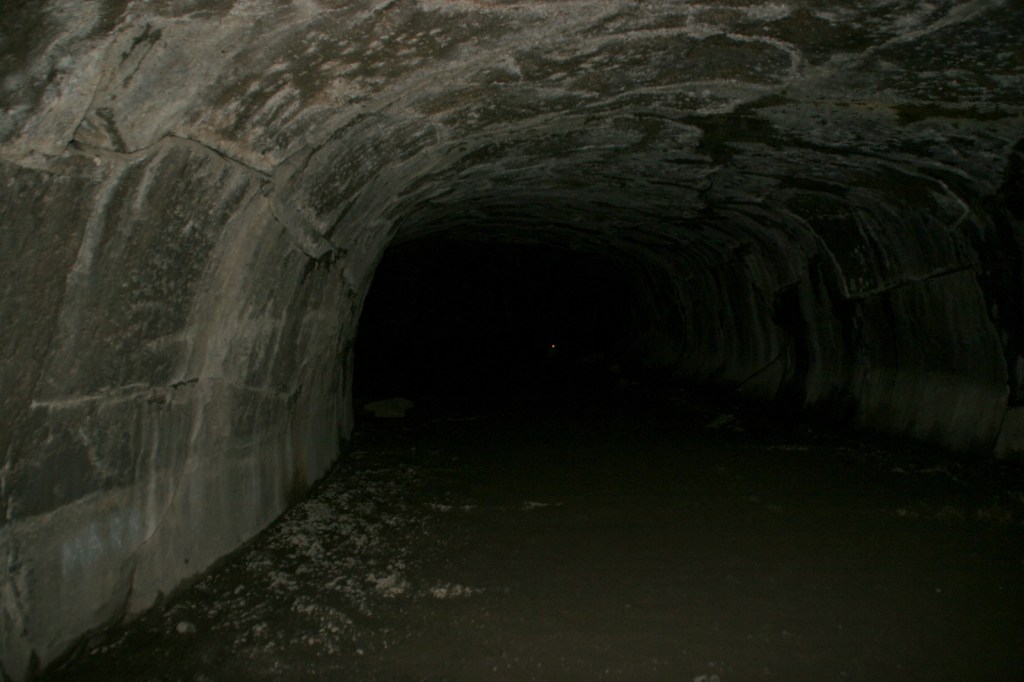
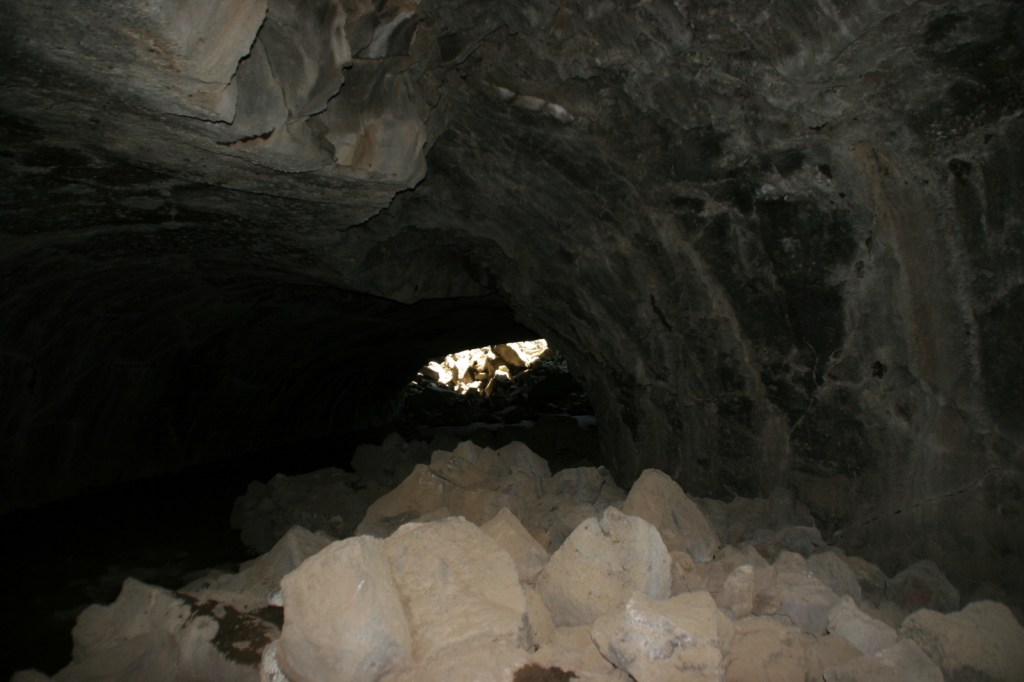
Subway Cave is only 1,300 feet long, but the lava tube is the main attraction in Lassen National Forest, with free guided tours offered on summer weekends. Lava flowed through here less than 2,000 years ago and interpretive signs along the 0.7-mile loop trail explain lavacicles and other geologic oddities. A flashlight is necessary to explore past the openings of the 46°F cave, which drops to four feet in some places with a maximum ceiling of 17 feet. One mile south on the Lassen Scenic Byway (Highway 44) is the 1.7-mile roundtrip Spatter Cone Trail (across from Hat Creek Campground). The trail passes a variety of volcanic formations in a forest of Jeffrey pine trees.
Watchable Wildlife
Lassen National Forest is home to black bears, pine martens, mountain lions, bobcats, red foxes, coyotes, and a few gray wolves that migrated south from Oregon. You are most likely to see mule deer or one of the variety of chipmunks or squirrels. Bird sightings include mountain chickadees, Steller’s jays, Clark’s nutcrackers (at high elevations), and eight species of woodpeckers such as pileated and white-headed.
Photographic Opportunity
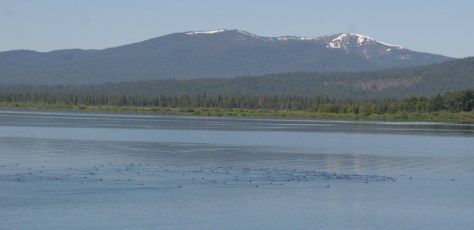
Sitting at 4,505 feet in elevation, Lake Almanor stretches for 13 miles near Chester, California and is a good place for summer boating and fishing.
Peak Season
Summer
Fees
None
Road Conditions
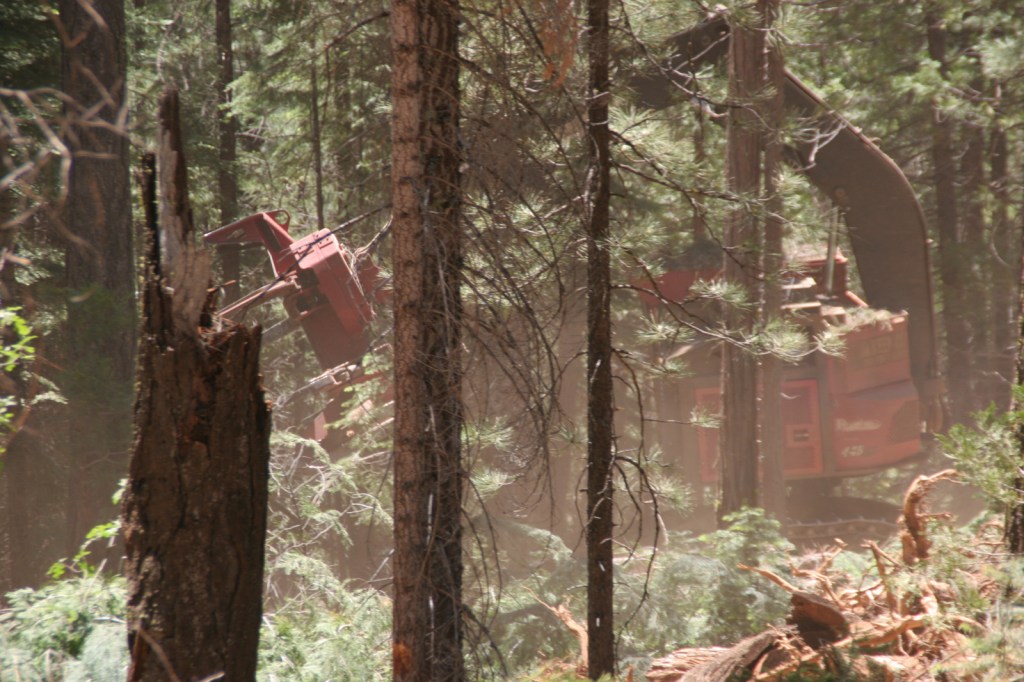
Subway Cave is located right off Lassen Scenic Byway (Highways 44 and 89) and most of the unpaved roads we have explored in the National Forest have been maintained, probably because of the continued harvesting activities that we witnessed on our field trip from Cal Poly University in 2010.
Camping
Lassen National Forest runs campgrounds on both Lake Almanor and Eagle Lake, plus Hat Creek Recreational Area has seven campgrounds. If you are looking to disperse camp outside Lassen Volcanic National Park, take the road west outside the southern entrance (but keep a clean campsite as we saw a black bear in the area).
Start your trip near Sioux Falls, where pink formations of quartzite rock rise above muddy Split Rock Creek below. It is a great spot for a picnic, and you might get to watch rock climbers across the creek repelling down the steep cliffs.
Not only is Sioux Falls the largest city in the state, it is also home to Falls Park where the Big Sioux River tumbles down 100 feet of rosy quartzite in a series of photogenic cascades.
Not far off Interstate 90 in Mitchell is a great wonder of human creativity dating back to 1892. Each year a new theme is chosen by artists who design images to decorate the outside of the building completely with organic materials. By the end of the summer, the face of this unique building is covered with 275,000 ears of corn in a variety of colors. Be sure to go inside the building to see pictures of past palaces, turn a millstone to grind our own cornmeal, and learn fun facts.
Dignity sculpture
Also on Interstate 90, there is a new 50-foot sculpture of a Native American woman wearing a traditional star quilt entitled Dignity of Earth and Sky.
Visit inside the capitol to learn why the tiny town of Pierre (pronounced “peer”) was chosen as the state’s capital city in 1889 and how the building was constructed starting in 1905.
Look online for the publication South Dakota Fishing Guide to the National Grasslands, which provides information on 41 fishing ponds in the National Grassland. Originally built in 1934, Richland Dam was renovated in 2014 and now features handicapped-accessible fishing and a concrete boat ramp. Fishing ponds are generally open December 1 to August 31 to avoid overlap with hunting season.
Beyond the geologic formations and hiking trails, this is a good place to camp at the developed Cedar Pass Campground, free Sage Creek Primitive Campground (which can be crowded in the summer), or backpacking out with the bison. Bighorn sheep are also common, and porcupines, surprising for as treeless as it is. Prairie dog towns make for an endless variety of entertainment and provide habitat for burrowing owls, prairie rattlesnakes, and endangered black-footed ferrets that have been reintroduced throughout South Dakota.
Outside Badlands National Park on Interstate 90, a small museum and ranger-guided tours of the Delta-01 launch control facility. Tours have very limited space and a nominal fee, but are no longer solely first-come-first served thanks to an online reservation system.
Perhaps the greatest roadside attraction in the entire world, famous since 1936 for its “Free Ice Water” road signs. Today Interstate 90 is inundated with Wall Drug billboards for miles in each direction. Ice water is still free and the café still offers a cup of coffee for only five cents, as well as the best soft-serve ice cream we have ever tasted. In the Wall Drug Backyard, you can even ride atop a ten-foot-tall jackalope; and do not leave without a free bumper sticker.
This serves as the main interpretive site for all 20 National Grasslands (plus Midewin National Tallgrass Prairie). The exhibit hall is still under reconstruction following a flood that forced a relocation into a temporary trailer for years, but the theater is reopened showing a short film.
Admission is free to this museum (currently closed for construction) seven miles east of Rapid City on Interstate 90. It sits next to Ellsworth Air Force Base, but you do not have to pass through military security to enter. An impressive B-1B Lancer sits out front alongside other historic aircraft, with many more located inside the hangars.
This icon of South Dakota is inspiring to see during the day, but for the full patriotic effect do not miss the night lighting ceremony offered May to September.
Needles Highway
The 14-mile-long Needles Highway was completed in 1922 and is known for its narrow, one-lane tunnels that run straight through mountainsides and the natural arch aptly named the Needle’s Eye (Custer State Park admission required). Trails leave from along its length to access the Cathedral Spires, Black Elk Peak, Sylvan Lake, and Little Devil’s Tower. To the northeast, the Highway 16A section of the Peter Norbeck Scenic Highway utilizes more one-lane tunnels and fascinating corkscrew turns called “pigtail bridges” to connect Custer State Park with Mount Rushmore National Memorial (no admission fee required when simply driving through).
Under construction since 1948, this privately-funded monument continues to be carved and blasted to this day. In addition to the 563-foot-tall memorial to the legendary fighter and leader of the Oglala Lakota, the site also has the Indian Museum of North America full of outstanding artwork and artifacts. Special tours can be booked up to the 87-foot-tall head of Crazy Horse, plus, a laser-light show runs nightly in the summer. There is a pretty good view from the highway if you do not want to pay the admission fee.
World famous for its Buffalo Roundup every September, this park has so much more than bison (see Needles Highway above). Visitors can see bighorn sheep, mountain goats, pronghorn, elk, mule deer, white-tailed deer, coyotes, turkeys, golden eagles, and you might even get nose-to-nose with one of the feral burros that roam free and love handouts. You may find yourself stuck waiting out a “bison jam” as the large ungulates cross a road.
The interior of Wind Cave is a constant 53°F, so bring a jacket if you sign up for the Natural Entrance Tour, which involves entering a vapor lock revolving door and descending stairs. On the Candlelight Tour you carry lightweight metal candle-lanterns, just like 19th-century tourists. It is only offered in the summer and explores an unlit section of the cave. There are several good trails that traverse the prairie and canyons and we enjoy backpacking (free permit required) on Highland Creek Trail where we always see bison.
Surrounding Custer State Park and Mount Rushmore and spilling into the state of Wyoming, it is home to a fun hike to the state’s high point at 7,242-foot tall Black Elk (formerly Harney) Peak rising in the center of the beautiful Black Elk Wilderness. We also recommend Old Baldy Trail and Buzzards Roost Trail.
Currently, Jewel Cave ranks third worldwide with over 160 miles in mapped passages, and based on air flow estimates the cave is less than 10% mapped. The namesake jewels are actually boxy calcite formations, which crystalized out of water in a manner similar to the way a bathtub ring forms. The Wild Caving Tour and Lantern Tour are our favorite ranger-guided tour options.
The only developed site of this sprawling area is located at French Creek Agate Beds, where there is a campground and rockhounding is legal for Fairburn agate (the official State Gem of South Dakota), rose quartz, and banded jasper.
This flat trail runs 109 miles from Deadwood to Edgemont along the former Burlington Northern rail line, but you can choose to hike as far as you like (day-use fee). Like many rails-to-trails projects, this route is wide enough to accommodate bikes and includes many bridges and tunnels, like those near the Mystic Trailhead.
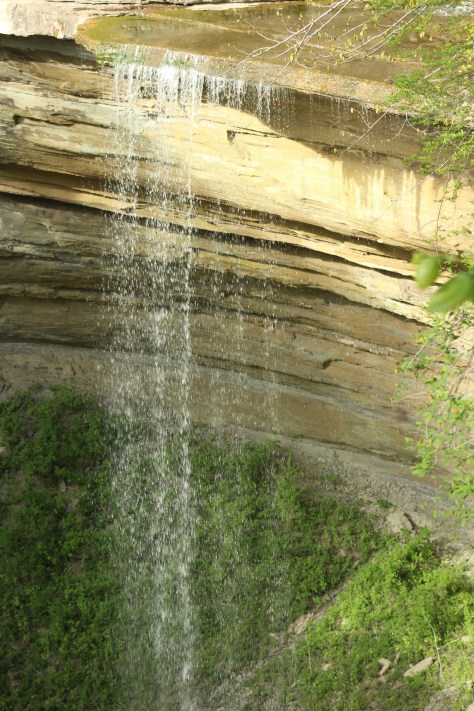
A scenic byway follows Highway 14A south of Interstate 90 past roadside Bridal Veil Falls and Spearfish Falls. The limestone cliffs of the canyon are sprinkled with ponderosa pine trees and the creek is lined by deciduous trees that add to the beauty when changing colors in late-September (around Buffalo Roundup weekend). It is free to park at 30-foot-tall Roughlock Falls (pictured below), but this small park can get congested.
Belle Fourche is home to a 21-foot-wide monument with a visitor center and museum at the site designated by the National Geodetic Survey as the center of the 50 states after Alaska and Hawai‘i were added in 1959.
A free park filled with locally gathered petrified wood and other geological specimens. The “world’s largest collection” also has a free museum constructed out of petrified wood that is open from Memorial Day to Labor Day.
In southeast South Dakota, the river’s lower segment runs 59 miles from the Gavins Point Dam to Ponca State Park, plus a 39-mile stretch was added from the Fort Randall Dam to Niobrara State Park, and includes 20 miles of the Lower Niobrara River (which is itself designated a National Scenic River upstream in Nebraska).
Buffalo Gap is the second-largest National Grassland and it surrounds Badlands National Park and Minuteman Missile National Historic Site east of Black Hills National Forest. The town of Wall, South Dakota is home to the National Grasslands Visitor Center, which serves as the main interpretive site for all 20 National Grasslands (plus Midewin National Tallgrass Prairie). The exhibit hall is still under reconstruction following a flood that forced a relocation into a temporary trailer for years, but the theater is reopened showing a short film. This is a good spot to pick up a map and buy some hard-to-find National Grassland merchandise.
Highlights
National Grasslands Visitor Center, French Creek Agate Beds
Must-Do Activity
After starting your visit at the National Grasslands Visitor Center in Wall (and making a required visit to Wall Drug—America’s best roadside attraction), head south through Buffalo Gap National Grassland towards the entrance booth for Badlands National Park (see Photographic Opportunity). The only developed site is much further west at French Creek Agate Beds, where there is a campground and rockhounding is legal for Fairburn agate (the official State Gem of South Dakota), rose quartz, and banded jasper. The collection and duplication of vertebrate fossils requires a permit and no commercial gathering of fossils is allowed, except for petrified wood.
Best Trail
Right to the southeast of the Wyoming border on Highway 18 is a section of Buffalo Gap National Grassland where we did some off-trail hiking along a waterway. Conata Basin south of Badlands National Park is also a good option for prairie exploration.
Watchable Wildlife
Buffalo Gap National Grassland contains grazing allotments for cattle and domesticated bison herds, as well as wild herds of white-tailed deer and pronghorn. In 2003, 151 black-footed ferret kits were reintroduced and placed in coyote-free areas, but these nocturnal predators only spend a few minutes above ground each day. Swift fox and bighorn sheep have also been reintroduced in neighboring Badlands National Park. Watch in prairie dog towns for burrowing owls and prairie rattlesnakes, as well as northern harriers, prairie falcons, golden eagles, and other raptors.
Photographic Opportunity
There are free designated campsites along the popular Nomad Vw S Road just north of the Pinnacles Entrance to Badlands National Park, which offer great views from the cliffs above the striped geologic formations.
Peak Season
Summer
Fees
None
Road Conditions
The bentonite clay soils can make the unpaved roads impassable to passenger vehicles when muddy. There is also a deep stream crossing to access the French Creek Agate Beds that would require high clearance when there is water present.
Camping
Unlike most National Grasslands, this one has a developed campground at French Creek (fee required) with vault toilets, fire grates, and picnic tables, but no potable water. It is free to camp in designated sites along the busy Nomad Vw S Road just north of the Pinnacles Entrance to Badlands National Park.
River crossing at French Creek Agate BedsScott making the river crossing at French Creek Agate BedsTiff rock hounding at French Creek Agate BedsWyoming border and National Grassland border
Explore More – What is the status of 48,000 acres of the National Grassland set to be designated as Wilderness in a 2010 bill sponsored by South Dakota Senator Tim Johnson?
Near the Oklahoma border in southeast Colorado, Comanche National Grassland is comprised of two areas of shortgrass prairie co-managed with Pike and San Isabel National Forests and Cimarron National Grassland (in nearby Kansas). The Timpas Unit is in the watershed of the Purgatoire (or Picket Wire) River, while the more southern Carrizo Unit is mostly centered around Carrizo Creek, a tributary of the Cimarron River. There is a long history of human use of the canyons here, with petroglyphs dating back as far back as 8,000 years. Before giving the National Grassland its name, the Comanche pushed the Apache out of this area in the 1700s and their circular tipi rings can still be found. A branch of the Santa Fe National Historic Trail runs through the northern Timpas Unit with interpretive sites at Sierra Vista Overlook and Timpas Picnic Area (including a three-mile trail following the wagon tracks between the two).
Highlights
Picture Canyon, Crack Cave, Picket Wire Canyon, Dolores Mission, Rourke Ranch, Carrizo Canyon, Vogel Canyon, Santa Fe National Historic Trail
Must-Do Activity
Petroglyphs can be seen on trails near Vogel Canyon and Carrizo Canyon Picnic Areas, with the most famous found in Picture Canyon. It is about 16 miles of unpaved roads to access Picture Canyon from Highway 287, and there are vault toilets and picnic tables at the site. From there, the U.S. Forest Service traditionally leads a hike on Arch Rock Trail to Crack Cave on both the spring and fall equinox, when at dawn the sun’s rays illuminate a specific petroglyph that is usually behind a locked gate that blocks a narrow opening in the sandstone. A similar petroglyph with deeply-carved lines can be seen in an opening above a blue-tinted pictograph about a quarter-mile down the trail. Rock climbing is also a draw here, with a few permanent anchors in the sandstone behind the picnic tables.
Best Trail
It is a 17-mile drive down unpaved roads to Picket Wire Canyon, where a long trail leads to dinosaur tracks (19 miles out-and-back) and Rourke Ranch National Historic District (25 miles) that dates back to 1871. There are approximately 1,900 tracks left by Apatosaurs and Allosaurs over 150-million years ago. Along the way, look for petroglyphs, a model of a dinosaur fossil, and the ruins of Dolores Mission (see Photographic Opportunity).
Watchable Wildlife
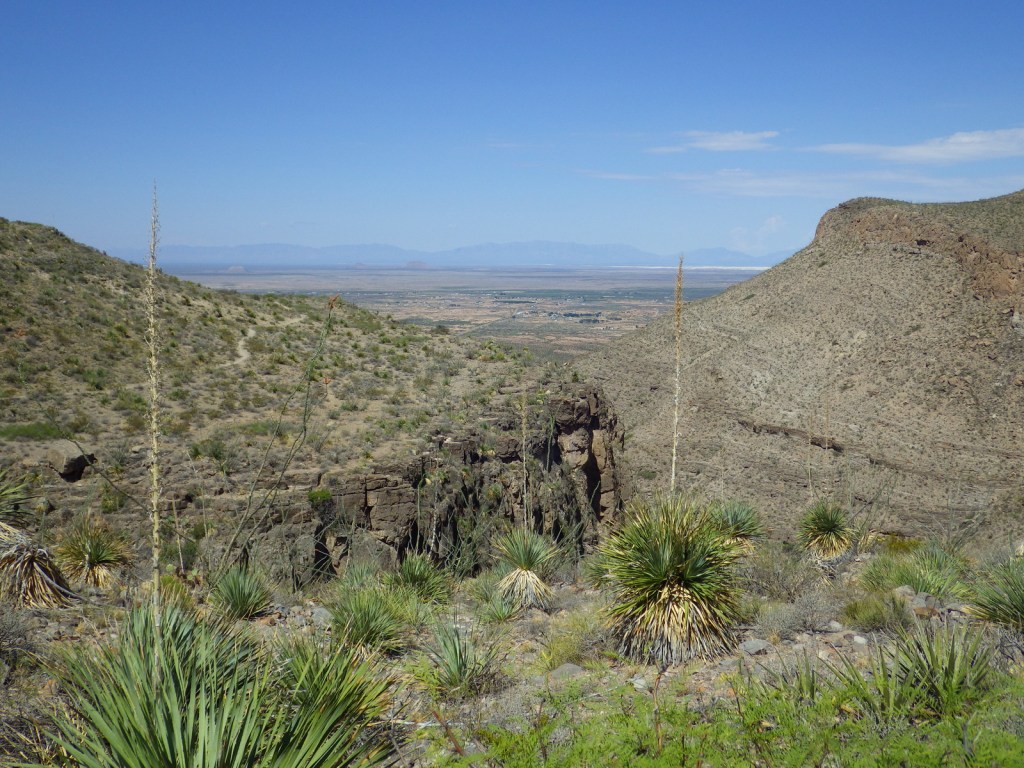
Elevations range from 3,900 to 6,200 feet atop Fallas Mesa with ponderosa pine, pinyon pine, juniper, Gambel oak, and cottonwoods trees found in moister areas. Yucca and cacti are common in the prairie, as are desert-dwelling creatures like roadrunners and tarantulas (we saw one crossing the road). Hunters come here for mule deer, elk, pronghorn, and wild turkey in season. The National Grassland contains a lek for lesser prairie chickens, but it is typically closed during mating season due to their endangered status. About 328 bird species have been identified here, including many eastern birds at the extent of their range.
Photographic Opportunity
On the way to the dinosaur track site in Picket Wire Canyon, hikers pass Dolores Mission with a cemetery and the ruins of a small Catholic church dating back to 1898.
Peak Season
Spring and fall
Fees
None
Road Conditions
We have almost gotten stuck twice on the long dirt roads in Comanche National Grassland, once in deep mud following a spring thunderstorm and another time on thick ice following a spring blizzard.
Camping
It is free to disperse camp almost anywhere not on private lands in Comanche National Grassland, with the exception of the parking lots at the following canyons: Picture, Carrizo, Vogel, and Picket Wire.
Picture Canyon Picnic AreaArch Rock TrailSurprise overnight blizzardCarrizo CreekTiff and a tarantulaTarantulaTiff in Picket Wire CanyonSunflower and ladybugTiff with petroglyphsA shoulder blade (replica) from an ApatosaurusScott with dinosaur tracksBobcat on the trailTiff getting some lunch by the Picket Wire RiverAn old cemetery at Dolores MissionPetroglyphsA storm rolling inRaven about the grassland
Explore More – The markings in Crack Cave are theorized by some people to spell out what word in Ogam (an ancient Celtic alphabet)?
Start your U.S. National Forests, National Parks, and National Monuments adventure here!