Tag Archives: hiking

Capitol Reef National Park

Overview

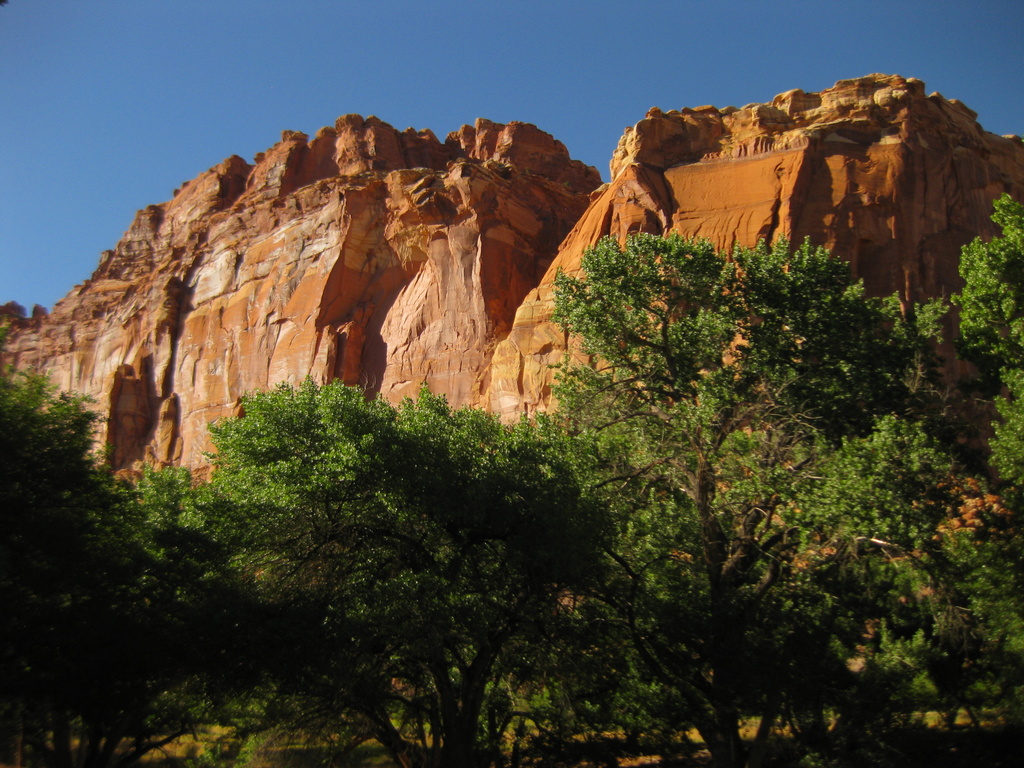
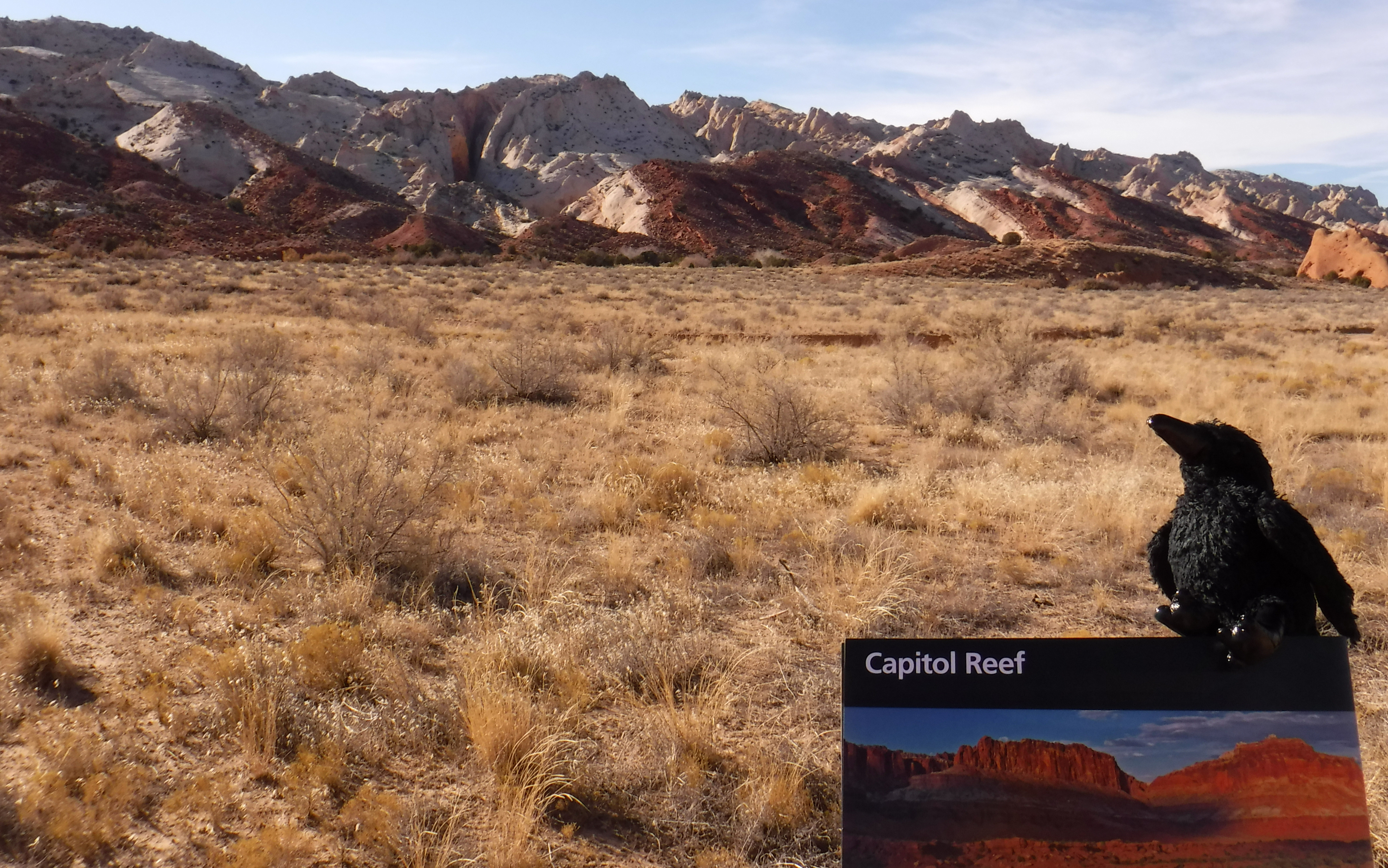
Amongst the phenomenal National Parks of southern Utah, sometimes Capitol Reef gets overlooked.  Stretching along the geologic warp of Waterpocket Fold, Capitol Reef National Park is colorful in the extreme.  Driving the miles of dirt roads that crisscross the park may be the best way to explore its hidden treasures and no visit should be completed without some back road driving, even if it is the easy drive down Caineville Wash Road to the Temple of the Sun and the Temple of the Moon.

Capitol2.JPG

Highlights

Fruita Historic District, Hickman Bridge, Grand Wash Trail, Strike Valley Overlook

Must-Do Activity

After exploring the Fruita Historic District and Grand Wash Trail, drive across Highway 24 to the petroglyphs and the trailhead for the steep one-mile hike to Hickman Bridge, a massive stone formation cut into a gorgeous canyon.  Be aware, this is the busiest part of the park because it is one of the few places with paved roads.

Best Trail

Leaving from Strike Valley Overlook, the all-day trek through Upper Muley Twist Canyon offers many unnamed arches, slickrock slopes, narrow passages, sheer cliffs, and stunning views as it winds 10 rugged miles to form a lollipop loop.

Instagram-worthy Photo

Strike Valley Overlook offers an amazing perspective on Waterpocket Fold, but requires a high clearance vehicle to drive the last three miles after a long drive down Notom-Bullfrog Road or Burr Trail Road.

N 2015CR9

Peak Season

Spring and Fall

Hours

https://www.nps.gov/care/planyourvisit/hours.htm

Fees

The only fee is on the paved Scenic Drive south of the Fruita Historic District, but the NPS accepts the America the Beautiful pass for that.

Road Conditions

Most of the dirt roads (like Notom-Bullfrog and Caineville Wash) are passable to any vehicle, but high clearance is needed on the last bit to Strike Valley Overlook and to cross the Fremont River on the Cathedral Loop.  However, there is not much infrastructure in this rugged and dry National Park, so you need to be well-prepared in case of emergency.

Camping

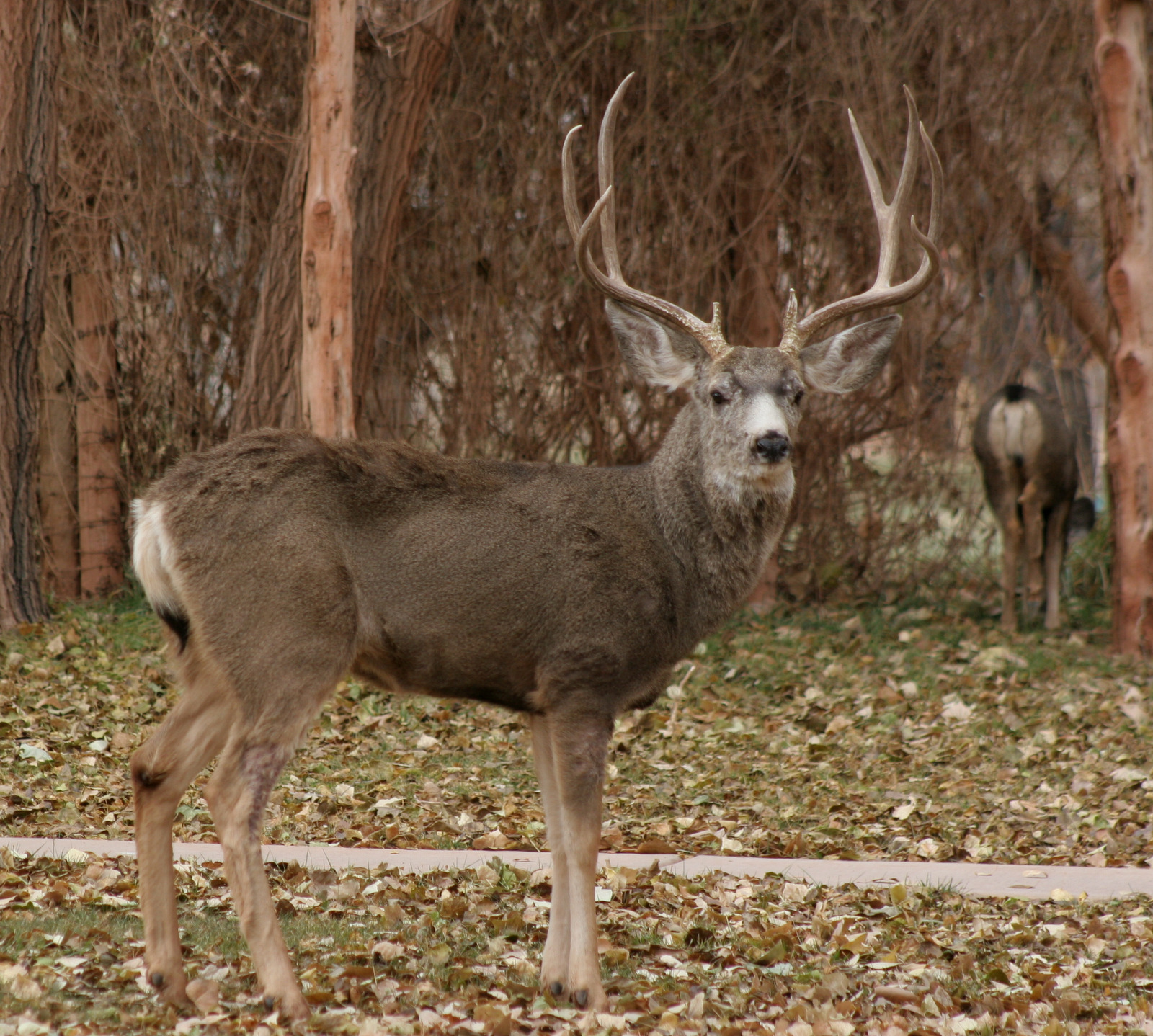
The Fruita Historic District offers camping along the Fremont River, close encounters with mule deer, and free apple picking in the fall.  Dry sites are free at Cedar Mesa and Cathedral Valley Campgrounds.

N 590-April Utah 497
The trail climbs steeply one-mile to Hickman Bridge.
N 2013CapitolReef
Fruita Historic District
November Utah 709
Mule deer near the campground in Fruita Historic District.
Heading into Grand Wash in Canyonlands National Park
Grand Wash Trail
Sun hitting the walls
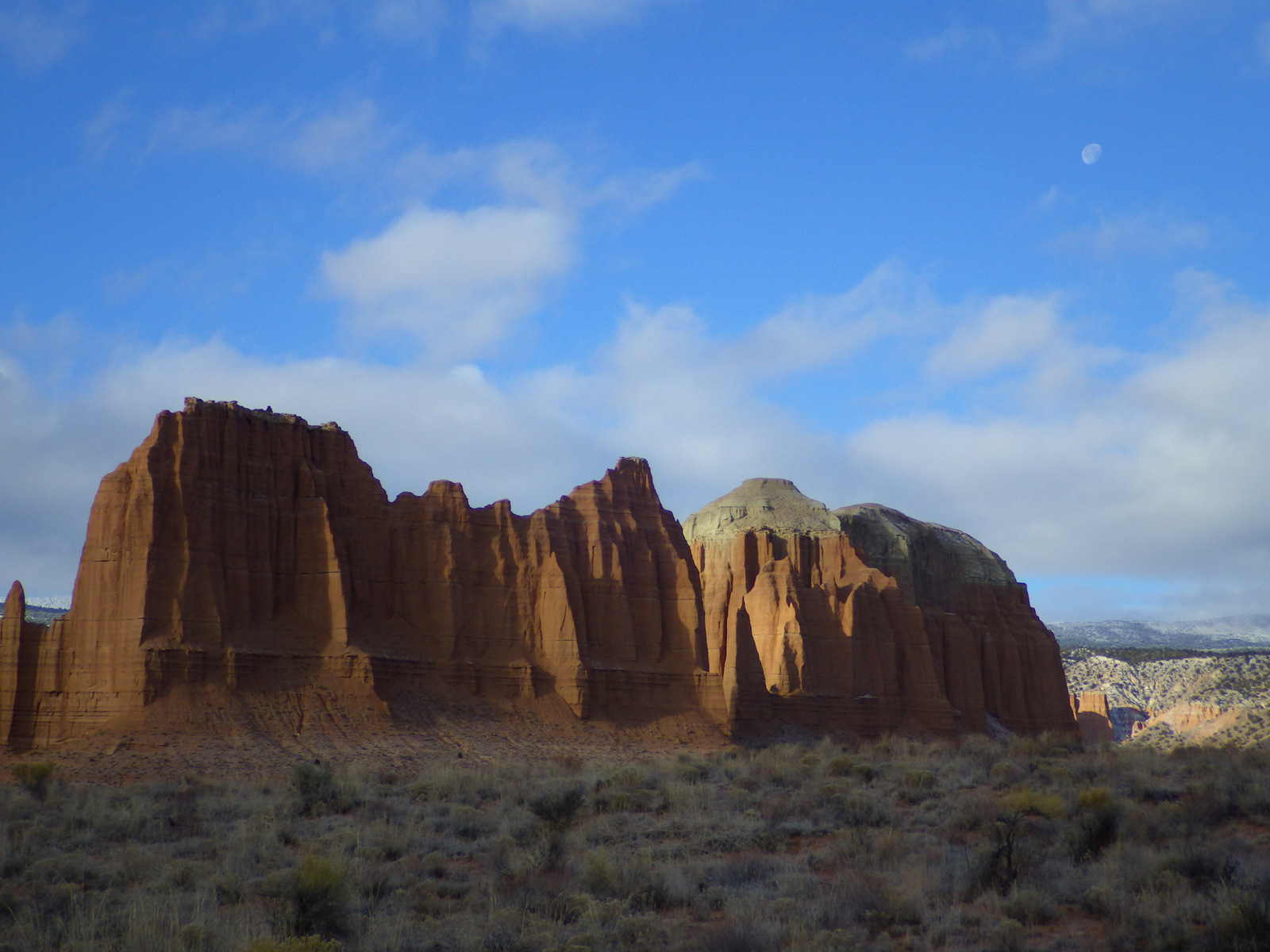
The Walls of Jericho catch the morning light in Cathedral Valley.
By the arch
Brimhall Natural Bridge.
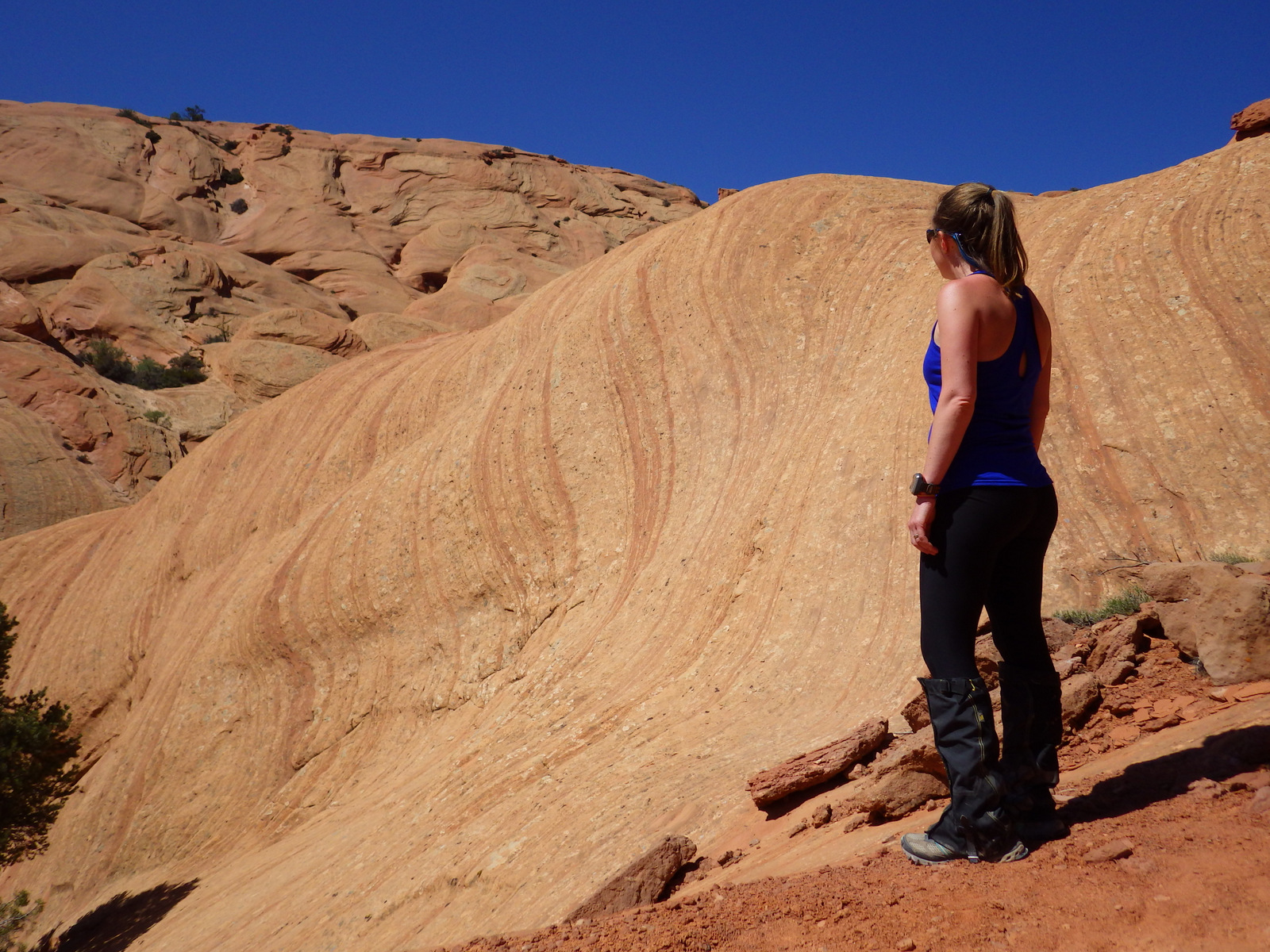
Tiff checking out some cool sandstone
Upper Muley Twist Canyon offers many unnamed arches, slickrock slopes, narrow passages, sheer cliffs, and stunning views.
LR CARE.jpg
This design we created to celebrate Capitol Reef National Park is available on a variety of products at Cafe Press and Amazon.

Explore More – Why is the park named Capitol Reef?

1WonsTiny2

WONDON WAS HERE …TWICE …THRICE

We are a participant in the Amazon Services LLC Associates Program, an affiliate advertising program designed to provide a means for us to earn fees by linking to Amazon.com and affiliated sites.
Big Bend National Park

Overview

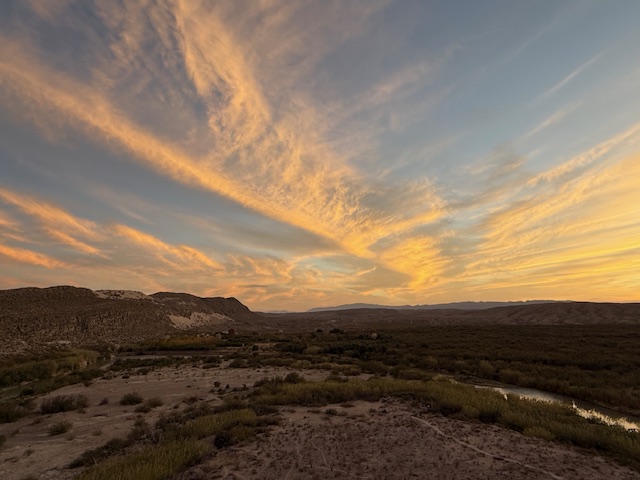
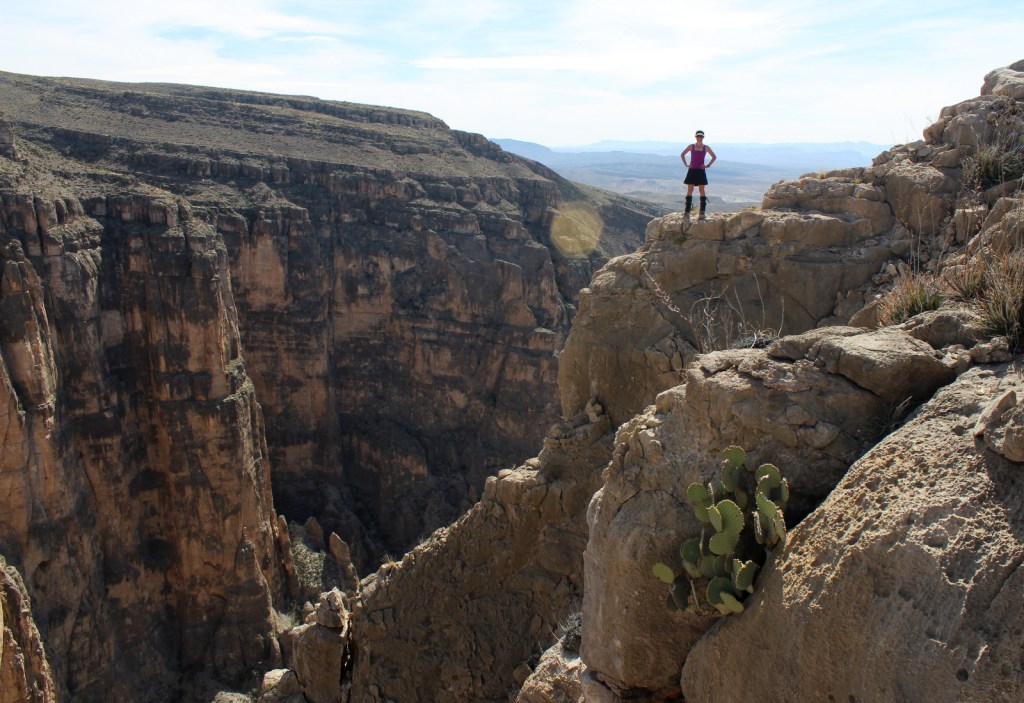
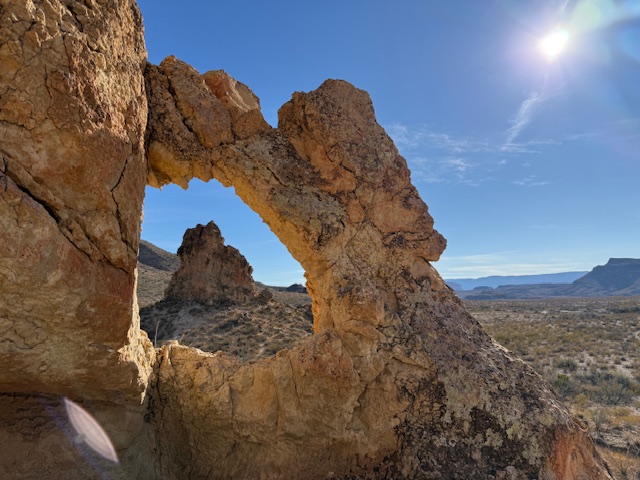
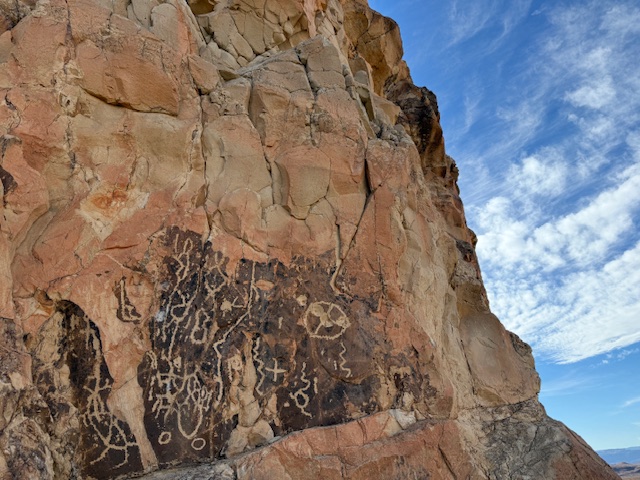
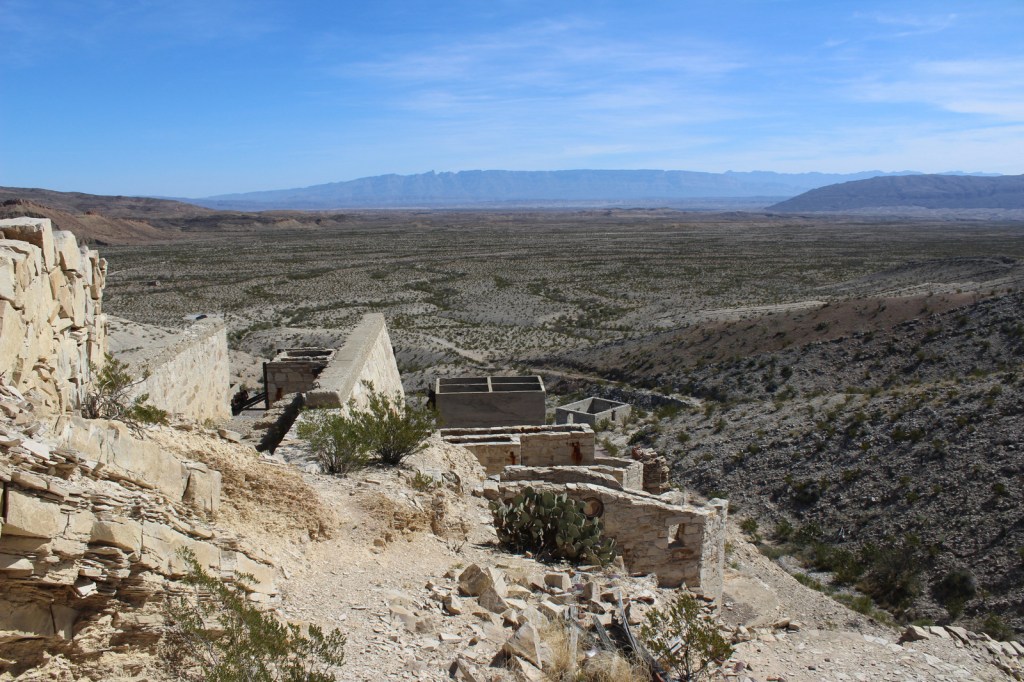
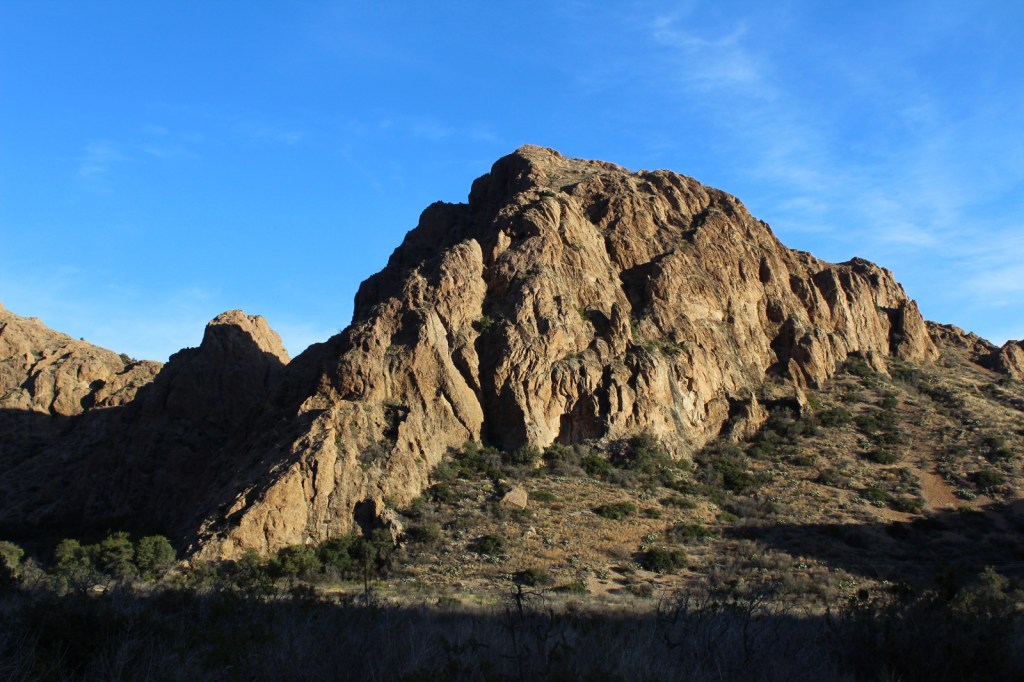
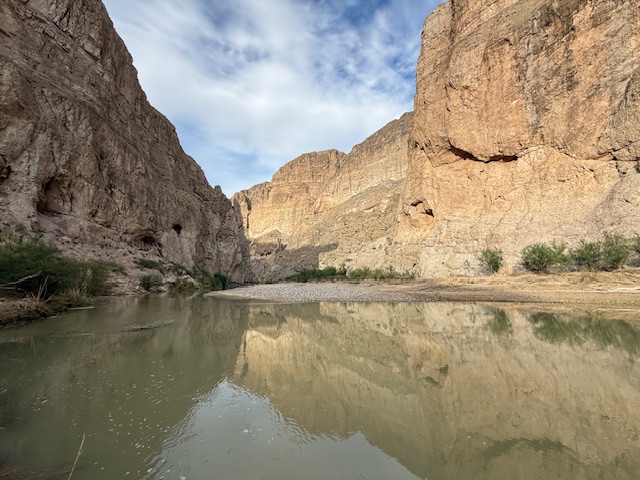
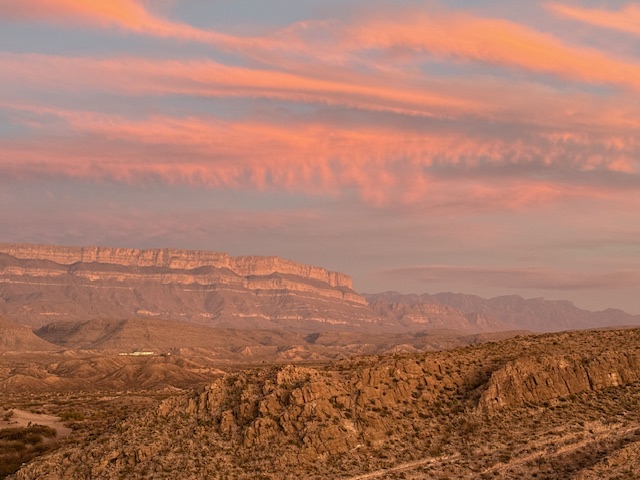
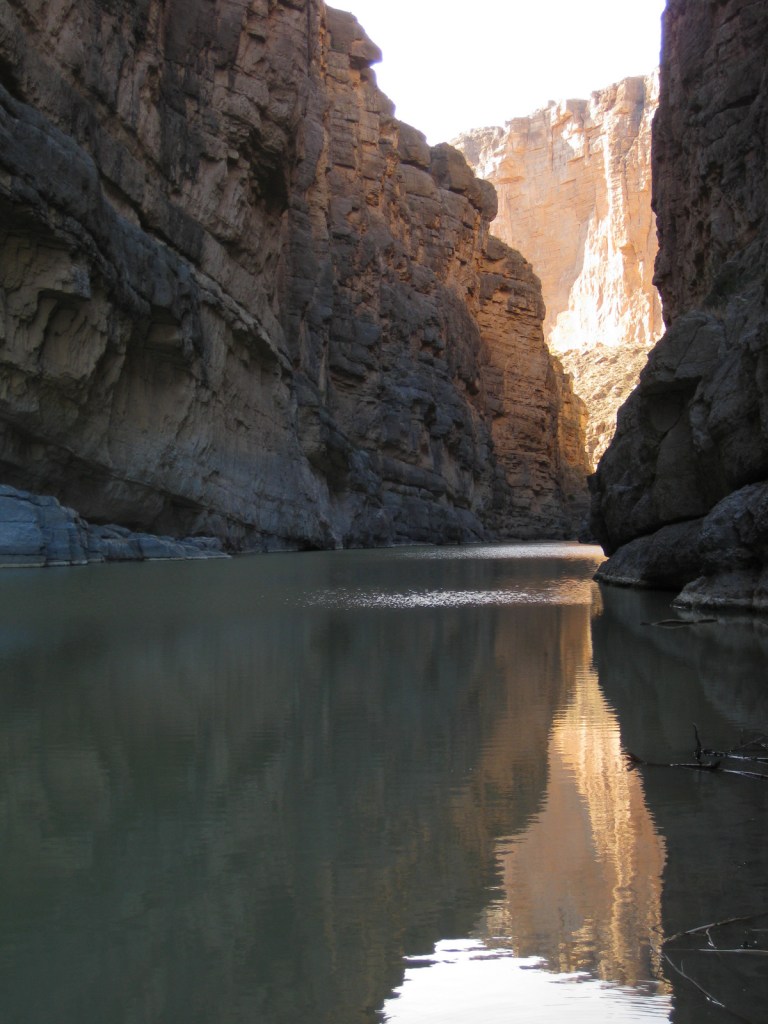
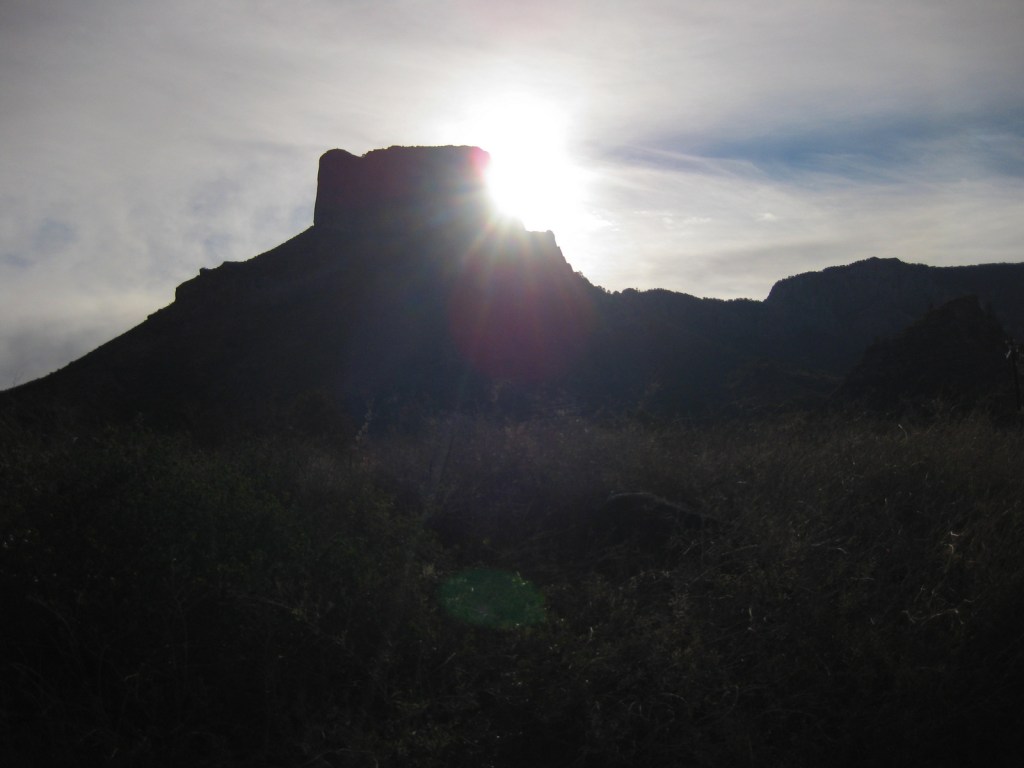
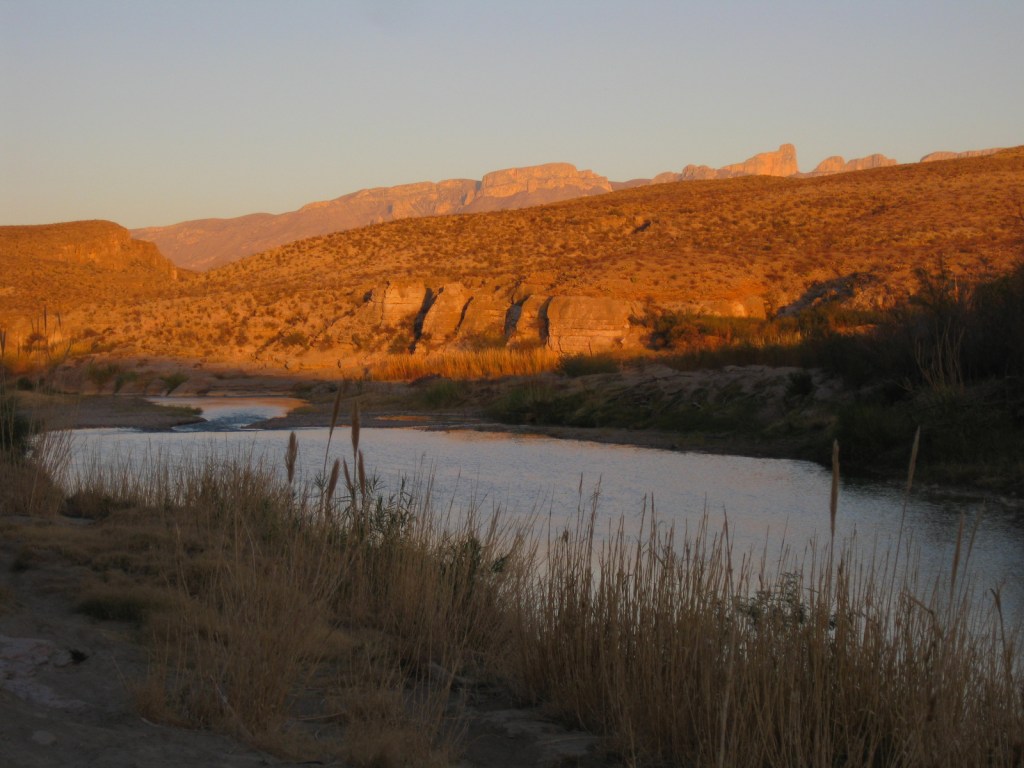
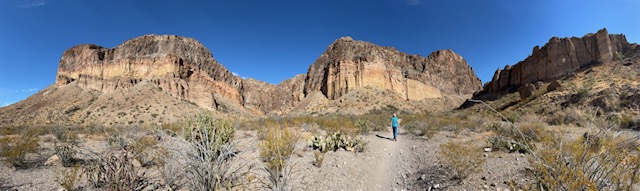
The park is named for a curve in the Rio Grande which forms the international border with Mexico.  This corner of Texas is not easy to get to, so when you do decide to visit plan on staying for at least a few days.  The weather can be very pleasant in the winter months.

Learn more about how to visit this National Park in the expanded second edition of our guidebook A Park to Yourself: Finding Solitude in America’s 63 National Parks. 

Bend

Highlights

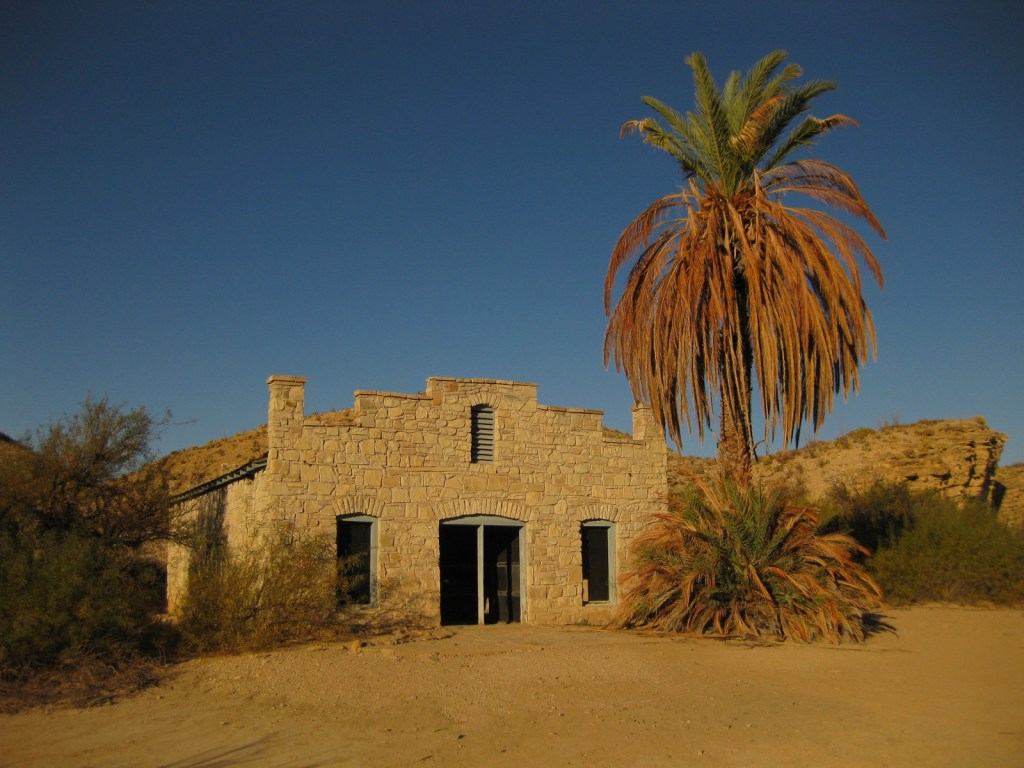
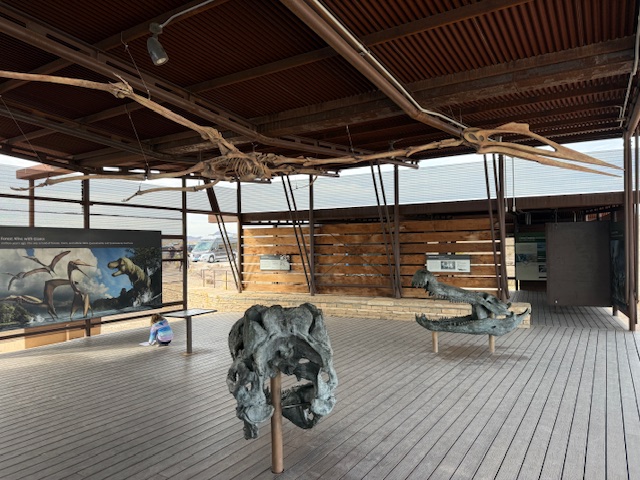
Chisos Basin, Fossil Discovery Exhibit, Hot Springs, Balanced Rock, Santa Elena Canyon Overlook, The Chimneys, Dog Canyon Trail

Must-Do Activity

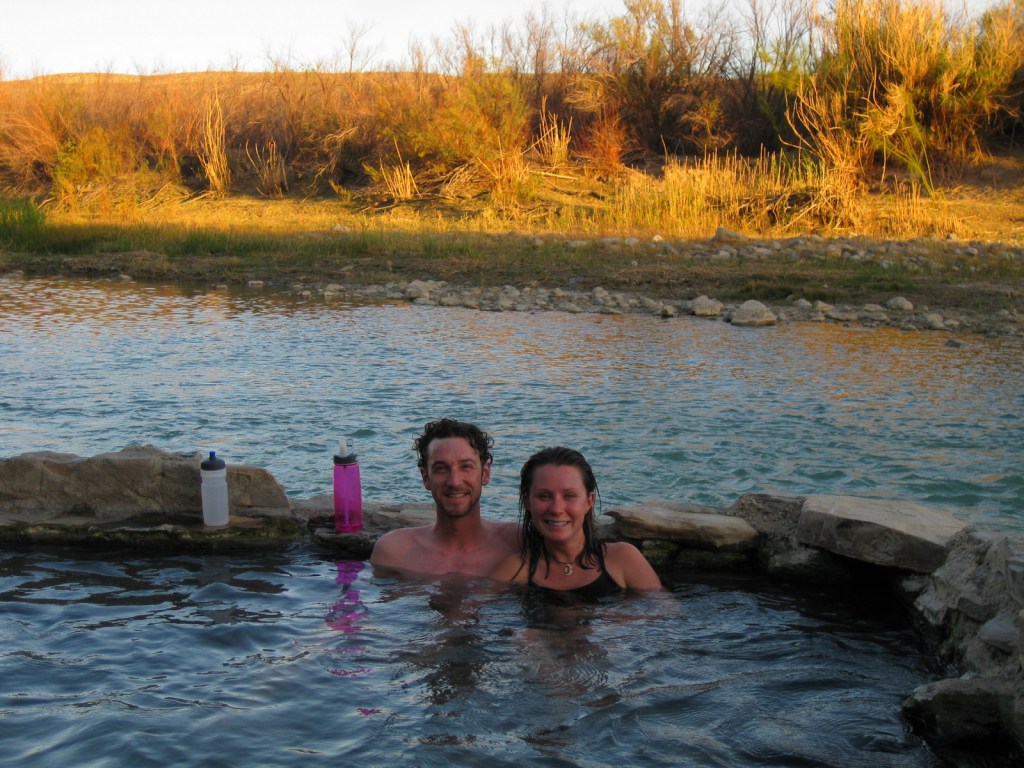
Located down a short dirt road from Rio Grande Village Campground, a quick walk takes you to a riverside hot springs, a great spot to relax after a day of hiking in the dry Texas desert.  While soaking there, you are literally a stone’s throw from another country.

Best Trail

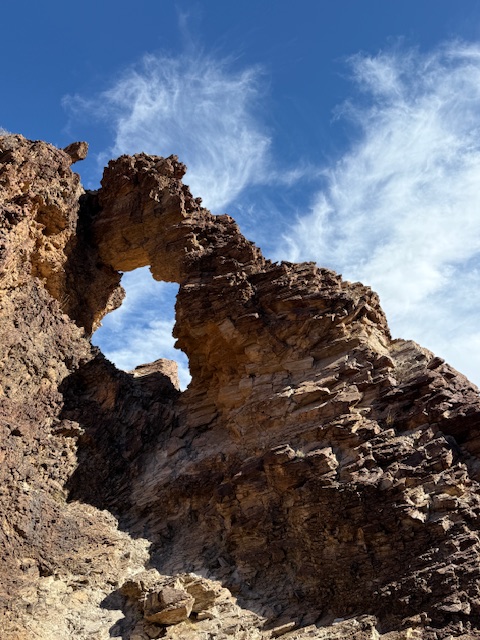
From Chisos Basin it is a short two mile canyon hike to The Window for a gunsight view to the west.  This trail is especially popular at sunset.

Instagram-worthy Photo

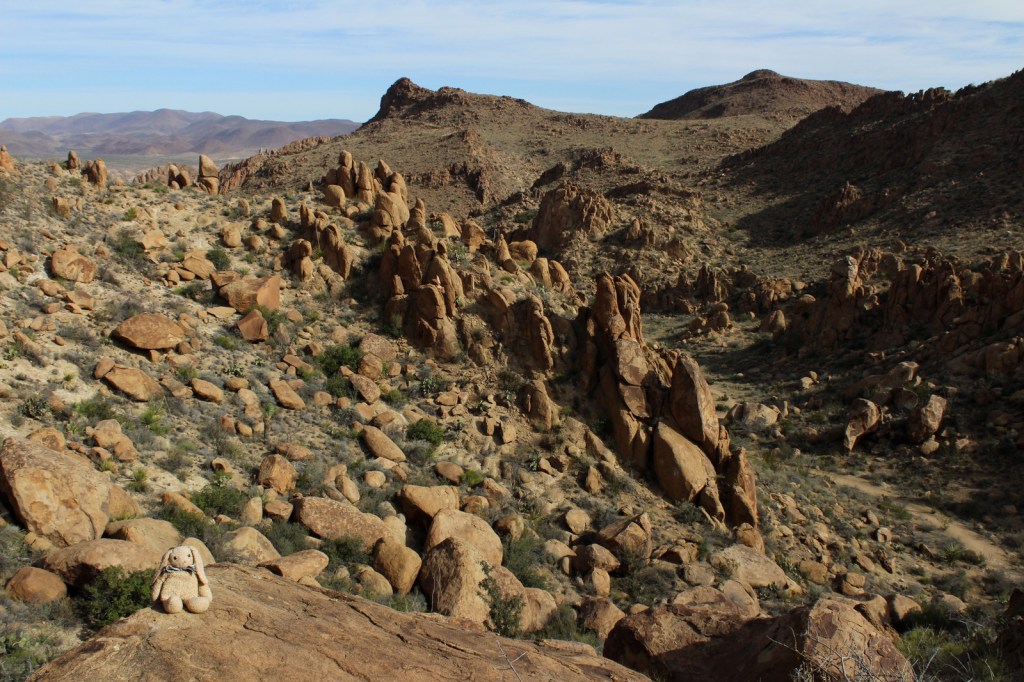
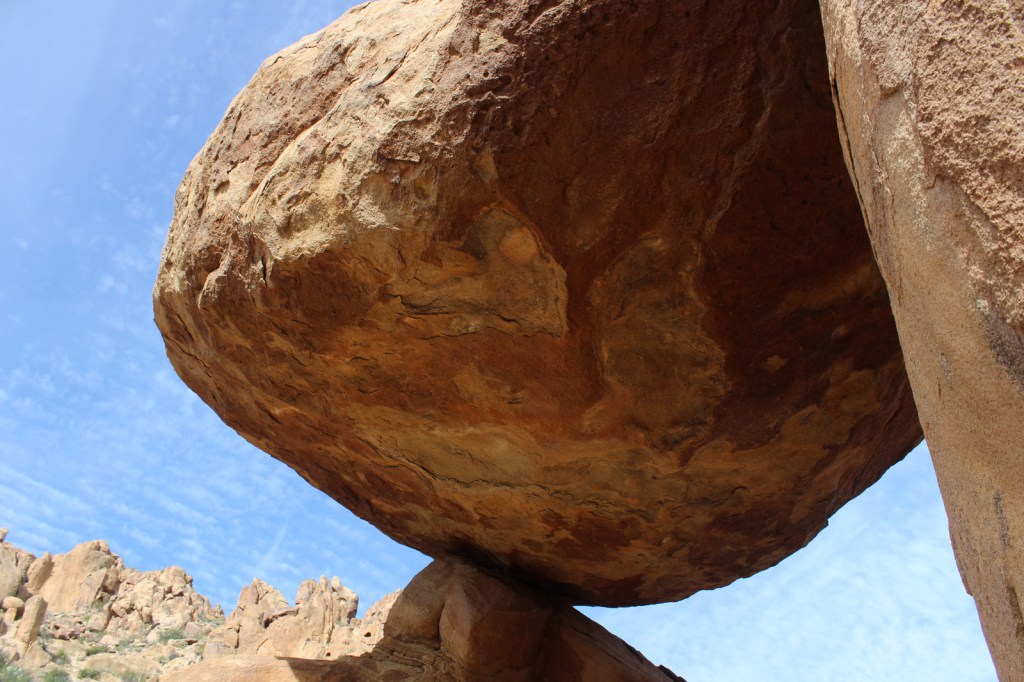
The most popular back road is Grapevine Hills Road which accesses the short Balanced Rock Trail and passes a couple of the most accessible of the 70 primitive backcountry car campsites (which require a permit from a visitor center).

Z March Texas 188

Peak Season

Spring, but we have also had good weather during visits in December and January

Hours

https://www.nps.gov/bibe/planyourvisit/hours.htm

Fees

$30 per vehicle or America the Beautiful pass

Road Conditions

We found that many of the dirt roads are passable with a mini-van, but some are four-wheel-drive only, so check with a ranger first.

Camping

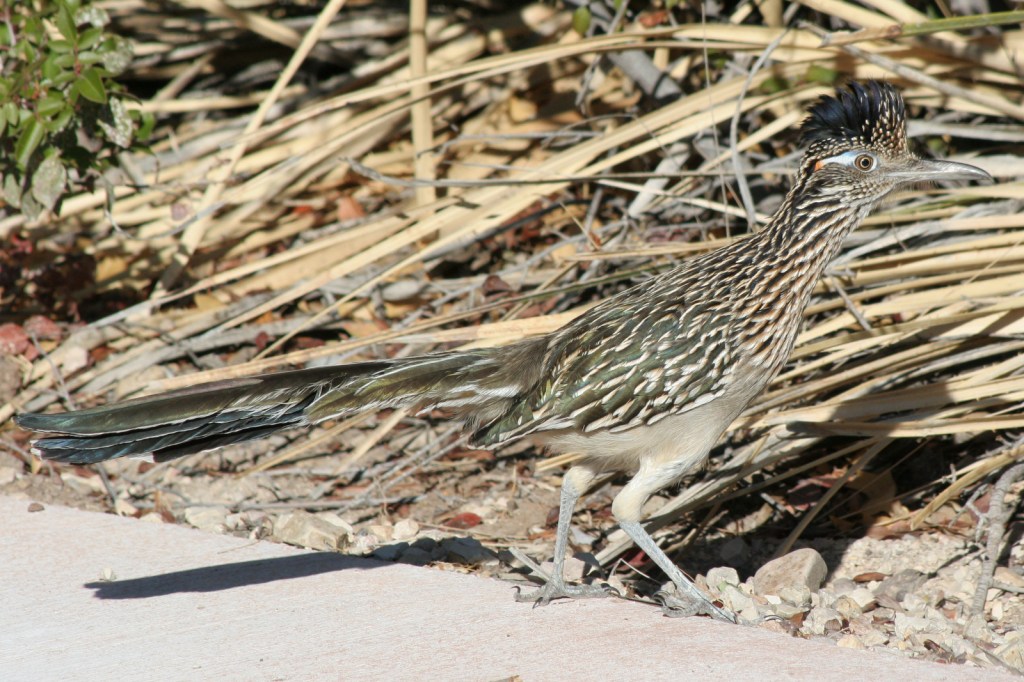
There are many choices of campgrounds and backcountry campsites (permit required) throughout the park, but we recommend the Chisos Basin for its roadrunners and nightly ranger programs.

LR BIBE
This design we created to celebrate Big Bend National Park is available on a variety of products at Cafe Press and Amazon.

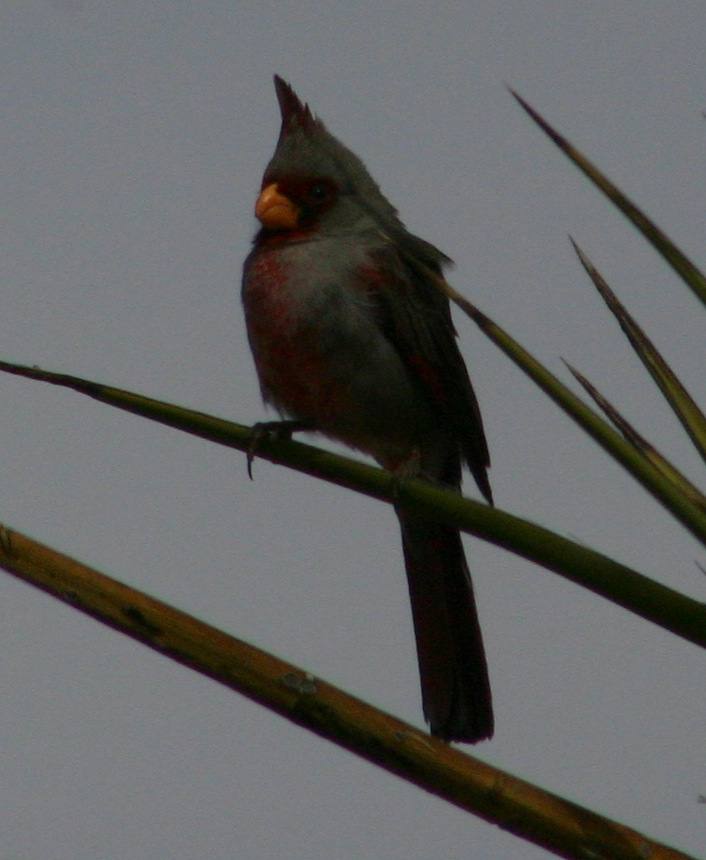
Explore More – What rare migrant bird do birders annually “flock” to see in this park?

Know someone who loves National Parks? Gift them our travel guidebook A Park to Yourself: Finding Solitude in America’s 63 National Parks. 

Big South Fork National River and Recreation Area

Overview

Crossing the Tennessee – Kentucky border, the Big South Fork of the Cumberland River cuts a 90-mile long gorge that was spared damming in 1974 when 125,000 acres were set aside by the federal government.  The area is renowned for its Class IV rapids and 400 miles of trails for hikers, mountain bikers, and horseback riders.  Seasonally, a concessionaire runs the Big South Fork Scenic Railway from Stearns Depot to the Blue Heron Mining Community, an outdoor museum.

Fork

Highlights

Natural bridges, waterfalls, whitewater, train ride, trails, new film

Must-Do Activity

The film shown in the 6 visitor centers was released in 2016 and provides an excellent overview of the area.  You might want to ask for the subtitles to be turned on so you can understand the regional accents.

Best Trail

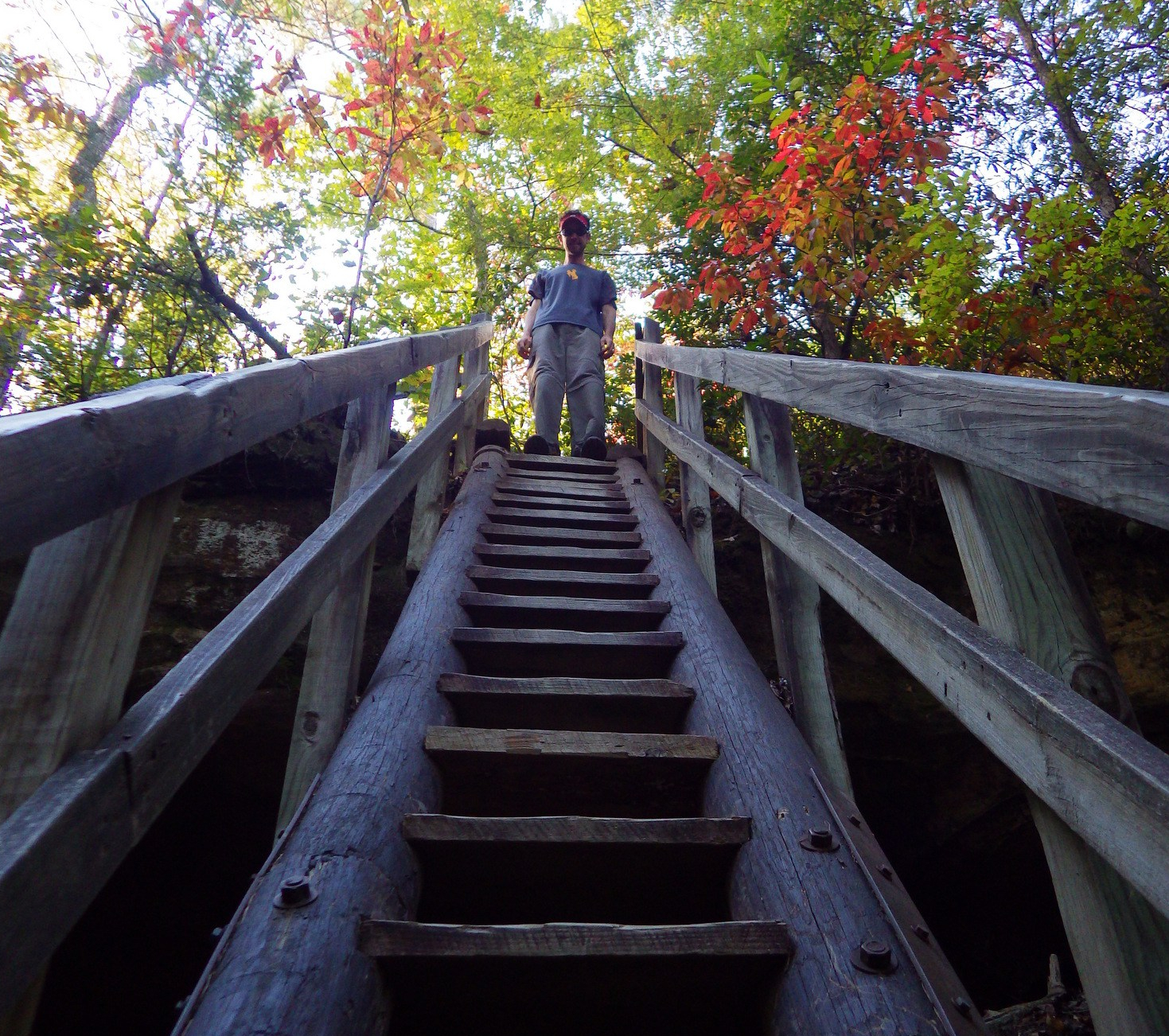
We enjoyed our 2-mile hike to Twin Arches (which are actually natural bridges formed by water).  We look forward to returning to this park to explore its other trails and waterways, especially to see Wagon Arch, Yahoo Falls, and Devil’s Jump Rapids.

Instagram-worthy Photo

Of the two Twin Arches, North Arch (93-foot span) is easier to photograph than South Arch (135-foot span) because there are fewer trees in the way.

IMGP0239

Peak Season

Summer, though the Spring Planting Festival (April) and “Haunting in the Hills” Storytelling Festival (September) offer many free activities.

Hours

https://www.nps.gov/biso/planyourvisit/basicinfo.htm

Fees

None, except to ride the concessionaire-operated Big South Fork Scenic Railway.

Road Conditions

The dirt roads we drove (Divide Road and Twin Arches Road) were passable for any vehicle.

Camping

There are many options, from full service Bandy Creek Campground in Scott State Forest to dispersed backpack camping along the trails.

IMGP0200

Tiff on the way to Twin Arch

Scott on the "trail" to Twin Arch

Scott exploring a slot
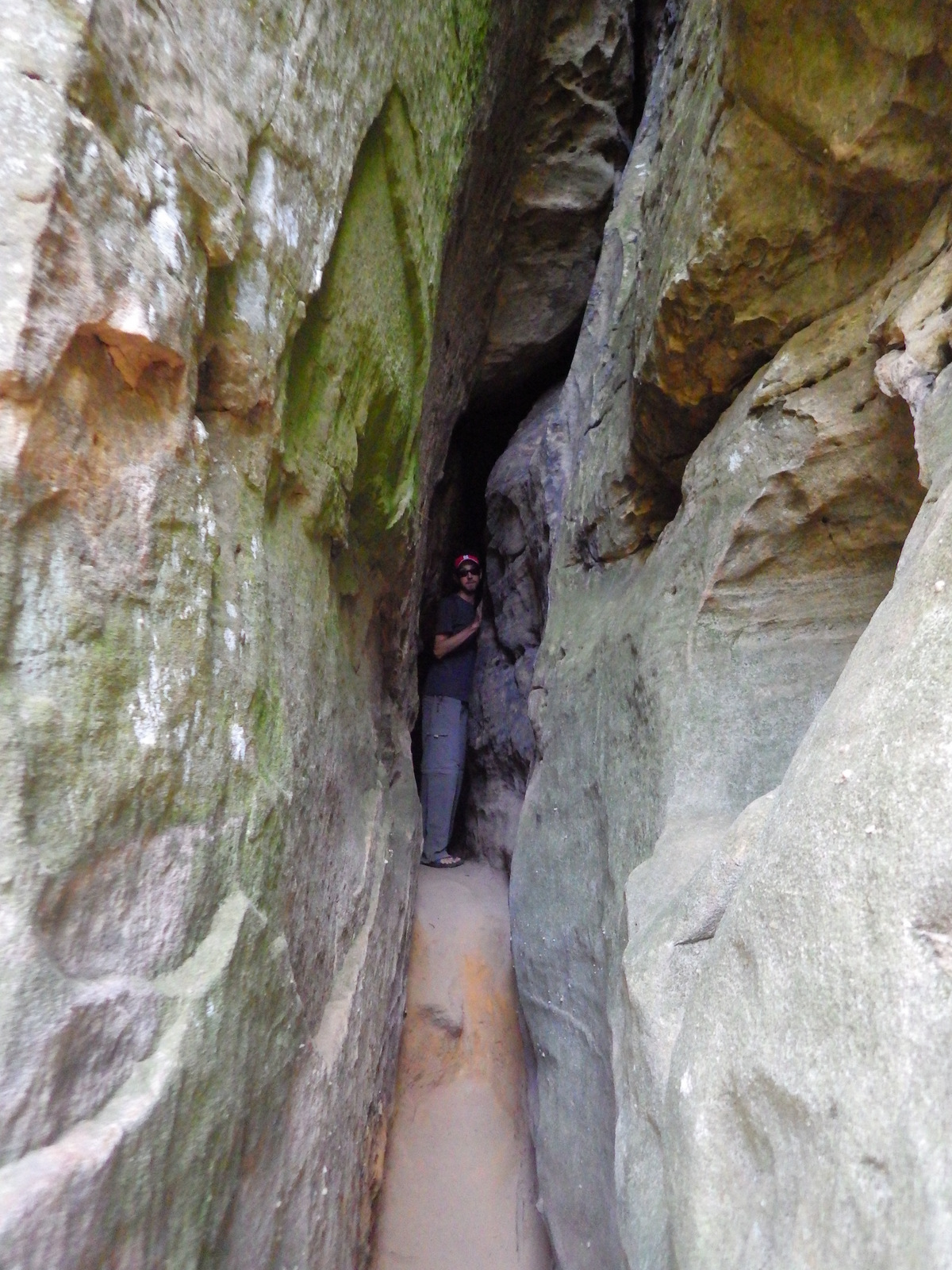
Exploring a slot in the sandstone behind North Arch of the Twin Arches.

IMGP0226
North Arch spans 93 feet with a 51-foot clearance, making me look small underneath it.

Explore More – How deep is the gorge cut by the Big South Fork River?

1WonsTiny2


WONDON WAS HERE

Fort Necessity National Battlefield

Overview

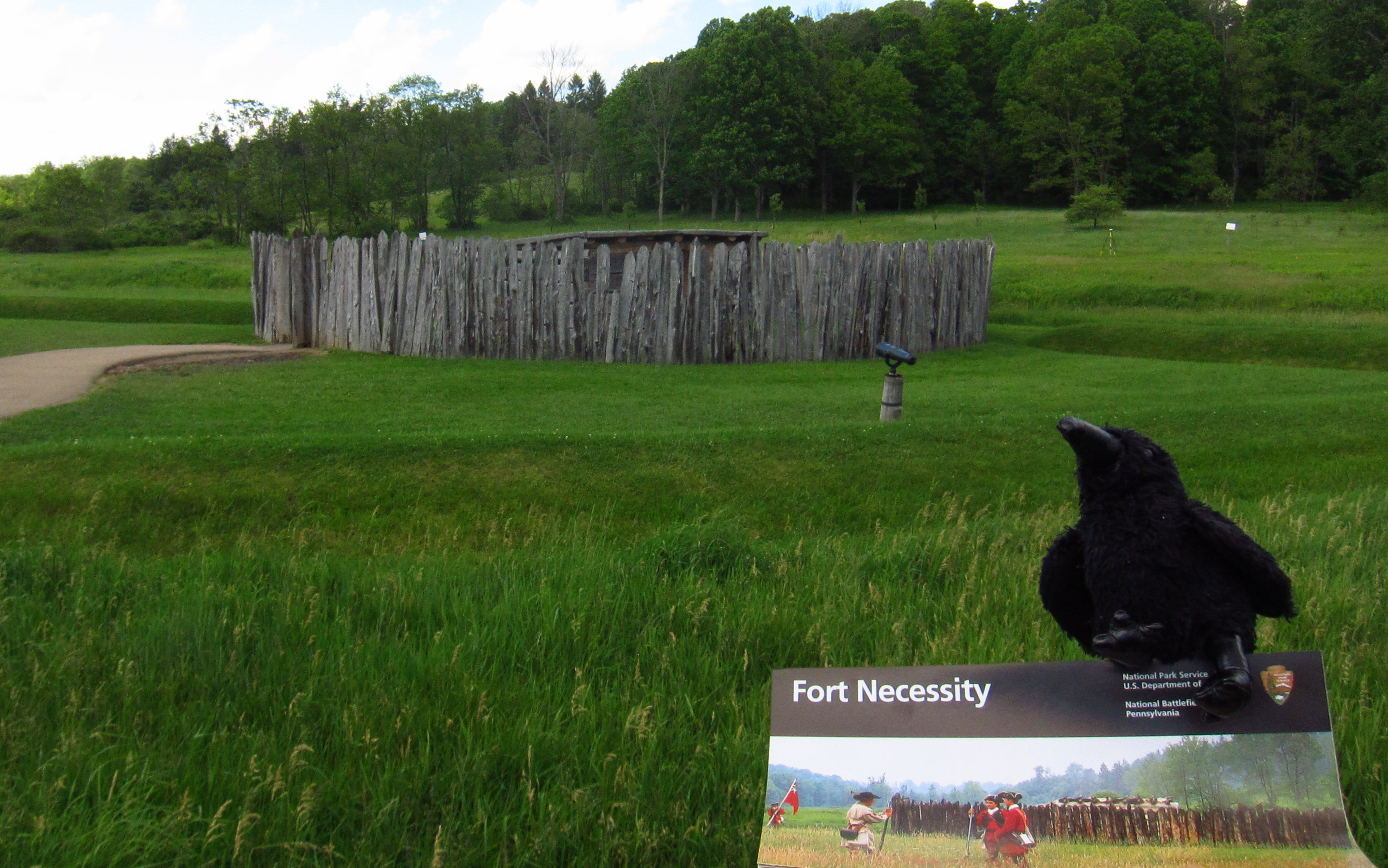
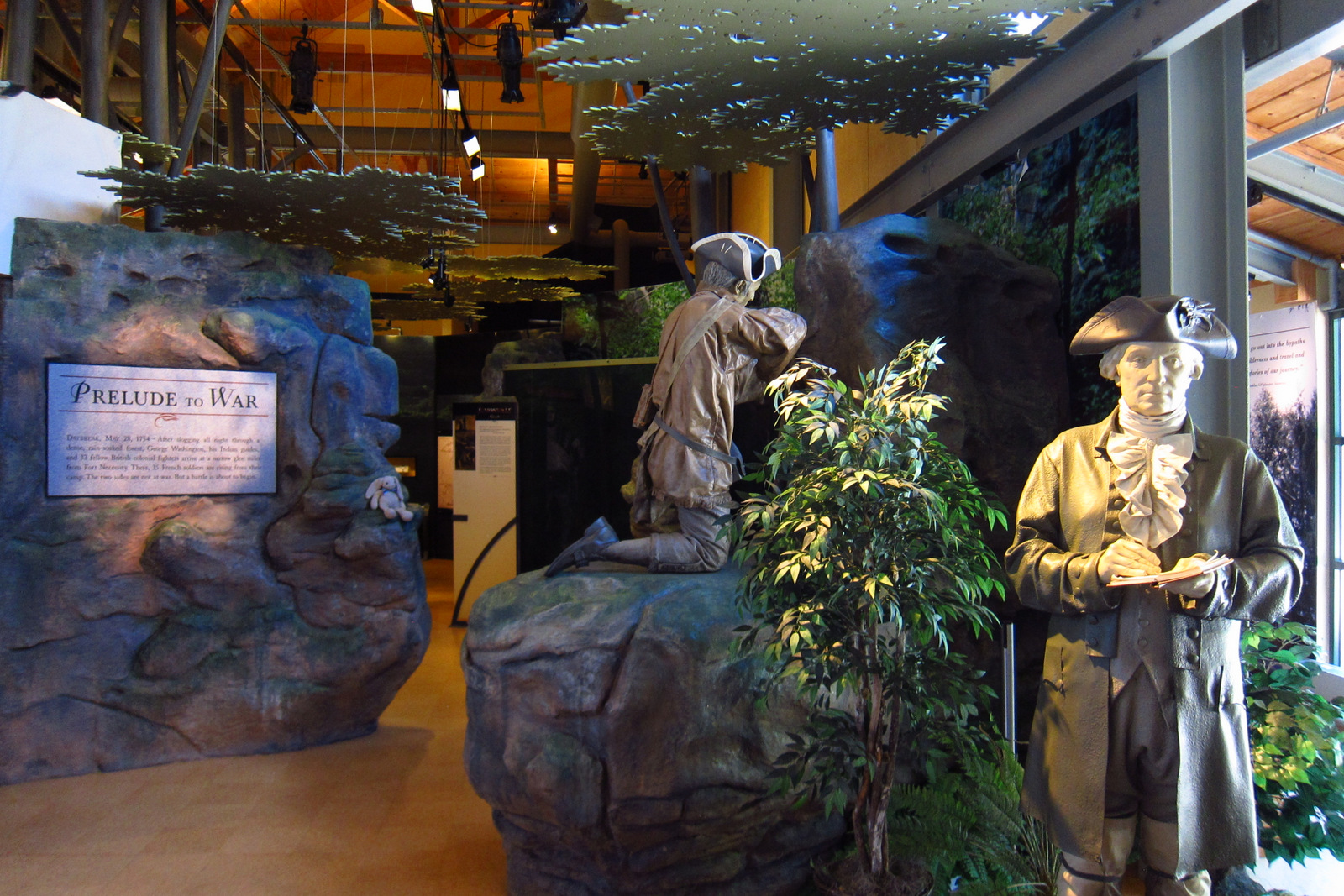
In a nondescript field in rural western Pennsylvania, a battle began what some historians consider the first worldwide war.  In April 1754, a young George Washington led British troops, Virginia militia, and their American Indian allies on a mission to push the French out of the western frontier.  After Washington’s troops ambushed and scalped French officers, an angry retaliatory force pinned him down at the hastily constructed Fort Necessity.  Washington surrendered on July 3, 1754, starting a global conflict that became known as the Seven Years War (or the French and Indian War).

Necessity.JPG

Highlights

Museum, reconstructed fort, Mount Washington Tavern

Must-Do Activity

The National Park Service manages an excellent museum and a re-creation of the small fort.  There is a playground, too, perhaps to entice children to come learn that little actions can have big consequences.

Best Trail

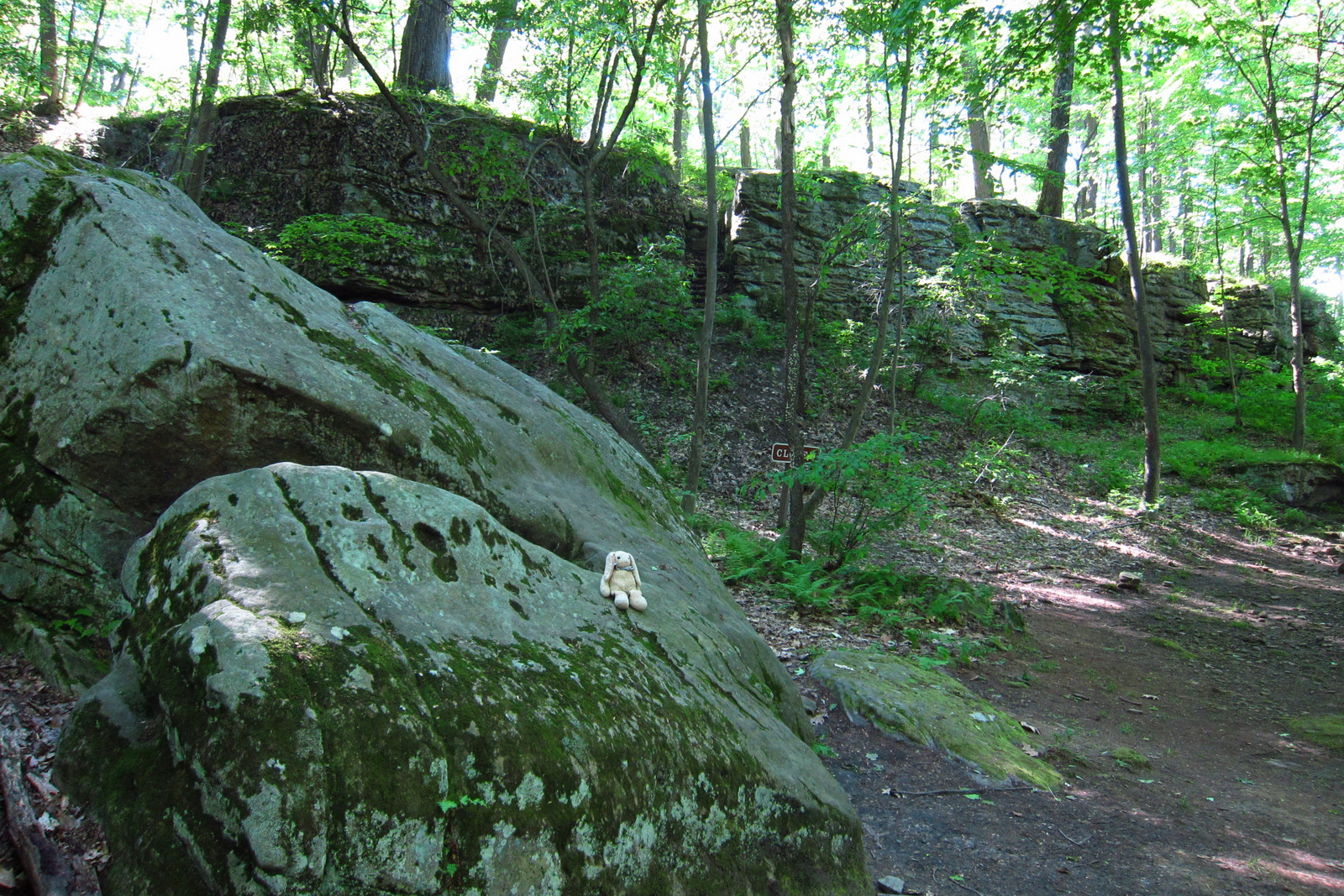
Make a side trip to nearby Jumonville Glen, where a short loop trail guides visitors through the forest where the initial ambush on the French occurred.

Instagram-worthy Photo

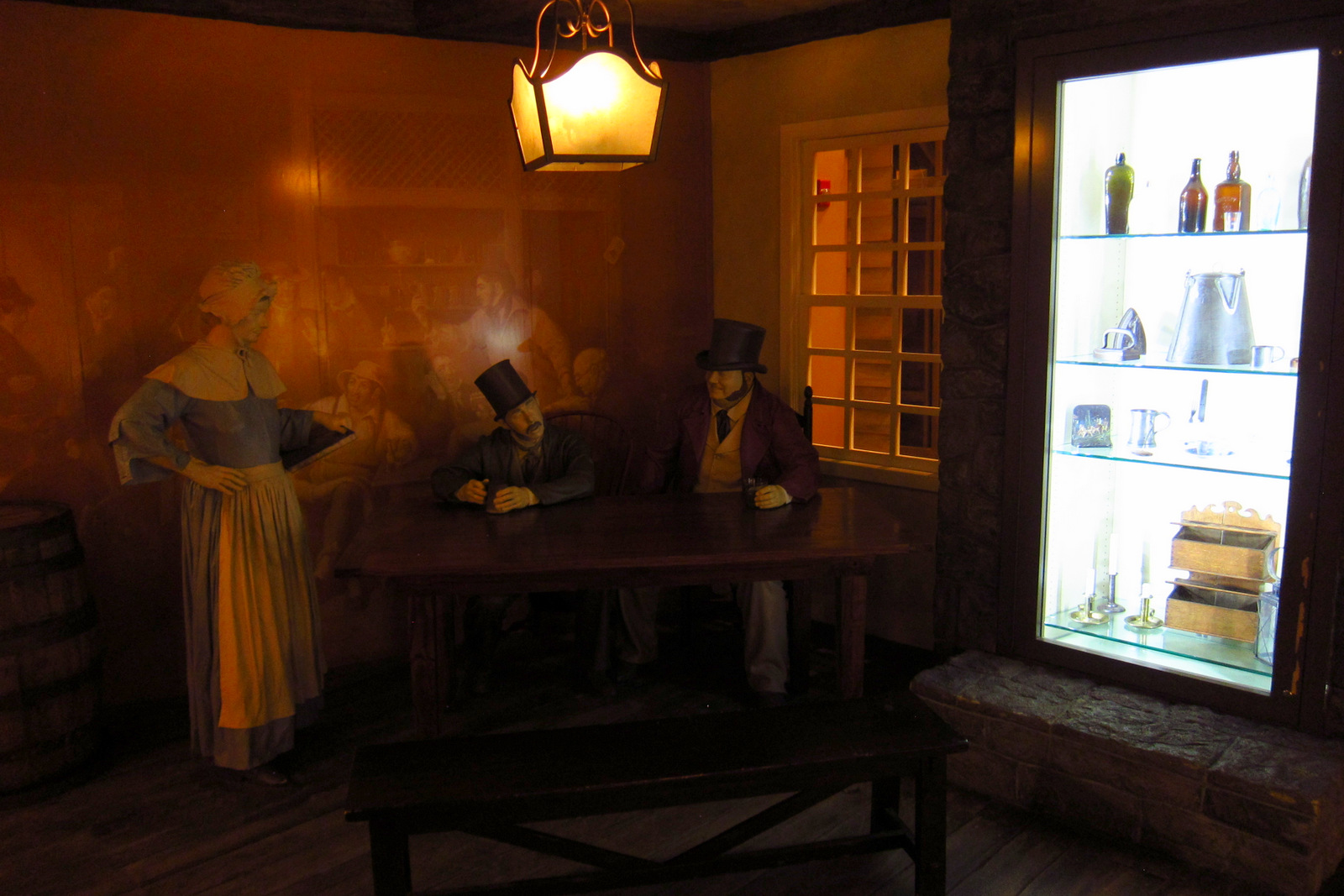
The reconstructed Mount Washington Tavern, a stagecoach stop on the historic National Road.  Construction of the National Road began in 1811 and businesses like this one soon popped up to serve travelers.

June North Carolina 051

Peak Season

Open year round, except Jumonville Glen and Braddock’s Grave are only open in summer.

Hours

https://www.nps.gov/fone/planyourvisit/hours.htm

Fees

None

Road Conditions

All roads paved

Camping

Ohiopyle State Park has running water, as do several private campgrounds nearby.

June North Carolina 061

June North Carolina 055
Archaeologist using a metal detector to look for artifacts from 1754.

June North Carolina 066
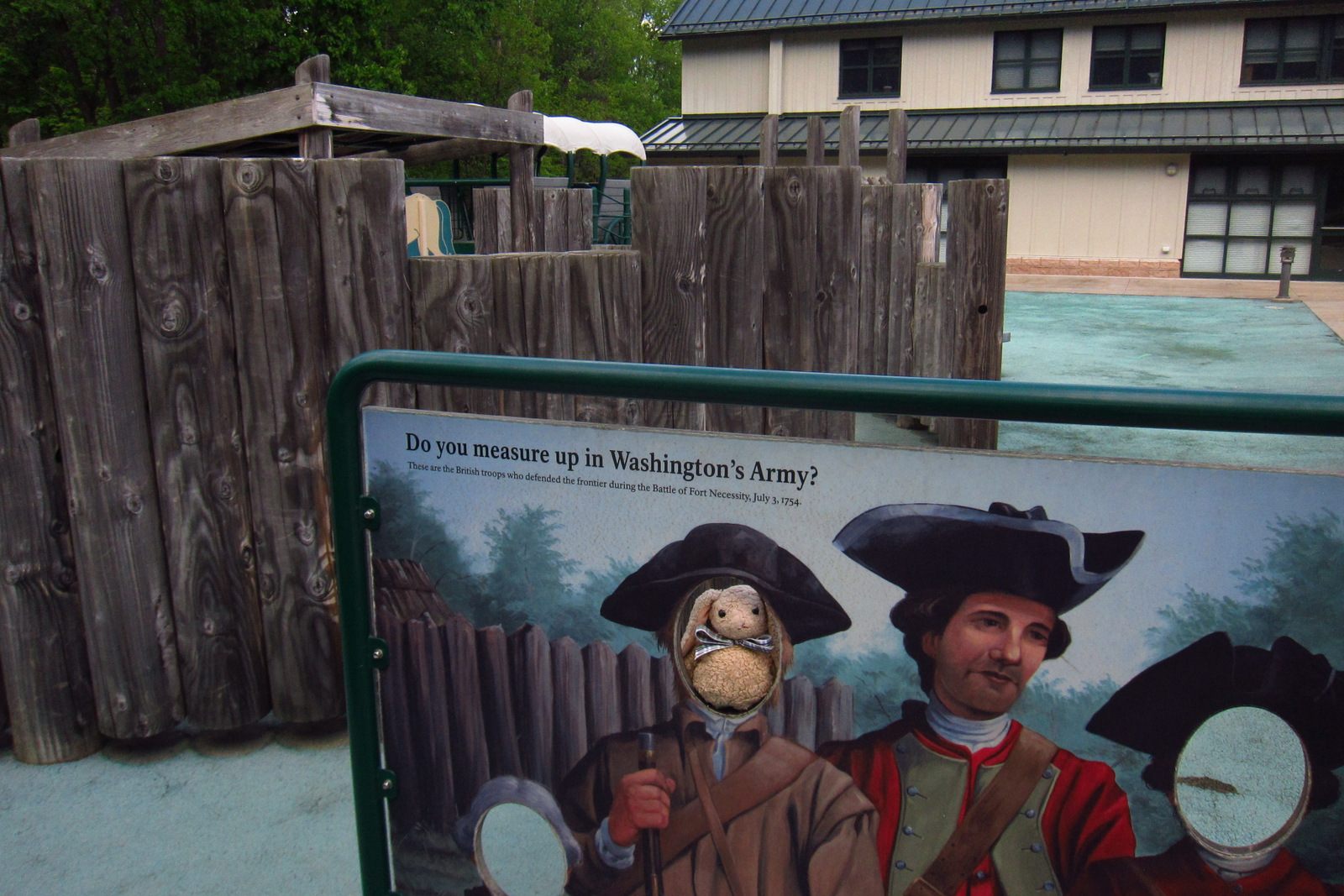
Not many National Park Service sites have a playground like Fort Necessity National Battlefield.

June North Carolina 028
The free National Park Service museum details the battle and its global ramifications; there’s young George Washington.

June North Carolina 069

June North Carolina 046
Inside the Mount Washington Tavern.

June North Carolina 043

June North Carolina 072
Ambush site at Jumonville Glen.

Explore More – Despite its name, the Seven Years War actually lasted how many years after fighting took place on four continents (as well as in the Philippines and Caribbean islands)?

1WonsTiny2

WONDON WAS HERE

John Day Fossil Beds National Monument

Overview

There are three units of this National Monument named for the John Day River that drains this region in the rain shadow of the Cascades.  It is less green than much of Oregon, but that lack of vegetation allows the wonderful colors of the soil to show through in places like the Painted Hills and Blue Basin.

July Oregon 1777.JPG

Highlights

Scenic views, geologic formations, fossils, museum

Must-Do Activity

The Thomas Condon Paleontology Center gets our vote for the best museum in the entire National Park Service System.   Across from Sheep Rock, it has awesome exhibits on the 40-million years of mammalian history this monument protects.  Plus, watch real laboratory specimens being prepared by archaeologists.  Across the highway, have a picnic at the James Cant Ranch Historic District and learn about sheep and cattle ranching in this region.

Best Trail

The Blue Basin is accurately named at the end of the one-mile Island in Time Trail.

Instagram-worthy Photo

If you can only see one unit of the monument, make sure it is the surreal Painted Hills. Stunning colors on large clay hills with several interpretive loop trails describe the geological history and fossils found there.

2016ORjohnday4

Peak Season

Summer, though wildfires can cause road closures.

Hours

https://www.nps.gov/joda/planyourvisit/hours.htm

Fees

None

Road Conditions

Dirt roads at the Painted Hills are passable with most vehicles when dry.

Camping

None within the monument, but there are several campgrounds in the area, including a nice one we stayed at in the town of Fossil, Oregon.

July Oregon 1732
The John Day River running through the National Monument.

Rock formations like the ones at Devils Postpile NM
The Thomas Condon Paleontology Center gets our vote for the best museum in the entire NPS System.

July Oregon 1746
The blue badlands at the end of the one-mile Island in Time Trail. 

Group shot


2016ORjohnday6
There are several trails through the Painted Hills for up-close views of the colorful soil.

IMG_1709


Explore More – Which unit of the National Monument is known for its fossil plants in mudstone?

1WonsTiny2

WONDON WAS HERE