Tag Archives: ghost town

Deerlodge National Forest

Deerlodge National Forest       

Montana

Managed by U.S. Forest Service, Northern Region

1,369,894 acres (1,227,155 federal/ 142,739 other)

Website: https://www.fs.usda.gov/bdnf

Overview

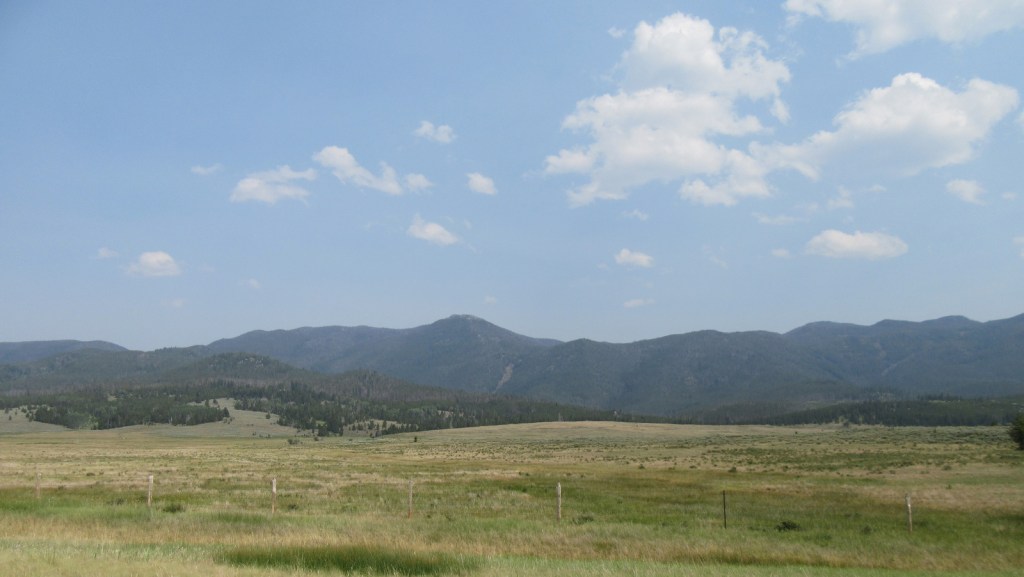
President Theodore Roosevelt originally created the Big Hole Forest Reserve in 1908 after the area around Butte, Montana was clearcut by the Anaconda Copper Mining Company.  There are still many remnants of historical mining found throughout Deerlodge National Forest.  In 1996, it became part of Beaverhead-Deerlodge National Forest, the largest of the many National Forests in Montana.  The smaller and more northerly Deerlodge section includes portions of the Boulder Mountains, Highland Mountains, Flint Creek Range, John Long Mountains, and Elkhorn Mountains, as well as part of the Anaconda-Pintler Wilderness.

Highlights

Pintler Scenic Loop, Skalkaho Pass, Elkhorn ghost town, Boulder River, Sheepshead Recreation Area, Delmoe Lake, Pipestone Rock, Maud South Canyon Loop Trail, Lost Cabin National Recreation Trail

Must-Do Activity

Butte, Montana is surrounded by mountains that are part of Deerlodge National Forest and many dirt roads explore this area.  One road leads to Delmoe Lake, six miles east of Butte and located near Pipestone Rock, once a source of stone for making various implements.  Ghost towns accessible by road include the mining settlements of Elkhorn and Highland City.  The Deer Lodge Mound is a 40-foot-tall geothermal formation that resembles a medicine lodge with steam emitting from its top.  Historically, the mineral-laden water attracted large herds of deer.  It is currently on the grounds of the Warm Springs State Hospital and is visible from Interstate 90.

Best Trail

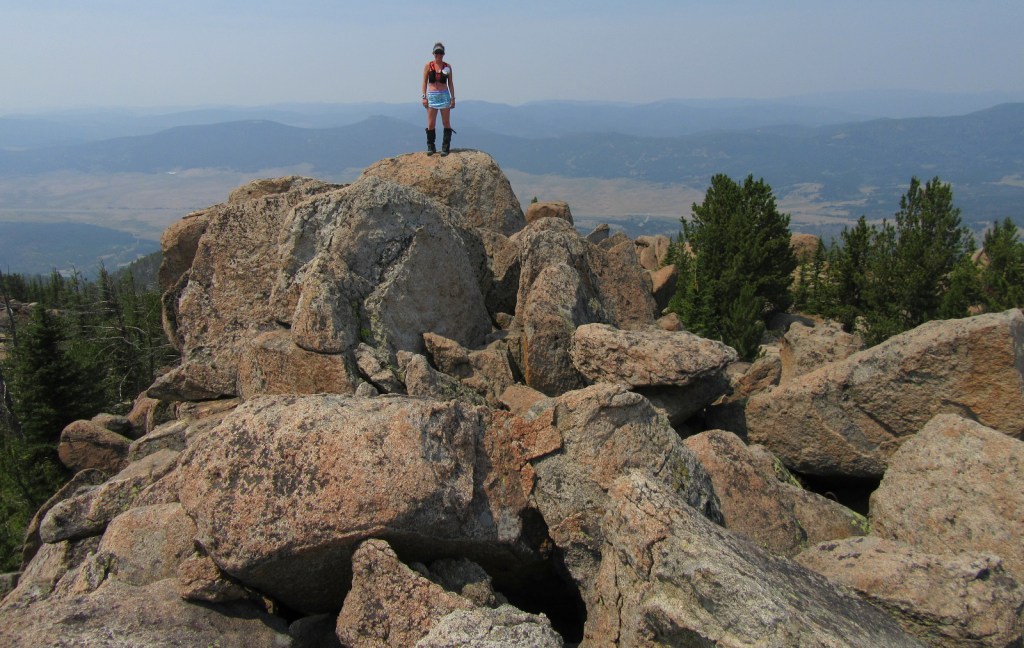
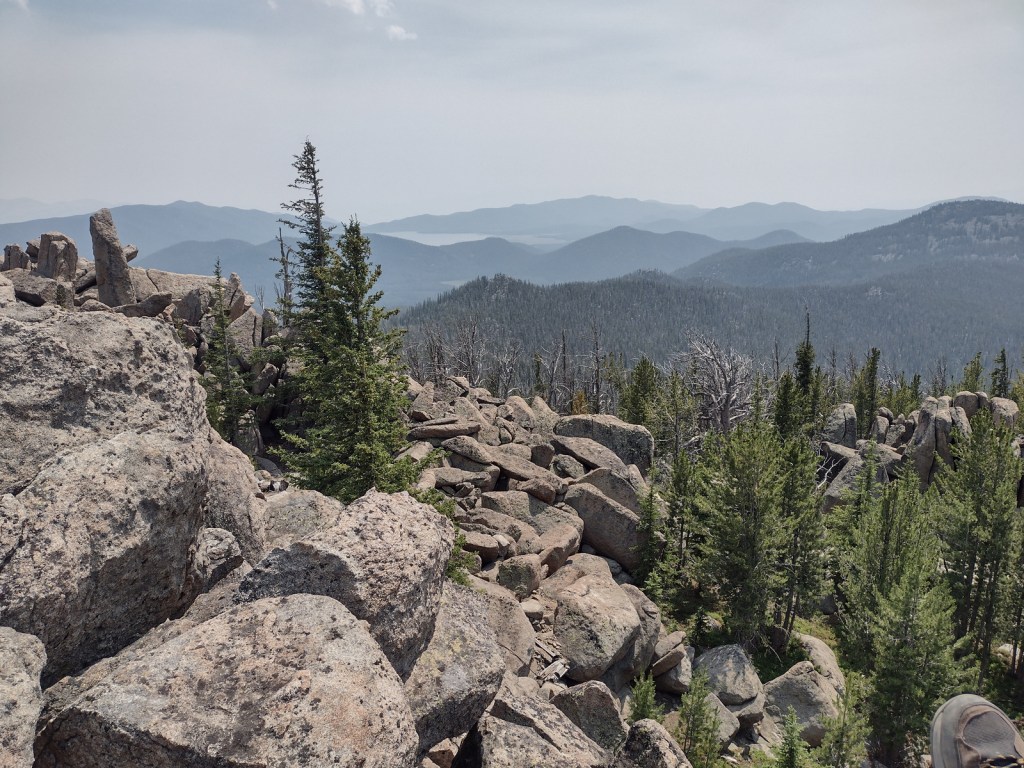
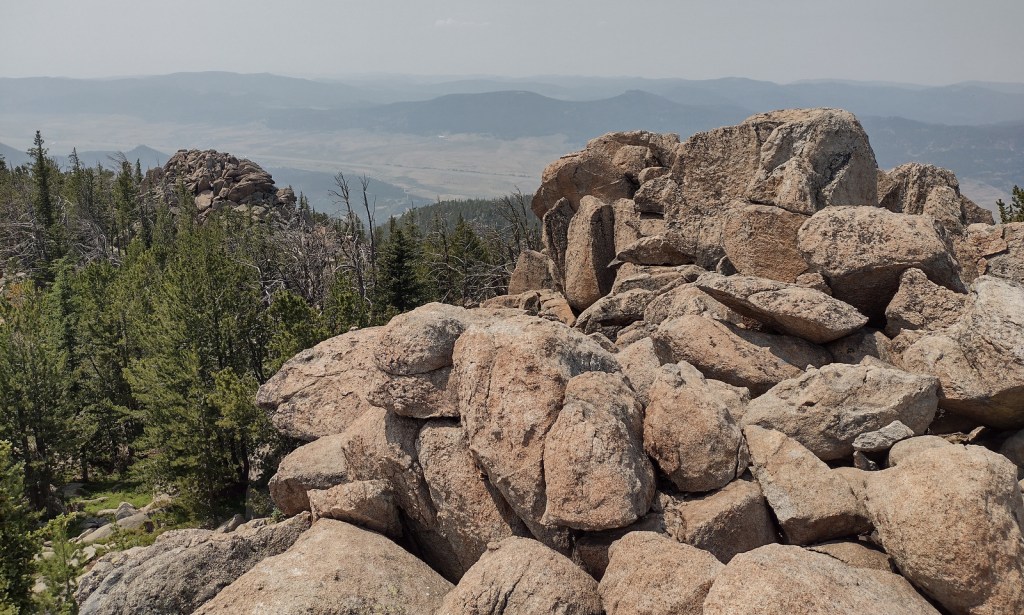
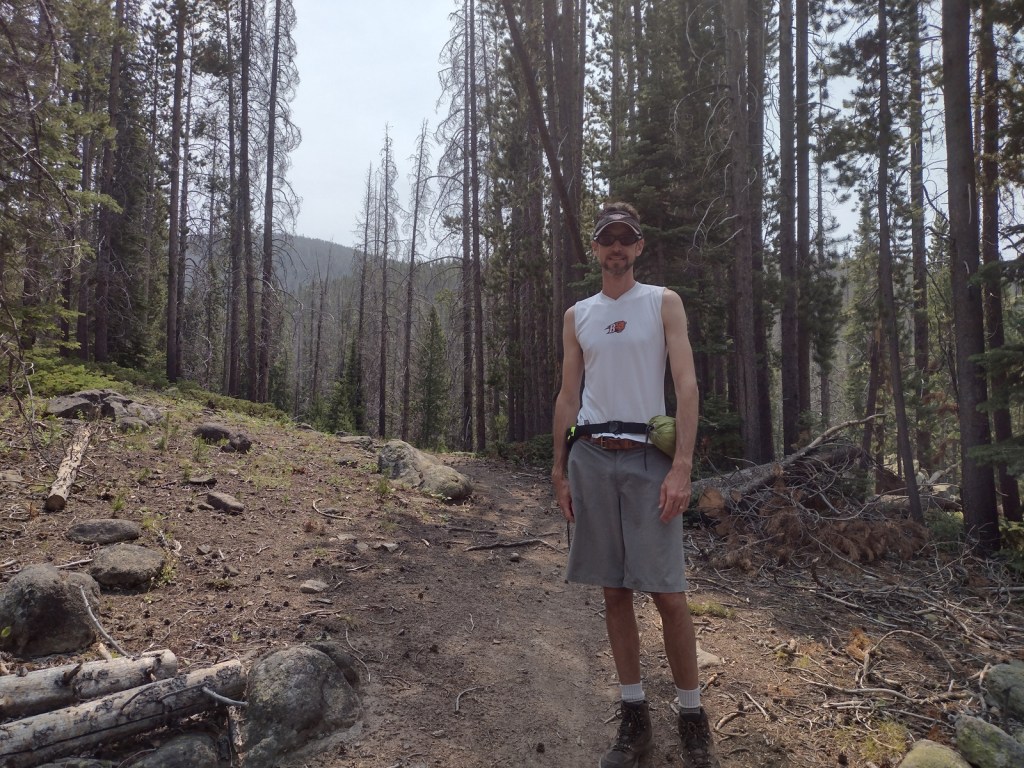
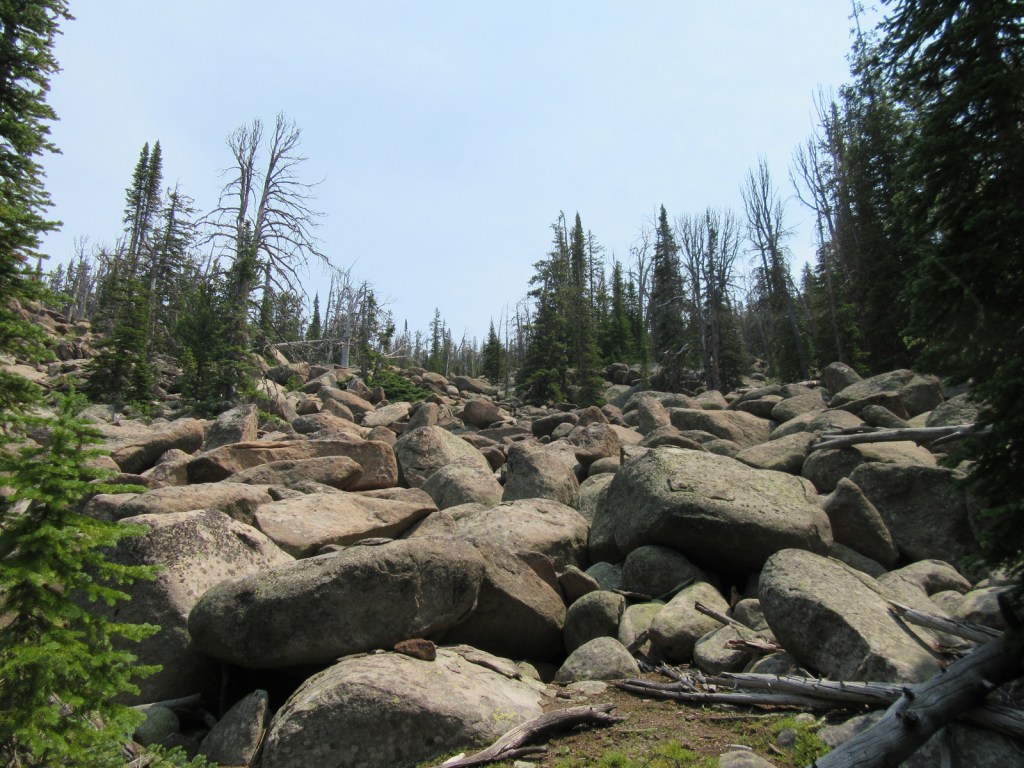
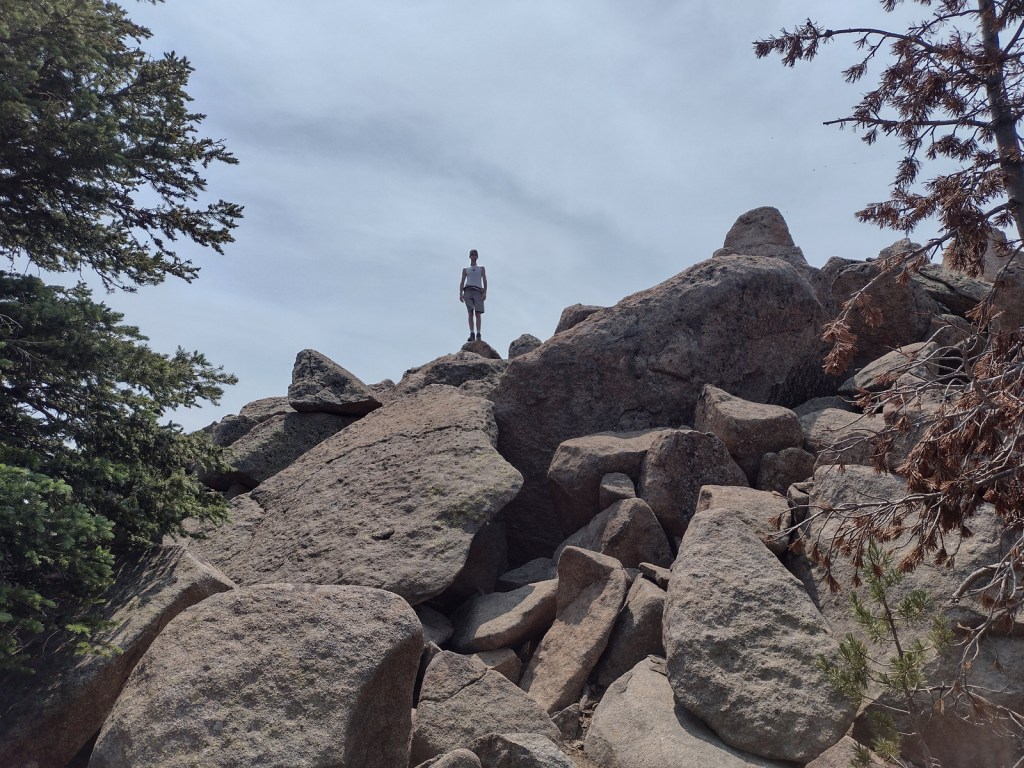
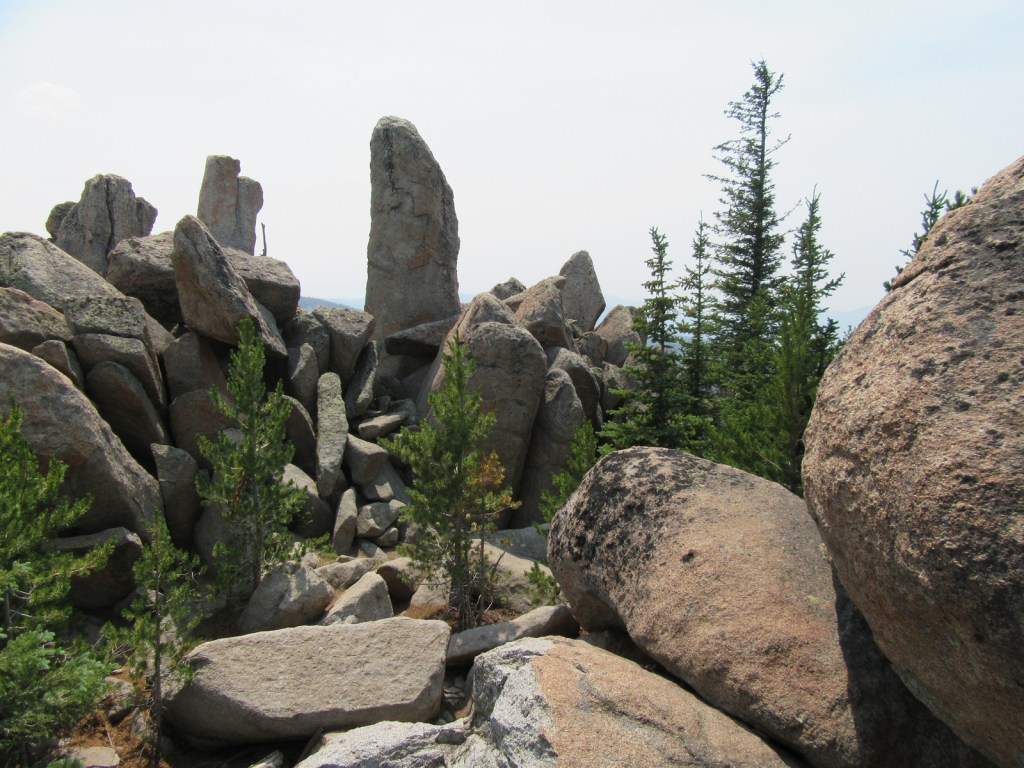
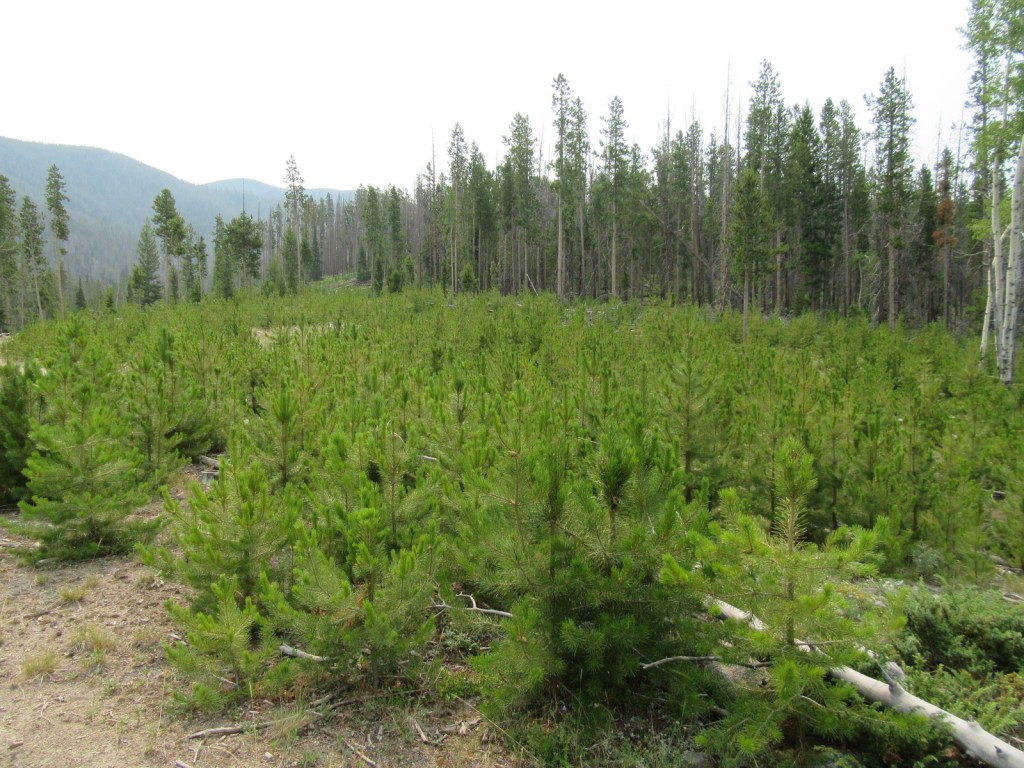
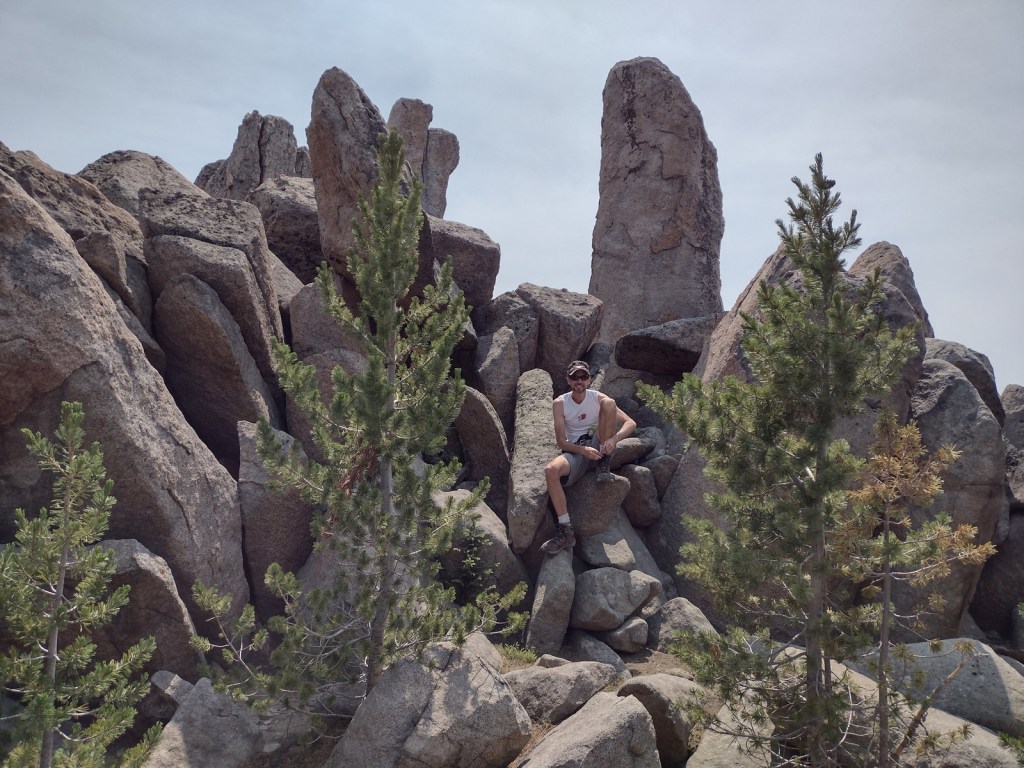
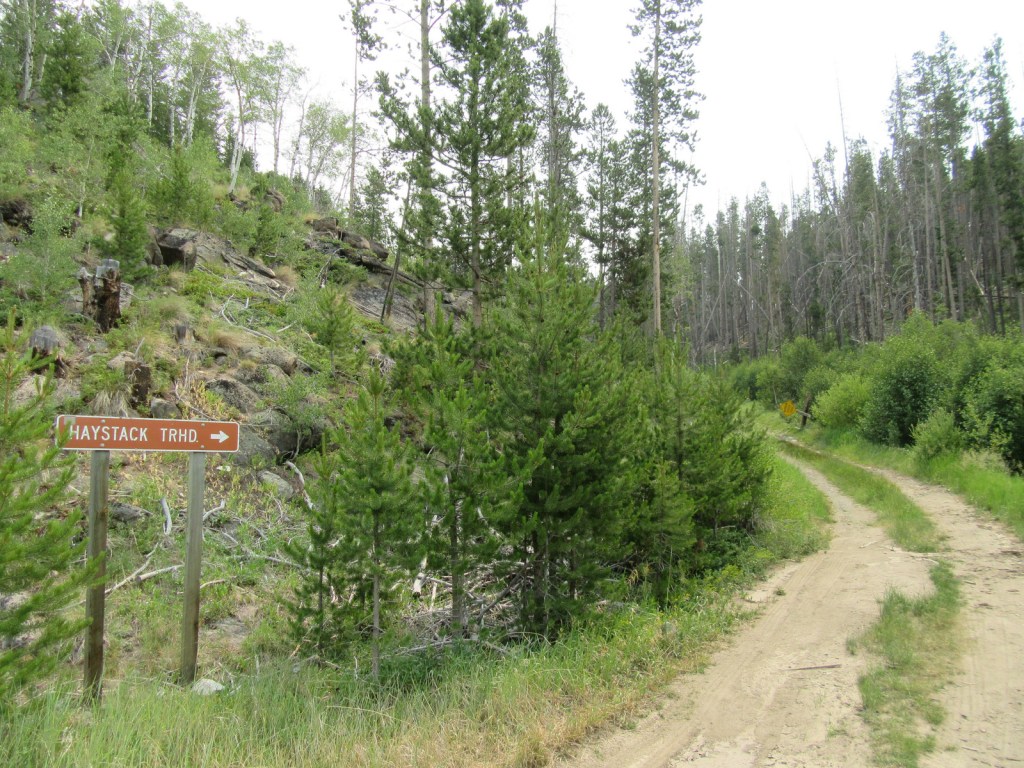
Although the official trailhead for Haystack Mountain National Recreation Trail is 1.2 miles uphill from Interstate 15, we had to park along the frontage road because access required a high-clearance vehicle.  This added about 700 feet of elevation gain to the 2,000 feet from the trailhead and made the total hike eight miles out-and-back.  There is not much shade along the route that ends in a mountaintop boulder field with stunning panoramic views and the remnants of a fire lookout tower.

Watchable Wildlife

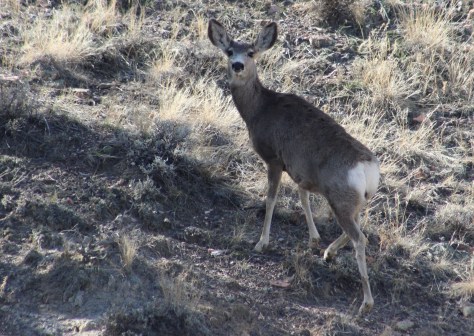
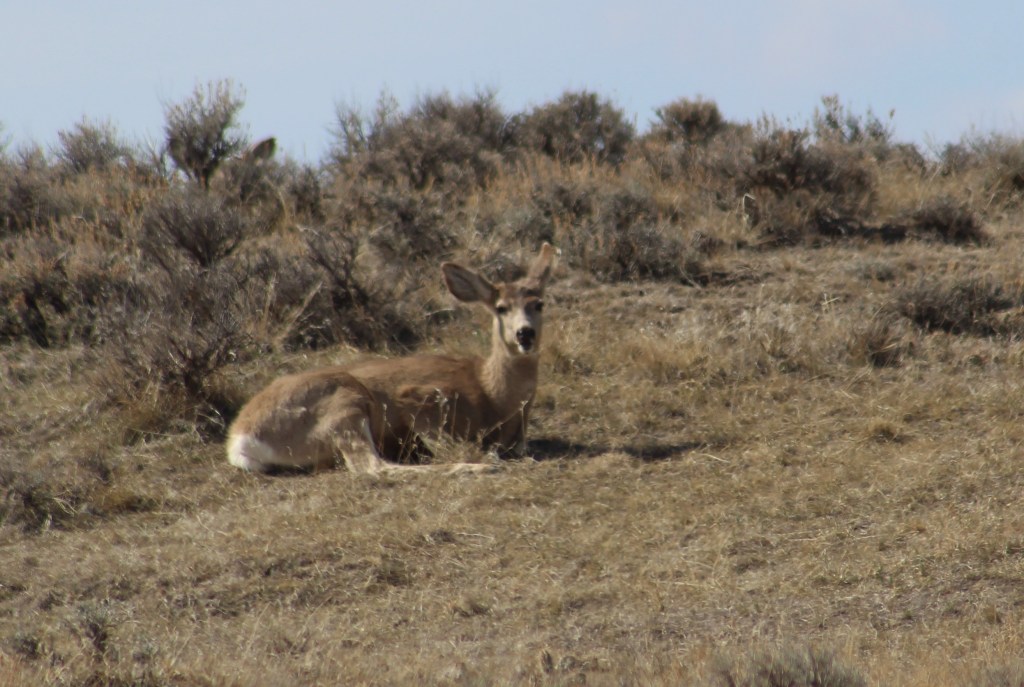
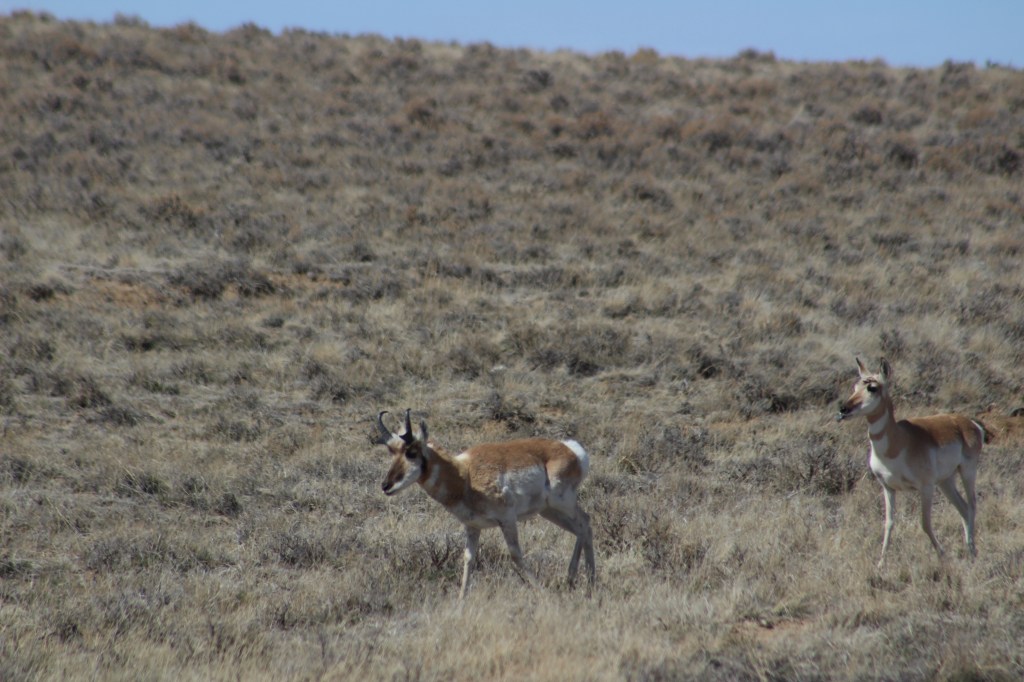
Due to its proximity to Yellowstone National Park, Deerlodge National Forest still has most of its pre-settlement carnivores: grizzly bears, black bears, mountain lions, Canadian lynx, coyotes, and gray wolves.  Grazing ungulate species include moose, elk, mule deer, white-tailed deer, bighorn sheep, mountain goats, and pronghorns.  Bald eagles and ospreys are common around bodies of water.  Mountain whitefish, golden trout, cutthroat trout, rainbow trout, brook trout, lake trout, arctic grayling, and burbot are some of the gamefish sought by fishermen.

Instagram-worthy Photo

The boulder field at the end of Haystack Mountain National Recreation Trail provides 360° views (even on a smoky day), which is why it once housed a fire lookout tower.

Peak Season

Summer

Fees

None

Road Conditions

There are many rough roads in Deerlodge National Forest, including the one to the official trailhead for Haystack Mountain National Recreation Trail, 1.2 miles uphill from an Interstate 15 frontage road. 

Camping

There are campgrounds throughout the National Forest, including several along the Boulder River and one on the southern side of Toll Mountain.

Wilderness Areas

Anaconda-Pintler Wilderness (also in Beaverhead and Bitterroot National Forests)

Related Sites

Grant-Kohrs Ranch National Historic Site (Montana)

Beaverhead National Forest (Montana)

Bitterroot National Forest (Montana-Idaho)

Nearest National Park

Yellowstone

Conifer Tree Species

lodgepole pine, whitebark pine, ponderosa pine, Douglas-fir, Engelmann spruce, subalpine fir, subalpine larch

Flowering Tree Species

quaking aspen, balsam poplar, Bebb willow, sagebrush

Explore More – The Anaconda Copper Mine is one of the largest open pit mines in the world, but what originally brought miners to this region in the 1800s?

Learn more about this and the 154 other National Forests in our new guidebook Out in the Woods

We are a participant in the Amazon Services LLC Associates Program, an affiliate advertising program designed to provide a means for us to earn fees by linking to Amazon.com and affiliated sites.

Cibola National Forest

Cibola National Forest

New Mexico

Managed by U.S. Forest Service, Southwestern Region

2,103,528 acres (1,633,783 federal/ 469,745 other)

Website: https://www.fs.usda.gov/cibola

Overview

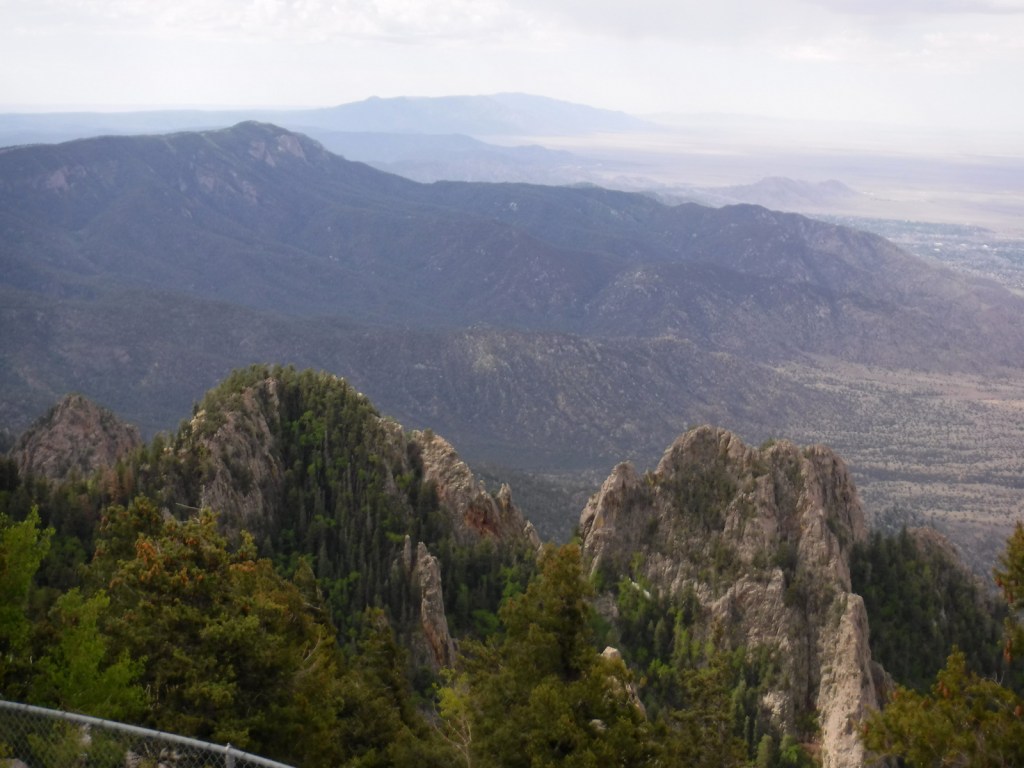
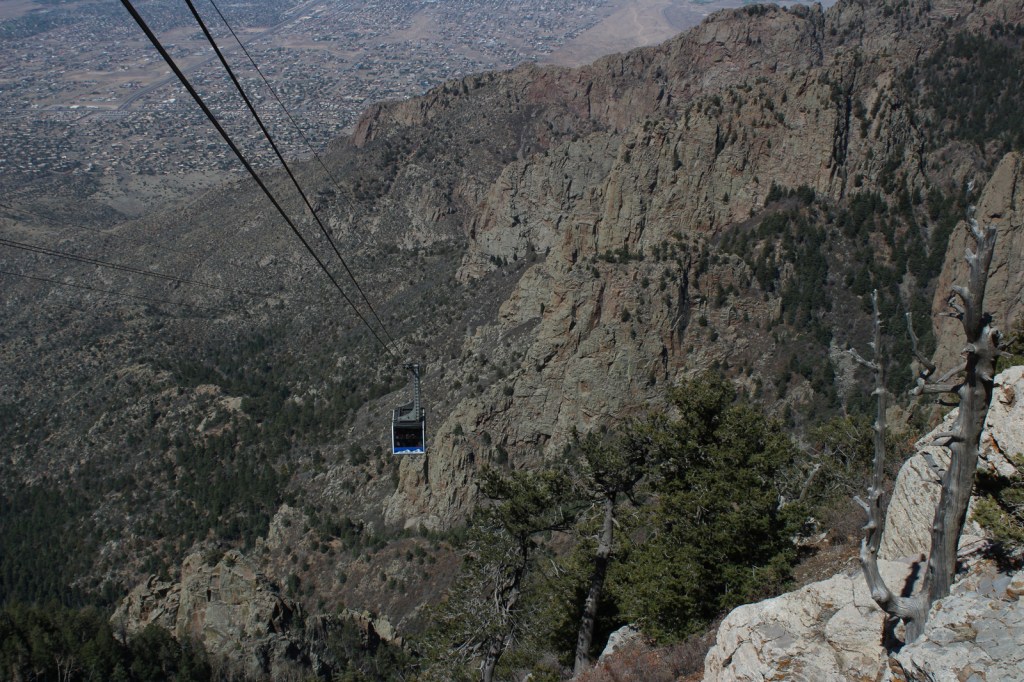
Cibola National Forest is spread across many mountain ranges in central New Mexico, including the Bear, Datil, Magdalena, San Mateo, Gallinas, Manzano, and Zuni Mountains.  Due to their proximity to Albuquerque, the most visited are the Sandia Mountains, which have a ski resort that is only open during good snow years.  You can reach the top by riding the aerial tramway (admission fee), driving Sandia Crest Scenic Byway (fee), or hiking La Luz Trail that climbs 3,800 feet in elevation. 

Highlights

Sandia Crest Scenic Byway, Tajique Canyon, Continental Divide Loop Auto Tour, Mt. Taylor, Cienega Canyon Picnic Area, McGaffey Lake, Mt. Withington, Kelly ghost town, South Baldy Peak, Whitehorse Canyon, Paxton Cone, La Luz Trail, Kiwanis Trail

Must-Do Activity

Sandia Peak rises to 10,678 feet in elevation, dominating the skyline east of Albuquerque.  The mountain makes a great backdrop for photos during the International Balloon Fiesta held every October, but we can imagine it would also be fun to watch the balloons launch or do their night lighting from the summit.  Once atop the busy peak, the North Crest, 10K, and South Crest Trails are all good hiking options that do not lose too much elevation.  Some hikers choose to ride the aerial tramway up and then take a steep trail back down to the parking lot (trekking poles recommended).

Best Trail

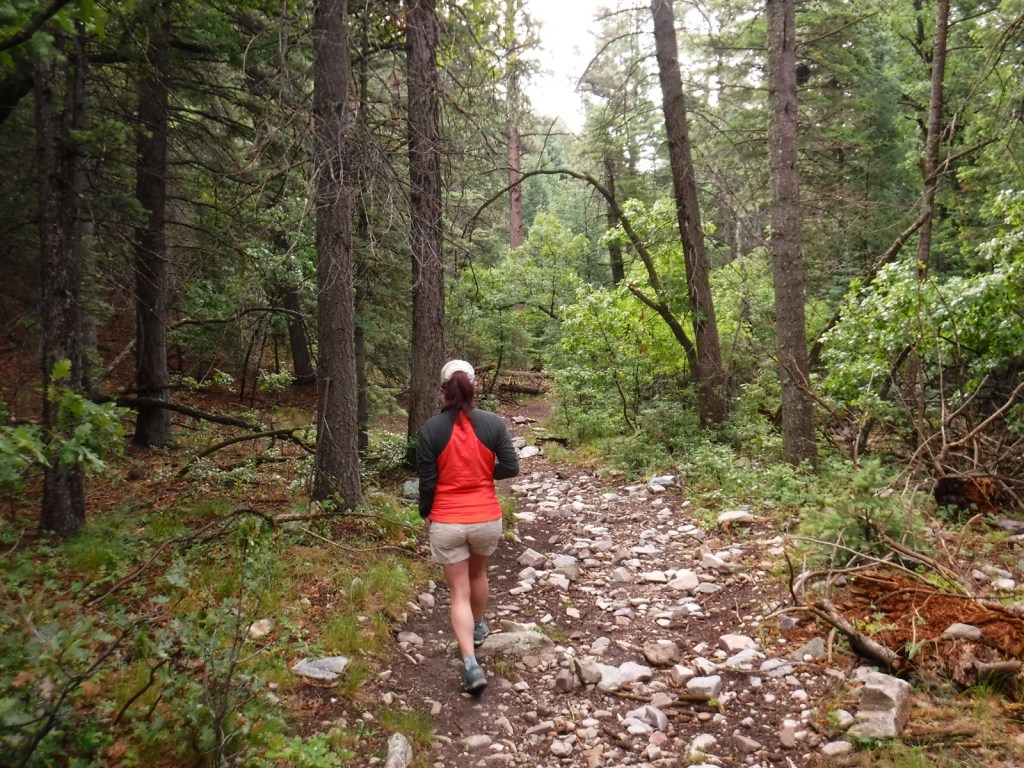
In the Manzano Mountains, both the Red Canyon (3.5 miles one-way) and Fourth of July Trails (two miles) climb to the 22-mile-long Crest Trail, which offers stunning views along its length.  Further south, the Crest Trail also accesses 10,098-foot-tall Manzano Peak.  In the San Mateo Mountains north of Interstate 40, a trail (six miles roundtrip) summits 11,301-foot Mt. Taylor, an extinct stratovolcano that is one of four mountains sacred to the Navajo.

Watchable Wildlife

The “sky islands” of Cibola National Forest rise high above the surrounding landscape, providing habitat for numerous isolated and rare species.  Mule deer and pronghorn are the two main large ungulates found in Cibola National Forest, while its carnivores include black bears, coyotes, red foxes, bobcats, and mountain lions.  Due to its proximity to the Rio Grande Valley, many migratory birds pass through the National Forest during the spring and fall.  If you take the Sandia Peak tramway, watch for birds of prey flying the updrafts along the steep mountain grades.

Instagram-worthy Photo

From either the point where the Sandia Peak aerial tramway unloads passengers or the end of the Sandia Crest Scenic Byway, it is an easy one-hour roundtrip hike through the subalpine forest to the Kiwanis Cabin and its awesome views.

Peak Season

Summer

Fees

There is a day-use fee to park along the Sandia Crest Scenic Byway, although you can use the America the Beautiful Pass. Sandia Peak Tramway tickets are about $29 roundtrip.

Road Conditions

The Sandia Crest Scenic Byway is paved to the top, but Road 165 offers a rough dirt road alternative partway up.  Most of the roads in the Manzano Mountains are well-maintained gravel.

Camping

The Manzano Mountains south of Albuquerque are a great place for dispersed camping, and there are also several campgrounds.

Wilderness Areas

Apache Kid Wilderness

Manzano Mountain Wilderness

Sandia Mountain Wilderness

Withington Wilderness

Related Sites

Carson National Forest (New Mexico)

El Morro National Monument (New Mexico)

Petroglyph National Monument (New Mexico)

Nearest National Park

White Sands

Conifer Tree Species

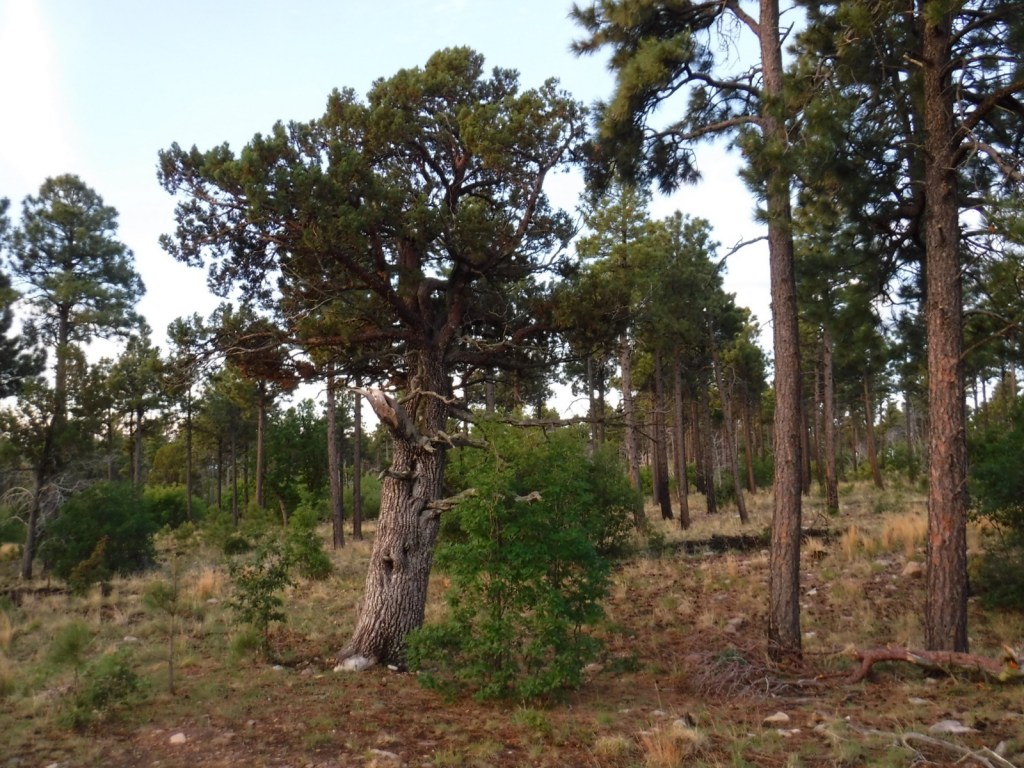
Rocky Mountain juniper, alligator juniper, Engelmann spruce, limber pine, Rocky Mountain bristlecone pine, two-needle pinyon pine, ponderosa pine, Douglas-fir, white fir, subalpine fir

Flowering Tree Species

Gambel oak, quaking aspen, bigtooth maple, boxelder, New Mexico locust, Fremont cottonwood, netleaf hackberry

Explore More – How did the Manzano Mountains get their name?

Learn more about Cibola and the 154 other National Forests in our new guidebook Out in the Woods

We are a participant in the Amazon Services LLC Associates Program, an affiliate advertising program designed to provide a means for us to earn fees by linking to Amazon.com and affiliated sites.

Caribou National Forest

Caribou National Forest

Idaho, Utah, Wyoming

Managed by U.S. Forest Service, Intermountain Region

1,085,966 acres (987,216 federal/ 98,750 other)

Website: https://www.fs.usda.gov/ctnf

Overview

Co-managed as Caribou-Targhee National Forest since 2000, Caribou National Forest is located in the southeastern corner of Idaho.  To add to the jurisdictional muddle, Caribou National Forest has also administered the 263,940-acre Idaho portion of Wasatch-Cache National Forest since 1973 (see previous blog post).  However, nearly 50 years later all of the wooden signs in this area still read Cache National Forest.  Despite the signage, U.S. Forest Service publications and topographic maps identify Minnetonka Cave and Paris Ice Cave as being in Caribou-Targhee National Forest, so we went with that.  Confused?  So are we, so much so that we made a phone call to a Forest Service employee in this ranger district that still did not clear up the bureaucratic mess.

Highlights

Pioneer Historic Scenic Byway, Minnetonka Cave, Paris Ice Cave, Caribou City ghost town, Malad Range, Tincup Mountain, Oregon Trail-Bear Lake Scenic Byway, Lander Cutoff, Oneida Salt Works, Cherry Springs Nature Area, Montpelier Canyon, Bloomington Lake, Scout Mountain Nature Trail

Must-Do Activity

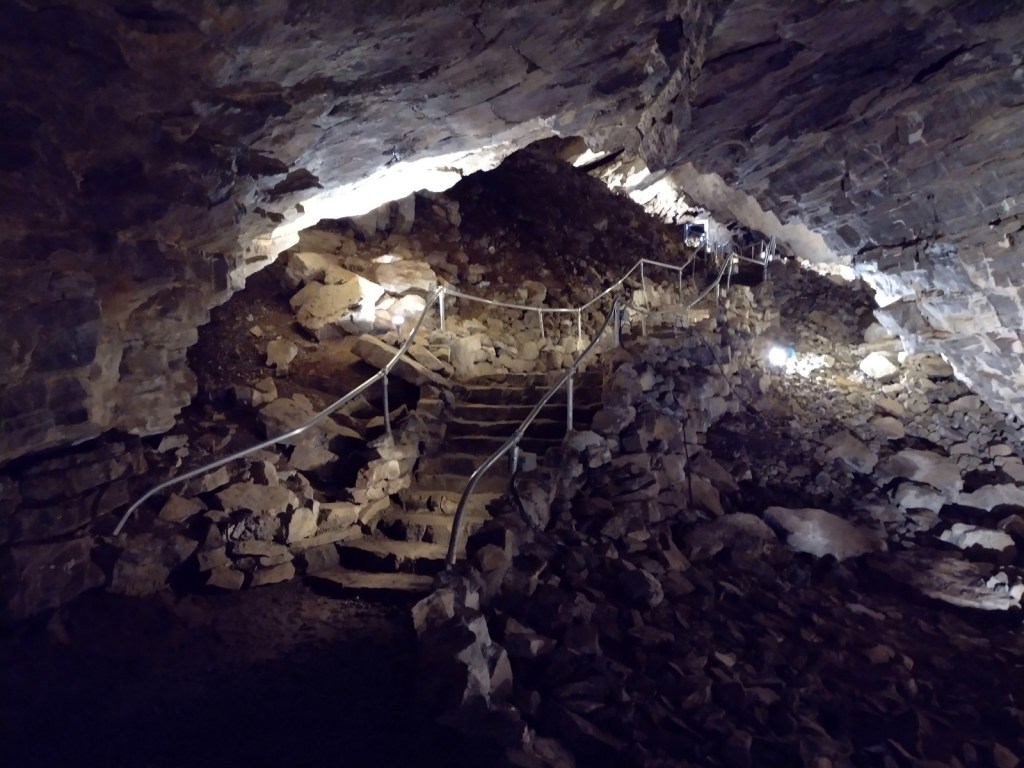
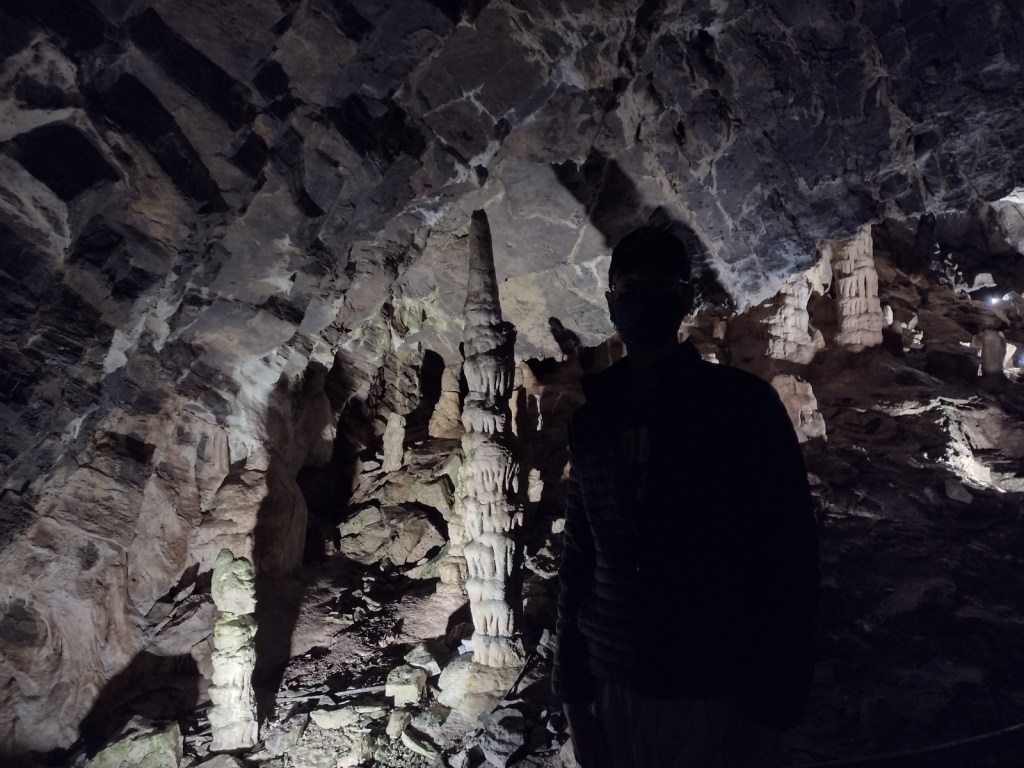
In Montpelier, Idaho, the National Oregon/California Trail Center is managed by the U.S. Forest Service on the Pioneer Historic Scenic Byway.  To the southwest, Minnetonka Cave is one of the few developed cave tours offered by (a concessionaire for) the Forest Service.  The natural entrance to Minnetonka Cave was widened and the route lighted by the Works Progress Administration in the 1930s when 444 stairs were installed to allow large groups to visit.  The tour goes out and back on the same route so the steep downward sections become climbs on the return trip, but guides make multiple stops in both directions to allow you to catch your breath at this high elevation.

Best Trail

Further north than Minnetonka Cave, a 9.5-mile long dirt road drive up to 7,800 feet in elevation leads to the short boardwalk through the Paris Ice Cave.  This photogenic natural tunnel is open at both ends so it does not require a flashlight, but does retain snowpack deep into the summer months.  Signs at both caves still say Cache National Forest even though this district has not been managed by them since 1973.

Watchable Wildlife

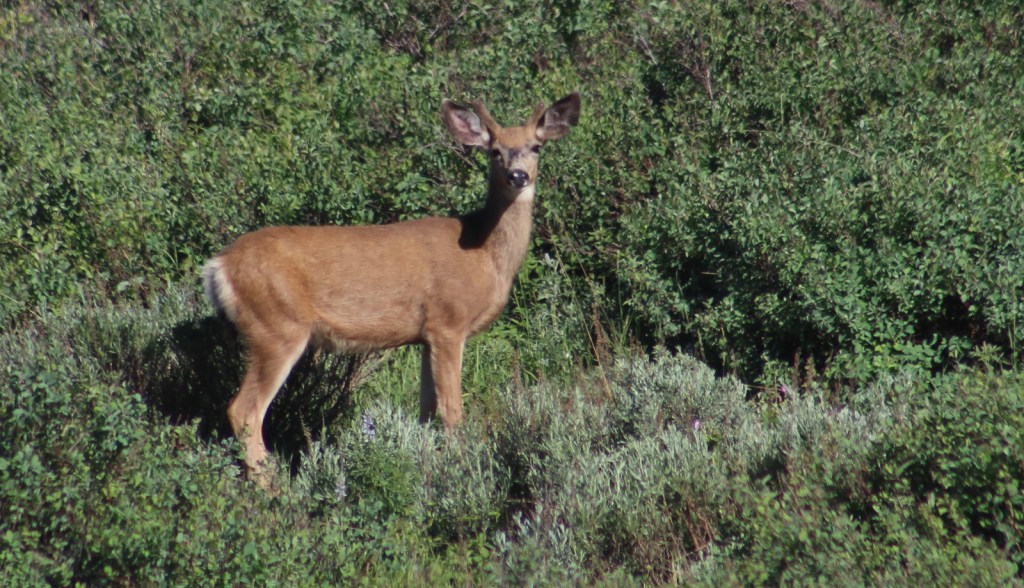
This is a fairly arid portion of the west, so you are more likely to see a ground squirrel, coyote, or mule deer than any other wildlife.  In Minnetonka Cave, our tour guide pointed out a couple Townsend’s big-eared bats, which is why they screen all visitors for white-nosed bat syndrome.  We disturbed a nesting robin when exiting the Paris Ice Cave.

Instagram-worthy Photo

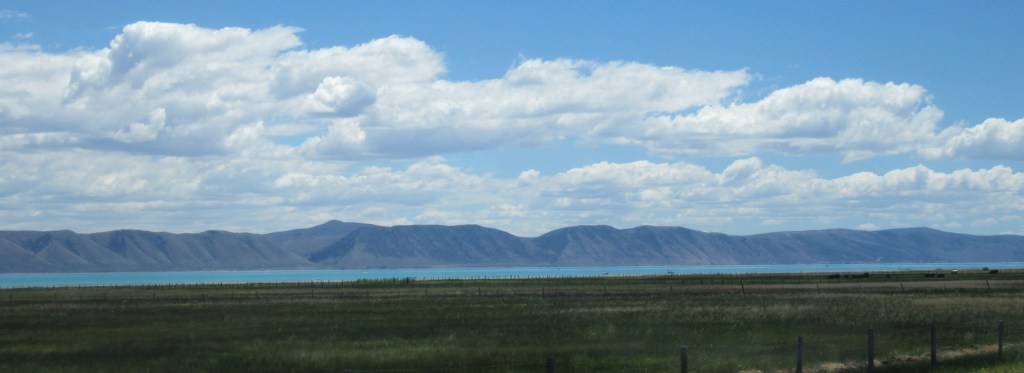
On the Idaho-Utah border, the 109-square-mile Bear Lake has been called the “Caribbean of the Rockies” because of its water’s intense turquoise color, due to suspended limestone sediment.  The naturally-formed lake sits at 5,924 feet in elevation and its maximum depth is 208 feet.  Both states have their own Bear Lake State Park with boat ramps and beaches for swimming. 

Peak Season

Summer

Fees

It costs $12 per person for the 80-minute Minnetonka Cave Tour that you must pay before driving up to the actual cave, but we did not come across any other fees.

Road Conditions

Access to Minnetonka Cave is paved and the 9.5-mile long dirt road drive up to Paris Ice Cave was good enough for our passenger vehicle to handle.

Camping

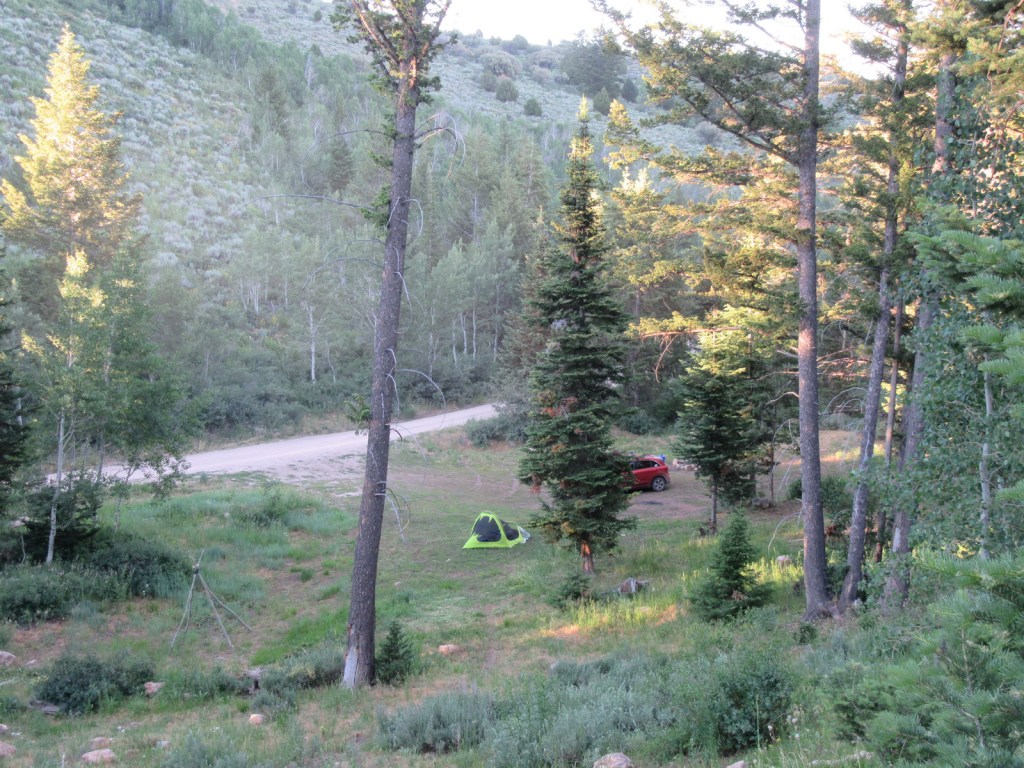
There are numerous campgrounds on the way to Minnetonka Cave and we found a large, flat dispersed camp along the road to Paris Ice Cave.

Wilderness Areas

None

Related Sites

Targhee National Forest (Idaho-Wyoming)

Fossil Butte National Monument (Wyoming)

Timpanogos Cave National Monument (Utah)

Nearest National Park

Grand Teton (Wyoming)

Conifer Tree Species

Rocky Mountain juniper, Utah juniper, limber pine, whitebark pine, ponderosa pine, lodgepole pine, Engelmann spruce, subalpine fir, white fir, Douglas-fir

Flowering Tree Species

quaking aspen, river birch, boxelder, Rocky Mountain maple, Bebb willow, blue elderberry, red osier dogwood, chokecherry, curlleaf mountain-mahogany, sagebrush

Explore More – The Caribou Mountains were named for a gold miner nicknamed “Cariboo Jack,” but what was his real name?

Learn more about Caribou and the 154 other National Forests in our new guidebook Out in the Woods

We are a participant in the Amazon Services LLC Associates Program, an affiliate advertising program designed to provide a means for us to earn fees by linking to Amazon.com and affiliated sites.

Boise National Forest

Boise National Forest

Idaho

Managed by U.S. Forest Service, Intermountain Region

2,959,305 acres (2,654,004 federal/ 305,301 other)

Website: https://www.fs.usda.gov/boise

Overview

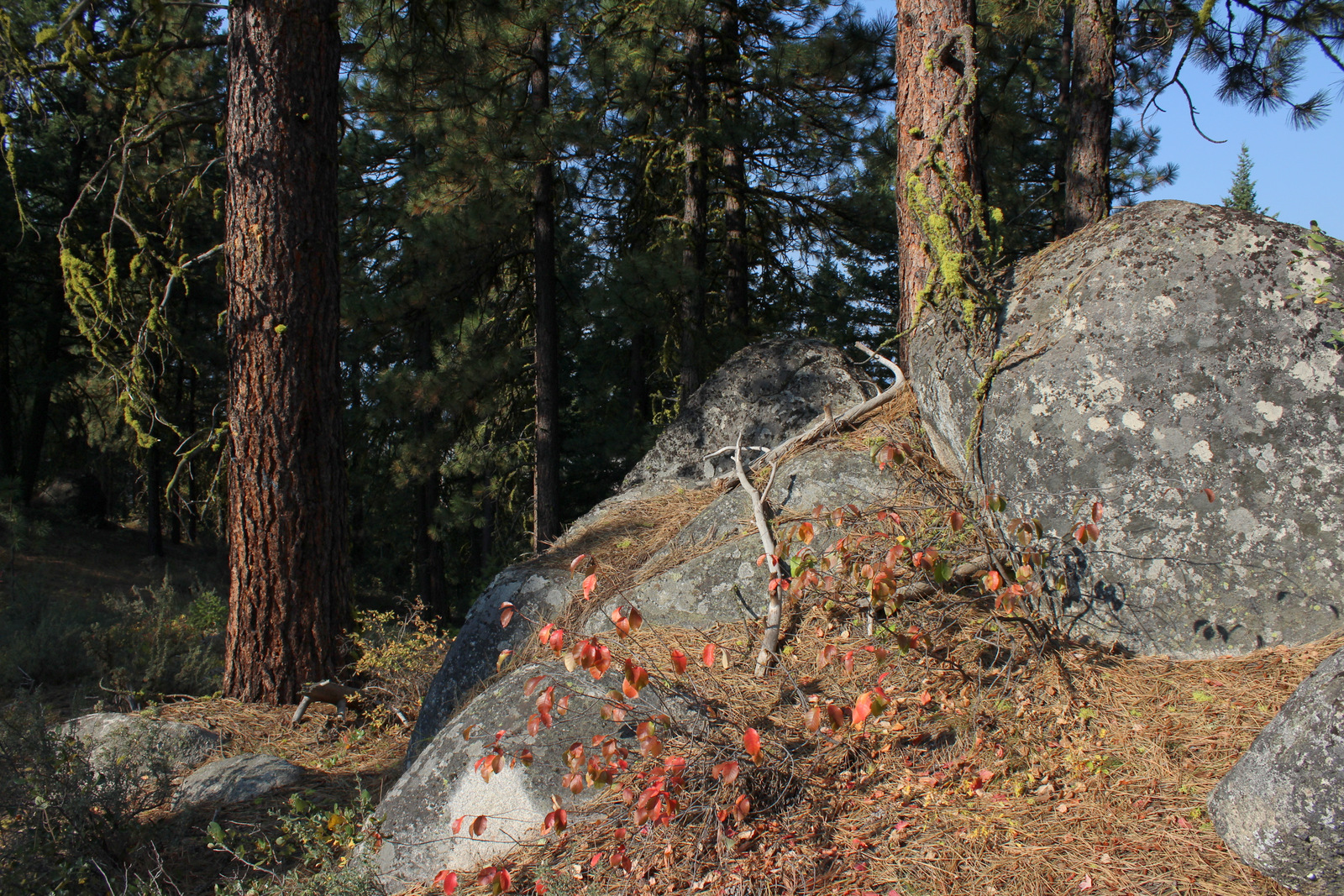
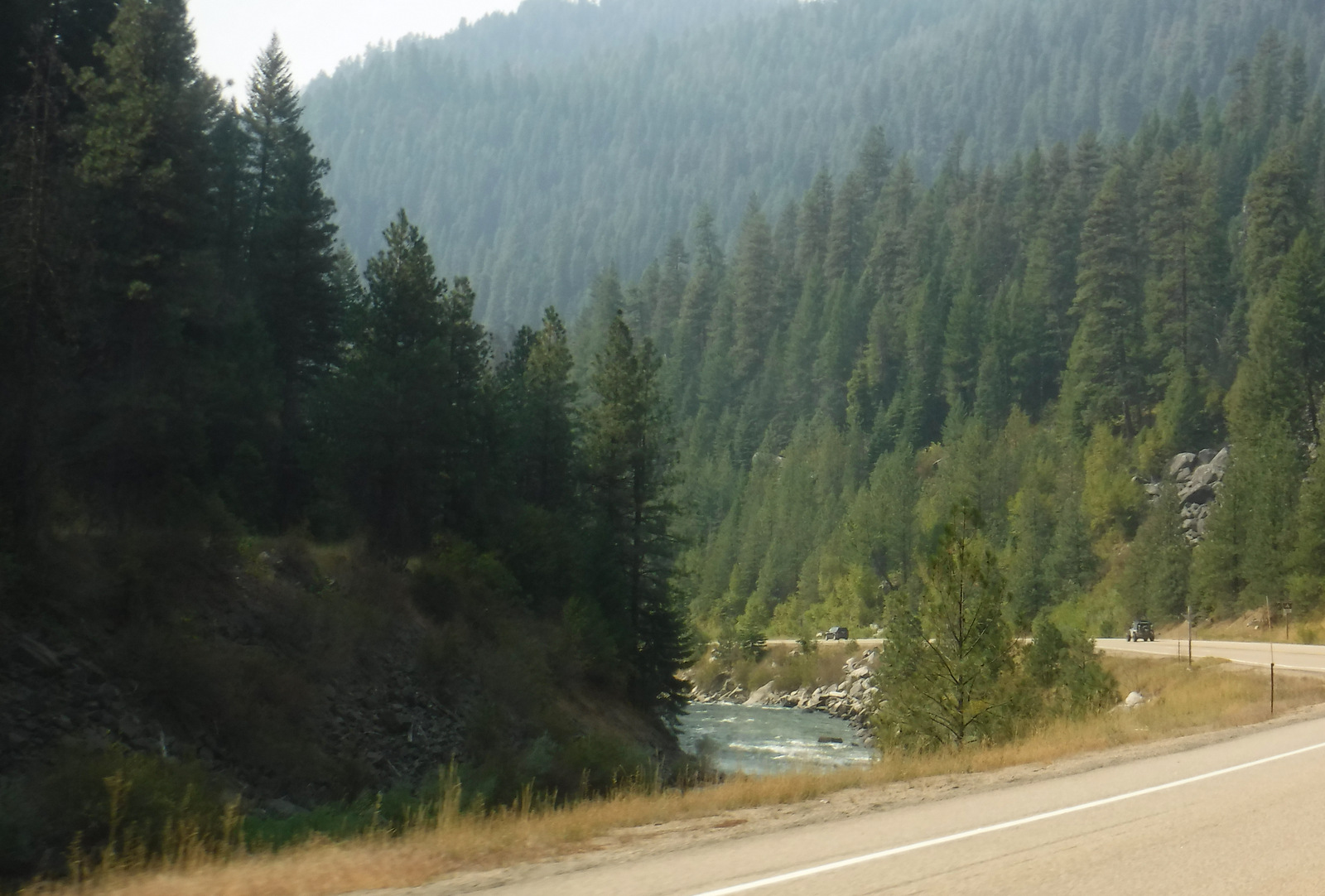
Boise National Forest is famous for its gold rush ghost towns and hot springs along the South Fork of the Payette River.  The best way to explore this National Forest is by stopping along three scenic byways: Ponderosa Pine (Highway 21), Wildlife Canyon (Highway 24), and Payette River (Highway 55) Scenic Byways.  Ghost towns dating back to the 1860s include Atlanta, Banner, Brummer, Graham, Pioneerville, Quartzburg, Thunder, and the more-developed Idaho City.

Highlights

Sawtooth National Recreation Area, Payette River Scenic Byway, Big Falls, Ponderosa Pine Scenic Byway, Kirkham Hot Springs, Sage Hen Reservoir, Dagger Falls, Atlanta ghost town, Trinity Recreation Area, Ardeth Lake, Velvet Falls, Baron Lakes, Kirkham Ridge Trail, Idaho Centennial Trail

Must-Do Activity

Starting in Boise, Idaho, the Ponderosa Pine Scenic Byway (Highway 21) leads 131 miles northeast through Boise National Forest.  Be sure to stop (and try some delicious huckleberry ice cream) in Idaho City, where wooden board sidewalks and unpaved streets take you back to the gold rush era.  Ponderosa Pine Scenic Byway continues to Lowman where it follows the South Fork of the Payette River past the campgrounds at Kirkham and Bonneville Hot Springs (reservations recommended) and up to 7,056-foot Banner Summit at the boundary with Challis National Forest.

Best Trail

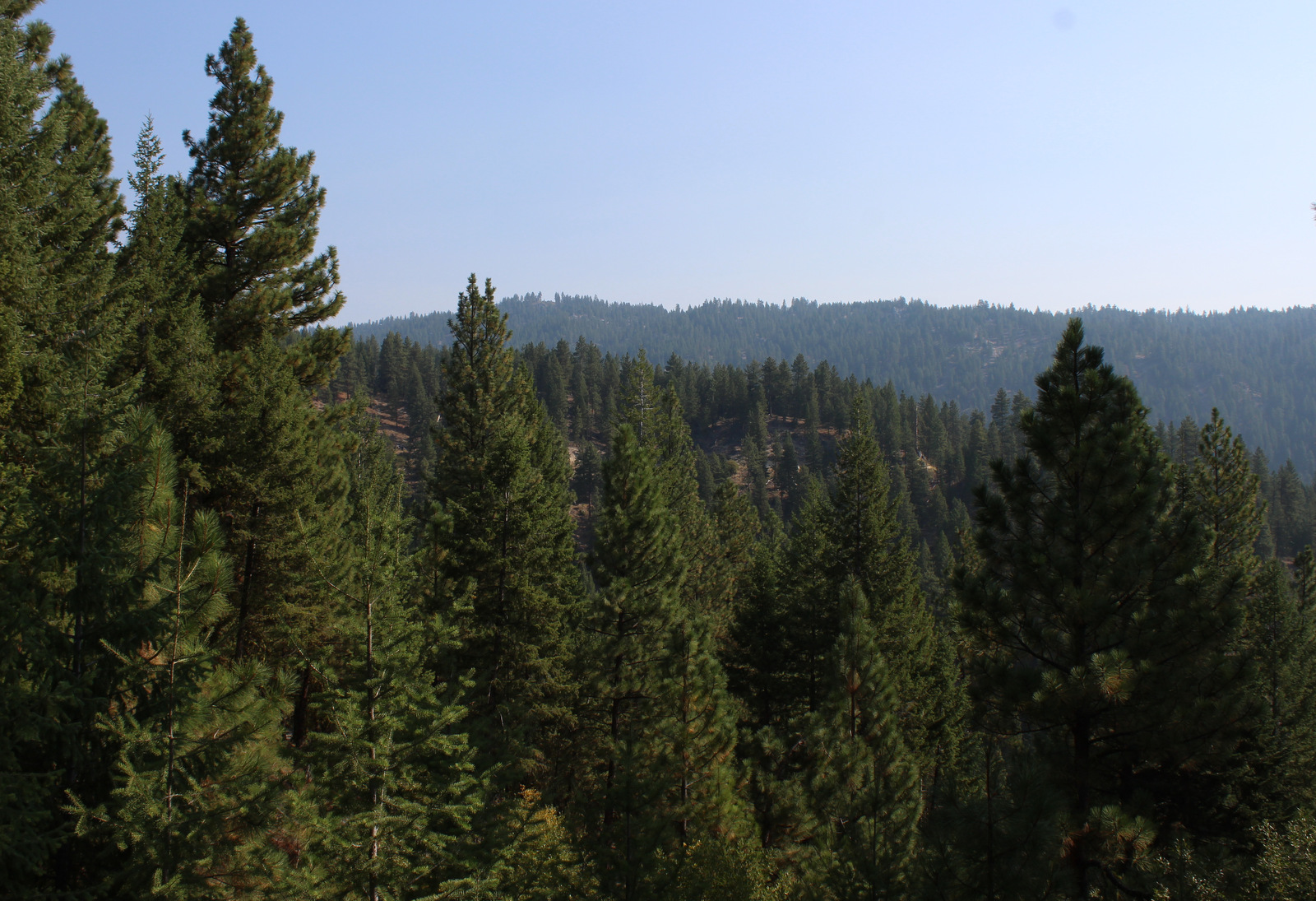
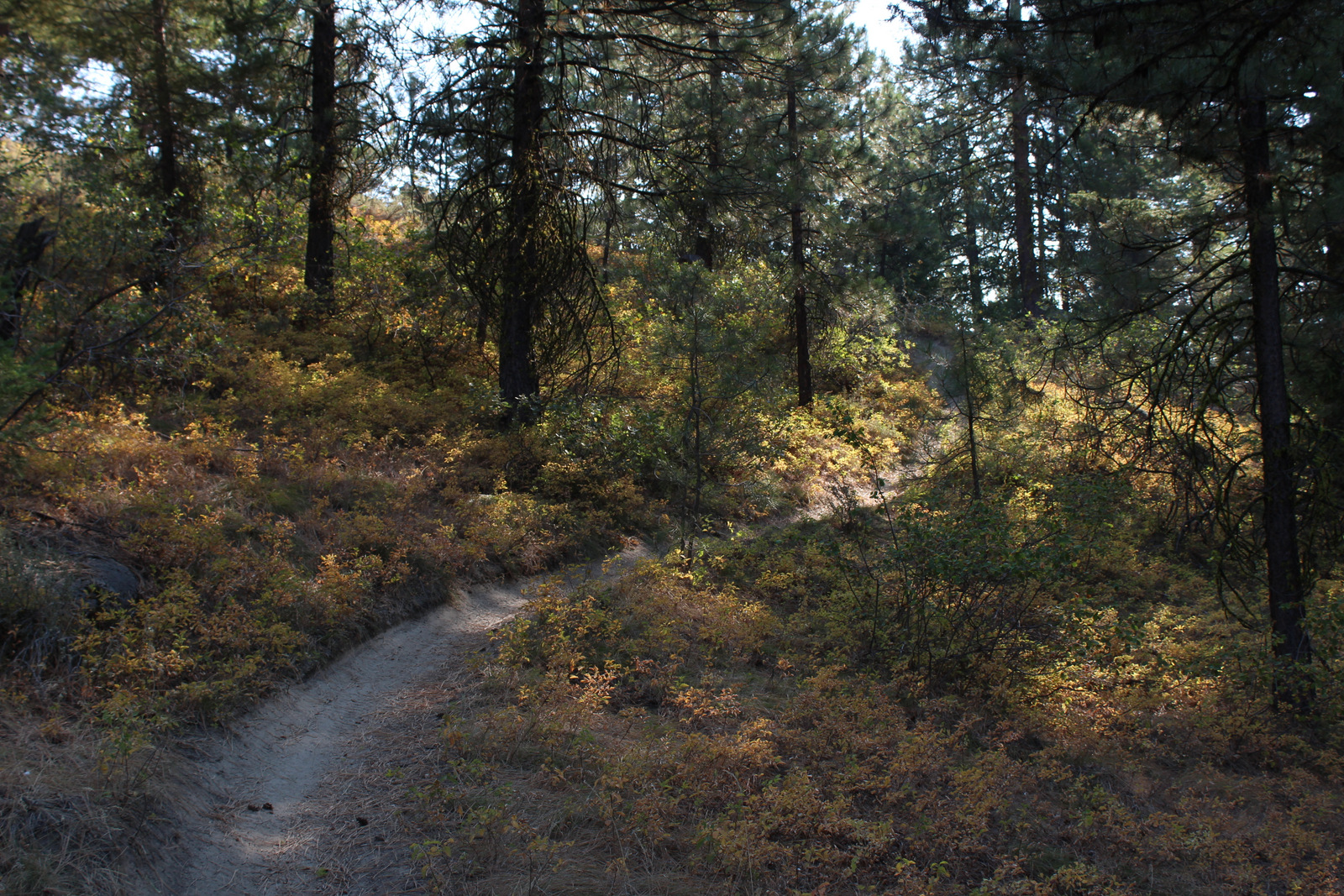
Located just three miles east of Highway 55 and Lake Cascade along paved Warm Creek Road is the Eagle Nest Trail.  Look for the parking pullout on the south side of the road across from the big rock that marks the entrance to the Eagle Nest neighborhood.  After crossing the road, the Eagle Nest Trail steadily climbs (from 4,850 to 6,050 feet in the first 2.5 miles) and occasionally opens up for views of the mountains above Cascade Lake.  Located further south, Fool Creek Trail drops 2,728 feet in 4.1 miles to the Middle Fork of the Payette River.

Watchable Wildlife

On a smoky September morning on the Eagle Nest Trail, we saw fresh turkey and mule deer prints in the dirt.  Other common large animals include elk, moose, pronghorns, coyotes, and black bears.  At higher elevations watch for mountain goats, pikas, and yellow-bellied marmots.  In addition to several trout species, chinook and sockeye salmon migrate up the Columbia and Snake Rivers.  Non-migratory Kokanee salmon are native to Warm Lake, plus introduced into Anderson Ranch, Arrowrock, Lucky Peak, and Deadwood Reservoirs.  

Instagram-worthy Photo

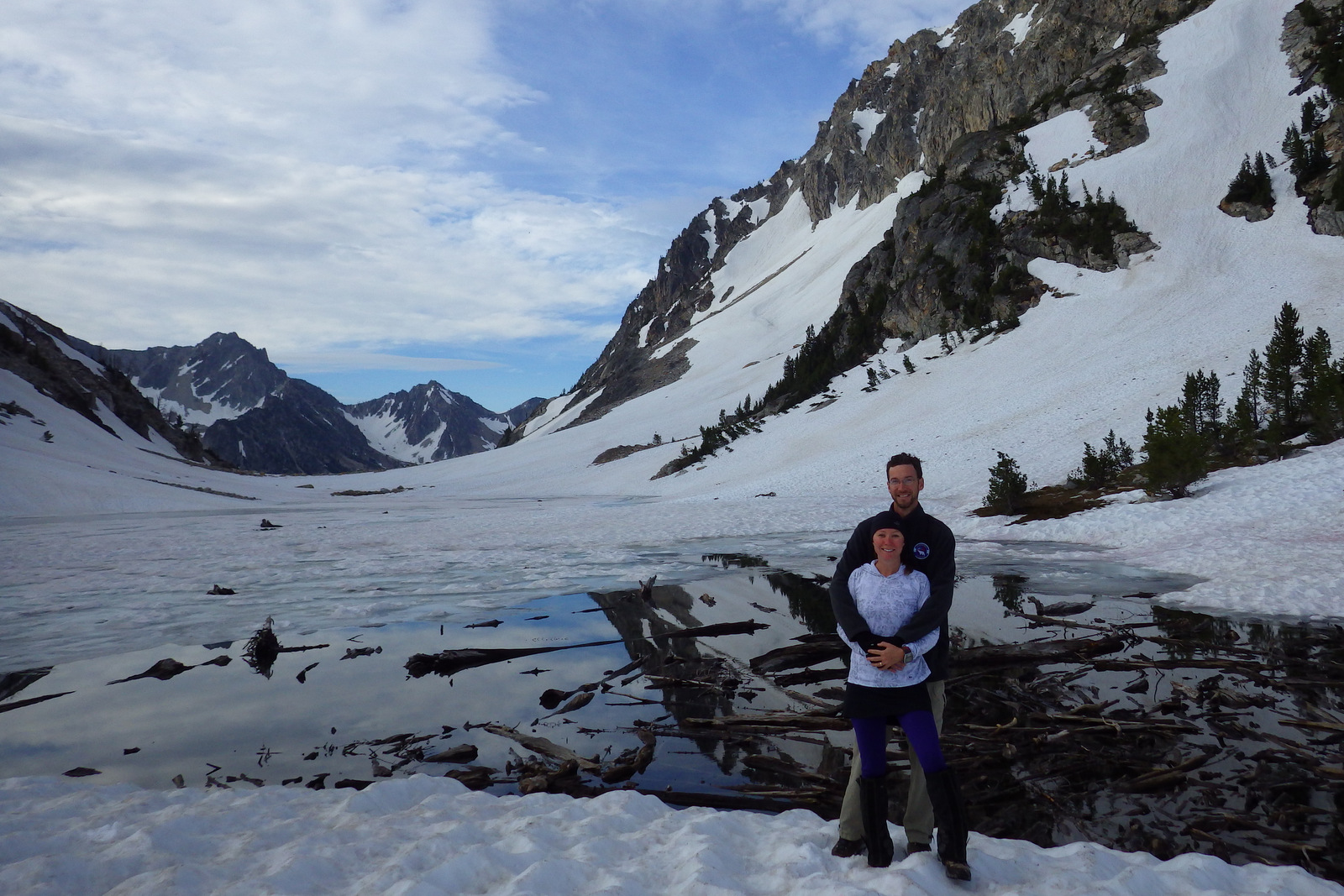
In Sawtooth National Recreation Area, 10,190-foot Mt. Regan stands at the south end of Sawtooth Lake marking the boundary between Challis and Boise National Forests.

Peak Season

Summer

Fees

There is a day-use fee at parking areas near hot springs

Road Conditions

Ponderosa Pine Scenic Byway is winding and full of switchbacks, so take your time.  Warm Creek Road is paved to the roadside trailhead for Eagle Nest.  The Grandjean Road back to the campground is unpaved, but open year round.

Camping

Most of the campgrounds along Highway 21 take reservations due to their popularity.  We have read good things about the 31 sites in the Grandjean Campground (first-come, first-served) on the South Fork of the Payette River (hot springs are 1.5 miles away) near the western boundary of the Sawtooth Wilderness.

Wilderness Areas

Frank Church-River of No Return Wilderness (also in Payette, Salmon-Challis, Bitterroot, and Nez Perce National Forests)

Sawtooth Wilderness (also in Sawtooth and Challis National Forests)

Related Sites

Sawtooth National Recreation Area (Idaho)

Hagerman Fossil Beds National Monument (Idaho)

Nez Perce National Historical Park (Idaho-Oregon-Washington-Montana)

Nearest National Park
Yellowstone (Wyoming-Montana-Idaho)

Conifer Tree Species

ponderosa pine, lodgepole pine, whitebark pine, Douglas-fir, Engelmann spruce, subalpine fir, western larch

Flowering Tree Species

quaking aspen, black cottonwood, narrowleaf cottonwood, thinleaf alder, water birch, Rocky Mountain maple, chokecherry, sagebrush

Explore More – Boise National Forest is full of water with 15,400 acres covered by lakes and reservoirs, plus how many miles of streams and rivers?