Tag Archives: geology

Newberry National Volcanic Monument

Newberry National Volcanic Monument

Oregon

Managed by U.S. Forest Service

Established 1990

54,822 acres

Website: https://www.fs.usda.gov/recarea/deschutes/recarea/?recid=66159

Overview

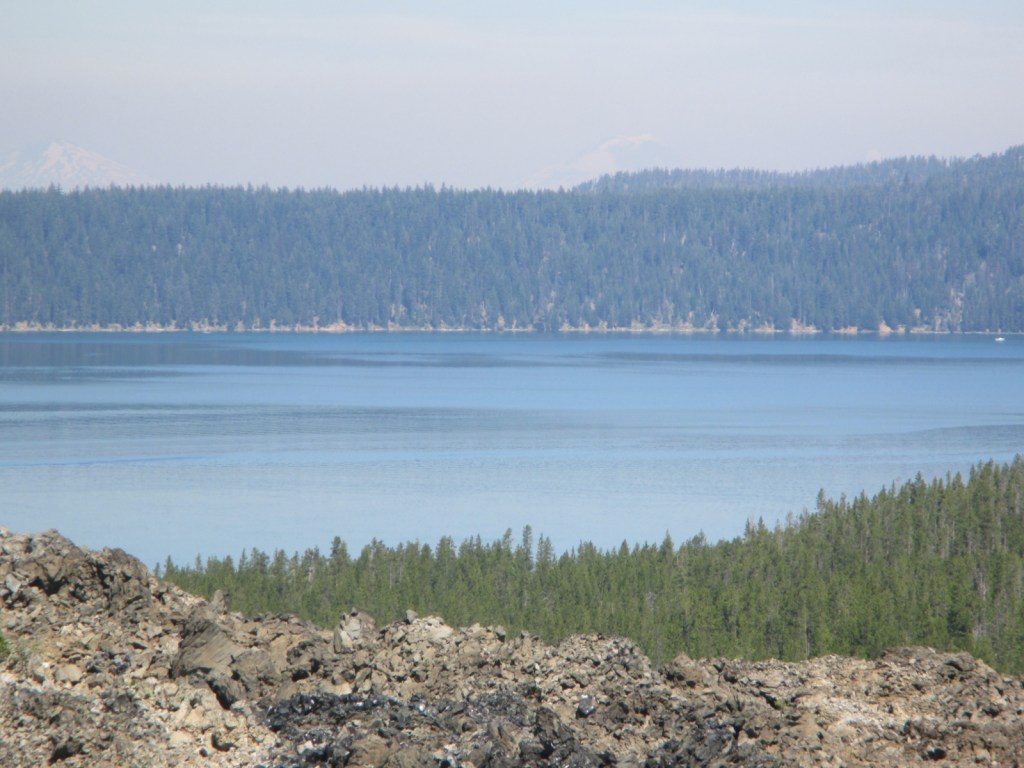
Newberry National Volcanic Monument was carved from Deschutes National Forest by presidential proclamation in 1990 and here you must purchase a recreation pass to visit.  The main area of development is around Paulina Lake, but short roads off Highway 97 also lead to Lava River Cave and the top of Lava Butte.  Lava River Cave, at 5,211 feet in length, is Oregon’s longest lava tube and one of more than 250 known caves found throughout Deschutes National Forest.  A one-mile interpretive trail enters the Lava Cast Forest, where 6,000 years ago the forms of trees were preserved in lava before burning up.

Highlights

Paulina Lake, East Lake, Paulina Falls, Lava Cast Forest, Paulina Peak, Lava River Cave, Lava Butte, Big Obsidian Flow Trail, Crater Rim Trail, Peter Skene Ogden Trail

Must-Do Activity

Newberry National Volcanic Monument has everything you would expect from a volcanic area: lava tubes, cinder cones, cast trees, and basalt flows.  There are also some things you might not guess, like an 80-foot tall waterfall, two big lakes for boating, forested campgrounds, and two lakeside resorts.  We have seen photos of people soaking in a hot springs on the shore of chilly Paulina Lake, but we are not sure exactly where those are located.

Best Trail

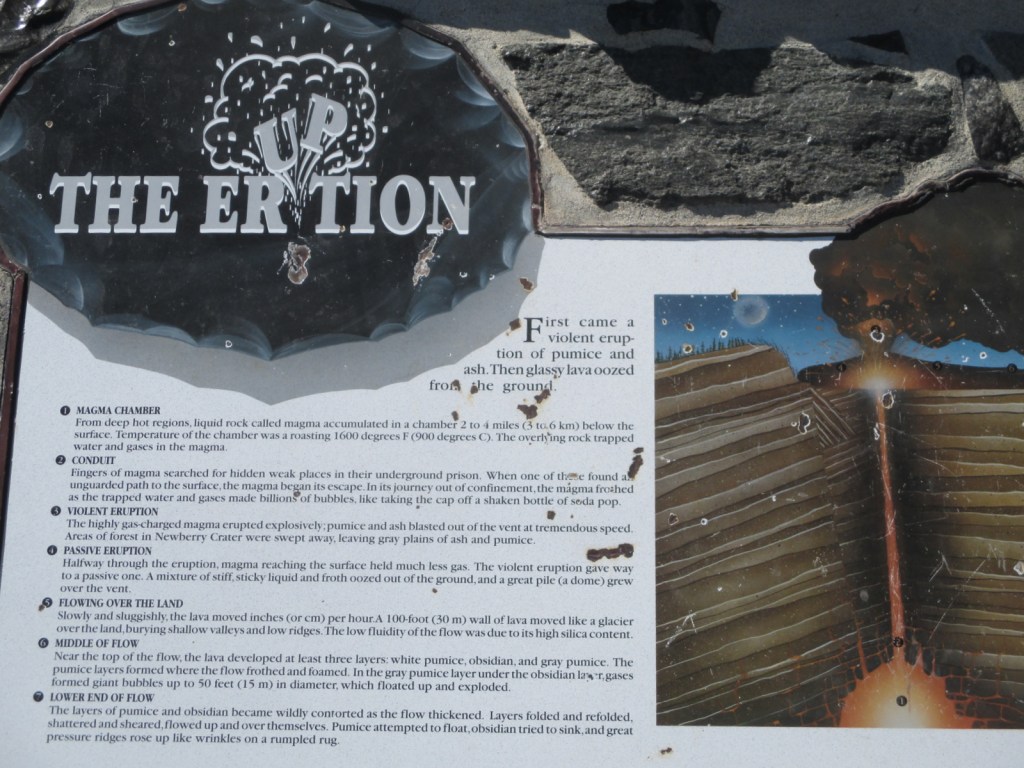
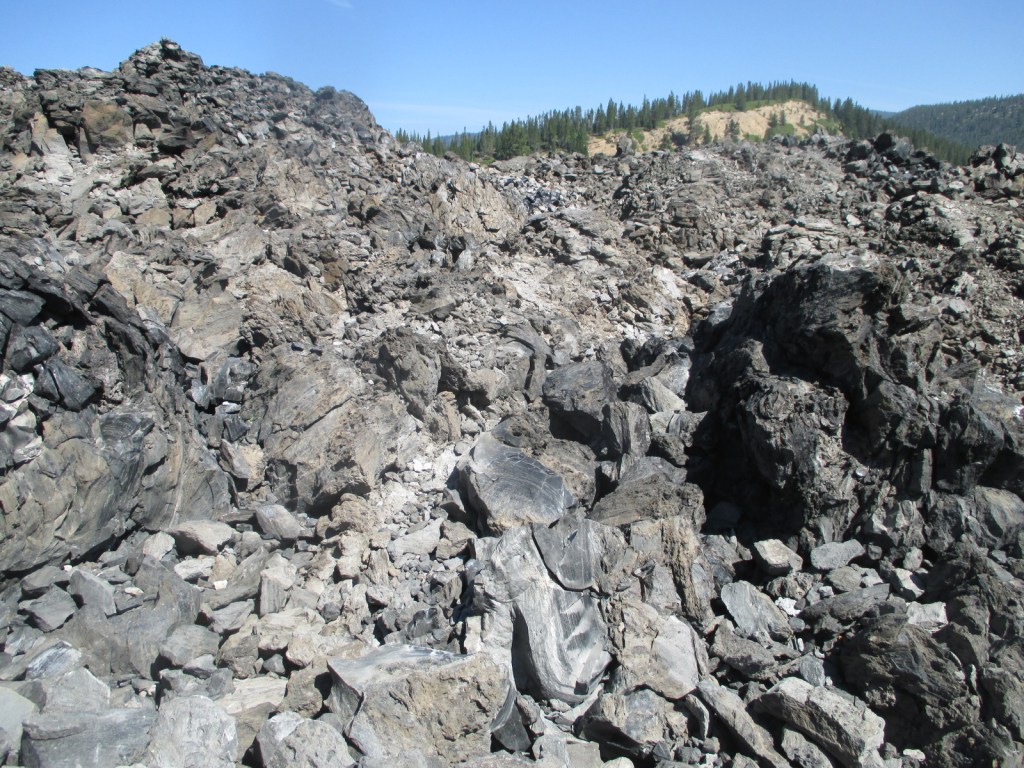
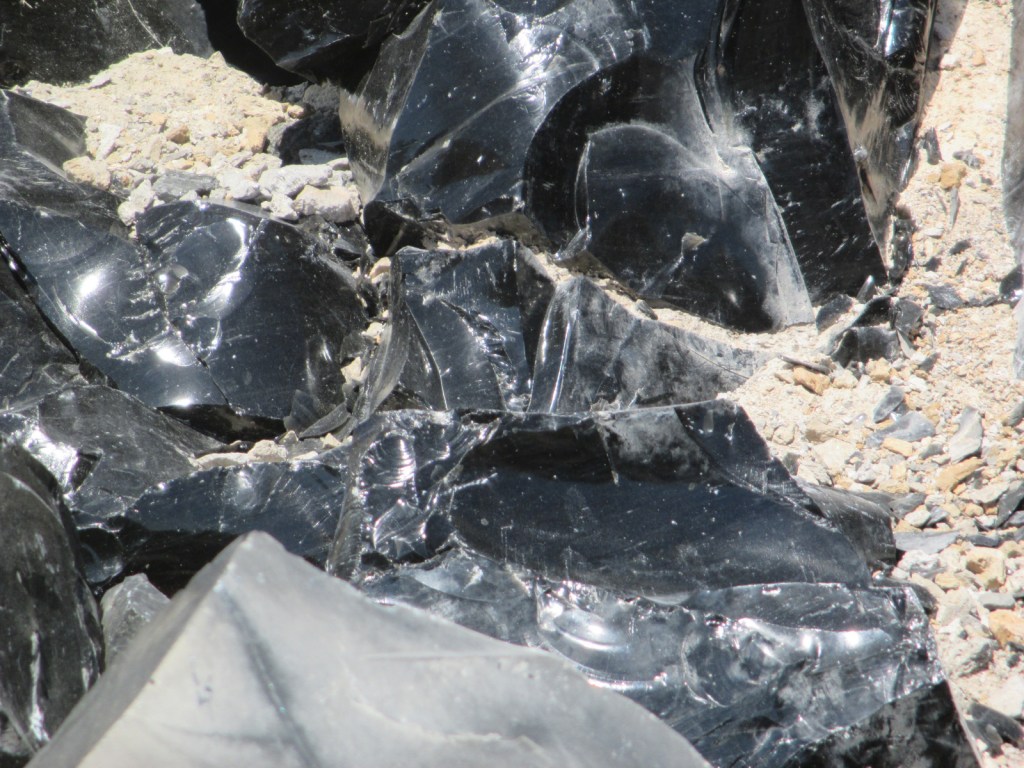
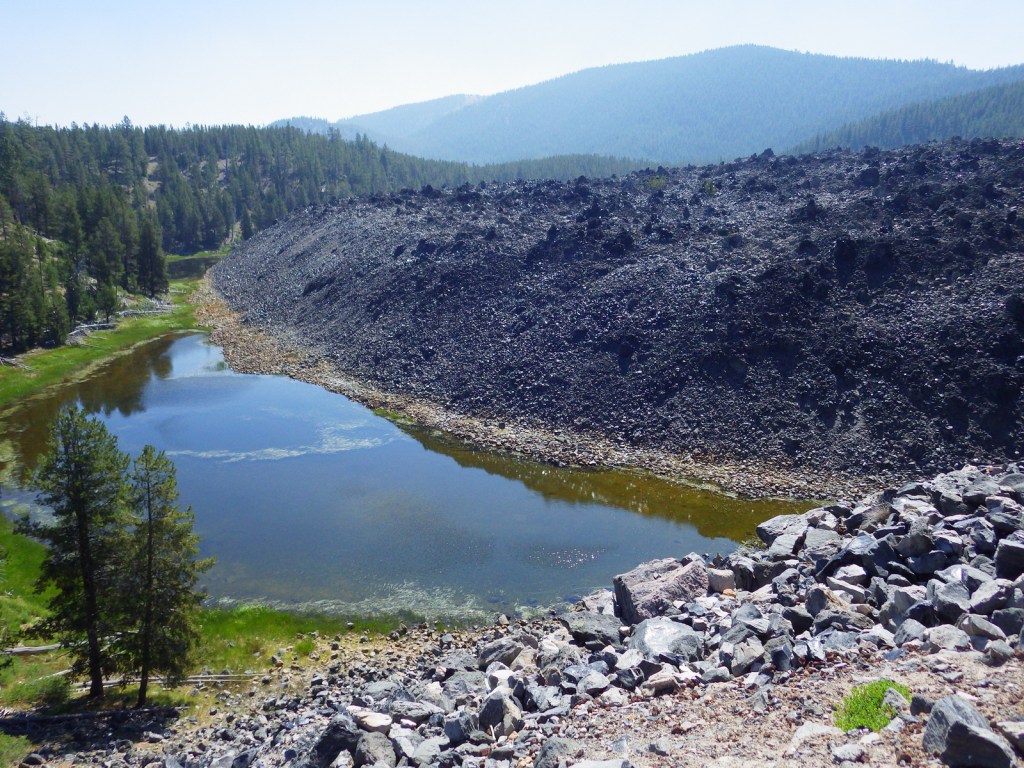
There are a variety of hiking trails in the area, like the 21-mile Crater Rim Trail that circles Newberry Caldera or the one-mile Big Obsidian Flow Trail.  These both offer outstanding views of Paulina Lake or you can drive to the top of 7,984-foot-tall Paulina Peak.  Sharp chunks of obsidian (volcanic glass) mean that you should wear good shoes (not sandals) on the Big Obsidian Flow Trail.  

Instagram-worthy Photo

Lovely Paulina Falls is split into two separate waterfalls off the cliff face on the caldera’s western edge.  The overlook is accessible by a short hike and user trails lead steeply to its base.

Peak Season

Late summer

Fees

$5 daily recreation pass or America the Beautiful pass

Road Conditions

The roads we drove to access Paulina and East Lakes were paved, but there are many other unpaved Forest Service roads in the National Monument.

Camping

One of numerous campgrounds, Little Crater Campground is situated on Paulina Lake, plus there are two lakeside resorts.

Related Sites

Craters of the Moon National Monument and Preserve (Idaho)

Mt. St. Helens National Volcanic Monument (Washington)

Sunset Crater Volcano National Monument (Arizona)
Explore More – What is the name of the popular museum of wildlife and living history located just north of Newberry National Volcanic Monument on Highway 97?
Deschutes National Forest

Deschutes National Forest

Oregon

Managed by U.S. Forest Service, Pacific Northwest Region

1,853,929 acres (1,596,900 federal/ 257,029 other)

Website: https://www.fs.usda.gov/deschutes

Overview

Bend, Oregon is the gateway to Deschutes National Forest, with the beautiful Cascade Lakes Scenic Byway located west of town.  To the south, Newberry National Volcanic Monument is also managed by the U.S. Forest Service, which we will cover in our next blog post.  The Deschutes River was named La Rivière aux Chutes by French trappers because Celilo Falls was located near its confluence with the Columbia River.  Deschutes National Forest contains five Wilderness areas, six National Wild and Scenic Rivers, Metolius Conservation Area, and part of Oregon Cascade Recreation Area (mostly in Umpqua National Forest).

Highlights

Newberry National Volcanic Monument, Cascade Lakes Scenic Byway, Devils Lake, Mt. Bachelor, Sparks Lake, Broken Top, Three Sisters, McKenzie Pass-Santiam Pass Scenic Byway, Skeleton Cave, Pacific Crest National Scenic Trail

Must-Do Activity

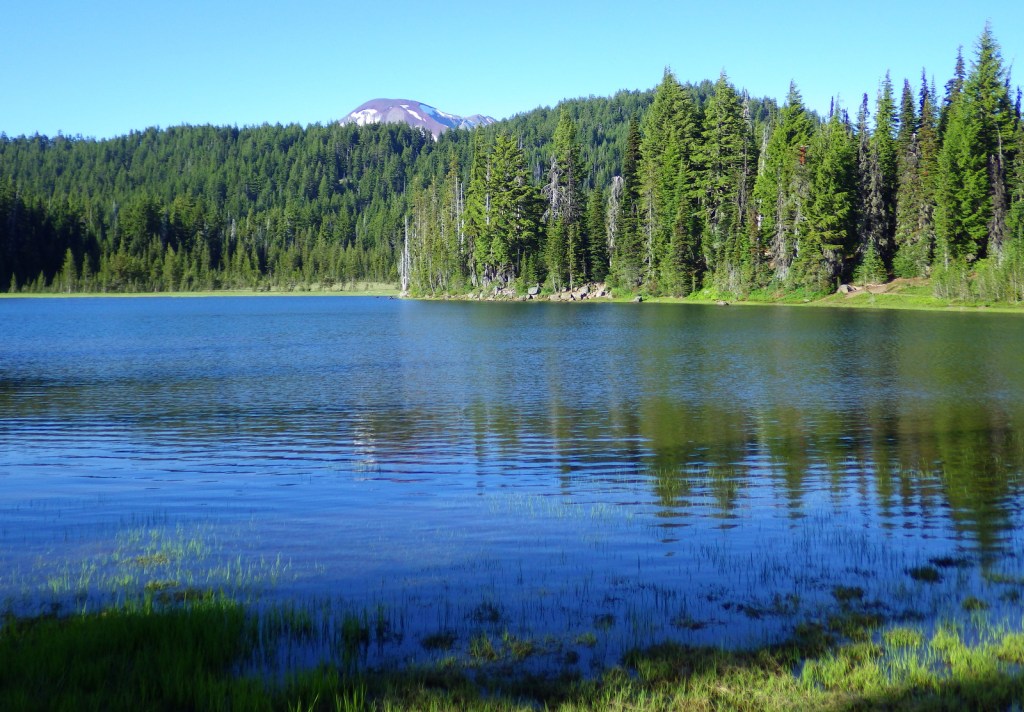
The 66-mile-long (89-mile loop) Cascade Lakes Scenic Byway curves around the mountains west of Bend past numerous lakes reflecting multiple snow-capped peaks—a real photographers’ paradise.  To spend the golden hours up here, consider staying at campgrounds on the shores of Lava Lake or Sparks Lake with excellent views of Broken Top and South Sister Peak.  Like Mt. Hood to the north, 9,065-foot Mt. Bachelor is known for its ski resort.  A summer trip up Pine Marten Express Lift offers unsurpassed panoramas of the Cascades and Newberry National Volcanic Monument.

Best Trail

Sisters Mirror Lake is four miles and 650 feet up from a trailhead on the Cascade Lakes Scenic Byway and is located on the Pacific Crest National Scenic Trail.  Just as a warning, this entire trail was thick with aggressive mosquitoes on our hike in mid-July.

Watchable Wildlife

Elk, pronghorn, and mule deer are large ungulates found in Deschutes National Forest.  Carnivorous mammals include black bears, coyotes, mountain lions, and bobcats.  Large birds frequently seen are bald eagles, Canada geese, mallards, and whistling swans, and the northern spotted owl is a species of concern.  There are many lakes found throughout the National Forest that support a variety of gamefish, including bull trout (a threatened species).

Instagram-worthy Photo

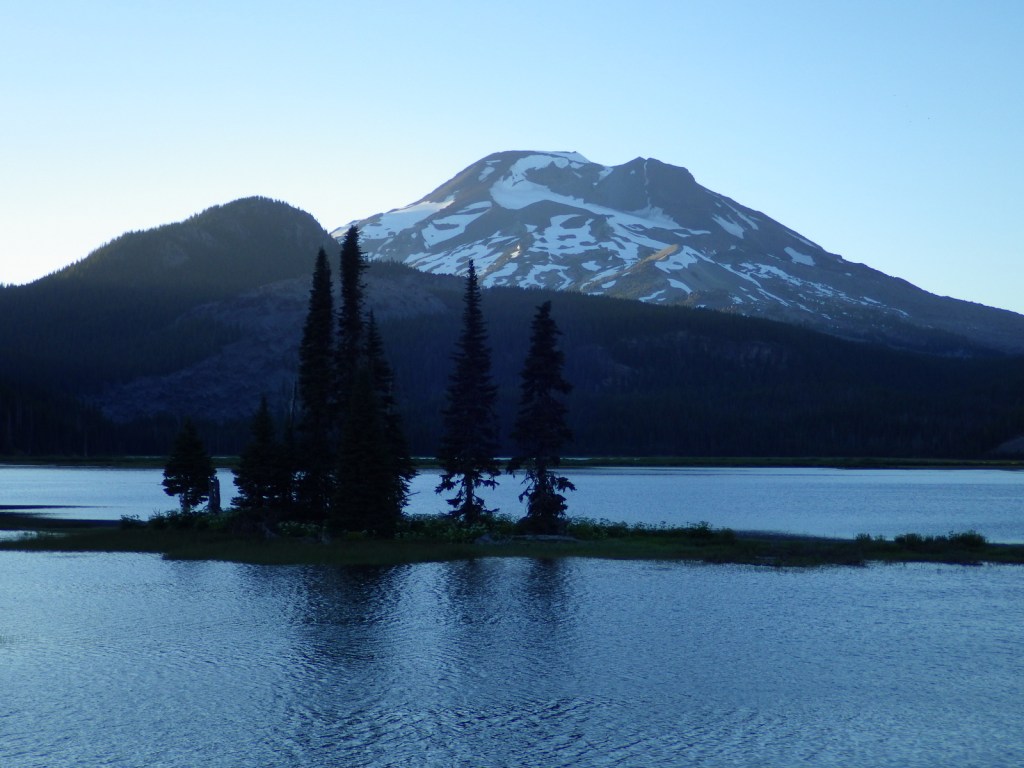
Sparks Lake is a great place to watch the sun set behind the Cascades.

Peak Season

Summer

Fees

There is a day use fee for Newberry National Volcanic Monument.

Road Conditions

Cascade Lakes Scenic Byway is paved, as are the main roads into Newberry National Volcanic Monument, but there are many miles of logging roads to explore, too.

Camping

Campgrounds on the shores of Lava Lake or Sparks Lake provide views of Broken Top and South Sister Peak.  Walk-in campsites on crystal clear Devils Lake offer a bit more secluded experience.

Wilderness Areas

Diamond Peak Wilderness (also in Willamette National Forest)

Mt. Jefferson Wilderness (also in Mt. Hood and Willamette National Forests)

Mt. Thielsen Wilderness (also in Umpqua and Winema National Forests)

Mt. Washington Wilderness (also in Willamette National Forest)

Three Sisters Wilderness (also in Willamette National Forest)

Related Sites

Newberry National Volcanic Monument (Oregon)

Crooked River National Grassland (Oregon)

John Day Fossil Beds National Monument (Oregon)

Nearest National Park

Crater Lake

Conifer Tree Species

ponderosa pine, lodgepole pine, western white pine, sugar pine, western juniper, Douglas-fir, western redcedar, white fir, subalpine fir

Flowering Tree Species

quaking aspen, balsam poplar, Bebb willow

Explore More – The namesake of the Deschutes River (Celilo Falls) is now underwater behind what dam on the Columbia River?

Learn more about this and the 154 other National Forests in our new guidebook Out in the Woods

We are a participant in the Amazon Services LLC Associates Program, an affiliate advertising program designed to provide a means for us to earn fees by linking to Amazon.com and affiliated sites.

Deerlodge National Forest

Deerlodge National Forest       

Montana

Managed by U.S. Forest Service, Northern Region

1,369,894 acres (1,227,155 federal/ 142,739 other)

Website: https://www.fs.usda.gov/bdnf

Overview

President Theodore Roosevelt originally created the Big Hole Forest Reserve in 1908 after the area around Butte, Montana was clearcut by the Anaconda Copper Mining Company.  There are still many remnants of historical mining found throughout Deerlodge National Forest.  In 1996, it became part of Beaverhead-Deerlodge National Forest, the largest of the many National Forests in Montana.  The smaller and more northerly Deerlodge section includes portions of the Boulder Mountains, Highland Mountains, Flint Creek Range, John Long Mountains, and Elkhorn Mountains, as well as part of the Anaconda-Pintler Wilderness.

Highlights

Pintler Scenic Loop, Skalkaho Pass, Elkhorn ghost town, Boulder River, Sheepshead Recreation Area, Delmoe Lake, Pipestone Rock, Maud South Canyon Loop Trail, Lost Cabin National Recreation Trail

Must-Do Activity

Butte, Montana is surrounded by mountains that are part of Deerlodge National Forest and many dirt roads explore this area.  One road leads to Delmoe Lake, six miles east of Butte and located near Pipestone Rock, once a source of stone for making various implements.  Ghost towns accessible by road include the mining settlements of Elkhorn and Highland City.  The Deer Lodge Mound is a 40-foot-tall geothermal formation that resembles a medicine lodge with steam emitting from its top.  Historically, the mineral-laden water attracted large herds of deer.  It is currently on the grounds of the Warm Springs State Hospital and is visible from Interstate 90.

Best Trail

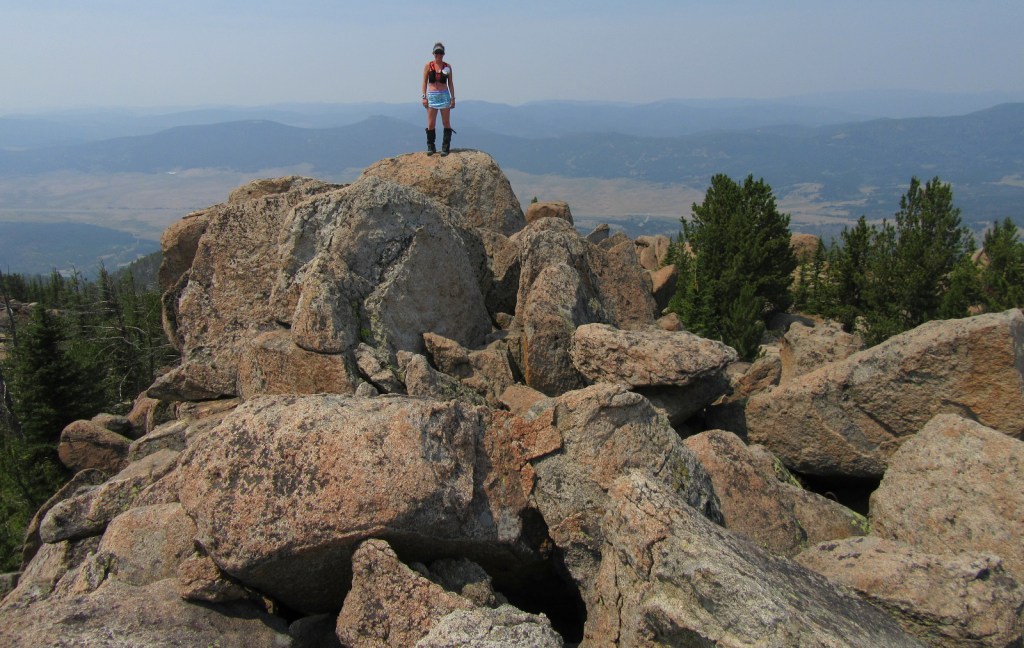
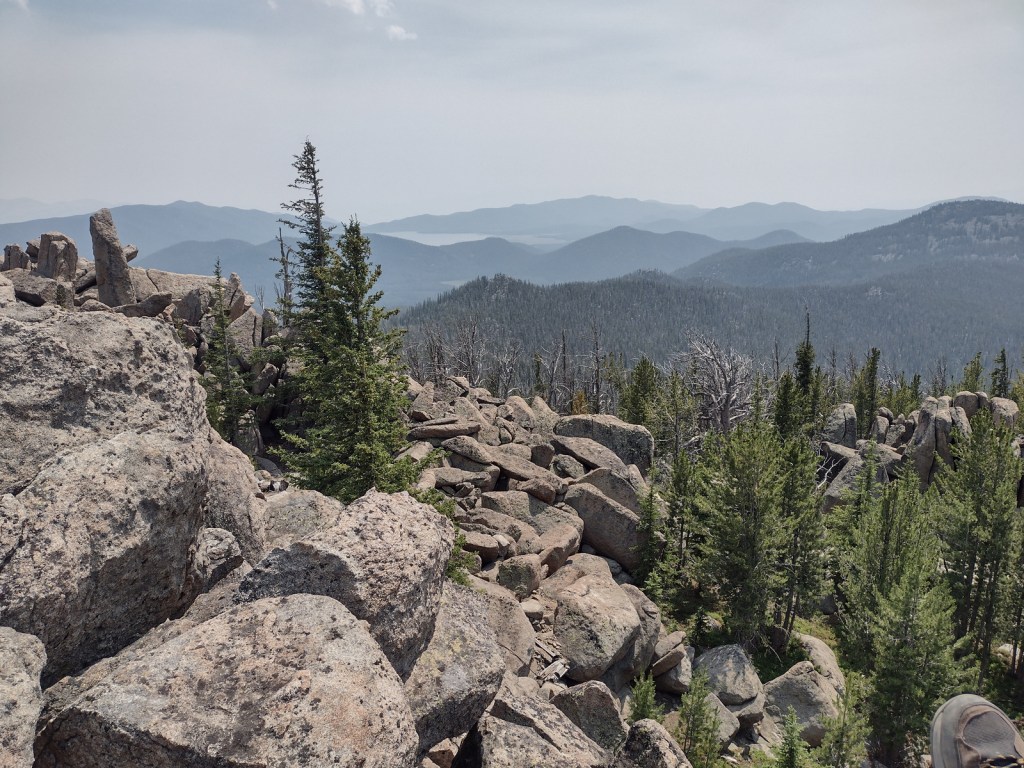
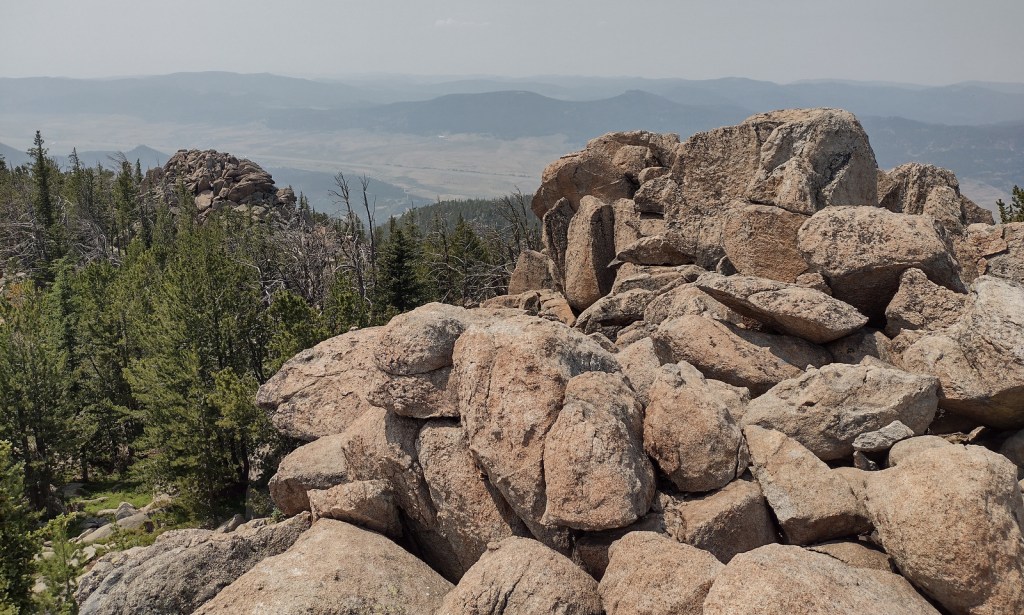
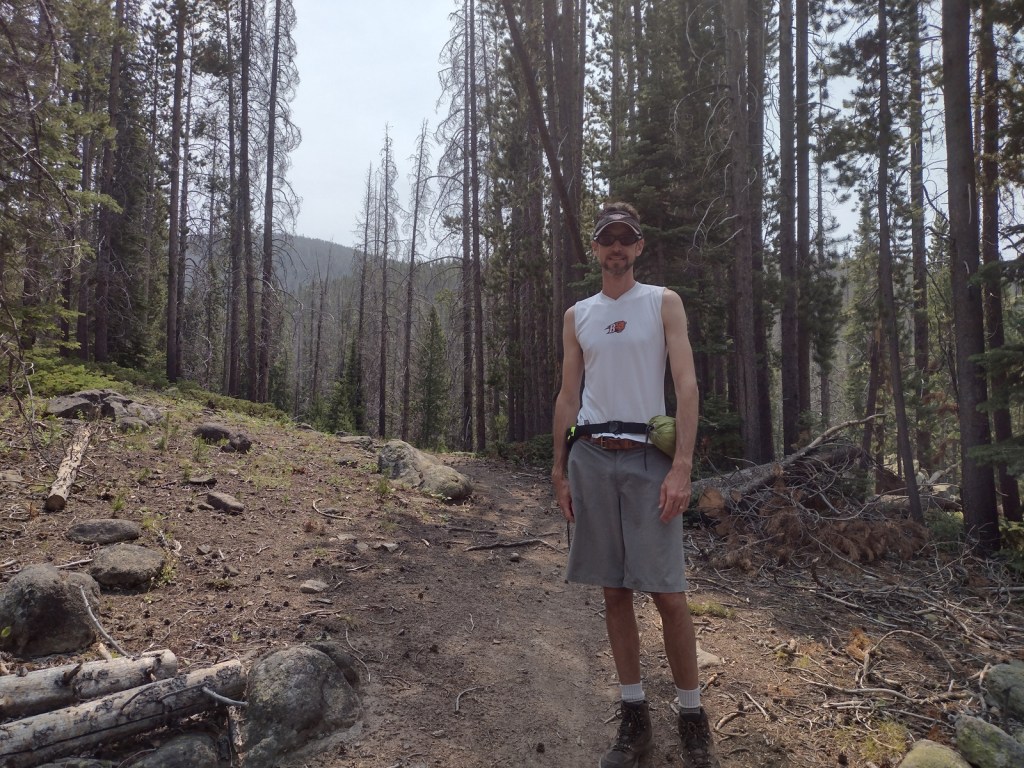
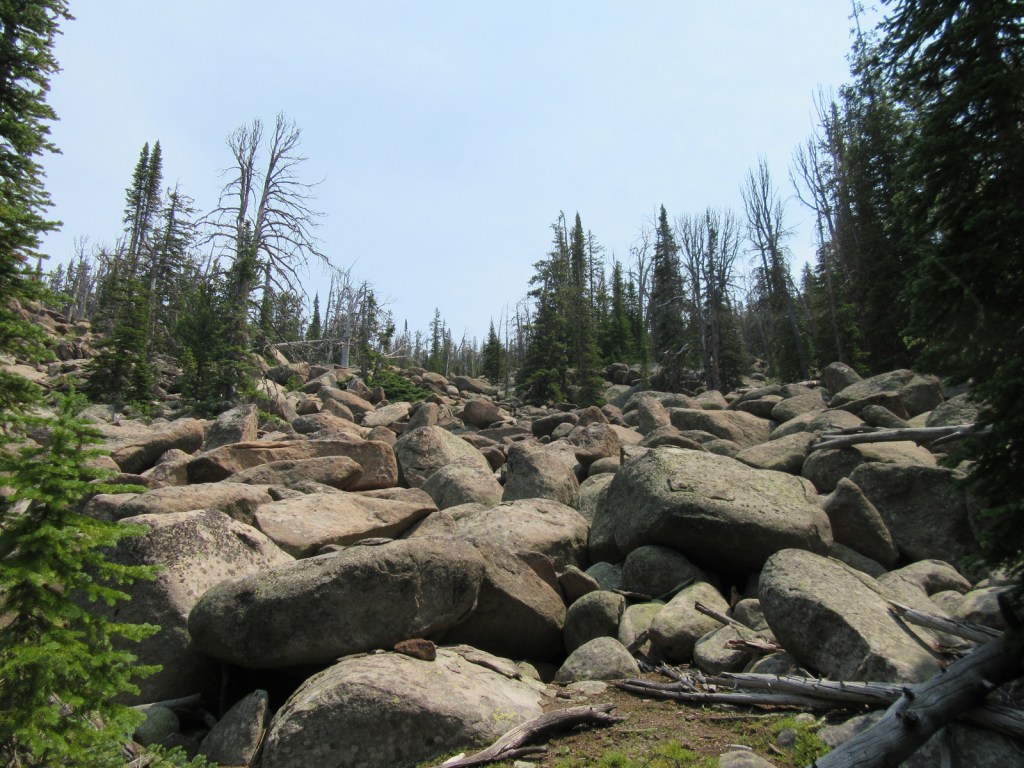
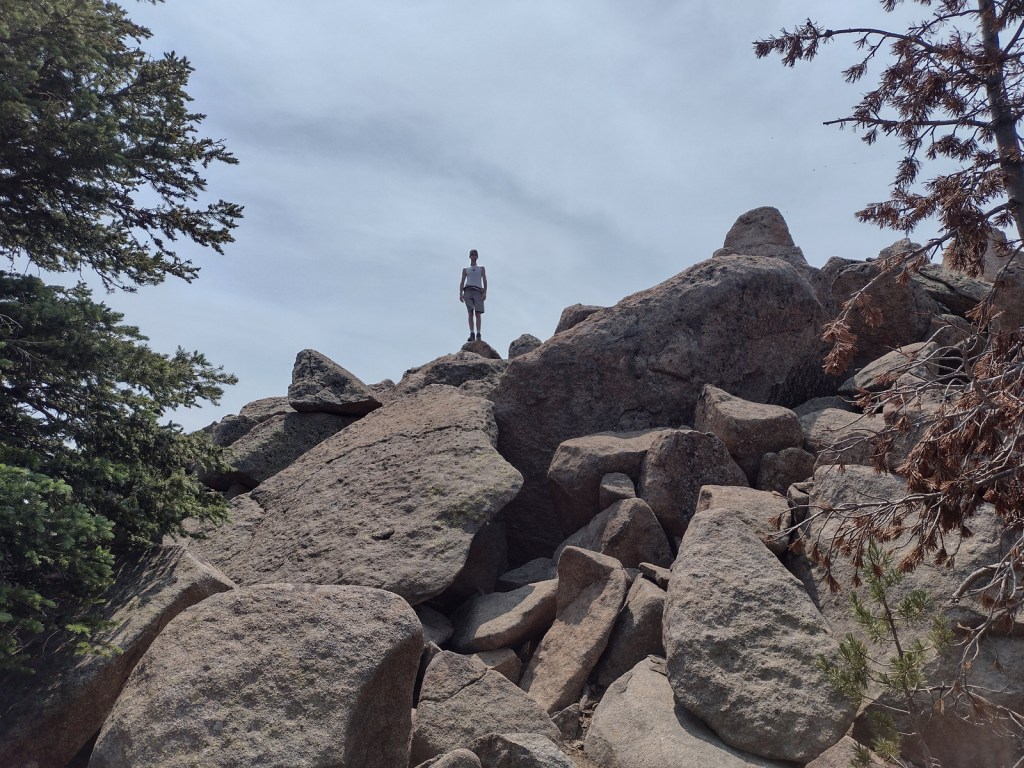
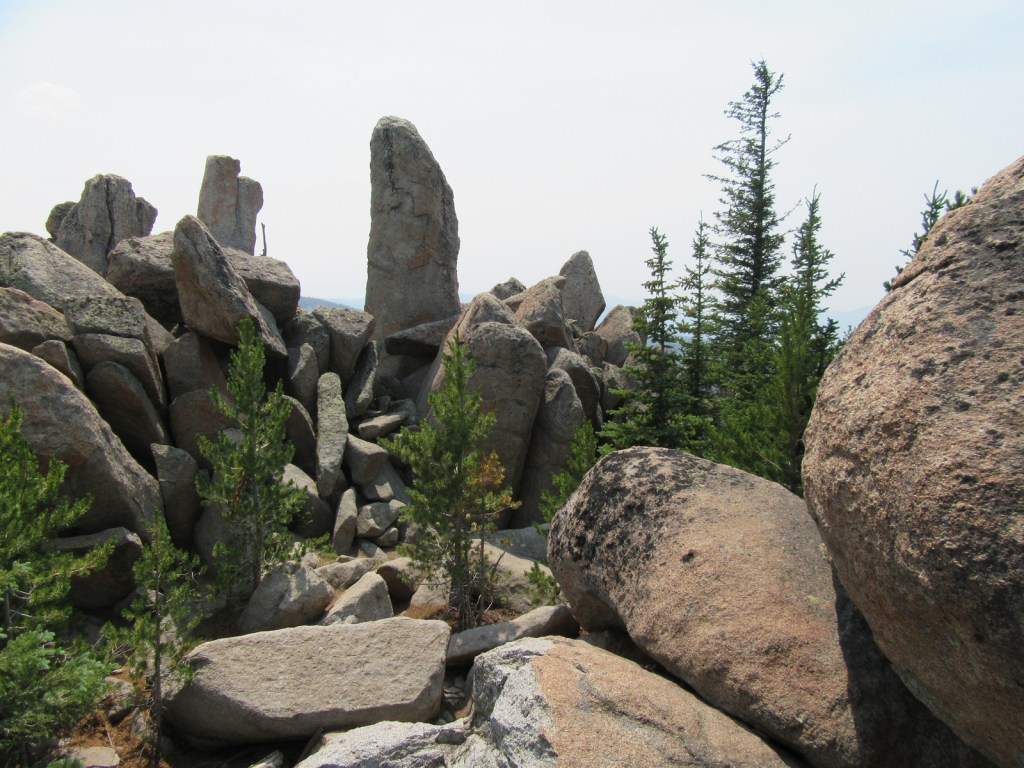
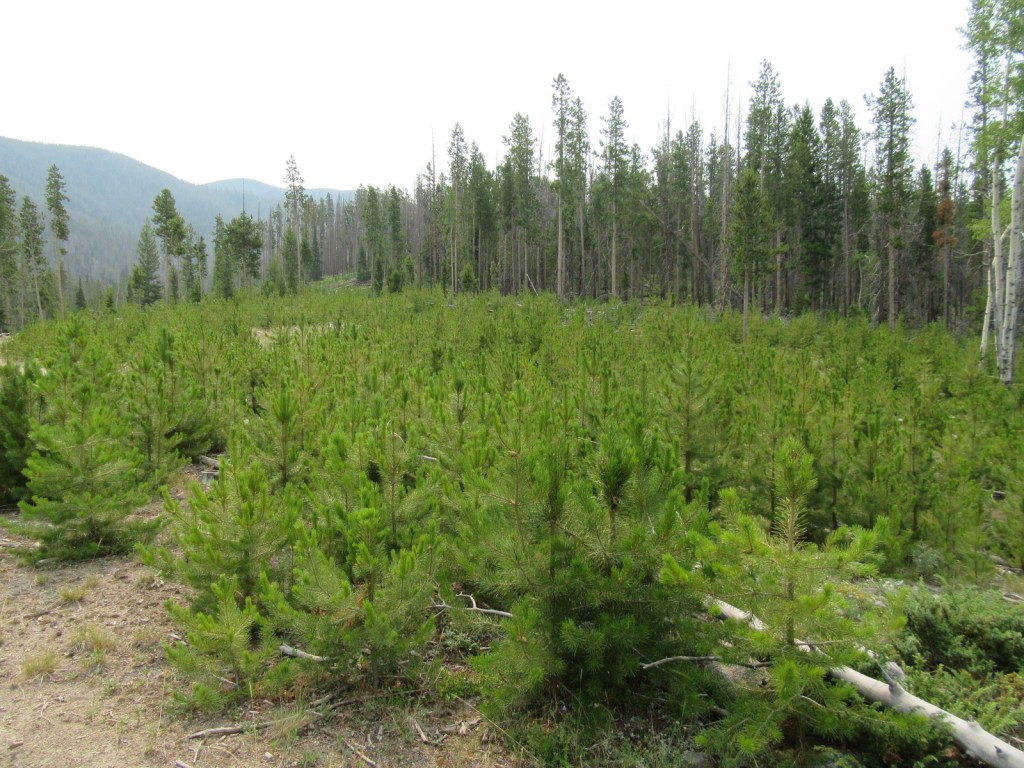
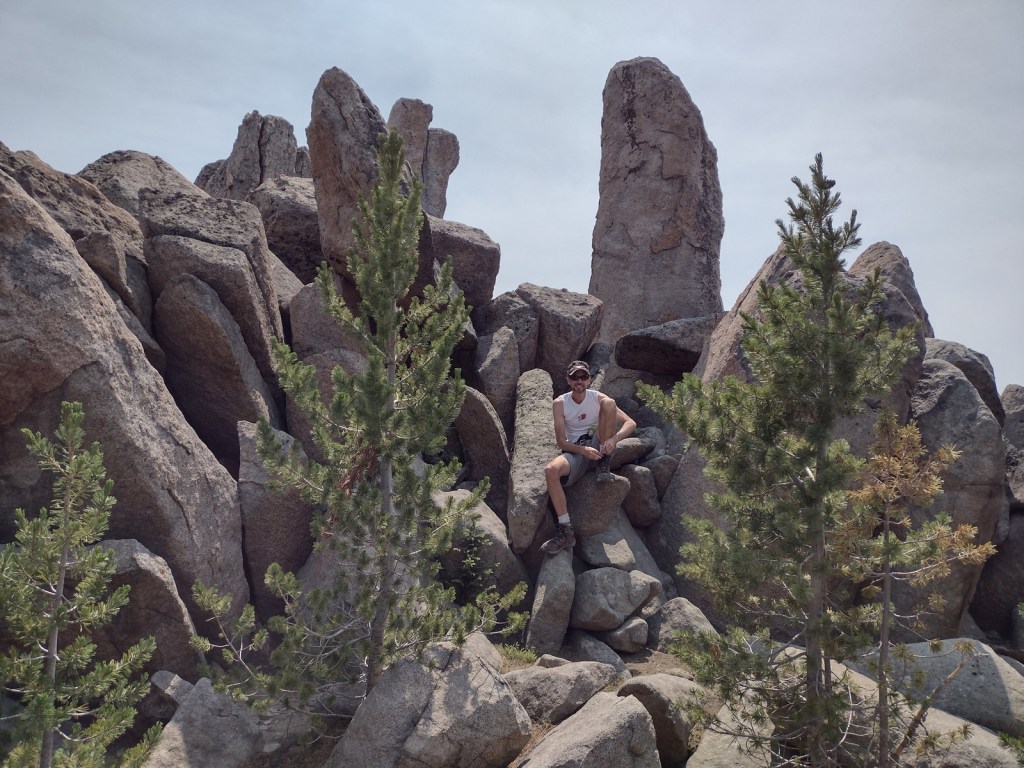
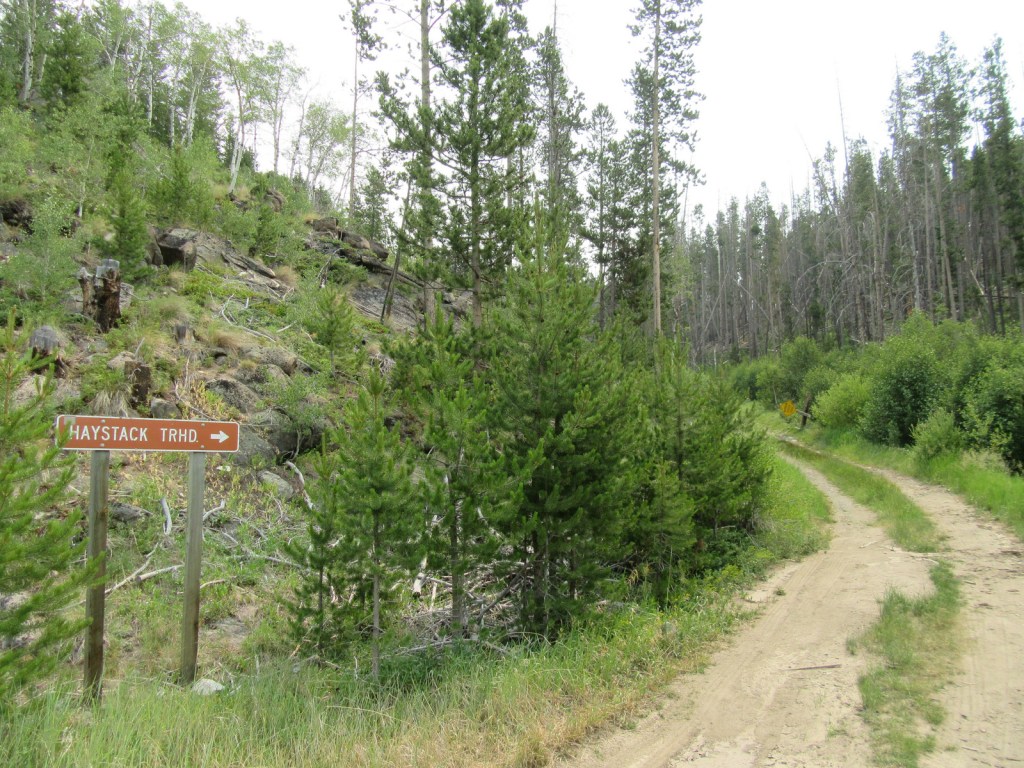
Although the official trailhead for Haystack Mountain National Recreation Trail is 1.2 miles uphill from Interstate 15, we had to park along the frontage road because access required a high-clearance vehicle.  This added about 700 feet of elevation gain to the 2,000 feet from the trailhead and made the total hike eight miles out-and-back.  There is not much shade along the route that ends in a mountaintop boulder field with stunning panoramic views and the remnants of a fire lookout tower.

Watchable Wildlife

Due to its proximity to Yellowstone National Park, Deerlodge National Forest still has most of its pre-settlement carnivores: grizzly bears, black bears, mountain lions, Canadian lynx, coyotes, and gray wolves.  Grazing ungulate species include moose, elk, mule deer, white-tailed deer, bighorn sheep, mountain goats, and pronghorns.  Bald eagles and ospreys are common around bodies of water.  Mountain whitefish, golden trout, cutthroat trout, rainbow trout, brook trout, lake trout, arctic grayling, and burbot are some of the gamefish sought by fishermen.

Instagram-worthy Photo

The boulder field at the end of Haystack Mountain National Recreation Trail provides 360° views (even on a smoky day), which is why it once housed a fire lookout tower.

Peak Season

Summer

Fees

None

Road Conditions

There are many rough roads in Deerlodge National Forest, including the one to the official trailhead for Haystack Mountain National Recreation Trail, 1.2 miles uphill from an Interstate 15 frontage road. 

Camping

There are campgrounds throughout the National Forest, including several along the Boulder River and one on the southern side of Toll Mountain.

Wilderness Areas

Anaconda-Pintler Wilderness (also in Beaverhead and Bitterroot National Forests)

Related Sites

Grant-Kohrs Ranch National Historic Site (Montana)

Beaverhead National Forest (Montana)

Bitterroot National Forest (Montana-Idaho)

Nearest National Park

Yellowstone

Conifer Tree Species

lodgepole pine, whitebark pine, ponderosa pine, Douglas-fir, Engelmann spruce, subalpine fir, subalpine larch

Flowering Tree Species

quaking aspen, balsam poplar, Bebb willow, sagebrush

Explore More – The Anaconda Copper Mine is one of the largest open pit mines in the world, but what originally brought miners to this region in the 1800s?

Learn more about this and the 154 other National Forests in our new guidebook Out in the Woods

We are a participant in the Amazon Services LLC Associates Program, an affiliate advertising program designed to provide a means for us to earn fees by linking to Amazon.com and affiliated sites.

Daniel Boone National Forest

Daniel Boone National Forest

Kentucky

Managed by U.S. Forest Service, Southern Region

2,047,092 acres (706,680 federal/ 1,340,412 other)

Website: https://www.fs.usda.gov/dbnf/

Overview

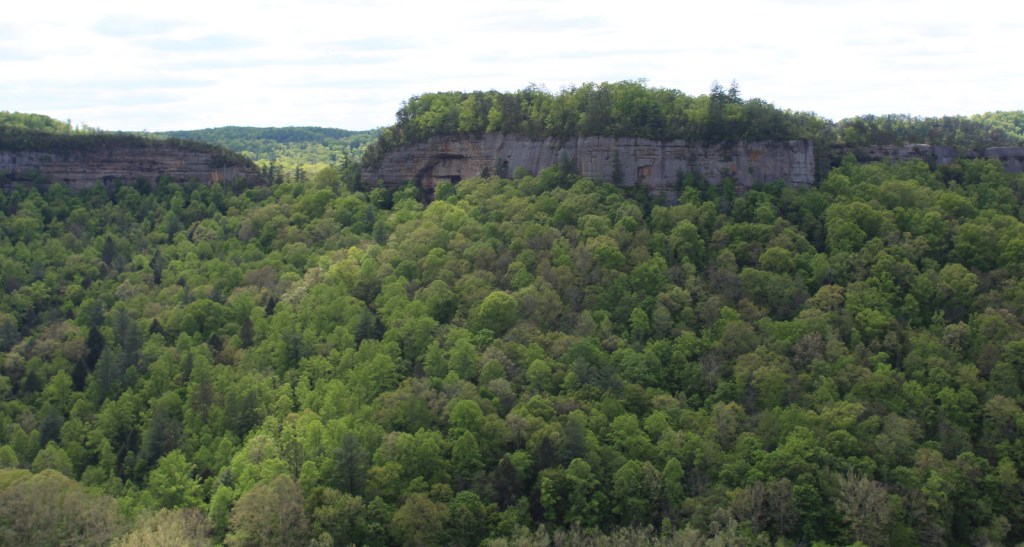
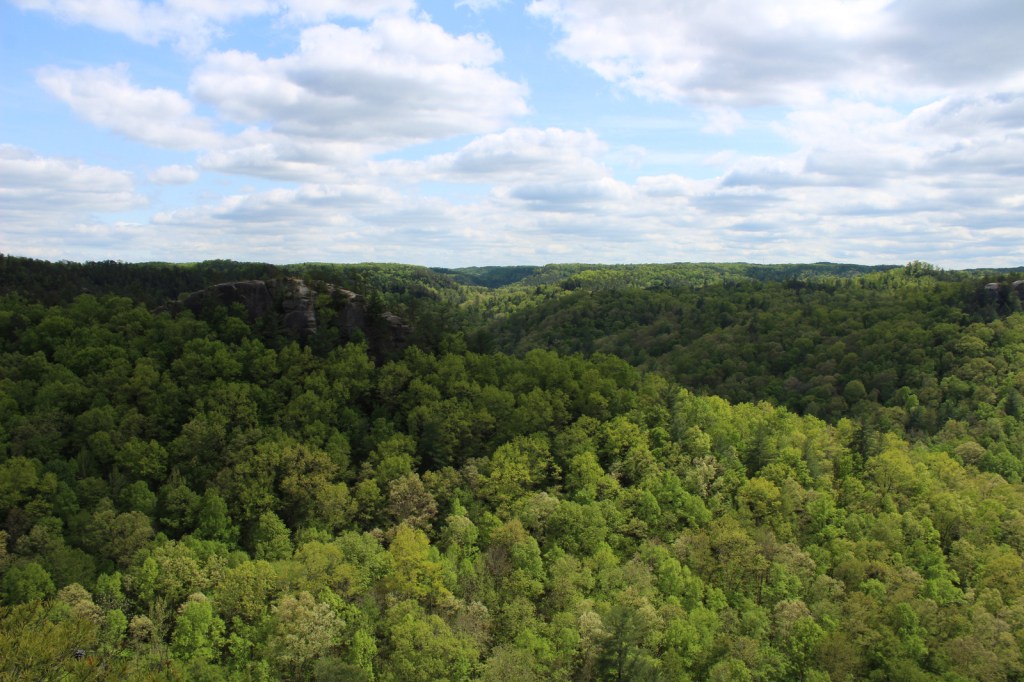
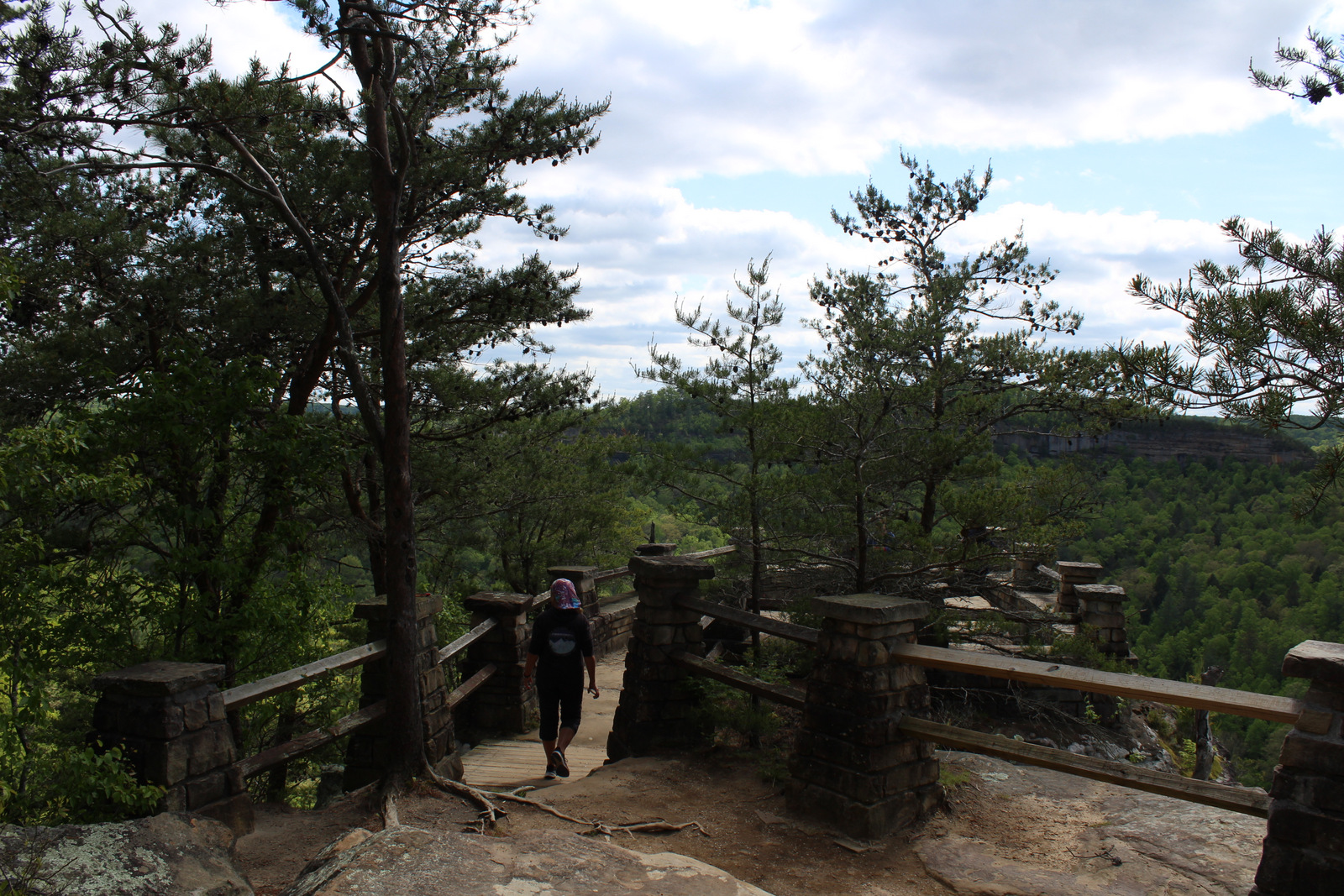
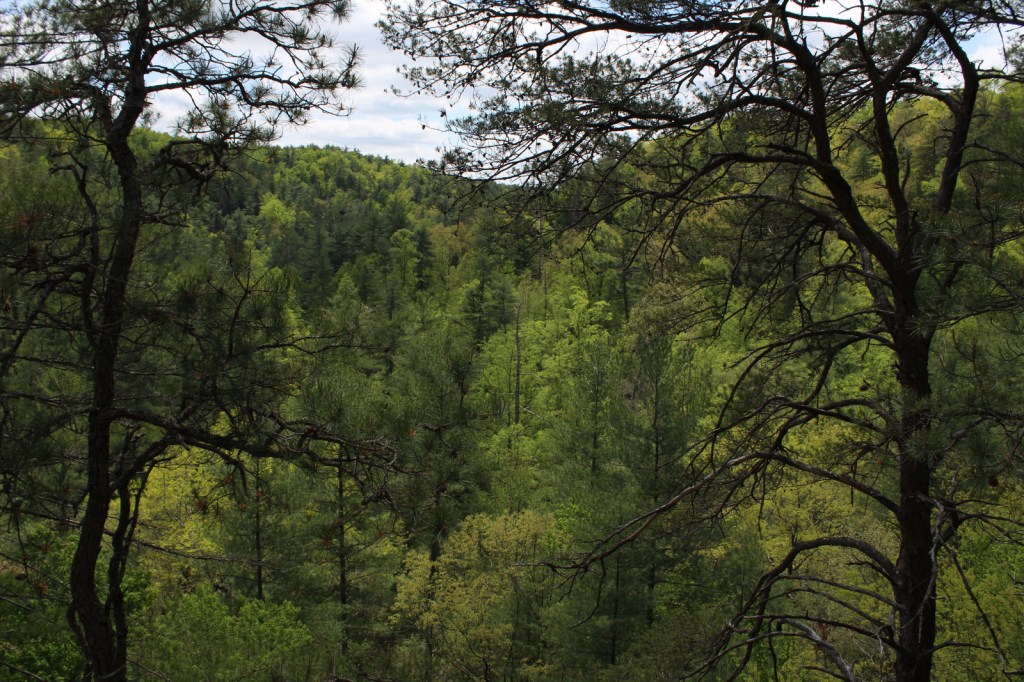
Daniel Boone National Forest is spread across the Cumberland Plateau in Kentucky, covering more than two-million acres when including private land and the 145,839-acre Redbird Purchase Unit.  The National Forest also surrounds three popular State Parks: Buckhorn Lake, Cumberland Falls, and Natural Bridge.  The latter is adjacent to the spectacular Red River Gorge Geological Area, which is a major reason Daniel Boone National Forest sees more than one-million visitors annually.  The forest has nearly 100 developed recreation areas and 600 miles of trails, plus several historic sites like Clear Creek Iron Furnace, Nada Railroad Tunnel, and Camp Wildcat (site of the first Civil War engagement of regular troops in Kentucky).

Highlights

Zilpo Scenic Byway, Red River Gorge Geological Area, Nada Tunnel, Cave Run Lake Recreation Area, Lick Creek Falls, Clear Creek Iron Furnace, Camp Wildcat, Laurel River Lake Recreation Area, Chimney Top Rock, Chestnut Knob, Yahoo Arch, Sheltowee Trace National Recreation Trail

Must-Do Activity

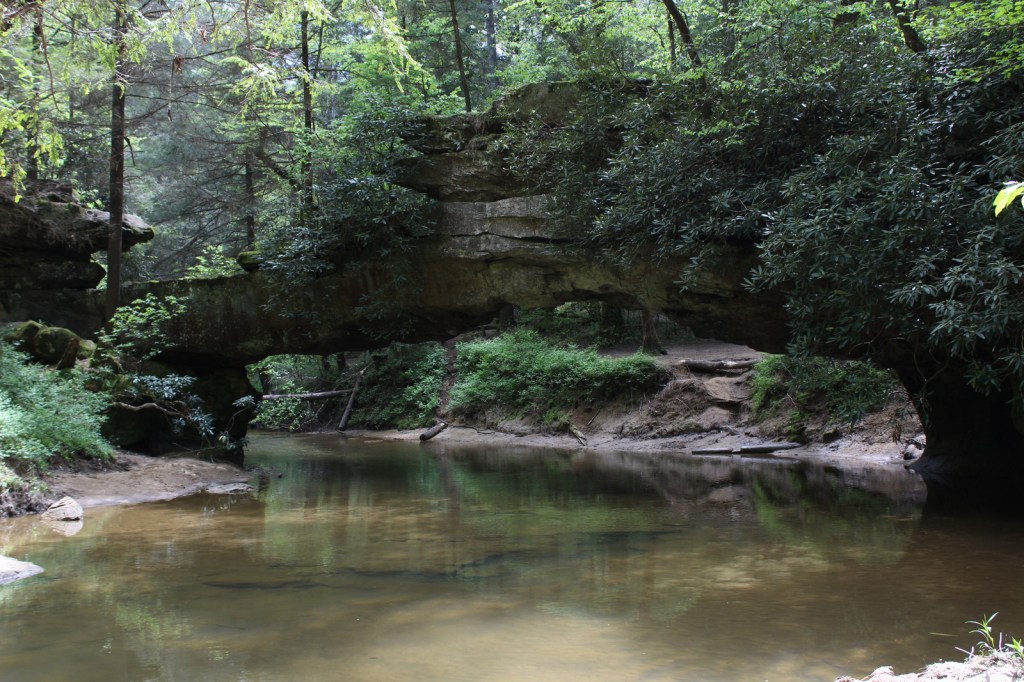
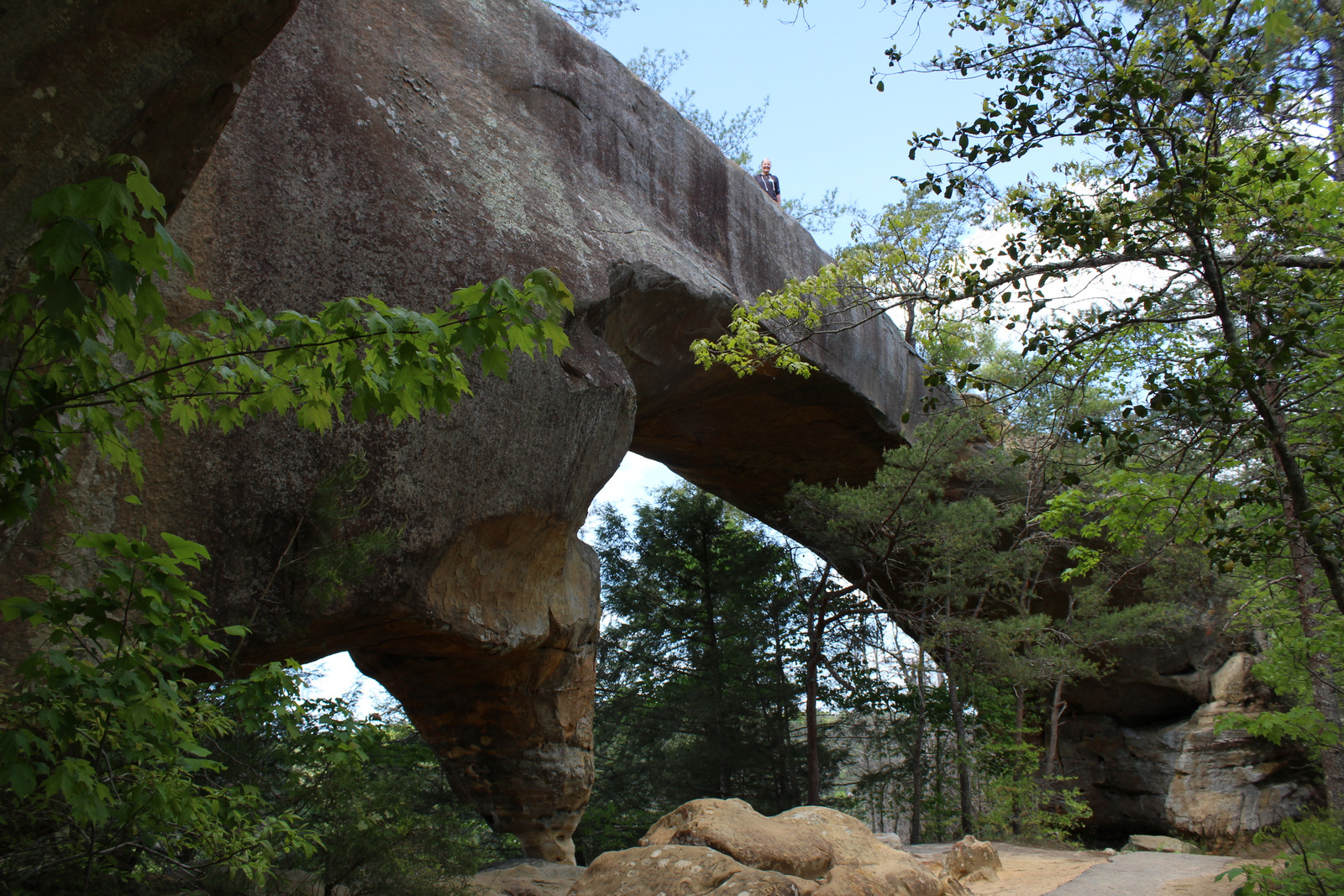
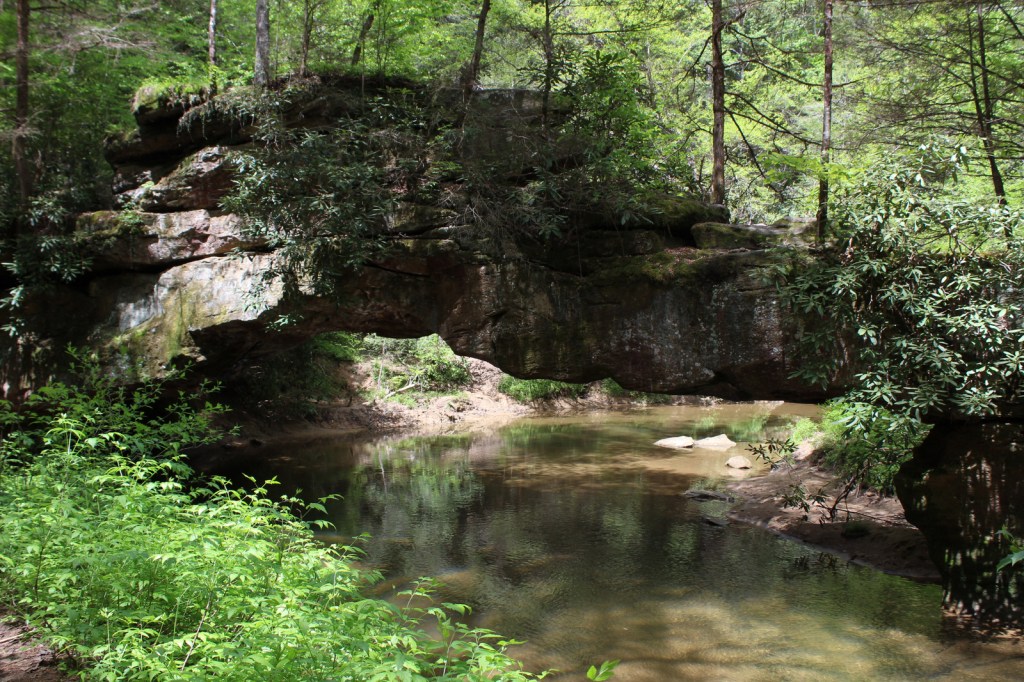
In the rolling hills of the Cumberland Plateau, Red River Gorge Geological Area is full of enough sandstone arches to keep you busy exploring for days.  Although 91-foot long Koger Arch was closed during our visit, we enjoyed short hikes to 75-foot Sky Bridge and 32-foot Princess Arch.  Rock Bridge Trail is a 1.3-mile loop that passes the sole natural bridge in the area with water flowing through it, and the only one formed by a waterfall cutting through the sandstone. 

Best Trail

The 282-mile-long Sheltowee Trace National Recreation Trail runs from Tennessee north into the southern end of Daniel Boone National Forest and Big South Fork National River and Recreation Area (where a camping permit is required by the National Park Service).  The trail marked by white turtle blazes passes through Alum Ford primitive campground on the Big South Fork of the Columbia River.  From Yahoo Falls Scenic Area, a short jaunt takes hikers to 113-foot-tall Yahoo Falls, which you can walk behind.  Yahoo Arch (17 feet tall) is accessible further up that two-mile section of trail or from a separate Forest Service trailhead on KY700, as is Markers Arch on a separate half-mile spur.

Watchable Wildlife

Major mammals found in Daniel Boone National Forest include black bear, coyote, bobcat, red fox, gray fox, mink, white-tailed deer, gray squirrel, muskrat, opossum, raccoon, cottontail rabbit, woodchuck, and three species of bat.  Wild turkey, northern bobwhite quail, ruffed grouse, red-cockaded woodpecker, and bald eagle are some of the 194 bird species identified.  Copperheads and timber rattlesnakes are two types of venomous snakes found here.  Lakes and streams have rainbow trout, largemouth bass, smallmouth bass, bluegill, crappie, and muskie.

Instagram-worthy Photo

Kentucky is riddled with caves—from the manmade Louisville Mega Cavern to Mammoth Cave National Park.  Daniel Boone National Forest has an estimated 1,500 to 2,000 limestone caves, in addition to small overhangs in the sandstone of Red River Gorge Geological Area.

Peak Season

Summer

Fees

There is not a day use fee to park, hike, or picnic in Red River Gorge Geological Area (unless you park overnight).

Road Conditions

Most of the trailheads in Red River Gorge Geological Area are accessed by well-marked and well-maintained dirt roads.

Camping

South of Interstate 64, Cave Run Lake stretches across 8,270 acres in northeastern Kentucky where we spent the night at a Forest Service campground on a cross-country roadtrip in 2007.  There are campgrounds in Red River Gorge Geological Area, where backpacking in the Clifty Wilderness only costs $5 per day per car for a permit.

Wilderness Areas

Beaver Creek Wilderness

Clifty Wilderness

Related Sites

Big South Fork National Recreation Area (Kentucky-Tennessee)

Cumberland Gap National Historical Park (Kentucky -Tennessee-Virginia)

Land Between The Lakes National Recreation Area (Kentucky-Tennessee)

Nearest National Park

Mammoth Cave

Conifer Tree Species

eastern hemlock, loblolly pine, Virginia pine, pitch pine, shortleaf pine

Flowering Tree Species

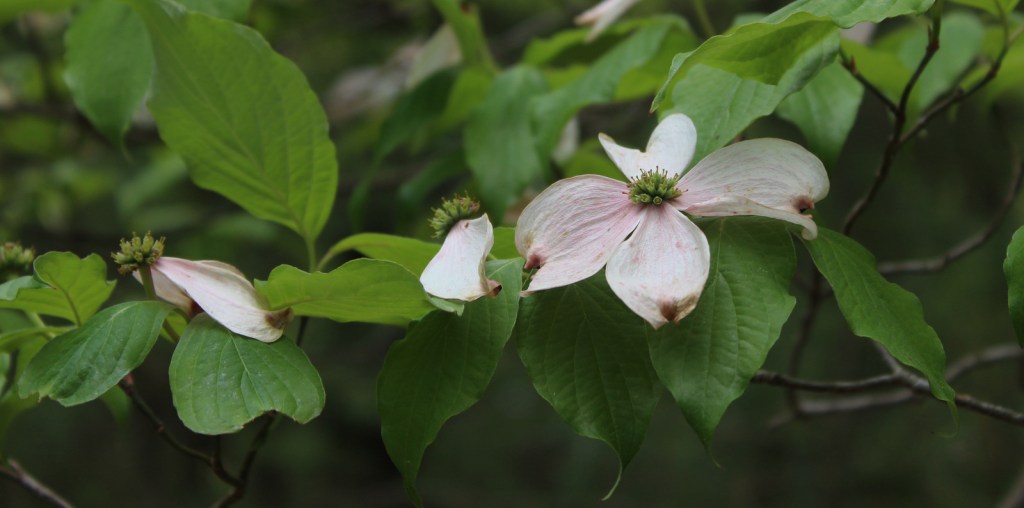
chestnut oak, scarlet oak, black oak, northern red oak, white oak, rock chestnut oak, tulip-poplar, American beech, mockernut hickory, bitternut hickory, pignut hickory, black gum, white ash, sassafras, mountain laurel, basswood, red mulberry, witch hazel, sugar maple, red maple, sourwood, cucumber magnolia, bigleaf magnolia, flowering dogwood, serviceberry, pawpaw, river birch, sycamore, silver maple, black willow, sweetgum, devil’s walkingtick, white rhododendron, Cumberland azalea

Explore More – In what year did the frontiersman Daniel Boone fight in the Battle of Blue Licks during the American Revolution?

Learn more about this and the 154 other National Forests in our new guidebook Out in the Woods

We are a participant in the Amazon Services LLC Associates Program, an affiliate advertising program designed to provide a means for us to earn fees by linking to Amazon.com and affiliated sites.

Katmai National Park and Preserve

Katmai National Park and Preserve

Alaska

Managed by National Park Service

Established 1918 National Monument, 1980 National Park

3,674,529 acres

Website: nps.gov/katm

Overview

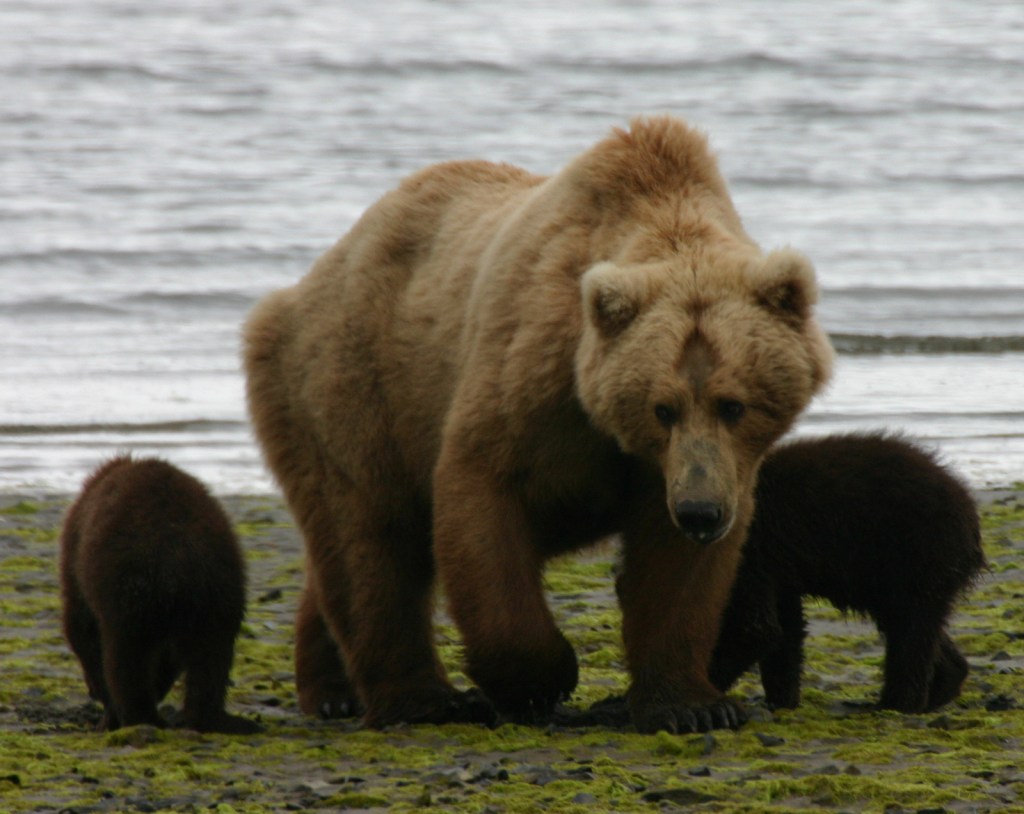
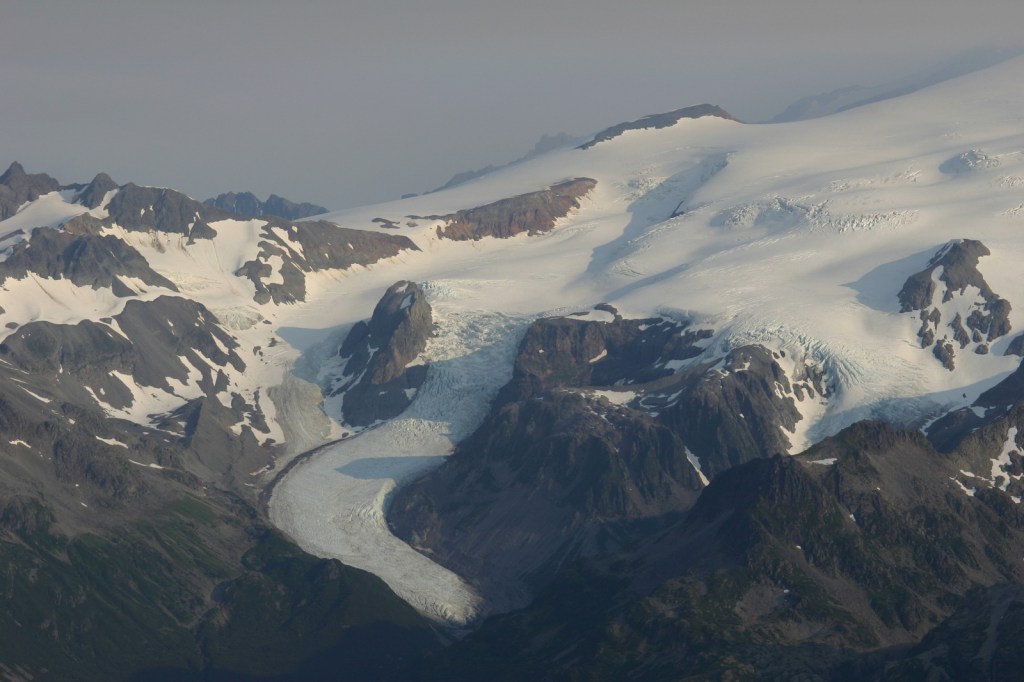
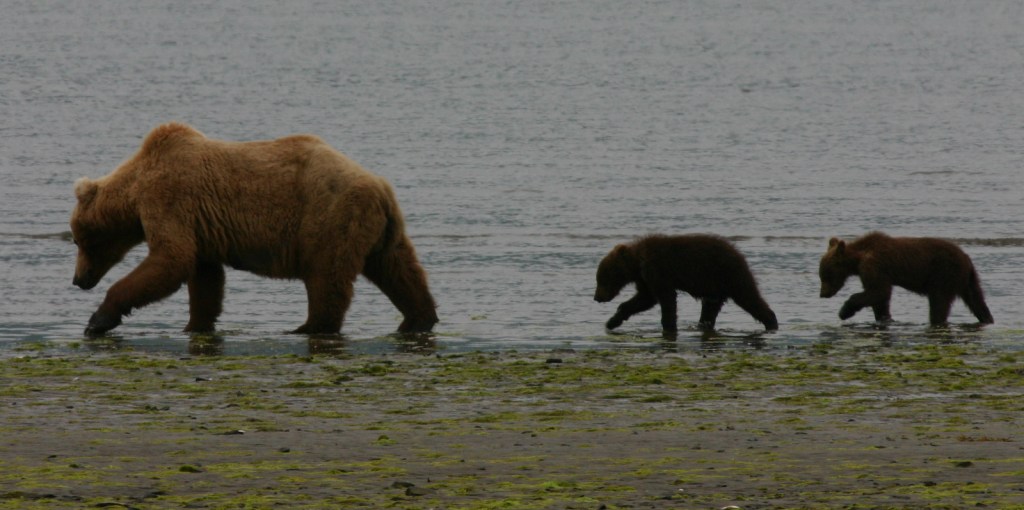
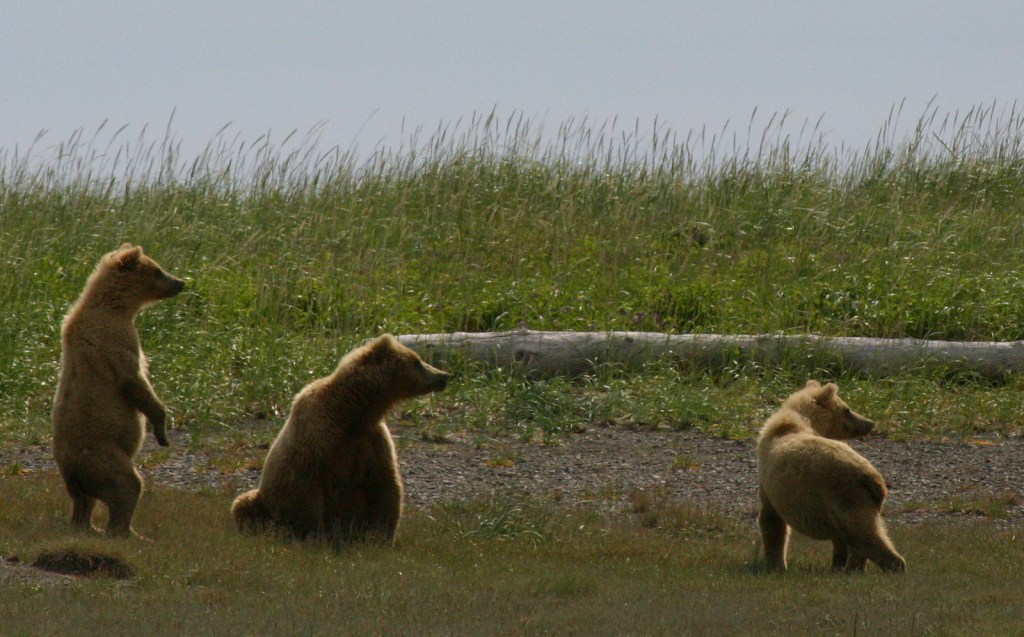
Katmai National Monument was created after the Novarupta Volcano erupted in 1912 (an event recorded in the skinny tree rings grown throughout Alaska that year).  Ash fell in Seattle (1,500 miles away) and piled up to 700 feet deep in the Valley of Ten Thousand Smokes.  The valley is no longer smoking, but it is there are still 15 active volcanoes within the park’s boundaries.  This remote park on the Alaska Peninsula has few roads and is only accessible by airplane (typically equipped with floats for water landings).  Oh yeah, and there are lots of grizzly bears, or brown bears as they are called in coastal areas of Alaska.

Highlights

Brooks Falls, North Arm of Naynek Lake, Hallo Bay, Valley of Ten Thousand Smokes, Baked Mountain Huts, Savonoski Loop

Must-Do Activity

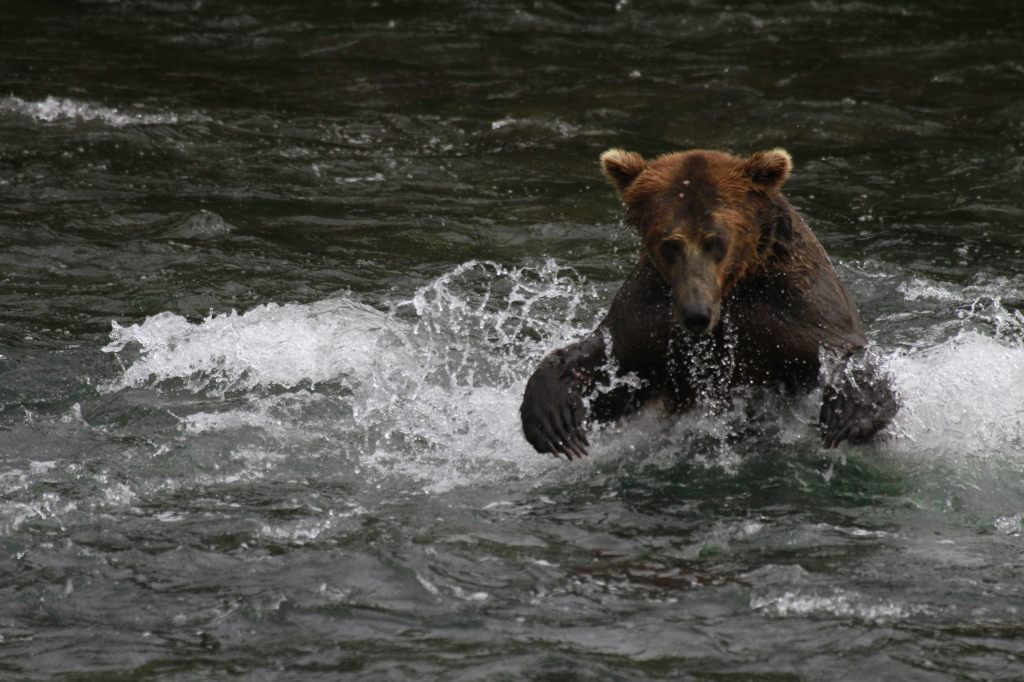
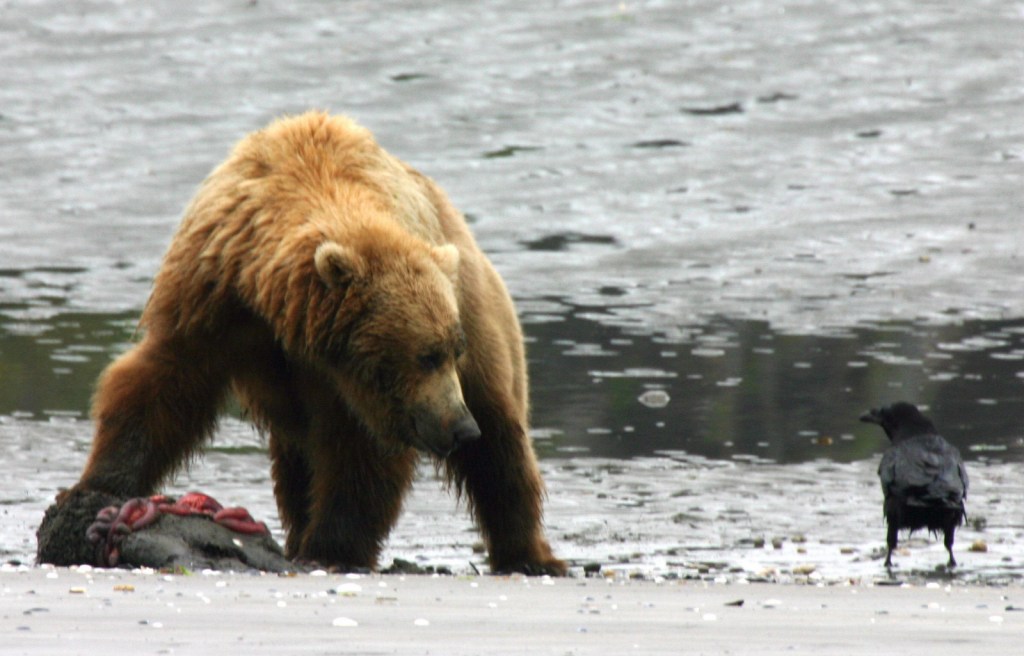
The grizzly/brown bears of Brooks Falls are celebrities due to the annual Fat Bear Week vote for the chunkiest bear on social media.  Less famous are the bears that hang out around Hallo Bay on the coastline, eating grass and shellfish until the salmon arrive.  Regardless of your destination, flights from road-accessible portions of Alaska (like Homer and Kenai) can be quite costly.  Most of the approximately 50,000 annual visitors come only for a day trip, although there are three expensive lodges and a campground in the park.

Best Trail

Brooks Falls Trail connects the Lower River Bear Viewing Platform 1.2 miles to the Falls and Riffles Platforms at Brooks Falls.  Near the visitor center, the short Cultural Site Trail visits a prehistoric camp and reconstructed dwelling.

Instagram-worthy Photo

Brooks Falls is a world-class destination for wildlife photographers from around the world, so you might want to bring along a camera with a good zoom lens if you pay to get there during the peak months of July and September. This photo is from Scott’s father (see more of his photos and paintings at Bruce Sink.com)

Peak Season

Summer

Hours

https://www.nps.gov/katm/planyourvisit/hours.htm

Fees

The National Park Service does not charge an entry fee, but it is very expensive to fly to Brooks Camp or Hallo Bay.

Road Conditions

There is a 23-mile long road that leads from Brooks Falls to the Valley of Ten Thousand Smokes and a daily eight-hour ranger-guided bus tour is available in the summer.  Backpackers can buy one-way tickets and explore the area, with the Baked Mountain Huts a popular destination 12 miles away across two difficult river crossings.

Camping

There are 60 sites at Brooks Camp Campground (reservations required prior to arrival), which is surrounded by an electric fence to keep bears out.

Related Sites

Kenai Fjords National Park (Alaska)

Lake Clark National Park and Preserve (Alaska)

Denali National Park and Preserve (Alaska)

Explore More – How many grizzly/brown bears are estimated to live within Katmai National Park and Preserve?

We are a participant in the Amazon Services LLC Associates Program, an affiliate advertising program designed to provide a means for us to earn fees by linking to Amazon.com and affiliated sites.