Tag Archives: fort

Fort Caroline National Memorial

Overview

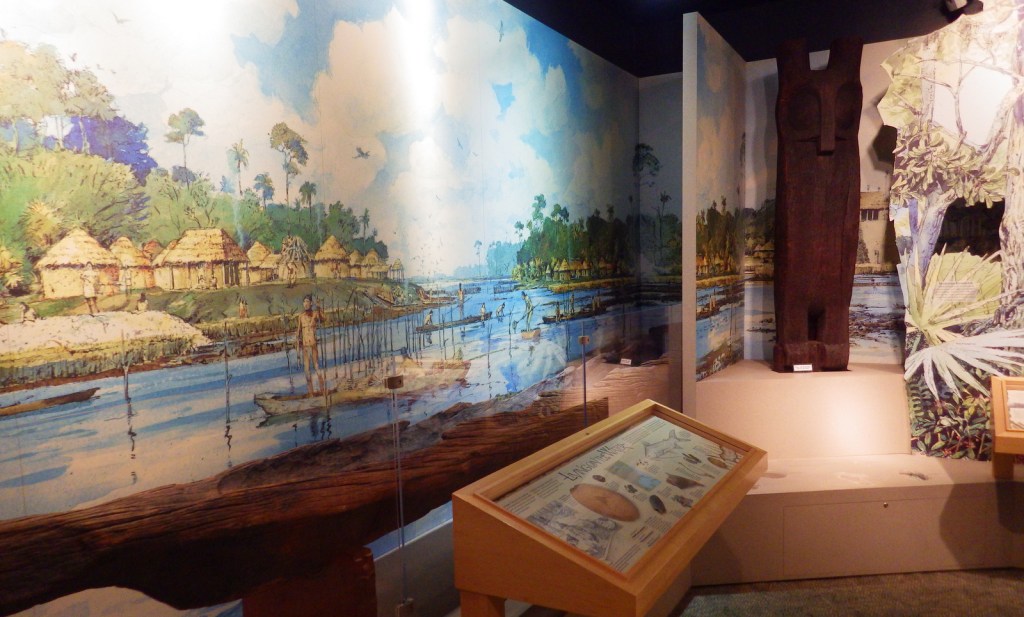
After a failed settlement by persecuted French Protestants (Huguenots) in 1562, two years later a group of 200 soldiers, artisans, and a few women established a colony at the mouth of the St. Johns River (east of present-day Jacksonville, Florida).  Led by René de Goulaine de Laudonnière, they hurriedly assembled the triangular Fort Caroline, named for King Charles IX.  In 1565, Jean Ribault arrived with 600 more settlers and soldiers.  After learning the Catholic Spanish had established a base to the south at St. Augustine, Ribault set sail for a surprise attack, only to be shipwrecked by a hurricane.  The unprotected Fort Caroline was easily captured by the Spanish, who executed 140 of its 200 inhabitants.  The Spanish then killed the majority of the 250 French marooned at Matanzas Inlet, which gained its name from these “slaughters.”

Highlights

Museum, reconstructed fort, Hammock Trail, Ribault Monument

Must-Do Activity

The National Park Service (NPS) administers Fort Caroline National Memorial (established in 1950) as a unit of Timucuan Ecological and Historic Preserve (established in 1988).  Start your visit at the NPS museum, which provides information on the indigenous Timucuan, as well as the European colonization efforts.  After walking the Hammock Trail to see the reconstructed fort, drive to the nearby Ribault Monument, a replica of a stone column left by Jean Ribault at the mouth of the St. Johns River on May 2, 1562.

Best Trail

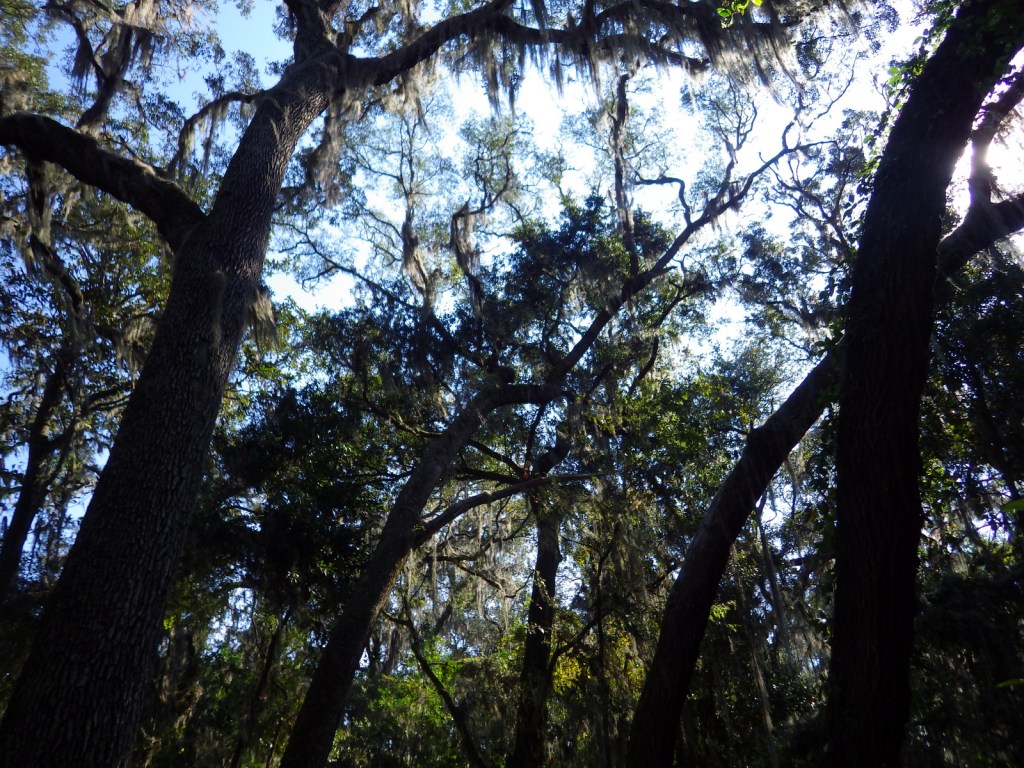
Within this 139-acre National Memorial, the Hammock Trail visits the reconstructed fort along the St. Johns River.  Starting from two parking lots south of Fort Caroline Road several trails explore Spanish Pond and the Theodore Roosevelt Area of Timucuan Ecological and Historic Preserve.

Instagram-worthy Photo

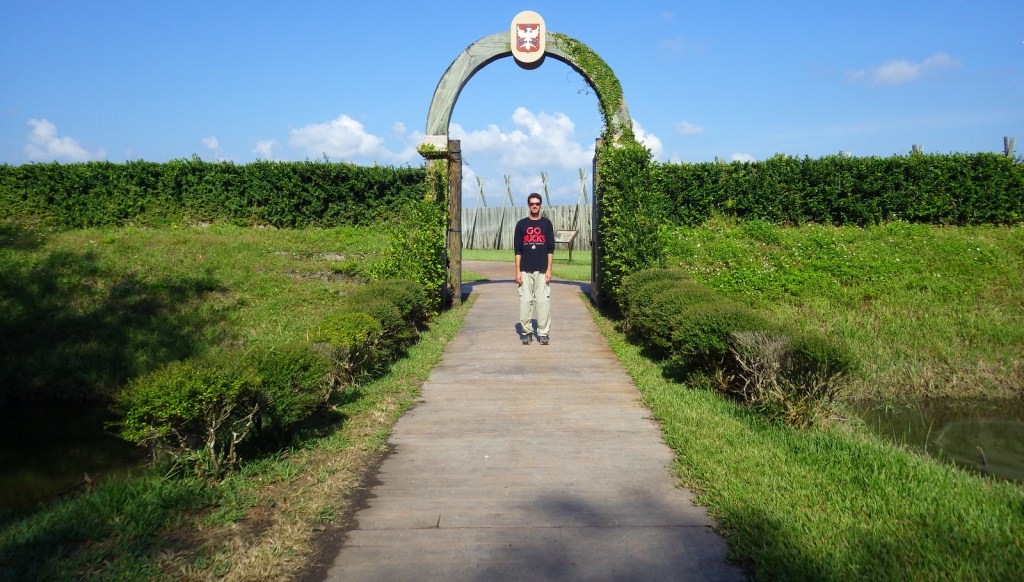
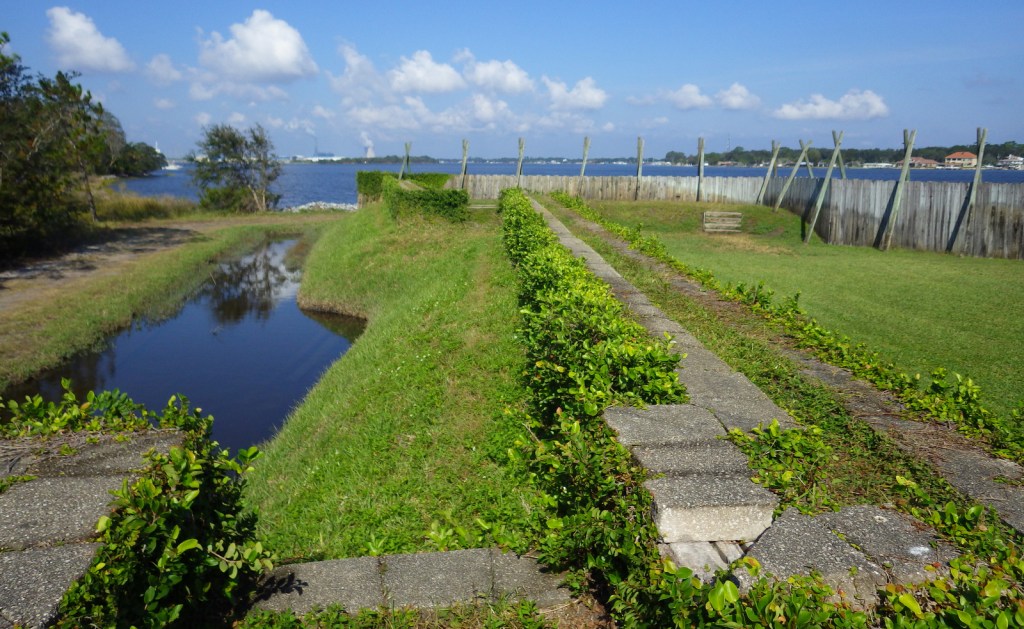
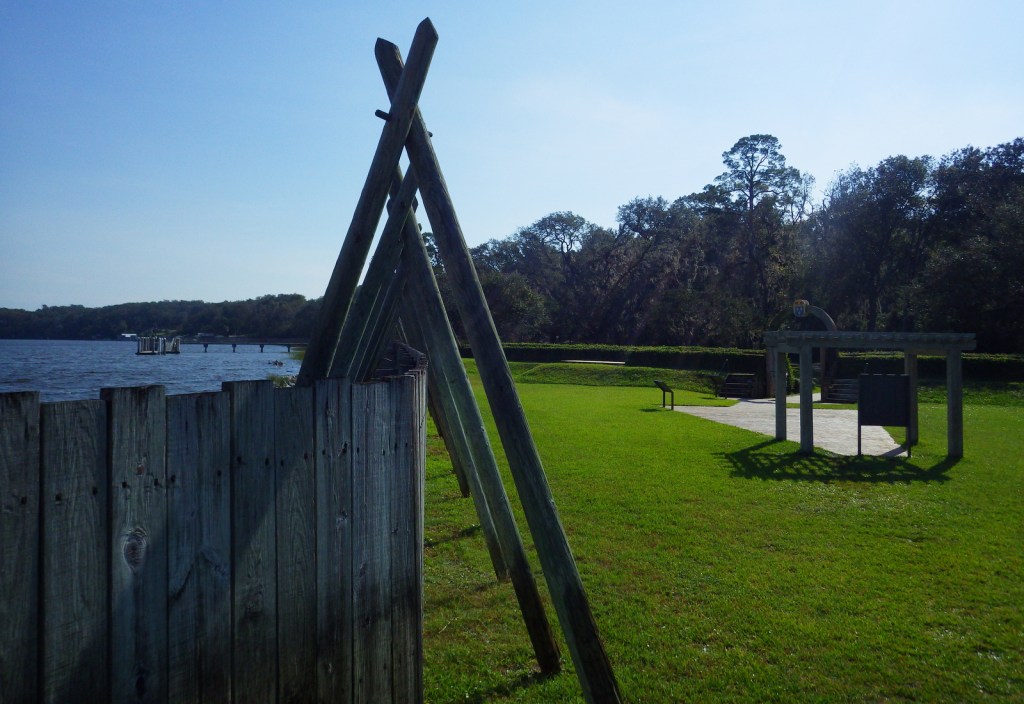
The actual site of the original fort has never been found (and is probably underwater), but you can tour a one-third scale reconstruction of the triangular structure based upon a drawing from 1564 by French artist Jacques le Moyne.  The French got a measure of revenge in 1568 when they attacked and burned Spanish-controlled Fort Caroline, but they could not take St. Augustine and never colonized Florida again.
Peak Season

Winter when there is less mosquito activity.

Hours

https://www.nps.gov/timu/learn/historyculture/foca_visiting.htm

Fees

None

Road Conditions

All roads paved

Camping

Little Talbot Island State Park and Kathryn Abbey Hanna Park (run by the city of Jacksonville) both have campgrounds.

Related Sites

Timucuan Ecological and Historic Preserve (Florida)

Castillo de San Marcos National Monument (Florida)

Fort Matanzas National Monument (Florida)

Explore More – When the Spanish took control of Fort Caroline in 1565, what did they rename it?

Gateway National Recreation Area

Overview

Approximately 9-million visitors utilize the 26,600 acres of Gateway National Recreation Area annually, ranking it the fourth busiest unit in the National Park Service (NPS) System.  This is not surprising when you consider the number of people that live around New York Harbor.  The park is divided into three units: New Jersey’s Sandy Hook, and New York’s Staten Island and Jamaica Bay.

Highlights

Fort Wadsworth, Sandy Hook Lighthouse, Fort Hancock, Floyd Bennett Field, Jamaica Bay Wildlife Refuge

Must-Do Activity

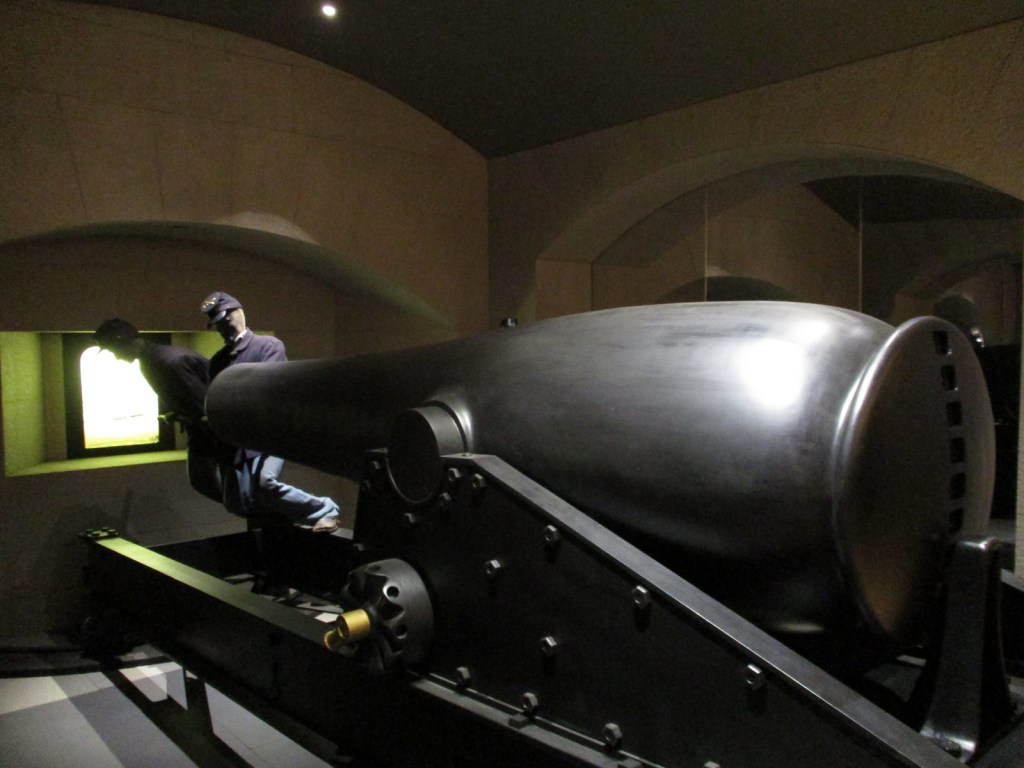
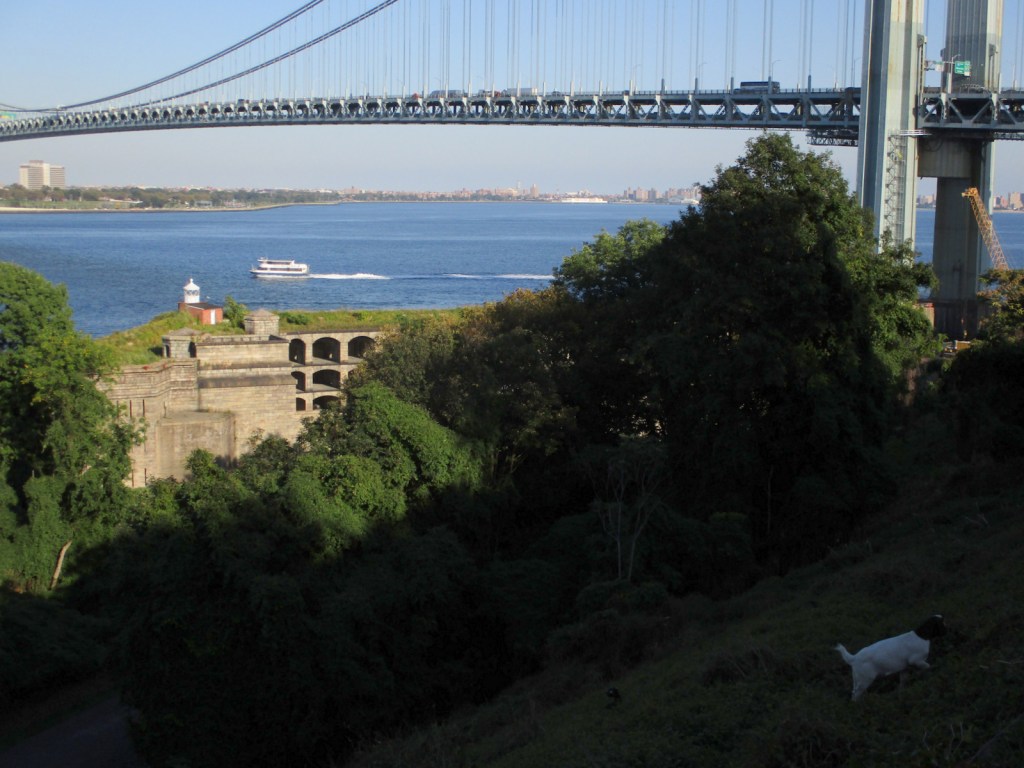
On Staten Island, tours are offered of Fort Wadsworth, which sits at the base of the beautiful Verrazano-Narrows Bridge to Long Island.  It was part of the coastal defense system created to protect New York Harbor in the 1800s, which is clearly displayed at the outstanding NPS museum on the cliff above Fort Wadsworth.  In 1913, President William Howard Taft attended a ceremony dedicating the National American Indian Memorial to be built inside the fort, but it never came to fruition because of World War I.

Best Trail

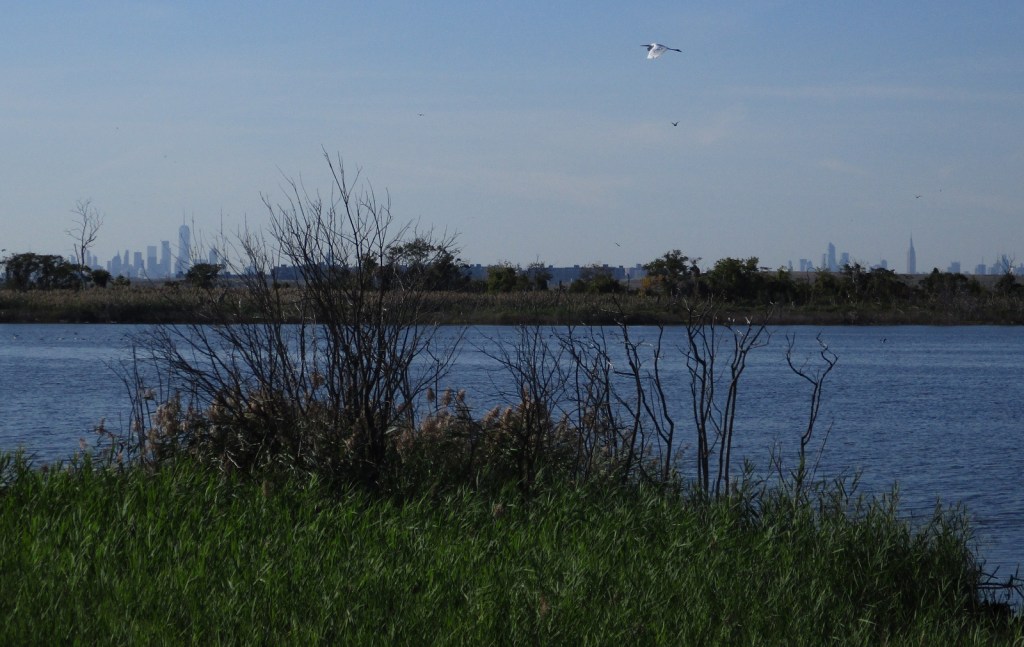
Jamaica Bay Wildlife Refuge is a great spot for birdwatching or watching airplanes take off and land at JFK Airport.  The trail around West Pond takes about an hour to walk and feels worlds away from Manhattan, which is visible on the skyline.

Instagram-worthy Photo

The Sandy Hook Unit of Gateway National Recreation Area is located on a spit of sand that sticks out from the New Jersey shoreline.  It offers beaches, tours of Fort Hancock, and a lighthouse that dates back to 1764 (making it the oldest continuously operated one in the U.S.).  For photos of Sandy Hook, check out our fellow National Park blogger Theresa’s website.  Below is one of her excellent photographs of Sandy Hook Lighthouse.

Peak Season

Summer for the beaches

Hours

https://www.nps.gov/gate/planyourvisit/hours.htm

Fees

None, except for beach parking at Sandy Hook and Jacob Riis Park in Queens (plus toll roads/bridges).

Road Conditions

All roads are paved, plus many of the units of Gateway National Recreation Area are accessible by public transportation.

Camping

The NPS offers camping at all three units of Gateway National Recreation Area, so check the NPS website for details.

Related Sites

Statue of Liberty National Monument (New York-New Jersey)

Fire Island National Seashore (New York)

Thomas Edison National Historical Park (New Jersey)

Explore More – What famous U.S. coin was first publicly displayed at the 1913 dedication of the National American Indian Memorial at Fort Wadsworth?
Fort Pulaski National Monument

Overview

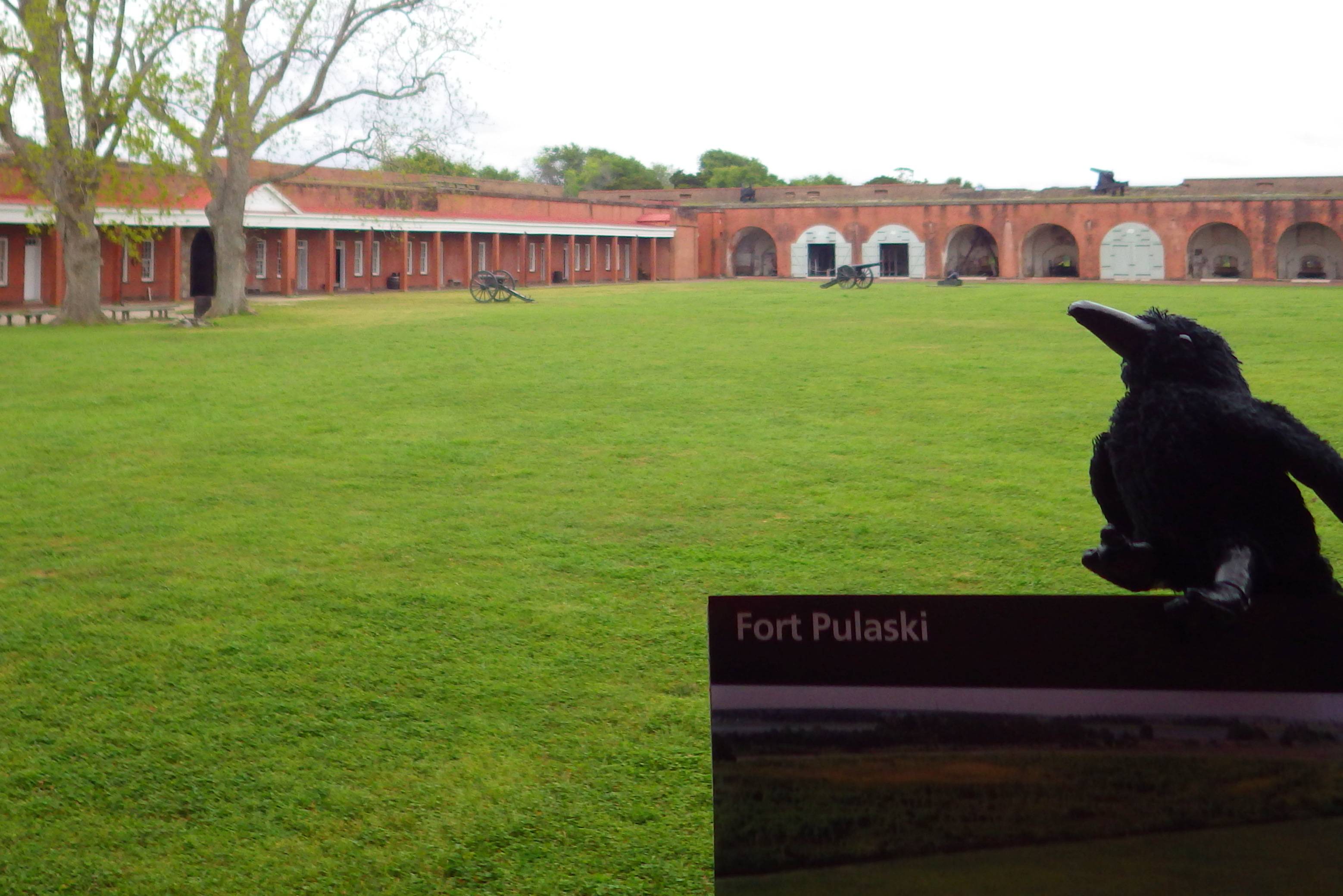
Located 17 miles east of Savannah, Georgia, Fort Pulaski National Monument makes a great daytrip destination near the coast.  The 5-sided brick fort was built in 1829 along the Savannah River and named for a Polish Count who was killed-in-action during the American Revolution. 

Highlights

Historic fort with a moat, 1856 Cockspur Island Lighthouse

Must-Do Activity

The invention of rifled cannons made forts like this (and Fort Jefferson in Florida) obsolete.  Fort Pulaski was claimed by the Confederacy early during the Civil War, but it was surrendered to the Union Army in April 1862 after thirty hours of shelling from nearby Tybee Island.  It has been mostly reconstructed and is safe to explore.  Rifle and cannon firing demonstrations are held throughout the day inside the parade grounds.

Best Trail

A 0.75-mile trail leads from the fort to an overlook of Cockspur Island Lighthouse, where wading birds are often seen.  Only 3 miles down the road, also check out the Tybee Island Light Station and Museum, first built in 1773, then reconstructed after the Civil War.

Instagram-worthy Photo

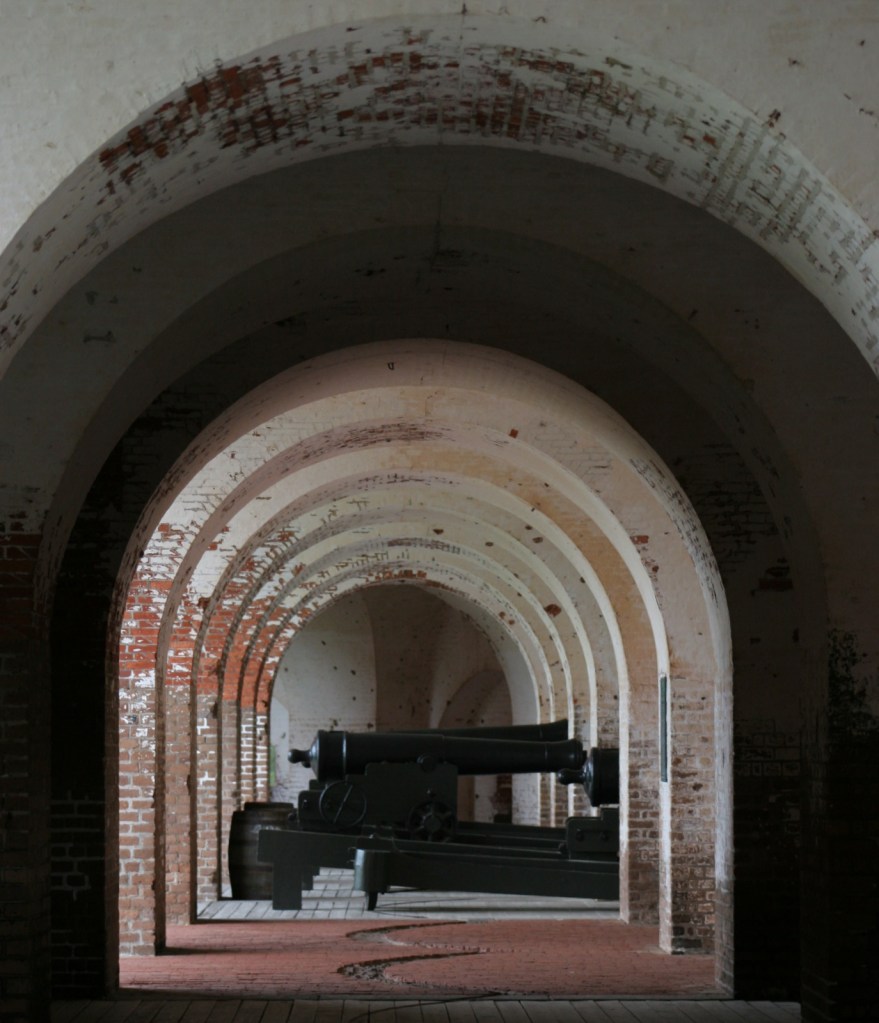
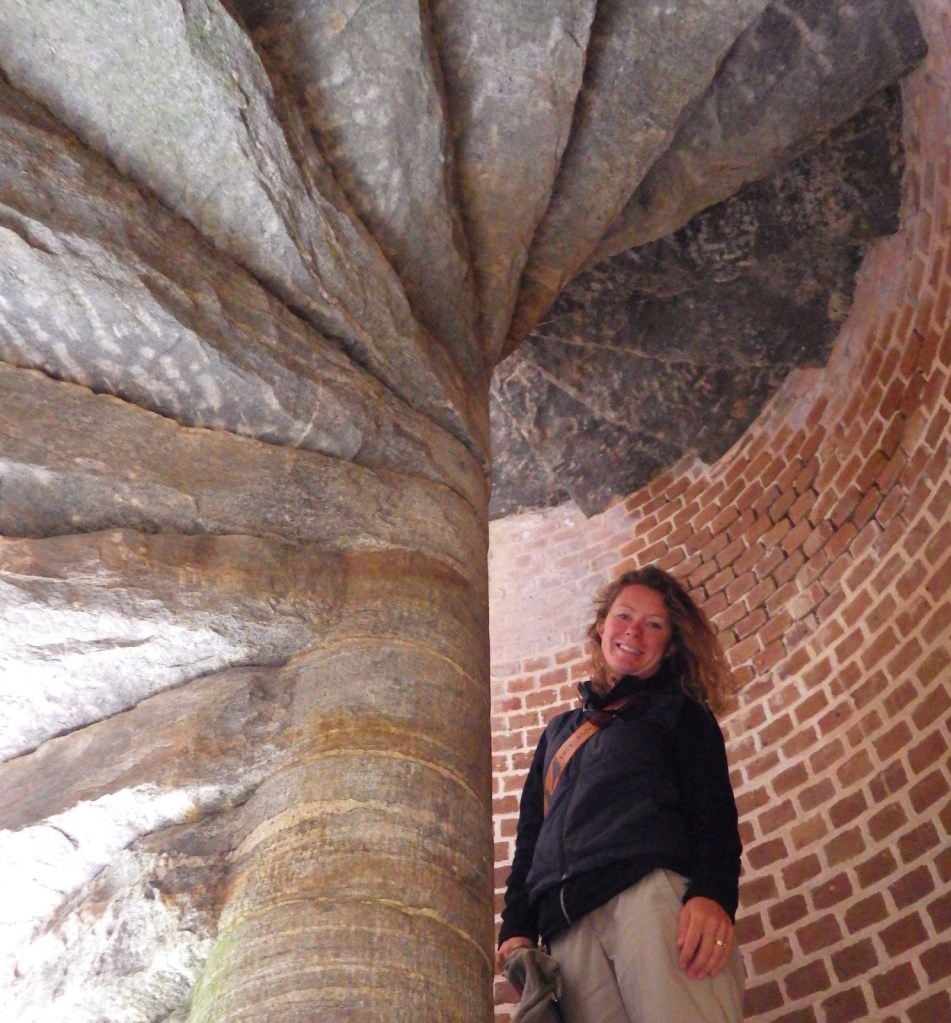
Fort Pulaski has 7-foot thick walls, a drawbridge, demilune (earthworks), and even a moat around its perimeter.  The fort’s symmetry makes for beautiful photos, especially inside the powder magazines.

Peak Season

Summer, though it can be quite muggy.

Hours

https://www.nps.gov/fopu/planyourvisit/hours.htm

Fees

$10 per person or America the Beautiful pass

Road Conditions

All roads paved

Camping

Skidway Island State Park has a campground just outside Savannah, Georgia.

Explore More – On nearby Tybee Island, Battery Garland was part of which decommissioned fort also named for a Revolutionary War casualty?

Fort Monroe National Monument

Overview

At the mouth of the Chesapeake Bay near Yorktown, Virginia, there is a brick fort so large it puts all others to shame.  It was held throughout the Civil War by the Union Army, hosting President Lincoln multiple times and providing a refuge for escaped slaves.  Following the War Between the States it served as a prison for Confederate President Jefferson Davis (his cell is contained within the Casemate Museum).  The fort was not decommissioned by the military until 2011 when it was declared Fort Monroe National Monument, though it still contains private residences.

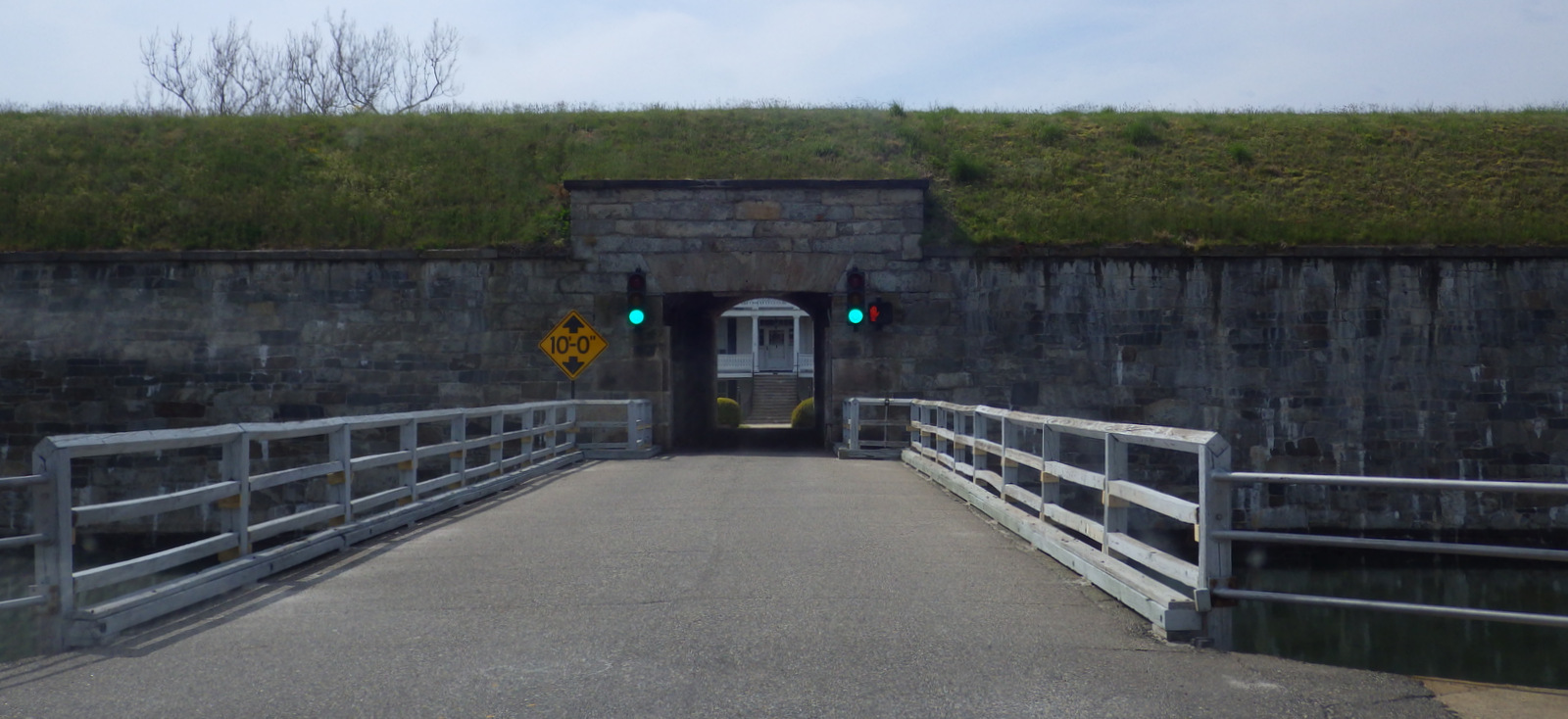
Tiff with the moat that you could drive over!

Highlights

Casemate Museum, Building #50, moat you can drive over

Must-Do Activity

After you visit the Casemate Museum, walk around the ramparts and the parade ground with its countless live oak trees, including the 500-year-old Algernourne Oak.  Nearby Outlook Beach is popular for swimming, as is North Beach which is also part of the National Monument.

Best Trail

There is a self-guided walking tour that passes Building #50 (the house President Lincoln stayed in) and the Algernourne Oak.  Watch for traffic when you cross the moat through the East Gate.

Instagram-worthy Photo

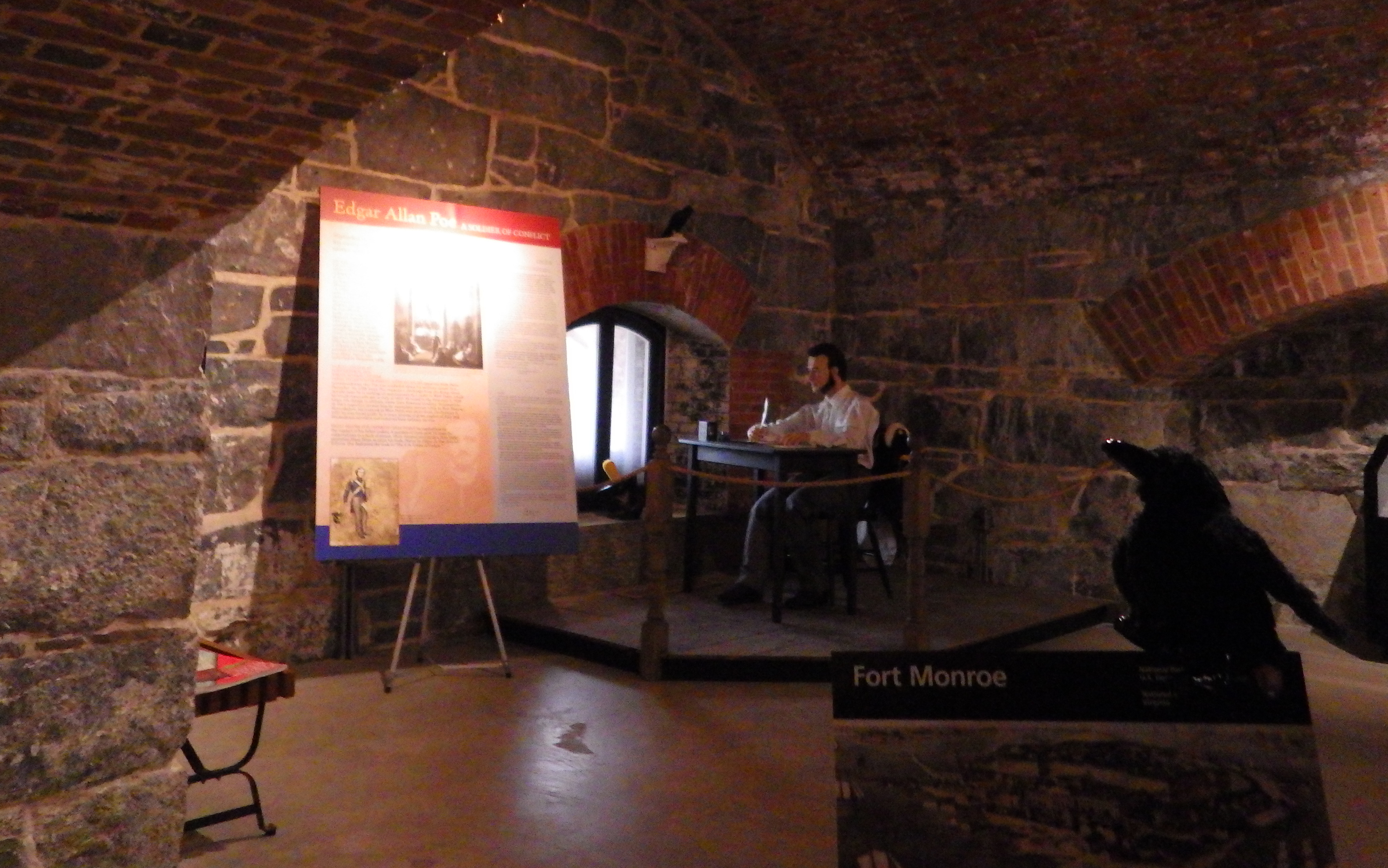
The author Edgar Allen Poe served here in 1828, so you can pose with him and his raven inside the Casemate Museum.

Monroe

Peak Season

Open year round, though the summertime brings more tourists to the Yorktown Peninsula.

Hours

https://www.nps.gov/fomr/planyourvisit/hours.htm

Fees

None to walk the grounds and even the Casemate Museum is now free ($3 for guided tours).

Road Conditions

All roads paved, but be aware that most moat-crossing bridges are only one lane wide.

Camping

None in the monument which is filled with private homes, but there are several private campgrounds in the area.

IMG_2392 IMGP5711
Drive across the moat to enter the fort.

IMG_2393
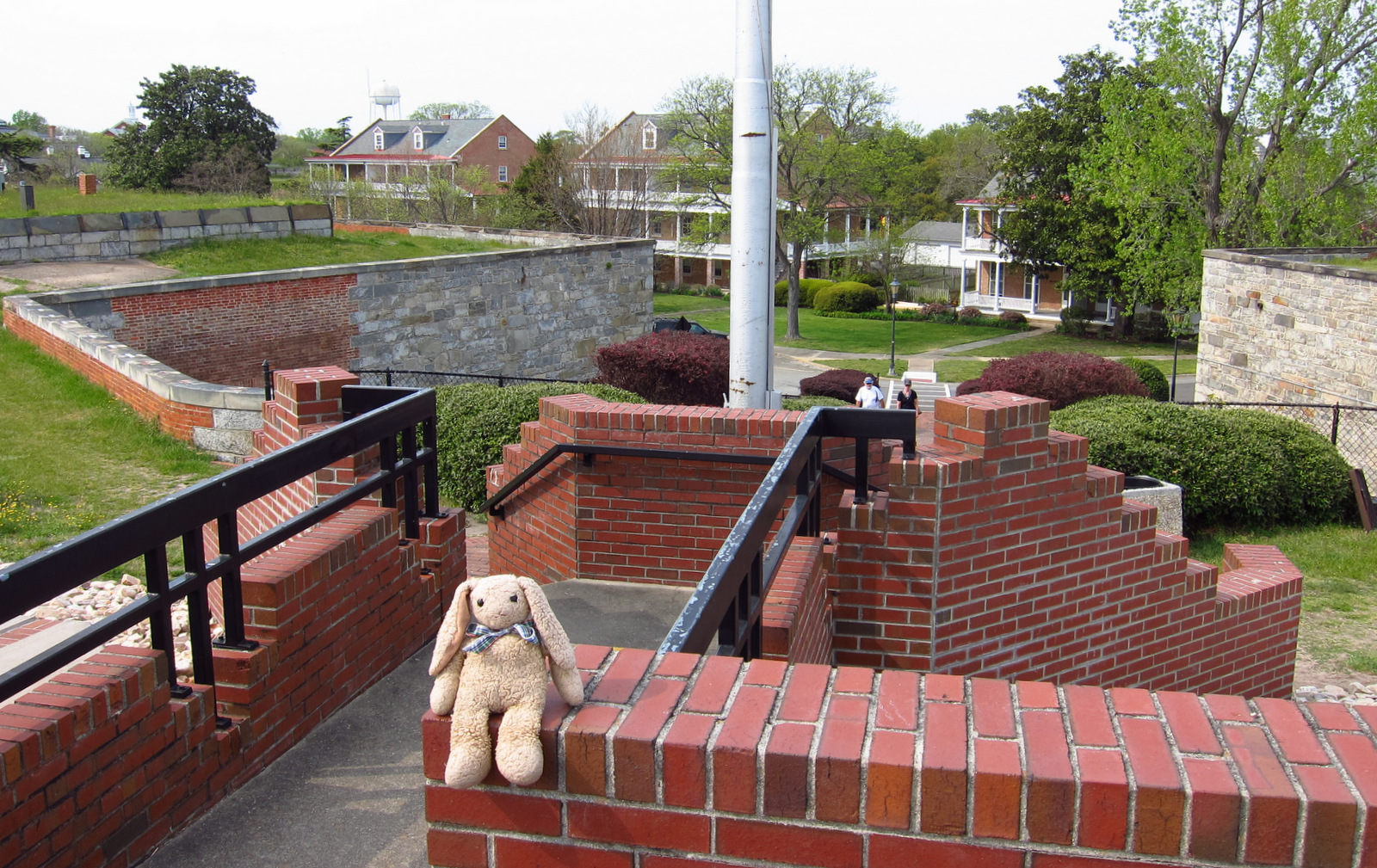
Flagstaff Bastion Overlook offers great views of Fort Monroe and the coastline.

IMG_2392 IMGP5714
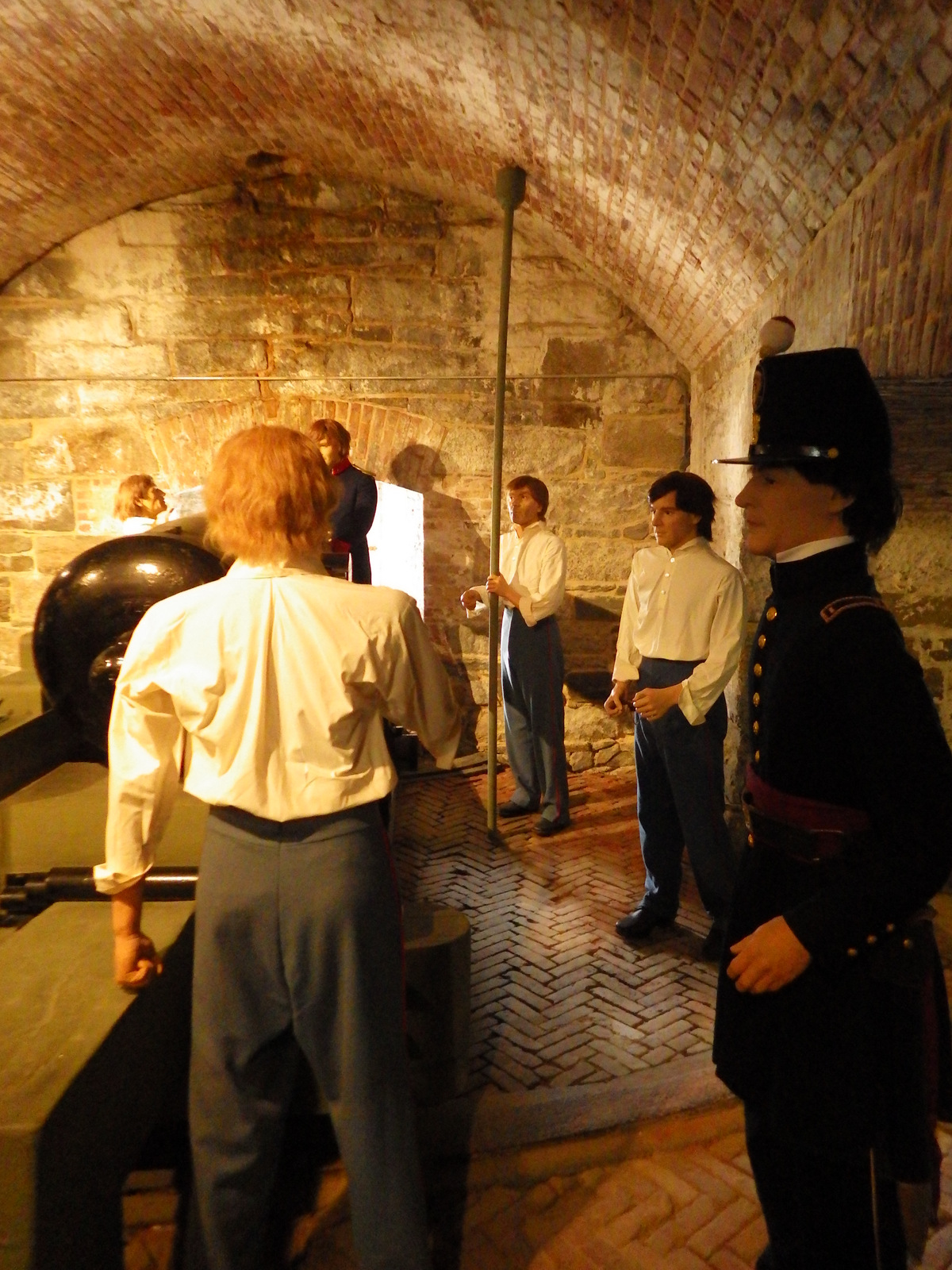
Inside the Casemate Museum.

IMG_2392

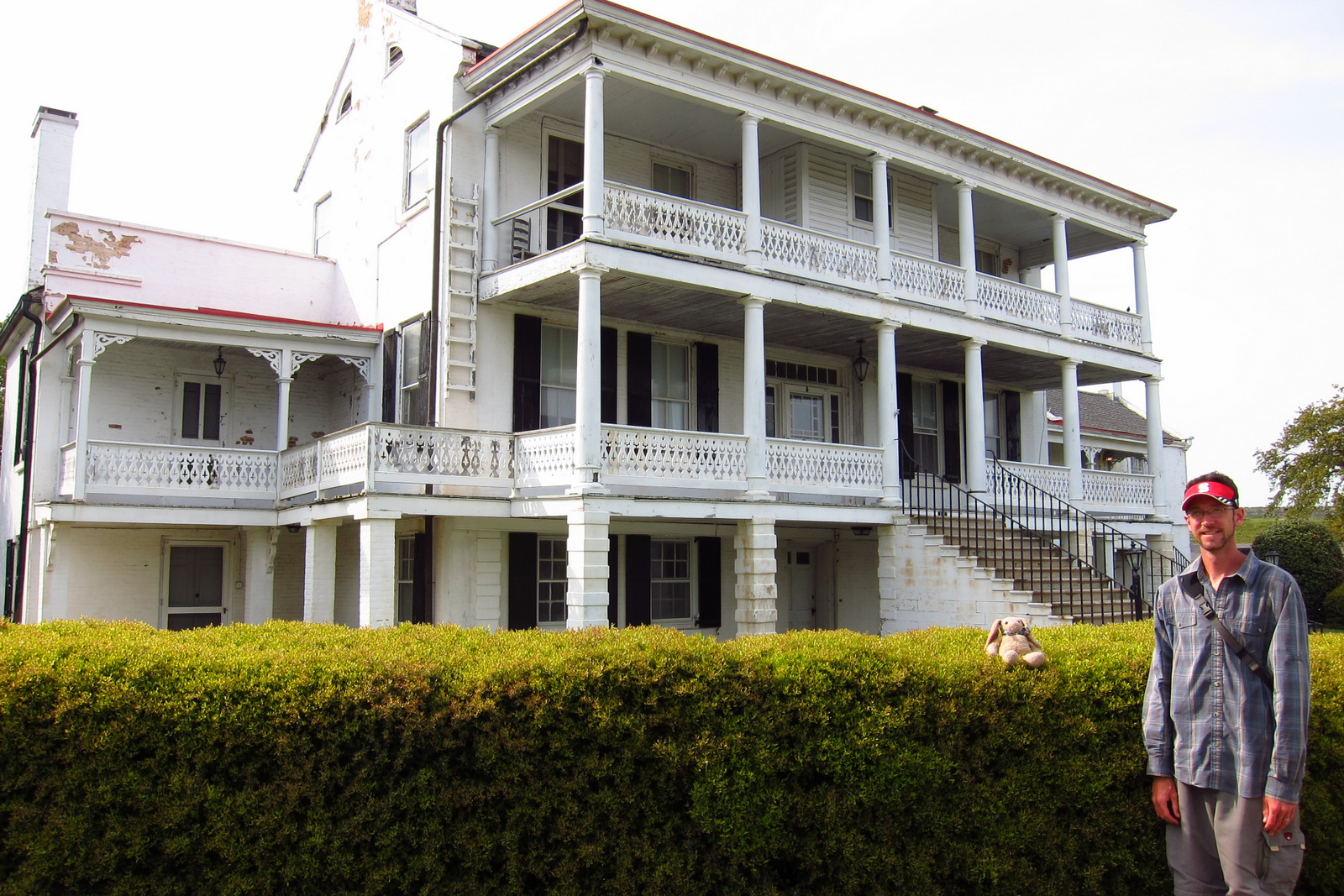
Scott with a house that Lincoln stayed at when he was visiting the fort
Building #50 housed Abraham Lincoln during his stays at Fort Monroe during the Civil War.

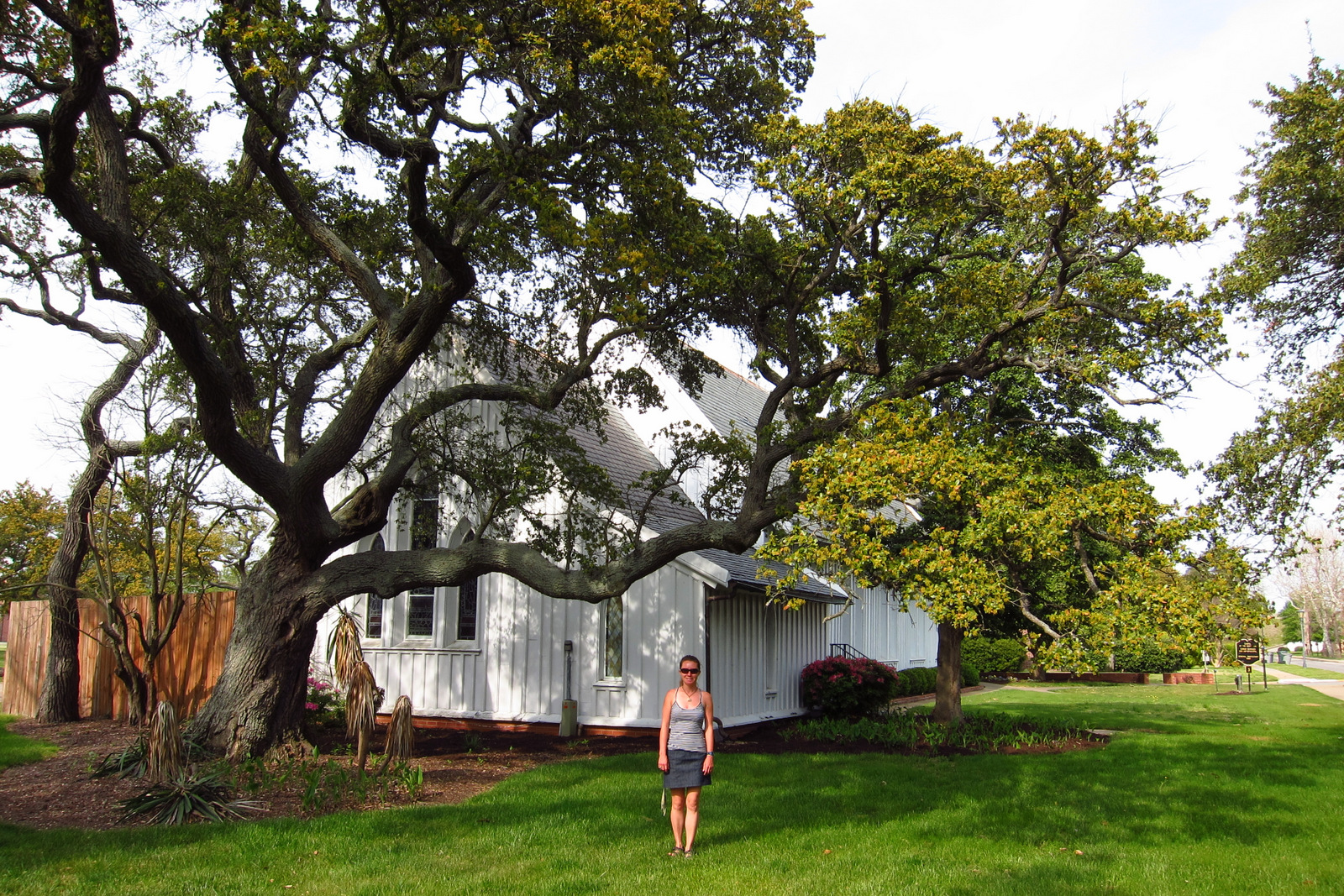
Tiff with the historic fort church
Live oak trees line the extensive Parade Ground inside Fort Monroe National Monument.

Explore More – The fort was completed in 1834 under the supervision of which famous Civil War General (then a Lieutenant)?

Fort Necessity National Battlefield

Overview

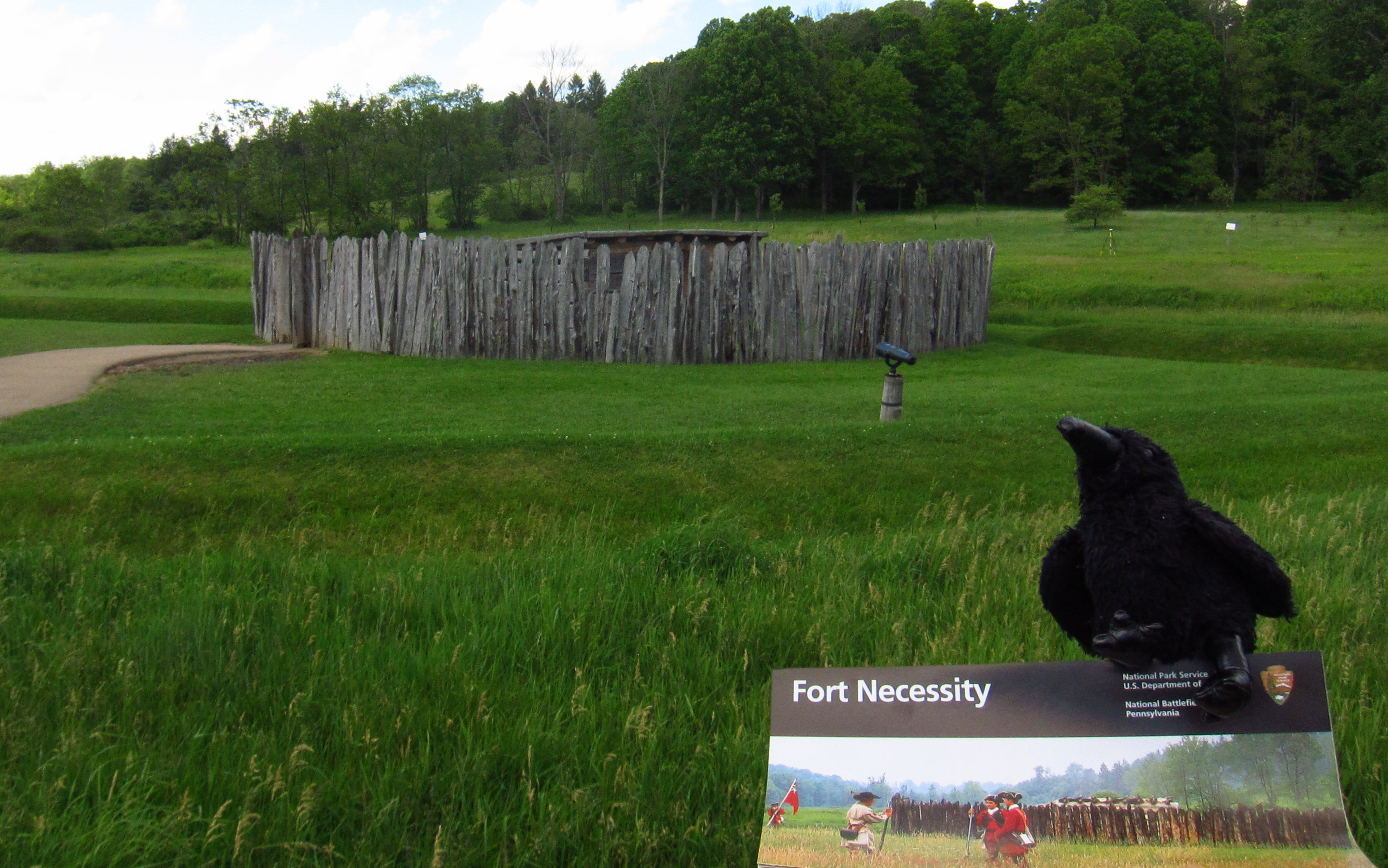
In a nondescript field in rural western Pennsylvania, a battle began what some historians consider the first worldwide war.  In April 1754, a young George Washington led British troops, Virginia militia, and their American Indian allies on a mission to push the French out of the western frontier.  After Washington’s troops ambushed and scalped French officers, an angry retaliatory force pinned him down at the hastily constructed Fort Necessity.  Washington surrendered on July 3, 1754, starting a global conflict that became known as the Seven Years War (or the French and Indian War).

Necessity.JPG

Highlights

Museum, reconstructed fort, Mount Washington Tavern

Must-Do Activity

The National Park Service manages an excellent museum and a re-creation of the small fort.  There is a playground, too, perhaps to entice children to come learn that little actions can have big consequences.

Best Trail

Make a side trip to nearby Jumonville Glen, where a short loop trail guides visitors through the forest where the initial ambush on the French occurred.

Instagram-worthy Photo

The reconstructed Mount Washington Tavern, a stagecoach stop on the historic National Road.  Construction of the National Road began in 1811 and businesses like this one soon popped up to serve travelers.

June North Carolina 051

Peak Season

Open year round, except Jumonville Glen and Braddock’s Grave are only open in summer.

Hours

https://www.nps.gov/fone/planyourvisit/hours.htm

Fees

None

Road Conditions

All roads paved

Camping

Ohiopyle State Park has running water, as do several private campgrounds nearby.

June North Carolina 061

June North Carolina 055
Archaeologist using a metal detector to look for artifacts from 1754.

June North Carolina 066
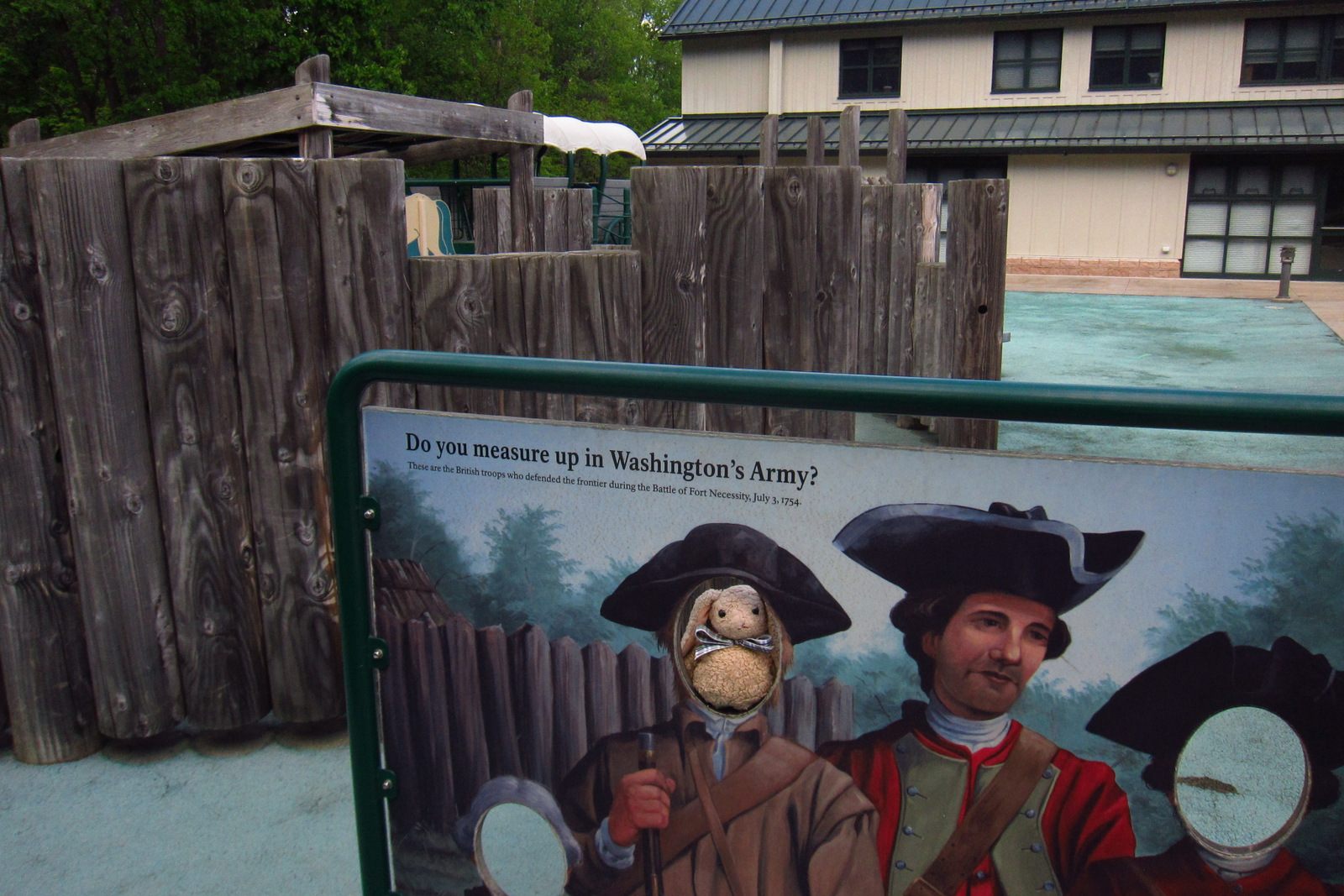
Not many National Park Service sites have a playground like Fort Necessity National Battlefield.

June North Carolina 028
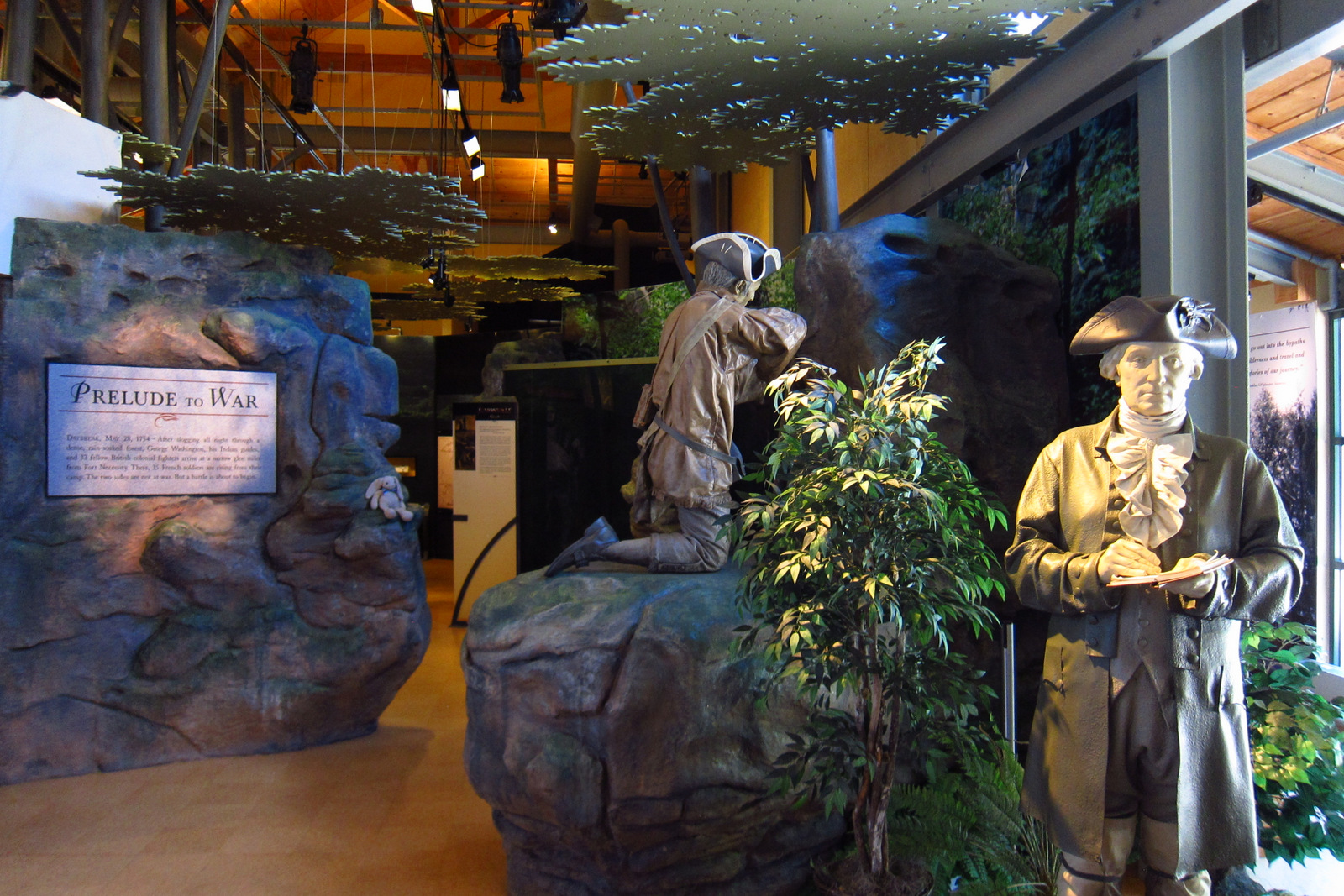
The free National Park Service museum details the battle and its global ramifications; there’s young George Washington.

June North Carolina 069

June North Carolina 046
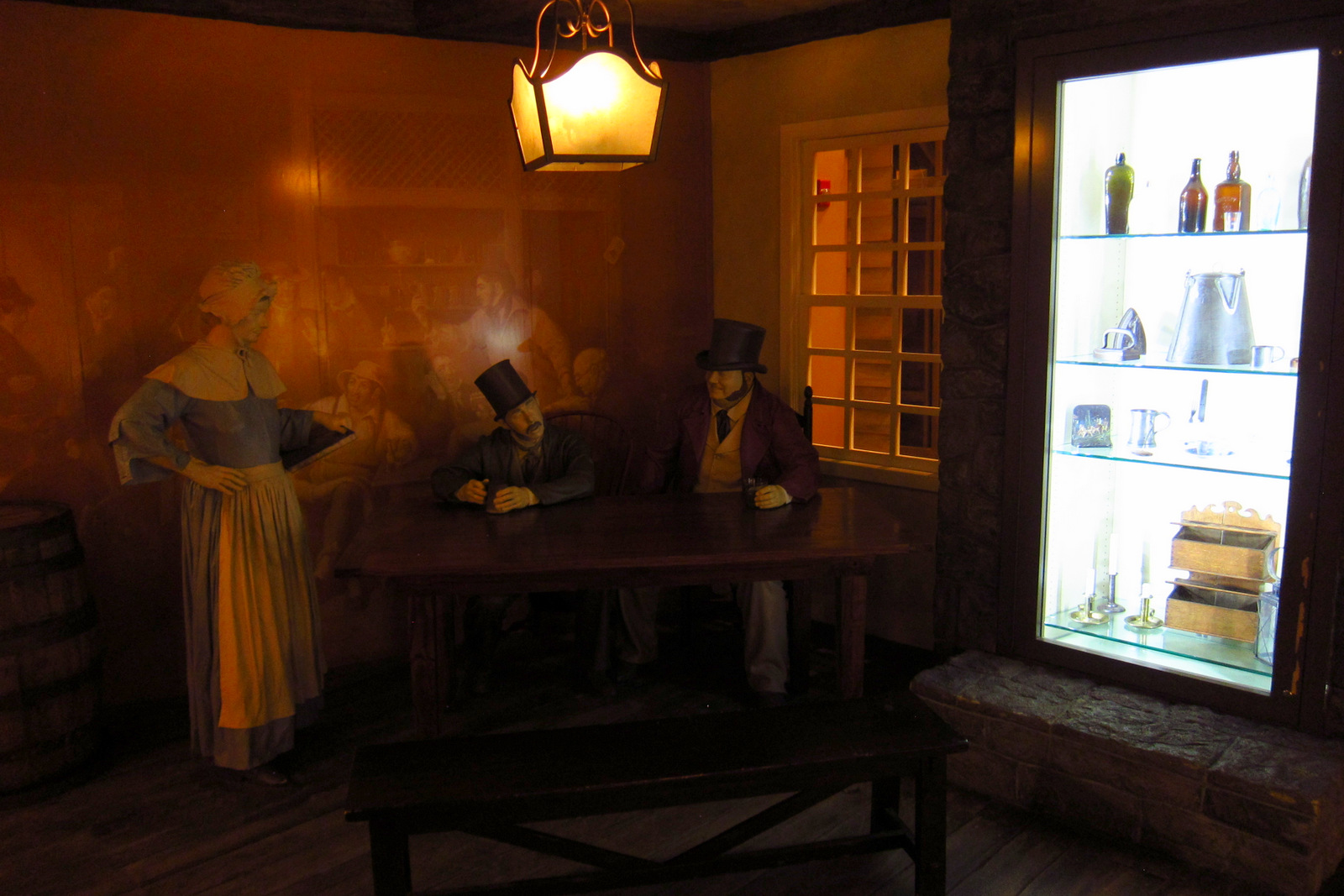
Inside the Mount Washington Tavern.

June North Carolina 043

June North Carolina 072
Ambush site at Jumonville Glen.

Explore More – Despite its name, the Seven Years War actually lasted how many years after fighting took place on four continents (as well as in the Philippines and Caribbean islands)?

1WonsTiny2

WONDON WAS HERE