Tag Archives: fort

Gulf Islands National Seashore

Overview

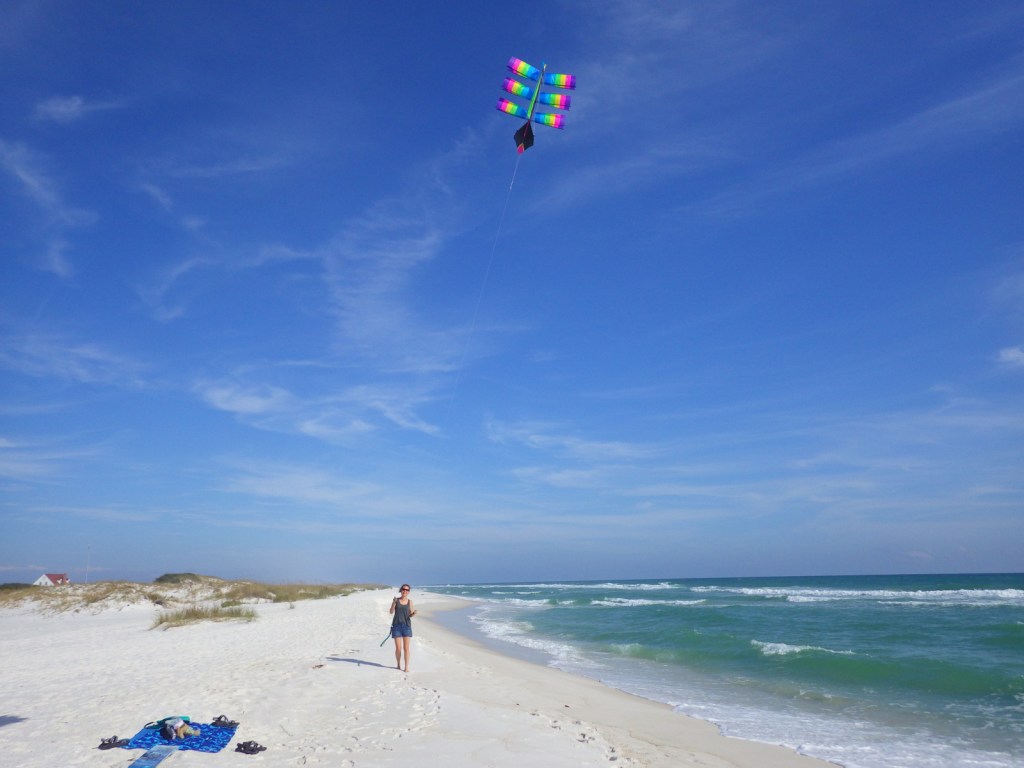
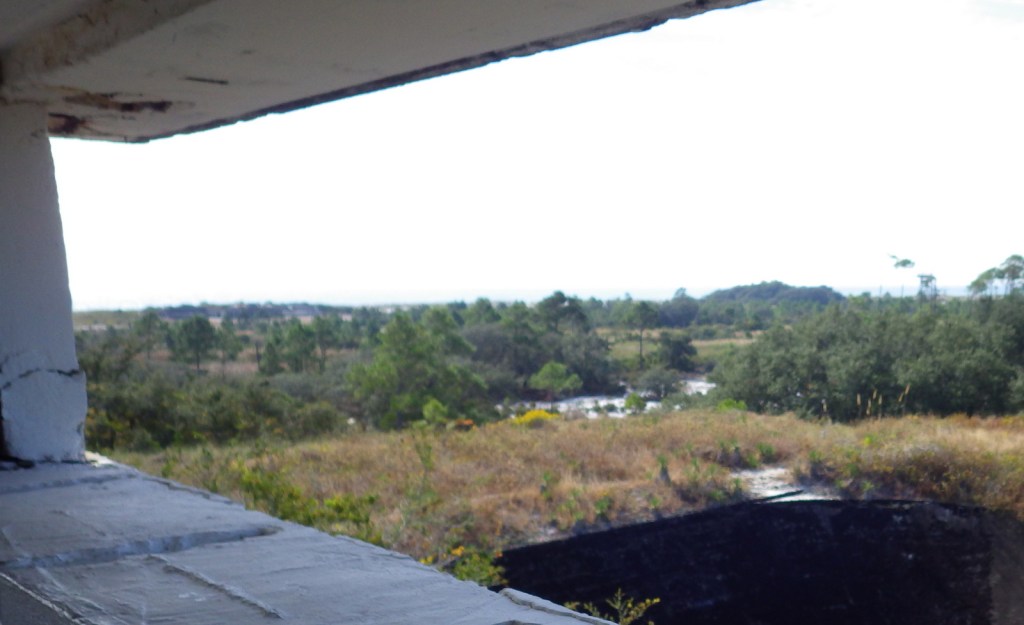
Gulf Islands National Seashore is renowned for white sand beaches on the barrier islands in the Gulf of Mexico, but there is more than beaches on the shores of Mississippi and the Florida panhandle (yes, Alabama is in the middle but is not part of this park).  The white sand that attracts beachgoers here originated as quartz in the Appalachian Mountains.  This coastal region was originally purchased by the U.S. from Spain in 1821 and 150 years later Gulf Islands National Seashore was created. 
Highlights

Fort Pickens, Naval Live Oaks Area, Fort Barrancas, West Ship Island ferry, white sand beaches, wildlife

Must-Do Activity

The National Park Service (NPS) has four visitor centers for Gulf Islands National Seashore, one on the mainland in Ocean Springs, Mississippi and the other three are south of Pensacola, Florida.  The most developed area is around Fort Pickens on Santa Rosa Island with its popular campground.  Nearby, Fort Barrancas sits next to the free National Museum of Naval Aviation on the military base.  The Naval Live Oaks Area protects the first federal tree farm started for shipbuilding purposes in 1828.  In Mississippi, only Davis Bayou can be reached by road, with (seasonal) ferry service limited to West Ship Island.  Otherwise, bring your own boat!

Best Trail

The 1,300-mile long Florida National Scenic Trail starts at Fort Pickens then runs east across Santa Rosa Island.

Instagram-worthy Photo

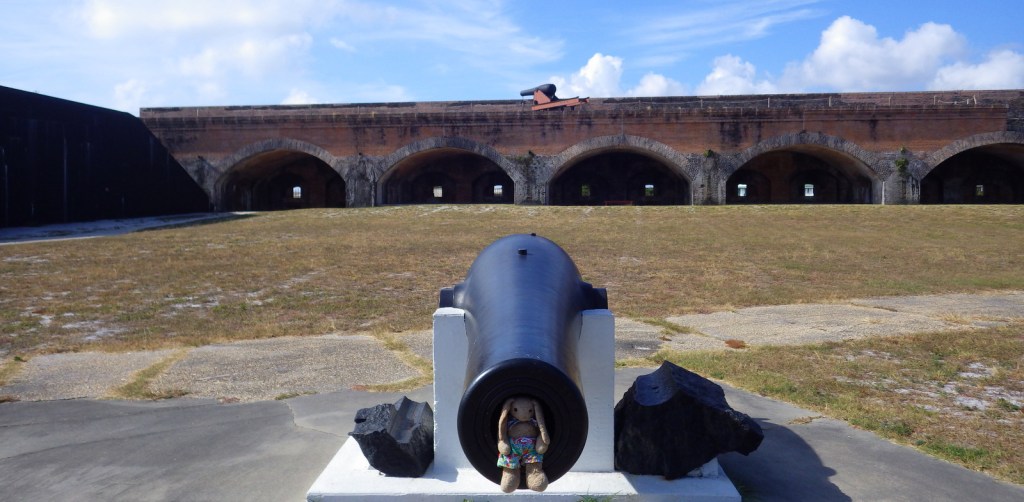
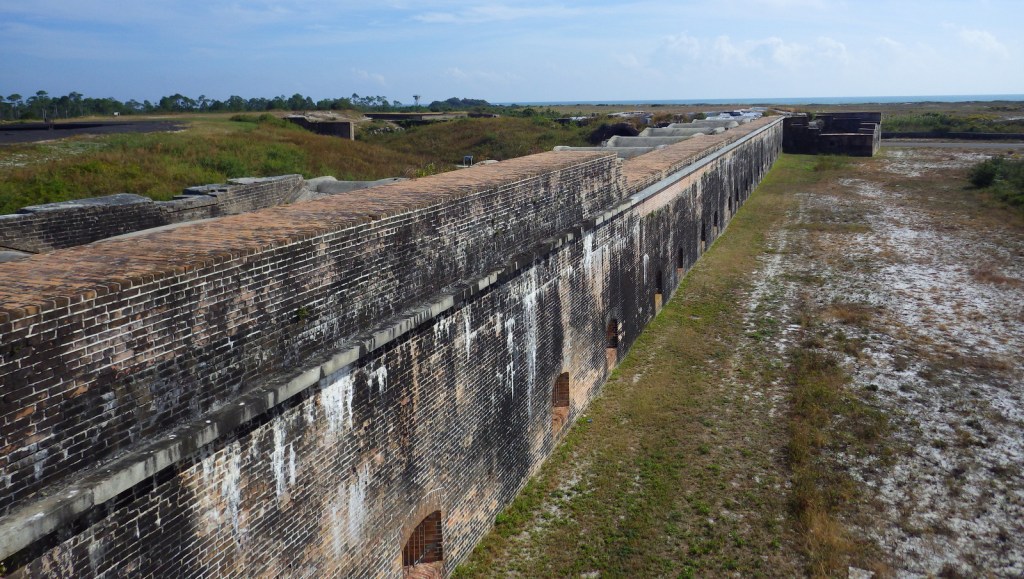
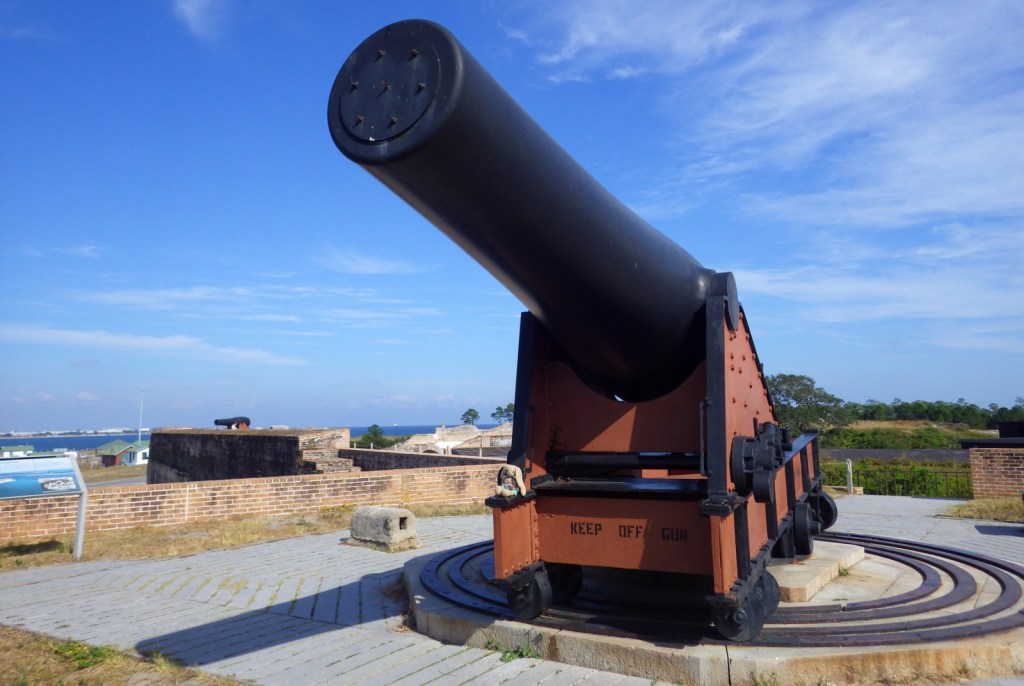
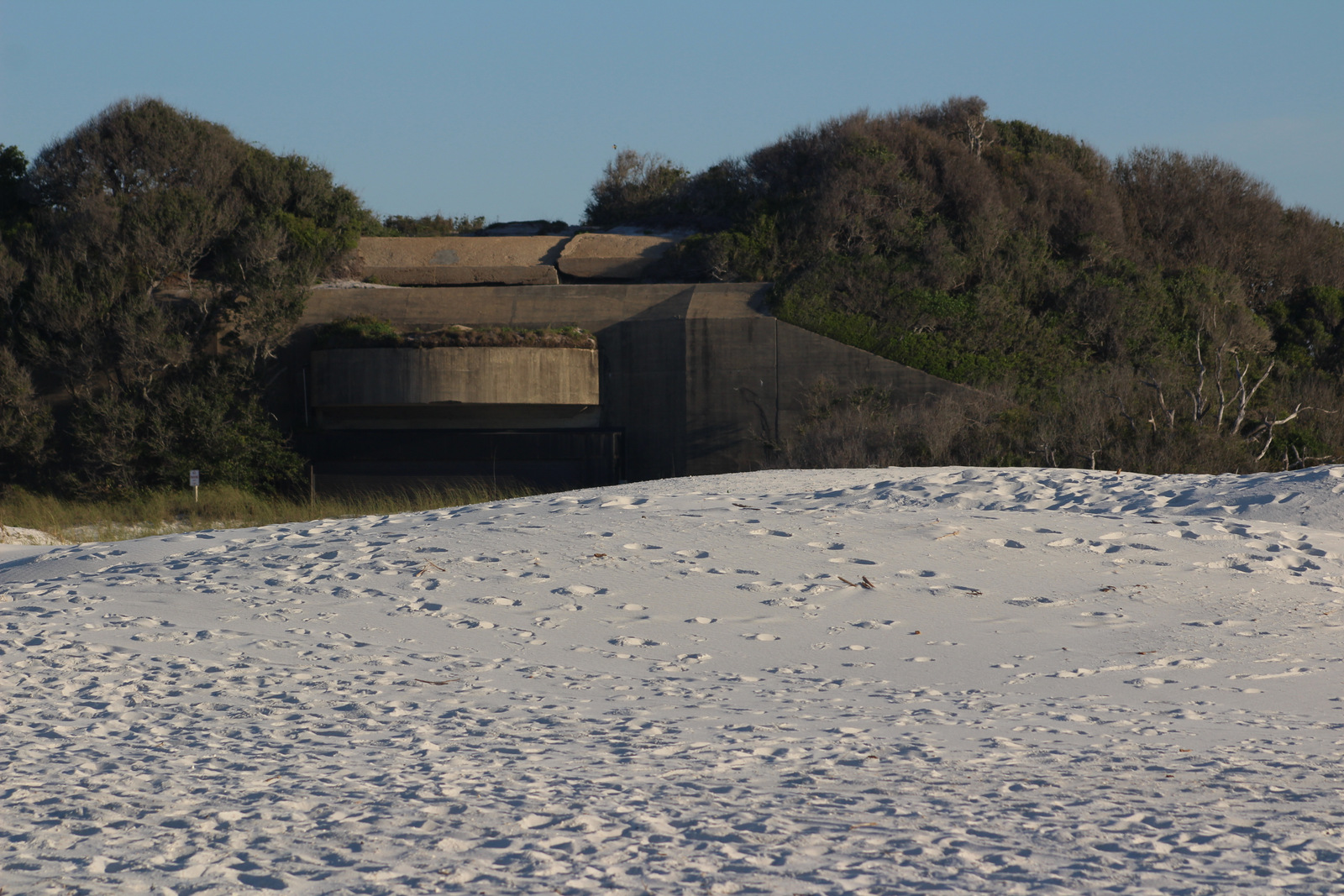
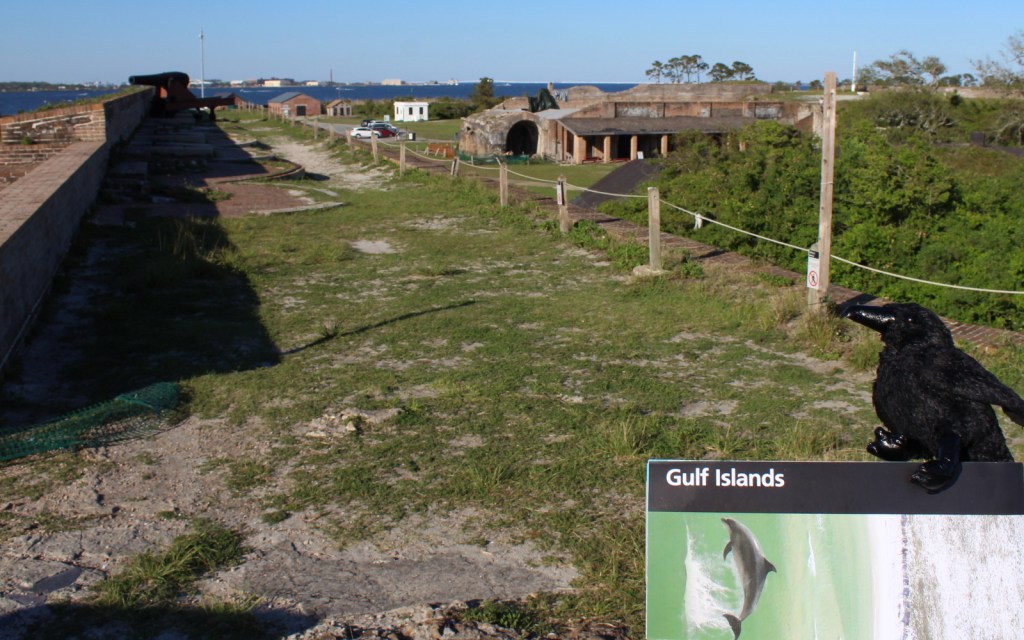
Fort Pickens dates back to 1829 with additional batteries upgraded during World War II.  Inside the fort there is a nice museum explaining the history of Santa Rosa Island.

Peak Season

Summer

Hours

https://www.nps.gov/guis/planyourvisit/hours.htm

Fees

$25 per vehicle or free with America the Beautiful pass

Road Conditions

All access roads are paved

Camping

Reservations are highly recommended for the NPS campgrounds on Santa Rosa Island, Florida and Ocean Springs, Mississippi.  Primitive camping is allowed on undeveloped East Ship, Horn, and Petit Bois Islands.

Related Sites

Dry Tortugas National Park (Florida)

Canaveral National Seashore (Florida)

Everglades National Park (Florida)

Explore More – What are the four species of sea turtles that nest on the park’s beaches?
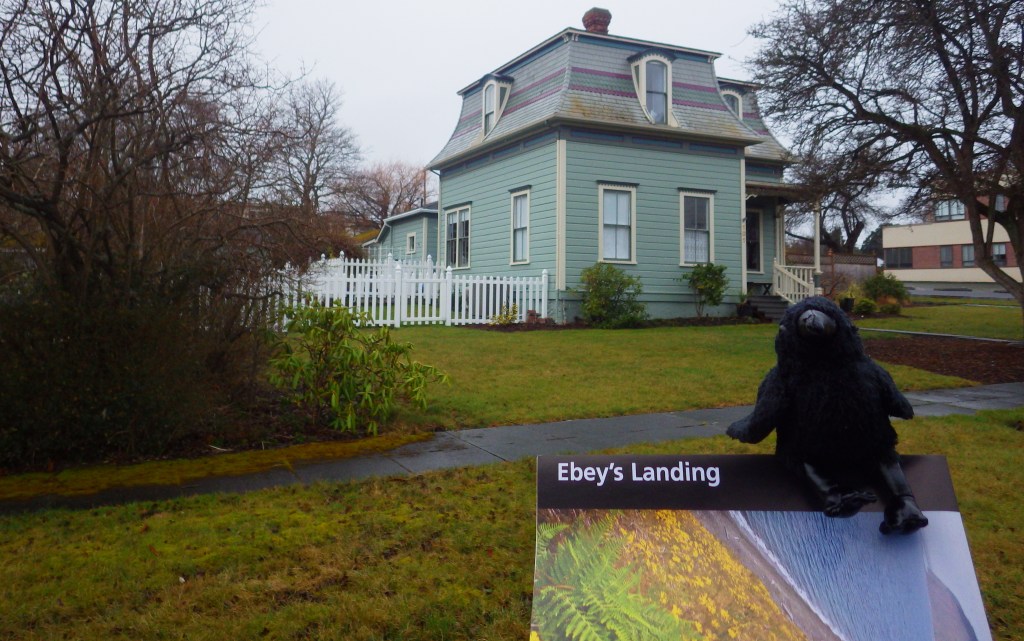
Ebey’s Landing National Historical Reserve

Overview

As the only National Historical Reserve in the National Park Service (NPS) system, Ebey’s Landing is a unique 17,000-acre site under federal, state, county, town, and private ownership.  Located on Whidbey Island at the entrance to Puget Sound, it is accessible by ferry from the Seattle area and the Olympic Peninsula, or by driving Highway 20 across a bridge from the north (closer to Bellingham).  There are nearly one hundred historical structures protected by the reserve, mostly Victorian houses within Coupeville, Washington.

Highlights

Jacob Ebey House, Davis Blockhouse, Fort Ebey State Park, Fort Casey State Park

Must-Do Activity

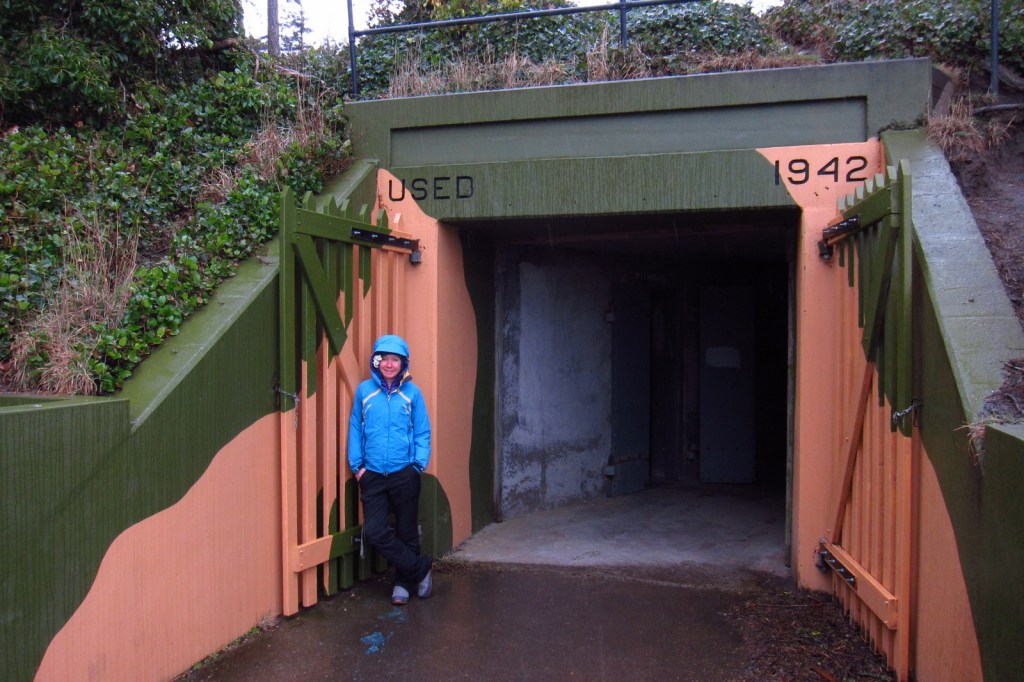
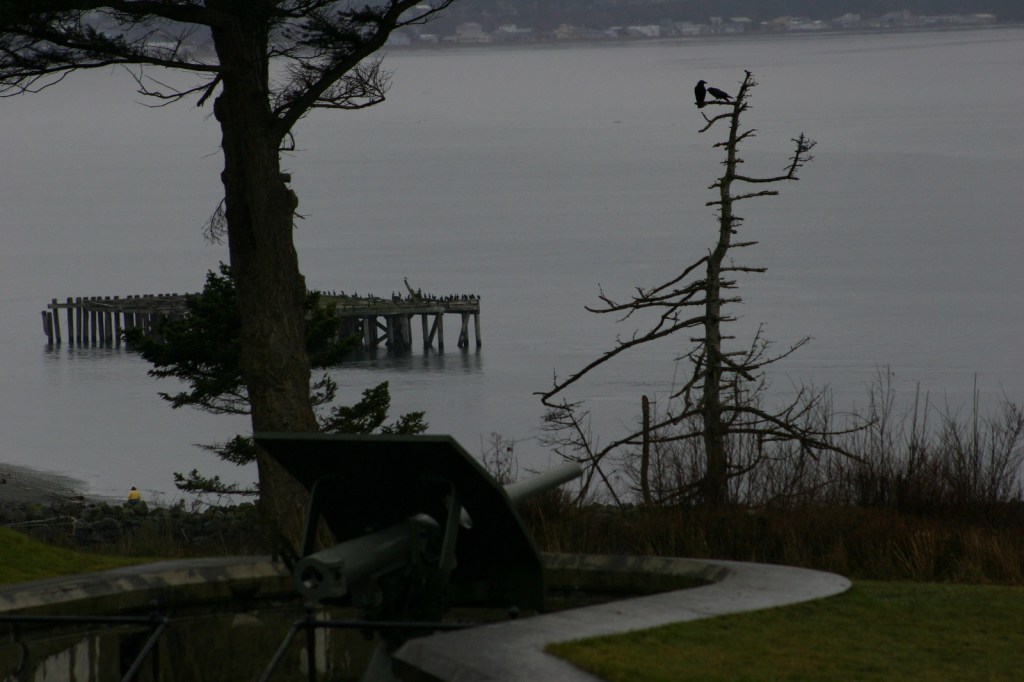
A good place to start your visit is at the Island County Historical Museum (which charges an admission fee) in Coupeville, Washington.  After enjoying the Victorian architecture in town, drive to the Jacob Ebey House, World War II-era Fort Ebey State Park, and Fort Casey State Park where you will find gun emplacements from 1901 and picturesque Admiralty Head Lighthouse. 

Best Trail

Much of Whidbey Island was prairie when it was settled in the 1850s, and remains pastoral, which is great for travelers looking for a glimpse back in time.  Located adjacent to farm fields, Bluff Trail is known for its great views on clear days.

Instagram-worthy Photo

Admiralty Head Lighthouse provides a great photo op in Fort Casey State Park.  Gun emplacements built there became obsolete shortly after their installation due to the rise of the airplane.

Peak Season

Summer

Hours

https://www.nps.gov/ebla/planyourvisit/hours.htm

Fees

None except at the 3 State Parks and Island County Historical Museum in Coupeville, Washington

Road Conditions

The main roads are all paved and any gravel roads are well-maintained.

Camping

Both Fort Casey State Park and Fort Ebey State Park have campgrounds, and the latter provides shower facilities.

Related Sites

San Juan Island National Historical Park (Washington)

Fort Vancouver National Historic Site (Washington)

Klondike Gold Rush National Historical Park (Alaska-Washington)

Explore More – How many islands are there in Puget Sound (with the largest being Whidbey Island)?

Fort Sumter and Fort Moultrie National Historical Park

Overview

Located at the entrance to the harbor of Charleston, South Carolina, a group of defensive forts have gone through many permutations since the 1770s.  The most famous, the five-sided Fort Sumter was still unfinished (after 30 years of construction) when South Carolina became the first state to secede from the United States on December 20, 1860.  This led Major Robert Anderson to flee Fort Moultrie with 85 Union troops for Fort Sumter, which Confederates fired at on April 12, 1861, marking the first shot of the Civil War.  Fort Sumter is only accessible by ferry, but you can drive a car to the National Park Service (NPS) museum at Fort Moultrie, commemorated on the U.S. quarter-dollar coin minted in 2016.

Highlights

Museum, Fort Moultrie, Fort Sumter, wildlife

Must-Do Activity

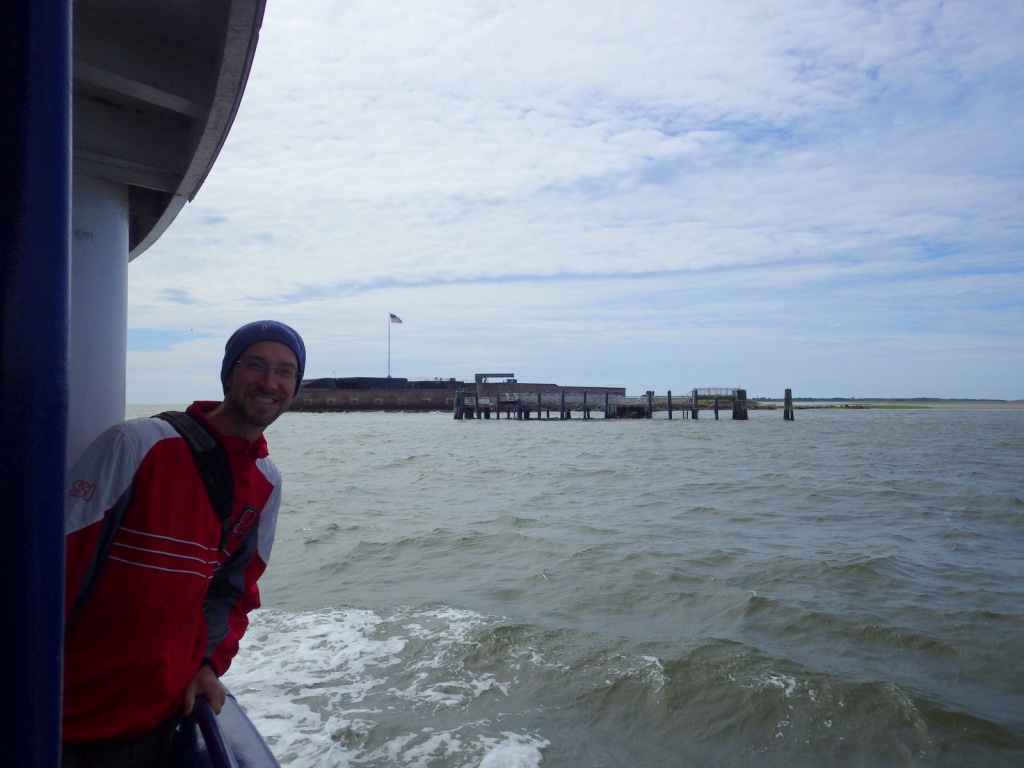
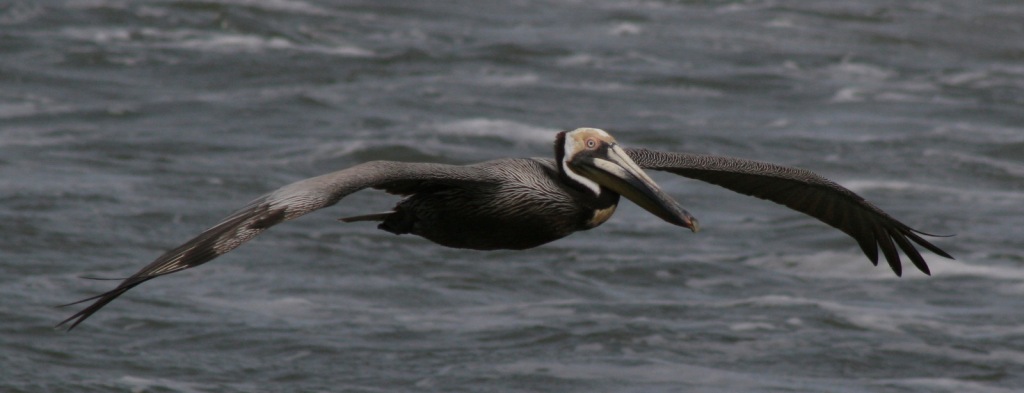
Fort Sumter was built upon a sandbar in Charleston Harbor, raised and leveled with 70,000 tons of granite brought down from New England.  A toll ferry takes visitors to the island from downtown Charleston or Patriots Point Naval and Maritime Museum.   Dolphins, pelicans, and shore birds are commonly spotted on the 40-minute ferry ride to Fort Sumter.  Destroyed by the end of the Civil War, the fort today looks nothing like it did back then, having gone through multiple upgrades before it was deactivated in 1947.  At the site, the NPS displays cannons representing each era alongside interpretive signs.

Best Trail

A walk through Fort Moultrie explains its 170 years of military use before it became part of Fort Sumter National Monument in 1948.  Constructed on Sullivan’s Island in South Carolina, Fort Moultrie was not yet finished when a British attack was repelled on June 28, 1776 at the beginning of the Revolutionary War.  After being destroyed during the Civil War, it saw new life during World War I with the placement of disappearing rifles and World War II with anti-aircraft guns. 

Instagram-worthy Photo

Major Robert Anderson surrendered and lowered the U.S. flag on April 14, 1861, though there were no casualties during the bombardment.  After rifled cannons had reduced the fort’s walls to rubble, Major Anderson raised the exact same flag above Fort Sumter four years later to-the-date near the end of the Civil War. 

Peak Season

Summer

Hours

https://www.nps.gov/fosu/planyourvisit/hours.htm

Fees

$10 per person to visit Fort Moultrie (or America the Beautiful pass); charge for passenger ferry to Fort Sumter but no NPS fee

Road Conditions

Free parking at Fort Moultrie, but pay parking for the ferry from Liberty Square in downtown Charleston or Patriots Point Naval and Maritime Museum.

Camping

None

Related Sites

Fort Pulaski National Monument (Georgia)

Charles Pinckney National Historic Site (South Carolina)

Congaree National Park (South Carolina)

Explore More – Who was the famous Native American chief who died of scarlet fever as a prisoner at Fort Moutlrie in 1838?

We are a participant in the Amazon Services LLC Associates Program, an affiliate advertising program designed to provide a means for us to earn fees by linking to Amazon.com and affiliated sites.

Palo Alto Battlefield National Historical Park

Palo Alto Battlefield National Historical Park

Texas

Managed by National Park Service

Established 1978

3,357 acres

Website: nps.gov/paal

Overview

The first battle of the Mexican–American War took place on May 9, 1846 north of the Rio Grande near present-day Brownsville, Texas.  General Zachary Taylor and a young Ulysses S. Grant (both future presidents) led U.S. troops during this engagement.  Originally established as a National Historic Site, it became Palo Alto Battlefield National Historical Park in 2009, then two years later an additional 38 acres were added in the heart of Brownsville to commemorate the Resaca de la Palma Battlefield.  Plus, a few earthen mounds remain of Fort Texas (later renamed Fort Brown) on the Rio Grande near a golf course on the campus of the University of Texas at Brownsville.

Since this is the only National Park Service (NPS) unit dedicated to the Mexican–American War, Palo Alto Battlefield National Historical Park will be one of the chapters in my new book American History 101, which tells the story of a nation through 101 sites in the NPS system.

Highlights

Museum, film, cannons, interpretive trail

Must-Do Activity

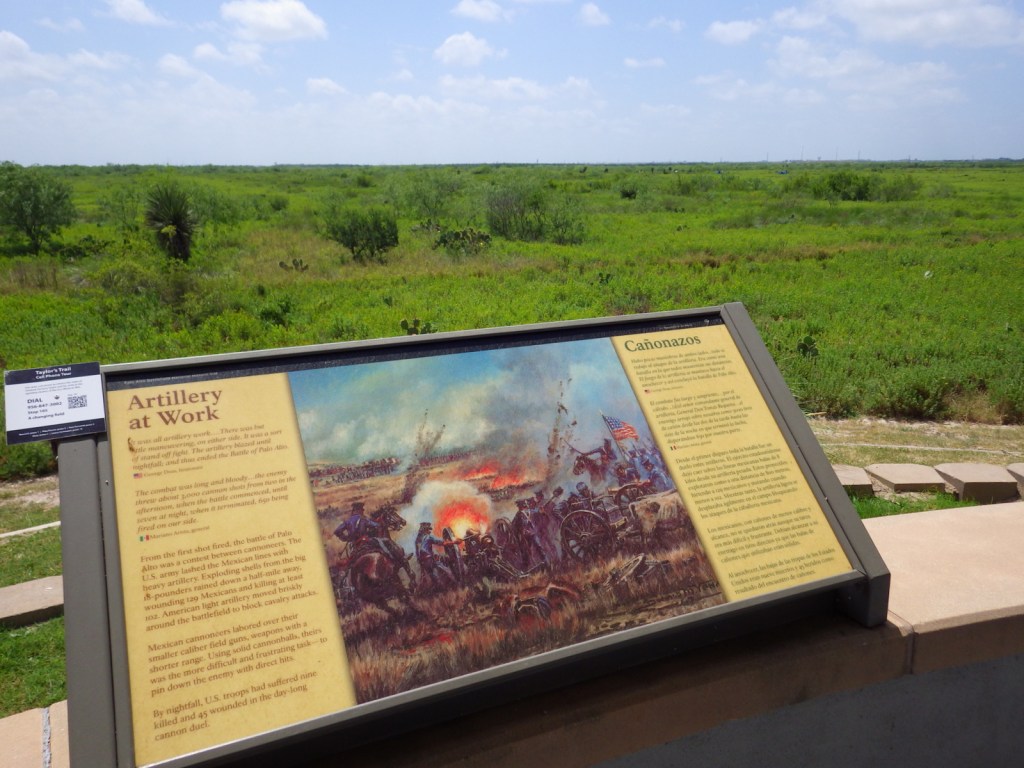
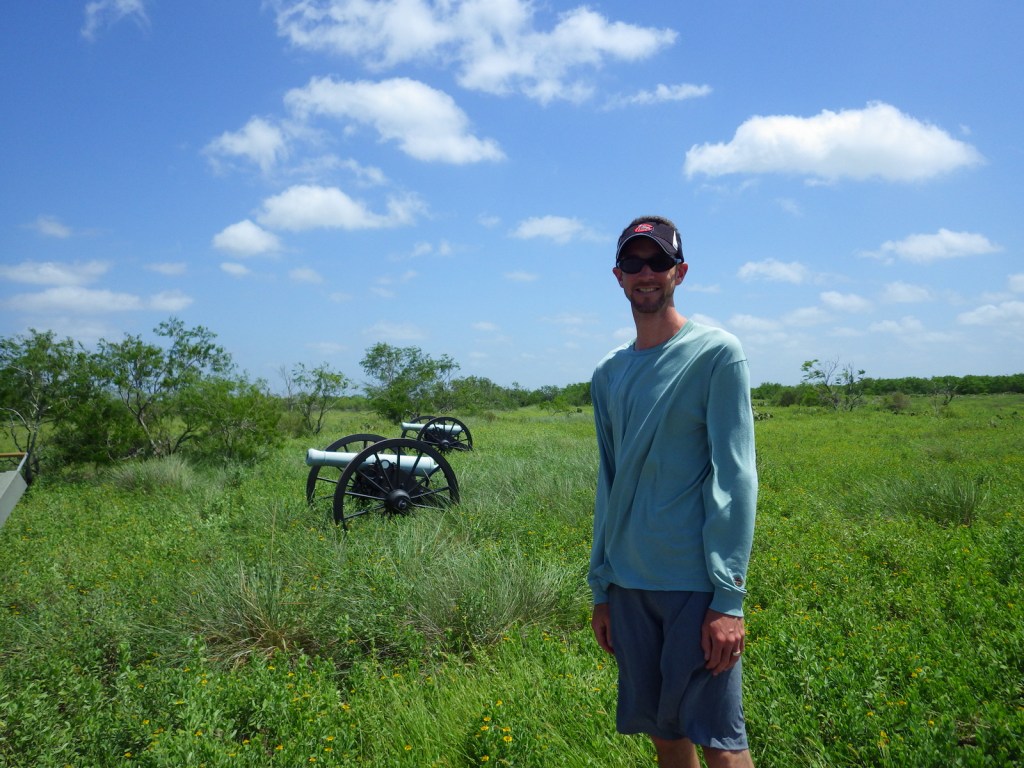
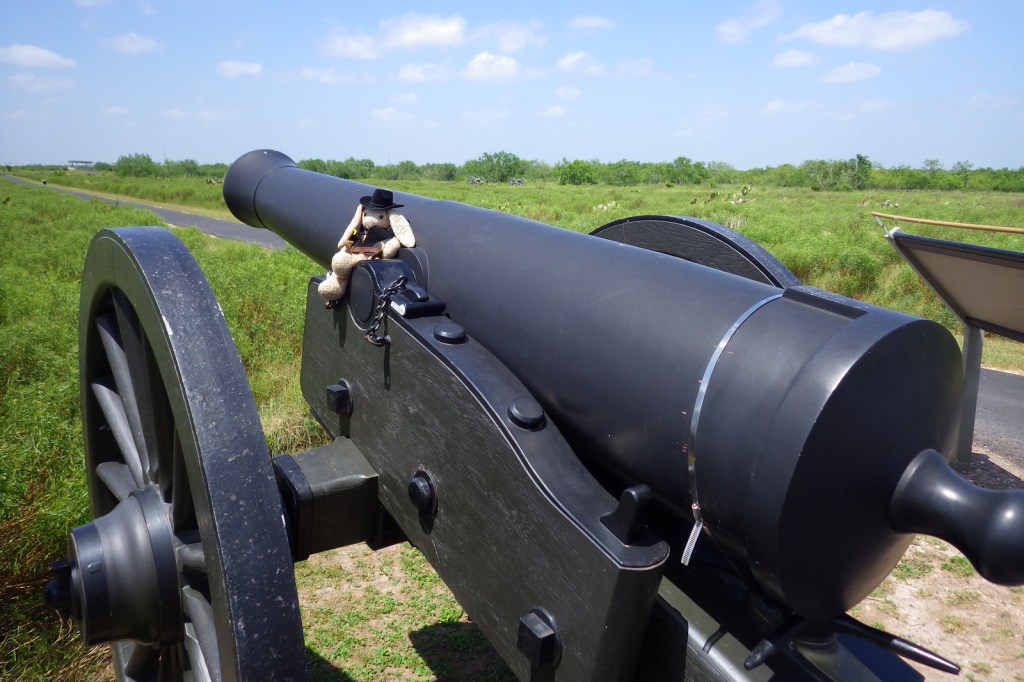
The 1846 battle was primarily an artillery conflict, so there are many cannons at Palo Alto Battlefield National Historical Park today showing how close the battle lines were.  This skirmish and a subsequent fight at Resaca de la Palma pushed Mexican troops back across the Rio Grande for the remainder of the two-year long war.  History buffs will also be interested in the Civil War history of this region, including the final battle of the war fought May 12-13, 1865 at Palmito Ranch.  Information about all of these sites can be found at the small yet nice (and air-conditioned) visitor center that opened here in 2003. 

Best Trail

A half-mile paved interpretive trail leads through the battlefield from the visitor center.  While here you can also learn about Harris’s hawks, horned lizards, javelinas, and other remarkable species that live in the area and the surrounding Laguna Atascosa National Wildlife Refuge.

Instagram-worthy Photo

If you make it to this remote southern corner of the United States, make it a point to take a guided tram tour through Resaca de la Palma State Park.  The park is a great place to see bird species found nowhere else in the country, like the great kiskadee (pictured) and rose-throated becard.

Peak Season

Spring and fall

Hours

https://www.nps.gov/paal/planyourvisit/hours.htm

Fees

None for the NPS site, but there is an admission fee at Resaca de la Palma State Park.

Road Conditions

All roads paved

Camping

There are several private campgrounds around Brownsville, Texas.

Related Sites

Chamizal National Memorial (Texas)

Padre Island National Seashore (Texas)

Amistad National Recreation Area (Texas)

Nearest National Park

Big Bend

Explore More – Who was the president that campaigned on the platform of extending the U.S. border to the Pacific Ocean and subsequently annexed Texas in 1845 (fomenting the Mexican-American War)?

Rock Creek Park

Overview

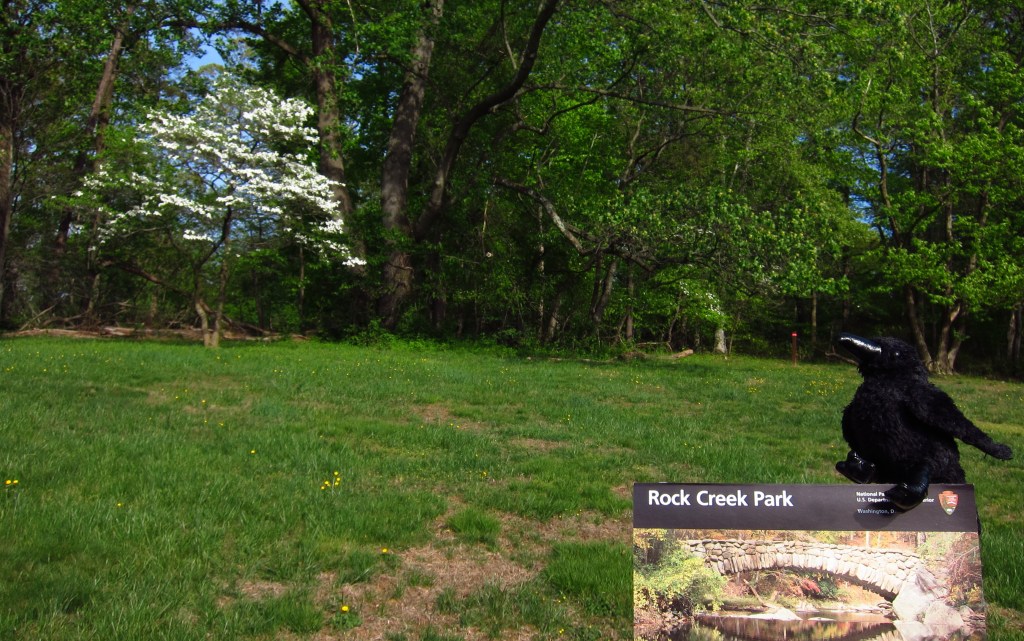
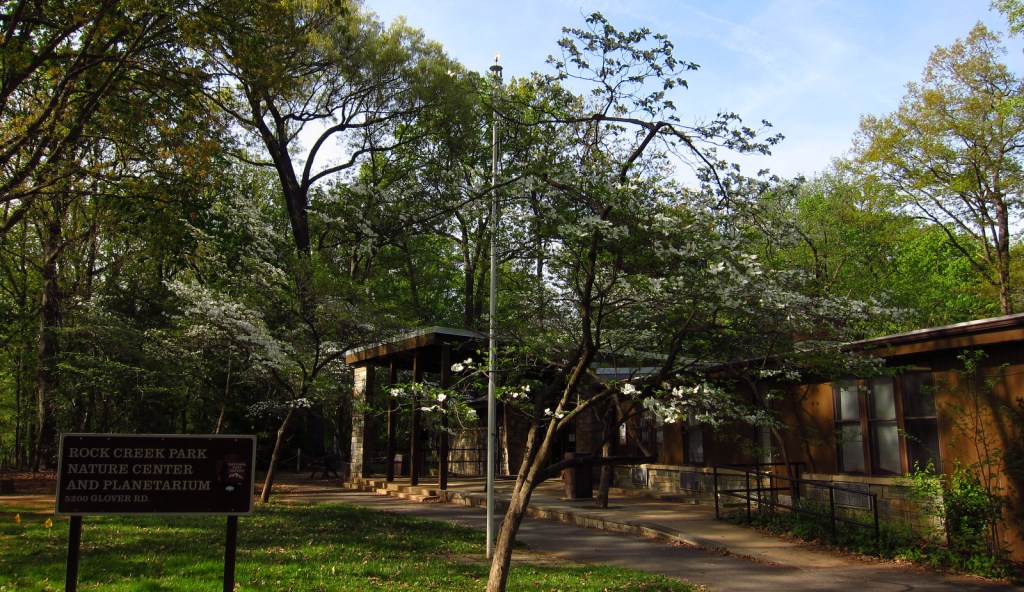
We are used to National Monuments and National Historical Parks being listed among the 419 units in the National Park Service (NPS) system, but there are also 11 sites that fall under the category of “Other.”  One of these is Rock Creek Park, a 1,754-acre urban park in northwestern Washington, D.C. established in 1890.  It contains an equestrian center and 13 miles of bridle trails, as well as the Thompson Boat Center, which rents bicycles and a variety of non-motorized boats.  It also has the amenities you would typically associate with any park, like picnic areas, tennis courts, playgrounds, and an amphitheater offering free concerts and plays during the summer.

Highlights

Nature Center and Planetarium, Peirce Mill, Old Stone House, Fort Stevens

Must-Do Activity

Rock Creek Park contains the only planetarium in the entire NPS system, which is at the same location as the Nature Center.  The planetarium offers free astronomy programs and holds monthly stargazing programs between April and November.  The site of Civil War-era Fort Stevens is located east of the main park where interpretive information explains the July 1864 battle that took place there.  It was during a visit to the fort that Abraham Lincoln became the only sitting president to ever come under enemy fire during wartime.

Best Trail

There are 25 miles of trails within Rock Creek Park, plus they connect to parkland in bordering Maryland.

Instagram-worthy Photo

Peirce Mill was originally in operation from the 1820s to 1897, utilizing slave labor (until the Civil War) to run the flour mill, sawmill, distillery, and nursery.  The mill was renovated by the NPS in the 1930s to produce flour during World War II and remains open to visitors seasonally.

Peak Season

Summer

Hours

https://www.nps.gov/rocr/planyourvisit/hours.htm

Fees

None

Road Conditions

All roads are paved, though some are closed on weekends and holidays for non-motorized users.

Camping

None

Related Sites

Fort Washington Park (Maryland)

Theodore Roosevelt Island (District of Columbia)

Franklin Delano Roosevelt Memorial (District of Columbia)

Explore More – Rock Creek also flows through the fee-free National Zoological Park, which is managed by what institution?