
Upper Missouri River Breaks National Monument
Managed by Bureau of Land Management
Established 2001
377,346 acres
Website: https://www.blm.gov/programs/national-conservation-lands/montana-dakotas/upper-missouri-river-breaks
Overview
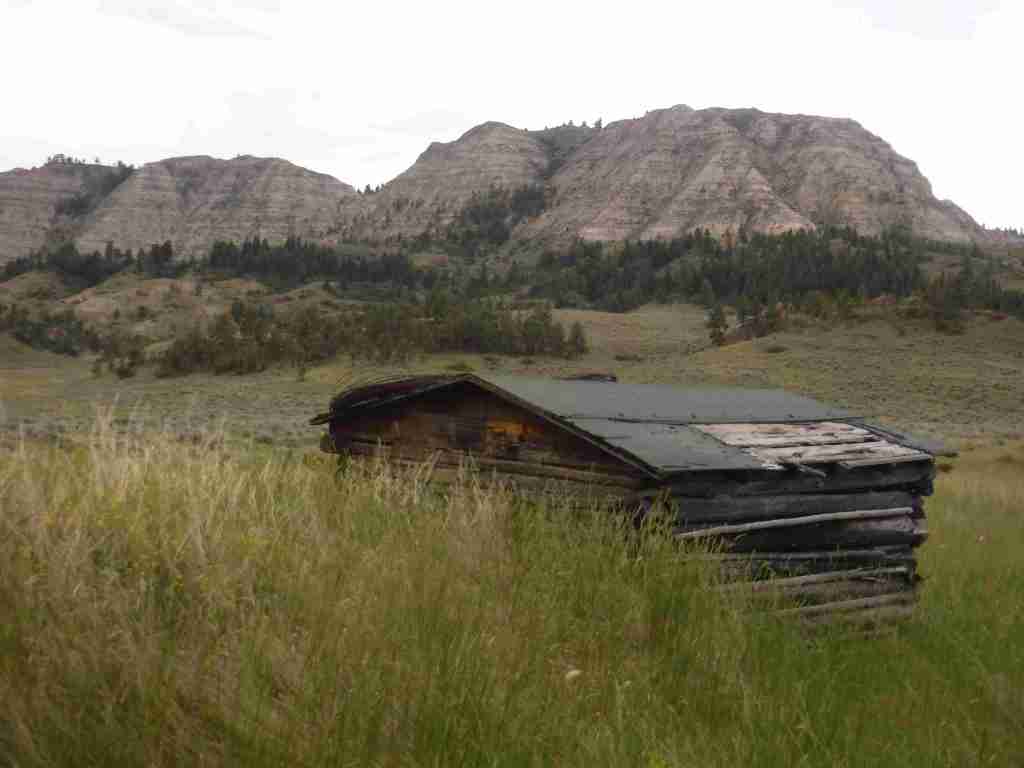
In central Montana, 149 miles of the Upper Missouri River were designated as a National Wild and Scenic River in 1976, upstream from the reservoir in Charles M. Russell National Wildlife Refuge. This stretch of the river still looks much the way it did when the Lewis and Clark expedition first explored it in 1805 and their former campsites are marked by posts. The breaks are a topographic area where the Missouri River eroded sedimentary rock that formed as horizontal layers laid down at the bottom of an ancient sea. The National Monument comprises public land in a matrix with private ranches, with cattle making the water unfit for filtering. There are a couple places to drive to along the river, but the best way to experience it is by floating a canoe or kayak down the non-motorized sections
Learn more about the other 137 National Monuments in our book Monumental America: Your Guide to All 138 National Monuments. It is now available for sale on Amazon.com.
Highlights
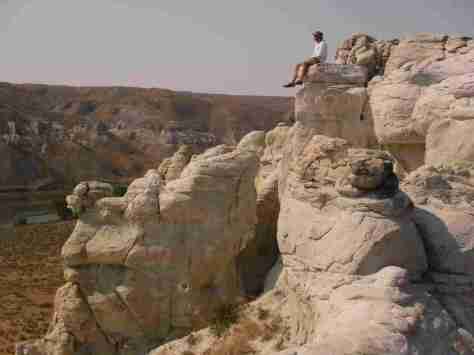
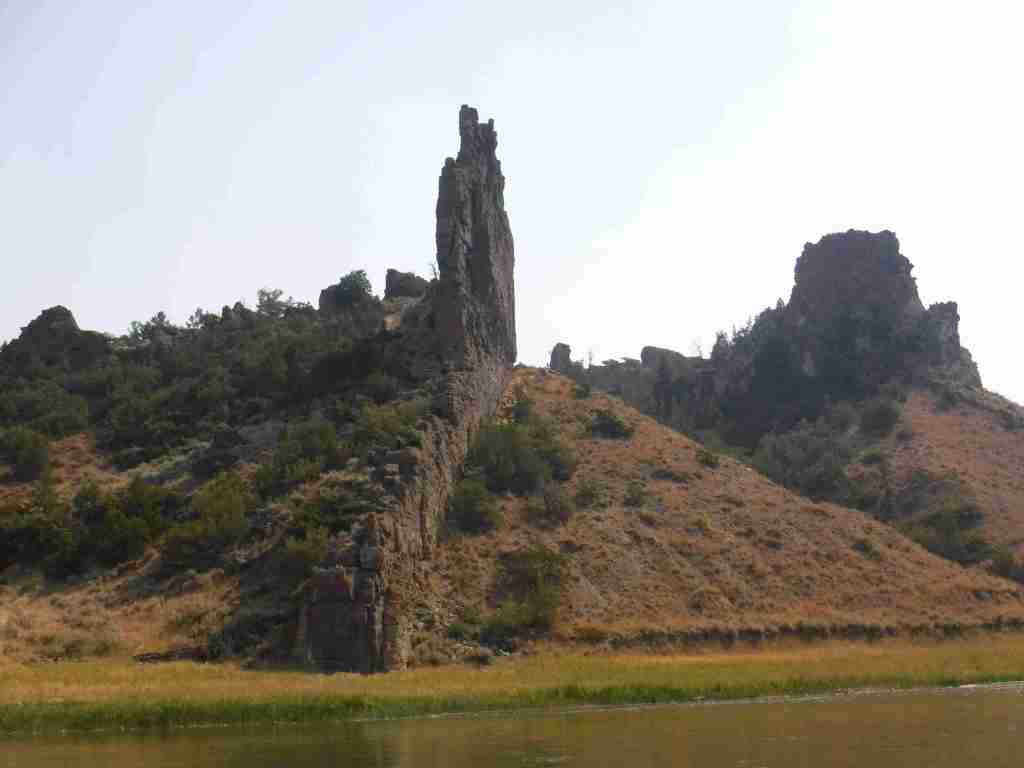
Fort Benton, Decision Point, Neat Coulee, Citadel Rock, Hole-in-the-Wall, Lewis and Clark National Historic Trail
Must-Do Activity
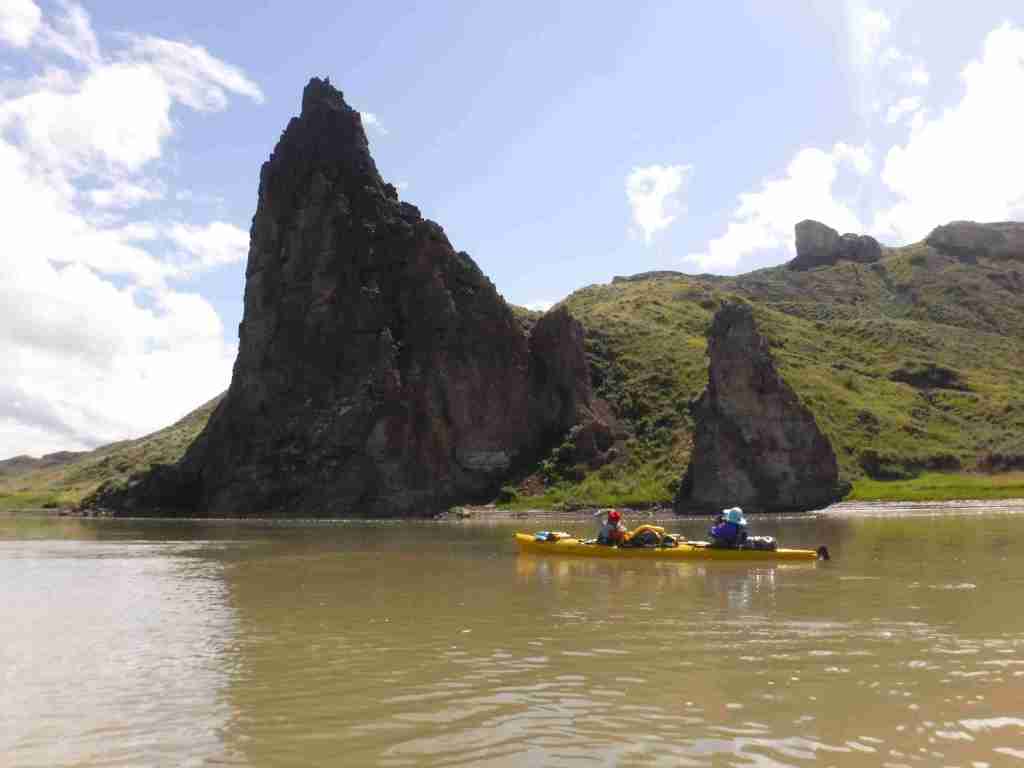
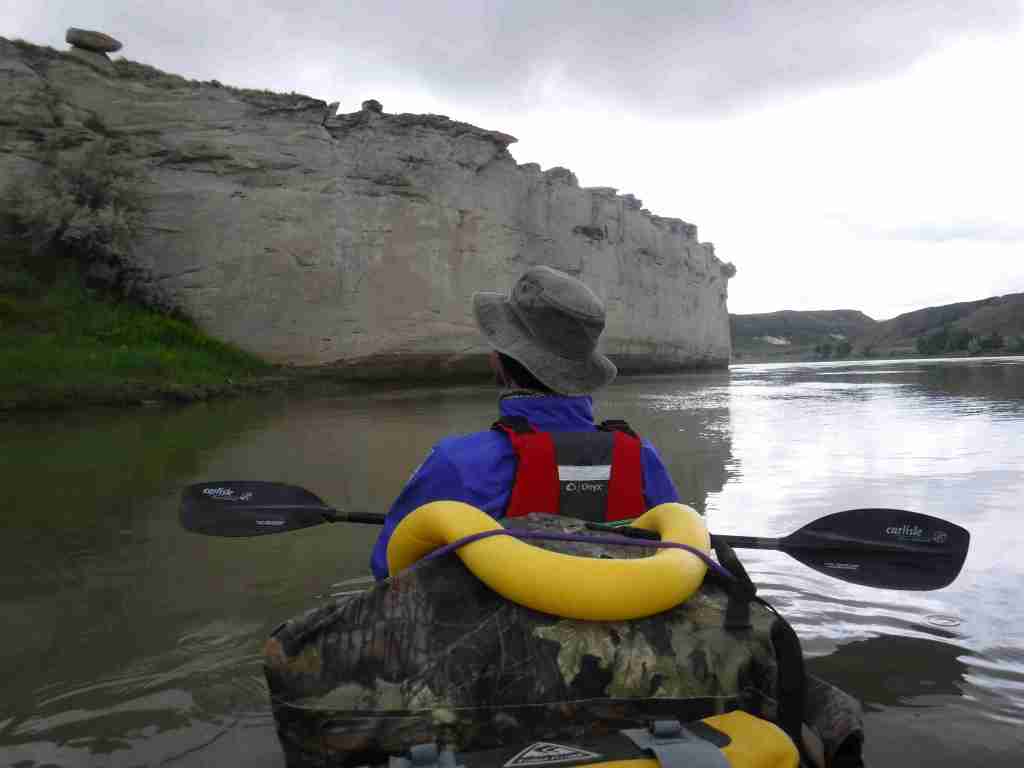
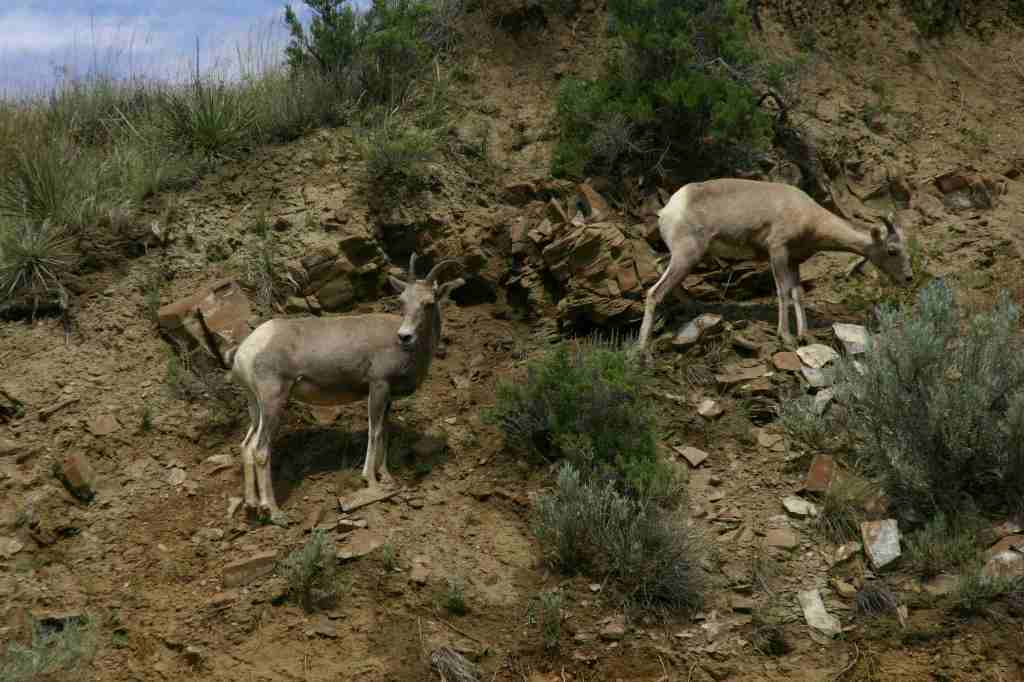
In Fort Benton, start your visit at the free interpretive center run by the Bureau of Land Management (BLM), then head downtown to learn more history by walking the riverfront of Fort Benton National Historic Landmark, including its many museums (admission fees charged) and sculptures of Lewis, Clark, Sacagawea and her son Pompey, and Shep (a local dog famous for his faithfulness). To find out more about the Corps of Discovery, check out the Lewis and Clark Interpretive Center upstream in Great Falls. The most scenic stretch to float lies in the 44 miles between Coal Banks Landing and Judith Landing where there are no rapids and the river current is so strong that paddling is mostly reserved for steering. A permit (fee) is required from the BLM, and we recommend you purchase a Boaters’ Guide and W.A.G. bags. Wildlife we spotted along the river included bighorn sheep, bald eagles, white pelicans, great blue herons, and beavers.
Best Trail
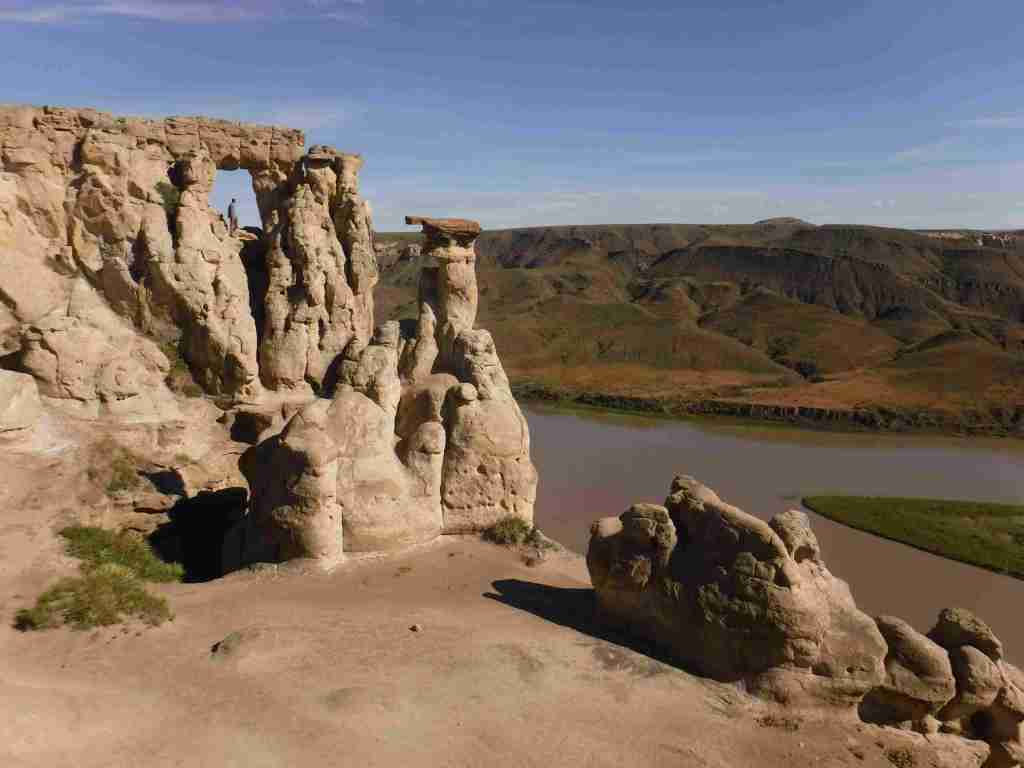
Only accessible by boat, the hike up the slot canyon at Neat Coulee from the Eagle Creek Developed Boat Camp is worth a stop. It is also possible to scramble up to the eight-foot-tall Hole-in-the-Wall arch that comes into view on the south side of the river just past Citadel Rock.
Photographic Opportunity
One of the few places with road access in Upper Missouri River Breaks National Monument, at Decision Point, Captains Lewis and Clark were not sure which was the main route: the Marias or Missouri River.

Peak Season
Summer
Fees
There is a small fee charged per person per day to be on the river, which helps pay for the maintenance of vault toilets along the route (other waste must be packed out in W.A.G. bags). An America the Beautiful pass covers the admission fee for the small museum at the BLM visitor center in Ft. Benton.
Road Conditions
Dirt roads doable by passenger vehicles lead to Coal Banks Landing and Judith Landing, while paved roads lead to put-ins at Chouteau County Fairgrounds in Ft. Benton and Kipp Recreation Area at the western edge of Charles M. Russell National Wildlife Refuge.
Camping
There are campgrounds at Chouteau County Fairgrounds, Coal Banks Landing, and Kipp Recreation Area. Throughout the National Monument developed riverside campgrounds can be accessed by boat, with dispersed camping allowed anywhere on public land (a good map is essential to avoid private land).
Related Sites
Custer National Forest (Montana)
Pompeys Pillar National Monument (Montana)
Lewis and Clark National Forest (Montana)
Nearest National Park










Explore More – Who was Charles M. Russell and why did he get a National Wildlife Refuge named after him?

Learn more about the other 137 National Monuments in our book Monumental America: Your Guide to All 138 National Monuments































 Raven About The Parks