Tag Archives: film

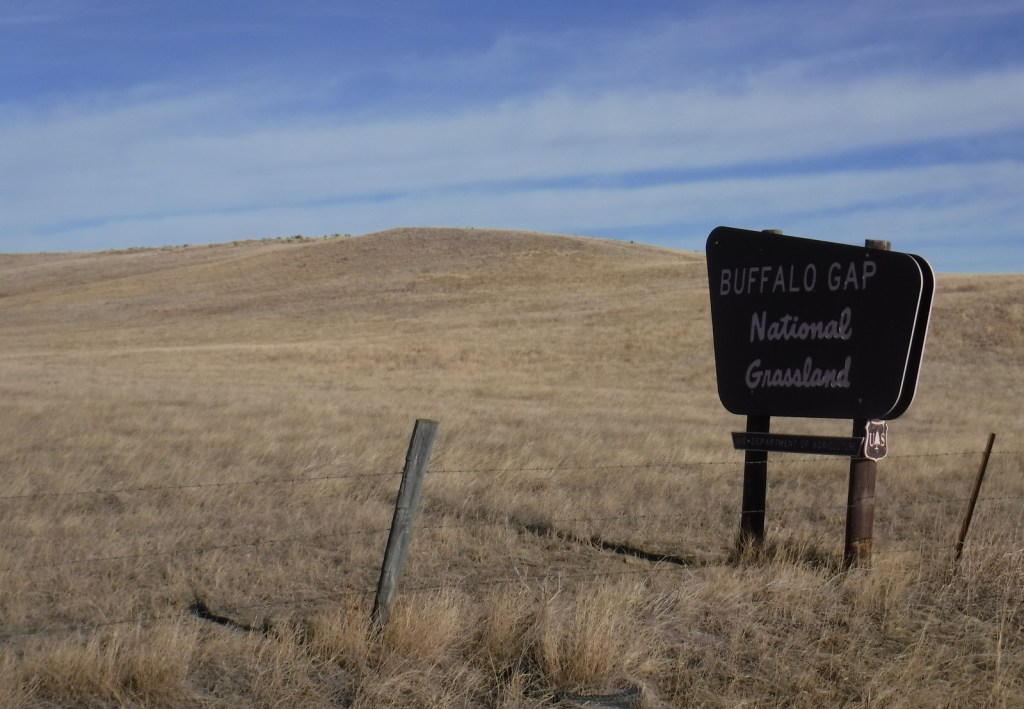
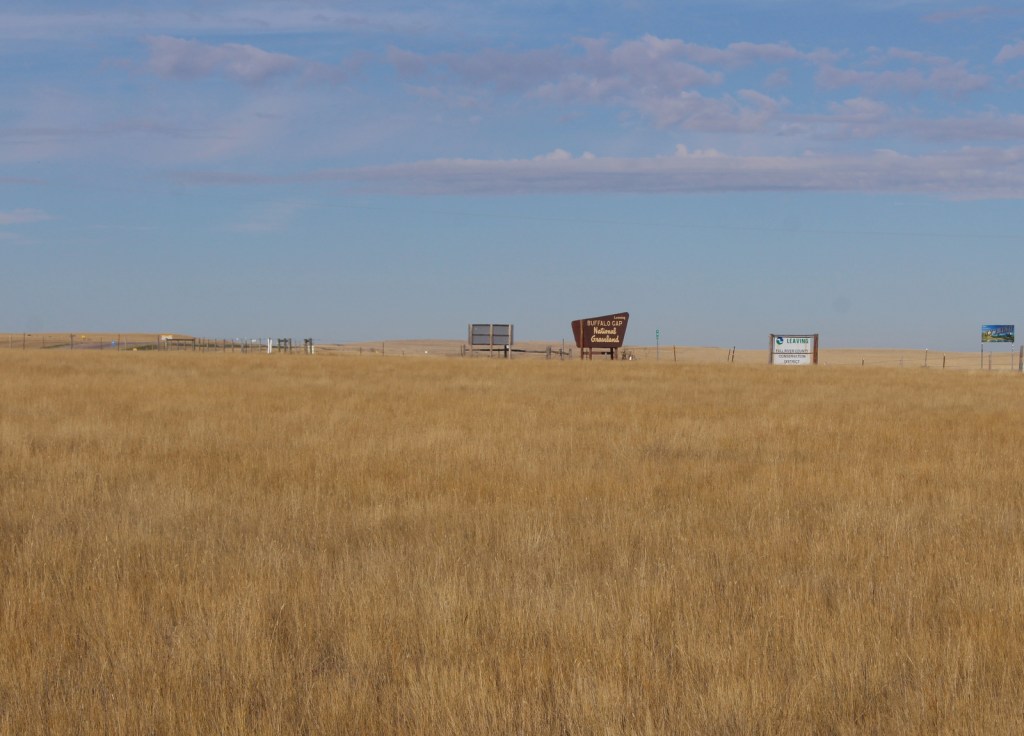
Buffalo Gap National Grassland

Buffalo Gap National Grassland

South Dakota

Managed by U.S. Forest Service, Rocky Mountain Region

Established 1960

679,805 acres (595,715 federal/ 84,090 other)

Website: https://www.fs.usda.gov/recarea/nebraska/recarea/?recid=30329

Overview

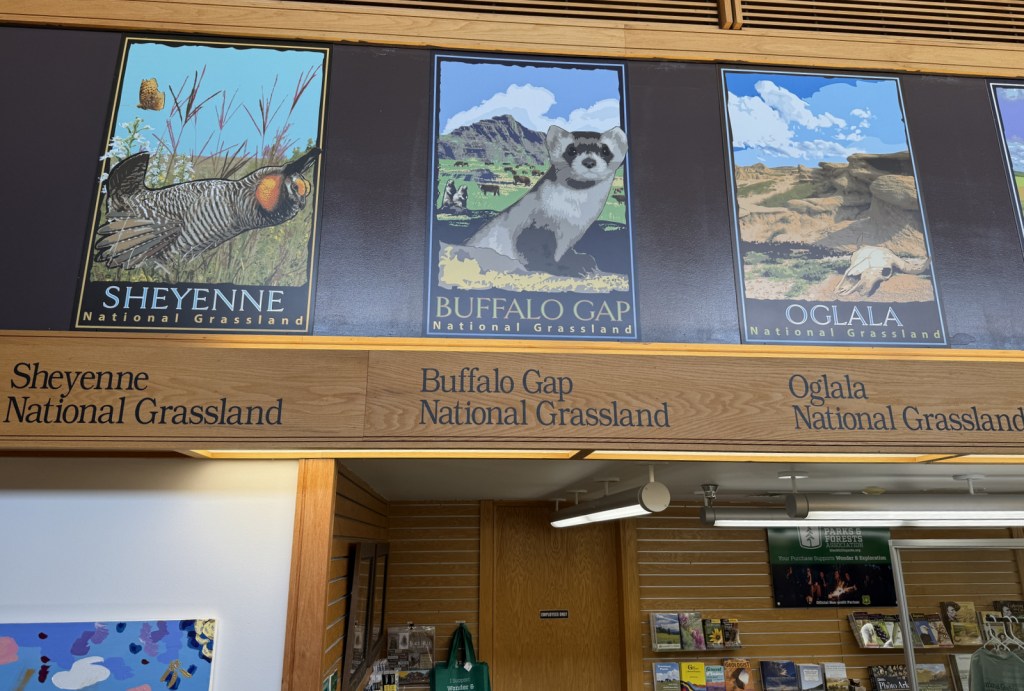
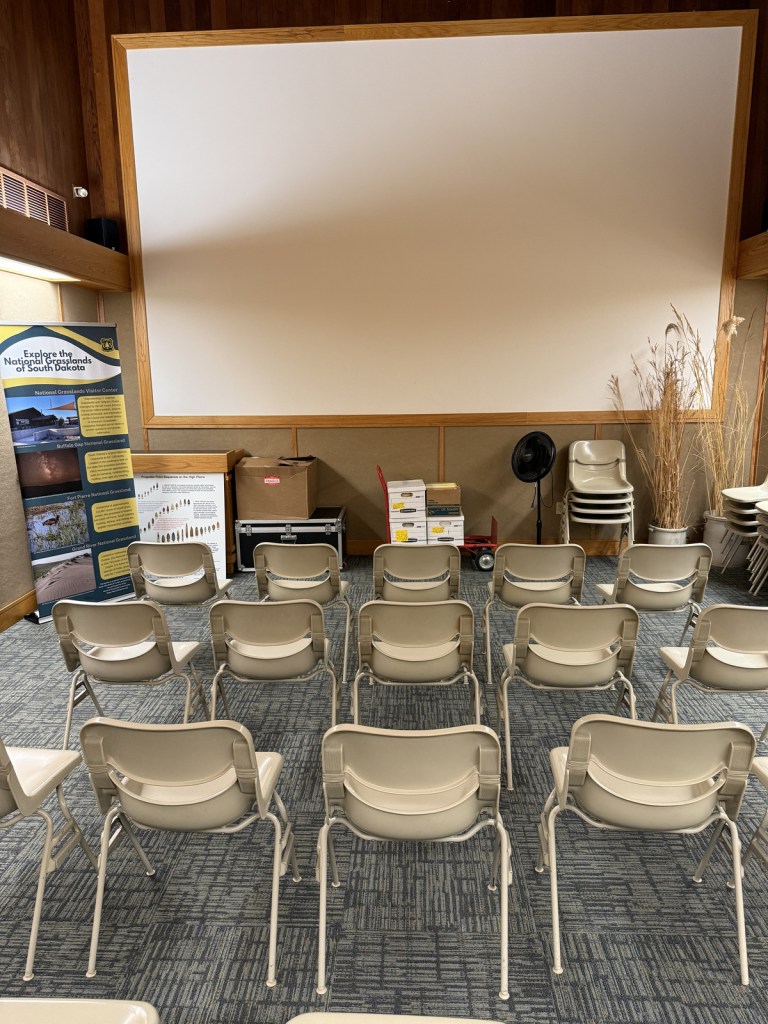
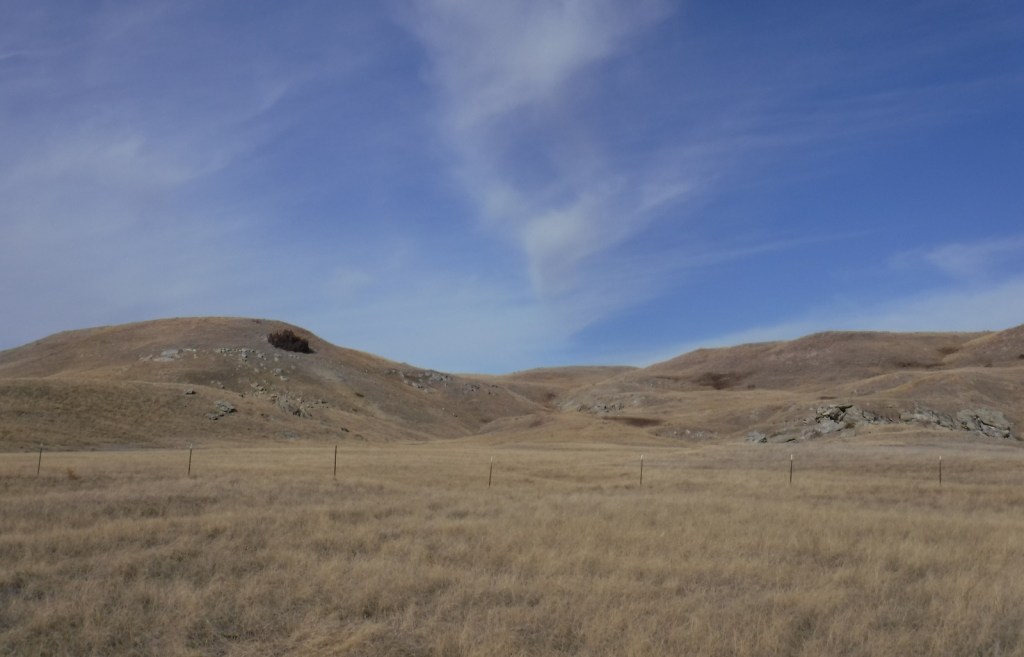
Buffalo Gap is the second-largest National Grassland and it surrounds Badlands National Park and Minuteman Missile National Historic Site east of Black Hills National Forest.  The town of Wall, South Dakota is home to the National Grasslands Visitor Center, which serves as the main interpretive site for all 20 National Grasslands (plus Midewin National Tallgrass Prairie).  The exhibit hall is still under reconstruction following a flood that forced a relocation into a temporary trailer for years, but the theater is reopened showing a short film.  This is a good spot to pick up a map and buy some hard-to-find National Grassland merchandise. 

Highlights

National Grasslands Visitor Center, French Creek Agate Beds

Must-Do Activity

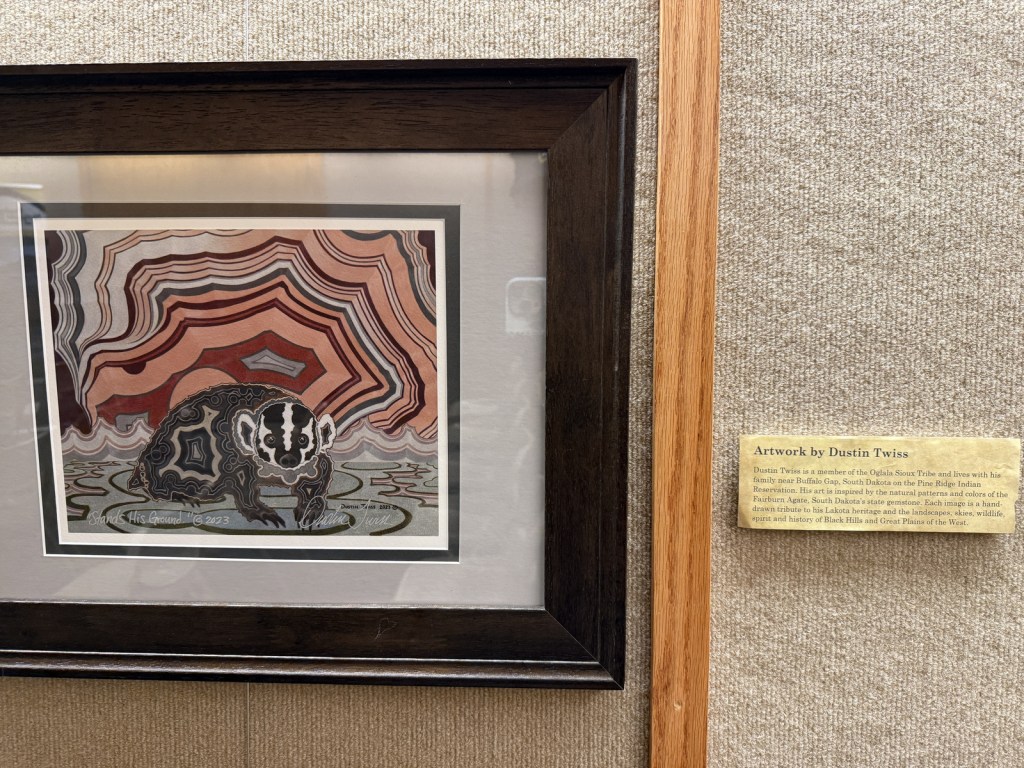
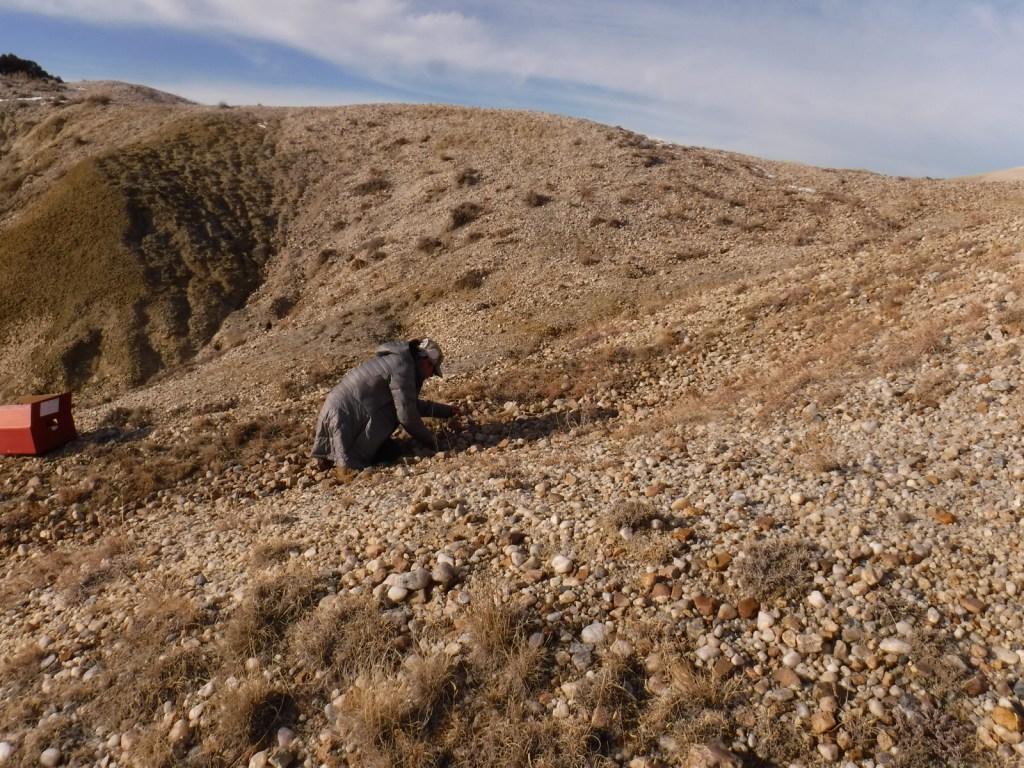
After starting your visit at the National Grasslands Visitor Center in Wall (and making a required visit to Wall Drug—America’s best roadside attraction), head south through Buffalo Gap National Grassland towards the entrance booth for Badlands National Park (see Photographic Opportunity).  The only developed site is much further west at French Creek Agate Beds, where there is a campground and rockhounding is legal for Fairburn agate (the official State Gem of South Dakota), rose quartz, and banded jasper.  The collection and duplication of vertebrate fossils requires a permit and no commercial gathering of fossils is allowed, except for petrified wood. 

Best Trail

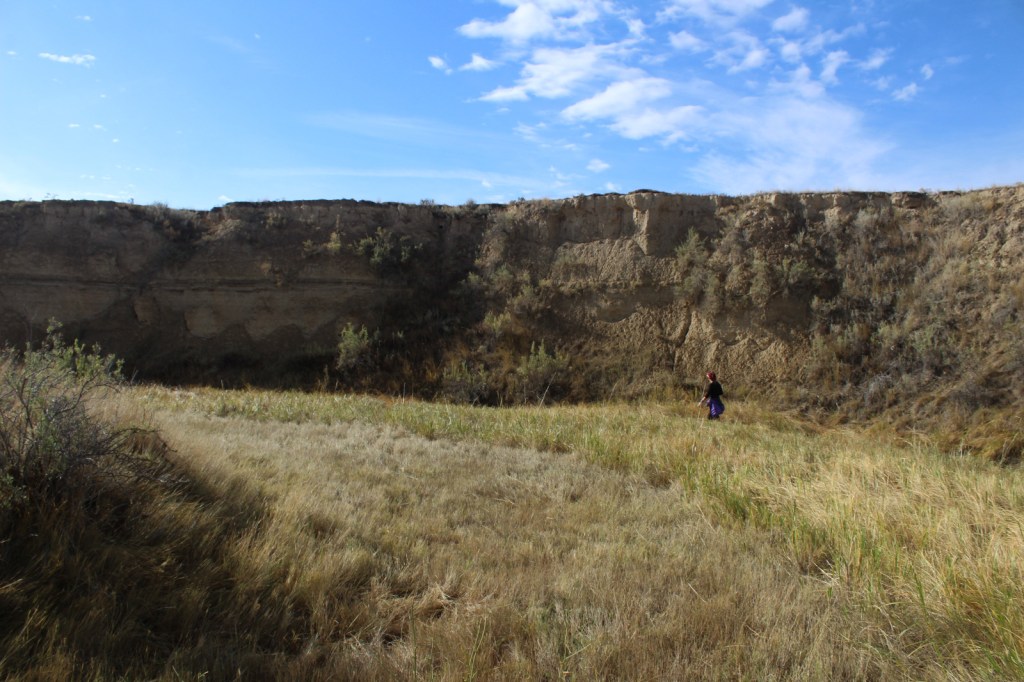
Right to the southeast of the Wyoming border on Highway 18 is a section of Buffalo Gap National Grassland where we did some off-trail hiking along a waterway.  Conata Basin south of Badlands National Park is also a good option for prairie exploration.

Watchable Wildlife

Buffalo Gap National Grassland contains grazing allotments for cattle and domesticated bison herds, as well as wild herds of white-tailed deer and pronghorn.  In 2003, 151 black-footed ferret kits were reintroduced and placed in coyote-free areas, but these nocturnal predators only spend a few minutes above ground each day.  Swift fox and bighorn sheep have also been reintroduced in neighboring Badlands National Park.  Watch in prairie dog towns for burrowing owls and prairie rattlesnakes, as well as northern harriers, prairie falcons, golden eagles, and other raptors. 

Photographic Opportunity

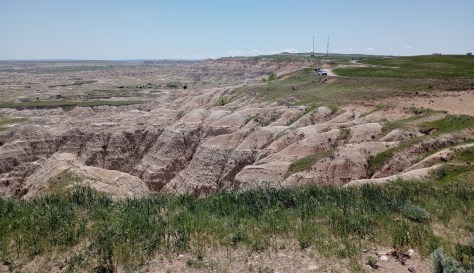
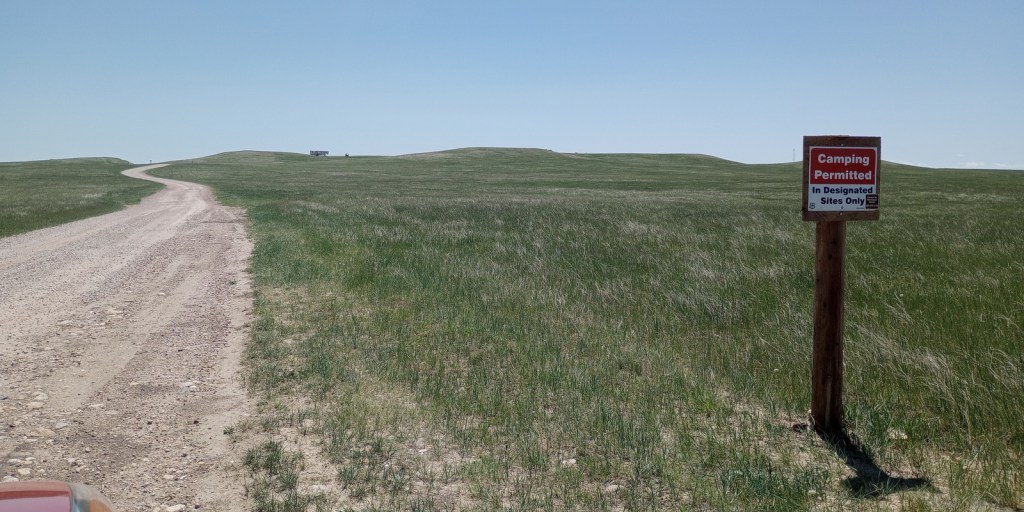
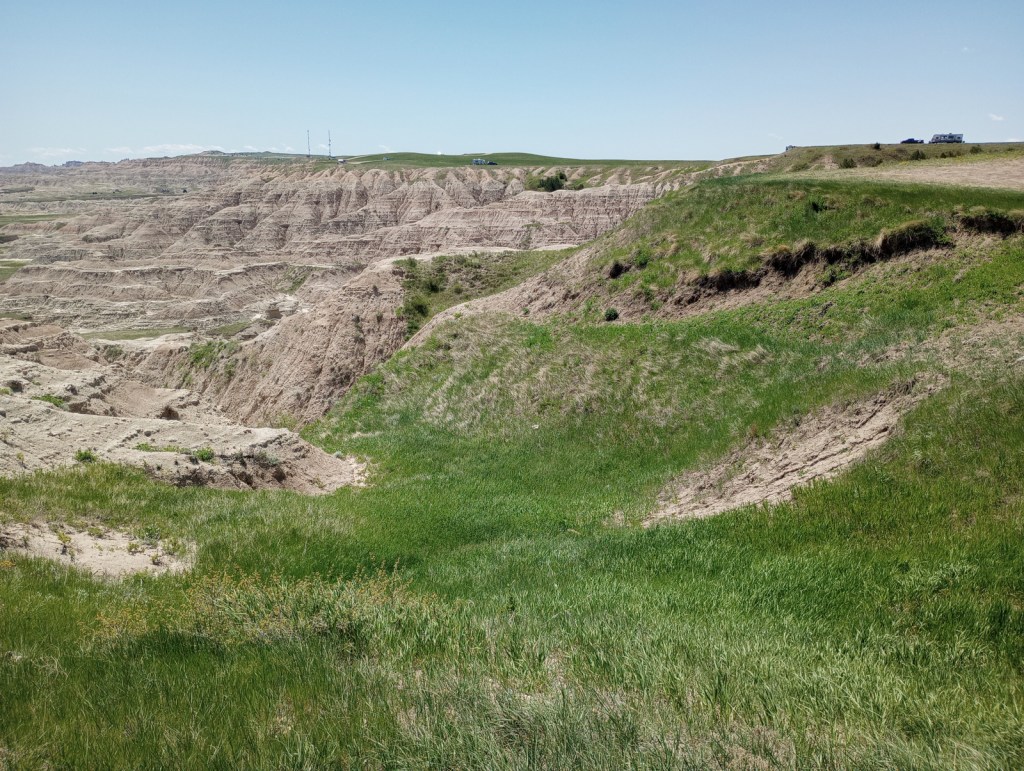
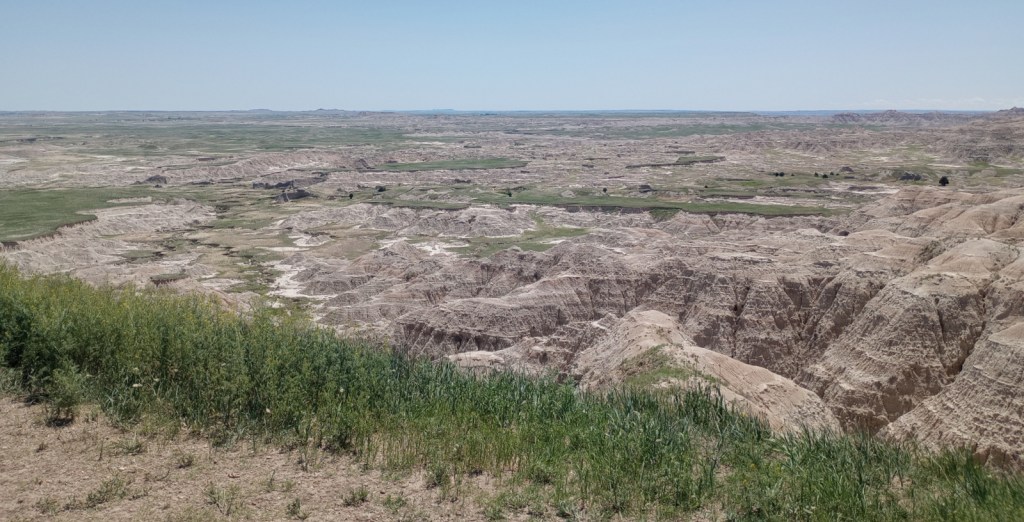
There are free designated campsites along the popular Nomad Vw S Road just north of the Pinnacles Entrance to Badlands National Park, which offer great views from the cliffs above the striped geologic formations.

Peak Season

Summer

Fees

None

Road Conditions

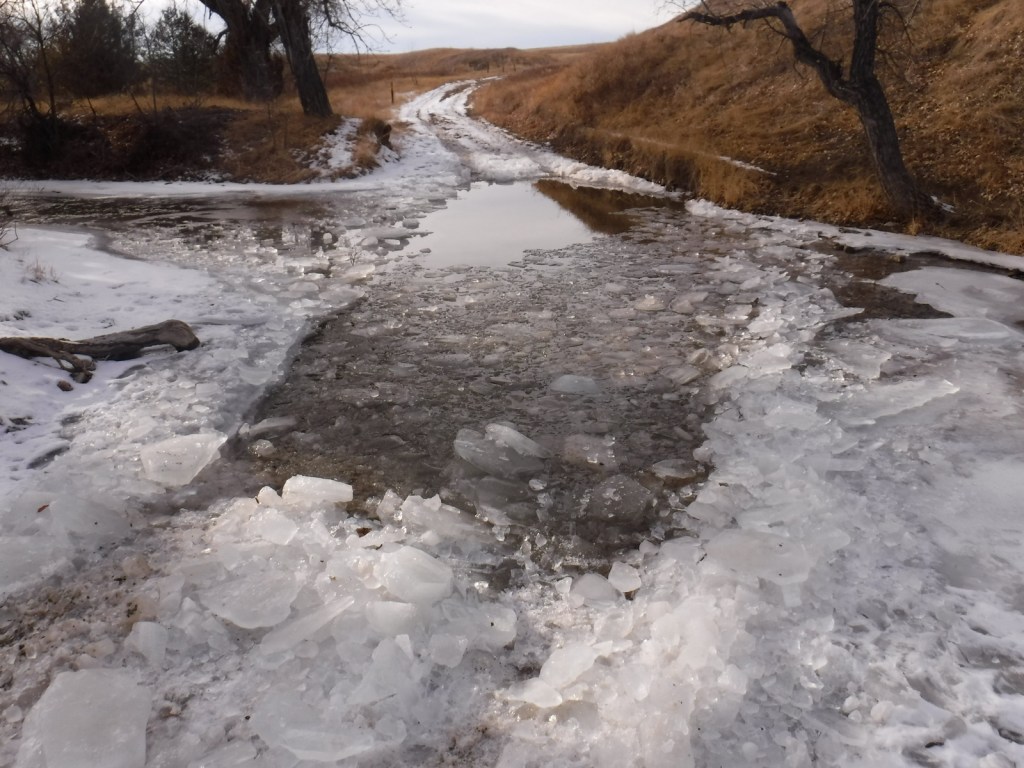
The bentonite clay soils can make the unpaved roads impassable to passenger vehicles when muddy.  There is also a deep stream crossing to access the French Creek Agate Beds that would require high clearance when there is water present. 

Camping

Unlike most National Grasslands, this one has a developed campground at French Creek (fee required) with vault toilets, fire grates, and picnic tables, but no potable water.  It is free to camp in designated sites along the busy Nomad Vw S Road just north of the Pinnacles Entrance to Badlands National Park.

Related Sites

Fort Pierre National Grassland (South Dakota)

Jewel Cave National Monument (South Dakota)

Wind Cave National Park (South Dakota)

Nearest National Park

Badlands

Explore More – What is the status of 48,000 acres of the National Grassland set to be designated as Wilderness in a 2010 bill sponsored by South Dakota Senator Tim Johnson?

Mill Springs Battlefield National Monument

Mill Springs Battlefield National Monument

Kentucky

Managed by National Park Service

Established 2019

1,459 acres

Website: nps.gov/misp

Overview

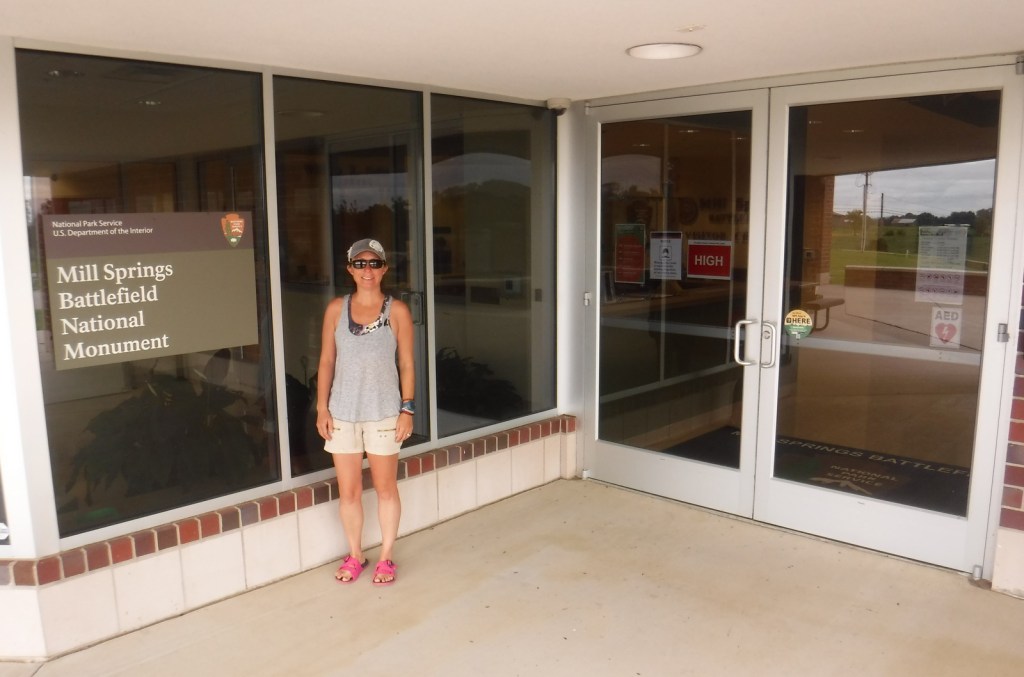
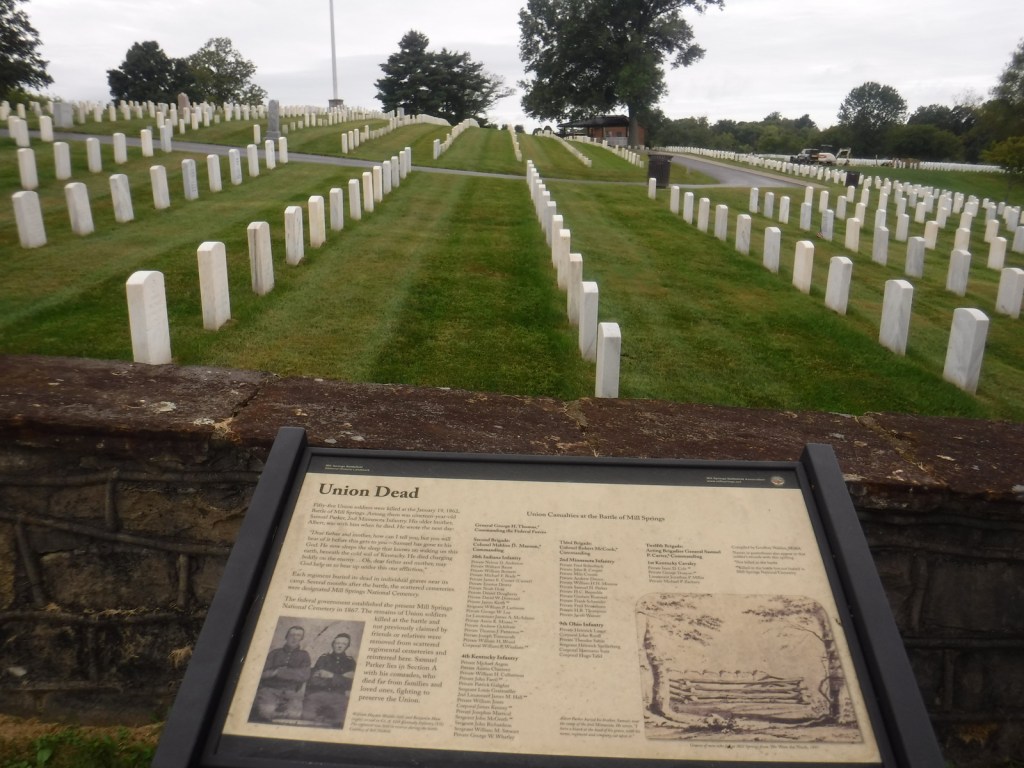
During the Civil War, the Battle of Mill Springs started on January 19, 1862 in the Union state of Kentucky (where slavery was still legal).  North of the Cumberland River, a surprise attack by the Confederate Army was repelled and celebrated as the first decisive Union victory in the western theater.  The battlefield was declared a National Historic Landmark in 1993 and acquired by the National Park Service (NPS) in 2020. 

Learn more about the other 137 National Monuments in our book Monumental America: Your Guide to All 138 National Monuments. It is now available for sale on Amazon.com.

Highlights

Museum, film, Mill Springs National Cemetery, Zollicoffer Park, Brown-Lanier House, Mill Springs Mill, Lake Cumberland

Must-Do Activity

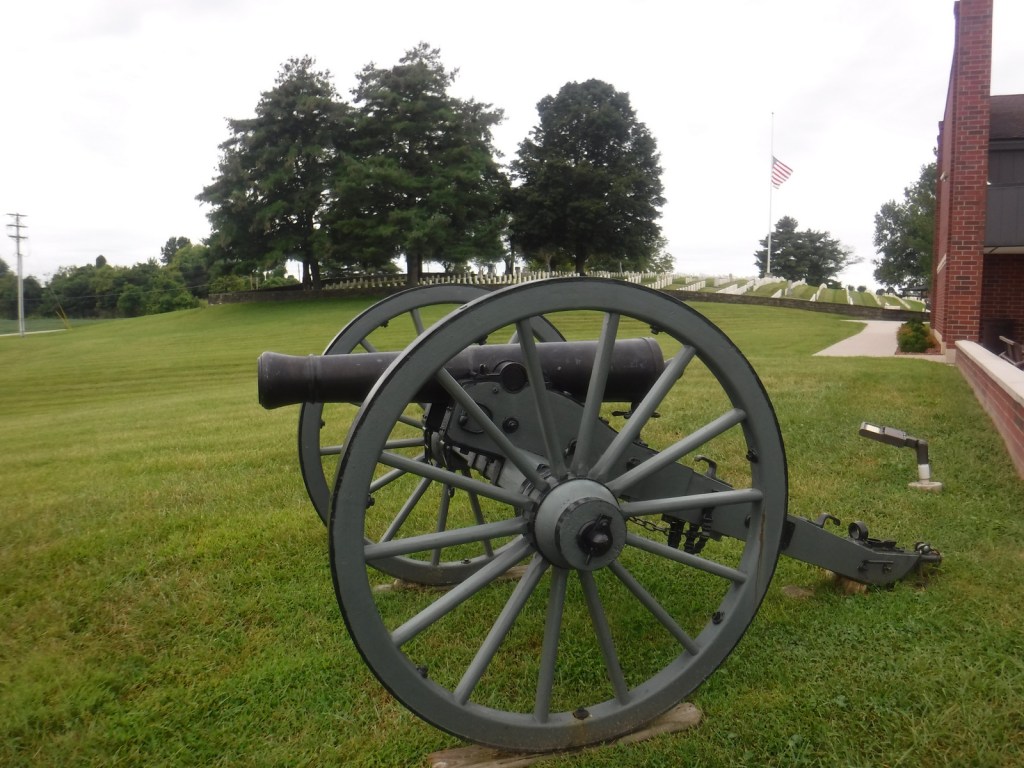
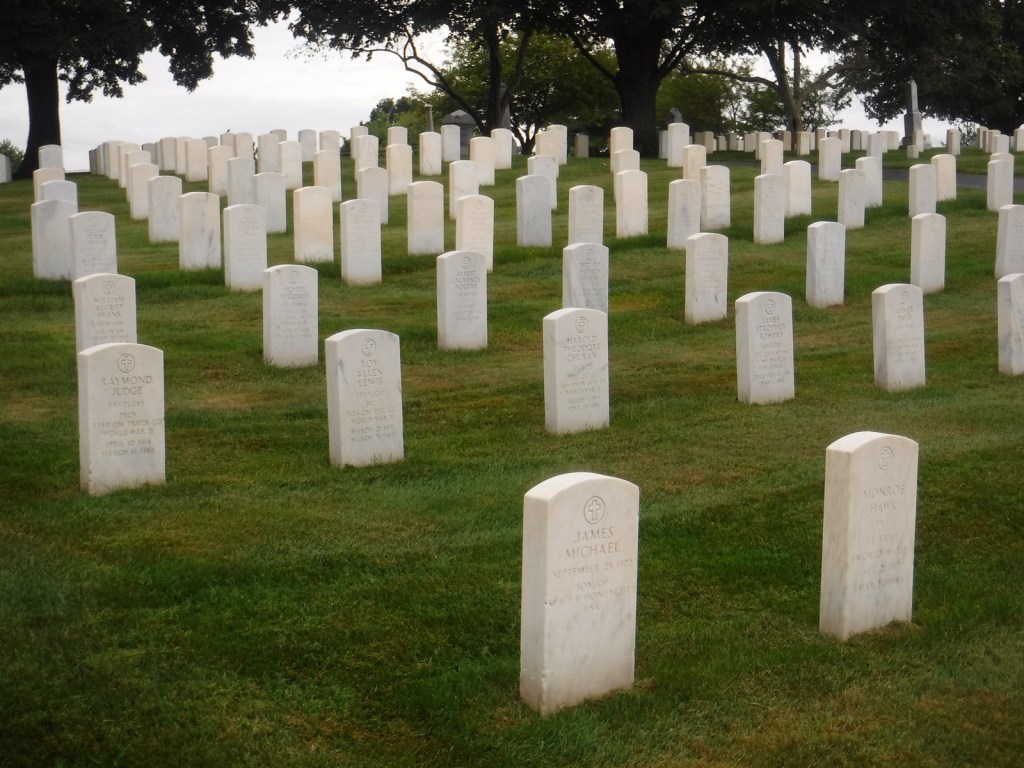
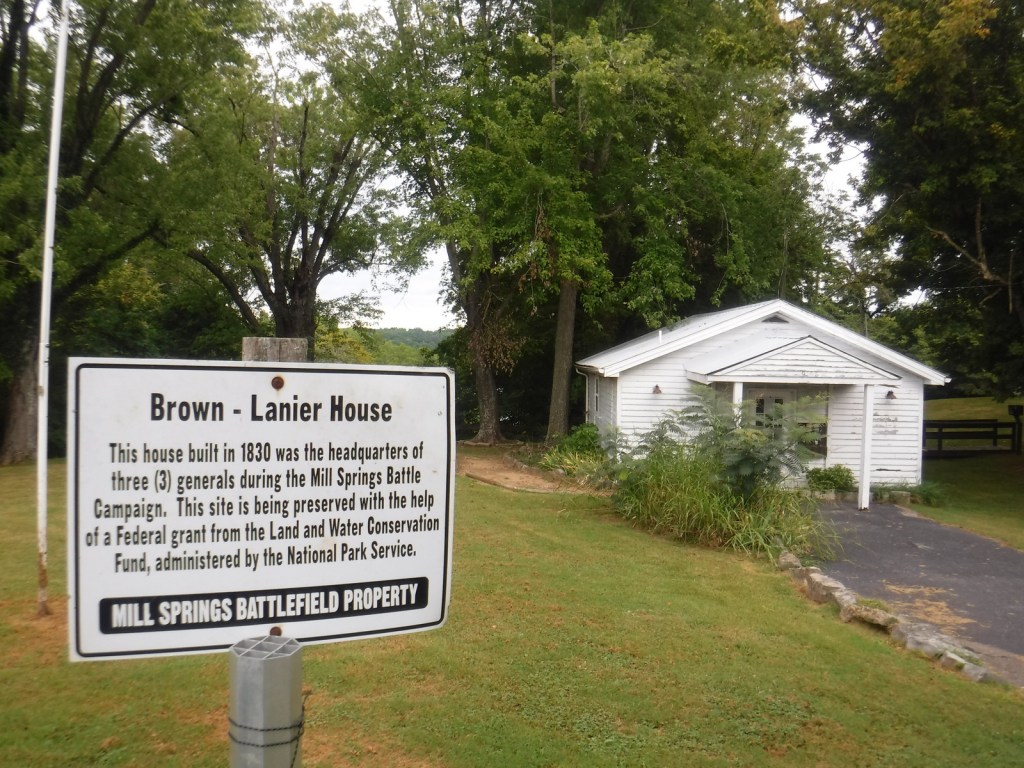
Start your visit by watching the film at the NPS visitor center next to Mill Springs National Cemetery, opened in 1867 as one of 12 original National Cemeteries.  The driving tour starts from there south down Kentucky Highway 235 to Zollicoffer Park where there are markers for Confederate General Felix K. Zollicoffer (buried beneath the “Zollie Tree”) and a Confederate mass grave.  There are six more stops on the driving tour north of Lake Cumberland, but there is no bridge across the reservoir, so to reach the final two stops requires backtracking and connecting to Kentucky Highway 1275.  There you will reach the Brown-Lanier House at Mill Springs that was utilized by both sides of the battle.  Open seasonally to the public, the working grist mill on Lake Cumberland dates to 1877 and is managed by the Army Corps of Engineers.  The final tour stop is at the West-Metcalfe House that served as a Confederate headquarters and hospital, but is not currently open.

Best Trail

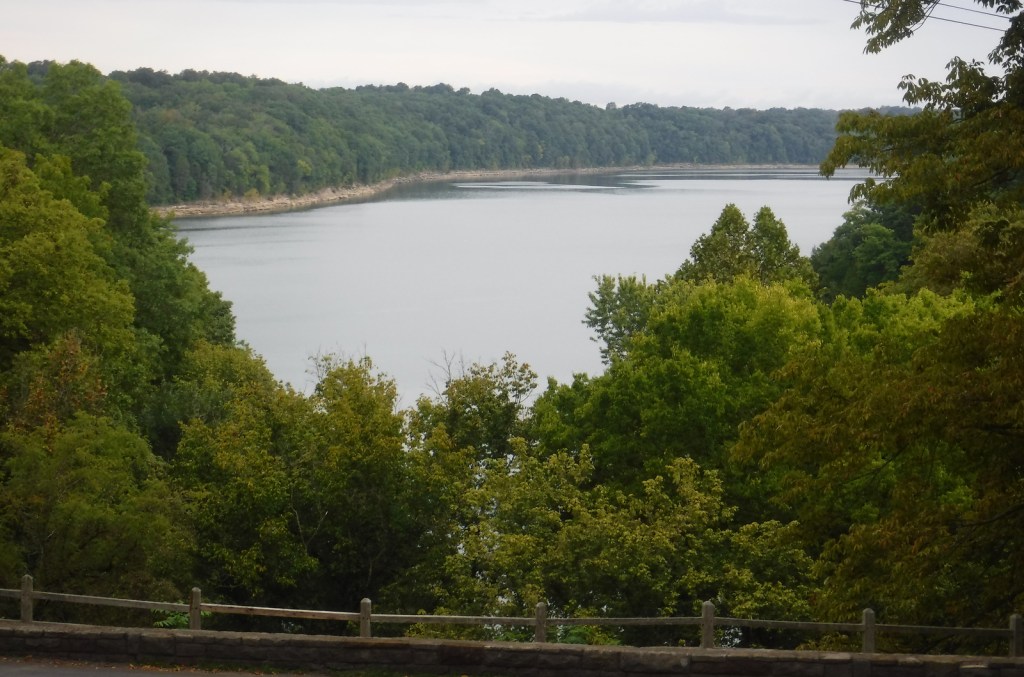
A 0.75-mile walking trail in Zollicoffer Park goes down into a ravine that was behind the Confederate lines, as explained by interpretive signs there.  You can also walk to the edge of Lake Cumberland at Ferry Landing on the north shore and Mill Springs Mill on the south shore.

Photographic Opportunity

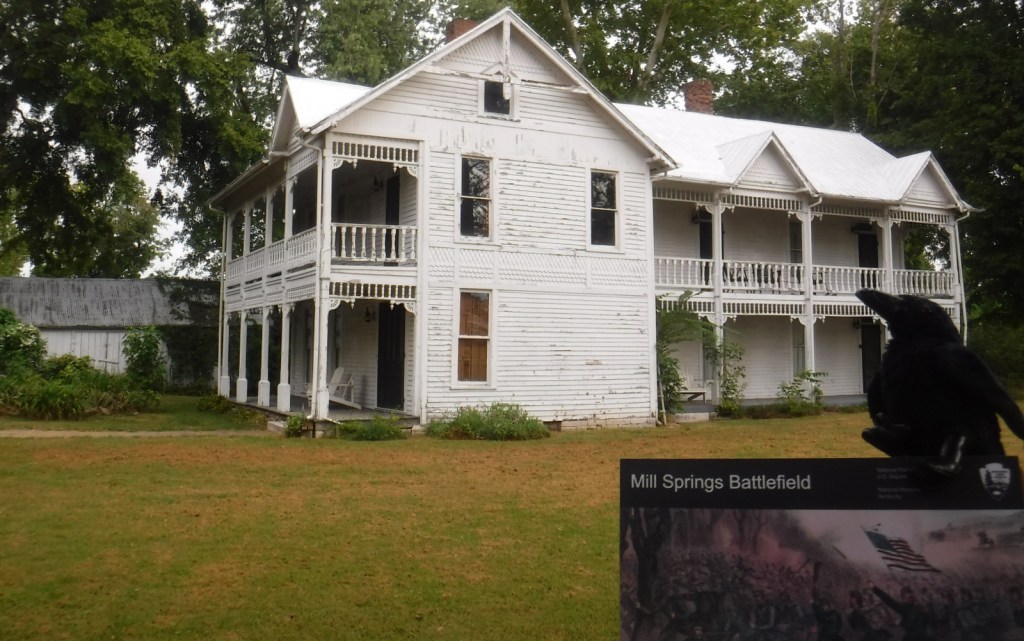
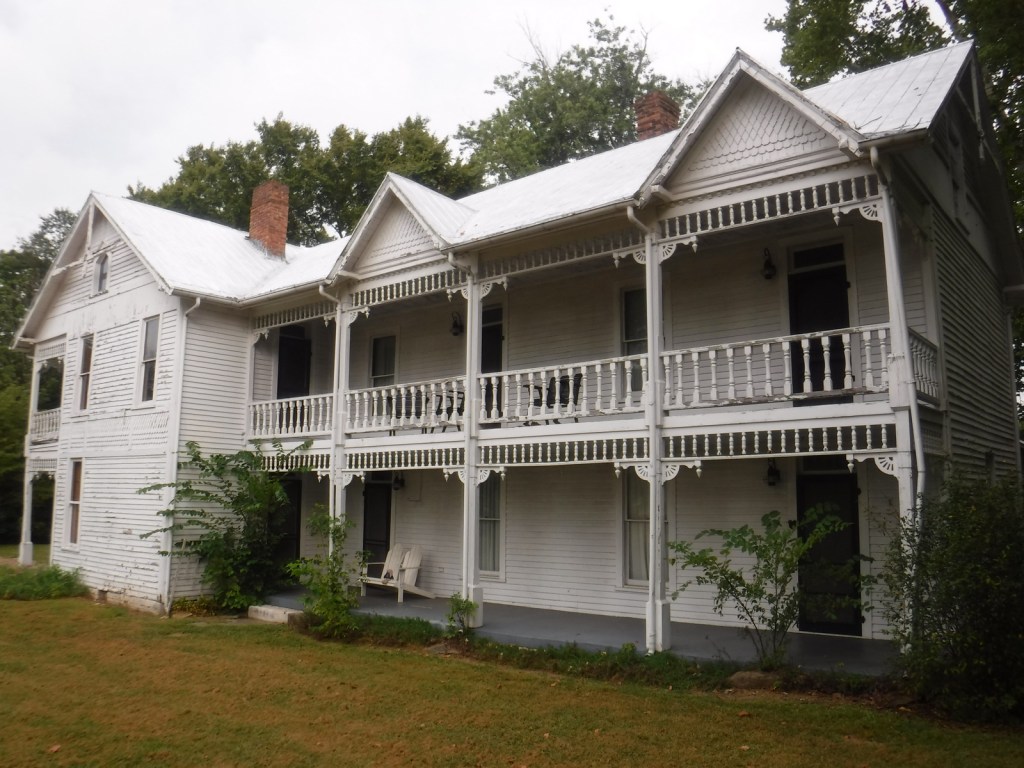
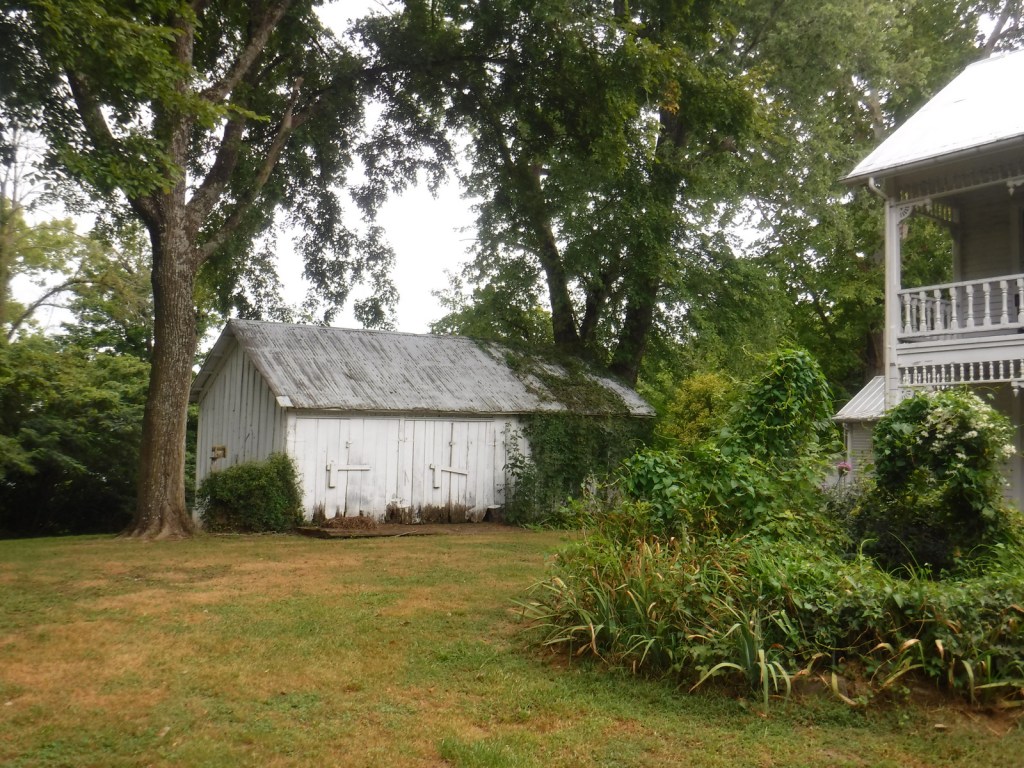
Built in 1860, the Brown-Lanier House offers guided tours inside the house that was twice hit by artillery during the Battle of Mill Springs.

Peak Season

Summer

Hours

https://www.nps.gov/misp/planyourvisit/hours.htm

Fees

Tours of the Brown-Lanier House now seem to be free and offered by NPS rangers every other Saturday in the summer.

Road Conditions

All roads are paved, but be careful while driving onto small pullouts along the highways.

Camping

There are campgrounds along Lake Cumberland and further north at Mammoth Cave National Park.

Related Sites

Camp Nelson National Monument (Kentucky)

Shiloh National Military Park (Tennessee-Mississippi)

Fort Donelson National Battlefield (Tennessee-Kentucky)

Explore More – What other two names has the Battle of Mill Springs been called?

Learn more about the other 137 National Monuments in our book Monumental America: Your Guide to All 138 National Monuments

Tonto National Monument

Tonto National Monument

Arizona

Managed by National Park Service

Established 1907

1,120 acres

Website: nps.gov/tont

Overview

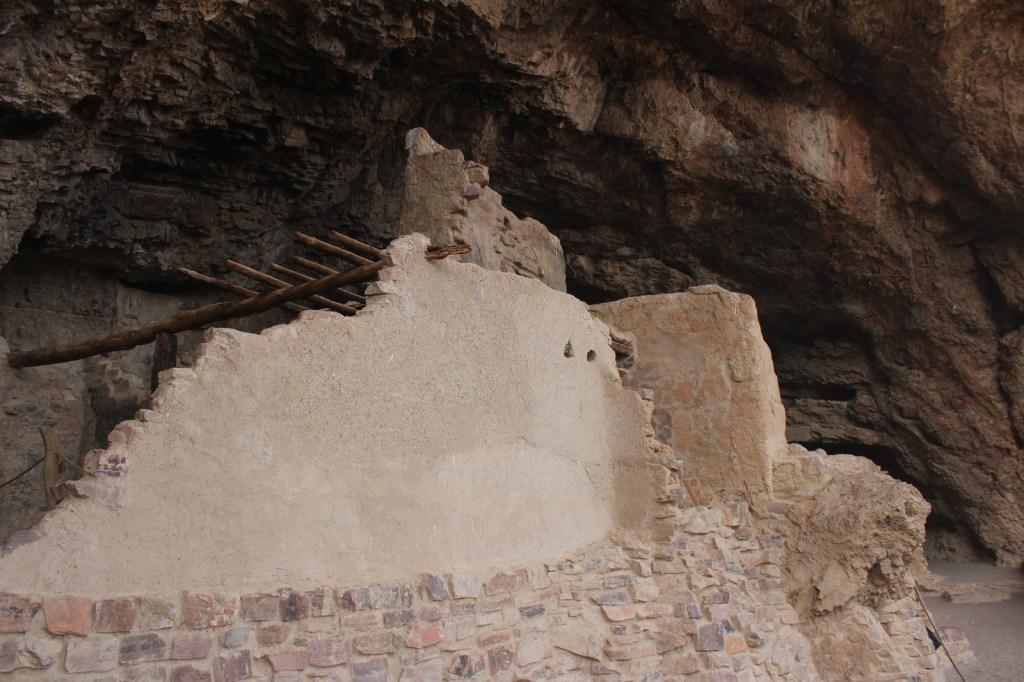
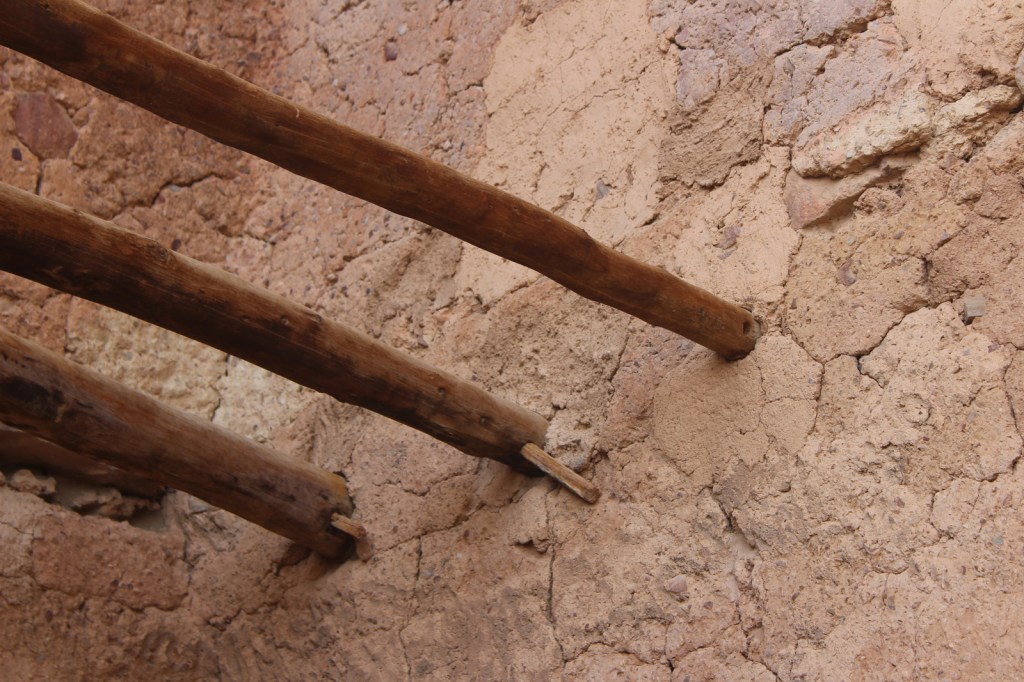
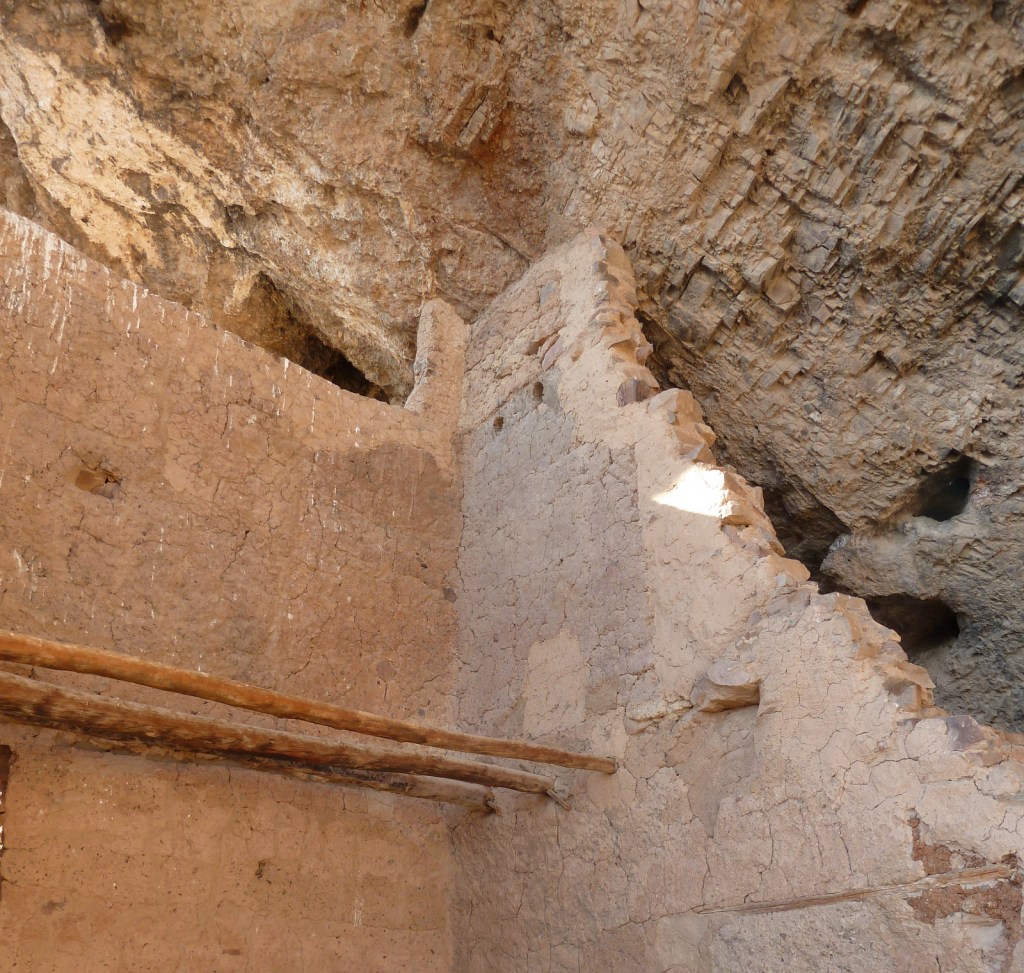
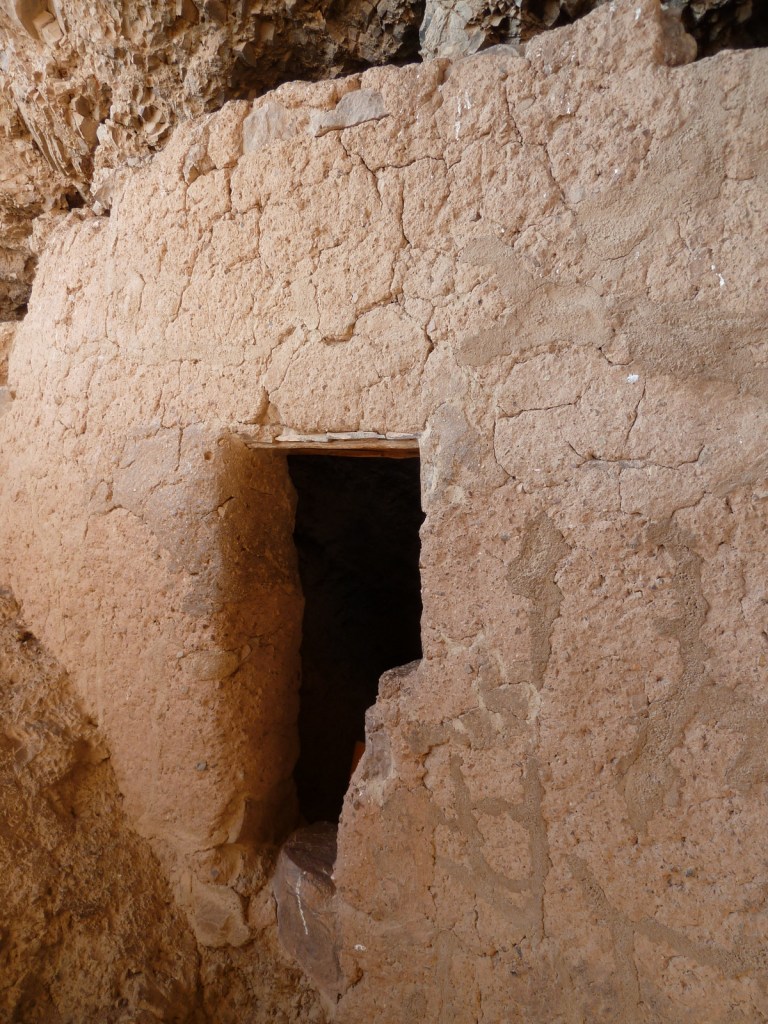
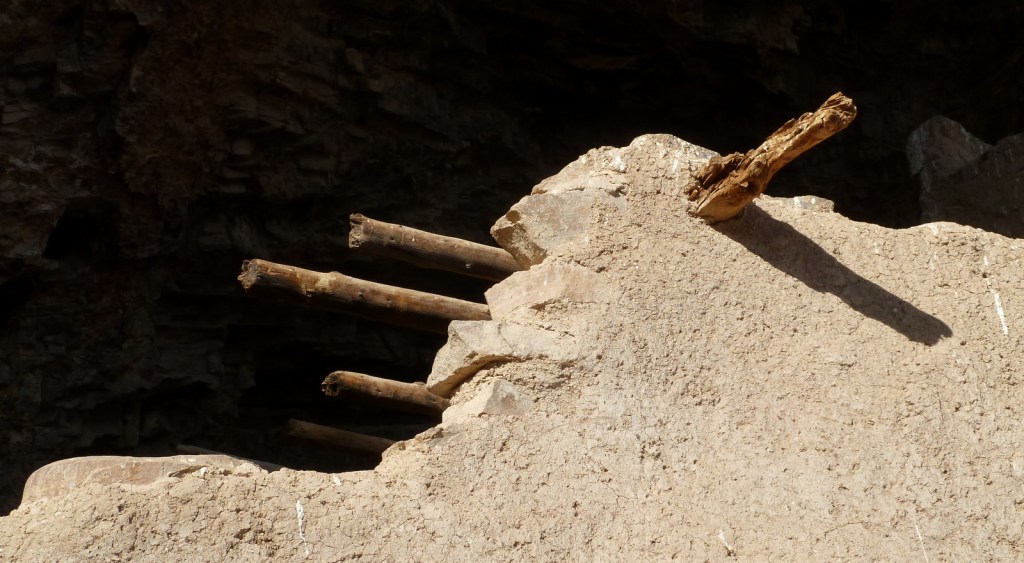
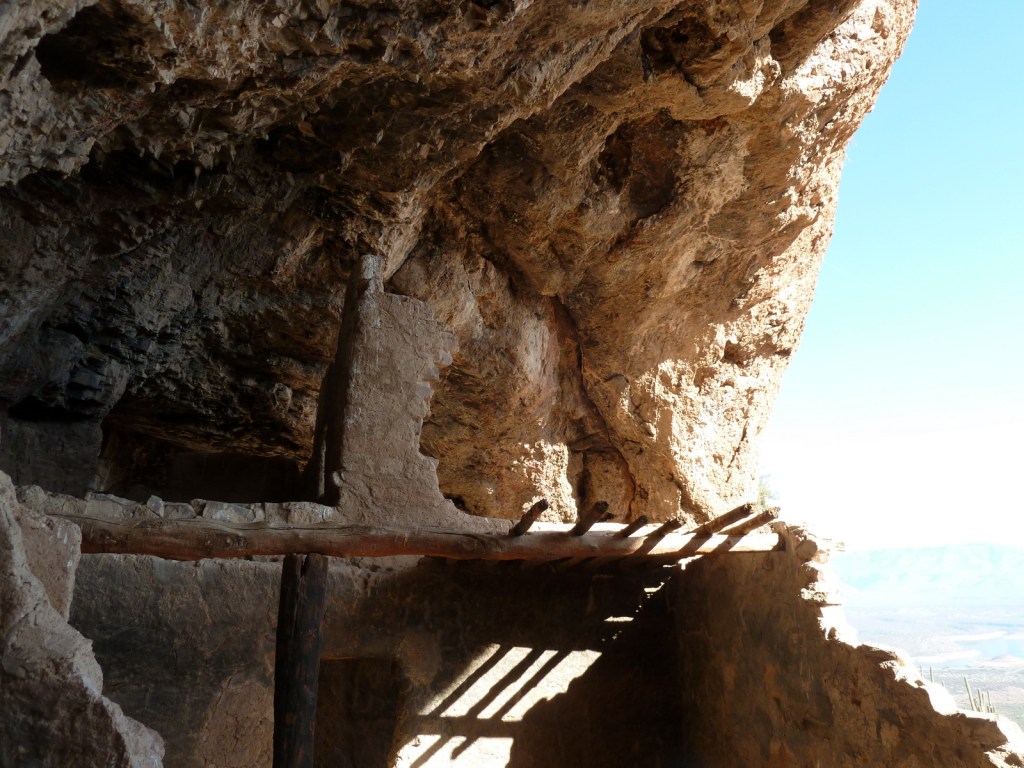
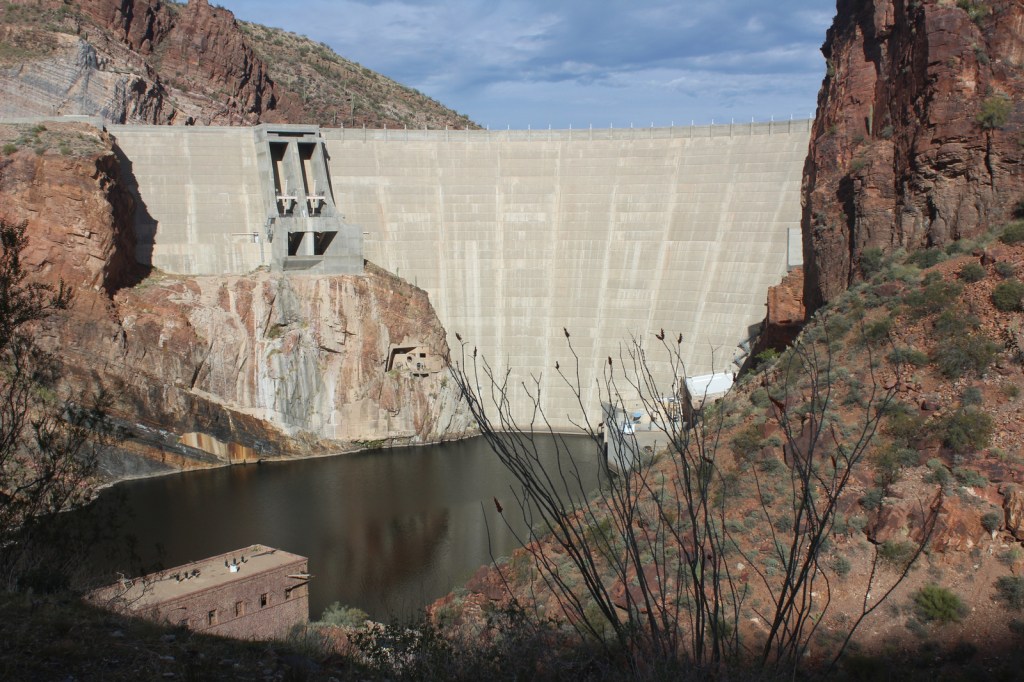
After farming along the Salt River (or Rio Salado) for centuries, in the 1300s the Salado people moved to natural caves where they constructed cliff dwellings.  Perhaps following catastrophic flooding or drought, the entire Tonto Basin was abandoned by 1450.  When construction of Theodore Roosevelt Dam began in 1906, its namesake President protected these ruins using the power of the 1906 Antiquities Act.

Learn more about the other 137 National Monuments in our book Monumental America: Your Guide to All 138 National Monuments. It is now available for sale on Amazon.com.

Highlights

Museum, film, Lower Cliff Dwelling, Upper Cliff Dwelling guided tour

Must-Do Activity

Every visitor who is in good enough shape for the 350 foot ascent should make their way up to Lower Cliff Dwelling (with 28 rooms) after watching the film at the National Park Service visitor center.  While at the top, talk to the volunteer stationed there for more information about the people who once inhabited the ruins.  Only offered from November through April, the 10 a.m. ranger-guided tour (reservations required) to the Upper Cliff Dwelling (with 40 rooms) crosses washes and ascends 600 feet via switchbacks and 60 steps over a three-mile roundtrip.

Best Trail

The paved trail to the Lower Cliff Dwelling gains 350 feet of elevation in a half-mile, providing excellent views of Theodore Roosevelt Lake.

Photographic Opportunity

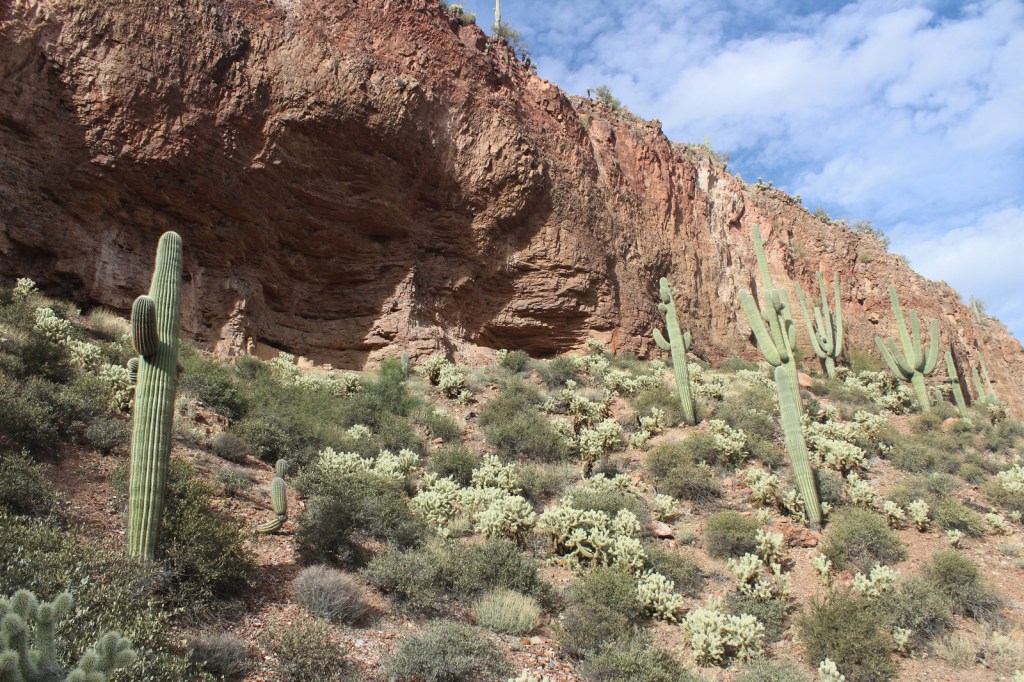
Hiking to Lower Cliff Dwelling is a good introduction to native plants of the Sonoran Desert, including the iconic saguaro cactus, yucca, sotol, cholla, and barrel cactus.

Peak Season

Winter

Hours

https://www.nps.gov/tont/planyourvisit/hours.htm

Fees

$10 per person or America the Beautiful pass

Road Conditions

Highway 188 provides paved access to Tonto National Monument between Payson and Globe, while Arizona Highway 88 (“Apache Trail”) is unpaved past Canyon Lake and until December 2024 that section was closed due to a wash out in 2019.  Together they make for a beautiful scenic loop drive suitable for high-clearance vehicles.

Camping

There are campgrounds around Theodore Roosevelt Lake and within Tonto National Forest, which also allows dispersed camping in some areas.

Related Sites

Casa Grande Ruins National Monument (Arizona)

Montezuma Castle National Monument (Arizona)

Tuzigoot National Monument (Arizona)

Explore More – When was the nearby village of 15 pit houses at Eagle Ridge first settled by humans in the Tonto Basin?

Learn more about the other 137 National Monuments in our book Monumental America: Your Guide to All 138 National Monuments

Capulin Volcano National Monument

Capulin Volcano National Monument

New Mexico

Managed by National Park Service

Established 1916

793 acres

Website: nps.gov/cavo

Overview

Capulin Volcano is a cinder cone that started to form 60,000 years ago in the Raton-Clayton Volcanic Field of northeast New Mexico.  It would eventually erupt enough to rise 1,300 feet above the surrounding landscape and cover 16 square miles with lava.  The volcanic field was last active about 10,000 years ago, so not nearly as recently as Arizona’s Sunset Crater Volcano National Monument.  Capulin is the Spanish name for the native choke cherry tree (Prunus virginiana).

Learn more about the other 137 National Monuments in our book Monumental America: Your Guide to All 138 National Monuments. It is now available for sale on Amazon.com.

Highlights

Museum, film, Capulin Volcano

Must-Do Activity

Start your visit at the National Park Service visitor center off Highway 325 where you can view the exhibits and watch the film.  A two-mile drive leads from there to the rim of Capulin Volcano at 8,182 feet of elevation, where there are two hiking trails.  At the top, watch the skies for golden eagles and the stems of trees and bushes for dense groupings of ladybugs.

Best Trail

There are two trails at the top of the cinder cone, one that drops to the bottom of the crater in 0.2 miles and another that circles the rim for one mile (going counterclockwise is recommended as less strenuous).  There is also the one-mile Lava Flow Trail loop and a short paved Nature Walk at the visitor center, as well as the Boca Trail that loops 1.7 miles along the western base of Capulin Volcano where you might see mule deer.

Photographic Opportunity

The crater of the cinder cone is about 415 feet below the rim, which offers views into Colorado, Texas, and Oklahoma on a clear day. 

Peak Season

Summer

Hours

https://www.nps.gov/cavo/planyourvisit/hours.htm

Fees

$10 per vehicle or America the Beautiful pass

Road Conditions

The road is paved two miles from the visitor center to the parking lot at the top of Capulin Volcano, but gated off overnight even though the park is International Dark-Sky Association Gold Tier Certified.

Camping

There is not an NPS campground at the National Monument, but we have stayed at the nice campground at Sugarite State Park 33 miles west in Raton near Interstate 25.  Kiowa National Grassland and Clayton Lake State Park also offer camping.

Related Sites

Sunset Crater Volcano National Monument (Arizona)

Fort Union National Monument (New Mexico)

Pecos National Historical Park (New Mexico)

Explore More – In May 1971, which two Apollo 16 astronauts did geologic training at Capulin Volcano?

Learn more about the other 137 National Monuments in our book Monumental America: Your Guide to All 138 National Monuments
Pipe Spring National Monument

Pipe Spring National Monument

Arizona

Managed by National Park Service

Established 1923

40 acres

Website: nps.gov/pisp

Overview

Near the Utah border, Pipe Spring National Monument is located near the turn off from Highway 389 for Grand Canyon-Parashant National Monument and the remote Toroweap Overlook in western Grand Canyon National Park.  Likewise, it is only 60 miles from Utah’s famous Zion National Park, so it makes a good stopping point if you are also visiting Kaibab National Forest or the North Rim of the Grand Canyon.  The oasis surrounding the three natural springs here demonstrate what this soil can produce when given a little bit of extra water.  Ancestral Puebloans and Kaibab Paiute Indians have been coming here for over 1,000 years and it was an important stop on the Old Spanish Trail.  In 1858, Pipe Spring was named by Mormon/Latter-day Saint missionary Jacob Hamblin on his way to the Hopi mesas.  Following the 1866 Black Hawk War, Mormon settlers built a sandstone fort called Winsor Castle around the source of the main spring where polygamists used to hide their plural wives before selling the ranch in 1895.  Today this park on the secluded Arizona Strip is recognized by the International Dark Sky Association.

Learn more about the other 137 National Monuments in our book Monumental America: Your Guide to All 138 National Monuments. It is now available for sale on Amazon.com.

Highlights

Museum, film, garden, ponds, Winsor Castle

Must-Do Activity

Retention ponds keep Pipe Spring National Monument green in the hot summer months where ducks paddle and dragonflies buzz through the humid air.  The National Park Service manages a garden with living history demonstrations given occasionally, plus there is livestock including chickens and two longhorns.  When a ranger is present, you can walk around inside Winsor Castle, a Mormon fort that dates back to 1870.  If you visit during the summer, we recommend you cool off after some time outside by watching the short film and exploring the museum and gift shop.  The museum is co-managed with the Kaibab Band of Paiute Indians whose reservation surrounds the site. On December 7, 2024, the park was open late for the Holiday Traditions event with caroling, Victorian-era crafts, and free food.

Best Trail

The half-mile Ridge Trail leads uphill to an overlook of the Kaibab Plateau and distant Mt. Trumbull in Grand Canyon-Parashant National Monument.

Photographic Opportunity

The modest dimensions of Winsor Castle make it unlikely to be confused with Windsor Castle in England.

Peak Season

Summer

Hours

https://www.nps.gov/pisp/planyourvisit/hours.htm

Fees

$10 per person or America the Beautiful pass

Road Conditions

There is a paved parking lot located off Highway 389.

Camping

The Kaibab Band of Paiute Indians runs a small campground adjoining Pipe Spring National Monument.  Dispersed camping is allowed in Kaibab National Forest and the millions of acres run by the Bureau of Land Management on the Arizona Strip.

Related Sites

Grand Canyon National Park (Arizona)

Grand Canyon-Parashant National Monument (Arizona)

Baaj Nwaavjo I’tah Kukveni – Ancestral Footprints of the Grand Canyon National Monument (Arizona)

Explore More – Which indigenous tribes banded together during the 1866 Black Hawk War?

Learn more about the other 137 National Monuments in our book Monumental America: Your Guide to All 138 National Monuments