Tag Archives: film

Saguaro National Park

Saguaro National Park

Arizona

Managed by National Park Service

Established 1933 National Monument, 1994 National Park

91,716 acres

Website: nps.gov/sagu

Overview

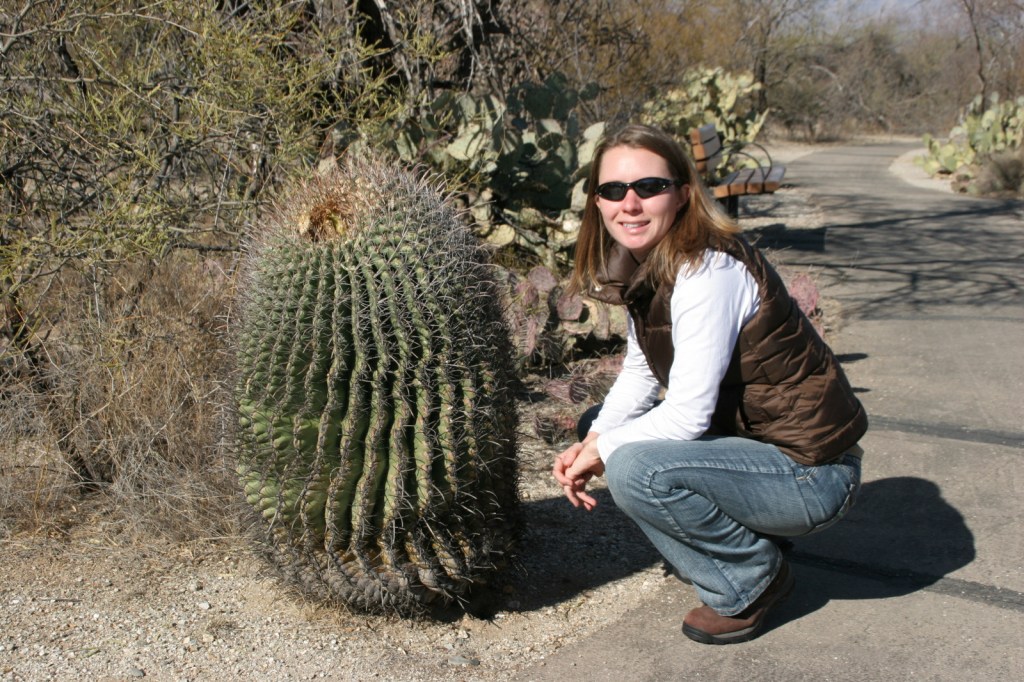
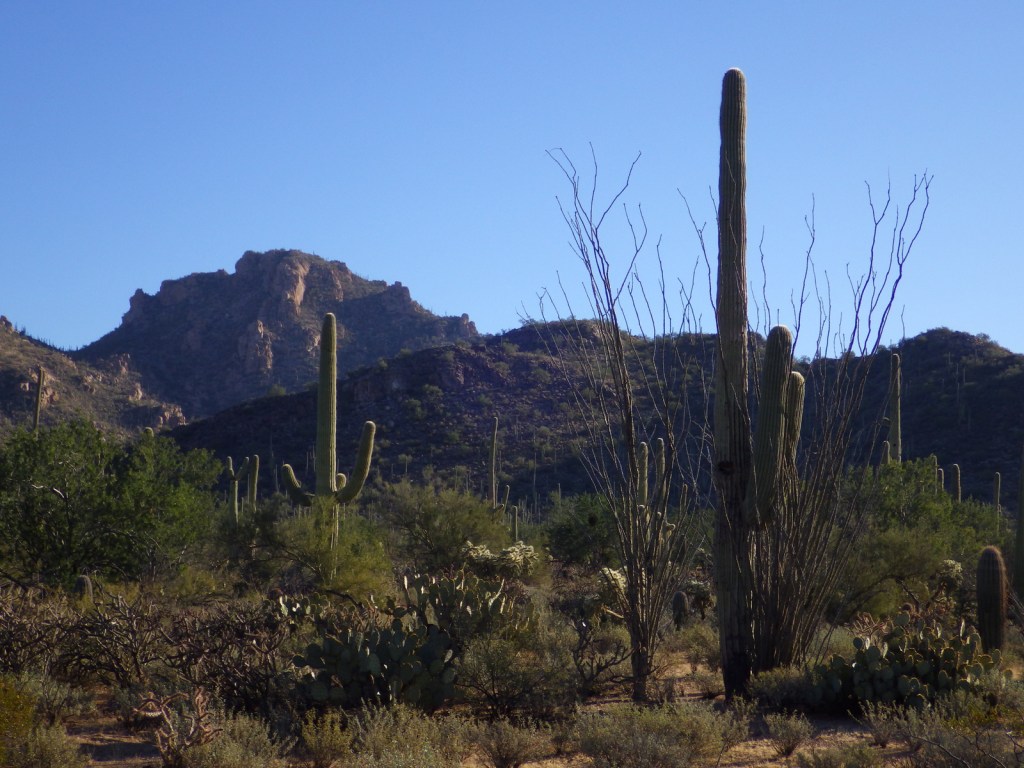
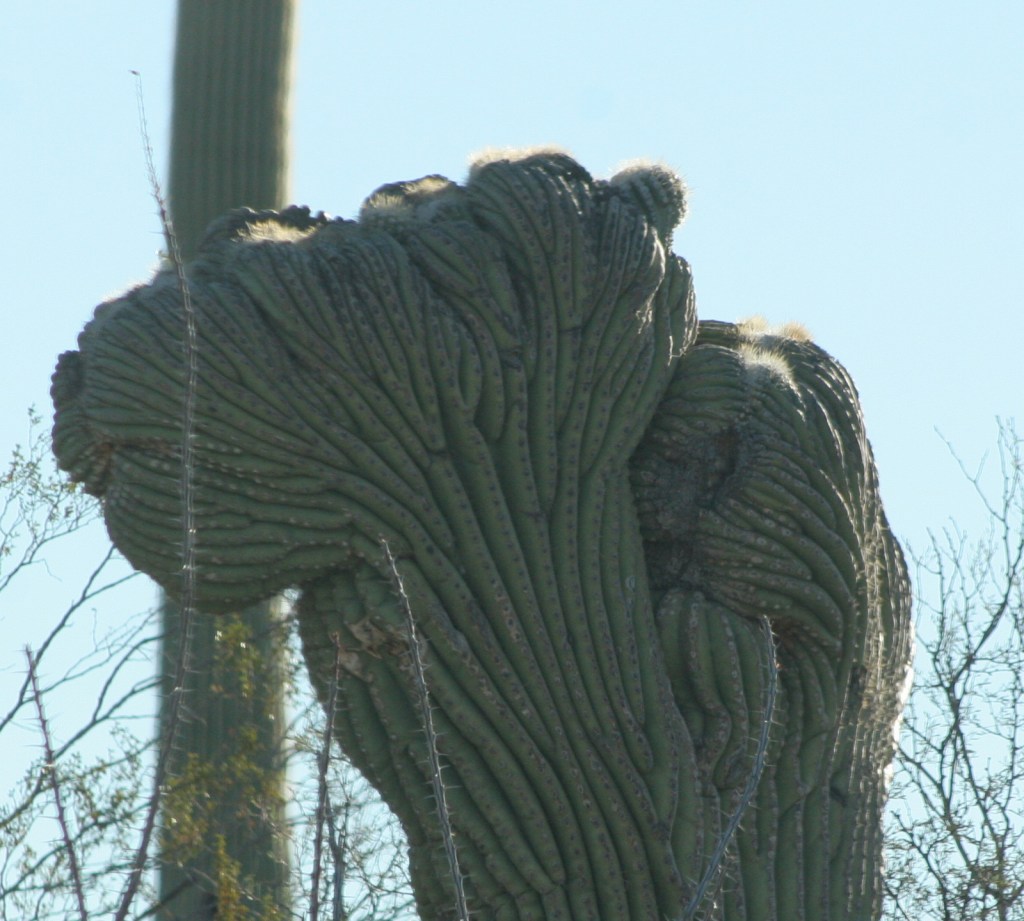
The only U.S. National Park within the expansive Sonoran Desert is divided into two separate districts east and west of Tucson, Arizona.  Its namesake cactus can reach 50 feet in height and weigh more than 16,000 pounds when swelled with water during the rainy season.  Saguaros do not typically branch their first arms until age seventy-five and they can live over 200 years.  They share their home with other cacti that have cuddly names like teddybear cholla, hedgehog, barrel, staghorn cholla, and prickly pear.

Know someone who loves National Parks? Gift them our travel guide A Park to Yourself: Finding Solitude in America’s 63 National Parks

Highlights

Cactus Forest Drive, Desert Ecology Trail, Scenic Bajada Loop Drive, Desert Discovery Nature Trail

Must-Do Activity

There are National Park Service (NPS) visitor centers in both the Rincon Mountain District and Tucson Mountain District.  In each district, opportunities for visitors include scenic drives, handicap-accessible nature trails, and more strenuous hiking options.  Much of the wildlife is nocturnal in the hot desert, but watch for unique species like javelinas, ringtails, kangaroo rats, roadrunners, phainopeplas, desert tortoises, Gila monsters, and western diamondback rattlesnakes.

Best Trail

Hikers can find great overlooks of the surrounding mountains along the short Ridge View Trail in the eastern Rincon Mountain District of the park.

Instagram-worthy Photo

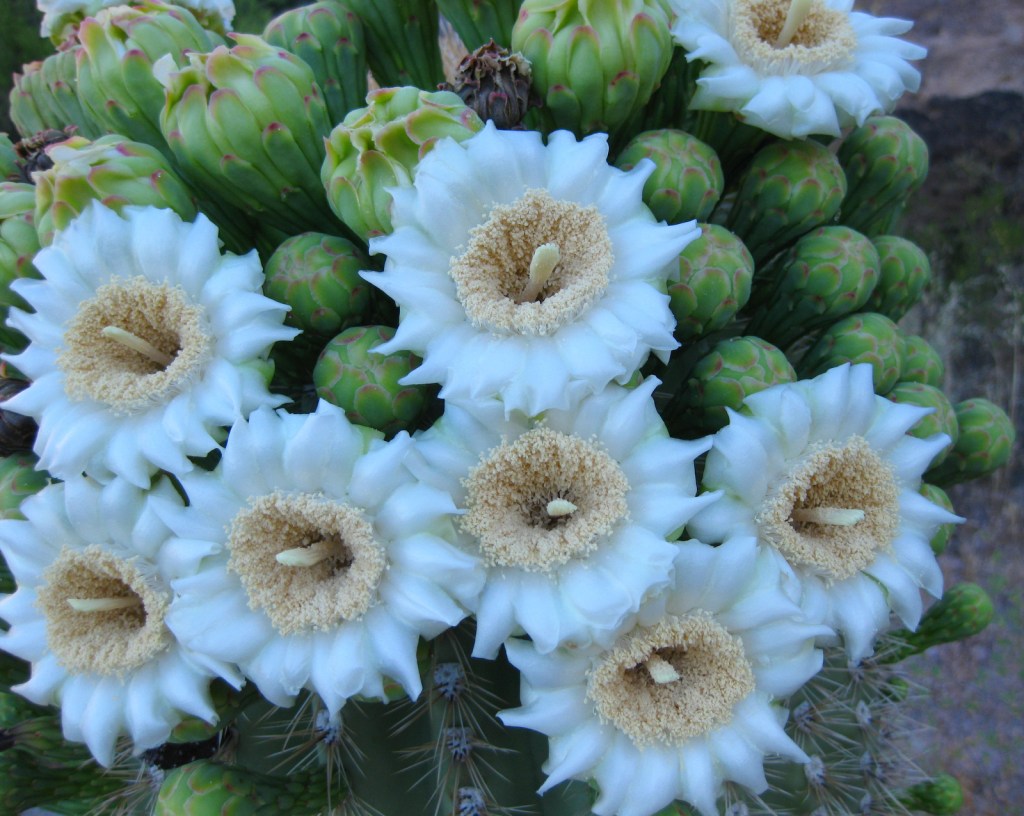
Winter is a great time to come to Saguaro National Park due to mild temperatures, but to see the desert in bloom the spring is best.  Saguaros typically bloom in early June, though their large white blooms are hard to photograph at the top of the tall cacti where moths, bats, and other pollinators can find them.
Peak Season

Spring

Hours

https://www.nps.gov/sagu/planyourvisit/hours.htm

Fees

$25 per vehicle or America the Beautiful pass

Road Conditions

In the Rincon Mountain District the Cactus Forest Drive is all paved, but in the Tucson Mountain District the Scenic Bajada Loop Drive is mostly a graded gravel road.

Camping

Only backcountry camping in designated sites (with a permit) is allowed in the National Park, but campgrounds are available at Tucson Mountain County Park just outside the western district and throughout Coronado National Forest which borders the eastern district.

Related Sites

Organ Pipe Cactus National Monument (Arizona)

Tumacacori National Historical Park (Arizona)

Chiricahua National Monument (Arizona)

This design we created to celebrate Saguaro National Park is available on a variety of products at Cafe Press and Amazon.

Explore More – Tohono O’odham Indians utilized saguaro fruit for jam, syrup, and wine; at what age do the cacti start flowering?

Know someone who loves National Parks? Gift them our travel guide A Park to Yourself: Finding Solitude in America’s 63 National Parks

Nez Perce National Historical Park

Overview

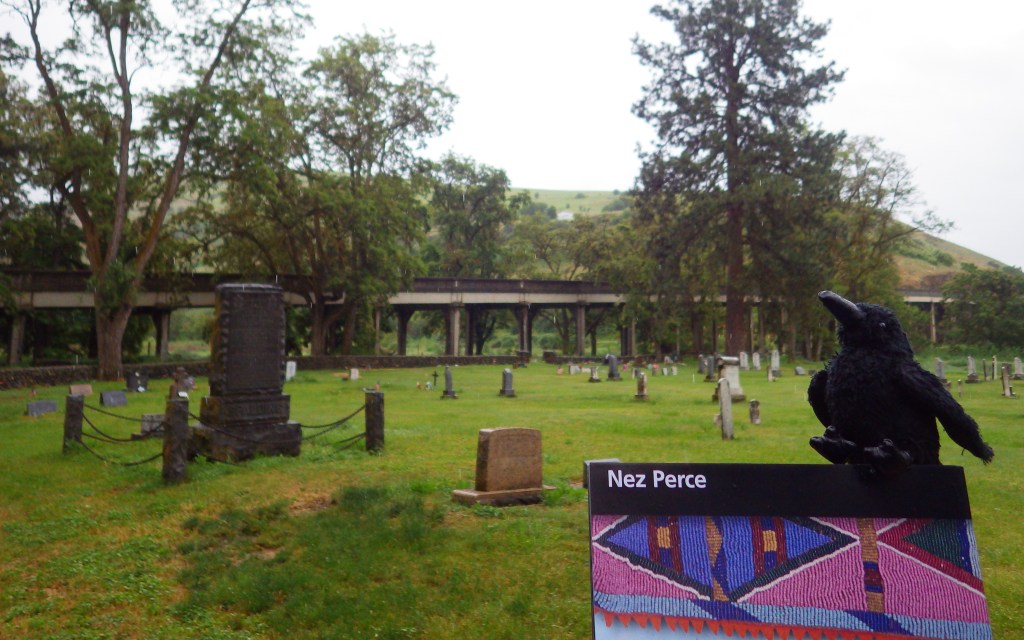
Nez Perce National Historical Park is unique because it comprises 38 sites stretching across four states, not even including an 1877 incident inside Wyoming’s Yellowstone National Park.  Many of the locations (as well as Big Hole National Battlefield) cover the War of 1877, when a portion of the tribe fled more than 1,000 miles from Oregon towards the Canadian border only to be stopped 40 miles short by the U.S. Army at Bear Paw Battlefield in Montana.  Under the leadership of legendary Chief Joseph they crossed the Rocky Mountains at Lolo Pass, made famous by the Lewis and Clark Expedition that the tribe assisted in 1805.

Highlights

Museum, film, Heart of the Monster, Lolo Pass, Bear Paw Battlefield

Must-Do Activity

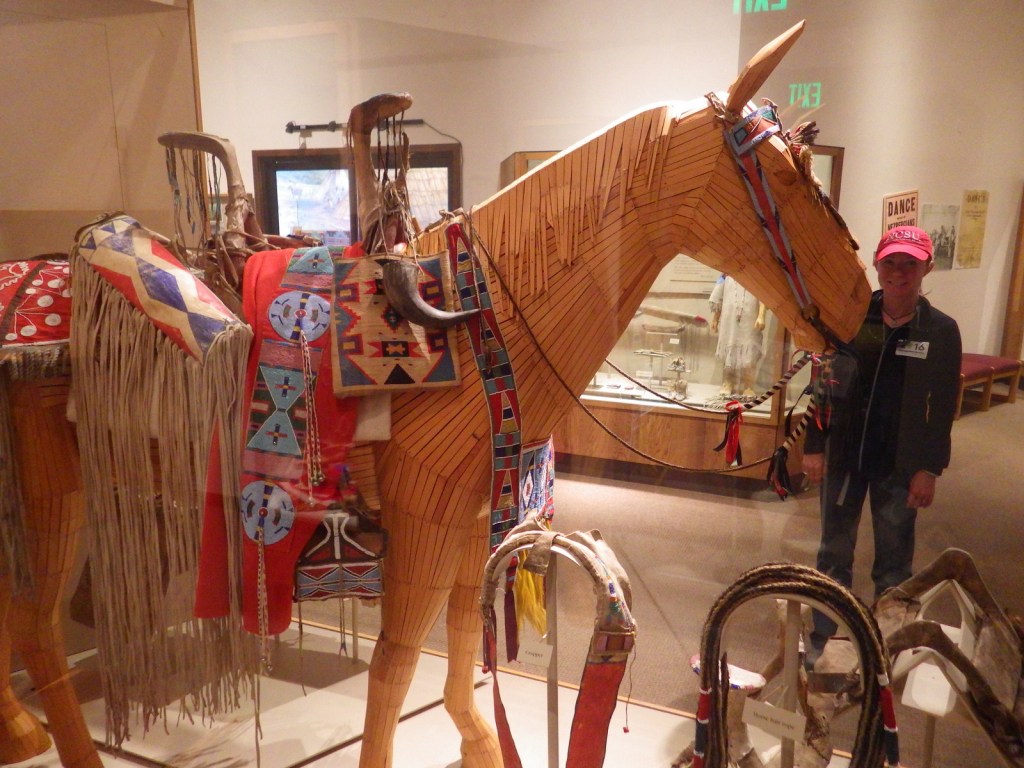
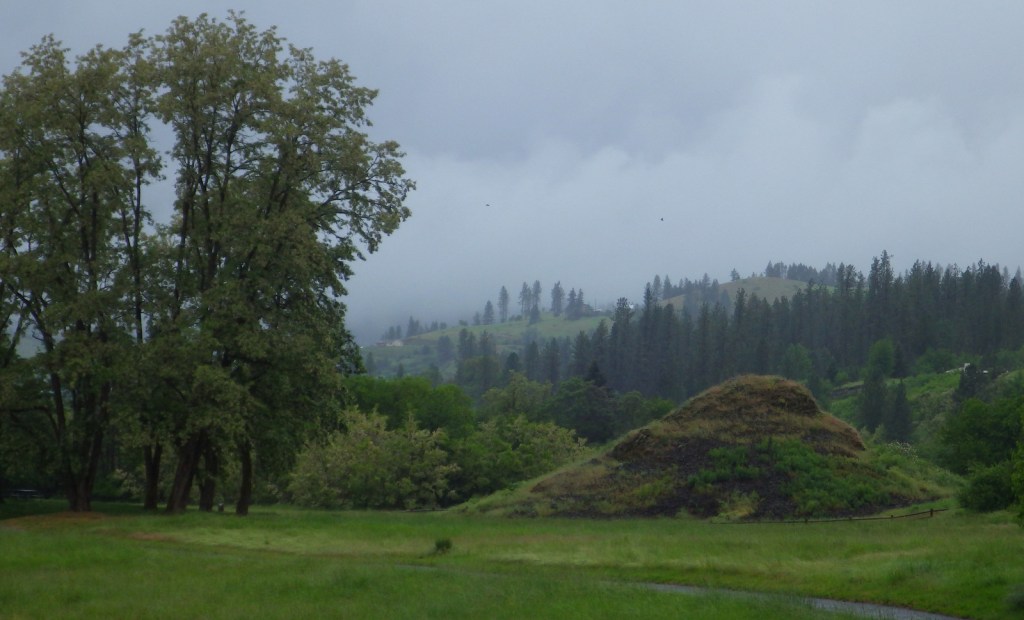
The main National Park Service (NPS) visitor center is in Spalding, Idaho on the Nez Perce Indian Reservation where the “heart of the monster” resides.  According to legend, after Coyote slew the monster that inhaled all the people, its heart and liver came to rest on the banks of the Clearwater River.  This park is also unique because the Nez Perce remain an active tribe with a strong sense of community, as documented in the excellent new film at the visitor center.  Highway 12 follows the beautiful Clearwater River through northern Idaho and provides access points for the unpaved Lolo Motorway (a section of the Nez Perce National Historical Trail) and its many scenic overlooks.

Best Trail

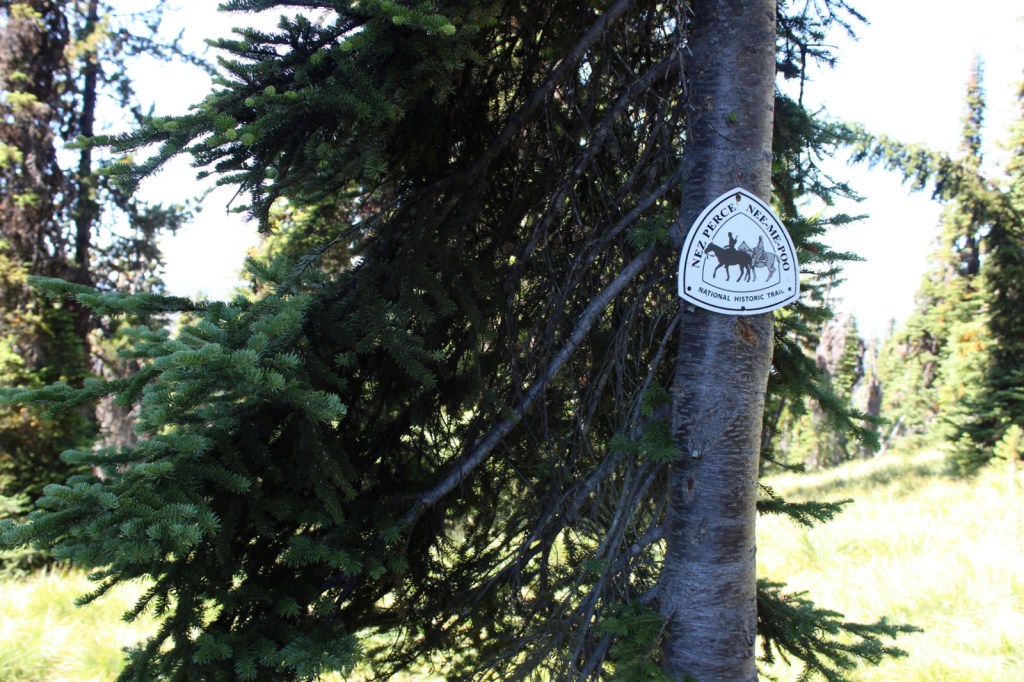
Nez Perce National Historical Trail stretches 1,170 miles from Oregon to Montana, ending at the NPS site at Bear Paw Battlefield where a five-day fight finally led to the tribe’s surrender in October 1877.

Instagram-worthy Photo

At a roadside pullout on Highway 95 in Idaho, the NPS interprets White Bird Battlefield where 34 U.S. Army soldiers were killed on June 17, 1877 escalating the U.S. government’s conflict with the Nez Perce into a war.

Peak Season

Summer

Hours

https://www.nps.gov/nepe/planyourvisit/hours.htm

Fees

None

Road Conditions

Most of the major roads are paved, with the notable exception of the Lolo Motorway which requires a high clearance vehicle (and four-wheel drive on its western end).

Camping

There are camping opportunities ranging from dispersed to developed located throughout Clearwater, Nez Perce, and Wallowa-Whitman National Forests.
Related Sites

Big Hole National Battlefield (Montana)

Grant-Kohrs Ranch National Historic Site (Montana)

Whitman Mission National Historic Site (Washington)

Explore More – After the 1863 “Steal Treaty” reduced the Nez Perce Reservation by 90%, what was the 1887 federal law that allowed another 90% to end up in white ownership?

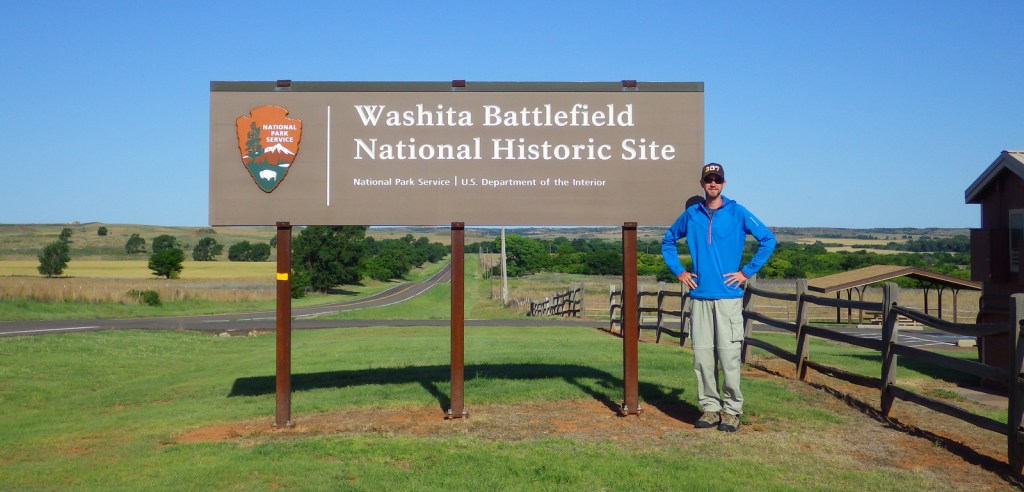
Washita Battlefield National Historic Site

Overview

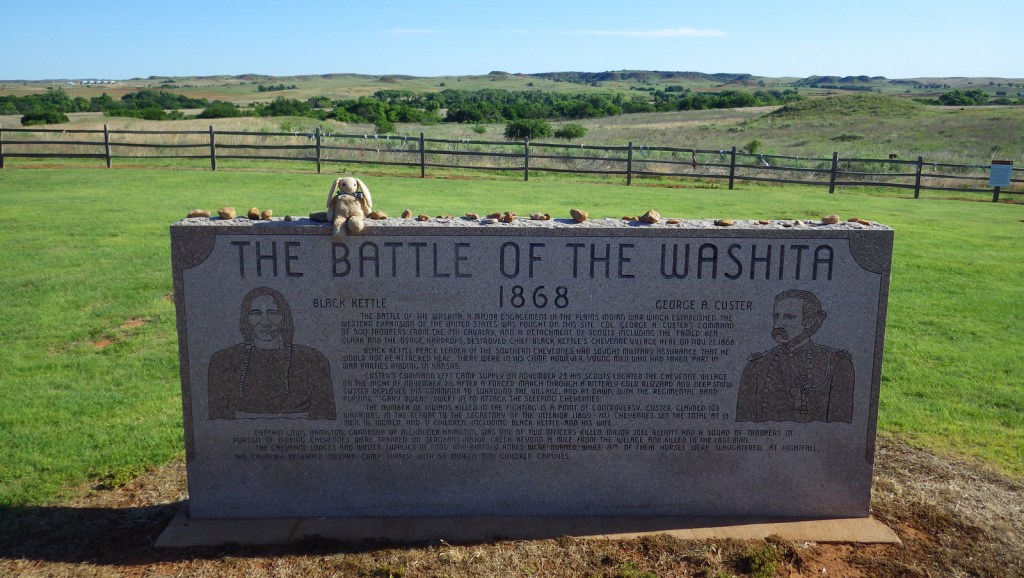
Many retaliatory acts occurred in the aftermath of the 1864 Sand Creek Massacre in Colorado, leading the U.S. Army to launch a campaign against the Cheyenne, Arapaho, and Kiowa following the signing of several peace treaties.  In November 1868, after unsuccessfully seeking protection at Fort Cobb, Cheyenne Chief Black Kettle and Arapaho Chief Big Mouth returned to their winter villages in the Washita River Valley.  The very next day a surprise attack was launched by Lieutenant Colonel George Custer, capturing 53 and killing thirty to sixty Cheyennes, including Black Kettle and his wife.  Under Major General Philip Sheridan’s policy of “total war,” approximately 800 horses were then slaughtered and the village burned. 
Highlights

Museum, film, interpretive trail

Must-Do Activity

The events that took place the morning of November 27, 1868 in western Oklahoma have been described either as a battle or a massacre.  A small National Park Service (NPS) visitor center with exhibits on the events is shared with the U.S. Forest Service’s Black Kettle National Grassland.  Located just down the road on Highway 47 is a self-guided walking tour of the prairie battlefield. 

Best Trail

The 1.4-mile hiking trail through the battlefield leaves from an overlook of the historic site down to the Washita River where trees grow.

Instagram-worthy Photo

The vegetation is typical of Oklahoma prairie with grasses, yucca, and Indian blanket (in bloom in late May).

Peak Season

Summer

Hours

https://www.nps.gov/waba/planyourvisit/hours.htm

Fees

None

Road Conditions

All roads paved

Camping

There are private campgrounds in Cheyenne, Oklahoma, or you can head 25 miles southeast to Foss State Park.

Related Sites

Black Kettle National Grassland (Oklahoma-Texas)

Sand Creek Massacre National Historic Site (Colorado)

Little Bighorn Battlefield National Monument (Montana)

Chickasaw National Recreation Area (Oklahoma)

Explore More – When was this National Historic Site authorized by Congress?

Pu‘ukohola Heiau National Historic Site

Overview

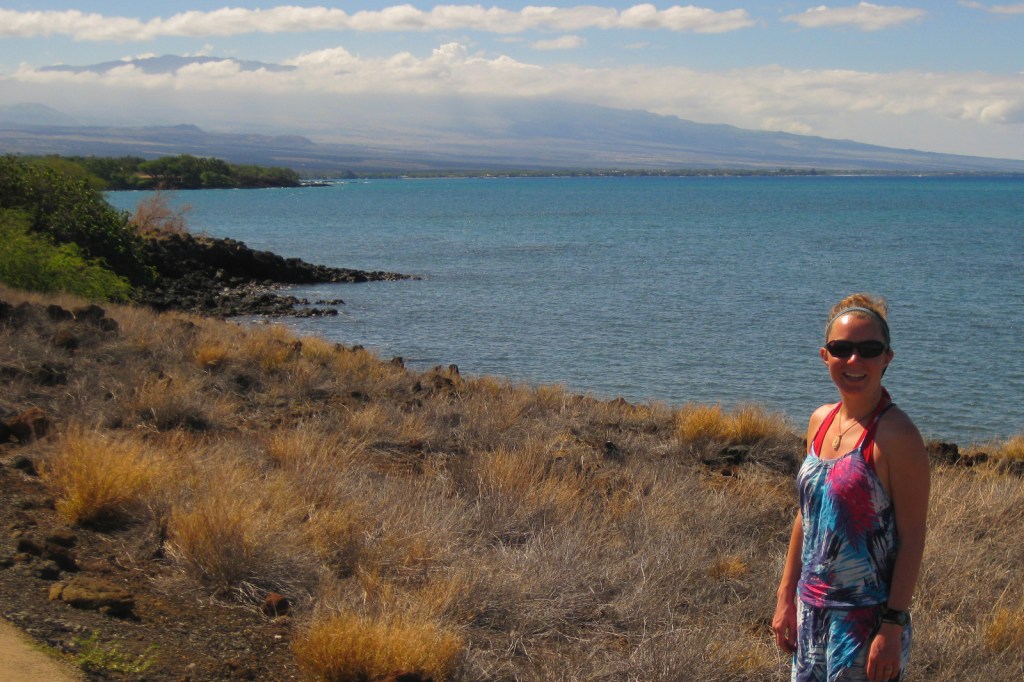
Located on the west coast of the Big Island of Hawai‘i, Pu‘ukoholā Heiau translates as “temple on the hill of the whale.”  Under the rule of Kamehameha I, the heiau was built in 1790-91 after a prophet told his aunt he needed to appease the family war god.  In 1810, after years of warfare, Kamehameha I finally became the first king of the unified Hawaiian Islands.  Following his death nine years later, his son abolished the kapu system of beliefs and the heiau fell into ruin.  This 86-acre site was added to the National Park Service (NPS) system in 1972.

Highlights

Pu‘ukoholā Heiau, Mailekini Heiau, Ala Kahakai National Historic Trail, John Young’s Homestead

Must-Do Activity

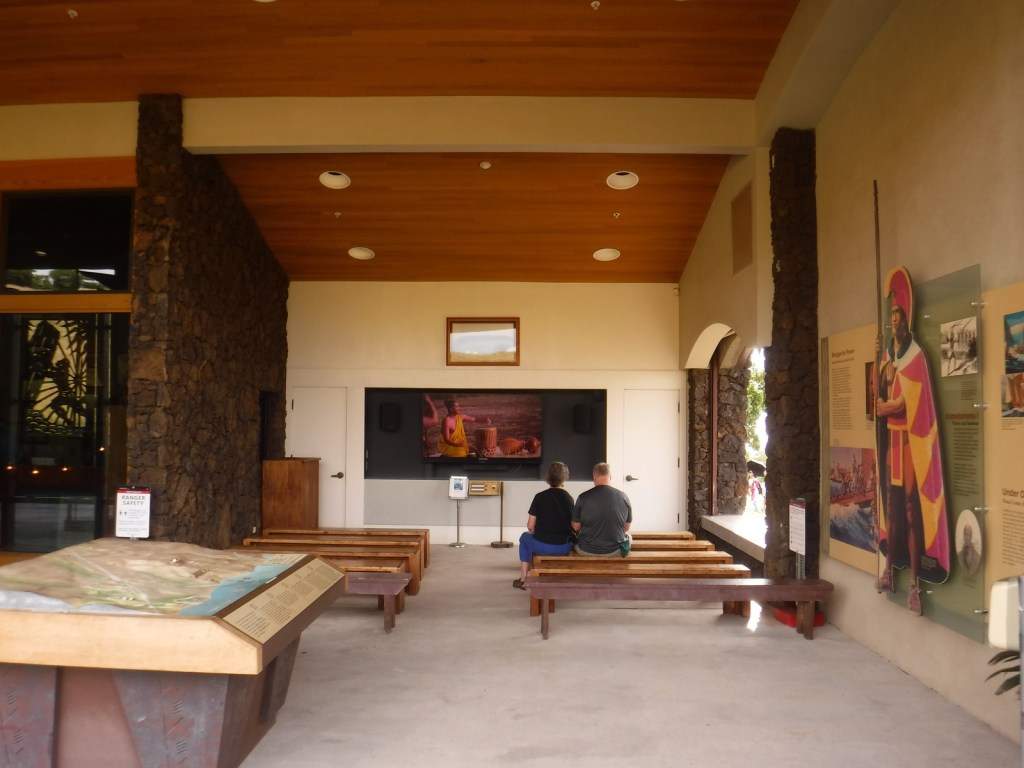
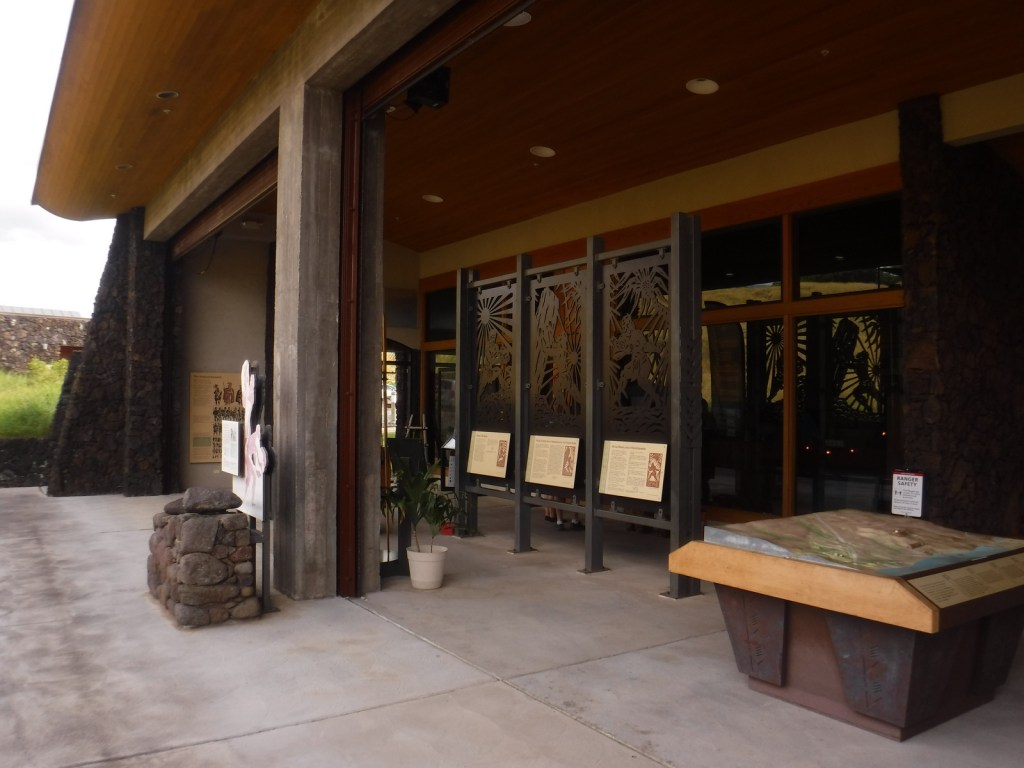
Start your visit at the NPS visitor center and check out the metal artwork that tells the story of the demi-god Maui.  Then walk the interpretive trail for views of several heiau, including the submerged Hale o Kapuni Heiau dedicated to the shark gods.  You can also park across Highway 270 and walk to the site of John Young’s homestead.  Young was a British sailor stranded on Hawai‘i in 1790 who became a trusted military advisor of Kamehameha I. 

Best Trail

A short portion of the 175-mile long Ala Kahakai National Historic Trail runs through this site, though at present most of the trail is not publicly accessible.

Instagram-worthy Photo

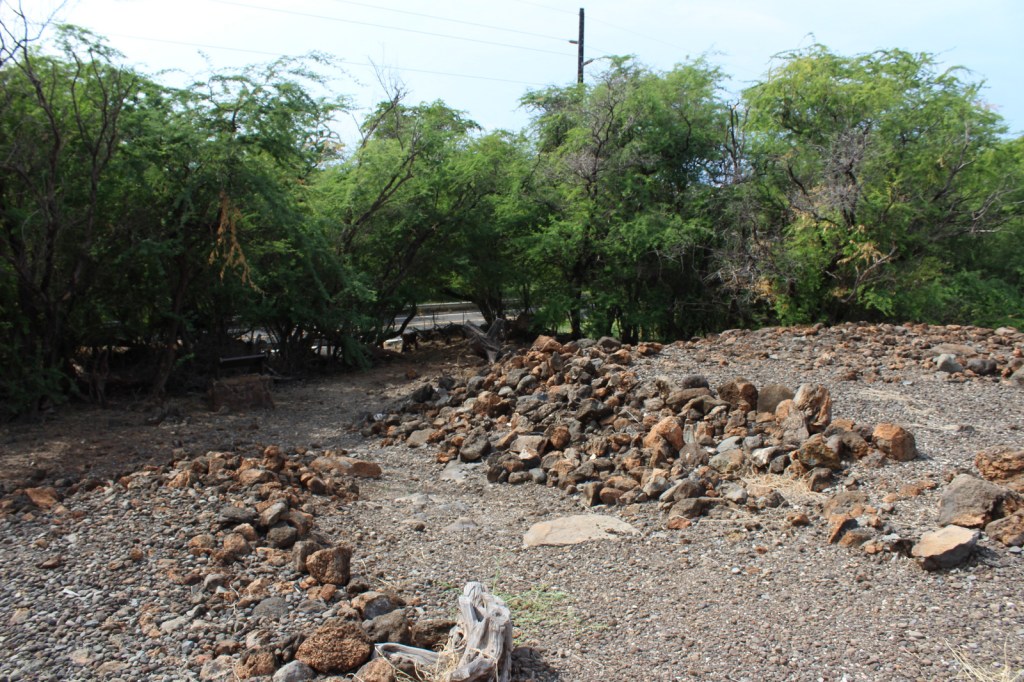
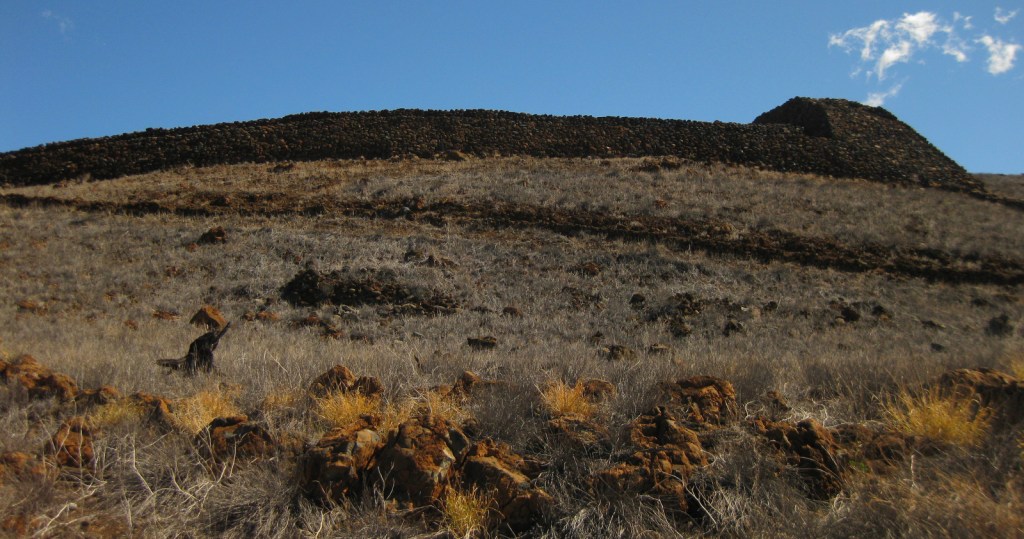
Pu‘ukoholā Heiau measures 224 by 100 feet with 20-foot high walls and was constructed without mortar by stacking volcanic rocks.  The heiau are closed to the public, but can be photographed from downhill.

Peak Season

Year round, but each August there are ceremonies held at the heiau.

Hours

https://www.nps.gov/puhe/planyourvisit/hours.htm

Fees

None

Road Conditions

All roads paved

Camping

Samuel Spencer County Park offers camping nearby, but reservations are required.

Related Sites

Pu‘uhonua o Honaunau National Historical Park (Hawai‘i)

Kaloko-Honokohau National Historical Park (Hawai‘i)

Hawai‘i Volcanoes National Park (Hawai‘i)

Explore More – The kikiako‘i (or stone leaning post) was at least six feet tall and used by chiefs to observe sharks feeding at Hale o Kapuni Heiau; when was it accidentally broken?

Whitman Mission National Historic Site

Overview

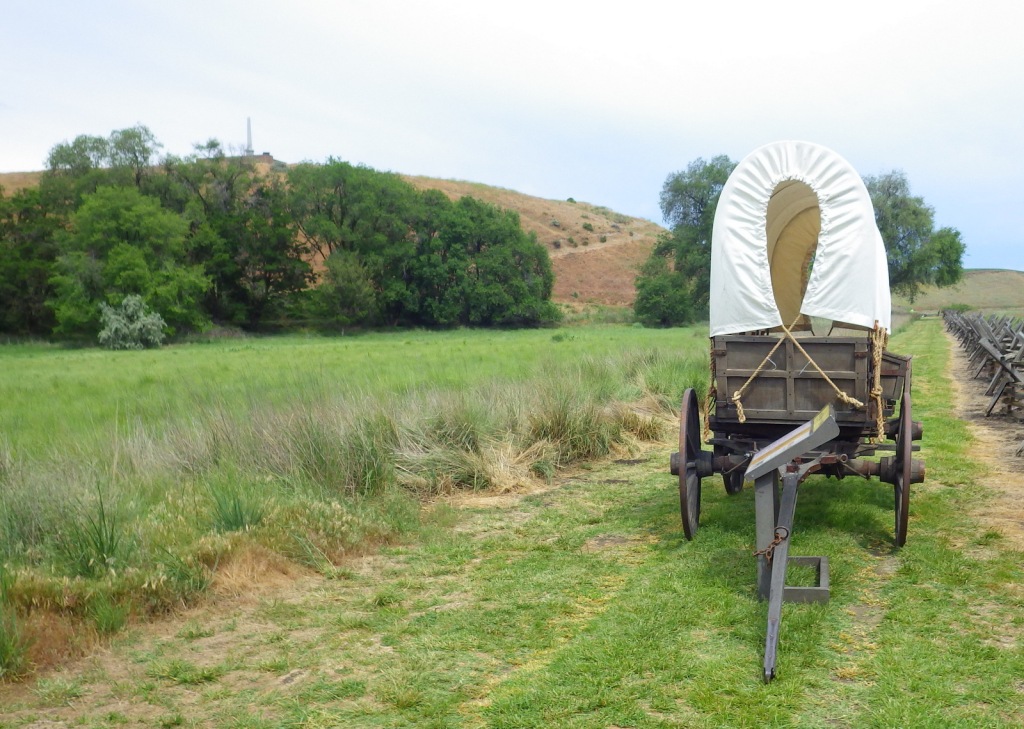
While there was some limited European settlement on the west coast prior to her journey, the popularization of the Oregon Trail for families can be traced to publication of the letters of Narcissa Whitman after her journey in 1836.  While in the Black Hills she wrote, “It is astonishing how well we get along with our wagons where there are no roads.  I think I may say it is easier traveling here than on any turnpike in the States.”  Narcissa came with her doctor husband and other Protestants to establish missions among the American Indians.  The Whitmans did much to open the west to emigrant families and you can visit their graves at this 138-acre National Park Service (NPS) site in Walla Walla, Washington.

Highlights

Museum, film, millpond, Whitman Memorial, Oregon National Historic Trail

Must-Do Activity

The Whitmans set up near Waiilatpu, which translates to “place of the people of the rye grass.”  The main Oregon Trail would eventually detour south of their mission, but the couple would still care for stragglers, even adopting 10 children.  Following a devastating 1847 measles epidemic they and eleven others were killed by grieving Cayuse families who blamed the doctor for poisoning them.  News of the November 29 attack and subsequent retaliations spurred Congress to create the Oregon Territory within the year. 

Best Trail

A self-guided interpretive trail leads up to an overlook of Waiilatpu from atop the Whitman Memorial hill.  The trail passes a restored millpond and the Great Grave where 13 victims were buried in 1847, including Narcissa Whitman and her husband.

Instagram-worthy Photo

A portion of the Oregon Trail passed through Waiilatpu until rerouted south after 1844.

Peak Season

Summer

Hours

https://www.nps.gov/whmi/planyourvisit/hours.htm

Fees

None

Road Conditions

All roads paved

Camping

There is not an NPS campground, but private campgrounds are located in Walla Walla, Washington.

Related Sites

Fort Vancouver National Historic Site (Washington)

Lake Chelan National Recreation Area (Washington)

Lewis and Clark National Historical Park (Oregon-Washington)

Explore More – In addition to those killed in the attack at Whitman Mission on November 29, 1847, how many others were held hostage for a month until their ransom was paid?