Tag Archives: desert

Top 10 Desert NPS Sites

Many National Park Service (NPS) sites are closed during the winter months, but that is often the best time to visit the places that are too hot to enjoy in the summer.  North America has four named deserts: the Mojave, Sonoran, Great Basin, and Chihuahuan (all are represented in the list below).  When you think of these deserts do not picture sand dunes and desolation.  American deserts have a surprisingly diverse array of vegetation and wildlife adapted to their tough conditions, as you will see if you follow the links for our articles on each NPS site.  Click here to see all our Top 10 Lists.

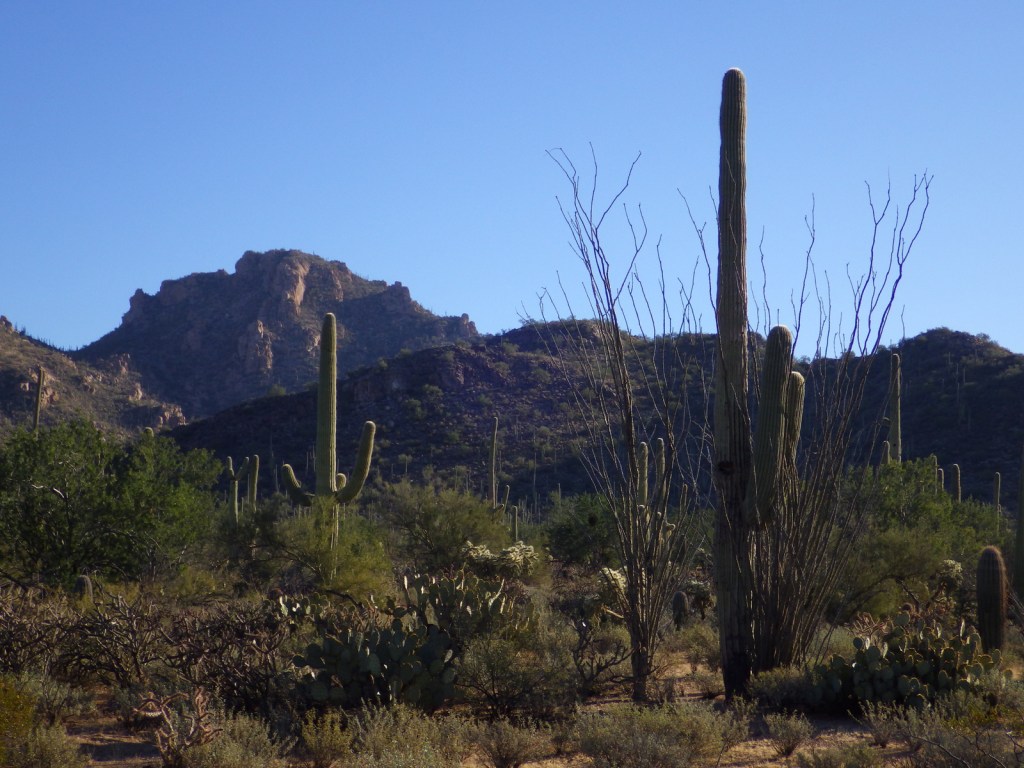
10. Saguaro National Park (Arizona)

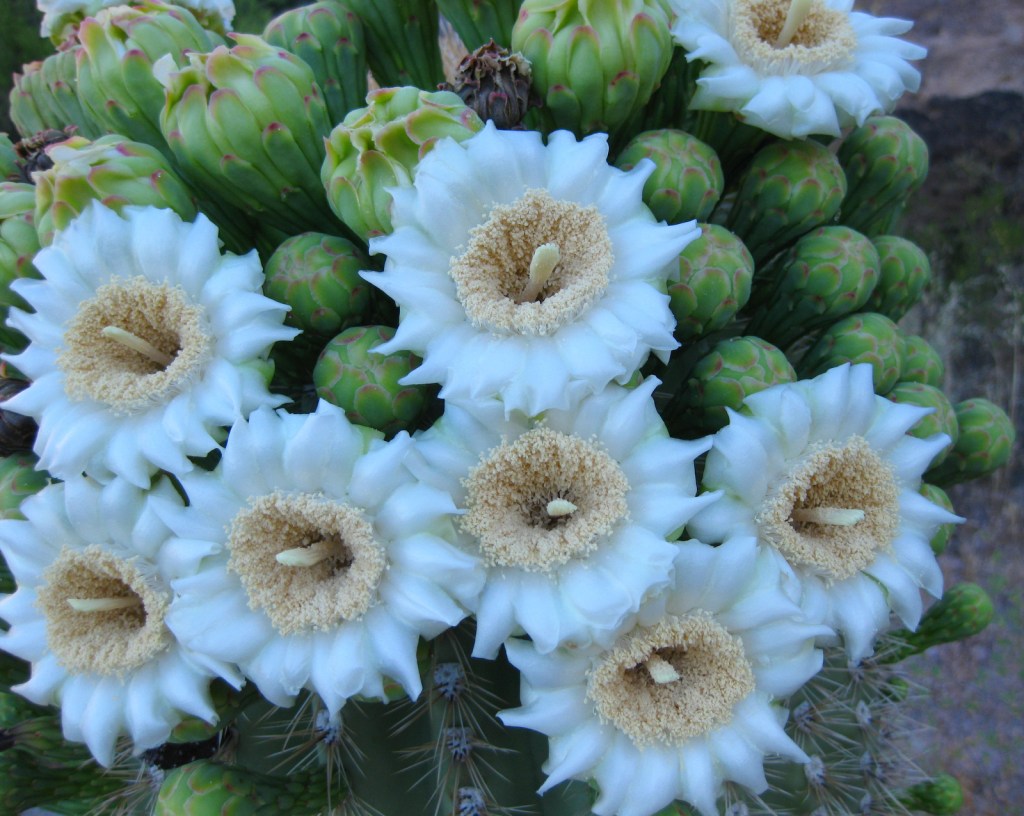
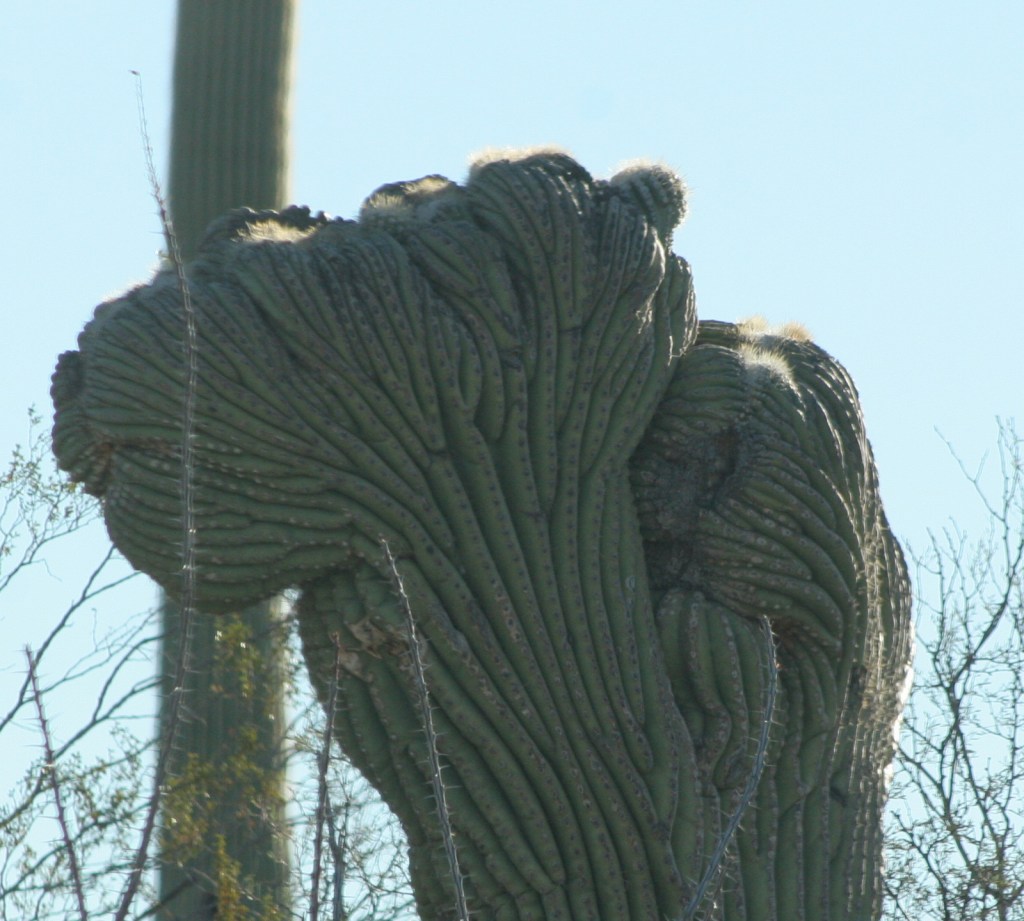
There are many interesting cacti to learn about here other than its fantastic namesake saguaro
9. Mojave National Preserve (California)

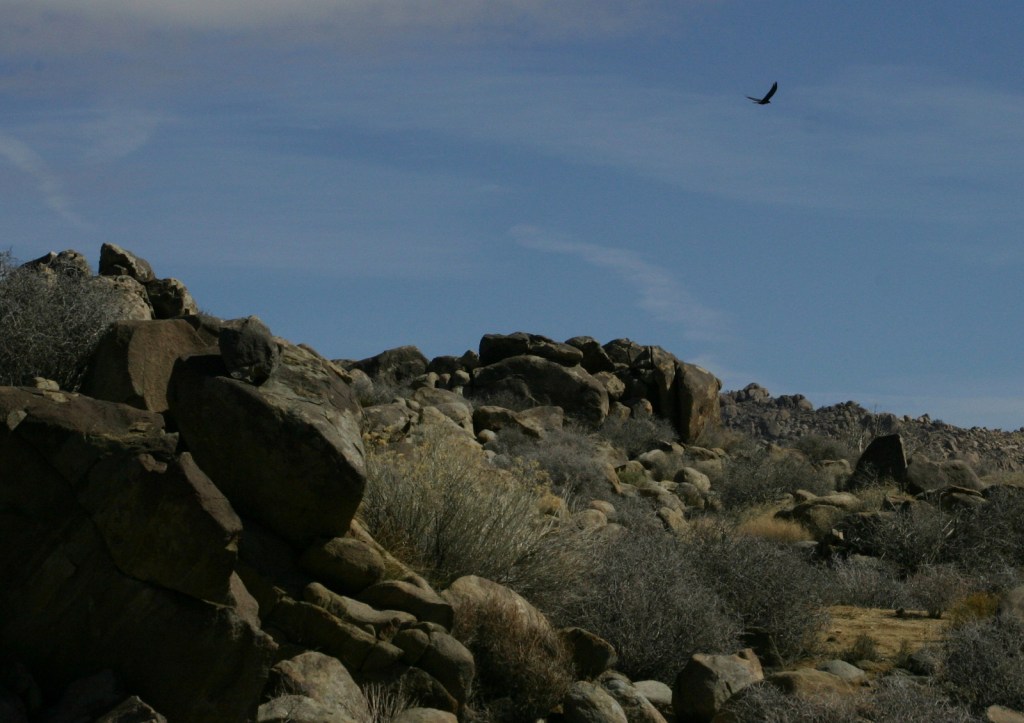
More than 1,000 miles of roads access 1.6-million acres of Joshua tree forests, sand dunes, and mountain ranges

8. White Sands National Park (New Mexico)

The newest National Park (established December 2019) is a fun place to go sledding year round

7. Glen Canyon National Recreation Area (Arizona-Utah)

Explore slot canyons and Rainbow Bridge National Monument by boat on Lake Powell

6. Arches National Park (Utah)

Home to 2,500 wind-carved holes (minimum size of three feet) in its famed orange sandstone

5. Lake Mead National Recreation Area (Nevada-Arizona)

More than just the Hoover Dam; hot springs and canyons invite exploration

4. Big Bend National Park (Texas)

Named for a curve in the Rio Grande, the landscape dries out quickly farther from the river

3. Canyonlands National Park (Utah)

Four distinct units will inspire you to return multiple times to this unique park

2. Organ Pipe Cactus National Monument (Arizona)

28 species of cacti are found in this beautiful Sonoran Desert expanse

…and finally our #1 desert NPS site:
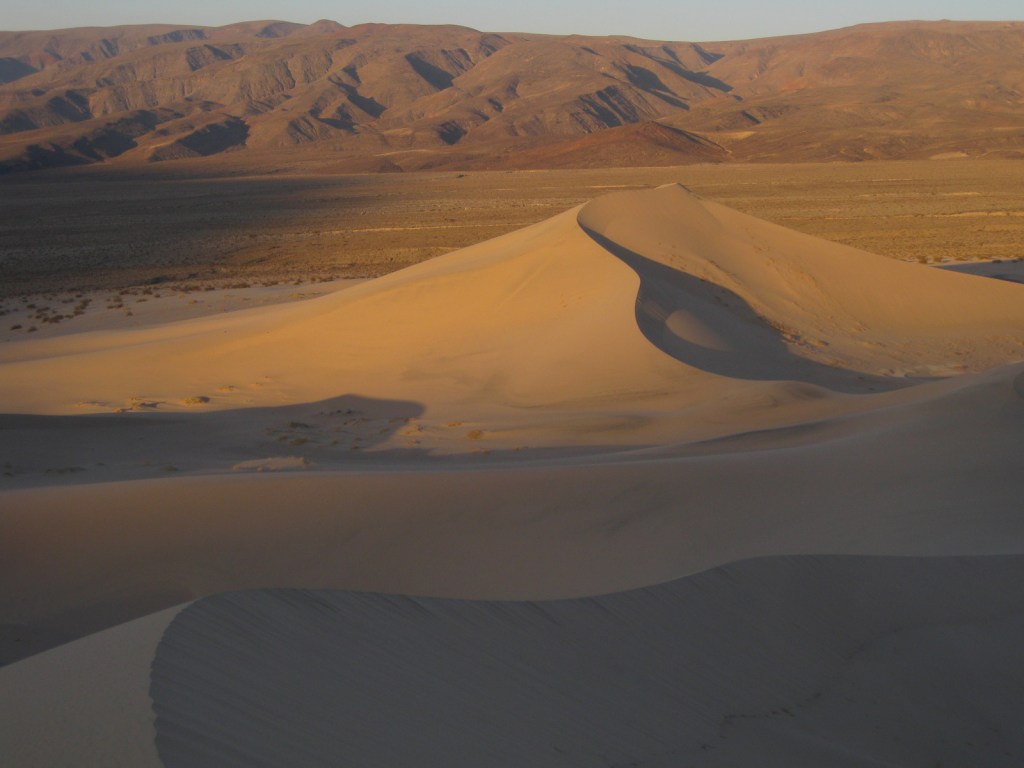
1. Death Valley National Park (California-Nevada)

Its large size and wide elevation range (-282 to 11,049 feet) make this the most distinctive park on this list

Honorable Mentions

Great Basin National Park (Nevada)

Named for a desert, but much of this park is actually in high-elevation forests
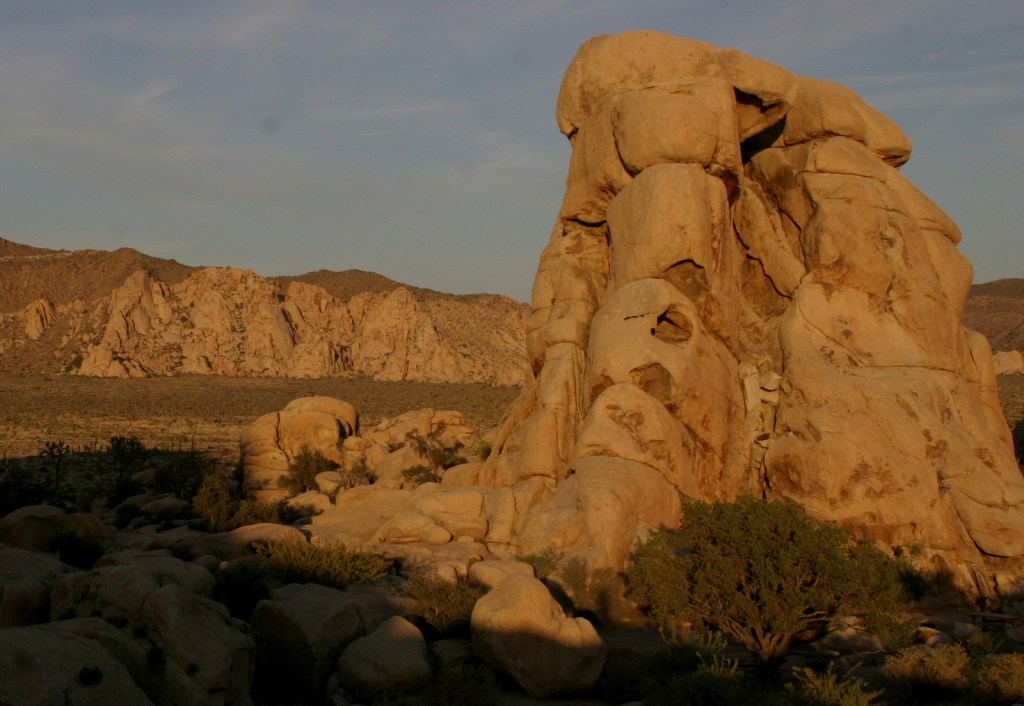
Joshua Tree National Park (California)

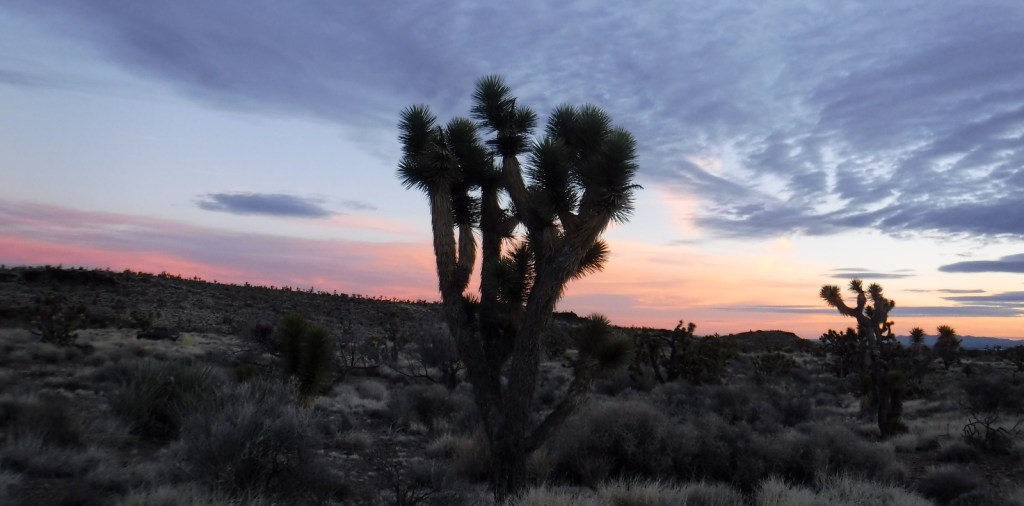
Unfortunately its namesake yucca may go extinct within its boundaries due to climate change

Guadalupe Mountains National Park (Texas)

A great place to spend the night since there is no camping at neighboring Carlsbad Caverns National Park
Mojave National Preserve

Overview

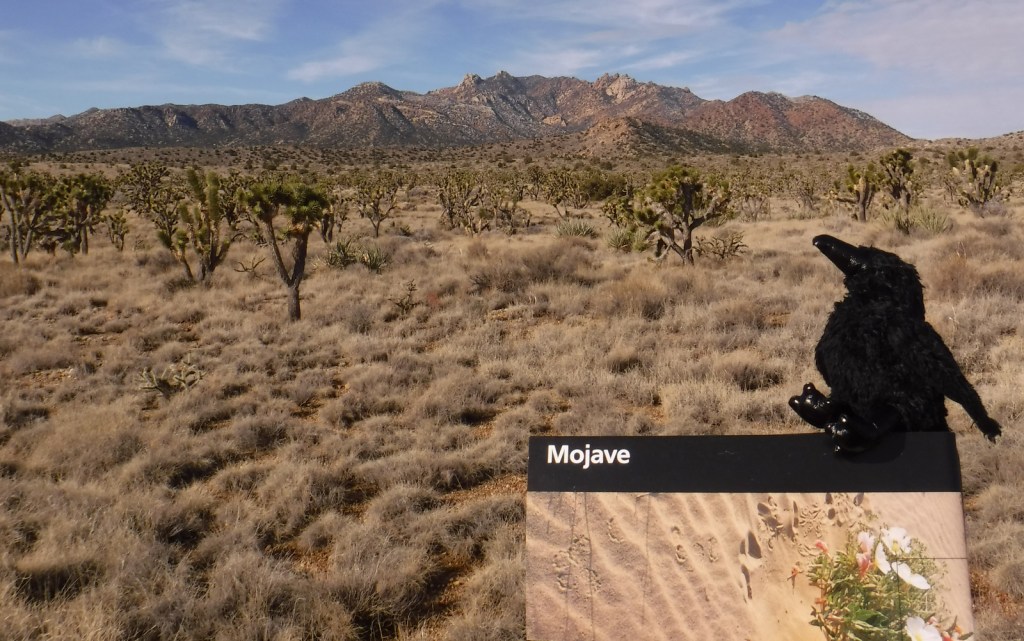
Mojave National Preserve is a massive 1.6-million acres of desert bounded by Interstate 15 to the north and Interstate 40 to the south.  Passed by millions of commuters every year, it does not take many miles of driving to leave behind the bustling freeways for a quiet landscape.  Species diversity is high here given its elevation range from 800 to 7,929 feet and its place at the intersection of three deserts: the Mojave, Great Basin, and Sonoran.  Watch for desert tortoises, Mojave rattlesnakes, roadrunners, ravens, kangaroo rats, mountain lions, mule deer, and some of the 1,000 bighorn sheep that reside in the preserve.

Highlights

Kelso Depot, film, Kelso Dunes, Hole-in-the-Wall Nature Trail, Rings Loop Trail

Must-Do Activity

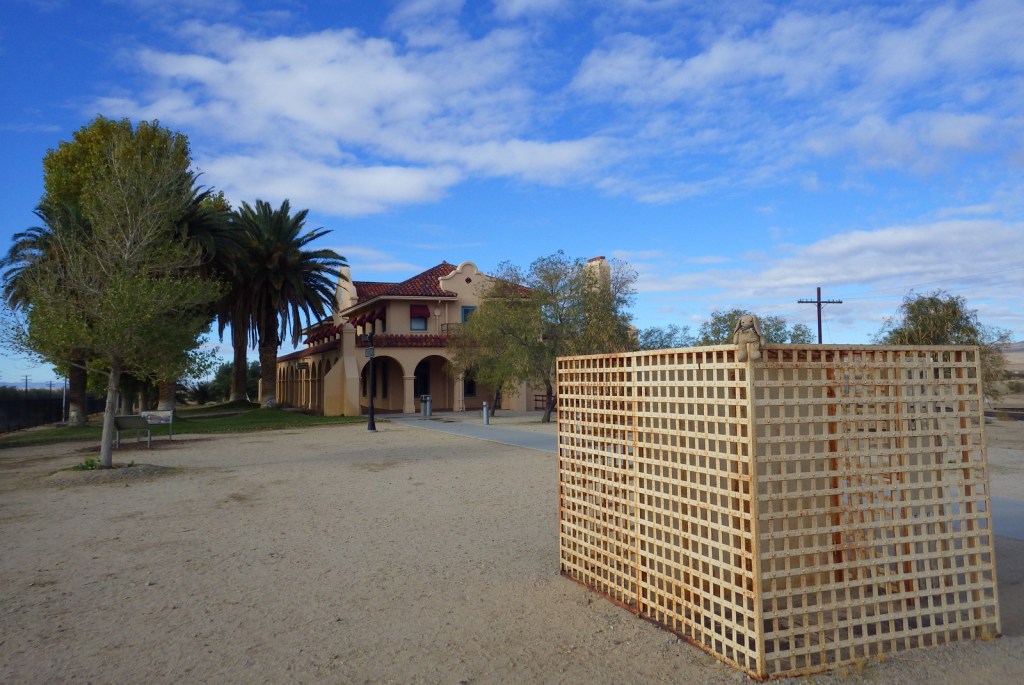
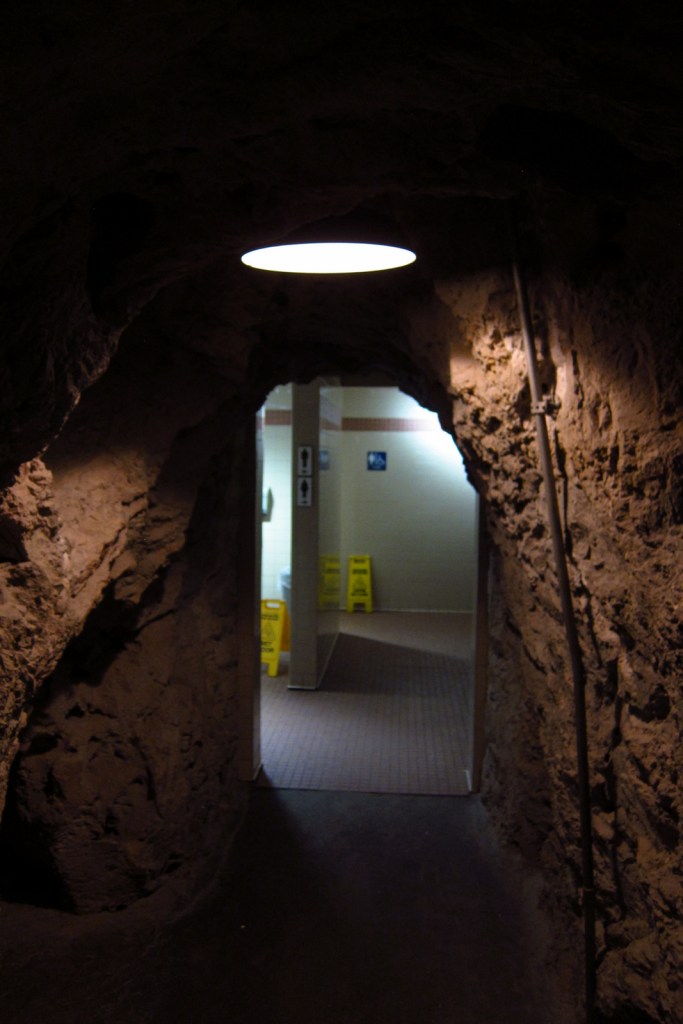
If you are driving on I-15 between California and Nevada consider entering the preserve via the Cima Road exit, with a first stop at its gas station’s interesting waterfall urinal in the men’s restroom.   From there drive south on a paved road into a dense Joshua tree forest on the gently sloping flanks of the enormous Cima Dome (an extinct volcano) and then stop at Kelso Depot where the National Park Service (NPS) operates a visitor center and museum.  From there you can continue south to the beautiful Kelso Dunes or take the paved Kelbaker Road back to Interstate 15 at Baker, home of the world’s tallest thermometer.

Best Trail

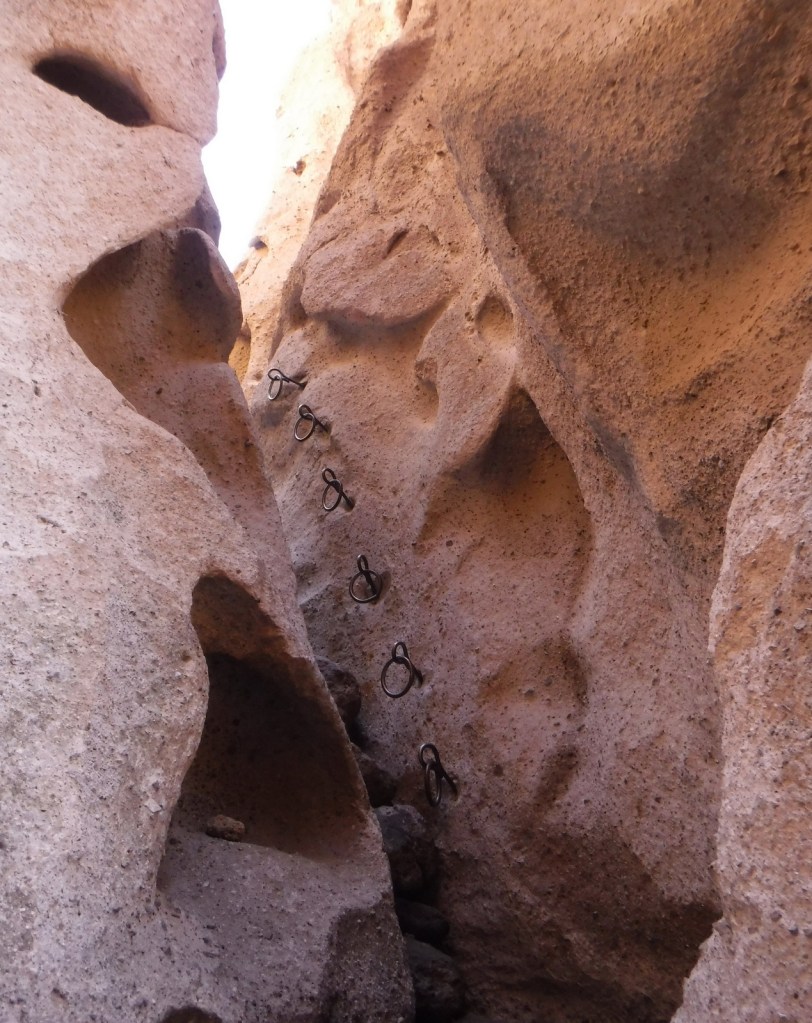
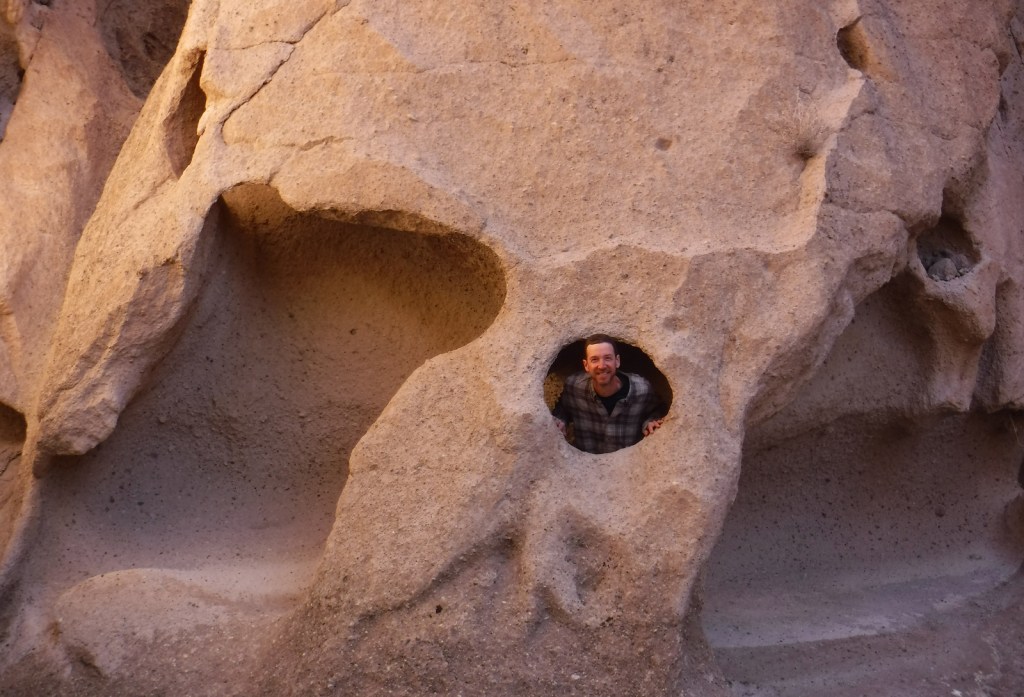
The one-mile Rings Loop Trail has metal rings cemented into its canyon walls in some places to help you ascend and descend steep portions.  Hole-in-the-Wall Nature Trail and the six-mile Barber Peak Loop Trail are also found in this area near the NPS campgrounds.

Instagram-worthy Photo

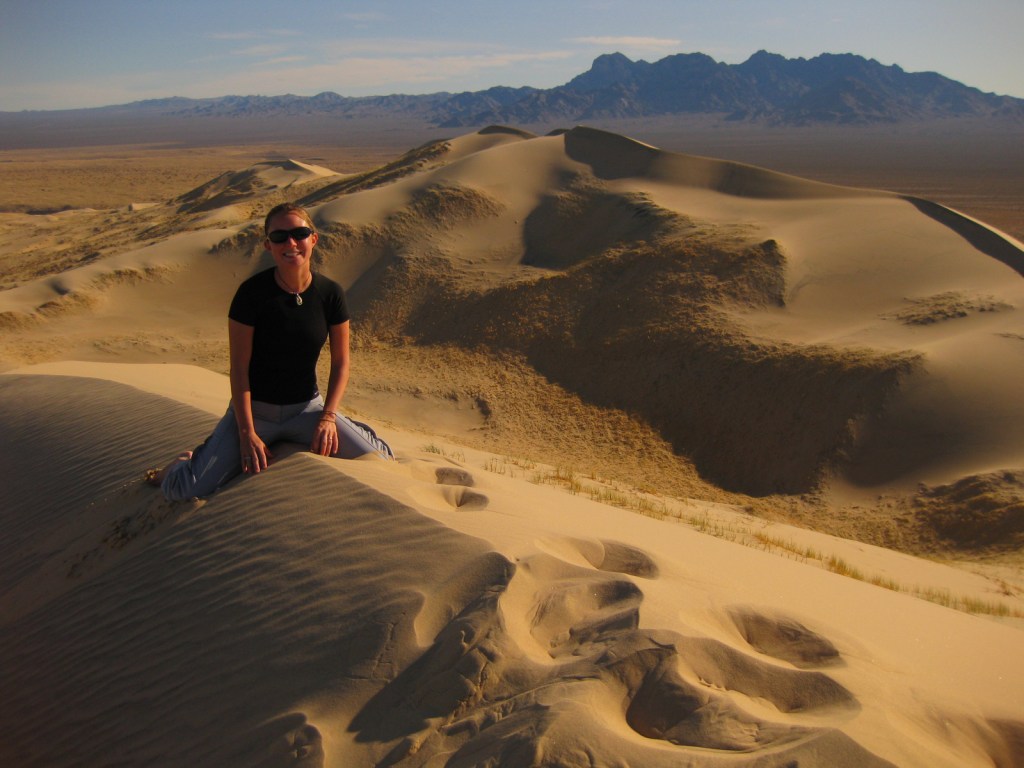
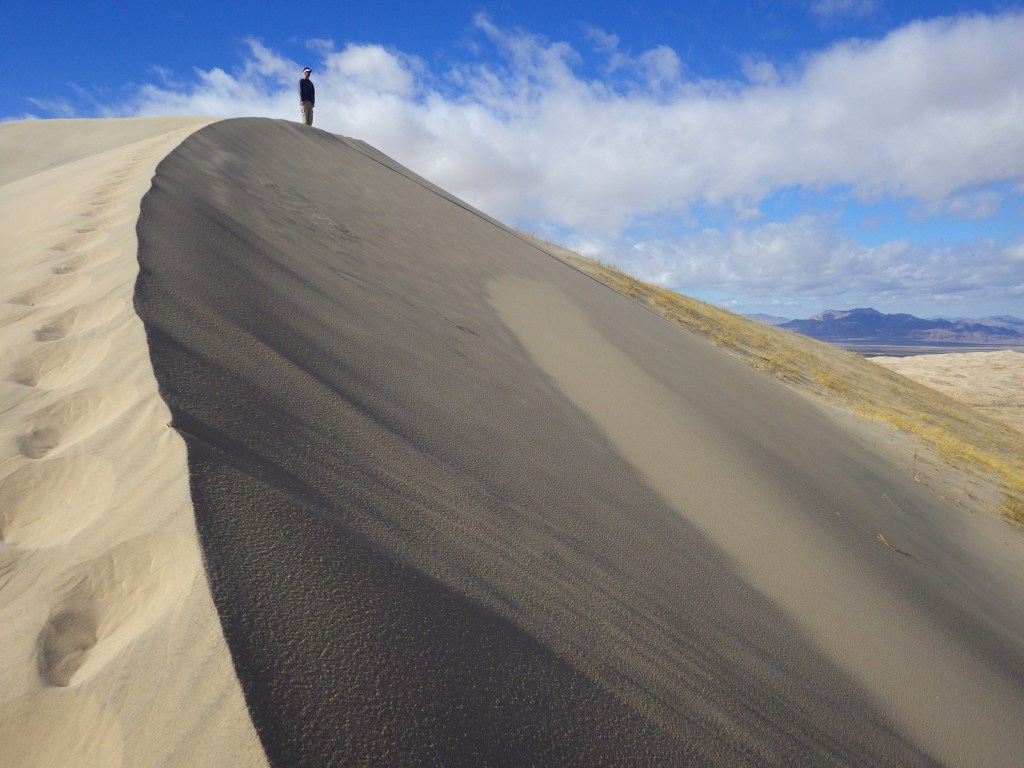
We love sand dunes (see our Top 10 list) and one of our favorites is the nearly 700-foot tall Kelso Dunes, which create a booming sound when the sand shifts and moisture conditions are right.

Peak Season

Spring and fall

Hours

https://www.nps.gov/moja/planyourvisit/hours.htm

Fees

None

Road Conditions

The main roads are paved, however, most of the 1,000 miles of roads are unpaved and some of them require a high-clearance vehicle, especially if you want to access neighboring Castle Mountains National Monument.

Camping

Dispersed camping is allowed throughout most of the preserve, but there are also NPS campgrounds around the Hole-in-the-Wall Ranger Station.

Related Sites

Castle Mountains National Monument (California)

Joshua Tree National Park (California)

Death Valley National Park (California)

Explore More – How many acres of Wilderness are designated within Mojave National Preserve?

Saguaro National Park

Saguaro National Park

Arizona

Managed by National Park Service

Established 1933 National Monument, 1994 National Park

91,716 acres

Website: nps.gov/sagu

Overview

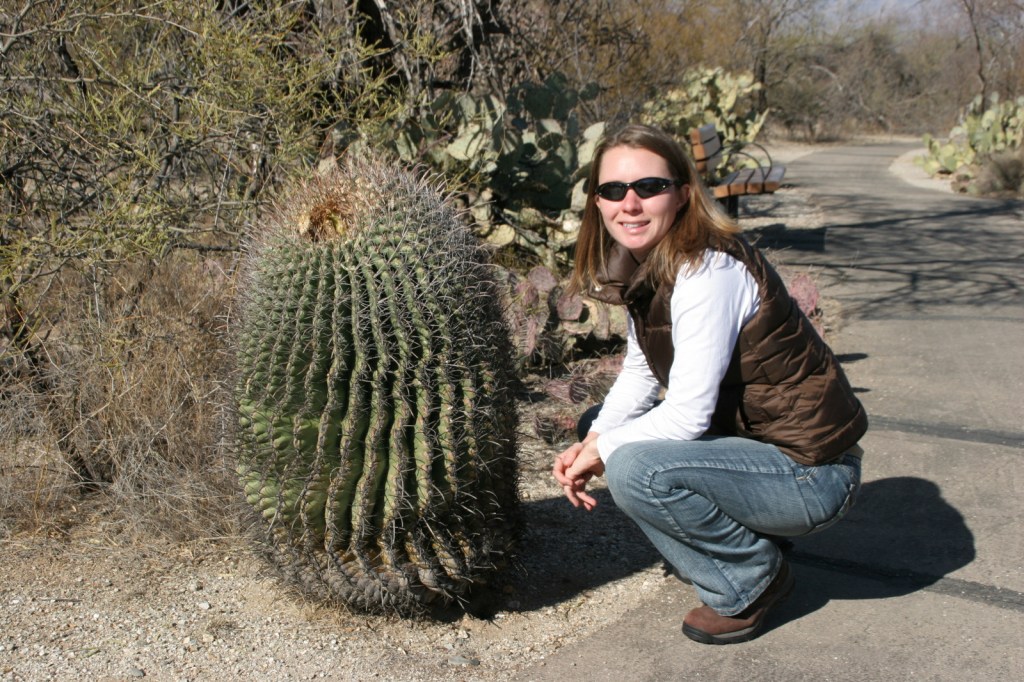
The only U.S. National Park within the expansive Sonoran Desert is divided into two separate districts east and west of Tucson, Arizona.  Its namesake cactus can reach 50 feet in height and weigh more than 16,000 pounds when swelled with water during the rainy season.  Saguaros do not typically branch their first arms until age seventy-five and they can live over 200 years.  They share their home with other cacti that have cuddly names like teddybear cholla, hedgehog, barrel, staghorn cholla, and prickly pear.

Know someone who loves National Parks? Gift them our travel guide A Park to Yourself: Finding Solitude in America’s 63 National Parks

Highlights

Cactus Forest Drive, Desert Ecology Trail, Scenic Bajada Loop Drive, Desert Discovery Nature Trail

Must-Do Activity

There are National Park Service (NPS) visitor centers in both the Rincon Mountain District and Tucson Mountain District.  In each district, opportunities for visitors include scenic drives, handicap-accessible nature trails, and more strenuous hiking options.  Much of the wildlife is nocturnal in the hot desert, but watch for unique species like javelinas, ringtails, kangaroo rats, roadrunners, phainopeplas, desert tortoises, Gila monsters, and western diamondback rattlesnakes.

Best Trail

Hikers can find great overlooks of the surrounding mountains along the short Ridge View Trail in the eastern Rincon Mountain District of the park.

Instagram-worthy Photo

Winter is a great time to come to Saguaro National Park due to mild temperatures, but to see the desert in bloom the spring is best.  Saguaros typically bloom in early June, though their large white blooms are hard to photograph at the top of the tall cacti where moths, bats, and other pollinators can find them.

Peak Season

Spring

Hours

https://www.nps.gov/sagu/planyourvisit/hours.htm

Fees

$25 per vehicle or America the Beautiful pass

Road Conditions

In the Rincon Mountain District the Cactus Forest Drive is all paved, but in the Tucson Mountain District the Scenic Bajada Loop Drive is mostly a graded gravel road.

Camping

Only backcountry camping in designated sites (with a permit) is allowed in the National Park, but campgrounds are available at Tucson Mountain County Park just outside the western district and throughout Coronado National Forest which borders the eastern district.

Related Sites

Organ Pipe Cactus National Monument (Arizona)

Tumacacori National Historical Park (Arizona)

Chiricahua National Monument (Arizona)

This design we created to celebrate Saguaro National Park is available on a variety of products at Cafe Press and Amazon.

Explore More – Tohono O’odham Indians utilized saguaro fruit for jam, syrup, and wine; at what age do the cacti start flowering?

Know someone who loves National Parks? Gift them our travel guide A Park to Yourself: Finding Solitude in America’s 63 National Parks

Carlsbad Caverns National Park
Overview

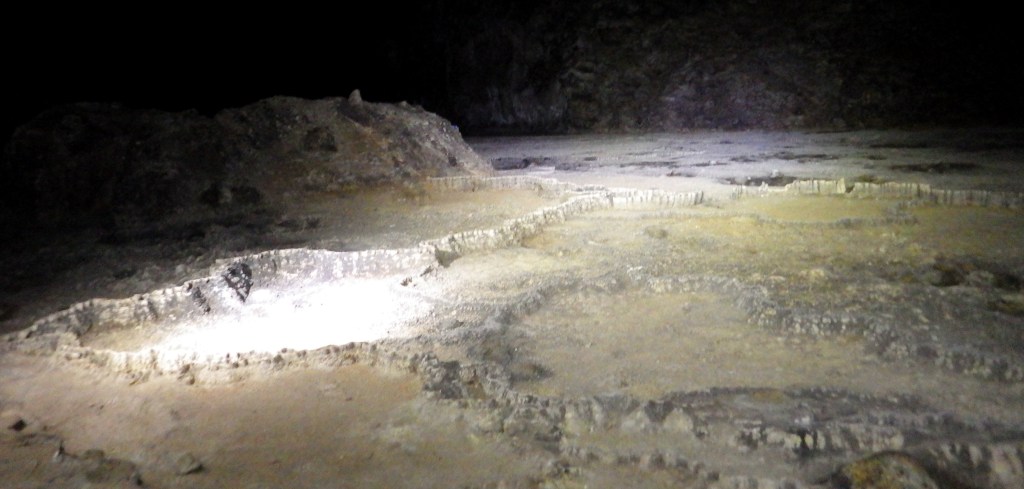
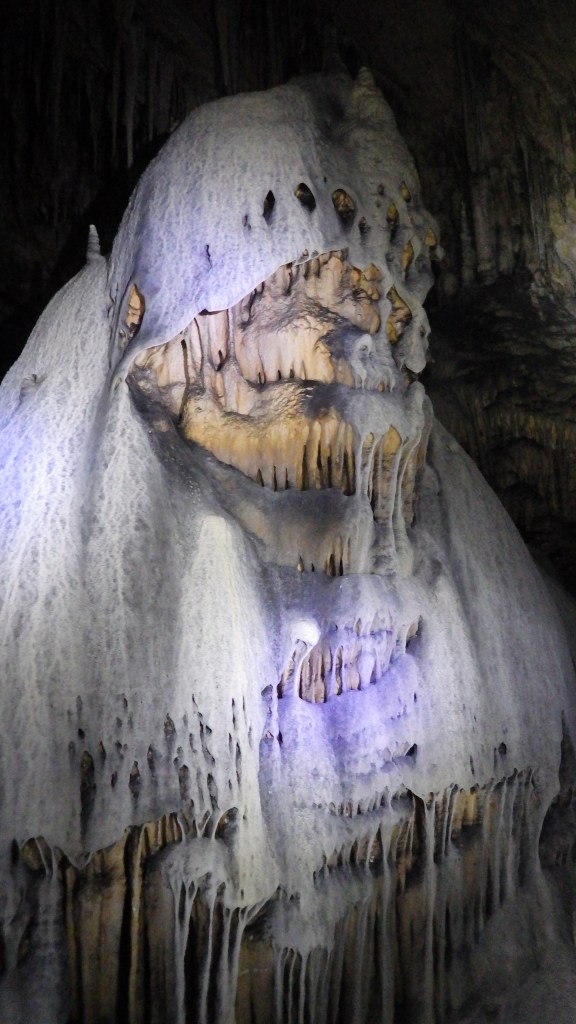
Carlsbad Caverns in southeastern New Mexico is the most spectacular cave in the United States (and #1 on our Top 10 List).  Exploring the Big Room at your own pace is a great option, but you can add to your experience with guided tours of off-limits sections.  The King’s Palace Tour is short but scenic; and Left Hand Tunnel was historically used for movies.  Lower Cave Tour requires the use of ropes and ladders to access unlit portions of the cave.  Slaughter Canyon Cave tour requires an extra hour drive, but visits some astonishing formations.  “Wild caving” tours include Spider Cave and the Hall of the White Giant. 

Highlights

Big Room, Walnut Canyon Desert Drive, Rattlesnake Springs Picnic Area, Bat Flight Program

Must-Do Activity

To enjoy the evening Bat Flight Program (where cameras are prohibited) you must come during the warmer months.  Brazilian free-tailed bats migrate to the cave from the south and around sunset exit from the Natural Entrance in clockwise circling swarms.  You will swear there are like a “Brazilian” of them, but the actual number is closer to 500,000.  For an experience you will hear more than see, come back before sunrise as the bats zip by your head down into the cave for their day’s rest.

Best Trail

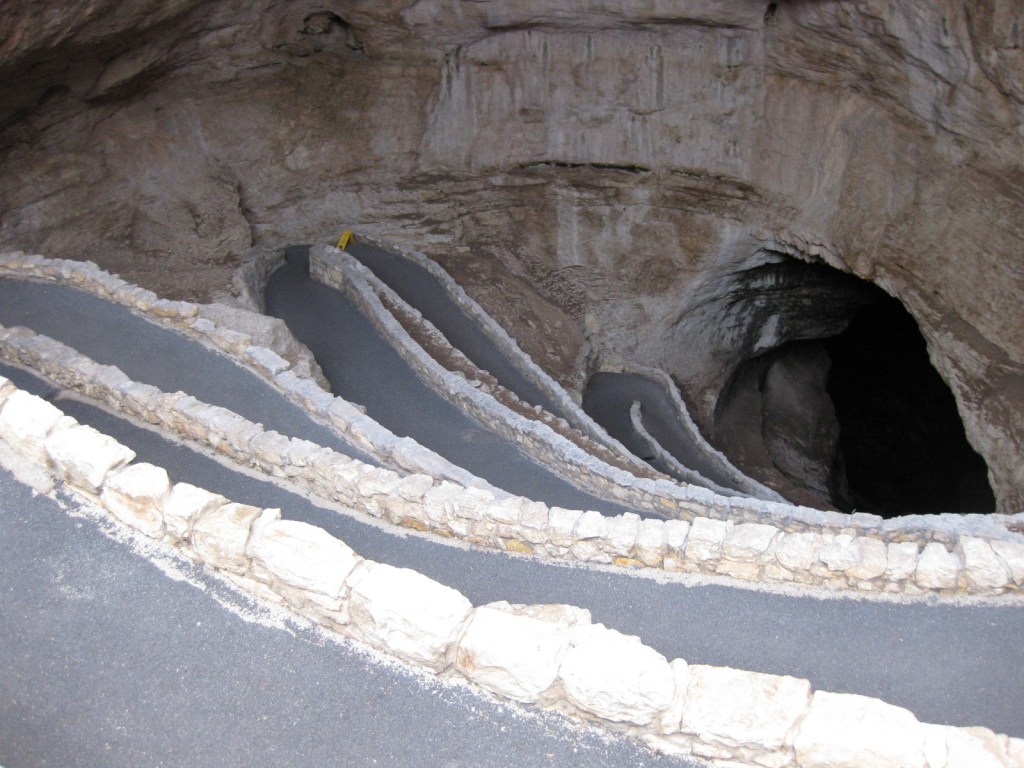
For your first visit, we recommend taking the self-guided trail from the Natural Entrance down a steep, paved passage into the heart of the cave, since you can always ride the elevators back up to the surface.  After being surrounded by the natural cave formations, it was a bit jarring to come upon a modern restroom and cafeteria 775 feet underground. 

Instagram-worthy Photo

Nothing can prepare you for the immensity of the Big Room, which is big enough to fit eight football fields with a ceiling that rises up to 255 feet.  It defies belief that this cavity could have formed naturally.  Perhaps the best part of this section of cave is that you can take as much time as you like admiring the formations.  For the best photographs, we recommend using a tripod.

Peak Season

Summer, though it can be hot outside the 56°F cave.

Hours

https://www.nps.gov/cave/planyourvisit/hours.htm

Fees

No entrance fee, but there is a charge for each guided cave tour.

Road Conditions

Main entrance road is paved, but Walnut Canyon Desert Drive and much of the route to Slaughter Canyon Cave are not.

Camping

There are no campgrounds within the park, but there is a private campground near the park entrance in Whites City, New Mexico.  Just down the highway in Texas, the National Park Service offers camping at Pine Springs within Guadalupe Mountains National Park.  Free permits are required for backcountry camping, with Rattlesnake Canyon off Walnut Canyon Desert Drive being a popular destination.

This design we created to celebrate Carlsbad Caverns National Park is available on a variety of products at Cafe Press and Amazon.

Explore More – Historically, what was mined from the Natural Entrance and Slaughter Canyon Cave?

We are a participant in the Amazon Services LLC Associates Program, an affiliate advertising program designed to provide a means for us to earn fees by linking to Amazon.com and affiliated sites.

Castle Mountains National Monument

Overview

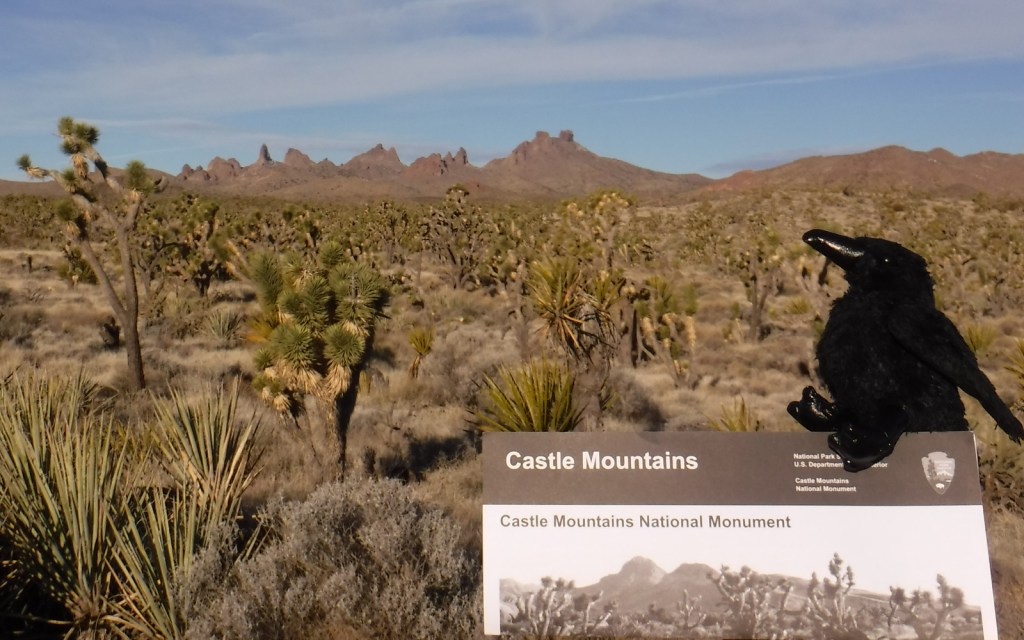
Designated in February 2016, this small monument borders Nevada and is surrounded by the much larger Mojave National Preserve on its other three sides.  Its highest point is Hart Peak (5,543 feet), named for James Hart who discovered gold here in 1907 and founded a boomtown that reached 1,500 residents. 

Highlights

Hart Peak (5,543 feet), Hart Mine ghost town, view of Castle Peaks

Must-Do Activity

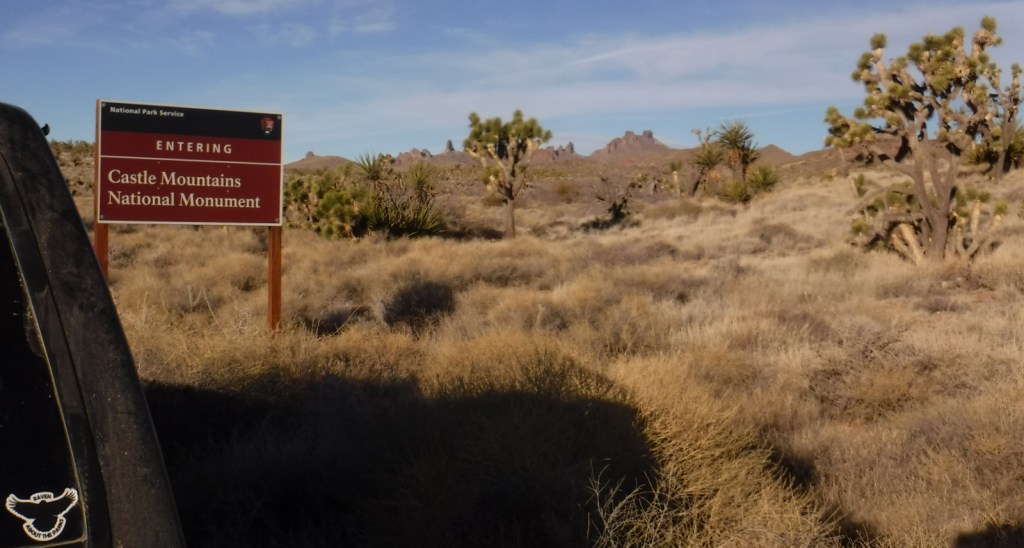
This new National Monument is undeveloped with no trails, no visitor center, and little signage.  Drive or walk its network of dirt roads to get a feel for the Mojave Desert.
Best Trail

None

Instagram-worthy Photo

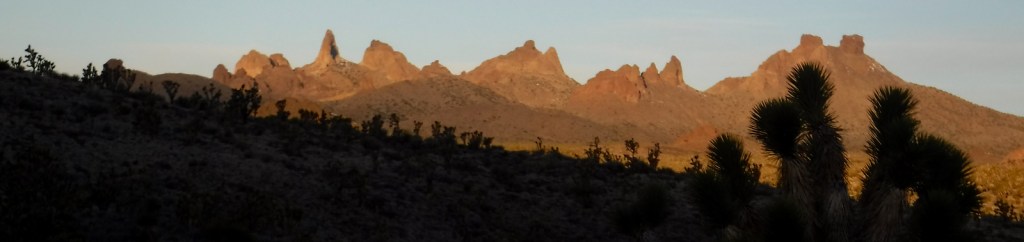
Joshua trees are always photogenic, especially when the jagged Castle Peaks are in the background (though they are outside the monument’s northern boundary within Mojave National Preserve).

Peak Season

Spring and fall

Hours

There are visitor centers in the adjacent Mojave National Preserve that have hours posted here:

https://www.nps.gov/moja/planyourvisit/visitorcenters.htm

Fees

None

Road Conditions

Walking Box Ranch Road is a groomed dirt road passable to any vehicle from Highway 164 west of Searchlight, Nevada.  Access roads from Mojave National Preserve require high-clearance.

Camping

Dispersed camping is allowed within the monument.  Hole-in-the-Wall Campground within Mojave National Preserve is accessible by paved road from Interstate 40.

Explore More – Piute Spring is charged by the aquifer within Castle Mountains National Monument; when researchers tested it, how long ago did its water fall as precipitation?