Tag Archives: cannon

Arkansas Post National Memorial

Overview

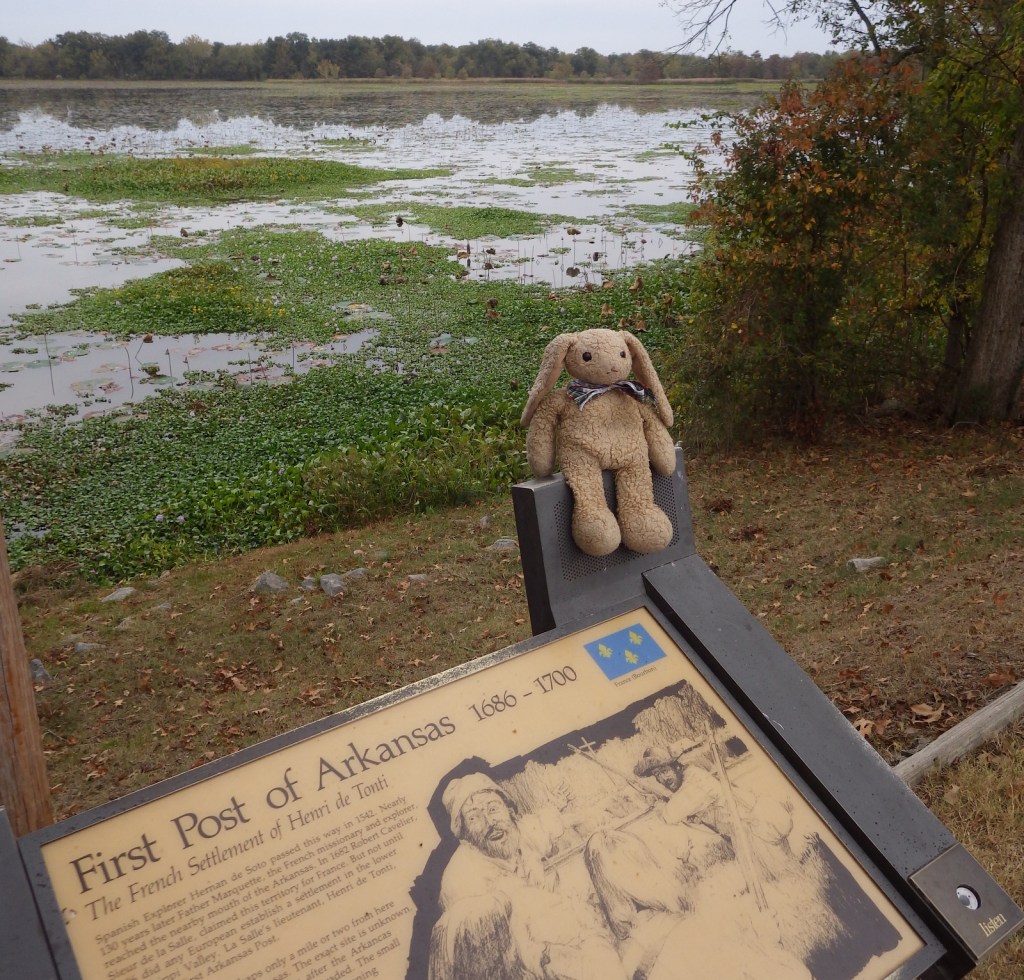
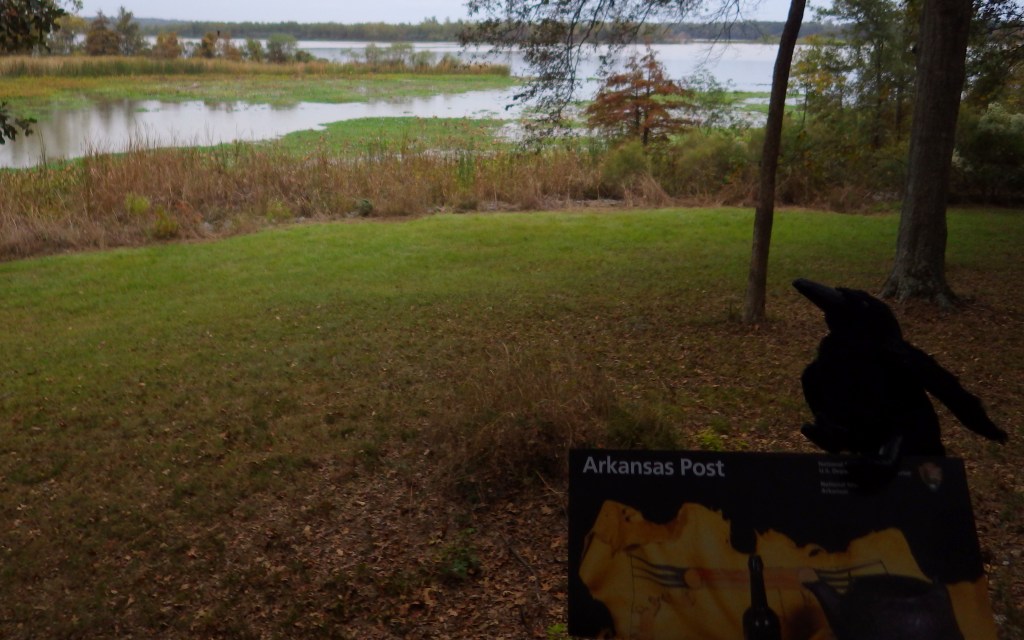
Arkansas Post National Memorial is in the southeastern section of its namesake state near the confluence of the Arkansas and Mississippi Rivers.  The French first settled this area in 1686 in order to trade with a large village of Quapaw Indians.  From 1763-1800 the fort was controlled by the Spanish, who were attacked by the British here in 1783 in what became known as the Colbert Incident, considered one of the final battles in the American Revolution.
Highlights

Museum, film, ruins, cannons, wildlife, fishing

Must-Do Activity

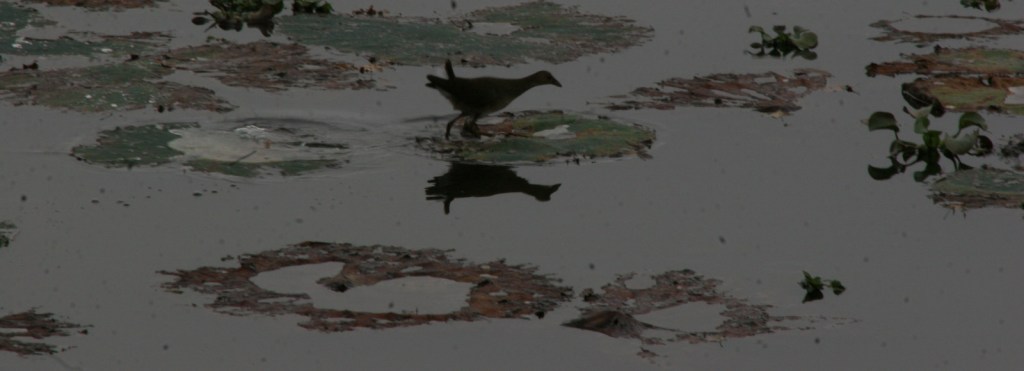
Following the Louisiana Purchase, the post briefly served as the territorial capital, then that moved to Little Rock, Arkansas in 1821.  It fell into decline until Fort Hindman was built during the Civil War, after which time much of the shoreline was washed away by the Arkansas River.  There are not many human structures left to see at the site, but the bayou offers great opportunities for birdwatching.

Best Trail

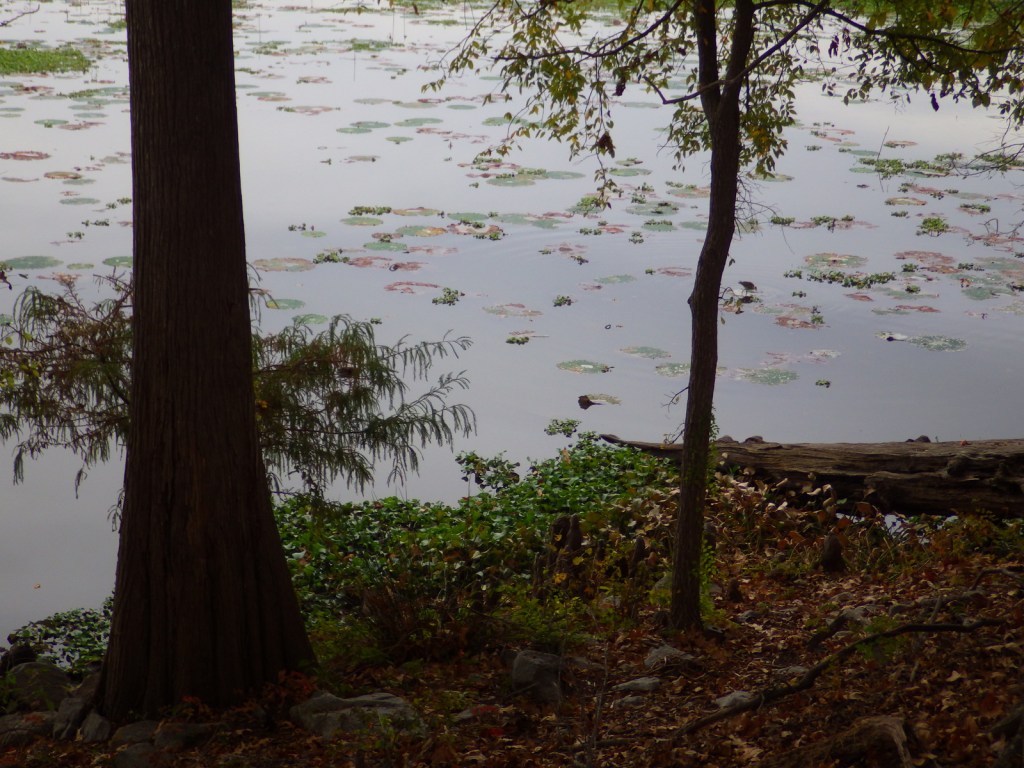
A trail passes Park Lake through the Old Townsite to shoreline views of Post Bayou and the Arkansas River.  A trench dug by the Confederate army during the Civil War is also visible from the trail and a side road north of the visitor center.

Instagram-worthy Photo

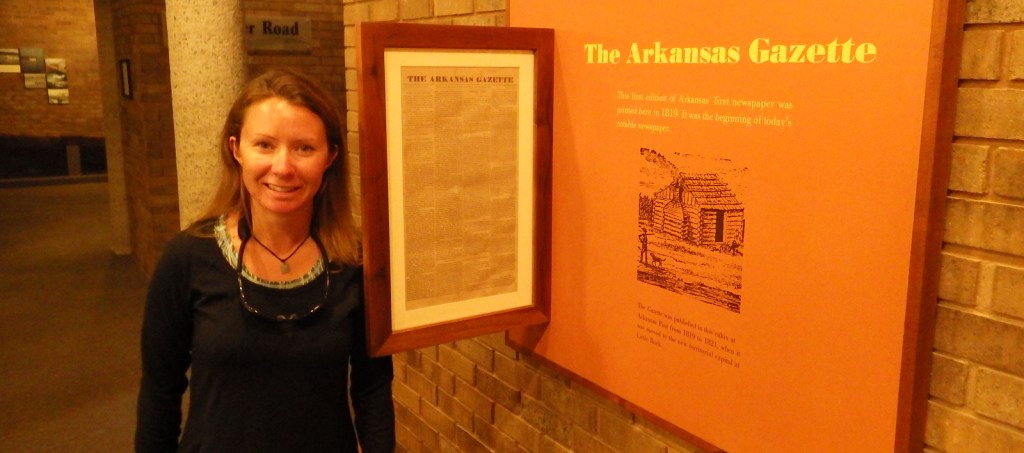
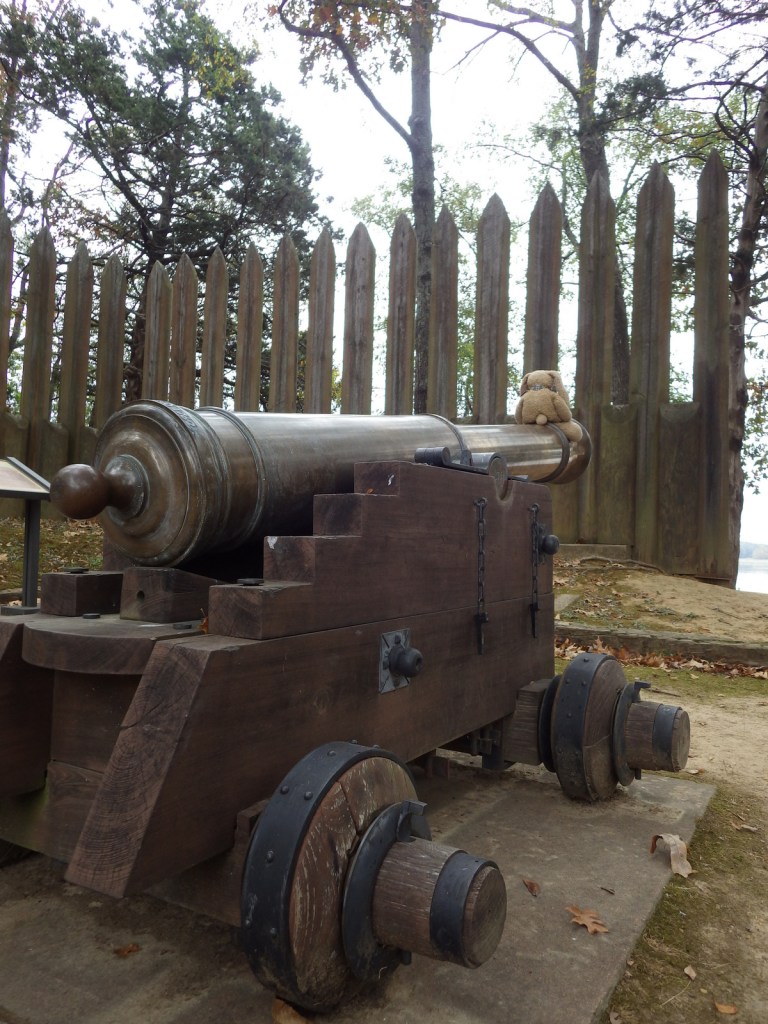
There are plenty of cannons around to pose with, but Tiff was most excited about the original location of The Arkansas Gazette newspaper that started right here in 1819 and is still printed today in Little Rock (which is where she grew up with Wondon).

Peak Season

Spring and fall when there are less mosquitoes.

Hours

https://www.nps.gov/arpo/planyourvisit/basicinfo.htm

Fees

None

Road Conditions

All roads paved

Camping

Camping is not allowed within the park, but the U.S. Army Corps of Engineers manages campgrounds at Pendleton Bend and Merrisach Lake Park.

Related Sites

Little Rock Central High School National Historic Site (Arkansas)

Hot Springs National Park (Arkansas)

Natchez Trace Parkway (Mississippi-Tennessee)

Explore More – Following the 1863 Civil War battle to take the fort, how many Confederate soldiers were taken prisoner?
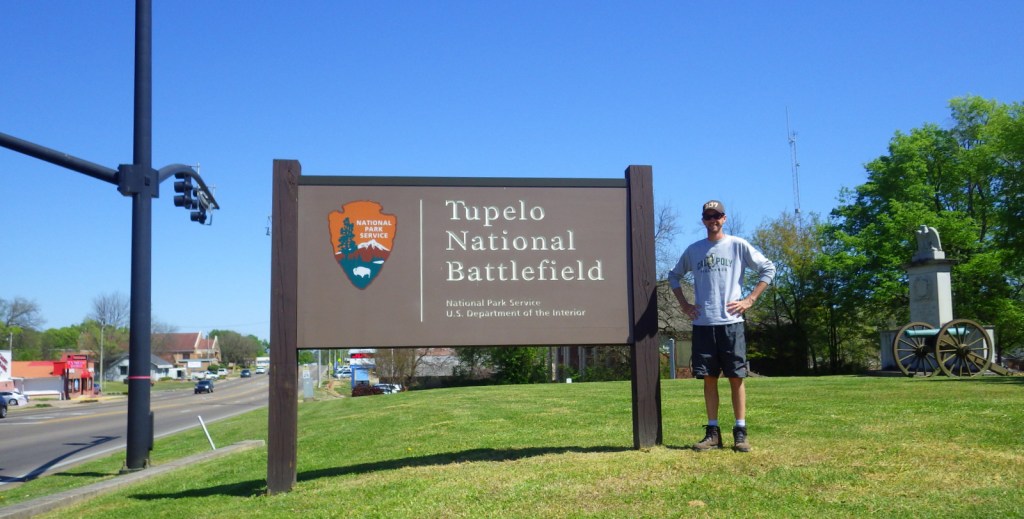
Tupelo National Battlefield

Overview

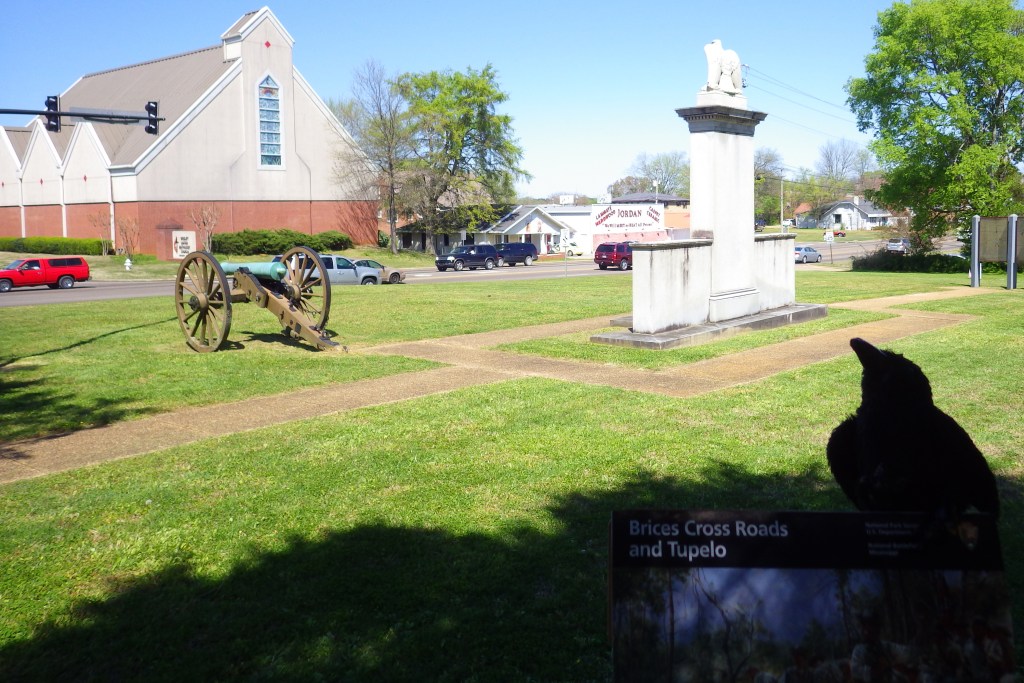
Two cannons and a monument mark this one-acre (less than a football field) National Park Service (NPS) site surrounded by the city of Tupelo, Mississippi.  The park was established in 1929 to memorialize the battle of July 14, 1864, when the Union army drove off Confederate troops trying to disrupt General William T. Sherman’s railroad supply line at the historic town of Harrisburg. Located only one mile off the Natchez Trace Parkway, Tupelo’s own Elvis Presley probably visited this park as a child.

Highlights

Cannons

Must-Do Activity

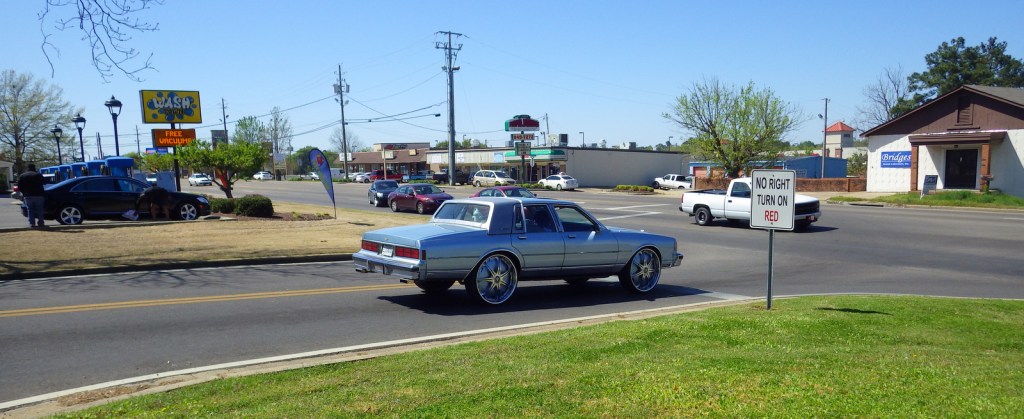
Unlike other NPS sites, Tupelo National Battlefield provides much easier access to a car wash and a Walmart store.  Its visitor center is combined with the one for the Natchez Trace Parkway just outside Tupelo.  The city of Baldwyn, Mississippi runs an interpretive center (with a small admission fee) that also commemorates a Confederate victory on June 10, 1864 at Brices Cross Roads National Battlefield Site.   

Best Trail

There is a sidewalk on two sides of the one-acre park.

Instagram-worthy Photo

This is one of the smallest units in the NPS system, but from one angle, Tupelo National Battlefield looks like many larger Civil War parks.

Peak Season

“They get about a week of spring then the summer is blistering.” –Jason Isbell from the song “Tupelo”

Hours

https://www.nps.gov/tupe/planyourvisit/hours.htm

Fees

None

Road Conditions

All roads paved, with street parking available.

Camping

Tombigbee State Park offers camping about 10 miles from Tupelo.

Explore More – What does the T. stand for in General William T. Sherman’s name?
Colonial National Historical Park

Overview

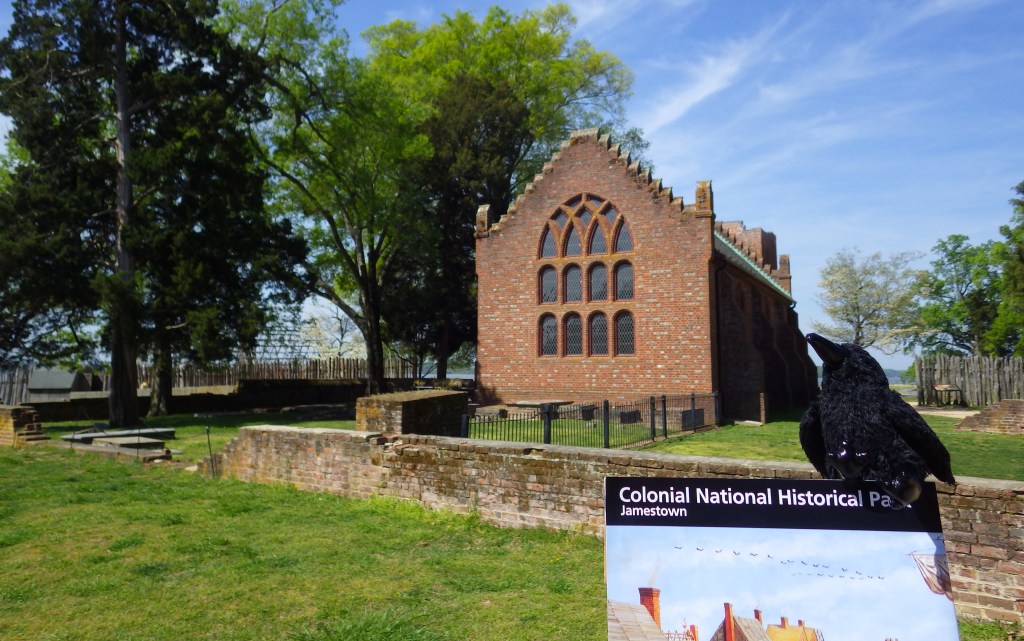
Jamestown and Yorktown, Virginia are linked by the 23-mile Colonial Parkway, which passes through the well-known tourist attraction of Colonial Williamsburg.  After the colony of Fort Raleigh proved a disaster, it was not until 1607 that the first successful English settlement was founded at Jamestown, Virginia.  On October 18, 1781, General Charles Cornwallis surrendered his British troops at Yorktown, effectively ending the Revolutionary War.  Though it was more than two years before a peace settlement was reached and General George Washington was able to march back into New York City, from where he retreated in 1776. 

Highlights

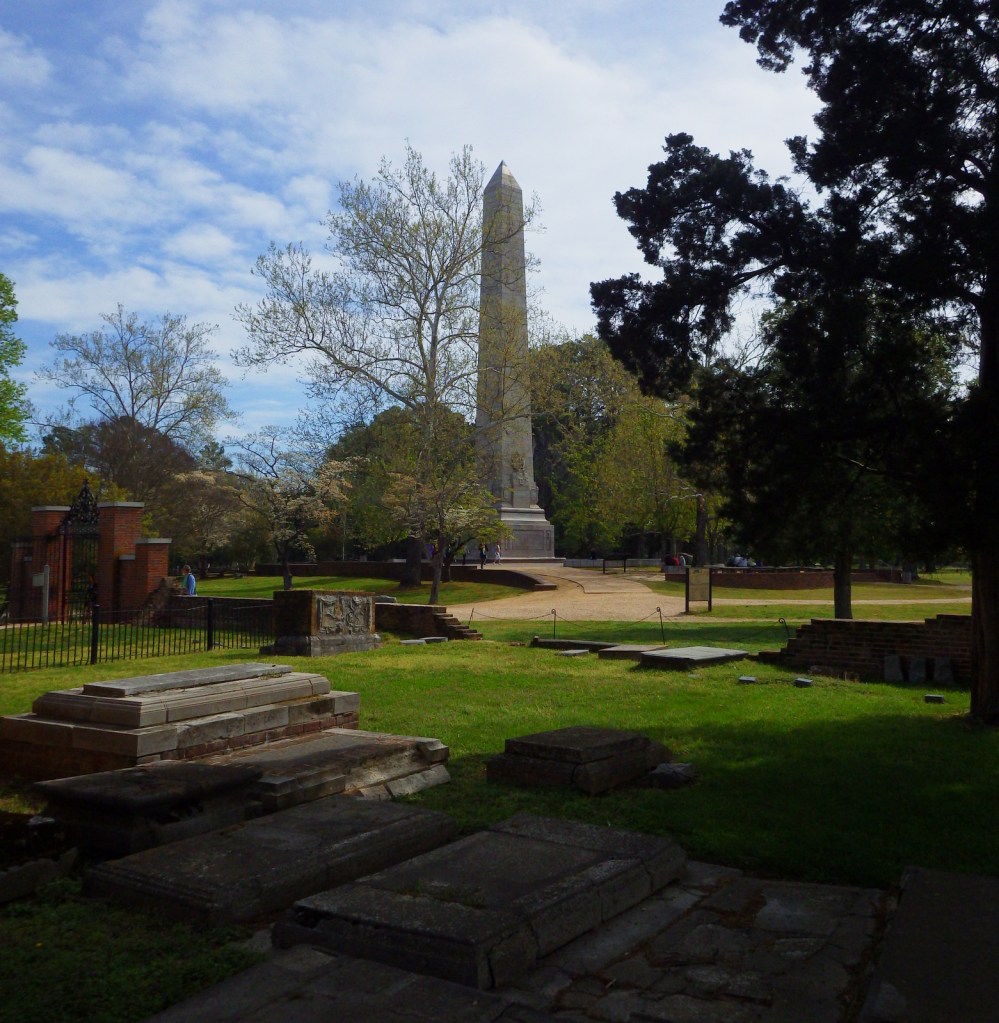
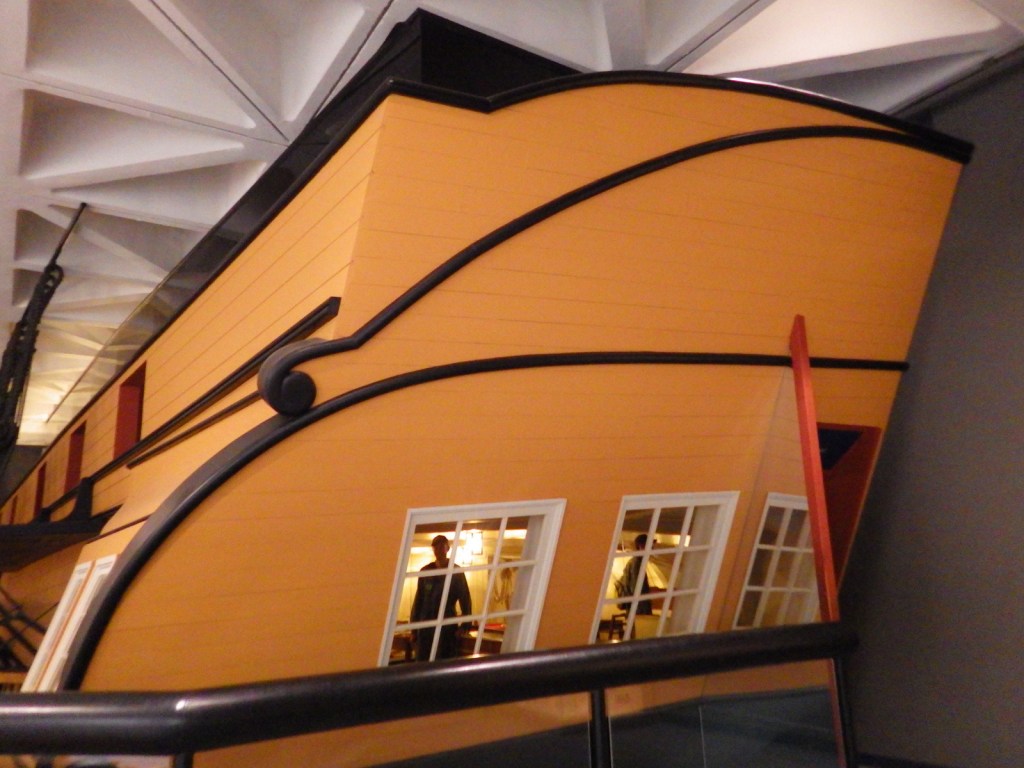
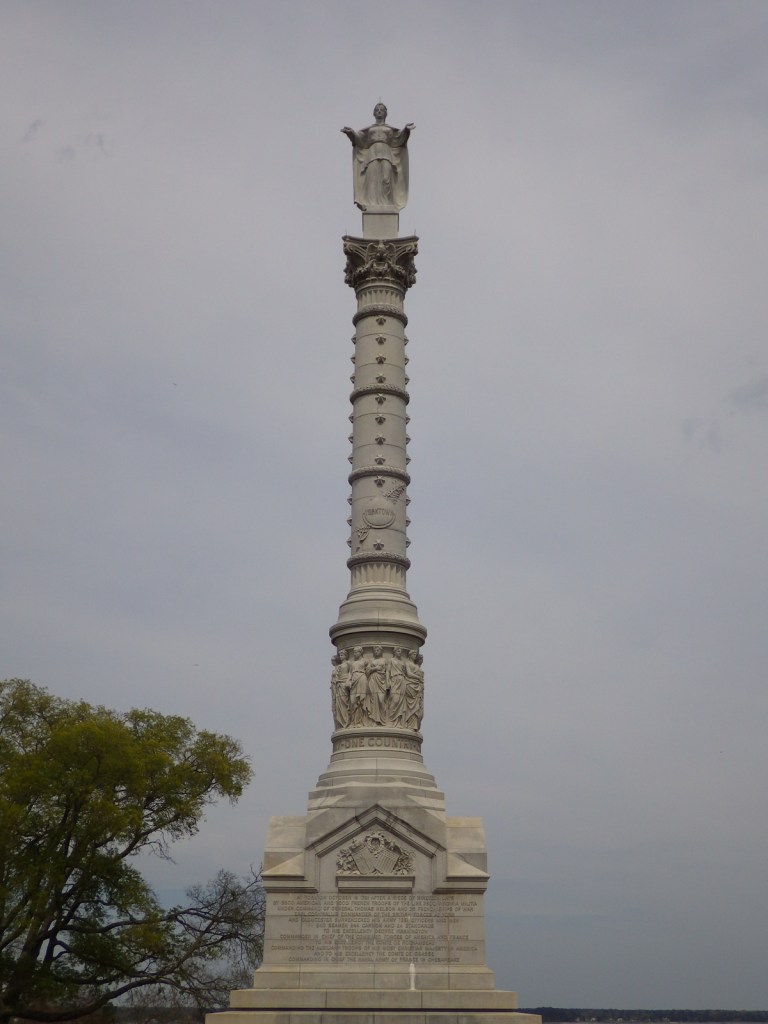
Historic structures, Voorhees Archaearium, glass blowing demonstrations, French ship replica, cannons, historic trails, Yorktown Victory Monument

Must-Do Activity

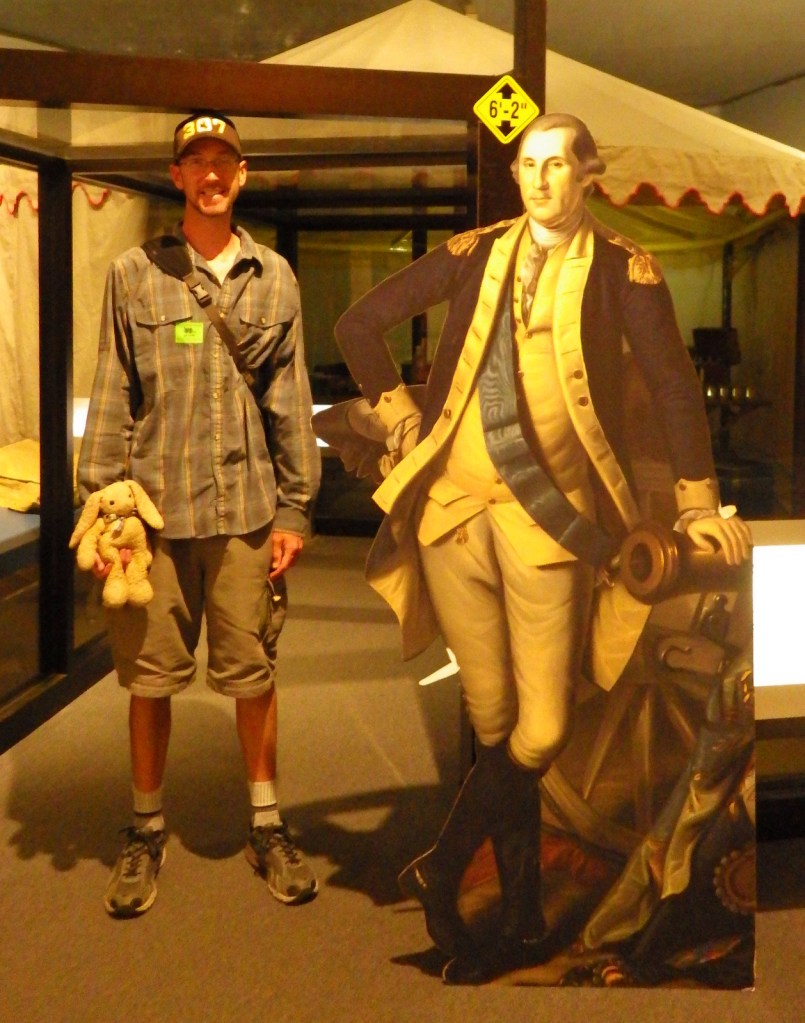
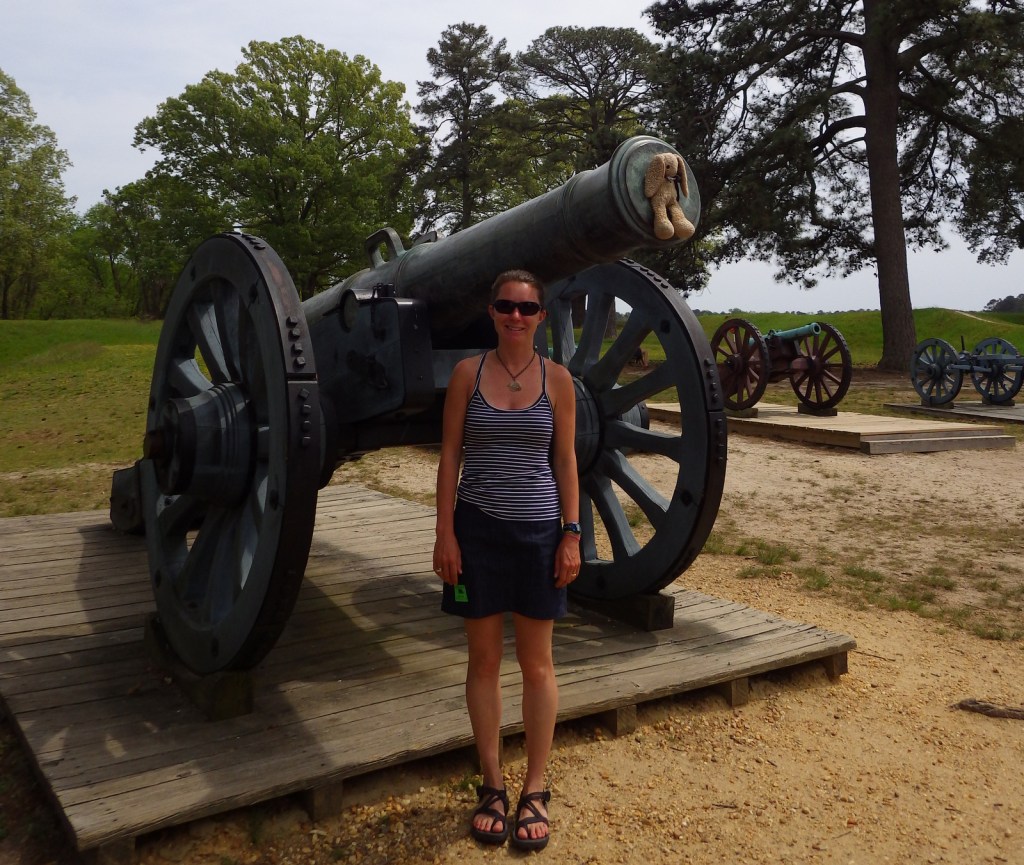
Remember back in 1777 in the aftermath of the battles of Saratoga when the French said they would help kick the British out of the 13 colonies?  Well, not much happened until nearly four years later when Admiral de Grasse defeated the British fleet at the mouth of the Chesapeake Bay.  The ships were unable to resupply General Charles Cornwallis’ troops at Yorktown, who then faced a siege by the combined American and French forces.  Inside the National Park Service visitor center at Yorktown is a replica of a French ship that you can walk aboard without getting seasick.  It also has a replica of General George Washington’s battlefield tent.  Outside, cannons abound along the auto tour.

Best Trail

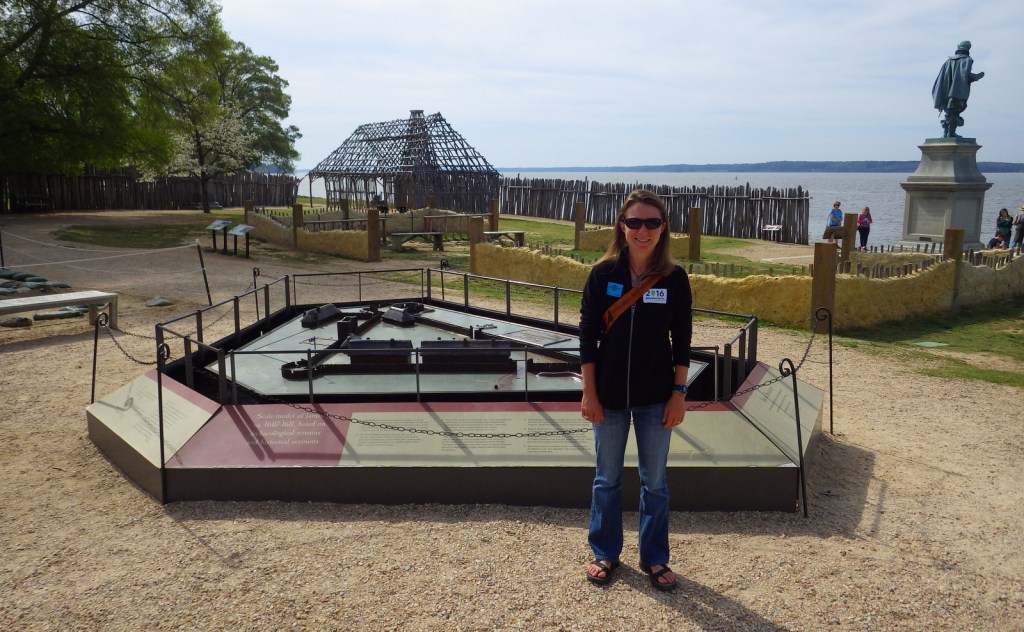
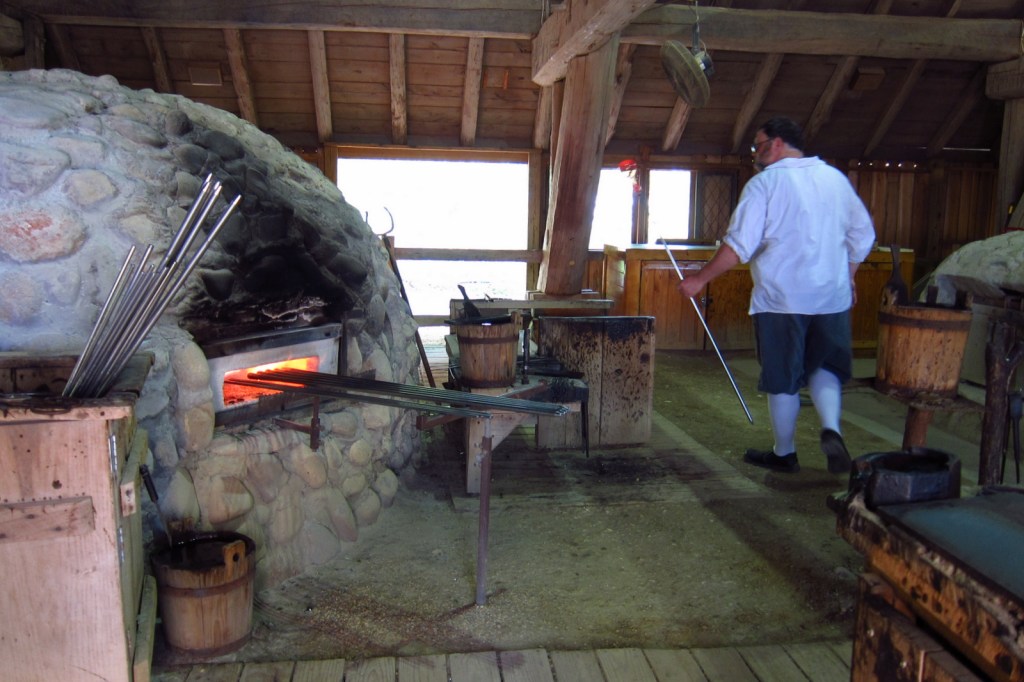
Five miles of trails wind through Old Towne and New Towne in Jamestown, Virginia.  There is an entry fee charged, since most of this section of the park is run by the non-profit organization Preservation Virginia.  This includes admission to the excellent Voorhees Archaearium, a museum built atop the foundation of the historic statehouse.  Do not miss the reproduction glassblowing house.  This area also contains portions of the Washington-Rochambeau Revolutionary War National Historic Trail and Captain John Smith Chesapeake National Historic Trail.

Instagram-worthy Photo

The original 1607 James Fort was triangular in shape and, of course, had cannons facing the James River.

Peak Season

Summer, though it can be muggy

Hours

https://www.nps.gov/colo/planyourvisit/hours.htm

Fees

Visiting Yorktown is $10 per person or free with the America the Beautiful pass, but entering Jamestown requires a payment of $20 per person or $5 per person with the America the Beautiful pass.  There is a separate entry fee for nearby Jamestowne Settlement living history museum , but it is free to walk the streets of Colonial Williamsburg (more info on our other travel blog).

Road Conditions

All roads paved

Camping

There is no camping permitted within the park, but several private campgrounds can be found in the area, as well as numerous hotels since you will probably want to spend more than a day given the park’s proximity to Colonial Williamsburg.

Explore More – When an “ill” General Cornwallis sent his second-in-command to formally surrender his 8,000 troops, General George Washington was insulted and deferred the honor of accepting to whom?

Saratoga National Historical Park

Overview

Saratoga National Historical Park was the site of two 1777 Revolutionary War battles at Freeman’s Farm on September 19 and Bemis Heights on October 7, which together are considered the turning point in the war.  Following this decisive victory when 6,000 British soldiers surrendered, the French King officially entered the war on the side of the Americans, providing the equivalent of $1.4-billion in aid by war’s end. 

Highlights

Museum, film, Neilson Farm, Boot Monument, Bemis Heights, the Great Redoubt

Must-Do Activity

Start at the National Park Service (NPS) visitor center where displays describe the two separate battles that took place here.  The 10-mile driving tour has ten stops that provide more details.  Do not look for Saratoga, New York on maps today, it was renamed Schuylerville in honor of a Revolutionary War general.  Nonetheless, since 1883 it has been home to the 155-foot tall Saratoga Monument commemorating these battles.

Best Trail

There are a few short trails accessed along the driving tour, but you should at least plan to park and climb the stairs at Breymann Redoubt.  At the top, an unmarked monument draped with a boot commemorates the leg injury suffered in the fighting by General Benedict Arnold, whose name would go down in history synonymous with his later traitorous actions downstream at West Point. 

Instagram-worthy Photo

The American defensive location at Bemis Heights was chosen by Colonel Thaddeus Kosciuszko, a Polish engineer serving in the Continental Army, to block the British army from moving south down the Hudson River.  It still provides commanding views of the valley.

Peak Season

Summer

Hours

https://www.nps.gov/sara/planyourvisit/hours.htm

Fees

None

Road Conditions

All roads paved

Camping

Not far north on Interstate 87, Moreau Lake State Park offers a campground with running water.

Explore More – Although France had not officially entered the war at the time, how many muskets had they donated to the American cause by the beginning of the Battles of Saratoga?

We are a participant in the Amazon Services LLC Associates Program, an affiliate advertising program designed to provide a means for us to earn fees by linking to Amazon.com and affiliated sites.

Fort Monroe National Monument

Overview

At the mouth of the Chesapeake Bay near Yorktown, Virginia, there is a brick fort so large it puts all others to shame.  It was held throughout the Civil War by the Union Army, hosting President Lincoln multiple times and providing a refuge for escaped slaves.  Following the War Between the States it served as a prison for Confederate President Jefferson Davis (his cell is contained within the Casemate Museum).  The fort was not decommissioned by the military until 2011 when it was declared Fort Monroe National Monument, though it still contains private residences.

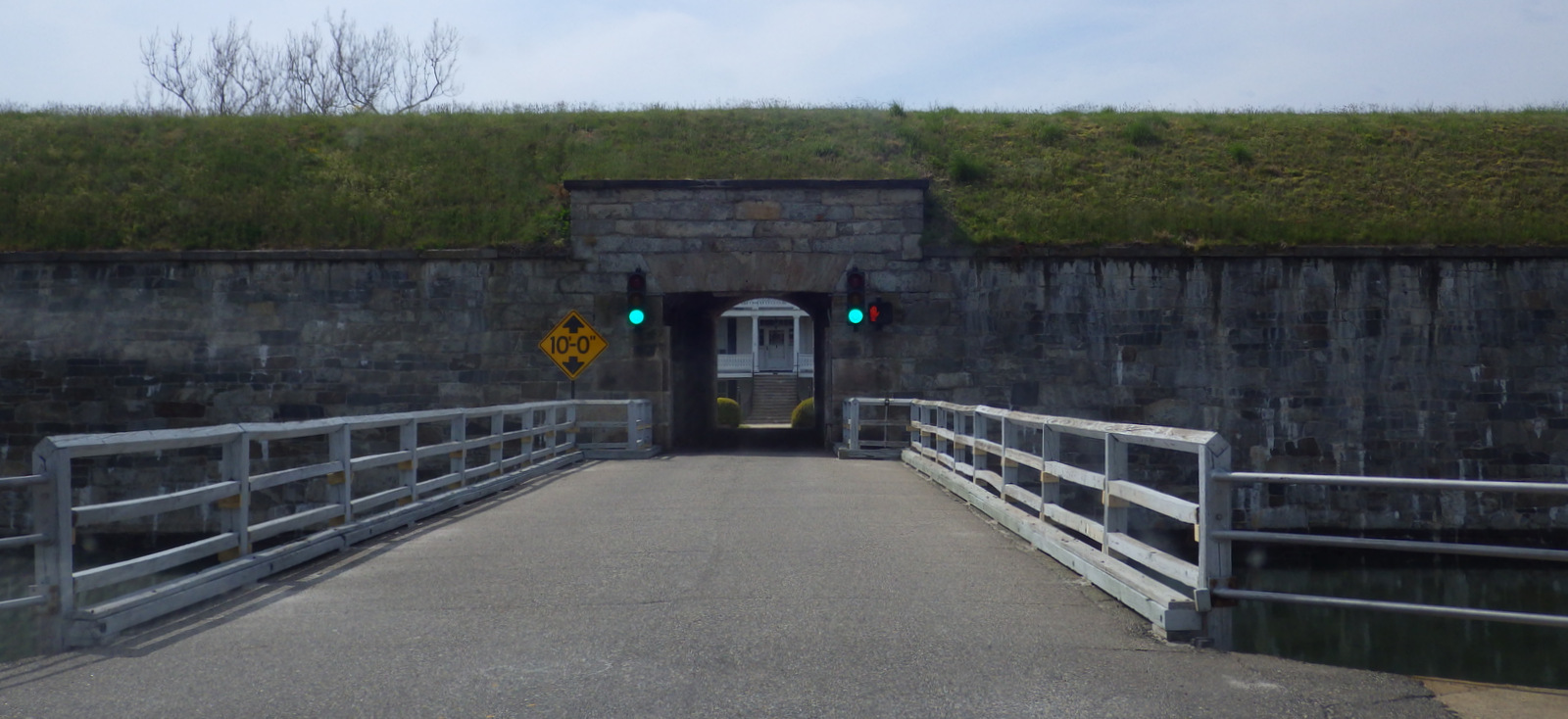
Tiff with the moat that you could drive over!

Highlights

Casemate Museum, Building #50, moat you can drive over

Must-Do Activity

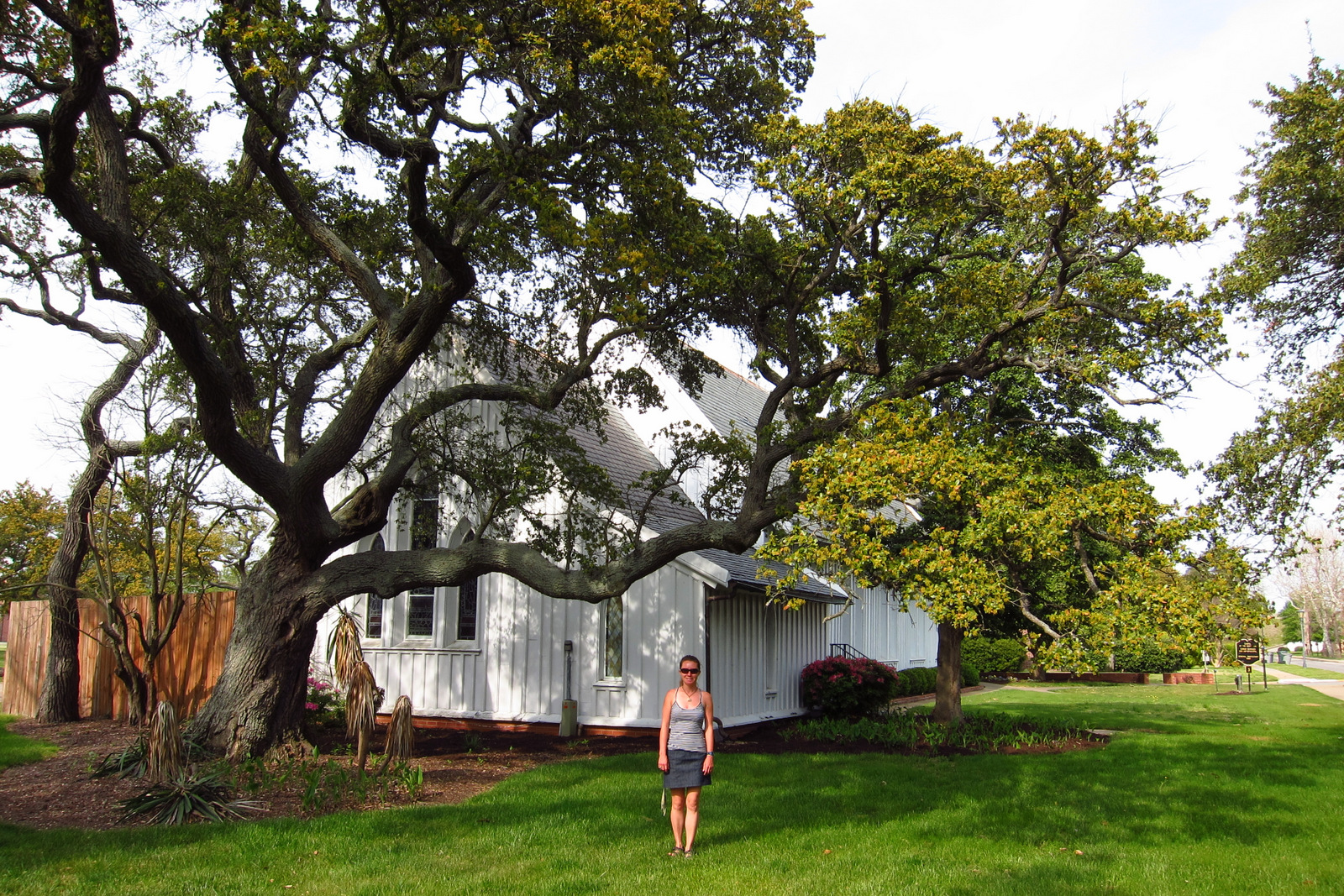
After you visit the Casemate Museum, walk around the ramparts and the parade ground with its countless live oak trees, including the 500-year-old Algernourne Oak.  Nearby Outlook Beach is popular for swimming, as is North Beach which is also part of the National Monument.

Best Trail

There is a self-guided walking tour that passes Building #50 (the house President Lincoln stayed in) and the Algernourne Oak.  Watch for traffic when you cross the moat through the East Gate.

Instagram-worthy Photo

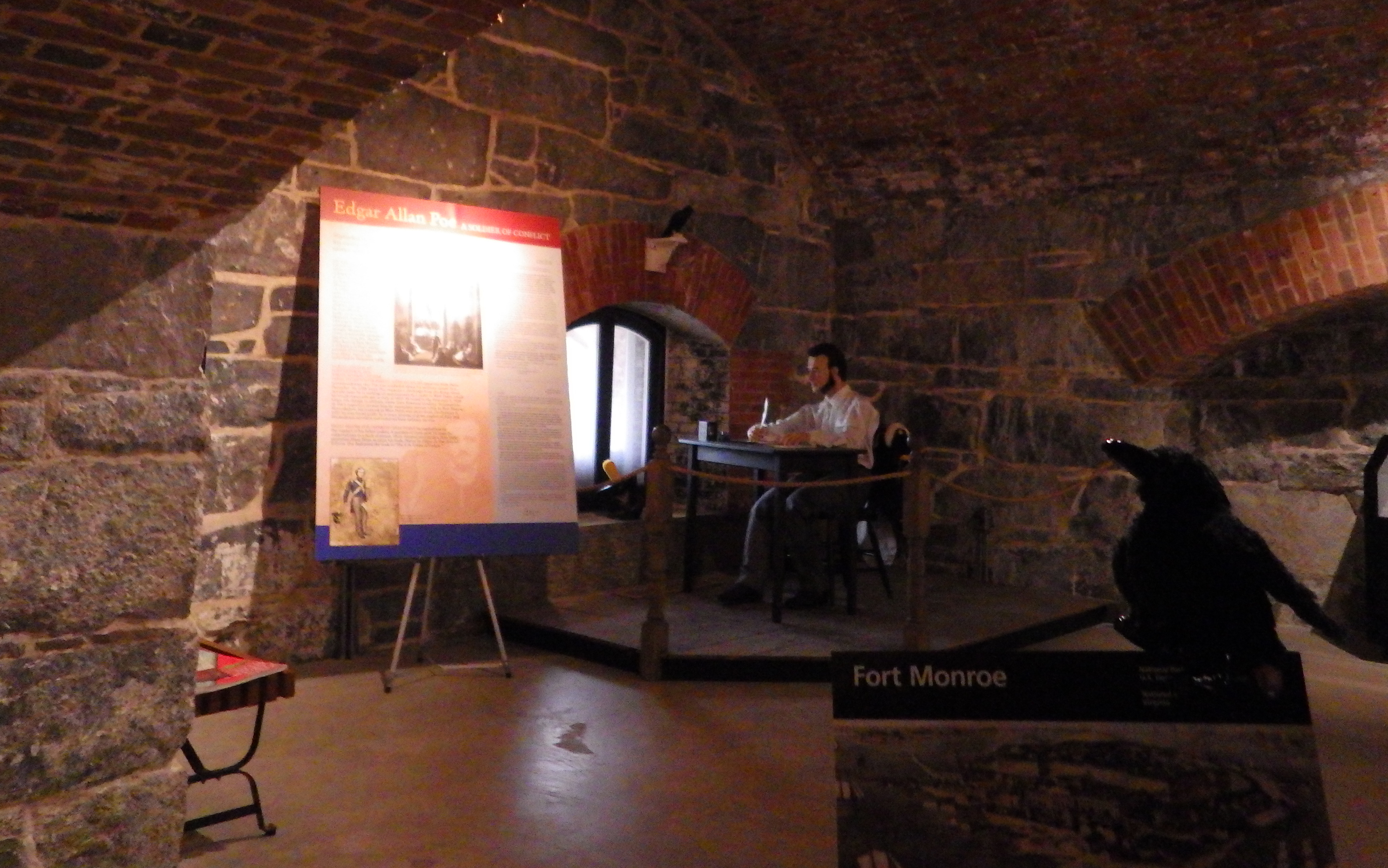
The author Edgar Allen Poe served here in 1828, so you can pose with him and his raven inside the Casemate Museum.

Monroe

Peak Season

Open year round, though the summertime brings more tourists to the Yorktown Peninsula.

Hours

https://www.nps.gov/fomr/planyourvisit/hours.htm

Fees

None to walk the grounds and even the Casemate Museum is now free ($3 for guided tours).

Road Conditions

All roads paved, but be aware that most moat-crossing bridges are only one lane wide.

Camping

None in the monument which is filled with private homes, but there are several private campgrounds in the area.

IMG_2392 IMGP5711
Drive across the moat to enter the fort.

IMG_2393
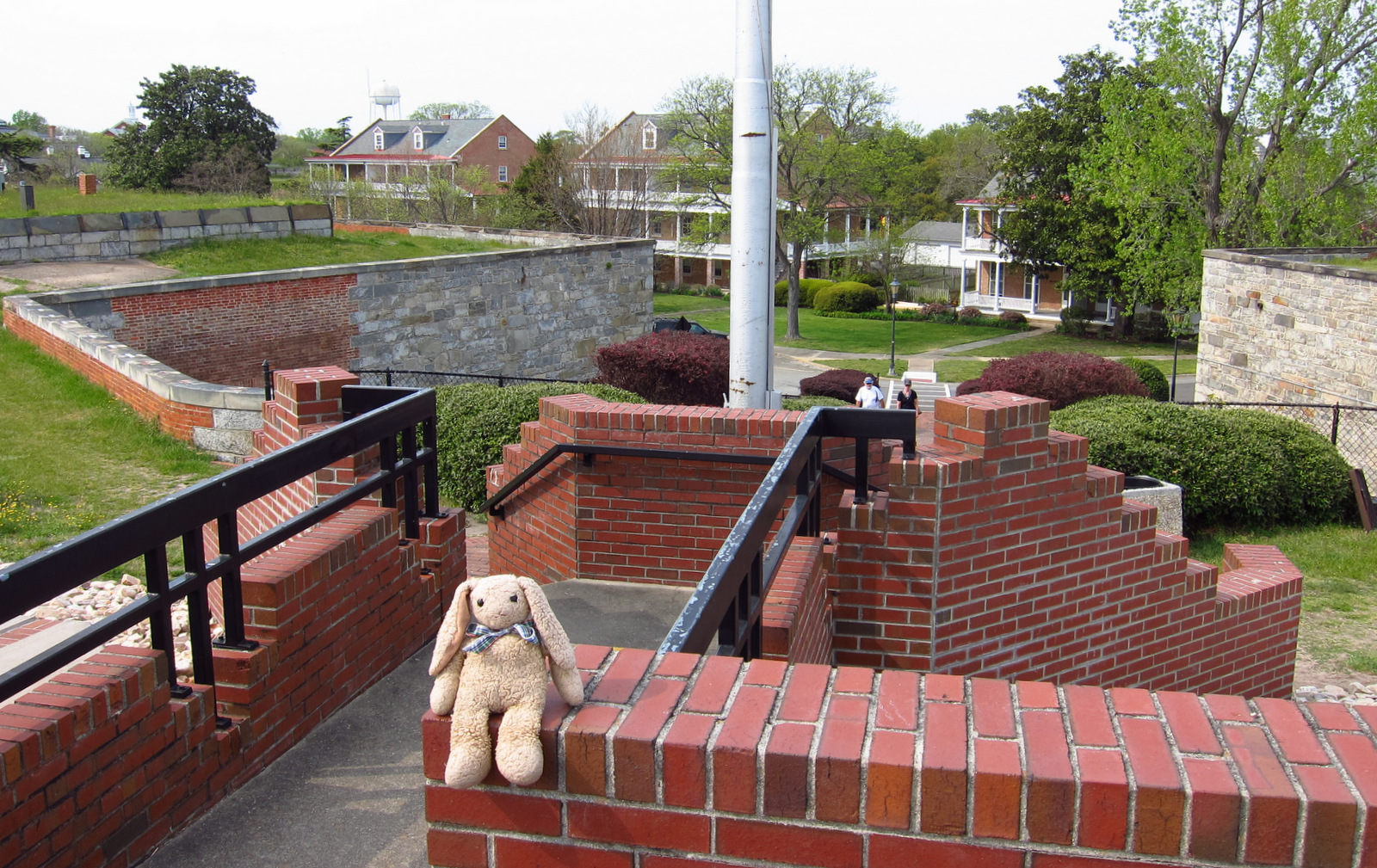
Flagstaff Bastion Overlook offers great views of Fort Monroe and the coastline.

IMG_2392 IMGP5714
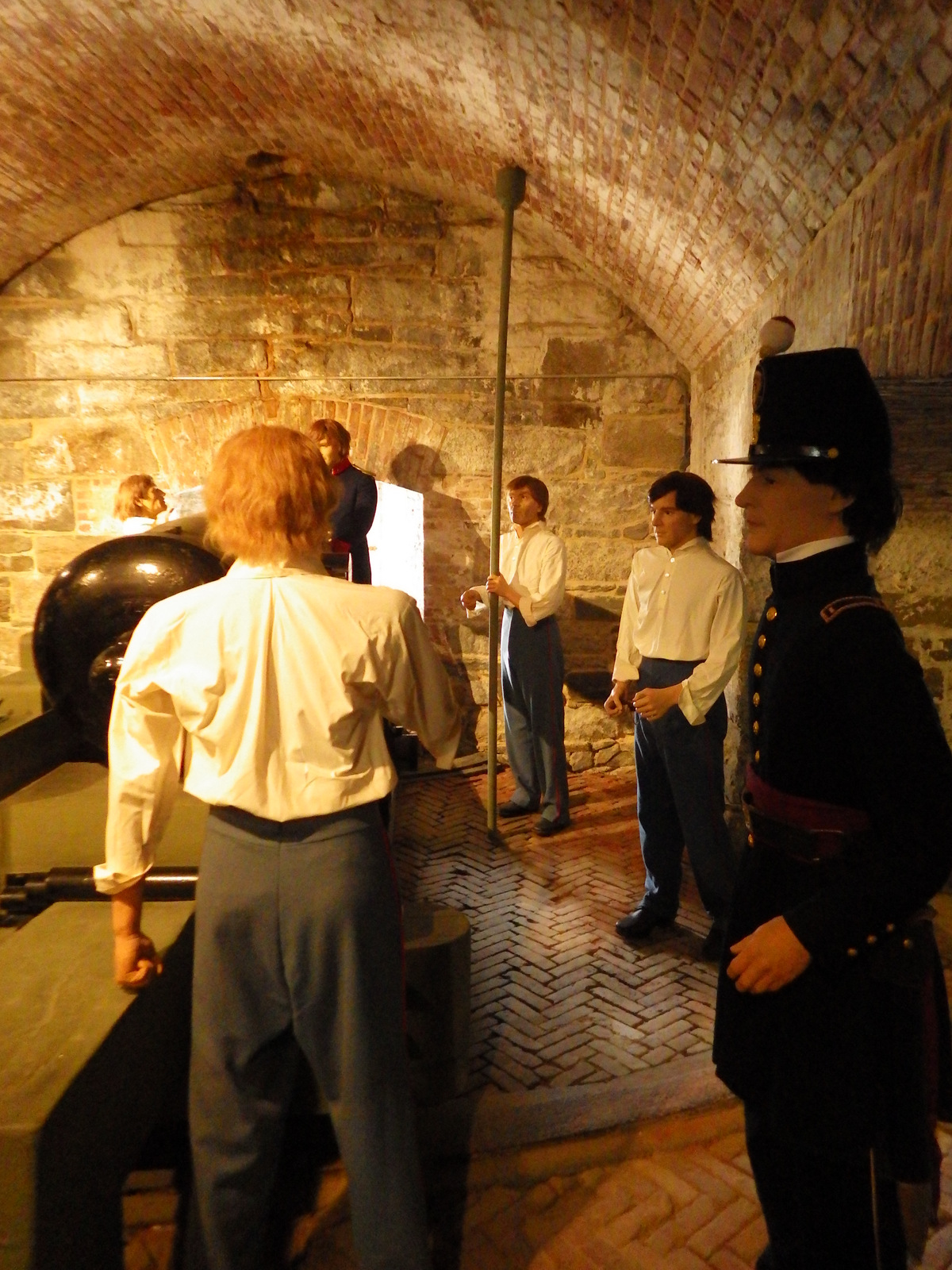
Inside the Casemate Museum.

IMG_2392

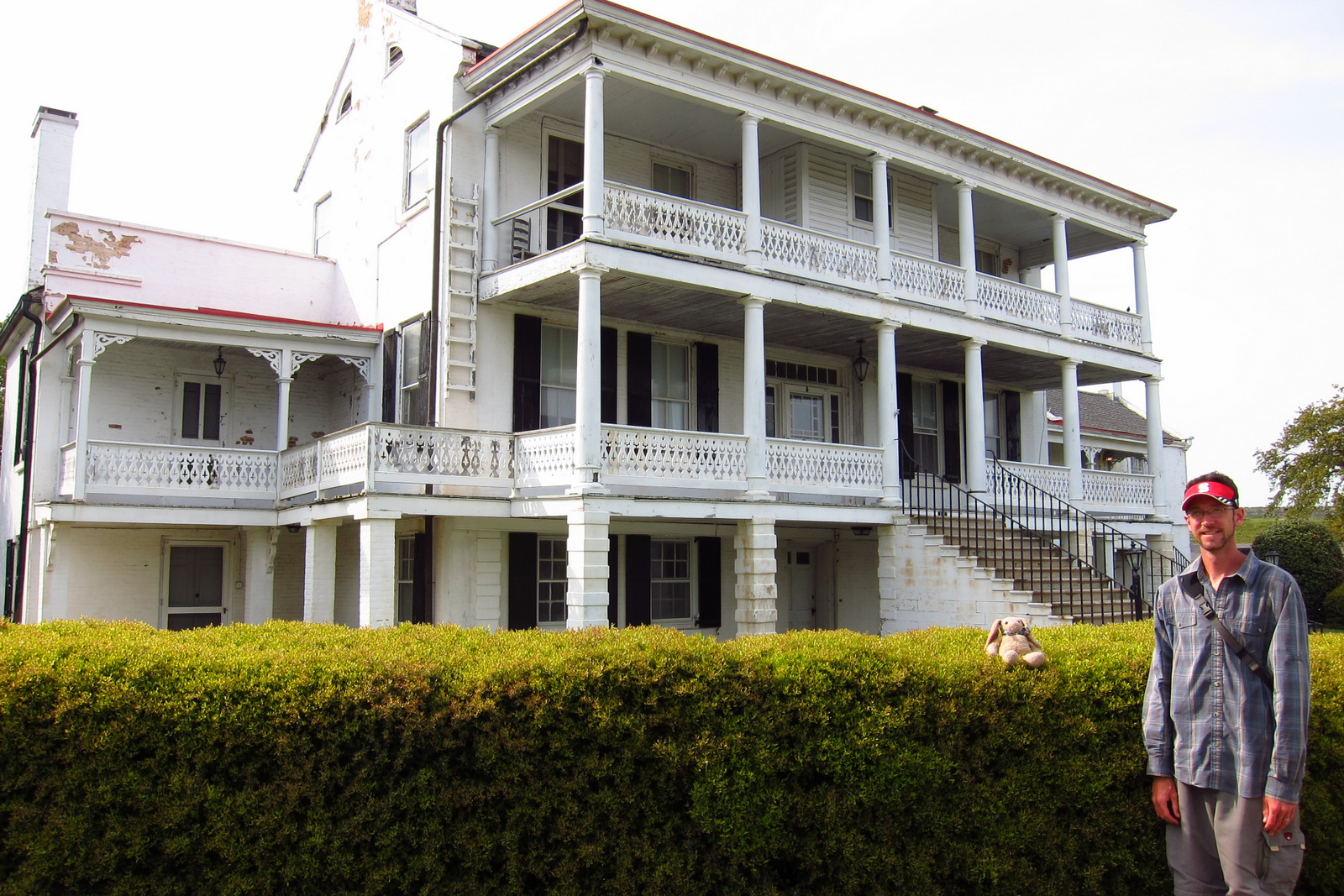
Scott with a house that Lincoln stayed at when he was visiting the fort
Building #50 housed Abraham Lincoln during his stays at Fort Monroe during the Civil War.

Tiff with the historic fort church
Live oak trees line the extensive Parade Ground inside Fort Monroe National Monument.

Explore More – The fort was completed in 1834 under the supervision of which famous Civil War General (then a Lieutenant)?