Tag Archives: cannon

Fort Smith National Historic Site

Overview

Along a segment of the Arkansas River serving as a border with Oklahoma, Fort Smith is a lovely 35-acre park surrounded by a bustling downtown and busy railroad track.  The first fort at this site was established in 1817 to assist in the Cherokee relocation at the end of the Trail of Tears.  A second fort was built nearby in 1838, occupied by both sides during the Civil War, then closed in 1871 when it became a Federal Court.

Highlights

Museum, restored courtroom, “Hell-on-the-Border” jail, Arkansas River

Must-Do Activity

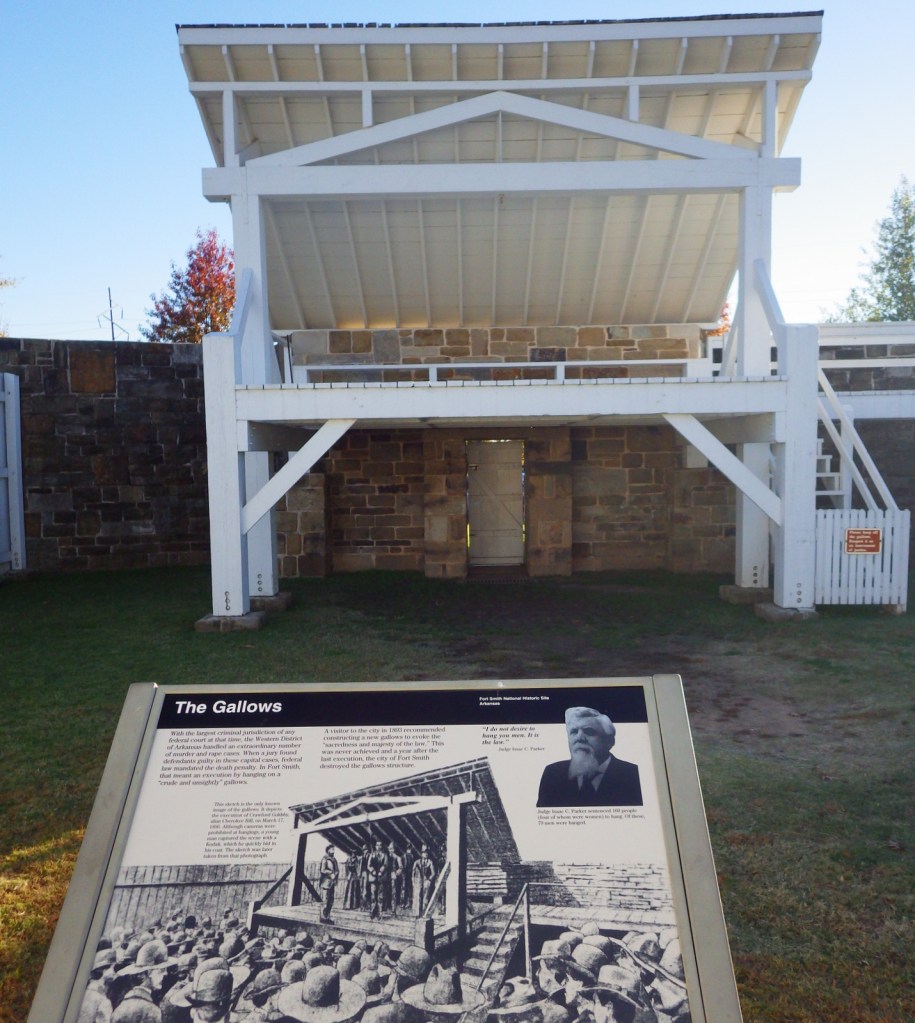
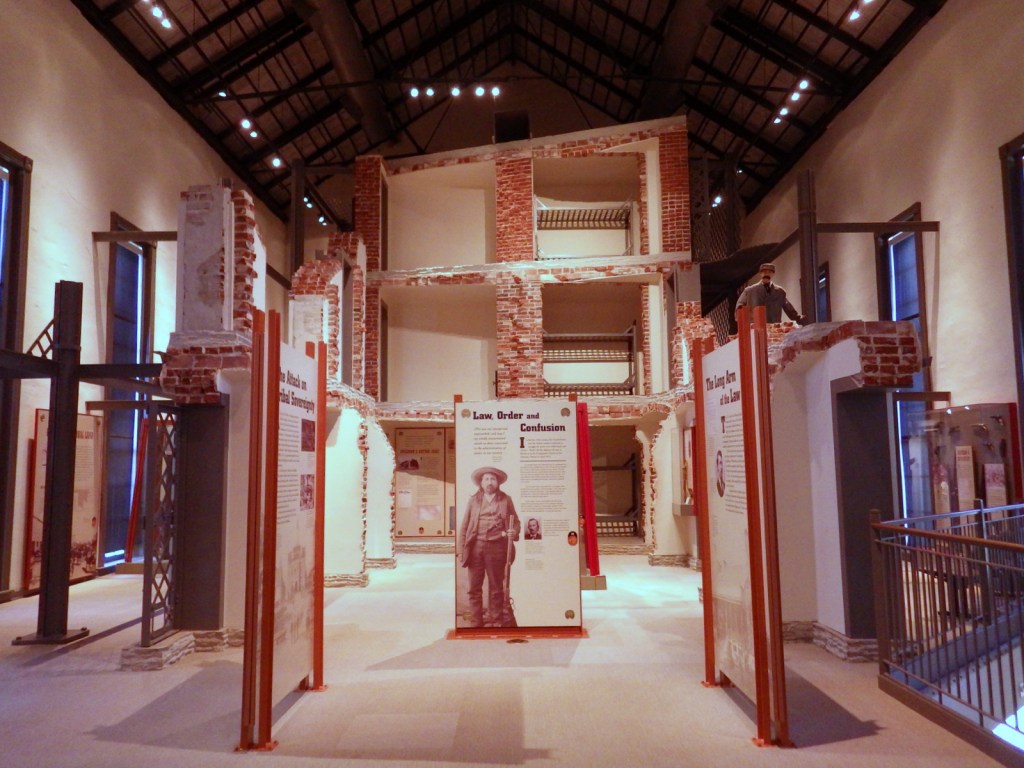
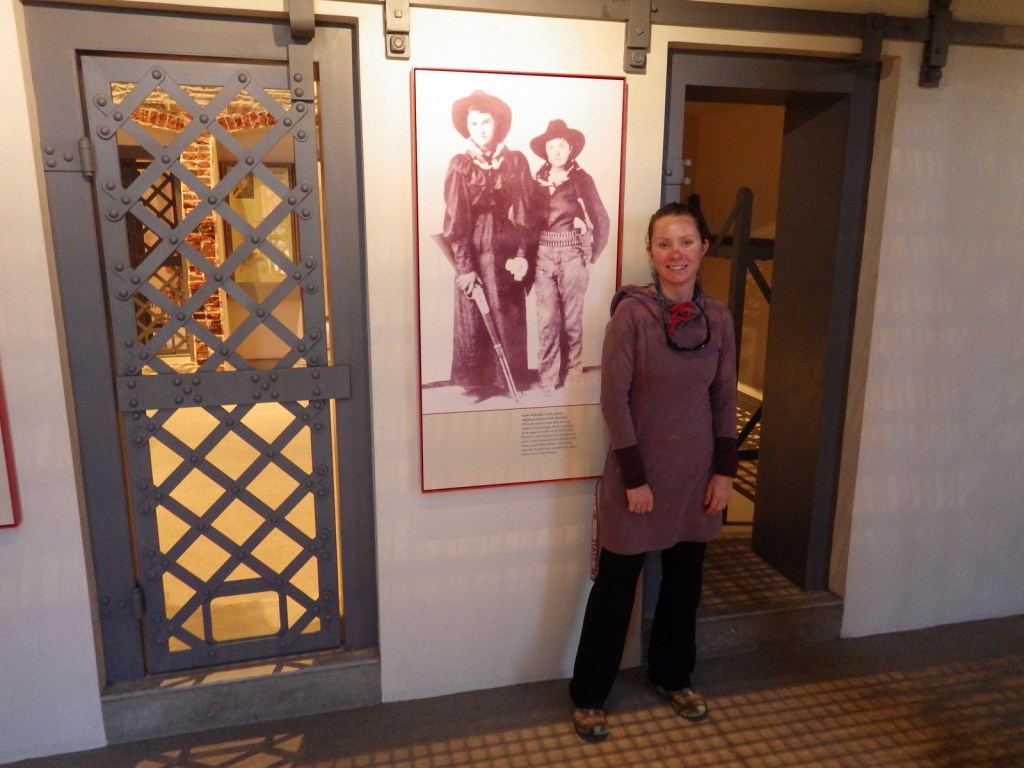
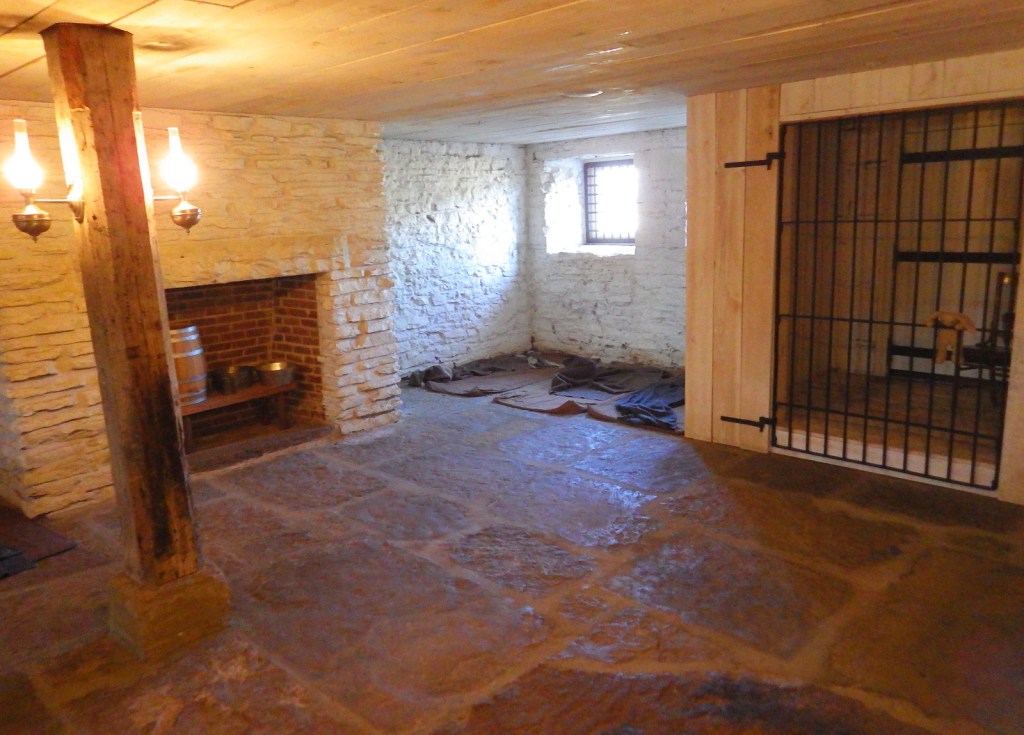
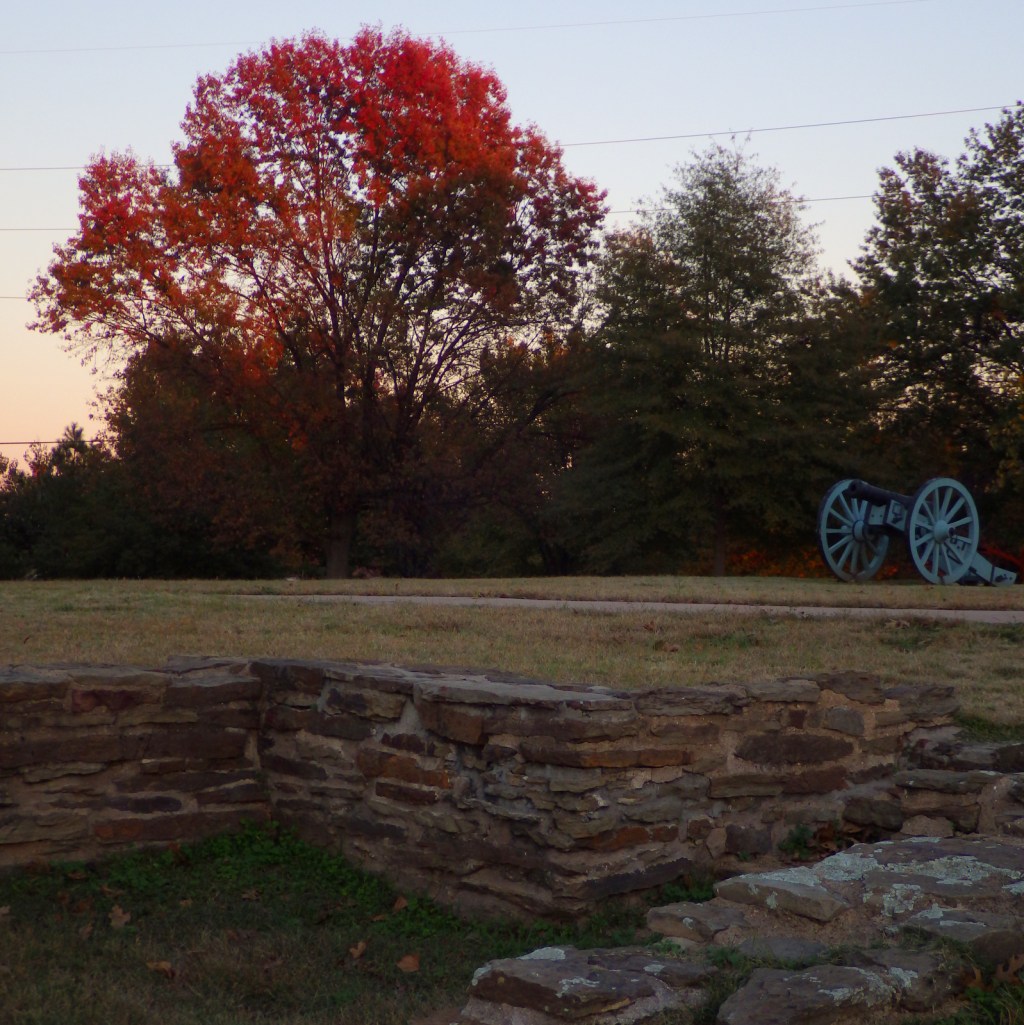
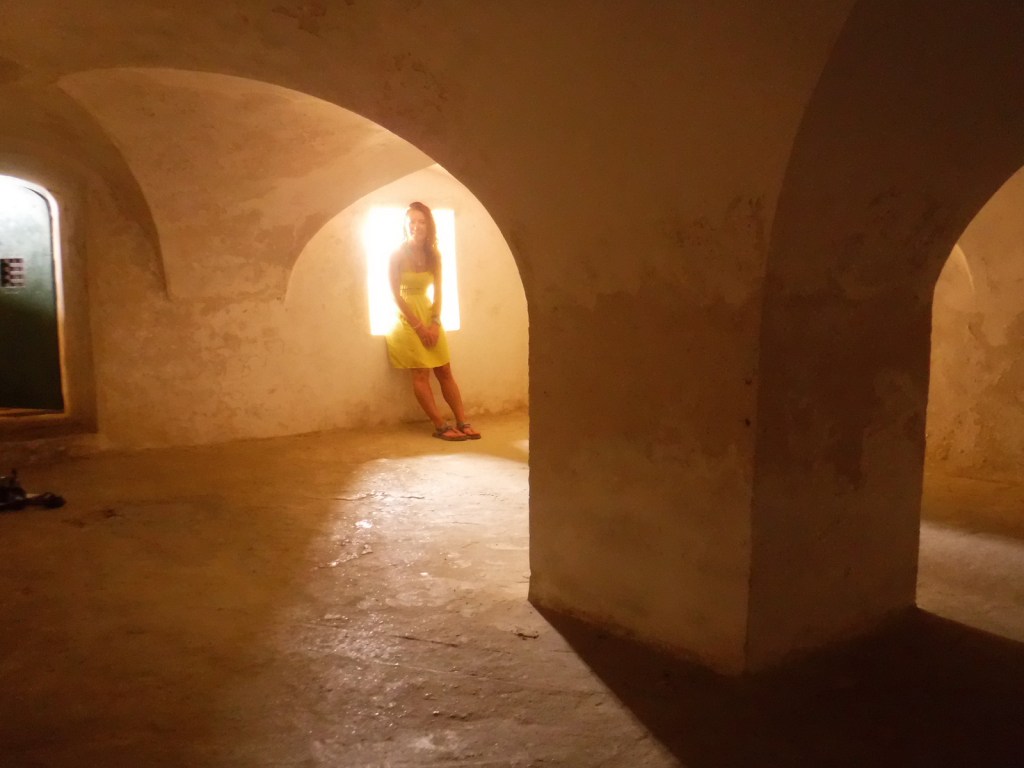
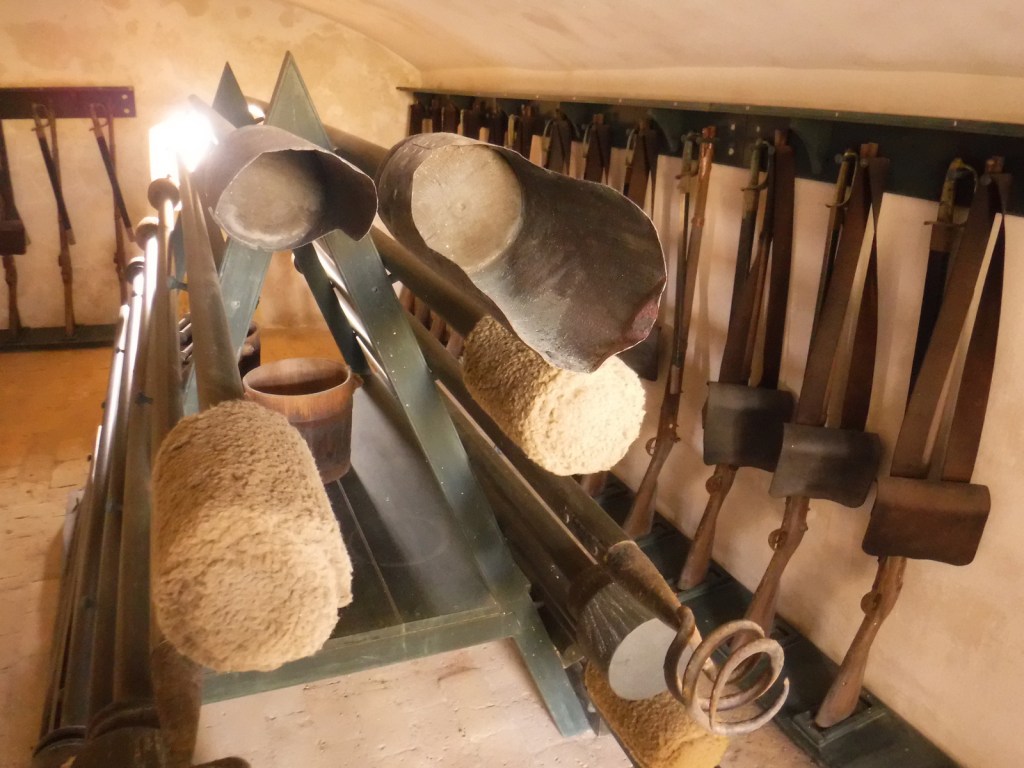
The exhibits here demonstrate the harsh prison conditions and tell harrowing stories of frontier life that will make you cringe.  Do not miss the “Hell-on-the-Border” jail in the basement and the restored courtroom.  Outside, a reproduction of the gallows and several cannon emplacements provide a counterpoint to the idyllic riverfront setting. 

Best Trail

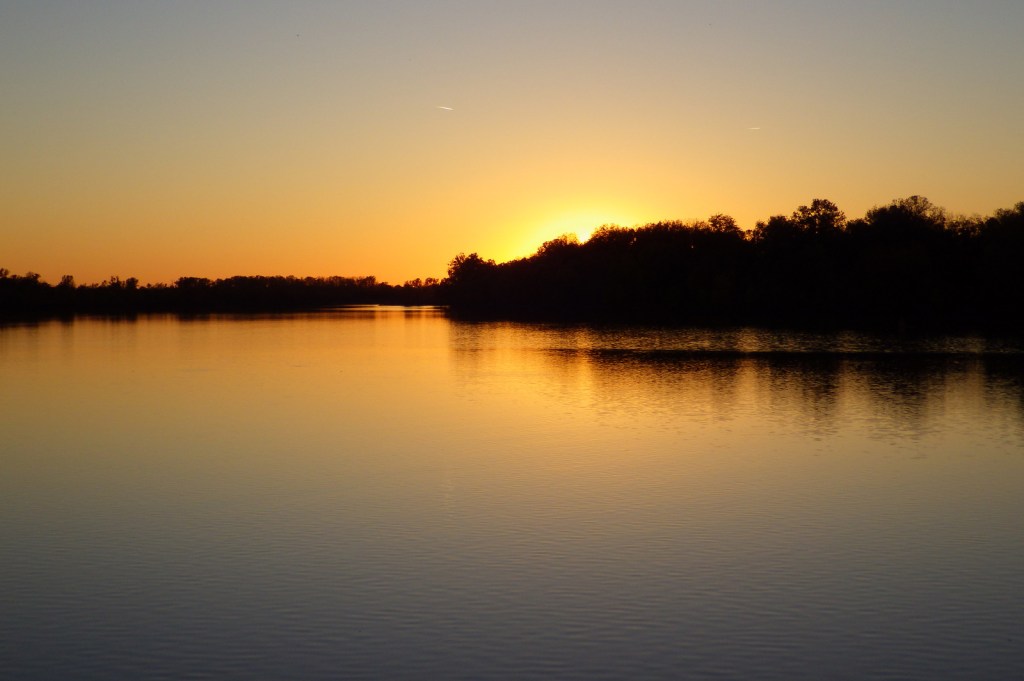
A half-mile trail crosses the railroad tracks to the banks of the Arkansas River.  The scenic beauty of the shoreline at sunset belies the turbulent history of this place, including its connection with the Trail of Tears, designated a National Historic Trail.

Instagram-worthy Photo

Take a photo in the painstakingly restored courtroom where Judge Isaac C. Parker heard 12,000 criminal cases during his 21 years on the bench in the late 1800s.  He sentenced 160 persons to hang, and 79 executions took place right here at Fort Smith.

Peak Season

Spring and fall

Hours

https://www.nps.gov/fosm/planyourvisit/hours.htm

Fees

$10 per person or America the Beautiful pass

Road Conditions

All roads are paved and there is free parking on site.

Camping

Two miles north of Barling, Arkansas, the U.S. Army Corps of Engineers manages a campground on the Arkansas River.

Related Sites

Arkansas Post National Memorial (Arkansas)

Fort Scott National Historic Site (Kansas)

Pea Ridge National Military Park (Arkansas)

Explore More – Fort Smith was established in 1817 to assist in the Cherokee relocation at the end of the Trail of Tears, but what American Indian tribe already inhabited this region?
River Raisin National Battlefield Park

Overview

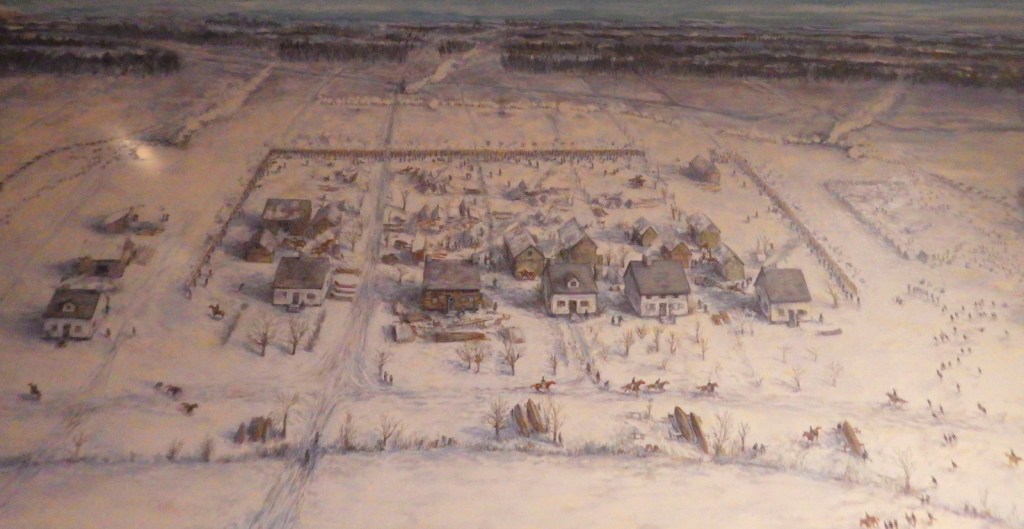
River Raisin National Battlefield Park is located in Monroe, Michigan near where the mouth of the river empties into Lake Erie.  During the War of 1812, the U.S. had a plan to invade Canada which fell through after the surrender of Detroit.  Five months later in January 1813, U.S. troops were heading towards Detroit when they made a detour to Frenchtown to drive off a small detachment of Canadians.  Following an initial victory, a few mornings later a British surprise attack captured or killed all but 33 of nearly 1,000 troops.  When Indian allies of the British returned to scalp six (according to the British) or 42 (according to the Americans) injured prisoners the devastating defeat became immortalized in the rallying cry “Remember the Raisin!”

Highlights

Museum, film, River Raisin Heritage Trail

Must-Do Activity

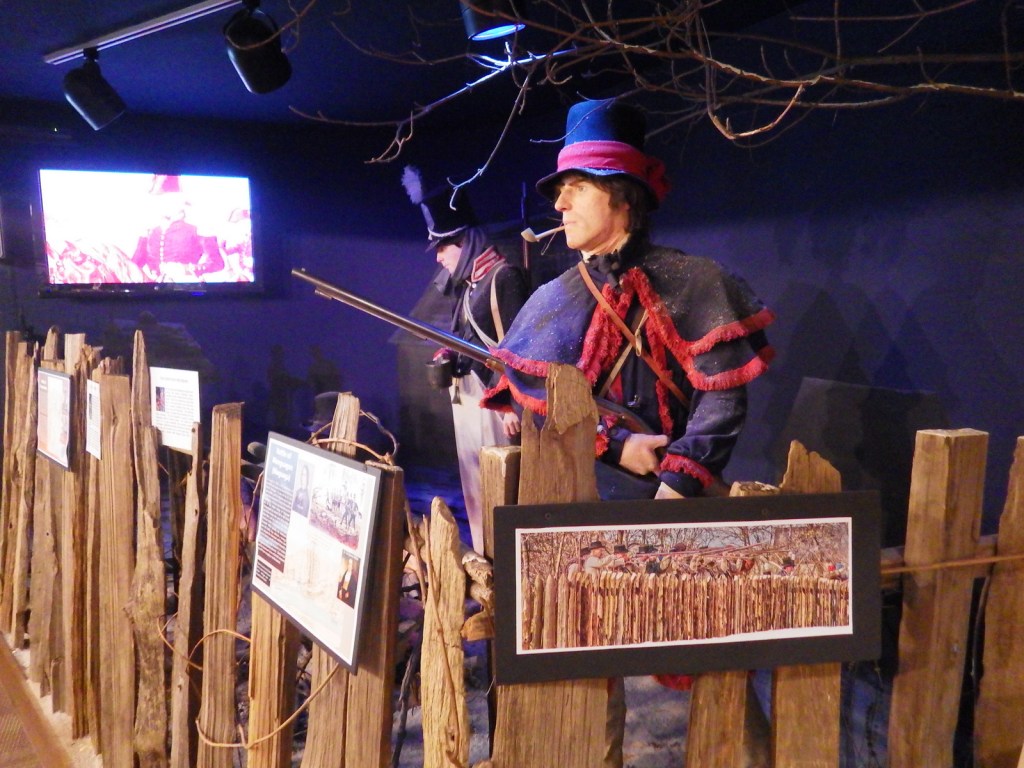
River Raisin National Battlefield Park was not authorized until 2009, so it has a nice new visitor center opened in 2011.  The National Park Service (NPS) has even attempted to make it kid-friendly by creating a stuffed animal of Major Muskrat with multiple costume options available in the gift shop.  It is not often that an NPS site commemorates an American defeat in battle.  In 1813, the U.S. went onto victory at the Battle of Lake Erie and the Battle of Thames in southern Ontario.  For some reason, the Canadians do not have their own National Historic Site dedicated to that one.

Best Trail

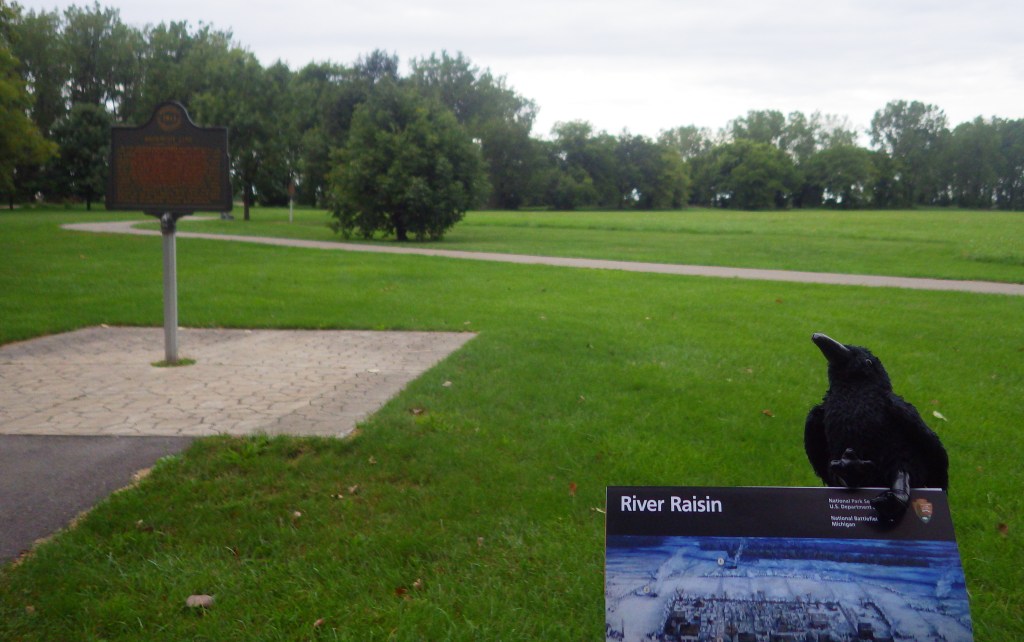
The 42-acre park is mostly a lawn with a paved path dotted by interpretive signs.  You can also hook into the River Raisin Heritage Trail, which takes you to Sterling Stare Park on Lake Erie.

Instagram-worthy Photo

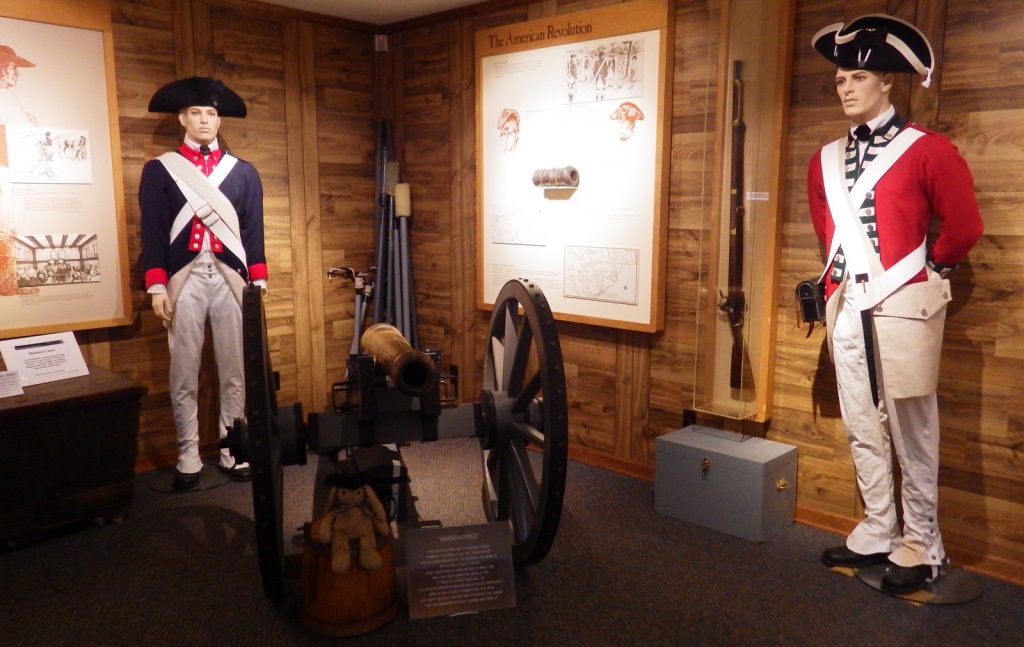
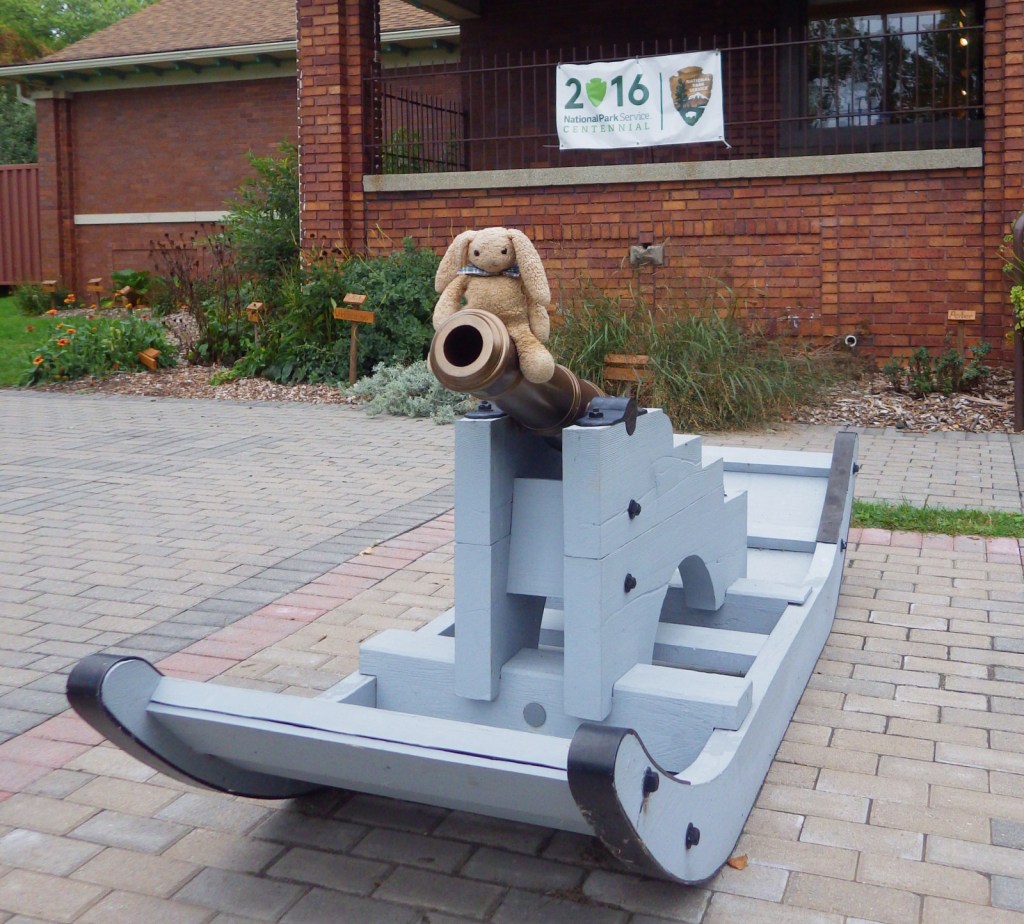
A replica of a cannon used at the January battle is on sled runners; pretty unique!

Peak Season

Summer

Hours

https://www.nps.gov/rira/planyourvisit/hours.htm

Fees

None

Road Conditions

All roads paved

Camping

Sterling State Park offers a 256-site campground on Lake Erie.

Related Sites

Perry’s Victory and International Peace Memorial (Ohio)

Horseshoe Bend National Military Park (Alabama)

Sleeping Bear Dunes National Lakeshore (Michigan)

Explore More – Native Americans were left out of the Treaty of Ghent that ended the War of 1812, so when did the U.S. sign the Treaty of Springwells officially ending hostilities?
Ninety Six National Historic Site

Overview

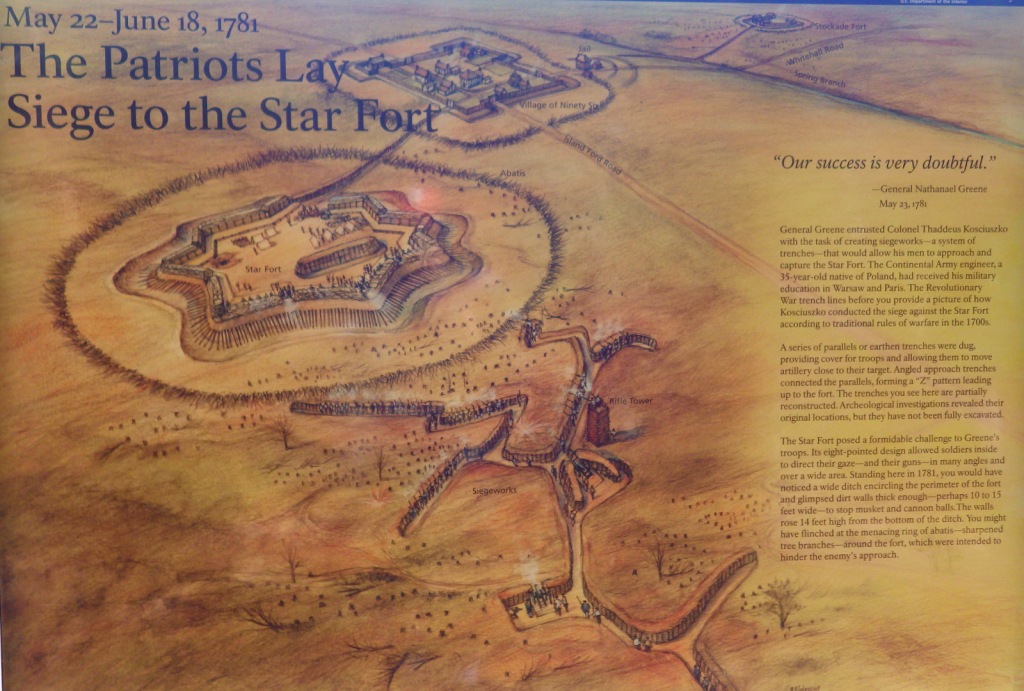
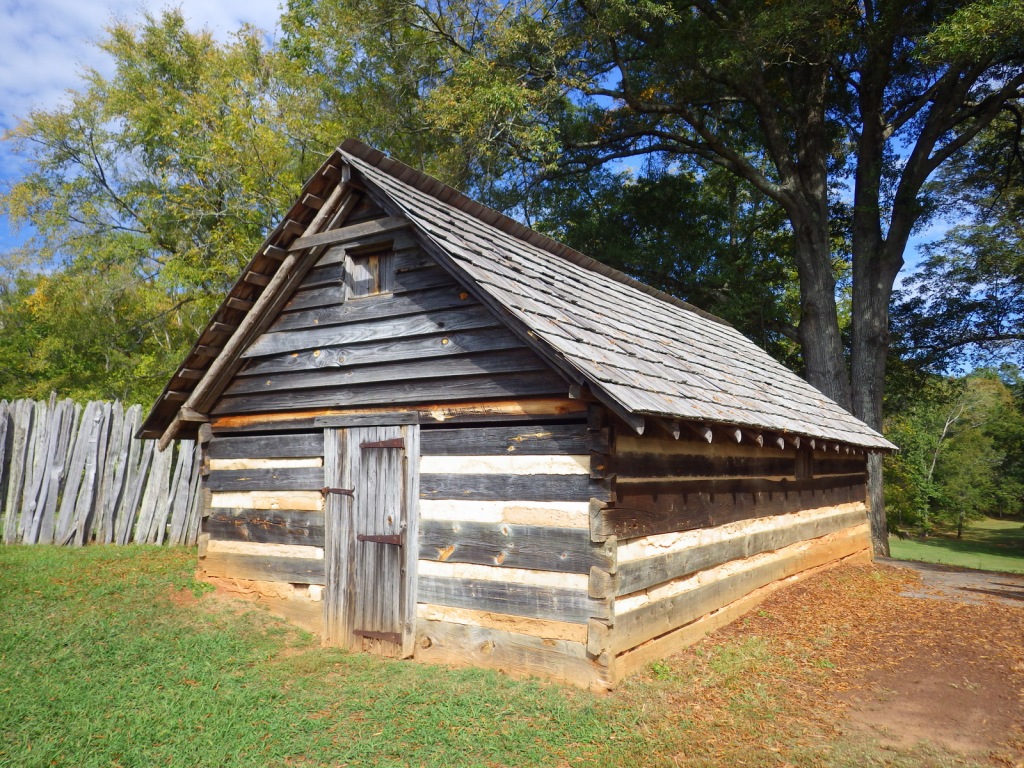
Ninety Six was a bit of a misnomer for this 18th-century trading village in South Carolina.  It was estimated at the time to be 96 miles from a major Cherokee village, but was actually closer to 78.  Then again, Seventy Eight does not have the same ring to it, does it?  A small stockade built around a barn survived two attacks by Cherokees in the 1750s, then during the American Revolution the town fell into British hands after a battle on November 19, 1775.  They proceeded to build a star-shaped earthen fort that was partially reconstructed in the 1970s.

Highlights

Reconstructed Revolutionary War earthen fort, museum, film

Must-Do Activity

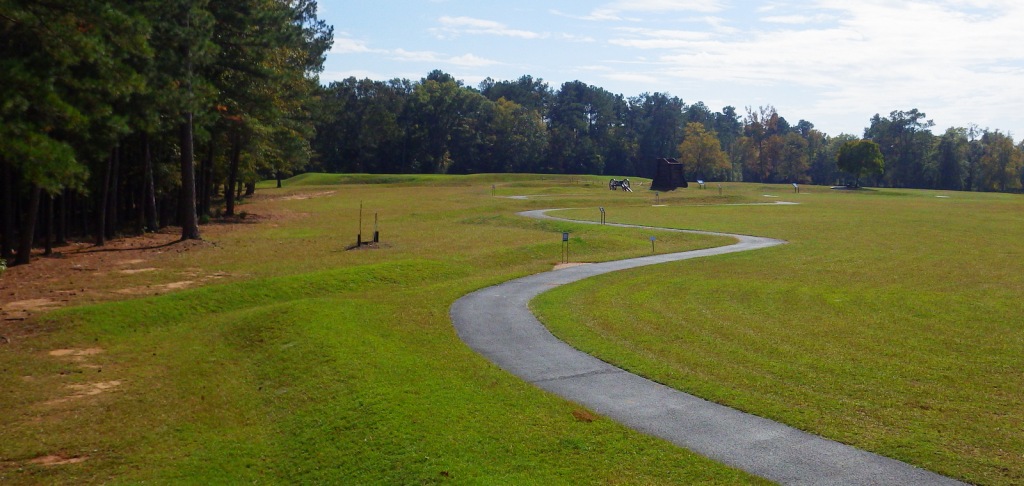
In 1781, six year after the town fell into British hands, a month-long Patriot siege led by General Nathanael Greene failed, but the Patriots abandoned their underground tunneling when they learned of British reinforcements arriving.  The British wound up retreating to Charleston anyway and burning the town behind them.  Ninety Six never fully recovered and remained undeveloped, which allowed archaeologists in the 1970s to rediscover the old tunnels and zigzag trenches designed by Colonel Thaddeus Kosciuszko. 

Best Trail

With interpretive pamphlet in hand, you can get a good idea of Colonel Thaddeus Kosciuszko’s strategy from atop the observation platform built along the one-mile self-guided trail.  The park also contains the 27-acre Star Fort Pond, which is accessible by road or the Cherokee Path Trail from the visitor center.

Instagram-worthy Photo

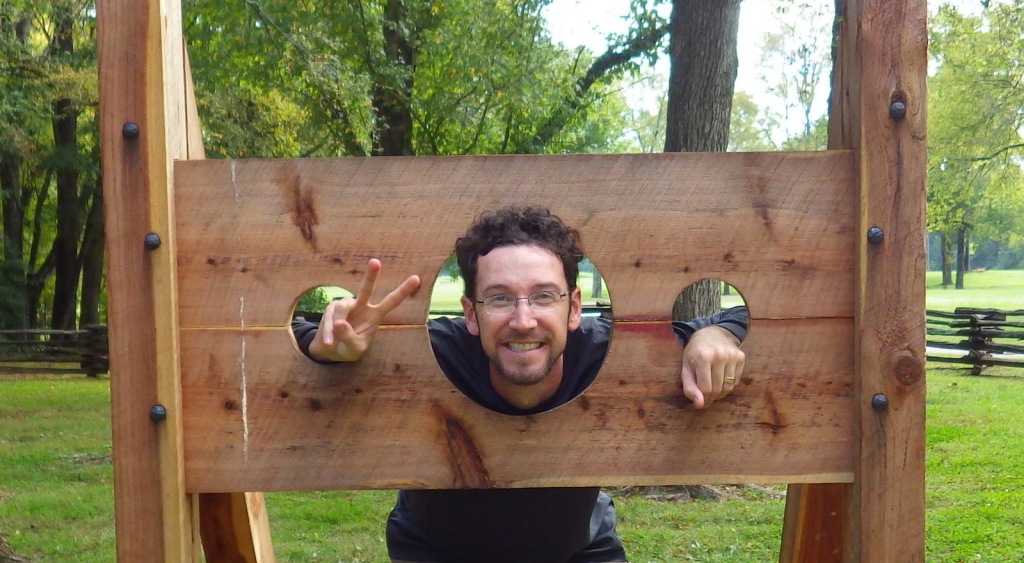
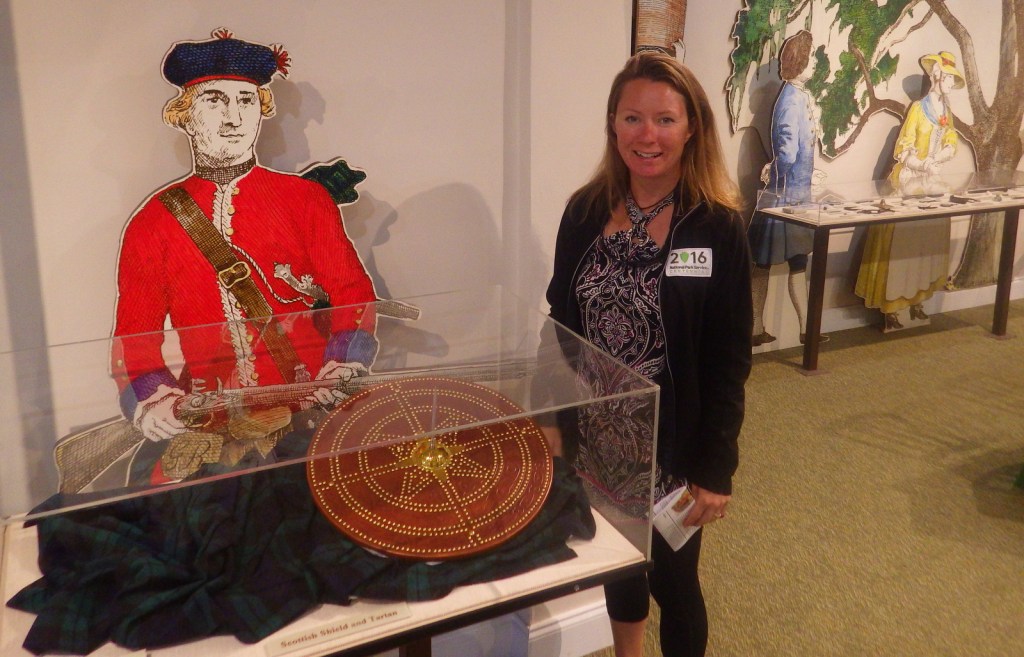
This is the only National Park Service site we know of where visitors are encouraged to brandish a musket.  They also have a pillory to pose in.

Peak Season

Spring and fall, since it can be very hot in the summer with little shade.

Hours

https://www.nps.gov/nisi/planyourvisit/hours.htm

Fees

None

Road Conditions

Access road paved

Camping

Greenwood State Recreation Area has a campground on a lake about nine miles north.

Related Sites

Cowpens National Battlefield (South Carolina)

Fort Sumter and Fort Moultrie National Historical Park (South Carolina)

Thaddeus Kosciuszko National Memorial (Pennsylvania)

Explore More – Who was Robert Gouedy and why was he significant in the history of Ninety Six?

Christiansted National Historic Site

Overview

Three of the Virgin Islands were purchased by the United States in 1917, supposedly to prevent Germany from establishing a Caribbean naval base during World War I.  The southern island of St. Croix was originally claimed by Spain, England, the Netherlands, and France, before being purchased by Denmark in 1733.  The Danish West India and Guinea Company grew sugarcane on the island utilizing slave labor (until 1848), with slaves outnumbering the free population 9,000 to 1,000.  The port town of Christiansted was planned by Frederick Moth and named in honor of Danish King Christian VI.

Highlights

Fort Christiansvaern, Old Danish Customs House, Steeple Building

Must-Do Activity

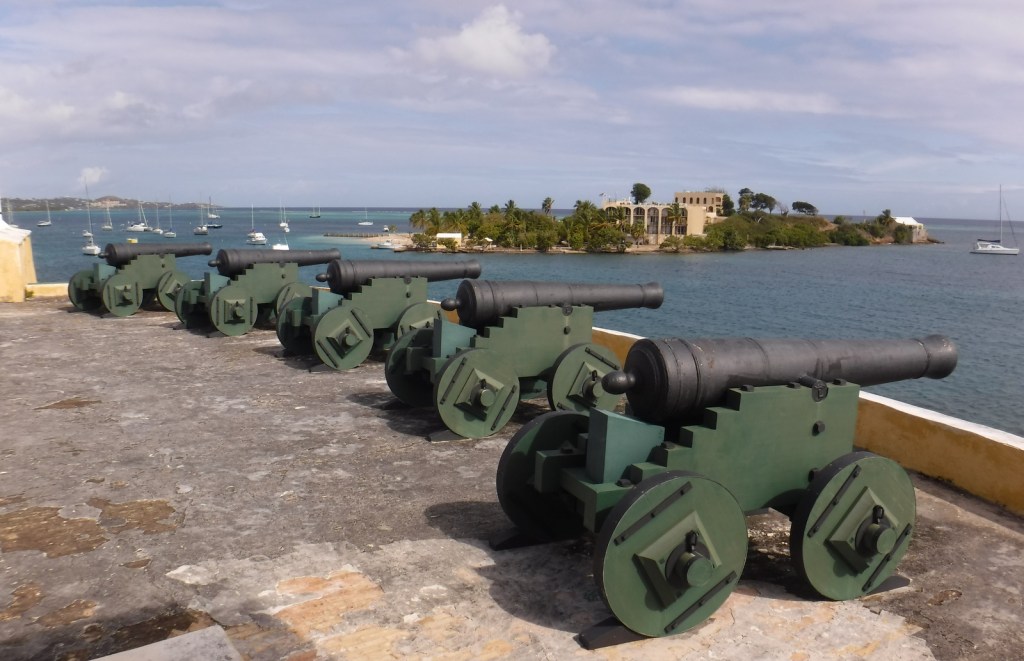
Fort Christiansvaern was completed in 1749 and is the highlight of this National Park Service (NPS) site.  Pick up a self-guided tour booklet at the NPS visitor center so you do not miss any hidden corners, like the dungeon.  Ask a park ranger about tours that may be available to see inside the other six buildings that comprise Christiansted National Historic Site.  The Scale House was under construction during our visit, but typically has exhibits on its bottom floor.

Best Trail

There are no trails, but sidewalks lead from Fort Christiansvaern to the Government House (that is still used for official business) and the Lutheran Church, which is next to a sprawling and interesting cemetery.

Instagram-worthy Photo

The beautiful yellow structures were built in neoclassic style and are best exemplified by the Customs House, which dates to 1841.

Peak Season

Anytime except hurricane season

Hours

https://www.nps.gov/chri/planyourvisit/hours.htm

Fees

$7 per person or America the Beautiful pass

Road Conditions

Roads are paved and there is a designated parking lot at Fort Christiansvaern with a two hour time limit.  Note: you drive on the left side of the road in the U.S. Virgin Islands, but in standard American left-side driver seat vehicles.

Camping

There is no official NPS campground at Salt River Bay National Historical Park and Ecological Preserve, but people camp along the coast there and at many beachside locations around the entire island.

Related Sites

Salt River Bay National Historical Park and Ecological Preserve (Virgin Islands)

Buck Island Reef National Monument (Virgin Islands)

Virgin Islands National Park (Virgin Islands)

Explore More – What famous American patriot worked in Christiansted as a boy (Hint: he has a Broadway musical written about him)?

Fort Frederica National Monument

Overview

The colony of Georgia was established by James Oglethorpe to be an alcohol-free utopia open to commoners in debtors’ prison back in England.  The aristocrats quickly discarded those ideals and introduced slavery after founding a town on the Savannah River in 1733.  That same year, to the south the Spanish constructed Fort Mose as a sanctuary to slaves who fled the British.  In response, Oglethorpe created Fort Frederica on St. Simons Island, with a palisade and 10-foot wide moat around the entire town.  Further, he led an unsuccessful siege of St. Augustine, Florida in 1740.  The Spanish retaliated, but were defeated at Bloody Marsh despite owning a two-to-one advantage in soldiers.

Highlights

Museum, ruins of colonial fort, Bloody Marsh Battle Site

Must-Do Activity

Fort Frederica’s regiment was disbanded in 1749 and the town was abandoned within a decade when it was mostly destroyed by fire.  Today, visitors can walk the ruins underneath picturesque live oak trees draped in Spanish moss.  Fort Frederica National Monument is part of the Gullah/Geechee Cultural Heritage Corridor that honors the unique traditions brought by slaves from West Africa and retained over the centuries on these isolated Atlantic coastal islands.  Cooking gumbo with okra, weaving sweetgrass baskets, and using the word “guber” for peanut are all examples of how the Gullah/Geechee culture has survived into modern times. 

Best Trail

A self-guided tour passes excavated foundations of the town underneath Spanish moss-draped live oak trees.  During our visit in 2016, Hurricane Matthew had knocked down trees closing some of the trails.

Instagram-worthy Photo

The British established Fort Frederica to stop Spanish encroachment from Florida into their American colonies.  The town that formed around the fort peaked at a population of 1,000.  Today it is a beautiful setting with tabby wall ruins and Spanish moss-draped trees.

Peak Season

Spring and fall

Hours

https://www.nps.gov/fofr/planyourvisit/hours.htm

Fees

None, there is no longer a toll for the F.J. Torras Causeway that accesses St. Simons Island.

Road Conditions

All roads paved

Camping

Jekyll Island State Park offers camping 13 miles southeast of Brunswick, Georgia.

Related Sites

Fort Pulaski National Monument (Georgia)

Cumberland Island National Seashore (Georgia)

Fort Caroline National Memorial (Florida)

Explore More – Fort Frederica was named for which member of the British royalty?