Tag Archives: cannon

Antietam National Battlefield

Overview

Antietam National Battlefield was established in 1890 to commemorate those who fought in Sharpsburg, Maryland on September 17, 1862, the bloodiest single day in American military history with more than 23,000 total casualties.  In fact, it was in the aftermath of Antietam that Clara Barton earned her nickname “The Angel of the Battlefield” before going on to found the American Red Cross in 1881.  The battle was a draw, but together with a Union victory at Harpers Ferry stopped the Confederate advance north and provided the impetus for President Lincoln’s Emancipation Proclamation. 

Highlights

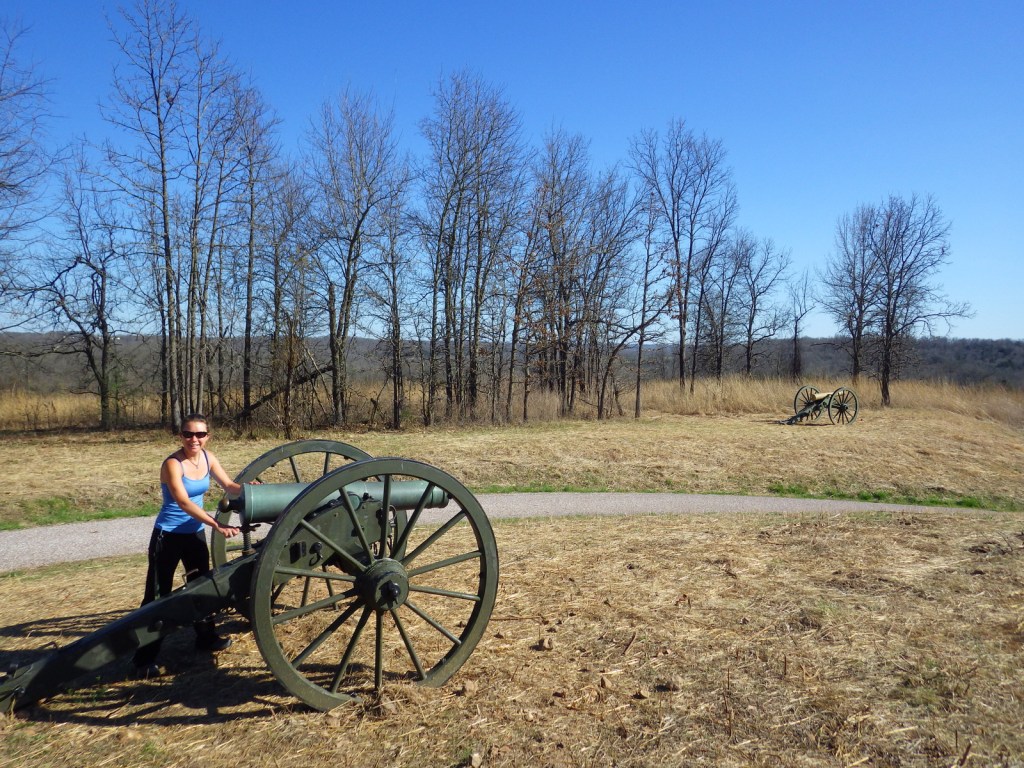
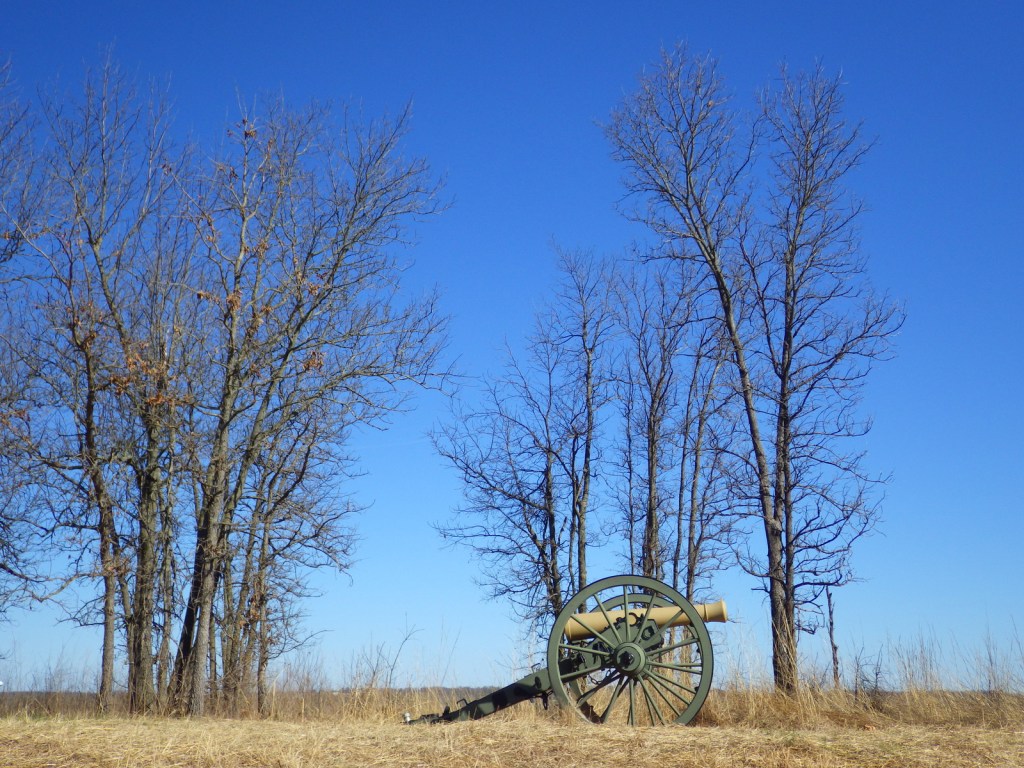
Museum, film, driving tour, Observation Tower, Pry House Medical Museum, cannons

Must-Do Activity

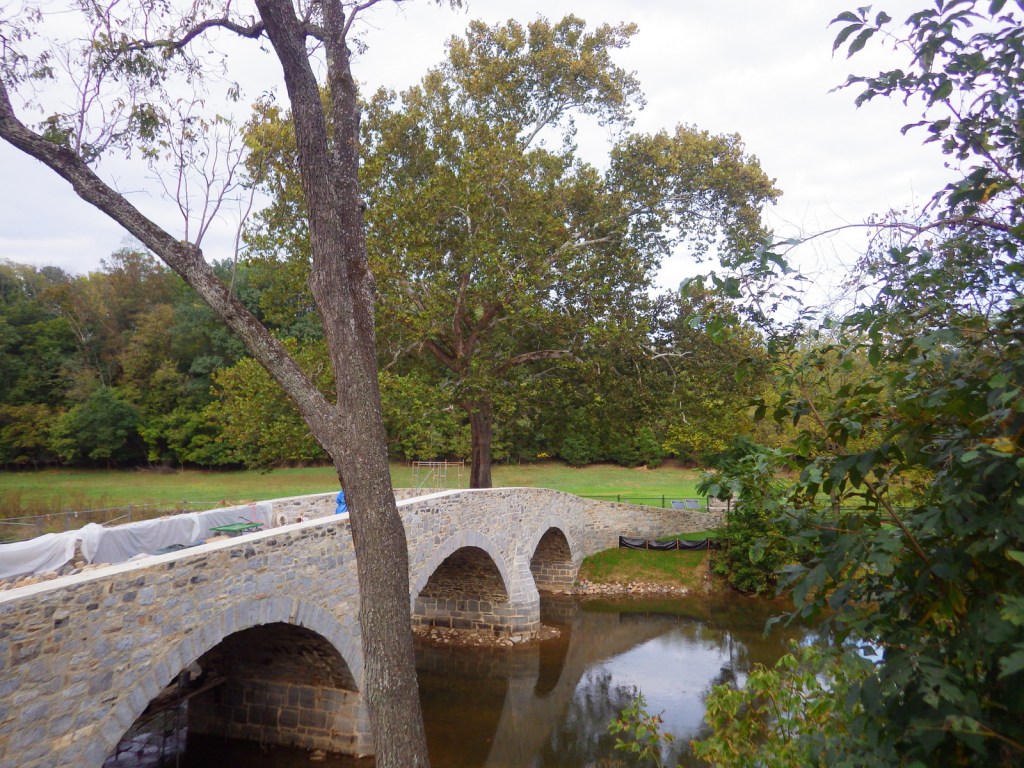
Your entrance fee allows you access to the museum and eight-mile driving tour, as well as 3,200 acres of beautiful Maryland countryside.  Even though this site holds a grisly honor, today it is a charming open space with picturesque bridges and monuments, perfect for a pleasant walk or bike ride.  During our visit, Burnside Bridge was being rebuilt after it collapsed in 2014.  Overall, it is a much quieter spot than nearby Gettysburg National Military Park.

Best Trail

The park has more than doubled in size since 1990 and there are walking trails accessible all along the driving tour route.  At a minimum, you should get out of the car to walk “Bloody Lane” before climbing up the Observation Tower.

Instagram-worthy Photo

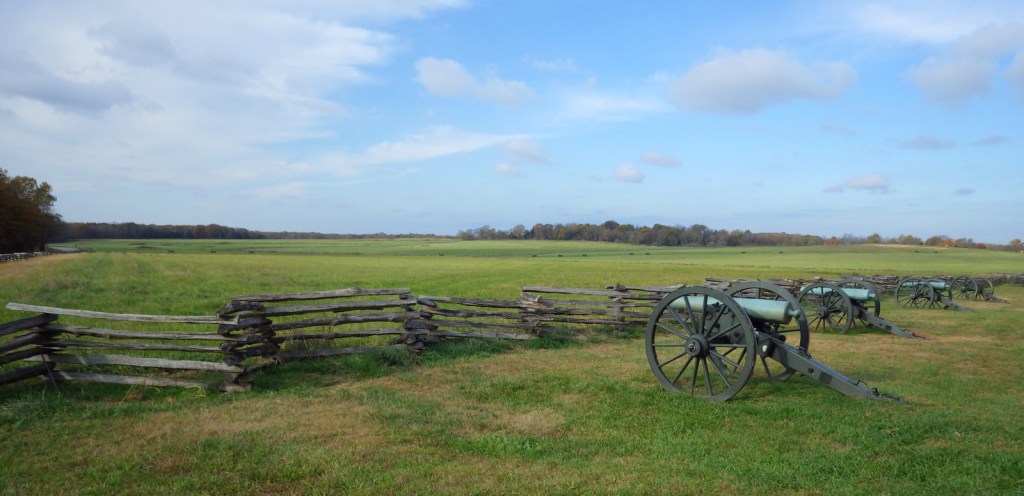
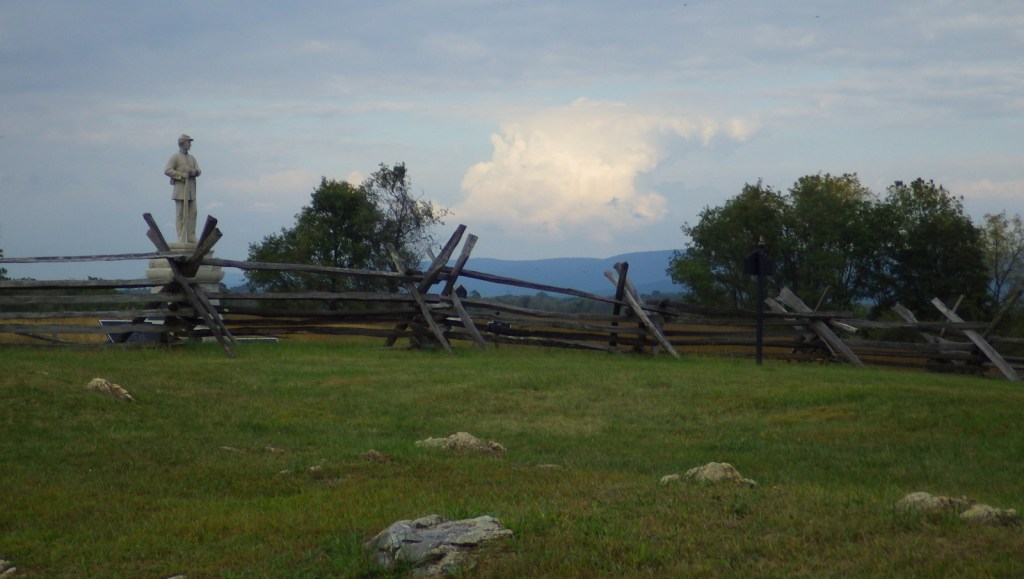
A split-rail fence provided cover for Confederate troops on Sunken Road, also known as “Bloody Lane.”  A nice view of it and the Maryland countryside is offered from the Observation Tower.

Peak Season

Summer

Hours

https://www.nps.gov/anti/planyourvisit/hours.htm

Fees

$20 per vehicle or America the Beautiful pass

Road Conditions

All roads paved

Camping

Reservations are required for organized groups to camp within the park, but there is a walk-in campground located five miles south within Chesapeake and Ohio Canal National Historical Park.  Greenbrier State Park offers a developed campground about 15 miles away.

Related Sites

Catoctin Mountain Park (Maryland)

Harpers Ferry National Historical Park (West Virginia-Maryland-Virginia)

Clara Barton National Historic Site (Maryland)
Explore More – How many Union soldiers are interred at Antietam National Cemetery (alongside veterans from four other wars)?
Shiloh National Military Park

Overview

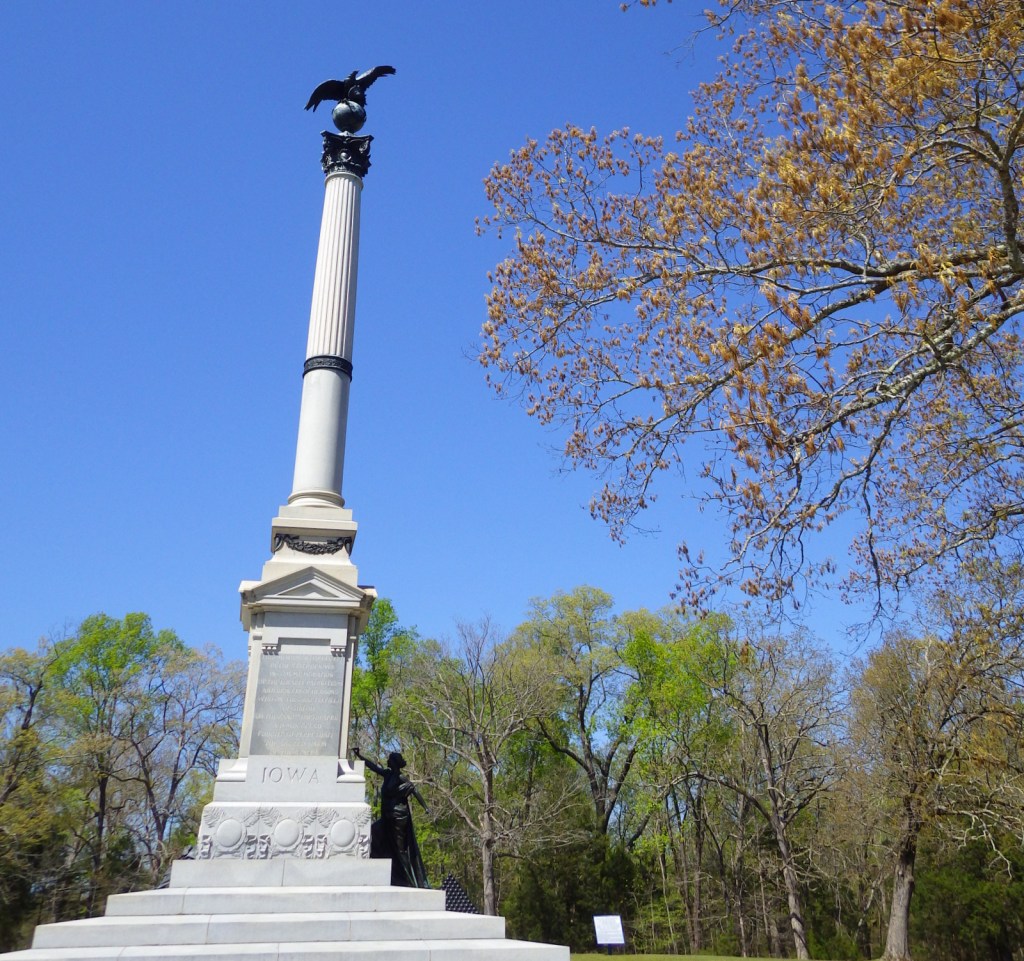
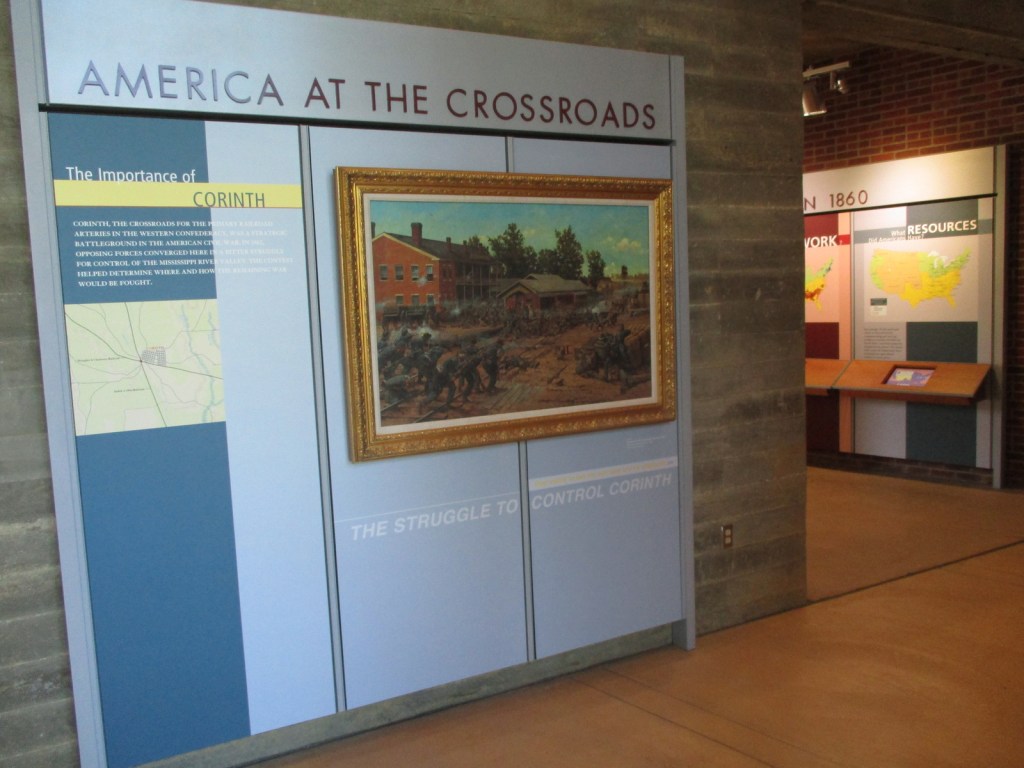
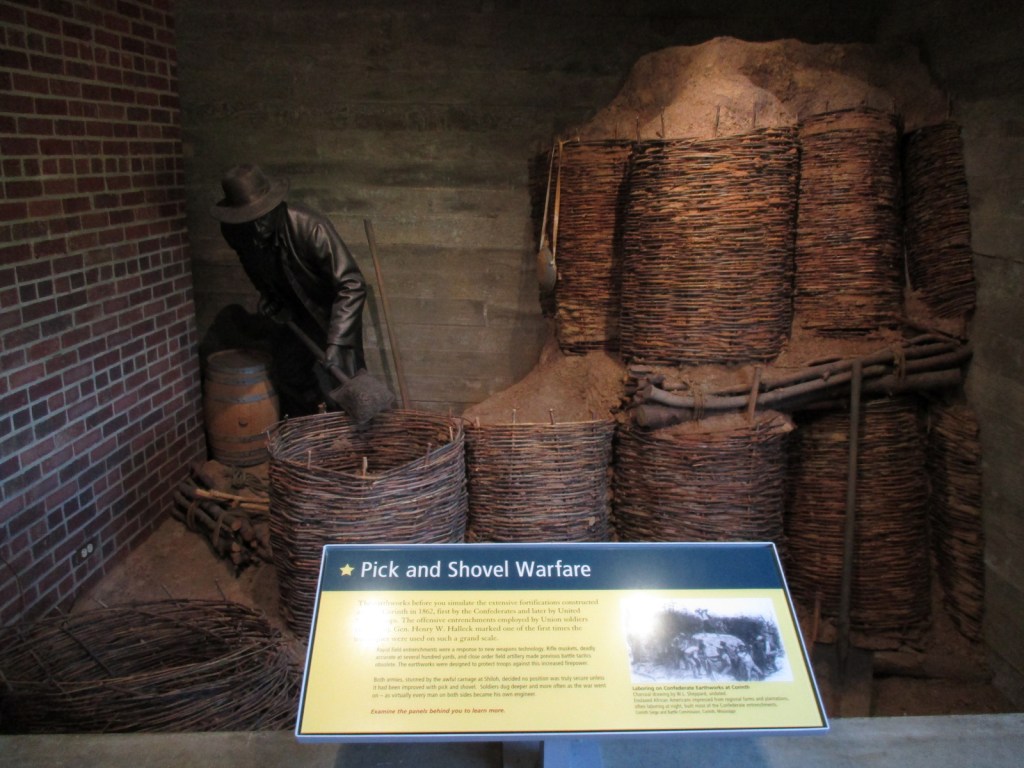
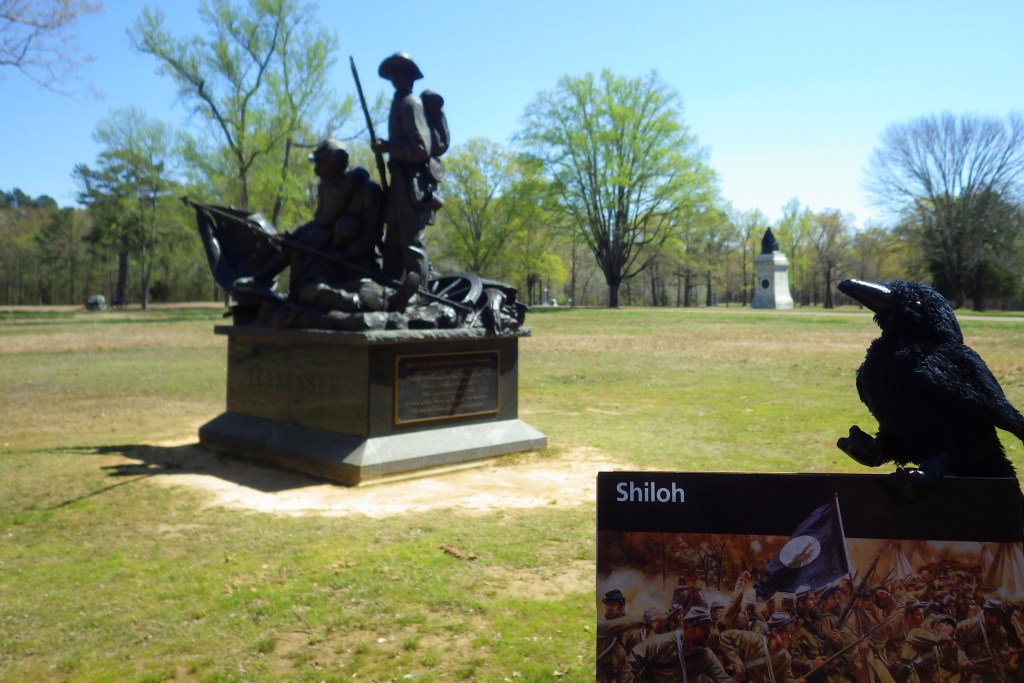
Following the victory at Fort Donelson, Union General Ulysses S. Grant moved his 50,000 troops aboard steamboats down the Tennessee River to Pittsburg Landing.  The army camped near a log church named the Shiloh Meeting House where they awaited the marching Army of Ohio before advancing on the important railroad crossroads in Corinth, Mississippi.  The Confederate army launched a surprise attack on April 6, 1862, pushing the enemy lines back two miles before Union reinforcements finally arrived.  After two days and 23,746 soldiers killed, wounded, captured, or missing, the Confederates abandoned the field and Corinth.  There were an additional 7,000 casualties when they failed to recapture the town in October 1862.

Highlights

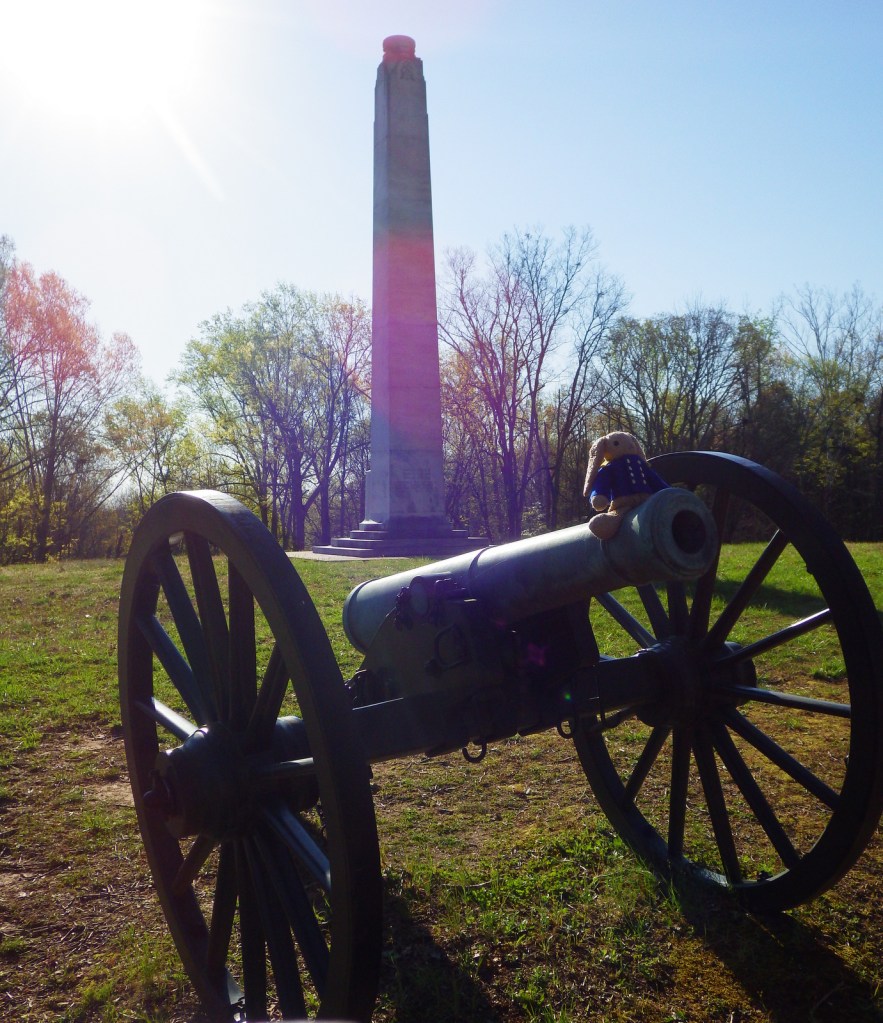
Museum, film, driving tour, Shiloh Meeting House, Indian mounds, cannons

Must-Do Activity

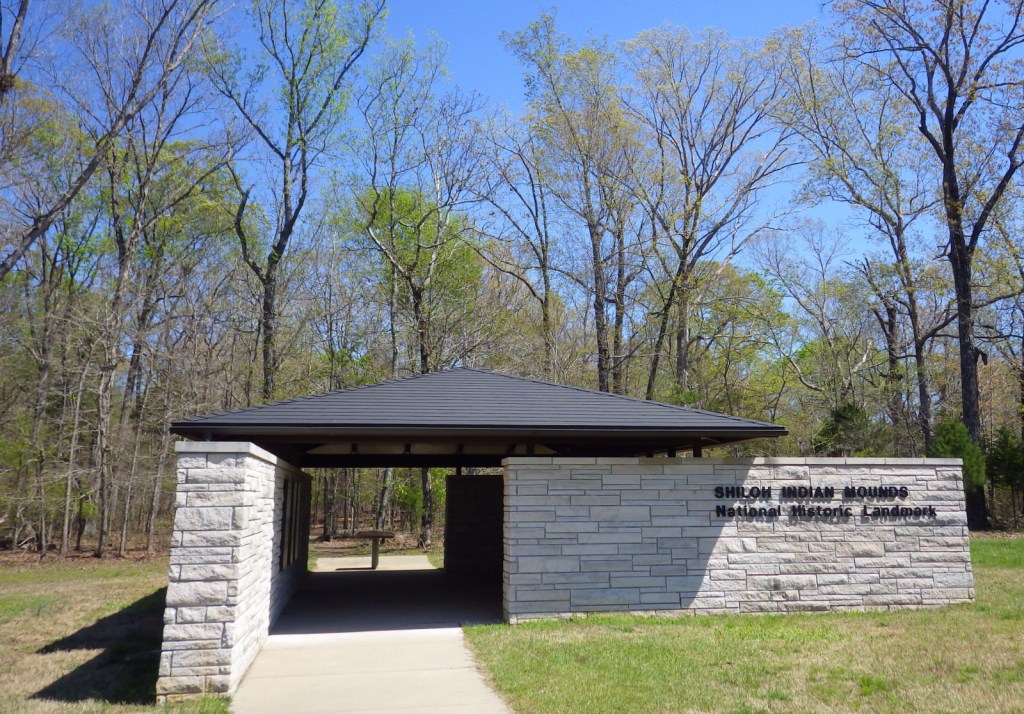
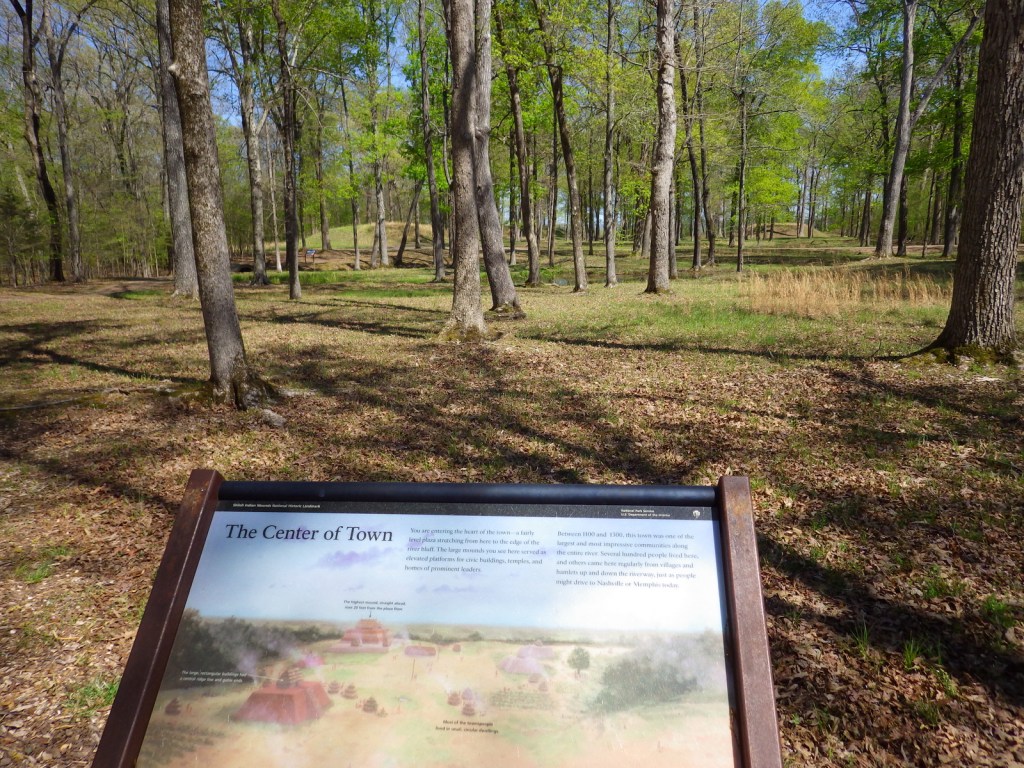
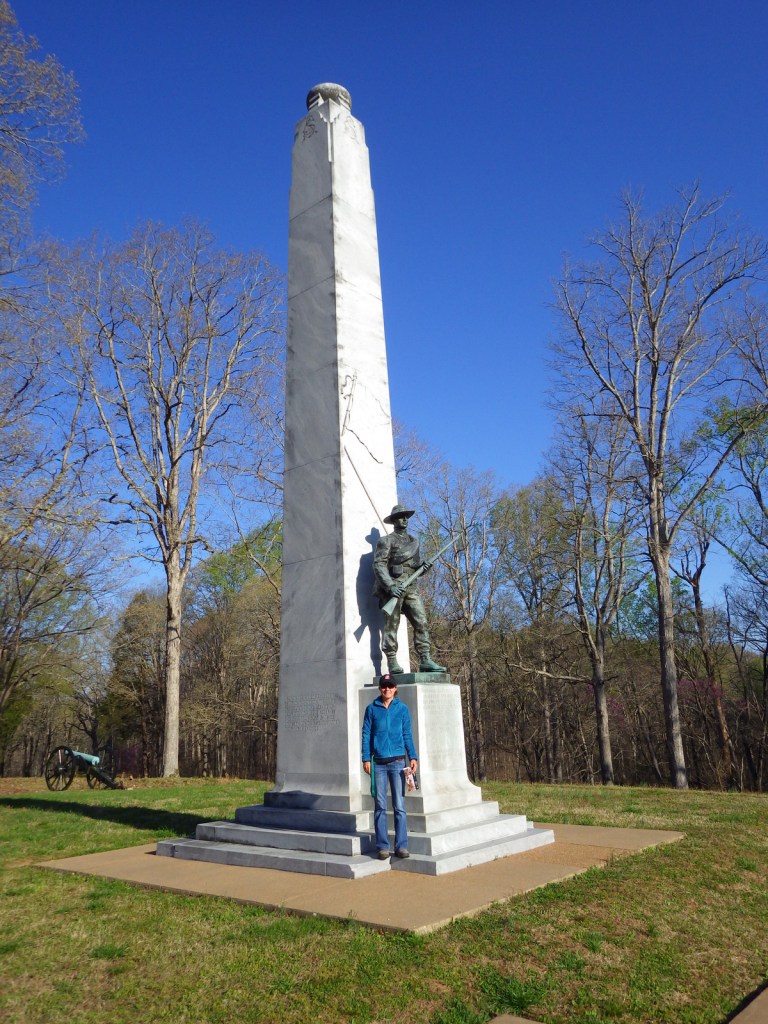
Start with the great 45-minute movie at the National Park Service (NPS)  visitor center then take the 12.7-mile driving tour with twenty stops that passes 150 commemorative monuments, 229 cannons, and 4,000 graves in Shiloh National Cemetery.  The site also contains 800-year-old American Indian mounds within a 45-acre National Historic Landmark.  A free pass to the Tennessee River Museum in Savannah is also provided at the NPS visitor center.  In addition to the NPS unit in Shiloh, Tennessee, there is an Interpretive Center 22 miles away in Corinth, Mississippi. 

Best Trail

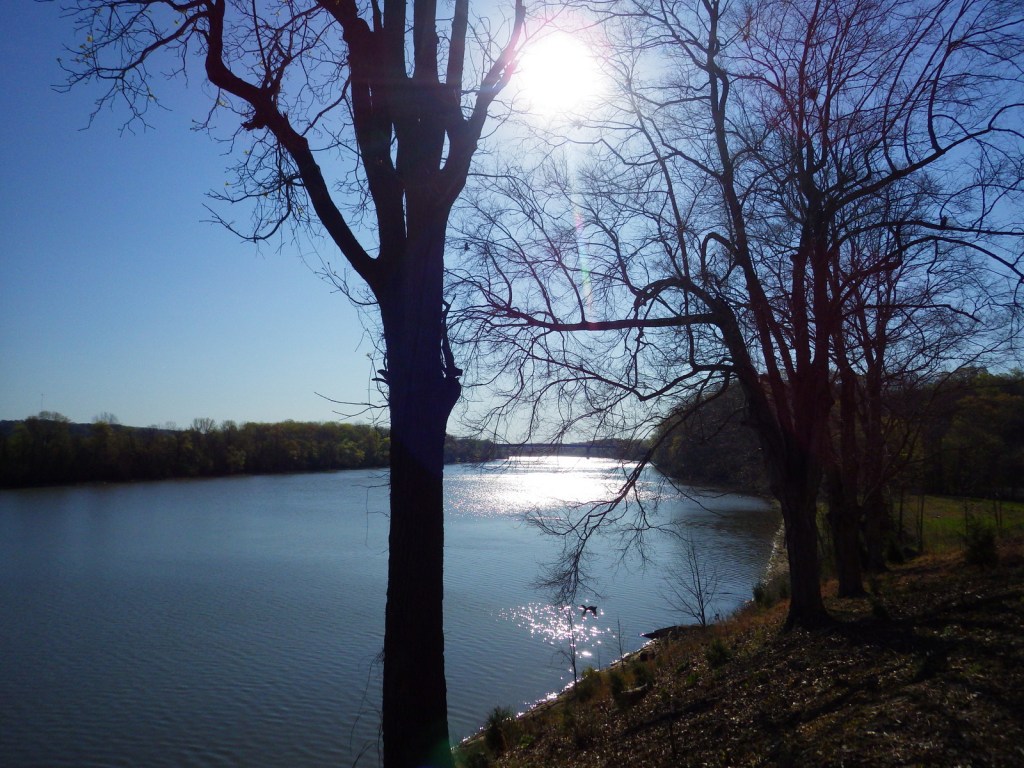
The short trail through the 800-year-old Indian mounds provides views of the Tennessee River.

Instagram-worthy Photo

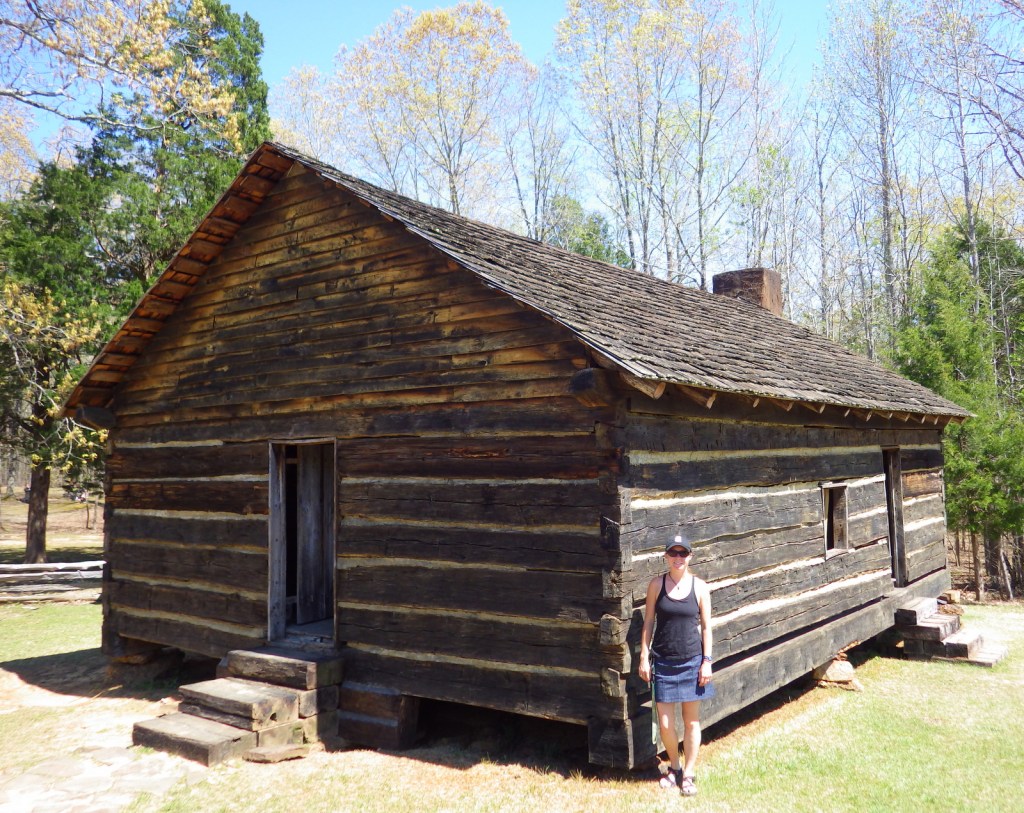
A reconstruction of the Shiloh Meeting House log church is found along the driving tour.

Peak Season

Summer

Hours

https://www.nps.gov/shil/planyourvisit/basicinfo.htm

Fees

None

Road Conditions

All roads paved

Camping

None in the park, but Pickwick Landing State Park is located 15 miles to the southeast.

Related Sites

Fort Donelson National Battlefield (Tennessee-Kentucky)

Stones River National Battlefield (Tennessee)

Vicksburg National Military Park (Mississippi)

Explore More – Originally managed by the U.S. military, when was this park established?
Fort Donelson National Battlefield

Overview

Fort Donelson National Battlefield commemorates the first major Union victory of the Civil War.  It quickly followed the capture of Fort Henry on the Tennessee River (which is now flooded by Kentucky Lake).  The battle earned Union General U.S. Grant fame for his reply to Confederate General Simon Buckner: “No terms except an unconditional and immediate surrender can be accepted.”  This led to the joke that his initials stood for “Unconditional Surrender.”  After more than 12,000 Confederate troops were taken prisoner on February 16, 1862, the Union army soon took Nashville, Tennessee.

Highlights

Dover Hotel, Land Between the Lakes National Recreation Area, cannons

Must-Do Activity

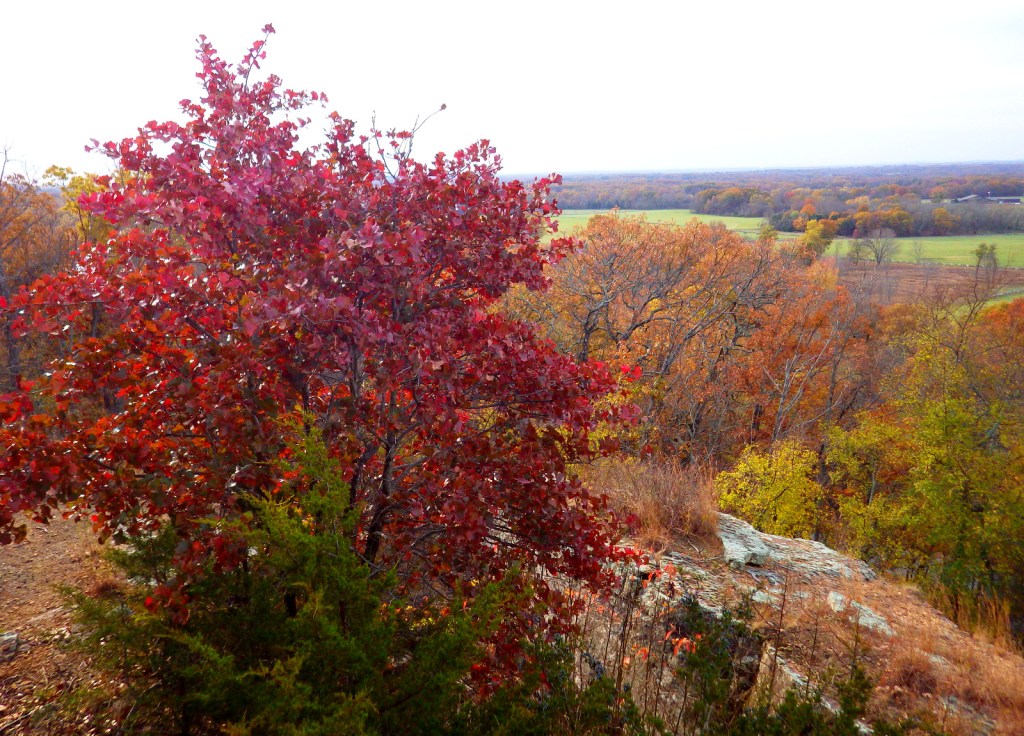
Visitors today can take a six-mile driving tour to see the rifle pits, lower river battery, and earthworks along the Cumberland River, in addition to an exhibit on the first floor of the Dover Hotel (where terms of surrender were signed).  This hilly riverside park is also a nice place to exercise and watch for bald eagles and other wildlife. Fort Donelson National Cemetery is located nearby.

Best Trail

Fort Donelson National Battlefield is neighbors with Land Between the Lakes National Recreation Area, which is managed by the U.S. Forest Service.  Tucked between the Tennessee and Cumberland Rivers, this area was claimed through eminent domain by the Tennessee Valley Authority (TVA) when dams were built.  Outdoor recreation is now the focus with reservoirs, trails, bison and elk herds, a living history museum, and a planetarium.  Also, there are more than 200 cemeteries in this 170,000-acre area.

Instagram-worthy Photo

Giant cannons are mounted in the lower river battery along the Cumberland River.

Peak Season

Summer

Hours

https://www.nps.gov/fodo/planyourvisit/hours.htm

Fees

None for the National Battlefield, but there are entry fees for portions of Land Between the Lakes National Recreation Area

Road Conditions

All roads paved

Camping

There are numerous campgrounds in Land Between the Lakes National Recreation Area, as well as at Paris Landing State Park.

Related Sites

Shiloh National Military Park (Tennessee)

Big South Fork National River and Recreation Area (Tennessee)

Mammoth Cave National Park (Kentucky)

Explore More – Fort Donelson and which other nearby fort were havens for escaped slaves later in the Civil War?

Pea Ridge National Military Park

Overview

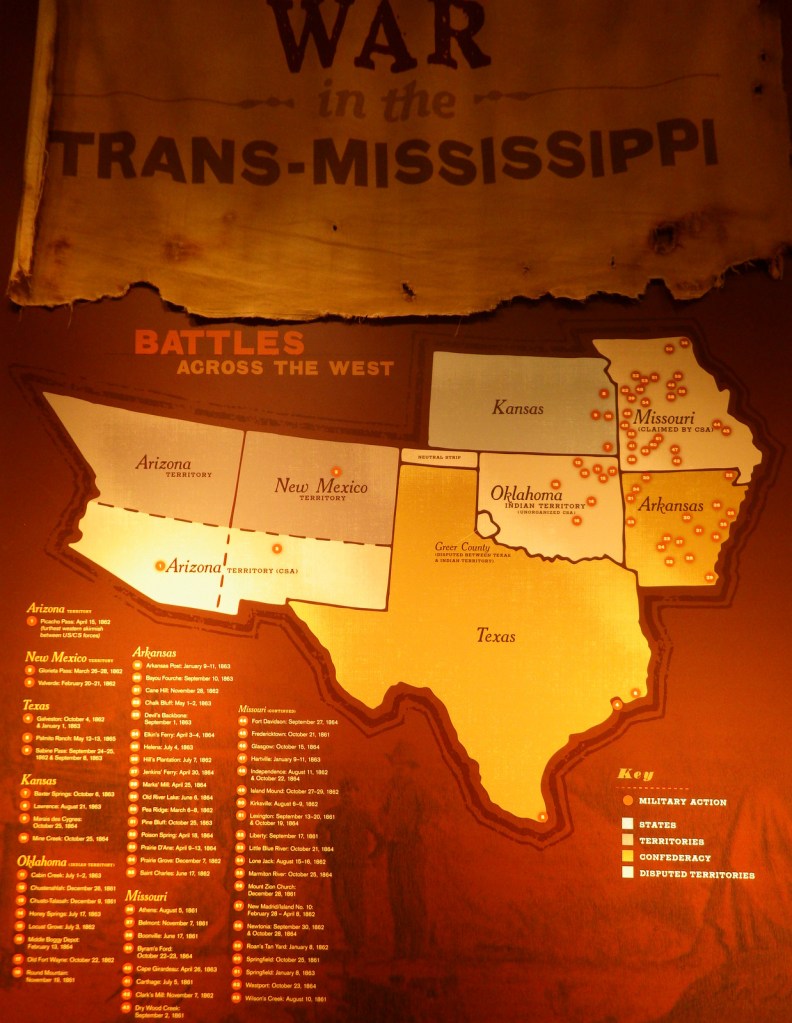
This 4,300-acre park memorializes a battle fought early in the Civil War for control of the Union state of Missouri.  It took place in March 1862, seven months after the events at Wilson’s Creek National Battlefield.  Pea Ridge National Military Park is located near Fayetteville, Arkansas and also contains a section of the Trail of Tears National Historic Trail.  Two regiments fighting on the Confederate side during the Battle of Pea Ridge were Cherokees that were forced to march to Indian Territory from North Carolina in 1838.

Highlights

Museum, film, driving tour, Elkhorn Tavern, cannons

Must-Do Activity

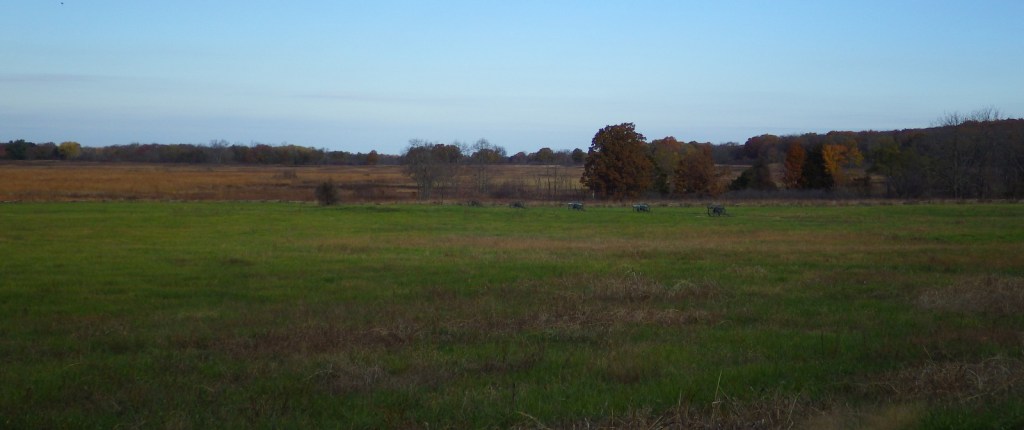
A quality film and further exhibits at the visitor center help fill in any unclear parts about the battle on March 7-8, 1862 that kept Missouri in the Union.  The seven-mile driving tour includes informational stops that explain the battle in chronological order from the Confederate assault at Leetown to their eventual retreat from Elkhorn Tavern. 

Best Trail

There are ten miles of hiking trails and 11 miles of equestrian trails that run through the park.  Also, a portion of the infamous Trail of Tears follows the route of the telegraph wire road from 1838.  To learn more about the Trail of Tears National Historic Trail, we recommend a visit to Fort Smith National Historic Site, which is only a two-hour drive away.

Instagram-worthy Photo

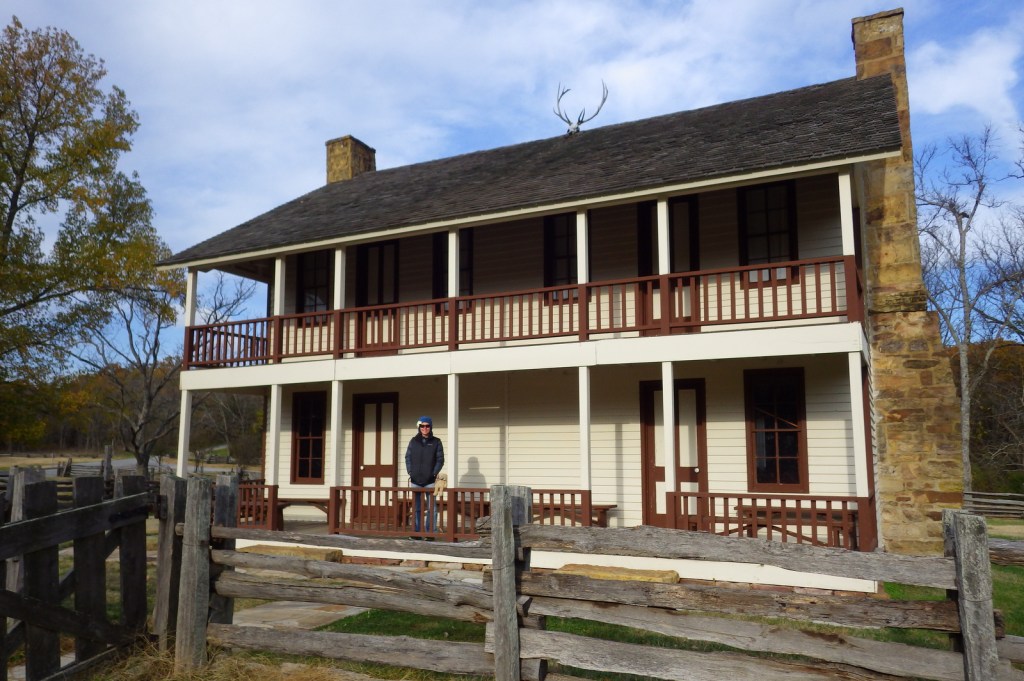
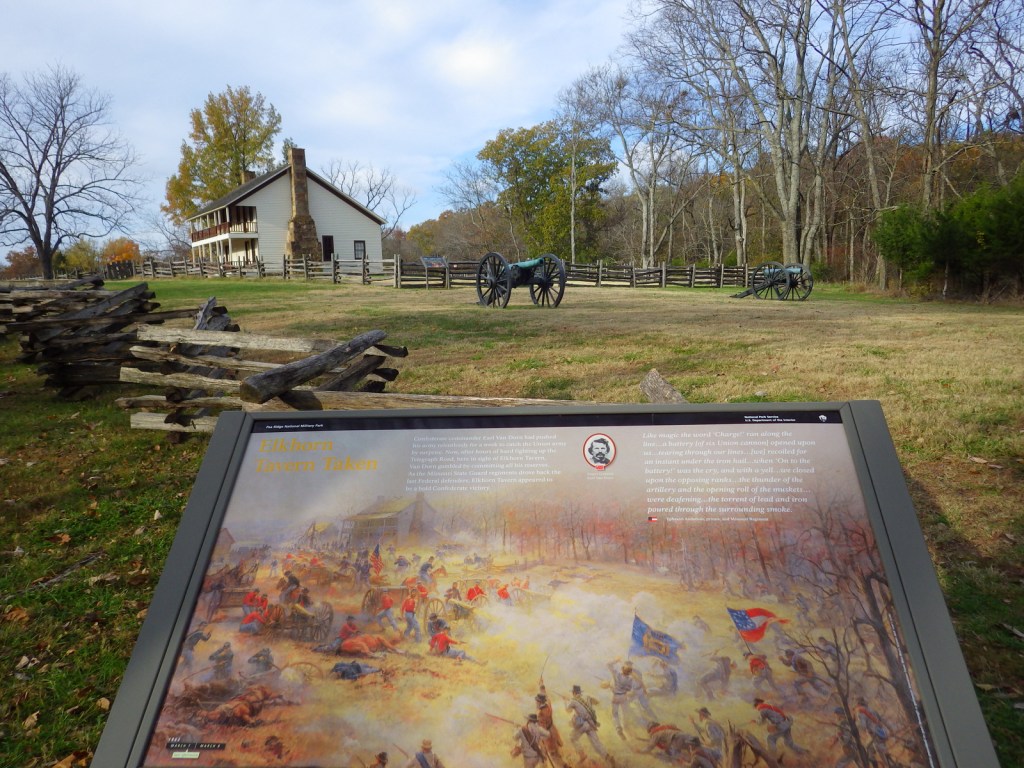
Stop to walk around a reconstruction of Elkhorn Tavern, which was used as a hospital by both sides during the battle and later as a Union telegraph station.  The original building was burned by Confederate guerillas in 1863.

Peak Season

Summer

Hours

https://www.nps.gov/peri/planyourvisit/hours.htm

Fees

$20 per vehicle or America the Beautiful pass

Road Conditions

All roads paved

Camping

Beaver Reservoir is 20 miles away and has public campgrounds.

Related Sites

Wilson’s Creek National Battlefield (Missouri)

Buffalo National River (Arkansas)

Fort Smith National Historic Site (Arkansas-Oklahoma)

Explore More – The Trail of Tears National Historic Trail has multiple routes; how long is it in total?

Wilson’s Creek National Battlefield

Overview

Early in the Civil War control of the state of Missouri hung in the balance.  Union and Confederate forces gathered near Springfield and both organized surprise attacks for the morning of August 10, 1861.  Rain overnight caused Confederate General Sterling Price to cancel his plan, but Union General Nathaniel Lyon went through with his in the face of overwhelming odds.  The strategy worked briefly but cost Lyon his life.  Even though the Union army retreated that day, seven months later they prevailed during the Battle of Pea Ridge in northern Arkansas, successfully keeping Missouri in the Union. 

Highlights

Museum, film, driving tour, Ray House, cannons

Must-Do Activity

Missouri stayed in the Union throughout the war despite the $10-million in property damage caused by guerrilla fighters, making it the third most fought-over state.  Start your visit by watching a short film, then peruse the excellent museum before taking the five-mile driving route that provides an overview of the battle at eight interpretive stops.  The paved road is heavily used by locals for jogging and biking, so drive carefully.

Best Trail

A portion of the infamous Trail of Tears crosses through this park following the route of the telegraph wire south towards Elkhorn Tavern in Arkansas’ Pea Ridge National Military Park.  There are also hiking and equestrian trails through the park’s 1,926 acres.

Instagram-worthy Photo

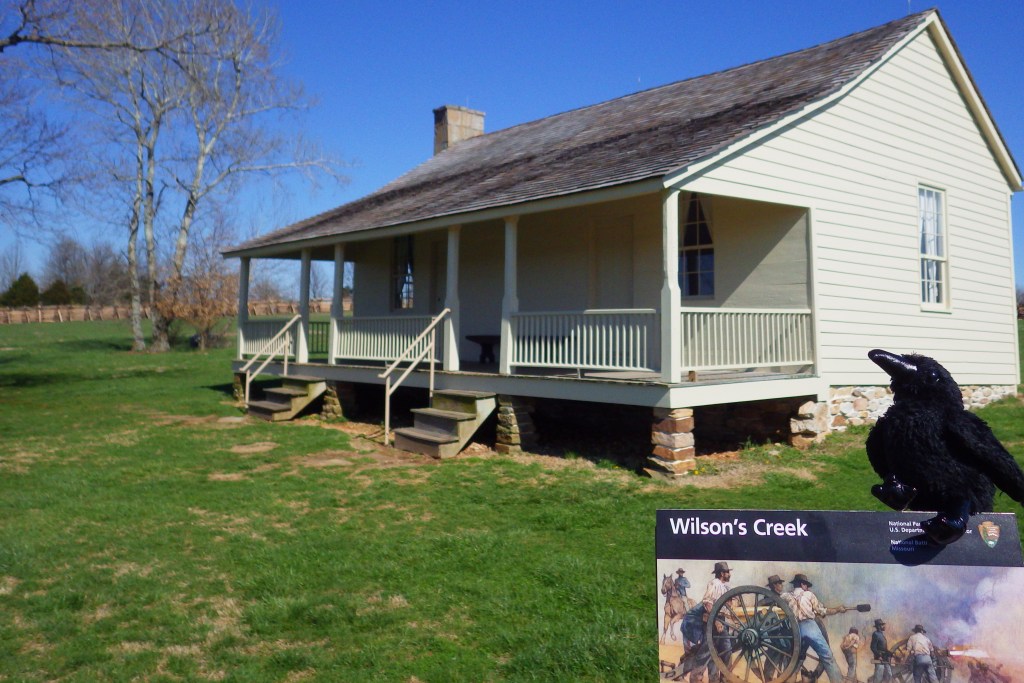
Rebuilt at its original location, there is a reconstruction of the Ray House, which was used as a Confederate hospital.  Nearby split-rail fences add to the bucolic ambiance.

Peak Season

Summer

Hours

https://www.nps.gov/wicr/planyourvisit/hours.htm

Fees

$20 per vehicle or America the Beautiful pass

Road Conditions

Paved, but gate closes tour road exactly at 5 p.m.

Camping

Within five miles there is a private campground near Interstate-44, plus a variety of state parks within an hour’s drive.

Related Sites

Pea Ridge National Military Park (Arkansas)

Ulysses S. Grant National Historic Site (Missouri)

George Washington Carver National Monument (Missouri)

Explore More – How many Union soldiers were buried in the sinkhole near Totten’s Battery on Bloody Hill (then in 1867 were moved to a National Cemetery in Springfield)?