Tag Archives: bridge

Flaming Gorge National Recreation Area

Flaming Gorge National Recreation Area

Wyoming, Utah

Managed by U.S. Forest Service, Ashley National Forest

207,363 acres

Website: https://www.fs.usda.gov/attmain/ashley/specialplaces

Overview

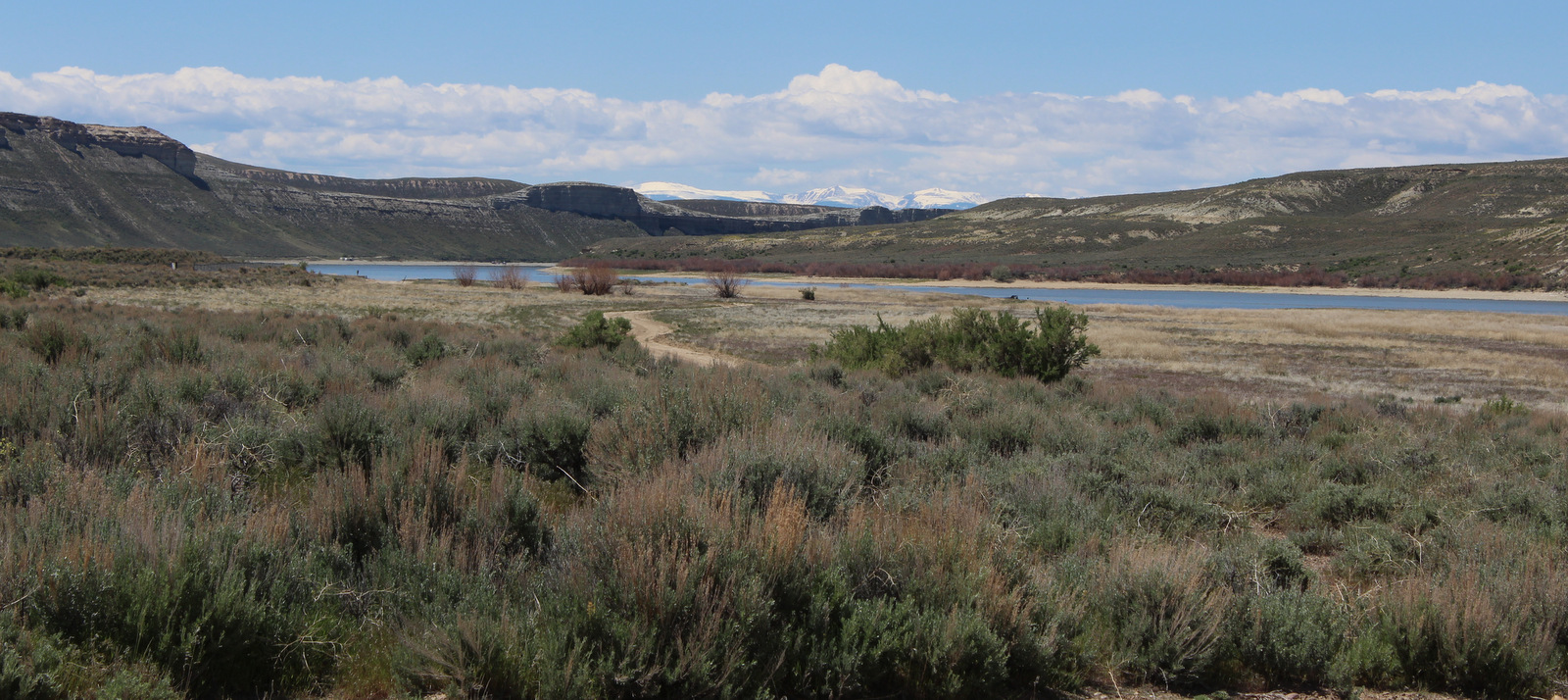
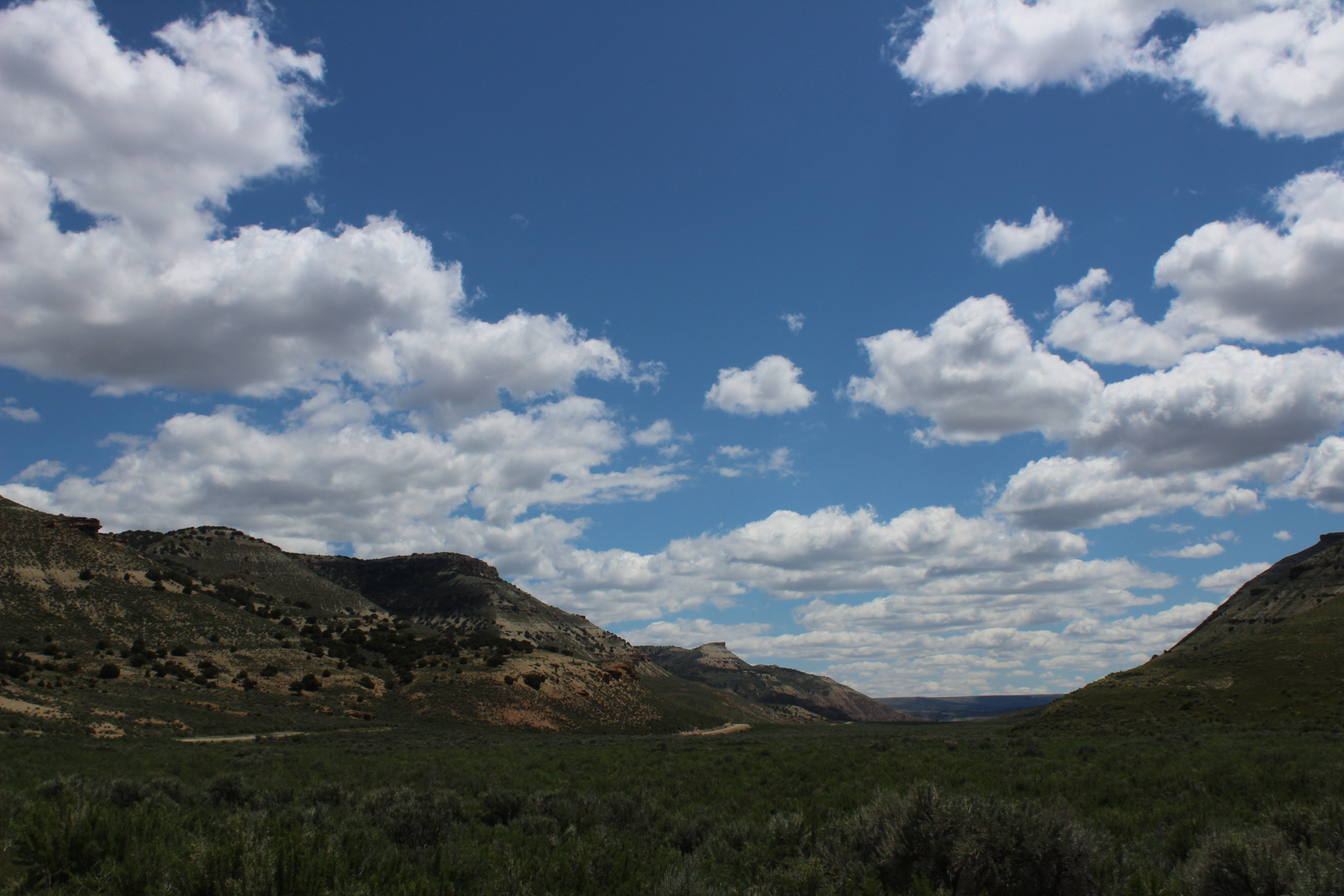
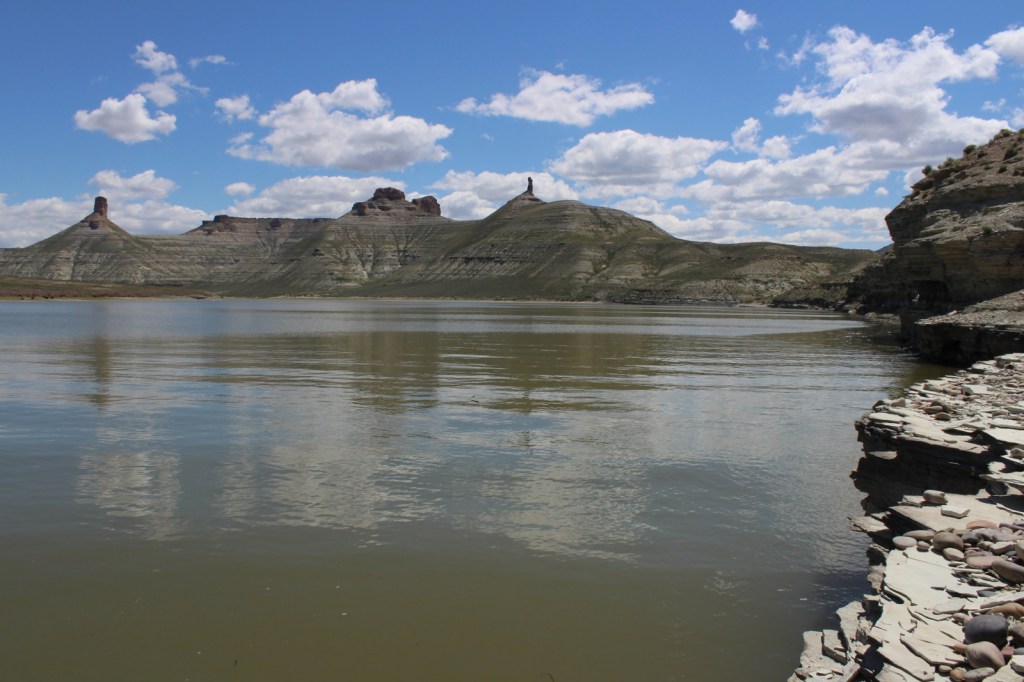
Flaming Gorge National Recreation Area surrounds the Flaming Gorge Reservoir that straddles the Wyoming-Utah border in the northern portion of Ashley National Forest.  The partially-submerged canyon was named by John Wesley Powell who in 1869 started his expedition down the Colorado River near the headwaters of the Green River.  The reservoir has 360 miles of shoreline, five full-service marinas, and numerous boat launches and campgrounds.
Highlights

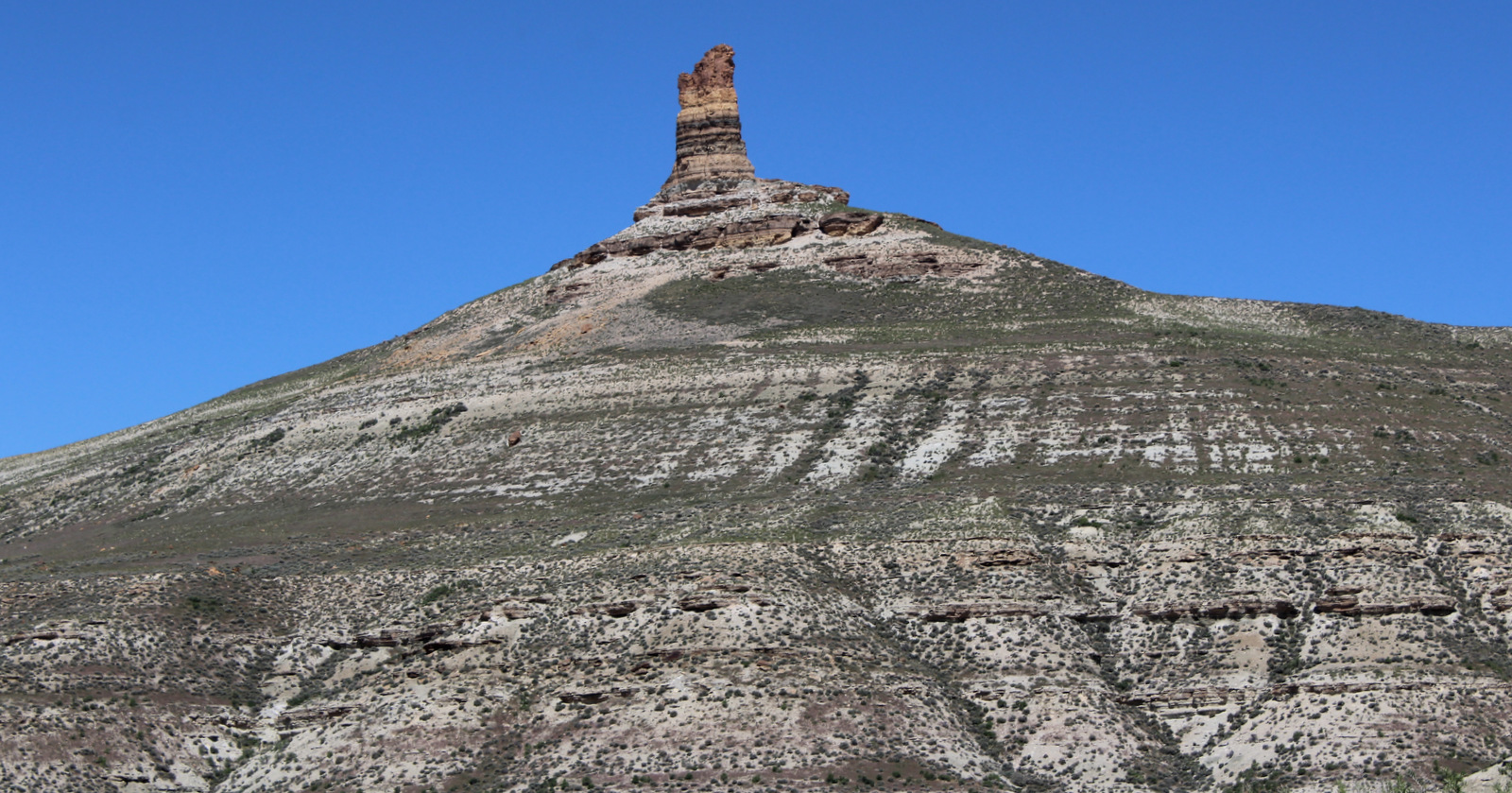
Sheep Creek National Geological Area, Flaming Gorge-Uinta Scenic Byway, Cart Creek Bridge, Flaming Gorge Dam, Red Canyon Recreation Complex, Green River, Firehole Canyon

Must-Do Activity

The top activities in Flaming Gorge National Recreation Area are boating and fishing, as the reservoir is known for its large population lake trout, as well as kokanee salmon, rainbow trout, brown trout, smallmouth bass, channel catfish, and burbot.  Ice fishing is available in the winter, as are trails for snowmobiling and cross-country skiing.  Southwest of the reservoir, Sheep Creek National Geological Area offers a scenic drive through nine rock formations with interpretive signs.  Downstream from the dam, the Green River is a rafting destination.

Best Trail

Little Hole National Recreation Trail runs 7.2 miles along the Green River from the Flaming Gorge Spillway to the Little Hole boat ramp.  Canyon Rim Trail starts at the Red Canyon Overlook and follows the canyon rim for 1.5 miles before cutting three miles towards the Greendale Overlook.

Instagram-worthy Photo

The Flaming Gorge Dam stands 502 feet high and is crossed by Highway 191 on the Flaming Gorge-Uinta Scenic Byway, as is beautiful Cart Creek Bridge.

Peak Season

Summer

Fees

Every boat launch and day-use area requires a recreation pass ($5 per day, $15 per week, or America the Beautiful pass), but there is no fee to drive the Flaming Gorge-Uinta Scenic Byway or across the dam.

Road Conditions

The 82-mile long Flaming Gorge-Uinta Scenic Byway is paved the whole way, but there are many unpaved roads including popular Red Canyon and Sheep Creek National Geological Area.  Access roads to boat ramps at Lucerne Valley, Antelope Flat, Cedar Springs, Mustang Ridge, Buckboard Crossing, and Firehole Canyon are paved.

Camping

There are numerous campgrounds on and off the lake, mostly open May to September, although Dripping Springs is open year round.

Related Sites

Canyonlands National Park (Utah)

Glen Canyon National Recreation Area (Arizona-Utah)

Lake Mead National Recreation Area (Nevada-Arizona)

Nearest National Park

Arches (Utah)

Explore More – When was the Flaming Gorge Dam completed?
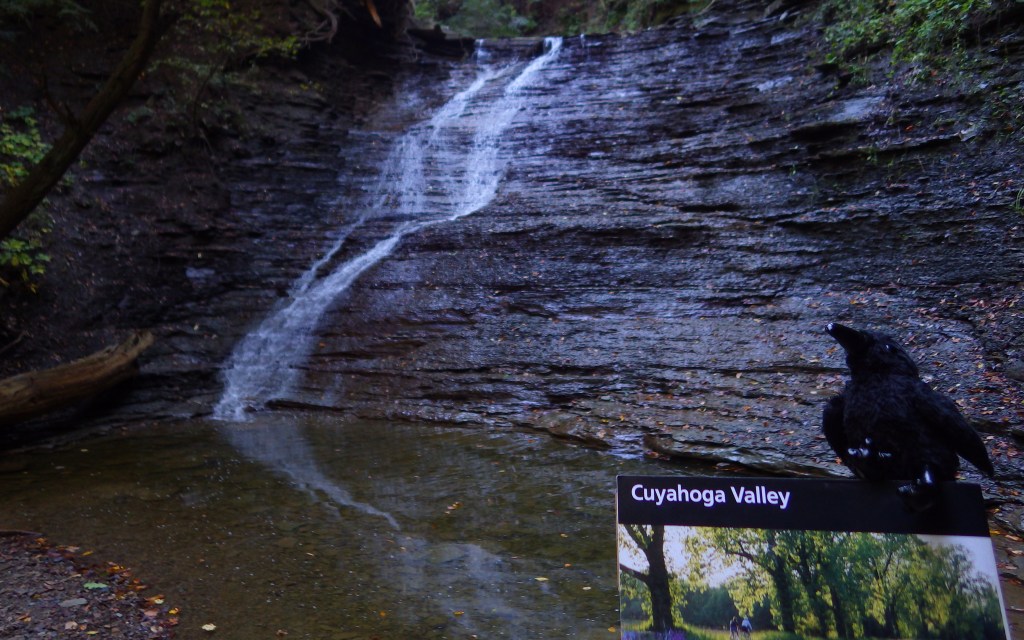
Cuyahoga Valley National Park

Overview

If you did not know there was a National Park in Ohio it is understandable since Cuyahoga Valley National Park was not officially designated until 2000.  It is centered around the historic Ohio and Erie Canal, which opened in 1827 to connect Akron to the port of Cleveland on Lake Erie.  Cuyahoga is an American Indian word meaning “crooked” and you will see why if you walk or bike down the 19-mile Towpath Trail where mules once pulled line boats through a series of locks (be sure to stop at Canal Visitor Center at Lock 38).  If you plan it right, you can take your bike on board the Cuyahoga Valley Scenic Railroad for a cheap one-way ride.

Learn more in our guidebook to the National Parks, A Park to Yourself: Finding Adventure in America’s National Parks (available on Amazon).

Highlights

Brandywine Falls, Lock 38, Hunt Farm, Everett Road Covered Bridge, Gorge Parkway

Must-Do Activity

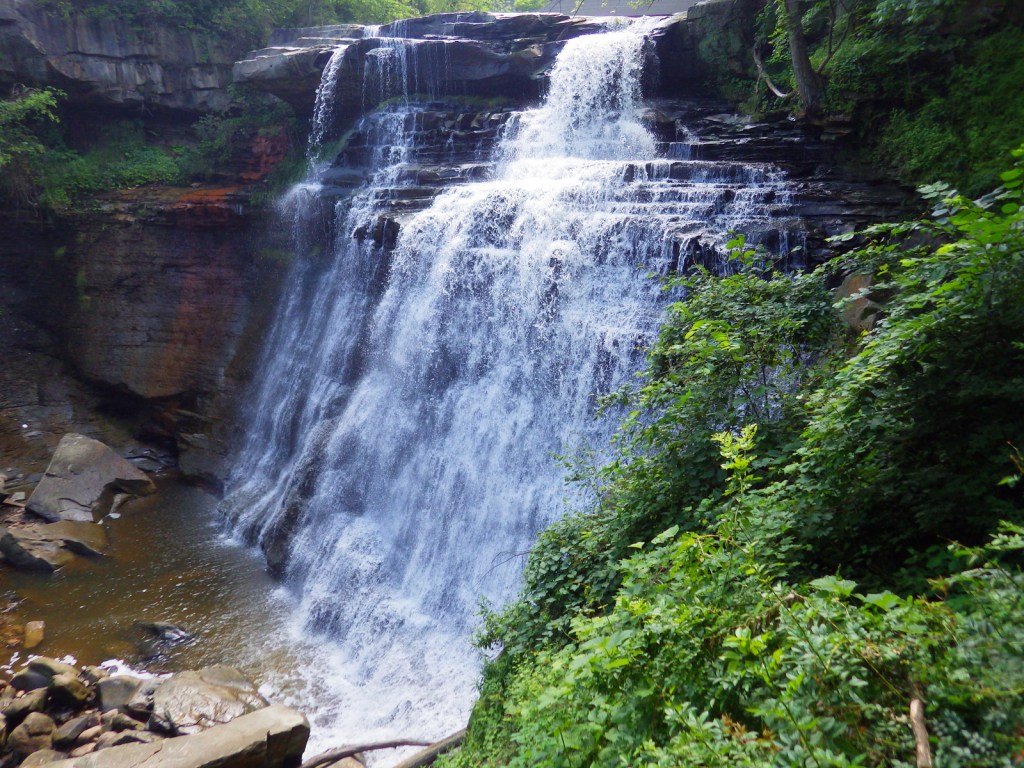
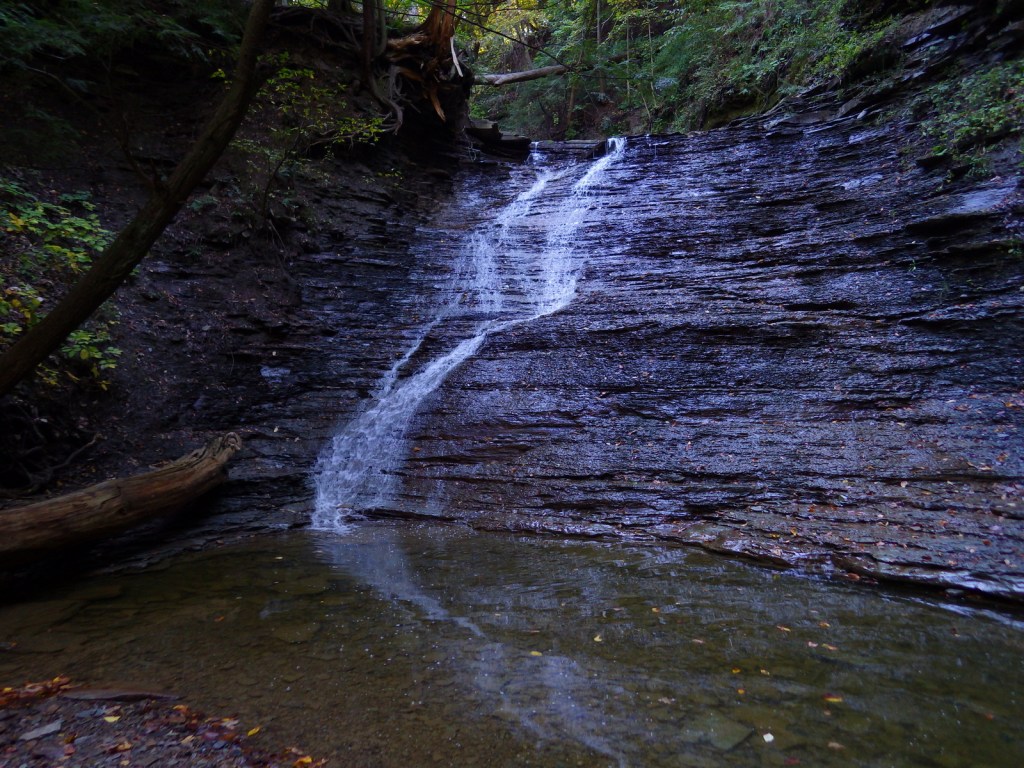
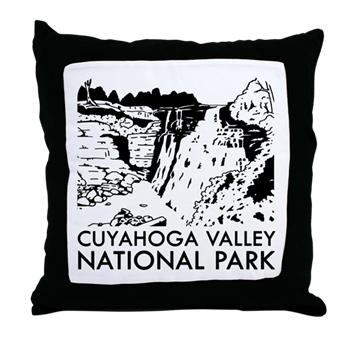
In the park’s southern end near Akron-Canton, you will find a great blue heron rookery and beaver marsh along the crooked Cuyahoga River.  In the central section, you must stop to see the cascades of Brandywine Falls (see it depicted below in our original logo).  Closer to Cleveland, discover the Bedford Reservation along Gorge Parkway, including beautiful Bridal Veil Falls.  For a little culture in the outdoors, look up the summer schedule for Blossom Music Center or Porthouse Theatre.  Fall is an especially popular time to visit when the leaves change, but with over 100 miles of trails within the park, there is plenty to explore in every season.

Best Trail

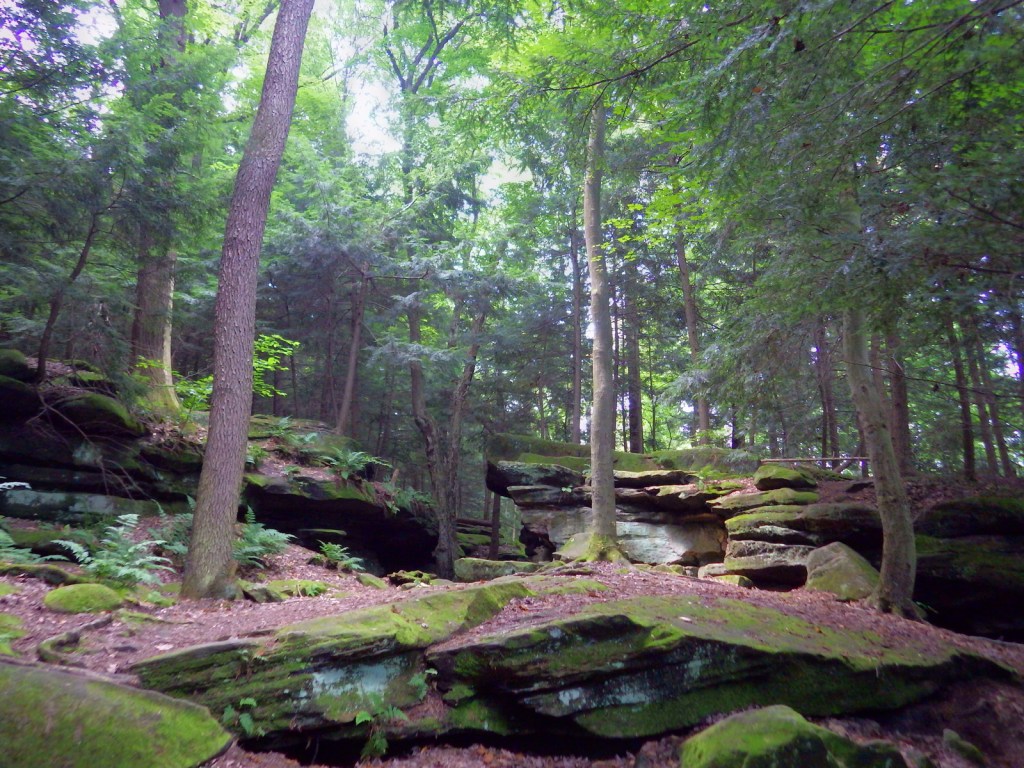
We highly recommend a hike on the two-mile Ledges Loop Trail where mossy sandstone cliffs are cloaked by a dense forest of hemlock and hardwood trees.  Once a popular destination on the trail, Ice Box Cave is closed to protect the resident bat population, but similar spots nearby still offer a chance for exploration.

Instagram-worthy Photo

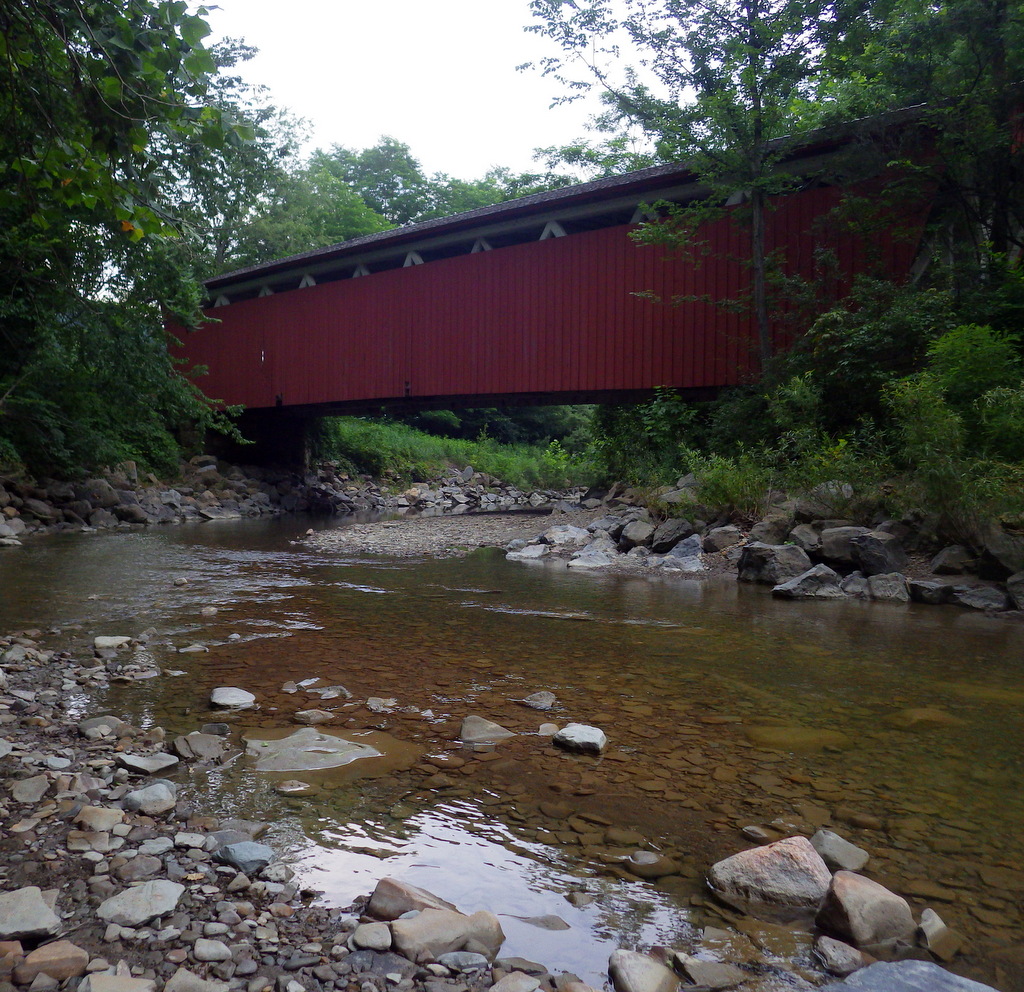
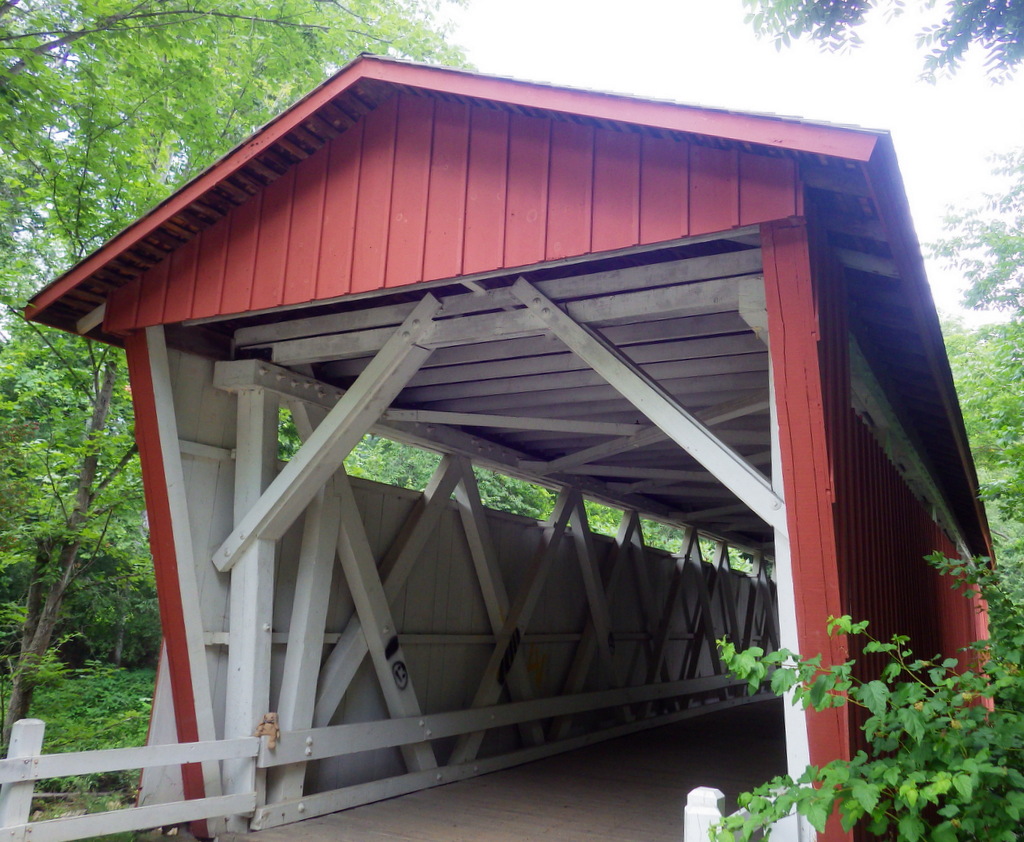
In the southern end of the park, Everett Road Covered Bridge has been rebuilt to demonstrate this once common construction method.

Peak Season

Fall

Hours

https://www.nps.gov/cuva/planyourvisit/hours.htm

Fees

None

Road Conditions

All roads paved

Camping

There is no official campground in the park, but there are a variety of other lodging options including the historic Inn at Brandywine Falls.

Related Sites

Allegheny Portage Railroad National Historic Site (Pennsylvania)

James A. Garfield National Historic Site (Ohio)

First Ladies National Historic Site (Ohio)

This design we created to celebrate Cuyahoga Valley National Park is available on a variety of products at Cafe Press and Amazon.

Explore More – Who manages the Hale Farm and Village where costumed re-enactors bring history to life?

We are a participant in the Amazon Services LLC Associates Program, an affiliate advertising program designed to provide a means for us to earn fees by linking to Amazon.com and affiliated sites.

Chattahoochee River National Recreation Area

Overview

Similar to the other National Park Service (NPS) sites in the Atlanta, Georgia metropolitan area (see Related Sites below), visiting Chattahoochee River National Recreation Area requires navigating many suburban streets.  Established in 1978, this park is a combination of government jurisdictions and private land that protects 48 miles of the Chattahoochee River downstream from Lake Sidney Lanier northeast of the city.  Due to its lack of large rapids it is popular with canoers, although a release from Buford Dam can lead to a quick rise in river levels and the water is typically a chilly 44° to 58°F.

Highlights

Hewlett Lodge, Vickery Creek, Cochran Shoals, Sope Creek mountain bike trail

Must-Do Activity

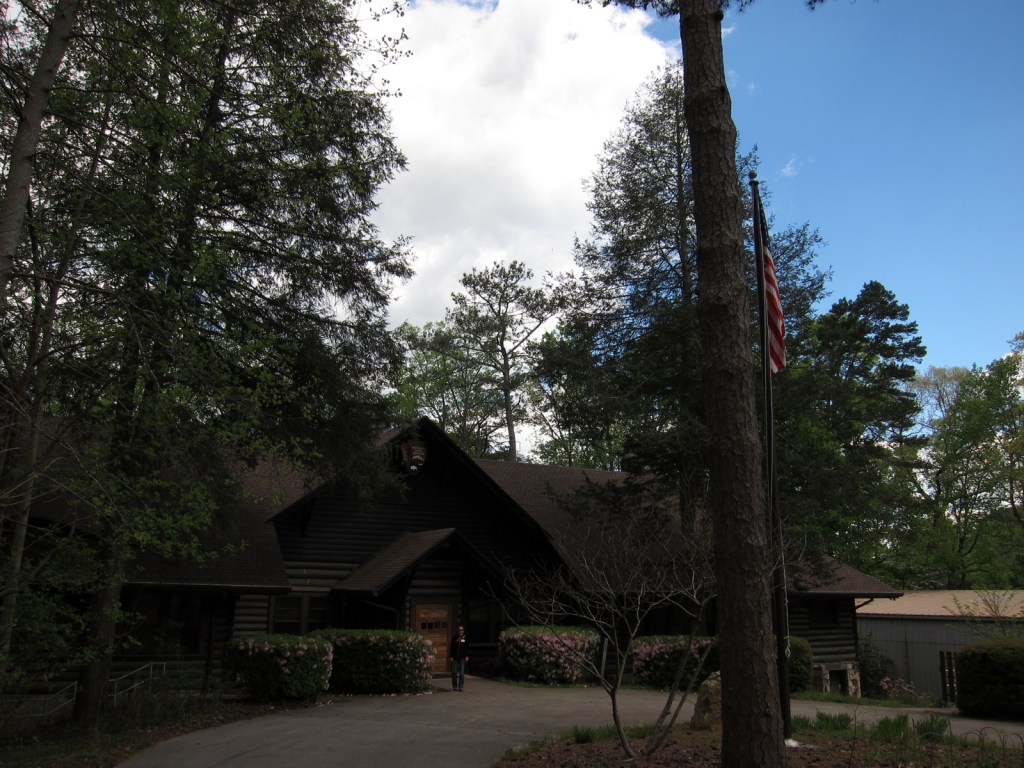
A good place to start your visit is the NPS headquarters at Island Ford, which is housed in Hewlett Lodge, a beautiful Adirondack-style mansion built in the 1930s.  There you can get information about hiking, canoeing, and fishing within the National Recreation Area.  You can also walk down to the river’s edge to watch boaters and wildlife from shore.  Not far away in Roswell, Georgia, a short creekside trail leads to the ruins of a textile mill and a dam.

Best Trail

Most sections of the park have some type of hiking trail and there is a wetlands boardwalk within the Cochran Shoals unit.

Instagram-worthy Photo

The covered walking bridge is quite photogenic at the old mill in Roswell, Georgia.

Peak Season

Summer (although we have heard from an Alan Jackson song that it can get “hotter than a hootchie cootchie”)

Hours

https://www.nps.gov/chat/planyourvisit/hours.htm

Fees

Parking fee of $5 per day or America the Beautiful pass

Road Conditions

All roads paved

Camping

No camping is allowed along the river.  The U.S. Corps of Engineers manages campgrounds on Lake Sidney Lanier at the northeastern end of Chattahoochee River National Recreation Area.

Related Sites

Kennesaw Mountain National Battlefield Park (Georgia)

Martin Luther King, Jr. National Historical Park (Georgia)

Ocmulgee Mounds National Historical Park (Georgia)

Explore More – How long is the Chattahoochee River from its mountain headwaters to its confluence with the Flint River at Lake Seminole?

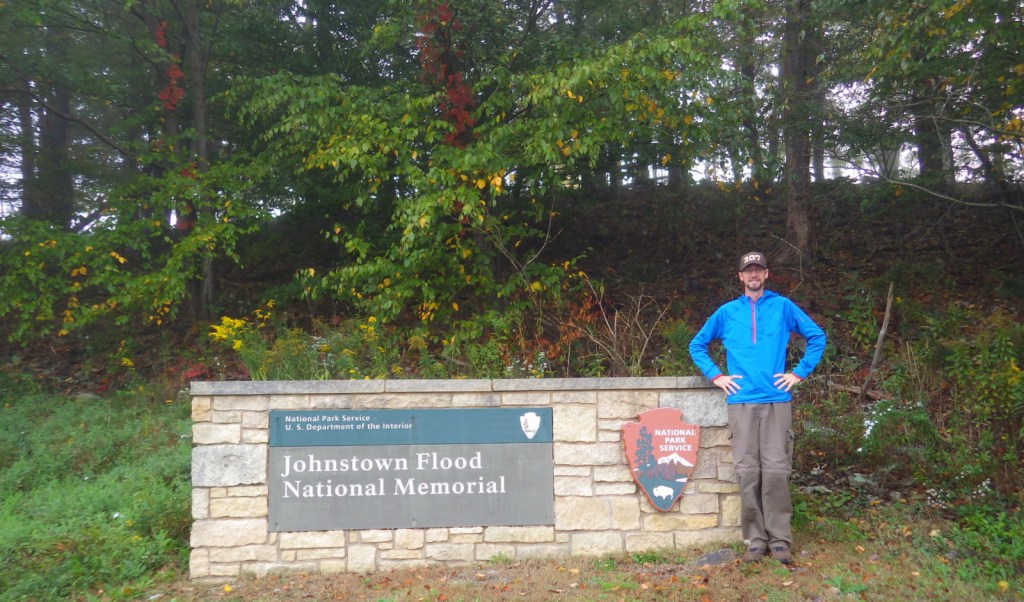
Johnstown Flood National Memorial

Overview

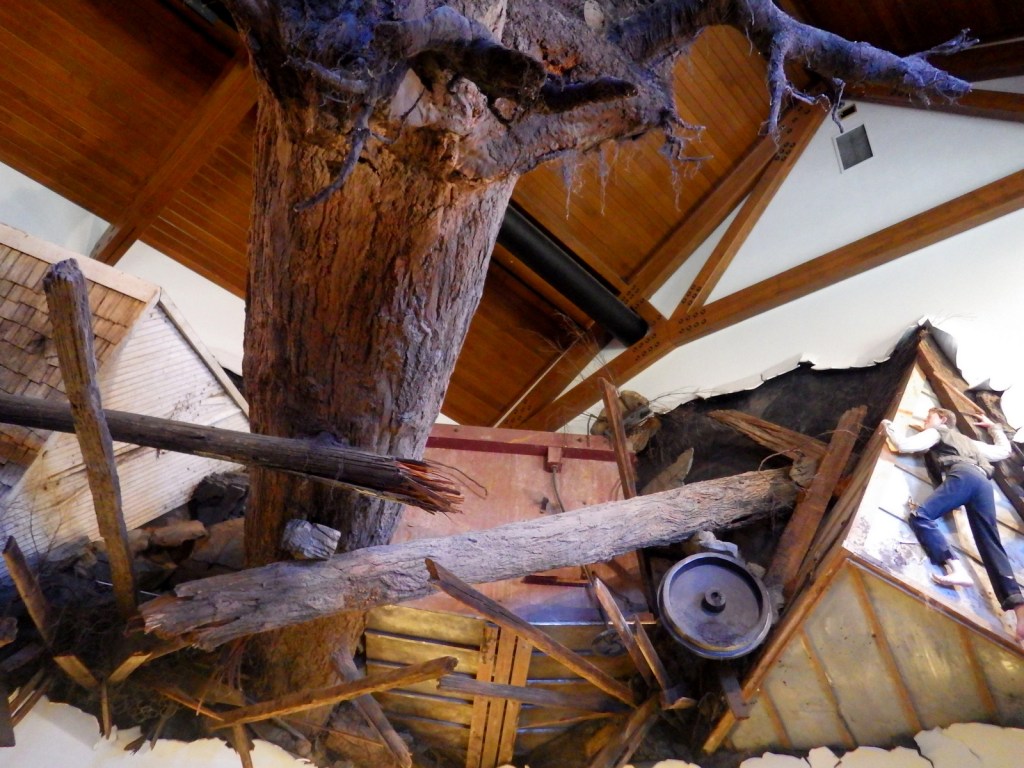
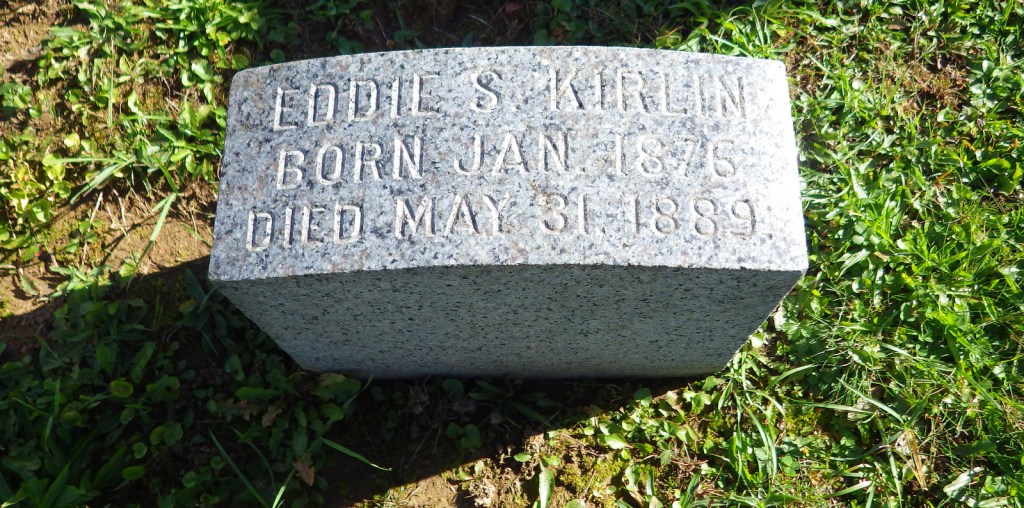
May 31, 1889 was the infamous day when a dam broke sending a 40-foot wall of water downstream, leveling multiple towns and killing more than 2,200 people.  The earthen South Fork Dam was designed for a lower lake level, was poorly maintained since 1853, and was completely ignored by the South Fork Fishing and Hunting Club (with wealthy members such as Andrew Carnegie and Andrew Mellon).  Clara Barton’s newly formed American Red Cross sent a staff of 50 doctors and nurses to assist with recovery efforts, which took years.

Highlights

Museum, film, South Fork Fishing and Hunting Club Historic District, Grandview Cemetery

Must-Do Activity

Start your visit at the National Park Service (NPS) museum at the dam site in South Fork, Pennsylvania.  The 35-minute film shown there is not appropriate for young children.  A driving tour leads around the dry lakebed to the South Fork Fishing and Hunting Club Historic District.  Much of the Little Conemaugh River downstream is not accessible by roads, but be sure to drive downstream to Johnstown to visit the Grandview Cemetery and, if you have time, the Johnstown Flood Museum (admission fee). Every year since 1989 on the anniversary, the NPS lights 2,209 luminaria in memoriam.

Best Trail

There is a trail that follows a portion of the Little Conemaugh River and leads to Staple Bend Tunnel, part of Allegheny Portage Railroad National Historic Site.

Instagram-worthy Photo

A memorial to the unidentified victims of the May 31, 1889 flood stands in Grandview Cemetery in Johnstown, Pennsylvania.

Peak Season

Summer

Hours

https://www.nps.gov/jofl/planyourvisit/hours.htm

Fees

None, except at the unaffiliated Johnstown Flood Museum in Johnstown, Pennsylvania

Road Conditions

The main access roads are paved, but some of the smaller roads to the Little Conemaugh River may not be.

Camping

Prince Gallitzin State Park offers a campground with showers 20 miles northwest of Altoona, Pennsylvania.

Related Sites

Flight 93 National Memorial (Pennsylvania)

Fort Necessity National Battlefield (Pennsylvania)

Allegheny Portage Railroad National Historic Site (Pennsylvania)

Explore More – Where did the miles of barbwire that wrapped around the flood debris originate?

Top 10 Natural Bridges/Arches at NPS Sites

Although they look similar and are often listed together, arches are primarily wind formed, while natural bridges are carved by flowing water (though few still have water running beneath them).  The burnt-orange sandstone of southern Utah is famous for its numerous holes in the rock, as evidenced by the list below.  However, there are some other notable instances of these geologic features located throughout the National Park Service (NPS) system.  Click here to see all of our Top 10 Lists.

10. Channel Islands National Park (California)

A ferry ride out to Anacapa Island will swing by Arch Rock rising out of the Pacific Ocean

9. Zion National Park (Utah)

310-foot Kolob Arch is tucked against a cliff, so it is hard to see and harder to photograph

8. Golden Spike National Historic Site (Utah)

You can drive right up to the natural limestone Chinese Arch

7. Capitol Reef National Park (Utah)

Brimhall Natural Bridge is not easy to get to (it may require a swim), but it is incredible

6. Pictured Rocks National Lakeshore (Michigan)

It is a challenging eight miles roundtrip to kayak through Petit Portal on Lake Superior

5. Canyonlands National Park (Utah)

Seeing Druid Arch and Angel Arch requires two long day hikes, but both are worth the effort

4. Big South Fork National River and Recreation Area (Tennessee-Kentucky)

It is an easy two-mile hike to see the massive Twin Arches (which are actually natural bridges)

3. Natural Bridges National Monument (Utah)

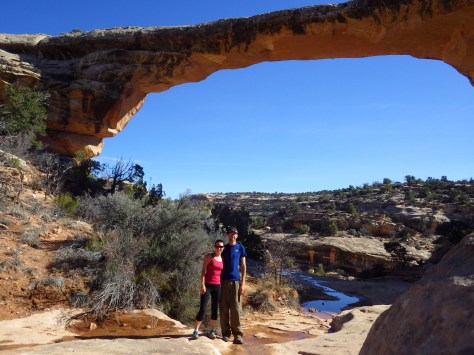
Three impressive natural bridges, including the 268-foot span of 220-foot tall Sipapu Bridge, which is second only to…

2. Rainbow Bridge National Monument (Utah)

290-foot tall Rainbow Bridge (the largest natural bridge in the world) is surrounded by Glen Canyon National Recreation Area

…and finally the #1 NPS site for natural bridges or arches:

1. Arches National Park (Utah)

This park contains 2,500 wind-carved holes ranging in size from a minimum of three feet to 290-foot wide Landscape Arch (the fifth longest span in the world)

Honorable Mentions

Bryce Canyon National Park (Utah)

No surprise that you can also find these impressive geologic features in the fifth National Park in southern Utah

Big Bend National Park (Texas)

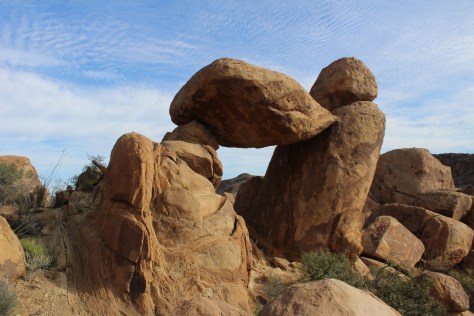
Balanced Rock does not technically count as either an arch or a natural bridge, but it is neat

Hawai‘i Volcanoes National Park (Hawai‘i)

Holei Sea Arch still exists but its access trail was destroyed by lava flows

Apostle Islands National Lakeshore (Wisconsin)

The sea caves were formed by wave action on Lake Superior