Tag Archives: architecture

Cape Cod National Seashore

Overview

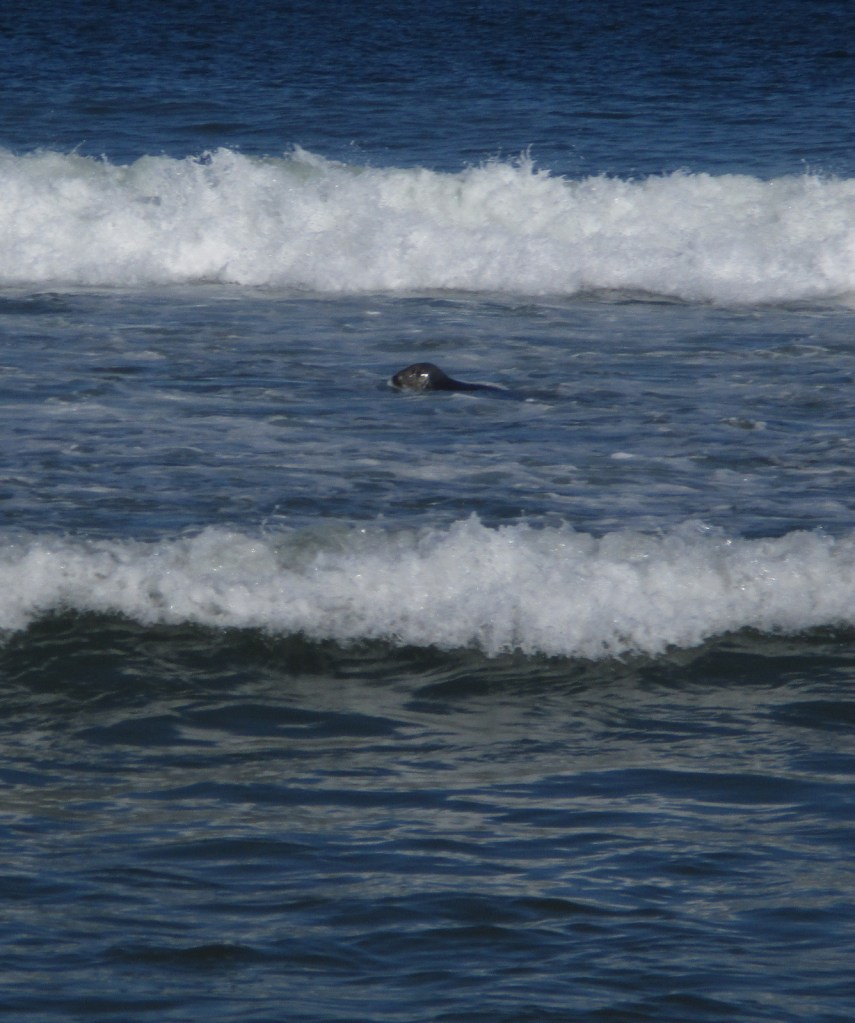
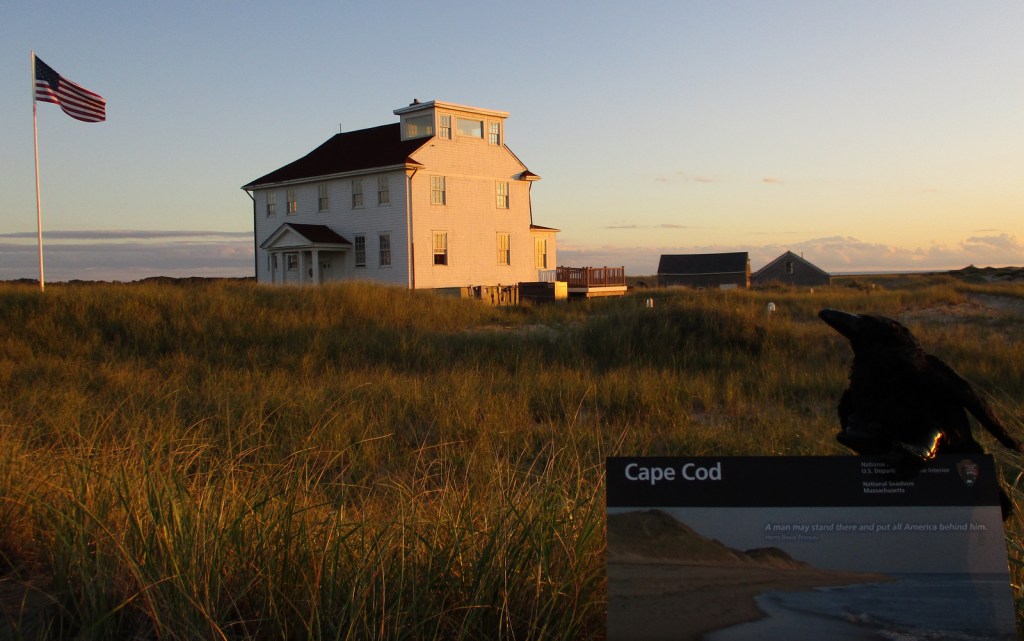
Northernmost of the ten National Seashores in the National Park Service (NPS) system, Cape Cod National Seashore includes 40 miles of shoreline on the narrow glacial deposit that sticks out of Massachusetts like a fishhook.  Its 44,000 acres are interspersed with towns that manage (and charge for) many of the beaches along the coastline.  Watch for gray seals playing in the surf, which attract predators like great white sharks to the shallows.  Even if you want to swim in the chilly ocean water, if you see gray seals it is best to go somewhere else so you are not confused with food.
Highlights

Nauset Light, Three Sisters Lighthouses, Old Harbor Life-Saving Station Museum

Must-Do Activity

The best place to start your visit is Salt Pond Visitor Center, which has a museum run by the NPS.  Located right off Highway 6, it is also a great place to stretch your legs on the Buttonbush or Nauset Marsh Trails.  From there, it is a short drive to Coast Guard or Nauset Light Beaches that offer tram service when parking lots are full.  Lifeguards are on duty at specific beaches from late June through Labor Day, which should give an indication of the short season when it is actually warm enough to enjoy the water.

Best Trail

There are 12 self-guided trails within Cape Cod National Seashore, plus three bicycle trails up to 7.3 miles long.  Our favorite was the one-mile Beech Forest Trail near Race Point Beach at the tip of Cape Cod.

Instagram-worthy Photo

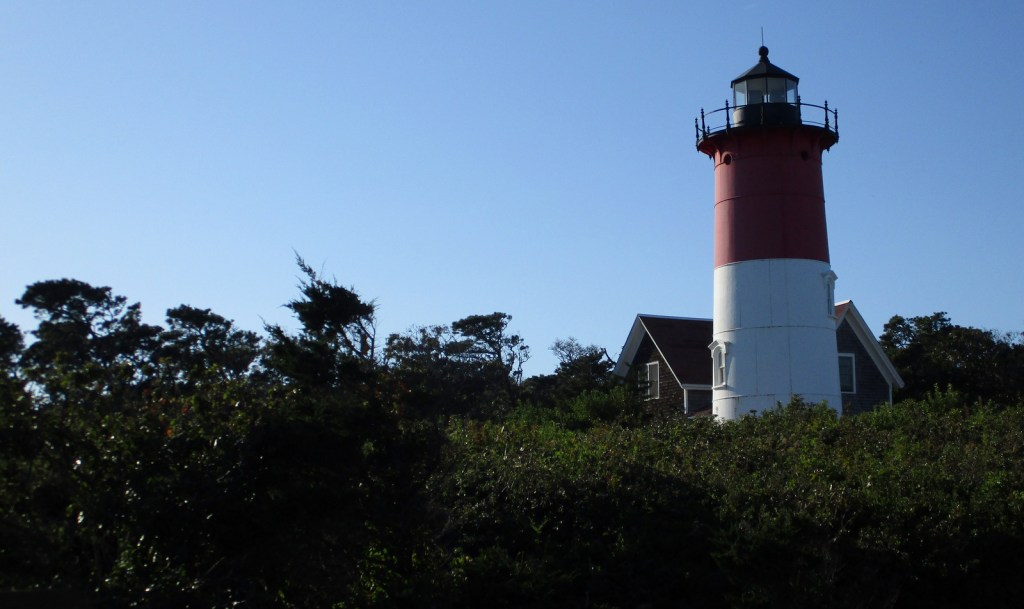
If the red-striped Nauset Light looks familiar that is because you might have seen it on a bag of potato chips at the grocery store.  While there, take a walk over to the Three Sisters Lighthouses that have also been moved inland from their original eroding clifftop locations.
Peak Season

Summer

Hours

https://www.nps.gov/caco/planyourvisit/hours.htm

Fees

$25 per vehicle or America the Beautiful pass

Road Conditions

All roads are paved and a permit from the Oversand Station at Race Point is required for those wishing to drive on designated sand routes.

Camping

No camping is offered through the NPS, but there are several private and state-run campgrounds, plus countless motels and vacation rentals.

Related Sites

Salem Maritime National Historic Site (Massachusetts)

Boston Harbor Islands National Recreation Area (Massachusetts)

Fire Island National Seashore (New York)

Explore More –Who was the famous Italian inventor that transmitted transatlantic radio signals from massive antennas on Cape Cod in the early 1900s?

Cumberland Island National Seashore

Overview

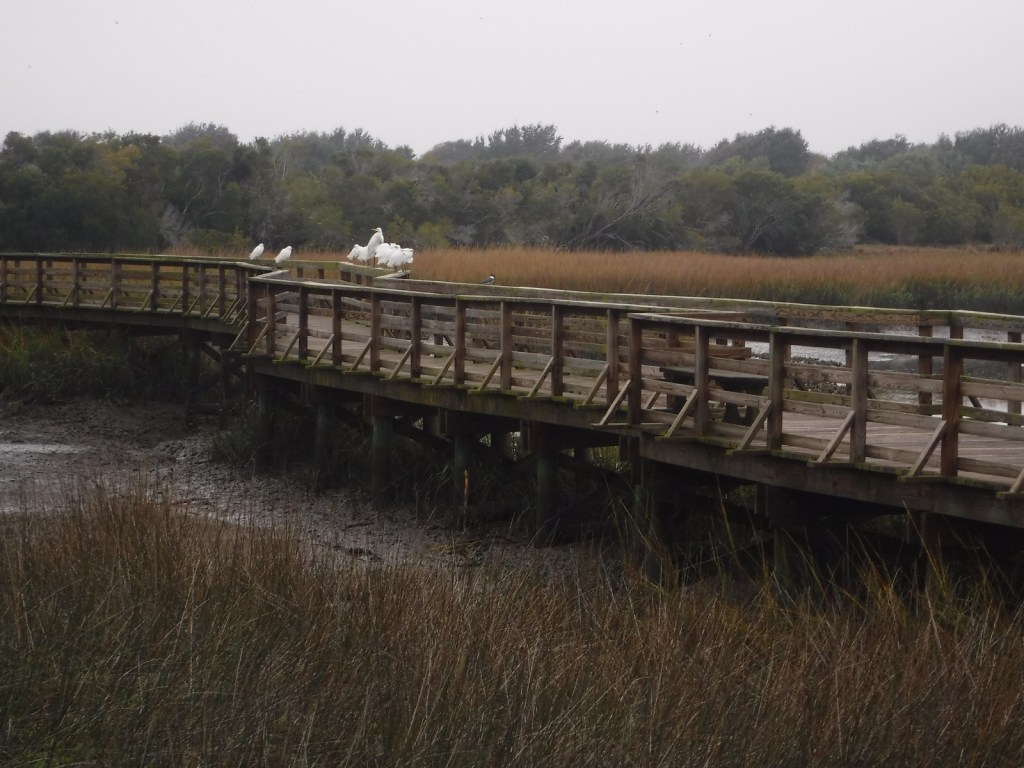
Off the coast of Georgia, Cumberland Island National Seashore was established in 1972 and is only accessible by boat.  While kayaks and private boats are allowed, most visitors arrive by ferry from St. Marys (reservations recommended).  Much of the northern half of the island is designated wilderness with backpacking campsites dispersed near places where freshwater is available for filtration.  Bicycles can be rented once you arrive on the island (they are not allowed on the ferry) and are permitted on the many miles of roads, but not on the trails or beach. 

Highlights

Dungeness Ruins, Ice House Museum, Marsh Boardwalk, First African Baptist Church

Must-Do Activity

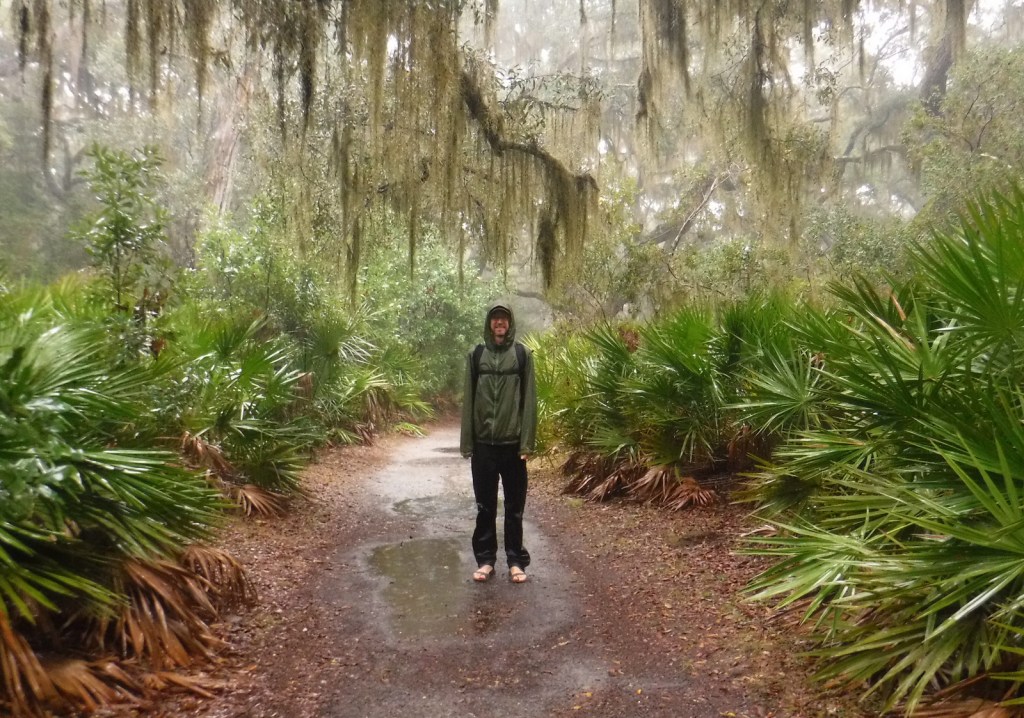
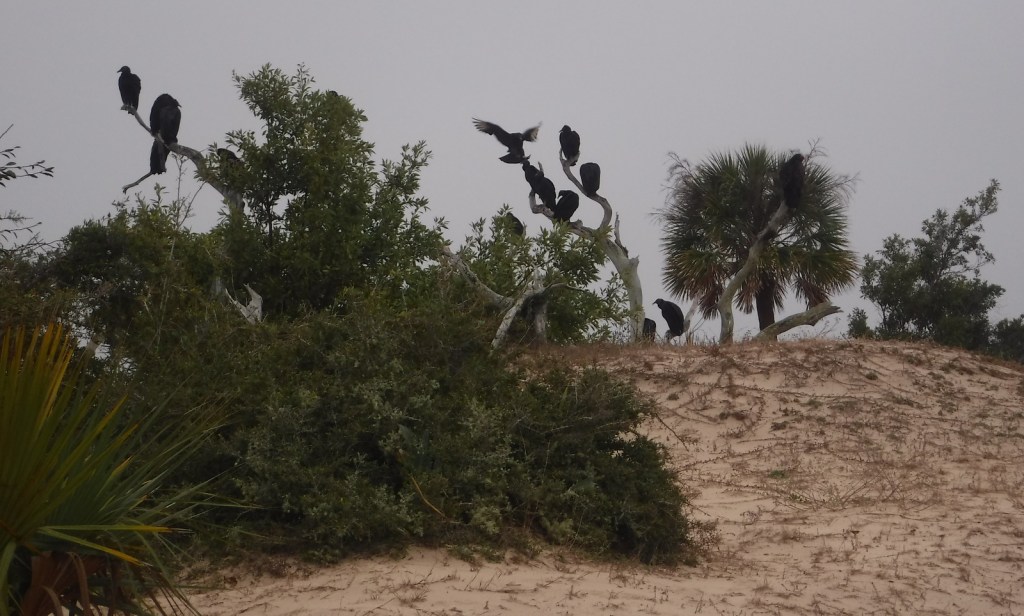
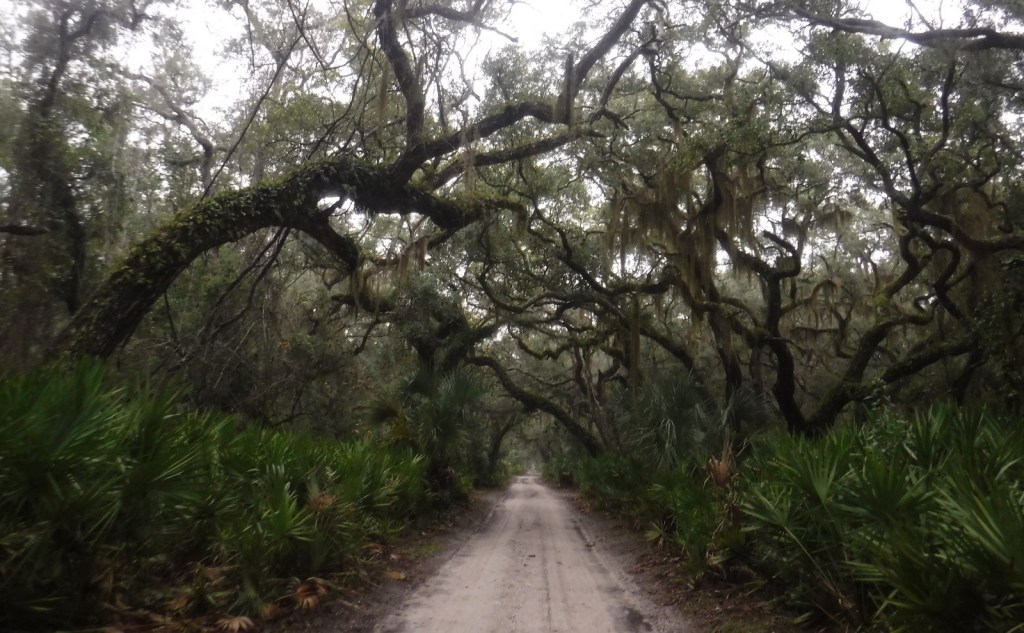
While it is fun to spend time beachcombing, what really sets Cumberland Island apart are the trails that cut through the maritime forest of twisty live oak trees.  Watch for feral horses, white-tailed deer, armadillos, turkeys, and other birds along the way.  Alligators can also be seen in the freshwater ponds.  Fossilized shark teeth are commonly found on the island, especially on the roads.  Guided tours in vans can be reserved, which can be a good option on rainy days or if you want to make it to the 1890s African-American settlement at the northern end of the island.

Best Trail

The island has more than 50 miles of trails and you can form loops of varying lengths by walking the beach and the inland Parallel Trail.  The trails are very well packed though sandy, and not as hard to walk on as we imagined.  The only deep sand we encountered was on the designated dune crossings between the beach and the inland forest.

Instagram-worthy Photo

Dungeness is the name of a mansion built by the Carnegie family that burned down in 1959.  It was constructed atop the ruins of a house of the same name previously owned by Revolutionary War General Nathanael Greene.

Peak Season

Summer

Hours

https://www.nps.gov/cuis/planyourvisit/hours.htm

Fees

$10 per person or America the Beautiful pass, plus the charges for ferry tickets and overnight campsites

Road Conditions

Roads are packed sand and heavily rutted, but unless you own property on the island or take the van tour you will not have to worry about their spine-rattling condition.

Camping

Reservations are required for all overnight stays, including at the privately-owned inn.  Sea Camp offers cold showers and potable water a moderately short walk from the ferry dock.  There are numerous backcountry campsites, but all camping is limited to seven days.

Related Sites

Fort Frederica National Monument (Georgia)

Timucuan Ecological and Historic Preserve (Florida)

Cape Lookout National Seashore (North Carolina)

Explore More – Related to American Quarter Horses, Tennessee Walkers, Arabians, and Paso Fino, what is the total population of feral horses living on Cumberland Island?

Castillo de San Marcos National Monument

Overview

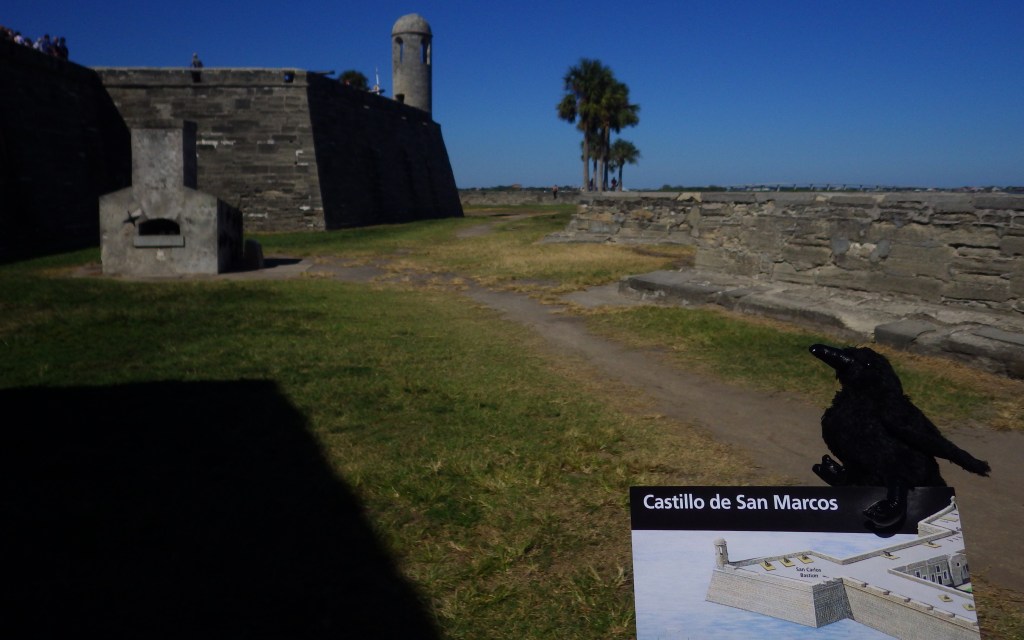
Established in 1565, St. Augustine, Florida is the oldest permanent European settlement in the continental U.S.  Its centerpiece is Castillo de San Marcos National Monument, a four-sided stone fort dating back to 1672.  In 1702, the British army unsuccessfully besieged the Spanish fort for 50 days, but before they left they burned the entire city.  This explains why the oldest house in St. Augustine dates to this time period and why this charming coastal village is still laid out on a grid of narrow streets, as it was one of the first master-planned communities in America.

Highlights

Historic fort, museum, cannon demonstrations

Must-Do Activity

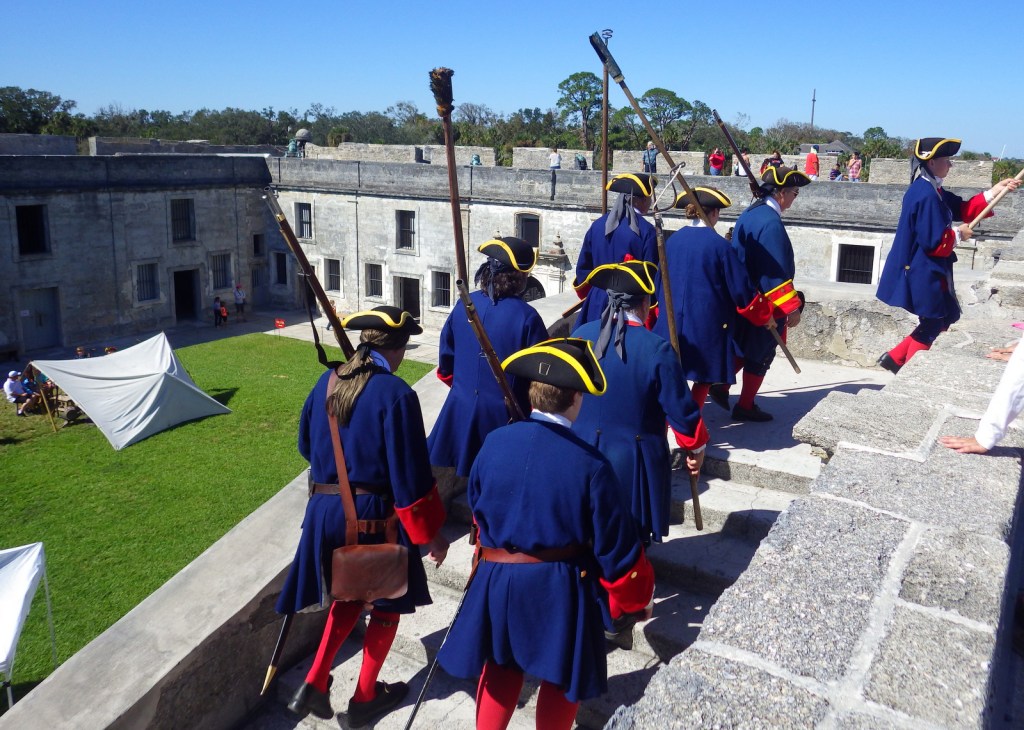
The National Park Service (NPS) charges an admission fee to enter the fort, but you can watch the cannon-firing demonstrations atop its corner bastion for free from outside.  Costumed reenactors shout orders in Spanish before firing the big cannon.  There is only one entrance to the Castillo de San Marcos across a wide moat.  Your entrance fee also allows you to explore the powder magazines and interpretive displays inside the fort’s walls.

Best Trail

None

Instagram-worthy Photo

The Castillo was renamed Fort Marion by the U.S. military in 1825, when the final changes were made to the coquina structure.  In 1924 it was named a National Monument along with nearby Fort Matanzas.

Peak Season

Winter

Hours

https://www.nps.gov/casa/planyourvisit/hours.htm

Fees

$15 per person or America the Beautiful pass

Road Conditions

Roads are paved, but there is limited pay parking at the fort, which is especially an issue on busy weekends.

Camping

Anastasia State Park is located just south of St. Augustine, Florida with access to a nice beach.

Related Sites

Fort Caroline National Memorial (Florida)

Fort Matanzas National Monument (Florida)

Dry Tortugas National Park (Florida)

Explore More – Which nation controlled the fort during the American Revolution until its conclusion in 1783 (Hint: It was called Fort St. Mark at the time)?

Fort Laramie National Historic Site

Overview

Fort Laramie National Historic Site in eastern Wyoming was originally founded in 1834 for its strategic location at the confluence of the Laramie and North Platte Rivers.  Purchased by the U.S. military in 1849, it saw its share of history as a major military post on the Oregon Trail, Pony Express, and Cheyenne-Deadwood stage route. West of the fort, stop at Oregon Trail Ruts State Historic Site and Register Cliff where pioneers left their mark along the North Platte River.

Highlights

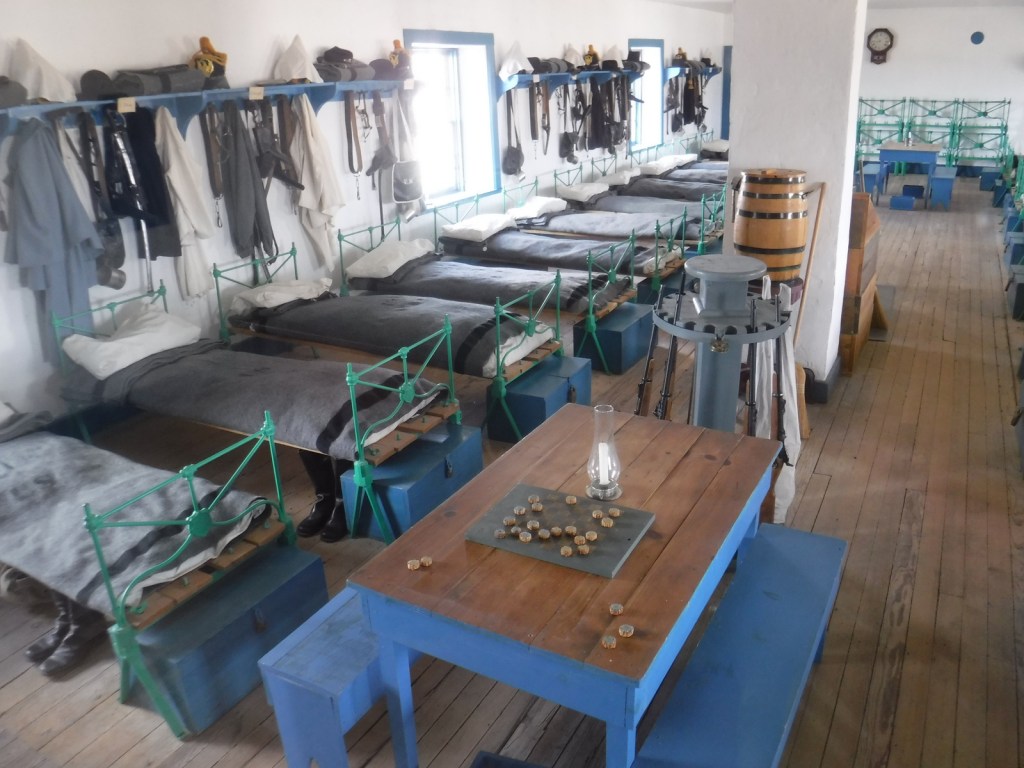
Museum, film, 1874 Cavalry Barracks, 1849 “Old Bedlam”

Must-Do Activity

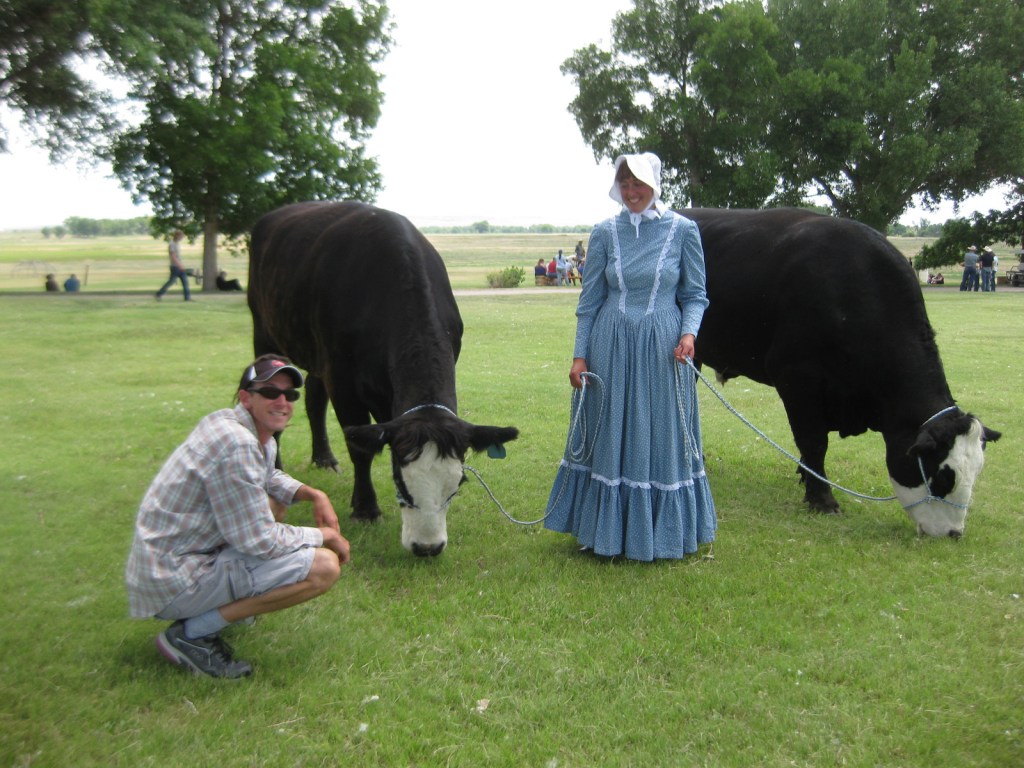
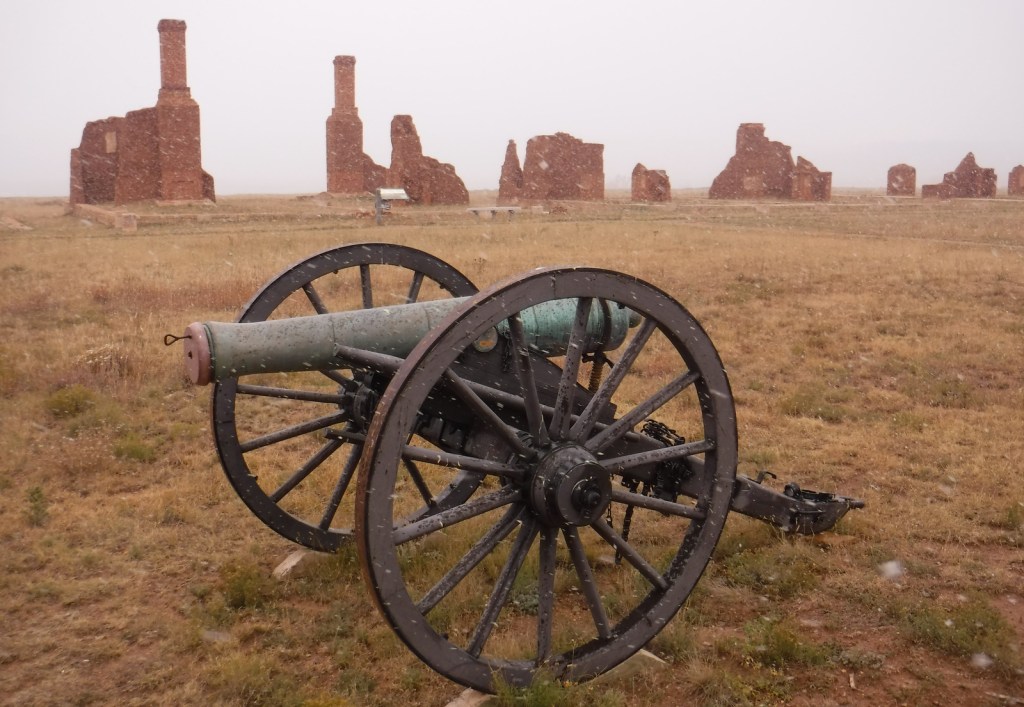
Come for the free 4th of July festivities and explore the restored buildings encircling the parade grounds, in between watching demonstrations of cannon firing and oxen plowing.  The National Park Service (NPS) employees host a variety of old-fashioned activities for kids and adults, including a three-legged race for adults.  Grab a partner and join in the fun or simply watch from the sidelines with a cold sarsaparilla, cream soda, or birch beer in your hand.  You are sure to have a good, old-fashioned good time even if you head home before the fireworks.

Best Trail

Fort Laramie was never a condensed, palisaded fort, so walking to all 11 restored structures covers quite a bit of distance (like Fort Union in New Mexico).  You can also hike along the banks of the Laramie River where the Oregon National Historic Trail once led.

Instagram-worthy Photo

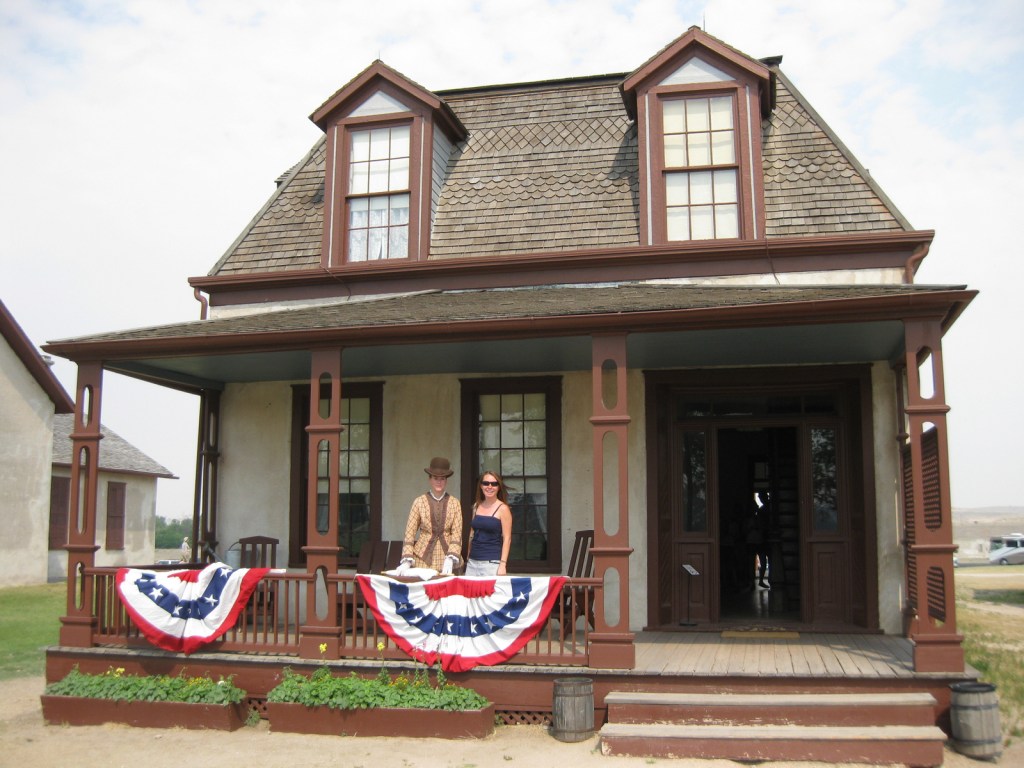
“Old Bedlam,” the former quarters of bachelor officers, dates to 1849 making it the oldest documented building in Wyoming.  The right side is now restored to appear as officers’ quarters and the left side to post headquarters in 1863 when Lt. Col. William O. Collins lived on the second floor with his wife.

Peak Season

Summer

Hours

https://www.nps.gov/fola/planyourvisit/hours.htm

Fees

None

Road Conditions

The last portion of the drive is a graded dirt road, as is the parking lot.

Camping

The town of Fort Laramie offers camping at its small municipal park, or head west to Guernsey State Park with its historic Civilian Conservation Corps (CCC) structures.

Related Sites

Scotts Bluff National Monument (Nebraska)

Bent’s Old Fort National Historic Site (Colorado)

Yellowstone National Park (Wyoming)

Explore More – What was the name of the original stockade constructed by fur traders in 1834?

Fort Union National Monument

Overview

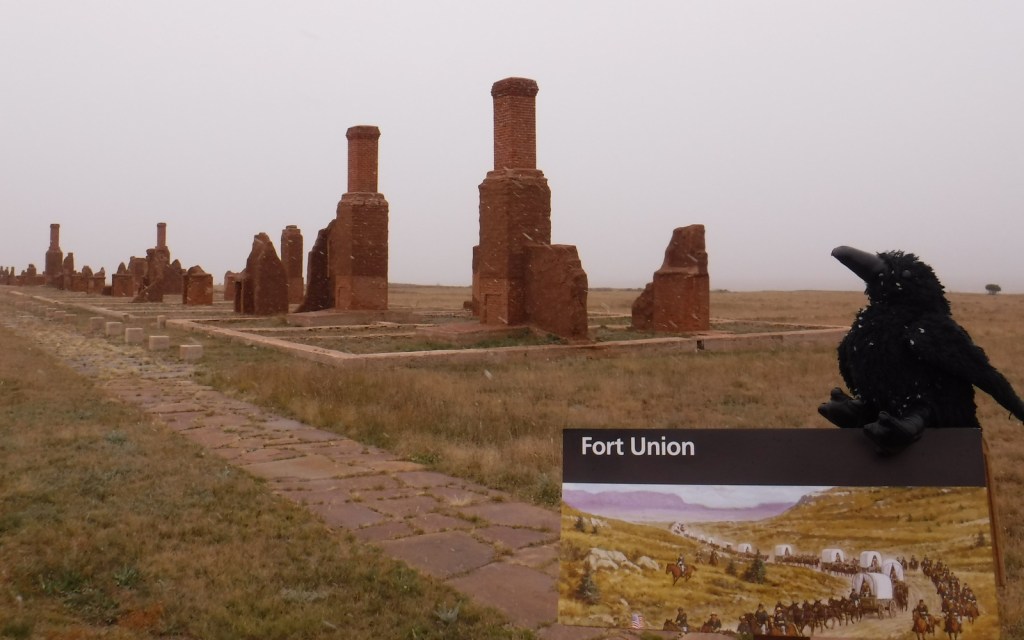
Fort Union was a military outpost on the historic Santa Fe Trail first constructed in 1851.  An earthwork fortification was built during the Civil War before Confederate troops were pushed back into Texas after a nearby battle in early 1862 (see Pecos National Historical Park).  At its peak, 1,666 soldiers were stationed here, making it the largest fort in the southwest U.S.  This expansive post was abandoned in 1891 and officially became a National Monument in 1954.

Highlights

Museum, film, adobe ruins, wagon ruts on the Santa Fe National Historic Trail

Must-Do Activity

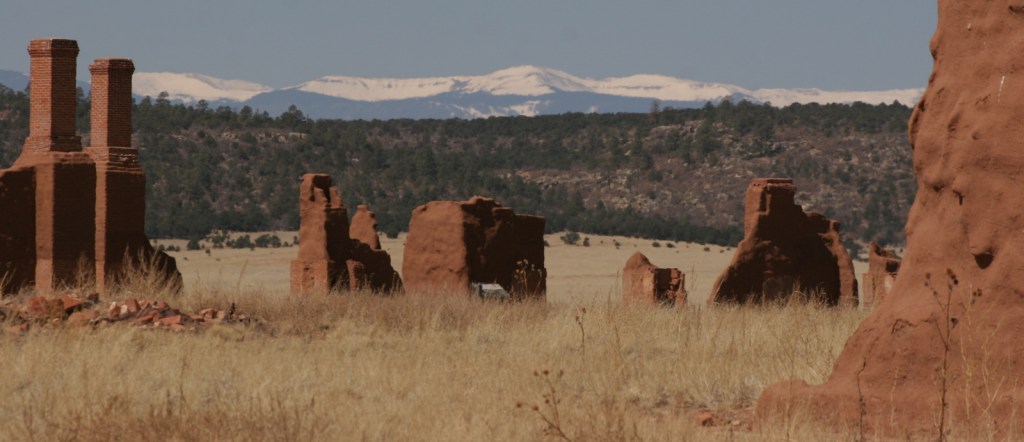
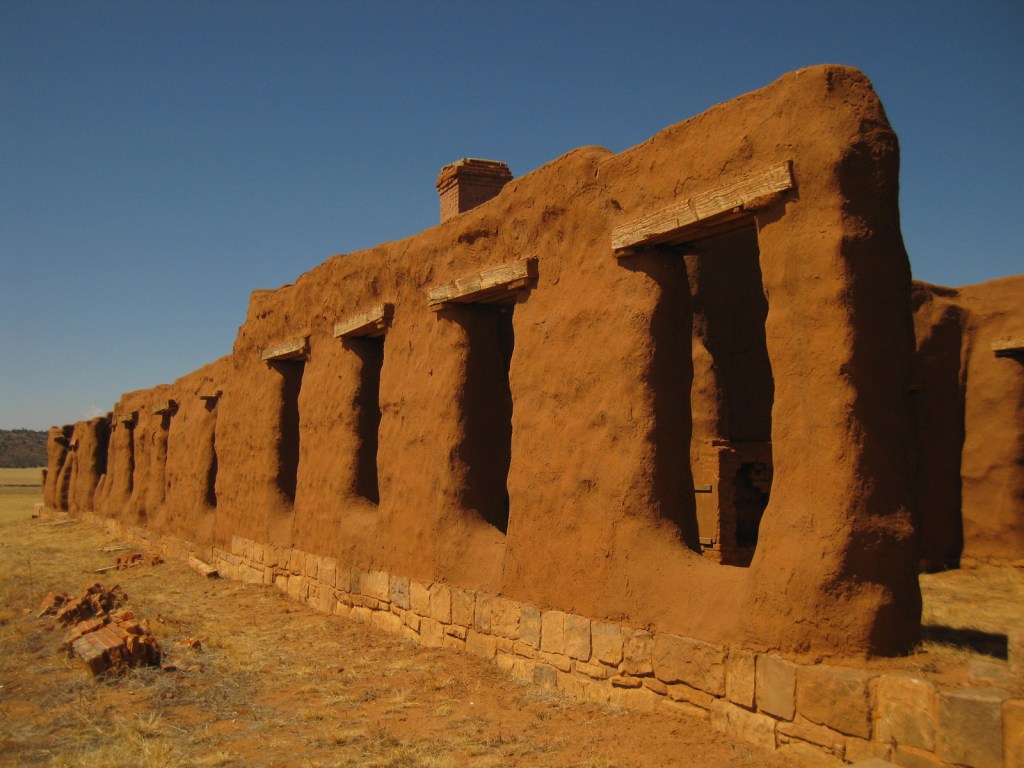
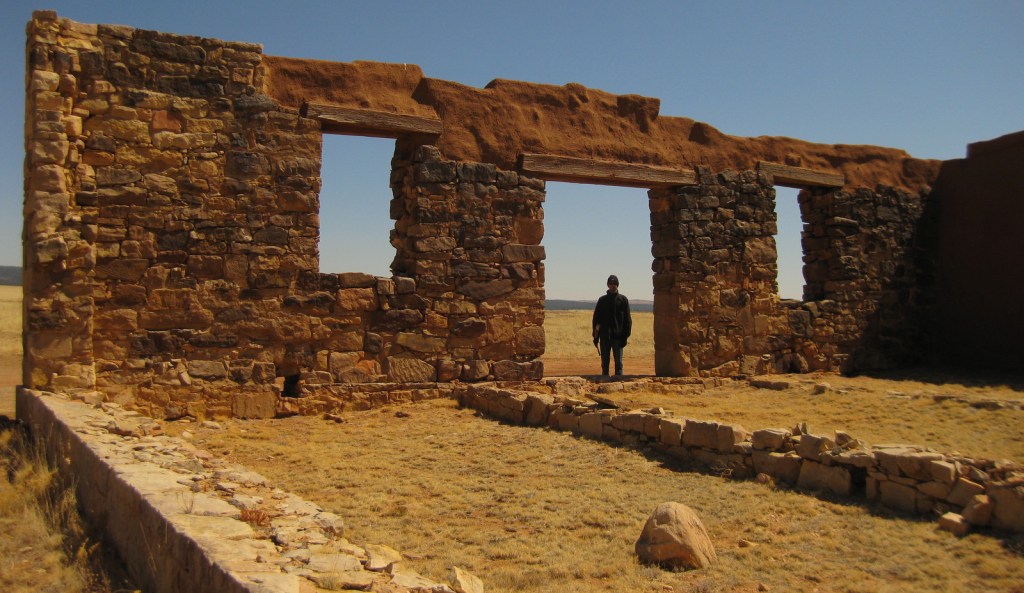
Fort Union was not the most popular place to be stationed in the 1800s, especially for the military wives who bemoaned the constant winds and frequent dust storms.  That said; expect it to be windy during your visit.  The adobe walls here are smoothed by years of erosion and appear to be melting back into the prairie soil from which their bricks were formed in the 1860s.  If you line it up right, you can take a neat photograph where all the window frames are in a row.

Best Trail

Wagon ruts can be seen at Fort Union since it was located on the 1,200-mile Santa Fe National Historic Trail (like Fort Larned in Kansas and Bent’s Old Fort in Colorado).  Since there was no stockade around the fort, walking to all of its ruins covers quite a distance (like Fort Laramie in Wyoming).

Instagram-worthy Photo

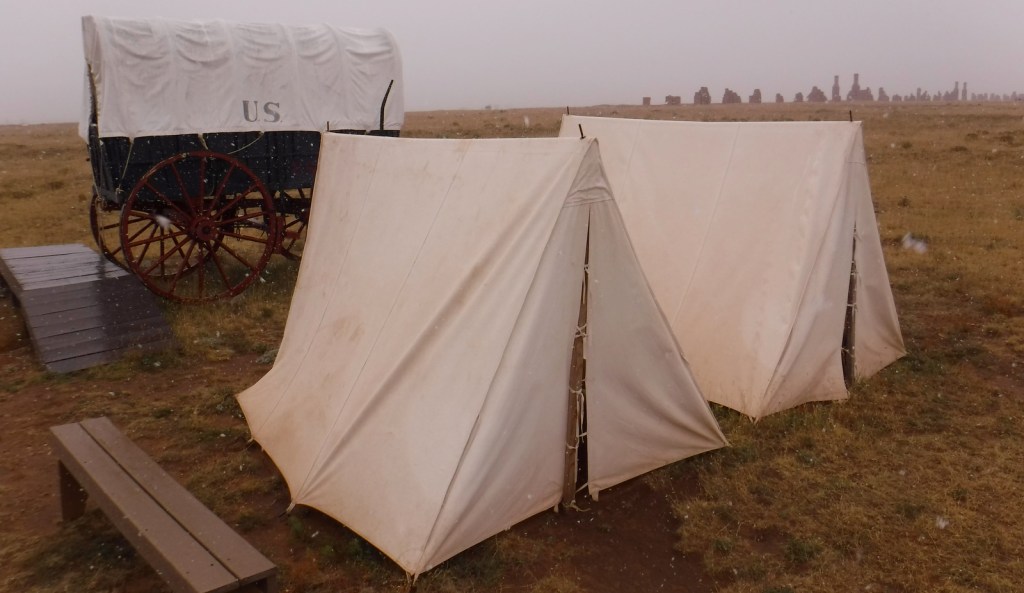
The smooth adobe walls make a great backdrop for a wagon that looks like it needs a fresh coat of paint before it hits the Santa Fe Trail again.

Peak Season

Summer

Hours

https://www.nps.gov/foun/planyourvisit/hours.htm

Fees

None

Road Conditions

The fort is not far off Interstate 25, but the last portion of the drive is a graded dirt road, as is the parking lot.

Camping

Storrie Lake State Park is 33 miles from Fort Union and there is also free camping in the summer at Maxwell National Wildlife Refuge located just off Interstate 25.

Related Sites

Bent’s Old Fort National Historic Site (Colorado)

Fort Larned National Historic Site (Kansas)

Pecos National Historical Park (New Mexico)

Explore More – When did Spain grant Mexico its independence, opening up commerce with the United States and starting the Santa Fe Trail?