Tag Archives: architecture

Springfield Armory National Historic Site

Overview

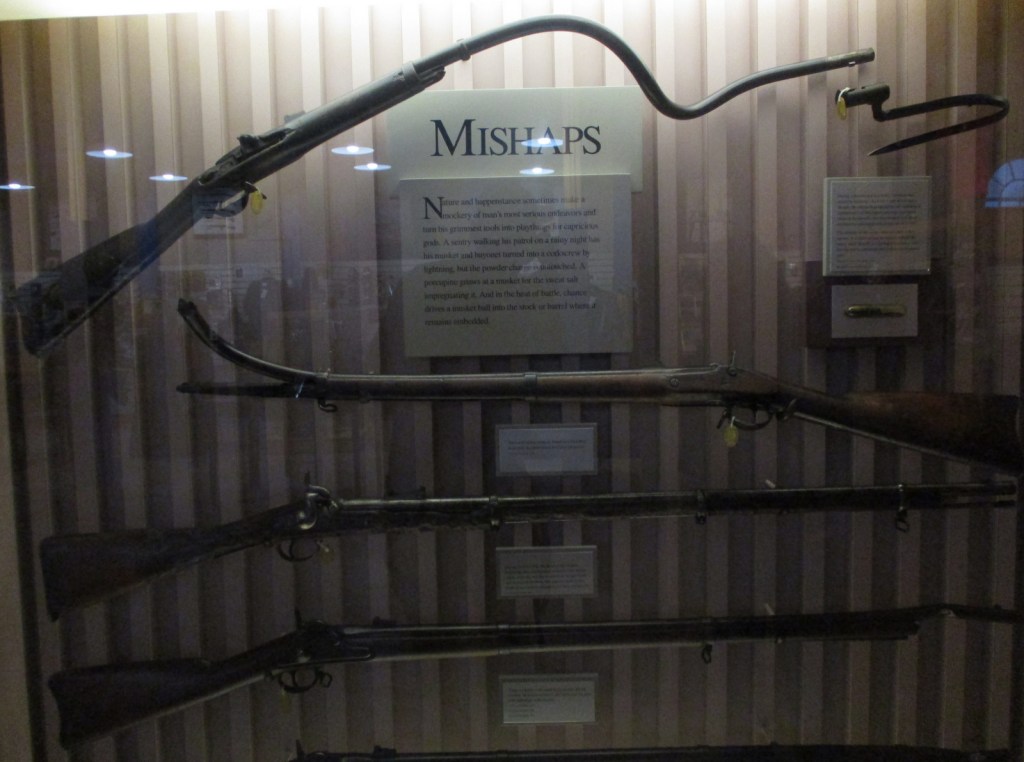
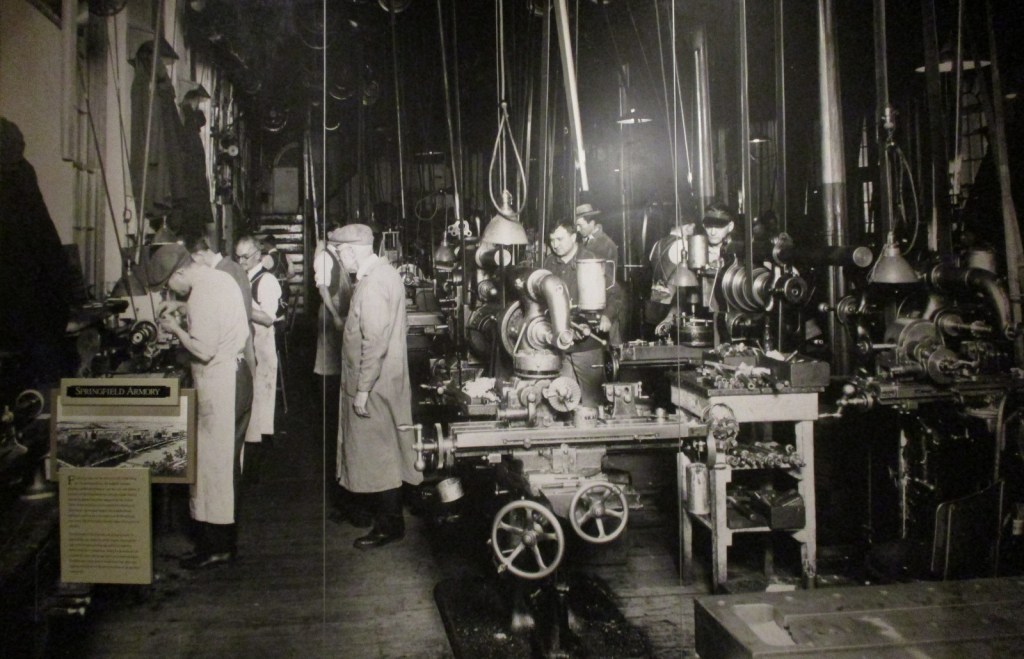
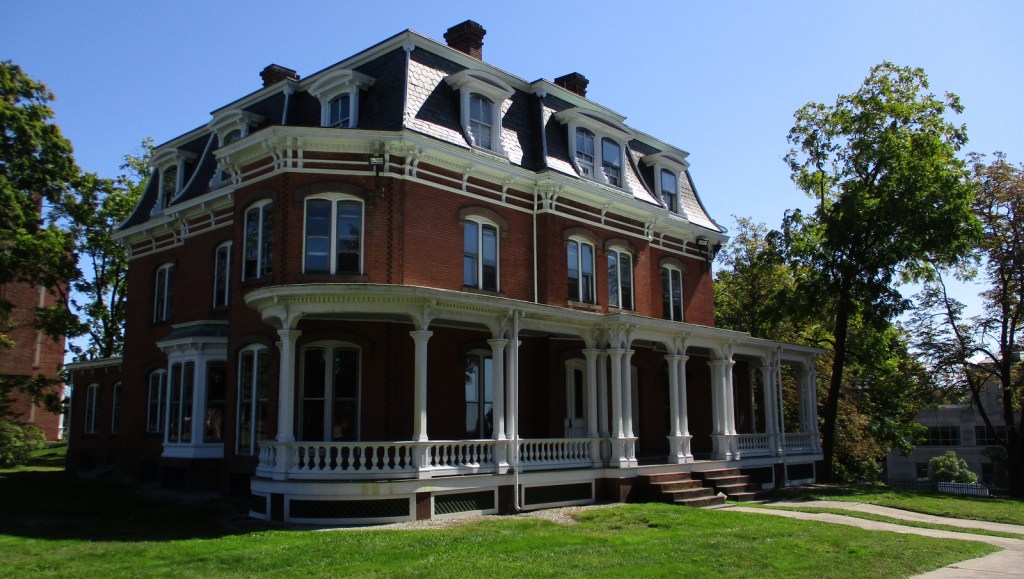
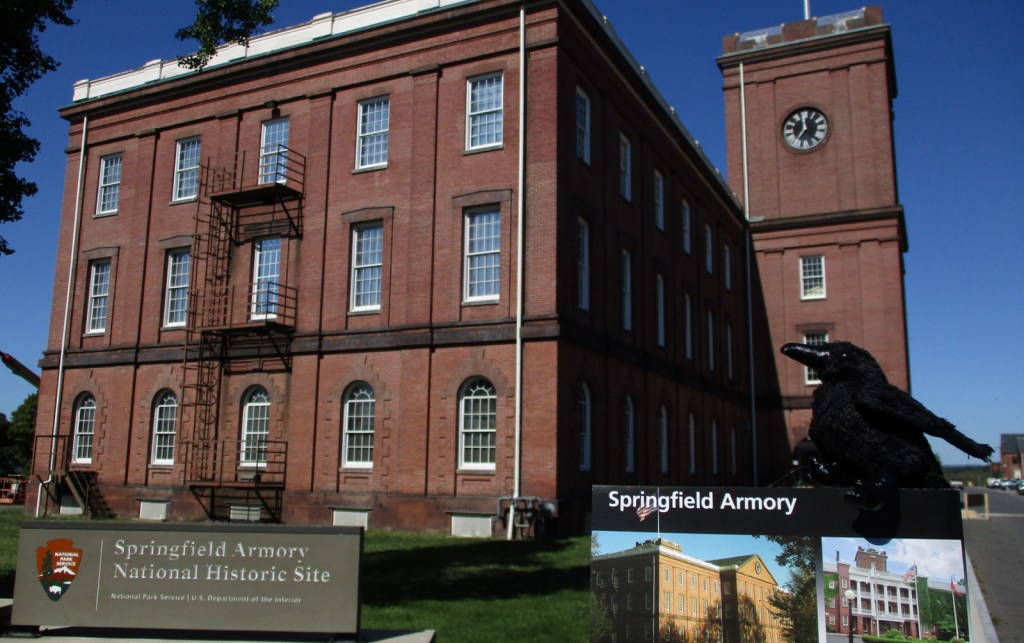
The arsenal at Springfield, Massachusetts began manufacturing guns during the American Revolution and became the first National Armory in 1794.  For nearly 200 years it served its purpose before being donated by the military for the creation of Springfield Technical Community College in 1967.  The National Park Service (NPS) maintains a museum and former officer’s quarters on 55 acres at the back of the gated campus.
Highlights

Museum, film, Organ of Muskets

Must-Do Activity

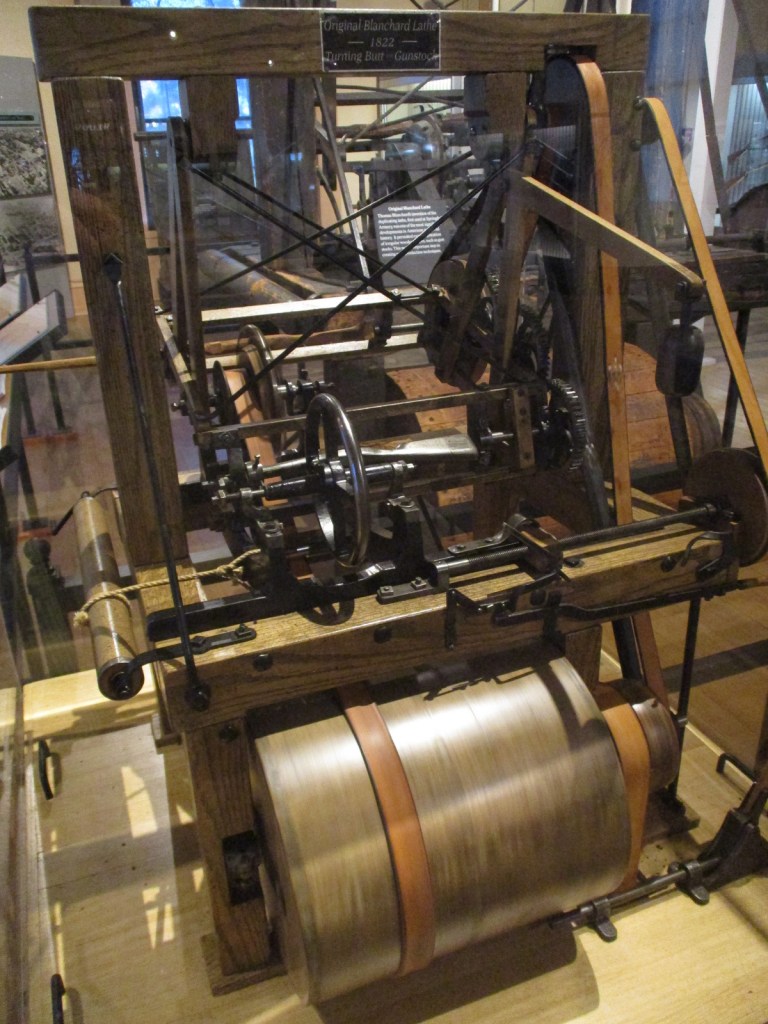
Start your visit with the 14-minute film, then peruse the two halves of the museum, one side dedicated to weaponry and the other to industry.  Watch the scale model of the Blanchard Eccentric Lathe as it demonstrates the shaping of wood to match a metal template.  This technology was first introduced here and is commonly used today to create keys, furniture, and baseball bats. 

Best Trail

There are no trails, but you can walk the sidewalks around the brick buildings that once housed the armory and are now the campus of Springfield Technical Community College.

Instagram-worthy Photo

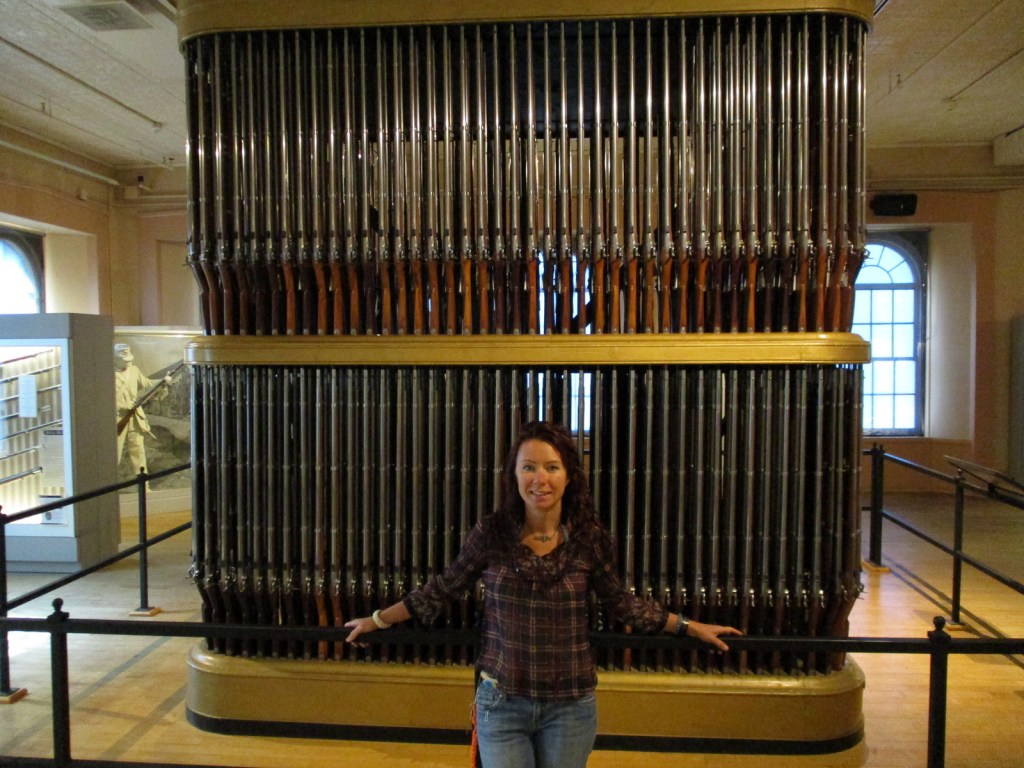
The “Organ of Muskets” inspired the 1845 anti-war poem by Henry Wadsworth Longfellow, a Harvard professor with his own NPS site. 
Peak Season

Summer

Hours

https://www.nps.gov/spar/planyourvisit/hours.htm

Fees

None

Road Conditions

Follow street signs from Interstate 91 exits to the main gate for Springfield Technical Community College then back to the free parking lot by the NPS museum.

Camping

Granville State Forest is located 20 miles west of Springfield, Massachusetts on Highway 57.

Related Sites

Longfellow House – Washington’s Headquarters National Historic Site (Massachusetts)

Minute Man National Historical Park (Massachusetts)

Coltsville National Historical Park (Connecticut, authorized in 2014 but remains unfunded)

Explore More – Who was the Springfield Armory employee who invented the M 1 rifle used throughout World War II?

Women’s Rights National Historical Park

Overview

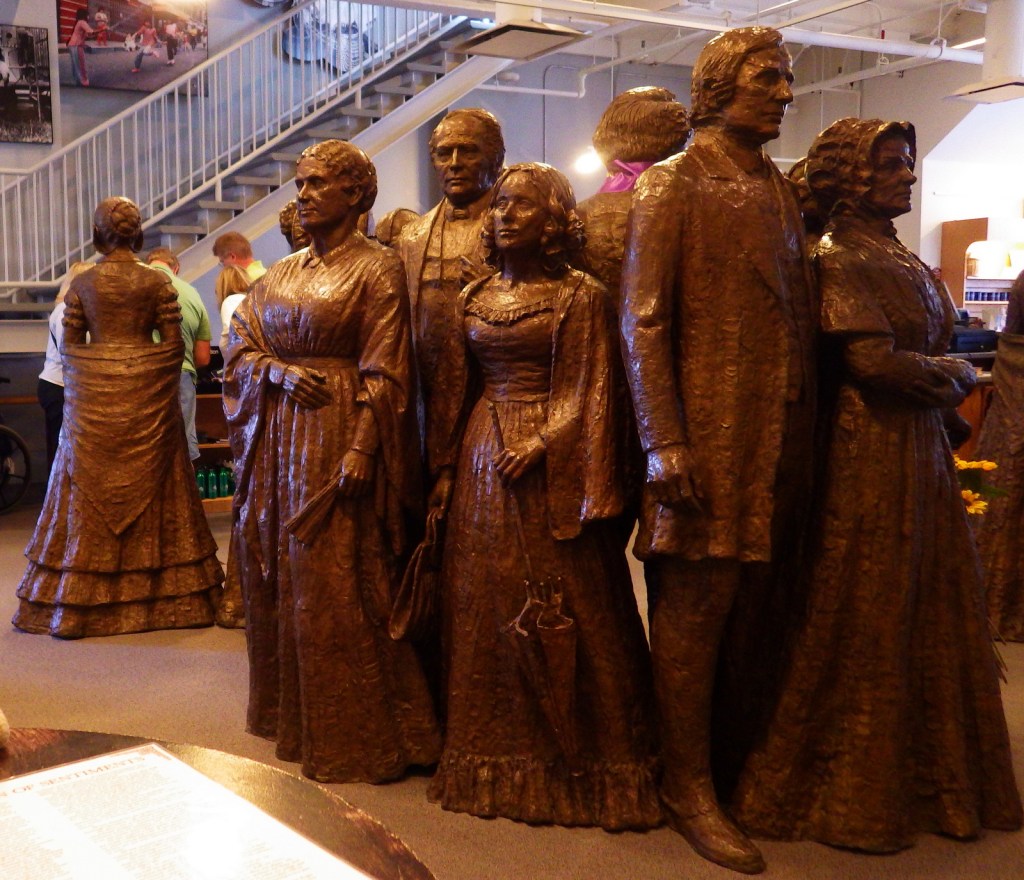
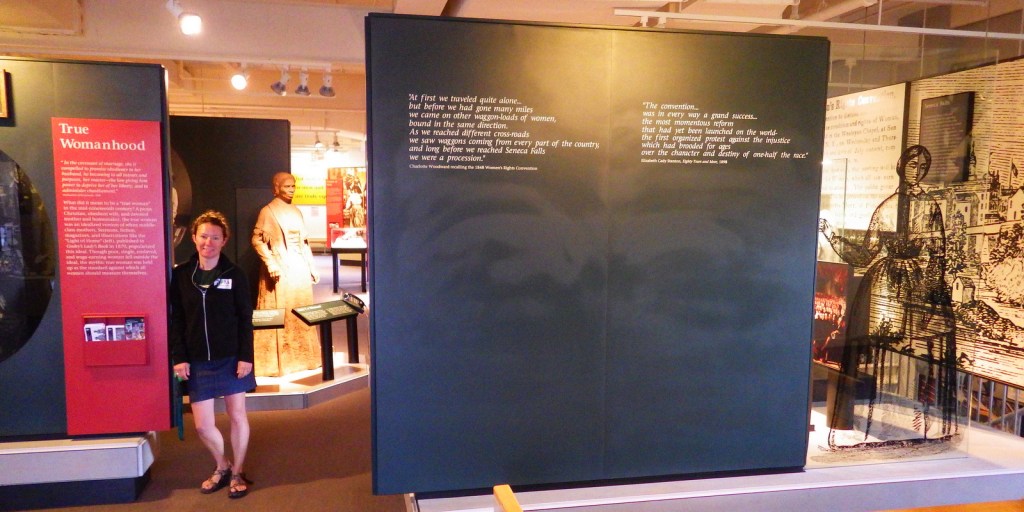
In 1848, Seneca Falls was a small rural town in New York and it still remains that way, but on July 19 of that year it became the focus of the world when it hosted the first Women’s Rights Convention.  Women’s Rights National Historical Park was established on seven acres here in 1980.  Some of the National Park Service (NPS) museum exhibits have not been updated since then, but they still make you think, which is the important point.

Highlights

Museum, film, sculptures, 1843 Wesleyan Chapel, Declaration Park, Elizabeth Cady Stanton house

Must-Do Activity

Nearly two centuries after the convention, some positive changes have been made, but walking through the second-story NPS museum reminds you that we have a long way to go.  The reactions in the newspapers from 1848 are not very different to those written in response to the women’s marches of 2017.  Next door, visitors can enter the reconstructed 1843 Wesleyan Chapel where the two-day meeting was held and read the still relevant Declaration of Sentiments written during the convention.  The NPS also offers free tours of the Elizabeth Cady Stanton house, a short drive away.  Two other houses in Waterloo, New York are also part of the park.

Best Trail

There is a walking tour through historic downtown Seneca Falls that includes the National Women’s Hall of Fame (admission charged), only a short distance from the NPS museum. 

Instagram-worthy Photo

Declaration Park between the NPS museum and the Wesleyan Chapel has a waterfall wall inscribed with the Declaration of Sentiments and its signers’ names.

Peak Season

Summer

Hours

https://www.nps.gov/wori/planyourvisit/hours.htm

Fees

None, except at the unaffiliated National Women’s Hall of Fame.

Road Conditions

All roads paved, but street parking is limited.

Camping

Cayuga Lake State Park has a large campground only 4 miles east of Seneca Falls, New York.

Explore More – Why is there a sculpture of abolitionist Frederick Douglass in the lobby of the visitor center?
Little Rock Central High School National Historic Site

Overview

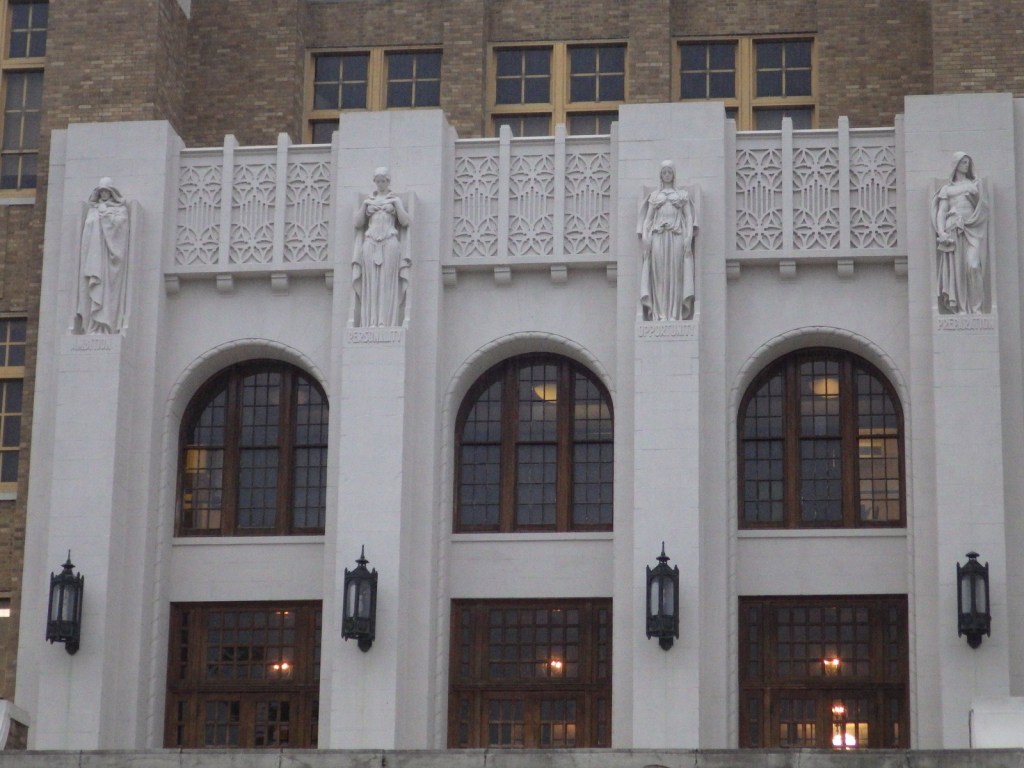
In the heart of downtown Little Rock, Arkansas is a beautiful high school that took center stage in this nation during September 1957.  A landmark 1954 Supreme Court decision (Brown v. Board of Education) mandated desegregation of schools nationwide.  Blocked from entering the high school for weeks, with U.S. military intervention eventually nine African-American students attended classes here, with the one senior (Ernest Green) graduating on May 25, 1958. 

Highlights

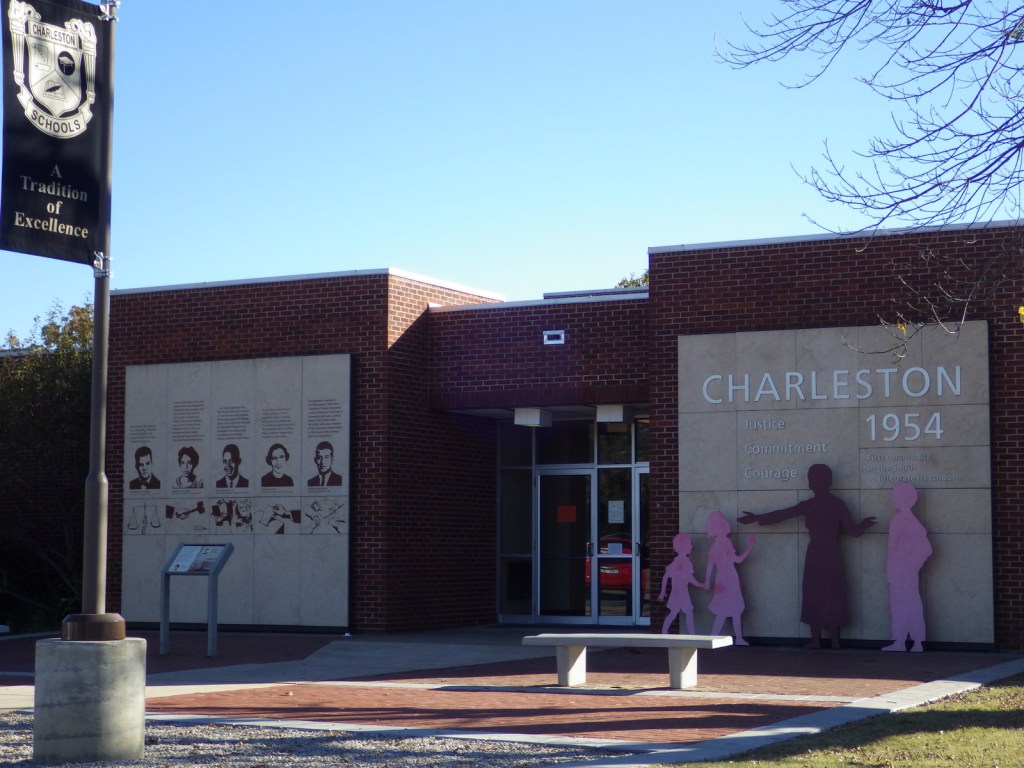
Museum, Commemorative Garden, restored 1957 filling station, memorial benches

Must-Do Activity

Kitty-corner from the still-active high school, the National Park Service (NPS) runs a visitor center with an excellent museum on integration.  We were surprised to learn that rather than continue with desegregation, all area schools were closed for the 1958-59 academic year.  Three African-American students attended Little Rock Central High School the next year, and today the school is still operating, serving as a living memorial to civil rights.  Keeping up with the news, it may not seem like we have made much progress in the United States, but looking back to the past shows us how far we have come as a society.

Best Trail

Guided streetscape tours are given on most weekends (reservations required a minimum of 24 hours prior). It is recommended you contact the NPS at least one month in advance to reserve a weekday tour inside the high school.

Instagram-worthy Photo

Across the street from the high school, the NPS has preserved a filling station as it appeared in 1957.

Peak Season

Spring and fall

Hours

https://www.nps.gov/chsc/planyourvisit/hours.htm

Fees

None

Road Conditions

All roads paved and there is a small parking lot at the NPS visitor center.

Camping

West of Little Rock, the U.S. Army Corps of Engineers manages a campground at Maumelle Park, near Pinnacle Mountain State Park.  Hot Springs National Park offers a campground 56 miles away.

Explore More – Schools in which Arkansas town had already successfully integrated without any hubbub years before the events at Little Rock Central High School?

We are a participant in the Amazon Services LLC Associates Program, an affiliate advertising program designed to provide a means for us to earn fees by linking to Amazon.com and affiliated sites.

Bent’s Old Fort National Historic Site

Overview

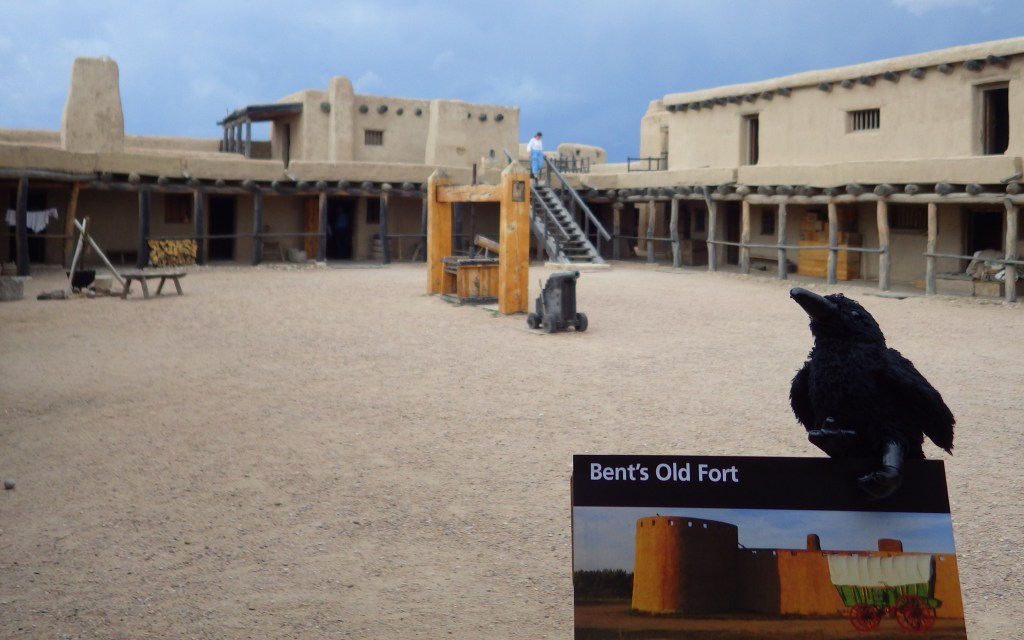
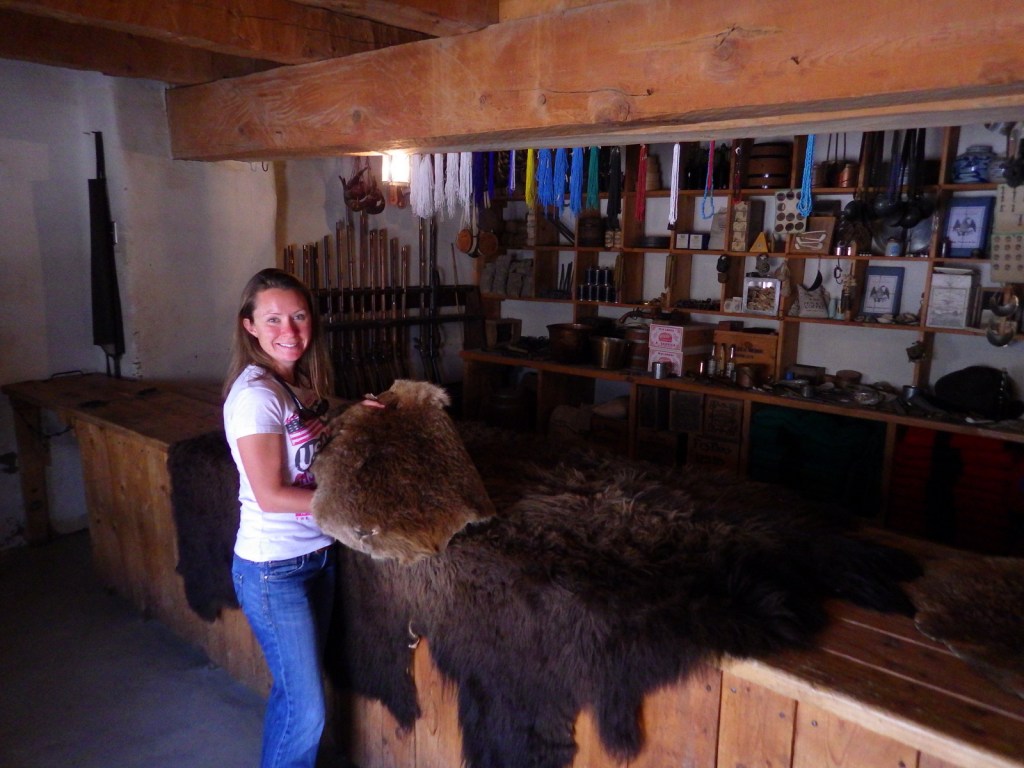
Bent’s Old Fort on the Arkansas River on the prairie of eastern Colorado has been painstakingly reconstructed to its appearance of 1845.  It was originally built in 1833, long before Fort Larned and Fort Union announced the U.S. military presence on the 1,200-mile-long Santa Fe Trail.  Historical reenactors are happy to talk to visitors about the site and its famous inhabitants and visitors.

Highlights

Reconstructed fort, film, living history

Must-Do Activity

The “old fort” was originally built with the financial backing of the two Bent brothers from St. Louis and a Taos trader named Ceran St. Vrain.  It was a huge success, bringing a period of peace to warring tribes on the Great Plains, particularly after William Bent married a Cheyenne woman.  Things changed once Texas was annexed by the U.S. in 1845 and the military moved in, spurring a move to Bent’s New Fort 38 miles downstream.  

Best Trail

The parking lot is less than a half-mile walk from the fort, yet we found that approaching on foot added to the historic experience, as did speaking with the reenactors roaming inside.  Closer handicap parking is available.  Another trail leads to the banks of the Arkansas River on a 1.75-mile loop.

Instagram-worthy Photo

In 1975, the adobe fort was reconstructed on its original foundation in southeast Colorado based on drawings by Lieutenant James Abert, a topographical engineer stationed here in 1845 and 1846. 

Peak Season

Summer, but watch for afternoon thunderstorms.

Hours

https://www.nps.gov/beol/planyourvisit/hours.htm

Fees

$3 per adult except $5 during June 8-9 Santa Fe Trail Encampment, September 15 Hispanic Heritage Day, October 20 Native American Heritage Day, and the December 7-8 Traditional Holiday Celebration. America the Beautiful pass accepted, too.

Road Conditions

All roads paved, although they can be closed due to spring floods on the Arkansas River.

Camping

There are private campgrounds in nearby La Junta, Colorado and a public one run by the Corps of Engineers at John Martin Reservoir (27 miles east on Highway 50).

Explore More – What combination of factors led William Bent to burn the original fort and build a new one 38 miles down the Arkansas River?

Oregon Caves National Monument and Preserve

Overview

In the remote southwest corner of Oregon, this marble cave system has been federally protected since 1909.  The Civilian Conservation Corps (CCC) worked extensively on the trail system and chateau-style lodge in the 1930s.  In 2014, an additional 4,000 acres were added to preserve the surrounding old-growth forests, the most biodiverse conifer-dominated ecosystem in the world.

Highlights

Cave tours, Oregon Caves Chateau, Big Tree, Mt. Elijah

Must-Do Activity

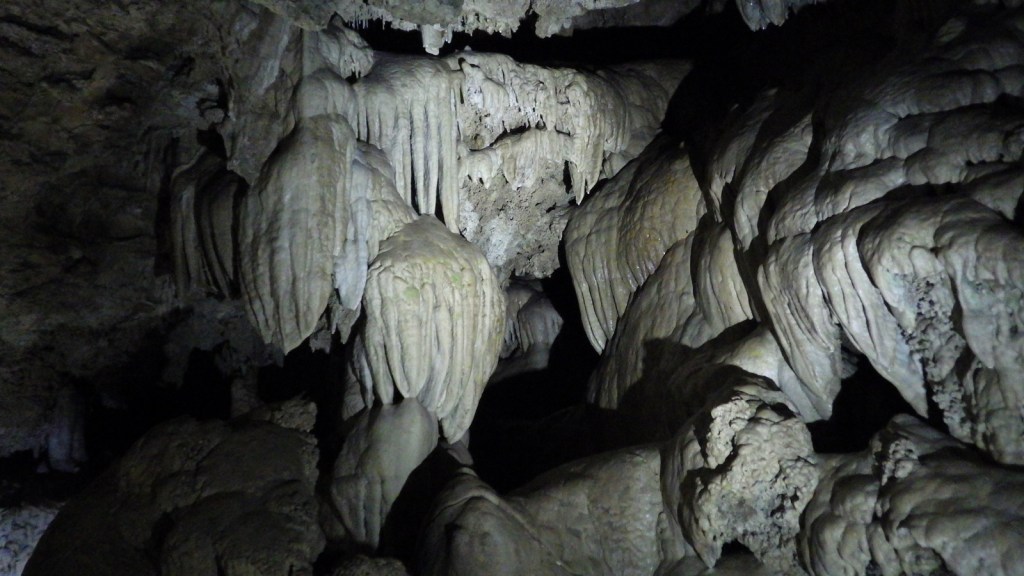
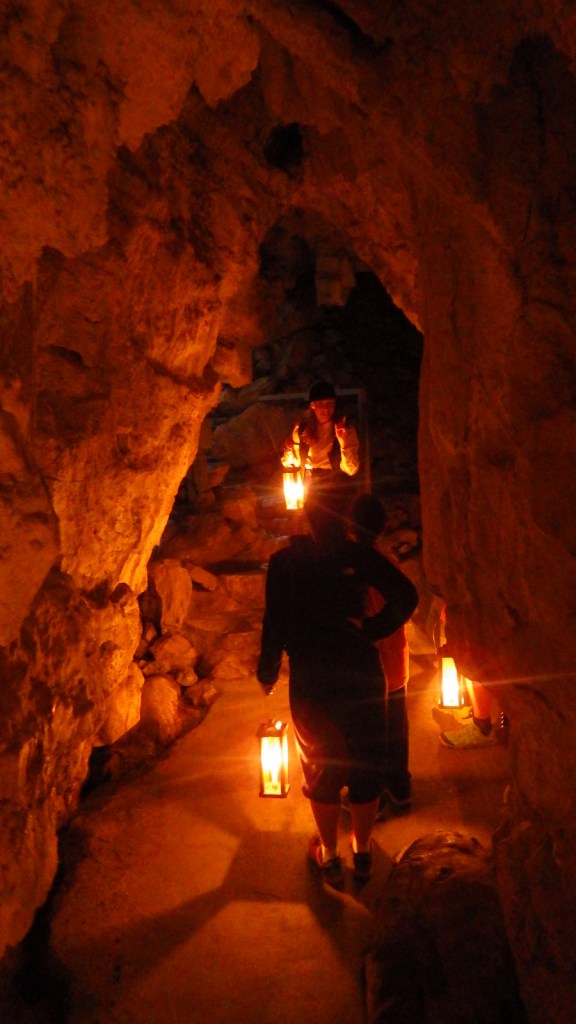
The Oregon Caves Chateau is currently closed for renovation, but is scheduled to reopen to guests in 2021.  That means the main reason to visit is to take a tour inside the cave, but bundle up because it remains a brisk 44°F year round.  The standard tour is 90 minutes, has a height requirement of 42 inches, and includes 500 stairs, which can be strenuous at 4,000 feet in elevation.  In the summer, a candlelight tour, off-trail “wild caving” tour, and family-friendly tour (for those with small children) are also offered.

Best Trail

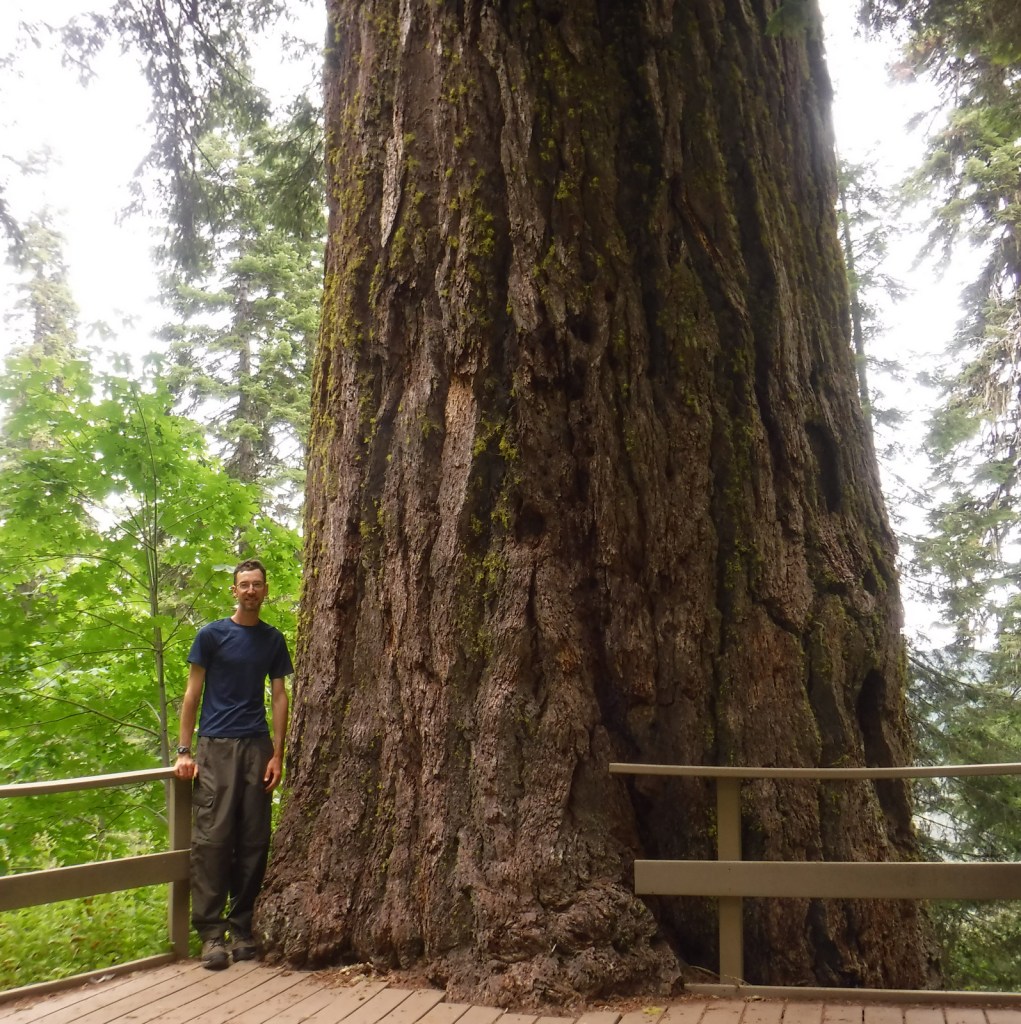
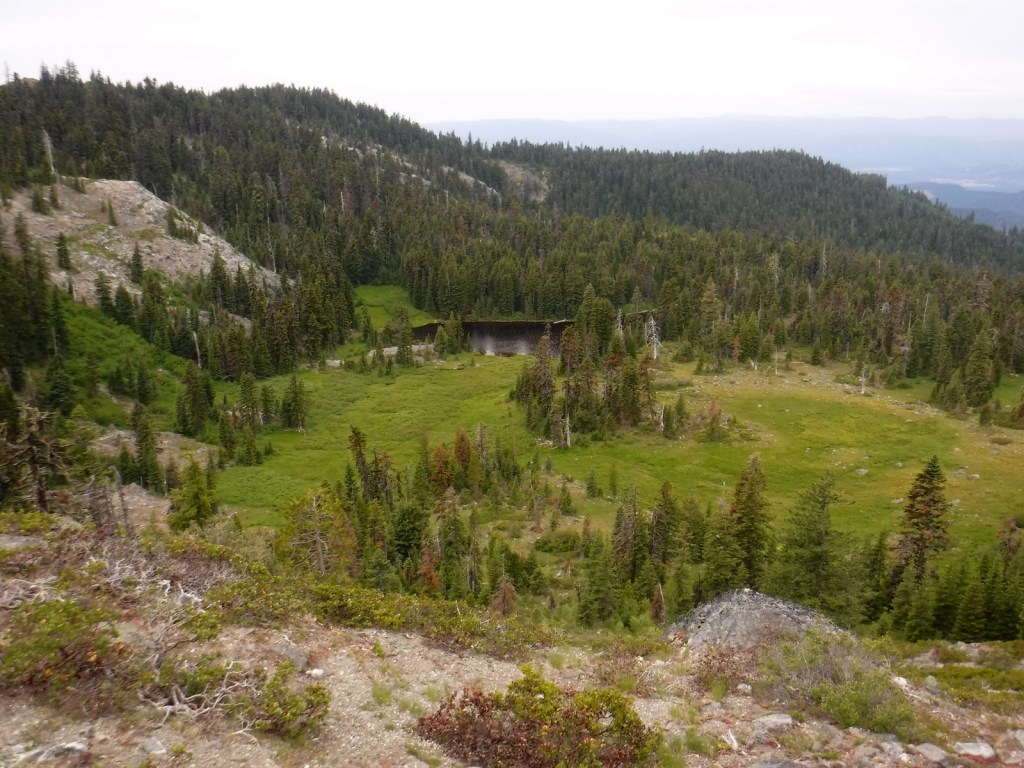
The Bigelow Lakes-Mt. Elijah Loop Trail covers 9.2 miles and gains 2,390 feet in elevation while providing the best views of the surrounding mountains.  At a minimum, you should try to hike the Big Tree Trail 2.6 miles roundtrip to the largest diameter Douglas-fir tree in Oregon.

Instagram-worthy Photo

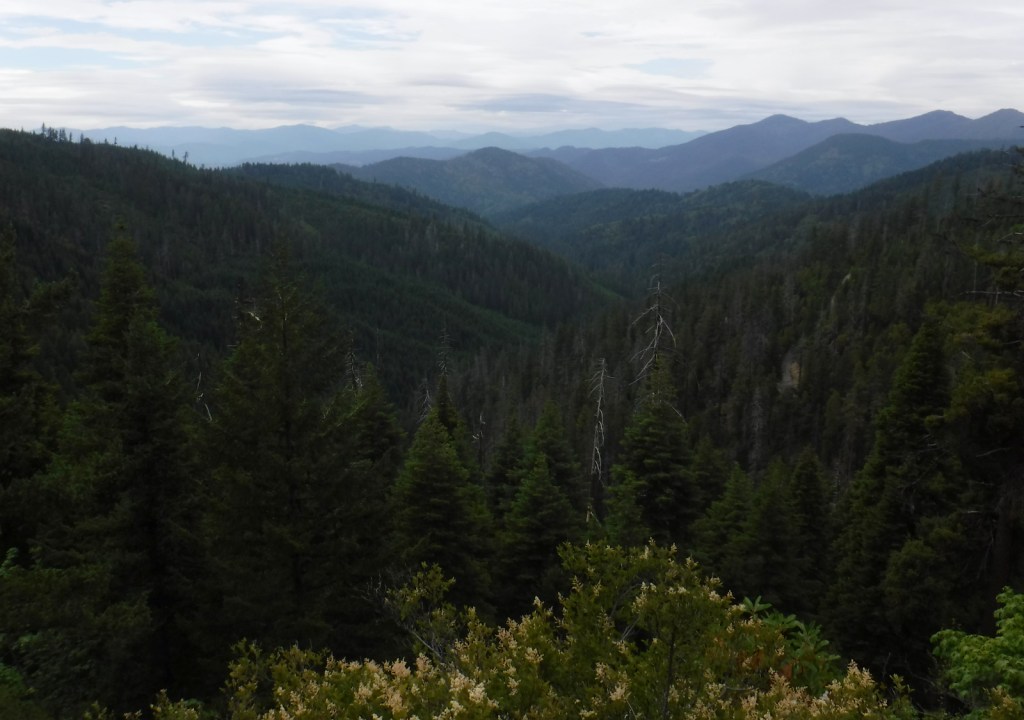
After your cave tour exits far uphill from its entrance, continue on the Cliff Nature Trail for a great view of the lush Siskiyou Mountains.

Peak Season

Summer, since cave tours are only offered from late March through November.

Hours

https://www.nps.gov/orca/planyourvisit/hours.htm

Fees

There is no entrance fee to the park, but there is a charge for all cave tours (which can be reserved in advance).

Road Conditions

The paved entry road is winding and climbs steeply.  Most surrounding Forest Service roads are unpaved and one climbs to provide access near the top of the Bigelow Lakes-Mt. Elijah Loop Trail.

Camping

Cave Creek Campground is located 4 miles from the cave entrance.  Trailers are only permitted at Grayback Campground, further down the hill.

Explore More – Which native conifer tree provided the siding for the Oregon Caves Chateau?