Cumberland Island National Seashore

Overview

Off the coast of Georgia, Cumberland Island National Seashore was established in 1972 and is only accessible by boat.  While kayaks and private boats are allowed, most visitors arrive by ferry from St. Marys (reservations recommended).  Much of the northern half of the island is designated wilderness with backpacking campsites dispersed near places where freshwater is available for filtration.  Bicycles can be rented once you arrive on the island (they are not allowed on the ferry) and are permitted on the many miles of roads, but not on the trails or beach. 

Highlights

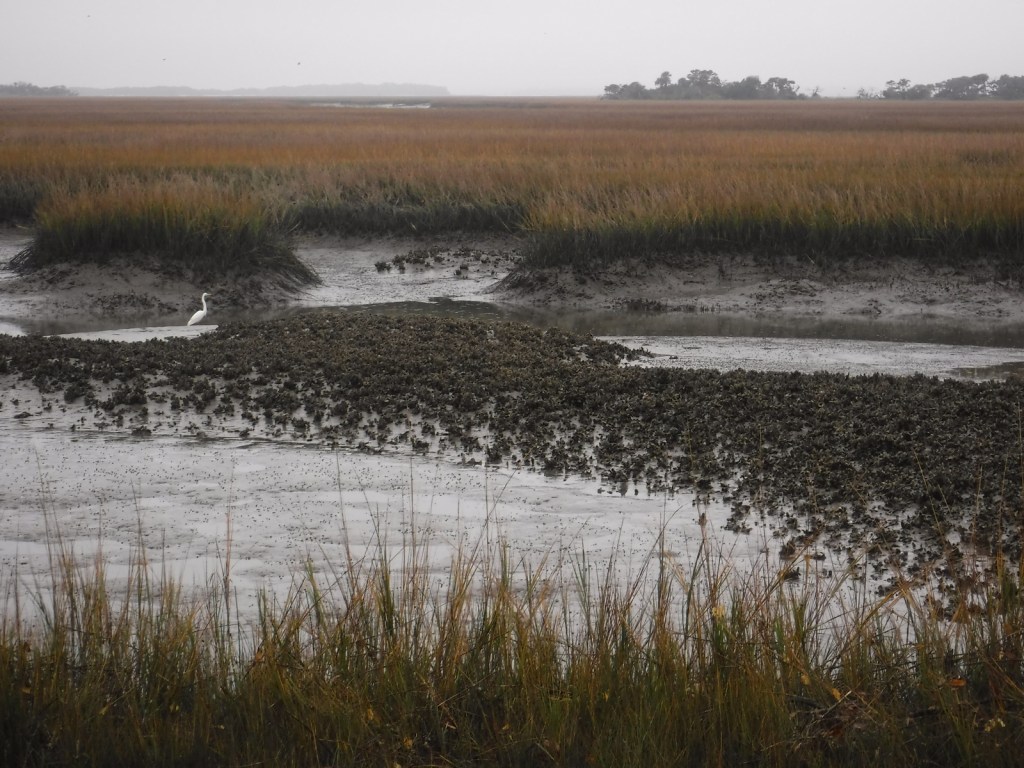
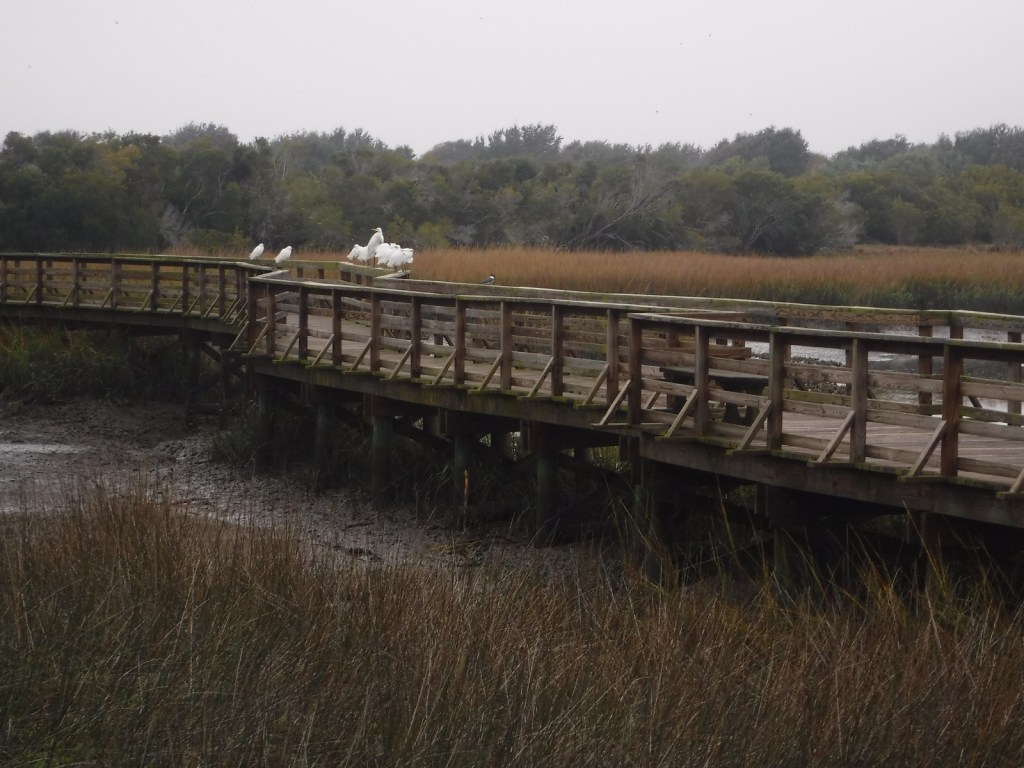
Dungeness Ruins, Ice House Museum, Marsh Boardwalk, First African Baptist Church

Must-Do Activity

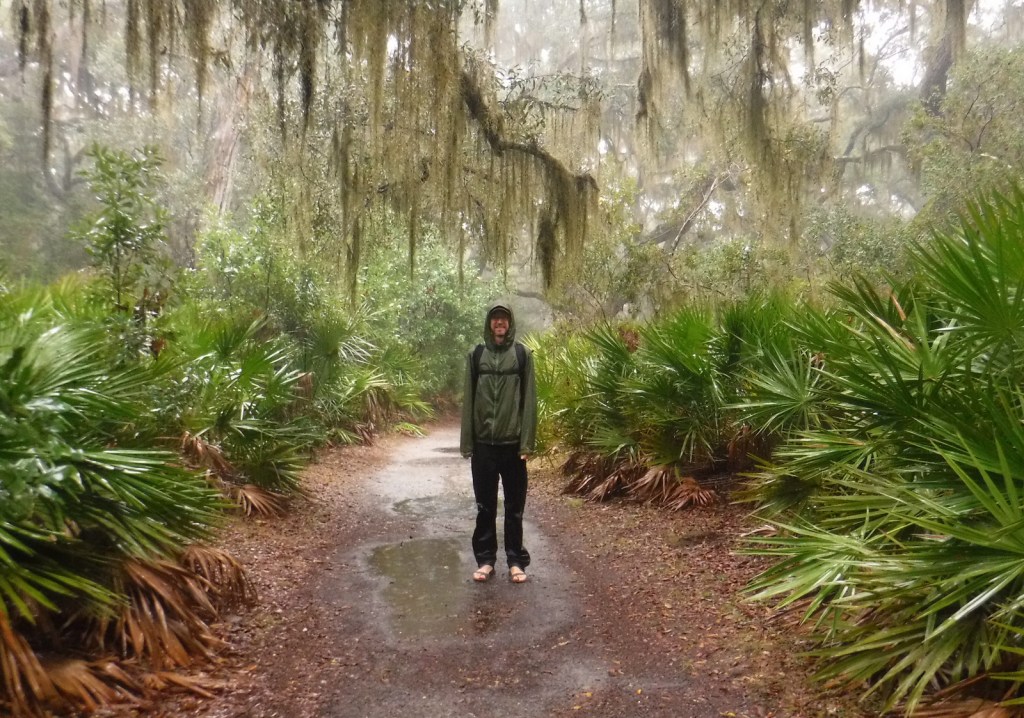
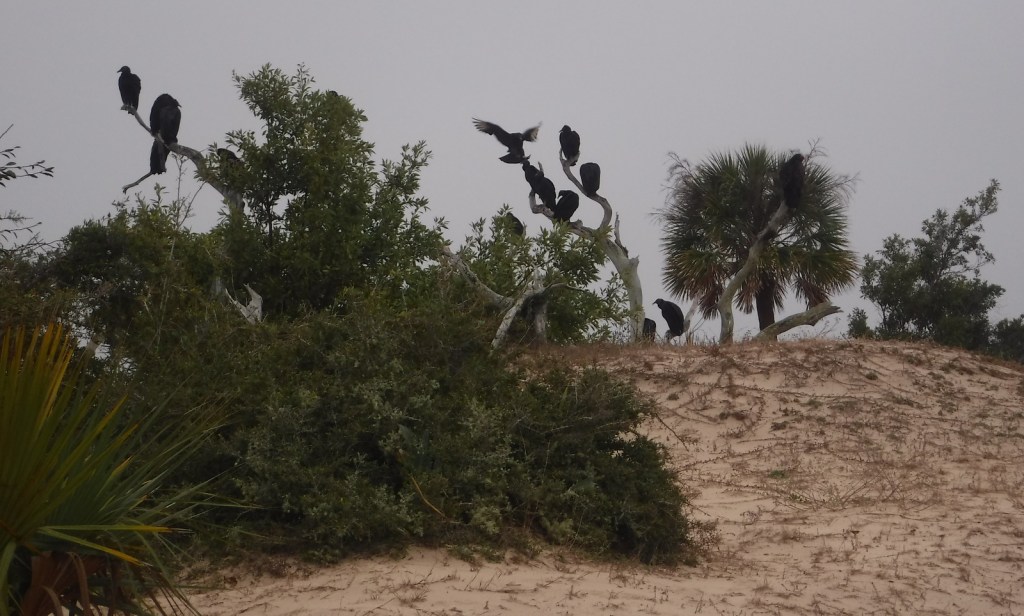
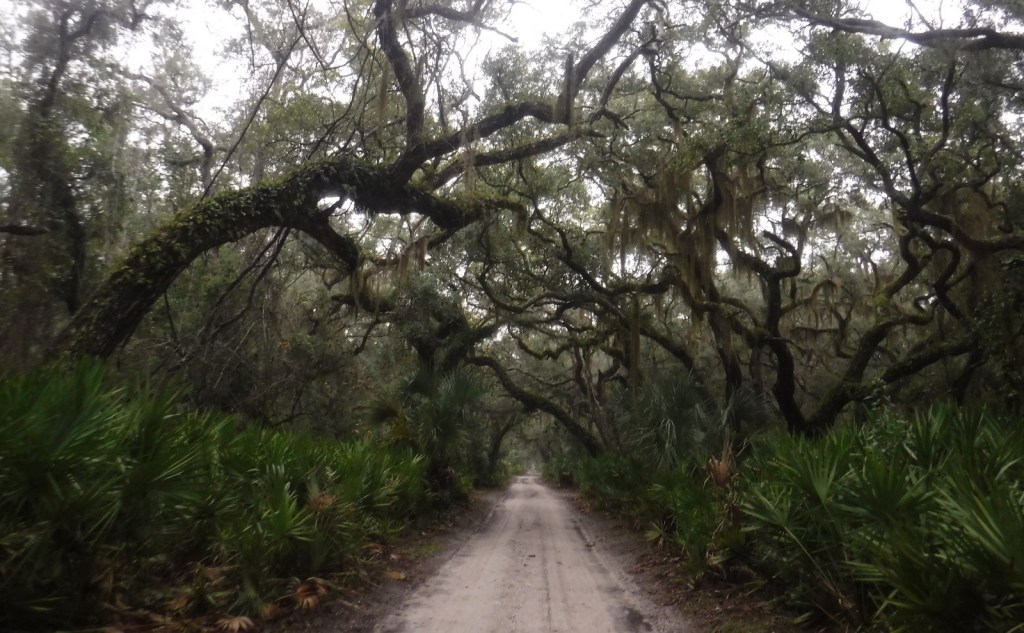
While it is fun to spend time beachcombing, what really sets Cumberland Island apart are the trails that cut through the maritime forest of twisty live oak trees.  Watch for feral horses, white-tailed deer, armadillos, turkeys, and other birds along the way.  Alligators can also be seen in the freshwater ponds.  Fossilized shark teeth are commonly found on the island, especially on the roads.  Guided tours in vans can be reserved, which can be a good option on rainy days or if you want to make it to the 1890s African-American settlement at the northern end of the island.

Best Trail

The island has more than 50 miles of trails and you can form loops of varying lengths by walking the beach and the inland Parallel Trail.  The trails are very well packed though sandy, and not as hard to walk on as we imagined.  The only deep sand we encountered was on the designated dune crossings between the beach and the inland forest.

Instagram-worthy Photo

Dungeness is the name of a mansion built by the Carnegie family that burned down in 1959.  It was constructed atop the ruins of a house of the same name previously owned by Revolutionary War General Nathanael Greene.

Peak Season

Summer

Hours

https://www.nps.gov/cuis/planyourvisit/hours.htm

Fees

$10 per person or America the Beautiful pass, plus the charges for ferry tickets and overnight campsites

Road Conditions

Roads are packed sand and heavily rutted, but unless you own property on the island or take the van tour you will not have to worry about their spine-rattling condition.

Camping

Reservations are required for all overnight stays, including at the privately-owned inn.  Sea Camp offers cold showers and potable water a moderately short walk from the ferry dock.  There are numerous backcountry campsites, but all camping is limited to seven days.

Related Sites

Fort Frederica National Monument (Georgia)

Timucuan Ecological and Historic Preserve (Florida)

Cape Lookout National Seashore (North Carolina)

Explore More – Related to American Quarter Horses, Tennessee Walkers, Arabians, and Paso Fino, what is the total population of feral horses living on Cumberland Island?
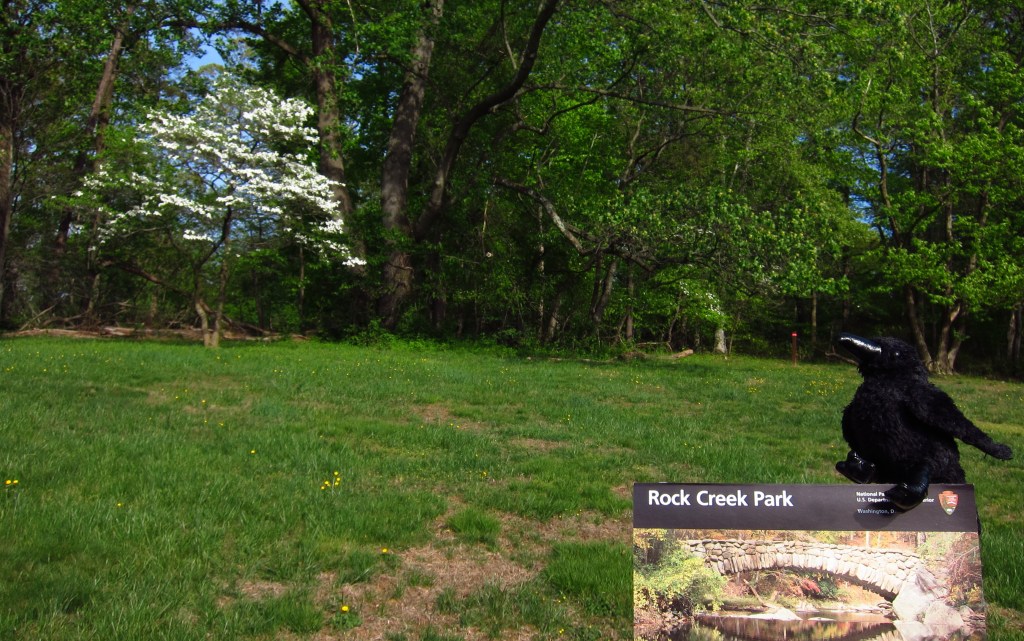
Rock Creek Park

Overview

We are used to National Monuments and National Historical Parks being listed among the 419 units in the National Park Service (NPS) system, but there are also 11 sites that fall under the category of “Other.”  One of these is Rock Creek Park, a 1,754-acre urban park in northwestern Washington, D.C. established in 1890.  It contains an equestrian center and 13 miles of bridle trails, as well as the Thompson Boat Center, which rents bicycles and a variety of non-motorized boats.  It also has the amenities you would typically associate with any park, like picnic areas, tennis courts, playgrounds, and an amphitheater offering free concerts and plays during the summer.

Highlights

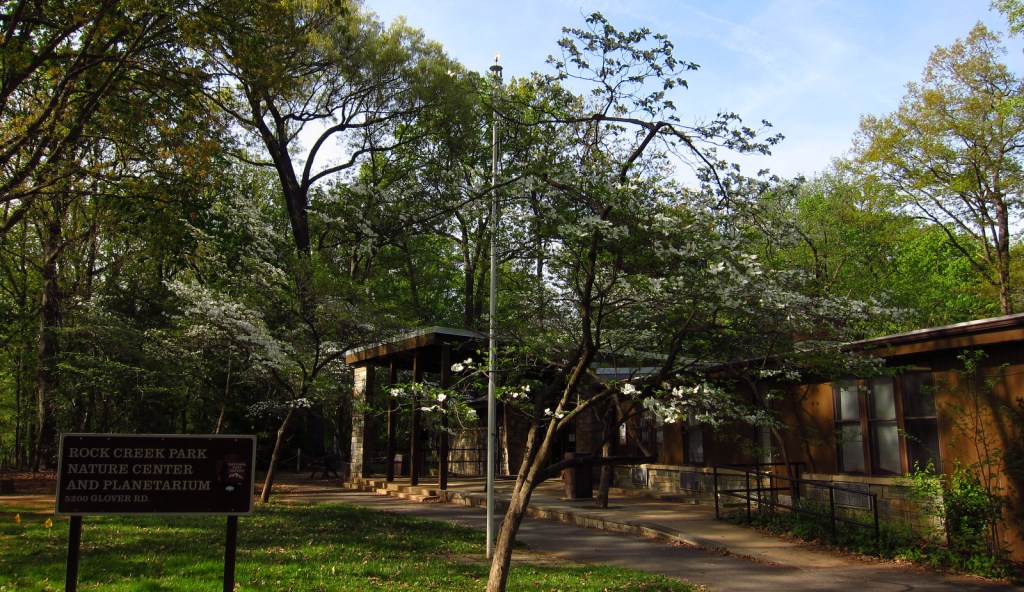
Nature Center and Planetarium, Peirce Mill, Old Stone House, Fort Stevens

Must-Do Activity

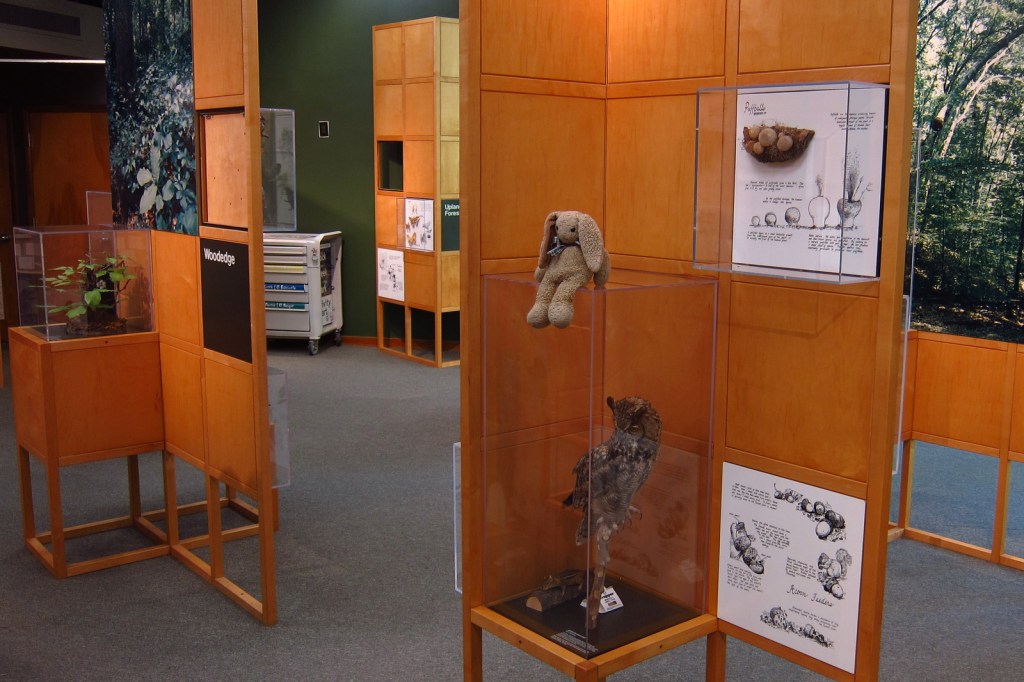
Rock Creek Park contains the only planetarium in the entire NPS system, which is at the same location as the Nature Center.  The planetarium offers free astronomy programs and holds monthly stargazing programs between April and November.  The site of Civil War-era Fort Stevens is located east of the main park where interpretive information explains the July 1864 battle that took place there.  It was during a visit to the fort that Abraham Lincoln became the only sitting president to ever come under enemy fire during wartime.

Best Trail

There are 25 miles of trails within Rock Creek Park, plus they connect to parkland in bordering Maryland.

Instagram-worthy Photo

Peirce Mill was originally in operation from the 1820s to 1897, utilizing slave labor (until the Civil War) to run the flour mill, sawmill, distillery, and nursery.  The mill was renovated by the NPS in the 1930s to produce flour during World War II and remains open to visitors seasonally.

Peak Season

Summer

Hours

https://www.nps.gov/rocr/planyourvisit/hours.htm

Fees

None

Road Conditions

All roads are paved, though some are closed on weekends and holidays for non-motorized users.

Camping

None

Related Sites

Fort Washington Park (Maryland)

Theodore Roosevelt Island (District of Columbia)

Franklin Delano Roosevelt Memorial (District of Columbia)

Explore More – Rock Creek also flows through the fee-free National Zoological Park, which is managed by what institution?

Buck Island Reef National Monument

Overview

Located 1.5 miles north of the large Caribbean island of St. Croix is Buck Island, which covers only 176 acres of the 19,015 acres designated as Buck Island Reef National Monument.  Arguably the best coral reef in the entire National Park Service (NPS) system is the barrier reef around the island’s northern and eastern shore, which includes large examples of elkhorn coral with its beautiful yellow branches.  Private boats can get a permit to visit the island, but most tourists reserve trips with an NPS-authorized concessionaire that provides the gear for guided snorkeling and scuba diving experiences.

Highlights

Snorkeling, Underwater Trail, West Beach, Observation Point

Must-Do Activity

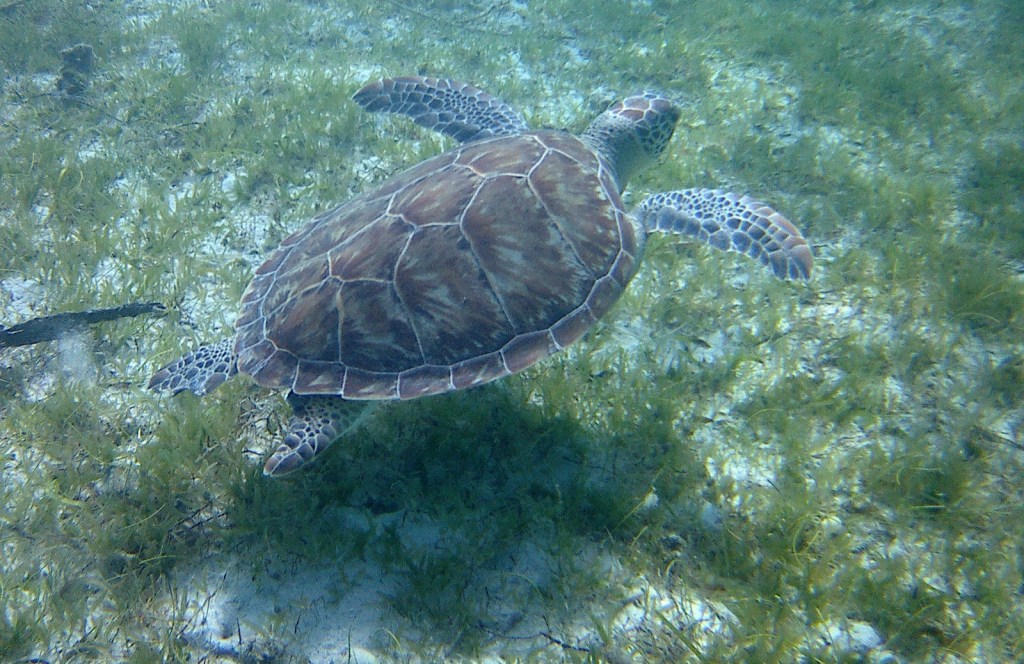
Snorkeling on the eastern end of the island is the highlight of a day trip to Buck Island.  The water offshore from St. Croix is cooler, even though your boat will moor in a lagoon, so consider wearing a wet suit.  There is an Underwater Trail with interpretive signs at one location along the coral reef.  Watch for a variety of parrotfish, angelfish, filefish, and sharks (lemon and nurse).  Sea turtles (green, hawksbill, loggerhead, and leatherback) are more common the west side of the island.

Best Trail

A steep, sandy trail climbs from Diedrichs Point and forms a loop when you walk West Beach, the designated anchorage area.  The 45-minute trek has a must-do spur to Observation Point for the best views, otherwise you will not be able to see through the thick vegetation of thorny trees interspersed with organ pipe cactus.  Stay on the trail and be careful not to touch poisonous manchineel trees or Christmas bush (related to poison-ivy).

Instagram-worthy Photo

Bring an underwater camera for great photo opportunities.  We followed a spotted eagle ray and a large school of blue tangs around the reef.  We also saw a nurse shark, lemon shark, and dozens of barracudas.

Peak Season

Anytime except hurricane season

Hours

Buck Island is only open during daylight hours

https://www.nps.gov/buis/planyourvisit/hours.htm

Fees

None, except for concessionaire boat trip

Road Conditions

There are no roads on the island, so a boat tour through an NPS-authorized concessionaire is necessary to access it.  There is a large parking lot (fee) near the Christiansted marina and floatplane airport.  Note: you drive on the left side of the road in the U.S. Virgin Islands, but in standard American left-side driver seat vehicles.

Camping

Buck Island is closed between sunset and sunrise, with no overnight mooring allowed.  On St. Croix, there is no official NPS campground at Salt River Bay National Historical Park and Ecological Preserve, but people camp along the coast there and at many beachside locations around the entire island.

Related Sites

Christiansted National Historic Site (U.S. Virgin Islands)

Salt River Bay National Historical Park and Ecological Preserve (U.S. Virgin Islands)

Virgin Islands National Park (U.S. Virgin Islands)

Explore More – What type of domesticated animals were let loose on Buck Island in the 1700s (permanently altering the vegetation)?

Top 10 National Parks for Wildlife Watching

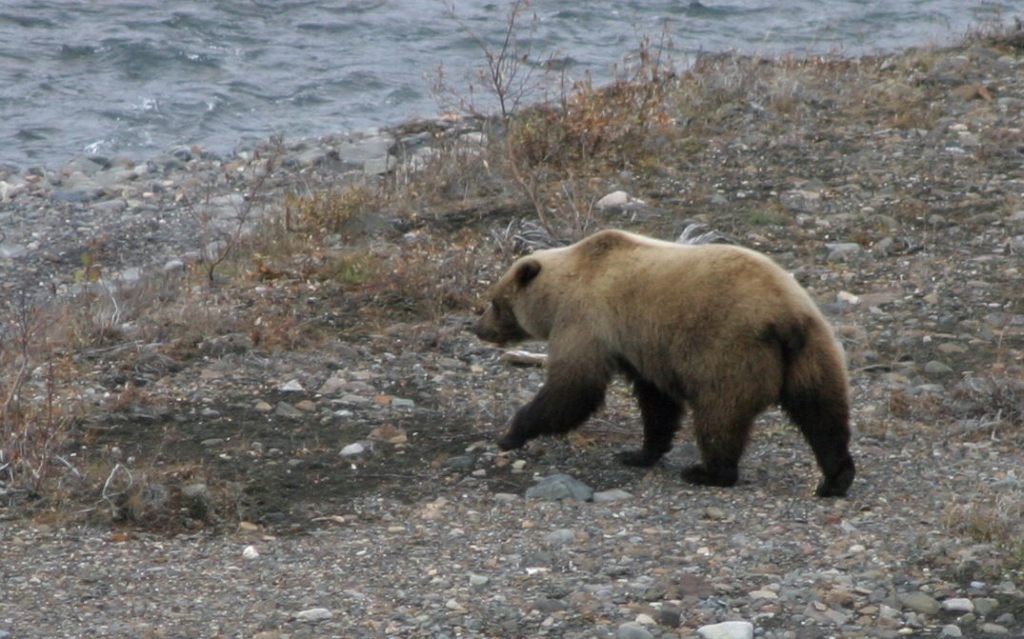
There are 63 National Parks of the 430+ units in the National Park Service (NPS) system and they are among the best places to watch wildlife.  As with all of our Top 10 lists, this is a ranking of our favorite parks and not necessarily a true reflection of biodiversity or the likelihood of spotting the animals listed.  Note: brown bears and grizzly bears are the same species, so we stuck with the Alaskan name.  We have published a travel guidebook to the 63 parks with much more information about where to go to see wildlife (available on Amazon).

Know someone who loves National Parks? Gift them our travel guidebook A Park to Yourself: Finding Solitude in America’s 63 National Parks

10. Theodore Roosevelt (North Dakota)

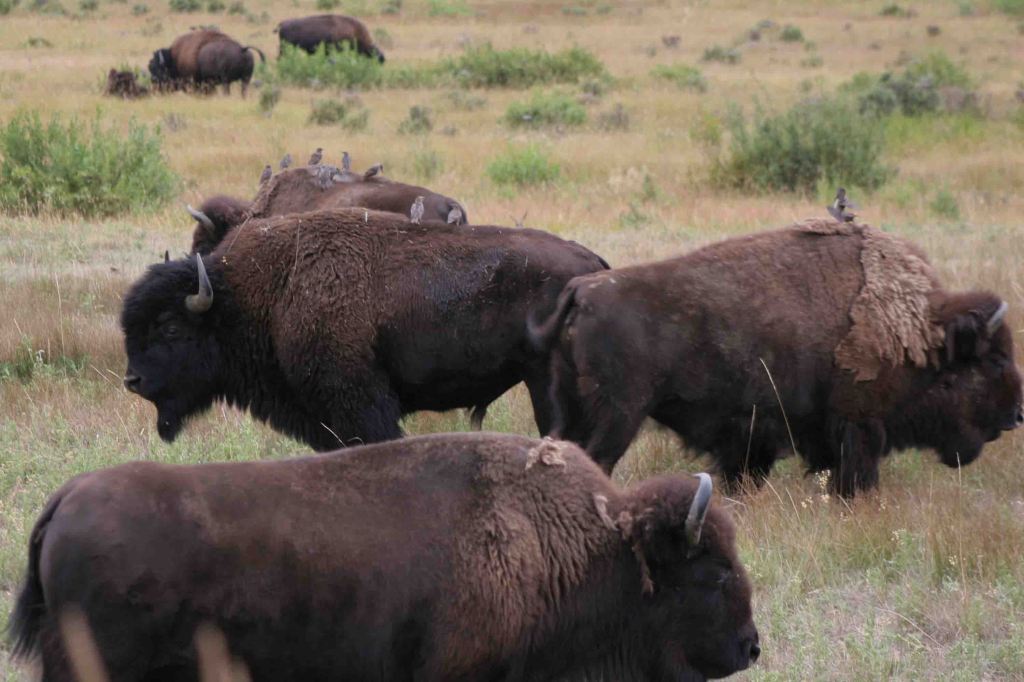
Bison, elk, pronghorn, white-tailed deer, mule deer, prairie dogs, wild horses, prairie rattlesnakes

9. Virgin Islands (U.S. Virgin Islands)

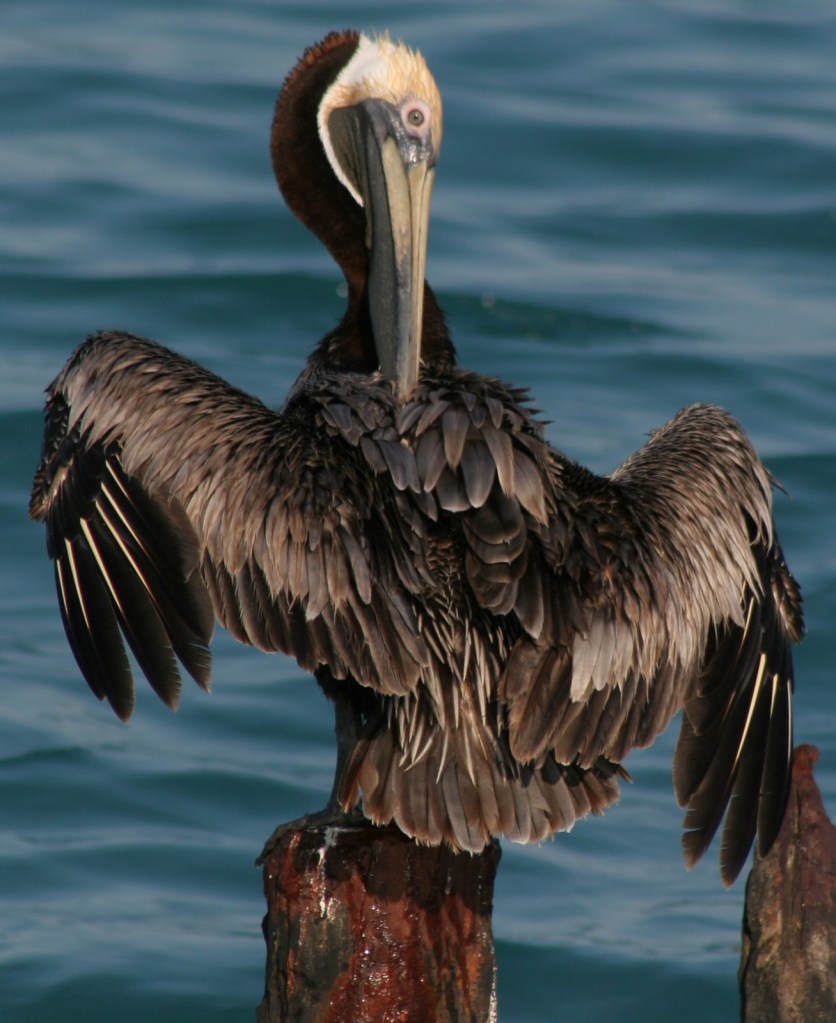
Sea turtles, stingrays, barracudas, parrotfish, iguanas (introduced), frigatebirds, bananaquits, pelicans

8. Rocky Mountain (Colorado)

Elk, moose, bighorn sheep, white-tailed deer, mule deer, black bears, yellow-bellied marmots, pikas

7. Glacier (Montana)

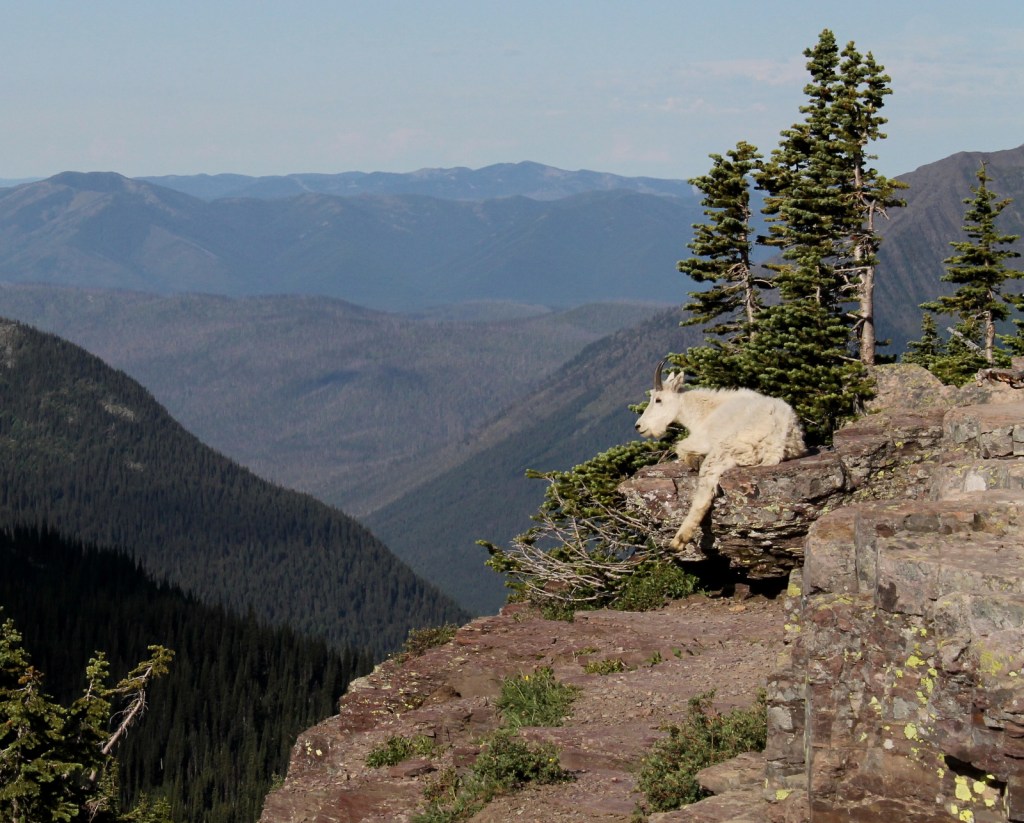
Mountain goats, bighorn sheep, moose, elk, mule deer, brown bears, black bears, lynx, yellow-bellied marmots, pikas

6. Great Smoky Mountains (Tennessee-North Carolina)

Elk, white-tailed deer, black bears, raccoons, turkeys, salamanders, synchronous fireflies

5. Denali (Alaska)

Caribou, moose, Dall sheep, brown bears, black bears, gray wolves, beavers, hoary marmots

4. Badlands (South Dakota)

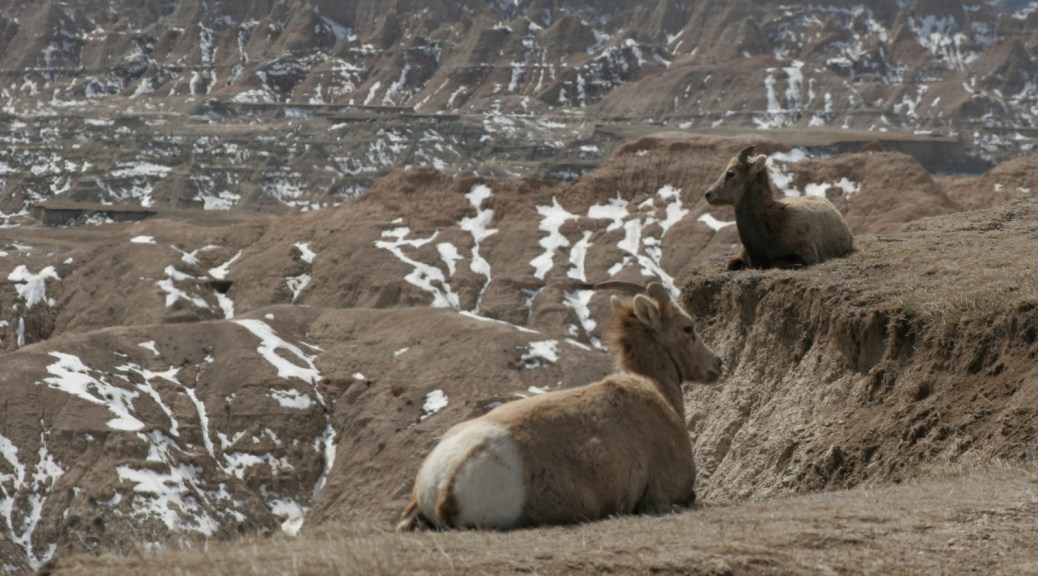
Bison, bighorn sheep, pronghorn, white-tailed deer, mule deer, prairie dogs, black-footed ferrets

3 (tie). Kenai Fjords/Glacier Bay (Alaska)

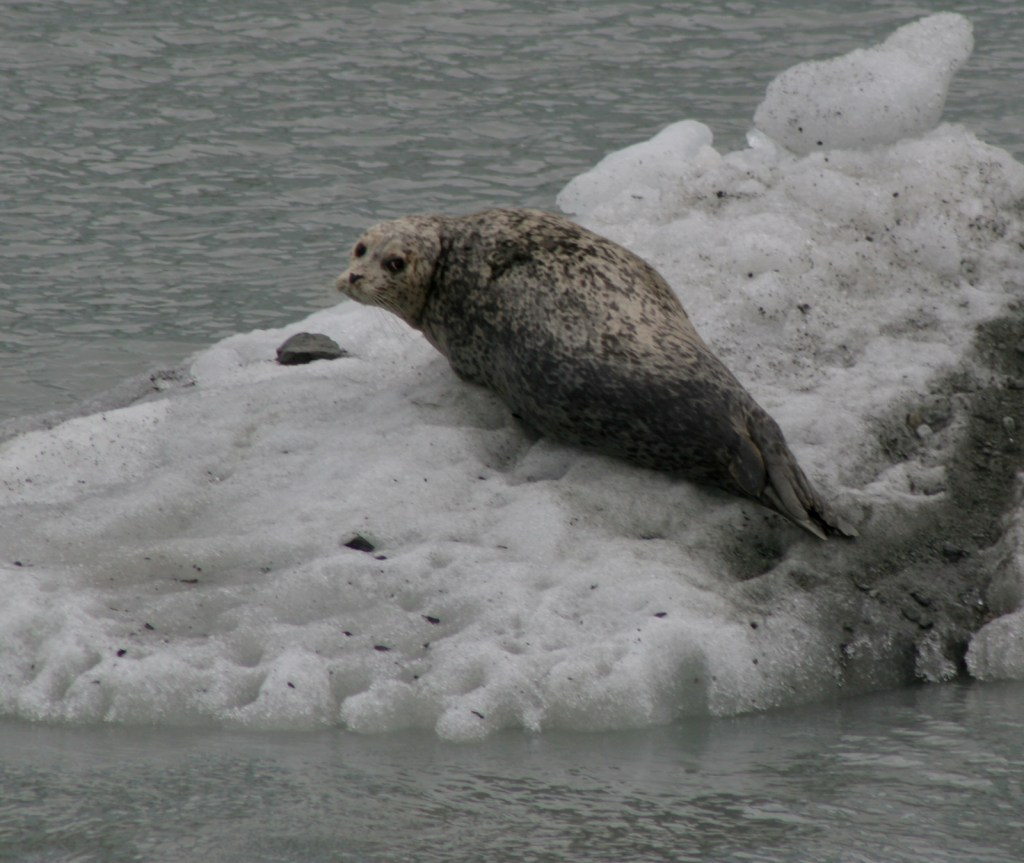
Sea otters, sea lions, harbor seals, whales, porpoises, moose, mountain goats, brown bears, black bears, bald eagles

2. Everglades (Florida)

Alligators, crocodiles, dolphins, barred owls, anhingas, roseate spoonbills, wood storks, ospreys, pelicans

…and finally our #1 National Park for watching wildlife:

1. Yellowstone (Wyoming-Montana-Idaho)

Bison, elk, moose, bighorn sheep, pronghorn, brown bears, black bears, mountain lions, gray wolves

Honorable Mentions

Voyageurs (Minnesota)

River otters, beavers, moose, white-tailed deer, black bears, gray wolves, lynx, bald eagles, loons

Channel Islands (California)

Sea otters, sea lions, harbor seals, whales, dolphins, anemones, sea urchins, starfish, sea gulls, pelicans

Dry Tortugas (Florida)

Sea turtles, parrotfish, groupers, tarpons, sharks, crocodiles, frigatebirds, noddies, boobies, terns, pelicans

Know someone who loves National Parks? Gift them our travel guidebook A Park to Yourself: Finding Solitude in America’s 63 National Parks

Blackstone River Valley National Historical Park

Overview

Roger Williams National Memorial used to be the only National Park Service (NPS) site in Rhode Island, but in 2014 Blackstone River Valley was upgraded from an affiliated National Heritage Corridor to a National Historical Park.  It commemorates the industrial revolution that changed the landscape of America during the 1800s, as well as the immigration of factory workers that changed its face.  Another NPS-affiliated point of interest in the tiny state is Touro Synagogue National Historic Site (admission charged) in Newport.

Highlights

Slater Mill Historic Site, Blackstone River State Park, Statue of Hope Fountain

Must-Do Activity

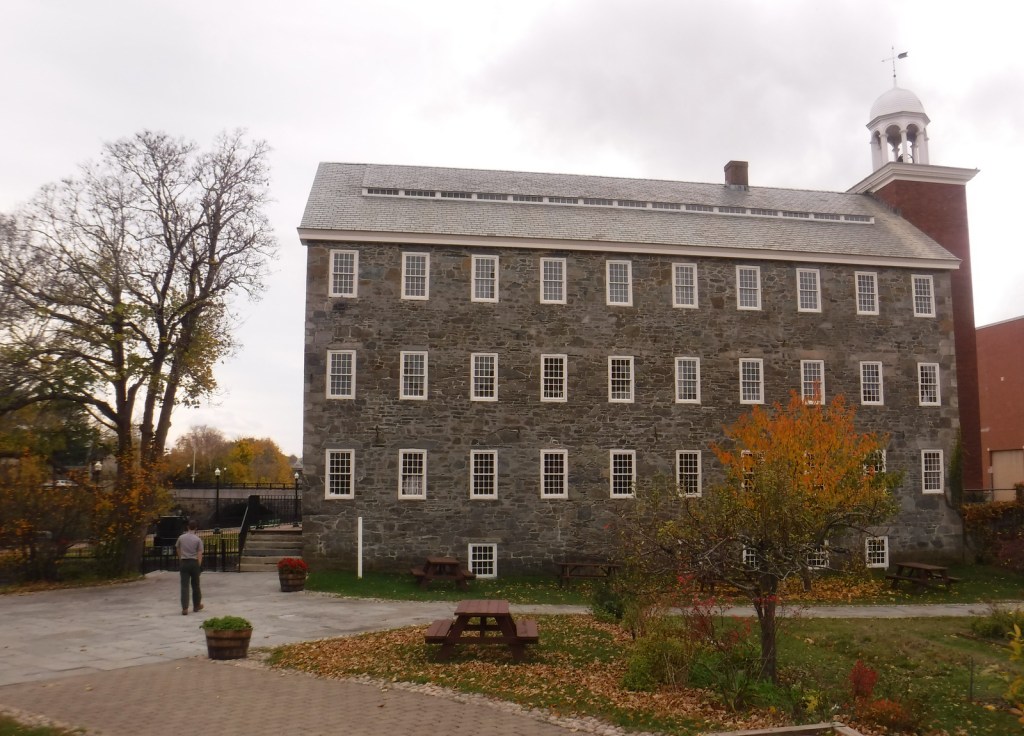
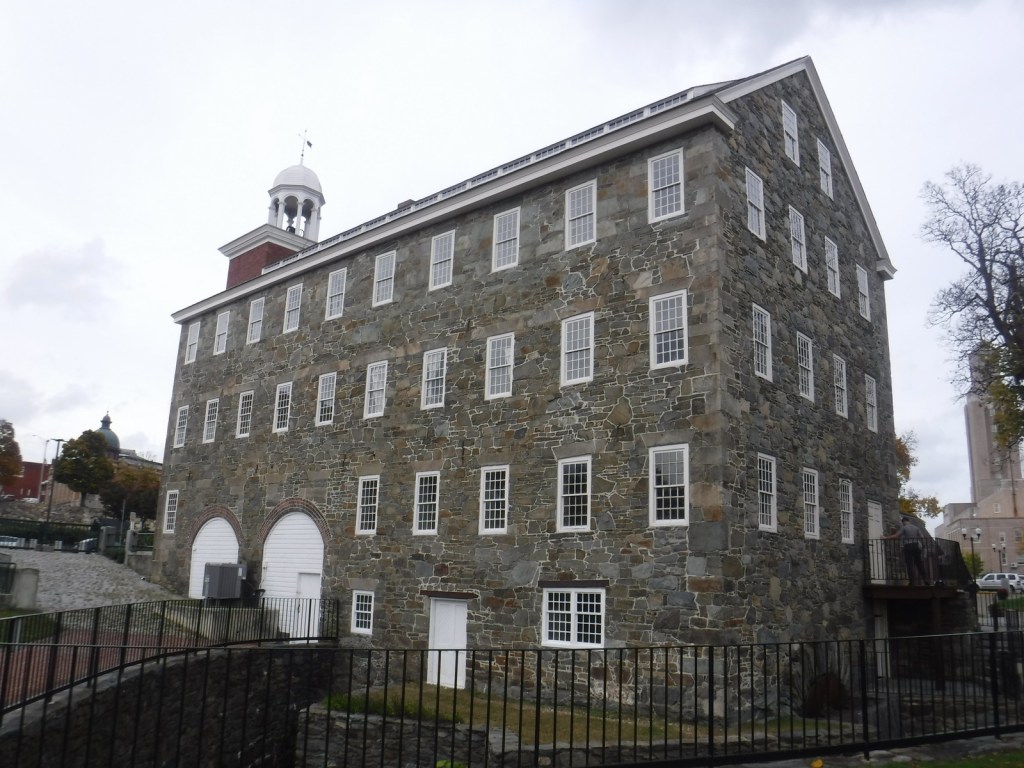
Formerly known as the John H. Chafee Blackstone River Valley National Heritage Corridor, this NPS unit remains a partnership between government agencies, non-profits, and businesses in Massachusetts and Rhode Island.  Its centerpiece is the nation’s first successful water-powered cotton-spinning factory: Slater Mill Historic Site in Pawtucket, Rhode Island, which offers free ranger-guided tours.  By 1880, this “hardest working river” was one of the most polluted in the country, but has recovered so that canoeists can float portions of its 46-mile length.

Best Trail

Blackstone River State Park has a free museum (inside the Kelly House) and a section of the canal that followed the river.  There are 3.5 miles of the 14-mile (of a planned 48) paved bikeway along the canal towpath within this Rhode Island park.  Another section of trail lies within Blackstone River and Canal Heritage State Park near River Bend Farm in Massachusetts.

Instagram-worthy Photo

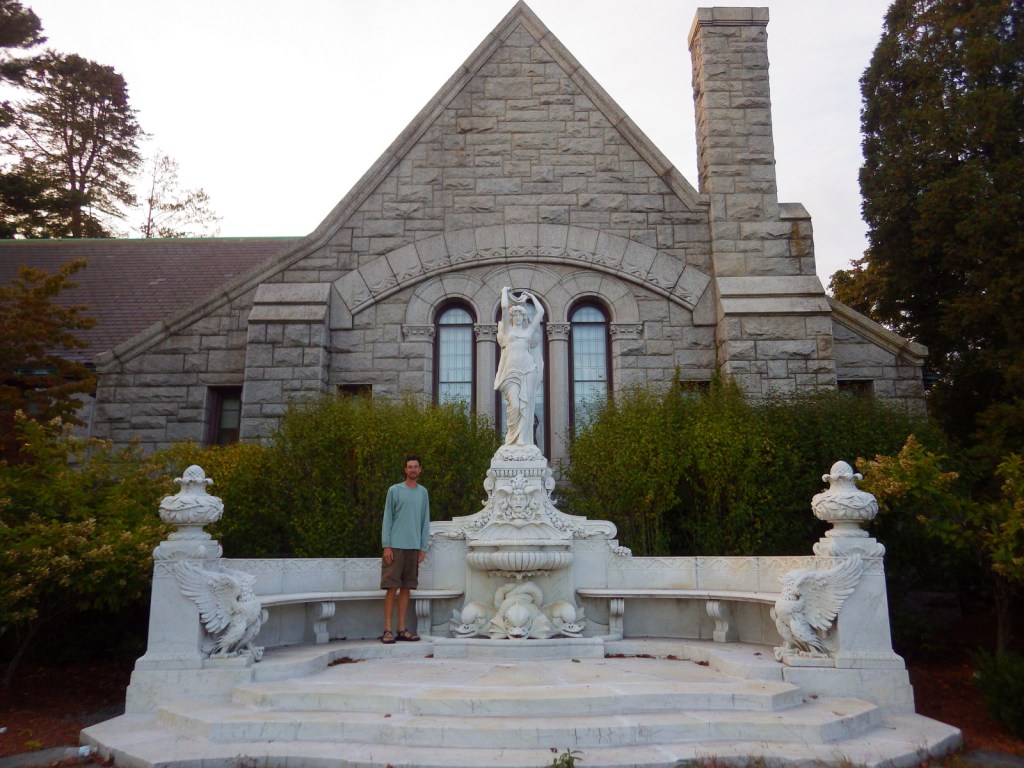
The Statue of Hope Fountain was dedicated on November 12, 1904 in the town of Hopedale, Massachusetts.  It was carved from Carrara marble by Waldo Story and was once considered the “finest drinking fountain in the United States.” We found it a little creepy looking.

Peak Season

Summer

Hours

https://www.nps.gov/blrv/planyourvisit/hours.htm

Fees

None

Road Conditions

All major roads paved

Camping

Rhode Island State Parks manages several campgrounds, including George Washington State Campground in Chepachet.

Related Sites

Roger Williams National Memorial (Rhode Island)

New Bedford Whaling National Historical Park (Massachusetts)

Lowell National Historical Park (Massachusetts)

Explore More – When did English immigrant Samuel Slater take over a failed mill to start the first successful water-powered cotton-spinning factory in America?