All posts by Raven About The Parks

Coronado National Memorial

Coronado National Memorial

Arizona

Managed by National Park Service

Established 1952

4,750 acres

Website: nps.gov/coro

Overview

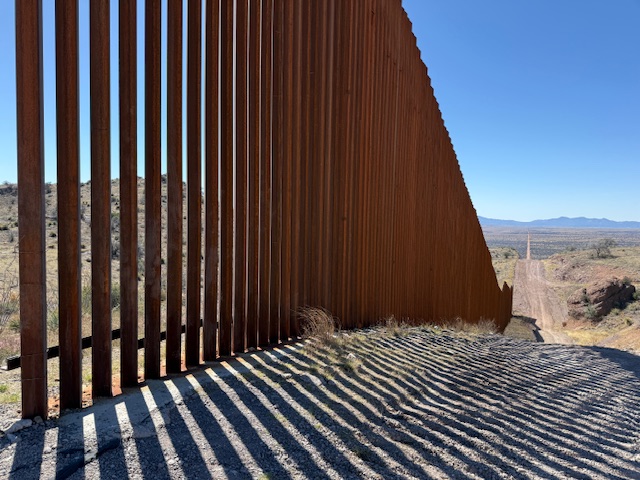
There was no international border in 1540, but this valley in southern Arizona is where Francisco Vasquez de Coronado’s expedition crossed into the U.S.A.  His Spanish army marched north in search of the Seven Cities of Cibola, discovering multiple pueblos (including Pecos) and establishing a route for missionaries to follow. 

Highlights

Coronado Cave, Montezuma Pass, Coronado Peak

Must-Do Activity

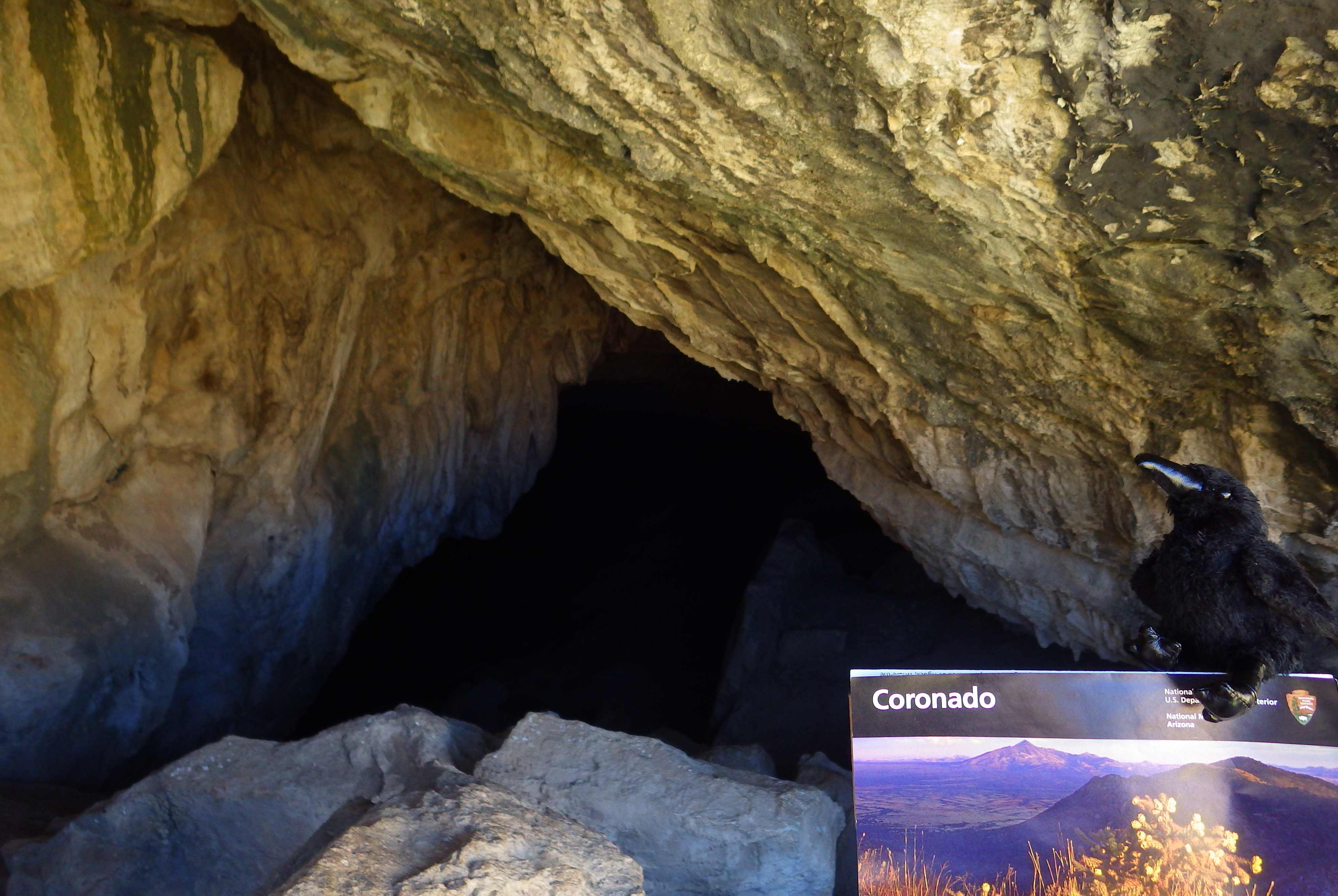
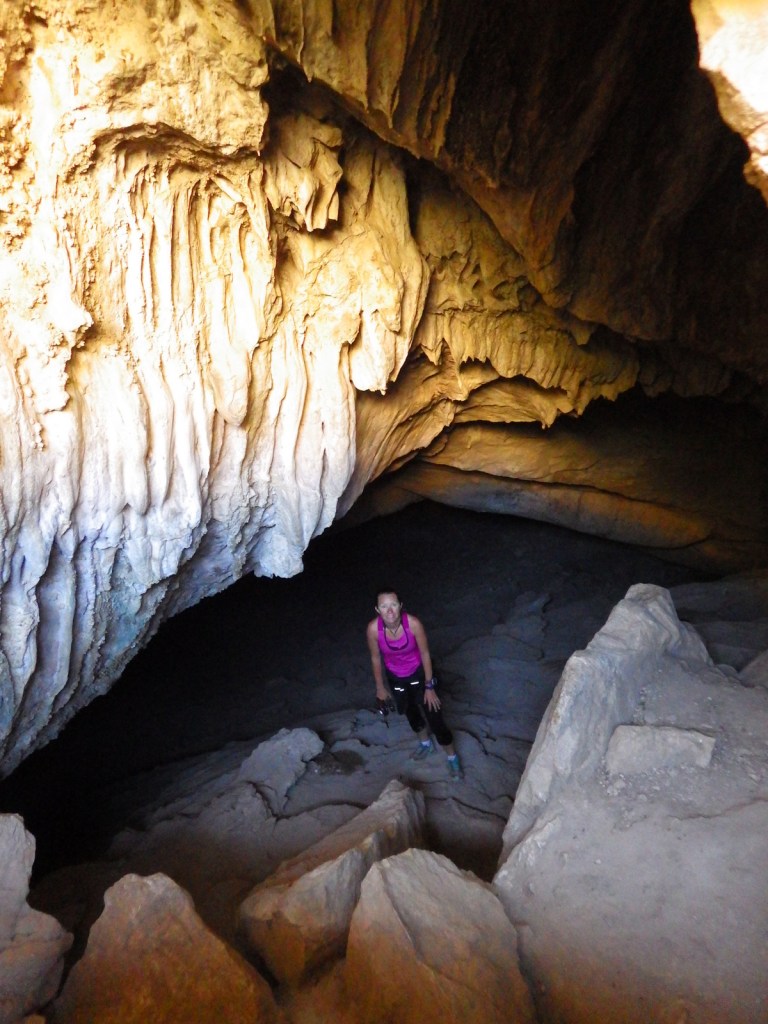
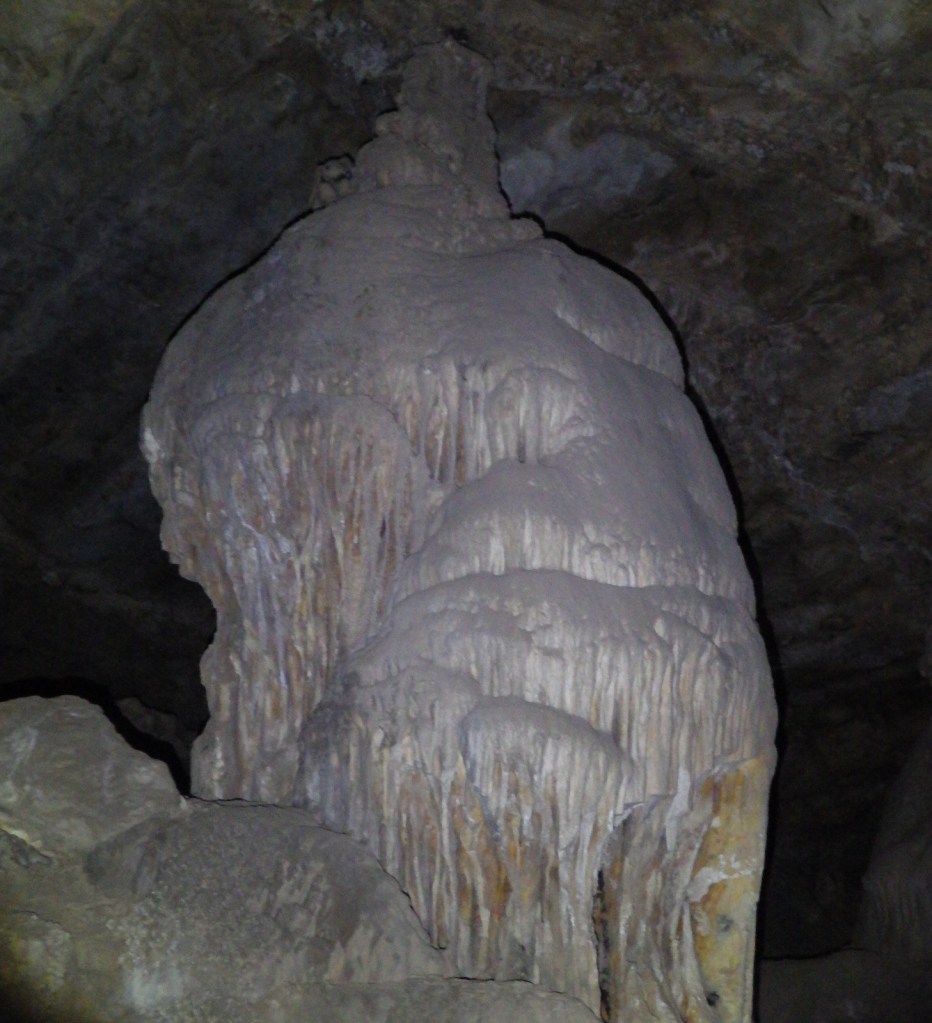
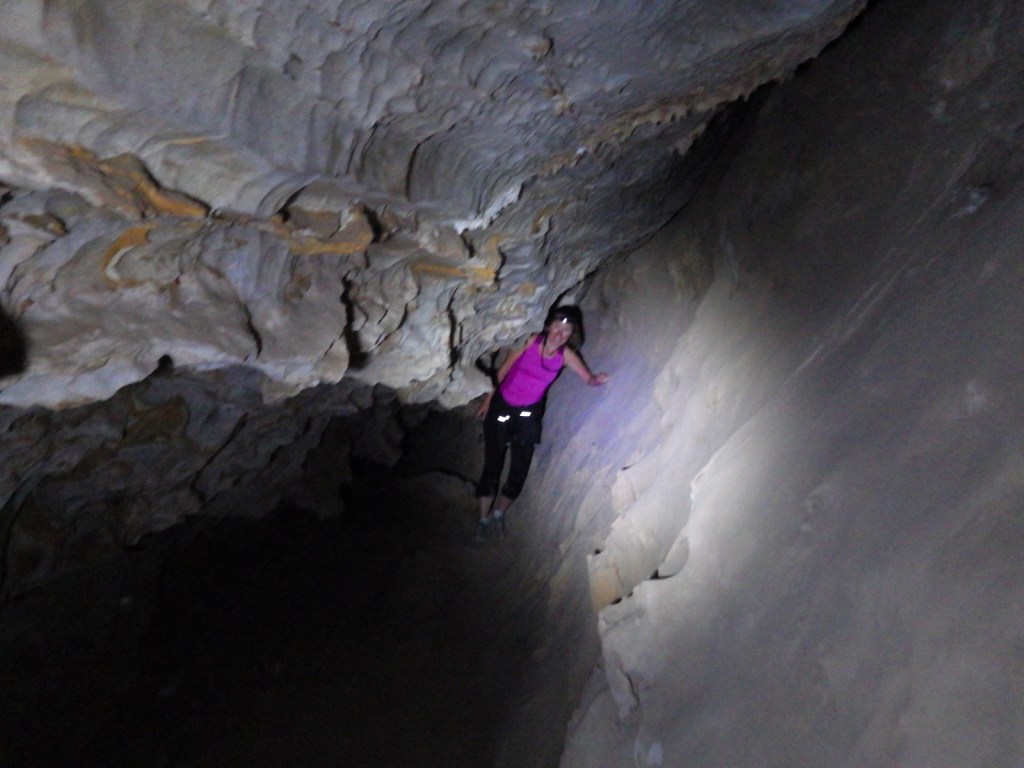
The park does not actually contain a statue or large memorial to Coronado.  It does have a steep three-quarter mile trail to a 600-foot long limestone cave bearing his name, which visitors can explore on their own with flashlights.

Best Trail

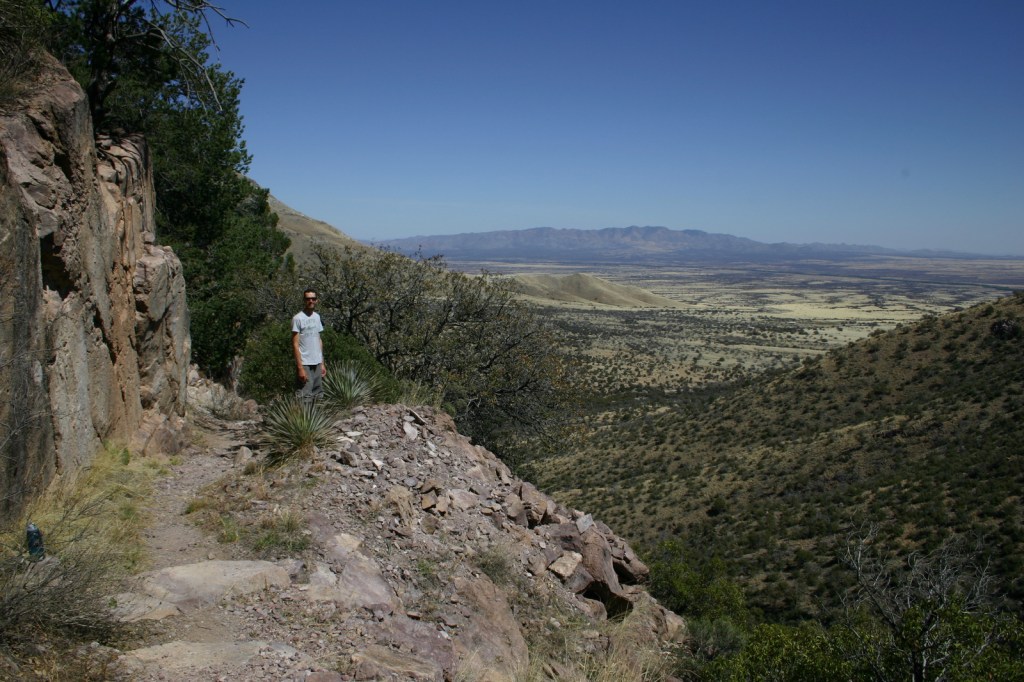
From the parking area at Montezuma Pass it is half a mile to Coronado Peak.  This “sky island” at 6,864 feet in elevation offers excellent views north towards the Huachuca Mountains in the surrounding Coronado National Forest and south into Mexico.  From there, Joe’s Canyon Trail leads 3 miles down to the visitor center and works great with a car shuttle. 

Instagram-worthy Photo

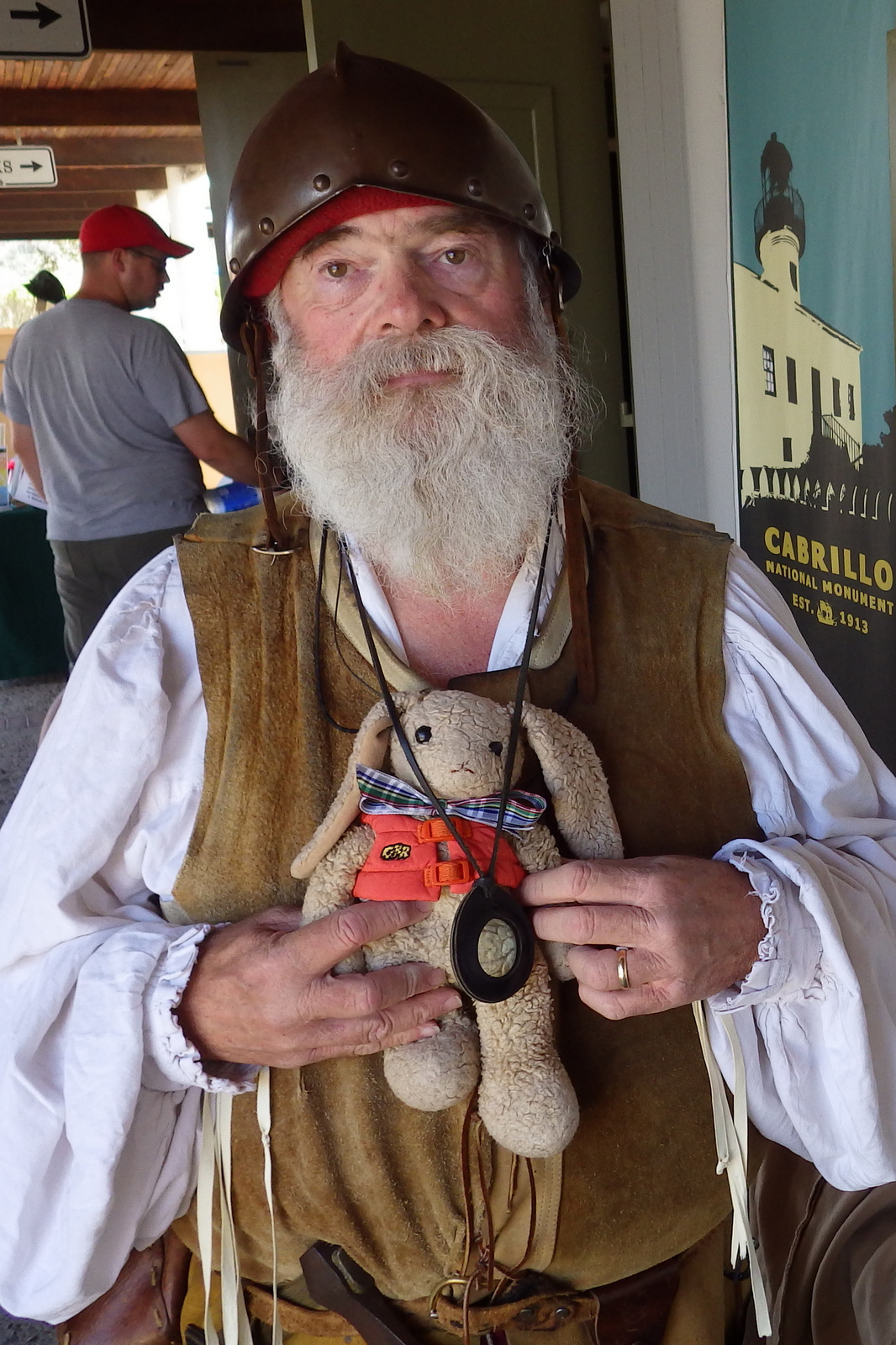
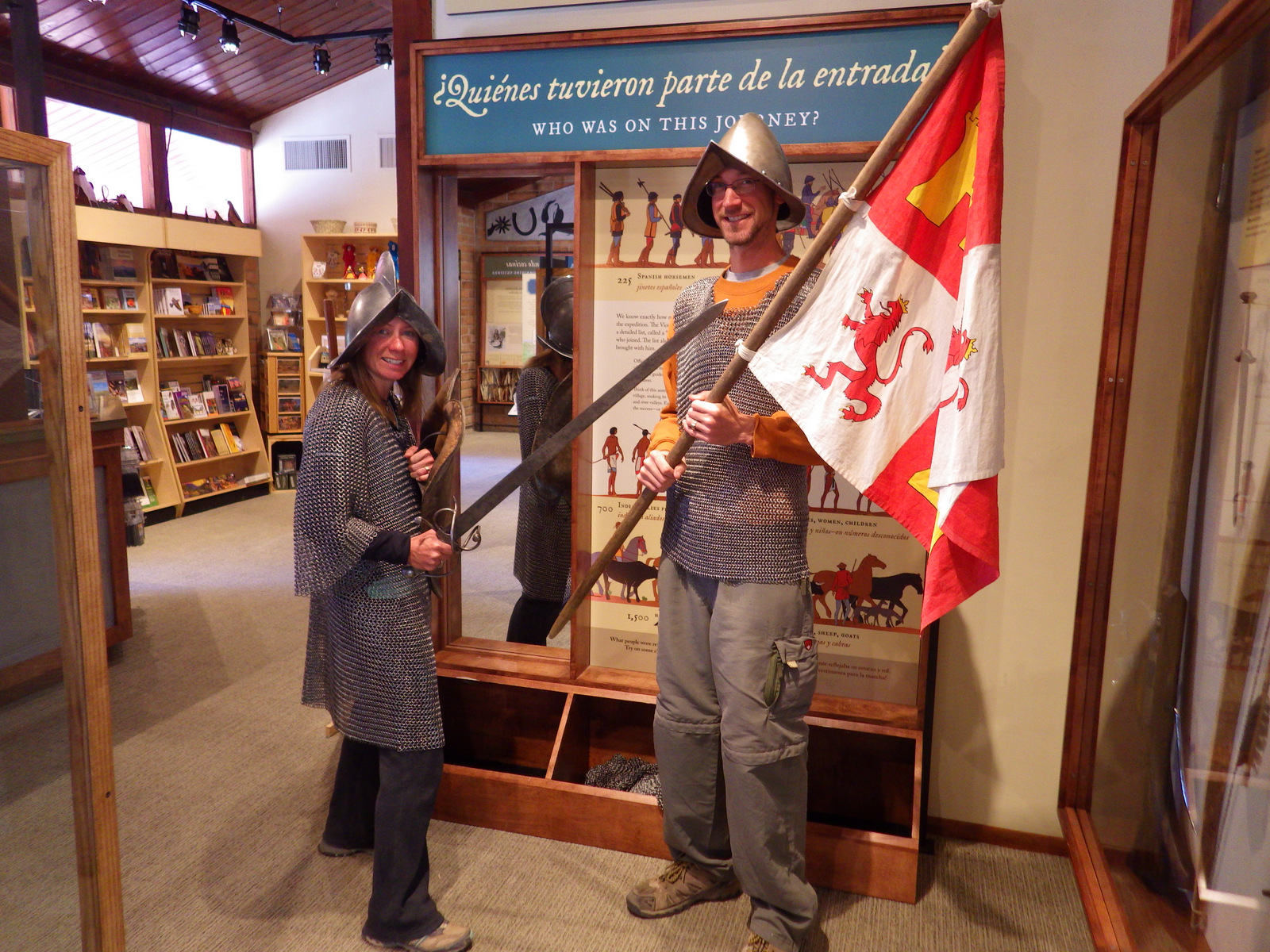
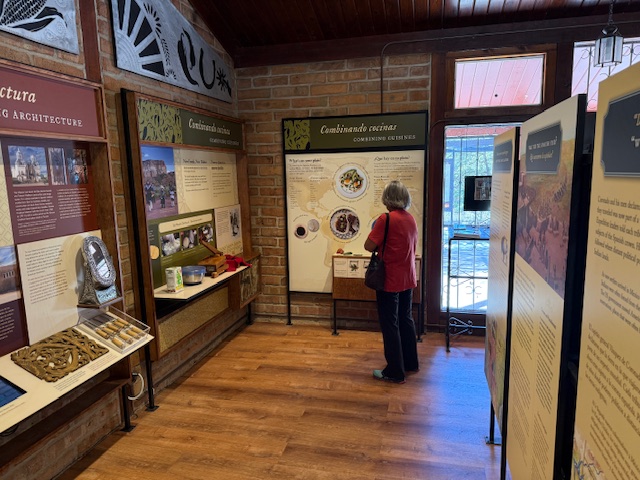
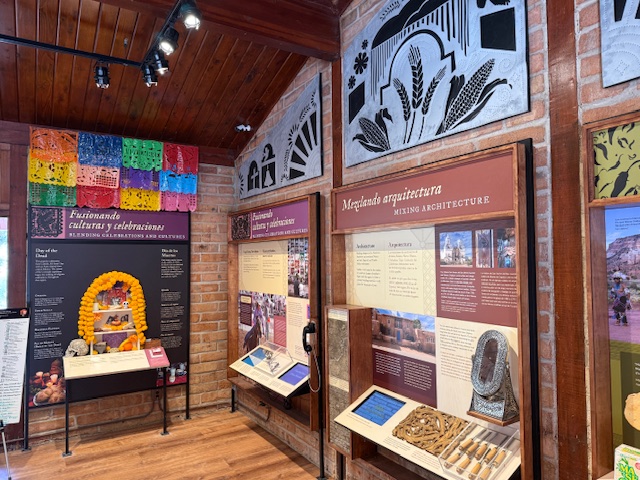
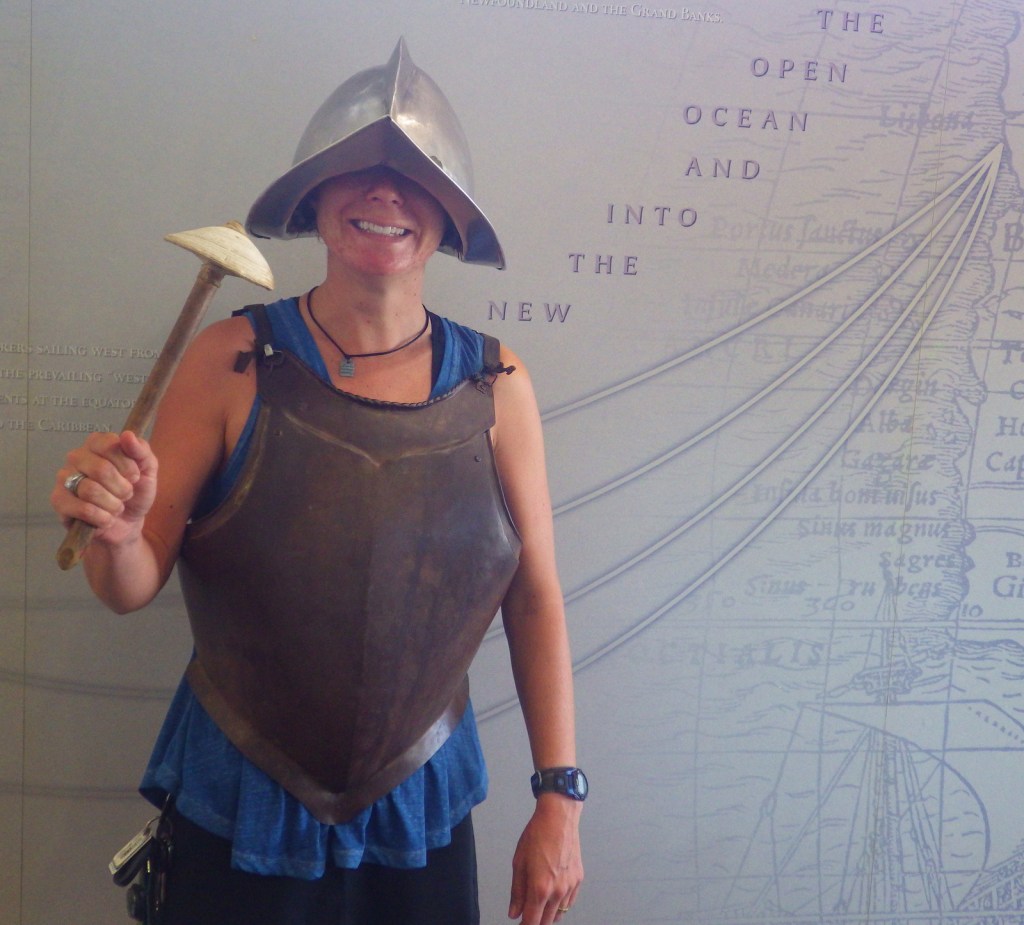
The small but educational visitor center provides information on trails, the history of the Coronado expedition, wildlife, and the “I Hike for Health” program.  Plus, you can dress up in replica Spanish Conquistador armor, which is very heavy.

Peak Season

Winter

Hours

https://www.nps.gov/coro/planyourvisit/hours.htm

Fees

None

Road Conditions

Paved to the visitor center and a good gravel road the final 2 miles up to Montezuma Pass.

Camping

Coronado National Forest surrounds the memorial’s 4,750 acres, offering both campgrounds and free dispersed camping.

Related Sites

Chiricahua National Monument (Arizona)

Fort Bowie National Historic Site (Arizona)

Coronado National Forest (Arizona)

Nearest National Park

Saguaro

Explore More – Disillusioned by not finding the Seven Cities of Cibola, in which present-day state did the Coronado expedition turn around in 1541?

De Soto National Memorial

Overview

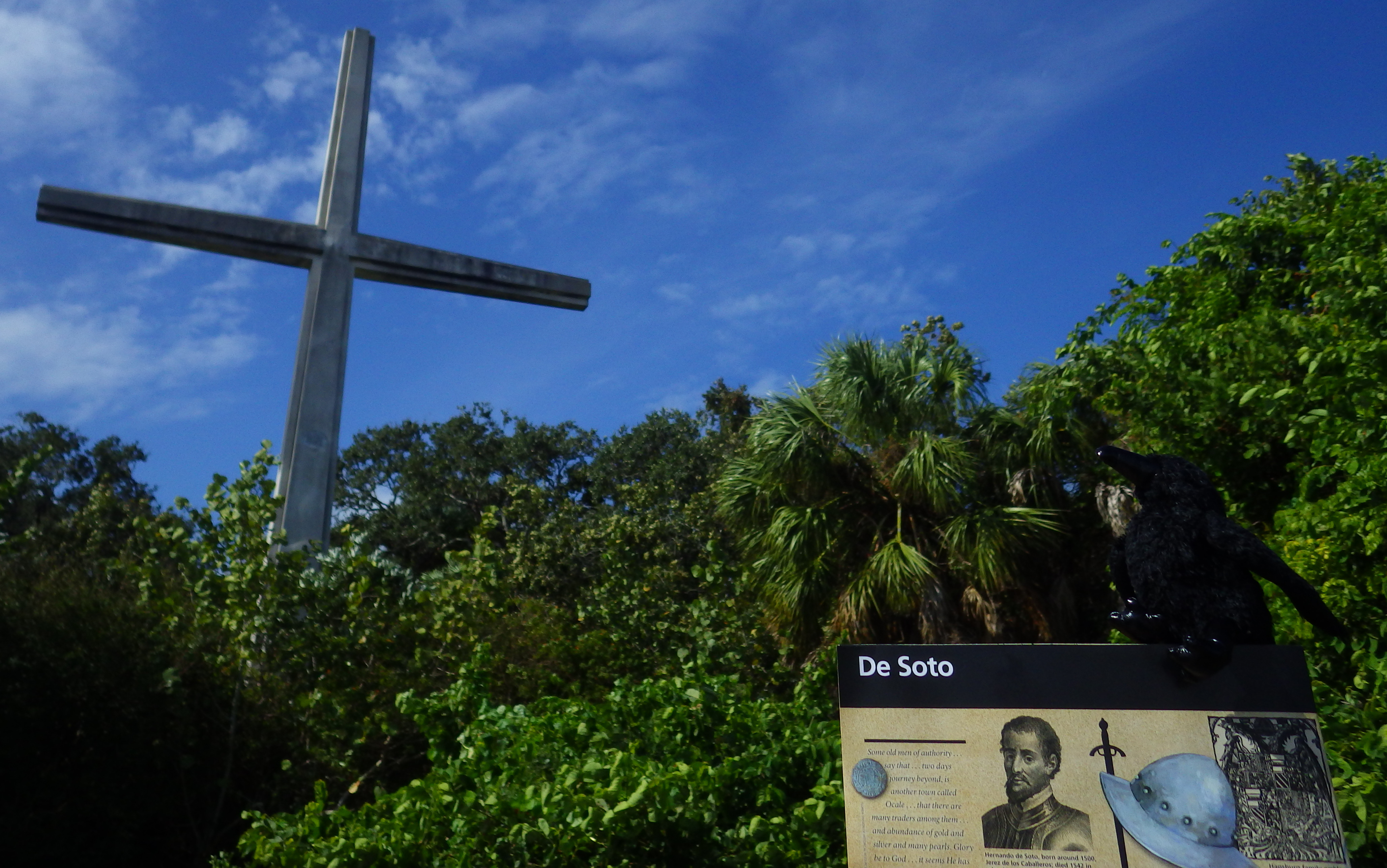
Why create a memorial to a genocidal Conquistador when he was not the first Spaniard to land in Florida?  Good question.  Juan Pónce de León and Pánfilo de Narváez had both already met their demise in this region, but that did not deter Hernando de Soto from trying again in 1539.  He did not die until three years later, after he led his soldiers all the way to the Mississippi River leaving a path of destruction in their wake.

Highlights

Camp Ucita, film, Memorial Trail, Holy Eucharist Monument

Must-Do Activity

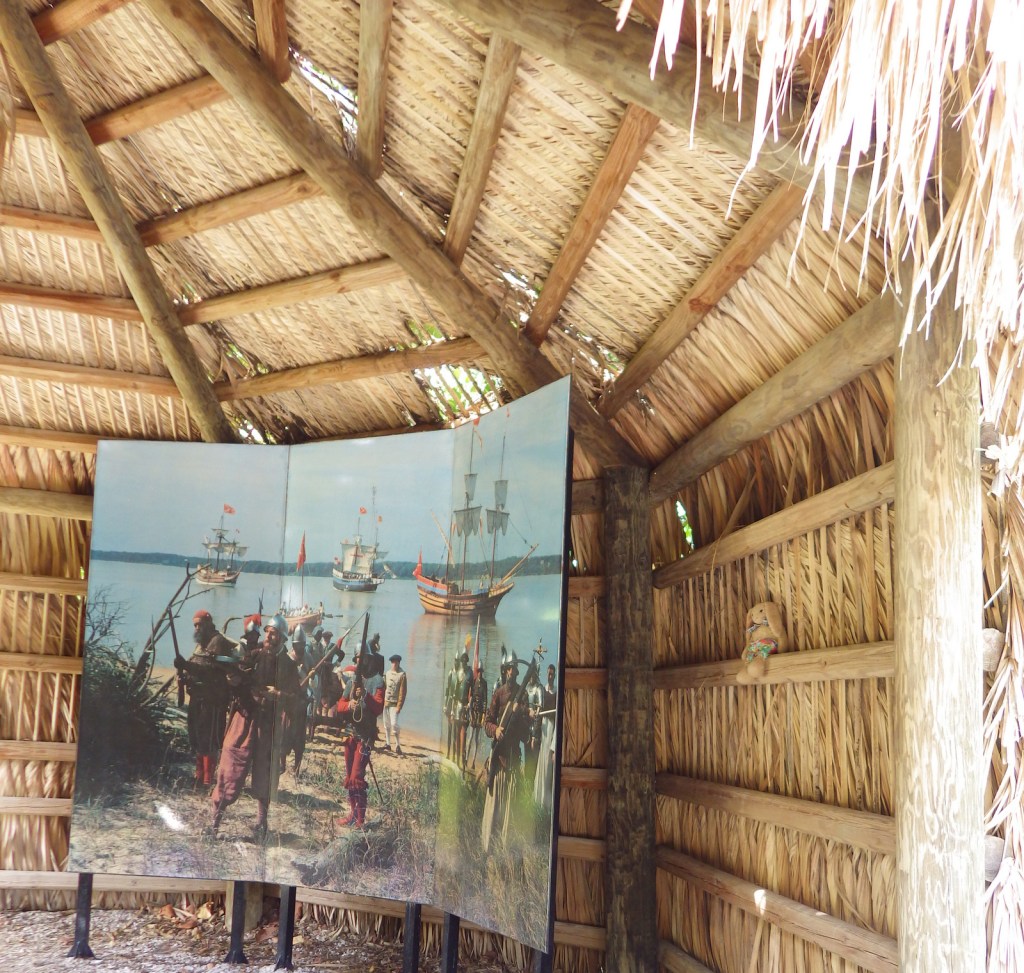
De Soto made landfall in Florida somewhere in the vicinity of modern-day Bradenton, Florida where the Manatee River reaches Tampa Bay on the Gulf of Mexico.  He left behind 100 men there in Camp Ucita, a replica of which was built on the site of the 27-acre De Soto National Memorial.  In the winter (a.k.a. touristy) months, costumed interpreters work at the replica Camp Ucita.

Best Trail

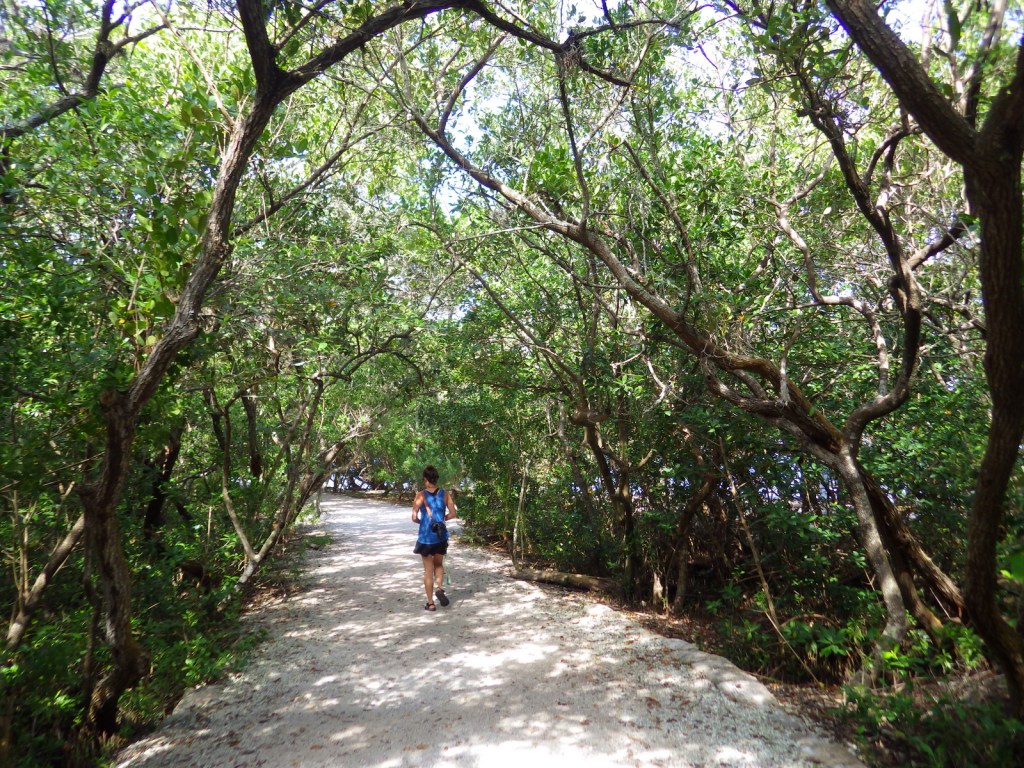
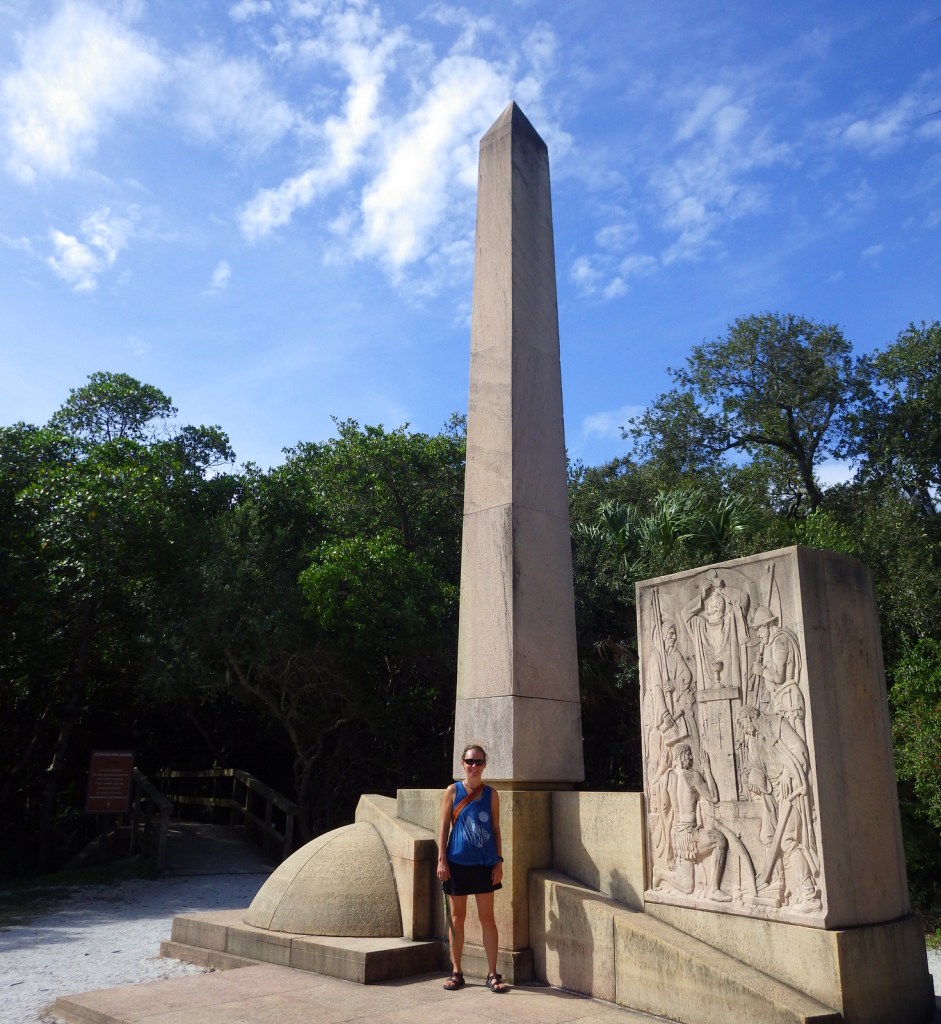
Hike the half-mile Memorial Trail through the mangroves to the Holy Eucharist Monument.  Then cool off in the air-conditioned visitor center to watch a 22-minute film on the Spanish expedition. 

Instagram-worthy Photo

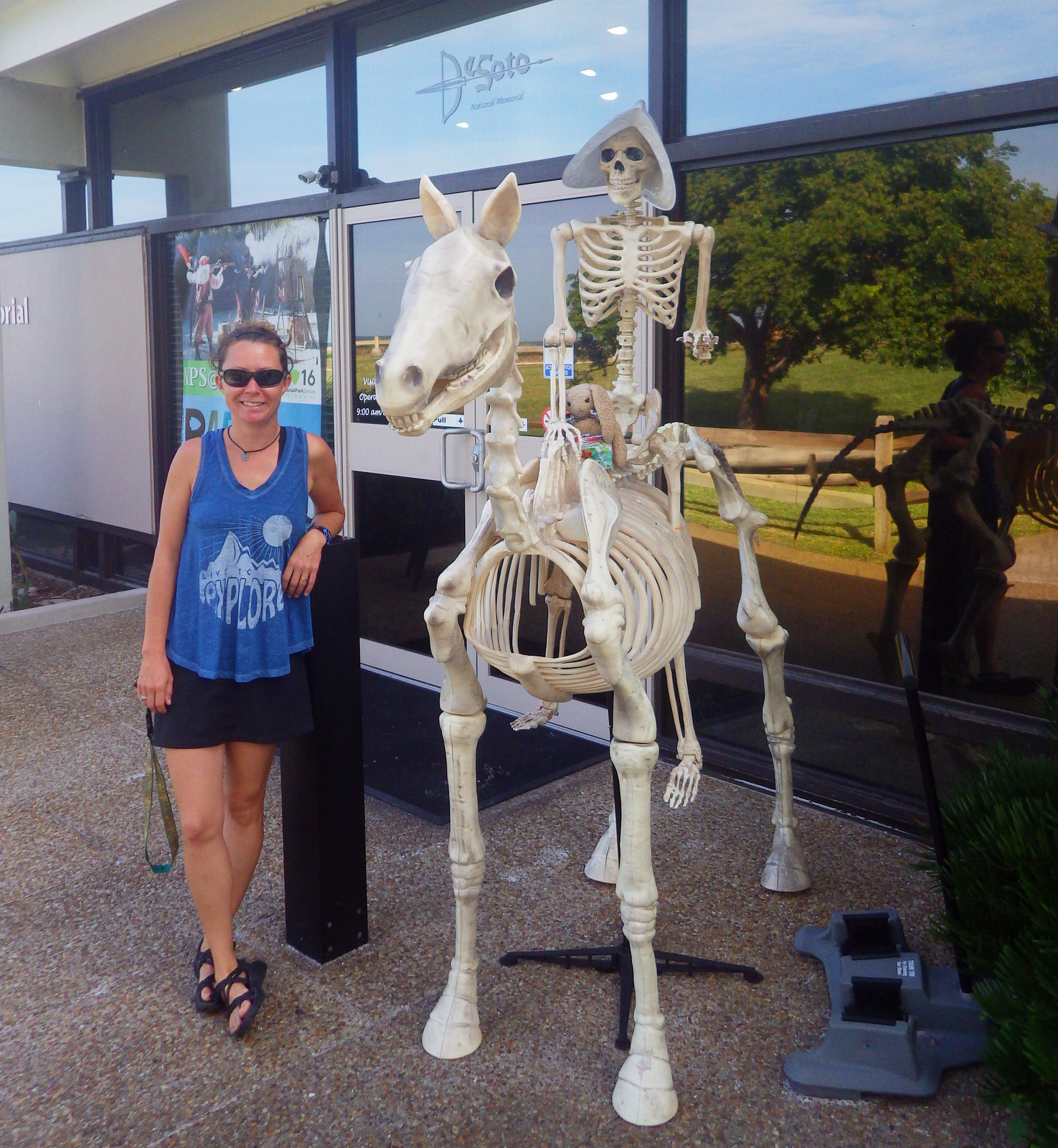
If you visit around Halloween, a scary skeleton Conquistador atop a skeleton horse will greet you at the entrance to the National Park Service visitor center.

Peak Season

Winter

Hours

https://www.nps.gov/deso/planyourvisit/hours.htm

Fees

None

Road Conditions

A paved road leads through a residential neighborhood to the visitor center, so watch out for dog walkers and joggers on the road and trail.

Camping

Myakka River State Park is southeast of Bradenton (where private campgrounds are also available).

Explore More – The Spaniards brought many diseases to the indigenous peoples, but the introduction of which domesticated animal had the longest lasting ecological impact?
Sequoia National Park

Overview

In 1890, Sequoia became the second National Park in the United States in order to protect its famous groves of giant sequoia trees, not to be mistaken for California’s coast redwoods.  The park’s hub in the Giant Forest contains the General Sherman tree, the largest by volume in the world.  Most of the park is in the High Sierra and includes Mount Whitney, the highest point in the contiguous U.S. at 14,505 feet. 

Highlights

General Sherman Tree, Moro Rock, Crystal Cave, Mt. Whitney

Must-Do Activity

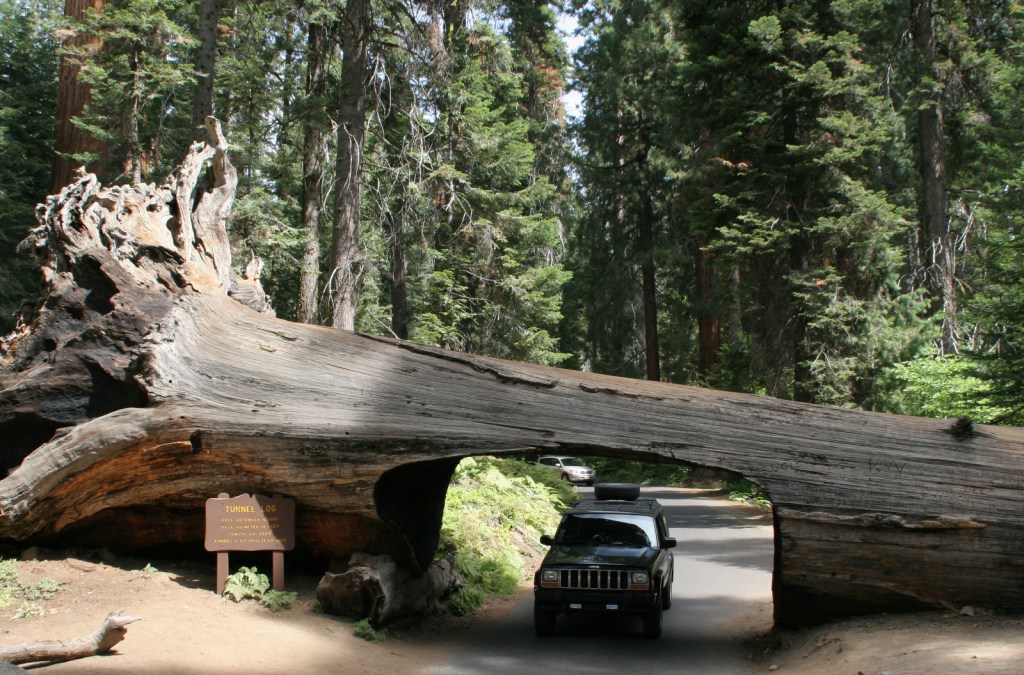
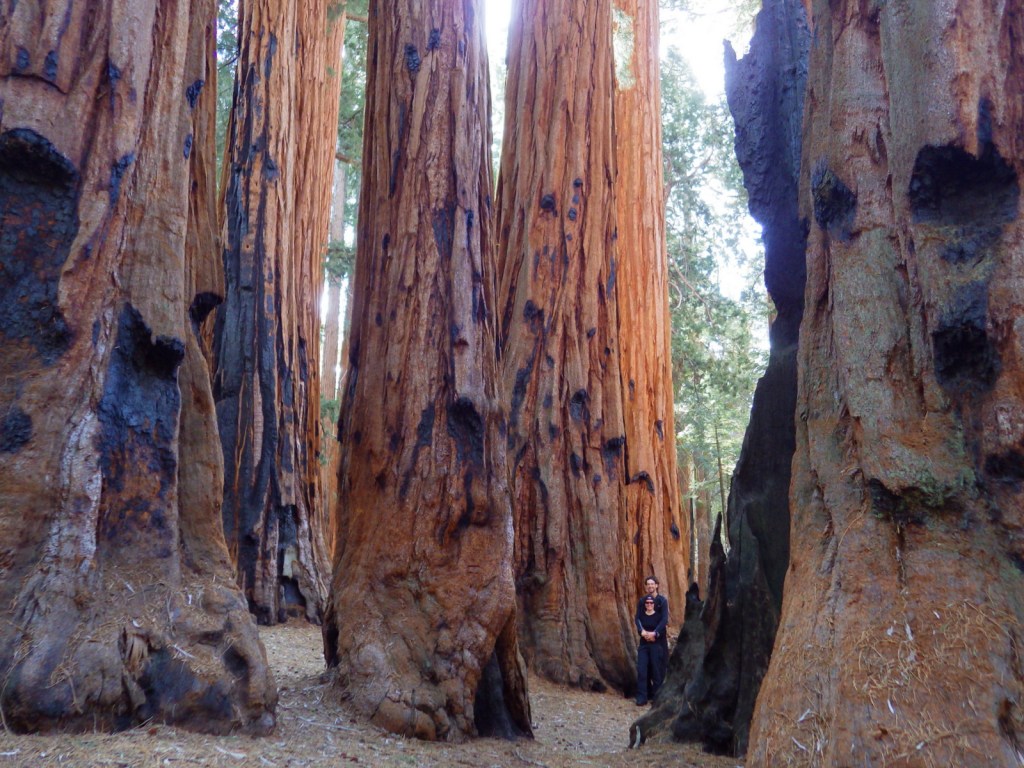
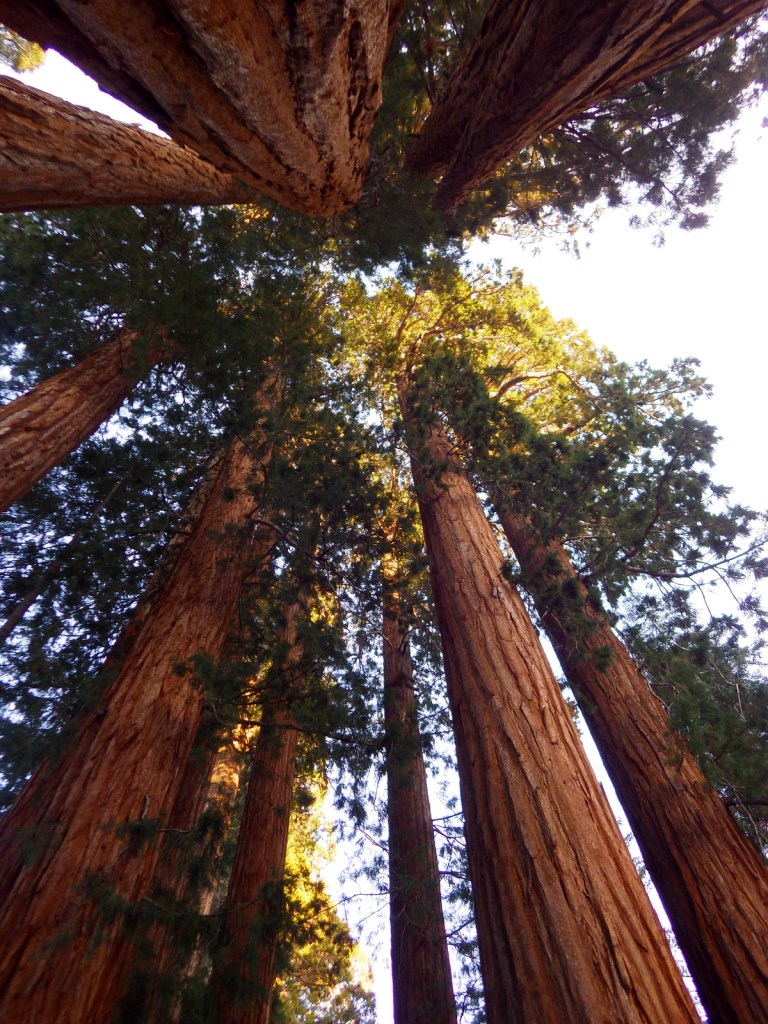
The remarkable giant sequoia tree can live over 2,000 years, reach three hundred feet in height, and grow the largest wood volume of any single-stemmed tree on the planet.  They are only found in 75 protected groves scattered throughout California’s Sierra Nevadas.  Bring your whole family to see how many people it takes arms linked to reach around the base of one of these massive trees.  With circumferences reaching over 100 feet, you are going to need a big family! 

Best Trail

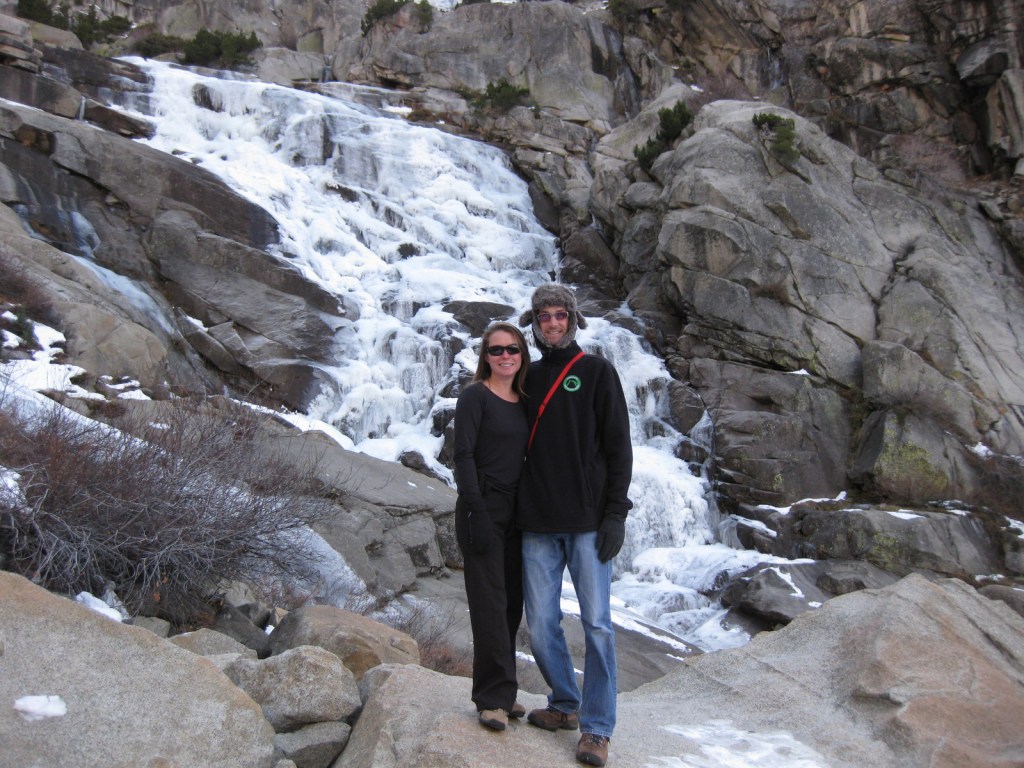
Crescent Trail starts near the General Sherman tree, winds up the hill, and then connects with the Trail of the Sequoias, which passes the dense clusters of the Senate and House Groups.  It is especially nice when there is snow on the ground.

Instagram-worthy Photo

Any time of year is great to visit, but the winter is perhaps the prettiest as the snow contrasts nicely with the orange bark of the giant sequoia trees.

Peak Season

Summer due to the high elevation

Hours

https://www.nps.gov/seki/planyourvisit/hours.htm

Fees

$35 per vehicle or America The Beautiful pass

Road Conditions

Roads are paved, but steep, winding, and narrow.  The rough Mineral King Road is closed in winter.

Camping

There are several large campgrounds near the Giant Forest, as well as two on the rough road to the remote Mineral King section of the park.  All backcountry camping requires a permit and is on a quota system during the summer.


This design we created to celebrate Sequoia National Park is available on a variety of products at Cafe Press and Amazon.

Explore More – Why do park rangers recommend you wrap your car with chicken wire when you visit Mineral King?

Sitka National Historical Park

Overview

Sitka National Historical Park offers a good introduction to the Russian and native influences on this region, as well as a forested trail past beautifully carved totem poles.  Created in 1910, it was the first National Park Service (NPS) site in Alaska, nearly 50 years before statehood.

Highlights

1843 Russian Bishop’s House, Russian Orthodox cathedral, totem poles

Must-Do Activity

Two miles of trails wind through the spruce forest passing more than a dozen totem poles and the site of Kiks.ádi Fort where the 1804 battle took place between Russian fur traders and the native Tlingit community.  To further experience the Tlingit culture, attend a traditional dance at Shee’tka Kwaan Naa Kahidi Community House. 

Best Trail

The adventurous can summit 3,354 foot Mount Verstovia for unsurpassed views of the harbor and the mountainous heart of Baranof Island.  This steep route takes all day, starting with numerous switchbacks before the trail disappears and scrambling over rocks to the top.  Also scenic, Indian River Trail is a flatter alternative.

Instagram-worthy Photo

Jagged peaks and tiny forested islands make Sitka the most beautiful spot in Southeast Alaska.  Bald eagles abound in trees around the town’s quiet boat docks, while the volcanic cone of Mount Edgecumbe sits zen-like off to the west. 

Peak Season

Summer

Hours

https://www.nps.gov/sitk/planyourvisit/hours.htm

Fees

None

Road Conditions

There are no roads to Sitka, so you have to take an airplane, cruise ship, or ferry.  The main road on Baranof Island is paved and it is less than a mile walk to access the NPS visitor center from downtown.

Camping

Campsites are available at Blue Lake down a dirt road east of town in Tongass National Forest or at Old Sitka State Historic Park near the ferry terminal.

Explore More – When did the official transfer of Alaska from Russia to the U.S.A. take place on Castle Hill in Sitka (then known as New Archangel)?

Top 10 National Parks for Dispersed Backcountry Camping

These National Park Service units do not require you to camp in a designated site, so much the better for privacy and quiet.  These are our 10 favorite spots to go backpacking and commune with nature in the backcountry.  Remember to practice Leave No Trace principles.

10. Appalachian National Scenic Trail (Georgia to Maine)

With the exception of some National and State Parks, camping is dispersed along the A.T.

9. Wrangell-St. Elias National Park and Preserve (Alaska)

Most parks in Alaska offer dispersed camping and this is the largest of all National Parks.

8. Buffalo National River (Arkansas)

While floating downstream, you can pull your boat to the shore and set up wherever you like.

7. Wind Cave National Park (South Dakota)

Bison will be your only companions on the prairies and forests above the caverns.

6. Mount Rainier National Park (Washington)

This park has designated sites along its trails, but you can also get an off-trail permit by zone.

5. Sequoia National Park (California)

Much of this park has designated campsites, but the Mineral King section does not.

4. Badlands National Park (South Dakota)

Incredible views can be found in Conata Basin and other free backcountry areas.

3. Death Valley National Park (California)

It is a hike to the Panamint Dunes, but you will likely have the place to yourself.

2. Cape Lookout National Seashore (North Carolina)

Take a ferry to these barrier islands and set up on the beautiful sandy beaches.

…and finally our #1 National Park for dispersed backcountry camping!

1. Great Sand Dunes National Park and Preserve (Colorado)

A free permit allows you to set up camp anywhere in the dune field not visible from the road.

Honorable Mention

Ozark National Scenic Riverways (Missouri)

Find the perfect spot along the shores of the Jack’s Fork or Current Rivers