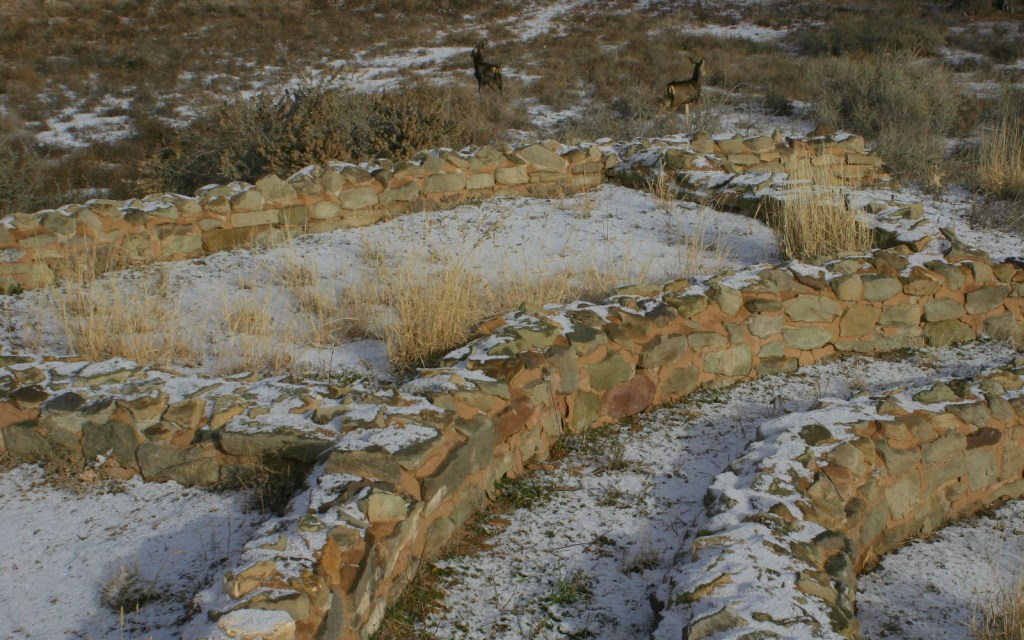
Tag Archives: wildlife

Wind Cave National Park

Overview

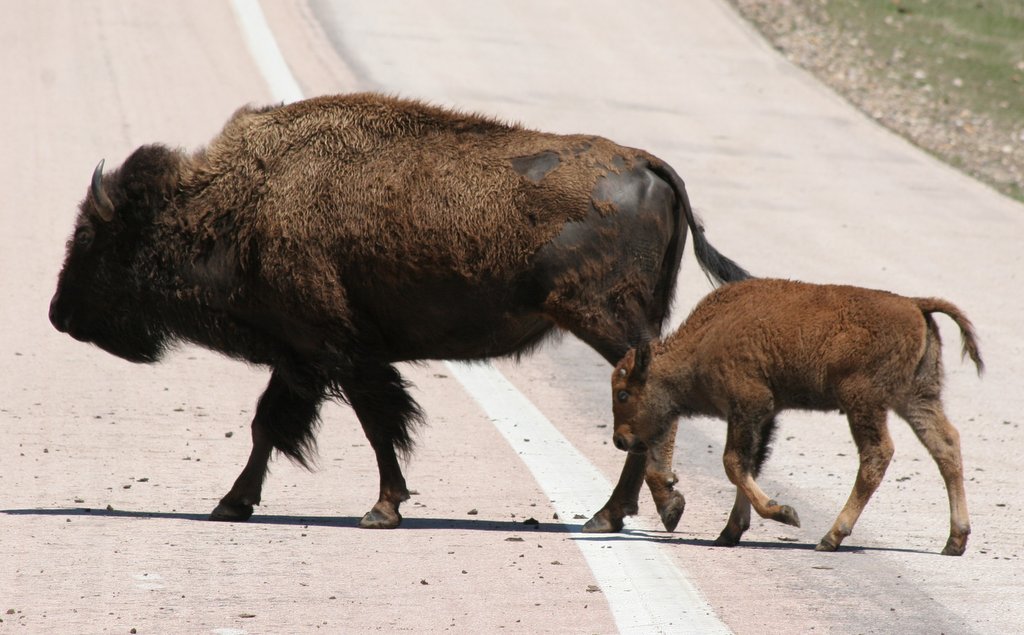
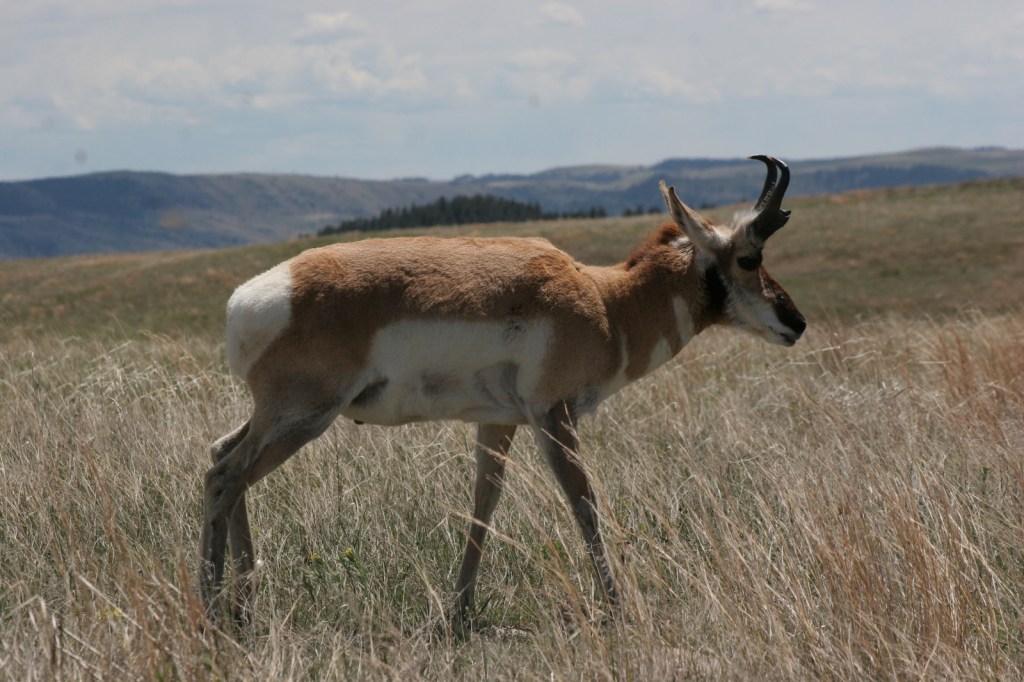
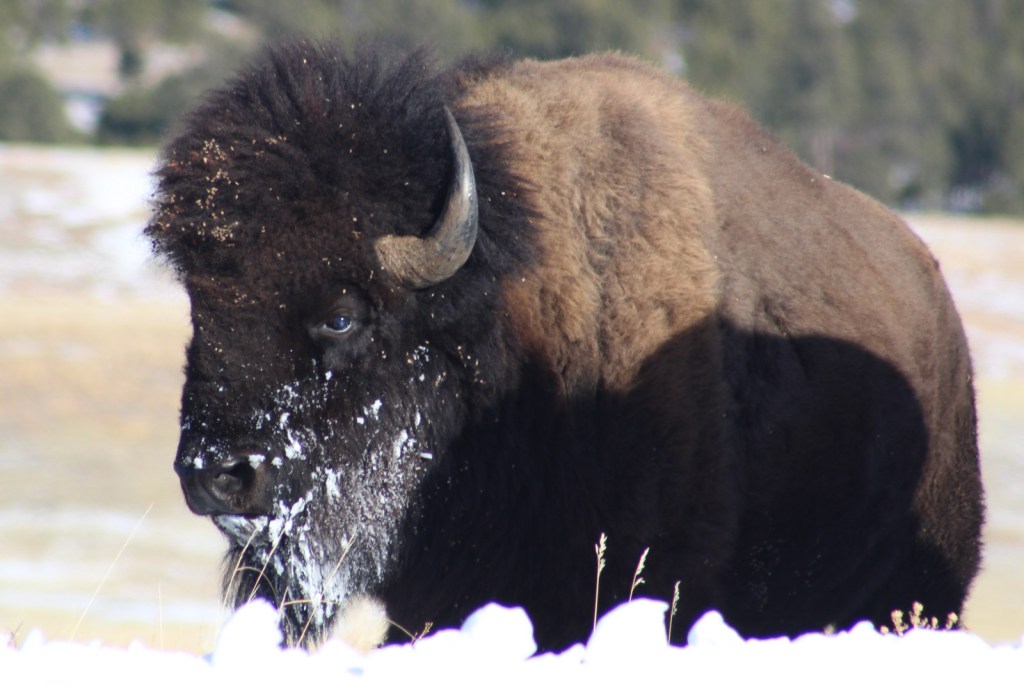
The seventh-longest mapped cave in the world, Wind Cave was discovered in 1881 by Black Hills settlers who noticed a whistling sound coming from its narrow natural entrance.  It was named a national park in 1903 and is famous for its boxwork calcite formations.  The National Park has a herd of approximately 400 bison, in addition to pronghorns, prairie dogs, turkeys, coyotes, white-tailed deer, and elk.

Learn more in our guidebook A Park to Yourself: Finding Adventure in America’s National Parks (available on Amazon).

Highlights

Museum, cave tours, Rankin Ridge lookout tower, Highland Creek Trail, wildlife

Must-Do Activity

The interior of Wind Cave is a constant 53°F, so bring a jacket if you sign up for one of several tours.  For first-timers we recommend the Natural Entrance Tour, which involves entering a vapor lock revolving door and stair steps, not squeezing through the actual tiny natural entrance.  On the Candlelight Tour you carry lightweight metal candle-lanterns, just like 19th-century tourists.  It is only offered in the summer and explores an unlit section of the cave, but no cameras are allowed due to the open flames. 

Best Trail

There are several good trails that traverse the prairie and canyons that can be connected in a variety of loops.  We enjoy backpacking (free permit required) on Highland Creek Trail, where we always see bison.

Instagram-worthy Photo

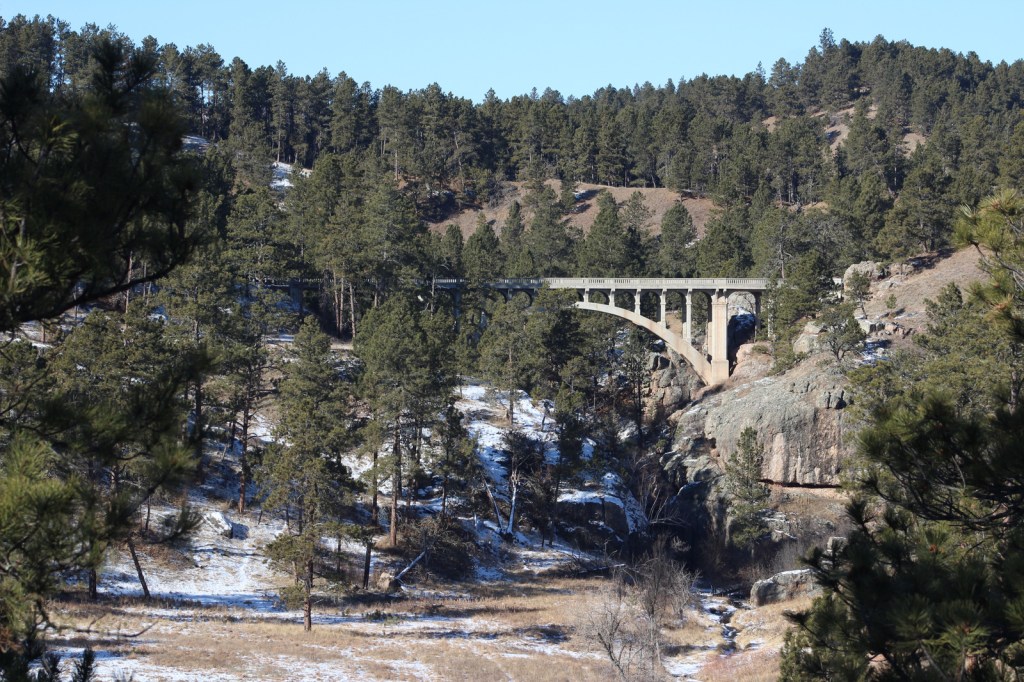
We have always loved the view of this bridge on Highway 87 over Beaver Creek.  There is also a wooden trestle “Pigtail Bridge” further down the road.
Peak Season

Summer

Hours

https://www.nps.gov/wica/planyourvisit/hours.htm

Fees

None for entry, but $12 per person for each cave tour ($30 for Wild Cave)

Road Conditions

The main roads are paved, but bison are most commonly spotted along Road 5, a graded dirt road through the scenic eastern section of the park bordering Custer State Park (admission fee).

Camping

The NPS runs Elk Mountain Campground or you can backpack camp with a free permit from the visitor center.  The surrounding Black Hills National Forest offers campgrounds and dispersed camping.

Related Sites

Jewel Cave National Monument (South Dakota)

Mount Rushmore National Memorial (South Dakota)

Badlands National Park (South Dakota)
This design we created to celebrate Wind Cave National Park is available on a variety of products at Cafe Press and Amazon.

Explore More – Wind Cave contains what percentage of the boxwork calcite formations discovered in the entire world?

We are a participant in the Amazon Services LLC Associates Program, an affiliate advertising program designed to provide a means for us to earn fees by linking to Amazon.com and affiliated sites.
Joshua Tree National Park

Overview

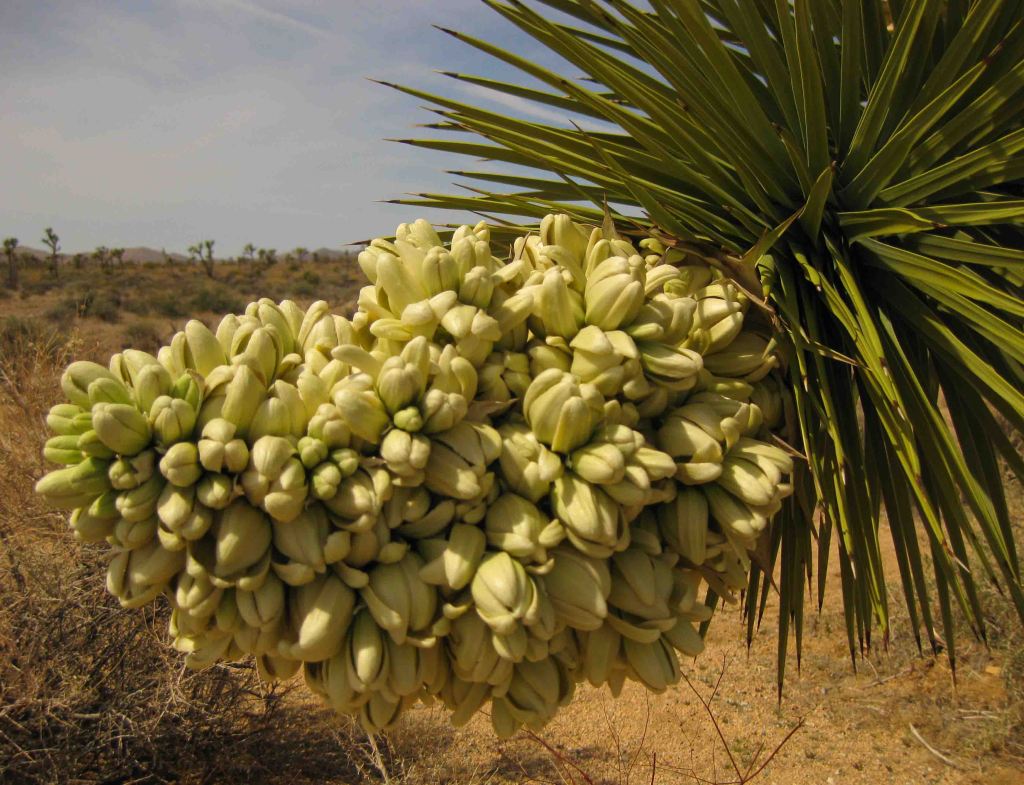
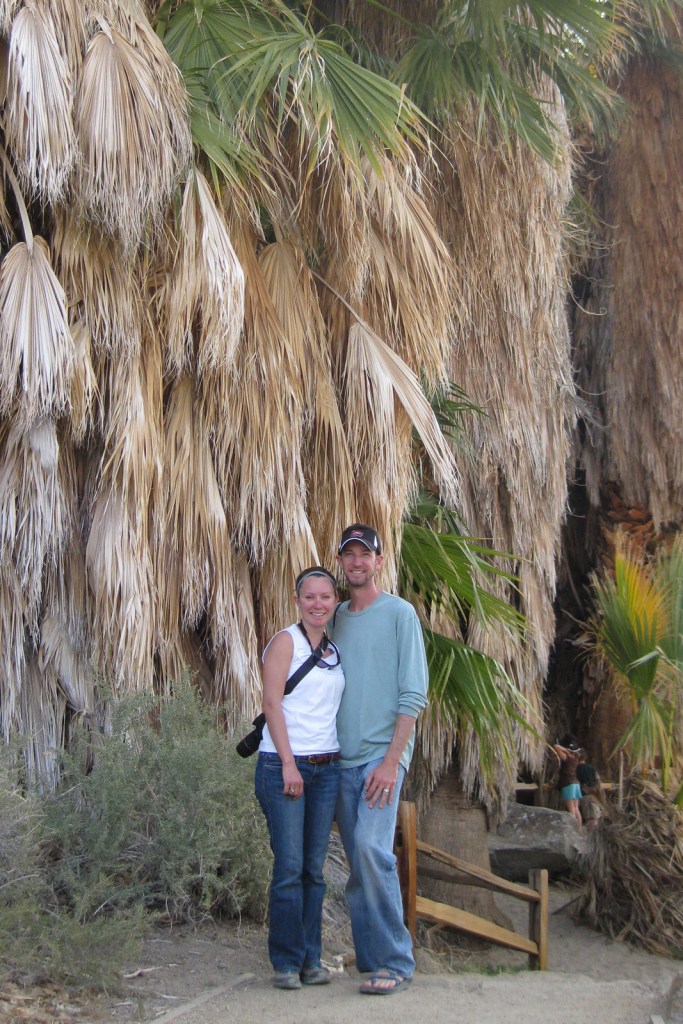
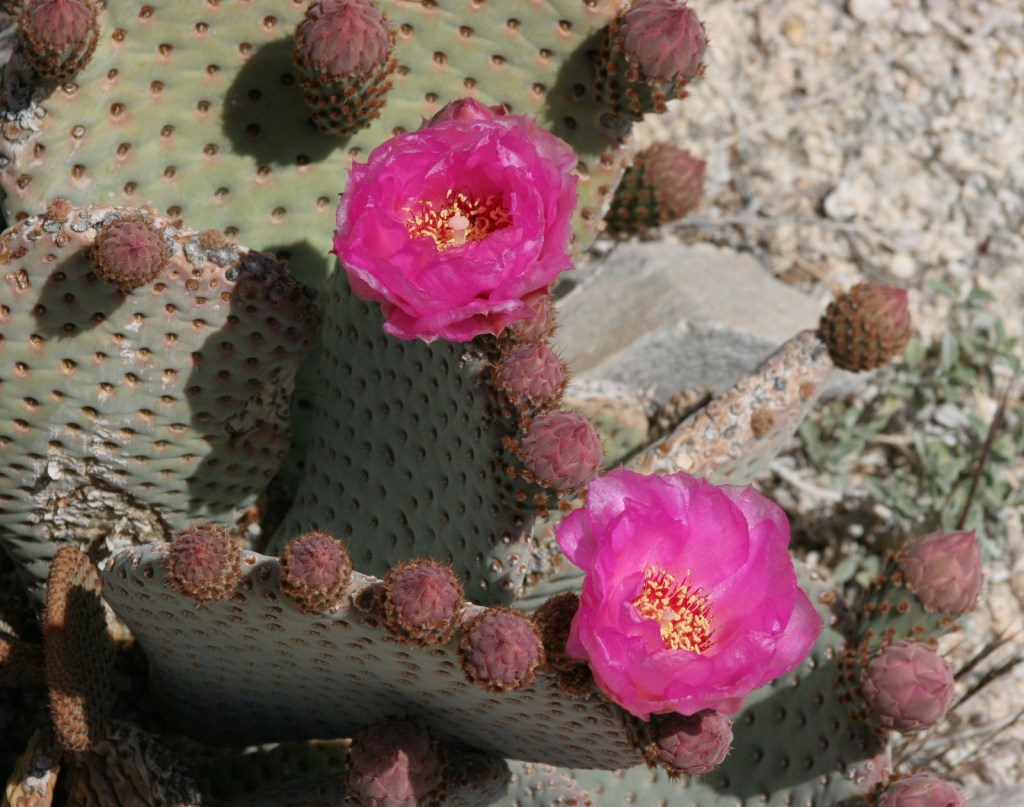
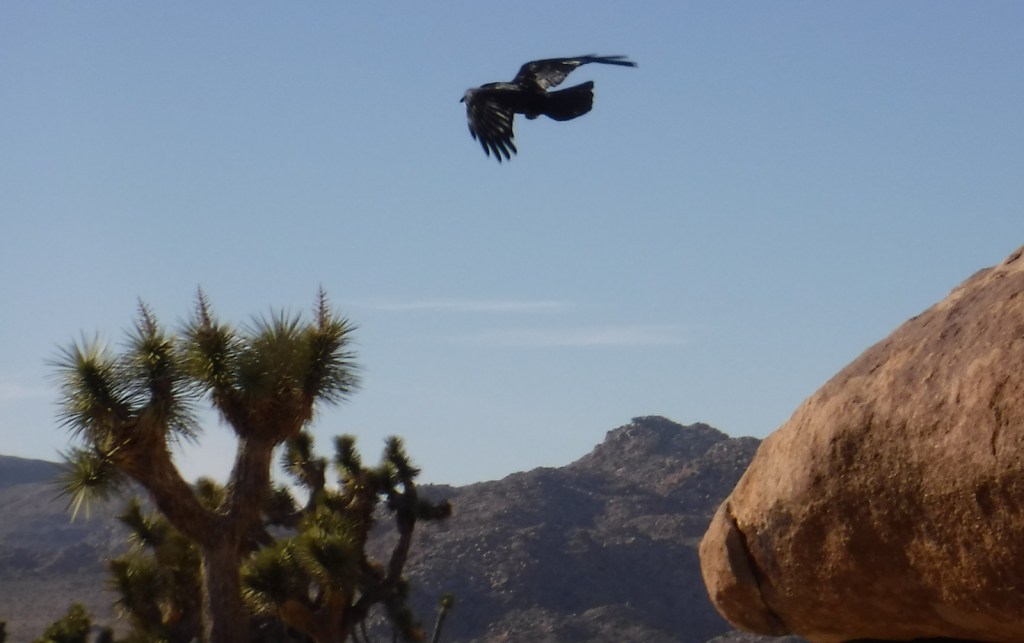
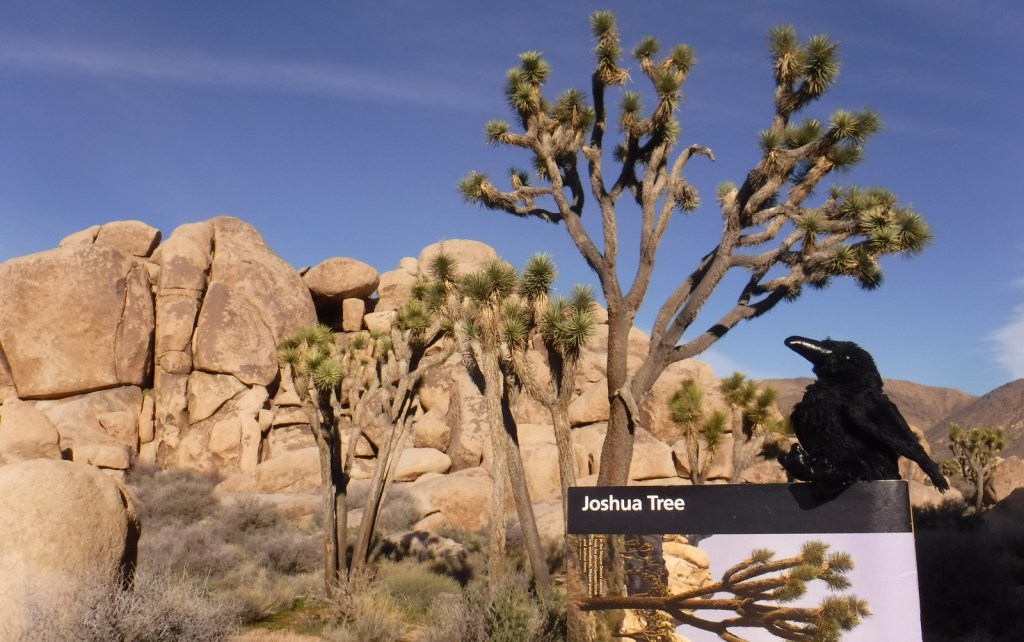
This National Park in southern California is named for a tall yucca plant that grows there in large numbers, but it also contains many other interesting desert life forms and neat rock formations.  In the less-developed southern portion of the park, be sure to stop at the palm trees at Cottonwood Spring, Cholla Cactus Garden, and Ocotillo Patch to learn more about how these unique plants have adapted to survive the harsh desert conditions. 

Learn more in our guidebook to the 62 National Parks, A Park to Yourself: Finding Adventure in America’s National Parks (available on Amazon).

Highlights

Jumbo Rocks, Keys View, Arch Rock, Cottonwood Spring, rock climbing

Must-Do Activity

Due to its proximity to Los Angeles, the park gets very busy on Easter weekend (in addition to Thanksgiving weekend).  Campgrounds, like scenic Jumbo Rocks, fill up early.  Other than rock climbing opportunities, the biggest attraction is the myriad of colorful wildflowers that bloom in the spring (including the Joshua trees).

Best Trail

There are many fun hiking options located throughout the park (which are detailed in our guidebook).  At White Tank Campground you can pick up the Arch Rock Nature Trail, which forms a short loop that passes an interesting arch.

Instagram-worthy Photo

Chuckwallas are huge lizards that can grow up to 18 inches long and are related to iguanas.  Chuckwallas can inflate themselves as a defense mechanism so that predators cannot remove them from narrow cracks in the rock. 

Peak Season

Spring and fall

Hours

https://www.nps.gov/jotr/planyourvisit/hours.htm

Fees

$30 per vehicle or America the Beautiful pass

Road Conditions

All major roads are paved, but there are many dirt roads to explore with the right vehicle.

Camping

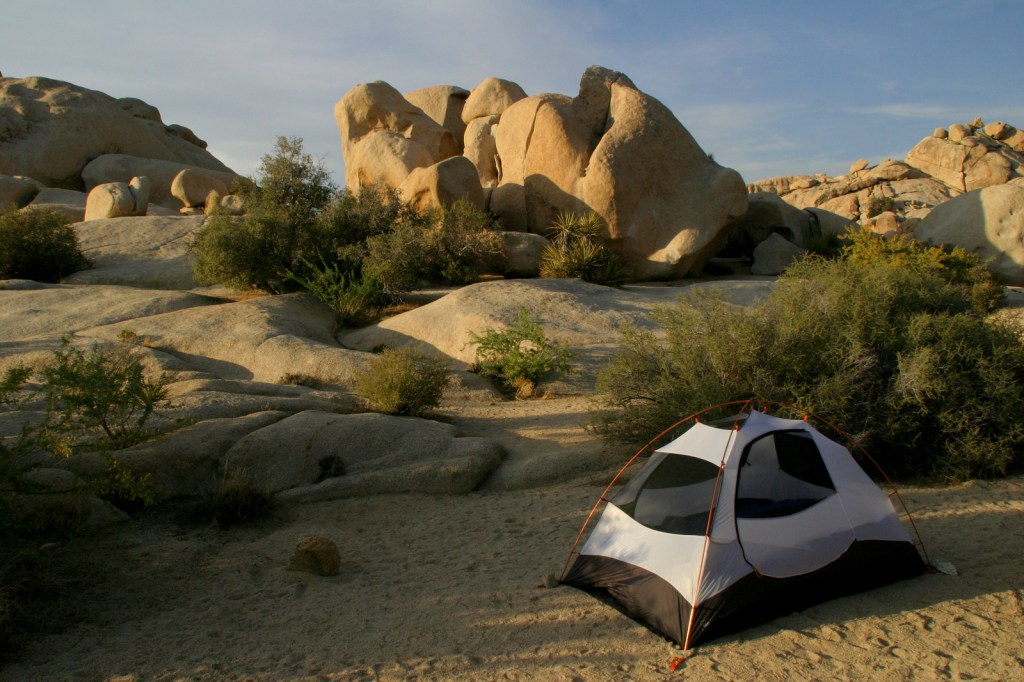
There are numerous NPS campgrounds located throughout the park, and some take reservations.  The scenic Jumbo Rocks Campground is popular with rock climbers.

Related Sites

Death Valley National Park (California)

Mojave National Preserve (California)

Castle Mountains National Monument (California)

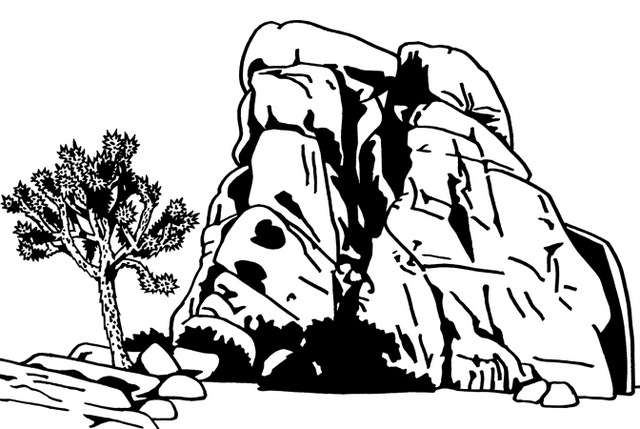
This design we created to celebrate Joshua Tree National Park is available on a variety of products at Cafe Press and Amazon.

Explore More – How tall can Joshua trees grow?

We are a participant in the Amazon Services LLC Associates Program, an affiliate advertising program designed to provide a means for us to earn fees by linking to Amazon.com and affiliated sites.

Big Cypress National Preserve

Overview

Big Cypress National Preserve was originally planned to be a part of Everglades National Park (established in 1947), but this wild area to the north did not gain federal protection until 1974.  There are few roads and trails in the 729,000-acre preserve, which makes it ideal habitat for the endangered Florida panther.  The easiest access points are along Alligator Alley (Interstate 75) or the Tamiami Trail (Highway 41).  While many of the “trails” require route-finding and slogging through deep water, there are also designated ATV and canoe trails located throughout the park.

Highlights

Kirby Storter Roadside Park, Big Cypress Bend Trail, canoeing

Must-Do Activity

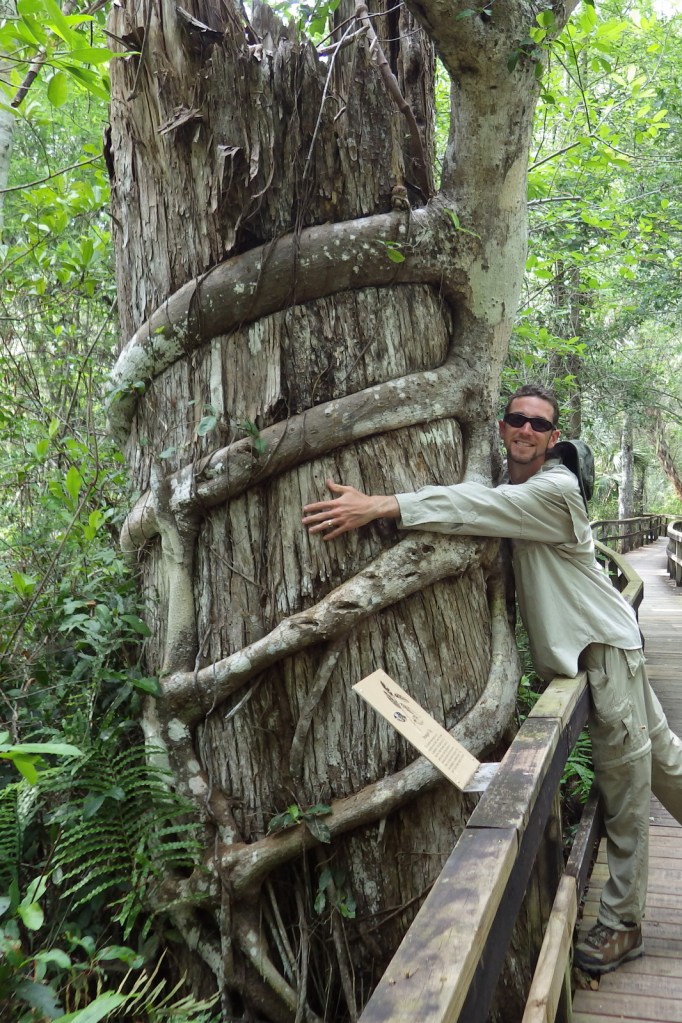
Many of the baldcypress and pond cypress trees that once stood here were logged in the 1930s and 1940s.  At the Kirby Storter Roadside Park, you can still see some large examples of these trees famous for their buttressed boles and root nodules, or “knees,” that stand above the high water level.  We previously reported on these unique deciduous conifers at Congaree National Park in South Carolina, but here they grow right alongside tall palm trees that we typically associate with sandy beaches. 

Best Trail

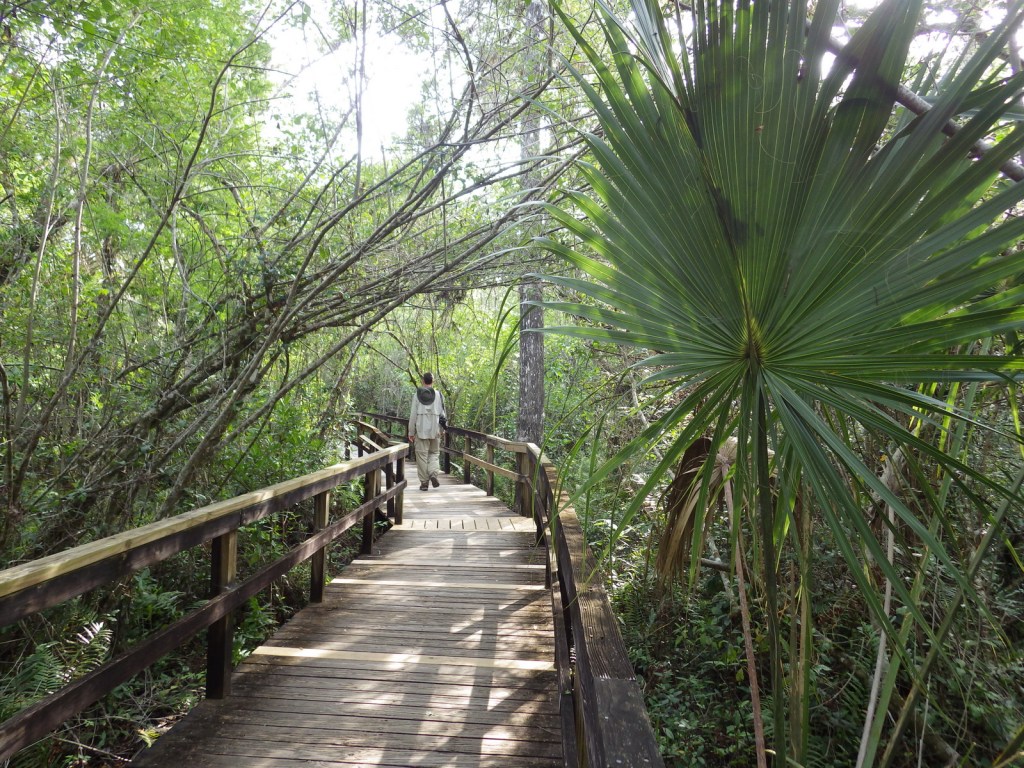
Many of the trails in the park are underwater and require slogging.  Two exceptions with boardwalks are at Kirby Storter Roadside Park and Big Cypress Bend (technically within Fakahatchee Strand Preserve State Park).

Instagram-worthy Photo

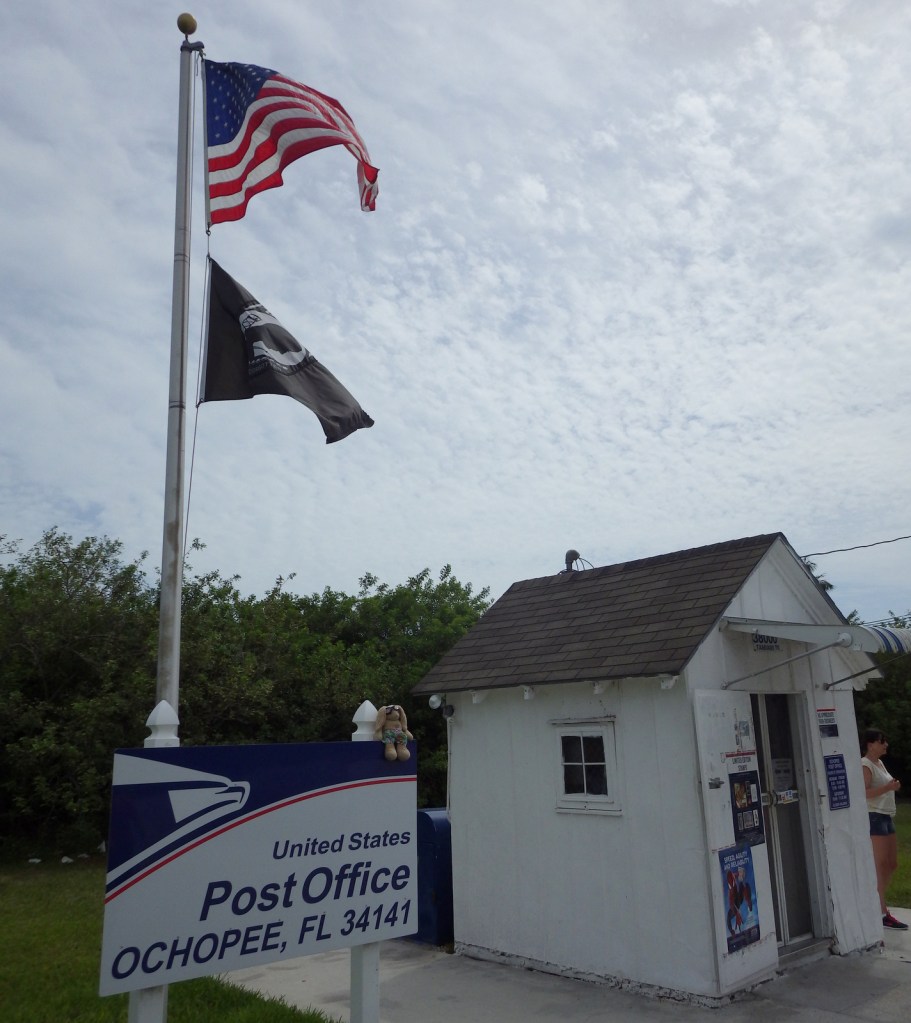
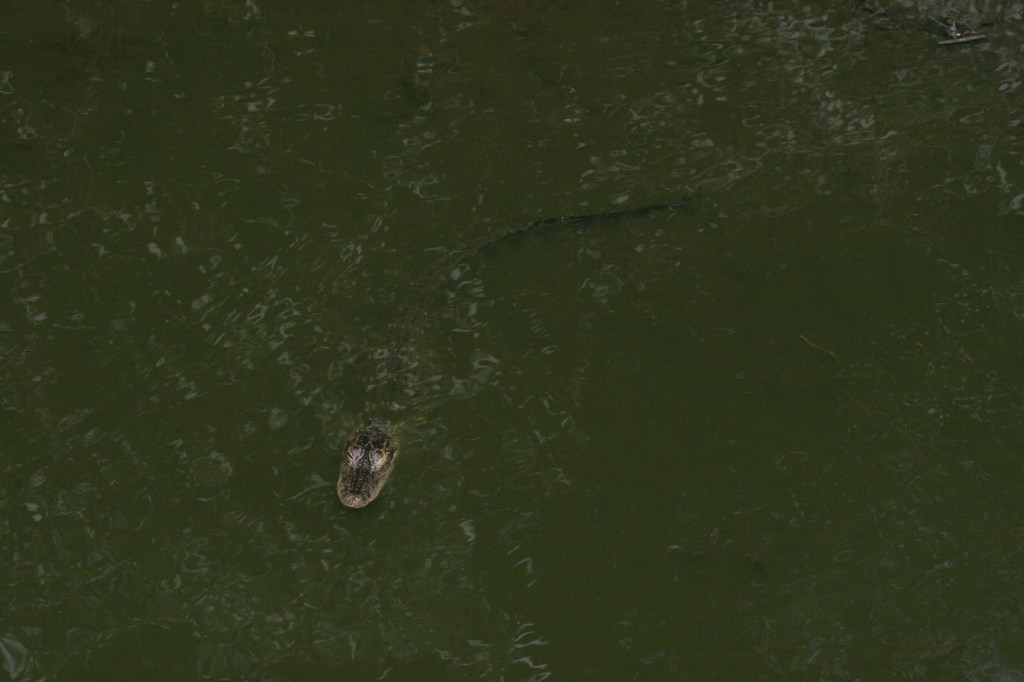
Wherever you look, you are likely to spot an alligator or two in this wild section of south Florida.  An extra photo-op can be found at the smallest post office in the United States, a former irrigation pipe shed located in Ochopee, Florida since 1953.

Peak Season

Winter

Hours

https://www.nps.gov/bicy/planyourvisit/hours.htm

Fees

None (except for off-road vehicle permits)

Road Conditions

Highway 41 and Interstate 75 are paved, but just about every other road in the park is sandy (and/or submerged) and should only be attempted with an ATV or swamp buggy.

Camping

The NPS offers two campgrounds along Highway 41 (there is also one in Collier-Seminole State Park), as well as designated primitive wilderness sites.

Related Sites

Everglades National Park (Florida)

De Soto National Memorial (Florida)

Big Thicket National Preserve (Texas)

Explore More – What are the five main habitat types protected within the preserve?

Mojave National Preserve

Overview

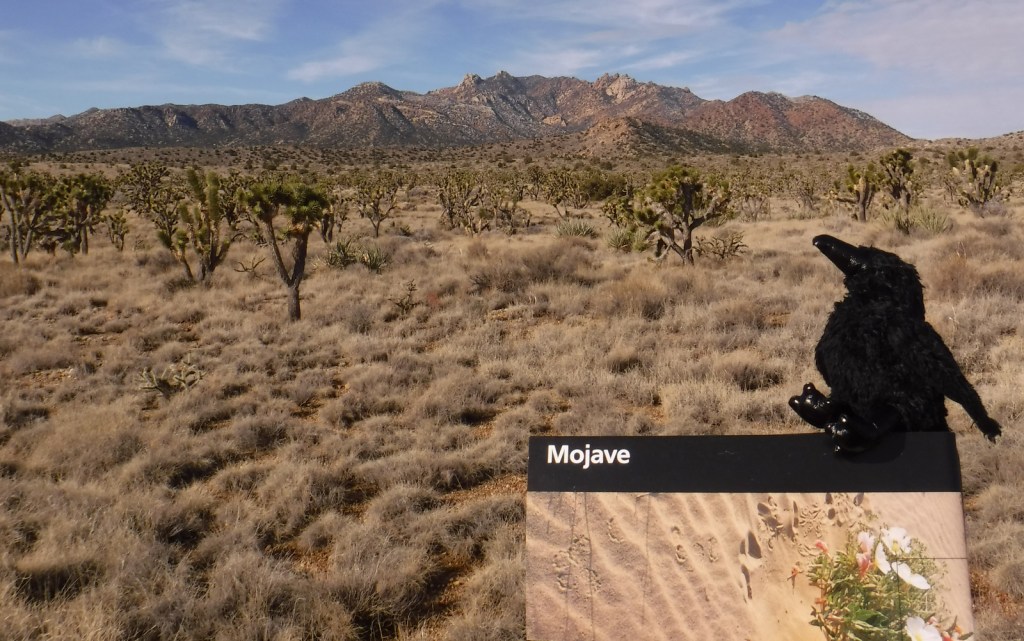
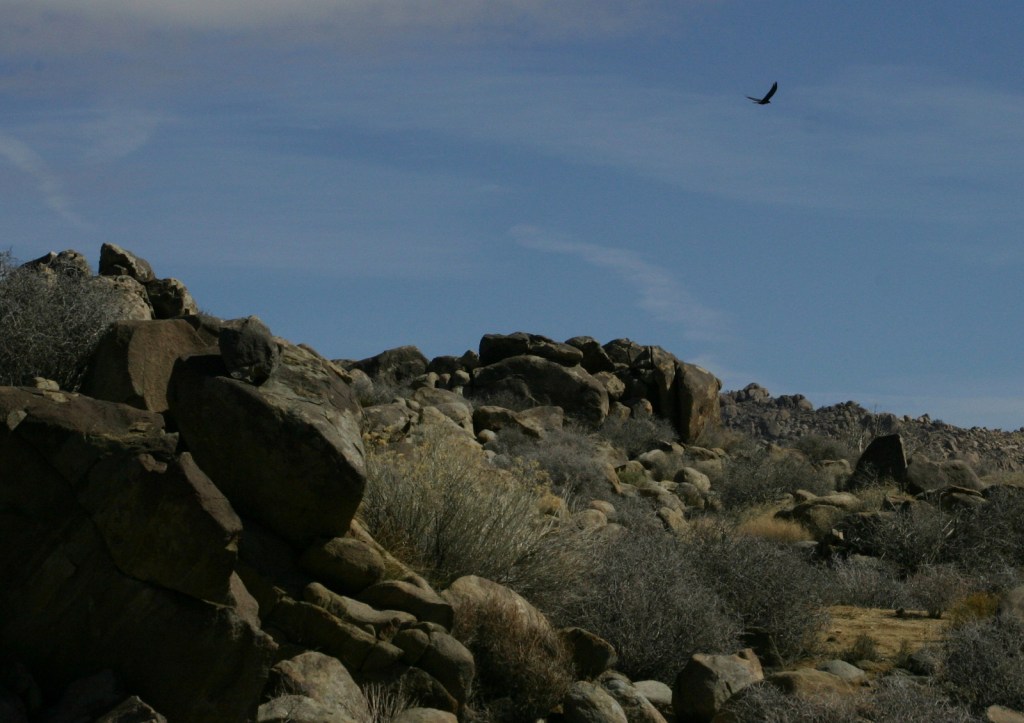
Mojave National Preserve is a massive 1.6-million acres of desert bounded by Interstate 15 to the north and Interstate 40 to the south.  Passed by millions of commuters every year, it does not take many miles of driving to leave behind the bustling freeways for a quiet landscape.  Species diversity is high here given its elevation range from 800 to 7,929 feet and its place at the intersection of three deserts: the Mojave, Great Basin, and Sonoran.  Watch for desert tortoises, Mojave rattlesnakes, roadrunners, ravens, kangaroo rats, mountain lions, mule deer, and some of the 1,000 bighorn sheep that reside in the preserve.

Highlights

Kelso Depot, film, Kelso Dunes, Hole-in-the-Wall Nature Trail, Rings Loop Trail

Must-Do Activity

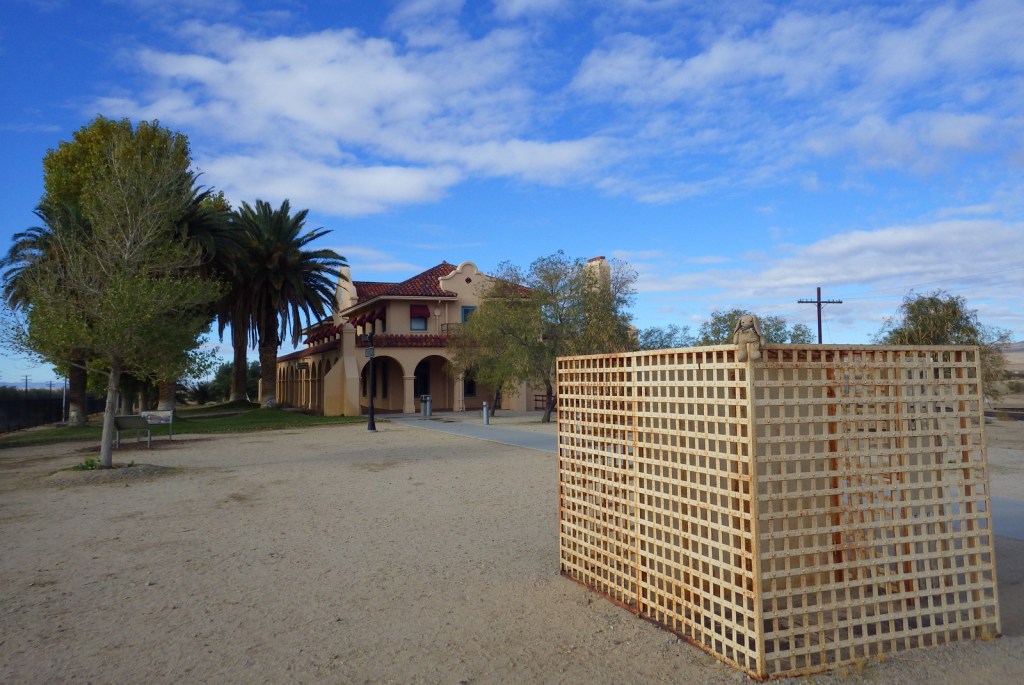
If you are driving on I-15 between California and Nevada consider entering the preserve via the Cima Road exit, with a first stop at its gas station’s interesting waterfall urinal in the men’s restroom.   From there drive south on a paved road into a dense Joshua tree forest on the gently sloping flanks of the enormous Cima Dome (an extinct volcano) and then stop at Kelso Depot where the National Park Service (NPS) operates a visitor center and museum.  From there you can continue south to the beautiful Kelso Dunes or take the paved Kelbaker Road back to Interstate 15 at Baker, home of the world’s tallest thermometer.

Best Trail

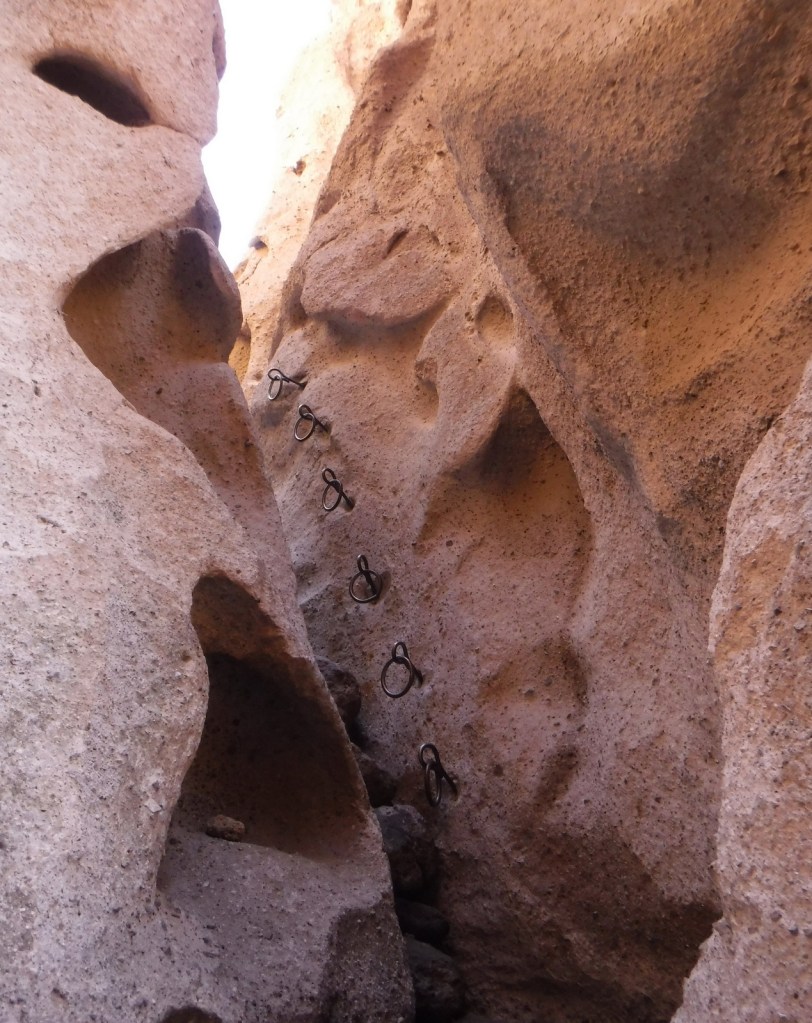
The one-mile Rings Loop Trail has metal rings cemented into its canyon walls in some places to help you ascend and descend steep portions.  Hole-in-the-Wall Nature Trail and the six-mile Barber Peak Loop Trail are also found in this area near the NPS campgrounds.

Instagram-worthy Photo

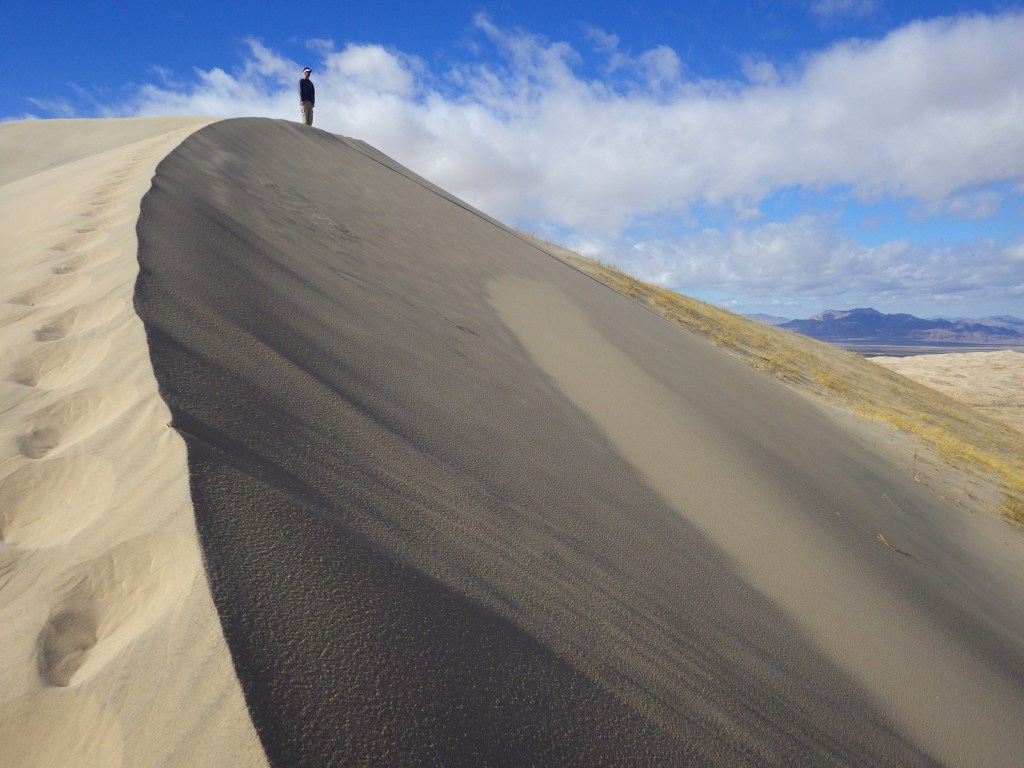
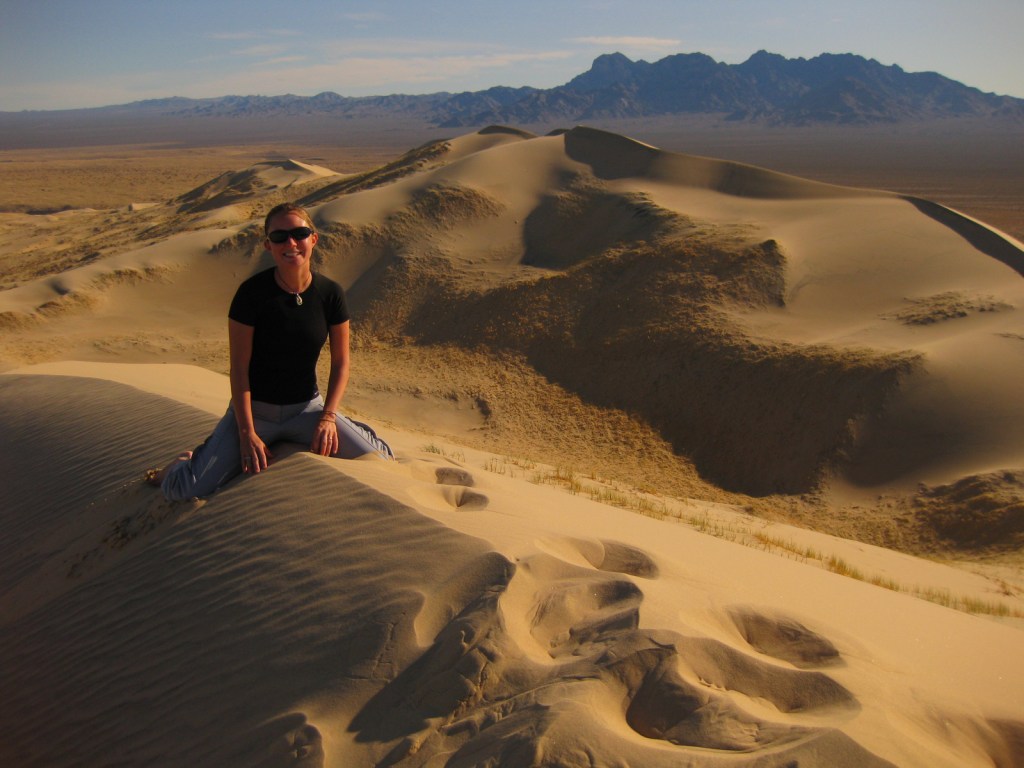
We love sand dunes (see our Top 10 list) and one of our favorites is the nearly 700-foot tall Kelso Dunes, which create a booming sound when the sand shifts and moisture conditions are right.

Peak Season

Spring and fall

Hours

https://www.nps.gov/moja/planyourvisit/hours.htm

Fees

None

Road Conditions

The main roads are paved, however, most of the 1,000 miles of roads are unpaved and some of them require a high-clearance vehicle, especially if you want to access neighboring Castle Mountains National Monument.

Camping

Dispersed camping is allowed throughout most of the preserve, but there are also NPS campgrounds around the Hole-in-the-Wall Ranger Station.

Related Sites

Castle Mountains National Monument (California)

Joshua Tree National Park (California)

Death Valley National Park (California)

Explore More – How many acres of Wilderness are designated within Mojave National Preserve?

Aztec Ruins National Monument

Overview

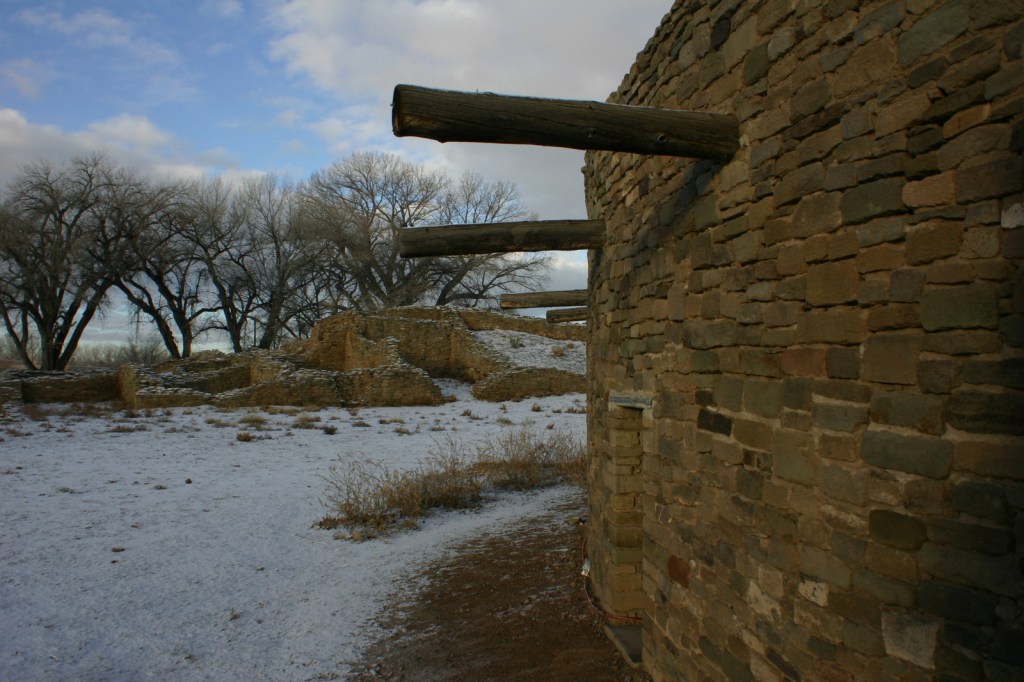
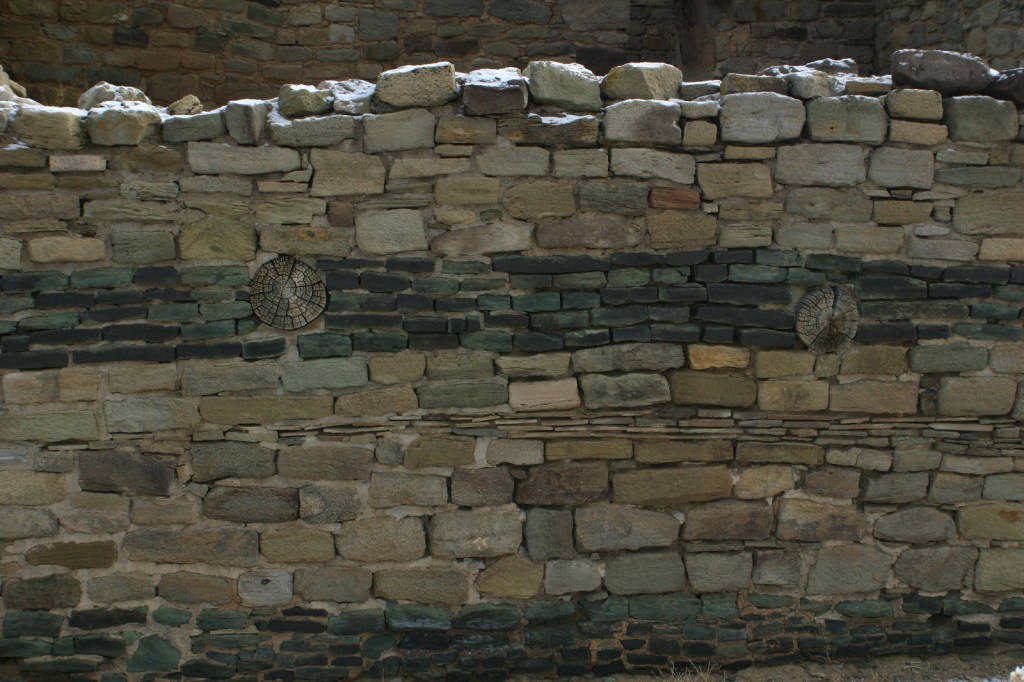
Aztec, New Mexico is home to the incredible Ancestral Puebloan ruins of a three-story, 400-room ancient apartment building near the Animas River.  Only partially excavated, Aztec Ruins National Monument has a variety of rock walls that display a change in building styles over the centuries.  Similar to Montezuma Castle National Monument in Arizona, Aztec was named for the Central Mexican culture mistakenly believed by earlier archaeologists to have had influence in this region.
Highlights

Museum, film, reconstructed great kiva, ruins

Must-Do Activity

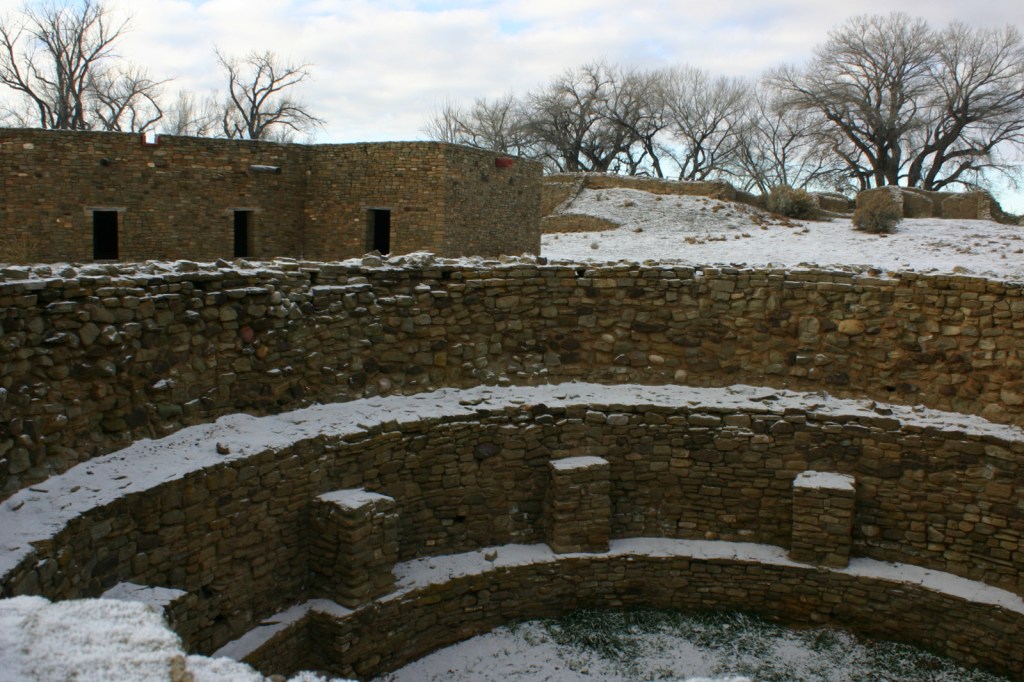
Aztec Ruins National Monument boasts a great kiva that was rebuilt to appear as it may have 800 years ago.  We especially recommend a visit before or after seeing the extensive ceremonial structures at nearby Chaco Culture National Historical Park.  Reconstruction is not appropriate at all National Park Service (NPS) sites, but here it helps the past come alive.  It is easy to imagine costumed dancers coming down the stairs into the smoky kiva to celebrate a religious ritual. 

Best Trail

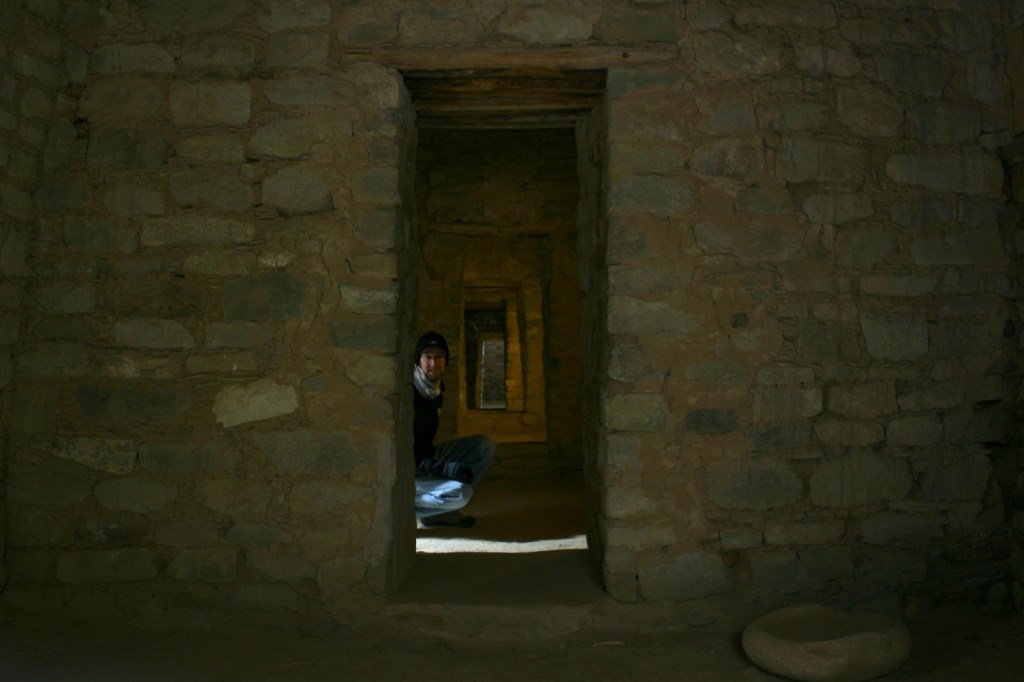
The half-mile self-guided trail leads through ruins where wooden roofs have been partially reconstructed.  Aztec Ruins also has the same T-shaped doorways you may have seen at Mesa Verde National Park and Chaco Culture National Historical Park.

Instagram-worthy Photo

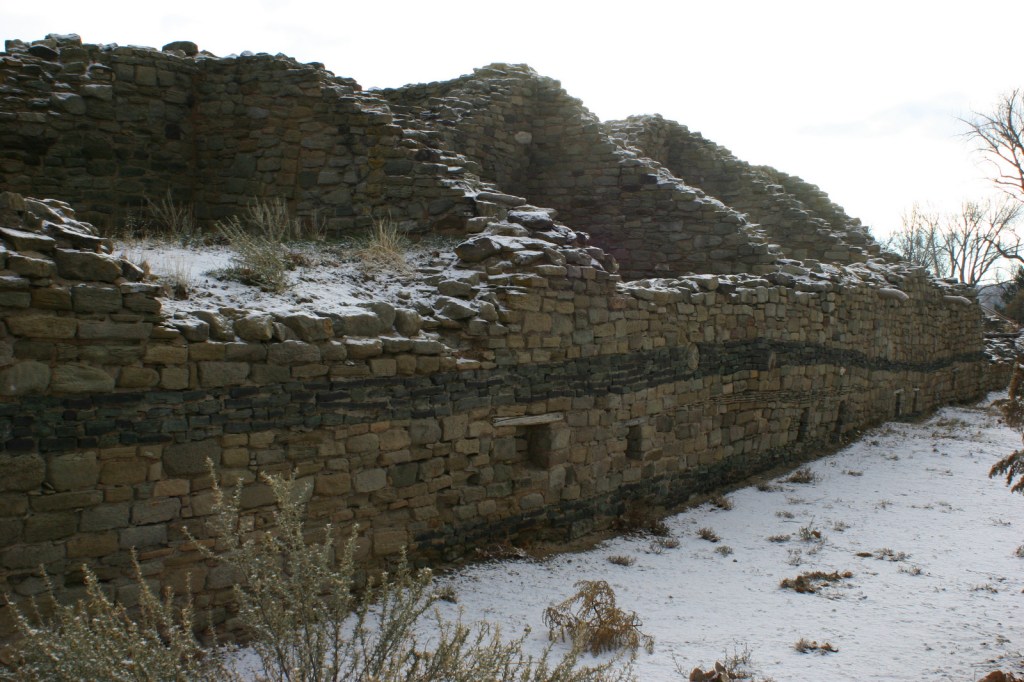
Darker stripes in the walls were decorative, and evidence of several architectural styles are evident at this site.

Peak Season

Summer

Hours

https://www.nps.gov/azru/planyourvisit/hours.htm

Fees

None

Road Conditions

All roads paved

Camping

There is an NPS campground at Chaco Culture National Historical Park, but we recommend the free campground in Angel Peak Recreation Area run by the Bureau of Land Management east of Highway 550.

Related Sites

Chaco Culture National Historical Park (New Mexico)

Pecos National Historical Park (New Mexico)

Bandelier National Monument (New Mexico)

Explore More – How far away from Aztec were the nearest Douglas-fir, ponderosa pine, and aspen trees used in the original roof construction?