Tag Archives: waterfall

Whiskeytown-Shasta-Trinity National Recreation Area

Overview

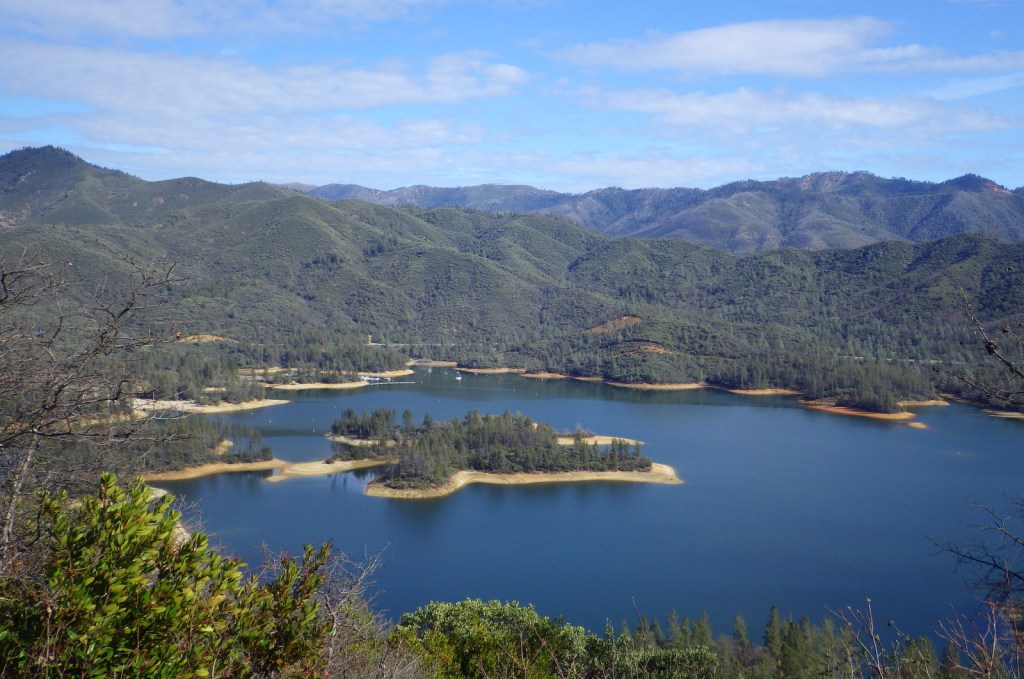
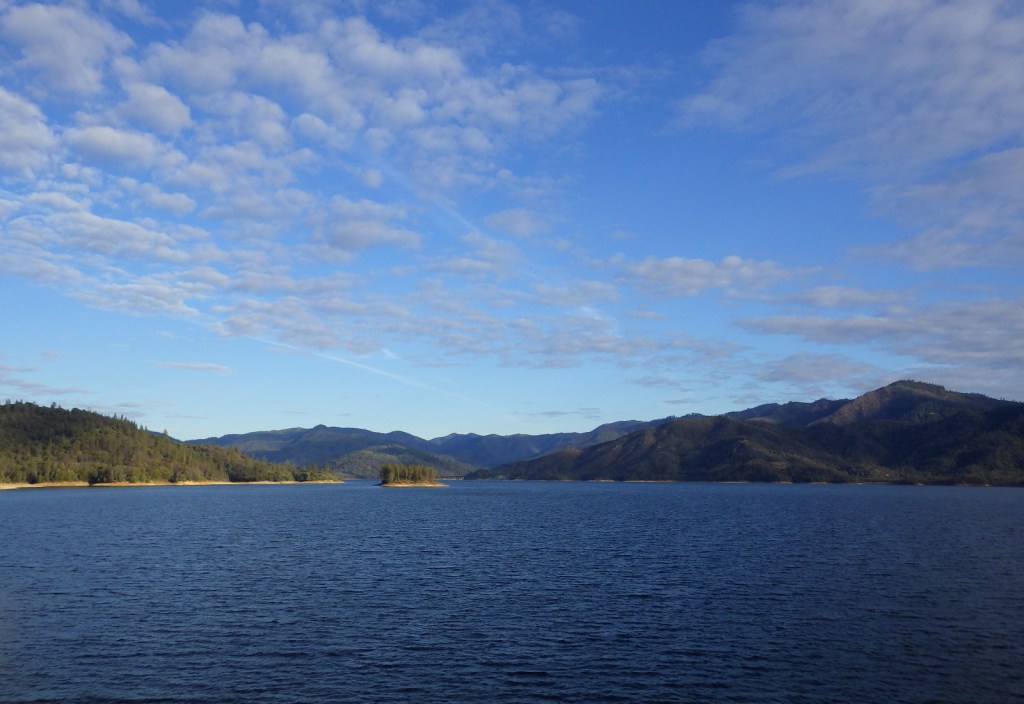
Whiskeytown-Shasta-Trinity National Recreation Area is co-managed by the National Park Service (NPS) and the U.S. Forest Service.  The NPS is in charge of Whiskeytown Lake, a reservoir west of Interstate 5, about 230 miles north of San Francisco, California.  Camping, hiking, gold panning, fishing, boating, and swimming are popular activities, but watch out for poison-oak.

Highlights

Waterfall Challenge, Camden House, gold panning, lake recreation opportunities

Must-Do Activity

Pick up an official Waterfall Challenge Passport at the NPS visitor center along with information on the four waterfall hiking trails.  Tower House Historic District includes the Camden House built in 1852 by a Gold Rush prospector, with seasonal tours offered by the NPS (it was temporarily closed in 2019 after the Carr Fire).  You can even pan for gold (with a $1 permit).

Best Trail

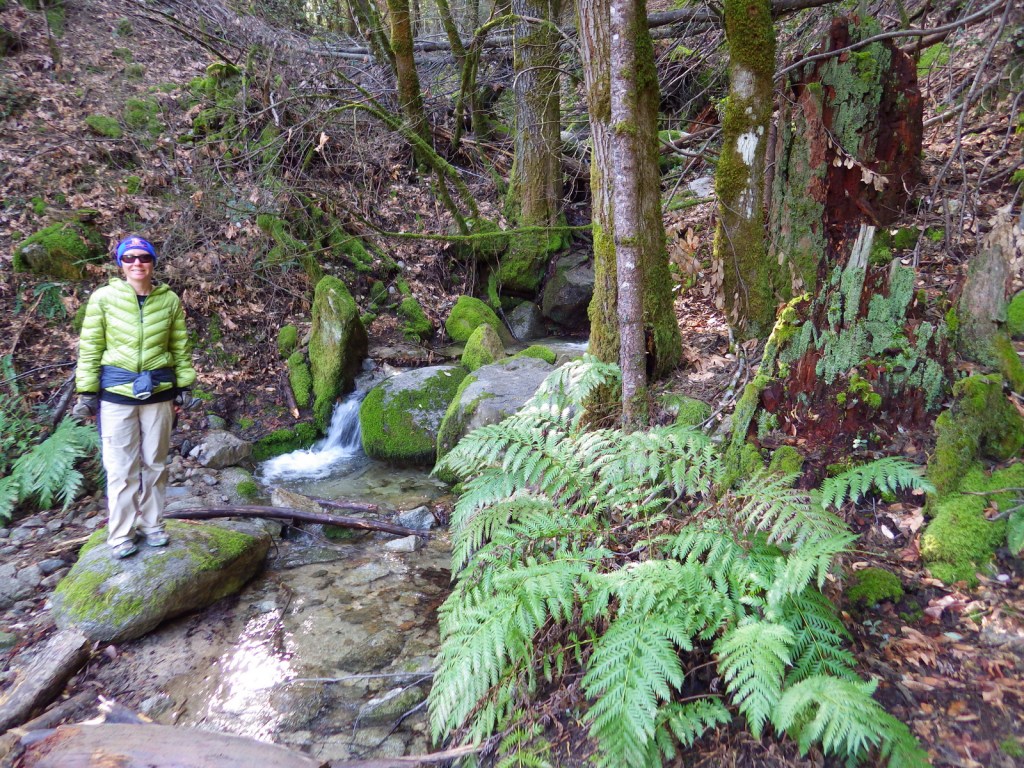
Whiskeytown Falls, Boulder Creek Falls, Brandy Creek Falls, and Crystal Creek Falls are accessible by hiking a total of 11 miles, but it may take longer depending on your choice of trails and road closures.  The trails are steep and poorly marked in some places.

Instagram-worthy Photo

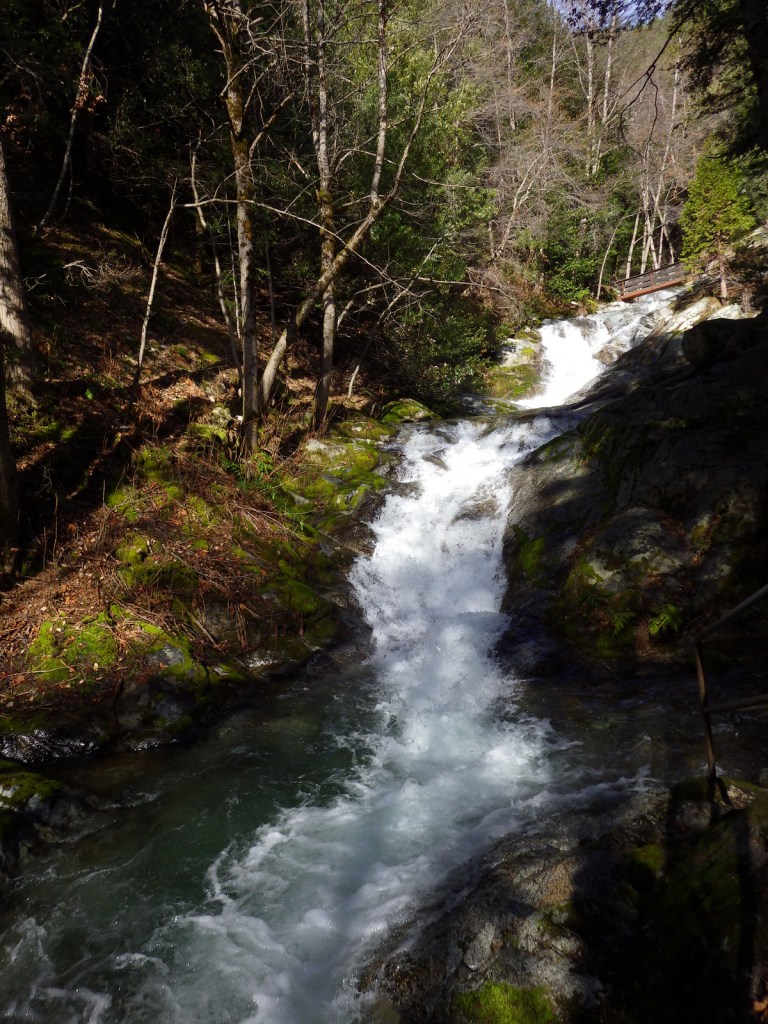
Whiskeytown Falls is 220 feet tall and is accessible on a 3.4-mile roundtrip trail, but we thought the most photogenic waterfall was Crystal Creek Falls.

Peak Season

Summer

Hours

https://www.nps.gov/whis/planyourvisit/hours.htm

Fees

$25 per vehicle or America the Beautiful pass

Road Conditions

Highway 299 on the north side Whiskeytown Lake is paved and accesses Oak Bottom Campground.  Some of the gravel access roads are rough, but passable even with passenger vehicles.

Camping

There are eight campgrounds around the lake, some tent-only, but RVs are allowed at Oak Bottom and Brandy Creek Campgrounds.

Related Sites

Lava Beds National Monument (California)

Lassen Volcanic National Park (California)

Oregon Caves National Monument and Preserve (Oregon)

Explore More – In what year was the Central Valley Project begun that years later formed the 3,200-acre Whiskeytown Lake?

Great Smoky Mountains National Park

Overview

Great Smoky Mountains National Park straddles the border of Tennessee and North Carolina, with both sides offering incredible views.  The park is similar to Shenandoah National Park in that it was mostly purchased from private landowners before its establishment by the federal government in 1934.  With around 11-million visitors annually, it is easily the most visited of the 62 National Parks in the National Park Service system, perhaps because it has no entrance fee.

Highlights

Clingman’s Dome, Cades Cove, Roaring Fork Motor Nature Trail, Foothills Parkway, Oconaluftee, Appalachian National Scenic Trail

Must-Do Activity

Many interesting sections of Great Smoky Mountains National Park preserve the human history of the region, like the popular Cades Cove with its iconic old grist mill.  To learn more about the Cherokee indigenous to this region, visit Oconaluftee Visitor Center on the North Carolina side.  While there you might also spot a herd of reintroduced elk.

Best Trail

Even on the bumper to bumper Roaring Fork Motor Nature Trail, all you have to do is park and take a hike to find some solitude.  Grotto Falls Trail passes through old-growth hemlock forest, an area very popular with black bears.

Instagram-worthy Photo

As you can imagine, this park is incredibly popular in October and November because of the beautiful fall foliage.  Early in the season, head to 6,643-foot Clingman’s Dome, then drop in elevation as the autumn progresses.

Peak Season

Summer and fall

Hours

https://www.nps.gov/grsm/planyourvisit/hours.htm

Fees

None

Road Conditions

Newfound Gap Road is the major thoroughfare connecting the two sides of the park and it is plowed throughout the winter.  The 11-mile loop road through Cades Cove is open year round, but the 7-mile spur road up to Clingman’s Dome and the 6-mile one-way Roaring Fork Motor Nature Trail are seasonal.

Camping

There are 10 campgrounds within Great Smoky Mountains National Park, but if you need RV hookups you will have to find a private campground outside the park.

Related Sites

Big South Fork National River and Recreation Area (Tennessee-Kentucky)

Blue Ridge Parkway (North Carolina-Virginia)

Shenandoah National Park (Virginia)

This design we created to celebrate Great Smoky Mountains National Park is available on a variety of products at Cafe Press and Amazon.

Explore More – While most National Parks do not allow dogs on trails, what are the two trails in Great Smoky Mountains National Park that do?

We are a participant in the Amazon Services LLC Associates Program, an affiliate advertising program designed to provide a means for us to earn fees by linking to Amazon.com and affiliated sites.

Rocky Mountain National Park

Overview

This truly is a National Park for all seasons.  In the summer, it is worth the extra time it takes to drive eleven miles up the unpaved curves of one-way Old Fall River Road to Alpine Visitor Center at 11,796 feet.  Elk bulls spar and bugle in the autumn, when aspen trees briefly turn the mountainsides gold.  Winter is a wonderful time for outdoor recreation if you come prepared for the cold and snow.

Highlights

Bear Lake, Dream Lake, Trail Ridge Road, Adams Falls, Ouzel Falls,

Must-Do Activity

From the famous Trail Ridge Road, you do not even have to get out of your car for amazing panoramas.  If you want to walk, the one-mile Toll Memorial Trail at Tundra Communities Trailhead is paved and flat enough to not be too strenuous at 12,000 feet in elevation.  Elk, pikas, and yellow-bellied marmots frequent the parking area around Rock Cut. 

Best Trail

If you are looking to climb straight up the side of a mountain, there are plenty of options, including popular Flattop Mountain and the strenuous climb up Longs Peak.  For a less busy trail, head to Ypsilon Lake and continue up the hillside, scrambling over boulders all the way to spectacular Spectacle Lakes.

Instagram-worthy Photo

In Grand Lake on the west side of the park, hiking or snowshoeing past Adams Falls up the East Inlet Trail is breathtaking in all seasons.

Peak Season

Summer is the busiest, but winter brings opportunities for snowshoeing.

Hours

https://www.nps.gov/romo/planyourvisit/hours.htm

Fees

$35 per vehicle ($25 for one day) or America The Beautiful pass

Road Conditions

Almost all roads are paved; one-way Old Fall River Road is gravel and only open a few months in the summer.

Camping

There are multiple campgrounds within the park and Glacier Basin is open year round.  Several National Forests surround the park and provide opportunities for dispersed camping, although around Grand Lake it does get crowded on summer weekends.

This design we created to celebrate Rocky Mountain National Park is available on a variety of products at Cafe Press and Amazon.

Explore More – How do the winter survival strategies differ between pikas and yellow-bellied marmots?

This photo from Emerald Lake in Rocky Mountain National Park is for sale on Imagekind

We are a participant in the Amazon Services LLC Associates Program, an affiliate advertising program designed to provide a means for us to earn fees by linking to Amazon.com and affiliated sites.

Dinosaur National Monument

Overview

As its name suggests, Dinosaur National Monument was first created in 1915 to protect an archaeological dig.  The 200-foot long wall of unexcavated fossils at Dinosaur Quarry outside Jensen, Utah is still the park’s main attraction.  A major addition of 200,000 acres was added in 1938, stretching into the neighboring state of Colorado.  More than 90% of the National Monument (click here to see where it ranks in our Top 10) is managed as wilderness and is best explored by whitewater rafting the Green and Yampa Rivers.

Highlights

Dinosaur Quarry, Harpers Corner Road, Fremont pictographs, Jones Hole Trail, whitewater rafting

Must-Do Activity

Whitewater rafting trips on the Green River can last a few hours or multiple days depending upon where you put in.  We highly recommend a three night trip starting at the Gates of Lodore with Adrift Dinosaur or one of several other outfitters.  They also offer multi-day trips down the Yampa River, which is undammed and only navigable during the spring snowmelt.  If you do not feel like getting wet, simply enjoy a quiet picnic on the shoreline at easily-accessible Split Mountain (or take a high-clearance vehicle down the rough road to scenic Echo Park).

Best Trail

The 4-mile long Jones Hole Trail is accessible to rafters on the Green River and from a fish hatchery at the end of a paved road near the Utah-Colorado border.  It provides access to Ely Creek Falls and the Deluge Shelter pictographs, which are approximately 800 to 1,400 years old.

Instagram-worthy Photo

Dinosaur Quarry may be the only mountainside in America surrounded by its own glass-enclosed, air-conditioned building.  It contains thousands of fossilized bones of giant creatures sitting in the same place they have been for the past 148-million years.  It is a completely different experience than seeing dinosaur skeletons reconstructed in a museum, although they have those, too. 

Peak Season

Spring and summer

Hours

https://www.nps.gov/dino/planyourvisit/hours.htm

Fees

No entrance fees for the Colorado side, but $25 per vehicle to enter the Utah side to view the Dinosaur Quarry.

Road Conditions

There are many dirt roads in the National Monument, some of which are impassable when wet, so check at a visitor center before entering.  The roads to the Dinosaur Quarry, Jones Hole Trailhead, Deerlodge Park, and Harpers Corner are paved.

Camping

There are several campgrounds within the park accessible by paved or unpaved roads, as well as numerous backcountry campsites located along the Green and Yampa Rivers (plus, one on the Jones Hole Trail). 

Explore More – Who was the one-armed Civil War veteran that led the first exploration of the Green River (and named the Gates of Lodore after a poem) in 1869?
WONDON WAS HERE

Women’s Rights National Historical Park

Overview

In 1848, Seneca Falls was a small rural town in New York and it still remains that way, but on July 19 of that year it became the focus of the world when it hosted the first Women’s Rights Convention.  Women’s Rights National Historical Park was established on seven acres here in 1980.  Some of the National Park Service (NPS) museum exhibits have not been updated since then, but they still make you think, which is the important point.

Highlights

Museum, film, sculptures, 1843 Wesleyan Chapel, Declaration Park, Elizabeth Cady Stanton house

Must-Do Activity

Nearly two centuries after the convention, some positive changes have been made, but walking through the second-story NPS museum reminds you that we have a long way to go.  The reactions in the newspapers from 1848 are not very different to those written in response to the women’s marches of 2017.  Next door, visitors can enter the reconstructed 1843 Wesleyan Chapel where the two-day meeting was held and read the still relevant Declaration of Sentiments written during the convention.  The NPS also offers free tours of the Elizabeth Cady Stanton house, a short drive away.  Two other houses in Waterloo, New York are also part of the park.

Best Trail

There is a walking tour through historic downtown Seneca Falls that includes the National Women’s Hall of Fame (admission charged), only a short distance from the NPS museum. 

Instagram-worthy Photo

Declaration Park between the NPS museum and the Wesleyan Chapel has a waterfall wall inscribed with the Declaration of Sentiments and its signers’ names.

Peak Season

Summer

Hours

https://www.nps.gov/wori/planyourvisit/hours.htm

Fees

None, except at the unaffiliated National Women’s Hall of Fame.

Road Conditions

All roads paved, but street parking is limited.

Camping

Cayuga Lake State Park has a large campground only 4 miles east of Seneca Falls, New York.

Explore More – Why is there a sculpture of abolitionist Frederick Douglass in the lobby of the visitor center?