Tag Archives: travel

Cape Lookout National Seashore

Overview

There are no roads in North Carolina’s Cape Lookout National Seashore, but vehicles can drive the beach nearly the entire 56-mile length of these Outer Banks barrier islands.  A passenger ferry leaves from Beaufort, North Carolina to access the Shackleford Banks where feral horses reside.  Cape Lookout is on the South Core Banks, a great spot for camping, surf fishing, kite flying, and beachcombing.  This island is accessible aboard a passenger ferry from Harkers Island and a vehicle ferry from Davis.

Lookout.JPG

Highlights

Historic lighthouse, undeveloped beaches, seashells, beach camping

Must-Do Activity

If you enjoy beach camping, then you must spend at least one night on the islands.  Go beachcombing in the morning after watching the sunrise light up Cape Lookout Lighthouse.

Best Trail

There are boardwalks around the ferry landing and lighthouse, otherwise just walk the beaches.

Instagram-worthy Photo

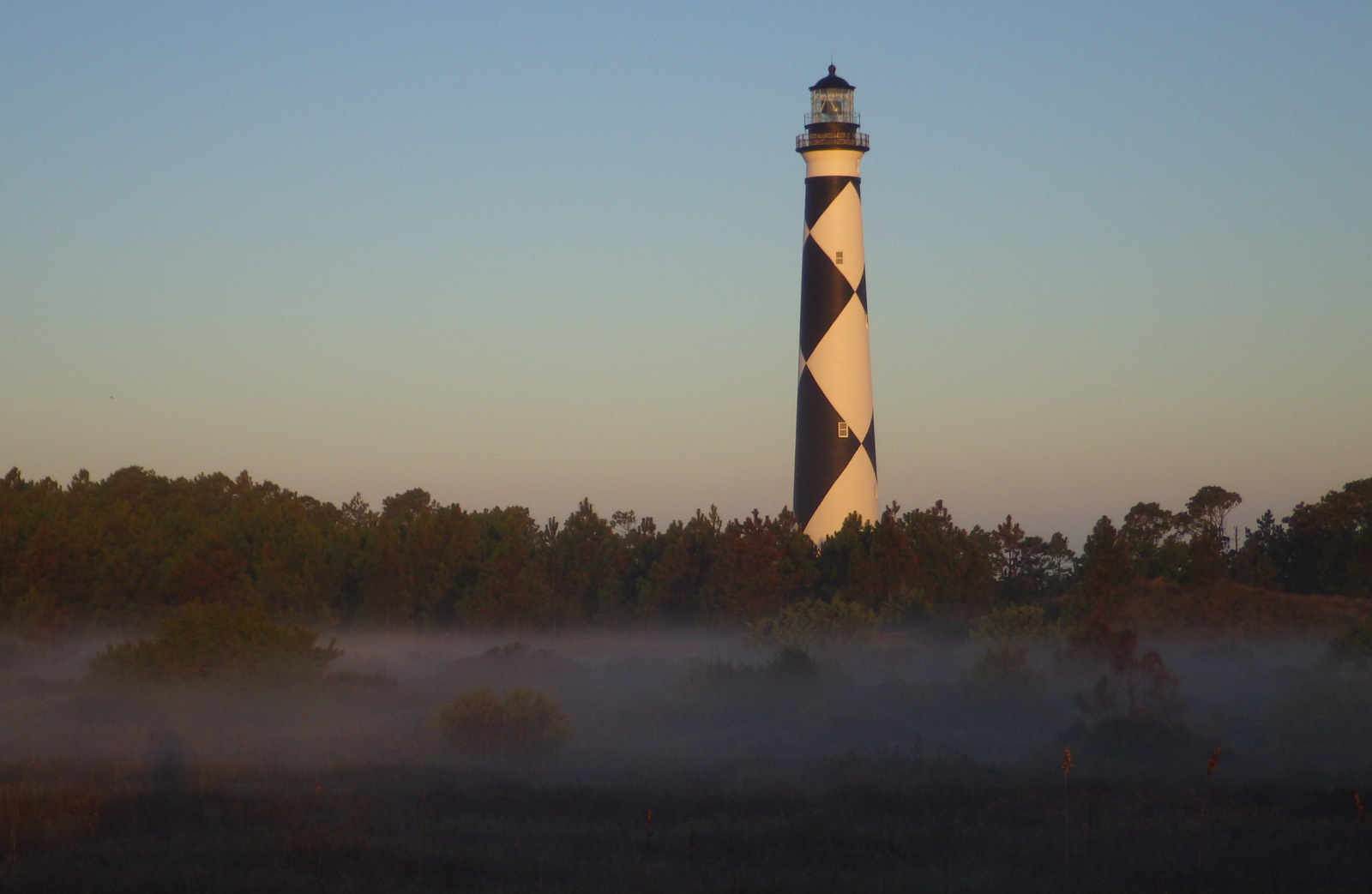
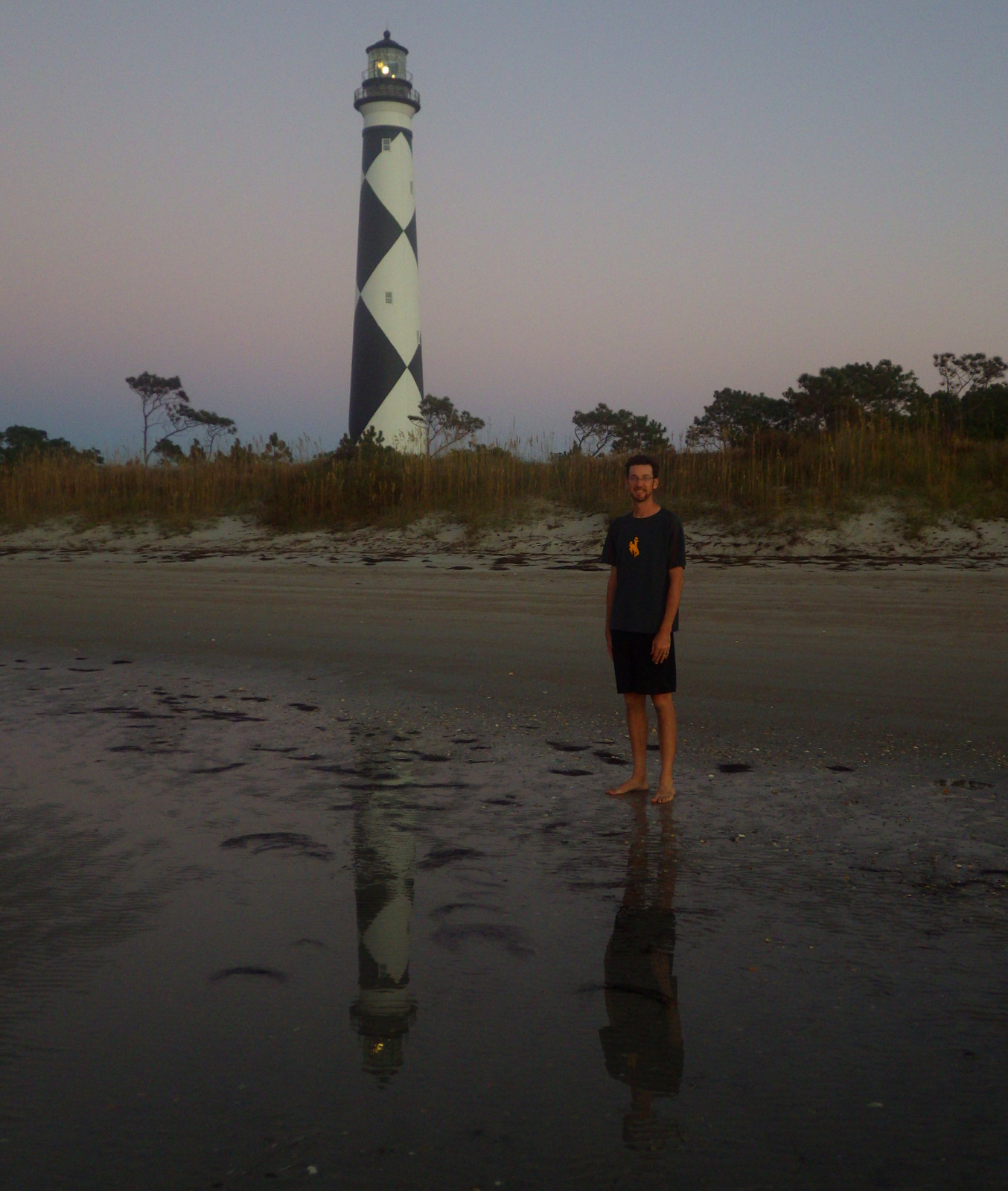
The majestic 163-foot tall Cape Lookout Lighthouse (wearing argyle) is the icon of this national seashore and looks best at sunset and sunrise.

The lighthouse sticking out of the low fog
Find this photo and many others for sale on Imagekind.

Peak Season

Summer (if there is not a hurricane forecast)

Hours

https://www.nps.gov/calo/planyourvisit/basicinfo.htm

Fees

Free to visit and camp, $16 roundtrip per adult for passenger ferry, sometimes a charge to climb to the top of the lighthouse

Road Conditions

Paved to the ferry docks in Beaufort and Harkers Island, sandy on outer islands (4×4 required)

Camping

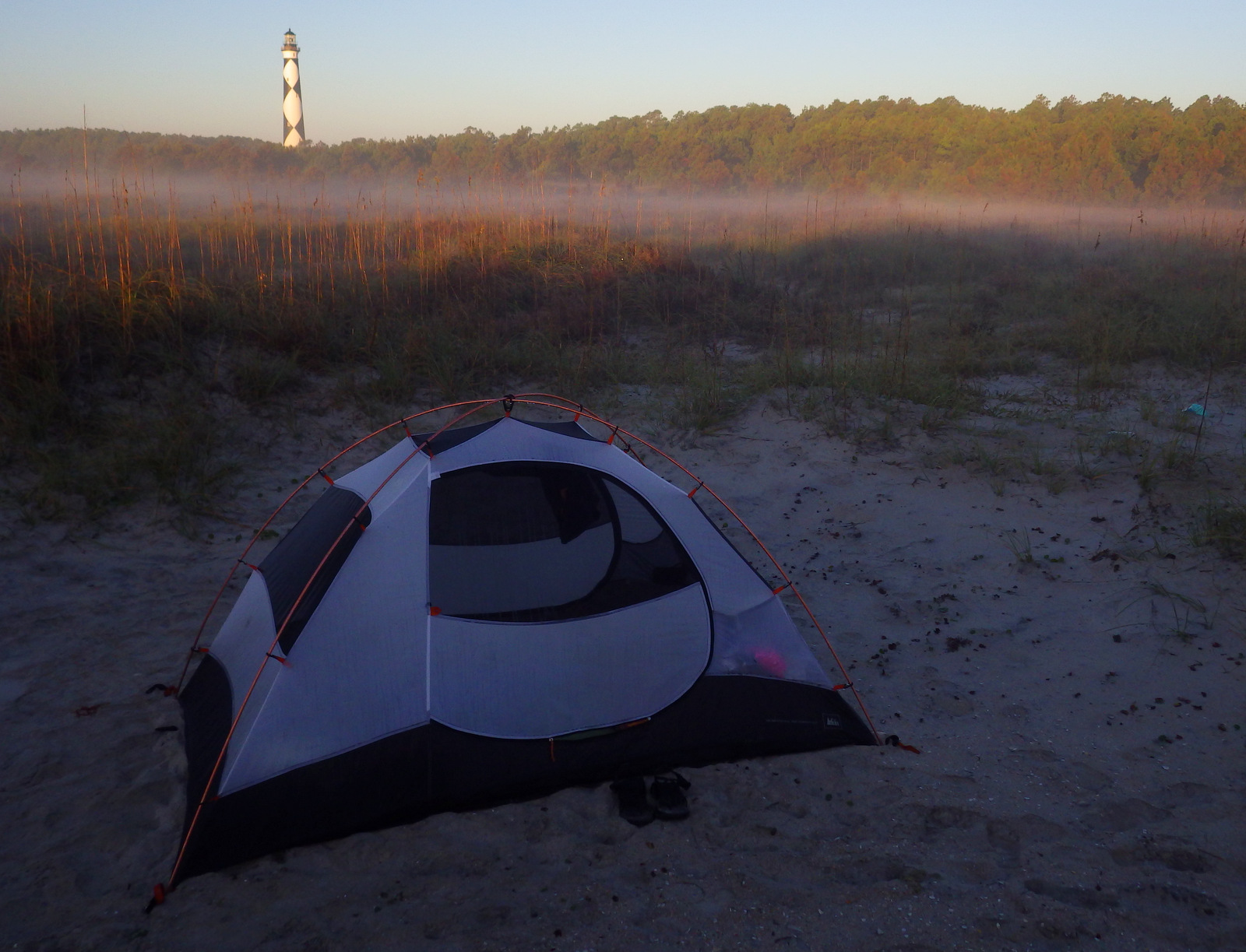
Camping is free on the beaches, but unless you have your own boat you will need to pay for a ferry ride out there.  The oceanfront section of beach near Cape Lookout Lighthouse is closed to vehicles, making it perfect for backpackers.

Our campsite

IMGP0809

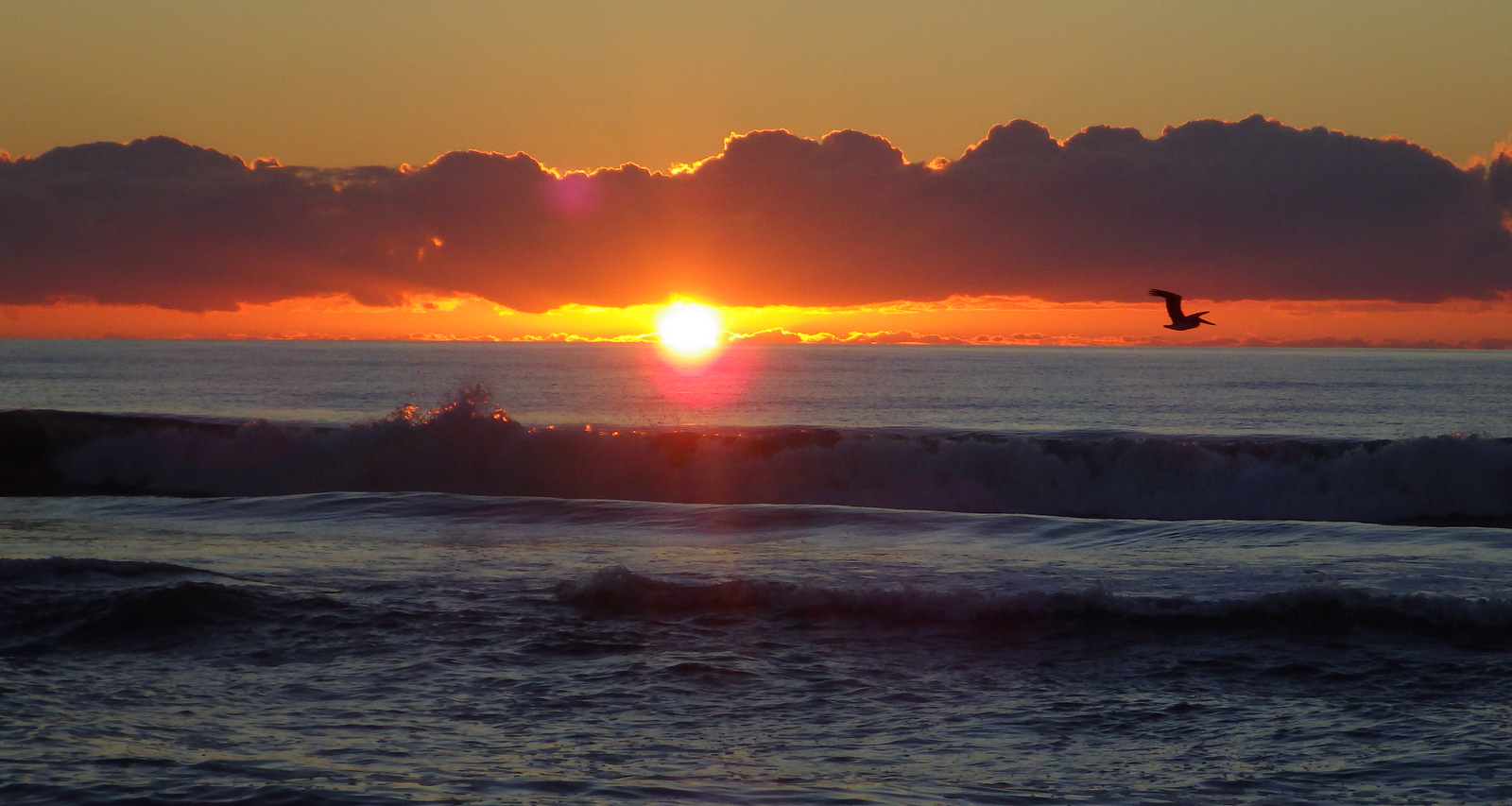
Pelican at sunrise

Tiff with her collection of shells she found
Seashell hunting out here is great; and yes, the National Park Service allows you to take a reasonable amount home.

Short billed dowitchers

Lighthouse reflection

Explore More – When was the Cape Lookout Lighthouse built?

1WonsTiny2

WONDON WAS HERE

Fort Stanwix National Monument

Overview

After FDR protected this very first historic site within the National Park Service (NPS) system in 1935, Fort Stanwix was finally reconstructed in the 1970s after demolishing the existing buildings in downtown Rome, New York.  Visitors today will surely agree it was worth the effort, as were the recent updates in the excellent Visitor Center.

Stanwix

Highlights

Reconstructed fort, best historical museum in the NPS System

Must-Do Activity

The NPS museum inside the Marinus Willett Visitor Center is superb with videos and kiosks providing four different characters’ perspectives on the events of the American Revolution in Upstate New York.  There are also costumed reenactors inside the fort, another reason why this National Monument is an example of historical interpretation at its best.

Best Trail

A short trail follows a portion of the Oneida Carrying Place and another leads to the historic Erie Canal.

Instagram-worthy Photo

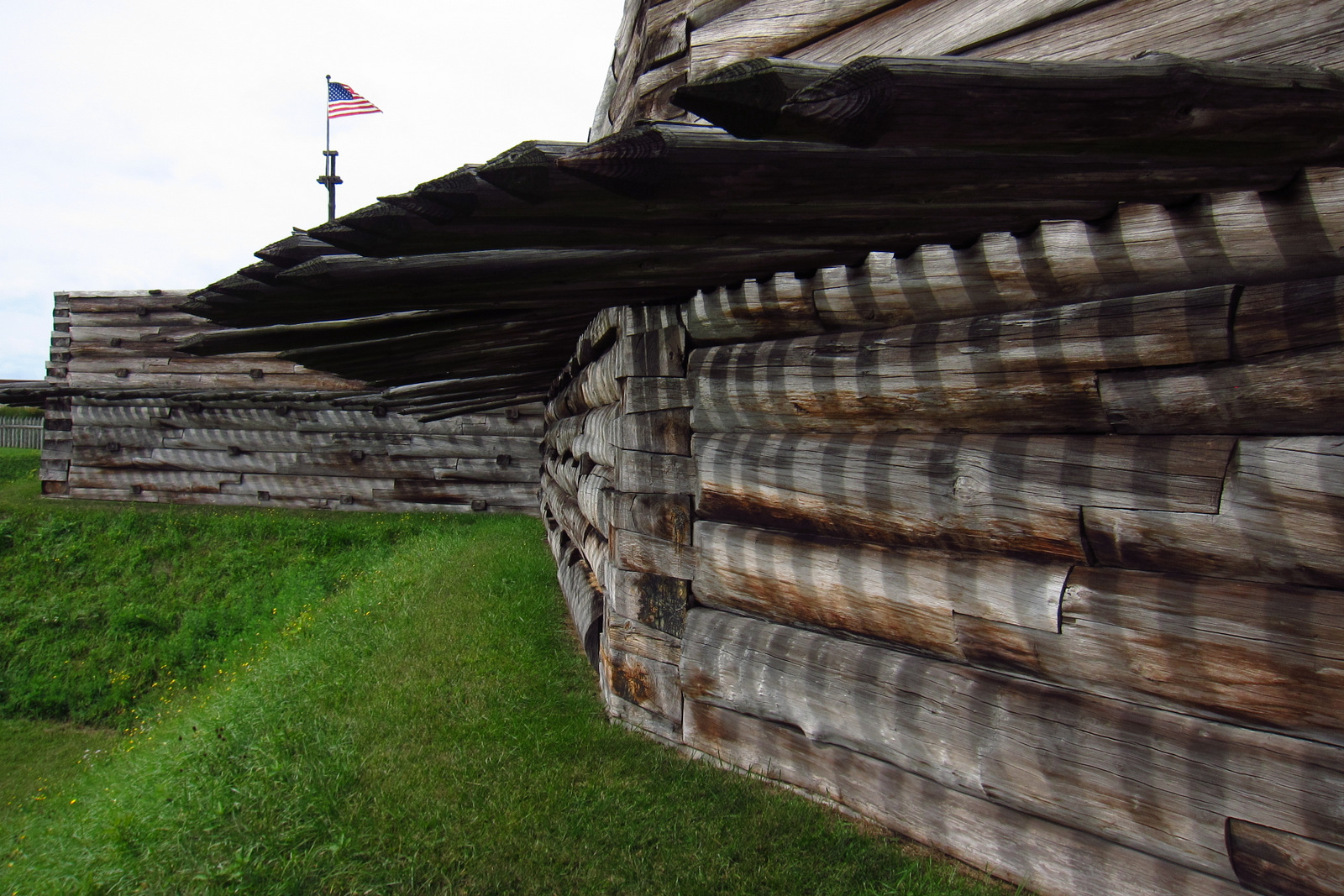
Viewed from the drawbridge, you get an up-close look at the parapet and fraise (sharpened wooden stakes) of the reconstructed Fort Stanwix.

IMG_6824

Peak Season

Spring to fall

Hours

https://www.nps.gov/fost/planyourvisit/hours.htm

Fees

None

Road Conditions

All paved, but parking is limited

Camping

None within the 16-acre monument, but Delta Lake State Park is only 6 miles away.

IMGP0542

IMGP0510
The free museum inside the Marinus Willett Center is first rate.

IMGP0519
Fort Stanwix was originally built by the British during the French and Indian War

IMG_6821

IMG_6831
Americans rebuilt the abandoned fort during the Revolutionary War and survived a 21 day siege in 1777

IMGP0538
Something in this photo is not historically accurate.

Explore More – The portage called the Oneida Carrying Place (one to 6 miles depending upon water levels) connected which two important waterways?

1WonsTiny2

WONDON WAS HERE

Bandelier National Monument

Overview

One of 13 national monuments in New Mexico, this archaeological site is located in a beautiful forested canyon at 6,000 feet elevation outside Los Alamos.  Ancestral Puebloans inhabited Frijoles Canyon from AD 1150 to 1550, building villages and carving rooms out of the soft volcanic tuff, much like in Cappadocia, Turkey.

Bandelier

Highlights

Ruins, cavates, Alcove House, Upper Falls, Painted Cave

Must-Do Activity

Climb 140 feet up ladders and steep steps to Alcove House cliff dwelling for superlative views of the canyon.

Best Trail

After exploring the ruins, be sure to hike 1.5 miles to Upper Falls downstream from the visitor center.

Instagram-worthy Photo

The National Park Service has installed some awesome, authentic-looking ladders to access the cavates.

04-IMG_0324.JPG

Peak Season

Summer when a shuttle is required from Los Alamos, New Mexico due to limited parking

Hours

https://www.nps.gov/band/planyourvisit/hours.htm

Fees

$25 per group or America the Beautiful pass

Road Conditions

Paved, but visitors are required to take a shuttle from Los Alamos between 9 a.m. and 3 p.m. in the summer (May 17 – October 17)

Camping

Juniper Campground has 94 sites, running water, and is open most of the year.  Its 70 miles of trails also make the park popular for backpacking, which requires a zoned camping permit.

08-IMG_0346

Scott at the entryway for a large dwelling
Scott inside a cavate

Tiff a few rooms down
Tiff inside a cavate

Tiff climbing down

16-May New Mexico 247

05-IMG_0326
The tuff looks like Swiss cheese; maybe that’s what attracted Swiss anthropologist Adolph Bandelier.

Waterfall
Upper Falls is only a 1.5 mile hike downstream from the visitor center

Explore More – When did the giant volcano erupt that created the 16-mile wide Valles Caldera and deposited hundreds of feet of volcanic ash that formed tuff?

1WonsTiny2

WONDON WAS HERE

Thomas Edison National Historical Park

Overview

American inventor Thomas Edison still holds the record with 1,093 U.S. patents awarded during his lifetime. Most of those came while running the massive laboratories in West Orange, New Jersey from 1887 until his death in 1931. After perfecting the incandescent lightbulb in 1879, it was here he employed hundreds to work on improving his phonograph, motion picture camera, alkaline storage battery, and Portland cement (one of his most profitable ventures). The park also includes the family estate, Glenmont, located one-mile away (a tour ticket is required to enter the house).

Edison.JPG

Highlights

Historic laboratories and workshops, inventions on display, house tour

Must-Do Activity

The multi-story Main Laboratory is handicap accessible and contains 400,000 artifacts from Edison’s prolific career. On display are some of the world’s first electric coffee-makers, waffle irons, and toasters marketed by his company Edicraft in the 1920s.

Best Trail

A self-guided walk around the grounds of Glenmont includes Edison’s gravesite.

Instagram-worthy Photo

At the West Orange laboratory is a replica of “Black Maria,” the world’s first movie studio originally built in 1893 on a track that allowed it to pivot for better lighting.

2016NJedison4

Peak Season

Open year round, but not every day of the week

Hours

https://www.nps.gov/edis/planyourvisit/hours.htm

Fees

$15 per adult or America the Beautiful pass

Road Conditions

All roads paved

Camping

None

Entrance to the park

Tiff in the heavy machinery lab

Inside Edison's office/library

Tiff at the West Orange lab

Tiff with Thomas
Edison famously said “genius is 1% inspiration and 99% perspiration.”

Explore More – On the day of Thomas Edison’s funeral, how was homage paid nationwide?


1WonsTiny2

WONDON WAS HERE