Tag Archives: tour

Tuskegee Institute National Historic Site

Overview

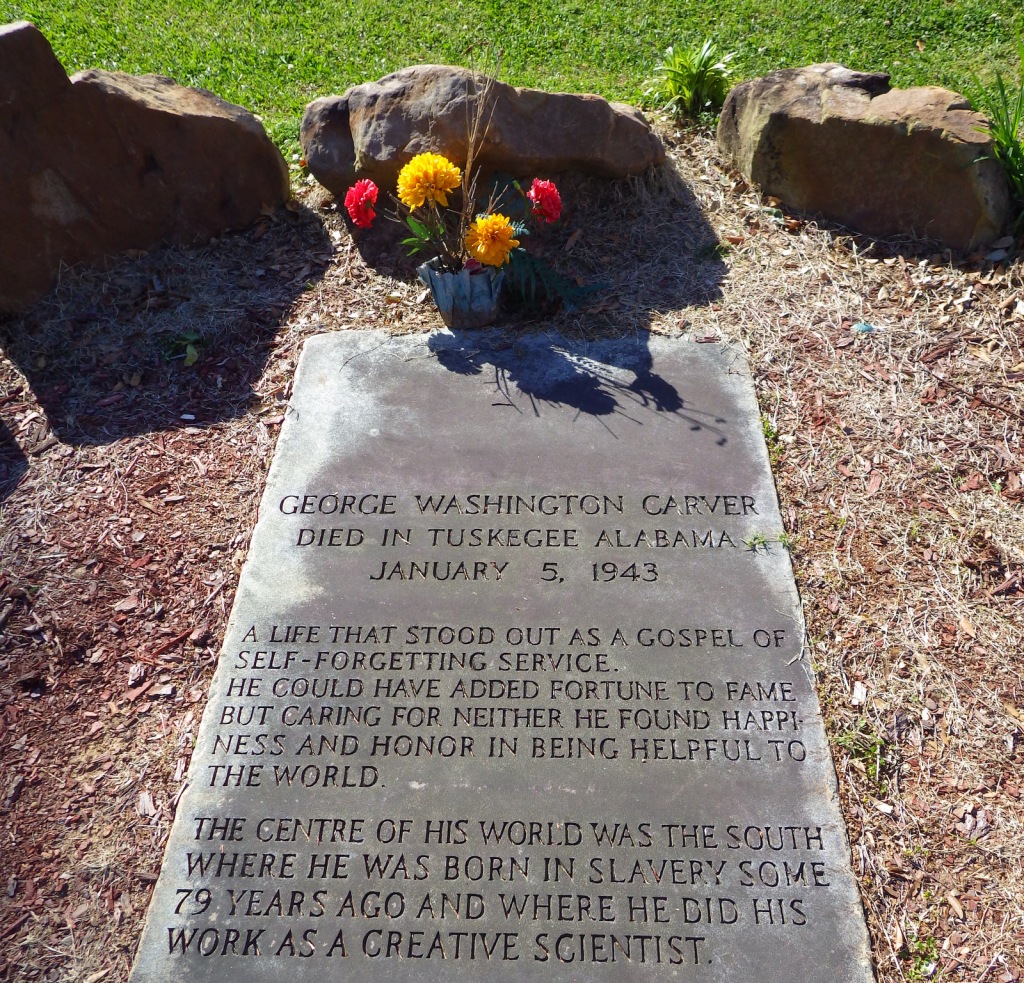
This historic college for African Americans is also the final resting place for pioneering staff members Booker T. Washington and George Washington Carver.  In 1881, a 25-year-old Washington moved to an abandoned plantation in Alabama to found the Tuskegee Normal and Industrial Institute with a $2,000 appropriation from the state.  From its initial enrollment of 30 students, Tuskegee has grown and continues to be an active and prominent university today.

Highlights

Historic campus, George Washington Carver Museum, Tuskegee Chapel, The Oaks

Must-Do Activity

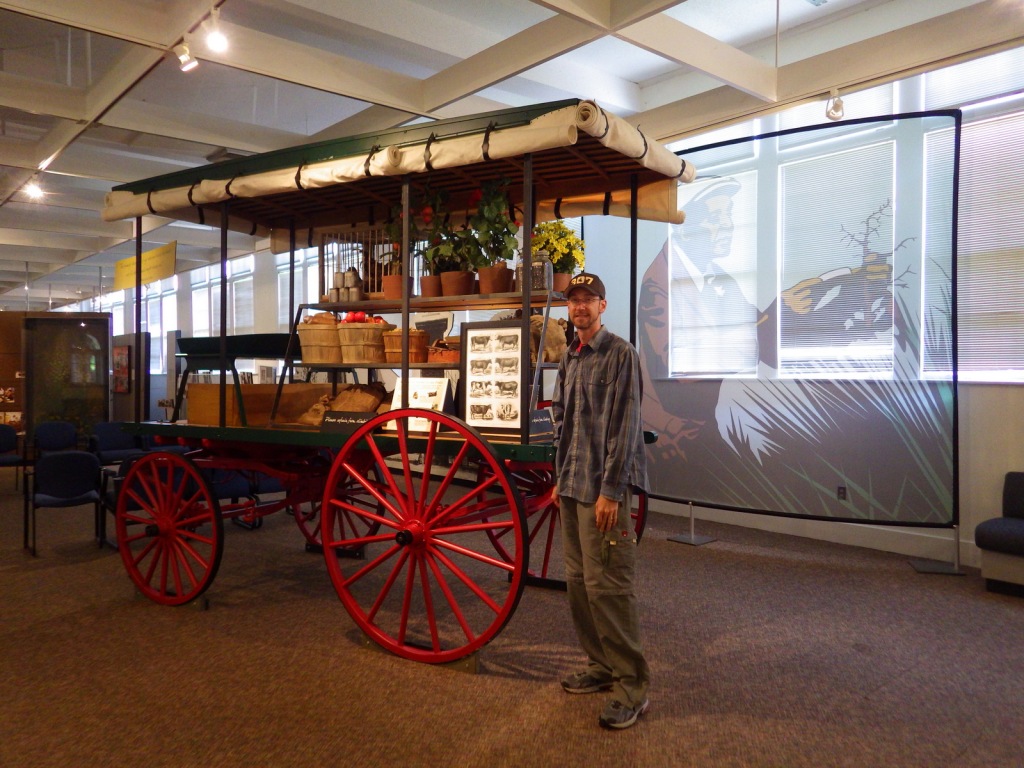
Since only eight of the 58 acres dedicated to this National Historic Site are owned by the National Park Service (NPS) on this active college campus, it behooves you to call ahead to schedule your visit.  Guided tours are available of the university and The Oaks, the historic Washington family home that was built by students.  At least make sure the excellent George Washington Carver Museum is open when you visit.  At the beginning of World War II, the school was selected to train African-American pilots, which is detailed at the nearby Tuskegee Airmen National Historic Site, also managed by the NPS.

Best Trail

None

Instagram-worthy Photo

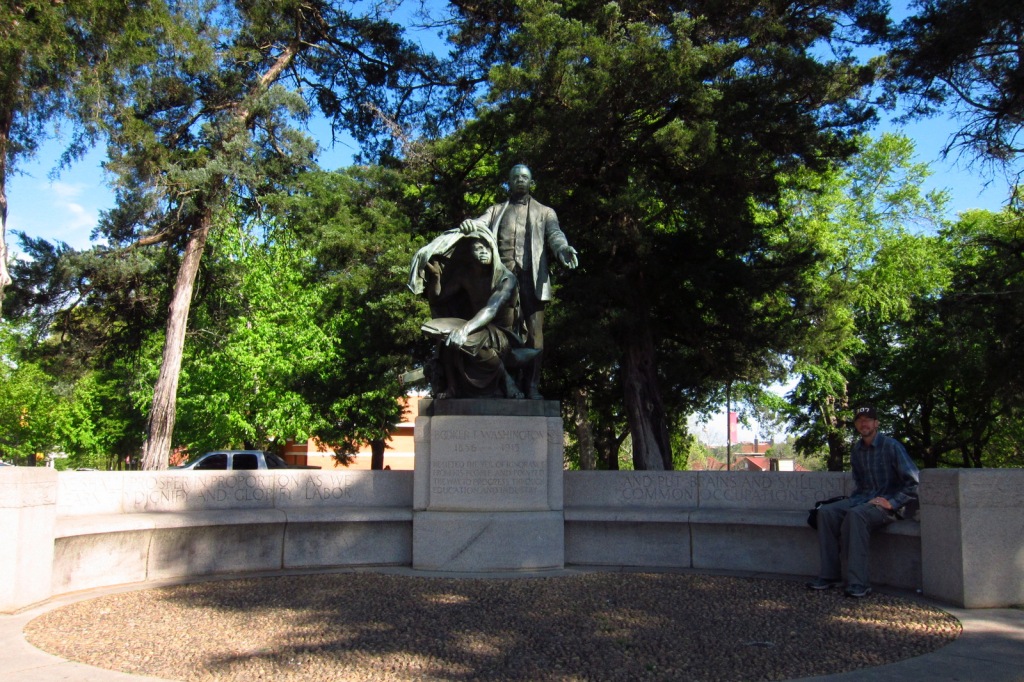
The sculpture of Booker T. Washington lifting the veil of ignorance from a slave was completed by Charles Keck in 1922.

Peak Season

Spring and fall

Hours

https://www.nps.gov/tuin/planyourvisit/hours.htm

Fees

None

Road Conditions

All roads are paved, but there is limited parking on campus for tourists.

Camping

Chewacla State Park is located northeast of town and primitive camping is allowed in Tuskegee National Forest (the smallest U.S. National Forest at 11,252 acres).

Related Sites

Booker T. Washington National Monument (Virginia)

George Washington Carver National Monument (Missouri)

Tuskegee Airmen National Historic Site (Alabama)

Explore More – How many bricks were made and laid by Tuskegee students to build the original chapel in 1896-98?
Amistad National Recreation Area

Overview

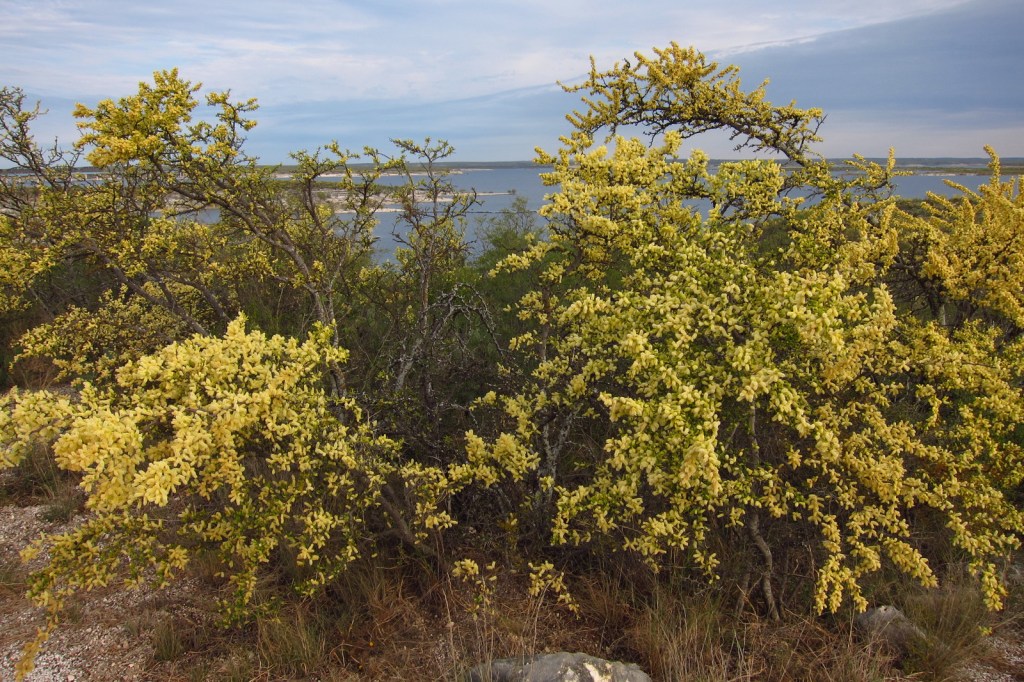
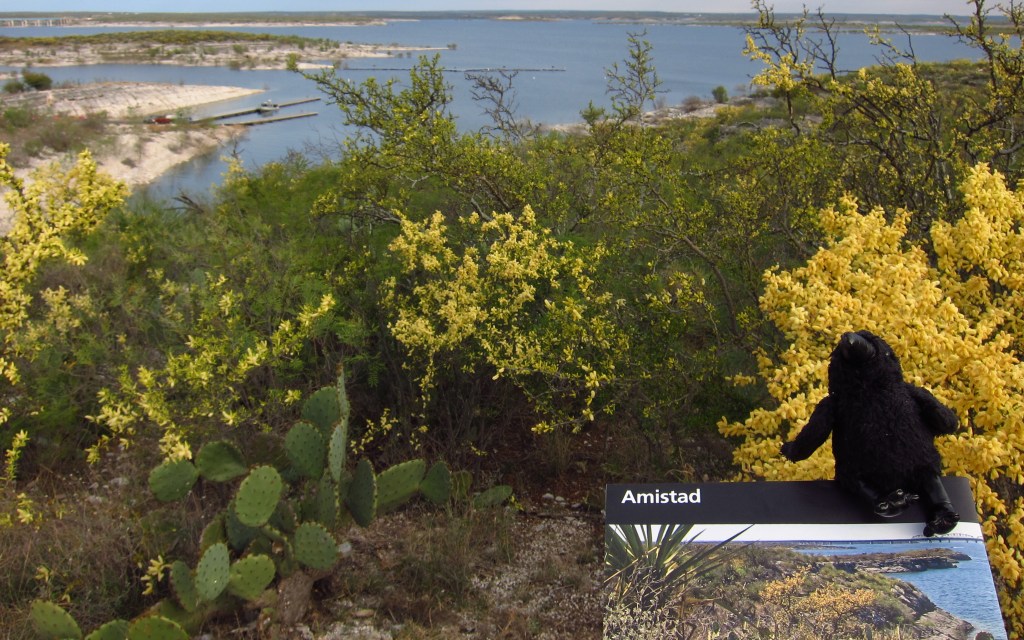
Amistad translates as “friendship” from Spanish, which is fitting given that this reservoir is shared by the U.S. and Mexico.  Marinas and boat ramps provide access to the lake for watersports, like fishing and waterskiing.  The 254-foot tall dam across the Rio Grande was built in 1968 and serves as a customs station in Del Rio, Texas.  The National Park Service (NPS) runs a free museum nearby.

Highlights

Panther Cave pictographs, Seminole Canyon State Park, watersports

Must-Do Activity

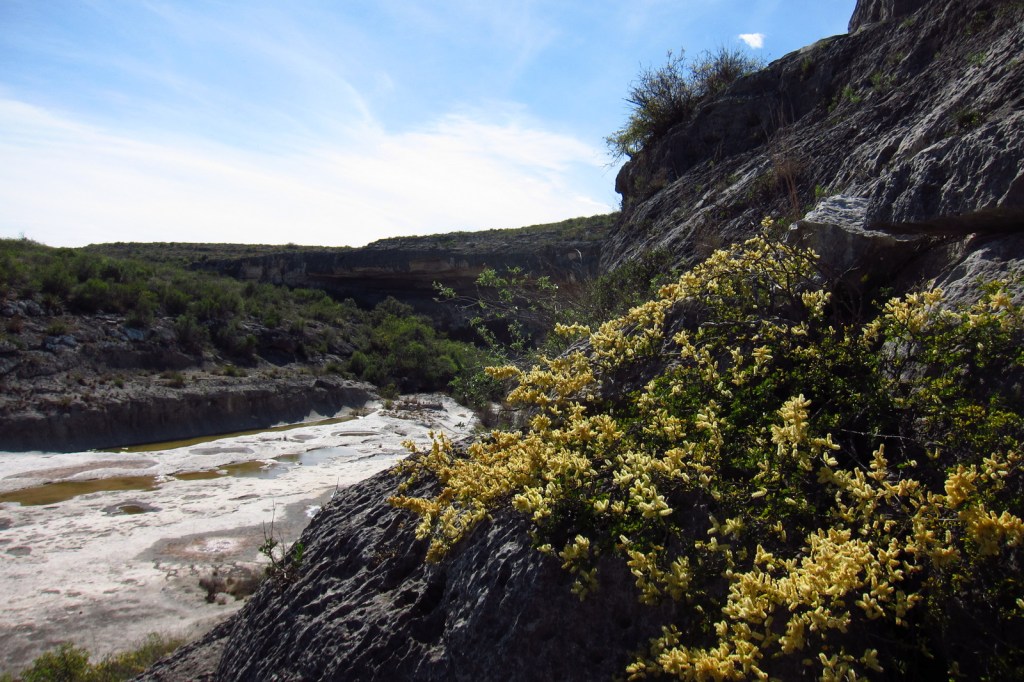
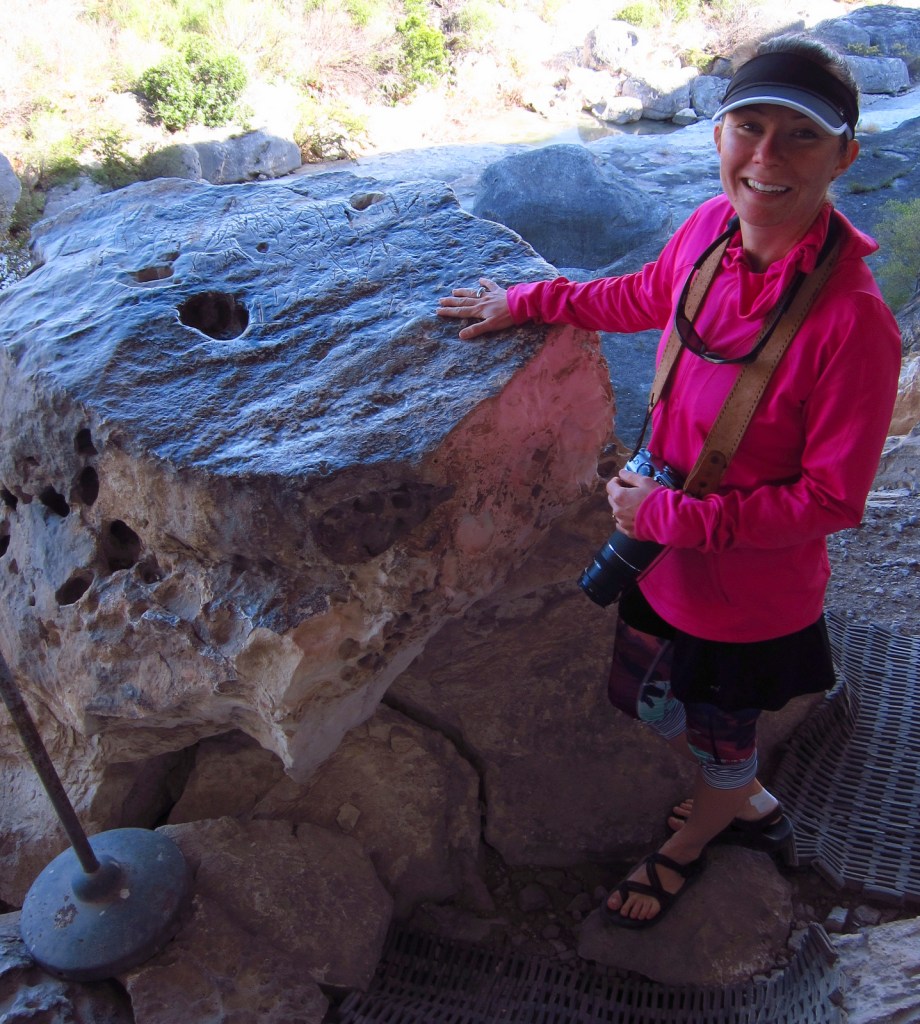
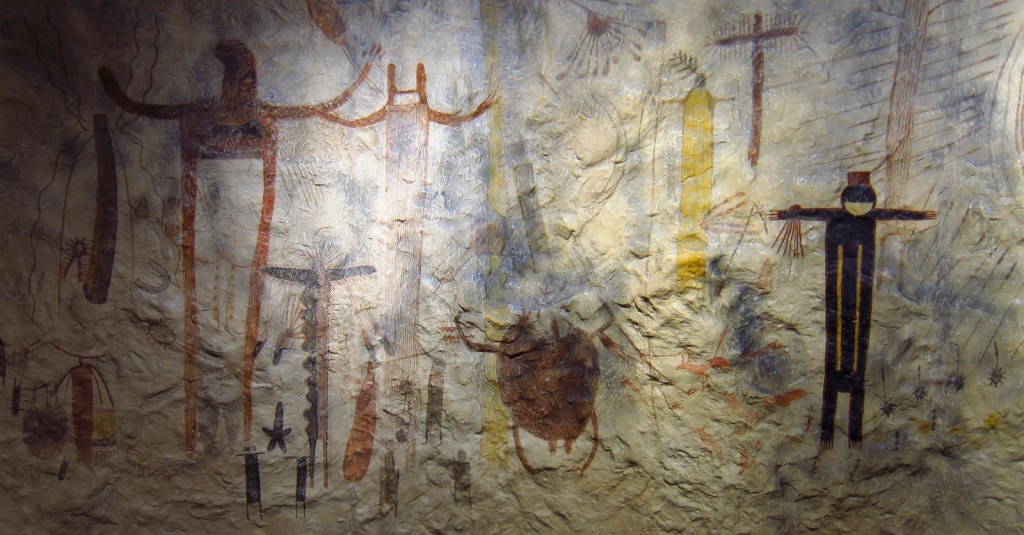
Amistad National Recreation Area is also famous for its 4,000-year-old pictographs, which can most easily be accessed on guided tours of Seminole Canyon State Park, 45 miles outside Del Rio, Texas on Highway 90.  Admission is charged for the museum and tour, but provides the only way to see the colorful artwork in Fate Bell Shelter.  Viewing fossils in the limestone was an added bonus on the tour.

Best Trail

The pictographs in Panther Cave can be seen from afar by hiking a trail in the state park or up-close by boating to the dock and climbing a steep stairway. 

Instagram-worthy Photo

If you are unable to hike down into the canyon, the Seminole Canyon State Park museum has a replica of the rock art.

Peak Season

Summer

Hours

https://www.nps.gov/amis/planyourvisit/hours.htm

Fees

Boating passes start at $4 for a 1-day pass, $8 per person to tour Seminole Canyon State Park

Road Conditions

All major roads paved

Camping

Two NPS campgrounds are available at Governors Landing and San Pedro and there is a campground at Seminole Canyon State Park.

Related Sites

Alibates Flint Quarries National Monument (Texas)

Waco Mammoth National Monument (Texas)

Canyonlands National Park (Utah)

Explore More – How many miles of the Rio Grande do the park’s boundaries encompass?

Wright Brothers National Memorial

Overview

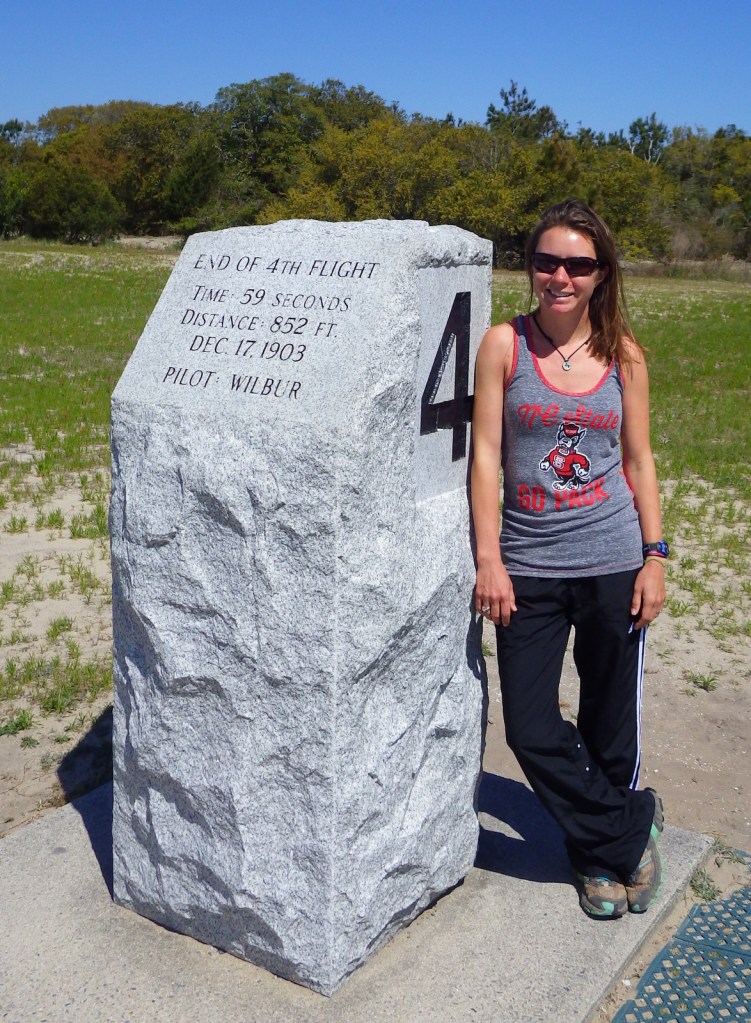
The Wright Brothers hailed from Dayton, Ohio but they came to the Outer Banks of North Carolina for the sustained winds they needed to get their winged contraptions off the ground.  They glided from the top of Kill Devil Hill more than a thousand times between 1900 and 1902.  Then on December 17, 1903 they finally made history: twelve-seconds of motor-powered, man-carrying flight in a heavier-than-air airplane.  After the fourth and longest flight (59 seconds) that day the flying machine was irreparably crashed and the brothers headed back to Ohio. 

Highlights

Museum, replica flyer and glider, monument, sculpture

Must-Do Activity

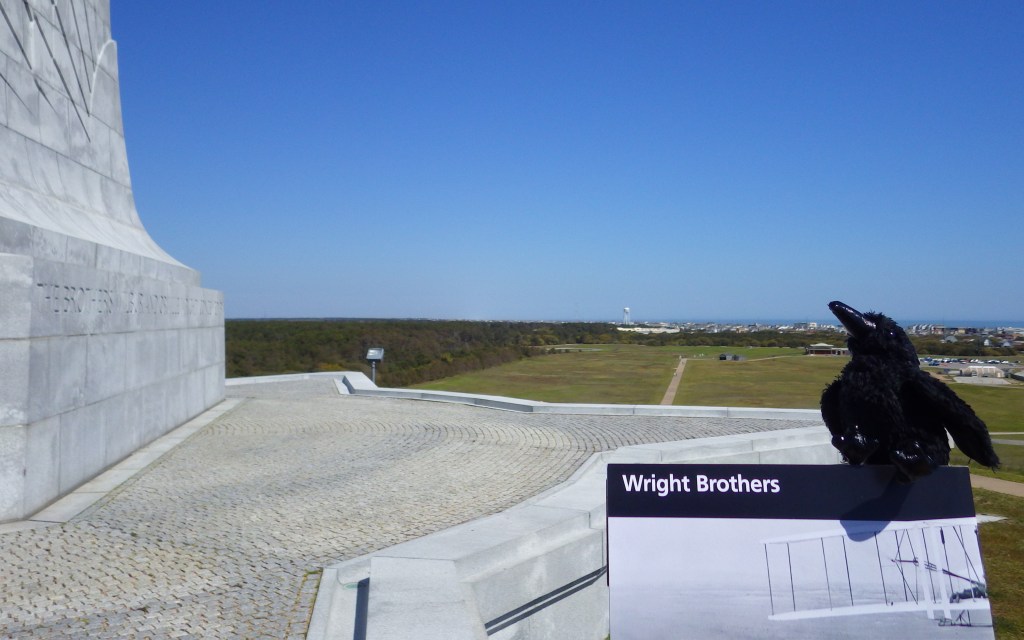
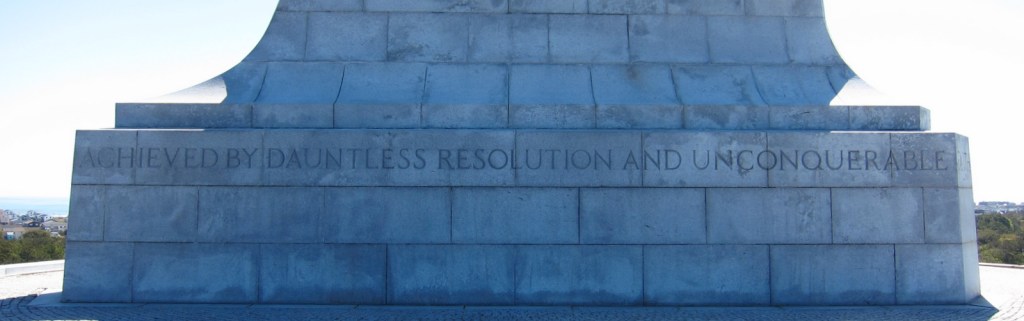
Since 1932, a massive granite monument has stood atop the 90-foot tall hill, which is actually a sand dune stabilized with planted grass.  Visitors to Kitty Hawk will also find a replica flyer and glider, reconstructed hangar, boulders marking the landing spot of each of the four flights, and a life-size bronze sculpture added on the first flight centennial in 2003. 

Best Trail

A paved walkway connects the Wright Brothers Monument atop Kill Devil Hill with the five boulders marking the lift-off point and four landings that occurred on December 17, 1903.

Instagram-worthy Photo

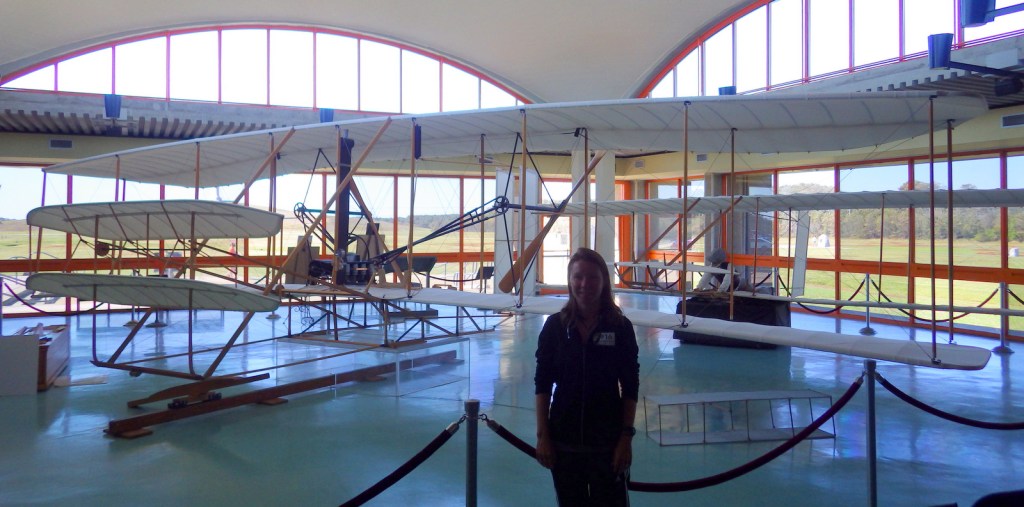
A full-scale replica of the 1903 flyer is located inside the museum run by the National Park Service (NPS).  Rangers give lectures in that room throughout the day, also explaining details of the replica 1902 glider.

Peak Season

Summer and every December 17

Hours

https://www.nps.gov/wrbr/planyourvisit/hours.htm

Fees

$10 per person or America the Beautiful pass

Road Conditions

All roads paved

Camping

There are NPS campgrounds located south of the memorial in Cape Hatteras National Seashore.

Related Sites

Dayton Aviation Heritage National Historical Park (Ohio)

Fort Raleigh National Historic Site (North Carolina)

Cape Hatteras National Seashore (North Carolina)

Explore More – The 1903 flyer on display here is a replica, so where is the original exhibited?

We are a participant in the Amazon Services LLC Associates Program, an affiliate advertising program designed to provide a means for us to earn fees by linking to Amazon.com and affiliated sites.

Little Bighorn Battlefield National Monument

Montana

Managed by National Park Service

Established 1879

765 acres

Website: www.nps.gov/libi

Overview

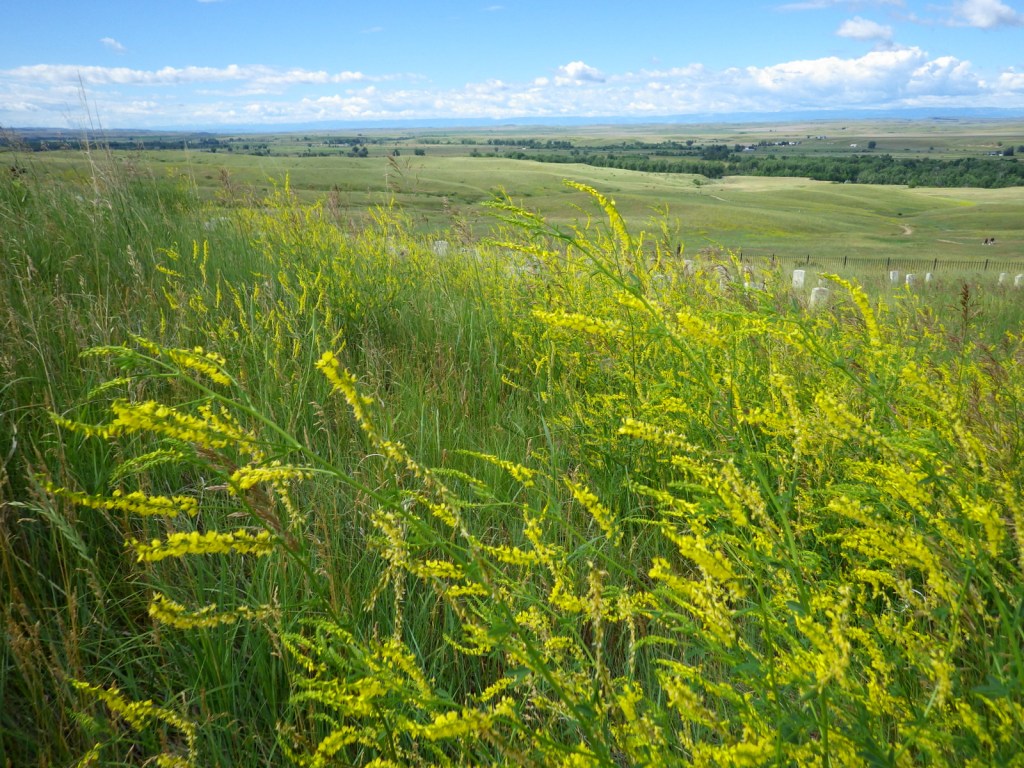
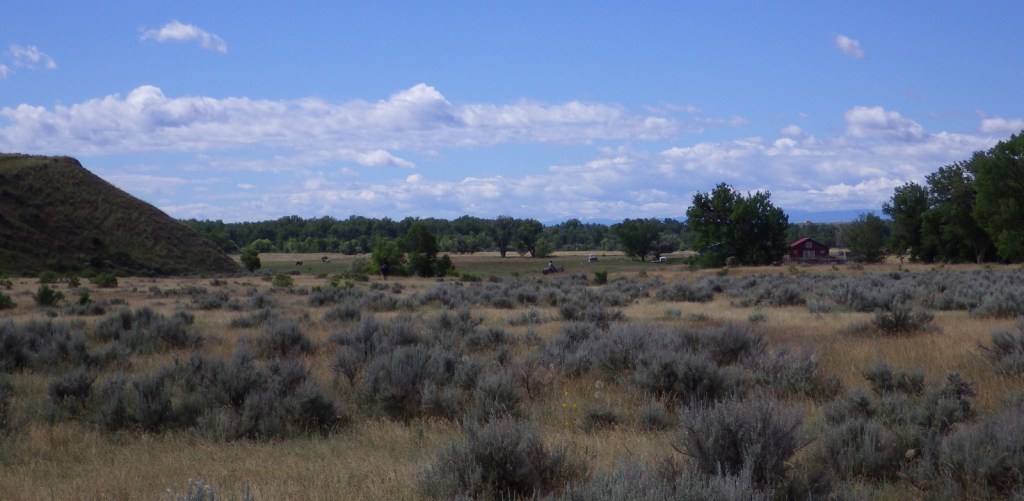
You may not recall the 1876 battle at the Little Bighorn River in southern Montana, but most Americans (even children) recognize its label “Custer’s Last Stand.”  For such a relatively minor skirmish in the bloody 1800s, it has an outsized legend that only grows with time.  At this site more than 140 years ago, a large portion of the 7th U.S. Cavalry met their demise for tactical reasons still debated to this day.  The blame is generally placed upon Lieutenant Colonel George Armstrong Custer who was believed to be jockeying for a presidential nomination in the 1876 election.  Today this National Park Service (NPS) site is located on the Crow Indian Reservation in southern Montana, just off Interstate 90.

Know someone who loves exploring new National Monuments? Gift them our book Monumental America: Your Guide to All 138 National Monuments that is available for sale on Amazon.com.

Highlights

Museum, Custer National Cemetery, driving tour, Last Stand Hill, Indian Memorial

Must-Do Activity

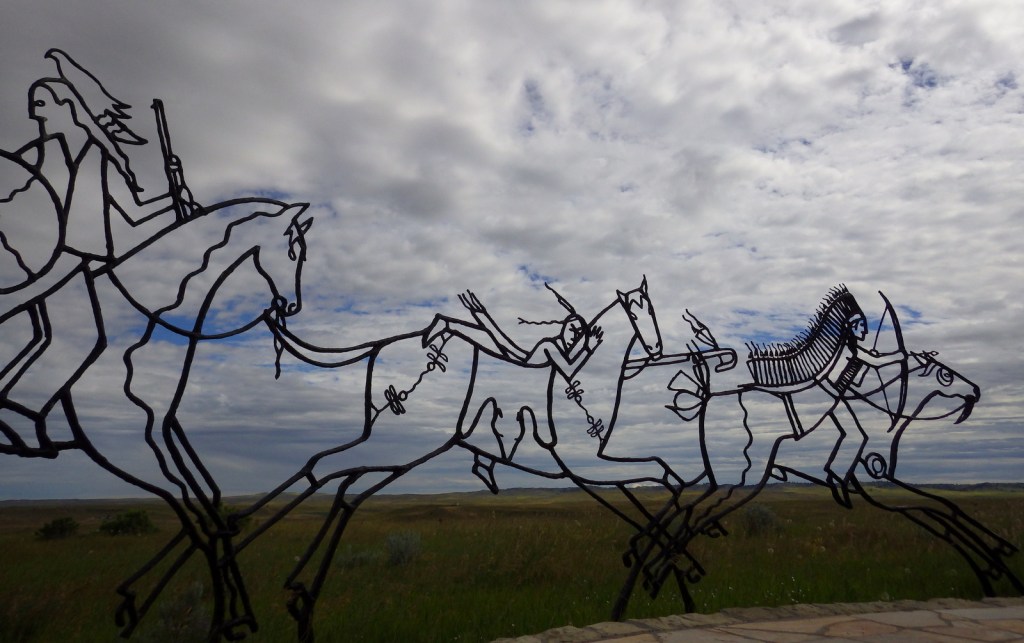
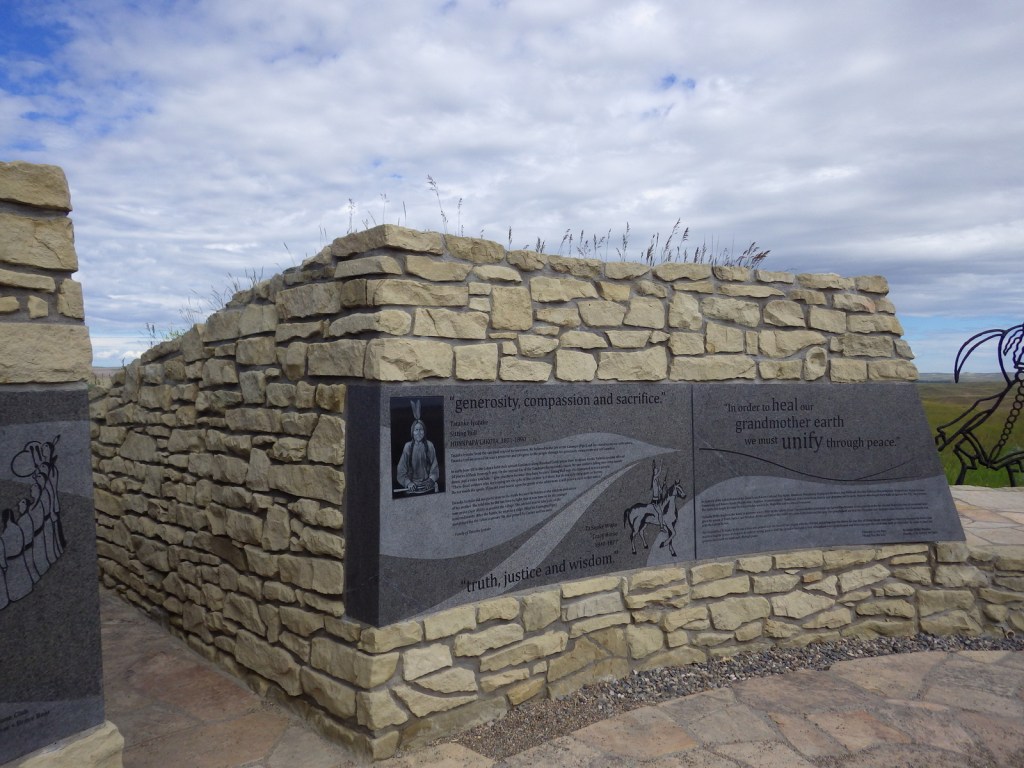
On June 25, 1876, with only 600 soldiers, Custer attempted to defeat a temporary village composed of multiple tribes numbering over 7,000 individuals.  Never before had so large an American Indian encampment been collected anywhere on the Great Plains.  Renowned war chiefs Sitting Bull, Crazy Horse, Two Moons, and many others have their words memorialized at the Indian Memorial, not built at Little Bighorn Battlefield National Monument until 2003 near the mass grave on Last Stand Hill.  Be sure to come in late June for the opportunity to witness a historical reenactment of the famous battle, which is held on the Crow Indian Reservation adjacent to the 765-acre National Monument.

Best Trail

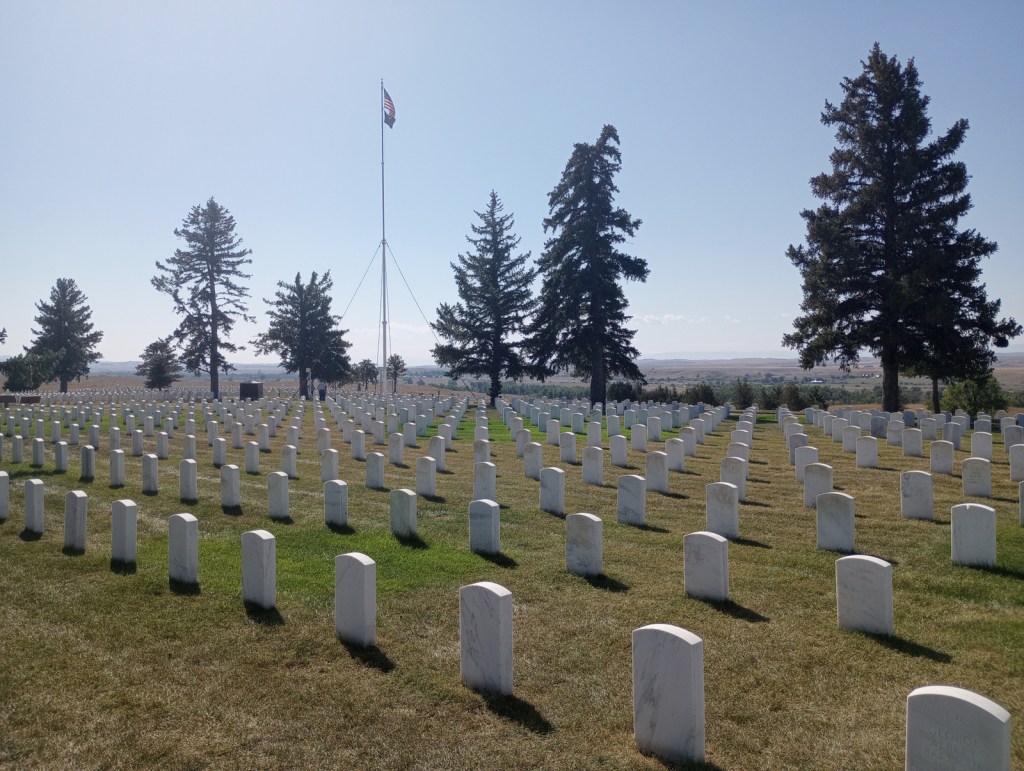
Deep Ravine Trail is a half-mile out-and-back hike that was first laid out in the immediate aftermath of the battle to mark the sites of casualties with wooden stakes made from teepee poles, and then in 1890 replaced by white marble markers.

Photographic Opportunity

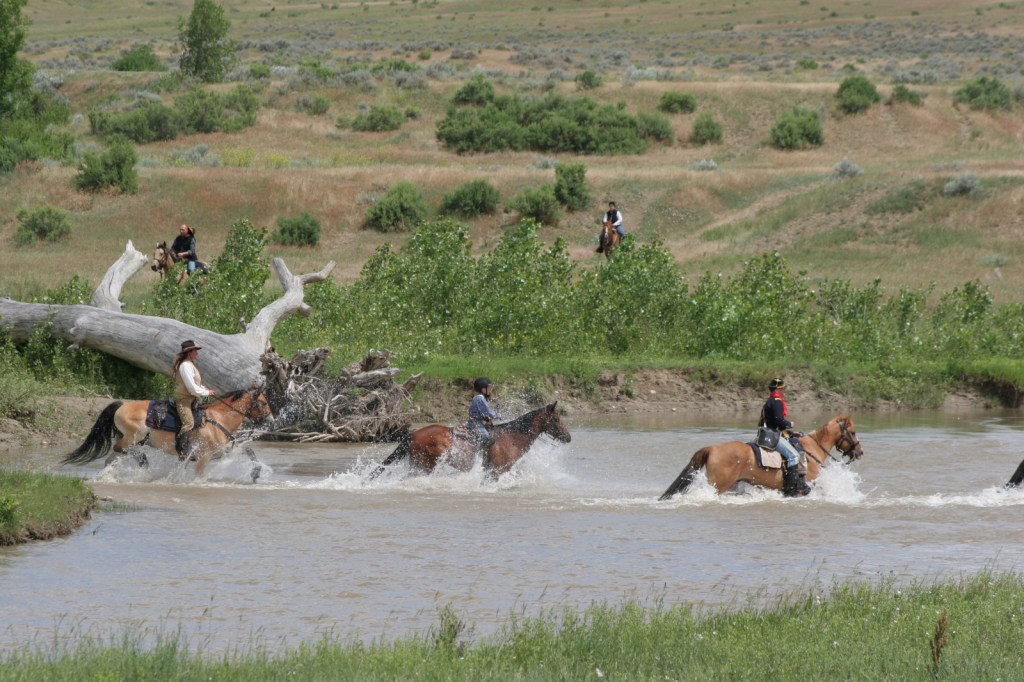
The Battle of the Little Bighorn Reenactment is a two-hour, fully narrated presentation explaining the significance of the Battle of the Greasy Grass (as the American Indians call it).  The site of the reenactment is a ford where Lieutenant Colonel Custer’s battalion came closest to the encampment where 1,800 warriors of the Sioux, Cheyenne, and Arapahoe Nations were gathered to protect their families.  American Indian riders go bareback, leaping on and off their ponies with ease, while saddled 7th U.S. Cavalry re-enactors splash through the fast-flowing Little Bighorn River astride powerful horses.

Peak Season

Summer (the best time of year to visit is around the June 25 anniversary when a reenactment of the battle is held)

Hours

https://www.nps.gov/libi/planyourvisit/hours.htm

Fees

$25 per vehicle or America the Beautiful pass

Road Conditions

All roads are paved, including the 4.5-mile-long road to the Reno-Benteen Battlefield.

Camping

There is a small, private campground at the exit from Interstate 90, but the nearest NPS campground is 40 miles away at Bighorn Canyon National Recreation Area.

Related Sites

Washita Battlefield National Historic Site (Oklahoma)

Big Hole National Battlefield (Montana)

Devils Tower National Monument (Wyoming)

Nearest National Park

Yellowstone

Explore More – When was Custer National Cemetery originally established and when did it become part of a National Monument?

Learn more about the other 137 National Monuments in our book Monumental America: Your Guide to All 138 National Monuments

Lyndon B. Johnson National Historical Park

Overview

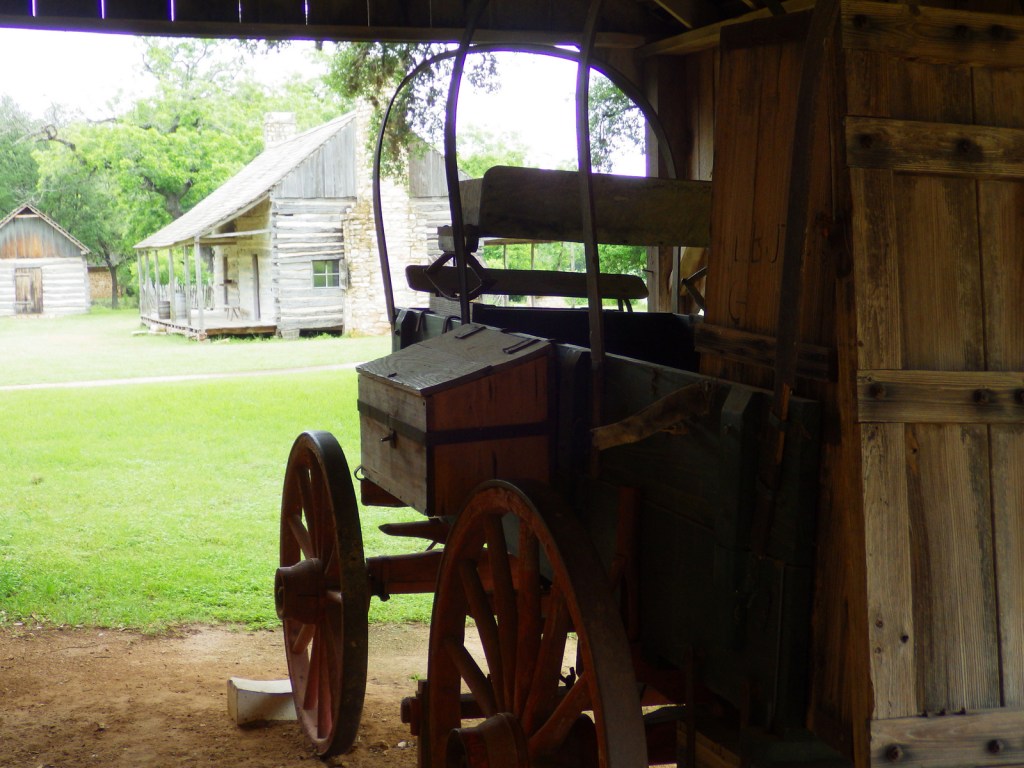
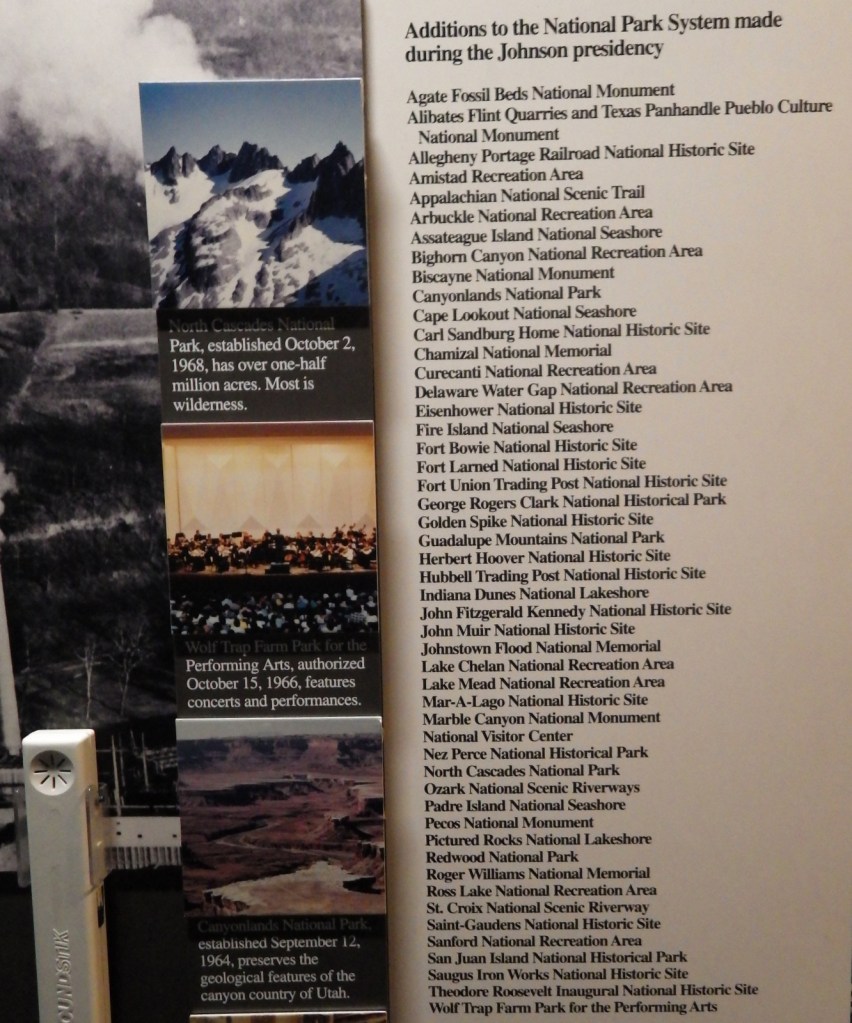
Lyndon B. Johnson National Historical Park is composed of two separate sites located 14 miles apart in Johnson City and Stonewall, Texas.  Museums here highlight the significant legislation that passed during his presidency from 1963-1969, including the pivotal Civil Rights Act, and, for nature lovers, the Wilderness Act.  Additions to the National Park Service (NPS) system during his presidency were extensive, including five sites in his home state of Texas (see Related Sites below).

Highlights

Johnson Settlement, films, Texas White House, Johnson Family Cemetery

Must-Do Activity

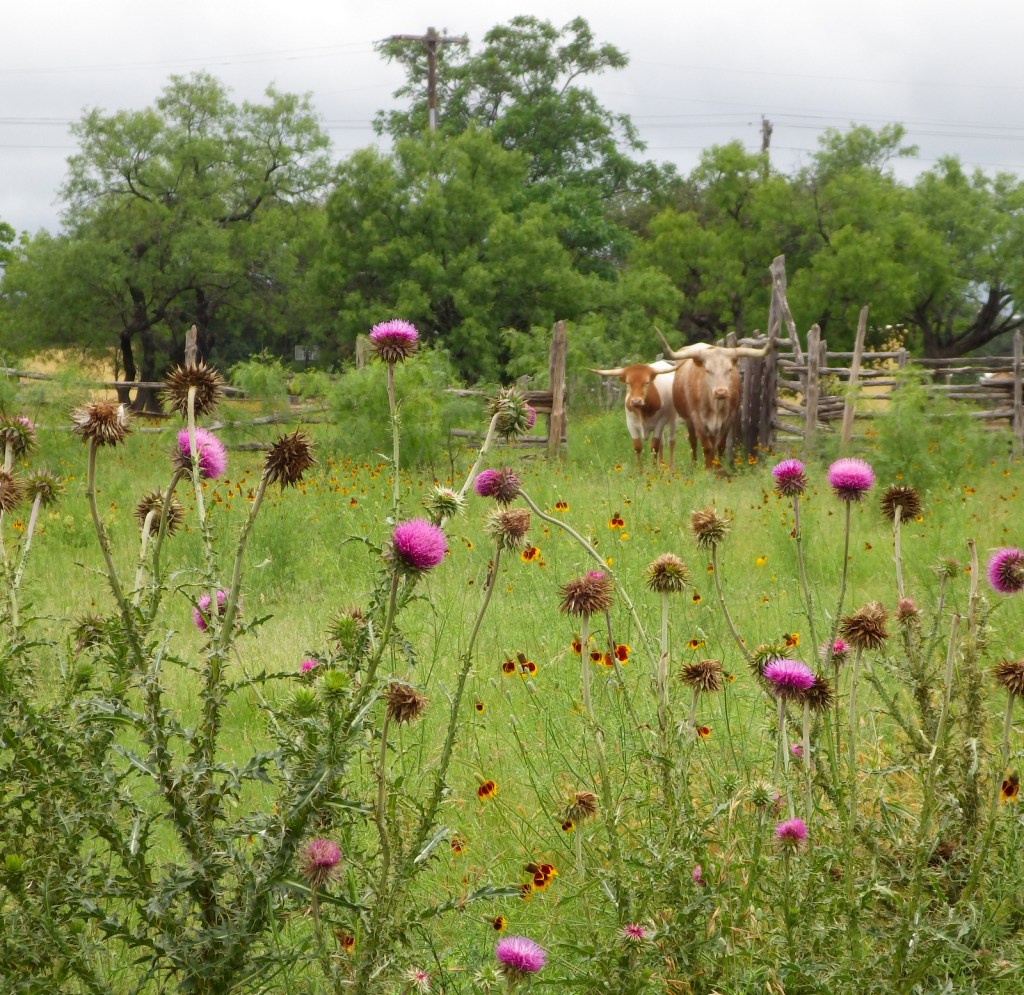
The 36th President of the United States is typically referred to as LBJ.  Birders know an “LBJ” as an acronym for those hard to identify “little brown jobs” that flit away before you can focus them in your binoculars.  Fittingly, President LBJ’s wife was named Lady Bird, and together they did much to preserve our public lands for native plants and animals.  Around the boyhood home where LBJ grew up in Johnson City, there are plenty of birds to watch, as well as longhorn cattle.  A driving tour through the Stonewall property (14 miles west) requires a permit from the LBJ State Park and Historic Site.  Once you get that, tickets for a guided tour of the Texas White House are available at the NPS visitor center located inside the Airplane Hangar.

Best Trail

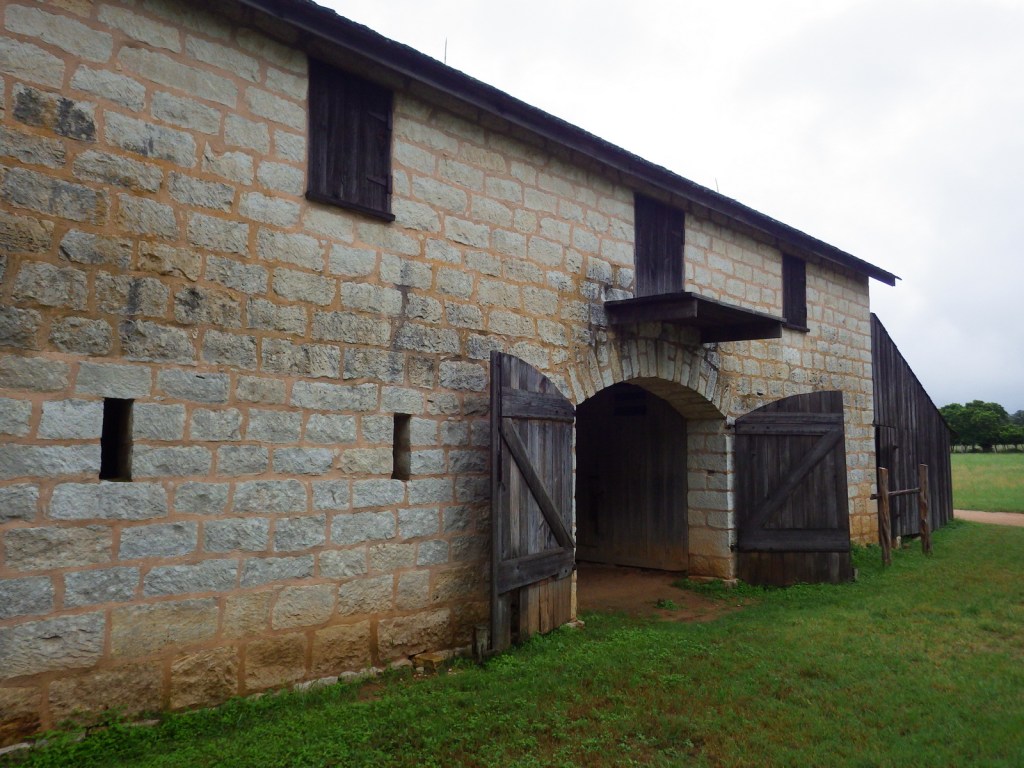
A walking tour through Johnson City includes stops at Withers and Spauldings General Store, LBJ’s boyhood home, and barns and cabins that date back to the 1800s within the Johnson Settlement.

Instagram-worthy Photo

Longhorn cattle can be seen at the Johnson Settlement in Johnson City, Texas.  Hereford cattle are still raised at the working ranch in Stonewall.

Peak Season

Spring and fall

Hours

https://www.nps.gov/lyjo/planyourvisit/hours.htm

Fees

None except for the Texas White House tour ($3 per person or free with the America the Beautiful pass)

Road Conditions

All roads paved

Camping

East of Johnson City, Pedernales Falls State Park has a campground, as does Lady Bird Johnson Municipal Park in Fredericksburg, Texas.

Related Sites

Guadalupe Mountains National Park (Texas)

Padre Island National Seashore (Texas)

Alibates Flint Quarries National Monument (Texas)

Explore More – Which resort in Florida (later owned by a future U.S. President) was designated a National Historic Site under the Johnson administration (then eventually sold and disbanded)?