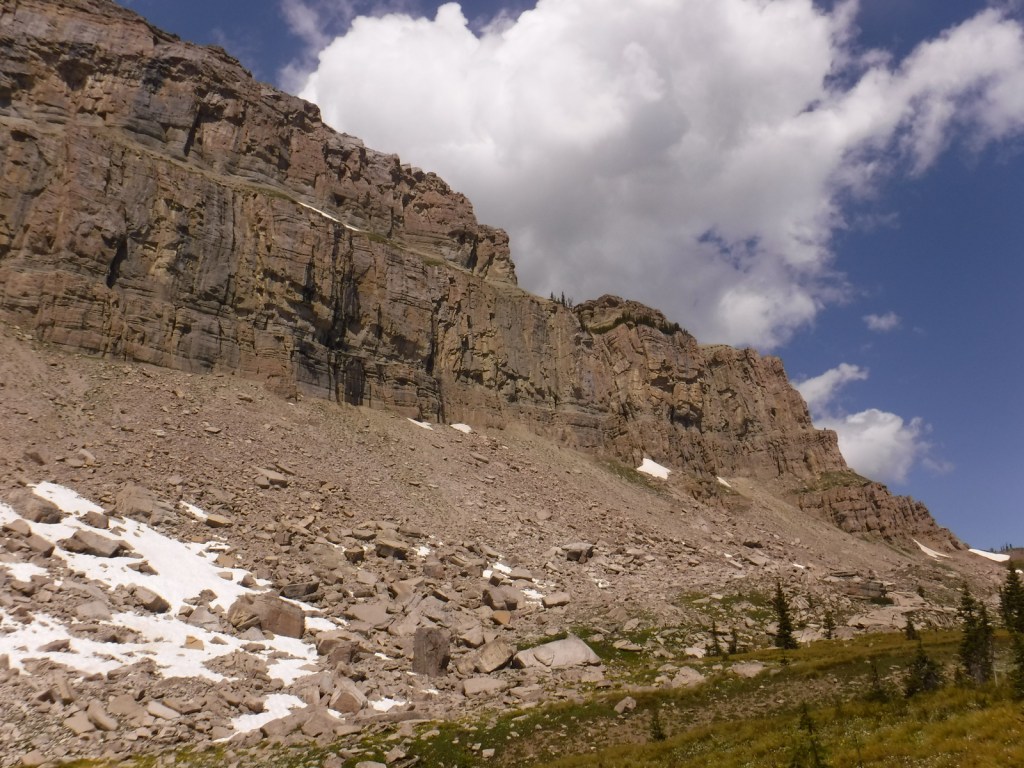
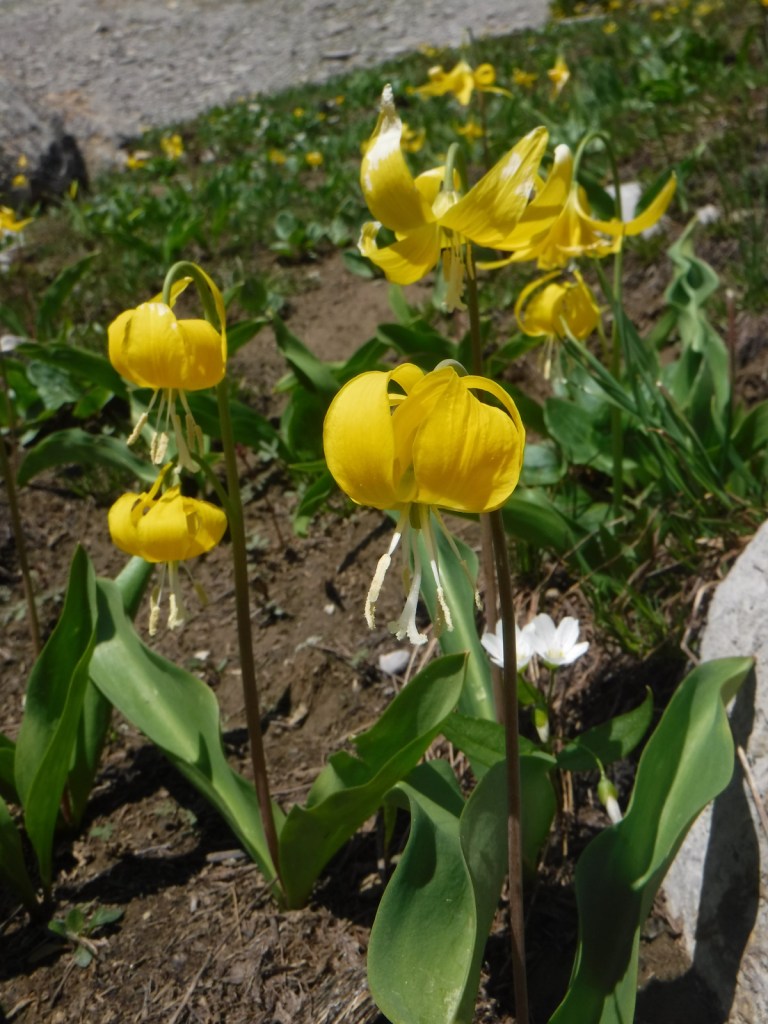
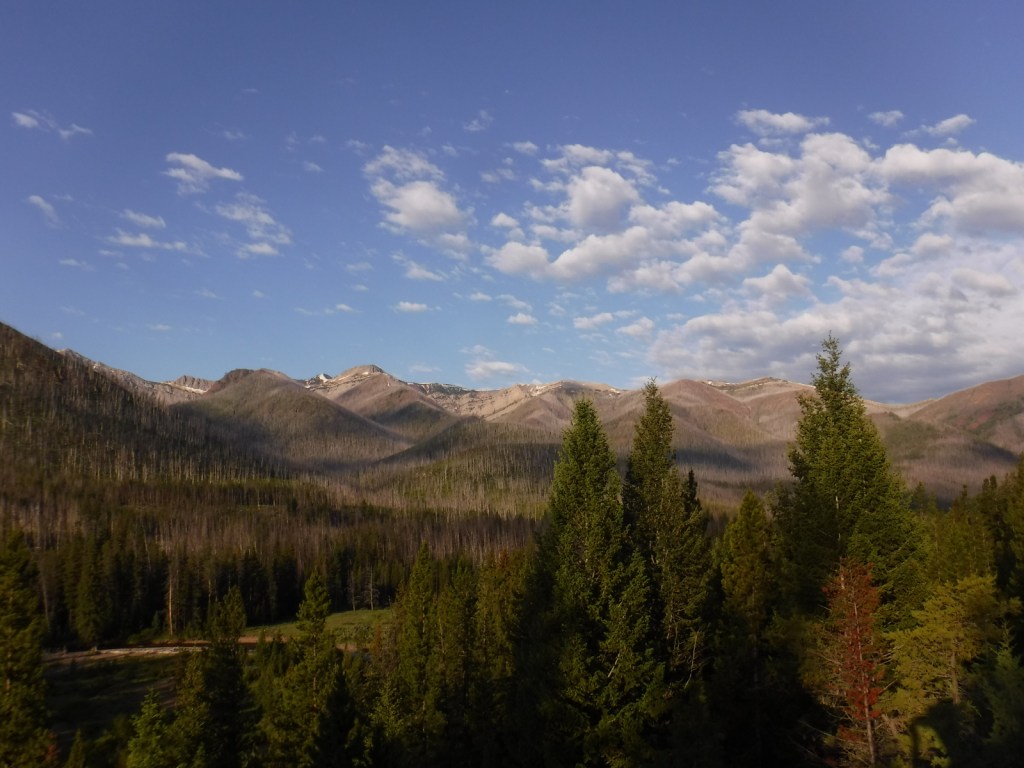
Tag Archives: skiing

Manistee National Forest

Manistee National Forest

Michigan

Managed by U.S. Forest Service, Eastern Region

1,331,673 acres (540,322 federal/ 791,351 other)

Website: https://www.fs.usda.gov/r09/huron-manistee

Overview

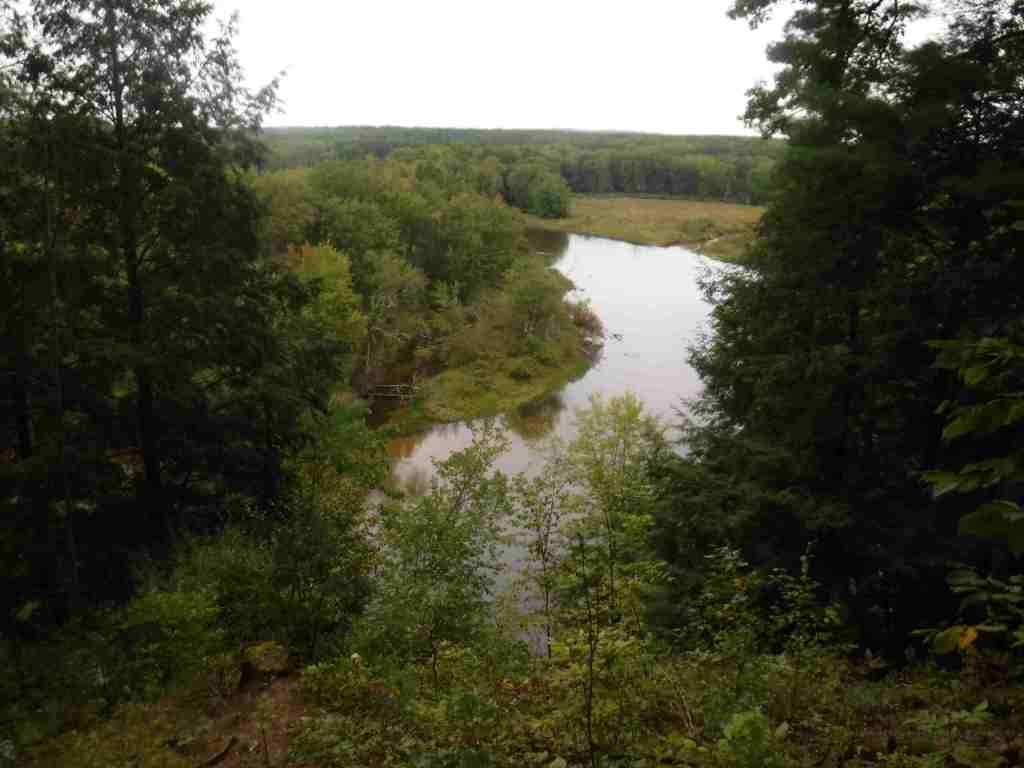
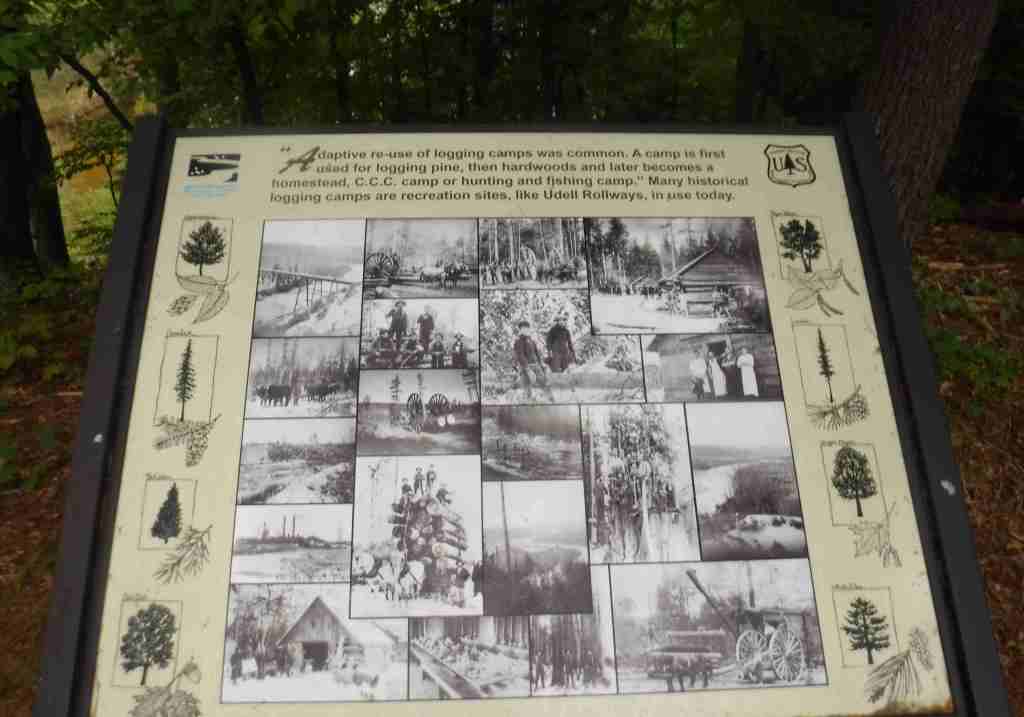
Even though they are on opposite sides of Michigan’s Lower Peninsula, Manistee and Huron National Forests have been co-managed since 1945.  Only seven years earlier, Manistee National Forest was created from tax-forfeited lands and purchases of logged forests unsuitable for farming, so it is remains a mosaic of private and public lands.  Much of this area was replanted by the Civilian Conservation Corps (CCC) and many of those trees are now very large.  It contains the highest point on Michigan’s Lower Peninsula, 1,706-foot Briar Hill, which has no marked trails to the summit and obstructed views from the top.  It is also home to Caberfae Peaks Ski Resort, which receives high accumulations of lake-effect snow and is one of the oldest ski resorts in the U.S. opened in 1938. 

Highlights

Pere Marquette National Scenic River, Nordhouse Dunes, Newaygo Prairies, Caberfae Winter Sports Area, Udell Rollways, Briar Hill, Manistee River Trail, North Country National Scenic Trail

Must-Do Activity

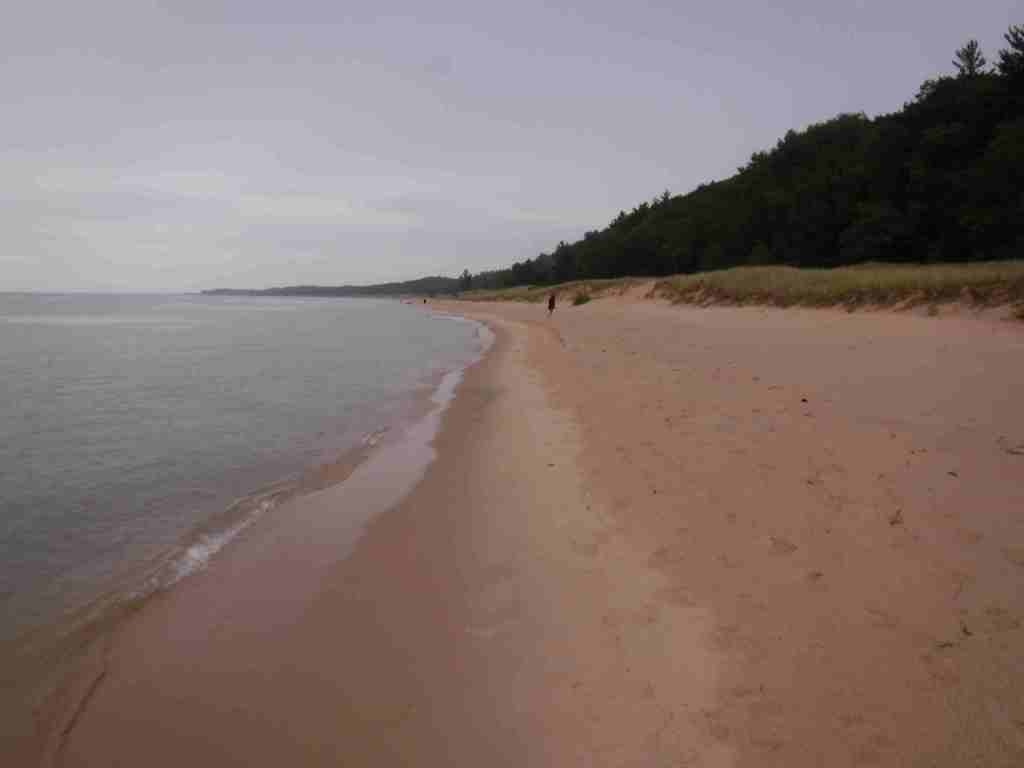
Manistee National Forest is popular for hiking, fishing, camping, boating, snowmobiling, cross-country skiing, and hunting.  The National Forest’s primary visitor attractions are the Nordhouse Dunes along Lake Michigan and Loda Lake National Wildflower Sanctuary, a 1,000-acre area set aside in 1938 to grow native plants.  The 6,270-acre sand dunes complex around Big Sable Point on Lake Michigan was formed 3,500 years ago and reaches 140 feet in height above lake level.  The southern portion is contained within Ludington State Park and the northern half is managed by the Forest Service. 

Best Trail

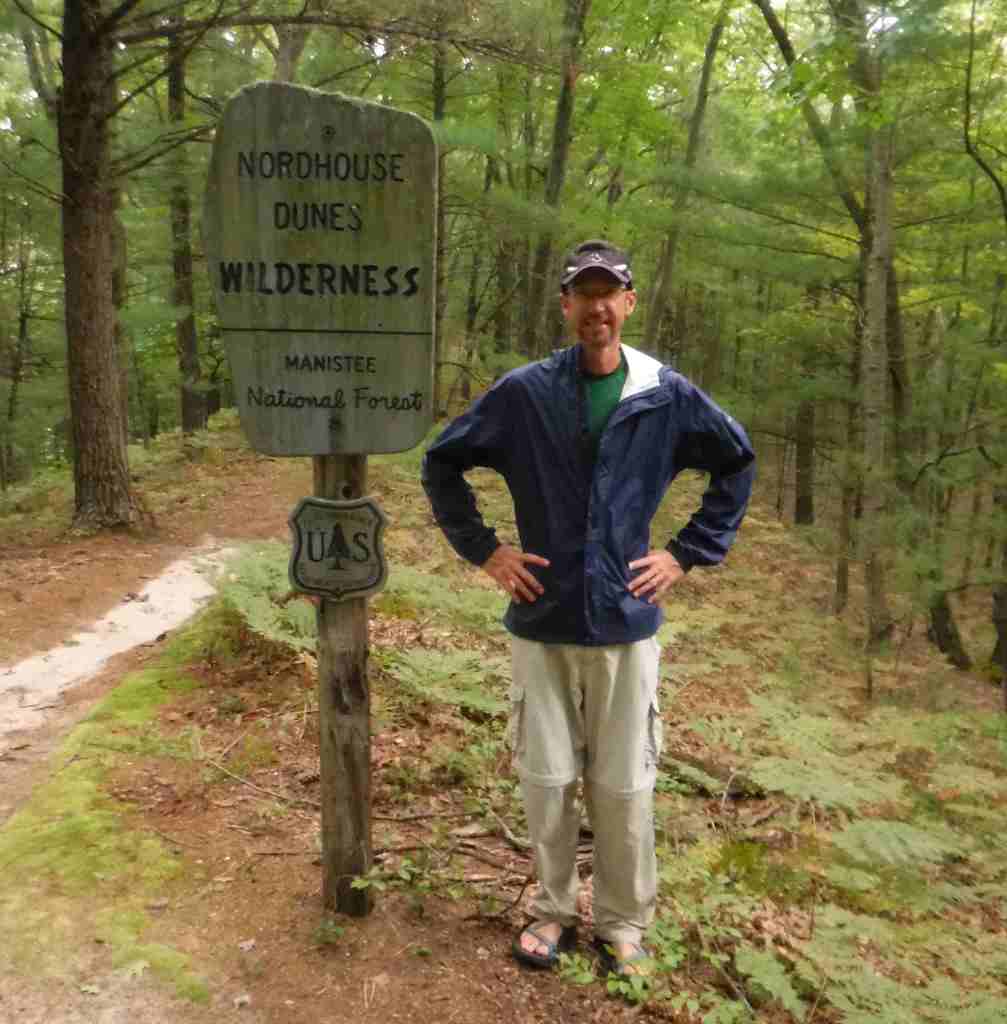
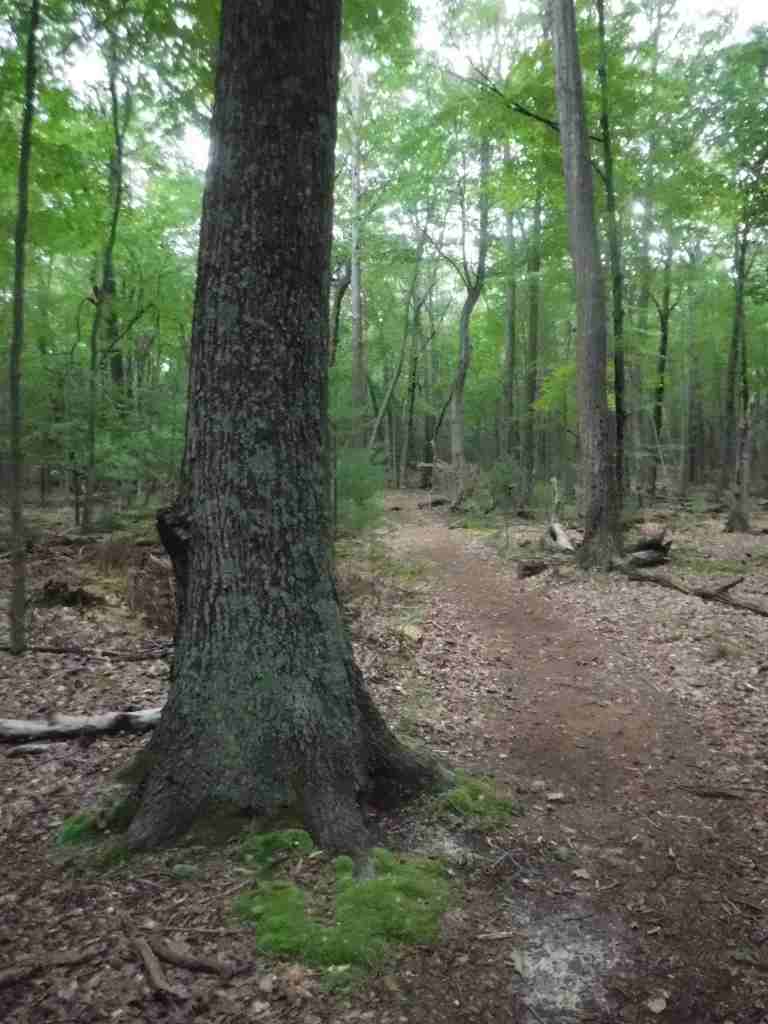
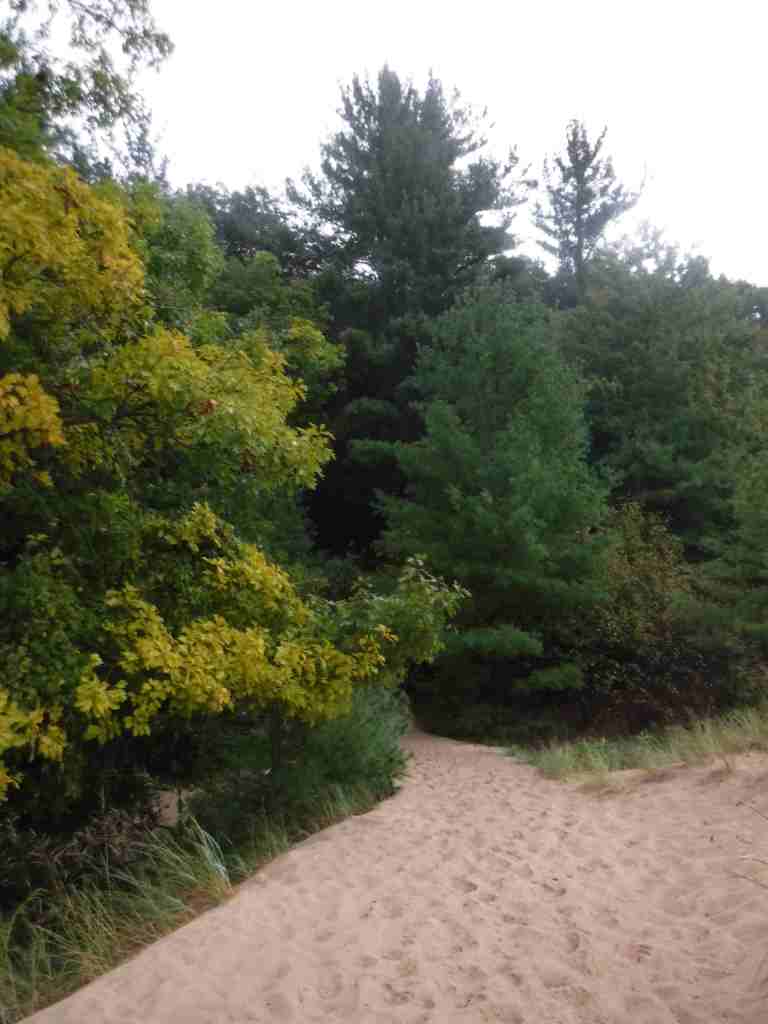
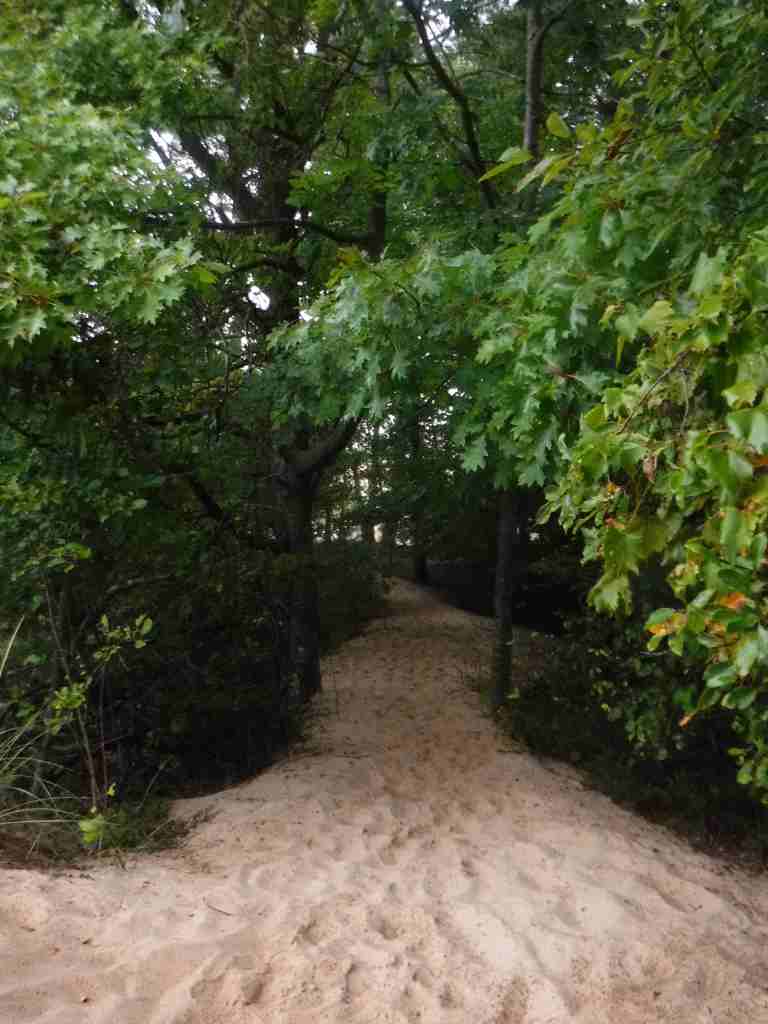
We accessed the Nordhouse Dunes from the Arrowhead Trailhead (fee), nine miles on paved West Forest Trail Road from Highway 31.  We hiked a 2.7-mile loop by connecting the Middle Trail to the Arrowhead/ Nipissing Trail then following the shoreline back.  We passed dozens of backpackers camping on the beach, mostly ignoring the requirement to stay 400 feet from Lake Michigan and 100 feet from trails.  The North Country National Scenic Trail passes through Manistee National Forest and can be connected with the 11-mile-long Manistee River Trail to make a 23-mile loop.

Watchable Wildlife

The Nordhouse Dunes encompass the largest area of freshwater interdunal ponds in the world, home to the federally endangered pitcher’s thistle.  On the Lake Michigan shoreline, the dune grass provides habitat for endangered piping plovers.  More common species are white-tailed deer, coyote, red fox, porcupine, and raccoon, and the occasional black bear and bobcat.  A variety of gamefish are found in the Manistee River, Lake Michigan, and smaller ponds.

Photographic Opportunity

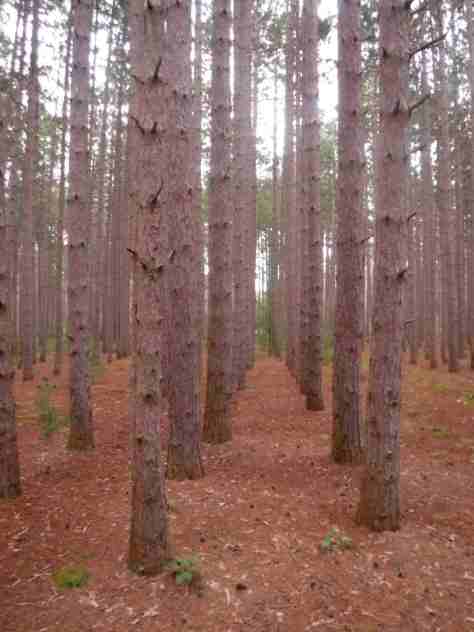
The rows of trees in the red pine plantations make for some interesting photographic subjects.

Peak Season

Summer

Fees

There is a $5 day use fee (or $15 for a week) to park at trailheads for the Nordhouse Dunes Wilderness with automated fee collection station available at Nurnberg Trailhead, or you can hang an America the Beautiful pass in your vehicle.

Road Conditions

The main roads are paved from Highway 31 to access the Nordhouse Dunes Wilderness; Nurnberg Trailhead in the southeast corner is open year round and Lake Michigan Recreation Area in the north is gated in the offseason. 

Camping

There is a 102-site campground near the trailhead within Lake Michigan Recreation Area, but dispersed car camping is allowed to the east on the sandy side roads off West Forest Trail Road.  It seems that backpackers in the Nordhouse Dunes area ignore the requirement to stay 400 feet from the lake and 100 feet from trails. 

Wilderness Areas

Nordhouse Dunes Wilderness

Related Sites

Huron National Forest (Michigan)

Sleeping Bear Dunes National Lakeshore (Michigan)

River Raisin National Battlefield Park (Michigan)

Nearest National Park

Indiana Dunes

Conifer Tree Species

red pine, jack pine, eastern white pine, eastern hemlock, arborvitae, tamarack, black spruce

Flowering Tree Species

northern red oak, black oak, white oak, red maple, paper birch, yellow birch, American beech, black cherry, green ash, bigtooth aspen, sassafras, witch hazel    

Explore More – How is the Ojibwe word Manistee translated into English?

Learn more about this and the 154 other National Forests in our new guidebook Out in the Woods

Lolo National Forest

Lolo National Forest

Montana

Managed by U.S. Forest Service, Northern Region

2,639,224 acres (2,197,966 federal/ 441,258 other)

Website: https://www.fs.usda.gov/r01/lolo

Overview

Located in western Montana, the elevation of Lolo National Forest ranges from less than 2,400 feet on the Clark Fork River below Thompson Falls to the top of 9,186-foot Scapegoat Mountain.  West of Missoula off Interstate 90, the Ninemile Historic Remount Depot preserves a Civilian Conservation Corps (CCC) camp and pack stock training facility.  Founded in 1907, the Savenac Historic Tree Nursery Area is also well developed for visitors, including an arboretum and cabin rentals in what were formerly the cookhouse and bunkhouse. 

Highlights

Rattlesnake National Recreation Area, Lolo Pass Visitor Center, Lolo National Historic Trail, Fort Fizzle, Blue Mountain Recreation Area, Cascade Falls, Savenac Nursery, Petty Creek Bighorn Sheep Viewing Site, Clearwater Canoe Trail, Stark Mountain Vista, Lewis and Clark National Historic Trail

Must-Do Activity

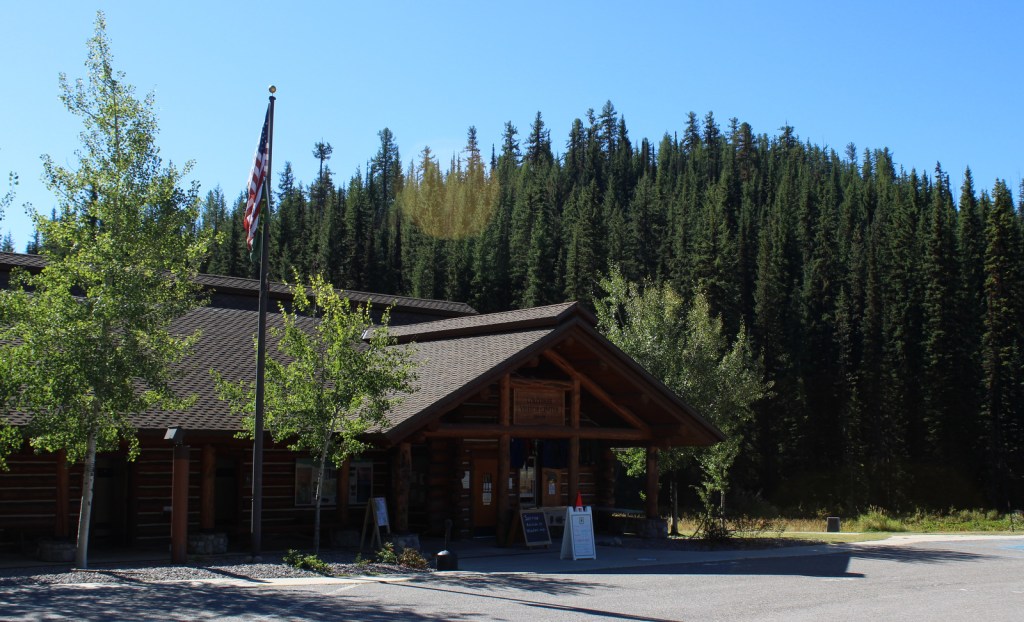
Lolo National Forest surrounds Missoula, where the Aerial Fire Depot and Smokejumper Center offers guided tours and exhibits.  Right outside of the city are numerous hiking trails in Blue Mountain Recreation Area and Rattlesnake National Recreation Area, which contains 73 miles of trails (and has its own blog entry on our website).  Following a path used by the Corps of Discovery in 1805, the Lolo National Historic Trail shadows Highway 12 west into Idaho (see Clearwater National Forest). Take time to stop at the Lolo Pass Visitor Center managed by the U.S. Forest Service.

Best Trail

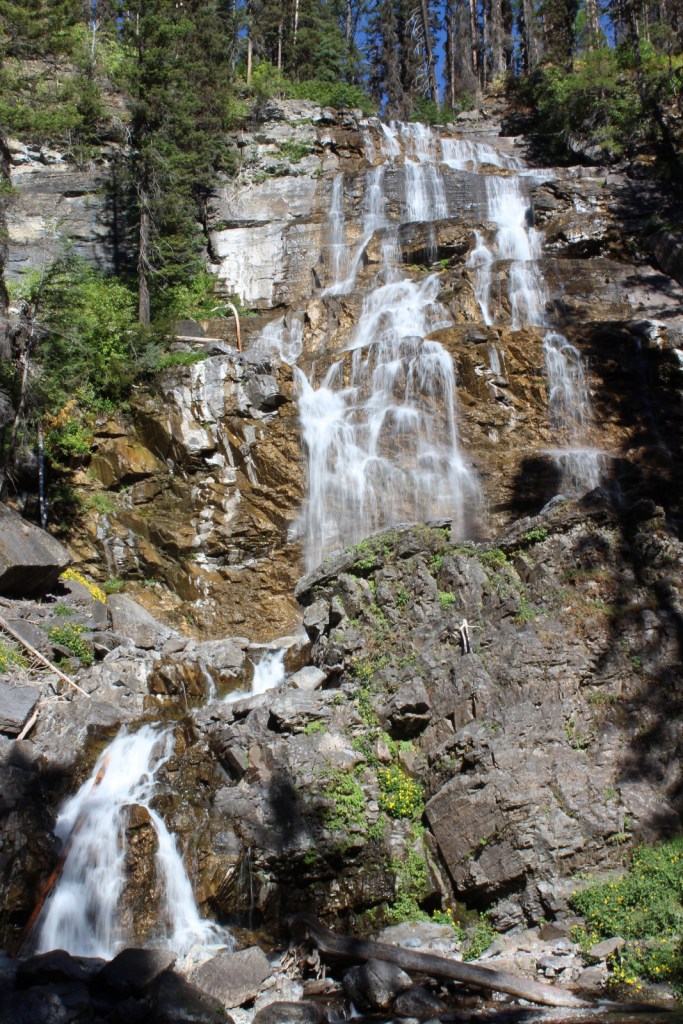
Morrell Falls National Recreation Trail leads to a 90-foot-tall waterfall on the western slope of the Swan Range.  The trail is 5.5 miles out-and-back, mostly flat with some short inclines as it cuts through a burned area now full of beargrass and fireweed.  The waterfall cascades down a rocky outcrop and is well lit in the afternoon.  The trailhead is located 7.5 miles from Highway 83 on a good gravel road that has well-signed intersections.  Also nearby, the Pyramid Pass Trailhead provides access to the Bob Marshall Wilderness in adjacent Flathead National Forest.

Watchable Wildlife

There are 60 species of mammals found in Lolo National Forest, including grizzly/brown bears, black bears, mountain lions, gray wolves, mountain goats, bighorn sheep, elk, moose, and mule deer.  Among the largest of the more than 300 birds spotted are bald eagles, golden eagles, and trumpeter swans.  The five rivers and over 100 lakes are home to 30 varieties of ducks and 20 types of fish.

Photographic Opportunity

Located on the western slope of the Swan Range, 90-foot-tall Morrell Falls is accessed on a 5.5-mile out-and-back hike.

Peak Season

Summer

Fees

None

Road Conditions

The unpaved roads we took were in good shape to Morrell Falls National Recreation Trail and Rattlesnake National Recreation Area.

Camping

The forest has 12 improved campgrounds and several historic fire lookout towers available for overnight rental through the website Recreation.gov

Wilderness Areas

Rattlesnake Wilderness

Scapegoat Wilderness (also in Helena and Lewis and Clark National Forests)

Selway-Bitterroot Wilderness (also in Bitterroot, Clearwater, and Nez Perce National Forests)

Welcome Creek Wilderness

Related Sites

Deerlodge National Forest (Montana)

Upper Missouri River Breaks National Monument (Montana)

Beaverhead National Forest (Montana)

Nearest National Park
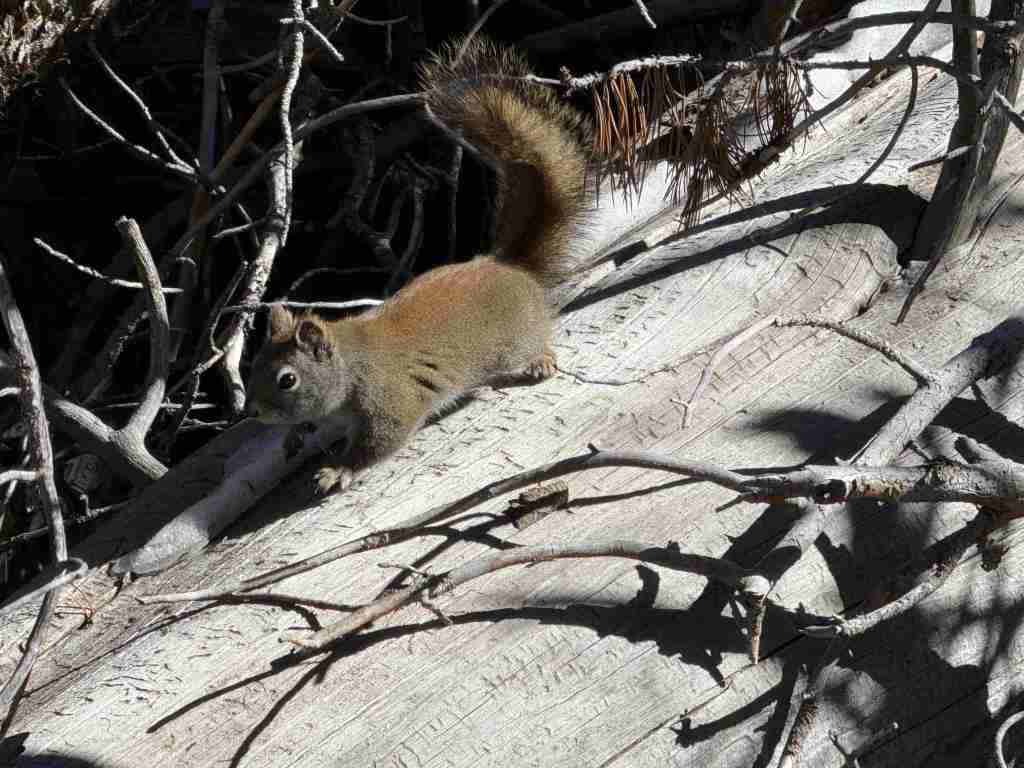
Glacier

Conifer Tree Species

western redcedar, alpine larch, western larch, whitebark pine, ponderosa pine, grand fir, subalpine fir, Engelmann spruce, mountain hemlock

Flowering Tree Species

quaking aspen, Rocky Mountain maple, western serviceberry

Explore More – What is the origin of the name Lolo?

Learn more about this and the 154 other National Forests in our new guidebook Out in the Woods

Rattlesnake National Recreation Area

Rattlesnake National Recreation Area

Montana

Managed by U.S. Forest Service, Northern Region

28,000 acres

Website: https://www.fs.usda.gov/r01/lolo/recreation/rattlesnake-national-recreation-area-wilderness

Overview

Situated only four miles from Missoula, Montana within Lolo National Forest, Rattlesnake National Recreation Area is a popular area for outdoor recreation year-round.  It was established in 1980, at the same time as the adjacent 32,976-acre Rattlesnake Wilderness, which ranges in elevation from 4,200 feet up to 8,620-foot McLeod Peak.  The National Recreation Area has one of the only Sphagnum bogs in the western U.S. and Rattlesnake Creek hosts bull trout, cutthroat trout, and mountain whitefish. 

Highlights

Rattlesnake Main Trail, Ravine Creek Trail. Sawmill Curry Gulch Loop Trail, Spring Gulch Trail, Stuart Peak Trail

Must-Do Activity

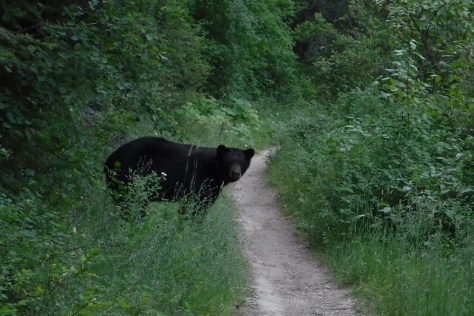
There are 73 miles of hiking trails in the National Recreation Area, but the most heavily used are the first three miles of Rattlesnake Main Trail along Rattlesnake Creek.   These trails are also open to horseback riders, mountain bikers, and cross-country skiers.  Be aware that mountain lions and black bears frequent the area, and we came across a bear on a warm morning in early August. 

Best Trail

Rattlesnake Main Trail follows an old logging road along the creek for the first nine miles before it gets steeper.  Other popular hiking options include Ravine Creek Trail, Sawmill Curry Gulch Loop Trail, Spring Gulch Trail with its moderate elevation gain, and Stuart Peak Trail that climbs steeply up into the Rattlesnake Wilderness.

Photographic Opportunity

Rattlesnake Creek attracts many animals, including the American dipper or ouzel, an aquatic songbird.

Peak Season

Summer

Fees

None

Road Conditions

From the Van Buren Street exit #105 off Interstate 90, head north as it turns into Rattlesnake Drive, which you drive for approximately three miles to the entrance.

Camping

There is no campground within the National Recreation Area and the closest ones in Lolo National Forest are much further west on Interstate 90 or to the north off Highway 83.

Related Sites

Helena National Forest (Montana)

Bitterroot National Forest (Montana)

Clearwater National Forest (Idaho)

Nearest National Park
Glacier

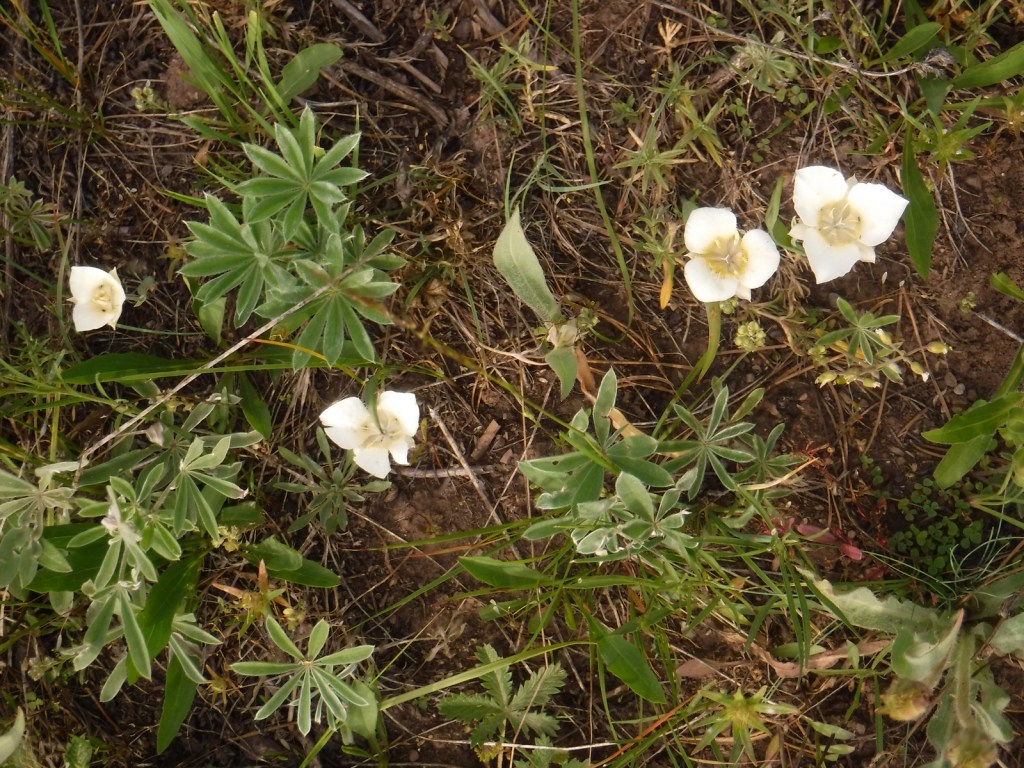
Explore More – What species of native orchids can be found growing here?

Lewis and Clark National Forest

Lewis and Clark National Forest

Montana

Managed by U.S. Forest Service, Northern Region

1,999,256 acres (1,863,788 federal/ 135,468 other)

Website: https://www.fs.usda.gov/r01/helena-lewisclark

Overview

East of the Continental Divide in Montana, Lewis and Clark National Forest is split across eight mountain ranges east and west of the Missouri River.  The largest western section butts up against Glacier National Park to the north and includes parts of the Scapegoat and the Bob Marshall Wilderness areas, which provide crucial habitat for grizzly/brown bears and world-class places for backpacking.  The Lewis and Clark Forest Reserve dates back to 1897, with the now-defunct Jefferson and Absaroka National Forests added in 1932 and 1945 respectively.  Since 2014, it has been co-managed with Helena National Forest.

Highlights

King Hill Scenic Byway, Cataract Falls, Sun River Gorge, Gibson Reservoir, Mt. Wright, Deep Creek Loop National Recreation Trail, Windy Mountain Trail, Crystal Cascades Trail, Crystal Lake Shoreline Loop Trail, Continental Divide National Scenic Trail

Must-Do Activity

We have always wanted to visit the National Park Service and U.S. Forest Service’s 25,000 square-foot Lewis and Clark Interpretive Center in Great Falls, Montana.  It features an exhibit hall, hiking trails, and a 158-seat theater, and it is open daily in the summer and Wednesday through Sunday in the offseason.  We have also wanted to backpack in the rugged Snowy Mountains, which draw backcountry skiers in the winter and horseback riders in the summer.  We will have to return to this central part of Montana, which includes one of our favorite places to explore: Upper Missouri River Breaks National Monument run by the Bureau of Land Management.

Best Trail

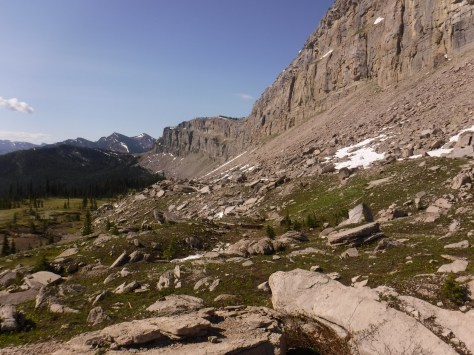
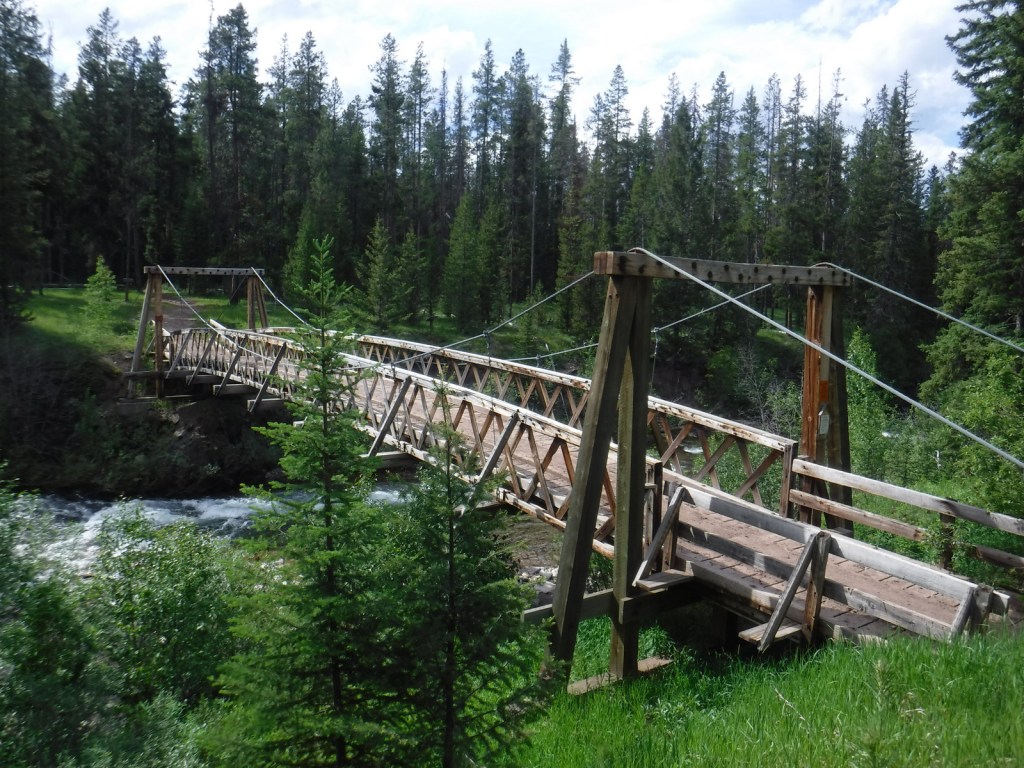
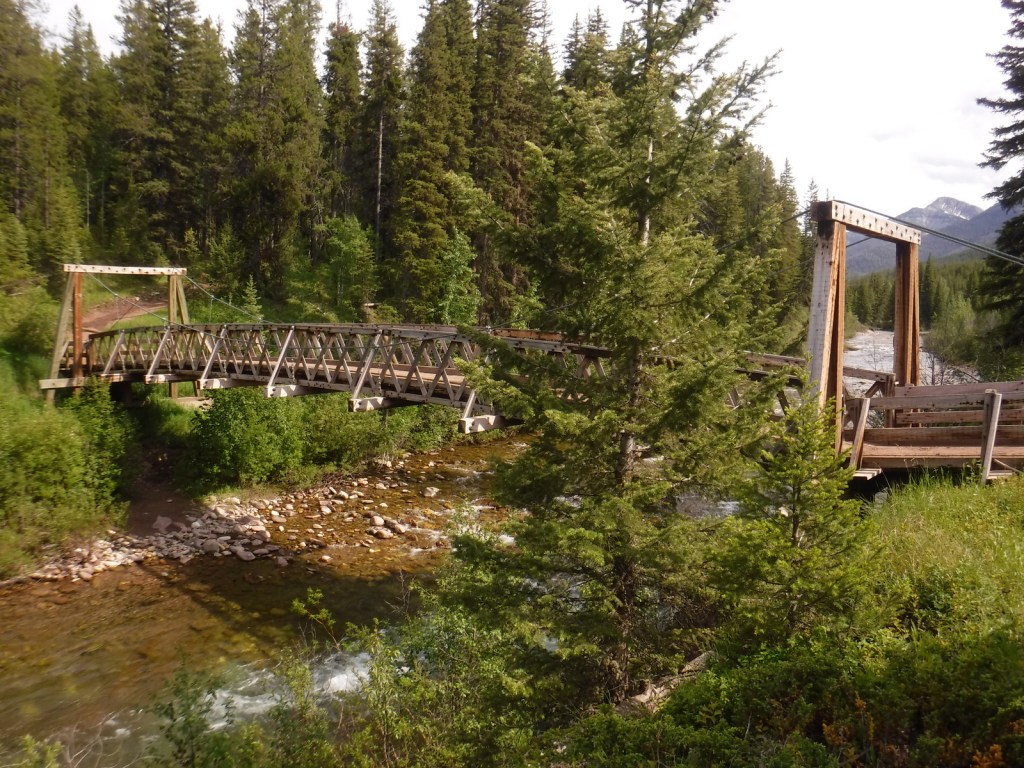
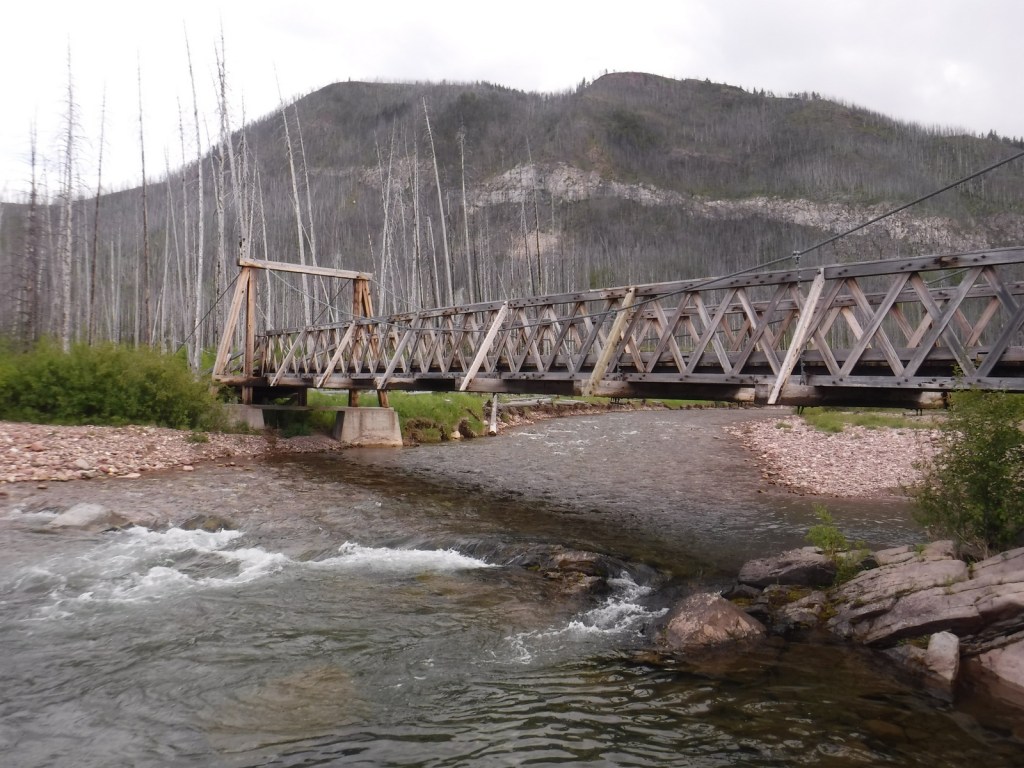
One of the most famous formations along the Continental Divide National Scenic Trail is the 15-mile long Chinese Wall, a 1,000-foot-tall cliff composed of five-million-year-old limestone.  Its closest access is 15 miles one-way from the South Fork Sun Trailhead, which is often marked as Packers on maps at the end of the gravel Benchmark Road (Forest Road 235).  The trail begins by following the South Fork Sun River before crossing a bridge and entering the Bob Marshall Wilderness.  We got a late start on the way in and came across a grizzly/brown bear grazing near the trail that evening and, on the drive out, we stopped to photograph three moose near Wood Lake Campground and a common loon in Anderson Lake.

Watchable Wildlife

Grizzly/brown bears are the most famous residents of the National Forest.  Additional mammals include black bears, mountain lions, Canada lynxes, wolverines, mule deer, Columbian white-tailed deer, mountain goats, bighorn sheep, elk, and moose.  Bald eagles, red-tailed hawks, and three types of grouse are often spotted.  There are excellent fly-fishing opportunities in the 1,600 miles of rivers and streams.

Photographic Opportunity

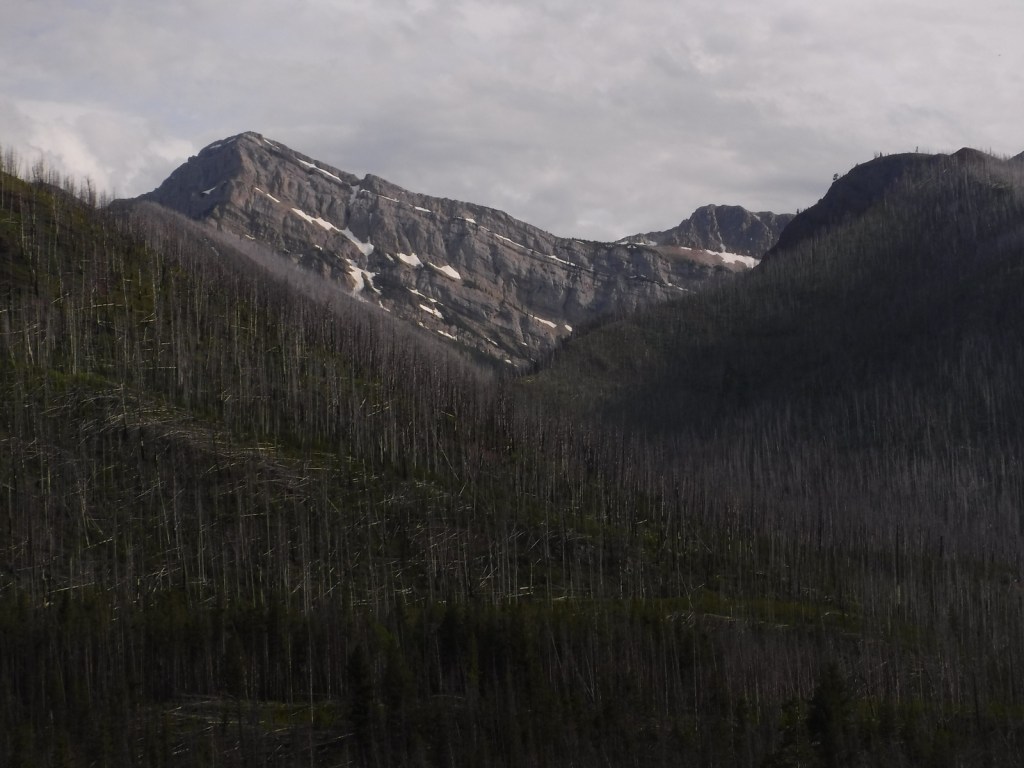
The 15-mile long Chinese Wall is an iconic landmark along the Continental Divide National Scenic Trail

Peak Season

Summer

Fees

None except for the Lewis and Clark Interpretive Center in Great Falls, which costs $8 per person or you can use an America the Beautiful pass.

Road Conditions

We drove the gravel Benchmark Road (Forest Road 235), which was long and in excellent condition.

Camping

There are 29 vehicle-accessible campgrounds in Lewis and Clark National Forest, including Wood Lake Campground near the South Fork Sun Trailhead.  Backcountry and dispersed camping options abound.

Wilderness Areas

Bob Marshall Wilderness (also in Flathead National Forest)

Scapegoat Wilderness (also in Helena and Lolo National Forests)

Related Sites

Deerlodge National Forest (Montana)

Bighorn National Forest (Wyoming)

Little Bighorn Battlefield National Monument (Montana)

Nearest National Park
Glacier

Conifer Tree Species

western redcedar, Douglas-fir, limber pine, whitebark pine, lodgepole pine, ponderosa pine, Engelmann spruce, subalpine fir, western larch, common juniper

Flowering Tree Species

quaking aspen, Rocky Mountain maple, western serviceberry

Explore More – Why is the 200 square-mile Badger-Two Medicine area of the National Forest managed differently?

Learn more about this and the 154 other National Forests in our new guidebook Out in the Woods

Inyo National Forest

Inyo National Forest

California, Nevada

Managed by U.S. Forest Service, Pacific Southwest Region

2,048,459 acres (1,948,726 federal/ 99,733 other)

Website: https://www.fs.usda.gov/inyo

Overview

Inyo National Forest was established by President Teddy Roosevelt in 1907 to accommodate the Los Angeles Aqueduct, so it is mostly sagebrush slopes without much dense forest cover.  We added it to our Top 10 Movies Filmed in National Forests after reading its history as a filming location.  Inyo National Forest offers the shortest route to Mt. Whitney, the tallest peak in the contiguous U.S. at 14,495 feet in elevation.  Its proximity to Badwater Basin (282 feet below sea level) in Death Valley National Park makes its rise all the more impressive.  You will need a permit to summit, since this popular peak lies within Sequoia National Park.  One added benefit is you will learn all about how to use a “W.A.G. bag.”  In addition to accessing the eastern Sierra Nevada (see Best Trail), Inyo National Forest also offers a portal to the beautiful White Mountains along the California-Nevada border (see Must-Do Activity) and 800,000 acres of designated Wilderness. 

Highlights

Mono Basin National Scenic Area (see our blog post), Lee Vining Canyon Scenic Byway, Tioga Pass, Ancient Bristlecone Pine Forest, Convict Lake, Hot Creek Geologic Site, Mammoth Lakes, Minaret Summit Vista, Crystal Lake, Mt. Whitney Trail, Minaret Falls, Pacific Crest National Scenic Trail

Must-Do Activity

In the White Mountains, a paved road leads to the U.S. Forest Service visitor center at the Ancient Bristlecone Pine Forest, where a 4.5-mile loop trail through the Methuselah Grove passes one live Great Basin bristlecone pine tree recorded at over 5,000 years of age.  That ranks it as the oldest living single-stem tree on the planet based on annual tree-ring measurements.  You can continue to drive above 11,000 feet in elevation along a narrow gravel road famous for puncturing tires (so bring a spare).  The route offers awesome views of the Owens Valley and Mt. Whitney, then takes you to the Patriarch Grove, a wonderful park of gnarled Great Basin bristlecone pine trees surrounded by snow throughout the summer. 

Best Trail

Onion Valley Road west of Independence dead ends at the trailhead for Kearsarge Pass in the Sierra Nevada.  The trail is a series of endless switchbacks that lead past beautifully twisted foxtail pines and unbelievably blue lakes up to the 11,823-foot pass at the boundary with Kings Canyon National Park.  The view from the pass is worth the effort, even if you do not proceed to enter the National Park, for which you need a permit to camp overnight.  John Muir called these mountains “the range of light,” and from up here you will surely see why. 

Watchable Wildlife

Inyo National Forest is on the rain-shadow side of the Sierra Nevada, so it generally receives less precipitation throughout the year than the western slopes, especially at lower elevations.  In the conifer forests of the mountains look for mule deer, black bears, weasels, martens, mountain lions, and bobcats.  California quail, mountain quail, sooty grouse, and wild turkeys are common game birds.  Watch the skies for raptors like bald eagles, ospreys, red-tailed hawks, and turkey vultures. 

Instagram-worthy Photo

Sun-streaked and wind-blasted branches of bristlecone pine trees twist in backbreaking curls, stretching up towards the deep blue skies above 10,000 feet elevation.

Peak Season

Summer

Fees

There are no day use fees to our knowledge.

Road Conditions

The road is paved to the trailhead for the 4.5-mile loop through the Methuselah Grove in the Ancient Bristlecone Pine Forest.  The unpaved road beyond is famous for puncturing tires (so take it slow and bring a spare) and retains snow late into the summer.  A shuttle ticket or camping permit is required to drive into the National Forest west of the ski resort town of Mammoth Lakes to access Devils Postpile National Monument.

Camping

Grandview Campground near the Ancient Bristlecone Pine Forest lives up to its name.  There is a campground at Whitney Portal Trailhead and two on Onion Valley Road on the way to the trailhead for Kearsarge Pass (plus some epic dispersed campsites). 

Wilderness Areas

Ansel Adams Wilderness (also in Sierra National Forest and Devils Postpile National Monument)

Boundary Peak Wilderness

Golden Trout Wilderness (also in Sequoia National Forest)

Hoover Wilderness (also in Toiyabe National Forest)

Inyo Mountains Wilderness

John Muir Wilderness (also in Sierra National Forest)

Owens River Headwaters Wilderness

South Sierra Wilderness (also in Sequoia National Forest)

White Mountains Wilderness

Related Sites

Humboldt National Forest (Nevada)

Yosemite National Park (California)

Manzanar National Historic Site (California)

Nearest National Park
Kings Canyon

Conifer Tree Species

Great Basin bristlecone pine, foxtail pine, Jeffrey pine, ponderosa pine, lodgepole pine, Douglas-fir, California red fir, white fir, incense-cedar

Flowering Tree Species

quaking aspen, greenleaf manzanita, sagebrush

Explore More – What 1973 film starring Clint Eastwood was filmed in Inyo National Forest?

Learn more about this and the 154 other National Forests in our new guidebook Out in the Woods