Tag Archives: National Monument

Fort Matanzas National Monument

Fort Matanzas National Monument

Florida

Managed by National Park Service

Established 1924

300 acres

Website: nps.gov/foma

Overview

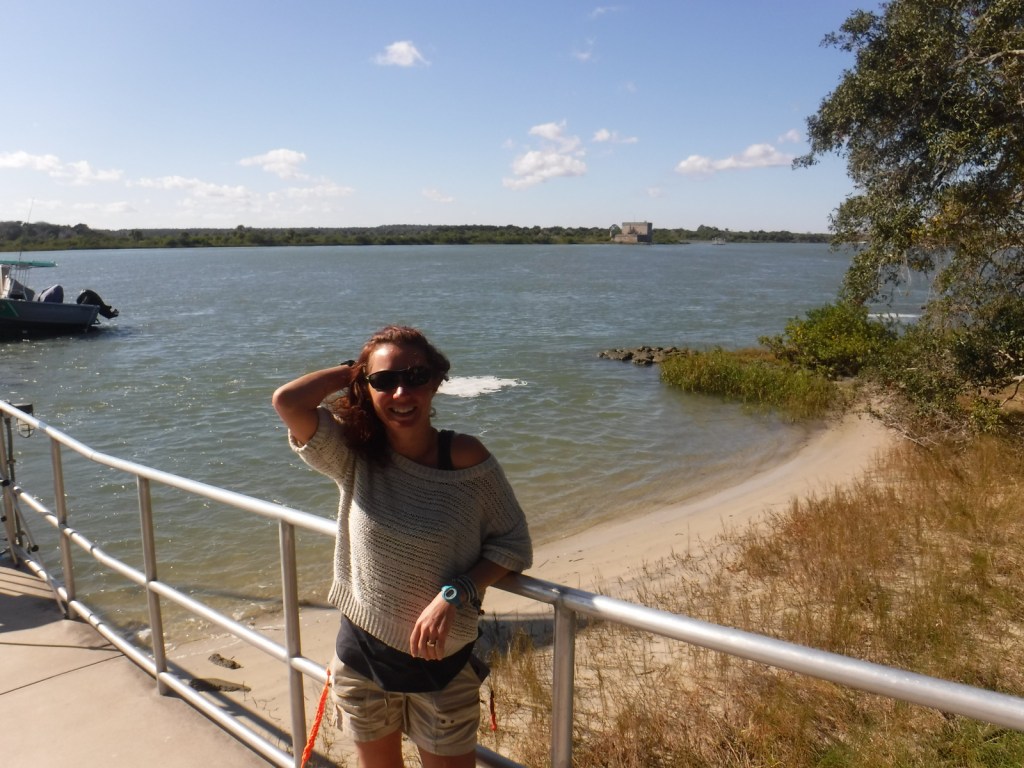
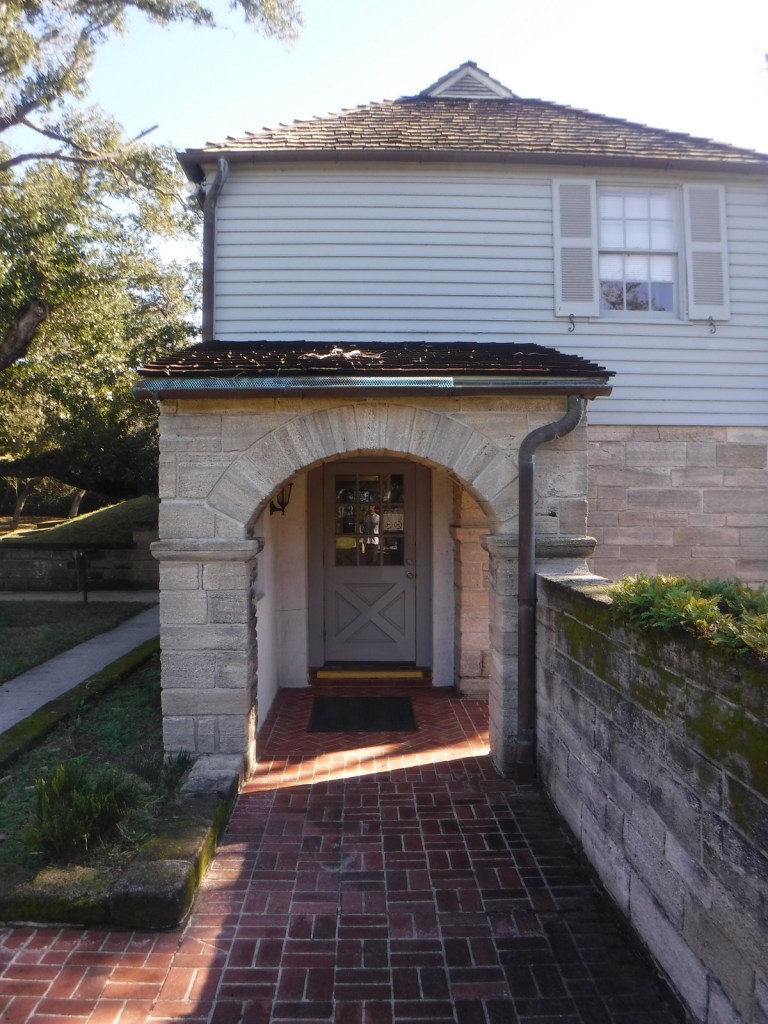
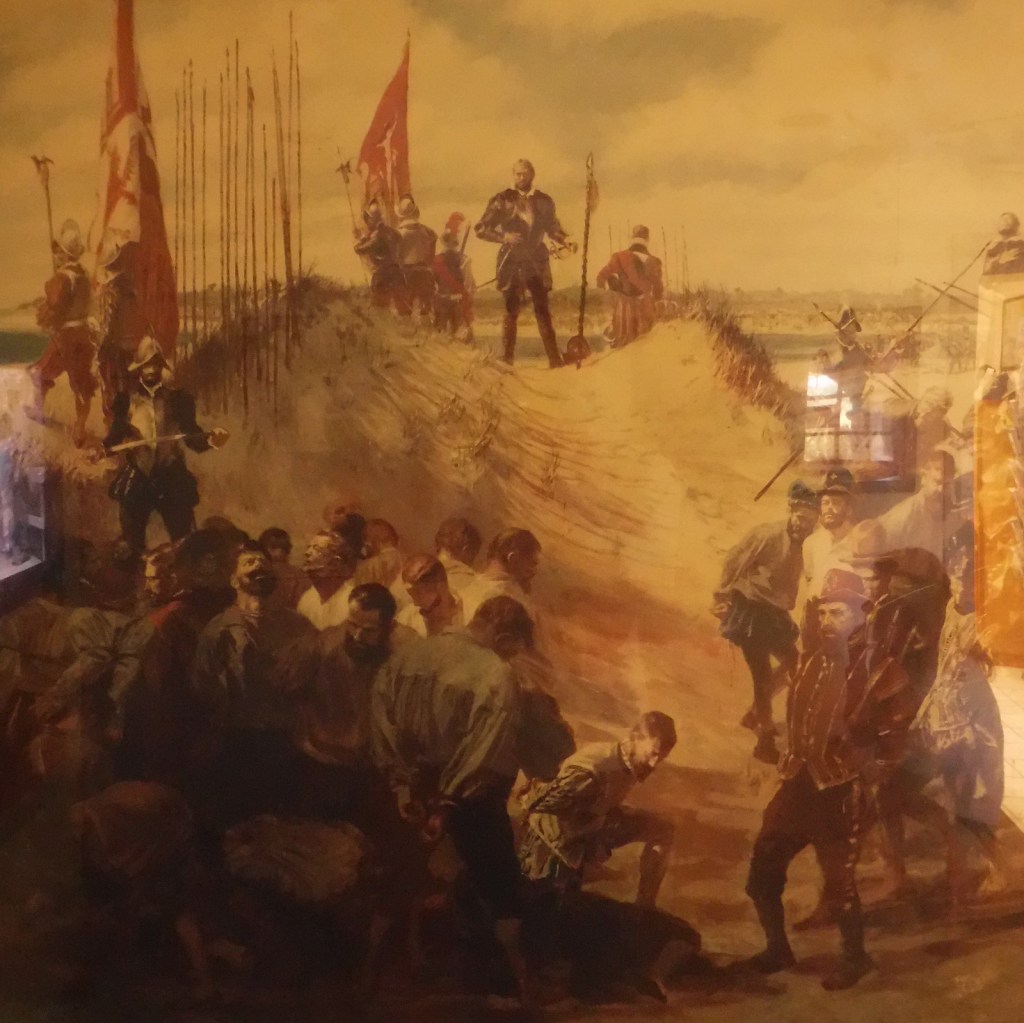
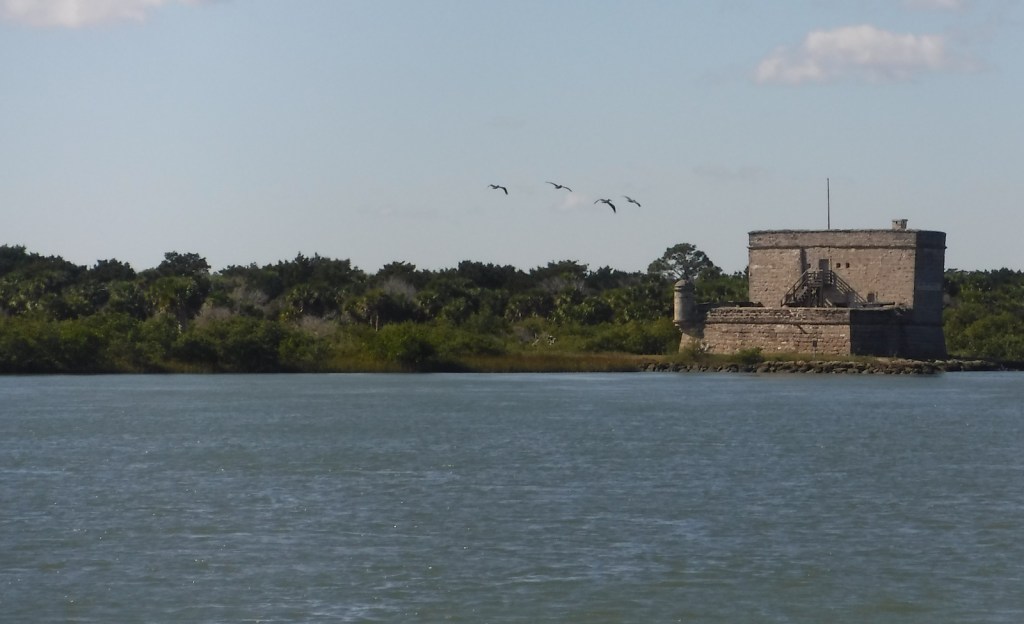
After a failed American settlement by persecuted French Protestants (Huguenots) in 1562, two years later a group of 200 soldiers, artisans, and a few women established a colony at the mouth of the St. Johns River (east of present-day Jacksonville, Florida).  Led by René de Goulaine de Laudonnière, they hurriedly assembled the triangular Fort Caroline, named for King Charles IX.  In 1565, Jean Ribault arrived with 600 more settlers and soldiers.  After learning the Catholic Spanish had established a base to the south at St. Augustine, Ribault set sail for a surprise attack, only to be shipwrecked by a hurricane.  The unprotected Fort Caroline was easily captured by the Spanish, who executed 140 of its 200 inhabitants.  The Spanish then killed nearly 250 French marooned at Matanzas Inlet, which gained its name from these “slaughters.”  Following a British siege in 1740, the Spanish began construction of Fort Matanzas on Rattlesnake Island to guard the southern entrance to the city of St. Augustine where they had built Castillo de San Marcos.  Only two years later, Fort Matanzas’ cannons successfully repelled British ships and today you can take a free ferry to tour inside the restored 50-foot-square structure.

Learn more about the other 137 National Monuments in our book Monumental America: Your Guide to All 138 National Monuments. It is now available for sale on Amazon.com.

Highlights

Museum, film, boat ride, Fort Matanzas, Nature Trail

Must-Do Activity

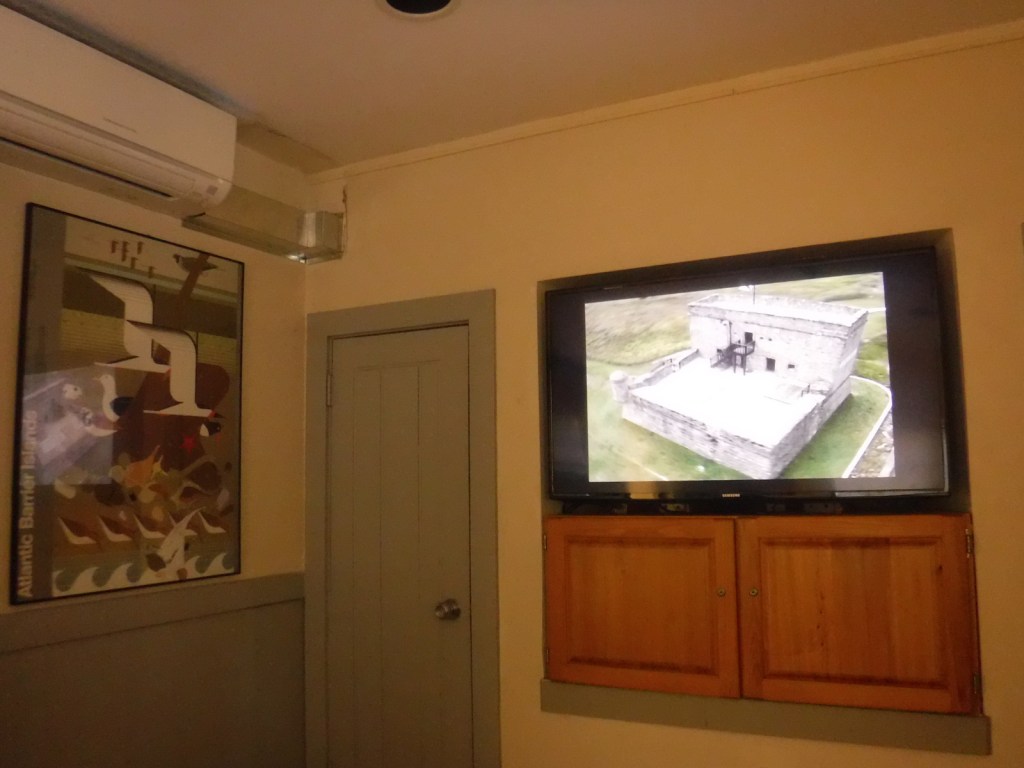
We have tried three times to visit the fort here, but in 2016, 2019, and 2024 the dock was damaged by a hurricane so the National Park Service (NPS) ferry was not running to Rattlesnake Island.  Good news is there is an eight-minute film and you can see the small fort from the visitor center.  There are also hiking trails, boardwalks, and sandy beaches to explore at the southern tip of Anastasia Island, which are accessible by car.  Only 40 miles to the north, the NPS administers Fort Caroline National Memorial as a unit of Timucuan Ecological and Historic Preserve, where you can enter a one-third scale reconstruction of the triangular structure (and no ferries are involved). 

Best Trail

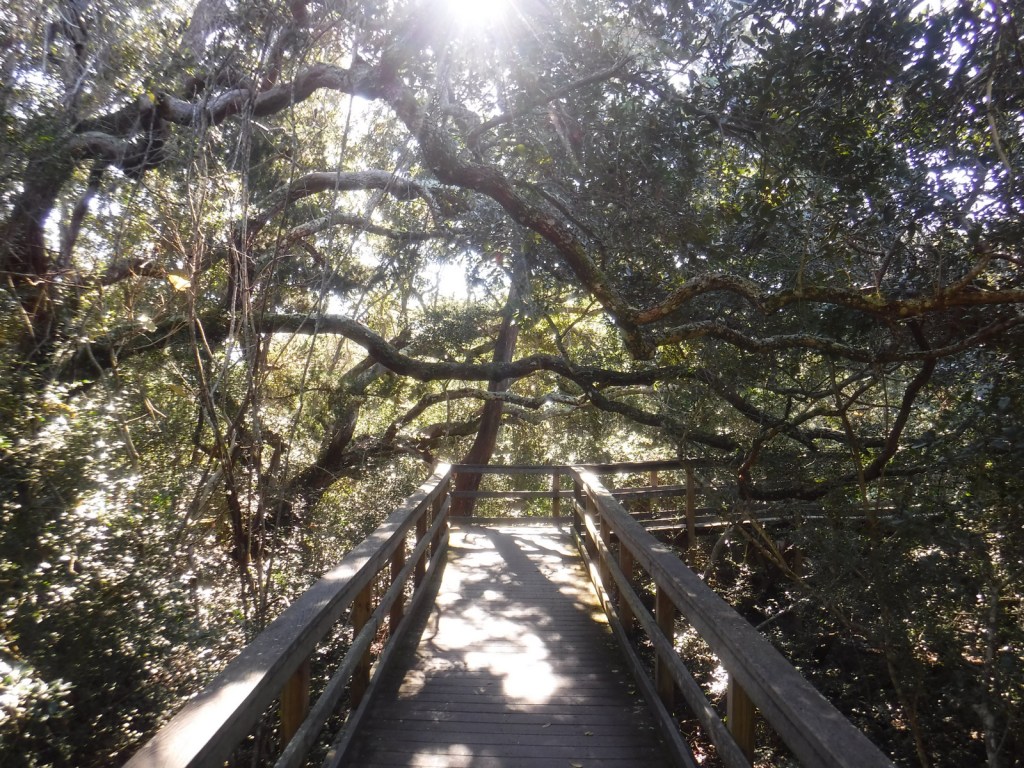
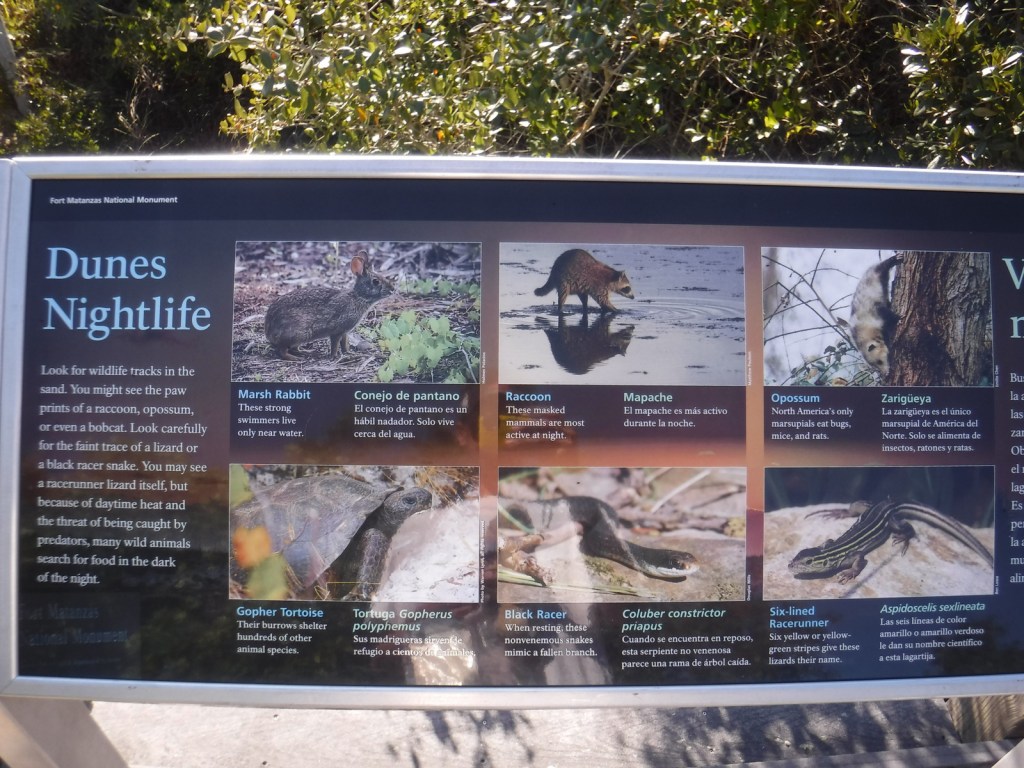
The half-mile Coastal Hammock Trail has signs introducing some of the tree and shrub species found in the maritime forest.

Photographic Opportunity

Southern live oak trees stretch their twisted branches above the picnic area in the parking lot of the visitor center.

Peak Season

Spring

Hours

https://www.nps.gov/foma/planyourvisit/hours.htm

Fees

The visitor center, trails, and NPS ferry are free, but there is a parking fee for beach access on the Atlantic Ocean side across Highway A1A from the visitor center entrance road.

Road Conditions

The road to the parking lot is paved from Highway A1A.

Camping

The NPS does not run a campground, but Anastasia State Park does south of St. Augustine.

Related Sites

Castillo de San Marcos National Monument (Florida)

Fort Caroline National Memorial (Florida)

Canaveral National Seashore (Florida)
Explore More – What species of endangered sea turtles nest on the barrier islands protected within Fort Matanzas National Monument?

Learn more about the other 137 National Monuments in our book Monumental America: Your Guide to All 138 National Monuments
Castle Clinton National Monument

Castle Clinton National Monument

New York

Managed by National Park Service

Established 1946

1 acre

Website: nps.gov/cacl

Overview

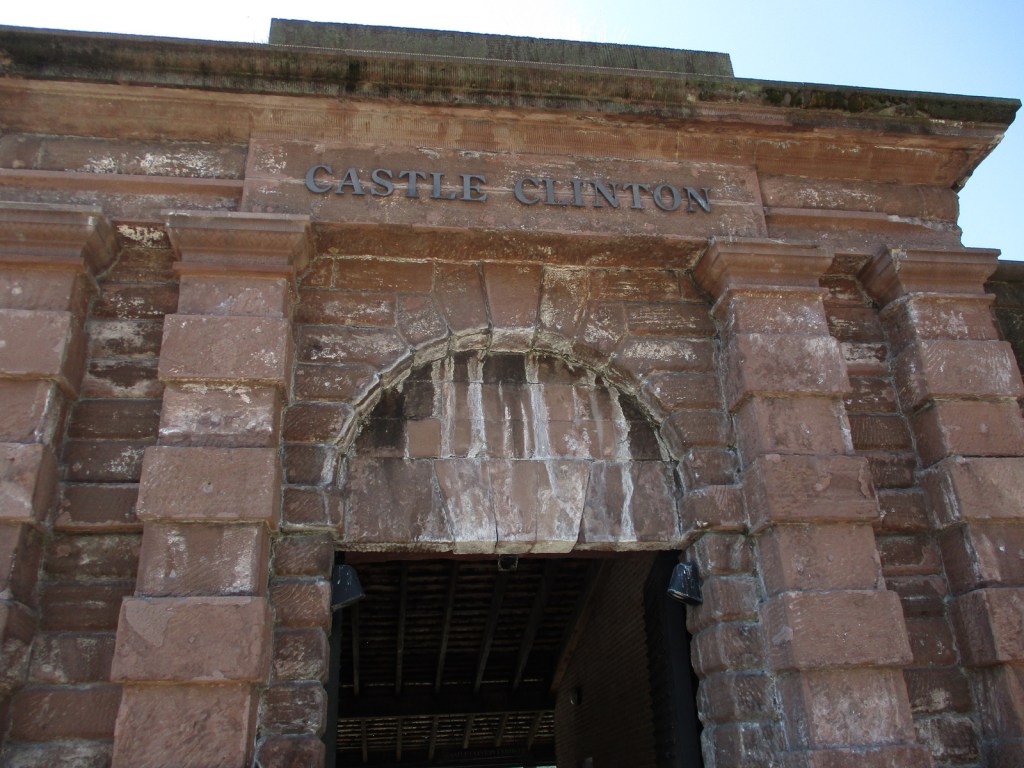
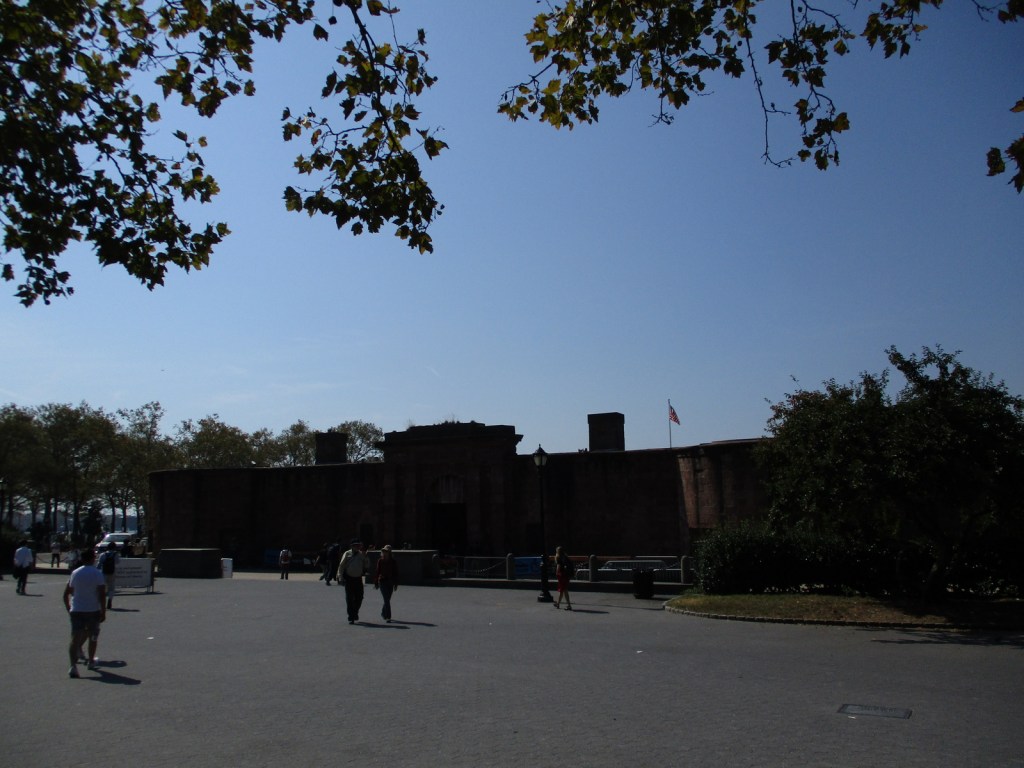
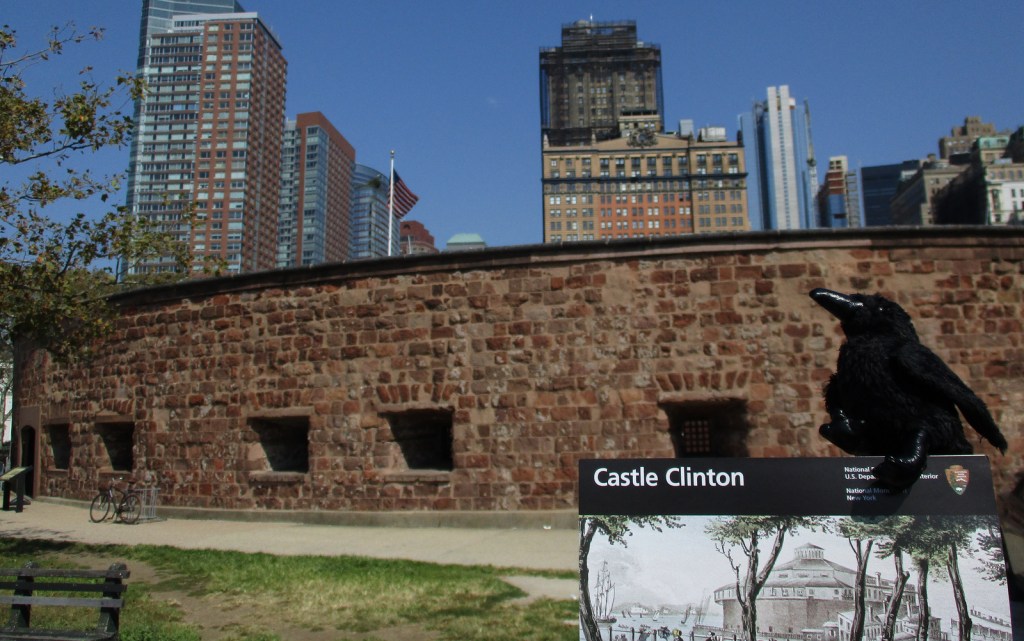
The U.S. military constructed South-west Battery off Manhattan Island’s southern tip by the beginning of the War of 1812, although it never fired a shot in battle.  It was renamed Castle Clinton in 1817 to honor former mayor (and future governor) DeWitt Clinton, then once again to Castle Garden only seven years later.  After a roof was added in the 1840s, it hosted concerts, including the American debut of Swedish opera diva Jenny Lind in 1850 (tickets cost $225 or equivalent to $8,240 in 2023).  The island was joined to the mainland with landfill in the early 1850s, creating Battery Park.  From 1855 to 1890, Castle Garden processed approximately eight-million immigrants before the establishment of Ellis Island offshore.  Six years after the closing of the immigration station, Castle Garden was converted into the New York City Aquarium, which closed in 1941.

Learn more about the other 137 National Monuments in our book Monumental America: Your Guide to All 138 National Monuments. It is now available for sale on Amazon.com.

Highlights

Castle Clinton, Battery Park

Must-Do Activity

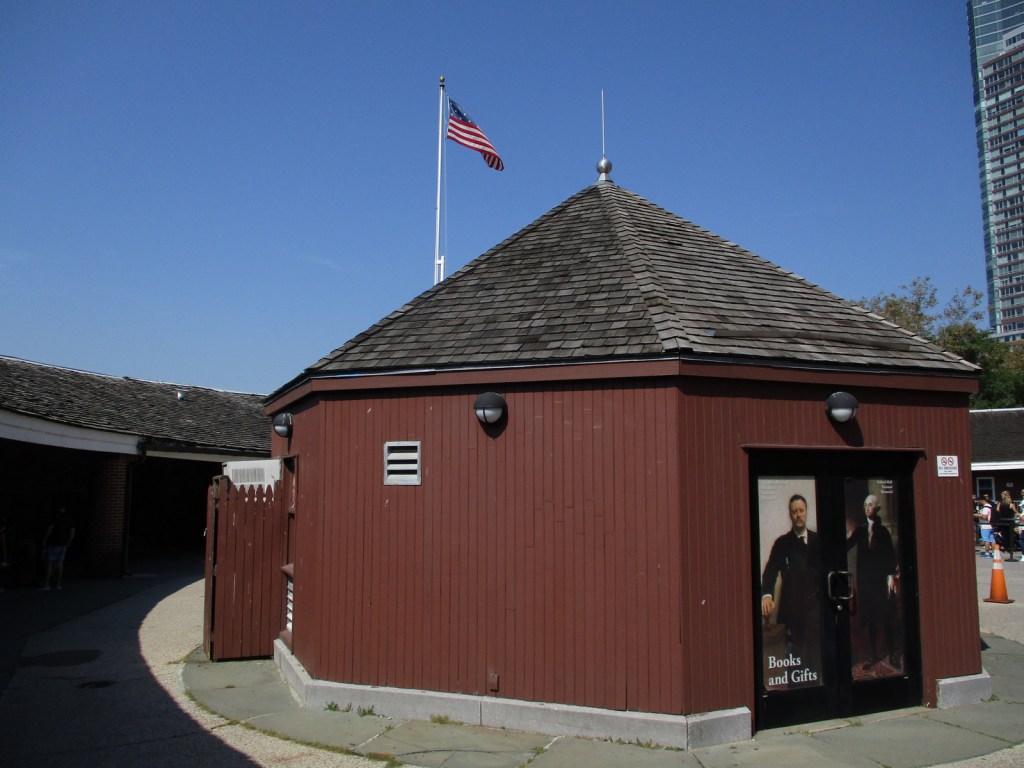
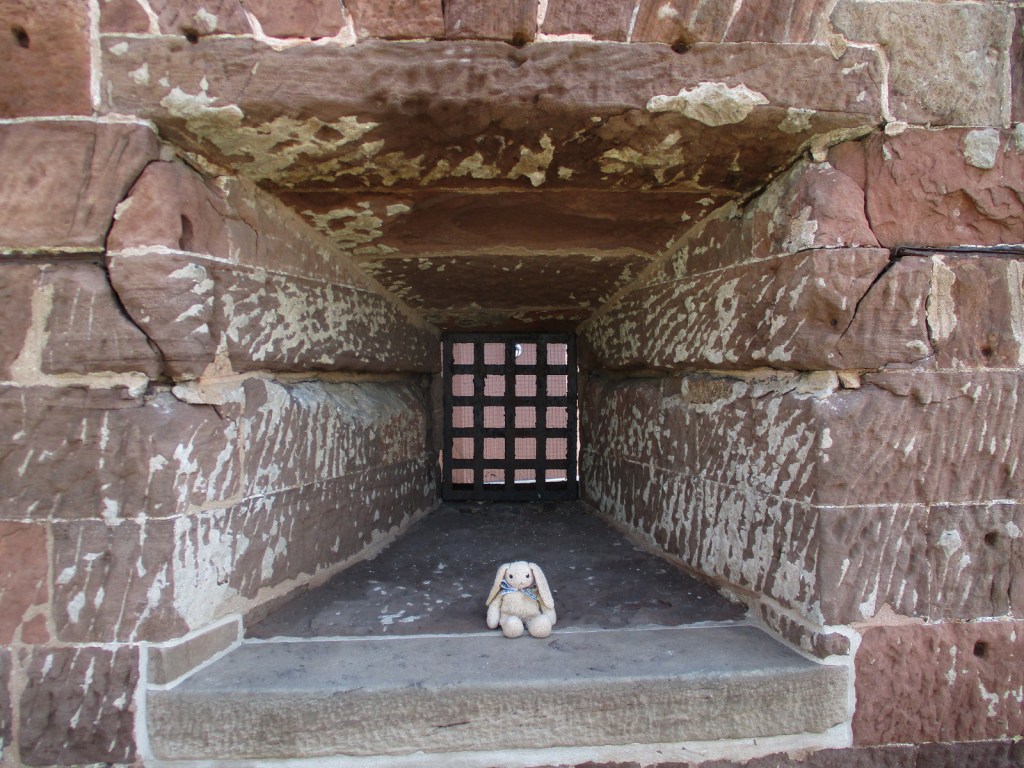
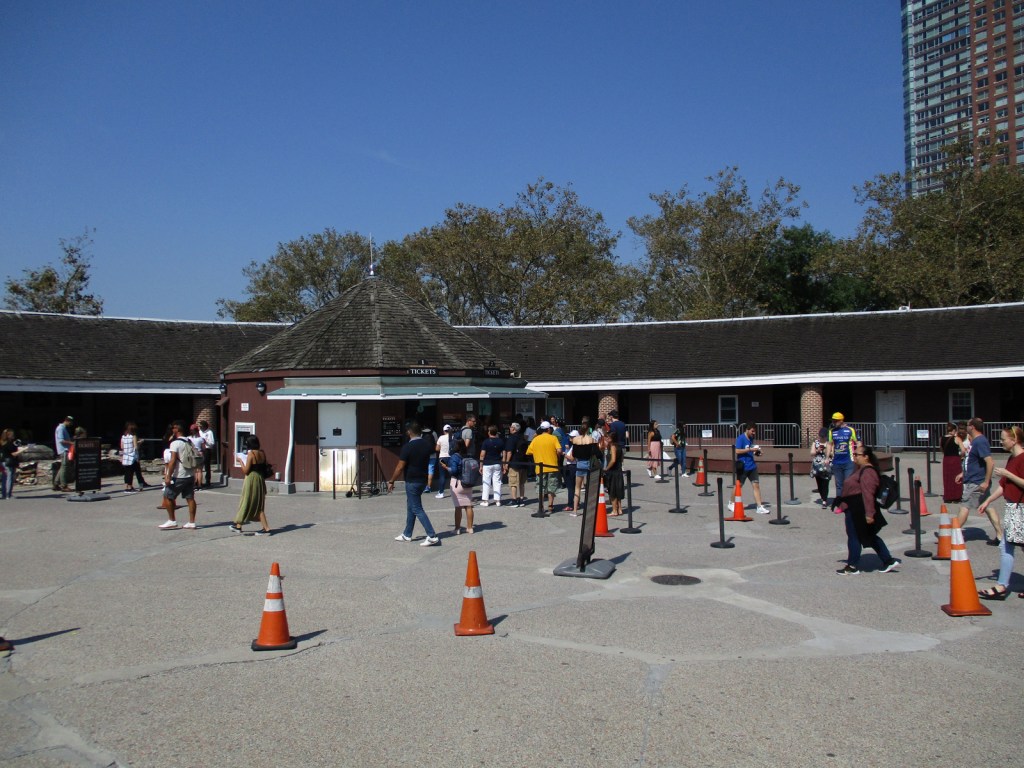
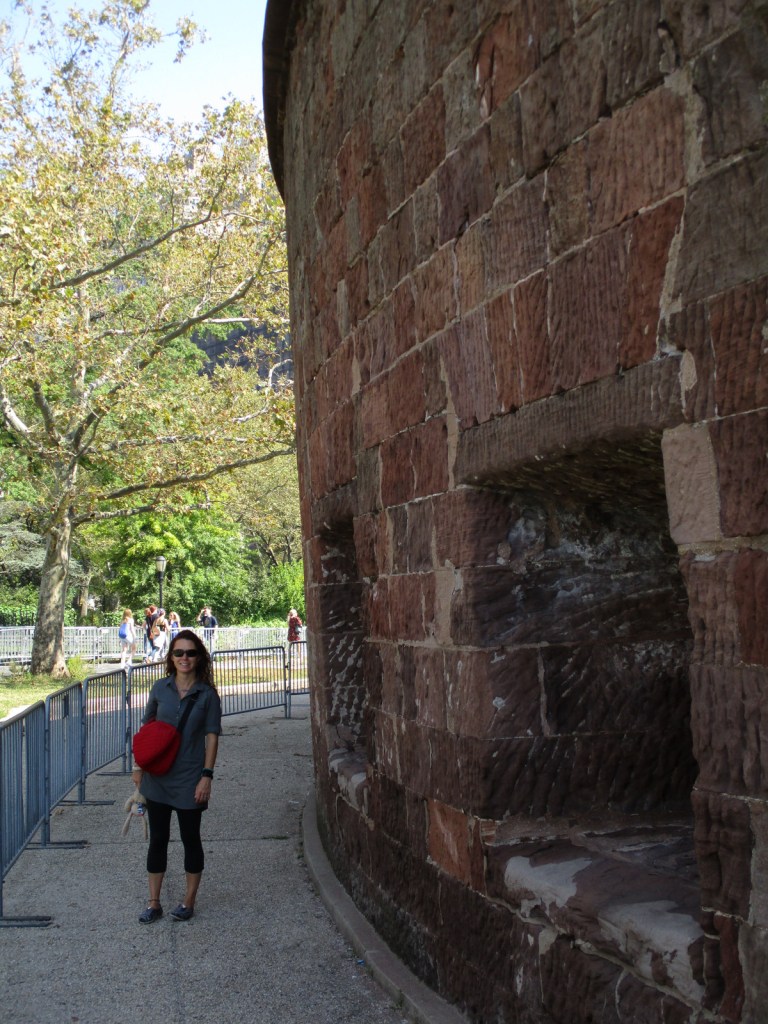
Much of Castle Garden was destroyed during a tunnel construction project in the 1940s, but Castle Clinton remained and was restored three decades later.  Today it serves as a National Park Service visitor center, gift shop, and ticket office for ferry trips to Statue of Liberty National Monument.  There are also exhibits along the perimeter of the D-shaped fort, including a display with cannon.  Ranger-guided tours of the site are offered daily.

Best Trail

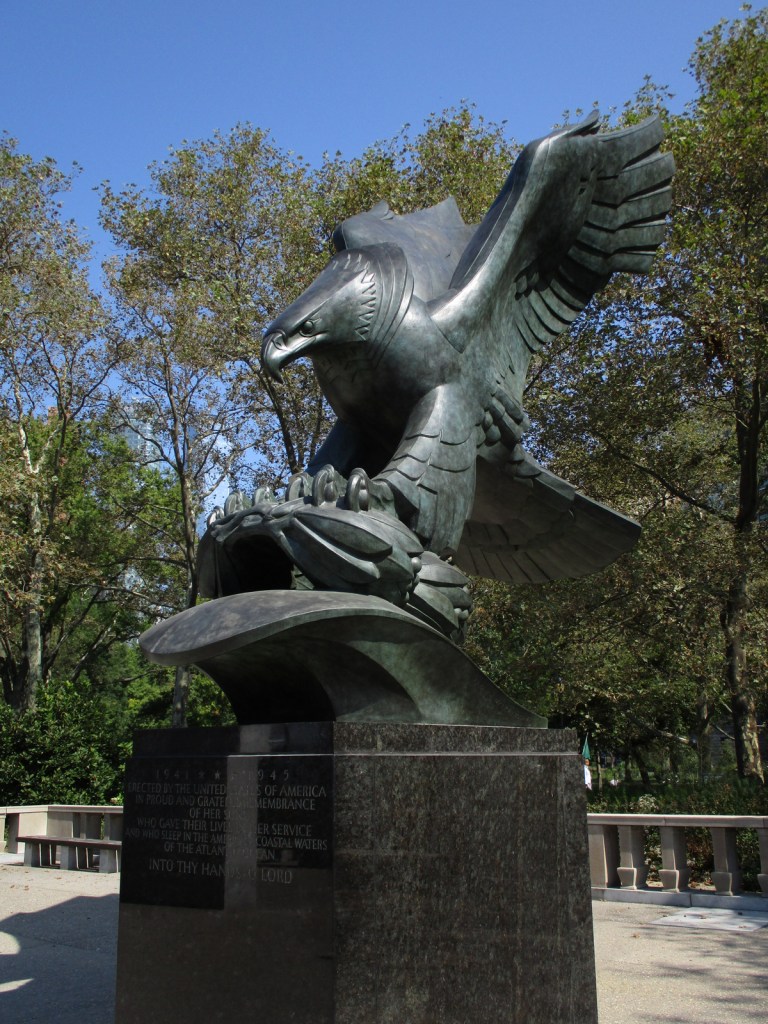
There are sidewalks and a seaside promenade in ——-24-acre Battery Park.  Be sure to check out the bronze sculpture “The Immigrants” outside the fort.

Photographic Opportunity

There once were “28 guns” facing New York Harbor from within Castle Clinton, and one display cannon remains. 

Peak Season

Summer

Hours

https://www.nps.gov/cacl/planyourvisit/hours.htm

Fees

None

Road Conditions

Roads are heavily trafficked and there is no designated parking for the National Park Service site, so we recommend you take the subway.

Camping

None

Related Sites

Statue of Liberty National Monument (New York-New Jersey)

Governors Island National Monument (New York)

Stonewall National Monument (New York)

Explore More – Today, what percentage of Americans can trace their roots to one of the nearly eight-million immigrants processed at Castle Garden from 1855 to 1890?

Learn more about the other 137 National Monuments in our book Monumental America: Your Guide to All 138 National Monuments

Bears Ears National Monument

Bears Ears National Monument

Utah

Managed by U.S. Forest Service and Bureau of Land Management

Established 2016

1,351,849 acres

Website: https://www.blm.gov/visit/bears-ears-national-monument

Overview

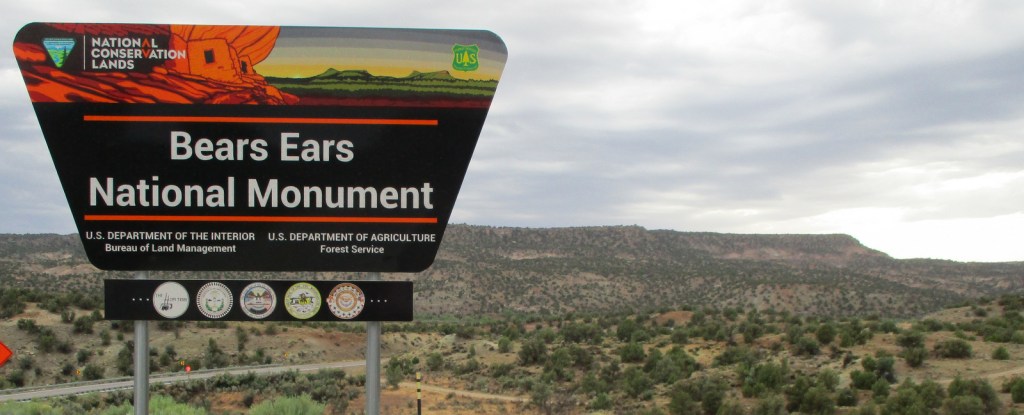
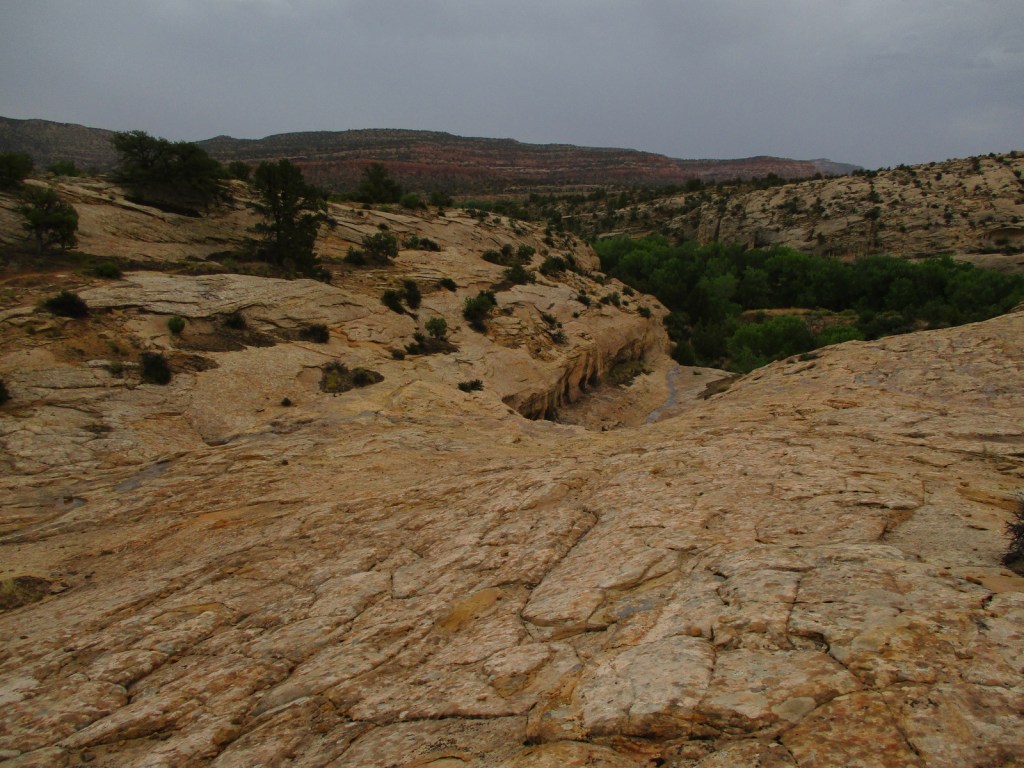
The Bureau of Land Management (BLM) and U.S. Forest Service manage the more than one-million acres of Bears Ears National Monument in partnership with five local Native American tribes.  After it was established, in 2017 it was controversially reduced in size to 201,876 acres before being restored four years later.  Much of the southern portion of La Sal National Forest, including the Dark Canyon Wilderness, is included inside its boundaries.  The entire area protects millions of years of the paleontological record and has more than 100,000 archaeological sites, especially on Cedar Mesa where day-use and overnight permits are required.  The BLM has excellent maps and trip-planning resources available on their website.

Learn more about the other 137 National Monuments in our book Monumental America: Your Guide to All 138 National Monuments. It is now available for sale on Amazon.com.

Highlights

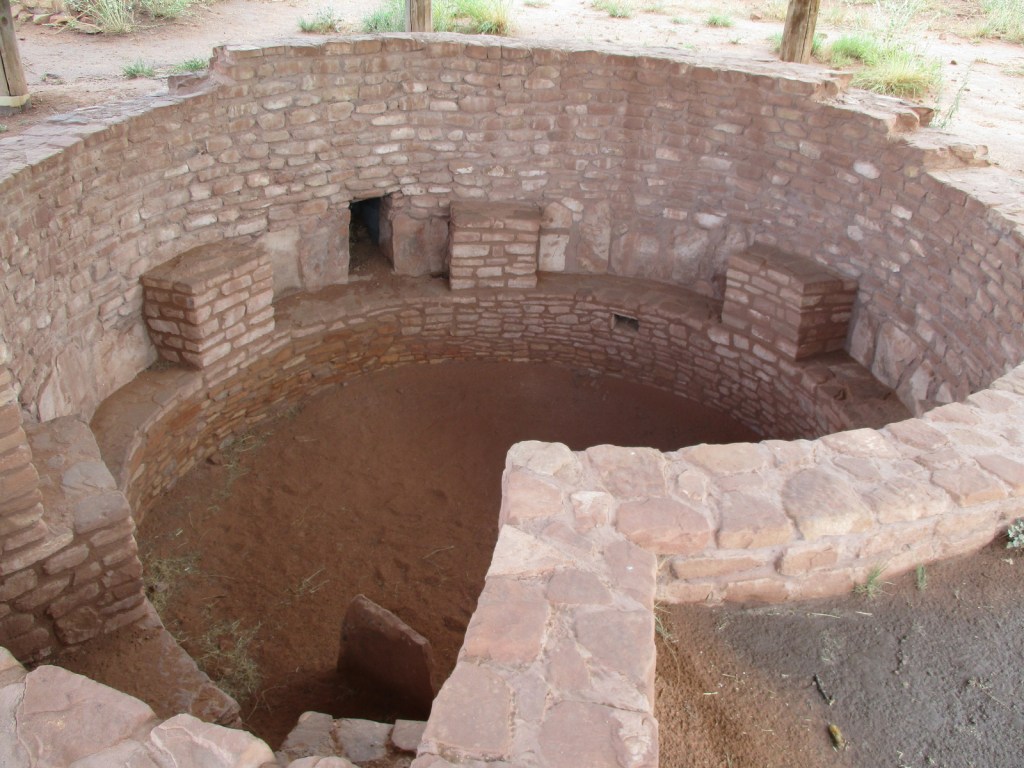
Butler Wash, Moon House Ruin, Newspaper Rock, Moki Dugway, San Juan River, Elk Ridge Scenic Backway, Dark Canyon Wilderness, Mule Canyon, Seven Kivas, The Citadel Trail

Must-Do Activity

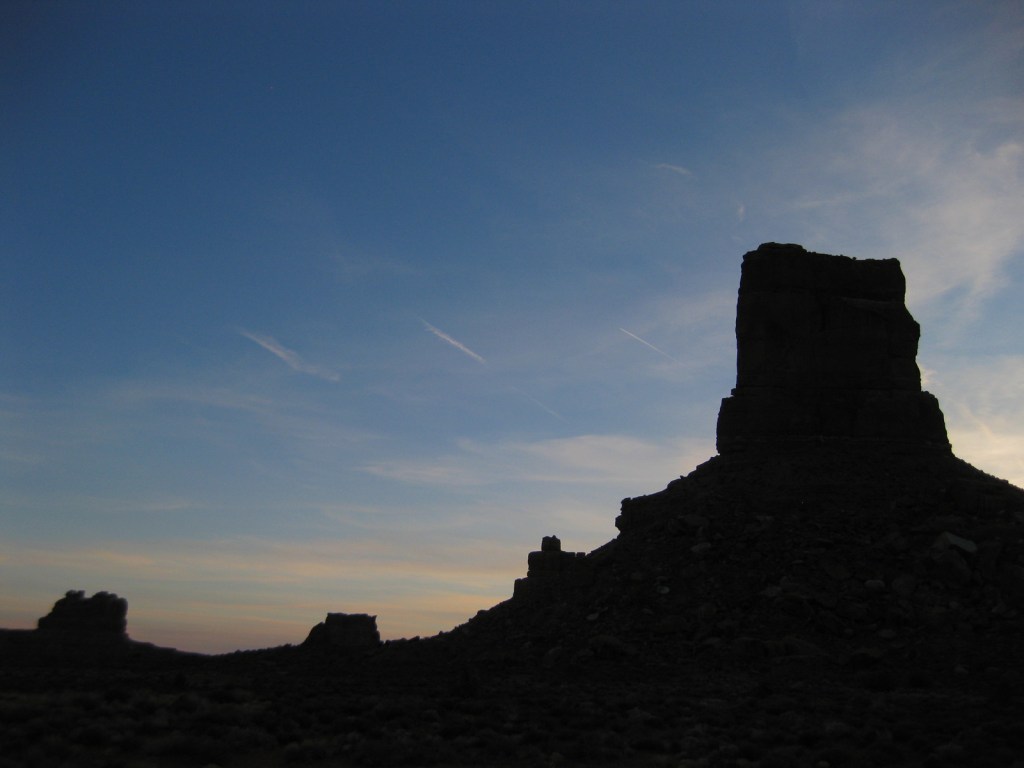
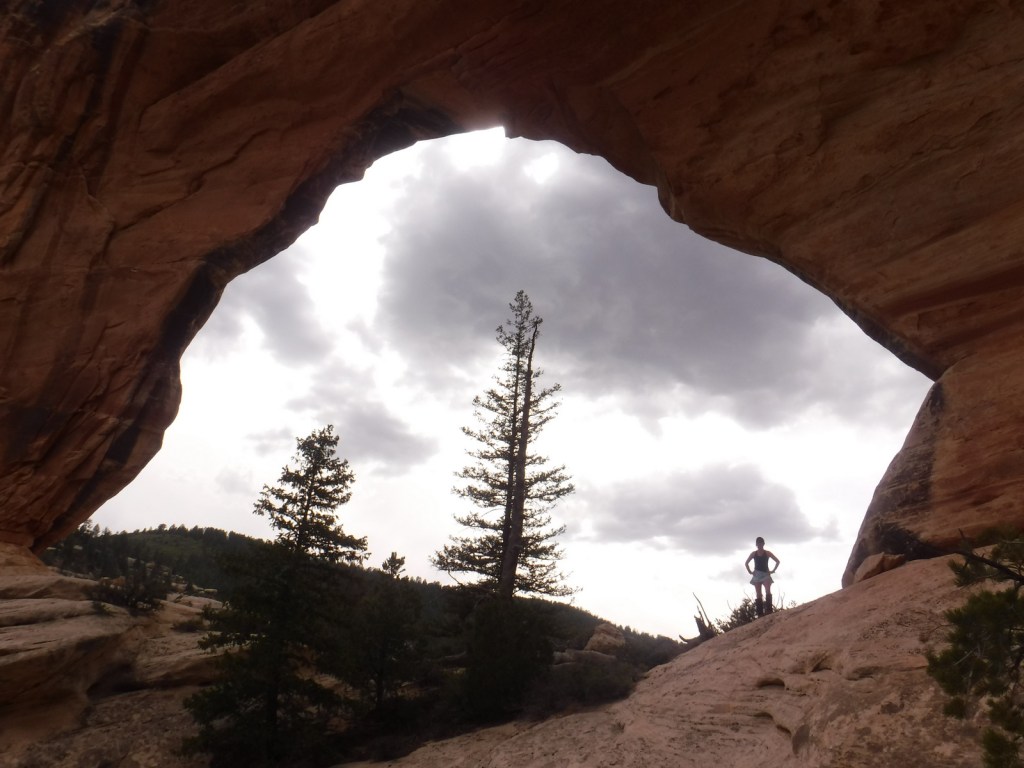
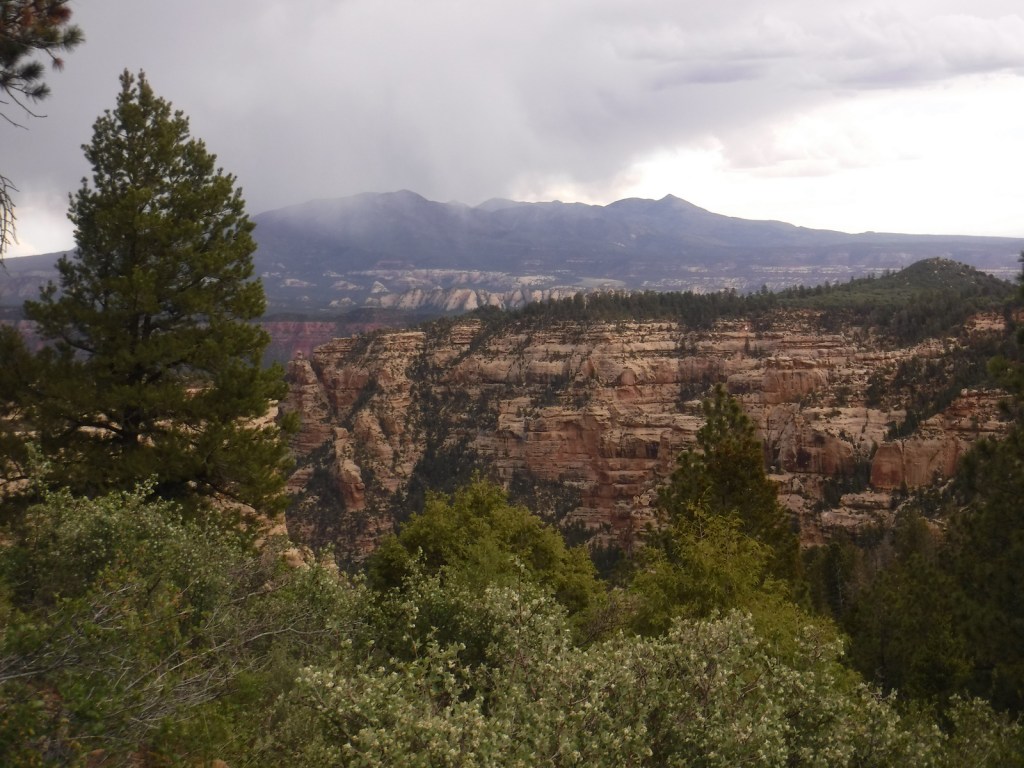
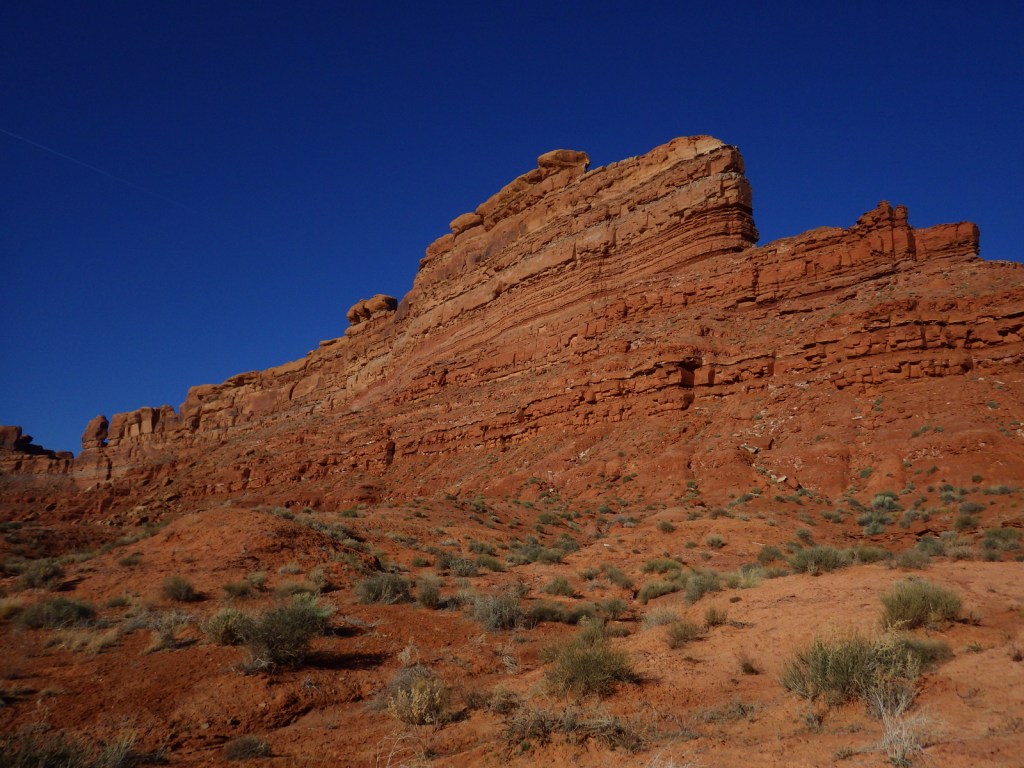
It would be easy to spend more than a week exploring the roads and trails within Bears Ears National Monument.  Everyone should try to drive the good 17-mile-long dirt road through Valley of the Gods to see rock formations like Rooster Butte and Woman in the Tub.  West of Blanding, paved State Route 95 passes Mule Canyon Interpretive site, Butler Wash Interpretive Trail, and Butler Wash Dinosaur Tracksite.  In La Sal National Forest, the 58-mile-long Elk Ridge Scenic Backway is a well-maintained (though unpaved) route that leads north from Natural Bridges National Monument to Highway 211, which connects to the Needles District of Canyonlands National Park.  There are multiple trails along the way that provide access to the Dark Canyon Wilderness, an area known for old-growth forests, natural arches, and Ancestral Puebloan ruins and pictographs. 

Best Trail

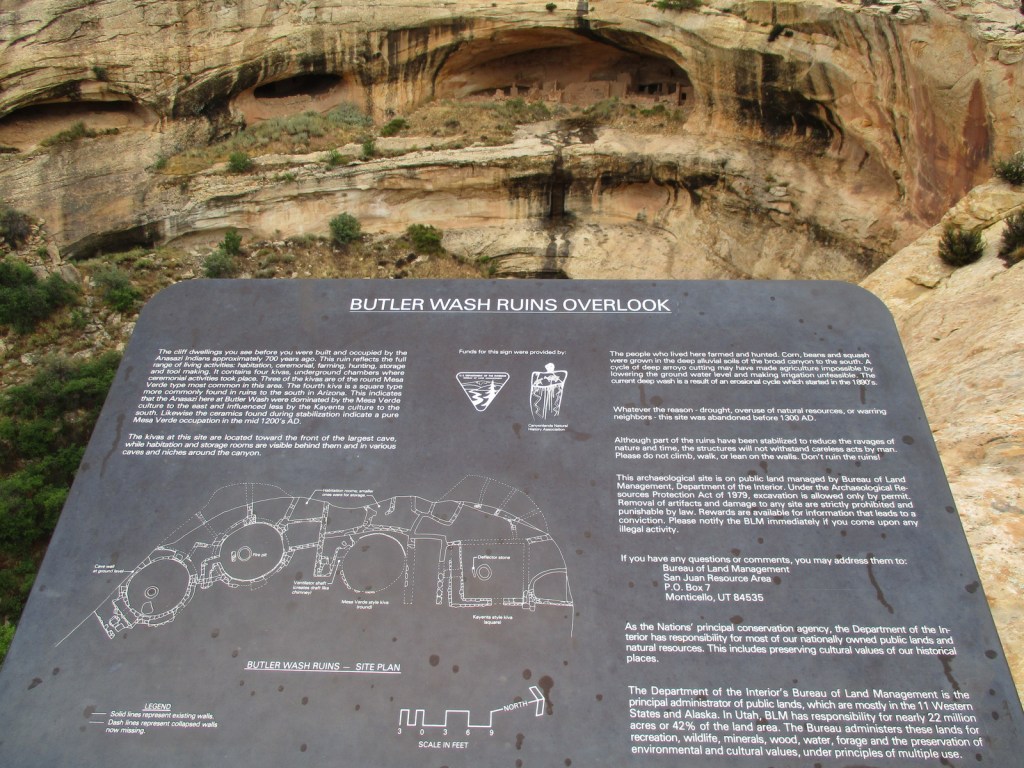
There are many trails to choose from, but one of the most popular is off unpaved Texas Flat Road that enters Mule Canyon (parking fee) and accesses House on Fire, a well-preserved granary located one mile in after multiple stream crossings.  There is a paved parking lot suitable for RVs at Butler Wash Interpretive Trail, a half-mile one-way walk on to an overlook of a cliff dwelling. 

Photographic Opportunity

Along Highway 211 to the Needles District of Canyonlands National Park, be sure to stop at the paved parking lot for Newspaper Rock.  Another nice panel of rock art is found in Sand Island Campground along the San Juan River near Bluff, Utah.

Peak Season

Spring and fall

Fees

A day-use fee of $5 per person applies at several parking areas on Cedar Mesa in southern Bears Ears National Monument, including Mule Canyon access to House on Fire Ruins.  There are pay stations at several sites, as well as pre-paid online permits (including for 20 people per day to access Moon House Ruin). 

Road Conditions

State Route 95 and Highway 211 are both paved, but other roads like the Moki Dugway, Valley of the Gods Road, and 58-mile-long Elk Ridge Scenic Backway should not be attempted by RVs.  A high-clearance vehicle is required to drive many side roads, including six-mile-long Cigarette Springs Road to The Citadel and Seven Kivas Trails.  Be aware that flash floods are a danger as many roads traverse canyons.

Camping

There are numerous developed campgrounds spread throughout Bears Ears National Monument.  We enjoyed our stay at Hamburger Rock Campground outside the Needles District of Canyonlands National Park.  Dispersed camping is also a good option, especially in scenic Valley of the Gods and along lightly-traveled Elk Ridge Scenic Backway.  All backcountry camping on Cedar Mesa requires a permit and no campfires are allowed.

Related Sites

Canyonlands National Park (Utah)

Natural Bridges National Monument (Utah)

Hovenweep National Monument (Utah-Colorado)

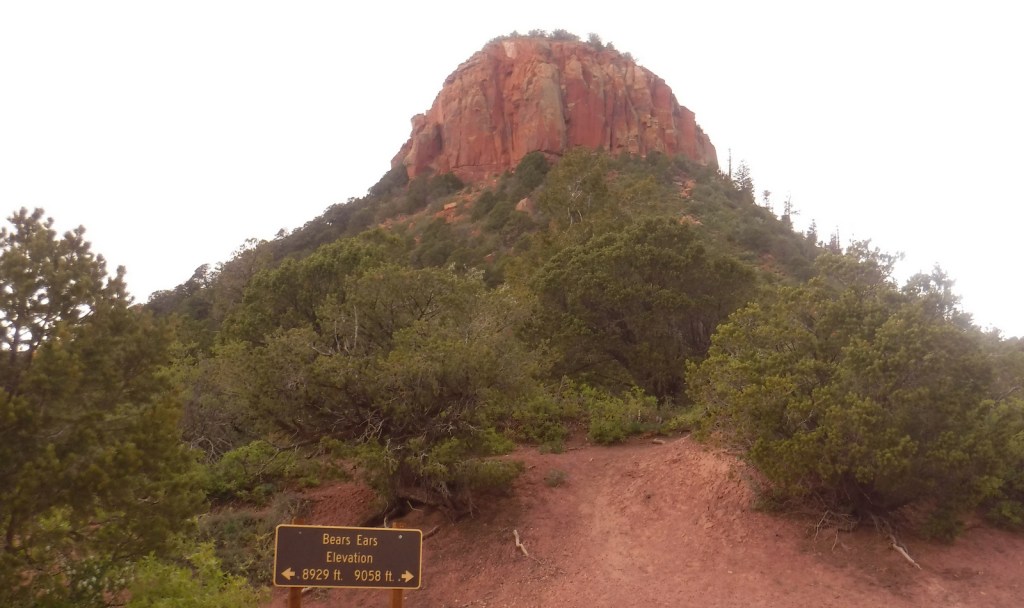
Explore More – Where are the actual Bears Ears formations that give the National Monument its name?

Learn more about the other 137 National Monuments in our book Monumental America: Your Guide to All 138 National Monuments

La Sal National Forest

La Sal National Forest

Utah, Colorado

Managed by U.S. Forest Service, Intermountain Region

535,288 acres

Website: https://www.fs.usda.gov/mantilasal

Overview

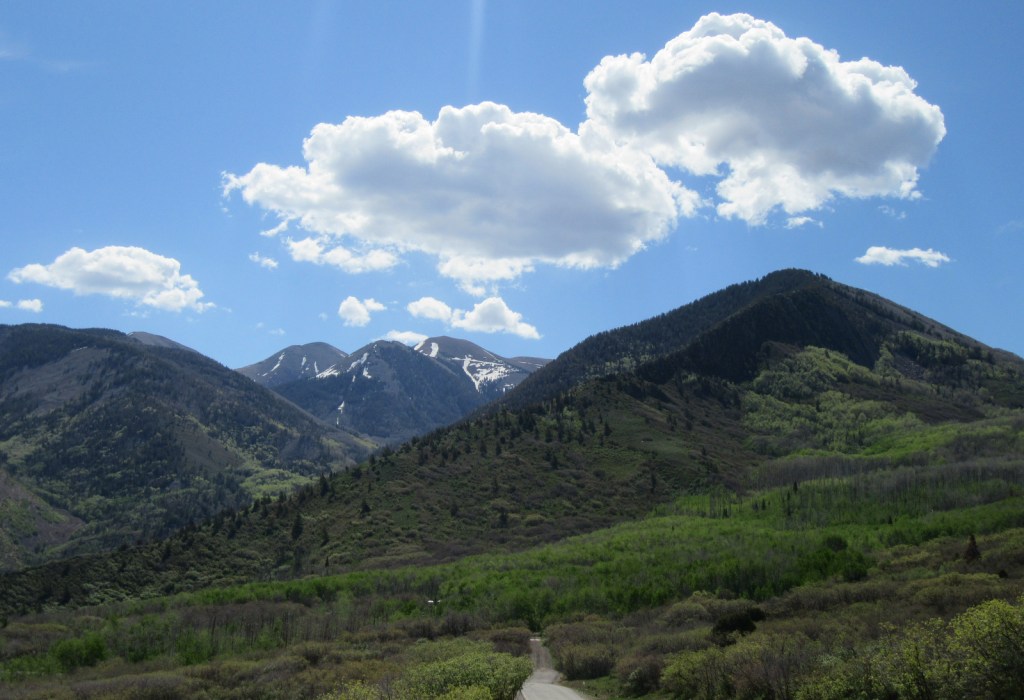
La Sal National Forest is found in two separate sections of southeastern Utah surrounding the La Sal and Abajo Mountains, topping out on 12,721-foot Mt. Peale.  Much of the southern portion of the National Forest, including the Dark Canyon Wilderness, was included in the 1.35-million-acre Bears Ears National Monument, established in 2016 and then controversially reduced in size before being restored.  Since 1949, it has been administratively combined with the northern and separate Manti National Forest, so it can be difficult to find information for La Sal National Forest alone.  

Highlights

Bears Ears National Monument, La Sal Mountain Loop Scenic Backway, Warner Lake, Bull Canyon Dinosaur Tracks, Buckeye Reservoir, Elk Ridge Scenic Backway, Harts Draw Highway, Abajo Loop State Scenic Backway, Mt. Peale, Arch Canyon, Mt. Tukuhnikivatz

Must-Do Activity

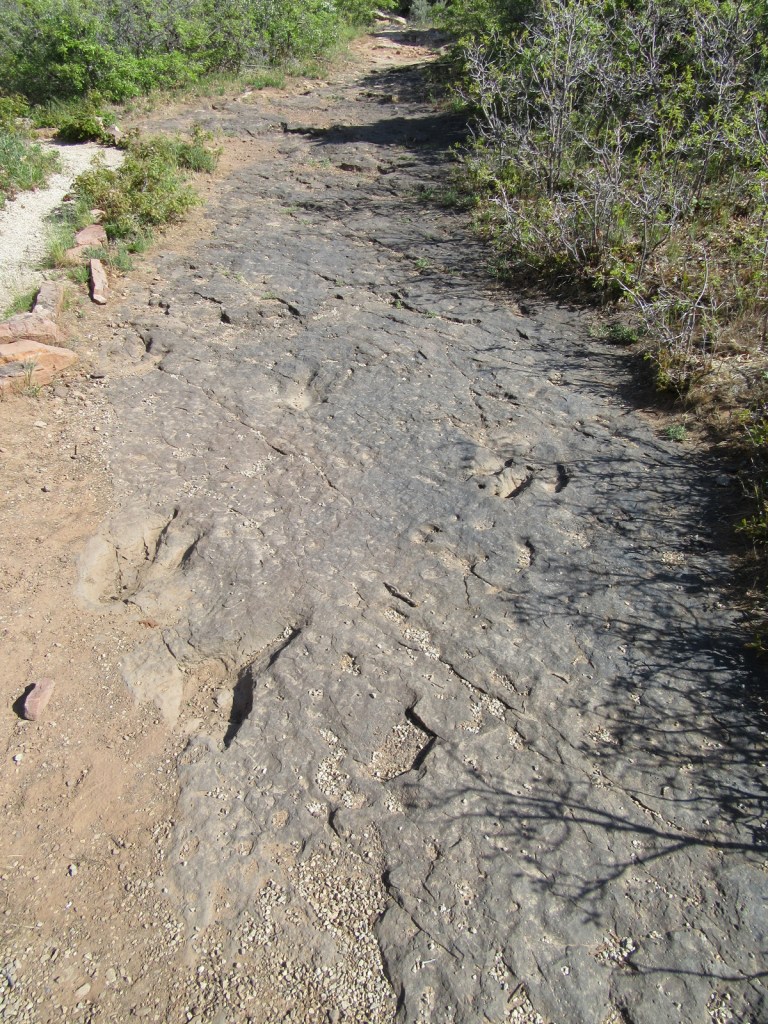
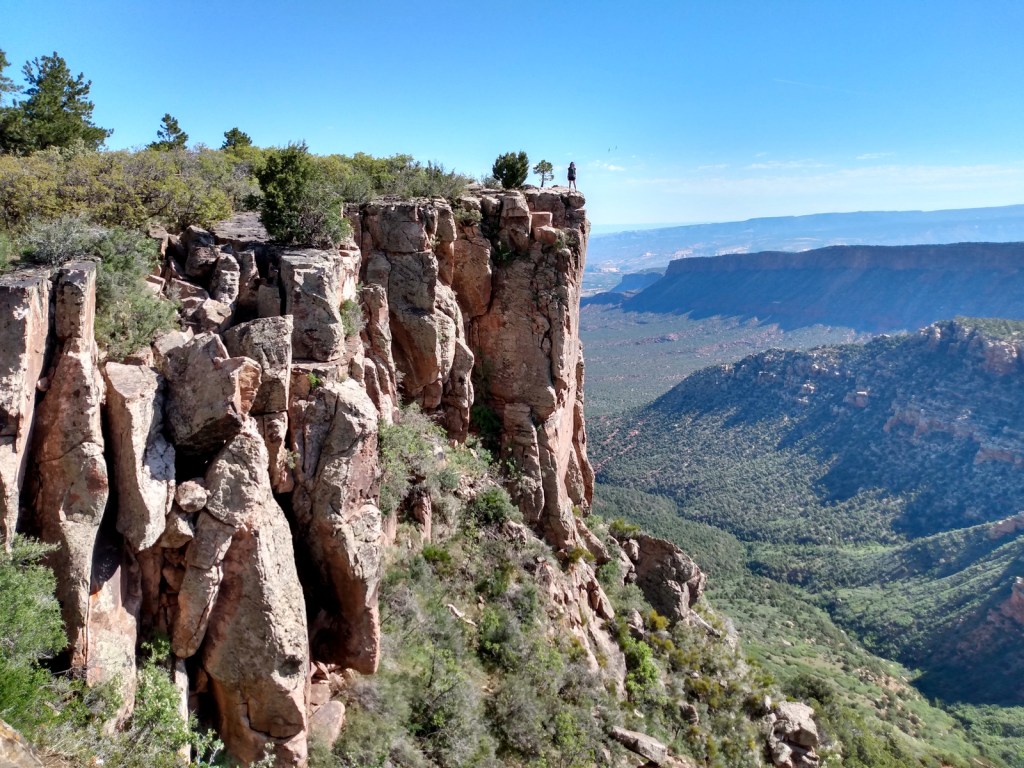
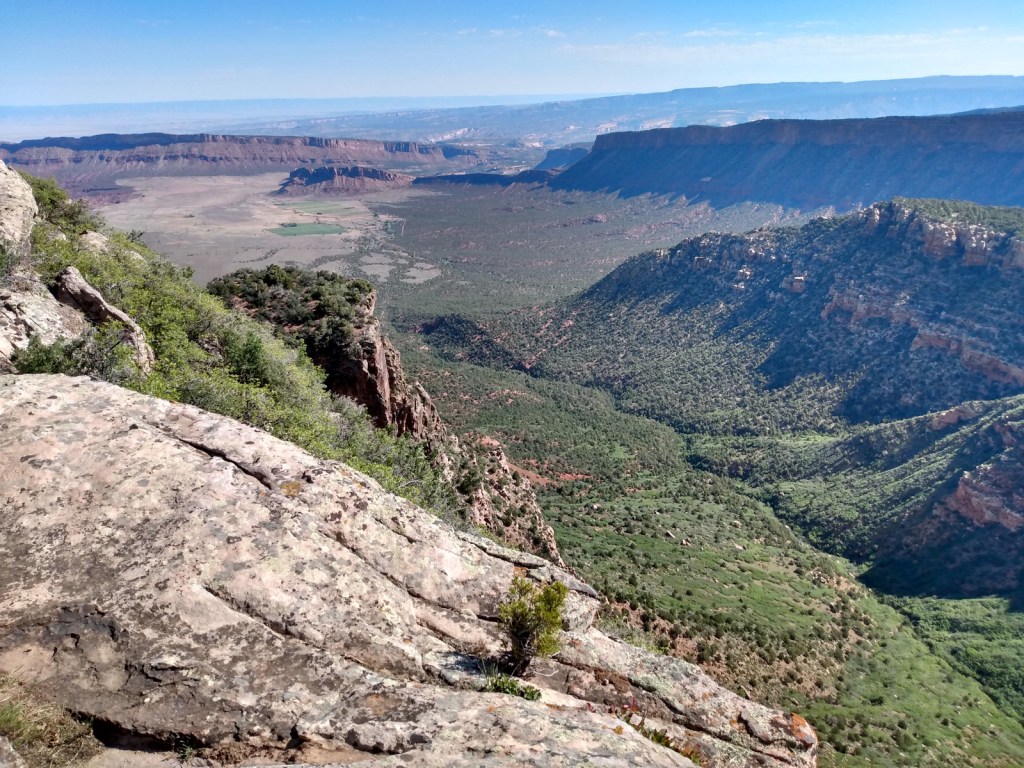
Many visitors access the forest south from Moab on the mostly-paved La Sal Mountain Loop Scenic Backway, a steep drive suitable for passenger vehicles that is accessible in the warmer months.  The often snow-capped La Sal Mountains are featured as the backdrop in nearly every photo of Delicate Arch in Arches National Park.  The Sierra La Sal (“Salt Mountains” in Spanish) were a prominent landmark on the Old Spanish Trail between Santa Fe and Los Angeles.  Be sure to make the dirt Gateway Road (FS 207) detour 5.4 miles to visit Bull Canyon Dinosaur Tracks, where there is also a commanding view of Fisher Mesa and Bull Canyon.  Oowah Lake and Warner Lake are also located on unpaved side roads (3.2 and 5.2 miles respectively) from La Sal Mountain Loop Road.

Best Trail

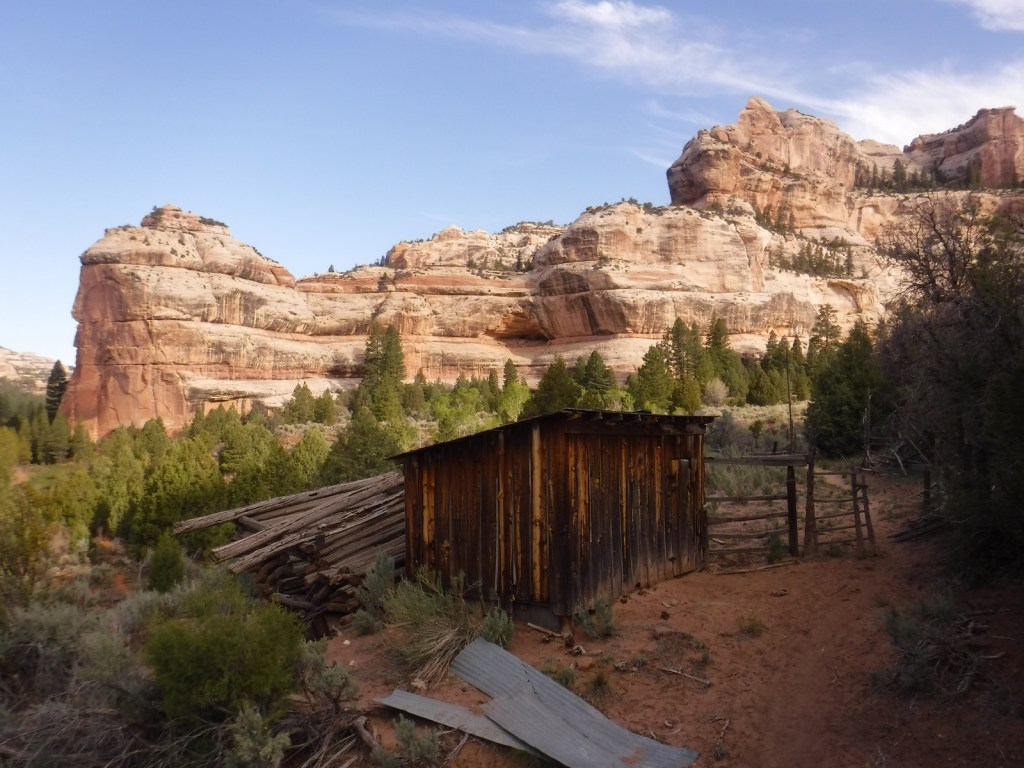
The 58-mile-long Elk Ridge Scenic Backway is a well-maintained, though unpaved route that leads north from Natural Bridges National Monument to Highway 211, which connects to the Needles District of Canyonlands National Park.  There are multiple trails along the way that provide access to the Dark Canyon Wilderness, an area known for old-growth forests, natural arches, and Ancestral Puebloan ruins and pictographs.  A high-clearance vehicle is not required to reach Big Notch Trailhead where a trail steeply drops into Dark Canyon.  Erosion has cut red clay walls that make navigation somewhat difficult in places.  About four miles in, not far past the large Cicada Arch on the north side, you reach a spring at the meeting with Drift Trail Canyon.  Another two miles takes you to Scorup Cabin, a good place to turn around or explore Horse Pasture Canyon.

Watchable Wildlife

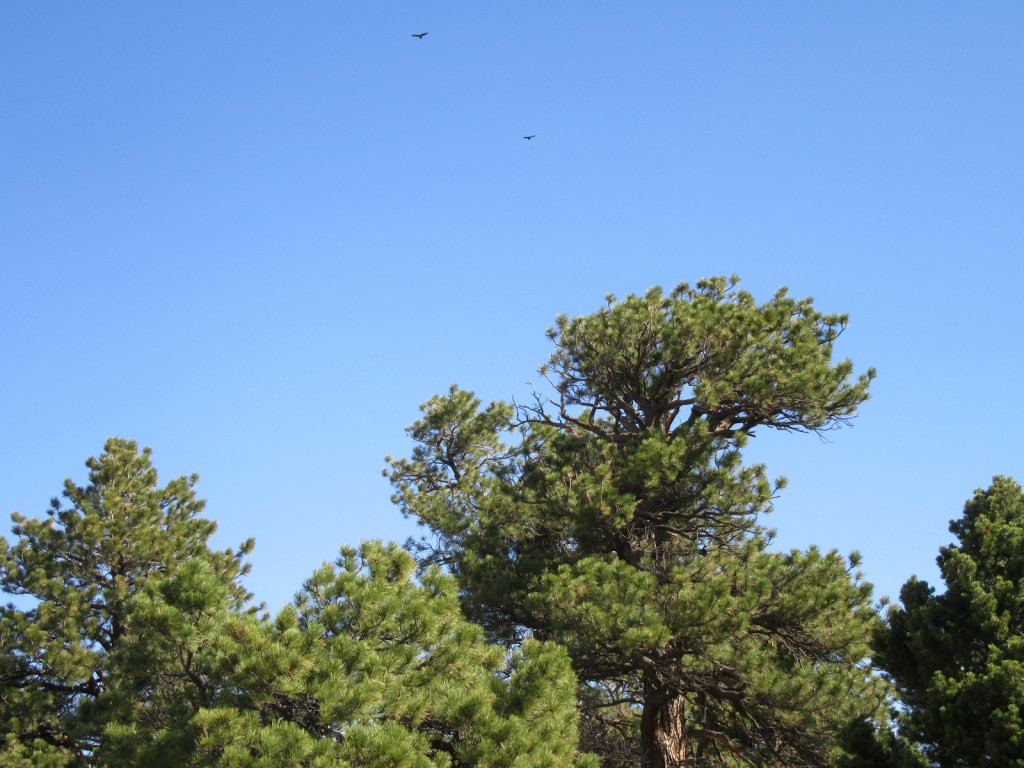
Wildlife species are similar to Utah’s Dixie National Forest and Fishlake National Forest, including black bears, mountain lions, bobcats, coyotes, porcupines, raccoons, skunks, badgers, bighorn sheep, elk, mule deer, and pronghorns.  Large birds include bald eagles, golden eagles, northern goshawks, turkey vultures, wild turkeys, common ravens, and various species of owls and woodpeckers.  Look for short-horned lizards in the Dark Canyon Wilderness.  There are many trout and other gamefish found in the streams and small lakes spread across the high-elevations of the La Sal and Abajo Mountains.

Photographic Opportunity

In the summer months, take La Sal Mountain Loop Scenic Backway to Bull Canyon Dinosaur Tracks to see 200-million-year-old therapod tracks, plus an awesome overlook to the north.

Peak Season

Summer

Fees

None

Road Conditions

La Sal Mountain Loop Road is mostly paved, but side roads to Bull Canyon Dinosaur Tracks, Oowah Lake, and Warner Lake are not.  The 58-mile-long Elk Ridge Scenic Backway is a rocky, unpaved route that leads north from Natural Bridges National Monument to Highway 211; and side roads to some trailheads require a high-clearance vehicle.

Camping

Warner Lake Campground takes reservations, as does Buckeye Reservoir in Colorado and a few others.  Dispersed camping is also an option, especially along lightly-traveled Elk Ridge Scenic Backway.

Wilderness Areas

Dark Canyon Wilderness

Wilderness

Related Sites

Arches National Park (Utah)

Bears Ears National Monument (Utah)

Natural Bridges National Monument (Utah)

Nearest National Park

Canyonlands

Conifer Tree Species

Utah juniper, Rocky Mountain juniper, two-needle pinyon pine, ponderosa pine, white fir, subalpine fir, Engelmann spruce, Douglas-fir

Flowering Tree Species

Gambel oak, quaking aspen, Fremont cottonwood, Utah serviceberry, bigtooth maple, manzanita, sagebrush

Explore More – Due to an administrative error in 1908, what was the misspelled name of La Sal National Forest (which was quickly corrected)?

Learn more about this and the 154 other National Forests in our new guidebook Out in the Woods

We are a participant in the Amazon Services LLC Associates Program, an affiliate advertising program designed to provide a means for us to earn fees by linking to Amazon.com and affiliated sites.

Medgar and Myrlie Evers Home National Monument

Medgar and Myrlie Evers Home National Monument

Mississippi

Managed by National Park Service

Established 2019

0.74 acres

Website: nps.gov/memy

Overview

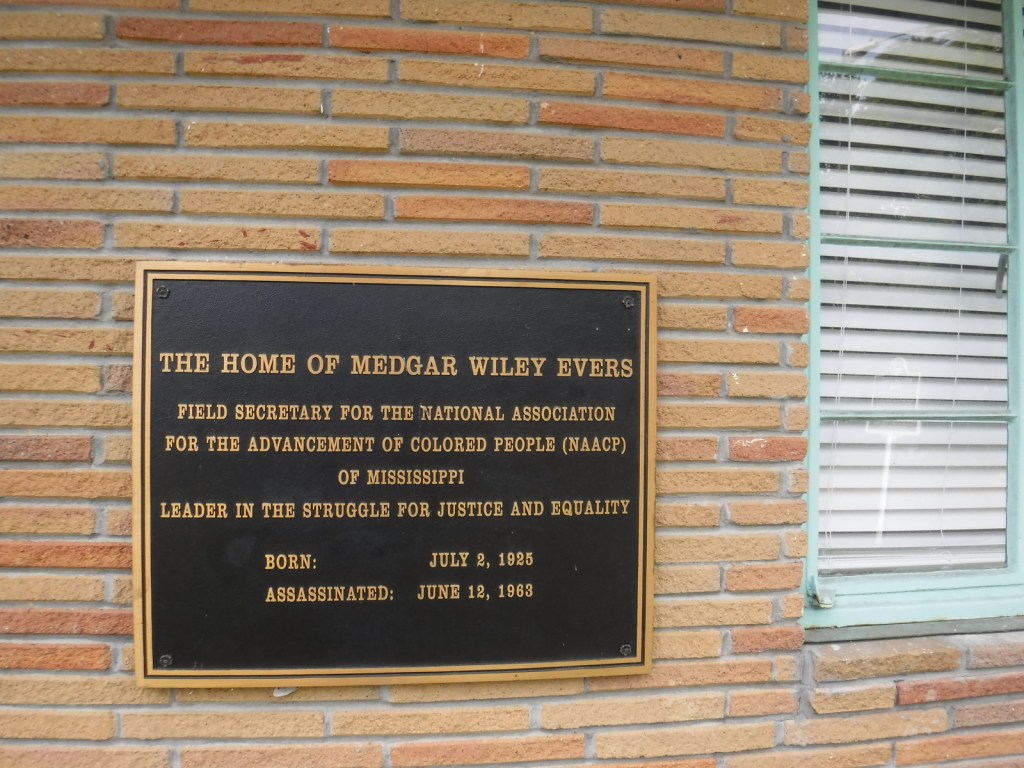
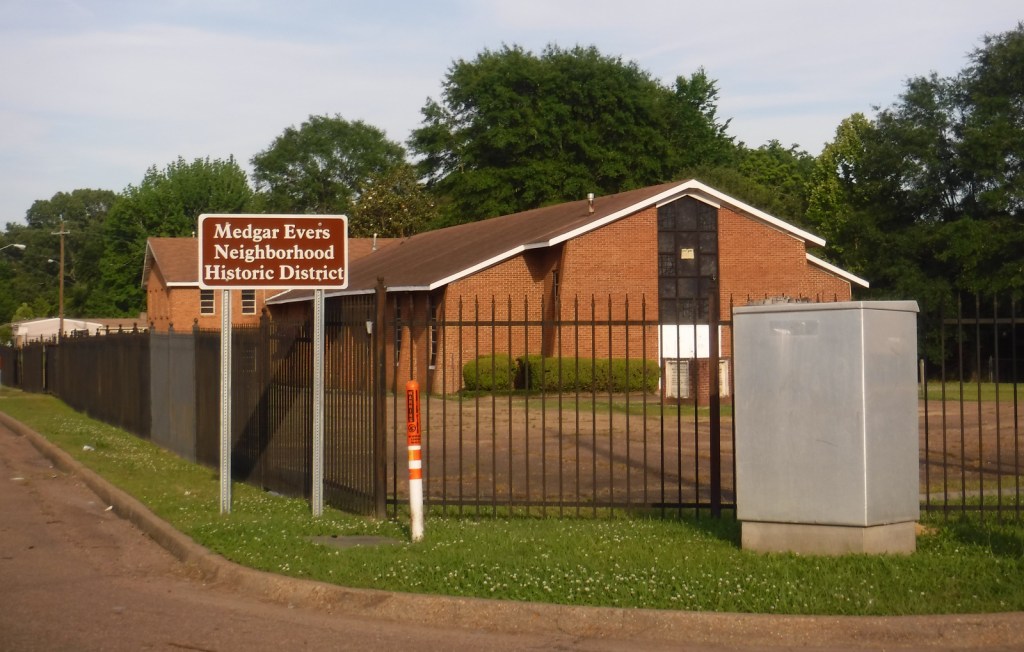
In the early 1960s, Medgar Evers served as a field secretary for the National Association for the Advancement of Colored People (NAACP) and became a target for racial hatred in Jackson, Mississippi.  After Medgar was slugged while aboard a bus and almost run over by a car, the Evers family home was firebombed on May 28, 1963.  Then just before midnight on June 11, Medgar was assassinated in his driveway by a sniper from a vacant lot across the street.  Medgar died the next morning and his wife Myrlie moved the family to California where she continued as a civil rights advocate (and was eventually elected as Chair of the NAACP).  The family rented the property for 30 years before donating it to Tougaloo College who restored the house and sold it to the National Park Service (NPS) in 2020.

Learn more about the other 137 National Monuments in our book Monumental America: Your Guide to All 138 National Monuments. It is now available for sale on Amazon.com.
Highlights

Evers’ House, Myrlie’s Garden

Must-Do Activity

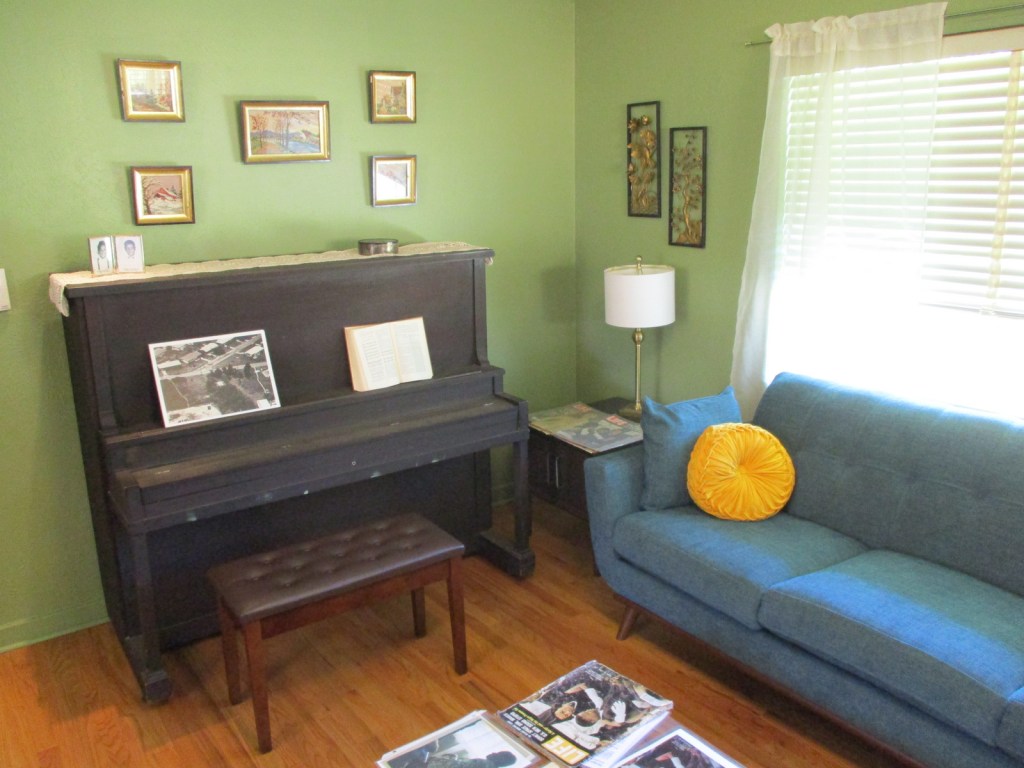
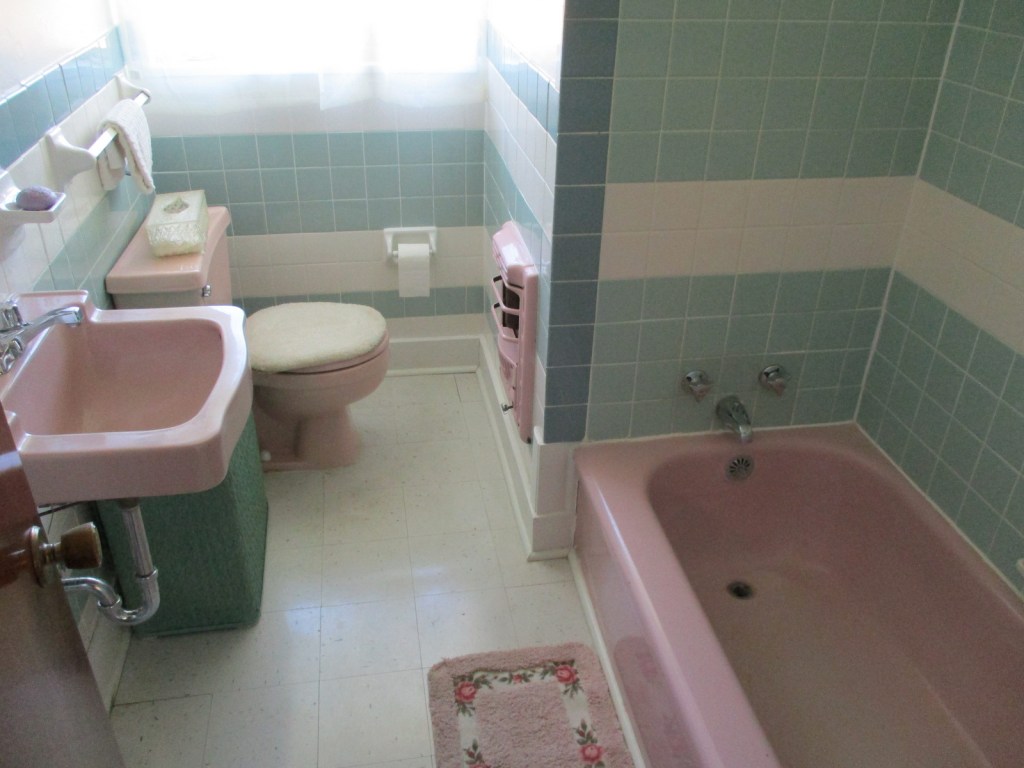
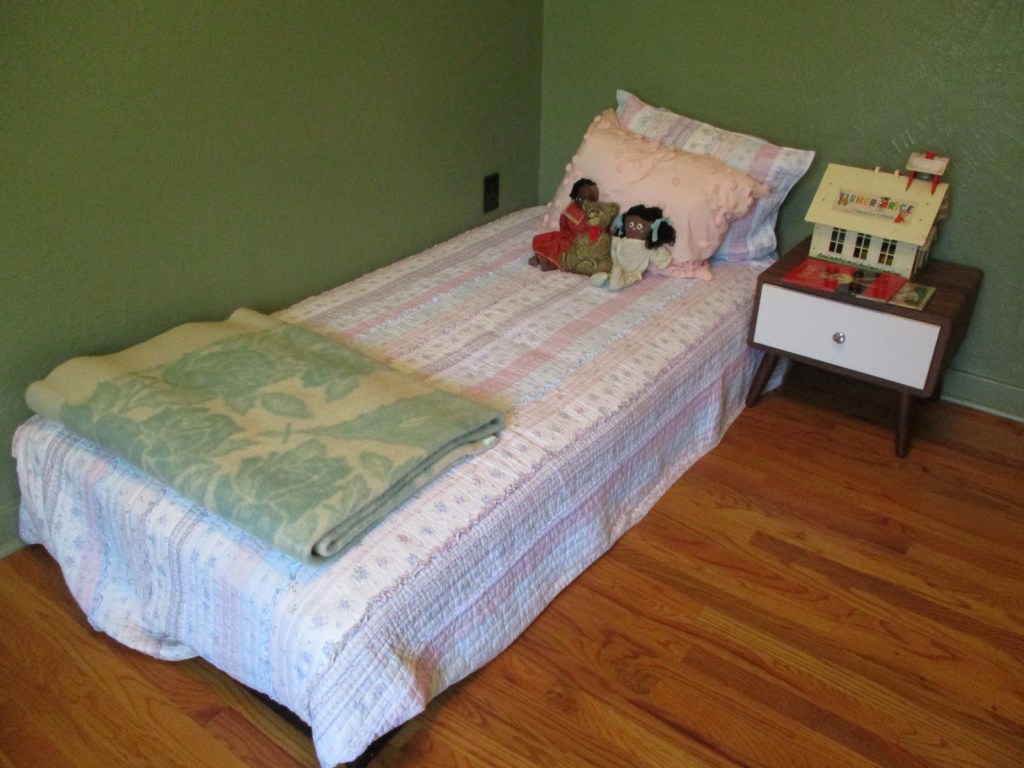
In 1956, the Evers family chose this new house because it did not have a front door, but rather an entrance on the side off the covered carport for security.  After you enter the house from the back door, be sure to find where the bullet hole is still in the wall to the kitchen.  You will also notice that the children’s beds were on the floor below the window level for safety, and Medgar trained them to crawl to the bathroom in case of an attack.  There is a four-page Junior Ranger booklet for the site that can be completed during a short visit, which takes a serious yet positive tone for this important civil rights site.  Still, it made it on our list of the Top 10 Most Depressing National Park Service Sites.

Best Trail

There is a sidewalk through Myrlie’s Garden, a community garden less than one-tenth of a mile from the house where interpretive signs on the wooden fence tell the life story of the Evers.

Photographic Opportunity

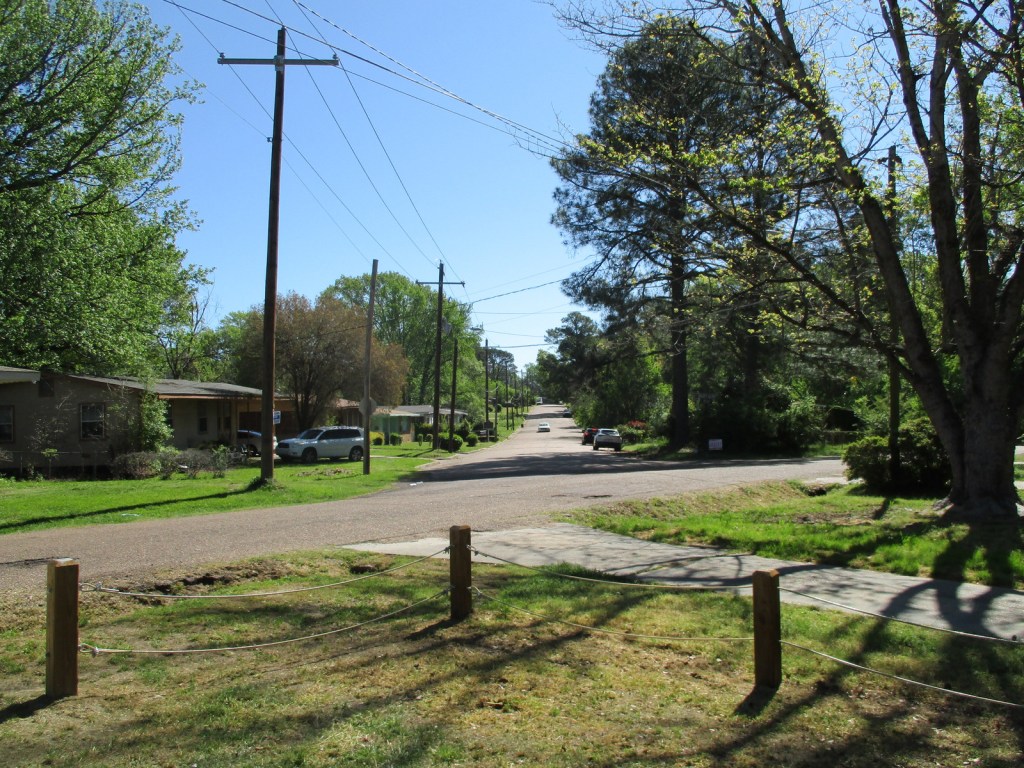
In Jackson’s Elraine Subdivision, the Evers’ house is one of 36 ranch-style houses built as the first planned middle-class subdivision for African Americans in Mississippi after World War II.

Peak Season

Spring and fall

Hours

Closed Sundays and Mondays, and noon to 1 p.m. for lunch

https://www.nps.gov/memy/planyourvisit/hours.htm

Fees

None

Road Conditions

There is street parking available in the neighborhood, but rangers prefer that you park at Myrlie’s Garden and walk over.

Camping

There are three free NPS campgrounds along the 444-mile Natchez Trace Parkway, which runs through Jackson, Mississippi.  To the east on Interstate 20, Bienville National Forest also has camping options.

Related Sites

Emmett Till and Mamie Till-Mobley National Monument (Mississippi-Illinois)

Natchez Trace National Scenic Trail (Mississippi-Alabama-Tennessee)

Birmingham Civil Rights National Monument (Alabama)

Explore More – The assassin Byron De La Beckwith was immediately caught, then set free after two deadlocked trials, so how many years later was he finally convicted?

Learn more about the other 137 National Monuments in our book Monumental America: Your Guide to All 138 National Monuments