Tag Archives: National Historical Park

Nez Perce National Historical Park

Overview

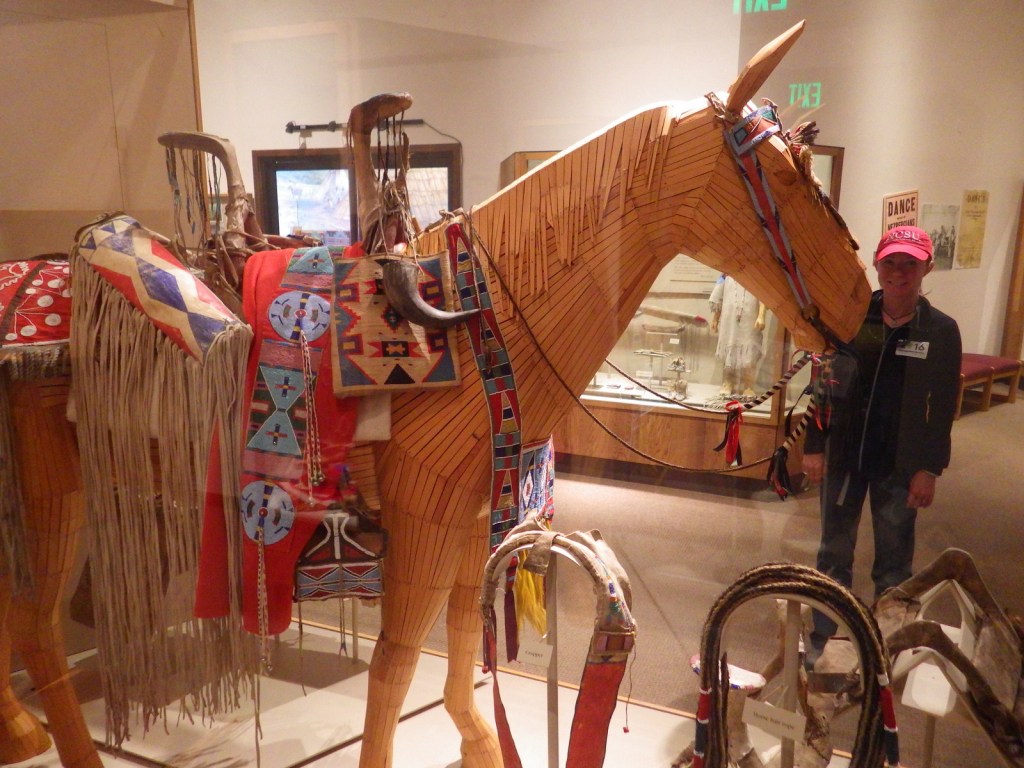
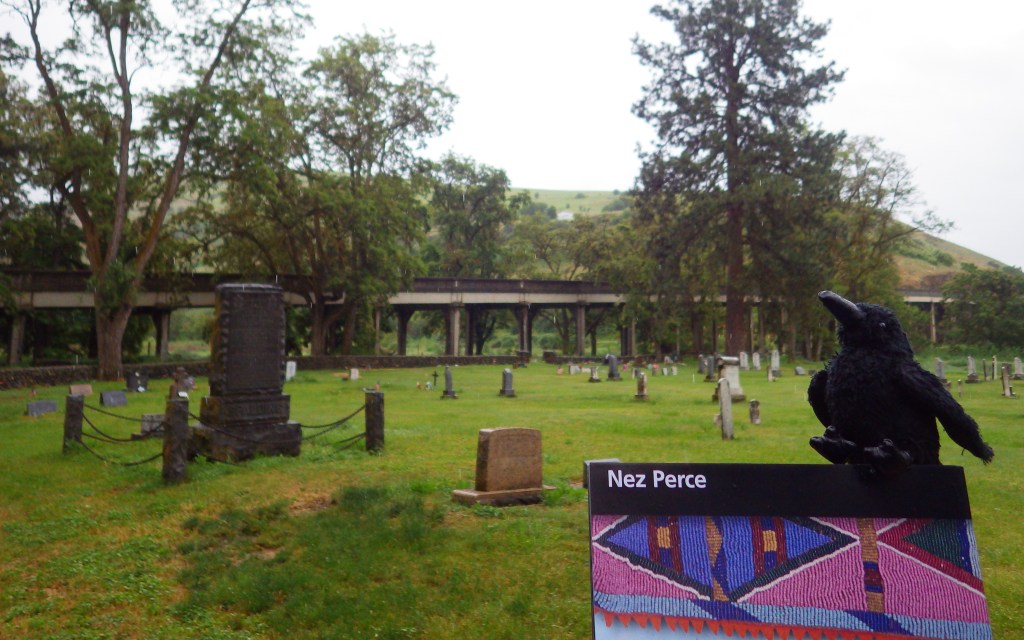
Nez Perce National Historical Park is unique because it comprises 38 sites stretching across four states, not even including an 1877 incident inside Wyoming’s Yellowstone National Park.  Many of the locations (as well as Big Hole National Battlefield) cover the War of 1877, when a portion of the tribe fled more than 1,000 miles from Oregon towards the Canadian border only to be stopped 40 miles short by the U.S. Army at Bear Paw Battlefield in Montana.  Under the leadership of legendary Chief Joseph they crossed the Rocky Mountains at Lolo Pass, made famous by the Lewis and Clark Expedition that the tribe assisted in 1805.
Highlights

Museum, film, Heart of the Monster, Lolo Pass, Bear Paw Battlefield

Must-Do Activity

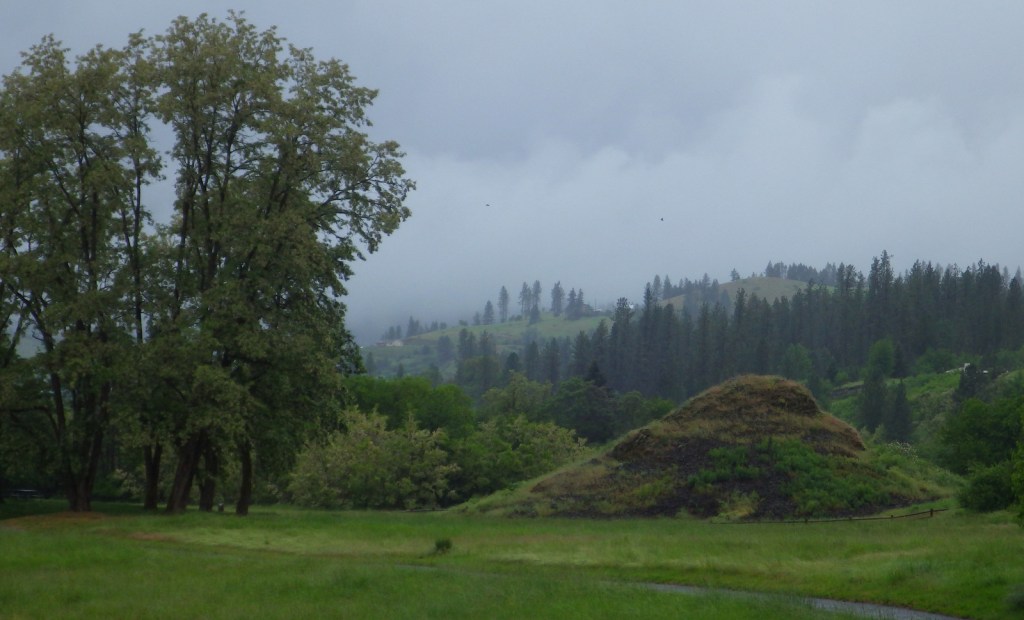
The main National Park Service (NPS) visitor center is in Spalding, Idaho on the Nez Perce Indian Reservation where the “heart of the monster” resides.  According to legend, after Coyote slew the monster that inhaled all the people, its heart and liver came to rest on the banks of the Clearwater River.  This park is also unique because the Nez Perce remain an active tribe with a strong sense of community, as documented in the excellent new film at the visitor center.  Highway 12 follows the beautiful Clearwater River through northern Idaho and provides access points for the unpaved Lolo Motorway (a section of the Nez Perce National Historical Trail) and its many scenic overlooks.

Best Trail

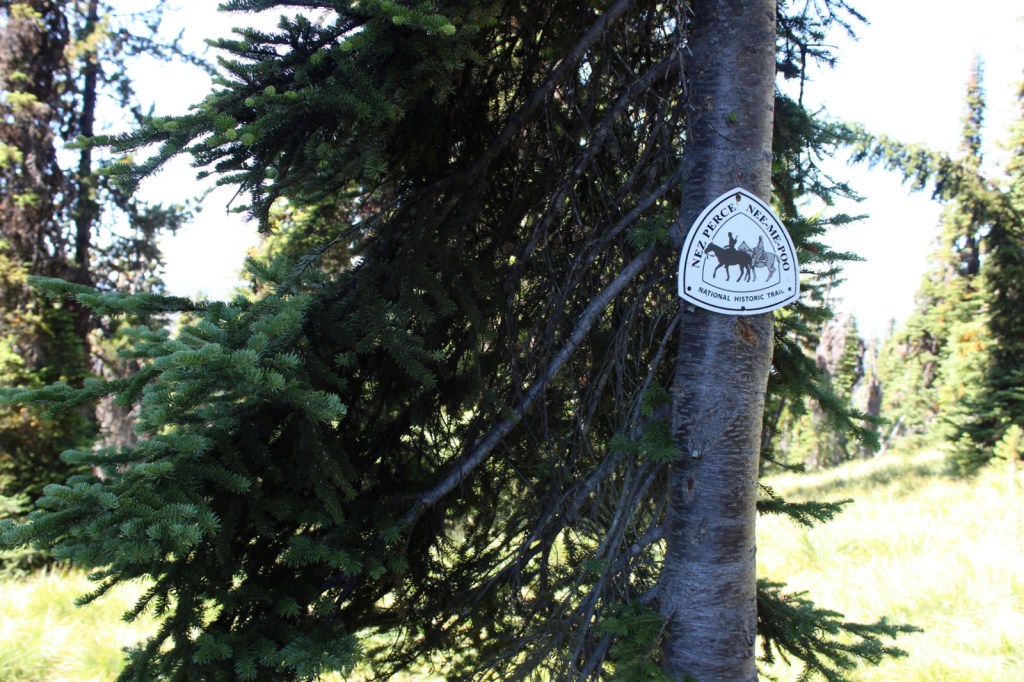
Nez Perce National Historical Trail stretches 1,170 miles from Oregon to Montana, ending at the NPS site at Bear Paw Battlefield where a five-day fight finally led to the tribe’s surrender in October 1877.

Instagram-worthy Photo

At a roadside pullout on Highway 95 in Idaho, the NPS interprets White Bird Battlefield where 34 U.S. Army soldiers were killed on June 17, 1877 escalating the U.S. government’s conflict with the Nez Perce into a war.

Peak Season

Summer

Hours

https://www.nps.gov/nepe/planyourvisit/hours.htm

Fees

None

Road Conditions

Most of the major roads are paved, with the notable exception of the Lolo Motorway which requires a high clearance vehicle (and four-wheel drive on its western end).

Camping

There are camping opportunities ranging from dispersed to developed located throughout Clearwater, Nez Perce, and Wallowa-Whitman National Forests.

Related Sites

Big Hole National Battlefield (Montana)

Grant-Kohrs Ranch National Historic Site (Montana)

Whitman Mission National Historic Site (Washington)

Explore More – After the 1863 “Steal Treaty” reduced the Nez Perce Reservation by 90%, what was the 1887 federal law that allowed another 90% to end up in white ownership?

Lyndon B. Johnson National Historical Park

Overview

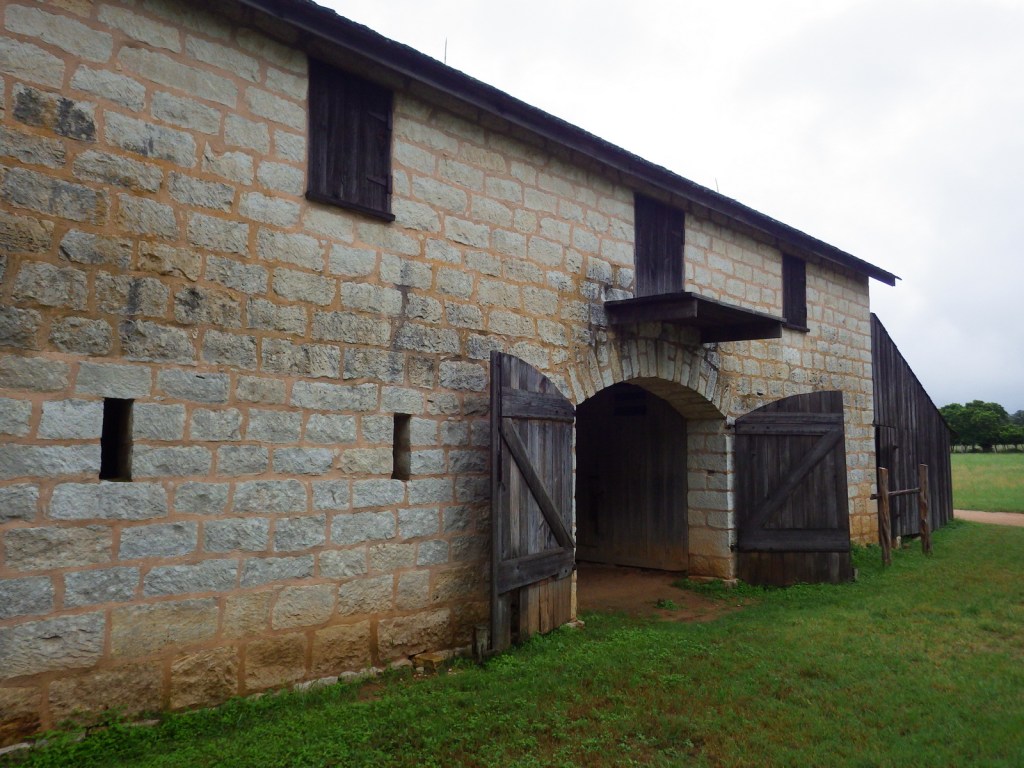
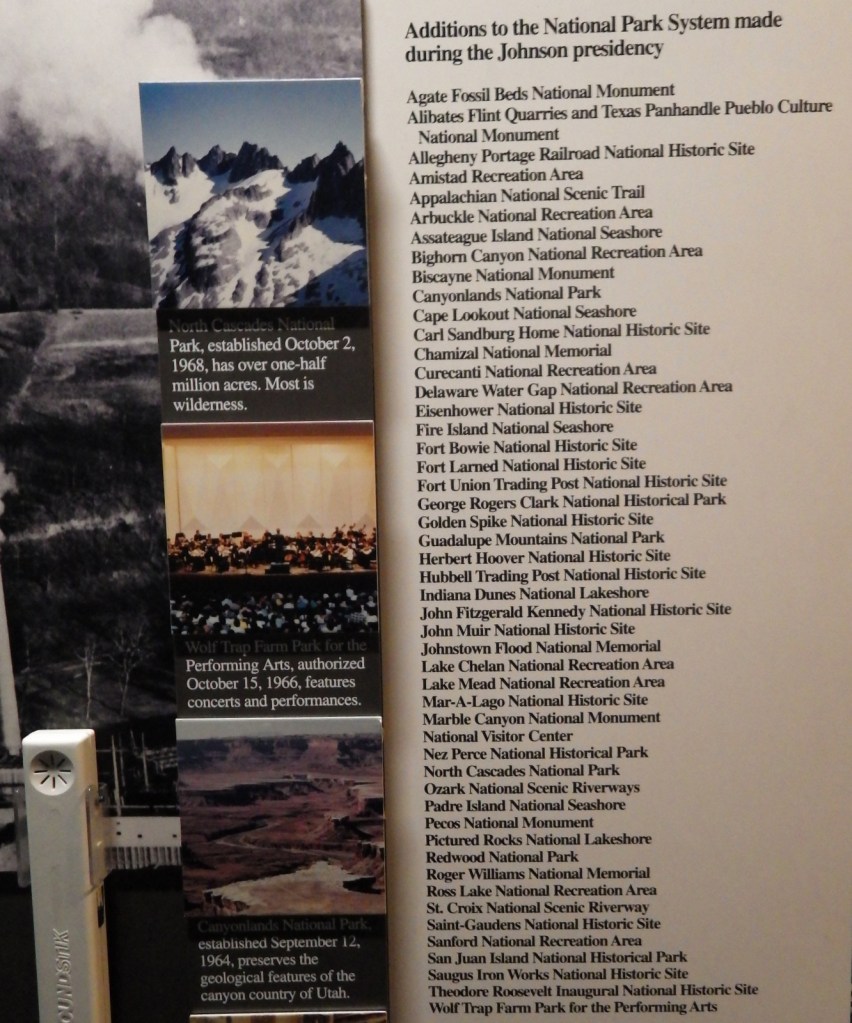
Lyndon B. Johnson National Historical Park is composed of two separate sites located 14 miles apart in Johnson City and Stonewall, Texas.  Museums here highlight the significant legislation that passed during his presidency from 1963-1969, including the pivotal Civil Rights Act, and, for nature lovers, the Wilderness Act.  Additions to the National Park Service (NPS) system during his presidency were extensive, including five sites in his home state of Texas (see Related Sites below).

Highlights

Johnson Settlement, films, Texas White House, Johnson Family Cemetery

Must-Do Activity

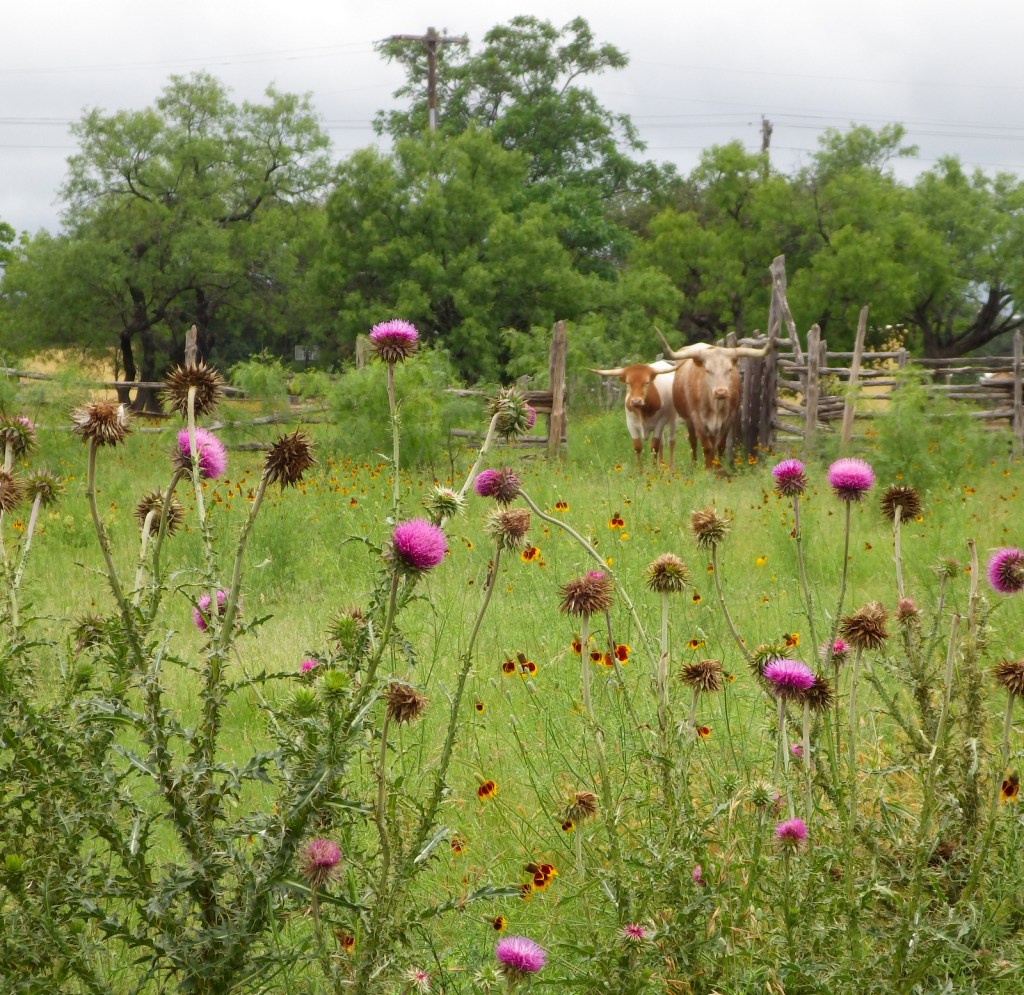
The 36th President of the United States is typically referred to as LBJ.  Birders know an “LBJ” as an acronym for those hard to identify “little brown jobs” that flit away before you can focus them in your binoculars.  Fittingly, President LBJ’s wife was named Lady Bird, and together they did much to preserve our public lands for native plants and animals.  Around the boyhood home where LBJ grew up in Johnson City, there are plenty of birds to watch, as well as longhorn cattle.  A driving tour through the Stonewall property (14 miles west) requires a permit from the LBJ State Park and Historic Site.  Once you get that, tickets for a guided tour of the Texas White House are available at the NPS visitor center located inside the Airplane Hangar.

Best Trail

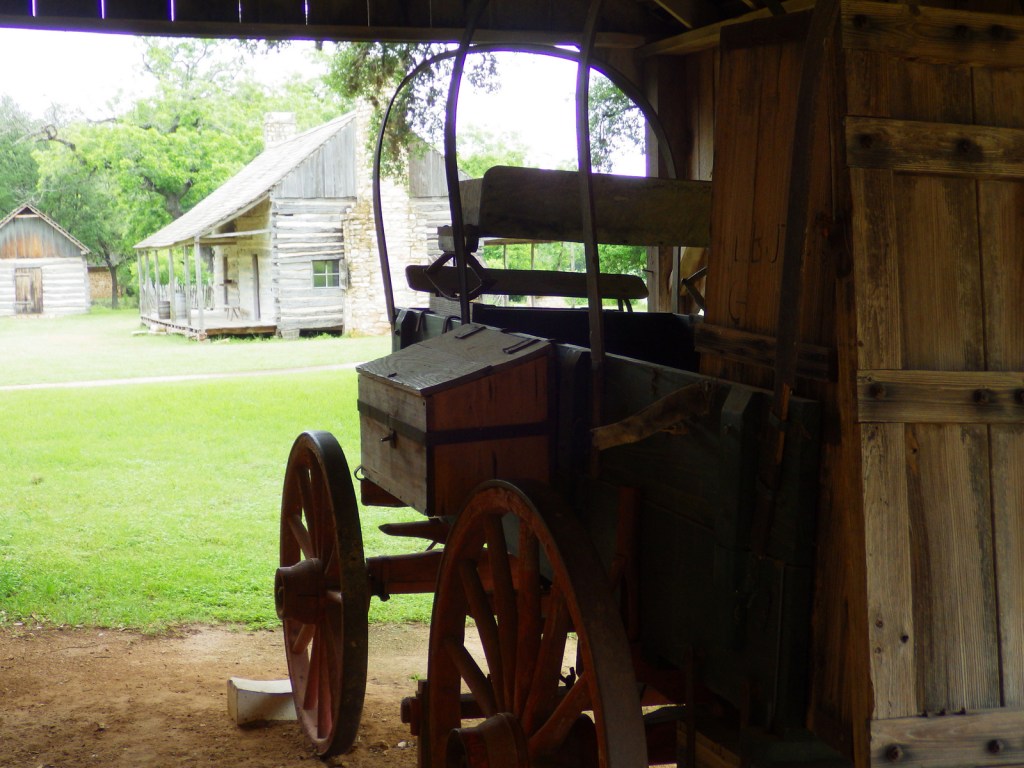
A walking tour through Johnson City includes stops at Withers and Spauldings General Store, LBJ’s boyhood home, and barns and cabins that date back to the 1800s within the Johnson Settlement.

Instagram-worthy Photo

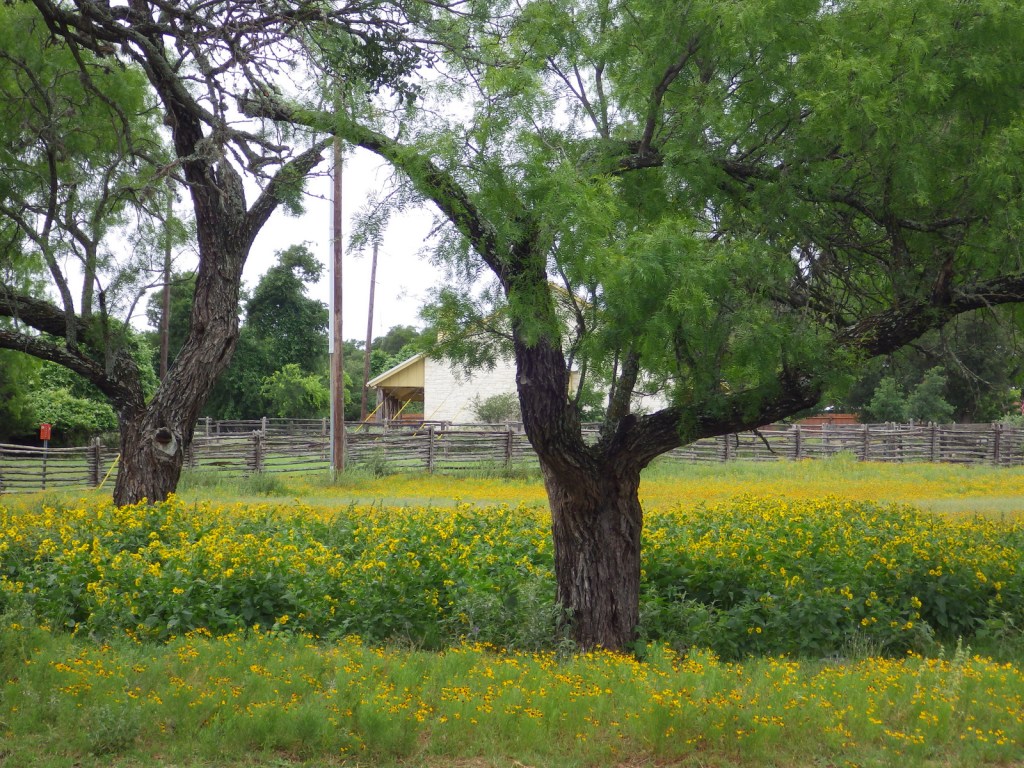
Longhorn cattle can be seen at the Johnson Settlement in Johnson City, Texas.  Hereford cattle are still raised at the working ranch in Stonewall.

Peak Season

Spring and fall

Hours

https://www.nps.gov/lyjo/planyourvisit/hours.htm

Fees

None except for the Texas White House tour ($3 per person or free with the America the Beautiful pass)

Road Conditions

All roads paved

Camping

East of Johnson City, Pedernales Falls State Park has a campground, as does Lady Bird Johnson Municipal Park in Fredericksburg, Texas.

Related Sites

Guadalupe Mountains National Park (Texas)

Padre Island National Seashore (Texas)

Alibates Flint Quarries National Monument (Texas)

Explore More – Which resort in Florida (later owned by a future U.S. President) was designated a National Historic Site under the Johnson administration (then eventually sold and disbanded)?
Adams National Historical Park

Overview

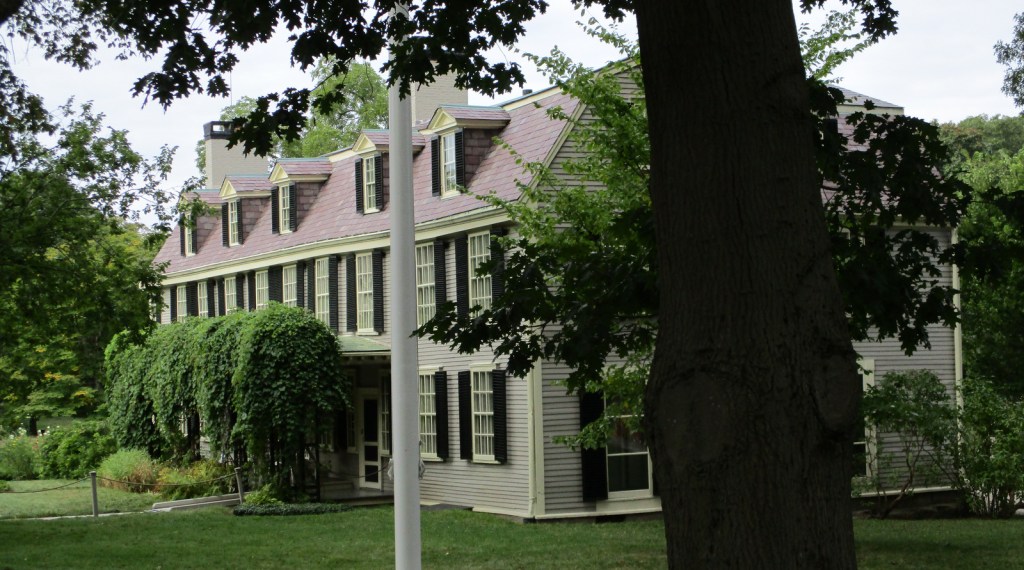
The Adams Family (doo doo doo doo snap snap) was very influential in American history, with members serving as foreign ministers, two presidents, and literary historians.  They resided in Quincy, Massachusetts for five generations from 1720 to 1927.  The two presidents and their first ladies are buried in the crypt beneath United First Parish Church (admission fee charged), which is located a short walk from the National Park Service (NPS) visitor center.

Highlights

Film, trolley ride, Birthplaces of John and John Quincy Adams, Old House at Peace Field, United First Parish Church

Must-Do Activity

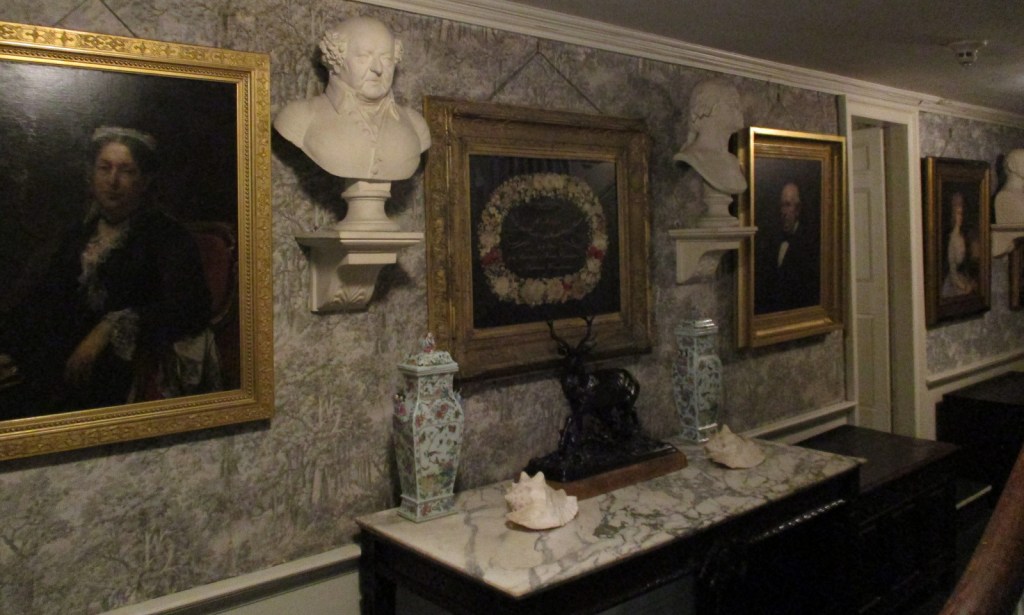
Start your visit at the NPS visitor center by watching a short film and purchasing tour tickets, which do not take reservations (so arrive early).  When your tour starts, board a trolley to travel to the two small houses (75 feet apart) where presidents John Adams and his son John Quincy Adams were born.  Next the trolley will take you to the Old House at Peace Field where your tour group splits in two to go inside the mansion and the Stone Library.

Best Trail

The two-hour tour is well orchestrated so no time is wasted, but you can enjoy a glimpse of the formal gardens as your tour group walks to the Stone Library, which houses more than 12,000 books.  If you drive there yourself, you can walk around outside the buildings.

Instagram-worthy Photo

The Carriage House at Peace Field is not part of the guided tour, but you can get a good photograph of it from where the trolley picks you up and drops you off.

Peak Season

Summer

Hours

https://www.nps.gov/adam/planyourvisit/hours.htm

Fees

$15 per person for tour or free with the America the Beautiful pass

Road Conditions

There is a parking garage near the NPS visitor center that allows free parking when you get your ticket validated by an NPS employee.

Camping

About 400 developed campsites are available at Wompatuck State Park, located 11 miles southeast of Quincy, Massachusetts.

Related Sites

Boston National Historical Park (Massachusetts)

Minute Man National Historical Park (Massachusetts)

Salem Maritime National Historic Site (Massachusetts)

Explore More – John and Abigail Adams moved into the Old House in 1788, but when was it originally built?

Paterson Great Falls National Historical Park

Overview

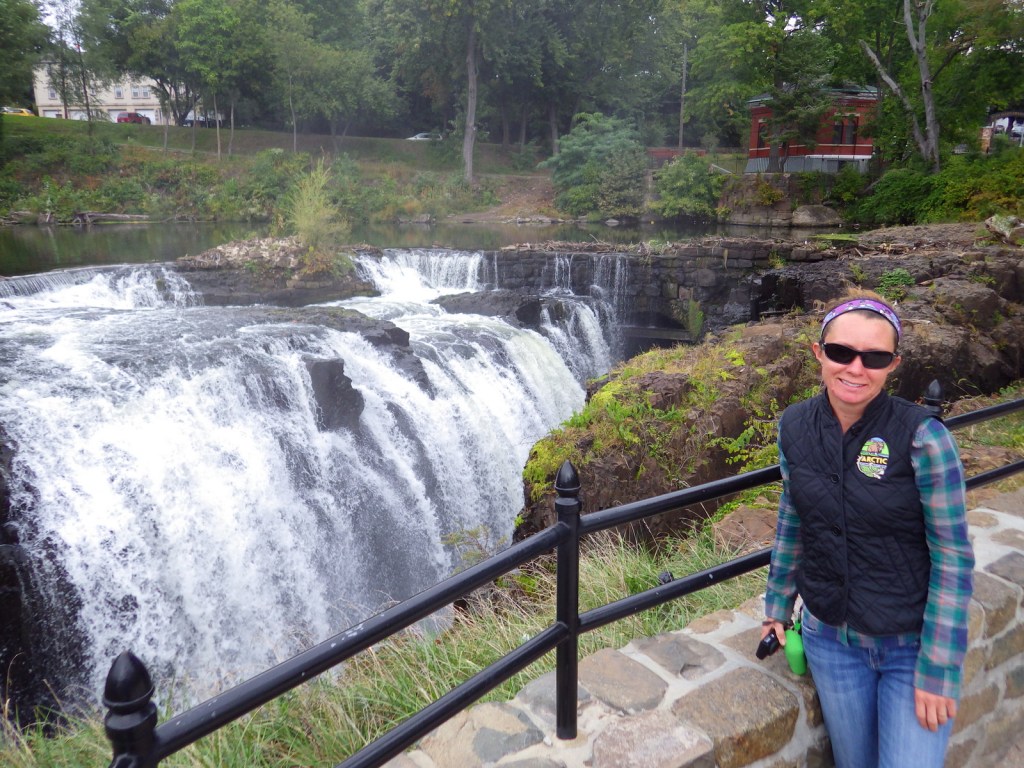
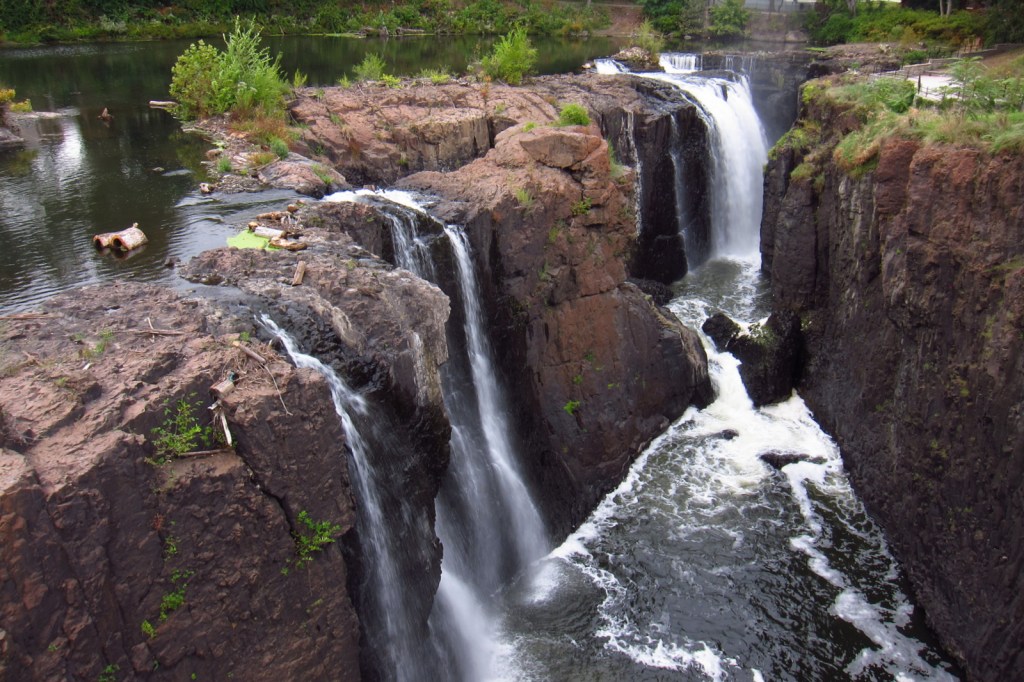
A flowing 77-foot waterfall in a narrow 300-foot wide gorge, Paterson Great Falls has long stood out as a natural wonder in New Jersey.  The entire Passaic River drops over this volcanic ridge, making it the second largest waterfall by volume east of the Mississippi River (Niagara Falls is first).  In 1792, the nation’s first Secretary of the Treasury, Alexander Hamilton, founded the City of Paterson to harness this hydropower for manufacturing.  Paterson Great Falls was named a National Natural Landmark in 1966 and a National Historical Park in 2011.

Highlights

Great Falls Historic District Cultural Center, Colt Gun Mill, Overlook Park, Mary Ellen Kramer Park

Must-Do Activity

Start your visit at the Great Falls Historic District Cultural Center, and, if you have time, explore the Paterson Museum (donation requested).  Carefully cross the street to Overlook Park for excellent view of the Great Falls Power Plant, then take the footbridges behind the hydroelectric plant to Mary Ellen Kramer Park for better photographic angles of the waterfall.  Guided tours by park rangers are offered in the summer months.

Best Trail

A walking tour of Paterson, New Jersey continues beyond Mary Ellen Kramer Park to Hinchcliffe Stadium where Negro League Baseball was once played.  On the other side of the Passaic River, follow the river’s raceways to the red-brick ruins of Allied Textile Printing and the Colt Gun Mill.

Instagram-worthy Photo

The Great Falls Power Plant opened in 1914 and still produces enough power to supply 11,000 households.  The “S.U.M. 1791” on the building’s exterior refers to Alexander Hamilton’s Society for Establishing Useful Manufactures.

Peak Season

Summer

Hours

https://www.nps.gov/pagr/planyourvisit/hours.htm

Fees

None

Road Conditions

All roads are paved and there is a free parking lot at Overlook Park.

Camping

None

Related Sites

Lowell National Historical Park (Massachusetts)

Thomas Edison National Historical Park (New Jersey)

Morristown National Historical Park (New Jersey)

Explore More – It cost $14.5-million to refurbish the Great Falls Power Plant in 1986; how much did it cost to build the entire thing in 1914?

Pecos National Historical Park

Overview

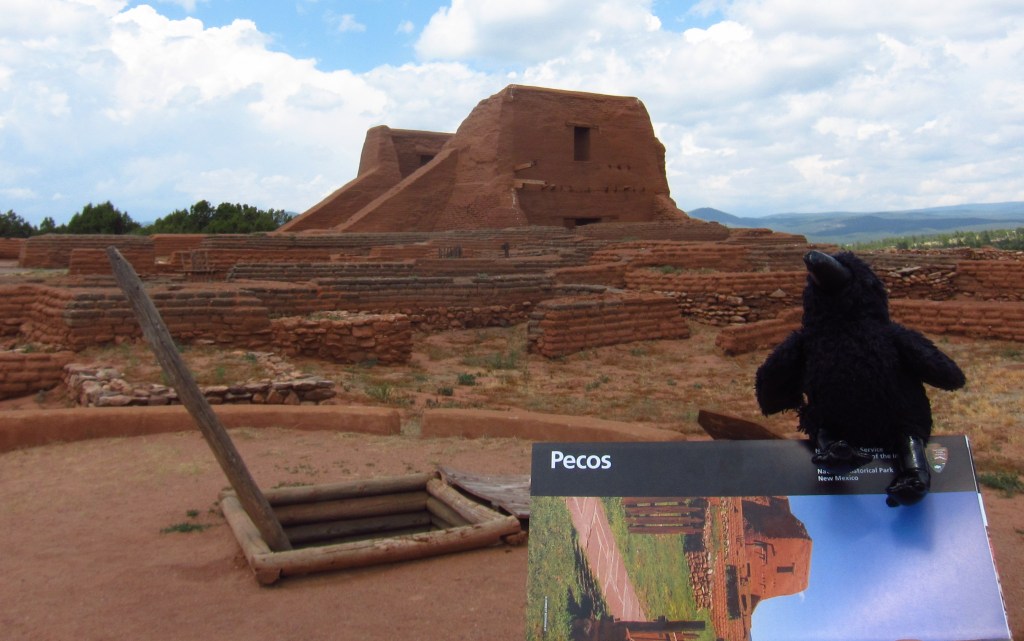
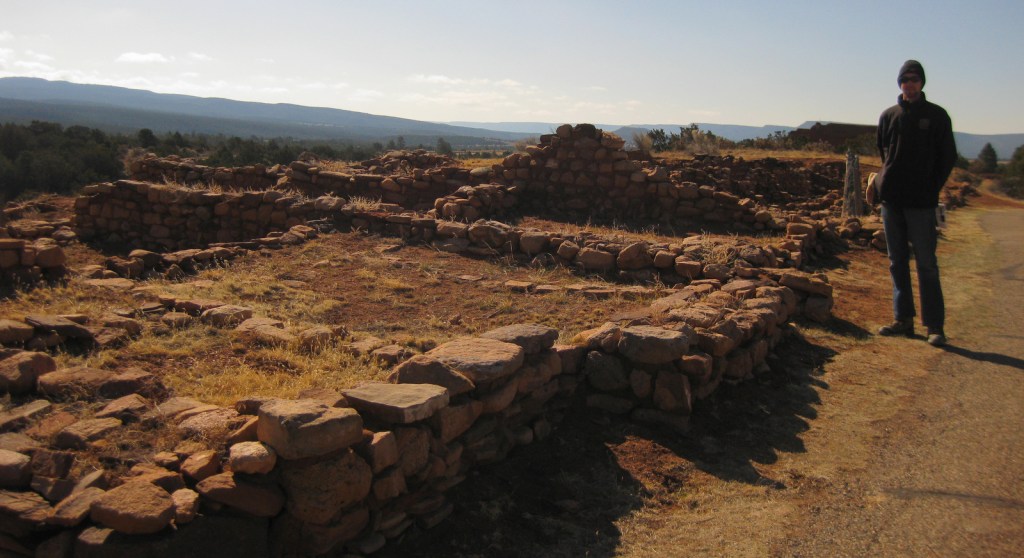
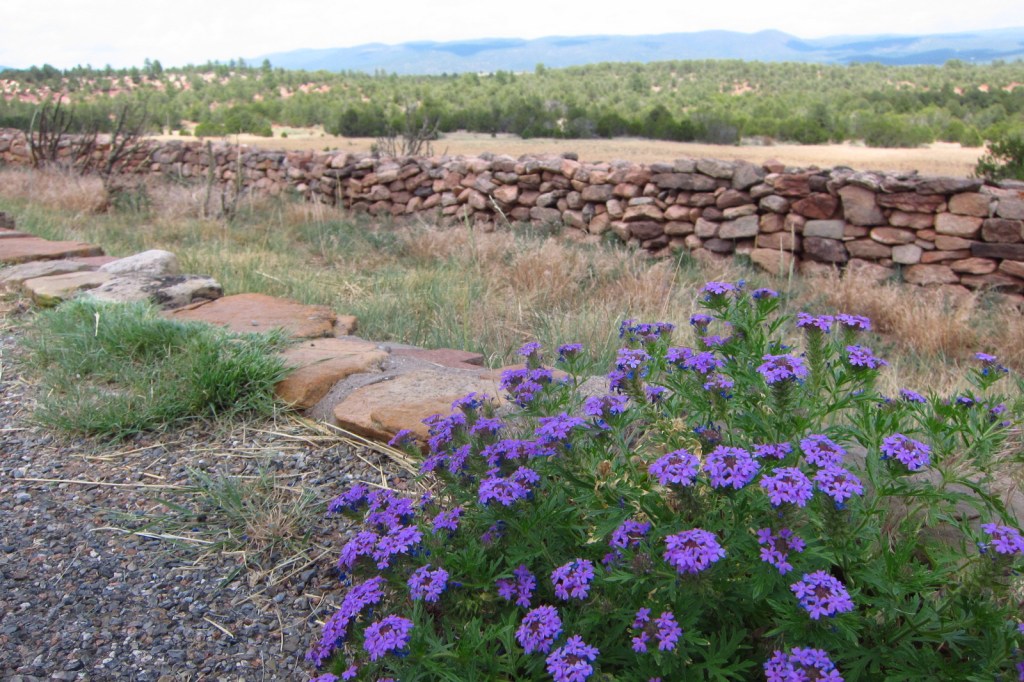
In 1540, Pecos (called Cicuyé by the natives) was a thriving trading center connecting Plains Indians and the Pueblos of northern New Mexico.  It was that year that Spanish conquistador Francisco Vasquez de Coronado led his army to the site during his futile search for the Seven Cities of Gold.  Today you can explore the fascinating ruins at Pecos National Historical Park not far off Interstate 25, which came to replace portions of Route 66, which itself replaced the original Santa Fe Trail.  All of these routes funneled through the mountains at 7,562-foot Glorieta Pass, one of the main reasons for the creation of Northern Rio Grande National Heritage Area.  Glorieta Pass was also the site of a March 26-28, 1862 Civil War battle.

Highlights

Museum, film, Pueblo and Mission Ruins Trail, Glorieta Unit

Must-Do Activity

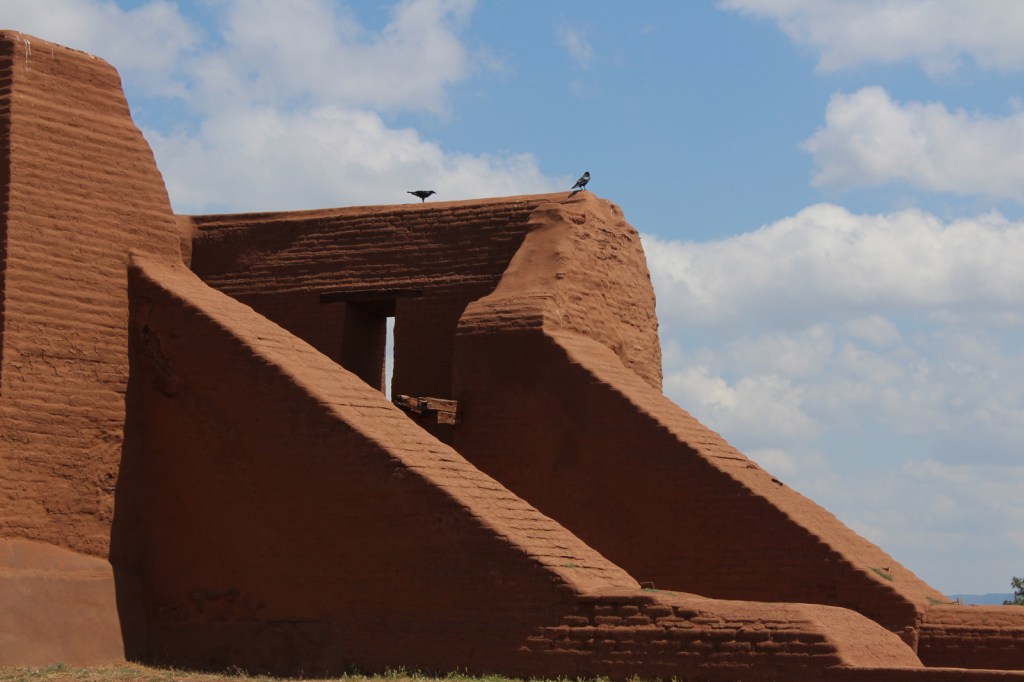
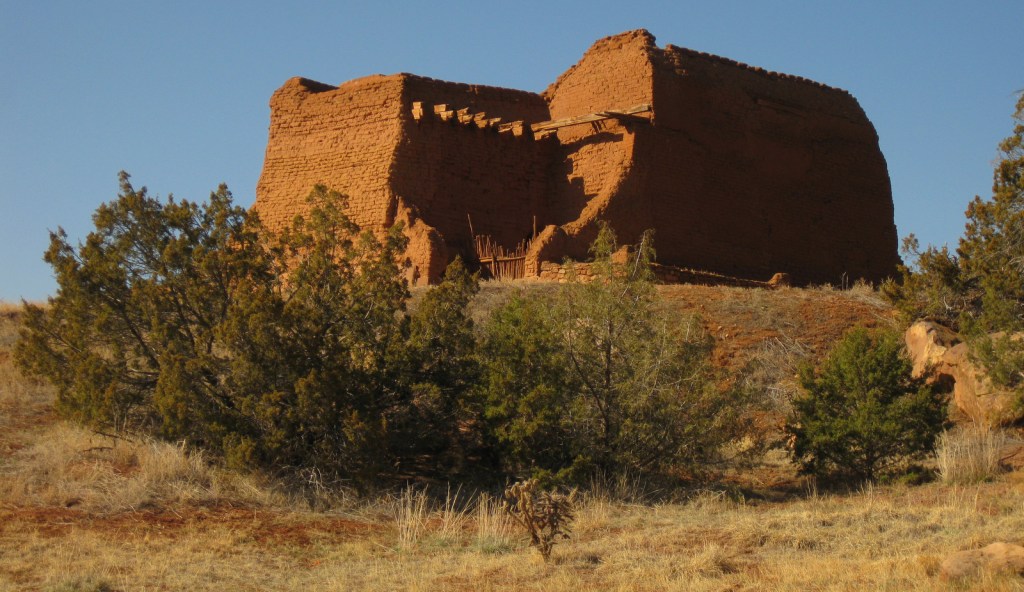
A massive Catholic mission with walls eight feet thick was the legacy the Spanish left behind, which was subsequently destroyed in the widespread revolt of 1680.  The church ruins seen today are a remnant of one rebuilt at a smaller scale in 1717, which interestingly includes ceremonial kivas adjacent to its lofty walls.  In the following centuries Comanche raids commenced, trade routes changed, and the pueblo abandoned in 1838.  At the main National Park Service (NPS) visitor center, you can get the combination for the lock at Pigeon’s Ranch where a 2.25-mile trail passes through parts of the 1862 Battle of Glorieta Pass.

Best Trail

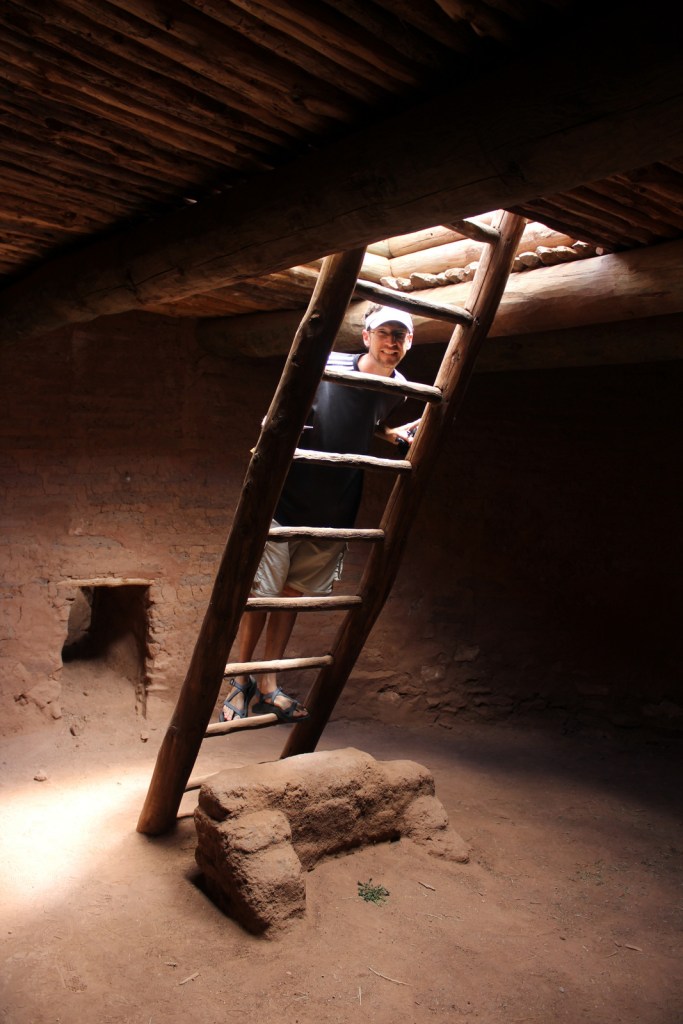
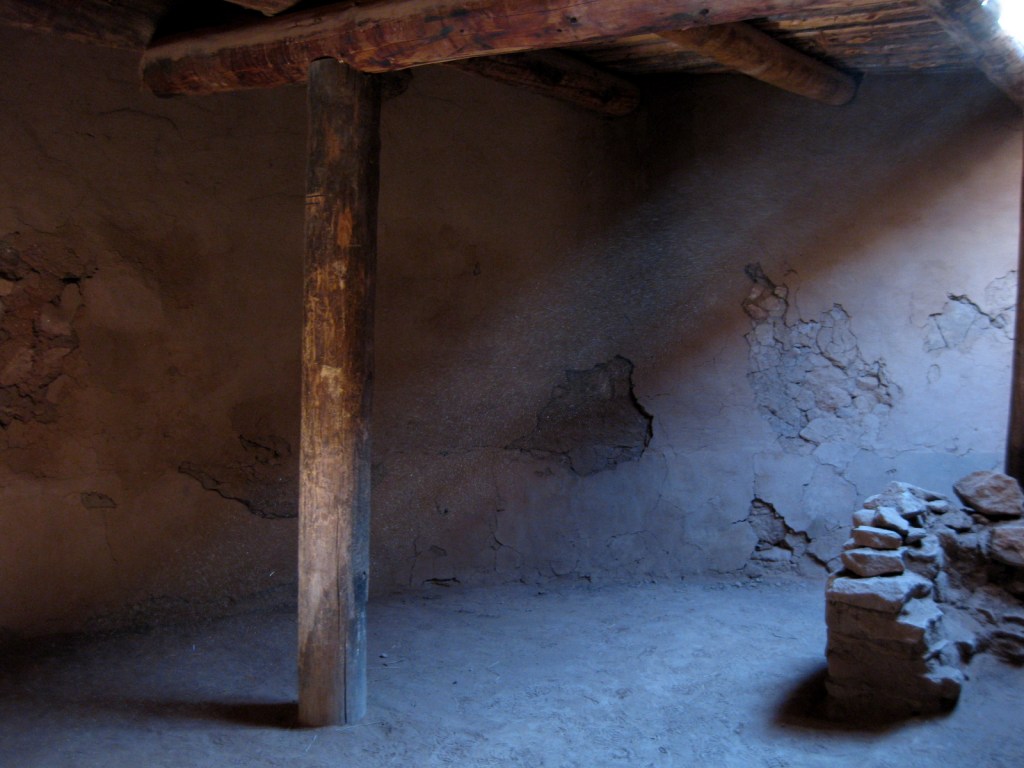
A 1.25-mile self-guided trail allows you to take a peek inside the mission and climb down into two reconstructed kivas to imagine what life was like when this was a bustling pueblo of over 2,000 inhabitants.

Instagram-worthy Photo

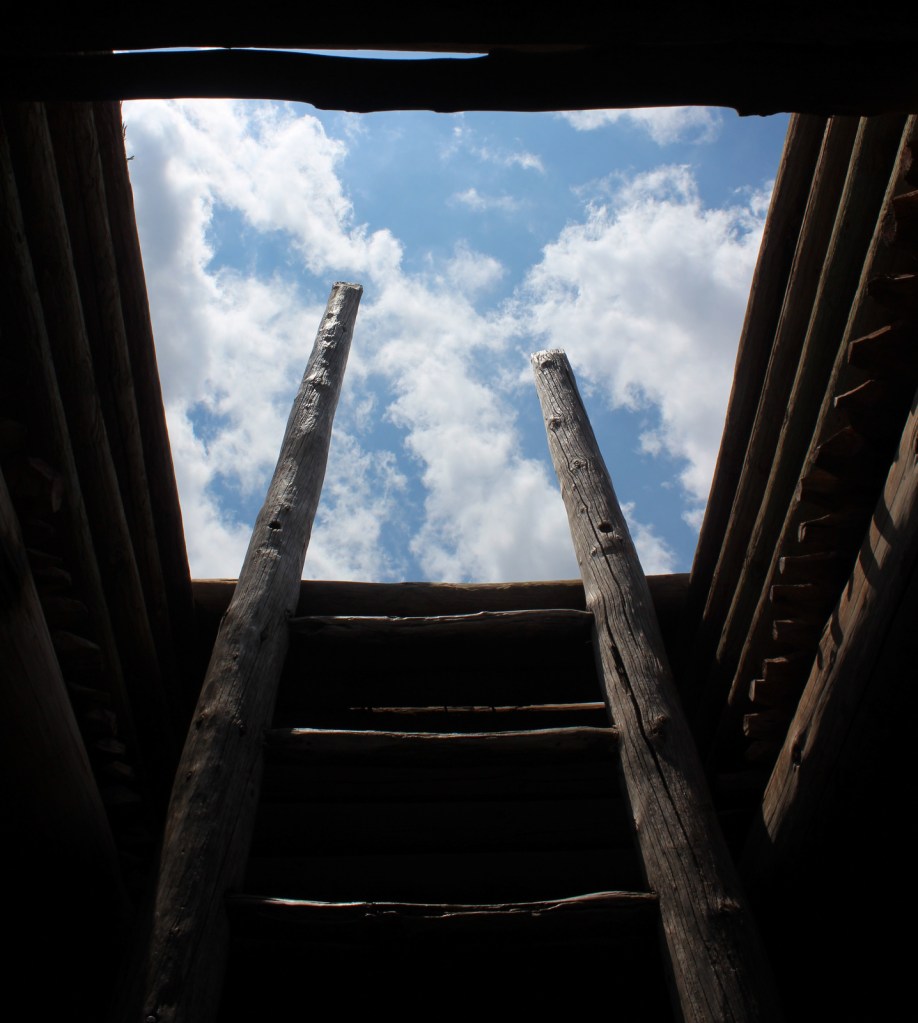
There are two reconstructed kivas along the 1.25-mile Pueblo and Mission Ruins Trail, including one right outside the walls of the Catholic mission.  Climb down into a kiva for a trip back in time and a great photographic opportunity (once the dust settles).

Peak Season

Summer

Hours

https://www.nps.gov/peco/planyourvisit/hours.htm

Fees

None

Road Conditions

All roads paved

Camping

There is no NPS campground at the site, but there are numerous camping opportunities throughout Santa Fe National Forest.

Related Sites

Salinas Pueblo Missions National Monument (New Mexico)

Petroglyph National Monument (New Mexico)

Fort Union National Monument (New Mexico)

Explore More – Who was the religious leader credited with organizing the 1680 Pueblo Revolt that drove the Spanish out of northern New Mexico (though they returned in 1692)?