Tag Archives: National Historic Site

Nicodemus National Historic Site

Overview

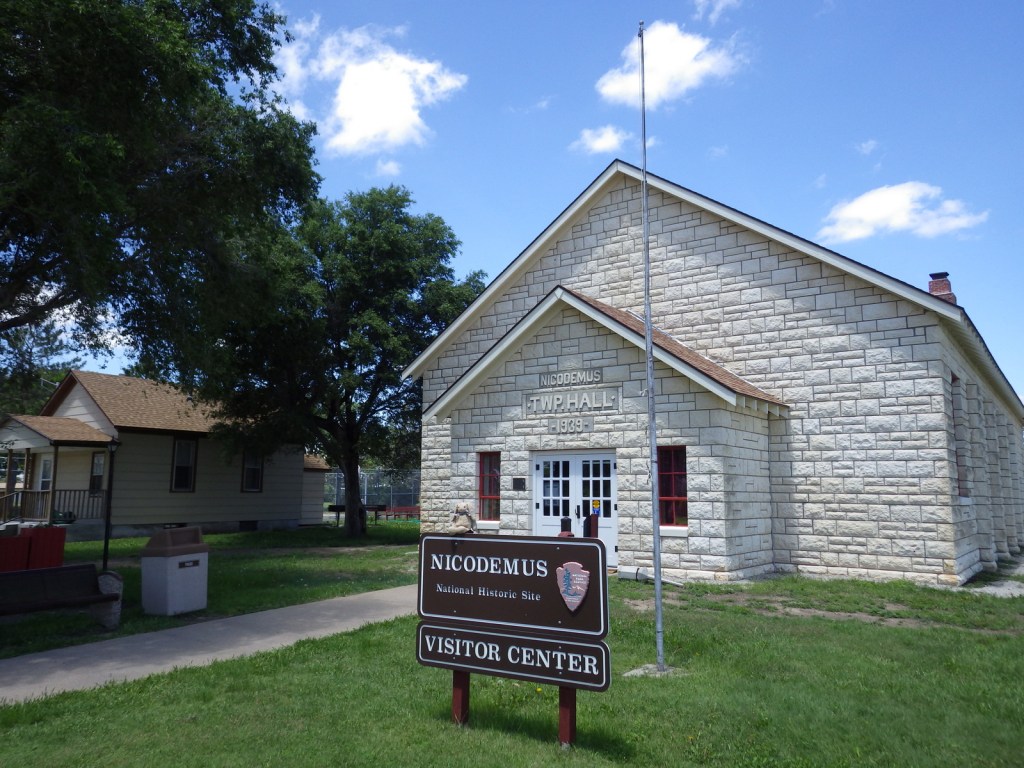
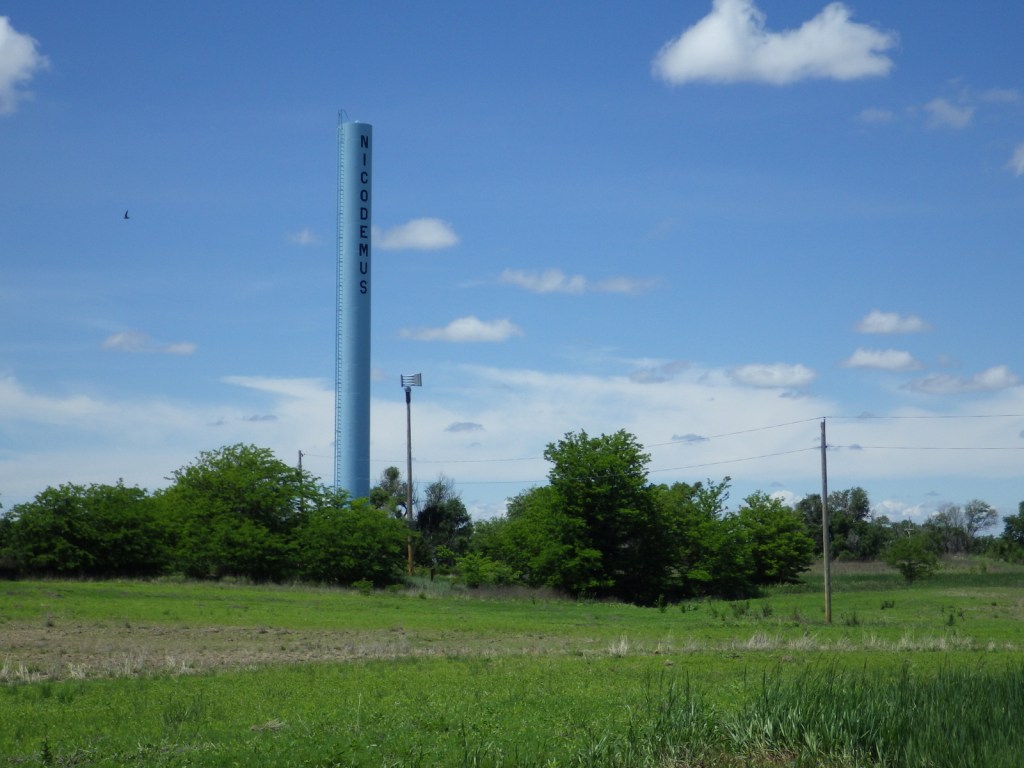
In northwestern Kansas, a small farming community joined the prestigious ranks of National Park Service (NPS) sites in 1996.  Historically-significant Nicodemus, Kansas was founded in 1877 by former slaves from Kentucky freed during the Civil War.  Between 1860 and 1880, the population of African-Americans in Kansas jumped from 627 to 43,107, so the town is representative of a historic period of diaspora, settlement, and reconstruction. 

Highlights

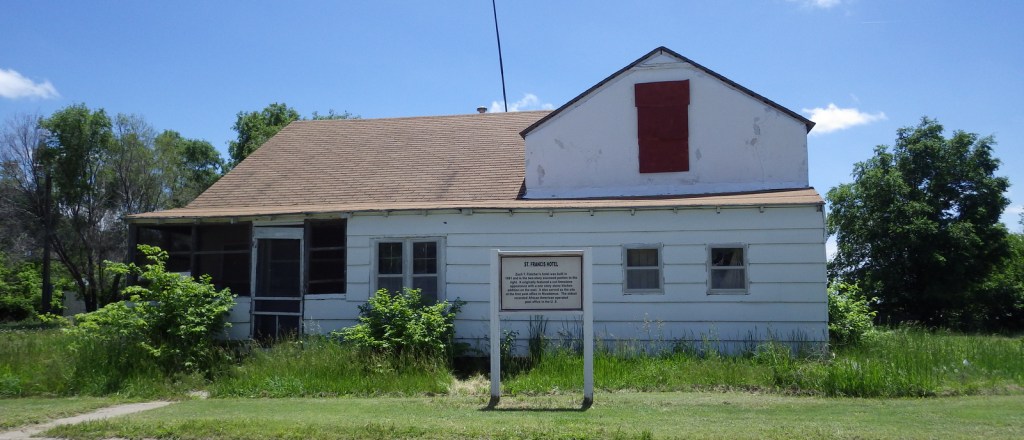
Township Hall, St. Francis Hotel, Old First Baptist Church

Must-Do Activity

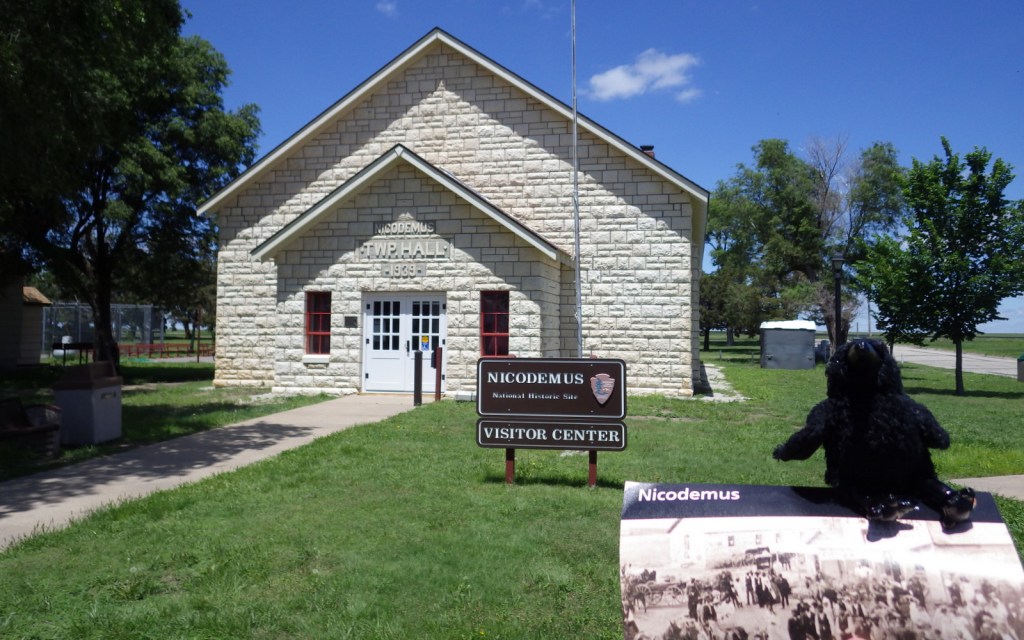
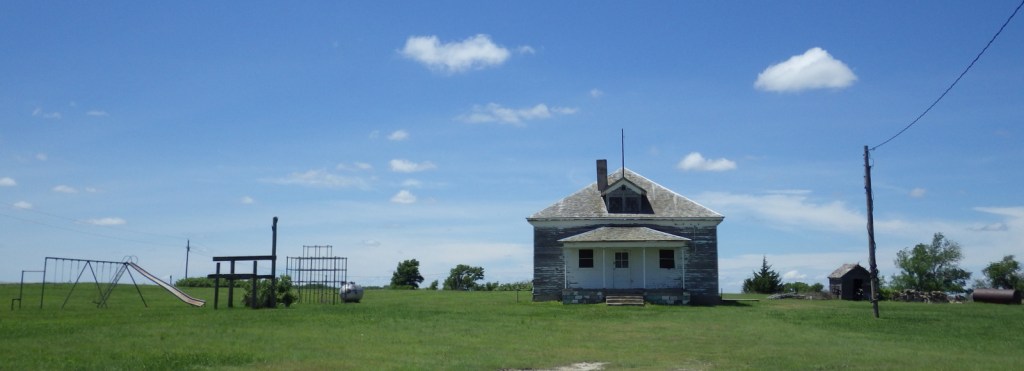
Start your tour at the NPS visitor center in Township Hall built by the Works Progress Administration in 1939 (it is not open every day so check online first).  Please respect private property as you drive past two churches, a circa-1880 hotel, and an old schoolhouse (which are all closed to the public) that have interpretive signs along the street out front.  Every summer around the last weekend in July, the small town grows as descendants of its founders return for the Emancipation Celebration.  This event is open to the public and would be a great time to visit.

Best Trail

None

Instagram-worthy Photo

The First Baptist Church was completed in 1907, constructed around a smaller church (sort of like a turducken).  When it was completed, the original structure was removed in small pieces through the front door.

Peak Season

Summer

Hours

https://www.nps.gov/nico/planyourvisit/hours.htm

Fees

None

Road Conditions

All roads paved

Camping

Weber State Park is located 10 miles east of Nicodemus, Kansas.

Related Sites

Homestead National Monument of America (Nebraska)

Fort Larned National Historic Site (Kansas)

Brown v. Board of Education National Historic Site (Kansas)

Explore More – For whom was the town of Nicodemus named?

Ulysses S. Grant National Historic Site

Overview

In a suburb of St. Louis, Missouri is the antebellum plantation (White Haven) of Ulysses S. Grant.  Following his graduation from West Point in 1843, Lieutenant Grant was stationed at nearby Jefferson Barracks.  It was while visiting his former roommate at White Haven that he met Fred Dent’s sister, Julia.  Grant would eventually marry her and together they raised their children here from 1854-59, following his resignation from the U.S. Army.  The family intended to return to the plantation following the Civil War, but Grant’s two terms as President did not allow that to happen.

Highlights

Museum, film, historic house, cannons

Must-Do Activity

A thorough museum housed in the former horse stables provides days’ worth of reading on this controversial General and President.  Opposing arguments are posted around the stables allowing visitors to answer tough questions like, Was Grant a butcher? and Was Grant a corrupt politician?  Access inside the house requires a free guided tour given regularly throughout the day by National Park Service (NPS) rangers.

Best Trail

There is a short walking tour on the ten-acre NPS property.  The neighboring wildlife park named Grant’s Farm (admission fee) contains a log cabin built by Grant in 1855.

Instagram-worthy Photo

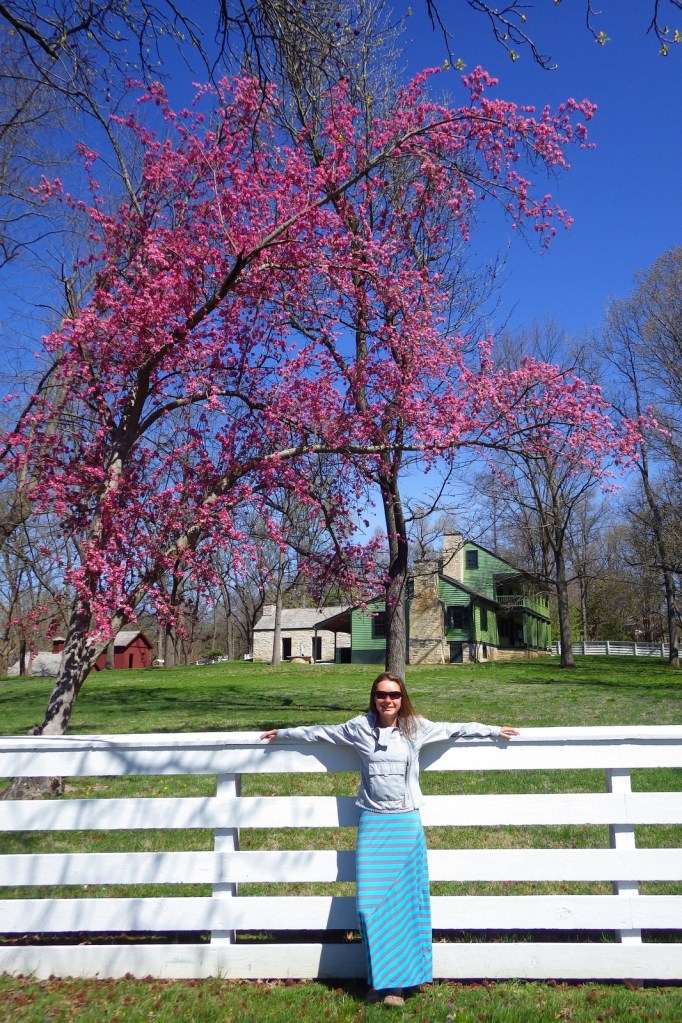
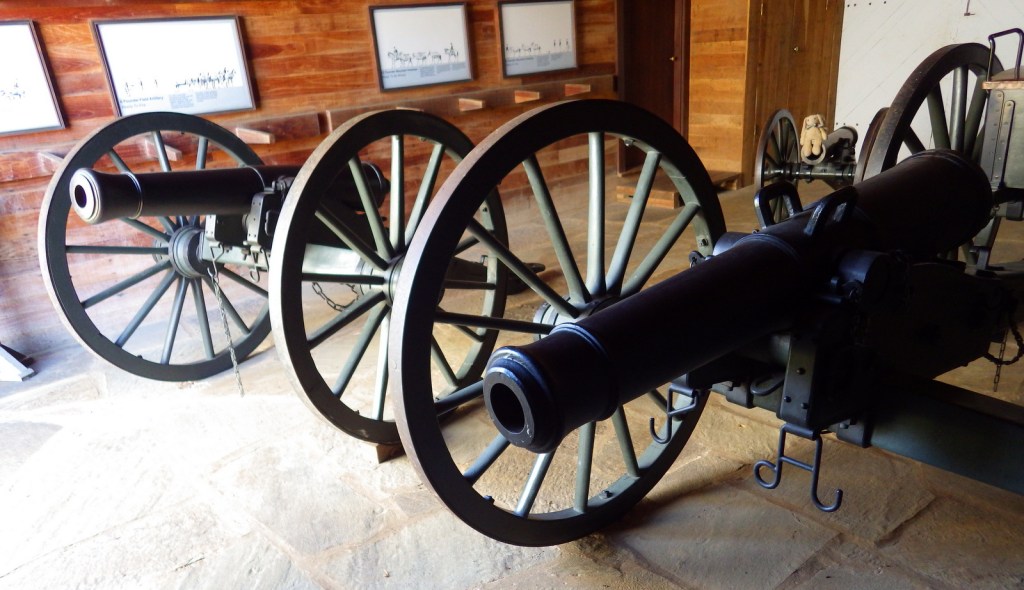
During our visit in early April, the redbud trees were in bloom.  Plus, there are cannons to pose with.

Peak Season

Summer

Hours

https://www.nps.gov/ulsg/planyourvisit/basicinfo.htm

Fees

None, but a free guided tour (tickets required) is the only way to enter the main house

Road Conditions

All roads paved

Camping

None at the site, but several private campgrounds nearby.

Related Sites

General Grant National Memorial (New York)

Ozark National Scenic Riverways (Missouri)

Gateway Arch National Park (Missouri)

Explore More – Did the family have slaves at White Haven?
Fort Scott National Historic Site

Overview

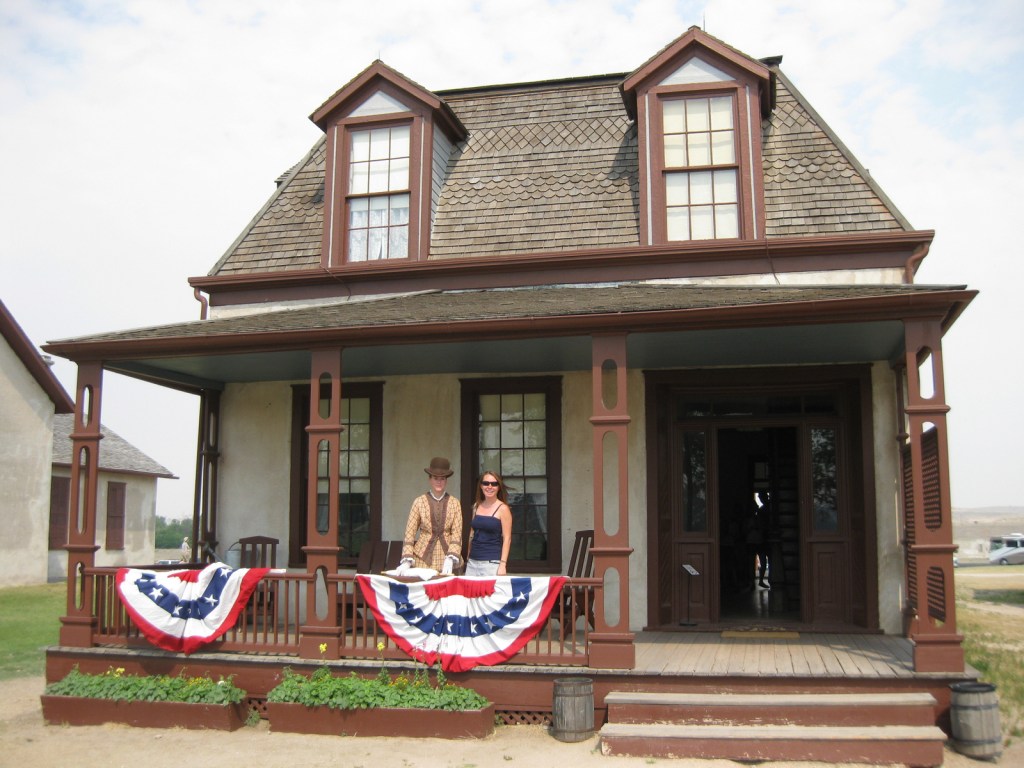
Near the border of Kansas and Missouri sits Fort Scott, which like Fort Smith (to the south) was an important frontier military post during the Mexican-American War and skirmishes with Plains Indians.  Several buildings were sold off in 1853, two becoming hotels that catered to pro-slavery and anti-slavery clients when this region was dubbed “Bleeding Kansas.”  During the Civil War, the town became a strategic location utilized to quell uprisings and maintain supply lines.  Abandoned by the military after the war, soldiers returned when settlers opposed railroad construction in the 1870s.  This 17-acre historic site was authorized in 1965 but not established as a part of the National Park Service (NPS) system until 1979.

Highlights

Museum, film, Officers’ Quarters, restored tallgrass prairie

Must-Do Activity

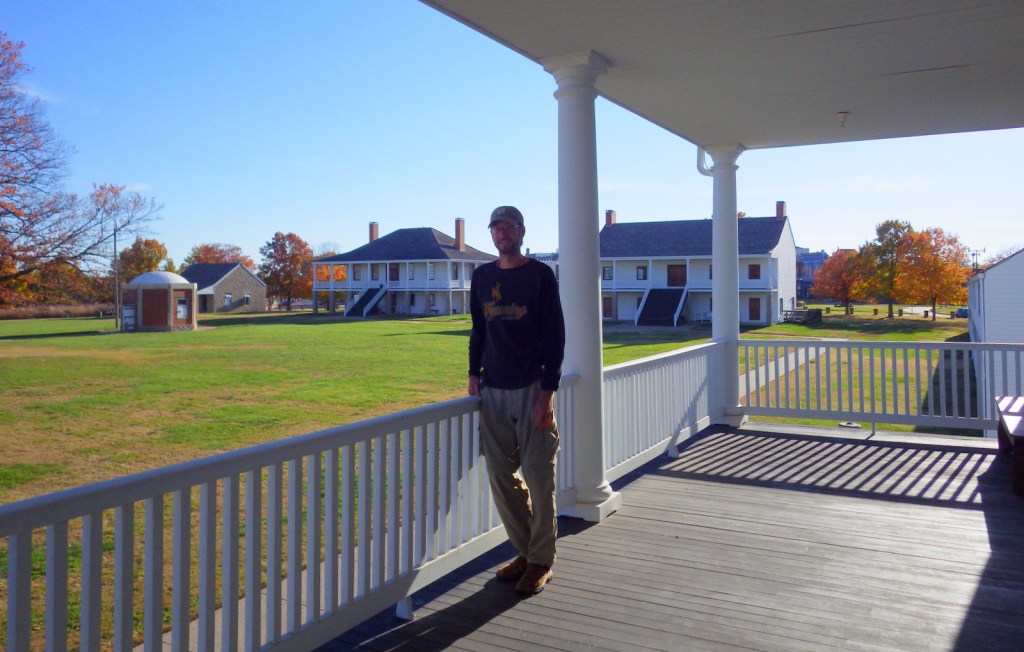
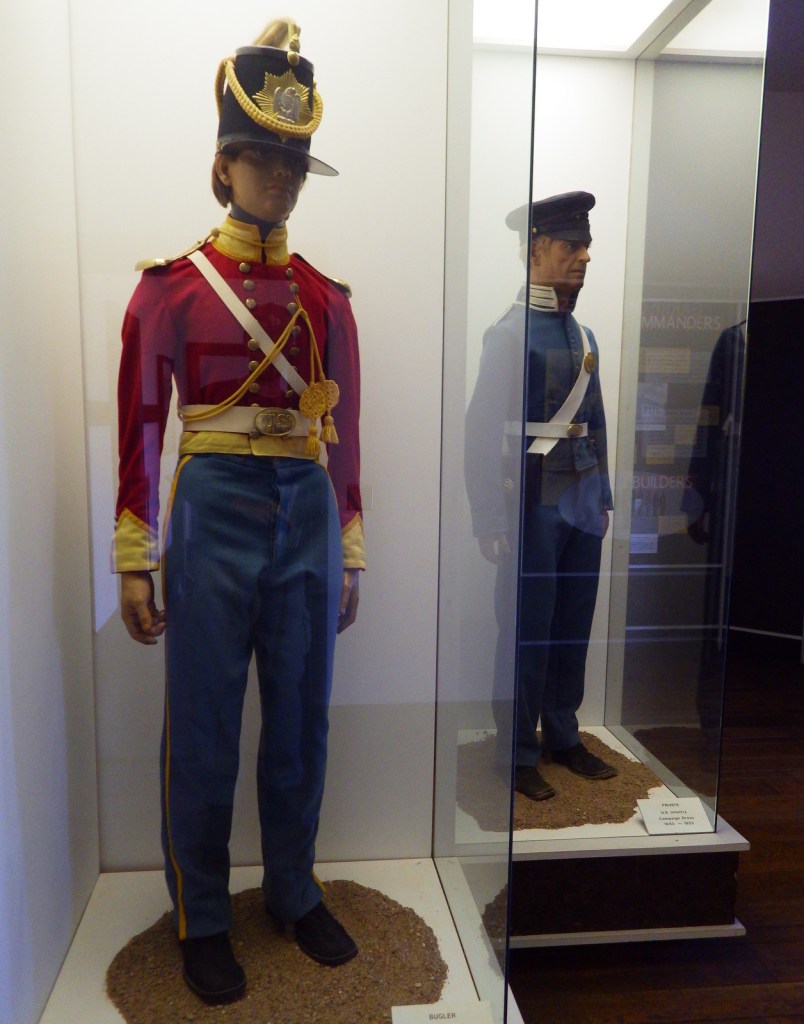
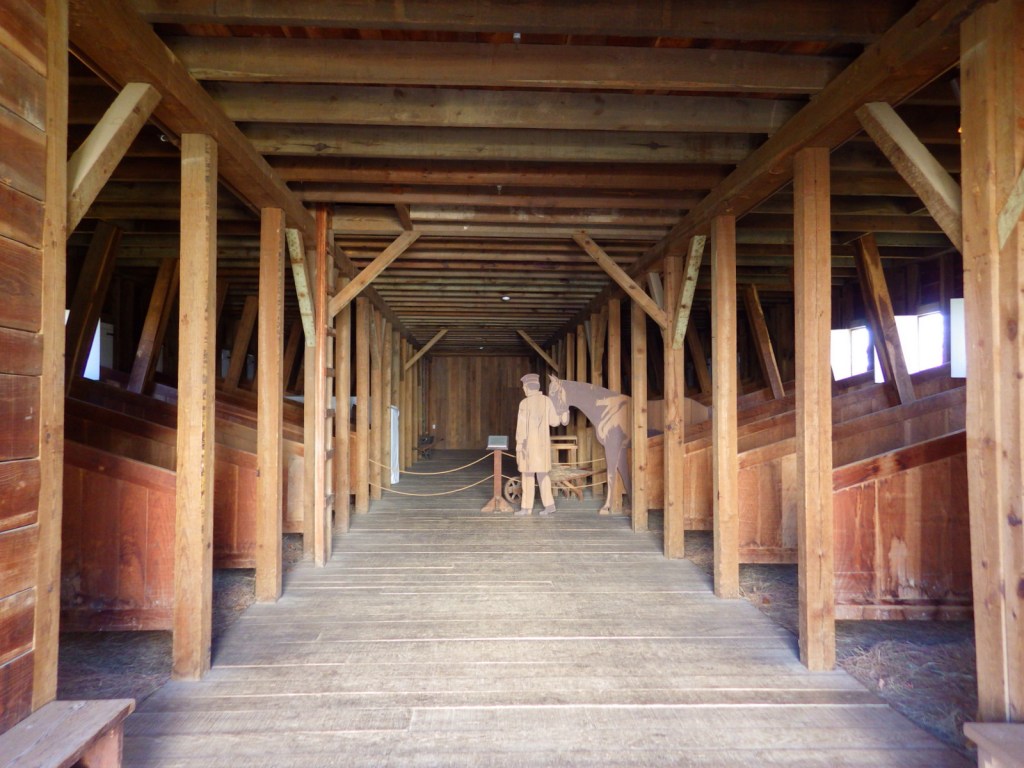
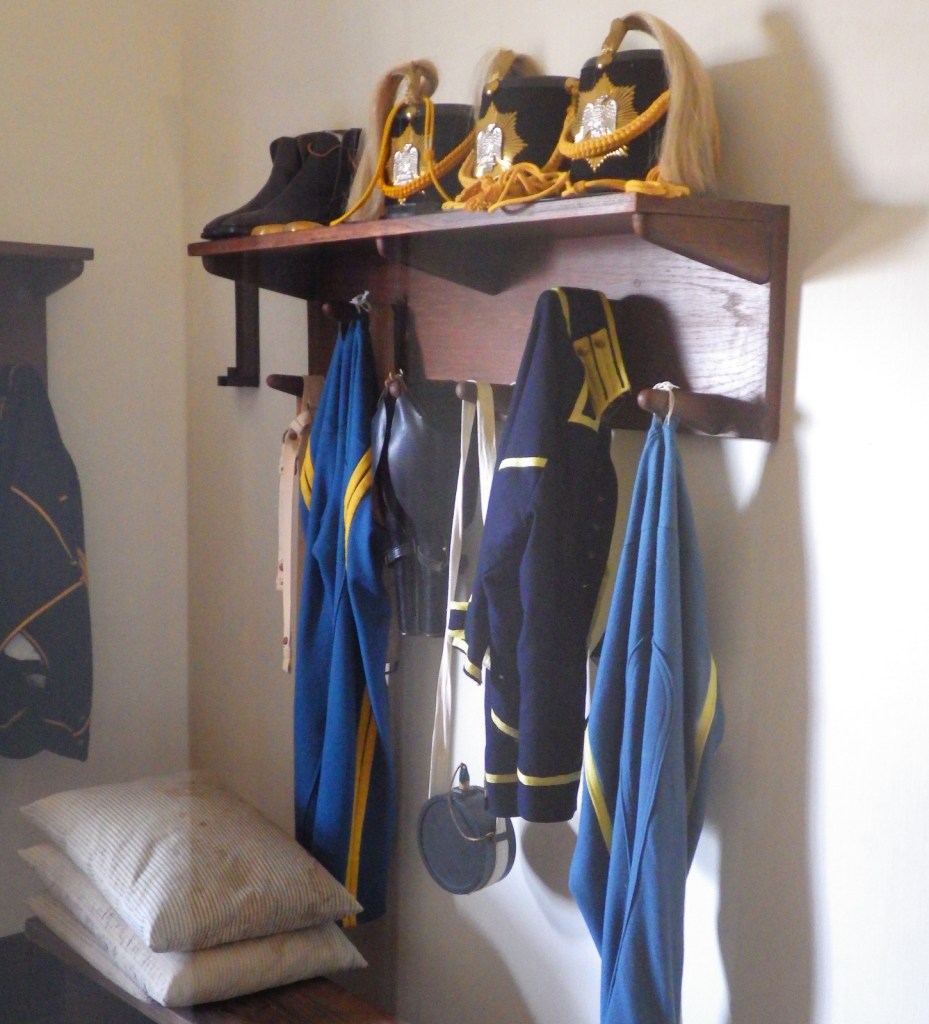
The NPS visitor center is located in the old hospital at Fort Scott National Historic Site.  There are 11 original structures here and you can walk through the well-maintained Officers’ Quarters, bake house, and carriage house.  Posted here 1842-1853 were flamboyantly-uniformed dragoons, who were elite fighters on foot or horseback.  Dragoons knew they were only as effective as their horses, so they took good care of them.  In fact, the horse stables remain the largest building at Fort Scott on the edge of the beautifully-landscaped parade ground.

Best Trail

The site may be small and surrounded by roads and development, but it does maintain five acres of restored tallgrass prairie (utilizing controlled burning) with a short nature trail.

Instagram-worthy Photo

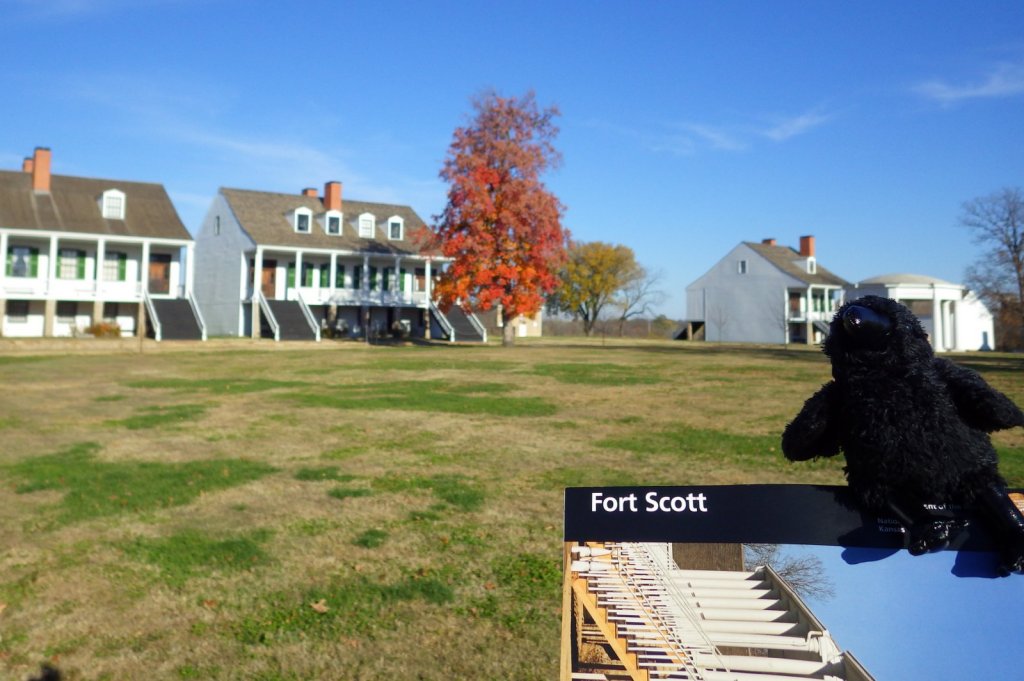
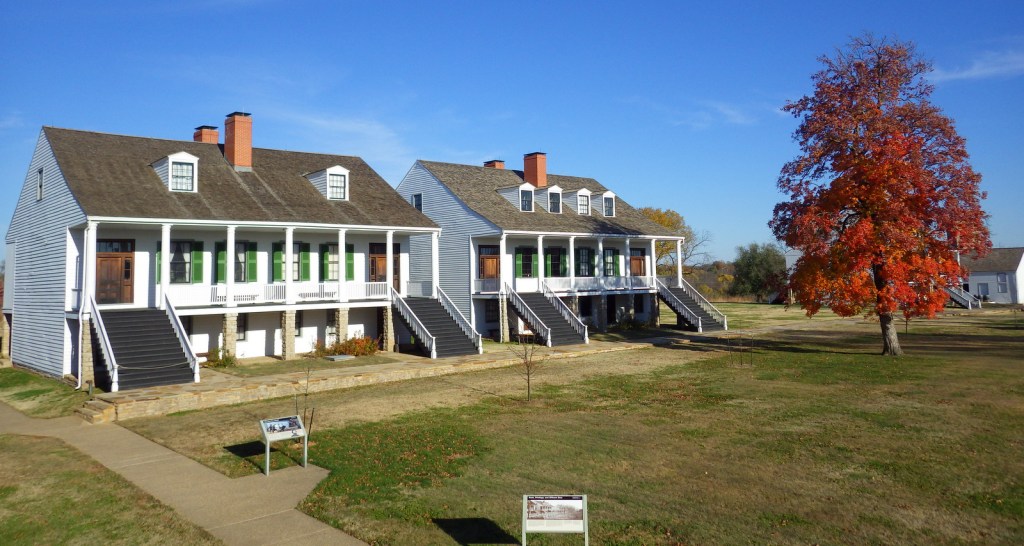
The site is especially pretty in November, when the maple leaves turn red and orange in sharp contrast to the white buildings.

Peak Season

Summer

Hours

https://www.nps.gov/fosc/planyourvisit/hours.htm

Fees

None

Road Conditions

All roads paved

Camping

There is a city-operated campground about two miles from the fort, as well as several state parks in the region.

Related Sites

Fort Smith National Historic Site (Arkansas-Oklahoma)

Fort Larned National Historic Site (Kansas)

Tallgrass Prairie National Preserve (Kansas)

Explore More – What are the three architectural styles reflected in the buildings are Fort Scott?
Fort Laramie National Historic Site

Overview

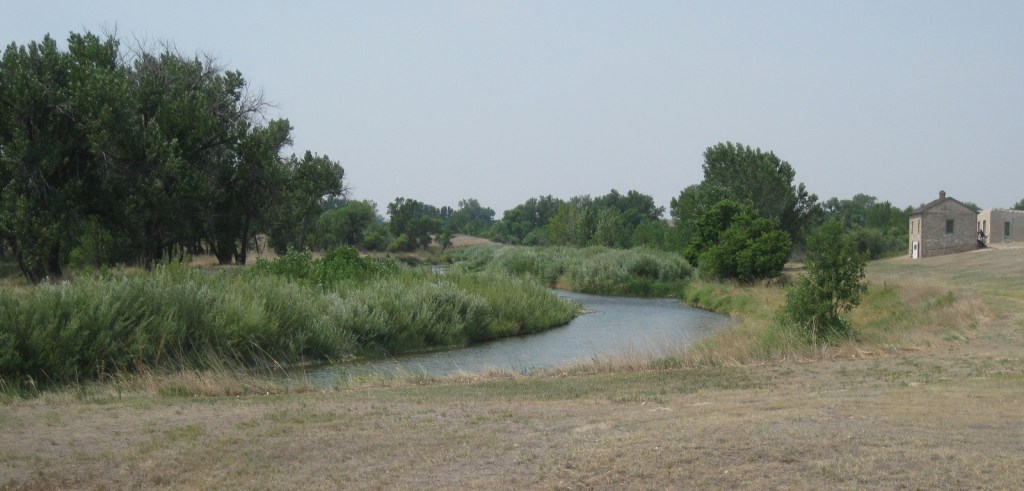
Fort Laramie National Historic Site in eastern Wyoming was originally founded in 1834 for its strategic location at the confluence of the Laramie and North Platte Rivers.  Purchased by the U.S. military in 1849, it saw its share of history as a major military post on the Oregon Trail, Pony Express, and Cheyenne-Deadwood stage route. West of the fort, stop at Oregon Trail Ruts State Historic Site and Register Cliff where pioneers left their mark along the North Platte River.

Highlights

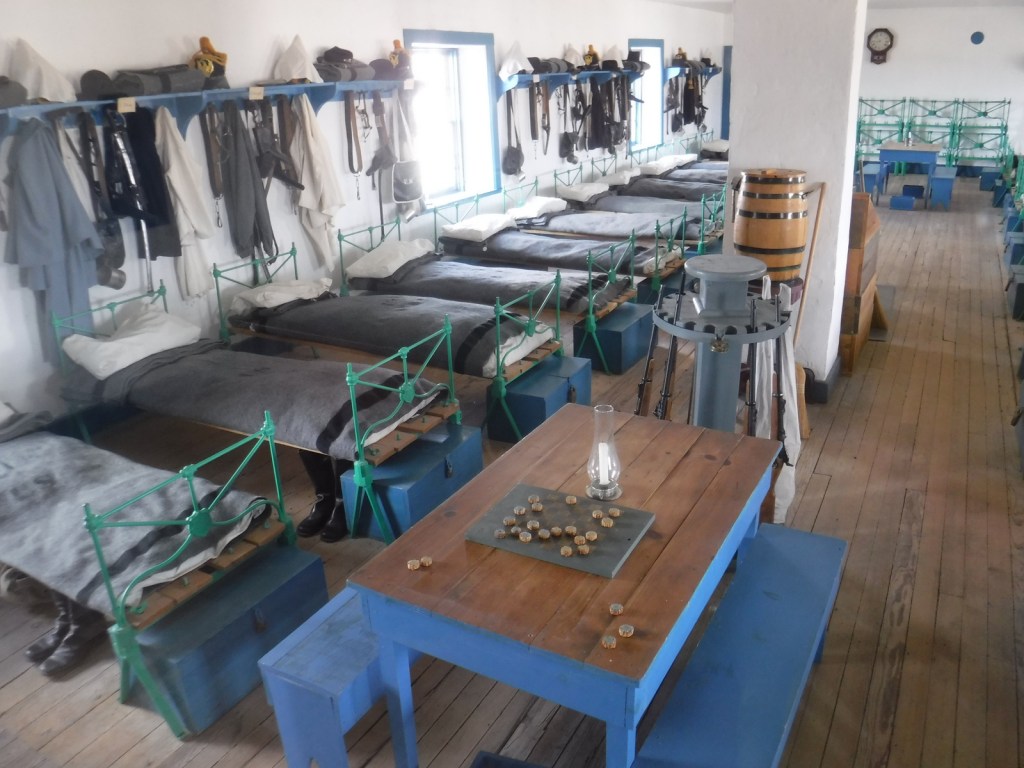
Museum, film, 1874 Cavalry Barracks, 1849 “Old Bedlam”

Must-Do Activity

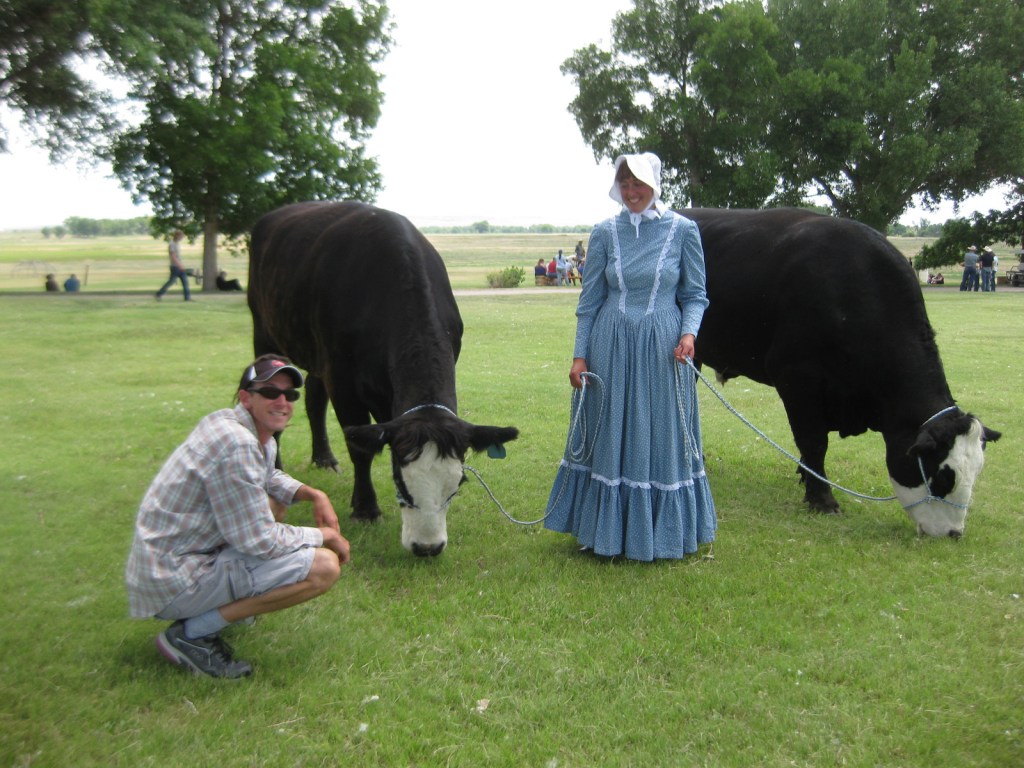
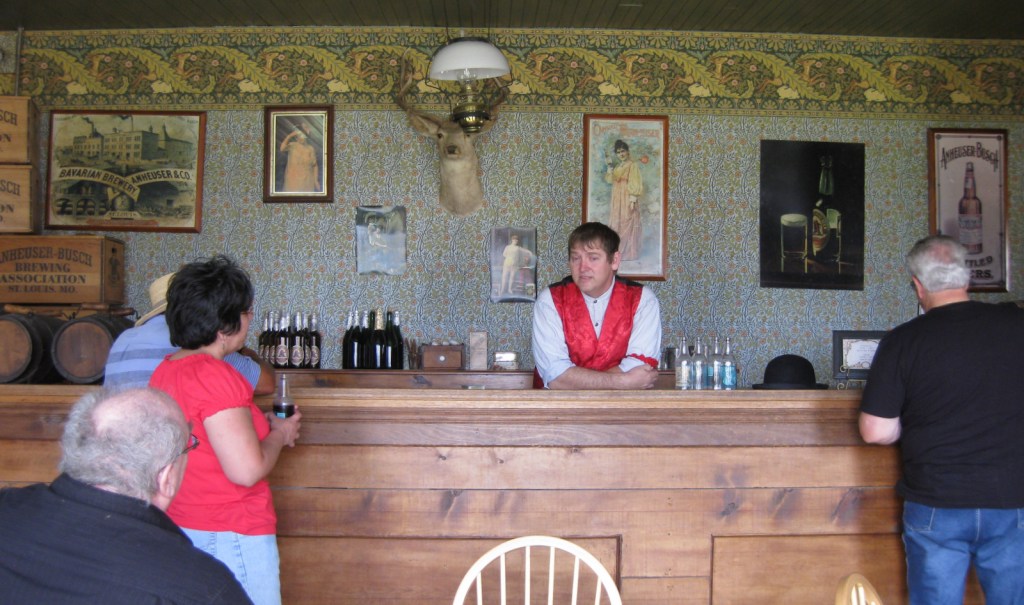
Come for the free 4th of July festivities and explore the restored buildings encircling the parade grounds, in between watching demonstrations of cannon firing and oxen plowing.  The National Park Service (NPS) employees host a variety of old-fashioned activities for kids and adults, including a three-legged race for adults.  Grab a partner and join in the fun or simply watch from the sidelines with a cold sarsaparilla, cream soda, or birch beer in your hand.  You are sure to have a good, old-fashioned good time even if you head home before the fireworks.

Best Trail

Fort Laramie was never a condensed, palisaded fort, so walking to all 11 restored structures covers quite a bit of distance (like Fort Union in New Mexico).  You can also hike along the banks of the Laramie River where the Oregon National Historic Trail once led.

Instagram-worthy Photo

“Old Bedlam,” the former quarters of bachelor officers, dates to 1849 making it the oldest documented building in Wyoming.  The right side is now restored to appear as officers’ quarters and the left side to post headquarters in 1863 when Lt. Col. William O. Collins lived on the second floor with his wife.

Peak Season

Summer

Hours

https://www.nps.gov/fola/planyourvisit/hours.htm

Fees

None

Road Conditions

The last portion of the drive is a graded dirt road, as is the parking lot.

Camping

The town of Fort Laramie offers camping at its small municipal park, or head west to Guernsey State Park with its historic Civilian Conservation Corps (CCC) structures.

Related Sites

Scotts Bluff National Monument (Nebraska)

Bent’s Old Fort National Historic Site (Colorado)

Yellowstone National Park (Wyoming)

Explore More – What was the name of the original stockade constructed by fur traders in 1834?

Fort Vancouver National Historic Site

Overview

Across the Columbia River from Portland, Oregon stands the palisade of Fort Vancouver National Historical Park.  From 1825 to 1860 it served as the Hudson’s Bay Company’s western headquarters, even after the U.S. took control of the territory from Great Britain in 1846.  Within walking distance, the National Park Service (NPS) also manages the free Pearson Air Museum at an active airport surrounded by the Vancouver National Historic Reserve.  A separate unit of the park, the McLoughlin House (free) is found in downtown Oregon City and focuses on the area’s significance as the terminus for the Oregon Trail.

Highlights

Reconstructed fort, period garden, Pearson Air Museum, McLoughlin House

Must-Do Activity

Today’s fort buildings are reconstructions, including the bakehouse, blacksmith shop, chief factor’s house, fur store, and bastion which are open to visitors with costumed reenactors inside happy to answer questions.

Best Trail

True to its past, Vancouver, Washington (not to be confused with the large city across the Canadian border) remains a major shipping center to this day.  Its waterfront is home to a sculpture honoring “Wendy the Welder” and the women who worked here during World War II.  Many structures are preserved in the surrounding Vancouver National Historic Reserve, including the Marshall House (tours for a fee). 

Instagram-worthy Photo

A garden designed to mimic one from 1845 is maintained just outside the fort’s palisade.

Peak Season

Summer

Hours

https://www.nps.gov/fova/planyourvisit/hours.htm

Fees

$10 per person (only to enter the fort itself) or America the Beautiful pass

Road Conditions

Access roads paved, but parking is a short walk from the fort.

Camping

Battleground Lake State Park has a campground 20 miles northwest of Vancouver, Washington.  There are many camping options across the Columbia River in Mount Hood National Forest.

Related Sites

Grand Portage National Monument (Minnesota)

Whitman Mission National Historic Site (Washington)

Mount Rainier National Park (Washington)

Explore More – Before it became a unit of Fort Vancouver National Historic Site in 2003, when was McLoughlin House named a National Historic Site in the “father of Oregon’s” honor (even though he was Canadian)?