Tag Archives: National Historic Site

Herbert Hoover National Historic Site

Overview

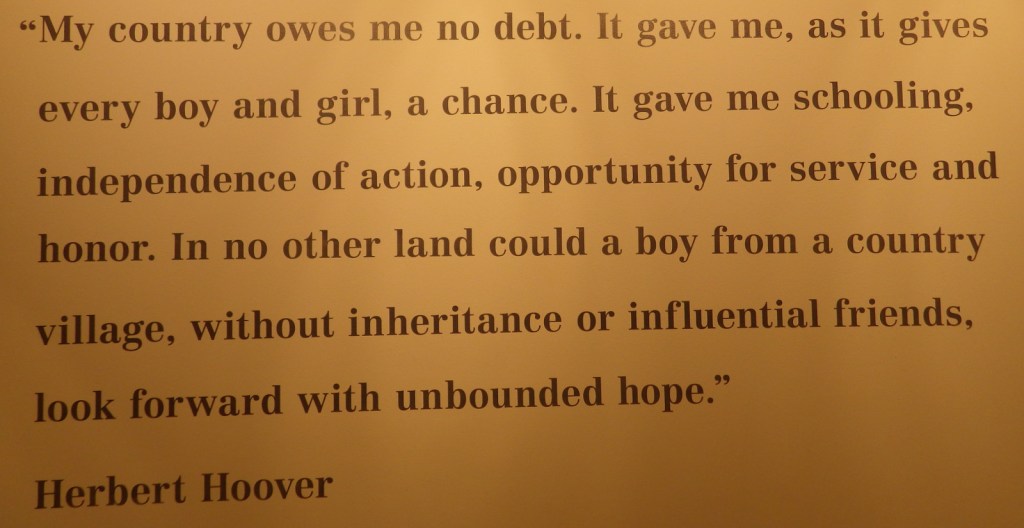
Herbert Hoover was raised in a Quaker community in West Branch, Iowa.  After he was orphaned in 1884 at age nine, his uncle in Oregon took him in.  Hoover’s 1895 geology degree from the recently-established Stanford University in California then took him around the globe.  After eight years as Secretary of Commerce under Presidents Harding and Coolidge, he became President at exactly the wrong time in 1929, only nine months before the stock market crash.  His years out of the spotlight were spent mostly on philanthropic work until his death in 1964. 
Highlights

Historic buildings, museum, film, Tallgrass Prairie Trail

Must-Do Activity

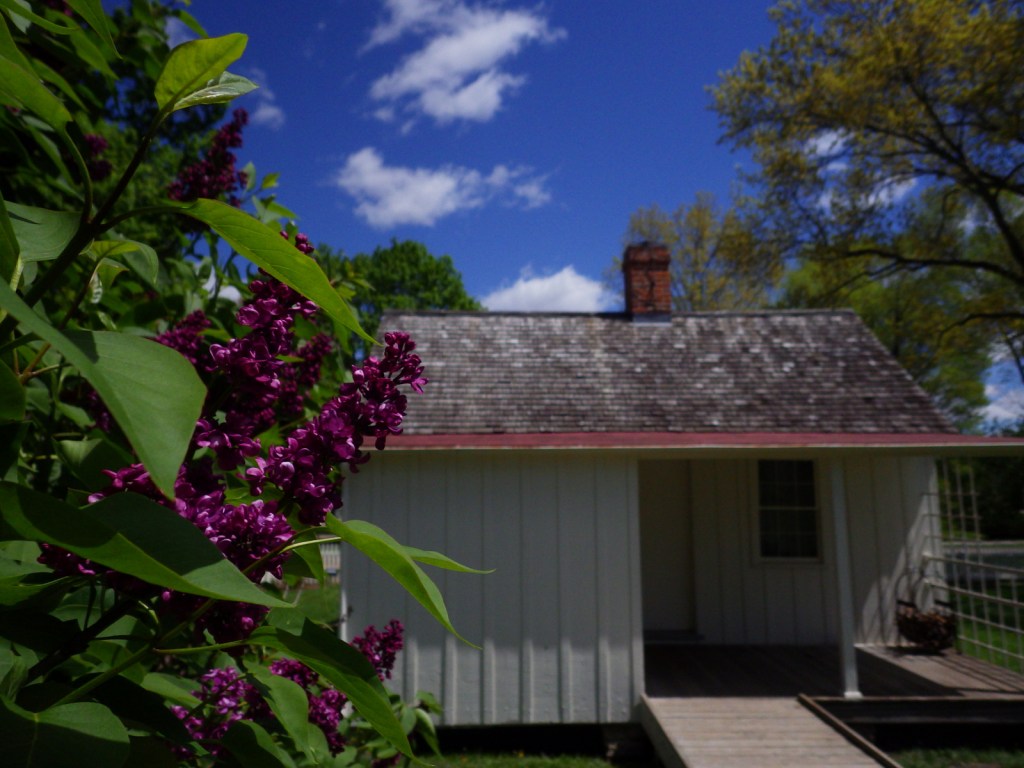
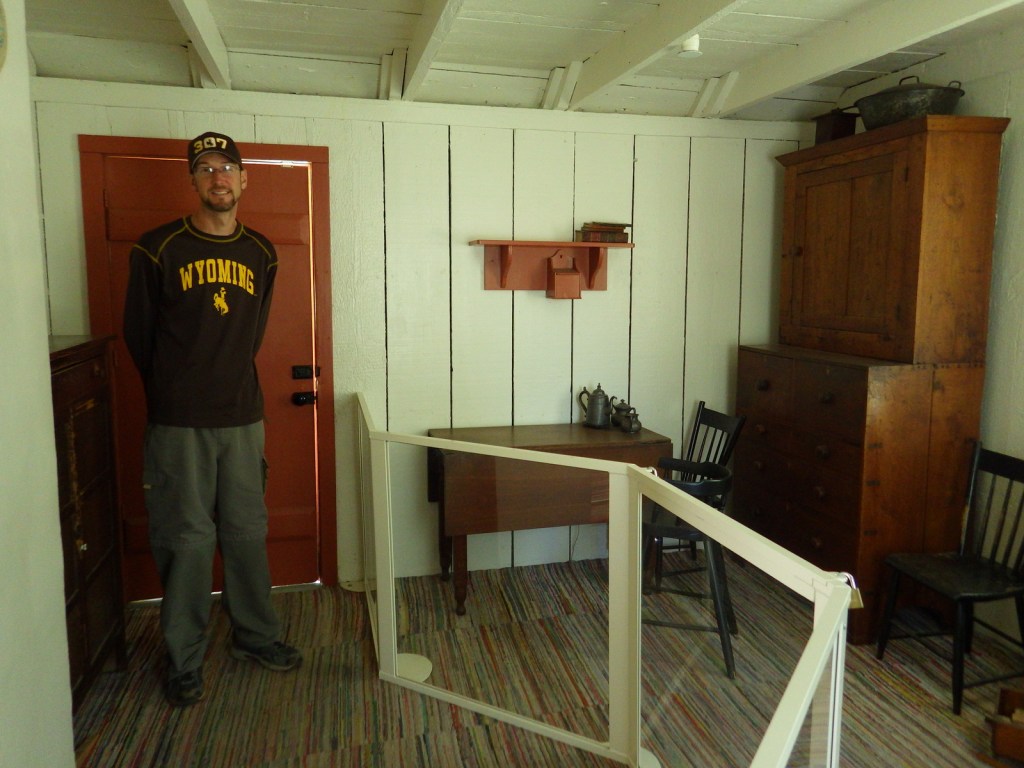
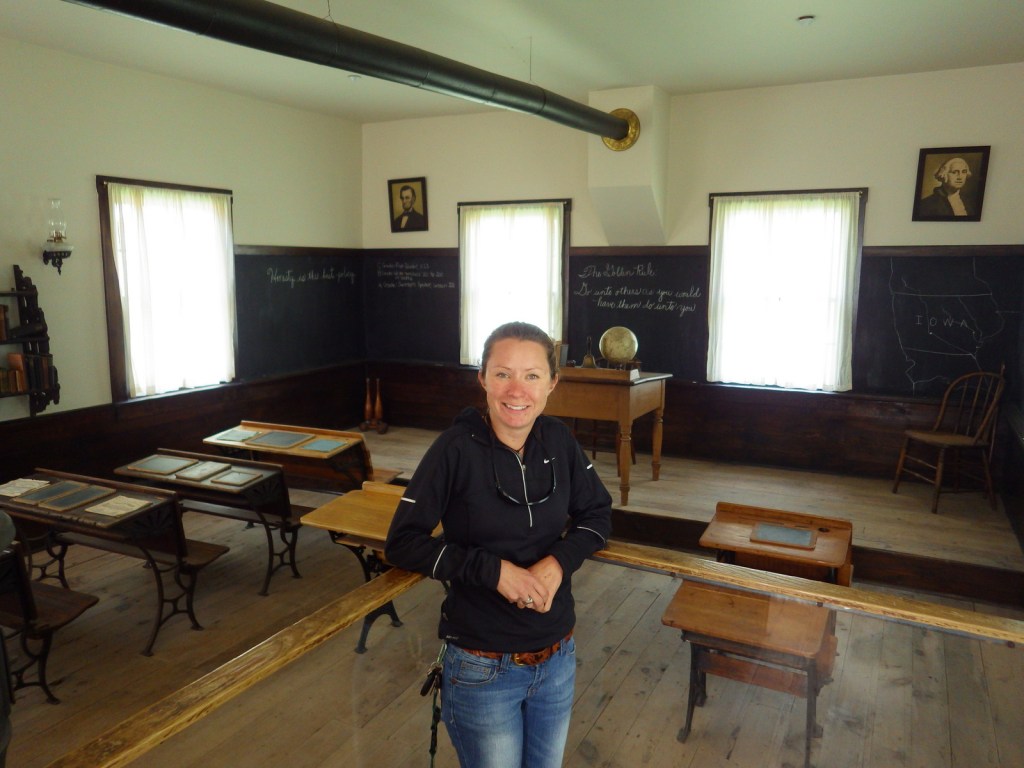
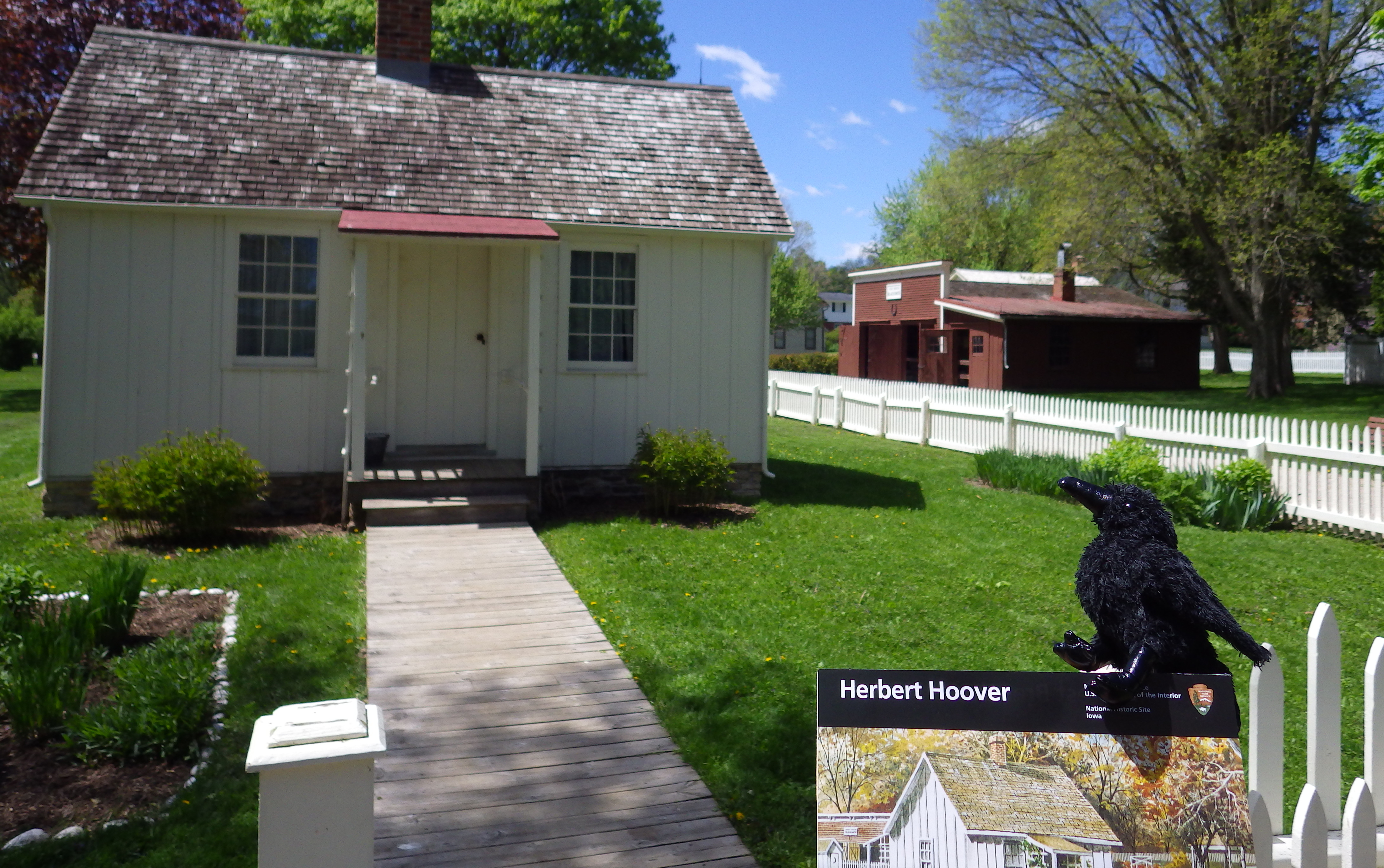
The National Park Service (NPS) runs a small visitor center and maintains several historic buildings on the 187-acre property in West Branch, Iowa.  A walking tour includes the 14×20-foot cottage was where Bert was born in 1874, a blacksmith shop similar to the one his father ran, and a schoolhouse built in 1853 and moved many times before being relocated by the NPS in 1971.  The gravesite of Herbert and his wife Lou Henry is also here.

Best Trail

2.2 miles of trails run through the tallgrass prairie south of Hoover’s gravesite.  The prairie ecosystem was restored by the NPS starting in 1971 and contains the Isaac Miles Farmstead, contemporary to Hoover’s childhood here.

Instagram-worthy Photo

While Hoover was in London, World War I broke out and he helped organize a relief effort that gained him international fame.  The citizens of Belgium gifted Hoover a statue of Isis, the Egyptian goddess of life, following the war.

Peak Season

Summer

Hours

https://www.nps.gov/heho/planyourvisit/hours.htm

Fees

None, but the nearby Presidential Library and Museum are not free.

Road Conditions

All roads paved

Camping

There are campgrounds around Lake McBride, 9 miles north of Iowa City.
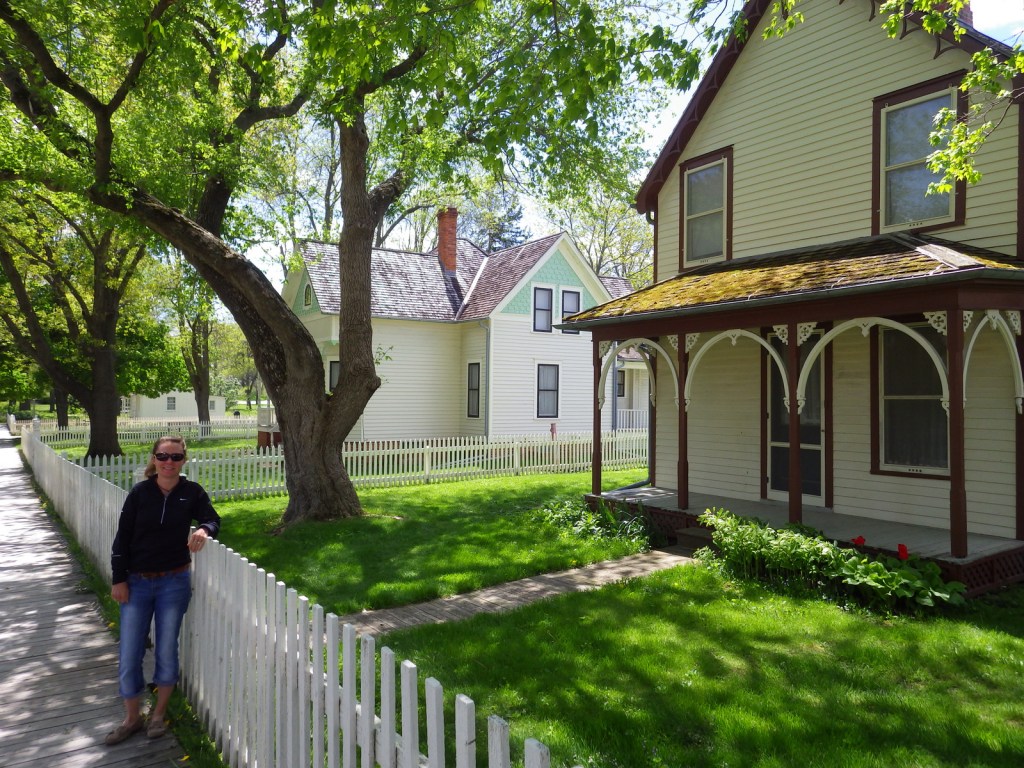
Explore More – Hoover was the first President born west of which major river?
Knife River Indian Villages National Historic Site

Overview

The Mandan and Hidatsa lived and farmed side-by-side near the banks of the Missouri River for centuries before Euro-Americans arrived in search of furs, bringing smallpox and other diseases.  The Corps of Discovery led by Lewis and Clark over-wintered here in 1804-05.  Eventually the Mandan and Hidatsa were forced to abandon their villages, later joining the Arikara to form the Three Affiliated Tribes. 

Highlights

Reconstructed earthlodge, museum, riverside village sites

Must-Do Activity

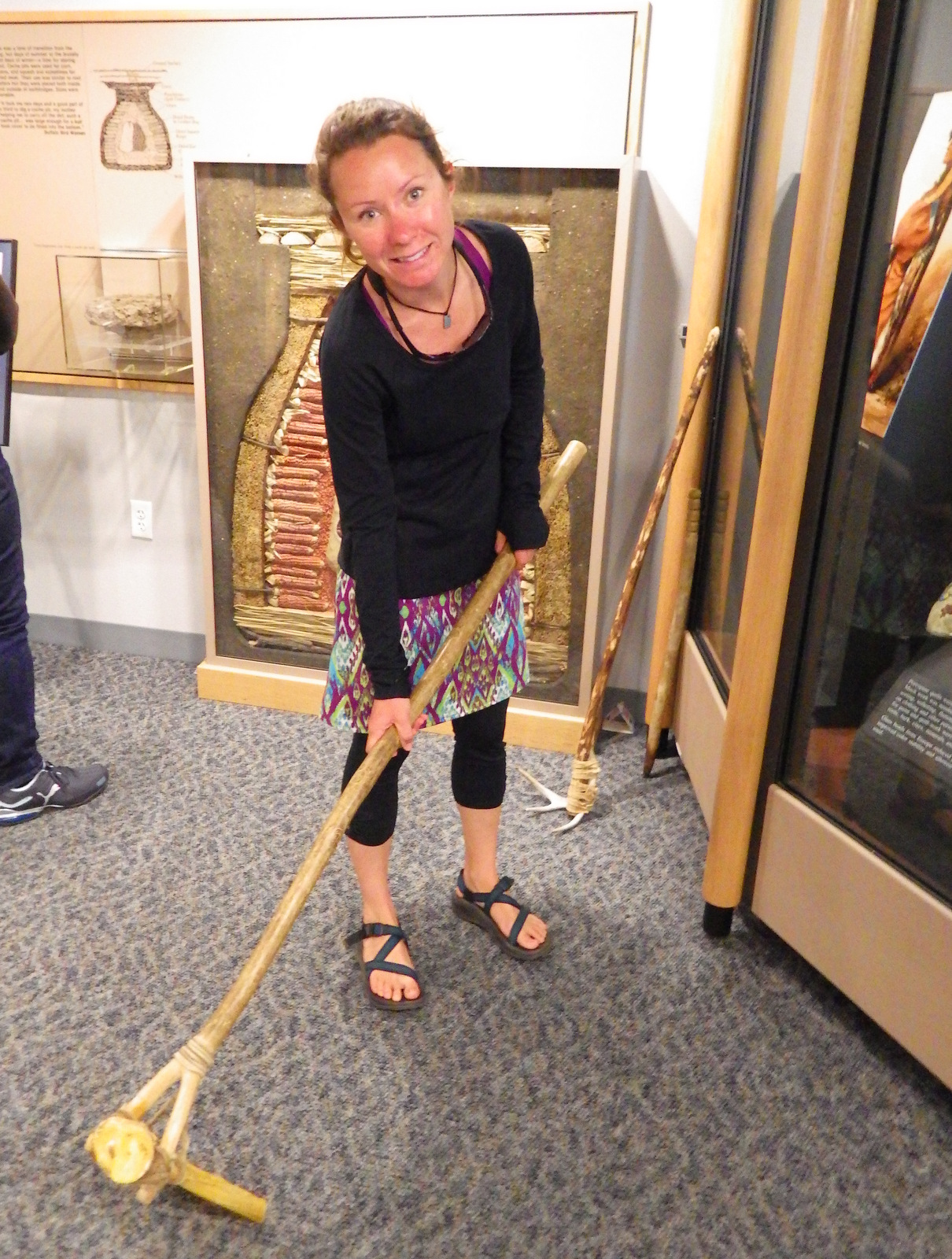
Many artifacts recovered on site are displayed inside the National Park Service (NPS) visitor center, some suggesting inhabitation by Paleo-Indians as far back as 11,000 years ago.  You can even try out a hoe made from a bison scapula.

Best Trail

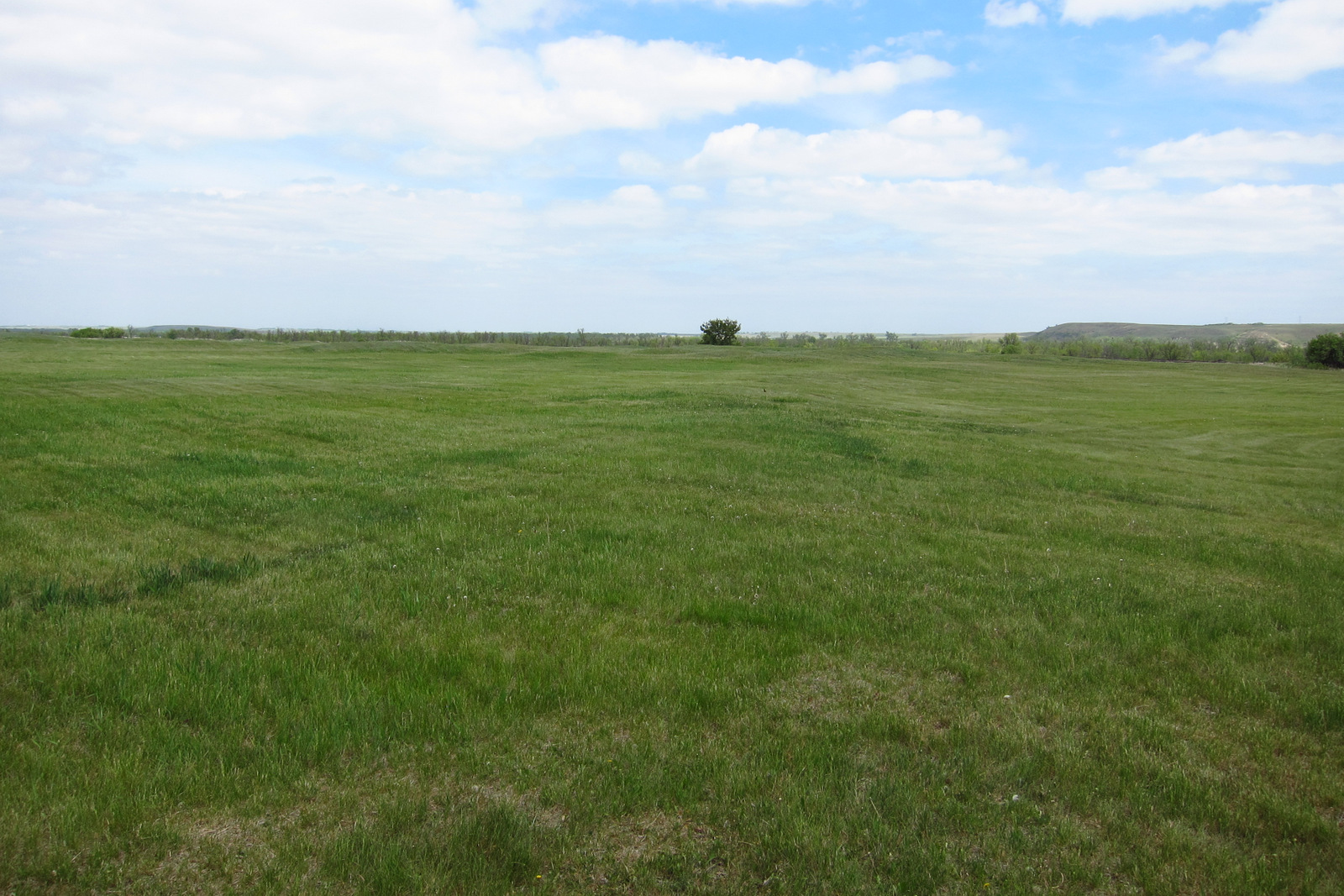
From the visitor center a trail leads to the Milk River, a tributary to the much larger (and more flood prone) Missouri River.  Each lump on the grass that you pass was once an earthlodge, which is easier to see in the overhead photograph on the interpretive sign.  You can drive to two other trailheads that provide access to the Missouri River and the site of Big Hidatsa Village.

Instagram-worthy Photo

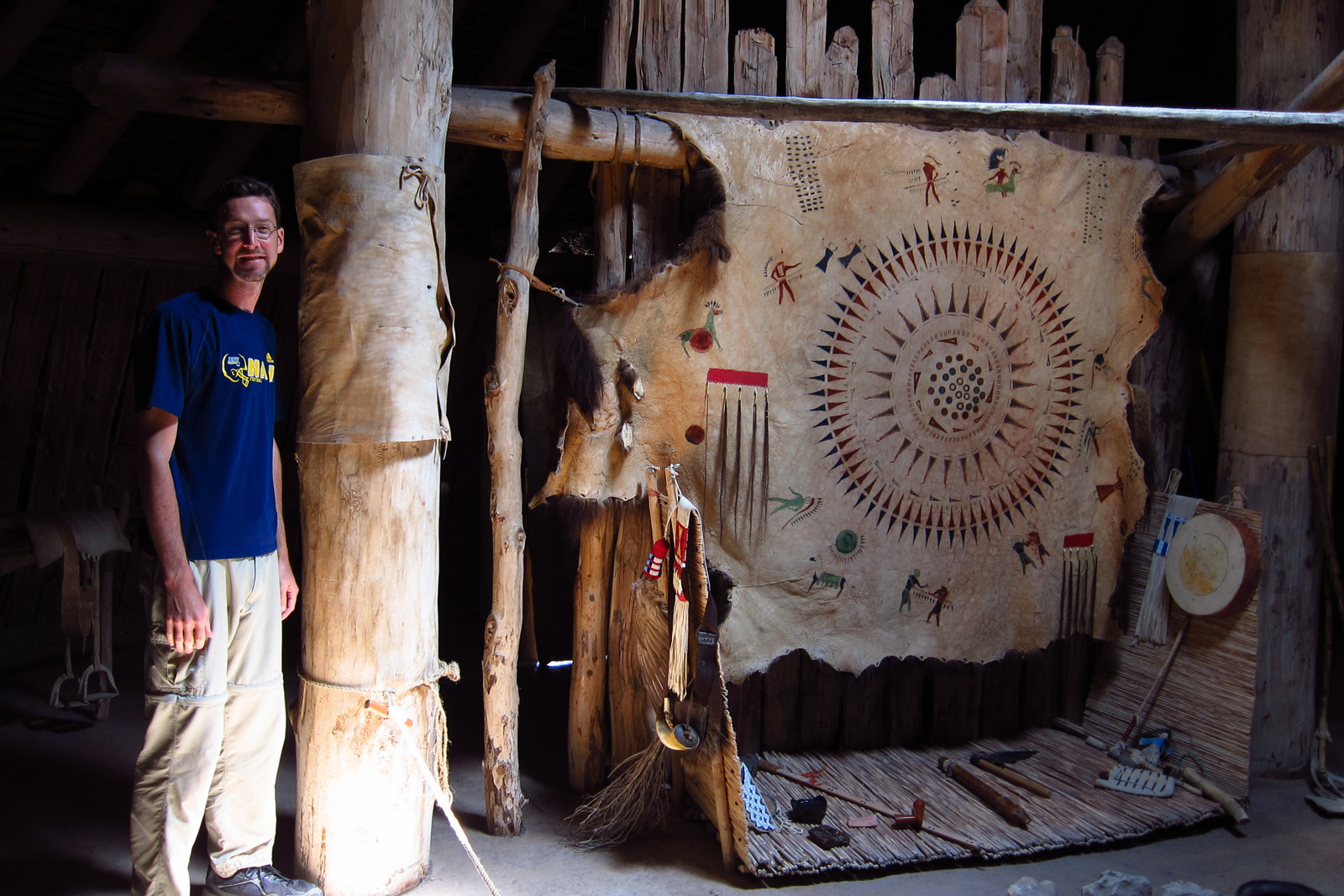
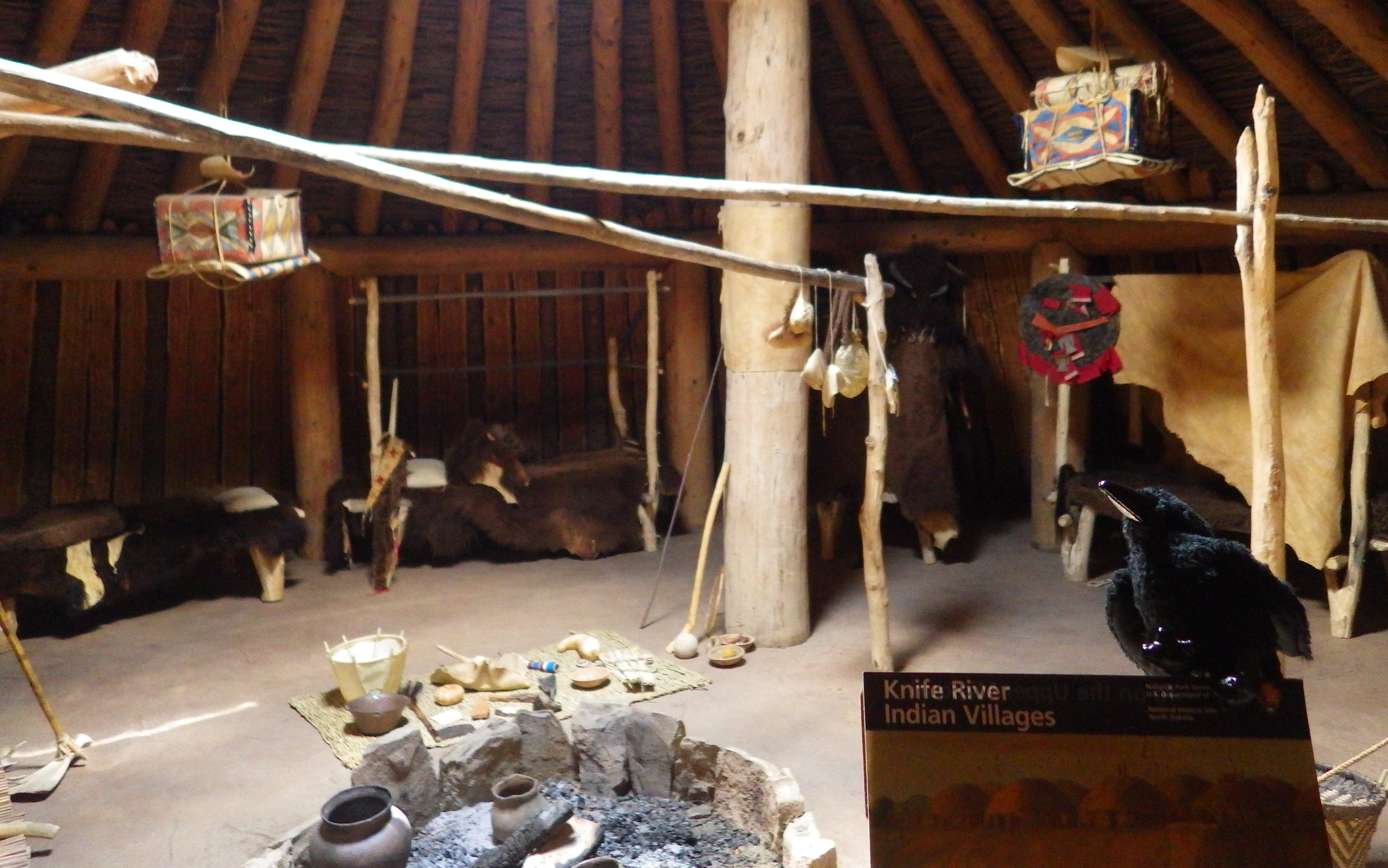
There is not much evidence left of the hundreds of earthlodges that once stood in these three villages, but there is one reconstruction that visitors can enter to exemplify the spacious dwellings.  An earthlodge actually required a large amount of wood to provide structure.

Peak Season

Summer

Hours

https://www.nps.gov/knri/planyourvisit/hours.htm

Fees

None

Road Conditions

All roads paved

Camping

Sakakawea State Park is 15 miles north of this site.

Explore More – What famous traveling companions did Lewis and Clark first meet here in 1804?

Harry S Truman National Historic Site

Overview

Harry S Truman was a farmer, soldier in World War I, judge, U.S. Senator, and Vice President before assuming the duties of Commander-in-Chief after Franklin D. Roosevelt’s death in 1945.  He is perhaps best known as the man who made the decision to drop atomic bombs on Hiroshima and Nagasaki.  The 33rd President was known for being a straight shooter; this quote speaks to us today: “You can’t divide the country up into sections… and you can’t encourage people’s prejudices.  You have to appeal to people’s best instincts, not their worst ones.”  Truman won a close reelection vote in 1948.

Highlights

Truman Home tour, film, Truman Farm Home

Must-Do Activity

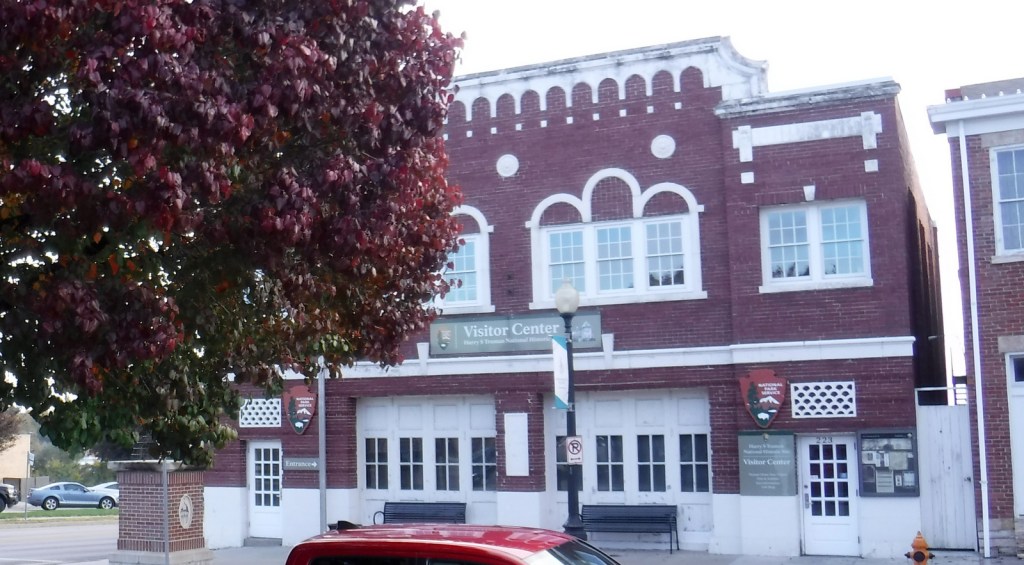
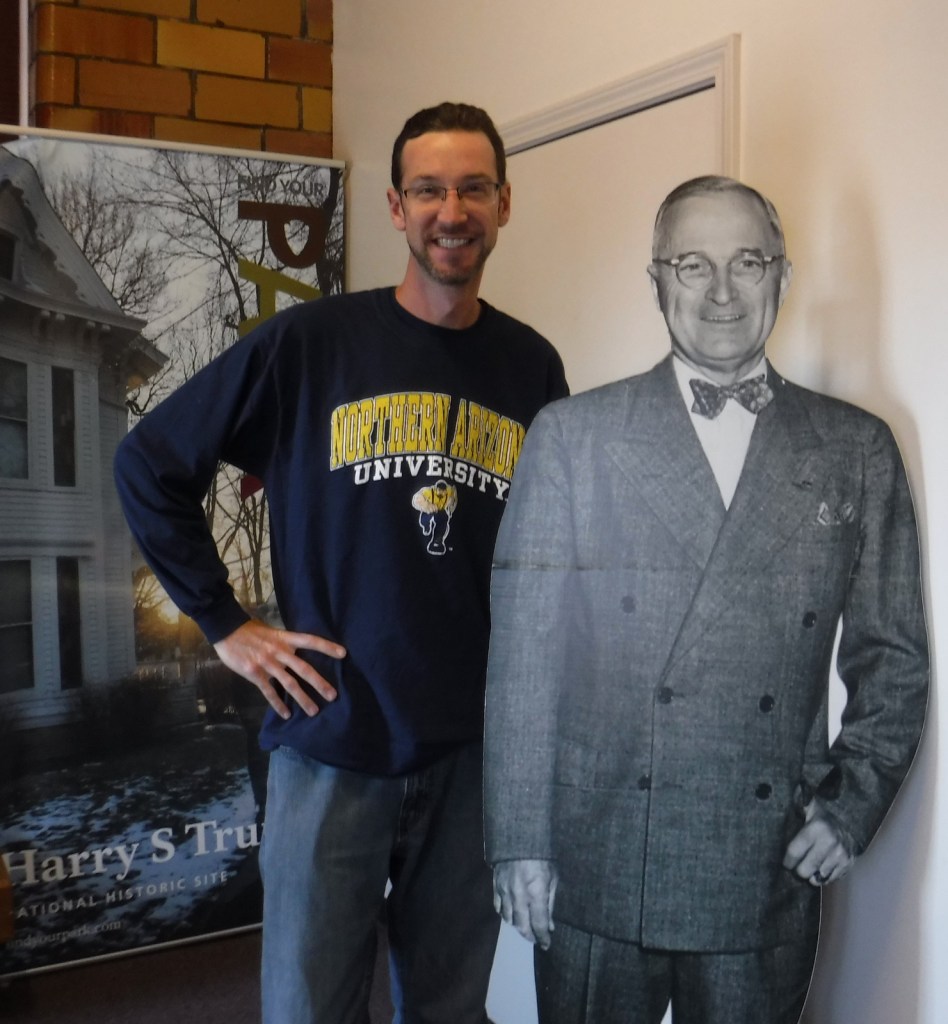
The National Park Service (NPS) visitor center in downtown Independence offers a film and a few artifacts, as well as first-come, first-served tickets for ranger-guided tours of the Truman Home.  It was there Harry and Bess (his wife) lived from 1919 until his death in 1972.  It served as the summer White House from 1945 to 1953 and was given to the NPS upon Bess’ death in 1982 (the calendar still hanging in the kitchen is original). 

Best Trail

About a 30-minute drive from Independence, take a self-guided cell phone tour around the ten acres surrounding the 1894 Truman Farm Home, which once stood on a 600-acre farm that is now the Kansas City-suburb of Grandview, Missouri.

Instagram-worthy Photo

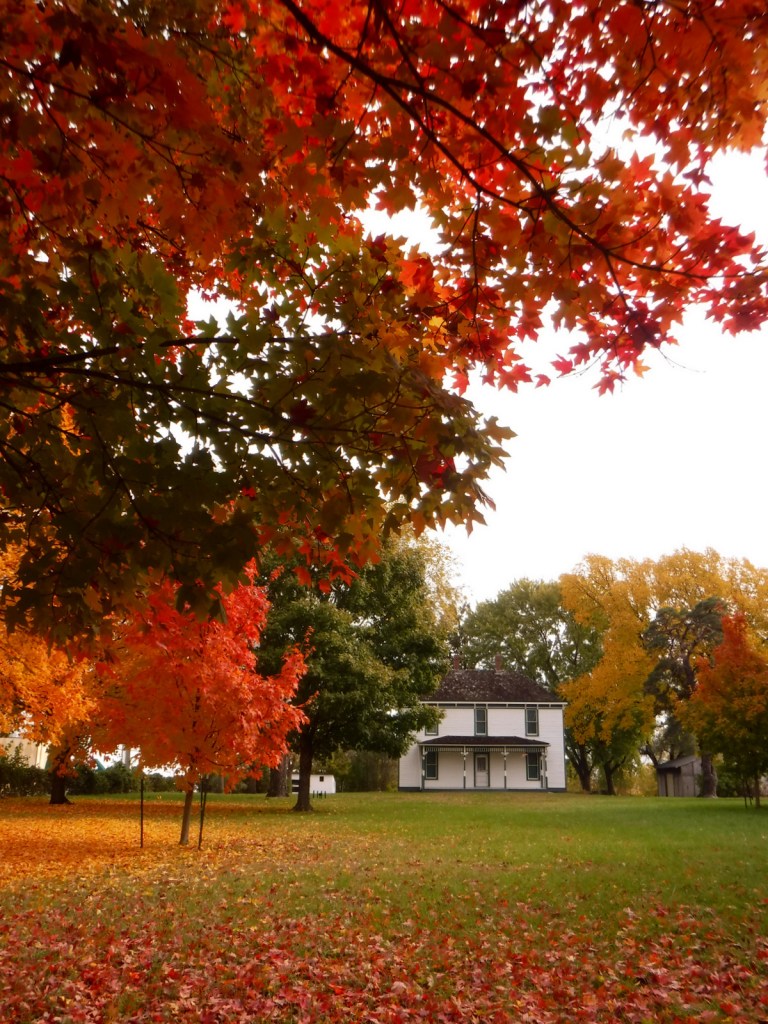
There is no photography allowed inside the Truman Home, so your best shot will be from out front behind the fence installed by the Secret Service in the 1940s to keep the public off the lawn.

Peak Season

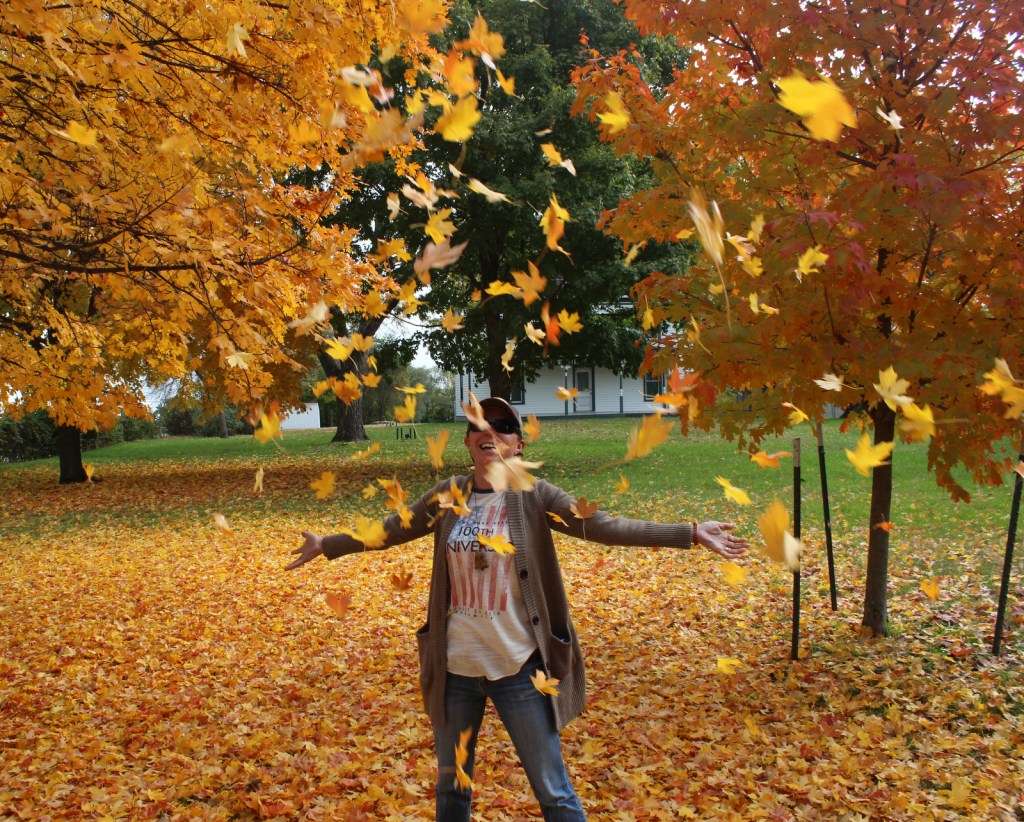
Open year round, but we caught peak fall colors in late October.

Hours

https://www.nps.gov/hstr/planyourvisit/hours.htm

Fees

The home tour costs $7 per person (no reservations) or is free with an America The Beautiful pass.

Road Conditions

All roads paved, but street parking is limited near the Truman Home.  It is easy to miss the poorly signed turn for the Truman Farm Home in Grandview.

Camping

None

Explore More – Why is a period not required at the end of Harry S Truman’s middle initial?

Manzanar National Historic Site

Overview

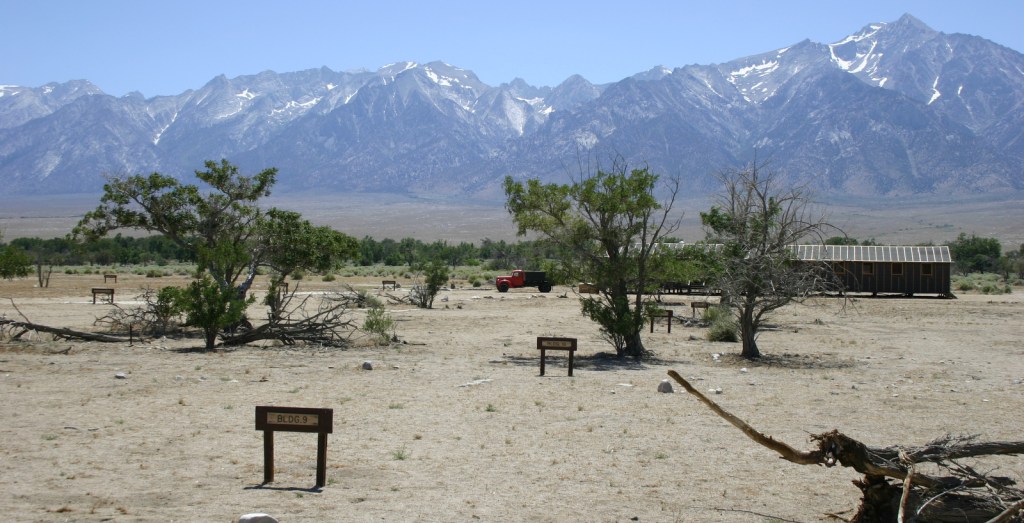
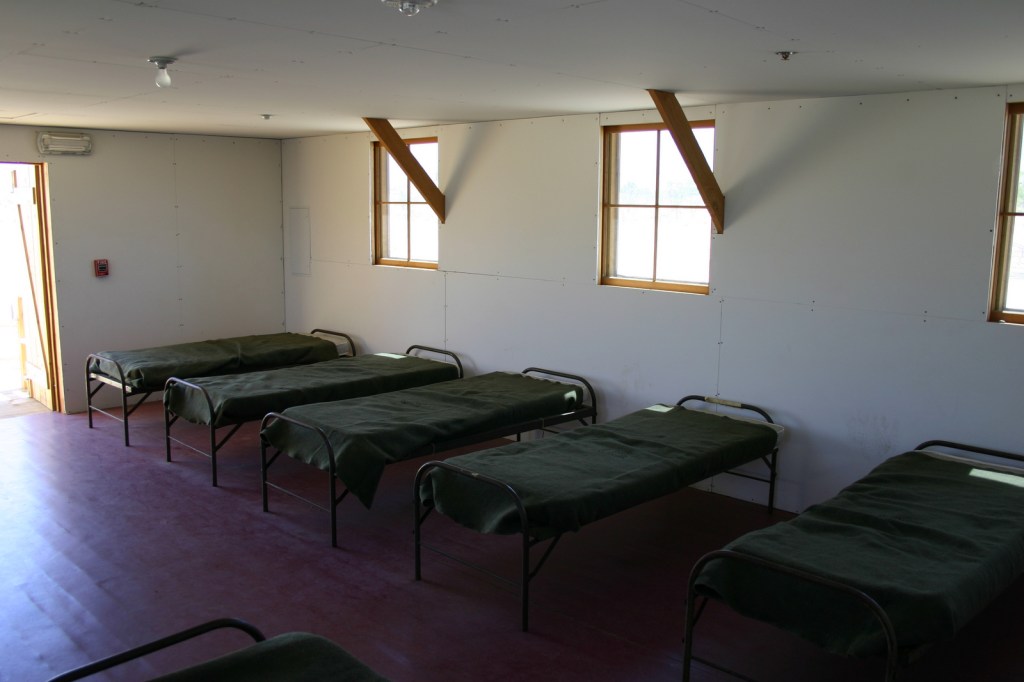
One of the many things that makes this country great is its willingness to remember inglorious moments in its past, such as the internment of Japanese-Americans during World War II.  Following the 1941 attack on Pearl Harbor, President Franklin D. Roosevelt signed an executive order authorizing the detention of more than 110,000 U.S. citizens of Japanese descent.  Manzanar War Relocation Center was the first of 10 internment camps built throughout the western U.S.  It held about 10,000 citizens (mostly from Los Angeles, California) in 36 blocks of wooden barracks across a one square-mile fenced enclosure. 

Highlights

Museum, film, reconstructed barracks, gardens, memorial

Must-Do Activity

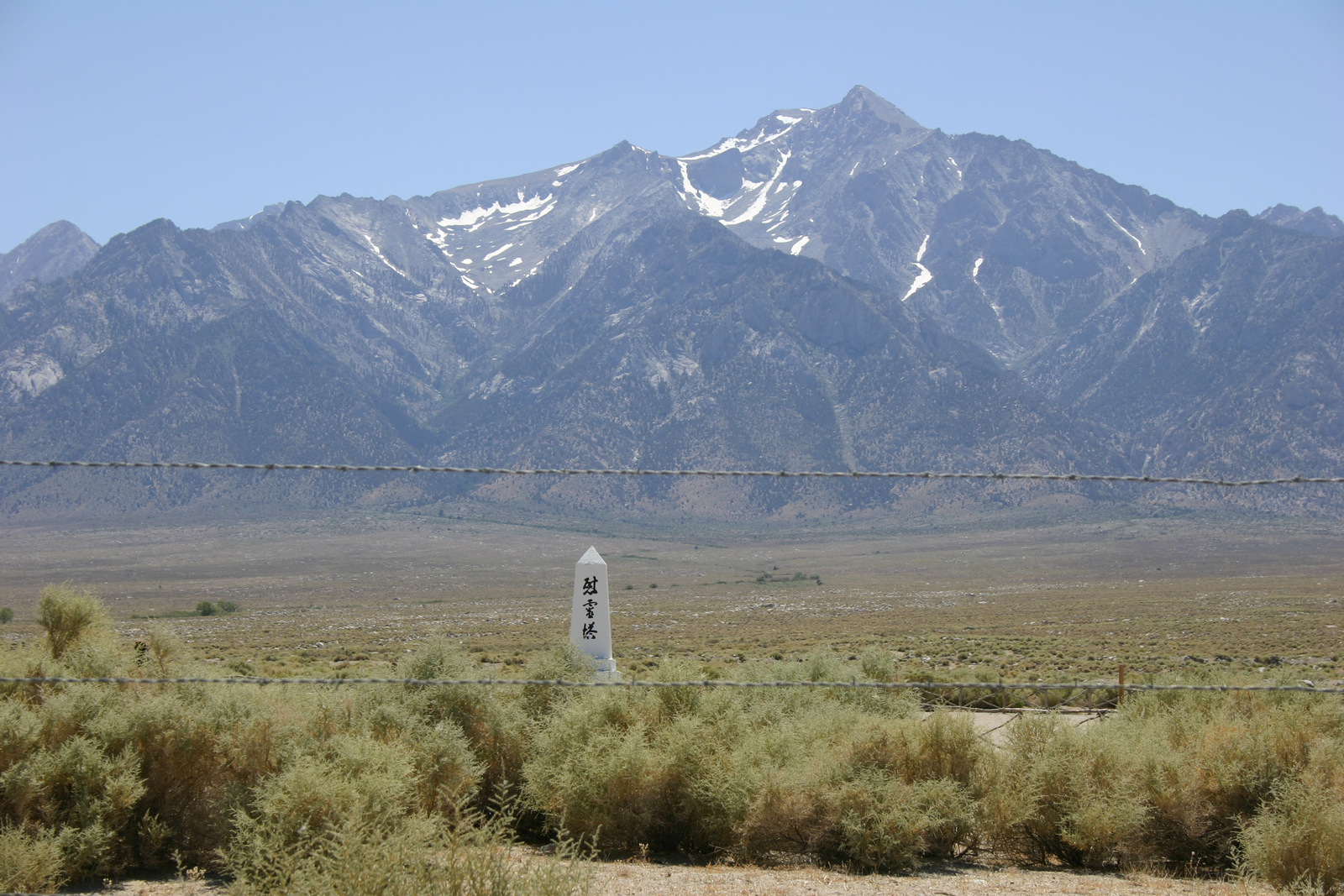
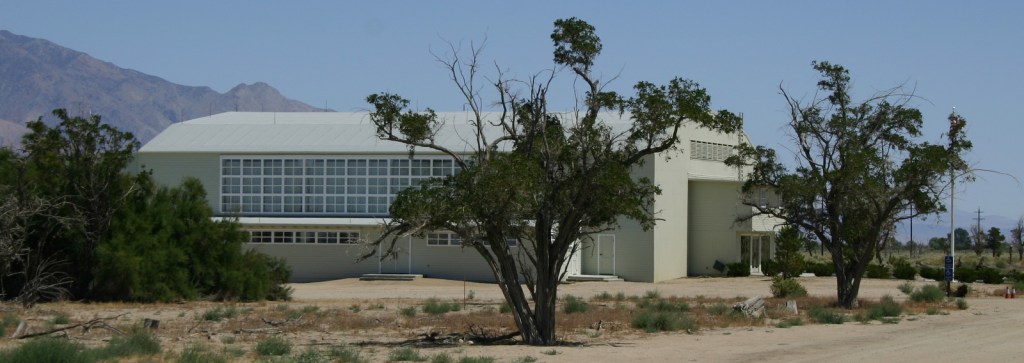
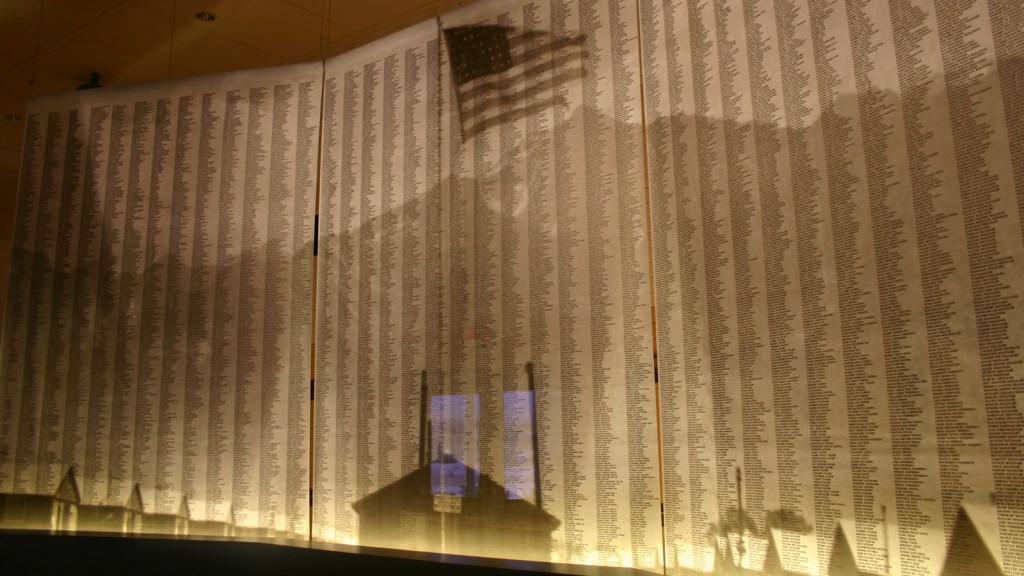
Opened in 2004, the National Park Service visitor center is located inside the former camp auditorium, which now houses an excellent museum.  Self-guided walking and auto tours take visitors to two reconstructed barracks, the camp gardens, and a cemetery with the Manzanar Memorial.

Best Trail

You can walk or drive the 3.2-mile auto tour with 27 interpretive stops.

Instagram-worthy Photo

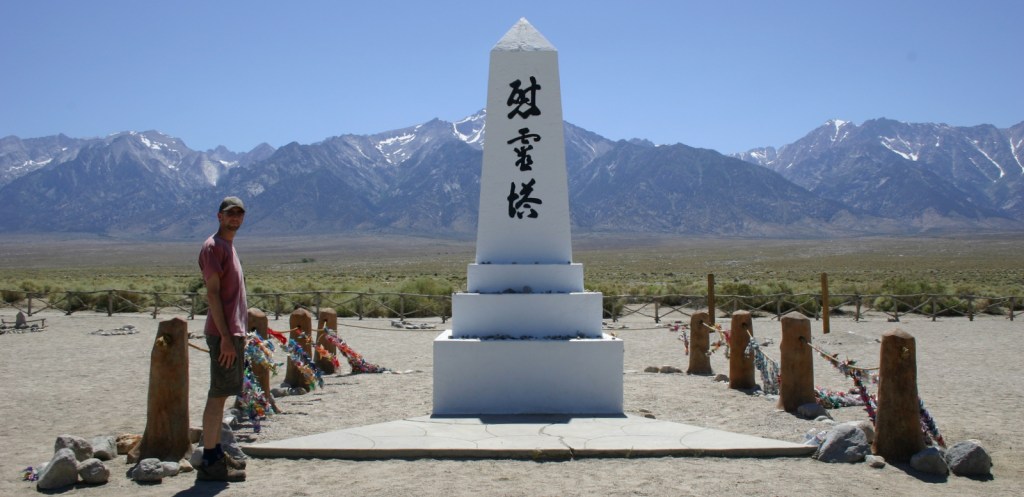
Located in the camp’s cemetery, the Manzanar Memorial is often swathed in origami paper cranes.

Peak Season

Summer, though temperatures can get hot with little shade.

Hours

https://www.nps.gov/manz/planyourvisit/hours.htm

Fees

None

Road Conditions

Manzanar is located right off Highway 395 west of Death Valley National Park and the dirt roads inside the site are passable by all vehicles.

Camping

Camping is available in Death Valley National Park and dispersed camping is allowed in the scenic Alabama Hills managed by the Bureau of Land Management.

Explore More – How many Japanese-Americans served in the U.S. military during World War II?

Andrew Johnson National Historic Site

Overview

At age 15, Andrew Johnson fled his apprenticeship in Raleigh,North Carolina and eventually started a tailor shop in Greeneville, Tennessee.  In 1829, he began his political career, ultimately serving as a U.S. Representative, Governor of Tennessee, U.S. Senator, Vice President, and President upon the assassination of Abraham Lincoln in 1865.  He was the first President to be impeached after vetoing the Tenure of Office Act (later found unconstitutional by the Supreme Court) and was acquitted by the margin of one vote.

Highlights

House tour, tailor shop, museum, film, National Cemetery

Must-Do Activity

Start at the visitor center, which offers a film, a small museum, and the enclosed tailor shop where Andrew Johnson worked before going into politics.  Dress-up clothes are available if you want to take a photo straight out of the mid-1800s (no smiling for authenticity).  There you can also pick up a free timed ticket for the homestead tour and a ticket to vote in Johnson’s impeachment trial. 

Best Trail

None

Instagram-worthy Photo

The small National Cemetery atop a hill in Greeneville, Tennessee contains the graves of Andrew Johnson, his wife, and about 200 soldiers.

Peak Season

Open year round

Hours

https://www.nps.gov/anjo/planyourvisit/hours.htm

Fees

None

Road Conditions

All roads paved with designated parking lots at the visitor center, homestead, and cemetery.

Camping

Cherokee National Forest offers campgrounds southeast of Greeneville.

Explore More – Why did young Andrew Johnson flee North Carolina six years before his apprenticeship contract expired?


WONDON WAS HERE