Tag Archives: National Forest

Chequamegon National Forest

Chequamegon National Forest

Wisconsin

Managed by U.S. Forest Service, Northeastern Region

1,049,540 acres (868,392 federal/ 181,148 other)

Website: https://www.fs.usda.gov/cnnf

Overview

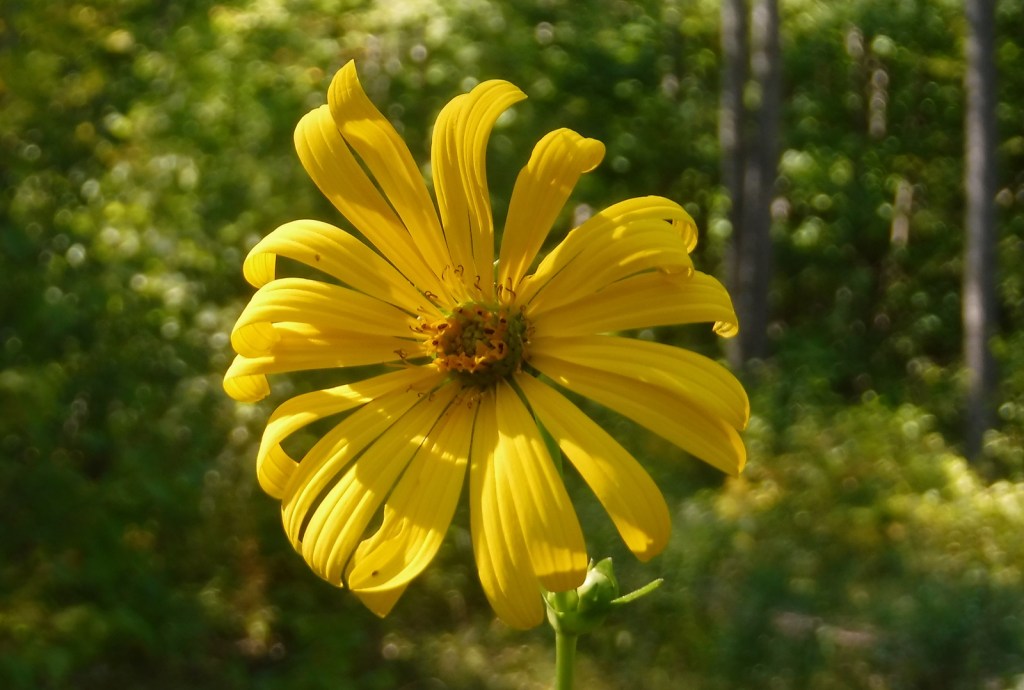
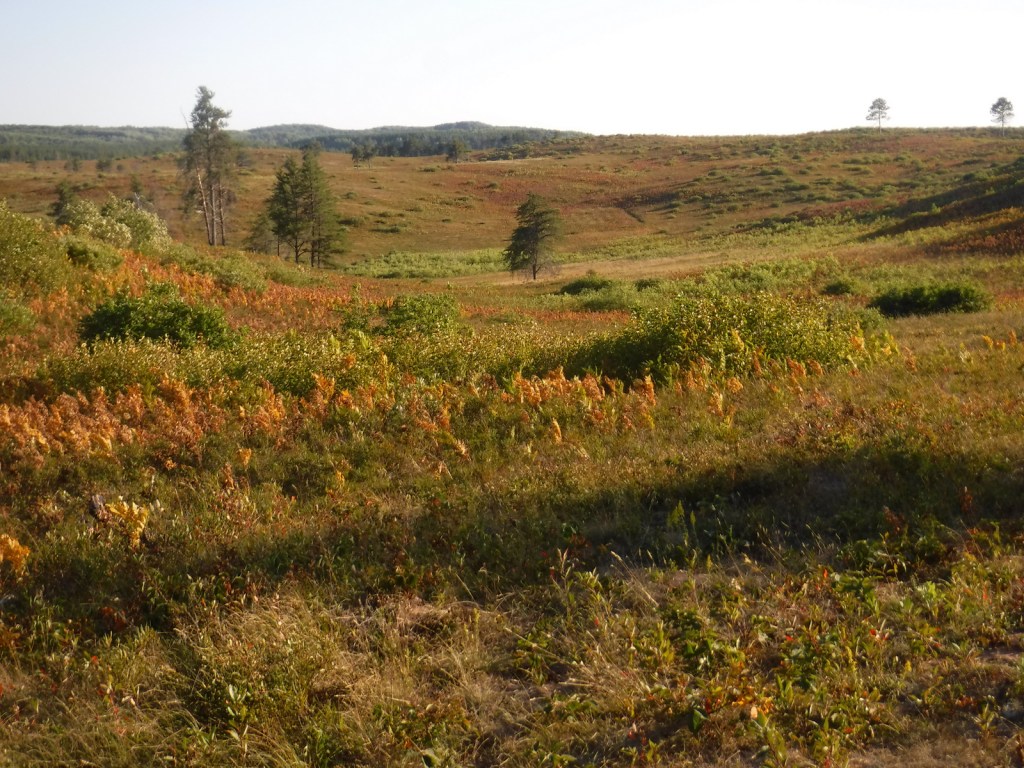
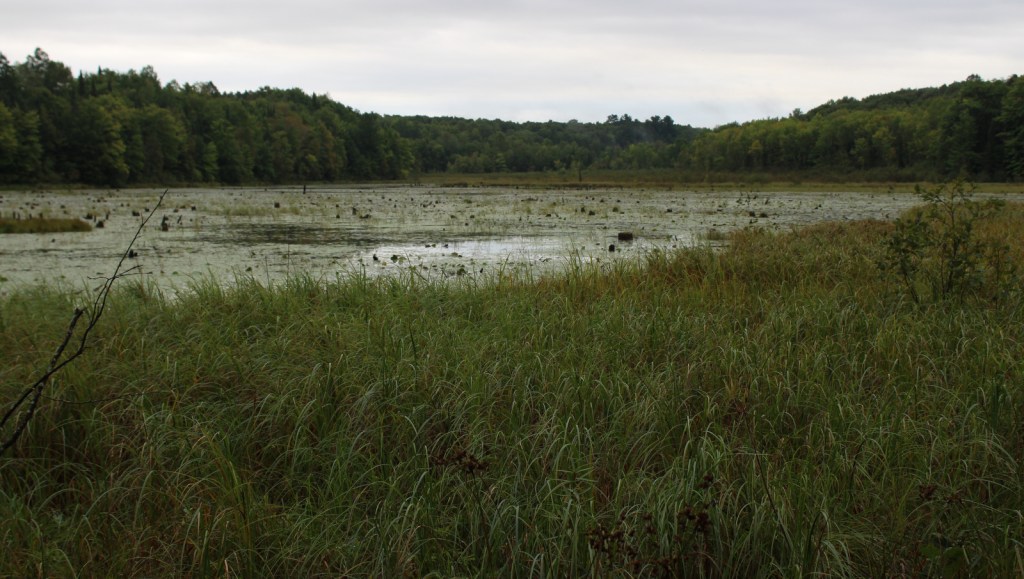
Chequamegon National Forest gets its name from Lake Superior’s Chequamegon Bay, which is derived from the Ojibwe word for the bay’s prominent sand bar on the east side of Wisconsin’s Bayfield Peninsula.  Managed as Chequamegon-Nicolet National Forest since 1998, the more western Chequamegon National Forest contains a 61-mile stretch of the North Country National Scenic Trail and 49 miles of the Ice Age National Scenic Trail that winds through Wisconsin.  On the Bayfield Peninsula is Moquah Pine Barrens National Natural Landmark, first set aside by the Forest Service in 1935 to study its red pine savannah and upland jack pine barrens.  The Moquah Pine Barrens is notable for its summer wildflower bloom and fall berry picking.

Highlights

Great Divide Scenic Byway, Drummond Woods, Valhalla Recreation Area, South Fork of Flambeau River, Mondeaux Dam Recreation Area, Moquah Barrens National Natural Landmark, Clam Lake, Schumland Wetland Area, Chequamegon Water Flowage, Tucker Lake Hemlocks Natural Area, Morgan Falls, St. Peter’s Dome, West Torch Ski Trail, Mukwonago Ski Trail, Camba Mountain Bike Trail, Mt. Valhalla, Caro Forest Trail, West Twin Lake Trail, Aldo Leopold Commemorative Trail, North Country National Scenic Trail, Ice Age National Scenic Trail

Must-Do Activity

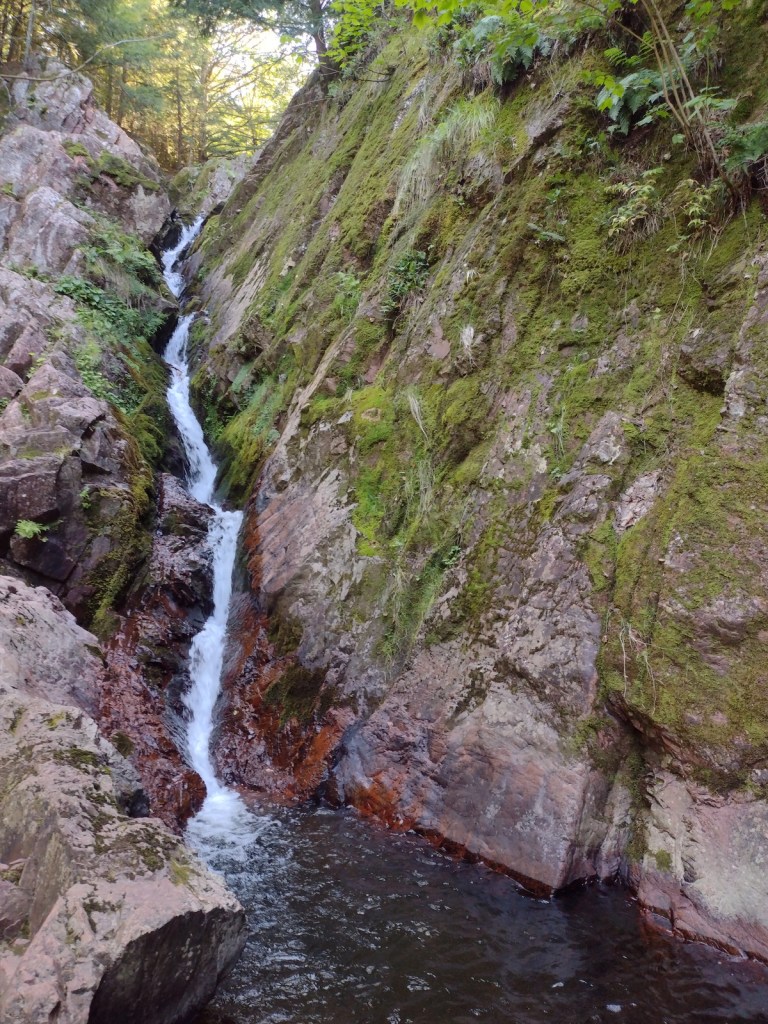
St. Peter’s Dome and Morgan Falls Recreation Area (fee) is the most developed site in Chequamegon National Forest.  A wide, level trail with new bridges leads 0.75 miles one-way to Morgan Falls, which tumbles 70 feet down a narrow rock crevice.  The trail splits and becomes steeper as it ascends to St. Peter’s Dome, a rock outcropping that offers views north to Chequamegon Bay and the Apostle Islands.  To visit both spots is a 3.8-mile roundtrip hike with an elevation gain of 500 feet.  Make sure you have good directions before you go because the drive to the trailhead has unsigned turns on unpaved back roads. 

Best Trail

In the southern portion of the National Forest, the Aldo Leopold Commemorative Trail is a 1.2-mile out-and-back hike that follows a glacial esker above a wetland near the Mondeaux Flowage.  The path is lined with wooden boards with quotes from the famous ecologist who wrote his seminal book A Sand County Almanac (see our Top 10 Books about Trees and Forests) at his Wisconsin farm. 

Watchable Wildlife

Gray wolves and elk have been reintroduced to Chequamegon National Forest, in addition to native moose, black bears, red foxes, raccoons, rabbits, beavers, river otters, and (of course in Wisconsin) badgers.  Common loons with their distinctive calls are the most iconic bird of the North Woods, with other notable species being barred owls, bald eagles, common ravens, turkeys, ruffed grouse, and boreal chickadees.  Fishing is a big deal in this part of the world and Hayward, Wisconsin is home to the Freshwater Fishing Hall of Fame (where you can stand in the mouth of a giant muskie sculpture).  Major gamefish include lake trout, rainbow trout, small and largemouth bass, crappie, walleye, northern pike, and muskellunge (muskie). 

Instagram-worthy Photo

It might require a bit of creative climbing to get a good photo of Morgan Falls, located only 1.5 miles roundtrip from the trailhead (fee).

Peak Season

Summer and fall

Fees

There is a $5 day-use fee to park at the trailhead for St. Peter’s Dome and Morgan Falls Recreation Area.

Road Conditions

The road through the Moquah Barrens is paved, and even the sand-surfaced roads were all in good shape during our visits.

Camping

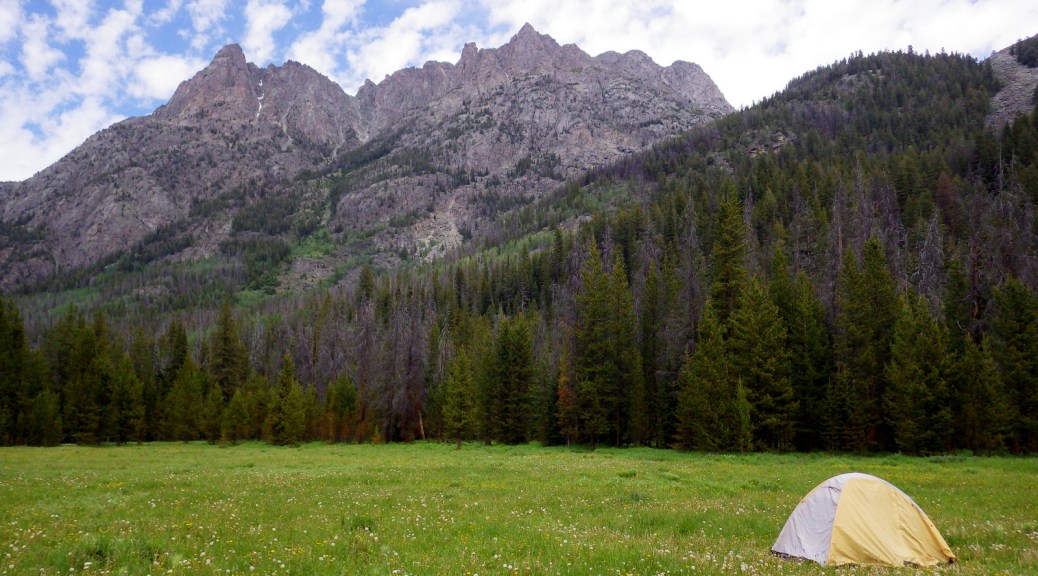
There are developed campgrounds throughout the National Forest and nearby Apostle Islands National Lakeshore, but we have always dispersed camped off the back roads on the Bayfield Peninsula, including a pleasant night spent on the Moquah Barrens.

Wilderness Areas

Porcupine Lake Wilderness

Rainbow Lake Wilderness

Related Sites

Apostle Islands National Lakeshore (Wisconsin)

St. Croix National Scenic Riverway (Wisconsin-Minnesota)

Keweenaw National Historical Park (Michigan)

Nearest National Park

Isle Royale
Conifer Tree Species

jack pine, red pine, eastern white pine, balsam fir, black spruce, white spruce, northern white-cedar, tamarack, balsam fir, eastern hemlock

Flowering Tree Species

sugar maple, red maple, mountain maple, black ash, white ash, basswood, yellow birch, paper birch, river birch, northern red oak, white oak, black oak, American beech, quaking aspen, bigtooth aspen, balsam poplar, white ash, beaked hazelnut, tag alder

Explore More – The 636-acre Moquah Barrens Research Natural Area was established in 1935 and named a Wisconsin State Natural Area in 1970, but when was it designated a National Natural Landmark?


Learn more about Chequamegon and the 154 other National Forests in our new guidebook Out in the Woods

We are a participant in the Amazon Services LLC Associates Program, an affiliate advertising program designed to provide a means for us to earn fees by linking to Amazon.com and affiliated sites.

Carson National Forest

Carson National Forest

New Mexico

Managed by U.S. Forest Service, Southwestern Region

1,490,468 acres (1,391,674 federal/ 98,794 other)

Website: https://www.fs.usda.gov/carson

Overview

Carson National Forest is spread across the Sangre de Cristo Mountains that run 200 miles from northern New Mexico into southern Colorado’s Rio Grande and San Isabel National Forests.  In 1982, the Pennzoil Corporation donated the Valle Vidal Unit (about 100,000 acres) to the Forest Service.  A decade earlier, the Taos Pueblo successfully lobbied to return sacred Blue Lake to the tribe and remove it from Carson National Forest. 

Highlights

Enchanted Circle Scenic Byway, Wheeler Peak, Clayton Pass, Vista Grande, Brazos Ridge Overlook, Canjilon Lakes, Lobo Peak, Echo Amphitheater, Cabresto Lake, Pot Creek Cultural Site, Amole Canyon, Devisadero Loop Trail, Continental Divide National Scenic Trail, Columbine-Twining National Recreation Trail

Must-Do Activity

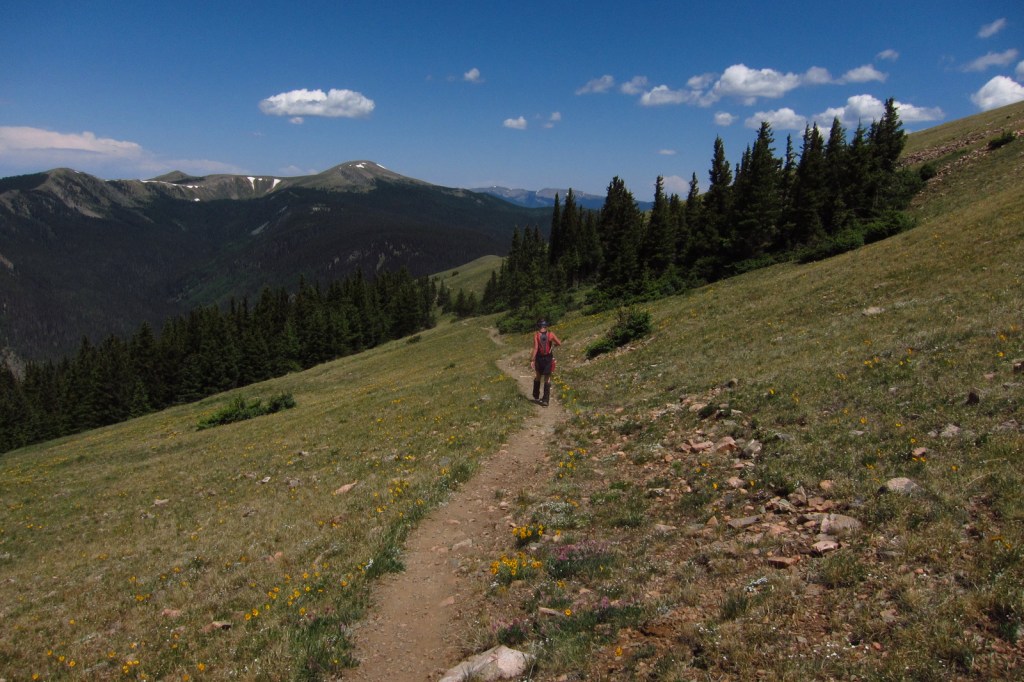
The National Forest contains New Mexico’s highest point (13,161-foot Wheeler Peak) near Taos Ski Valley, one of several ski resorts found here.  The gravel parking lot fills up early on summer weekends, as those looking to summit want to finish before afternoon thunderstorms.  If a 14-mile roundtrip hike with 3,771 feet of elevation gain sounds too strenuous, there are plenty of other trails around Taos Ski Valley listed below.

Best Trail

There is an extensive trail system that spiders out from Taos Ski Valley, including several that follow canyon streams and access small mountain lakes.  We recommend the Bull of the Woods Trail if you want to avoid the crowds summiting Wheeler Peak.  Other hiking options in the area include Williams Lake, Long Canyon, Lobo Peak, and Goose Lake.

Watchable Wildlife

Mule deer, elk, pronghorn, and bighorn sheep are large ungulates found in Carson National Forest.  Its carnivores include black bears, coyotes, red foxes, bobcats, and mountain lions.  The National Forest’s lakes and 400 miles of rivers and streams are mostly stocked with native trout species.

Instagram-worthy Photo

Alpine views abound on the hike up to 13,161-foot Wheeler Peak, the highest point in New Mexico.

Peak Season

Summer

Fees

None

Road Conditions

State Highway 150 is paved to Taos Ski Valley except for the very end, which is a good gravel road (as is FR 597 north of Red River).

Camping

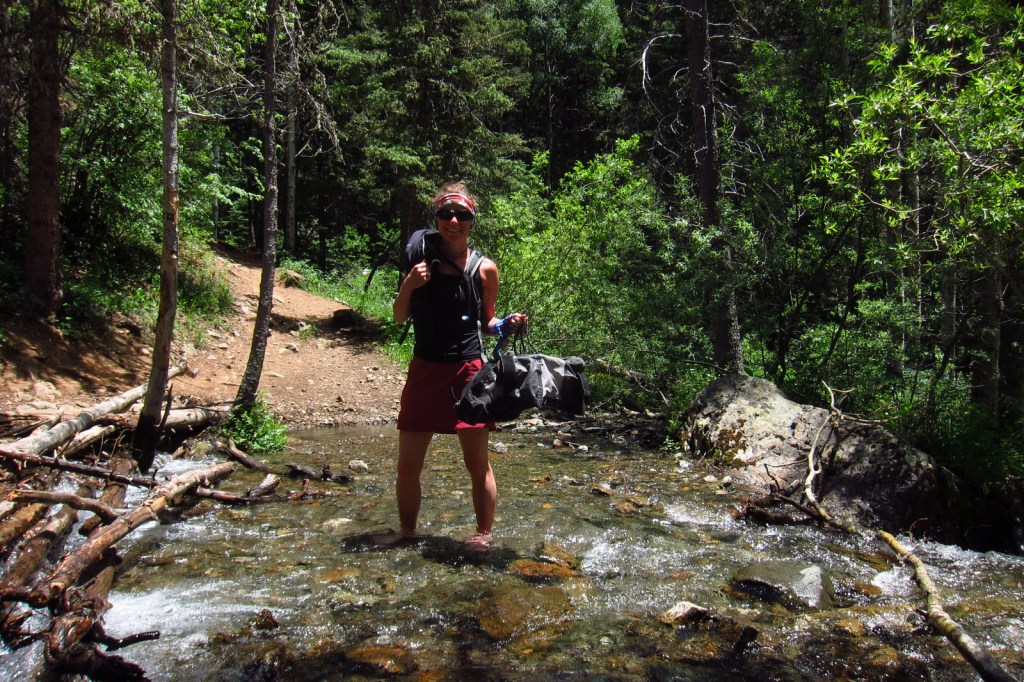
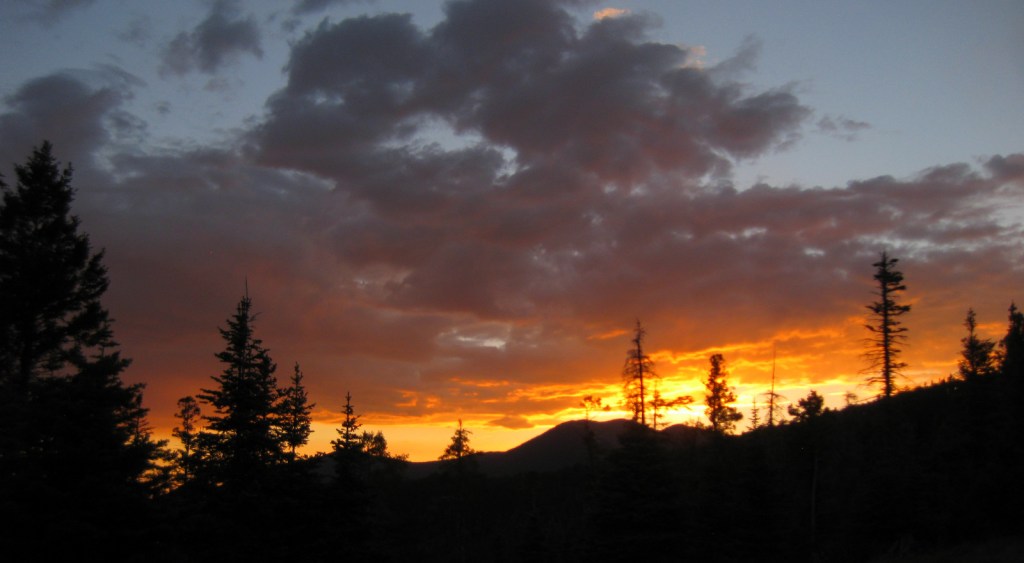
There are many great places to camp in Carson National Forest, with notable areas being Elephant Rock Campground, Hopewell Lake Campground, and several campgrounds around the Canjilon Lakes.  We set up a dispersed camp near a high mountain pass on FR 597 above the town of Red River in the summer.

Wilderness Areas

Chama River Canyon Wilderness (also in Santa Fe National Forest)

Cruces Basin Wilderness

Latir Peak Wilderness

Pecos Wilderness (also in Santa Fe National Forest)

Wheeler Peak Wilderness

Related Sites

Pecos National Historical Park (New Mexico)

Bandelier National Monument (New Mexico)

Fort Union National Monument (New Mexico)

Nearest National Park

Great Sand Dunes

Conifer Tree Species

Engelmann spruce, limber pine, Rocky Mountain bristlecone pine, two-needle pinyon pine, ponderosa pine, Douglas-fir, white fir, subalpine fir

Flowering Tree Species

Gambel oak, quaking aspen, bigtooth maple, boxelder, New Mexico locust, Fremont cottonwood, netleaf hackberry

Explore More – Who was the U.S. President that pushed through Congress the Taos Pueblo appeal to return Blue Lake?

Learn more about Carson and the 154 other National Forests in our new guidebook Out in the Woods

We are a participant in the Amazon Services LLC Associates Program, an affiliate advertising program designed to provide a means for us to earn fees by linking to Amazon.com and affiliated sites.
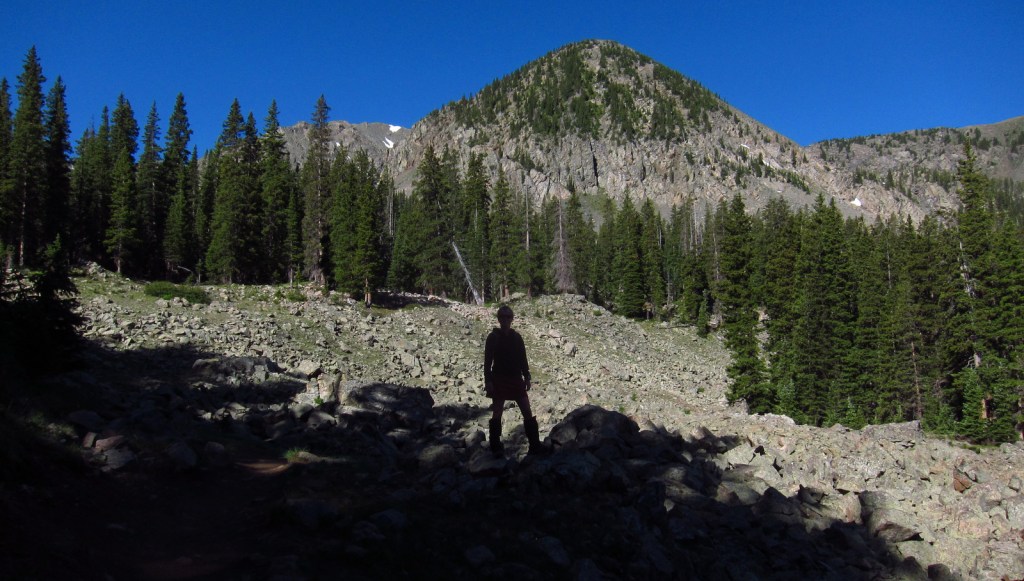
Cache National Forest

Cache National Forest

Utah, Idaho

Managed by U.S. Forest Service, Intermountain Region

1,216,778 acres (701,652 federal/ 515,126 other)

Website: https://www.fs.usda.gov/uwcnf

Overview

Cache National Forest surrounds Logan, Utah on three sides covering the Bear River Range and Wellsville Mountains, which are considered to have the steepest grade in the entire nation.  Since August 2007, Cache National Forest is officially part of the massive Uinta-Wasatch-Cache National Forest that sprawls across northeastern Utah.  To add to the bureaucratic confusion, the 263,940 acres of Cache National Forest in Idaho have been administered since 1973 by Caribou National Forest (see our next blog post).  When you subtract that land area, it only includes 437,712 acres of federal land, making it one of the smallest National Forests in the western U.S.

Highlights

Logan Canyon Scenic Byway, Wind Cave, Jardine Juniper, Tea Pot Rock, Old Limber Pine Nature Trail, Ogden River Scenic Byway, Pineview Reservoir, Tony Grove Lake Campground, Causey Reservoir, Wellsville Mountains, Naomi Peak National Recreation Trail

Must-Do Activity

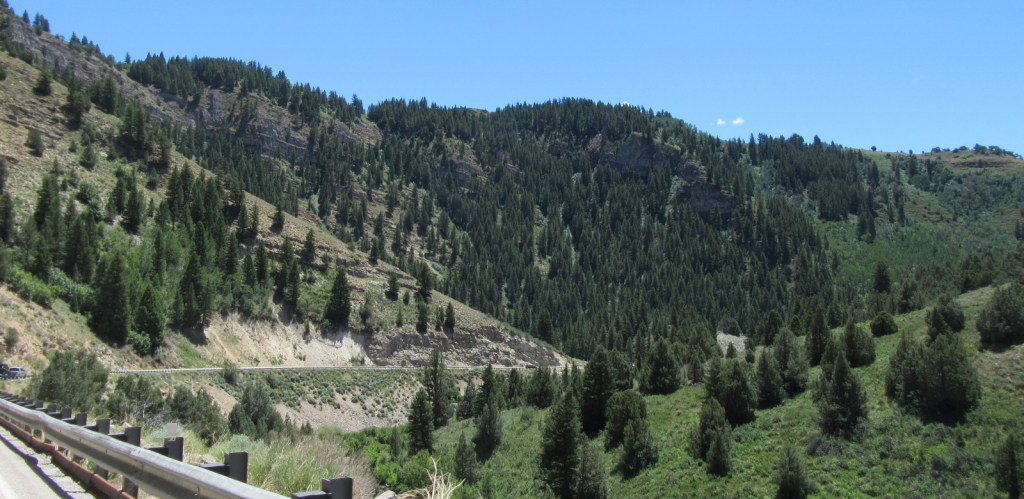
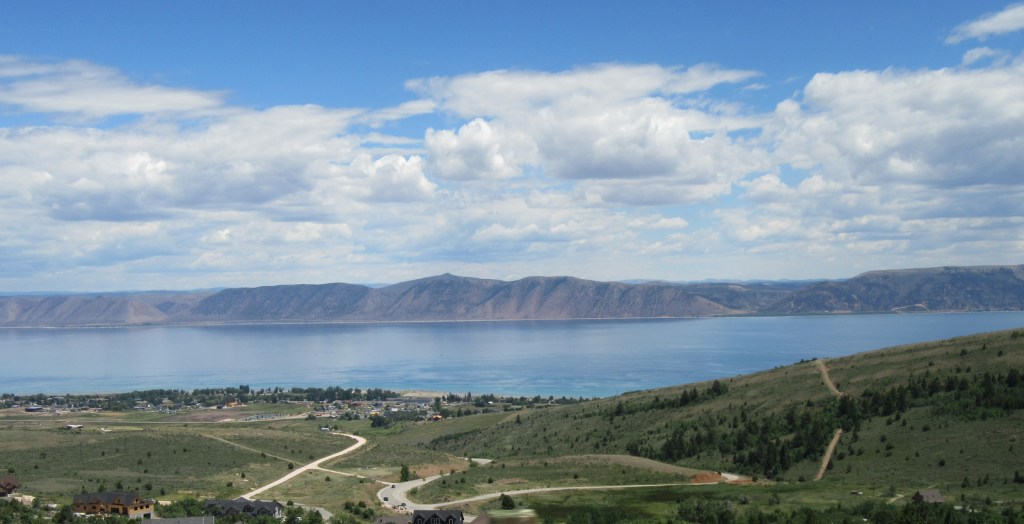
Logan Canyon Scenic Byway follows Highway 89 and the beautiful Logan River up to a pass with views of Bear Lake, a naturally-formed body of water that gets its turquoise color from suspended limestone sediment (earning it’s the nickname “Caribbean of the Rockies”).  Logan Canyon is especially busy in the fall when the leaves change on quaking aspens and three species of maples: boxelder, canyon/bigtooth maple, and Rocky Mountain maple. 

Best Trail

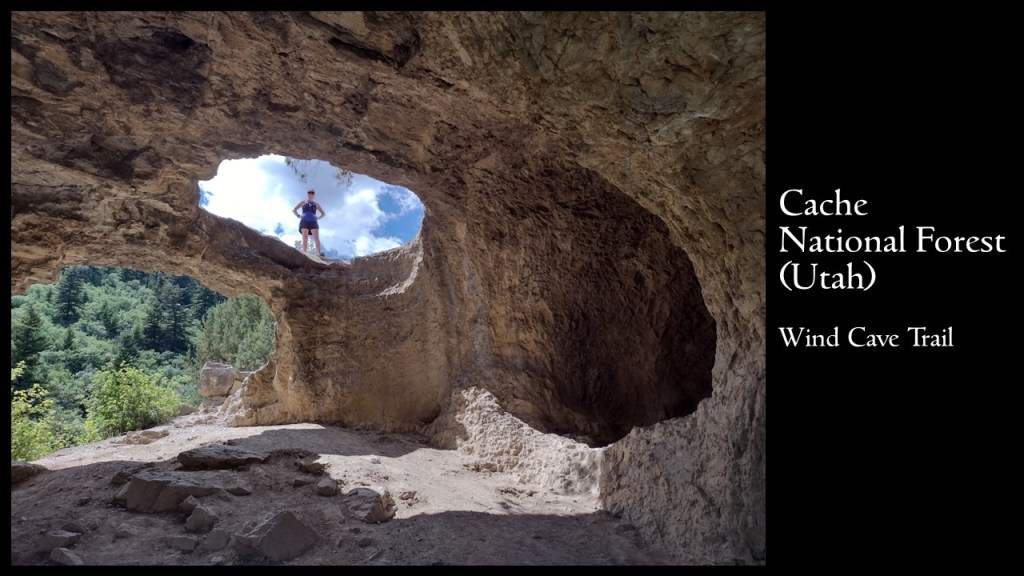
Logan Canyon has two popular, but steep trails that lead to Wind Cave and the Old Jardine Juniper, the world’s largest Rocky Mountain juniper estimated to be at least 3,000 years old.  The 3.6-mile out-and-back trail to Wind Cave starts from a roadside pullout across from Guinavah-Malibu Campground and gains more than 900 feet in elevation.  Hiking to the Old Jardine Juniper requires a climb of over 2,100 feet along the five-mile one-way trail, which continues further into the Mt. Naomi Wilderness.

Watchable Wildlife

Trout fishing is a popular activity due to all of the rivers and streams in Cache National Forest.  Large mammalian species include elk, mule deer, pronghorns, and black bears.  Watch the skies above Logan Canyon for ravens and a variety of birds of prey.

Instagram-worthy Photo

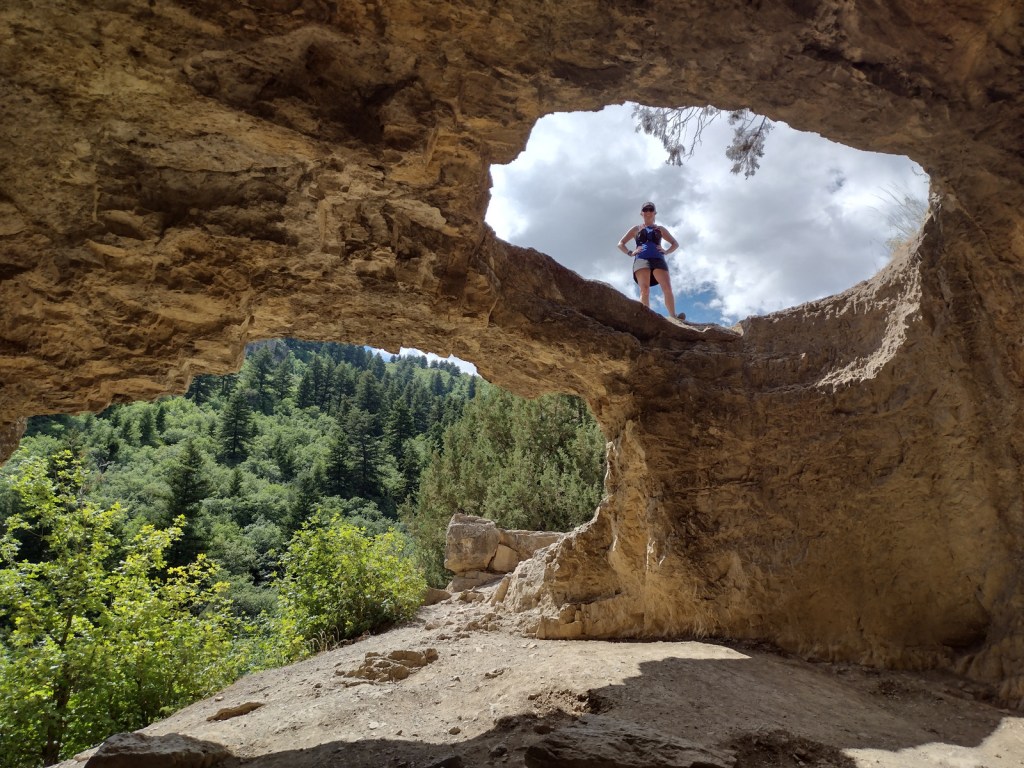
The limestone arches of Wind Cave originally formed underground then were exposed when the Logan River cut its steep canyon.

Peak Season

Summer

Fees

None

Road Conditions

Logan Canyon (Highway 89) and Ogden River (Highway 39) Scenic Byways are both paved.  We did not drive any unpaved roads, but we did notice that the dirt roads around Bear Lake Summit (on Highway 89) looked very rutted and four-wheel-drive only.

Camping

There are numerous campgrounds along both the Logan Canyon and Ogden River Scenic Byways.  We did not notice any dispersed campsites in these areas, although there probably are some options in more remote portions of the National Forest.

Wilderness Areas

Mt. Naomi Wilderness

Wellsville Mountain Wilderness

Related Sites

Golden Spike National Historical Park (Utah)

Timpanogos Cave National Monument (Utah)

Wasatch National Forest (Utah-Wyoming)

Nearest National Park

Grand Teton (Wyoming)

Conifer Tree Species

Rocky Mountain juniper, Utah juniper, limber pine, whitebark pine, ponderosa pine, lodgepole pine, Engelmann spruce, subalpine fir, white fir, Douglas-fir

Flowering Tree Species

quaking aspen, river birch, boxelder, canyon/bigtooth maple, Rocky Mountain maple, Bebb willow, blue elderberry, chokecherry, curlleaf mountain-mahogany, sagebrush

Explore More – In what year did the Cache Valley host the second-ever rendezvous of fur-trapping mountain men?

Learn more about Cache and the 154 other National Forests in our new guidebook Out in the Woods

We are a participant in the Amazon Services LLC Associates Program, an affiliate advertising program designed to provide a means for us to earn fees by linking to Amazon.com and affiliated sites.

Thank you for attending our presentation!

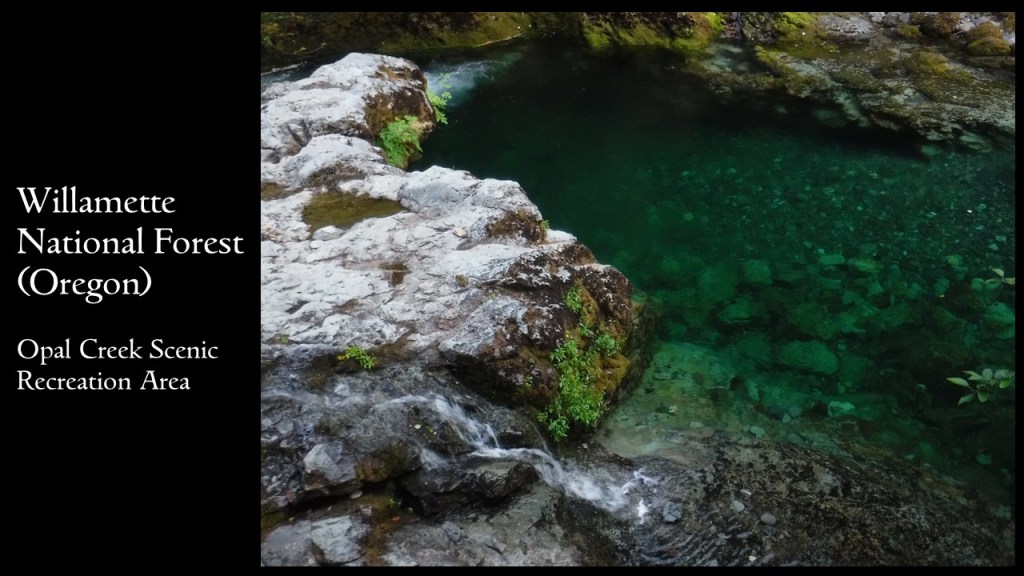
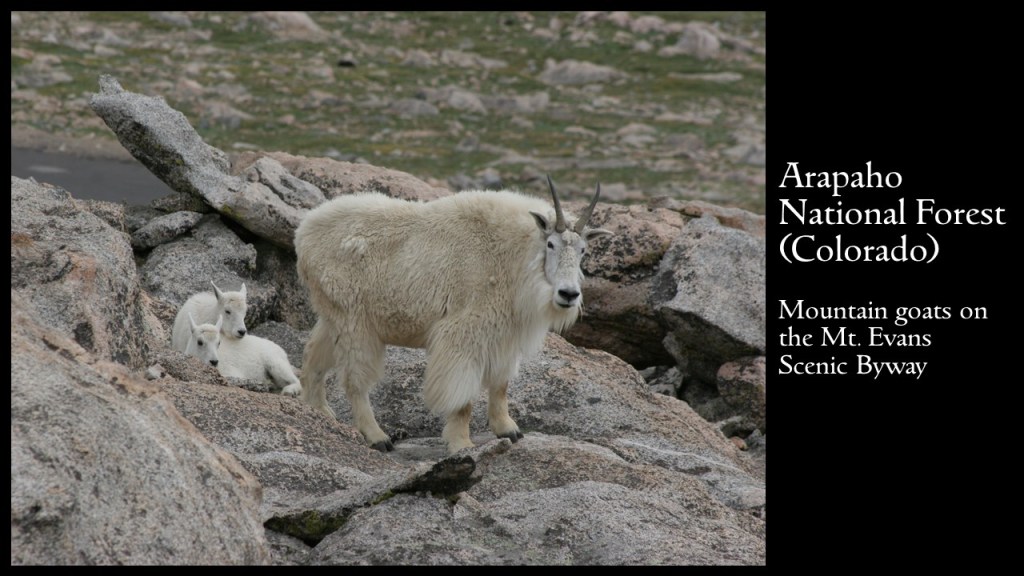
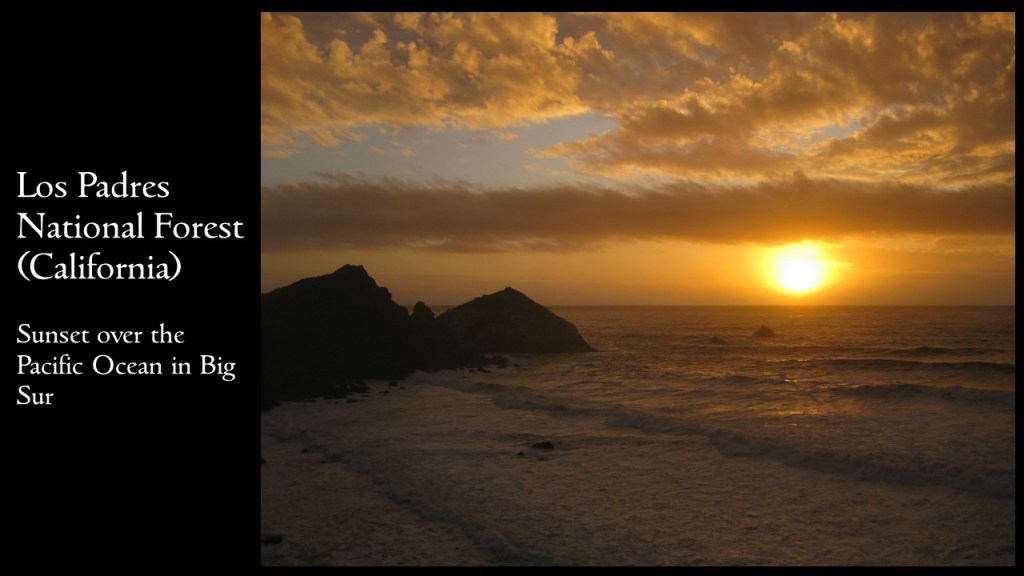
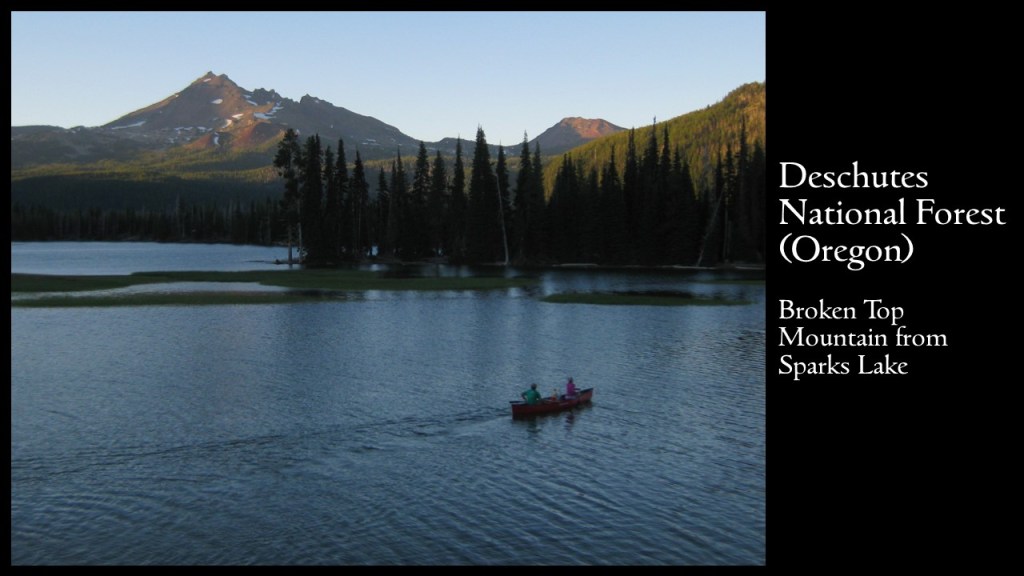
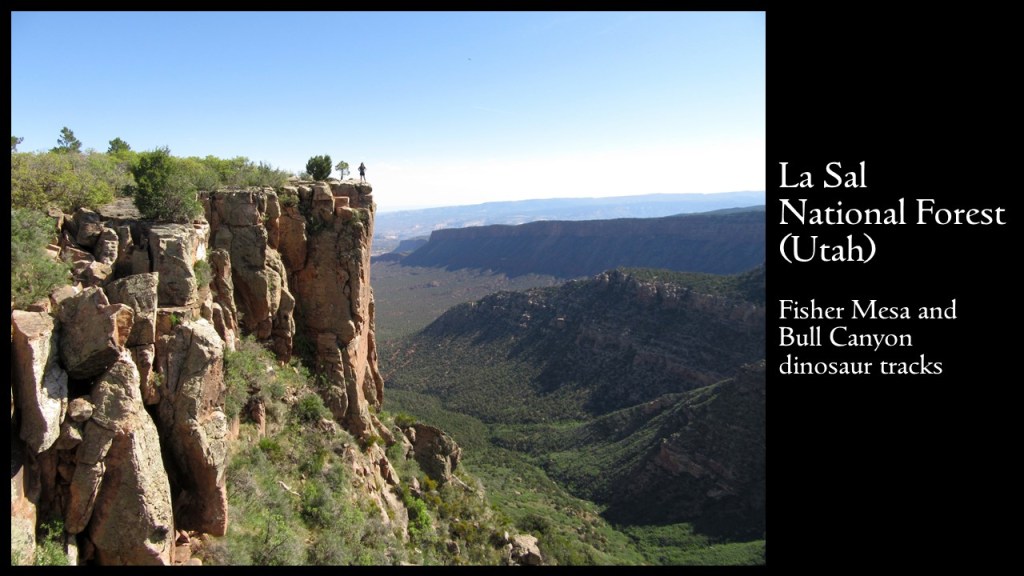
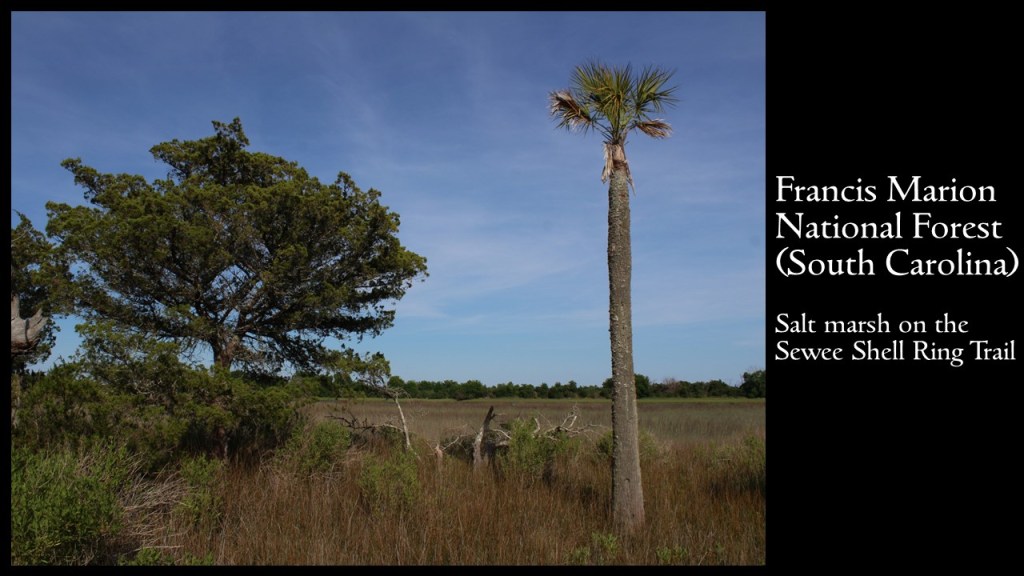
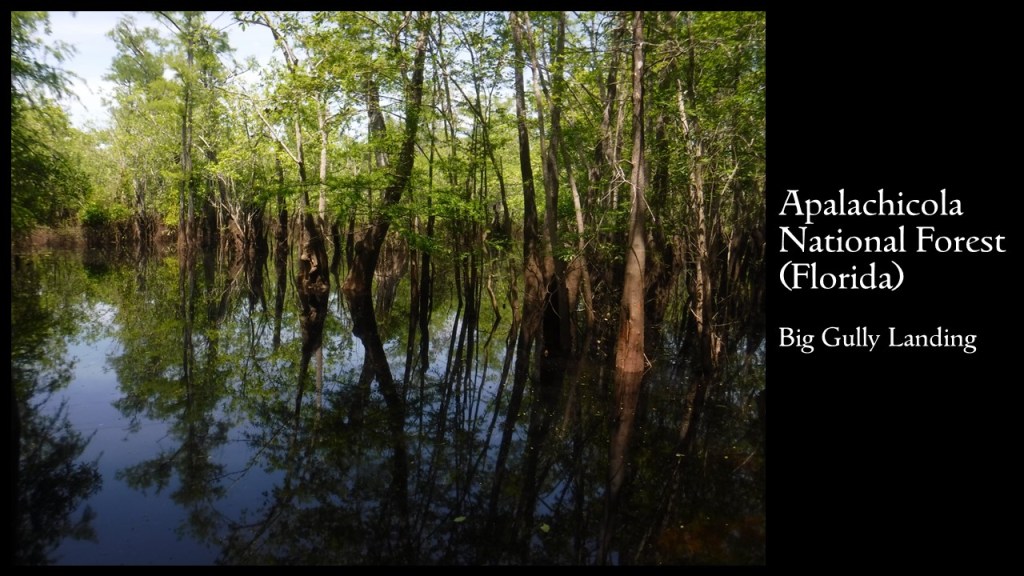
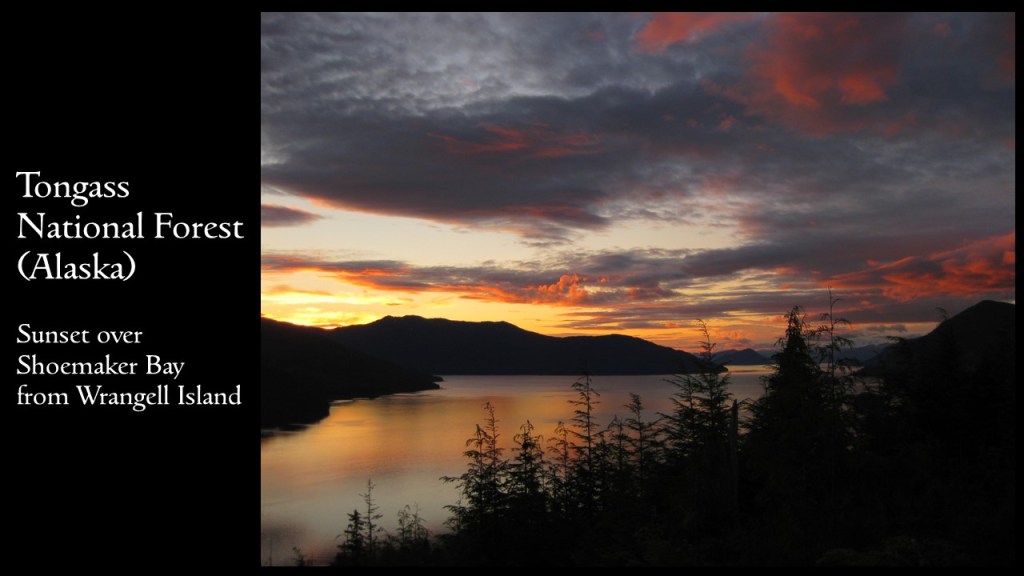
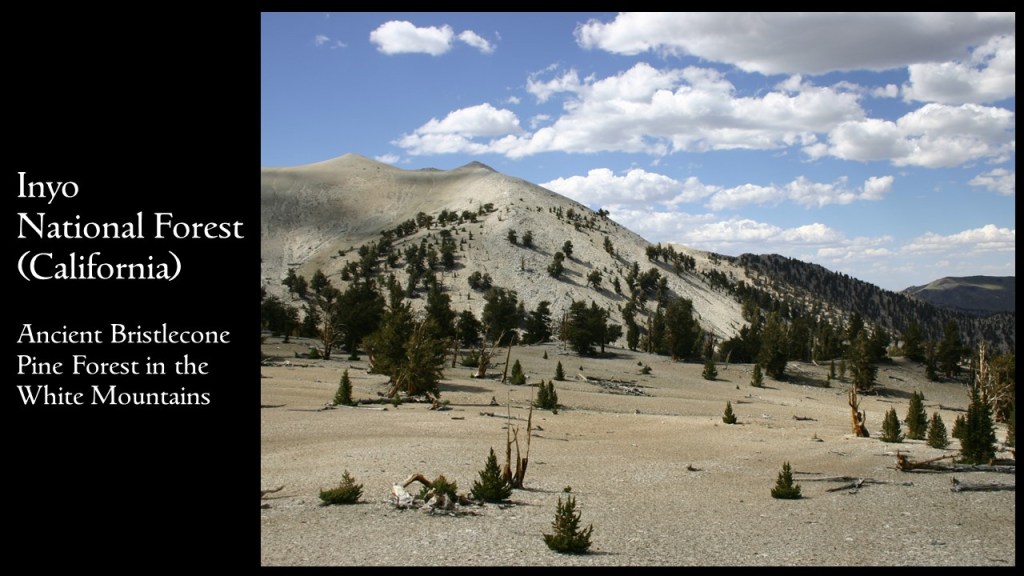
Thank you to everyone who attended our presentation last night at the library! If you couldn’t make it, please check out the short video we made to explain our quest to hike in all 155 National Forests (and learn more in our newspaper articles).

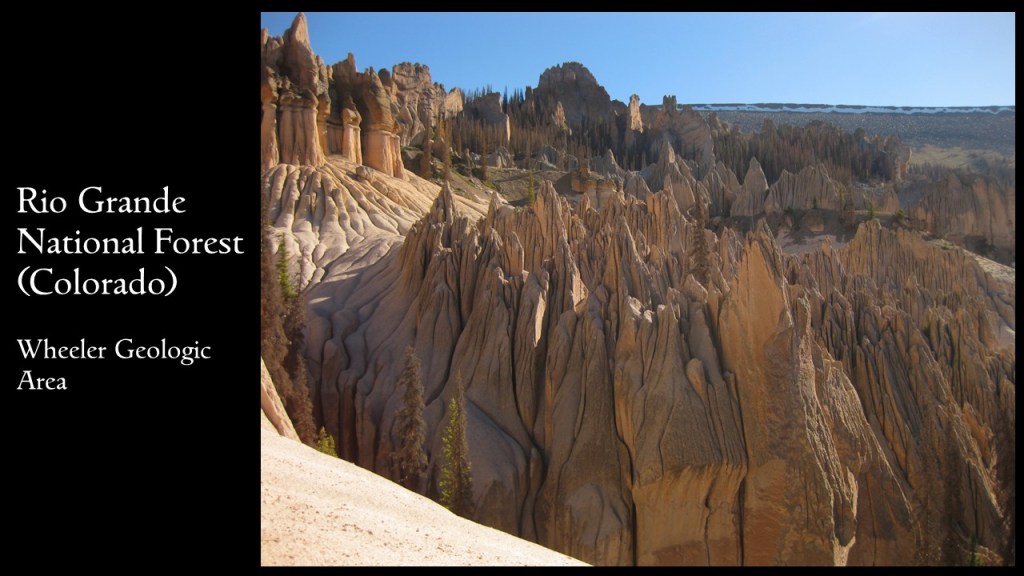
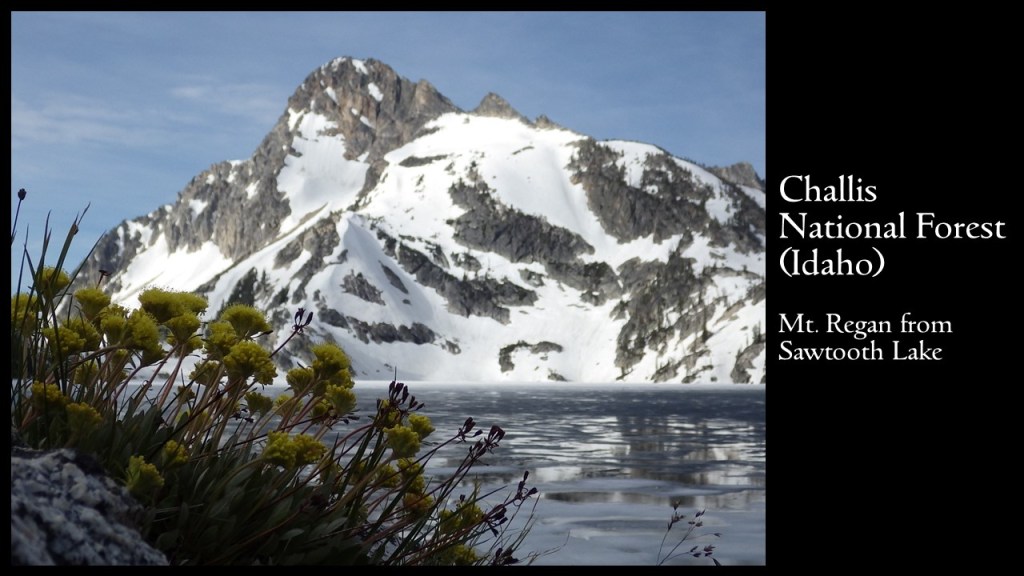
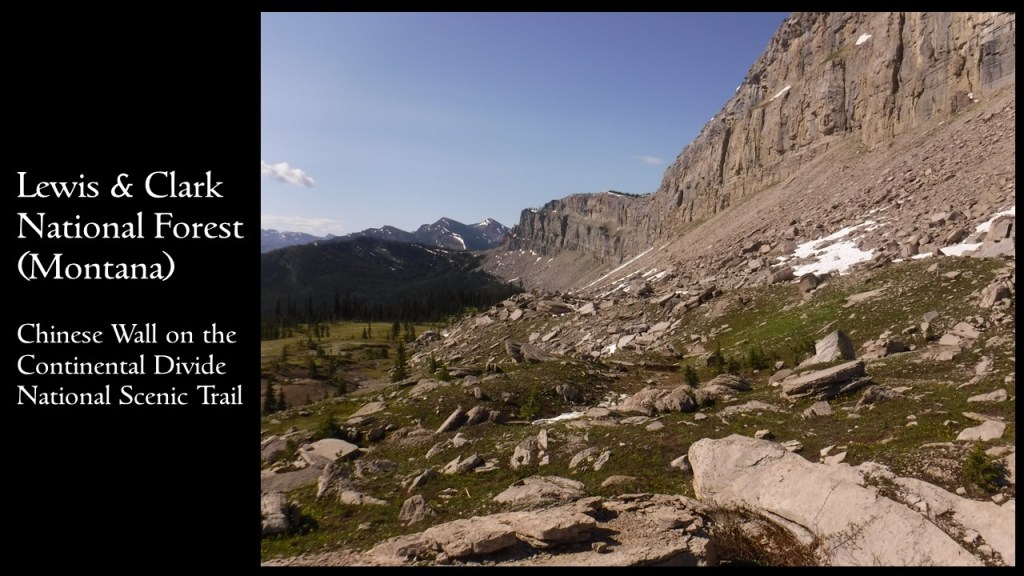
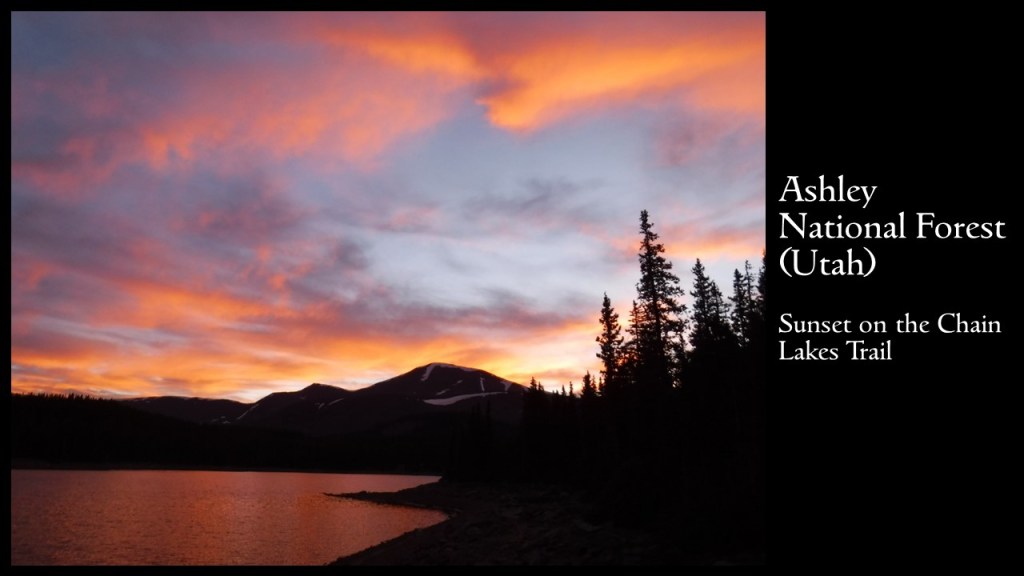
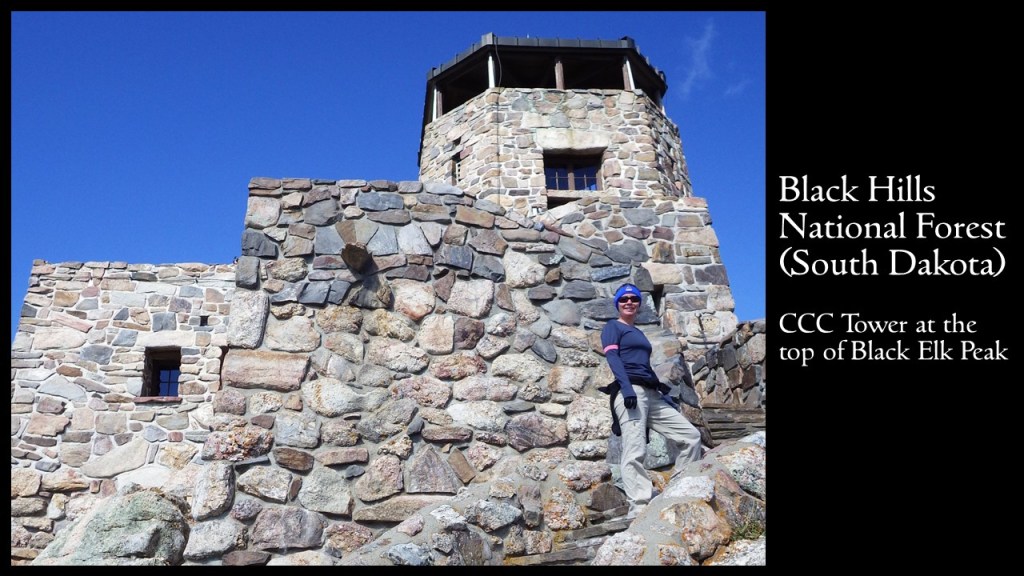
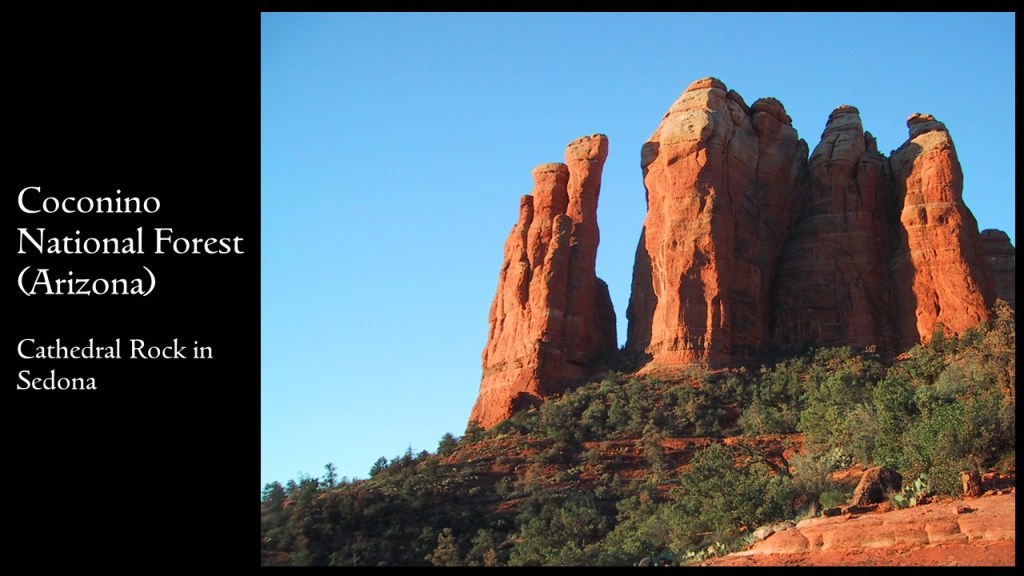
Please find below a gallery of the Powerpoint slides that ran before the presentation. And if you haven’t already, please check out our new guidebook to the National Forests.

We look forward to sharing more about National Forests in the future on this website.

Top 10 Non-Fiction Books on National Forests

Top 10 Non-Fiction Books on National Forests

This Top 10 list is in honor of publishing our new guidebook and giving a presentation on recreating in National Forests on June 21, 2022 at our local library in our hometown of Cheyenne, Wyoming.  We worked with the Laramie County Library to pull a cartful of our favorite books on National Forests to display on the 3rd floor outside the computer lab.  This is a partial list of the best we have read, most of which can be found at the library.  There are also countless hiking guides to specific National Forests, regions, and Wilderness areas that we did not include.  Click here to see all of our Top 10 lists, including quite a few other book lists
10. Fire Season: Field Notes from a Wilderness Lookout (2011) by Philip Connors

Connors shared his experiences working as a seasonal fire lookout atop a remote mountain in Gila National Forest

9. Travels in the Greater Yellowstone (2008) by Jack Turner

The incredibly beautiful Wind River Range in Bridger and Shoshone National Forests figures prominently in this book

8. The Forest Service and the Greatest Good: A Centennial History (2005) by James G. Lewis

Released for the centennial of the Forest Service’s founding in conjunction with a documentary film, this is the best volume on the agency’s history

7. The Blue Bear: A True Story of Friendship, Tragedy, and Survival in the Alaskan Wilderness (2002) by Lynn Schooler

The author traveled by boat throughout the Inside Passage and Tongass National Forest in search of an elusive subspecies of black bears with a famous wildlife photographer

6. The Big Burn: Teddy Roosevelt and the Fire that Saved America (2009) by Timothy Egan

An engaging history of the early Forest Service and the devastating 1910 fires that revolutionized the agency’s mission

5. Young Men and Fire (1992) by Norman MacLean

Helena National Forest’s Big Belt Mountains were the site of the of the 1949 Mann Gulch Fire, which killed 13 smokejumpers who were immortalized in this classic book

4. The Singing Wilderness (1956) by Sigurd F. Olson

Olson wrote many great books on his explorations of Superior National Forest’s Boundary Waters Canoe Area Wilderness

3. This Land: A Guide to Central National Forests (2022) by Robert H. Mohlenbrock

Now out of print, Robert H. Mohlenbrock’s three-book series was an invaluable resource when writing our own guidebook

2. Our National Forests: Stories from America’s Most Important Public Lands (2021) by Greg M. Peters

A modern look at the issues facing the Forest Service by a former Communications Director of the National Forest Foundation

…and finally our #1 non-fiction book on National Forests:

1. Out in the Woods: An Introductory Guide to America’s 155 National Forests (2022) by Scott, Tiff, and Mary Sink

We may be biased, but we think our new travel guide is the best resource available for recreating in the National Forests

Honorable Mentions

Flagstaff Hikes (2001) by Richard and Sherry Mangum

In college, Scott carried this book and its companion Sedona Hikes on thousands of miles of trails in Arizona’s Coconino National Forest

Grandma Gatewood’s Walk: The Inspiring Story of the Woman Who Saved the Appalachian Trail (2014) by Ben Montgomery

A fun biography of the woman who popularized thru-hiking the Appalachian National Scenic Trail (which crosses several National Forests)

On Trails: An Exploration (2016) by Robert Moor

A reflection on trails of all kinds by a man who thru-hiked the Appalachian National Scenic Trail