Tag Archives: memorial

Antietam National Battlefield

Overview

Antietam National Battlefield was established in 1890 to commemorate those who fought in Sharpsburg, Maryland on September 17, 1862, the bloodiest single day in American military history with more than 23,000 total casualties.  In fact, it was in the aftermath of Antietam that Clara Barton earned her nickname “The Angel of the Battlefield” before going on to found the American Red Cross in 1881.  The battle was a draw, but together with a Union victory at Harpers Ferry stopped the Confederate advance north and provided the impetus for President Lincoln’s Emancipation Proclamation. 

Highlights

Museum, film, driving tour, Observation Tower, Pry House Medical Museum, cannons

Must-Do Activity

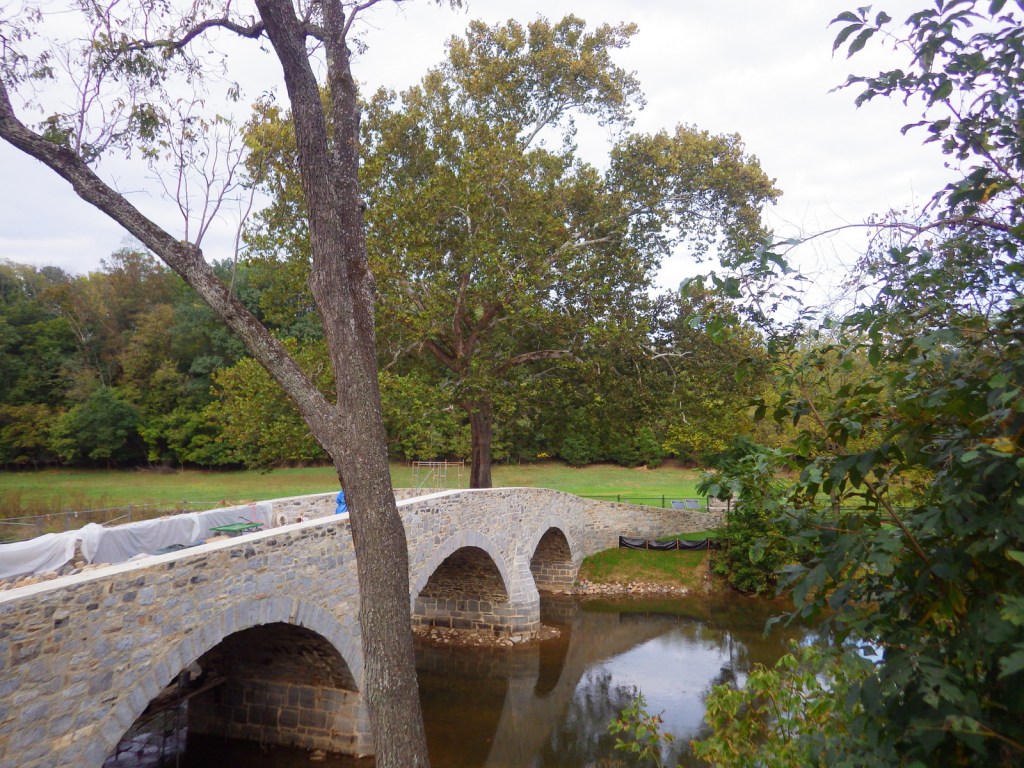
Your entrance fee allows you access to the museum and eight-mile driving tour, as well as 3,200 acres of beautiful Maryland countryside.  Even though this site holds a grisly honor, today it is a charming open space with picturesque bridges and monuments, perfect for a pleasant walk or bike ride.  During our visit, Burnside Bridge was being rebuilt after it collapsed in 2014.  Overall, it is a much quieter spot than nearby Gettysburg National Military Park.

Best Trail

The park has more than doubled in size since 1990 and there are walking trails accessible all along the driving tour route.  At a minimum, you should get out of the car to walk “Bloody Lane” before climbing up the Observation Tower.

Instagram-worthy Photo

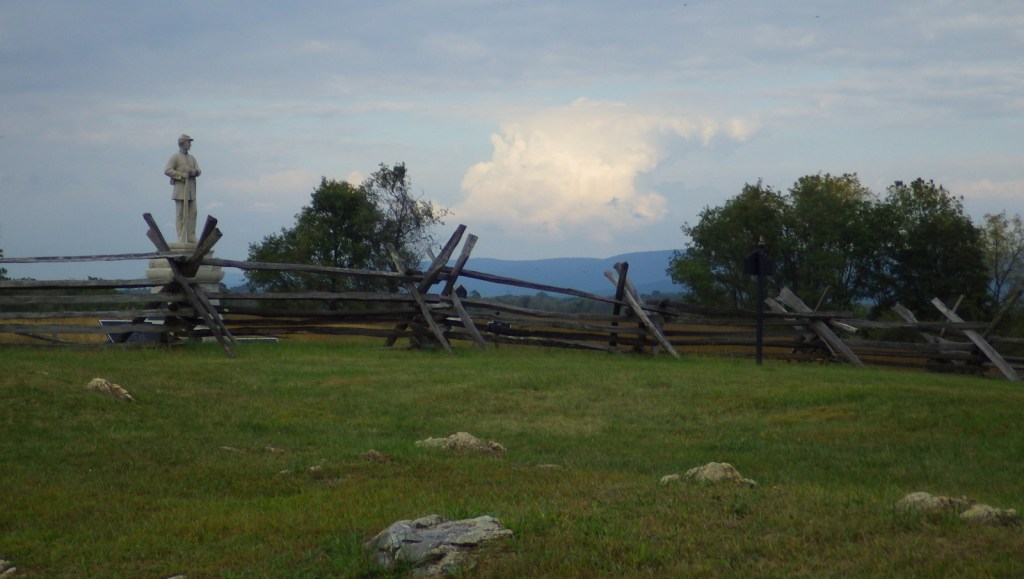
A split-rail fence provided cover for Confederate troops on Sunken Road, also known as “Bloody Lane.”  A nice view of it and the Maryland countryside is offered from the Observation Tower.

Peak Season

Summer

Hours

https://www.nps.gov/anti/planyourvisit/hours.htm

Fees

$20 per vehicle or America the Beautiful pass

Road Conditions

All roads paved

Camping

Reservations are required for organized groups to camp within the park, but there is a walk-in campground located five miles south within Chesapeake and Ohio Canal National Historical Park.  Greenbrier State Park offers a developed campground about 15 miles away.

Related Sites

Catoctin Mountain Park (Maryland)

Harpers Ferry National Historical Park (West Virginia-Maryland-Virginia)

Clara Barton National Historic Site (Maryland)
Explore More – How many Union soldiers are interred at Antietam National Cemetery (alongside veterans from four other wars)?
Shiloh National Military Park

Overview

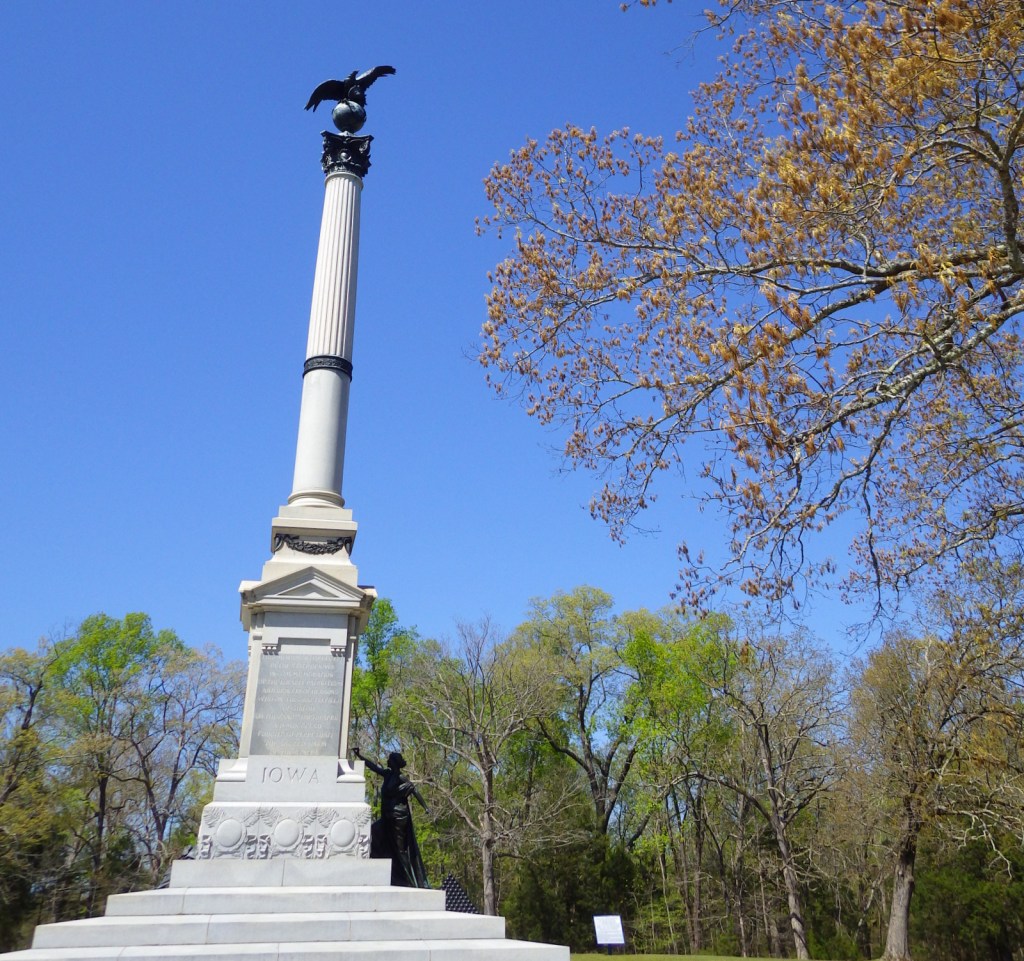
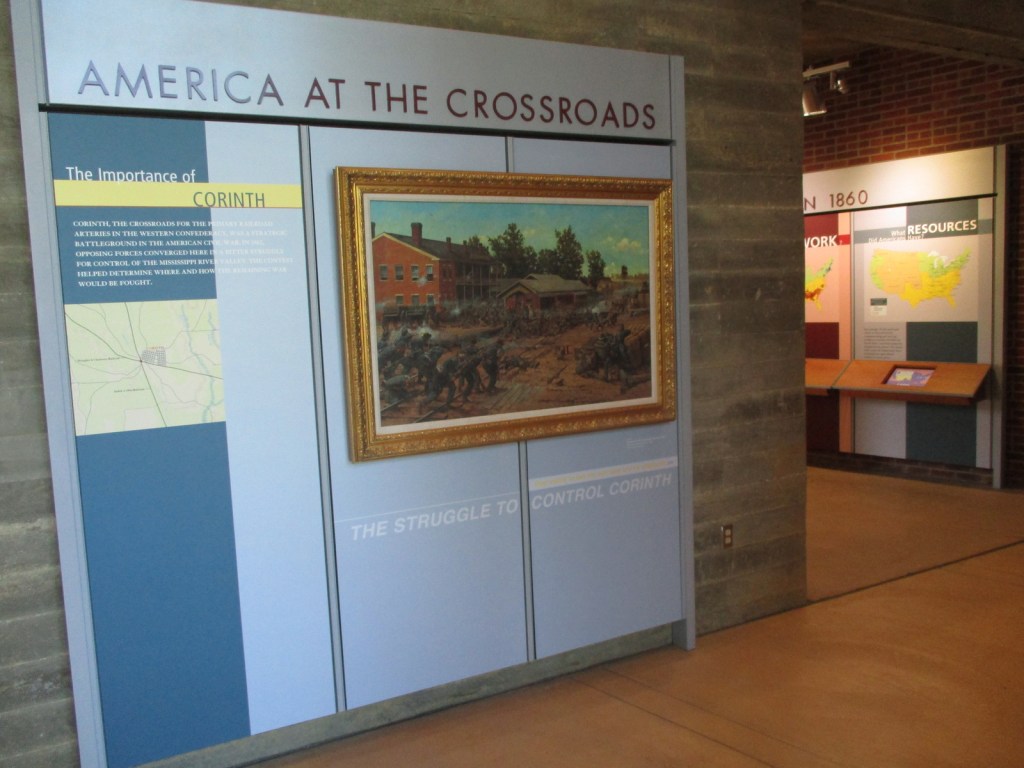
Following the victory at Fort Donelson, Union General Ulysses S. Grant moved his 50,000 troops aboard steamboats down the Tennessee River to Pittsburg Landing.  The army camped near a log church named the Shiloh Meeting House where they awaited the marching Army of Ohio before advancing on the important railroad crossroads in Corinth, Mississippi.  The Confederate army launched a surprise attack on April 6, 1862, pushing the enemy lines back two miles before Union reinforcements finally arrived.  After two days and 23,746 soldiers killed, wounded, captured, or missing, the Confederates abandoned the field and Corinth.  There were an additional 7,000 casualties when they failed to recapture the town in October 1862.

Highlights

Museum, film, driving tour, Shiloh Meeting House, Indian mounds, cannons

Must-Do Activity

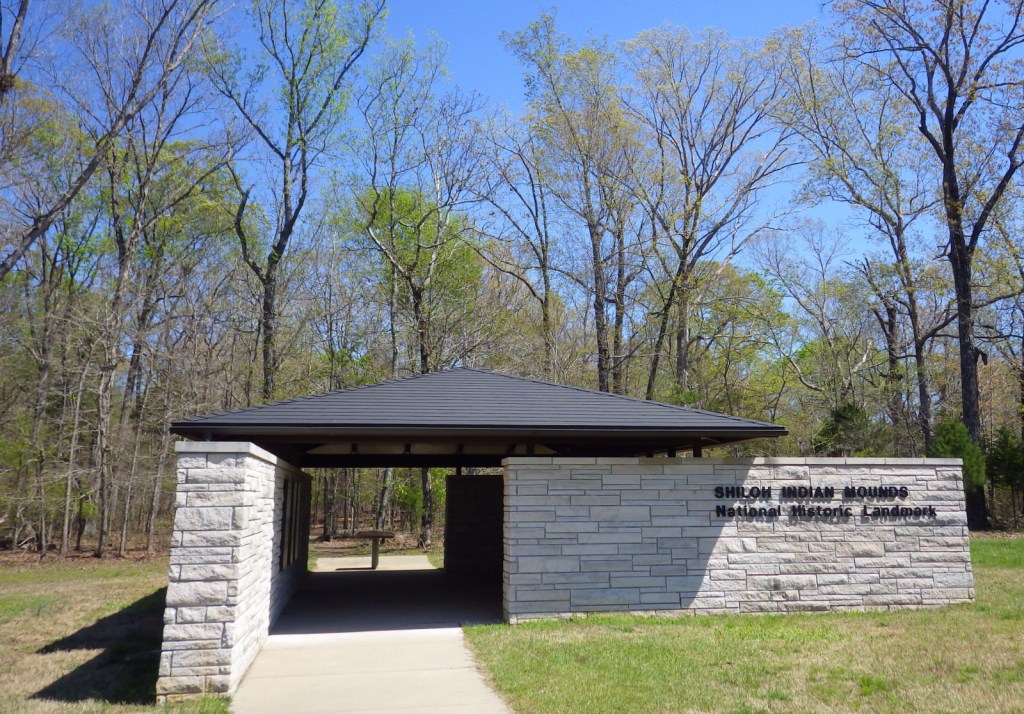
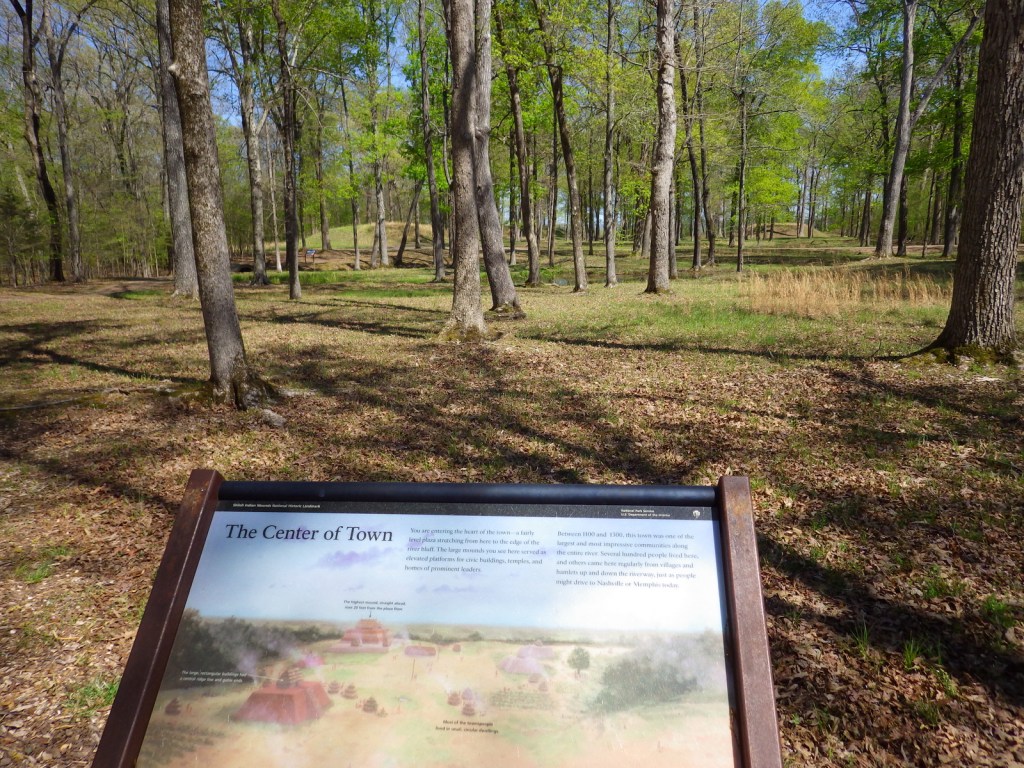
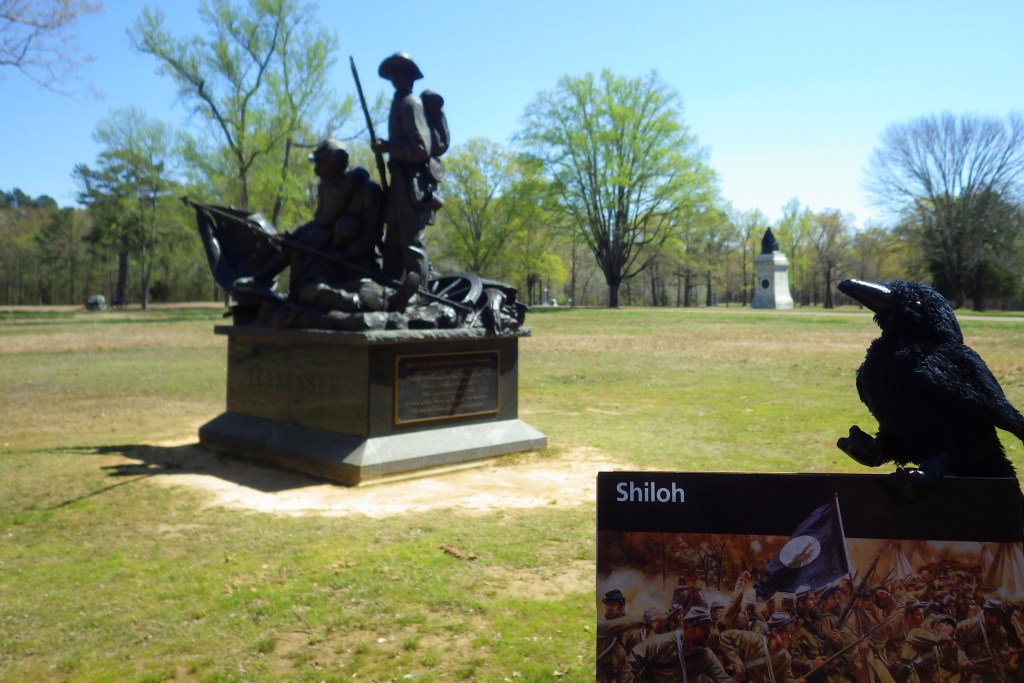
Start with the great 45-minute movie at the National Park Service (NPS)  visitor center then take the 12.7-mile driving tour with twenty stops that passes 150 commemorative monuments, 229 cannons, and 4,000 graves in Shiloh National Cemetery.  The site also contains 800-year-old American Indian mounds within a 45-acre National Historic Landmark.  A free pass to the Tennessee River Museum in Savannah is also provided at the NPS visitor center.  In addition to the NPS unit in Shiloh, Tennessee, there is an Interpretive Center 22 miles away in Corinth, Mississippi. 

Best Trail

The short trail through the 800-year-old Indian mounds provides views of the Tennessee River.

Instagram-worthy Photo

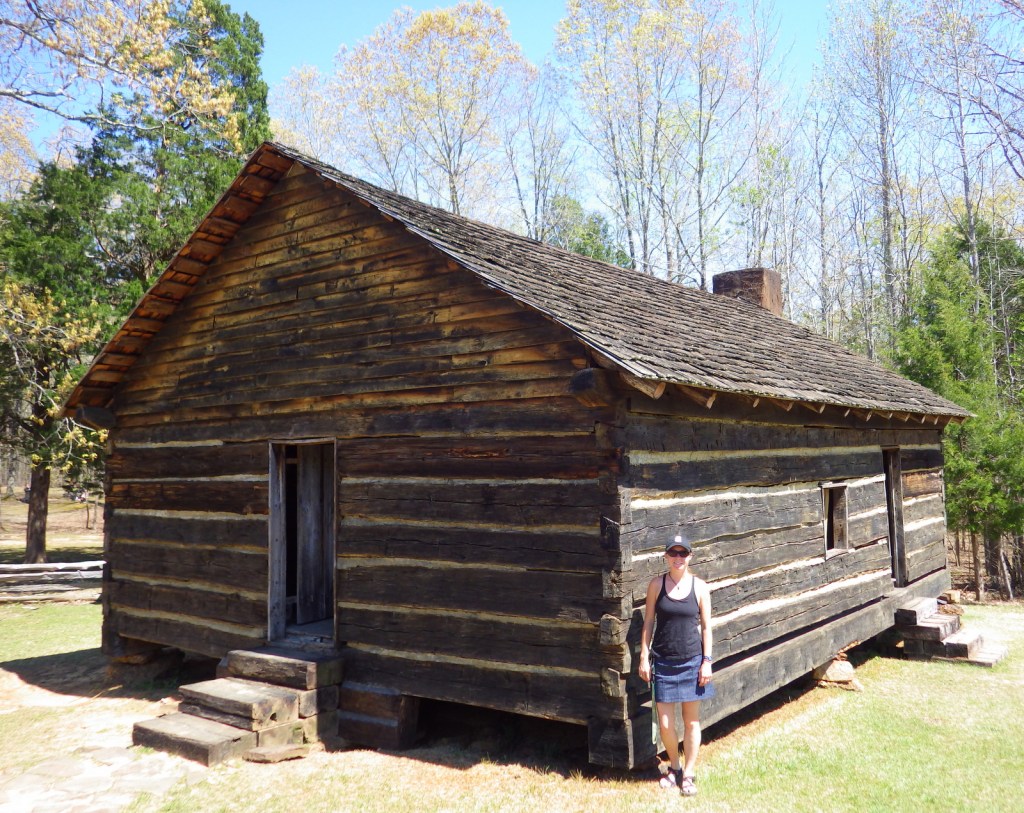
A reconstruction of the Shiloh Meeting House log church is found along the driving tour.

Peak Season

Summer

Hours

https://www.nps.gov/shil/planyourvisit/basicinfo.htm

Fees

None

Road Conditions

All roads paved

Camping

None in the park, but Pickwick Landing State Park is located 15 miles to the southeast.

Related Sites

Fort Donelson National Battlefield (Tennessee-Kentucky)

Stones River National Battlefield (Tennessee)

Vicksburg National Military Park (Mississippi)

Explore More – Originally managed by the U.S. military, when was this park established?

Manassas National Battlefield Park

Overview

The first major confrontation of the Civil War occurred on July 21, 1861 at Bull Run Creek near Manassas, Virginia.  Due to its proximity to Washington, D.C., civilians drove their carriages down to picnic and watch the spectacle of 34,000 men trying to kill each other.  It was on Henry Hill that Confederate General Thomas “Stonewall” Jackson earned his nickname when he refused to flee in the face of a Union advance.  In the north it was known as the Battle of Bull Run and run they did when Confederate reinforcements arrived to take the field.  The next year there was another fight here, which the southern army also won on its march north before being turned back at Antietam.

Highlights

Museum, film, “Stonewall” Jackson statue, cannons, Stone House

Must-Do Activity

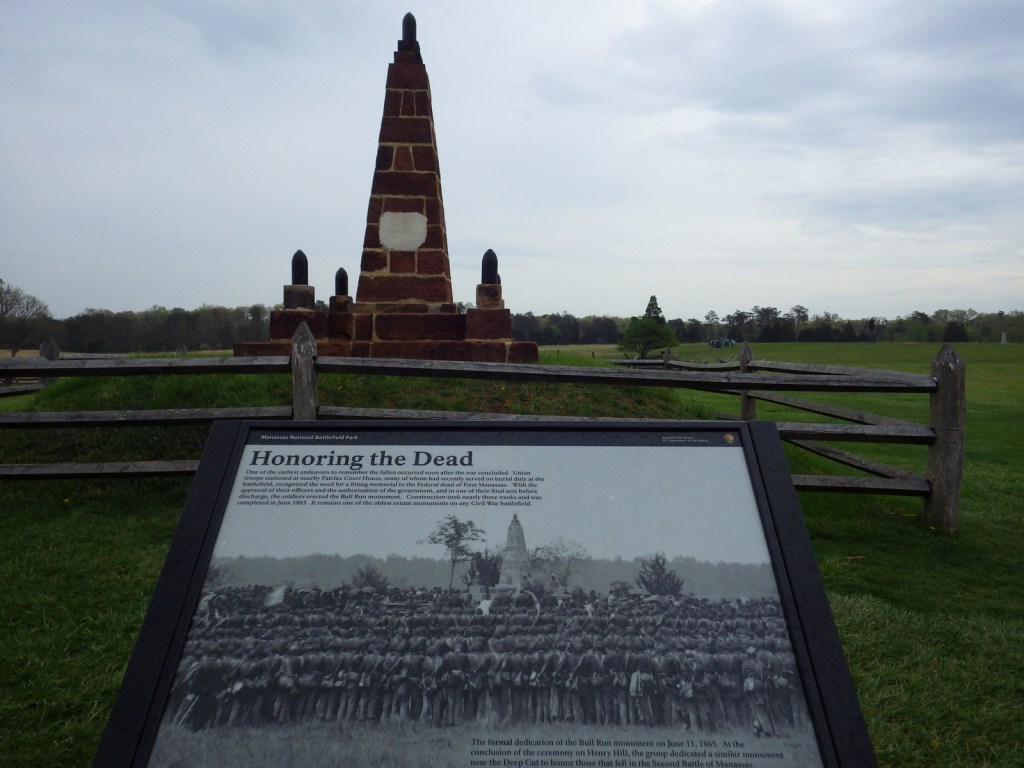
As with other battlefield sites, Manassas National Battlefield Park has a National Park Service (NPS) visitor center with a movie, maps, driving tour, and hiking trails.  Start in the museum, as the fiber-optic maps with recorded narration are one of the best ways to understand the events of each battle.  The first of the two Battles of Bull Run took place around the visitor center on Henry Hill.  The second battle was spread across the landscape and is the focus of the 18-mile driving tour.

Best Trail

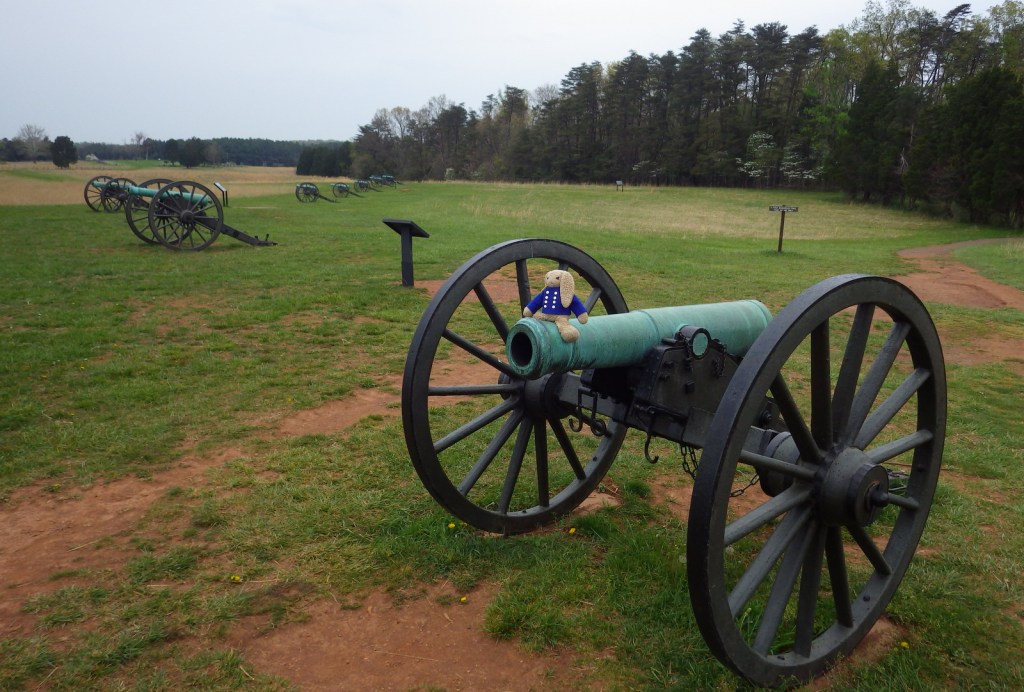
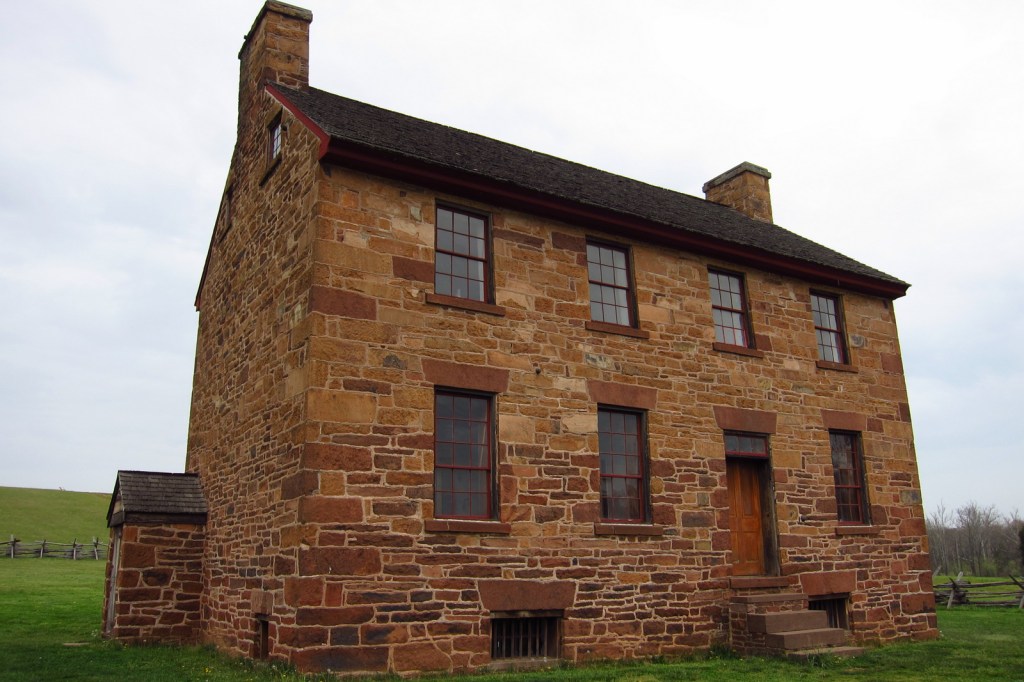
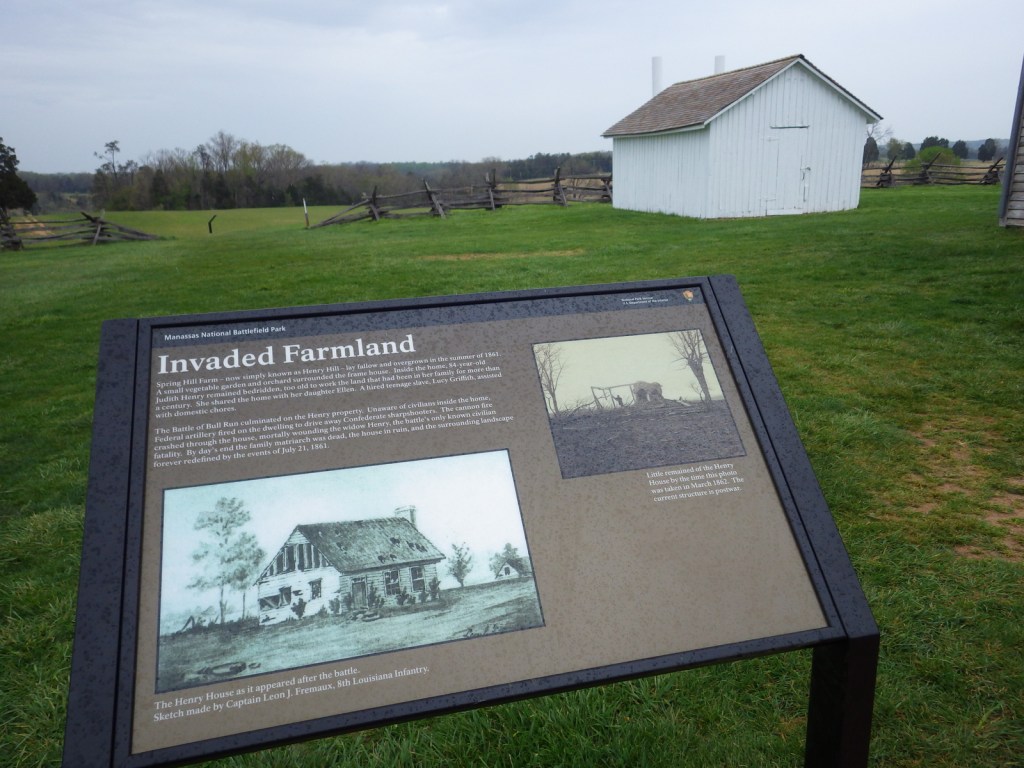
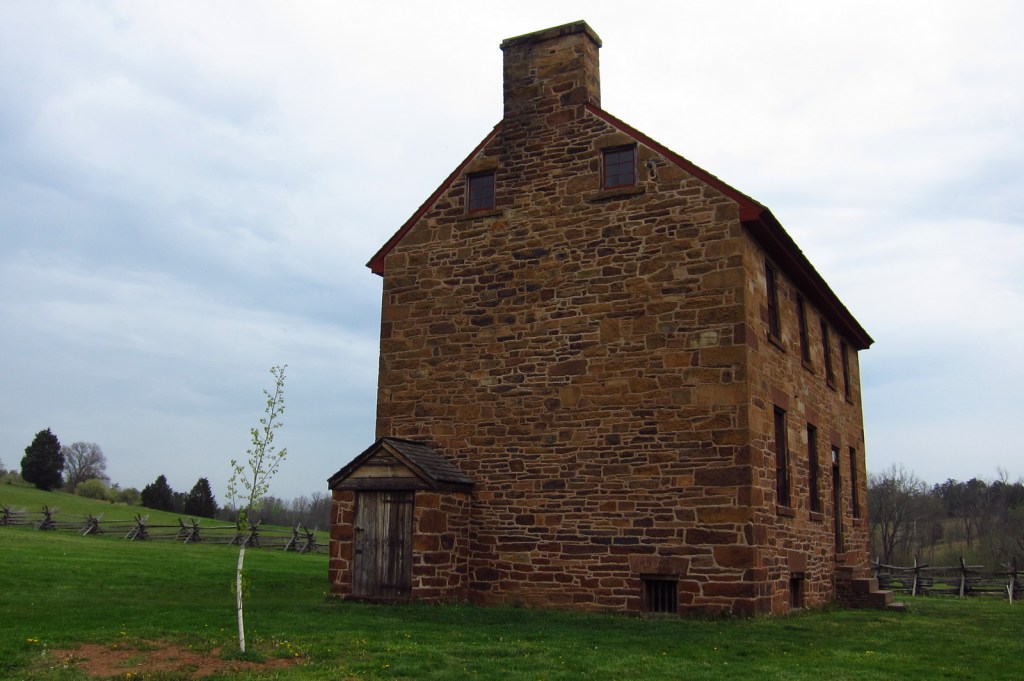
Cannons line the one-mile hiking trail on Henry Hill, where one of the first civilian casualties of the Civil War occurred in a house that was rebuilt in 1870 and still stands.

Instagram-worthy Photo

General Thomas “Stonewall” Jackson earned his nickname at the first battle at Manassas.  We understand that Confederate statues are justifiably controversial, but this is one place that they actually belong.

Peak Season

Summer

Hours

https://www.nps.gov/mana/planyourvisit/hours.htm

Fees

None

Road Conditions

Exercise caution as the 18-mile driving tour goes through residential areas with a couple unpaved roads.

Camping

There is not an NPS campground, but nearby Bull Run Regional Park has 150 sites with RV hookups.

Related Sites

Antietam National Battlefield (Maryland)

Fredericksbug and Spotsylvania County Battlefields Memorial National Military Park (Virginia)

Cedar Creek and Belle Grove National Historical Park (Virginia)

Explore More – What state has a memorial to its troops on the spot where 123 men were killed in five minutes on August 30, 1862 (which was the greatest loss of life in any single infantry regiment in a Civil War battle)?

Perry’s Victory and International Peace Memorial

Overview

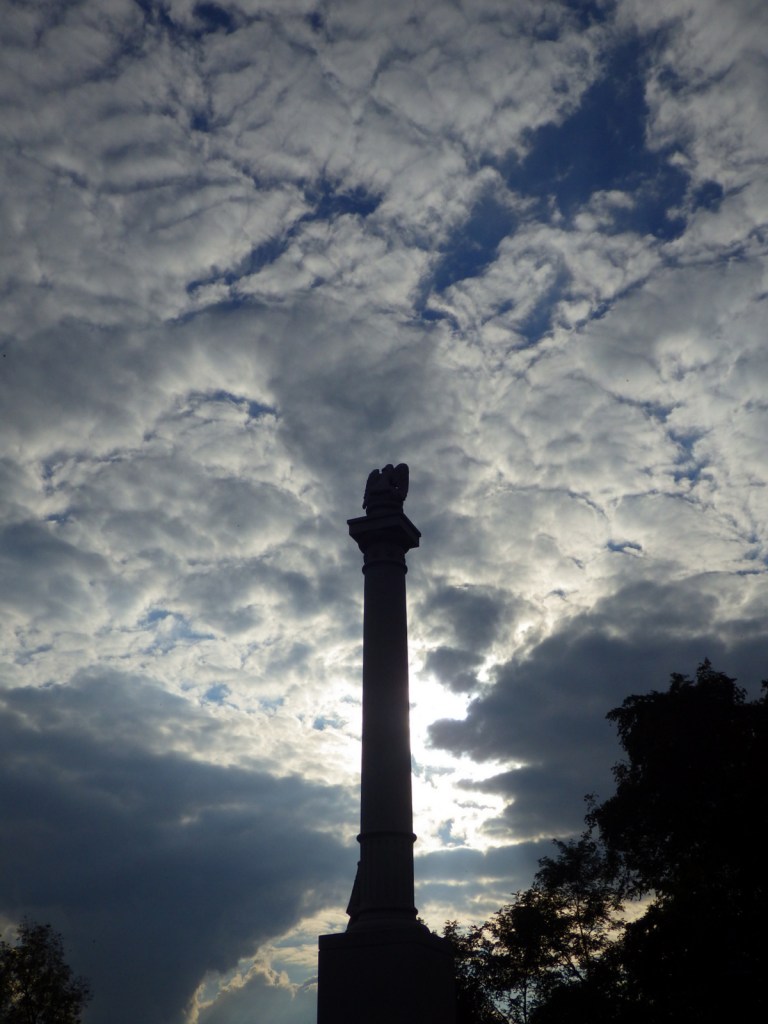
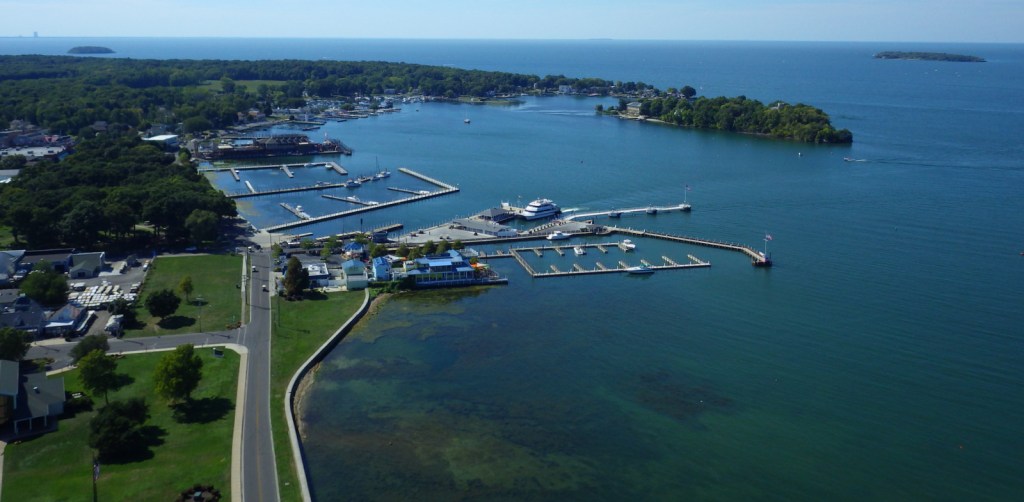
Perry’s Victory and International Peace Memorial is located on South Bass Island in western Lake Erie.  Commodore Oliver Hazard Perry not only had the best name in the War of 1812, his naval victory near here on September 10, 1813 was a turning point.  The 1817 Rush-Bagot Agreement is still in effect today, assuring that the U.S. and Canada maintain the world’s longest undefended international border.  The 352-foot tall memorial tower was built between 1912-15 and became part of the National Park Service (NPS) system in 1936.

Highlights

Museum, film, 352-foot tall memorial tower, black squirrels

Must-Do Activity

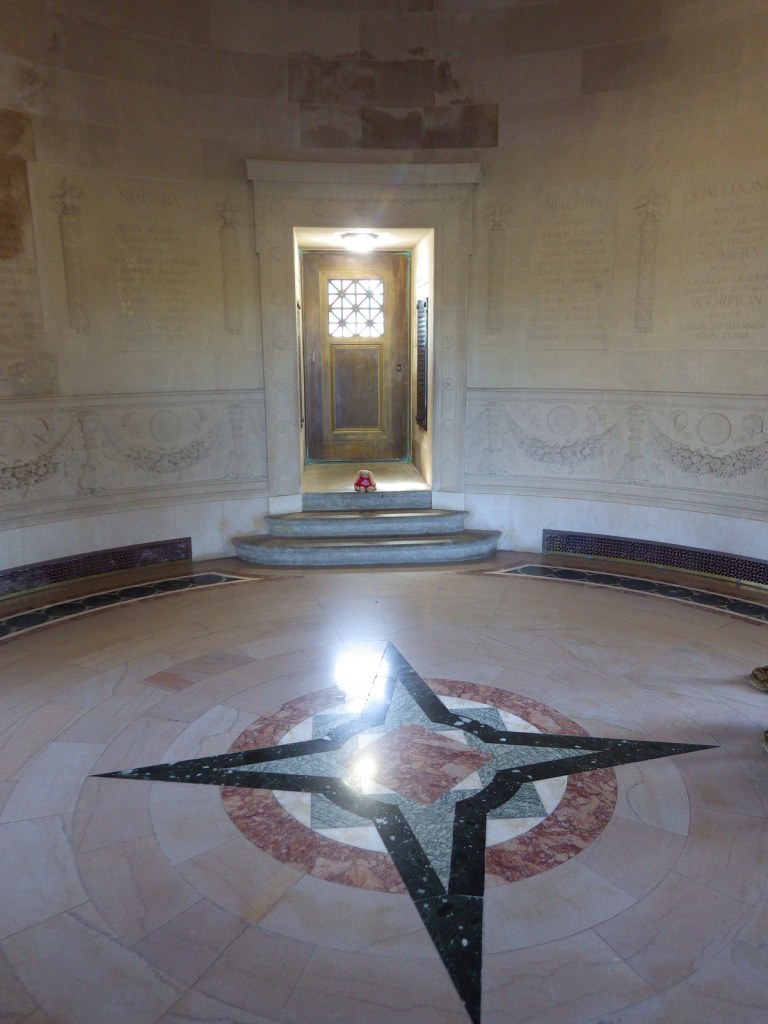
After departing from your ferry or airplane, head to the NPS visitor center for the free museum and film, then pay for your ticket to ascend the granite memorial tower in an elevator.  On a sunny day the views from the 317-foot tall viewing level across Lake Erie are splendid, including the shoreline of Canada and the roller coasters at Cedar Point.  The rotunda at the tower’s base also contains the remains of three American and three British soldiers who died during the 1813 battle.

Best Trail

It is about two miles from the ferry terminal to the NPS visitor center, but if the weather is nice it is a pleasant walk on roads that are not busy.

Instagram-worthy Photo

The windows facing the memorial tower at the NPS visitor center are mirrored, which makes for a really interesting and distorted reflection.

Peak Season

Summer (May to October is the only time you can enter the memorial)

Hours

Open seasonally: https://www.nps.gov/pevi/planyourvisit/hours.htm

Fees

Free for museum, $10 per person for elevator to top of tower or free with America the Beautiful pass

Road Conditions

South Bass Island is only accessible by boat or airplane.  Ferry service allows you to bring your own vehicle to the island, which is small enough to walk everywhere or drive in a rental golf cart.

Camping

South Bass Island State Park has more than 100 primitive campsites on the island and East Harbor State Park on the mainland has more than 500 campsites with modern facilities.

Related Sites

River Raisin National Battlefield Park (Michigan)

Cuyahoga Valley National Park (Ohio)

Dayton Aviation Heritage National Historical Park (Ohio)

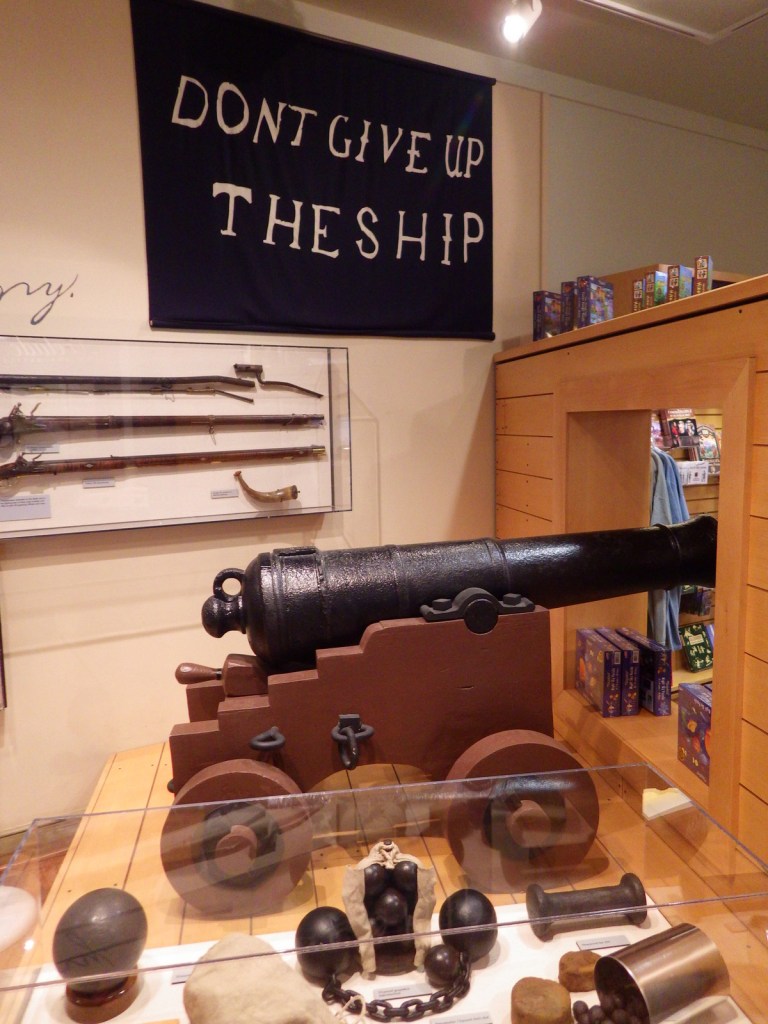
Explore More – What is the significance of the “DON’T GIVE UP THE SHIP” flag?

We are a participant in the Amazon Services LLC Associates Program, an affiliate advertising program designed to provide a means for us to earn fees by linking to Amazon.com and affiliated sites.

Boston National Historical Park

Overview

Boston National Historical Park is famous for the 2.5-mile Freedom Trail that leads through historic downtown Boston, Massachusetts.  Tourists should not try to drive into the city because parking is difficult and the public transportation system is so good.  We recommend that you hire a guide or bring along your own information because almost nothing along the route has outdoor interpretive signs.

Highlights

Faneuil Hall, Charlestown Navy Yard, Bunker Hill Memorial, burying grounds, Boston Common

Must-Do Activity

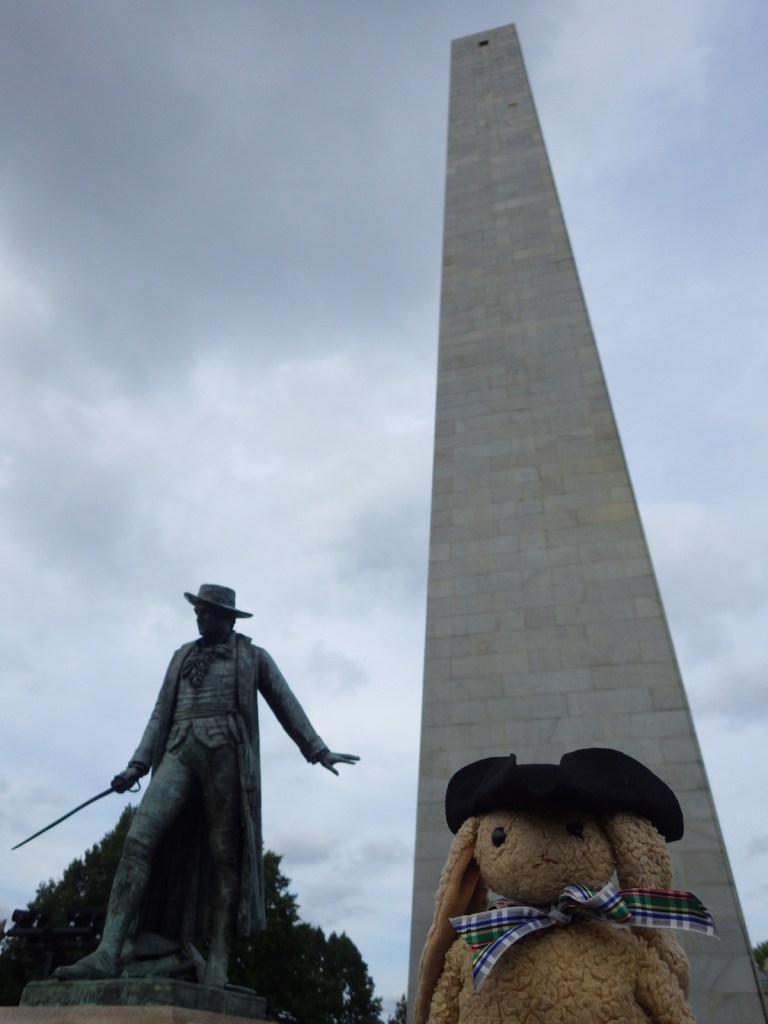
One of our favorite misnomers in American history is that the Battle of Bunker Hill actually took place on Breed’s Hill north of Boston.  This first major skirmish took place shortly after the Revolutionary War kicked off in Lexington, Massachusetts in 1775 and is well-known for the Patriot commander that told his men not to “fire ’til you see the whites of their eyes.”  The 221-foot obelisk built to memorialize this fight (which the Patriots lost) was started in 1825 but not completed until 1843.  The National Park Service does not charge to climb the 294 stairs to its peak for great views of the area. 

Best Trail

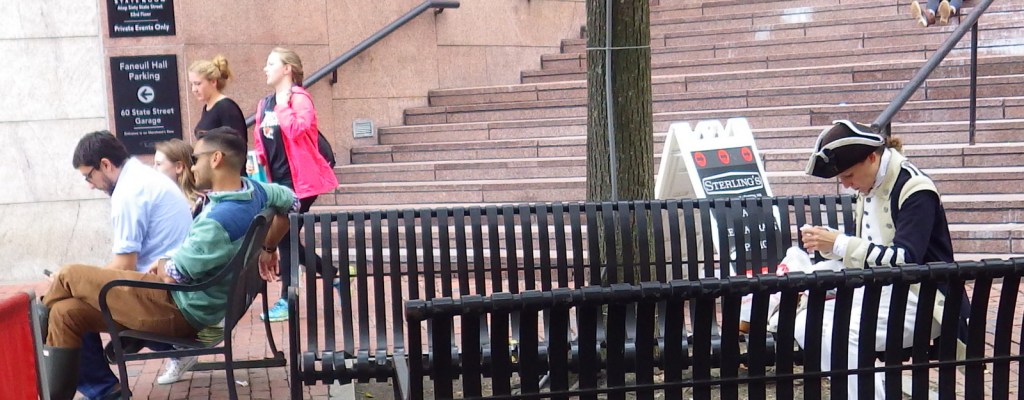
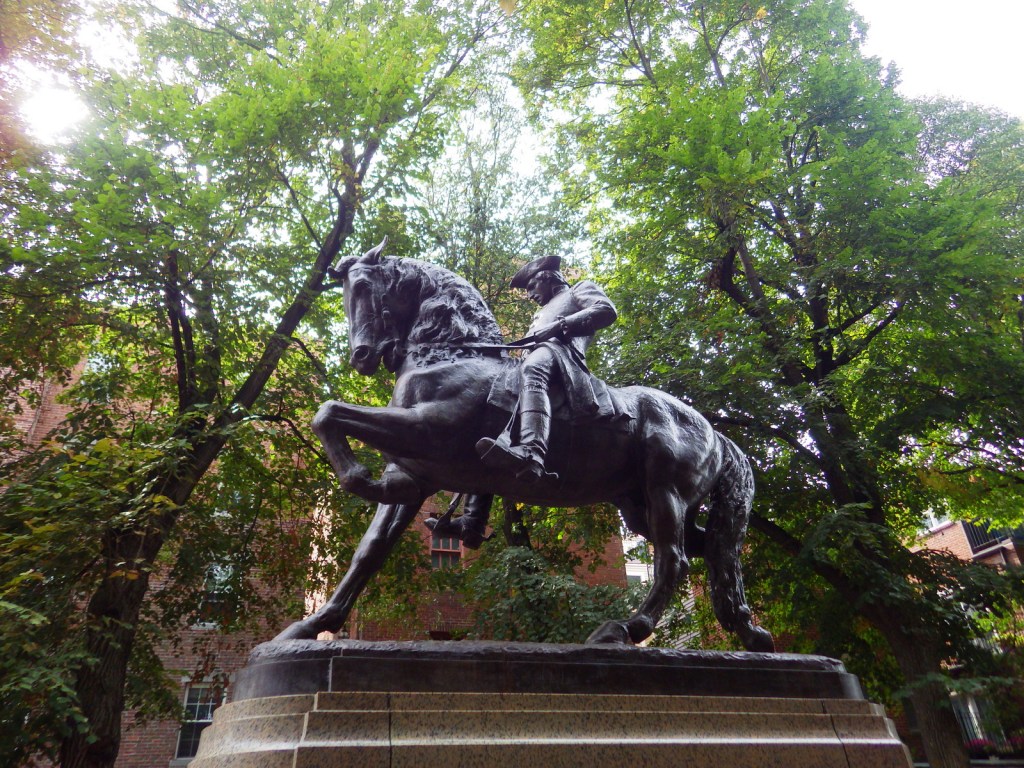
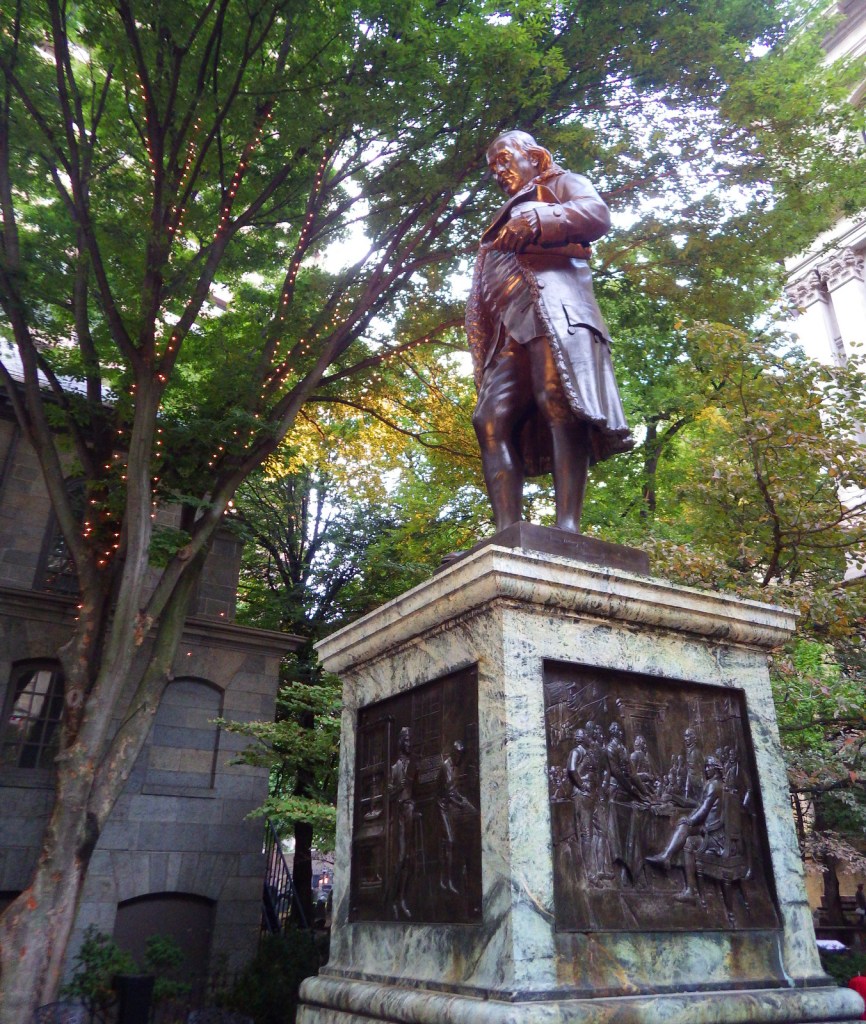
The famous 2.5-mile long Freedom Trail through downtown Boston, Massachusetts is a walking path marked by a line painted on the sidewalk.  Of the many historic places you will pass along the route, some of the free ones include the site of the 1770 Boston Massacre, Faneuil Hall known as the “Cradle of Liberty” (and now a National Park Service visitor center), the site of the first public school in America established in 1635, several burying grounds, and the Old Corner Bookstore that has been turned into a restaurant.  You can also pay to enter the Old State House and Paul Revere House, among other sites.

Instagram-worthy Photo

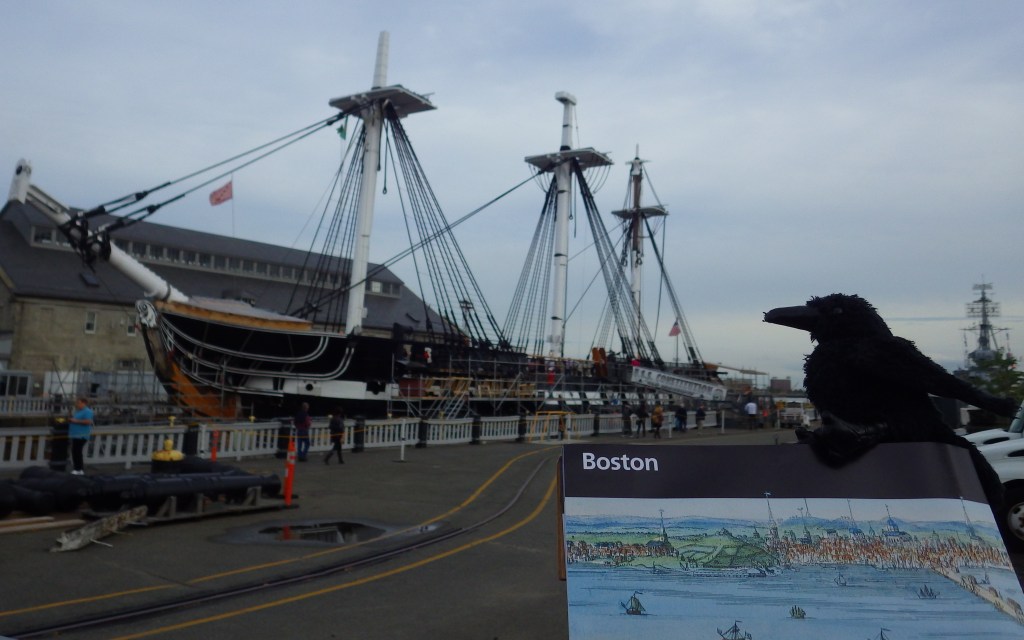
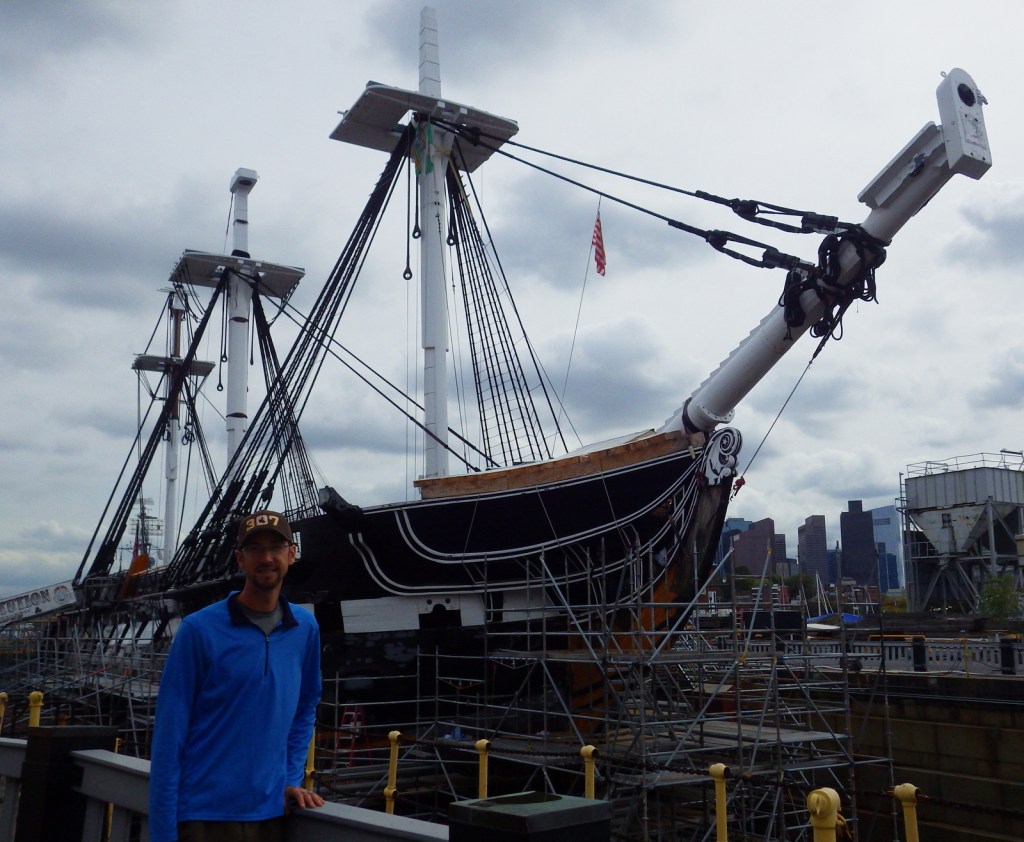
If you keep walking the Freedom Trail north you cross the Charlestown Bridge to the Charlestown Navy Yard where you can walk aboard the USS Constitution (“Old Ironsides”), the oldest commissioned warship afloat in the world, and learn about it from active-duty U.S. Navy servicemen and women.

Peak Season

Summer

Hours

https://www.nps.gov/bost/planyourvisit/hours.htm

Fees

None, except at specific buildings like the Old State House and Paul Revere House.

Road Conditions

Roads are paved, but traffic is bad and parking is expensive.  It is best to use public transportation to get into the city and then walk.

Camping

There are camping opportunities (reservations required) in Boston Harbor Islands National Recreation Area, which are accessible by ferry from the city.

Related Sites

Minute Man National Historical Park (Massachusetts)

Boston African American National Historic Site (Massachusetts)

Boston Harbor Islands National Recreation Area (Massachusetts)

Explore More – The live oak wood used to build the USS Constitution came from what island, now managed by the National Park Service?