Tag Archives: living history

Pipe Spring National Monument

Pipe Spring National Monument

Arizona

Managed by National Park Service

Established 1923

40 acres

Website: nps.gov/pisp

Overview

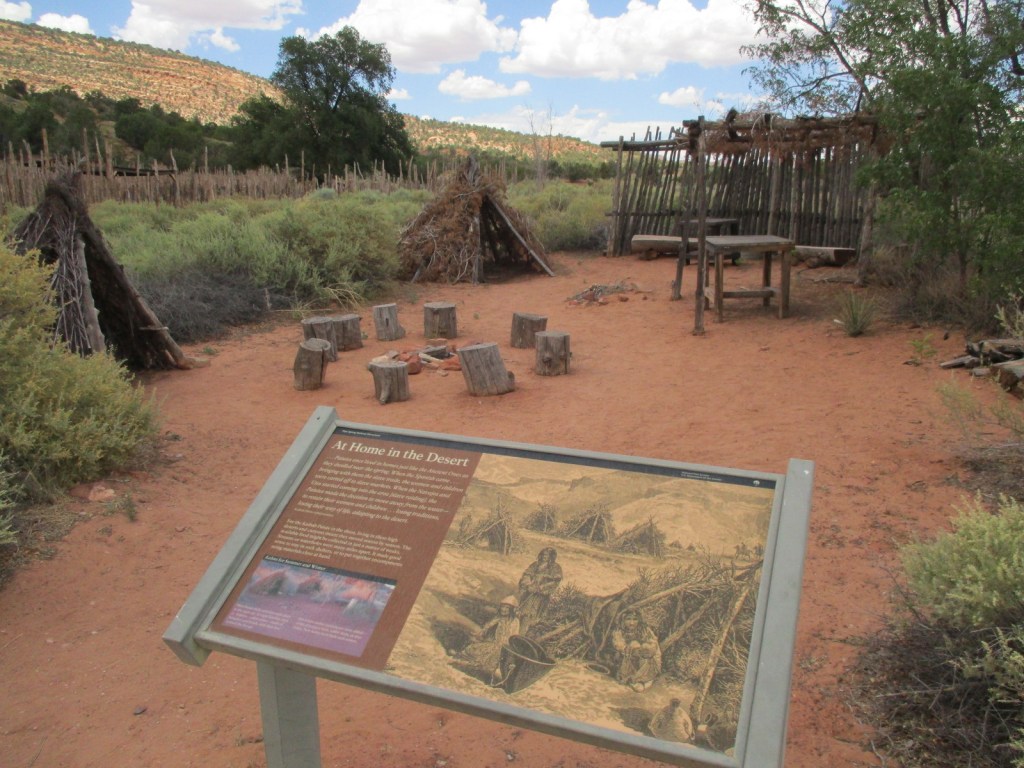
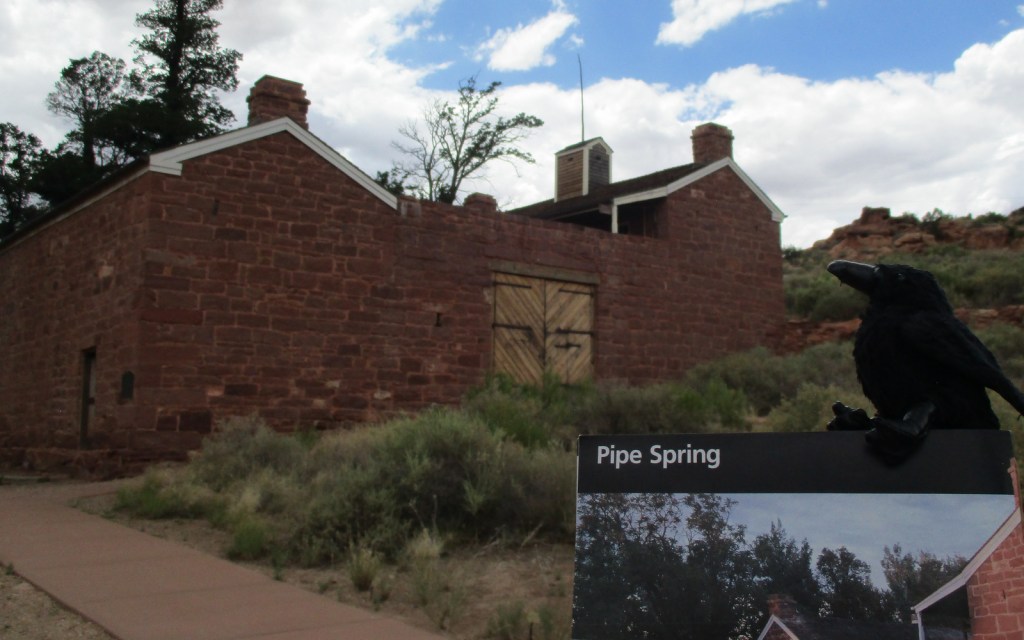
Near the Utah border, Pipe Spring National Monument is located near the turn off from Highway 389 for Grand Canyon-Parashant National Monument and the remote Toroweap Overlook in western Grand Canyon National Park.  Likewise, it is only 60 miles from Utah’s famous Zion National Park, so it makes a good stopping point if you are also visiting Kaibab National Forest or the North Rim of the Grand Canyon.  The oasis surrounding the three natural springs here demonstrate what this soil can produce when given a little bit of extra water.  Ancestral Puebloans and Kaibab Paiute Indians have been coming here for over 1,000 years and it was an important stop on the Old Spanish Trail.  In 1858, Pipe Spring was named by Mormon/Latter-day Saint missionary Jacob Hamblin on his way to the Hopi mesas.  Following the 1866 Black Hawk War, Mormon settlers built a sandstone fort called Winsor Castle around the source of the main spring where polygamists used to hide their plural wives before selling the ranch in 1895.  Today this park on the secluded Arizona Strip is recognized by the International Dark Sky Association.

Learn more about the other 137 National Monuments in our book Monumental America: Your Guide to All 138 National Monuments. It is now available for sale on Amazon.com.
Highlights

Museum, film, garden, ponds, Winsor Castle

Must-Do Activity

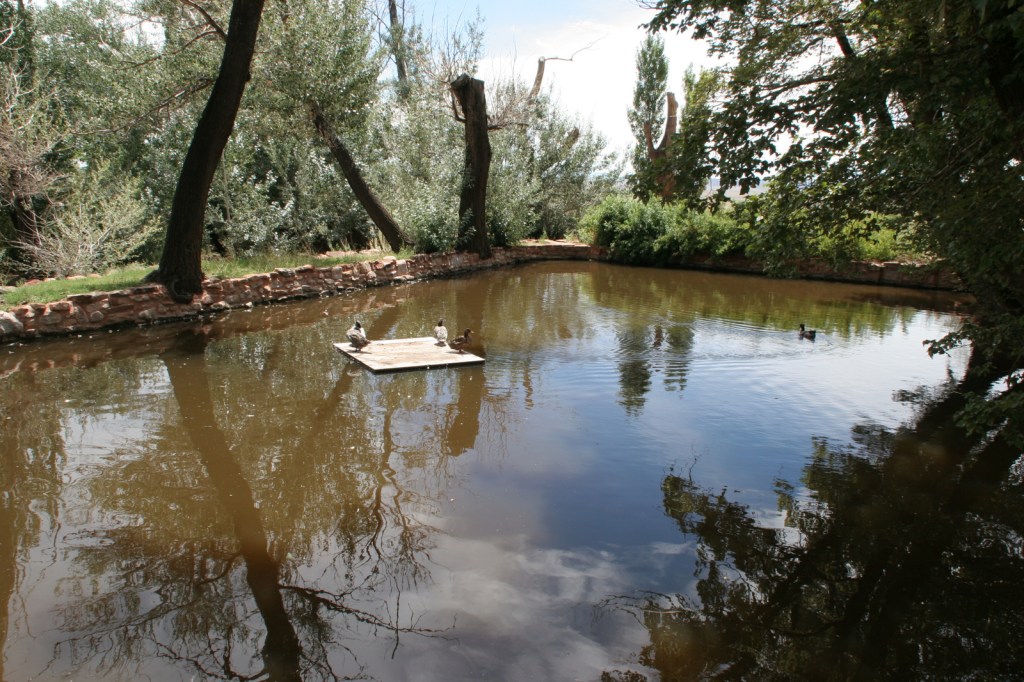
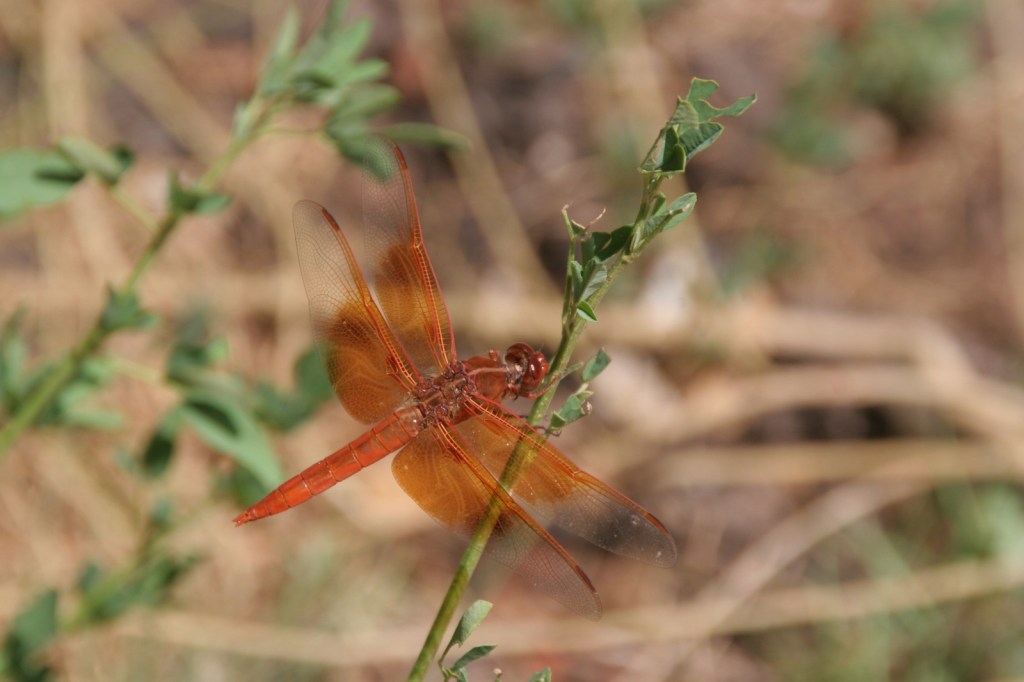
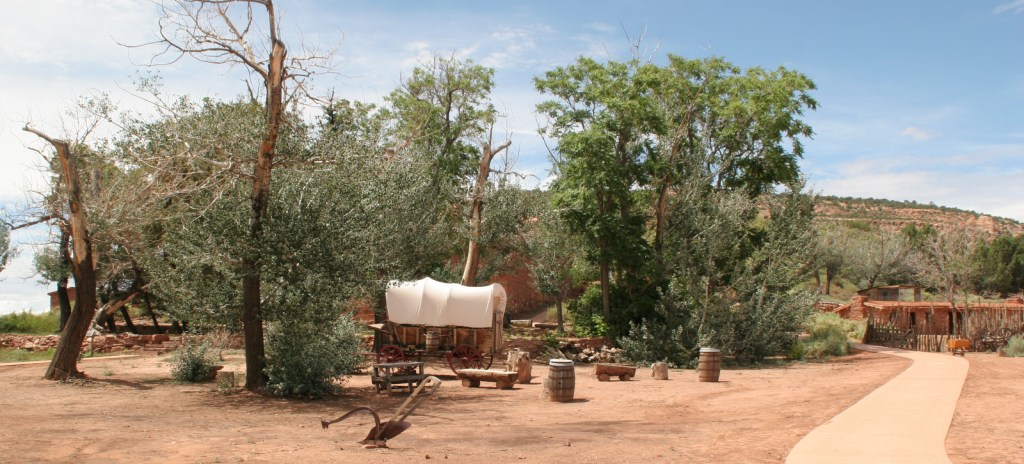
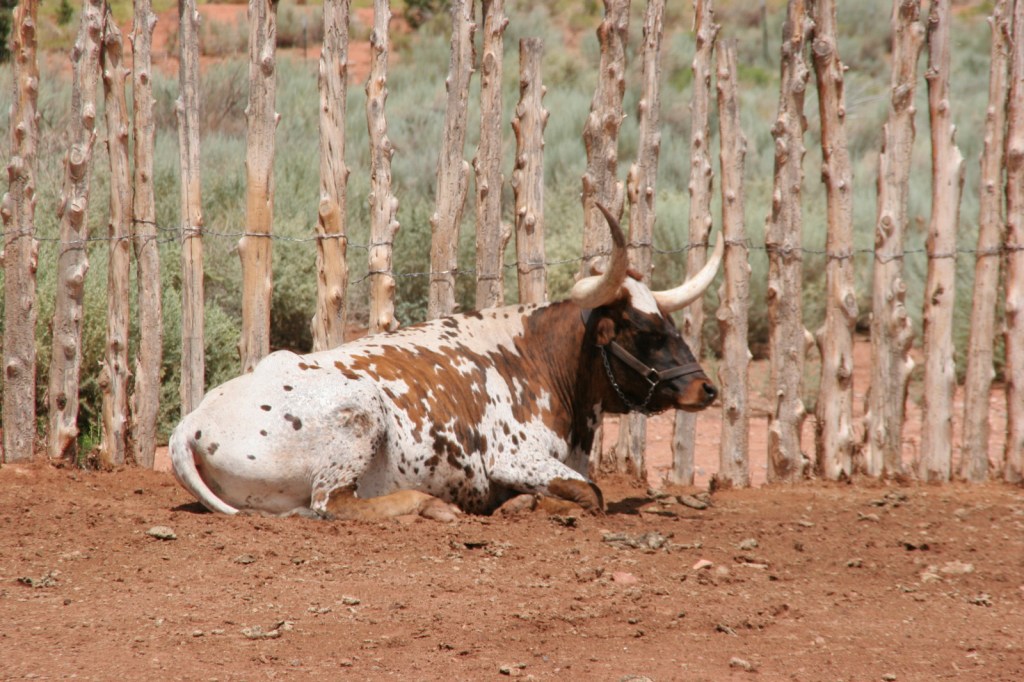
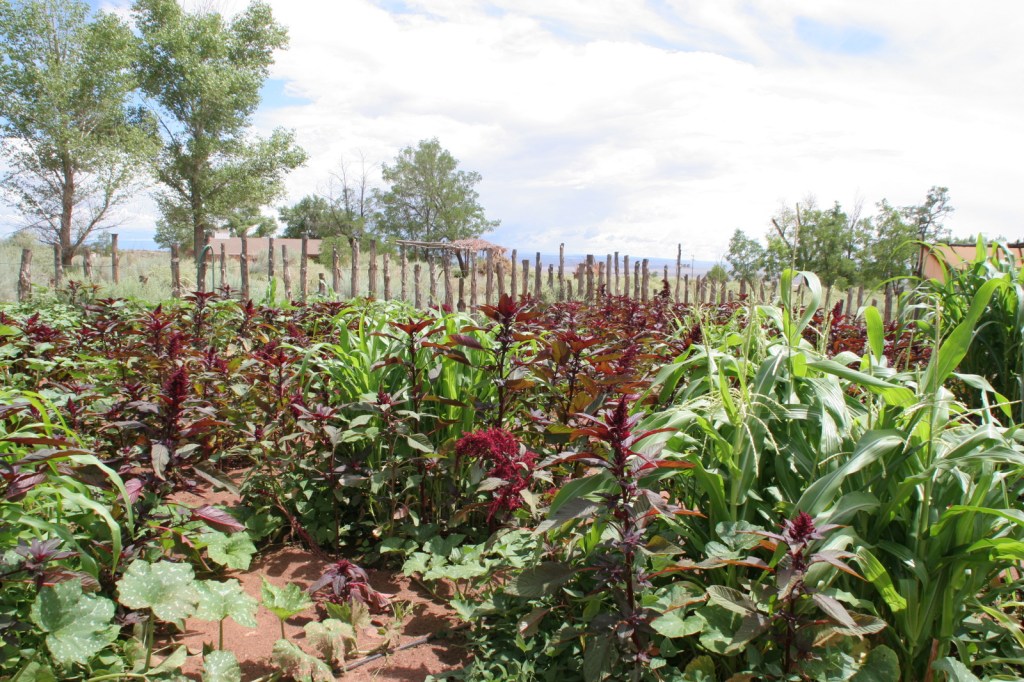
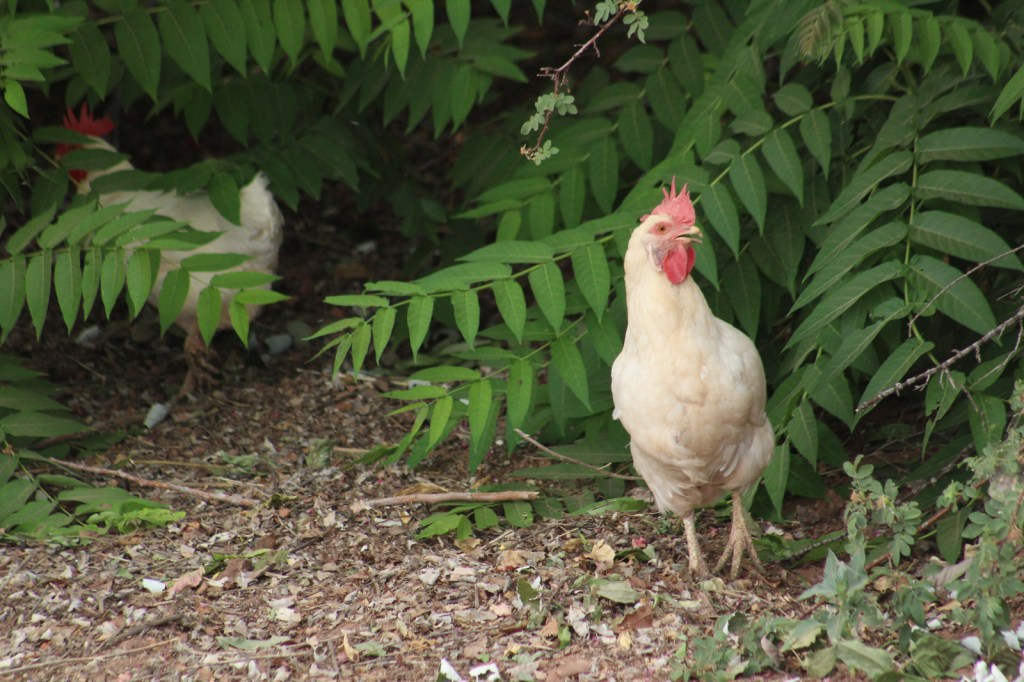
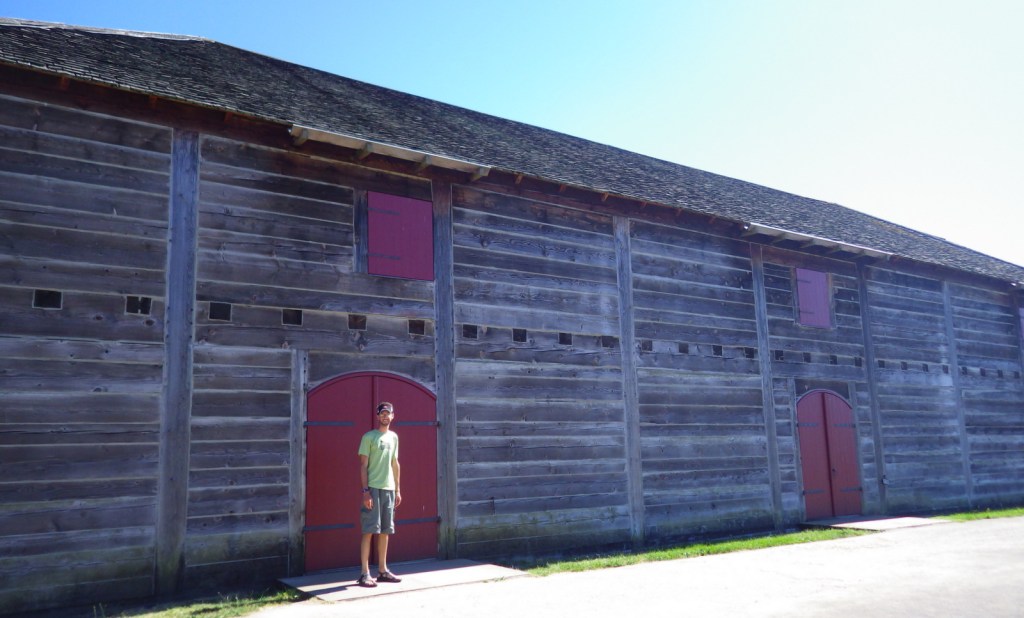
Retention ponds keep Pipe Spring National Monument green in the hot summer months where ducks paddle and dragonflies buzz through the humid air.  The National Park Service manages a garden with living history demonstrations given occasionally, plus there is livestock including chickens and two longhorns.  When a ranger is present, you can walk around inside Winsor Castle, a Mormon fort that dates back to 1870.  If you visit during the summer, we recommend you cool off after some time outside by watching the short film and exploring the museum and gift shop.  The museum is co-managed with the Kaibab Band of Paiute Indians whose reservation surrounds the site. On December 7, 2024, the park was open late for the Holiday Traditions event with caroling, Victorian-era crafts, and free food.

Best Trail

The half-mile Ridge Trail leads uphill to an overlook of the Kaibab Plateau and distant Mt. Trumbull in Grand Canyon-Parashant National Monument.

Photographic Opportunity

The modest dimensions of Winsor Castle make it unlikely to be confused with Windsor Castle in England.

Peak Season

Summer

Hours

https://www.nps.gov/pisp/planyourvisit/hours.htm

Fees

$10 per person or America the Beautiful pass

Road Conditions

There is a paved parking lot located off Highway 389.

Camping

The Kaibab Band of Paiute Indians runs a small campground adjoining Pipe Spring National Monument.  Dispersed camping is allowed in Kaibab National Forest and the millions of acres run by the Bureau of Land Management on the Arizona Strip.

Related Sites

Grand Canyon National Park (Arizona)

Grand Canyon-Parashant National Monument (Arizona)

Baaj Nwaavjo I’tah Kukveni – Ancestral Footprints of the Grand Canyon National Monument (Arizona)

Explore More – Which indigenous tribes banded together during the 1866 Black Hawk War?

Learn more about the other 137 National Monuments in our book Monumental America: Your Guide to All 138 National Monuments

Little Bighorn Battlefield National Monument

Overview

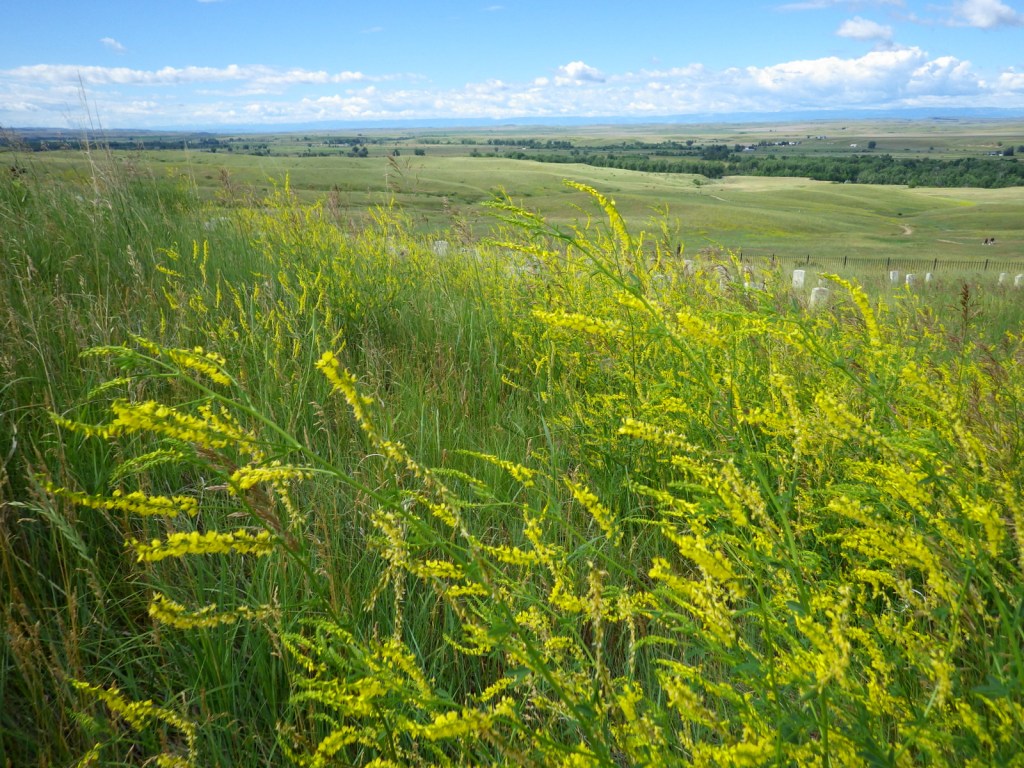
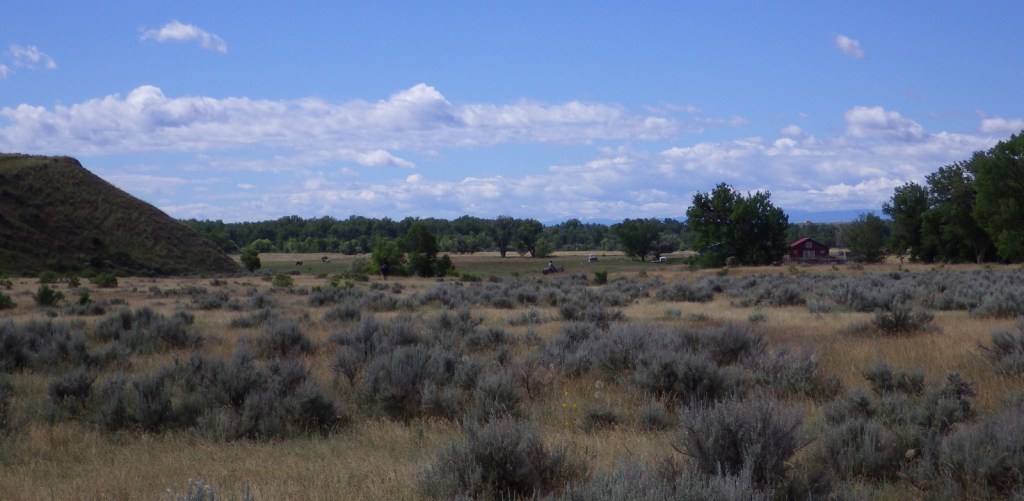
You may not recall the 1876 battle at the Little Bighorn River in southern Montana, but most Americans (even children) recognize its label “Custer’s Last Stand.”  For such a relatively minor skirmish in the bloody 1800s, it has an outsized legend that only grows with time.  At this site more than 140 years ago, a large portion of the 7th U.S. Cavalry met their demise for tactical reasons still debated to this day.  The blame is generally placed upon Lieutenant Colonel George Armstrong Custer who was believed to be jockeying for a presidential nomination in the 1876 election.  Today this National Park Service (NPS) site is located on the Crow Indian Reservation in southern Montana, just off Interstate 90.
Highlights

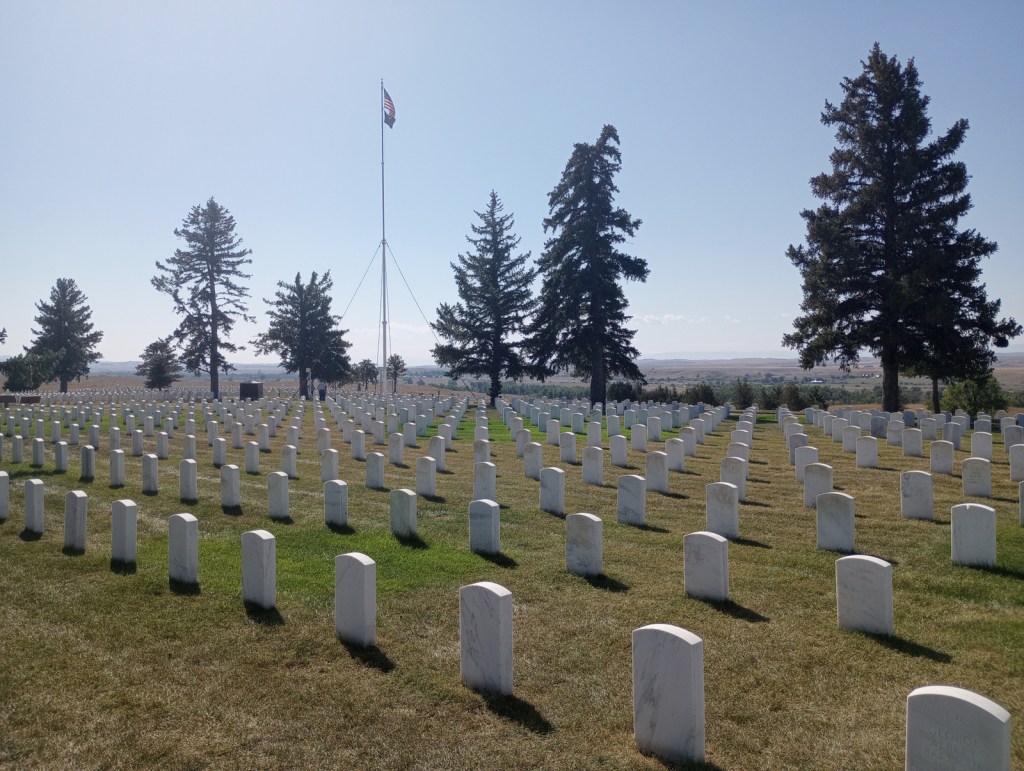
Museum, Custer National Cemetery, driving tour, Last Stand Hill, Indian Memorial

Must-Do Activity

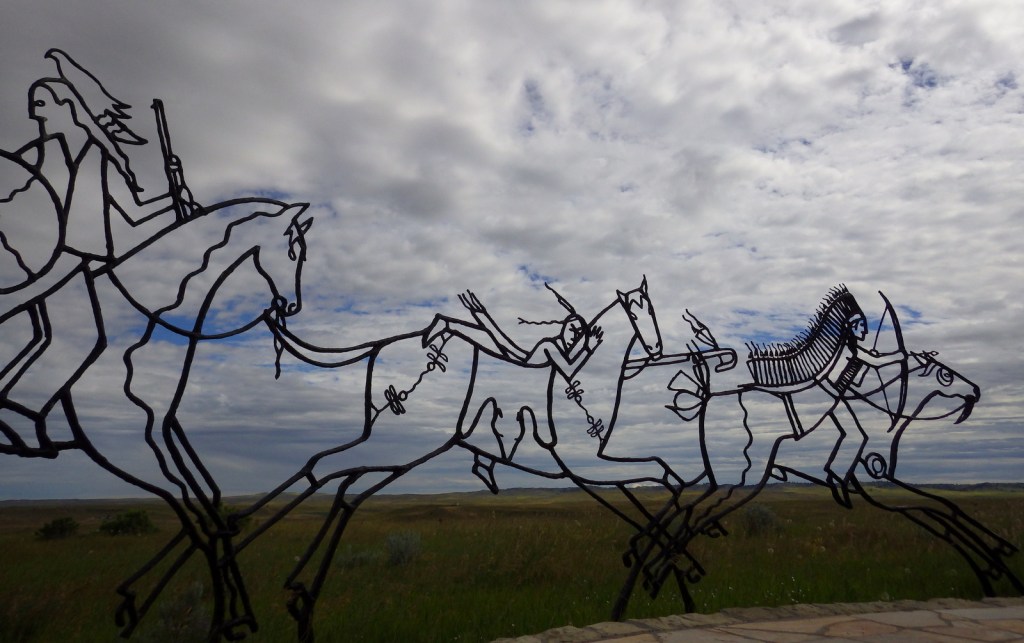
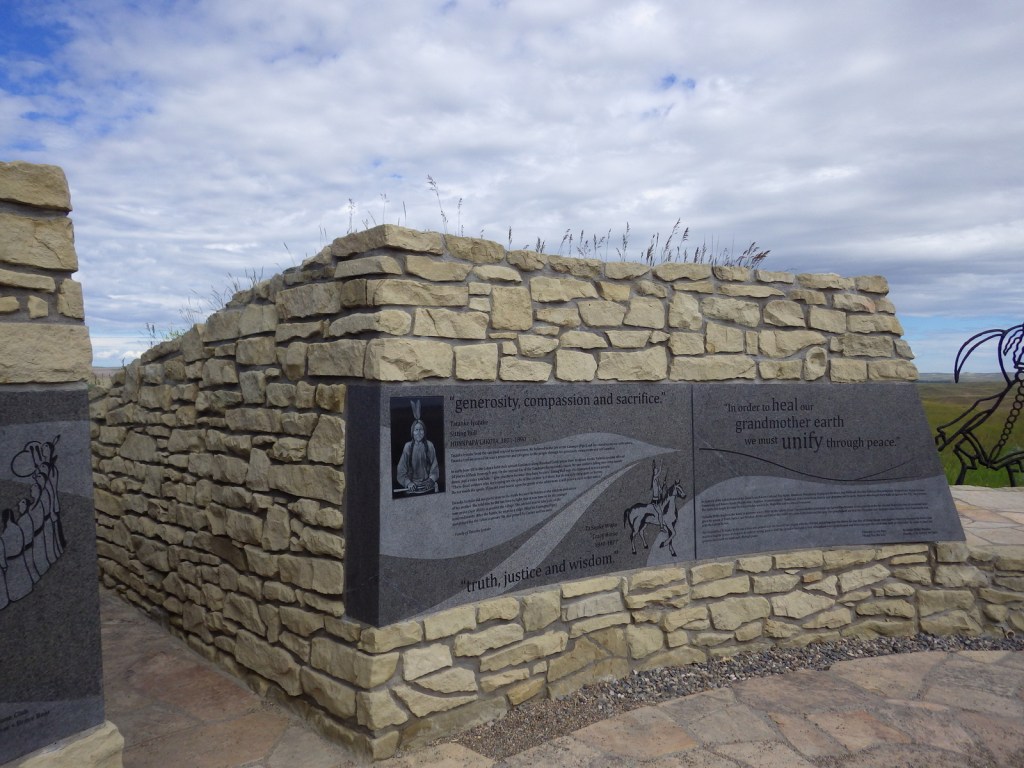
On June 25, 1876, with only 600 soldiers, Custer attempted to defeat a temporary village composed of multiple tribes numbering over 7,000 individuals.  Never before had so large an American Indian encampment been collected anywhere on the Great Plains.  Renowned war chiefs Sitting Bull, Crazy Horse, Two Moons, and many others have their words memorialized at the Indian Memorial, not built at Little Bighorn Battlefield National Monument until 1997 near the mass grave on Last Stand Hill.  Be sure to come in late June for the opportunity to witness a historical reenactment of the famous battle, which is held on the Crow Indian Reservation adjacent to the 765-acre National Monument.

Best Trail

None

Instagram-worthy Photo

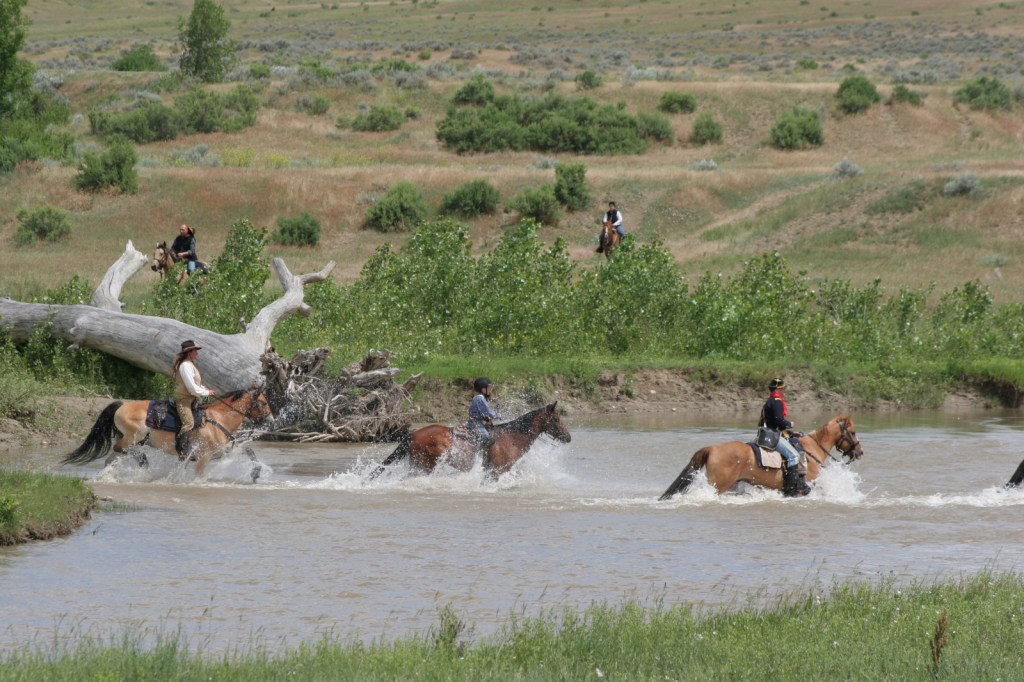
The Battle of the Little Bighorn Reenactment is a two-hour, fully narrated presentation explaining the significance of the Battle of the Greasy Grass (as the American Indians call it).  The site of the reenactment is a ford where Lieutenant Colonel Custer’s battalion came closest to the encampment where 1,800 warriors of the Sioux, Cheyenne, and Arapahoe Nations were gathered to protect their families.  American Indian riders go bareback, leaping on and off their ponies with ease, while saddled 7th U.S. Cavalry re-enactors splash through the fast-flowing Little Bighorn River astride powerful horses.

Peak Season

Summer (the best time of year to visit is around the June 25 anniversary when a reenactment of the battle is held)

Hours

https://www.nps.gov/libi/planyourvisit/hours.htm

Fees

$25 per vehicle or America the Beautiful pass

Road Conditions

All roads paved

Camping

There is a small, private campground at the exit from Interstate 90, but the nearest NPS campground is 40 miles away at Bighorn Canyon National Recreation Area.

Related Sites

Washita Battlefield National Historic Site (Oklahoma)

Big Hole National Battlefield (Montana)

Devils Tower National Monument (Wyoming)

Explore More – When was Custer National Cemetery originally established and when did it become part of a National Monument?

Castillo de San Marcos National Monument

Overview

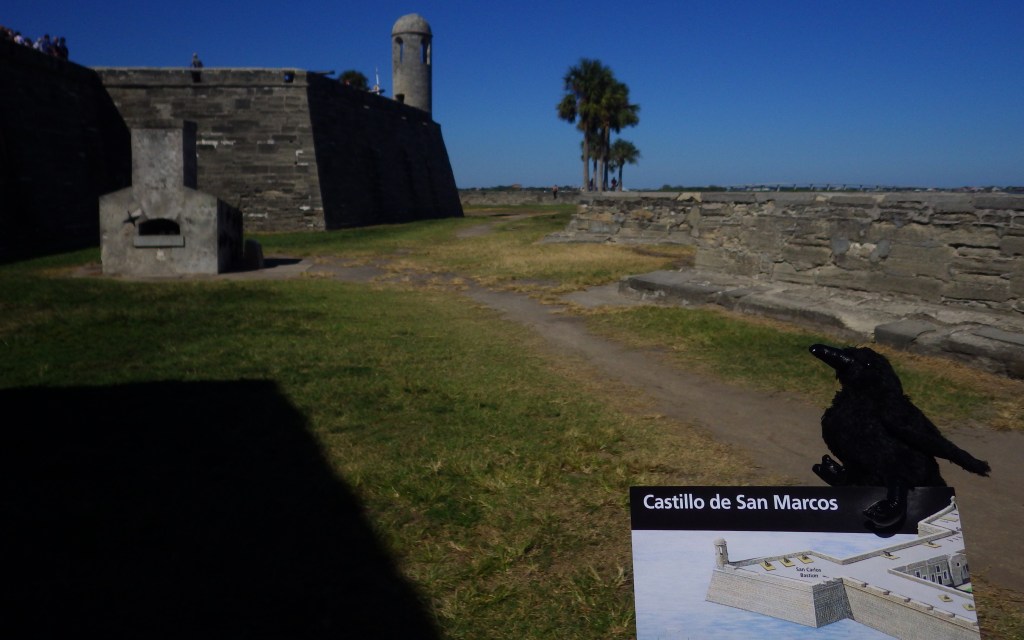
Established in 1565, St. Augustine, Florida is the oldest permanent European settlement in the continental U.S.  Its centerpiece is Castillo de San Marcos National Monument, a four-sided stone fort dating back to 1672.  In 1702, the British army unsuccessfully besieged the Spanish fort for 50 days, but before they left they burned the entire city.  This explains why the oldest house in St. Augustine dates to this time period and why this charming coastal village is still laid out on a grid of narrow streets, as it was one of the first master-planned communities in America.

Highlights

Historic fort, museum, cannon demonstrations

Must-Do Activity

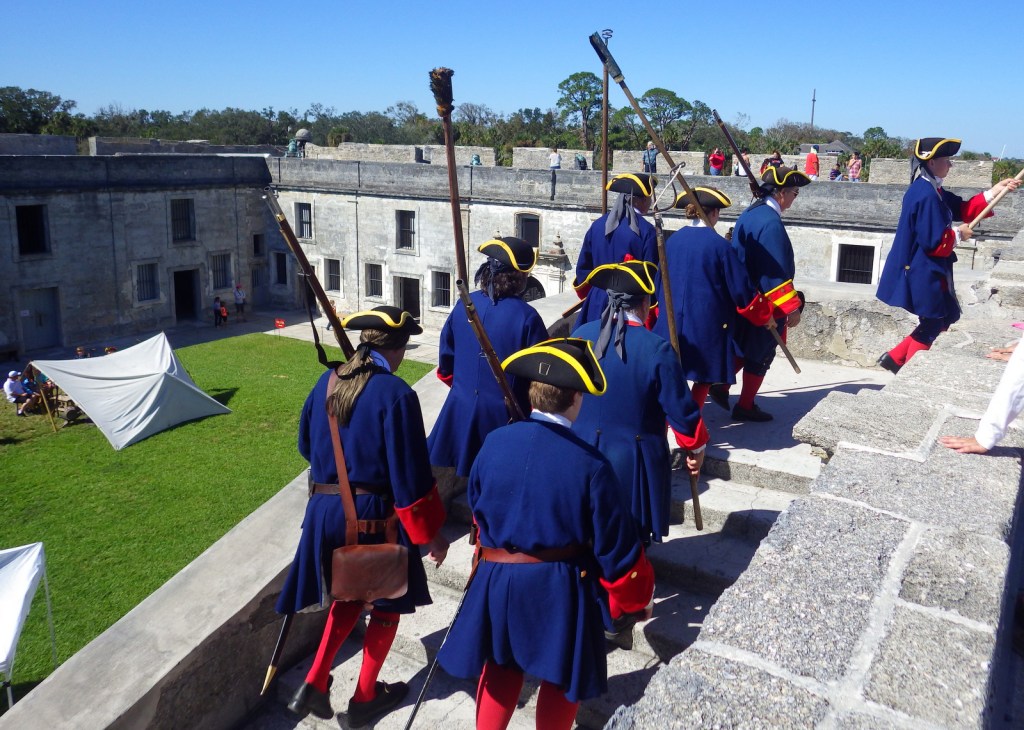
The National Park Service (NPS) charges an admission fee to enter the fort, but you can watch the cannon-firing demonstrations atop its corner bastion for free from outside.  Costumed reenactors shout orders in Spanish before firing the big cannon.  There is only one entrance to the Castillo de San Marcos across a wide moat.  Your entrance fee also allows you to explore the powder magazines and interpretive displays inside the fort’s walls.

Best Trail

None

Instagram-worthy Photo

The Castillo was renamed Fort Marion by the U.S. military in 1825, when the final changes were made to the coquina structure.  In 1924 it was named a National Monument along with nearby Fort Matanzas.

Peak Season

Winter

Hours

https://www.nps.gov/casa/planyourvisit/hours.htm

Fees

$15 per person or America the Beautiful pass

Road Conditions

Roads are paved, but there is limited pay parking at the fort, which is especially an issue on busy weekends.

Camping

Anastasia State Park is located just south of St. Augustine, Florida with access to a nice beach.

Related Sites

Fort Caroline National Memorial (Florida)

Fort Matanzas National Monument (Florida)

Dry Tortugas National Park (Florida)

Explore More – Which nation controlled the fort during the American Revolution until its conclusion in 1783 (Hint: It was called Fort St. Mark at the time)?

Fort Vancouver National Historic Site

Overview

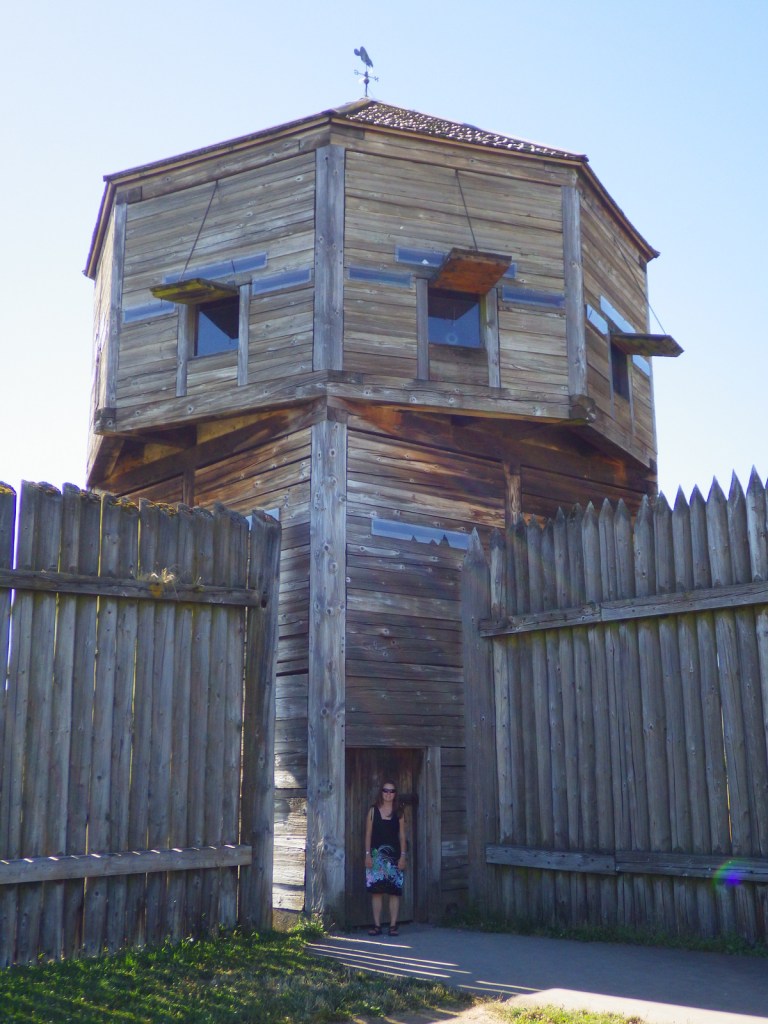
Across the Columbia River from Portland, Oregon stands the palisade of Fort Vancouver National Historical Park.  From 1825 to 1860 it served as the Hudson’s Bay Company’s western headquarters, even after the U.S. took control of the territory from Great Britain in 1846.  Within walking distance, the National Park Service (NPS) also manages the free Pearson Air Museum at an active airport surrounded by the Vancouver National Historic Reserve.  A separate unit of the park, the McLoughlin House (free) is found in downtown Oregon City and focuses on the area’s significance as the terminus for the Oregon Trail.

Highlights

Reconstructed fort, period garden, Pearson Air Museum, McLoughlin House

Must-Do Activity

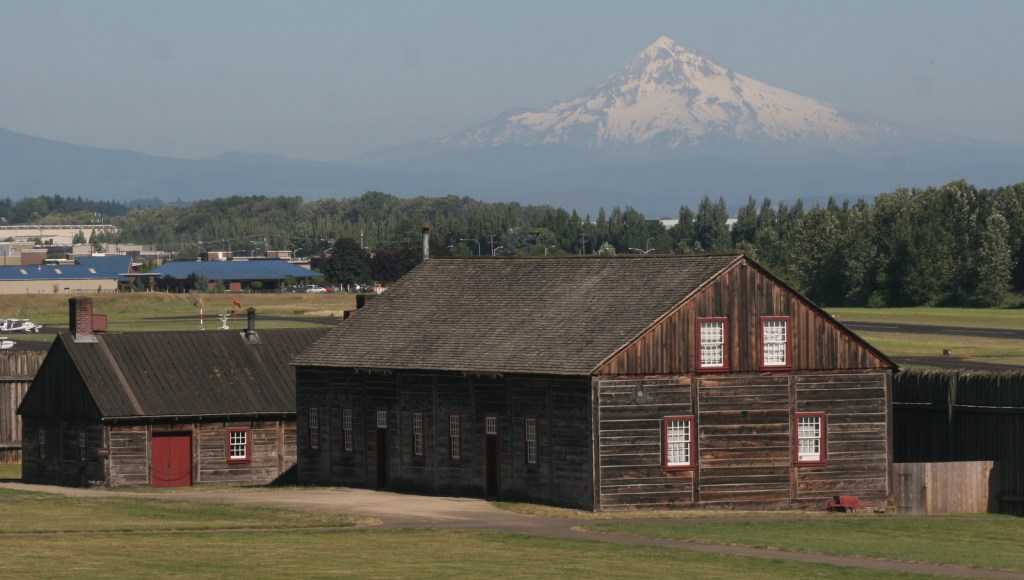
Today’s fort buildings are reconstructions, including the bakehouse, blacksmith shop, chief factor’s house, fur store, and bastion which are open to visitors with costumed reenactors inside happy to answer questions.

Best Trail

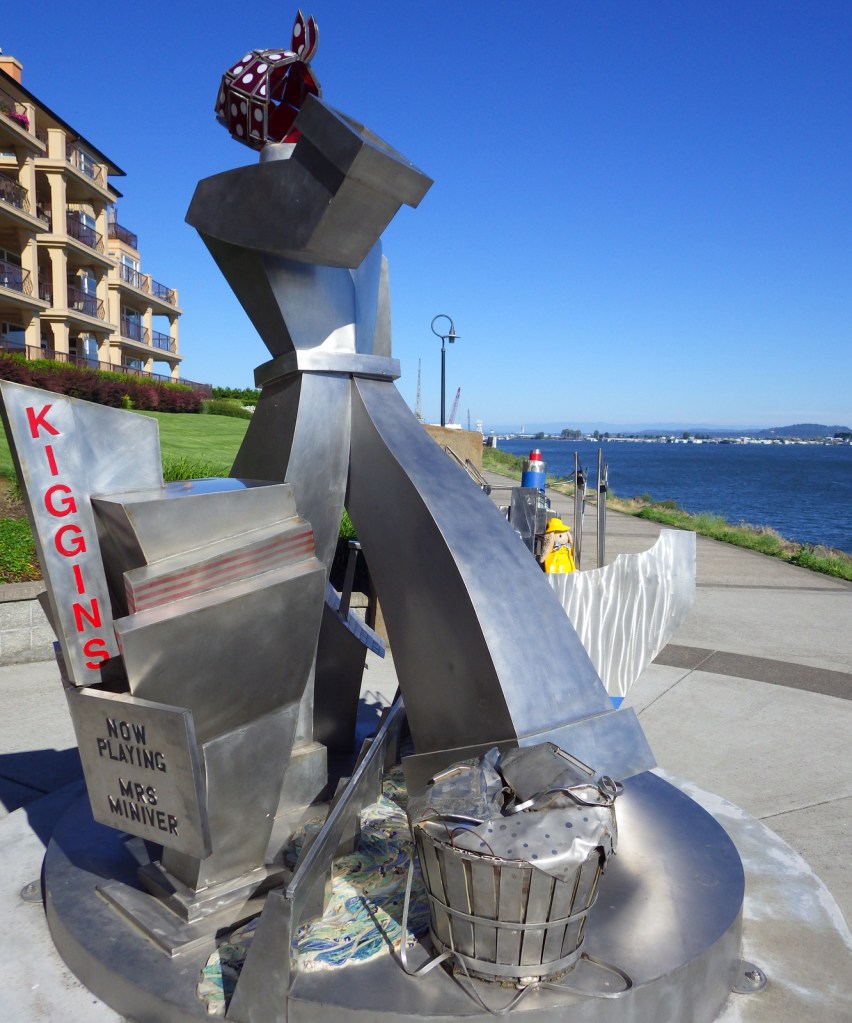
True to its past, Vancouver, Washington (not to be confused with the large city across the Canadian border) remains a major shipping center to this day.  Its waterfront is home to a sculpture honoring “Wendy the Welder” and the women who worked here during World War II.  Many structures are preserved in the surrounding Vancouver National Historic Reserve, including the Marshall House (tours for a fee). 

Instagram-worthy Photo

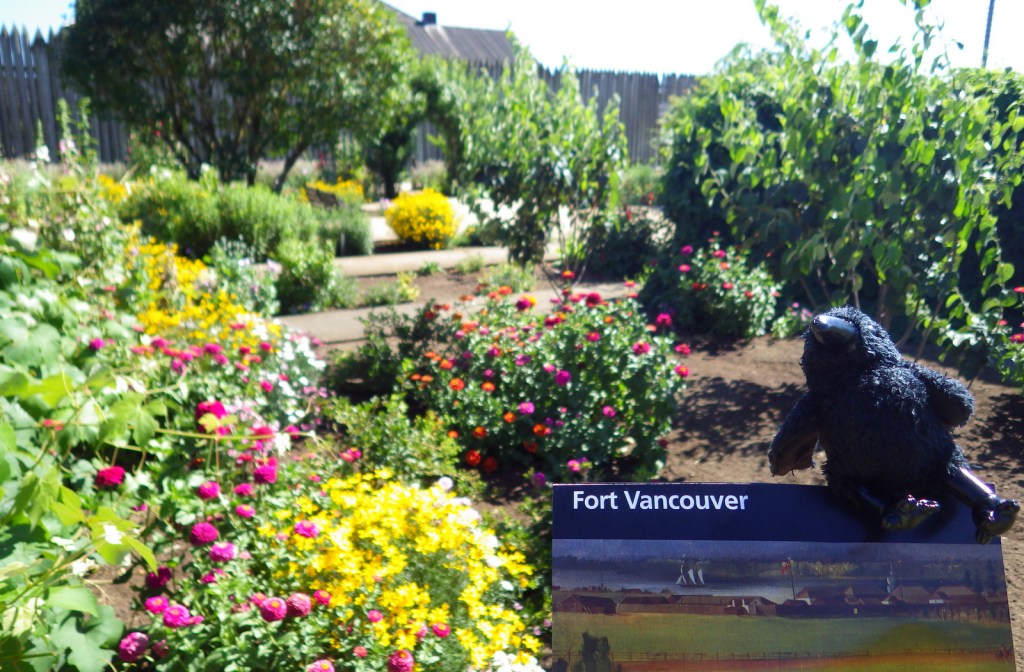
A garden designed to mimic one from 1845 is maintained just outside the fort’s palisade.

Peak Season

Summer

Hours

https://www.nps.gov/fova/planyourvisit/hours.htm

Fees

$10 per person (only to enter the fort itself) or America the Beautiful pass

Road Conditions

Access roads paved, but parking is a short walk from the fort.

Camping

Battleground Lake State Park has a campground 20 miles northwest of Vancouver, Washington.  There are many camping options across the Columbia River in Mount Hood National Forest.

Related Sites

Grand Portage National Monument (Minnesota)

Whitman Mission National Historic Site (Washington)

Mount Rainier National Park (Washington)

Explore More – Before it became a unit of Fort Vancouver National Historic Site in 2003, when was McLoughlin House named a National Historic Site in the “father of Oregon’s” honor (even though he was Canadian)?

Hopewell Furnace National Historic Site

Overview

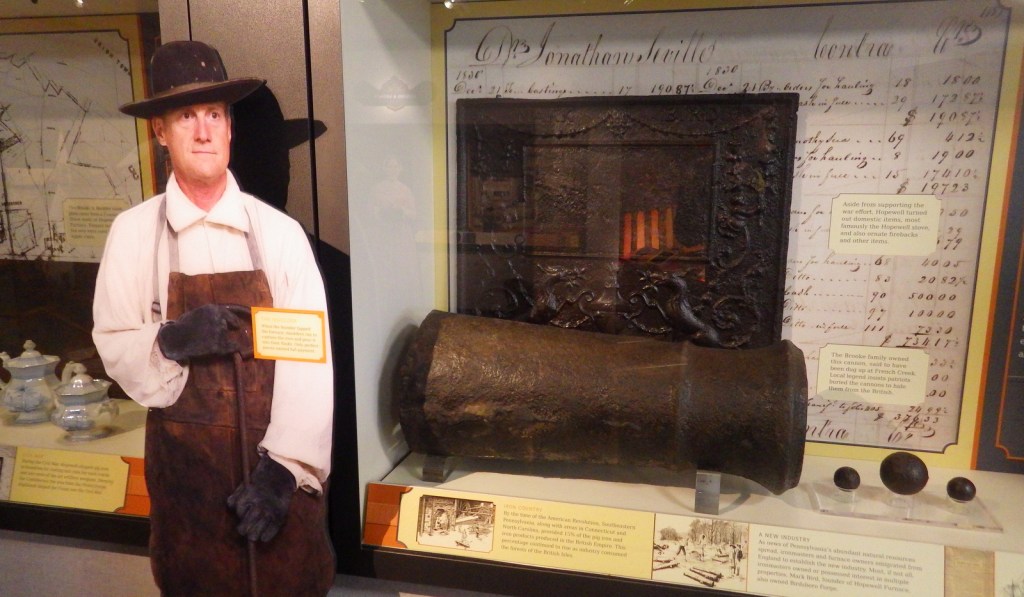
In Hopewell, Pennsylvania, the proximity of iron ore, limestone, and charcoal led to this iron furnace’s success from 1771 to 1883.  It also needed water from French Creek to run the air blast machinery allowing the furnace to reach smelting temperature.  During the American Revolution, it produced cannon, shot, and shells for the Continental Navy.  The 848-acre National Historic Site was authorized in 1938, making it one of the oldest in the nation.

Highlights

Anthracite furnace, film, cast house, tenant houses, ironmaster’s mansion, Bethesda Church

Must-Do Activity

Start with the short film at the visitor center, then take the self-guided walk through the “iron plantation.”  Though the cold-blast charcoal process became outdated by 1883, the original furnace is still used each summer to produce aluminum products.  Other costumed interpreters depict village life from late June to Labor Day.  In September and October, visitors can pick 30 varieties of apples in the orchards for a small fee, similar to Capitol Reef National Park in Utah.

Best Trail

The site’s 12 miles of forested trails also connect into the neighboring French Creek State Park.

Instagram-worthy Photo

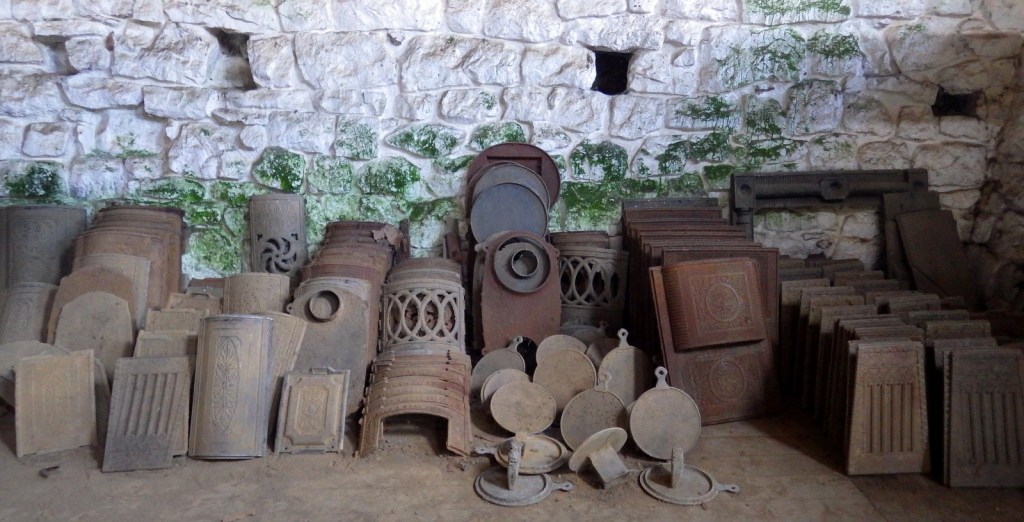
Inside the cast house, moulders cast molten iron into stove plates, cannonballs, and other products.

Peak Season

Summer and apple picking season

Hours

https://www.nps.gov/hofu/planyourvisit/hours.htm

Fees

None, but “you pick” apples cost $1 per pound

Road Conditions

Access roads are paved

Camping

French Creek State Park has more than 200 campsites with access to running water and showers.

Related Sites

Saugus Iron Works National Historic Site (Massachusetts)

Valley Forge National Historical Park (Pennsylvania)

Independence National Historical Park (Pennsylvania)

Explore More – How high of a temperature could the Hopewell Furnace reach when smelting?