Tag Archives: house

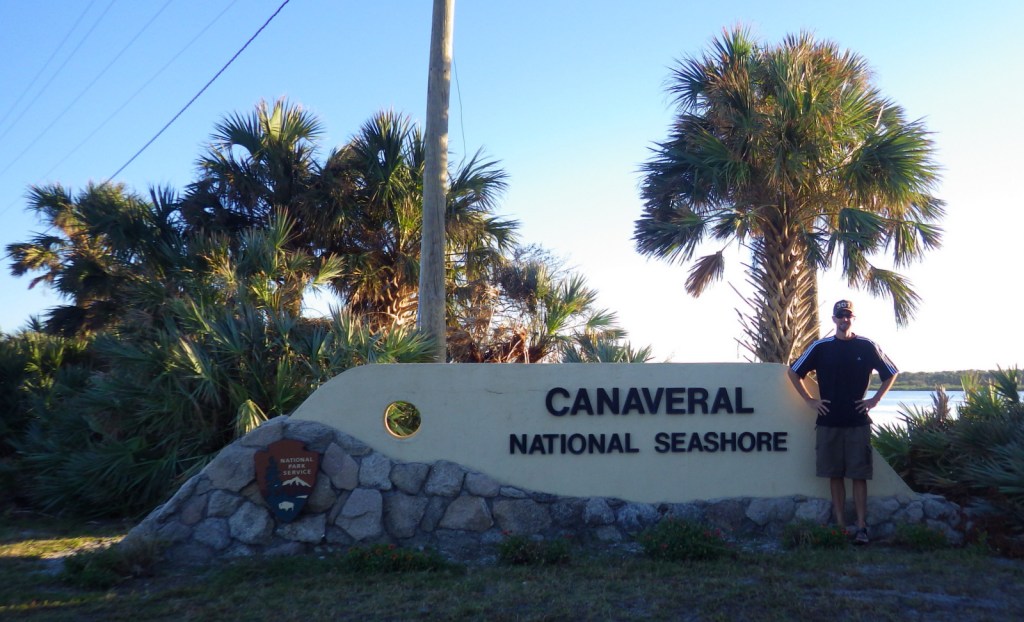
Canaveral National Seashore

Overview

When NASA (National Aeronautics and Space Administration) prevented this portion of Florida coast from development in the 1950s, surely they did not imagine it would soon become one of the last long stretches of wild coastline left on the Atlantic seaboard.  The area north of John F. Kennedy Space Center was set aside as Canaveral National Seashore (in 1975) and Merritt Island National Wildlife Refuge (in 1963).

Highlights

Eldora State House, shell mounds, wildlife, fishing, kayaking, beaches

Must-Do Activity

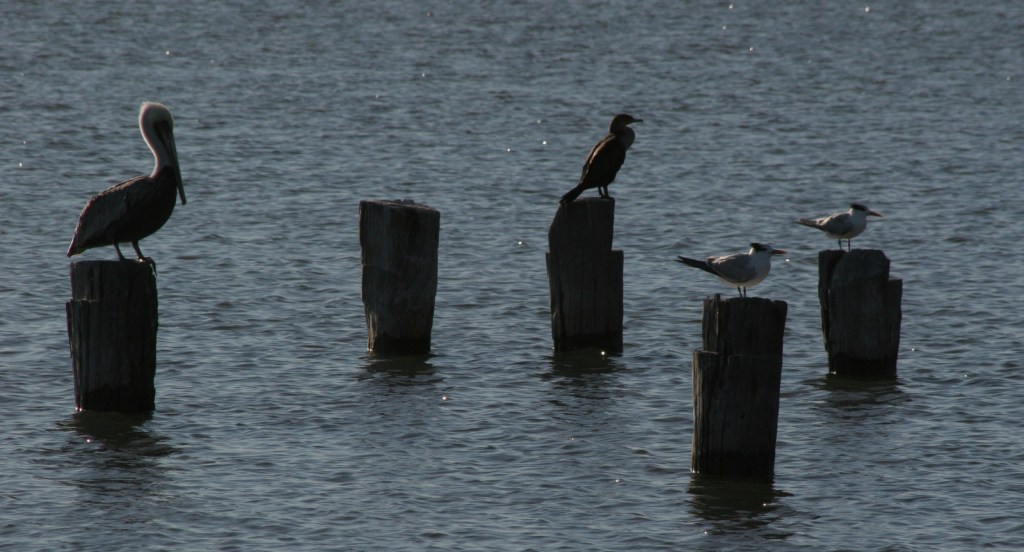
About 310 avian species have been spotted in Merritt Island National Wildlife Refuge.  Other than birds, we were excited to see our first living armadillo and manatee outside of a zoo.  Despite its unappealing name, Mosquito Lagoon is a nice spot for fishing and paddling.  We hope someday to return to witness a rocket launch from John F. Kennedy Space Center.

Best Trail

Human activity in Canaveral National Seashore is evident in Timucuan shell mounds that date back thousands of years, with a separate trail to Eldora State House preserving more recent history.  At the southern end of the park in Merritt Island National Wildlife Refuge, you will find Oak and Palm Hammock Trails, as well as Cruickshank Trail that leads to an observation tower.

Instagram-worthy Photo

The park ranger told us the most likely place to see a West Indian manatee was at the boat launch in New Smyrna Beach, Florida just north of the park boundary.  There were also dolphins, great blue herons, anhingas, great egrets, ospreys, brown pelicans, and royal terns.

Peak Season

Summer

Hours

https://www.nps.gov/cana/planyourvisit/hours.htm

Fees

$20 per vehicle day use or America the Beautiful pass

Road Conditions

The main access roads are paved, but the six-mile Black Point Wildlife Drive and some boat launches are not.  Unlike at other National Seashores, there is no driving on the beach allowed, but you can bicycle or walk to remote Klondike Beach.

Camping

Inside the park boundaries there are no campgrounds, but backcountry camping is allowed with a permit.

Related Sites

Castillo de San Marcos National Monument (Florida)

Cumberland Island National Seashore (Georgia)

Fort Caroline National Memorial (Florida)
Explore More – What did engineers build in the 1950s to limit the breeding area for saltmarsh mosquitoes?

Frederick Law Olmsted National Historic Site

Overview

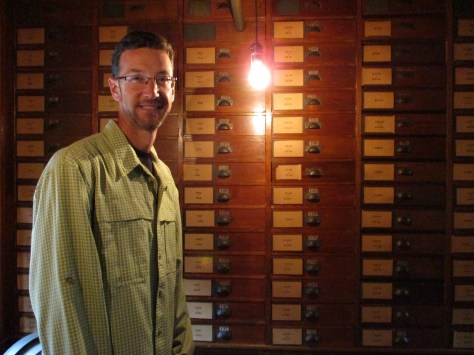
Frederick Law Olmsted, Sr. (1822-1903) is considered the founder of American landscape architecture.  His most famous designs include New York City’s Central Park and the Biltmore Estate in North Carolina, but he also created the protective ramada for Casa Grande Ruins National Monument in Arizona.  This seven-acre site outside Boston, Massachusetts was authorized in 1979 to preserve his house and the Olmsted Archives for future researchers.

Highlights

Museum, film, office tour, Olmsted Archives

Must-Do Activity

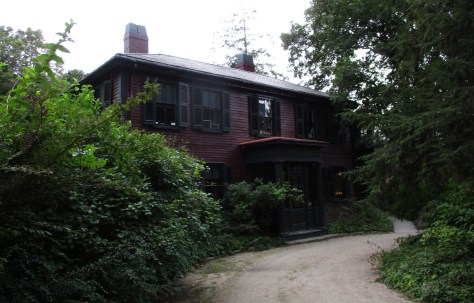
In 1883, Frederick Law Olmsted, Sr. moved to Brookline, Massachusetts to establish the world’s first landscape design office.  Self-guided exhibits and a short film inside his home (called Fairsted) are a good place to start before a ranger-guided tour of his office space full of historical artifacts and documents.  Occasionally, rangers lead tours of some of Olmsted’s parks in “The Emerald Necklace” of Boston.

Best Trail

There is a short path on the property and you can also walk to nearby Brookline Reservoir.

Instagram-worthy Photo

Relax on the veranda of Fairsted before or after your tour, which is especially nice when it is raining like during our visit.

Peak Season

Summer

Hours

https://www.nps.gov/frla/planyourvisit/hours.htm

Fees

None

Road Conditions

All roads are paved, but the parking lot is small and street parking in the surrounding neighborhood may be necessary.  It is a bit of a walk from the Brookline Hills Subway Station.

Camping

Wompatuck State Park south of Boston has the nearest large campground, but camping is also allowed in parts of Boston Harbor Islands National Recreation Area.

Related Sites

Boston National Historical Park (Massachusetts)

Adams National Historical Park (Massachusetts)

Longfellow House – Washington’s Headquarters National Historic Site (Massachusetts)

Explore More –Frederick Law Olmsted’s 1865 report was influential in the protection of which “crown jewel” of the National Park Service System?

Charles Pinckney National Historic Site

Overview

North of Charleston, South Carolina near Fort Moultrie is a National Park Service (NPS) site dedicated to preserving the memory of one of the forgotten framers of the U.S. Constitution.  Charles Pinckney served as an officer during the American Revolution and a delegate to the 1787 Constitutional Convention in Philadelphia.  Before his death in 1824, he would go on to be four-term Governor of South Carolina, ambassador to Spain, and member of both the U.S. Senate and House of Representatives.

Highlights

Museum, historic home, nature trail

Must-Do Activity

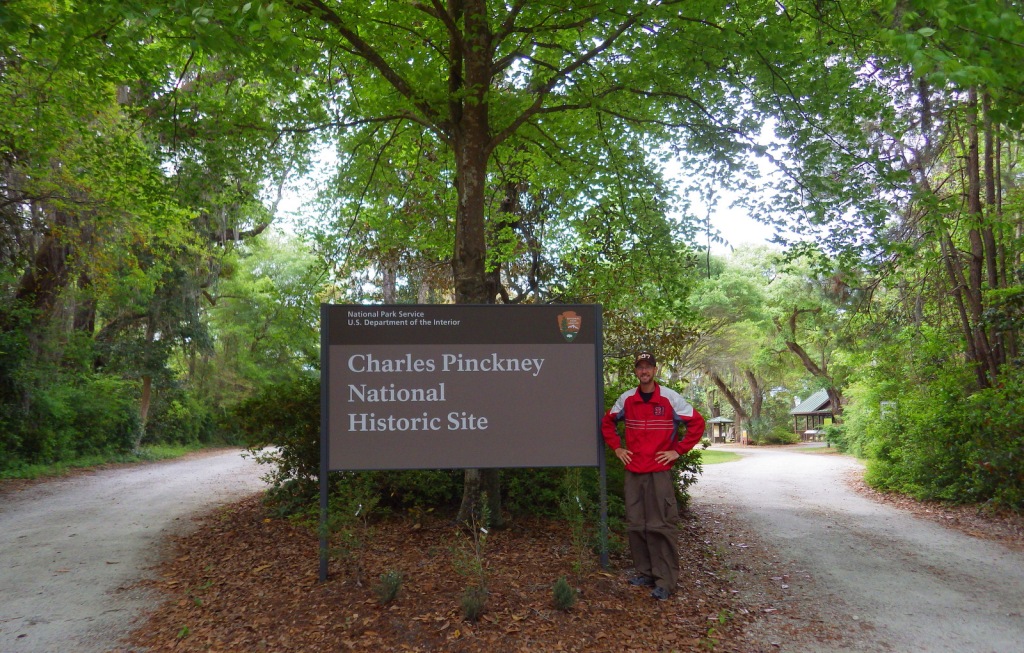
The low-country cottage that serves as the NPS visitor center and museum was built in 1828, probably on top of the foundation for the Pinckney’s plantation house.  It is filled with artifacts and information on the Pinckney family and their slaves that farmed rice and indigo.  The NPS rangers were very welcoming to us here when we visited during our Pretirement year in 2016.  This site is free to visit and located across from the well-known Boone Hall Plantation (admission charged).

Best Trail

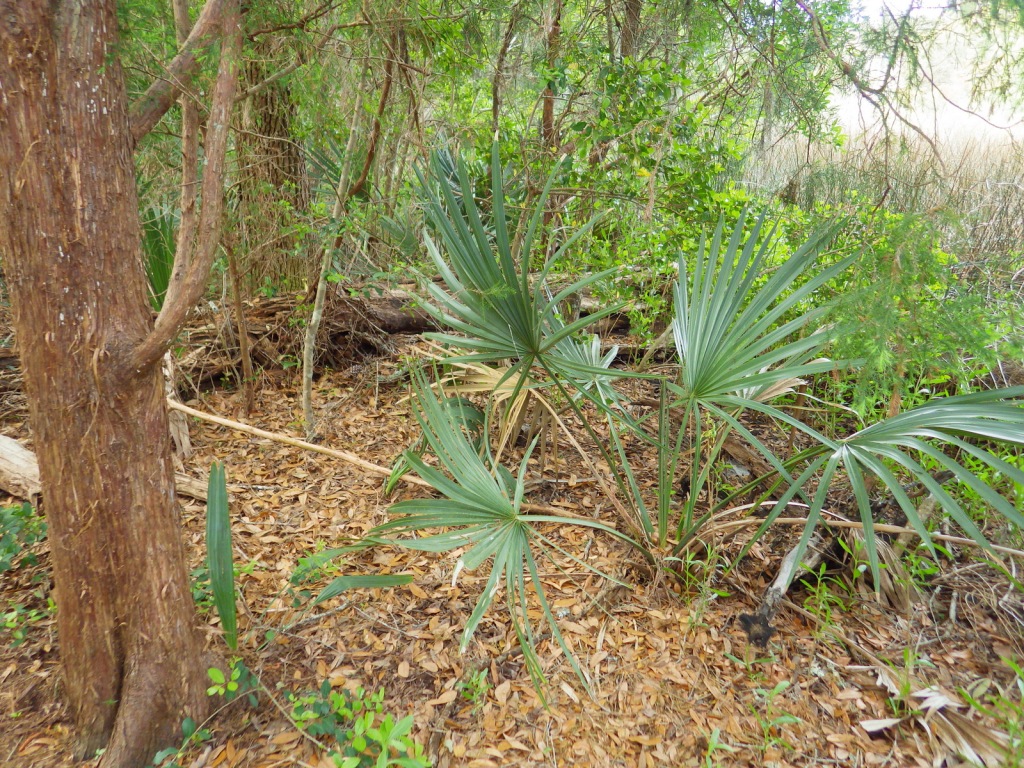
A short trail leads to an overlook of the tidal river area, but watch out for poison-ivy and ticks.

Instagram-worthy Photo

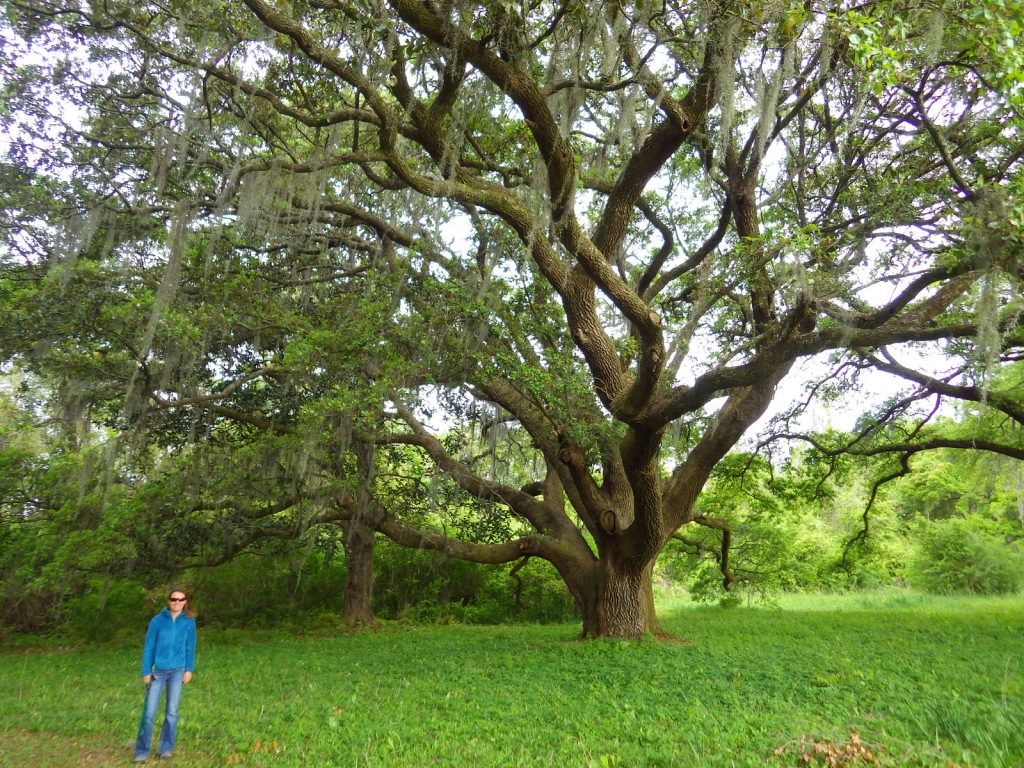
The live oak trees growing on the property are beautiful with twisting branches draped in Spanish moss.

Peak Season

Summer

Hours

https://www.nps.gov/chpi/planyourvisit/hours.htm

Fees

None

Road Conditions

The access roads are paved except for the last part on NPS property which is well-packed sand and gravel.

Camping

No camping at the site, but there are options outside Charleston in Francis Marion National Forest.

Related Sites

Fort Sumter and Fort Moultrie National Historical Park (South Carolina)

Reconstruction Era National Monument (South Carolina)

Ninety Six National Historic Site (South Carolina)

Explore More – The NPS property is only 28 acres of the original 715-acre Snee Farm, part of the original royal land grant given to Richard Butler in what year?

Martin Luther King, Jr., National Historical Park

Overview

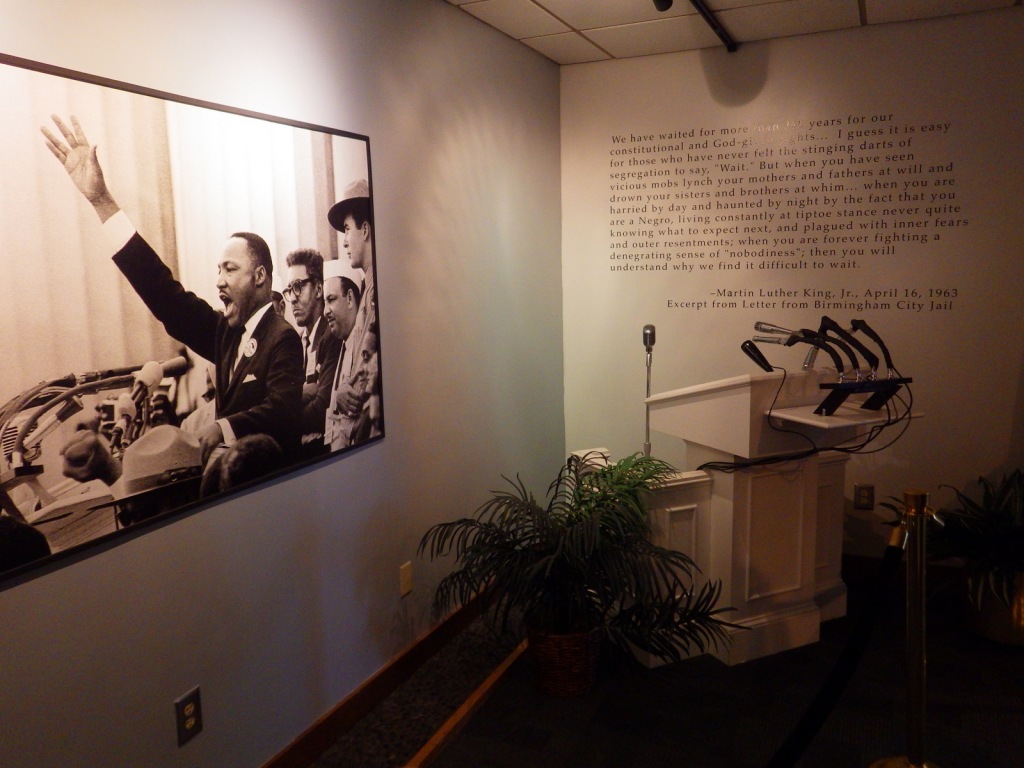
Sweet Auburn is a neighborhood in Atlanta, Georgia where Martin Luther King, Jr. was baptized and ordained as a minister in Ebenezer Baptist Church.  The National Park Service (NPS) was granted 39 acres here in 1980 to honor the Civil Rights leader who won the Nobel Peace Prize in 1964.  Following his assassination in Memphis, Tennessee, King’s funeral was held at Ebenezer Baptist Church on April 4, 1968.  It is free to visit the NPS museum, birth home, and affiliated Martin Luther King, Jr. Center for Nonviolent Social Change.

Highlights

Museum, Ebenezer Baptist Church, MLK birth home, Reflection Pool tomb

Must-Do Activity

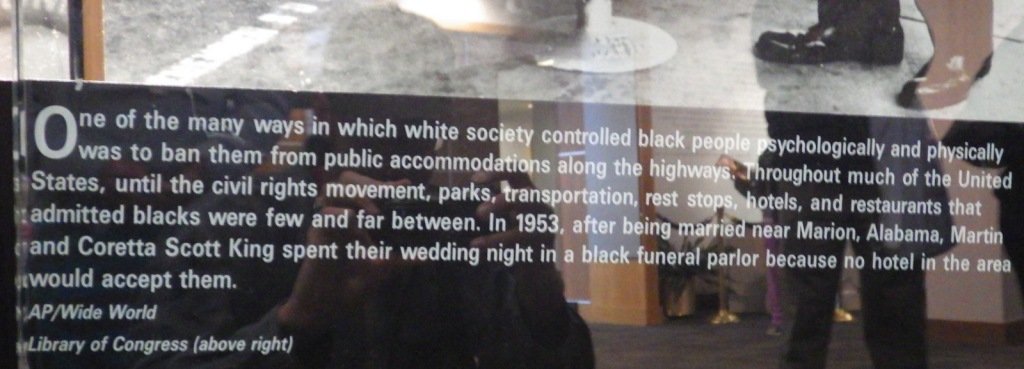
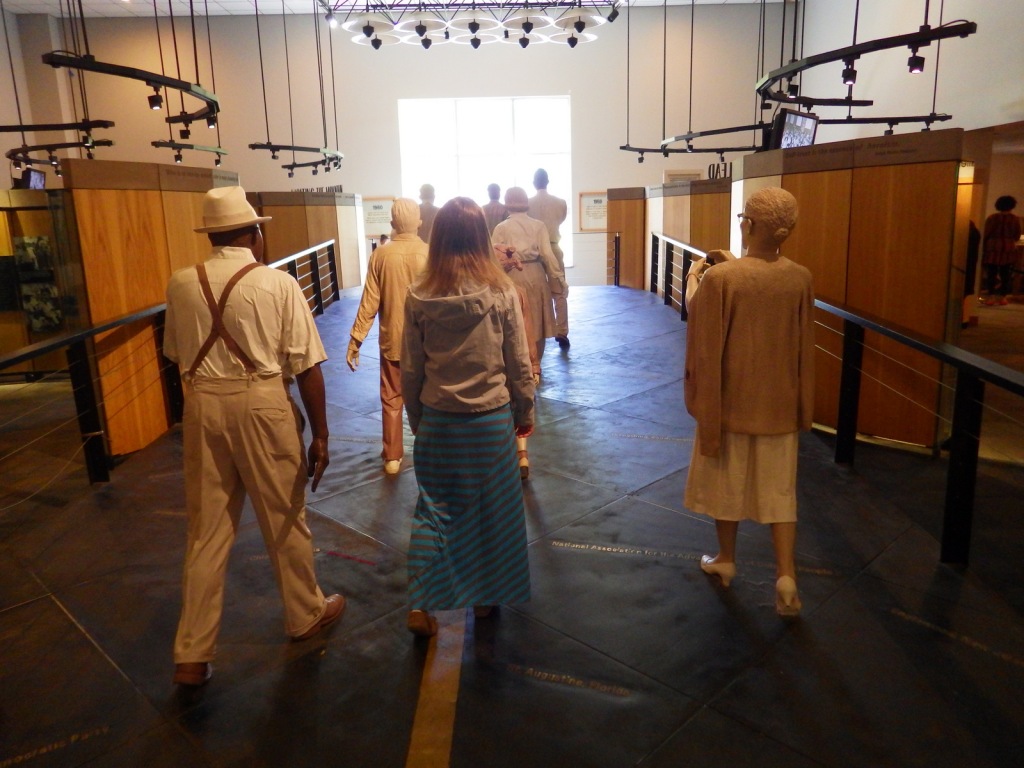
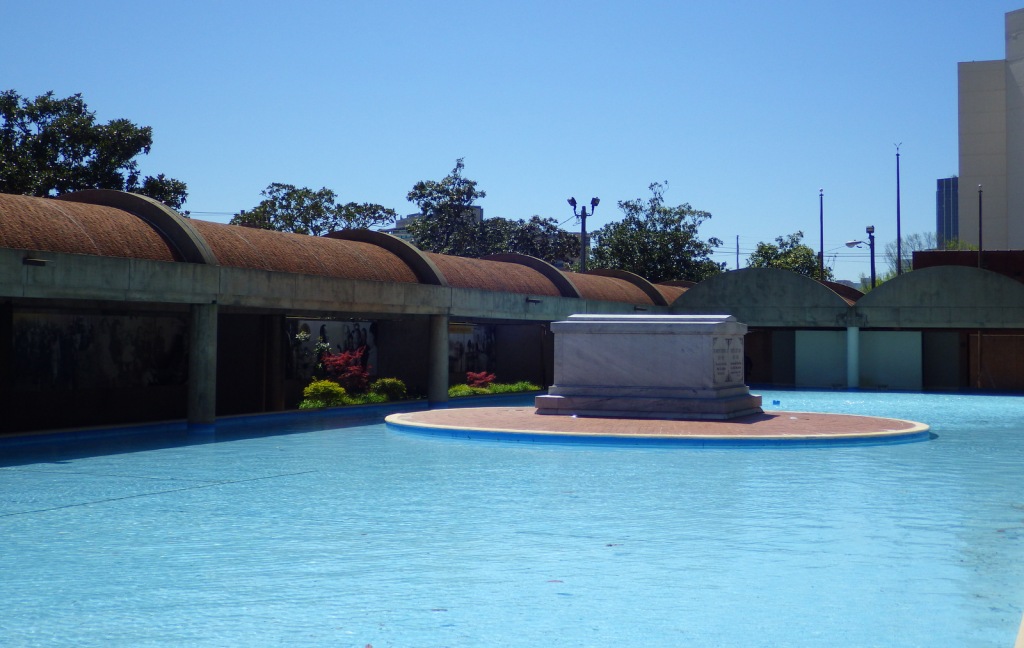
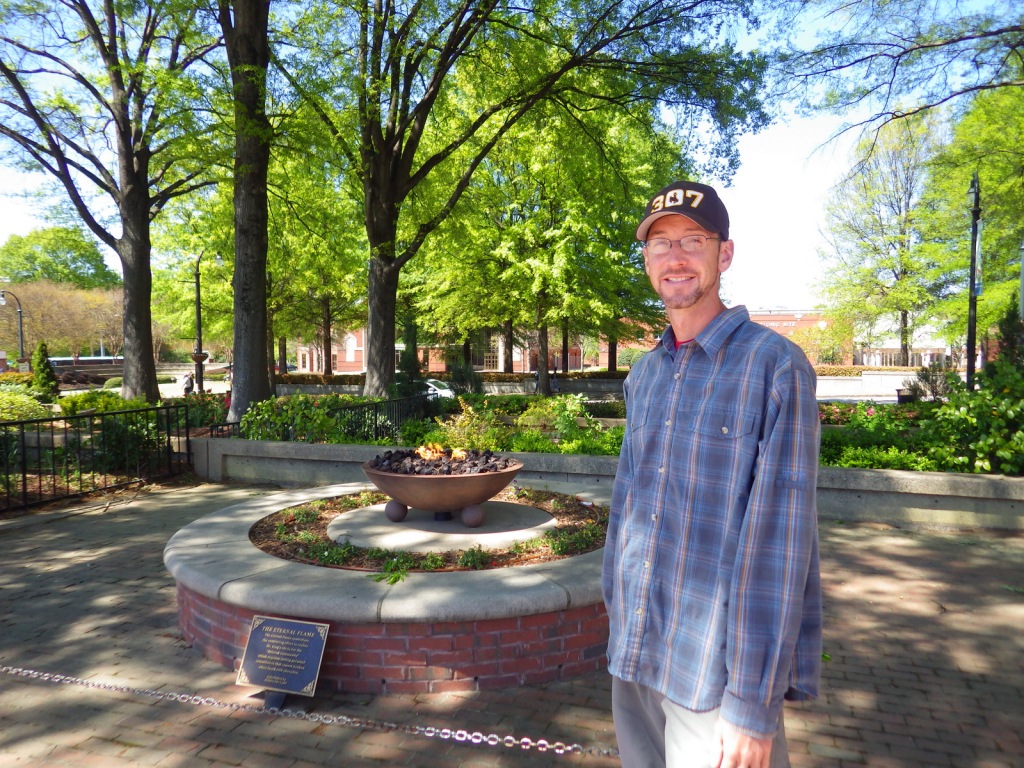
Inside the NPS museum, immersive audiovisual bubbles take visitors through the life of this prominent Civil Rights protestor.  A short walk is required to enter his boyhood home (which is wheelchair accessible).  Silence is mandatory while inside.  Outside the neighboring King Center, the Reflection Pool contains the tombs of Martin Luther King, Jr. and his wife Coretta Scott King, as well as an eternal flame. 

Best Trail

None

Instagram-worthy Photo

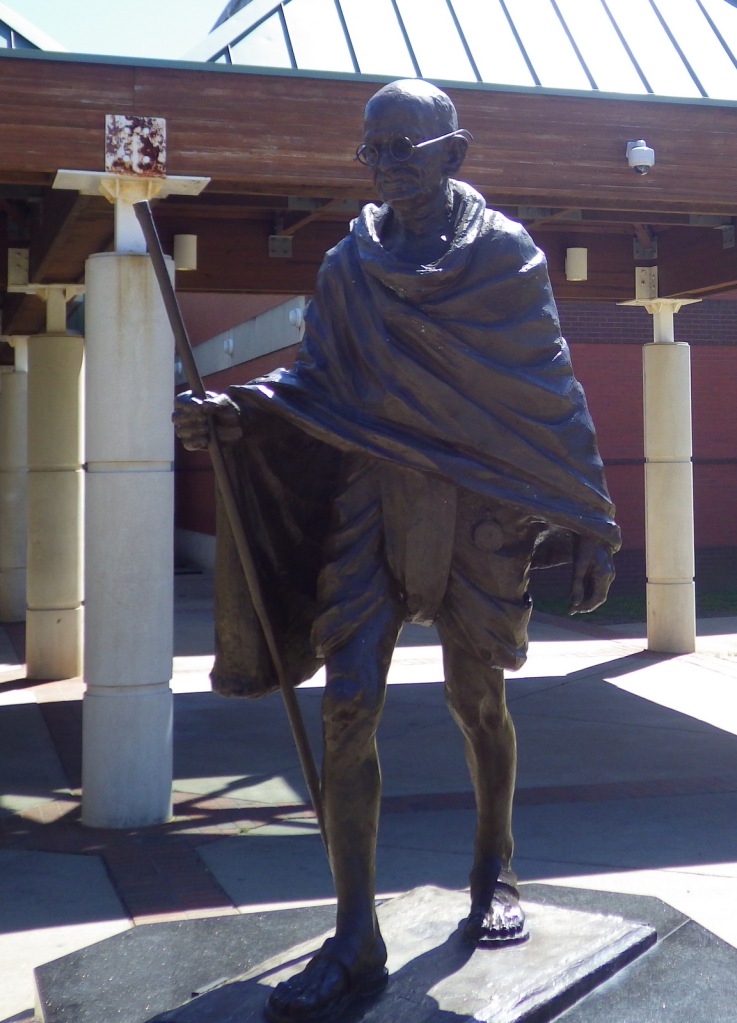
When reviewing this picture, Tiff swore she thought Gandhi was holding a selfie stick and was wearing sunglasses.

Peak Season

Spring and fall

Hours

https://www.nps.gov/malu/planyourvisit/hours.htm

Fees

None

Road Conditions

A large, free parking lot is located north of the NPS visitor center.

Camping

Campgrounds are located outside Atlanta at the Corps of Engineers’ Lake Sidney Lanier and Forest Service’s Chattahoochee National Forest.

Related Sites

Martin Luther King, Jr.  National Memorial (District of Columbia)

Medgar and Myrlie Evers Home National Monument (Mississippi)

Chattahoochee River National Recreation Area (Georgia)

Explore More – How was Martin Luther King, Jr.’s mother also tragically killed by gunshot in 1974?

Maggie L. Walker National Historic Site

Overview

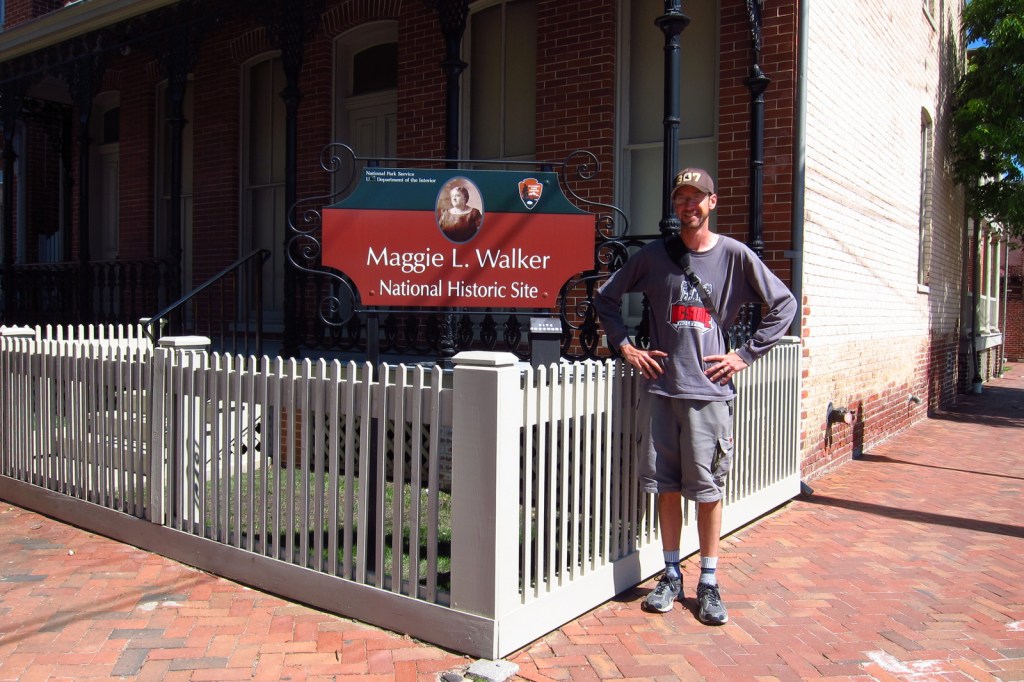
If you visit Richmond National Battlefield Park in Virginia, do not miss the other National Park Service (NPS) site in that city.  Maggie L. Walker was an African American philanthropist that started the St. Luke Penny Savings Bank in 1902 and was the only female bank president in the U.S. at the time.  As a member of the Independent Order of St. Luke since age 14, she also helped establish a newspaper and department store to help the local African American community.

Highlights

Museum, film, house tour, Jackson Ward National Historic Landmark District

Must-Do Activity

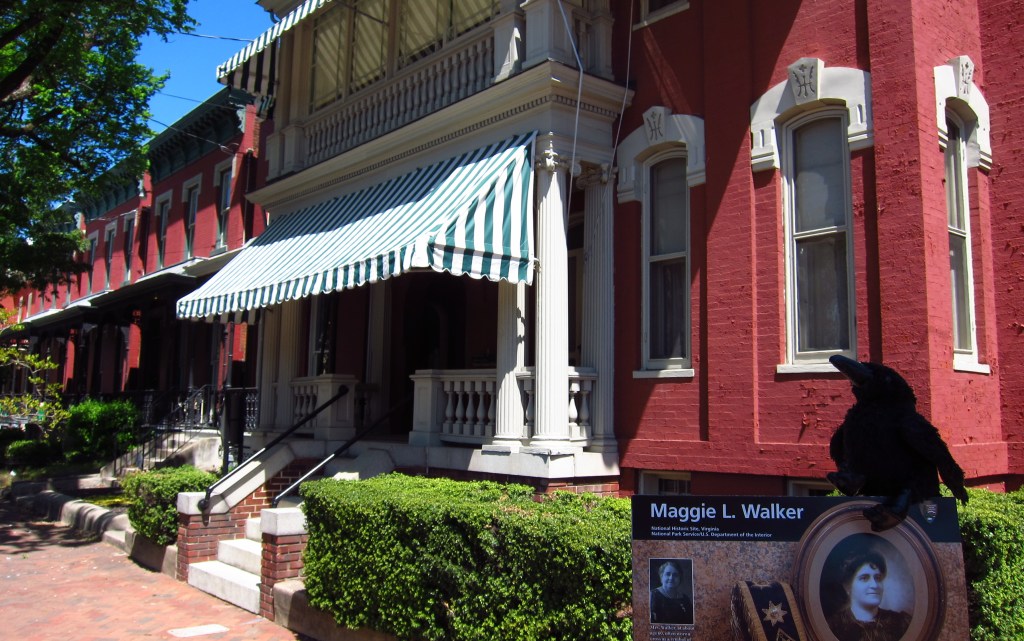
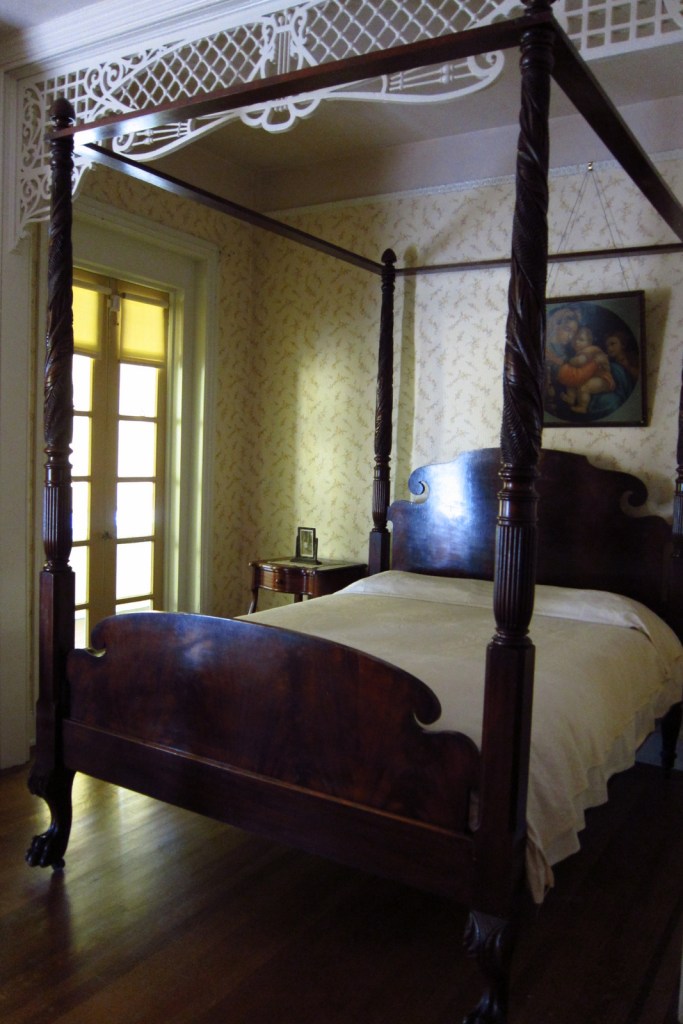
The 1930s-era home of this Civil Rights advocate can only be entered on an NPS ranger guided tour.  Walker lived in the oft-expanded, 28-room house from 1904 until her death thirty years later, and almost every piece of furniture in the house is original.  The NPS visitor center at 600 N 2nd Street is very small, but they do show a short film inside the tiny museum, which provides a good introduction before the tour.

Best Trail

None

Instagram-worthy Photo

The master bathroom includes a bidet, which is not something we have seen on any of the other NPS house tours we have taken (and we have been on a lot!).

Peak Season

Summer

Hours

https://www.nps.gov/mawa/planyourvisit/hours.htm

Fees

None

Road Conditions

Street parking is required as there is not a designated lot.

Camping

Pocahontas State Park and Forest offers a campground with running water just outside Richmond, Virginia.

Related Sites

Richmond National Battlefield Park (Virginia)

Mary McLeod Bethune Council House National Historic Site (District of Columbia)

Fort Monroe National Monument (Virginia)

Explore More – The Walker family owned the house until the NPS took ownership of the 1.25-acre property in what year?