Tag Archives: history

Top 10 Patriotic NPS Sites

The National Park Service (NPS) system preserves some of the most important locations in American history.  Visiting many of these sites has left us feeling very patriotic and proud to be citizens of the United States of America.  Here is a list of our favorite patriotic NPS sites (click here to see all of our Top 10 Lists).

10. Golden Spike National Historic Site (Utah)

On May 10, 1869 Americans (mostly immigrants) completed the monumental task to lay 1,776 miles of railroad track linking west to east
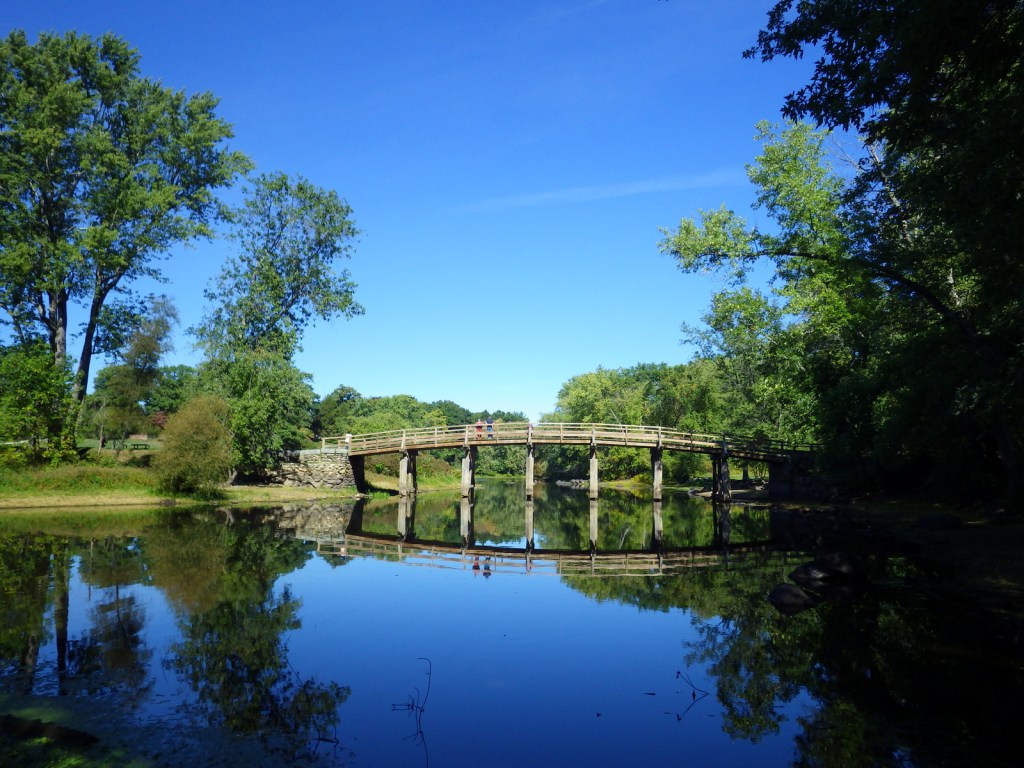
9. Minute Man National Historical Park (Massachusetts)

“The shot heard ’round the world” happened here, but the events really started in nearby Boston National Historical Park

8. Fort McHenry National Monument and Historic Shrine (Maryland)

A huge American flag flies over the site that inspired Francis Scott Key to write the National Anthem in 1814

7. Valley Forge National Historical Park (Pennsylvania)

We found the story of freezing and starving American troops more patriotic than nearby Independence National Historical Park where aristocrats signed a piece of paper

6. Tuskegee Airmen National Historic Site (Alabama)

“Double Victory” was the goal of these civil rights pioneers, who never would have flown if not for…

5. Wright Brothers National Memorial (North Carolina)

…the momentous 12-second flight that occurred here on December 17, 1903

4. Rosie the Riveter/World War II Home Front National Historical Park (California)

America was successful during World War II because every citizen made sacrifices for the greater good

3. National Mall (District of Columbia)

The nation’s front lawn is home to the Lincoln Memorial, World War II Memorial, and numerous other American monuments

2. Statue of Liberty National Monument (New York-New Jersey)

Lady Liberty is beautifully symbolic, but Ellis Island represents the gritty truth of the American dream

…and finally the #1 patriotic NPS site:
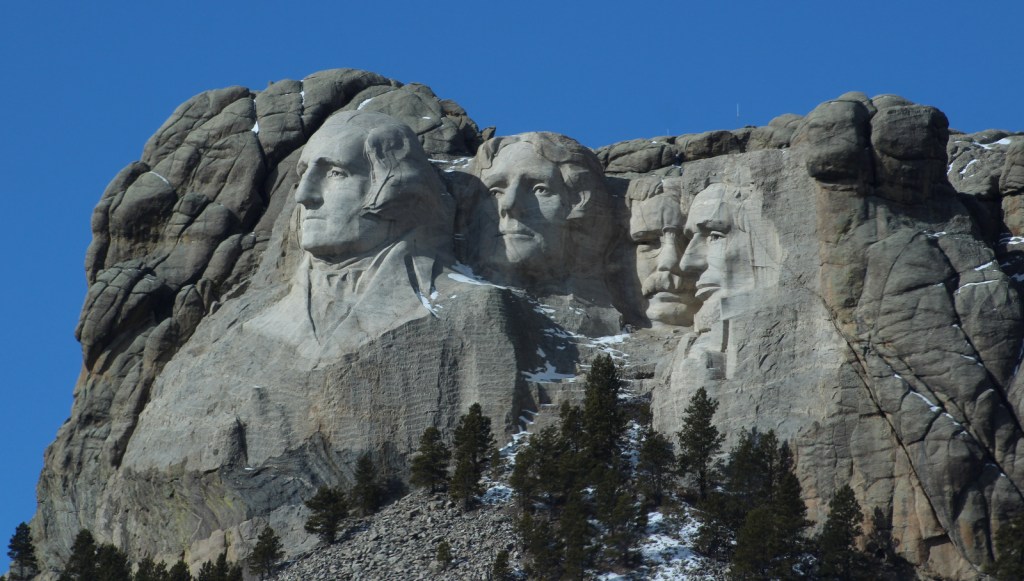
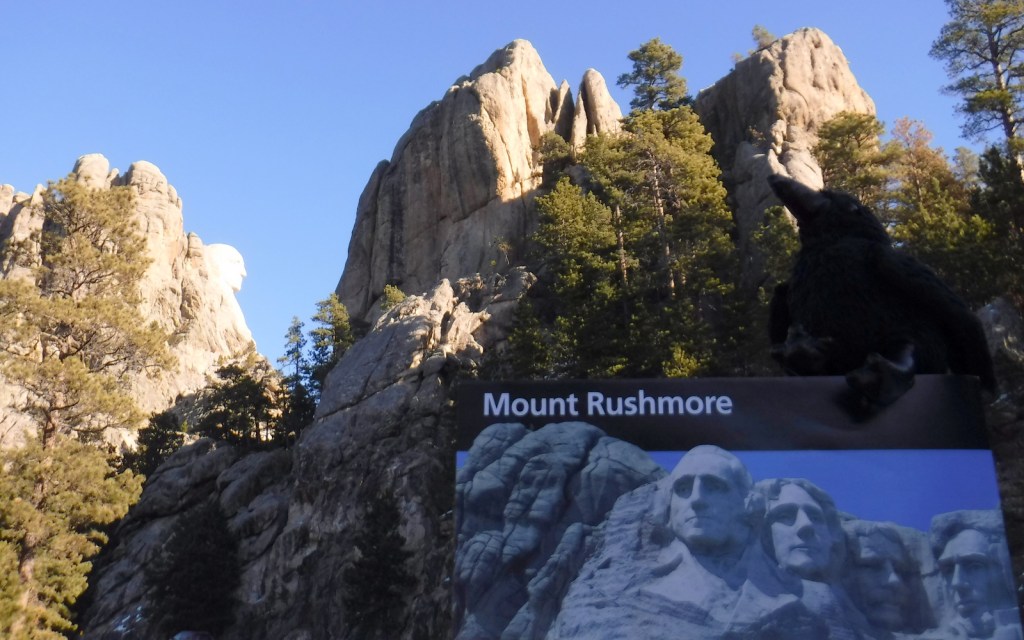
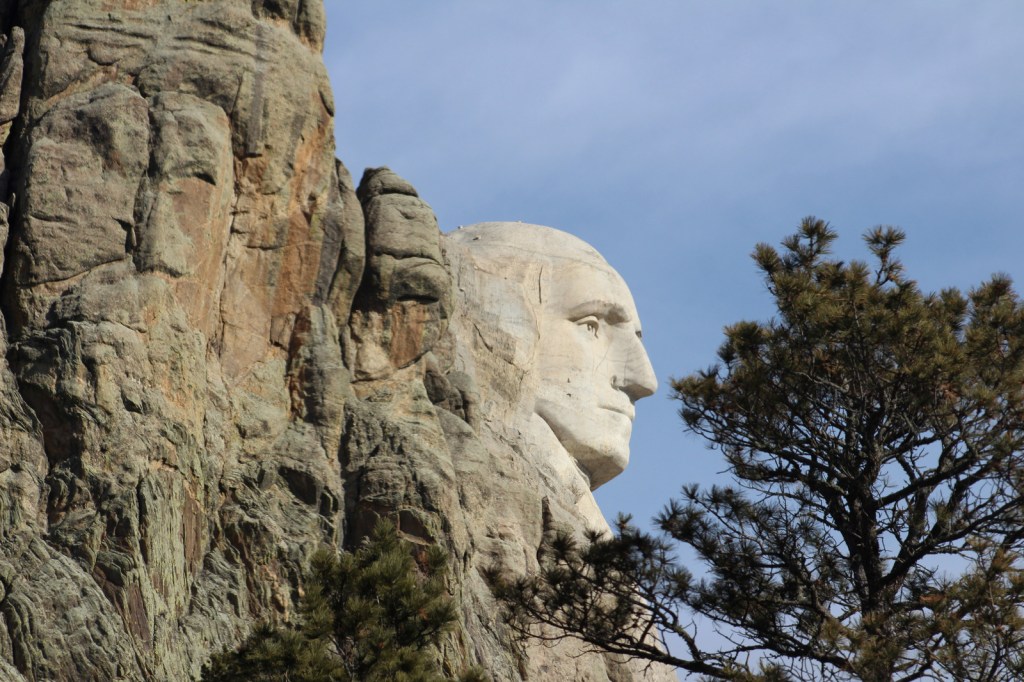
1. Mount Rushmore National Memorial (South Dakota)

Inspiring during the day, but for the full effect do not miss the Evening Lighting Ceremony offered May through September

Honorable Mentions

Lewis and Clark National Historical Park (Oregon-Washington)

There are numerous good museums celebrating the Corps of Discovery along the Lewis and Clark National Historical Trail that ends here on the Pacific Coast

Perry’s Victory and International Peace Memorial (Ohio)

A 352-foot tall memorial tower celebrates less the naval victory of 1813 and more so the world’s longest undefended international border

Colonial National Historical Park (Virginia)

Victory at Yorktown ended the Revolutionary War in 1781 near Jamestown, site of the first successful British colony in America

Cane River Creole National Historical Park

Overview

In colonial Louisiana, the word “Creole” referred to any New World product, from architecture to livestock to human beings (and was not specific to any ethnicity).  South of Natchitoches, Louisiana the Cane River National Heritage Area follows an abandoned meander of the Red River, with two antebellum cotton plantations protected as Cane River Creole National Historical Park.  This National Park Service (NPS) site was authorized in 1994 and continues to be developed; meanwhile it provides an interesting perspective on a unique culture and excellent photographic opportunities.

Highlights

Oakland Plantation, Magnolia Plantation, historic buildings, pecan picking

Must-Do Activity

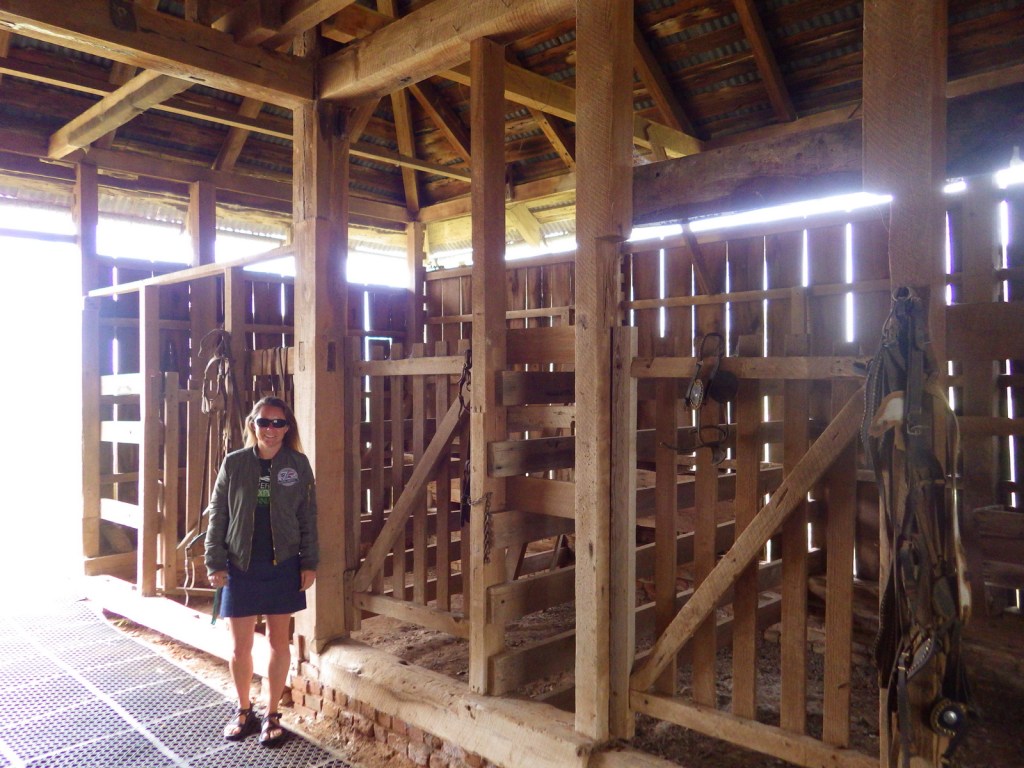
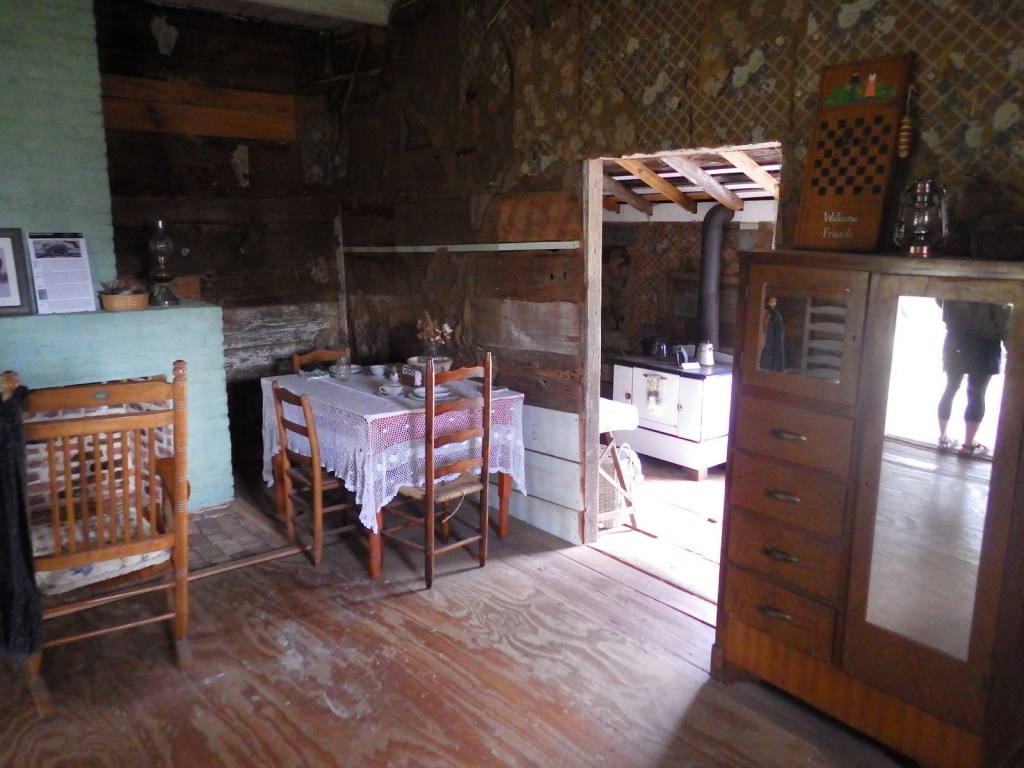
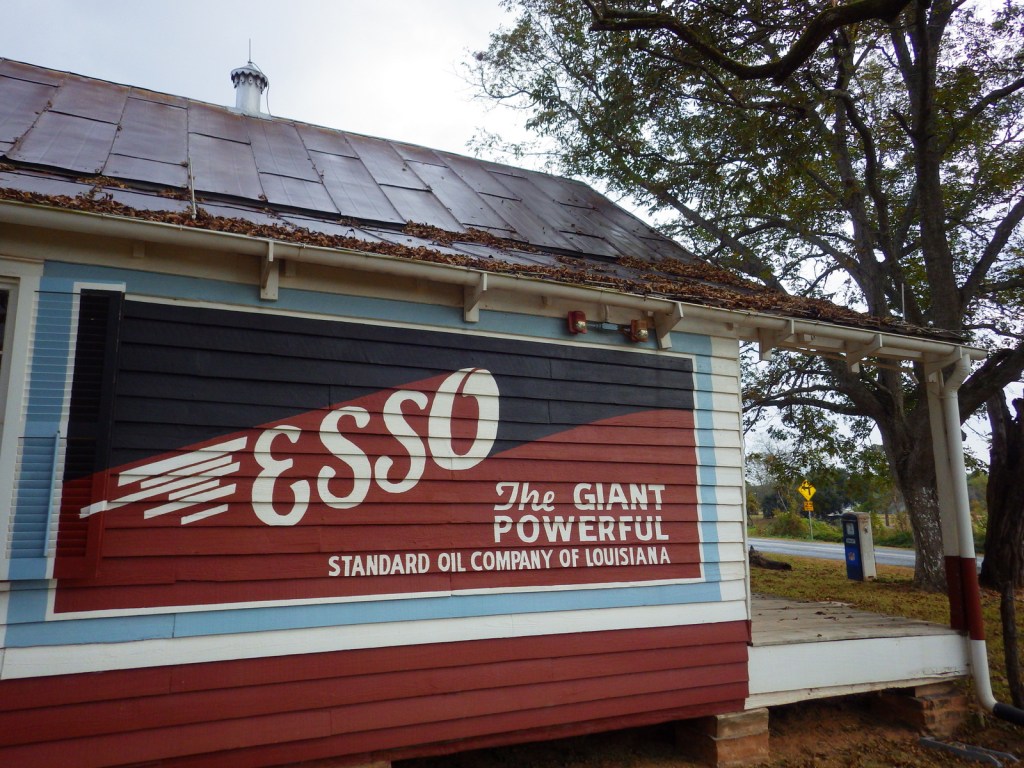
Oakland Plantation dates back to the late 1700s and survived the Civil War intact, but in the wake of Reconstruction tenant farming created a new form of indentured servitude.  Self-guided tours of the site take you through the mule barn, general store, and several cottages.  When we visited in November 2016, park volunteers were only offering one tour per day, but were happy to spend time talking with us inside the old general store.  Slave/tenant quarters are also preserved at Magnolia Plantation downstream, but the main house (which was burned during the Civil War and rebuilt) is privately owned and closed to the public. 

Best Trail

None

Instagram-worthy Photo

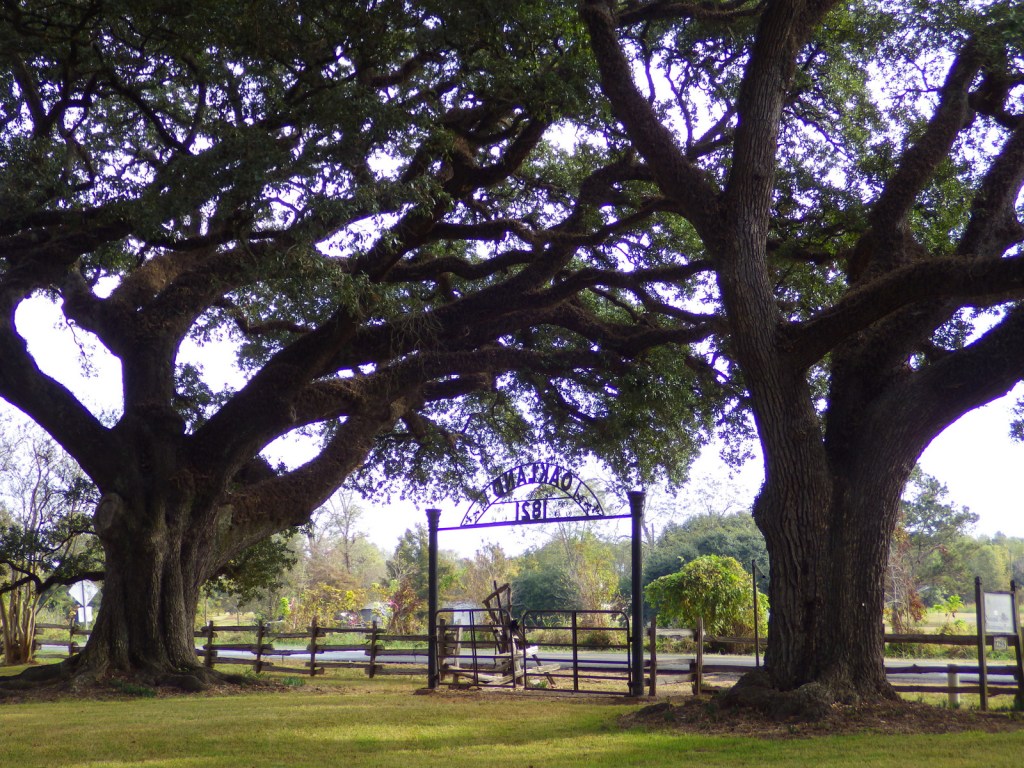
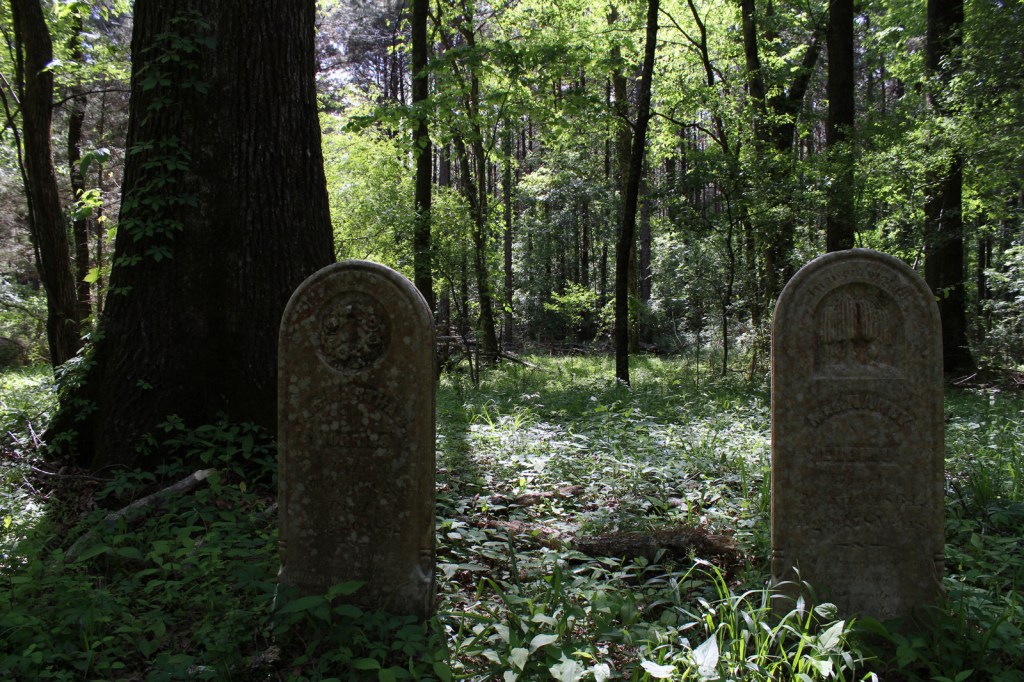
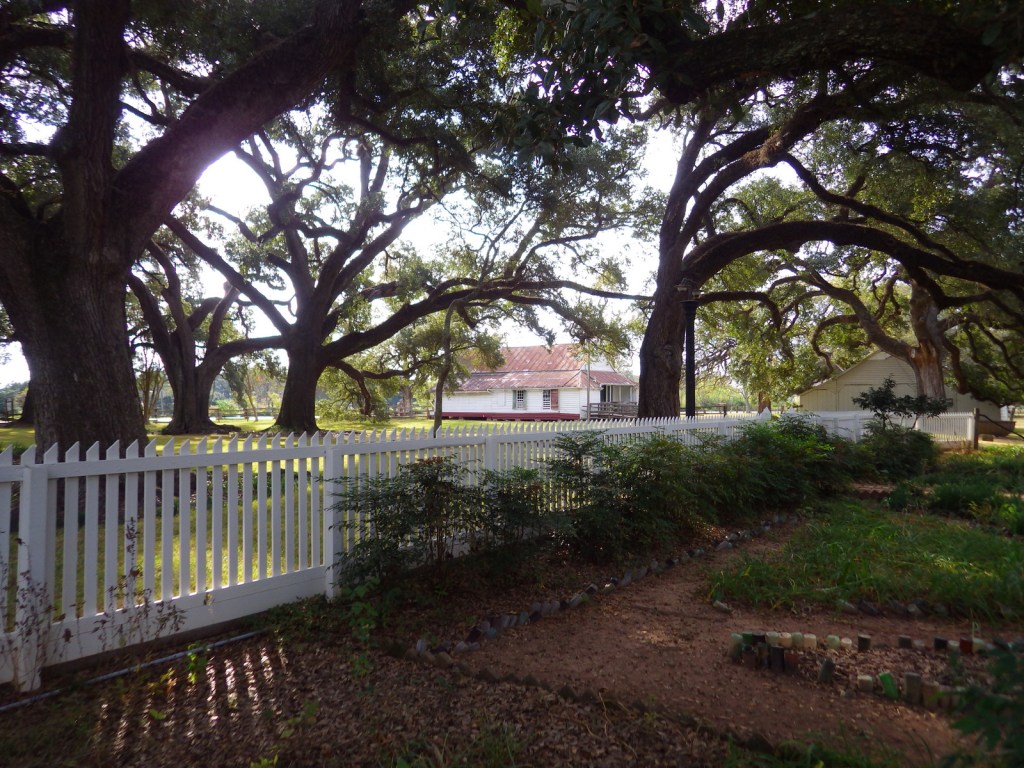
Nothing says you are in the South like the crooked branches of live oak trees.  Live oaks drape over the bottle-lined garden at the Oakland Plantation main house.

Peak Season

Fall

Hours

https://www.nps.gov/cari/planyourvisit/hours.htm

Fees

None

Road Conditions

All roads paved

Camping

Kisatchie National Forest has a small campground three miles north of Natchitoches off State Road 117.

Related Sites

Natchez National Historical Park (Mississippi)

Jean Lafitte National Historical Park and Preserve (Louisiana)

Poverty Point National Monument (Louisiana)

Explore More – Cane River National Heritage Area covers 40,000 acres, but how large is Cane River Creole National Historical Park?

Mount Rushmore National Memorial

Overview

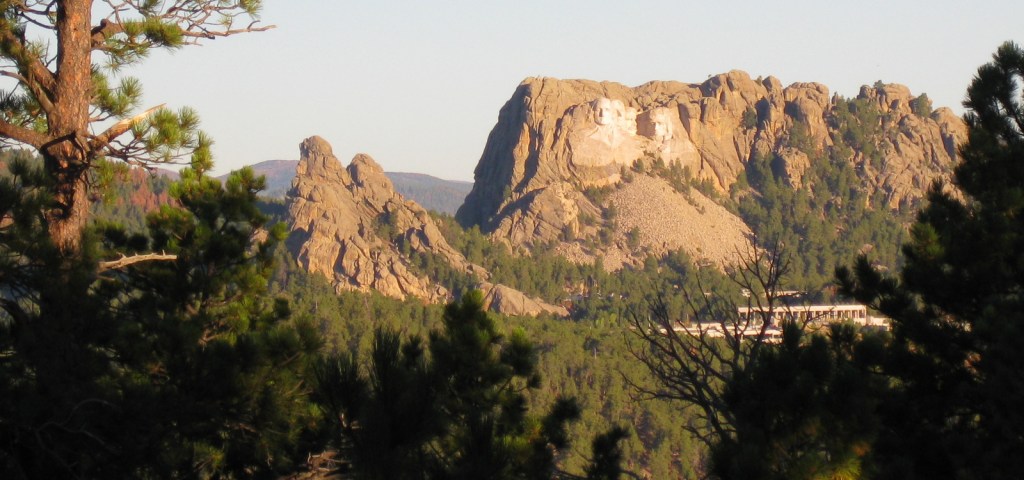
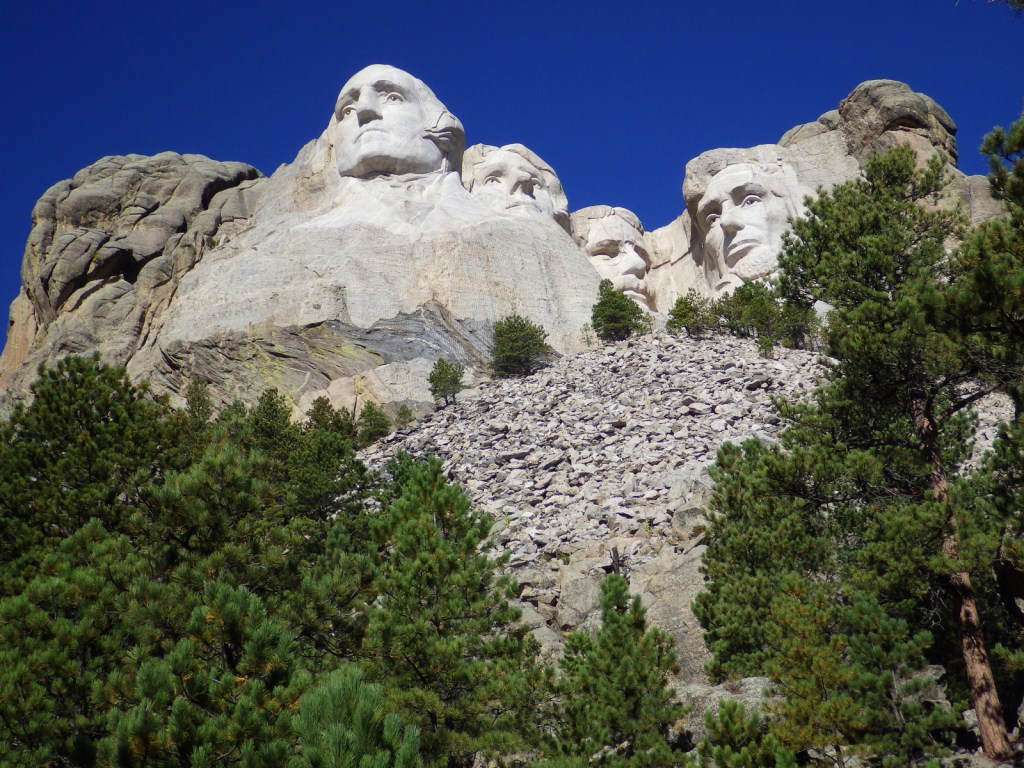
Completed in 1941 after fifteen years of work, this granite outcrop had the 60-foot tall faces of four prominent American presidents blasted and chiseled into its façade.  The mountain is named for a New York attorney who visited the Black Hills to inspect mining claims in 1885.  Sculptor Gutzon Borglum originally carved Thomas Jefferson over George Washington’s right shoulder, but the granite there had flaws and the figure was blasted away.

Highlights

Grand View Terrace, Avenue of Flags, Sculptor’s Studio, Evening Lighting Ceremony

Must-Do Activity

Mount Rushmore National Memorial is inspiring to see during the day, but for the full effect do not miss the Evening Lighting Ceremony offered May to September.  Held in the outdoor amphitheater, this audiovisual presentation is one of the most patriotic events held at a National Park Service (NPS) site. 

Best Trail

Leaving from the Grand View Terrace, the 0.6-mile Presidential Trail forms a loop with 422 stairs that gets closer to the carvings for a unique perspective and access to the Sculptor’s Studio.

Instagram-worthy Photo

If you keep a sharp eye, you may spot mountain goats around the park.  Not native to South Dakota, they were introduced to the Black Hills in 1924 and have successfully adapted to their new environment. 

Peak Season

Summer, especially 4th of July weekend

Hours

https://www.nps.gov/moru/planyourvisit/hours.htm

Fees

No admission fee, but there is a $10 parking fee (America the Beautiful Pass not accepted)

Road Conditions

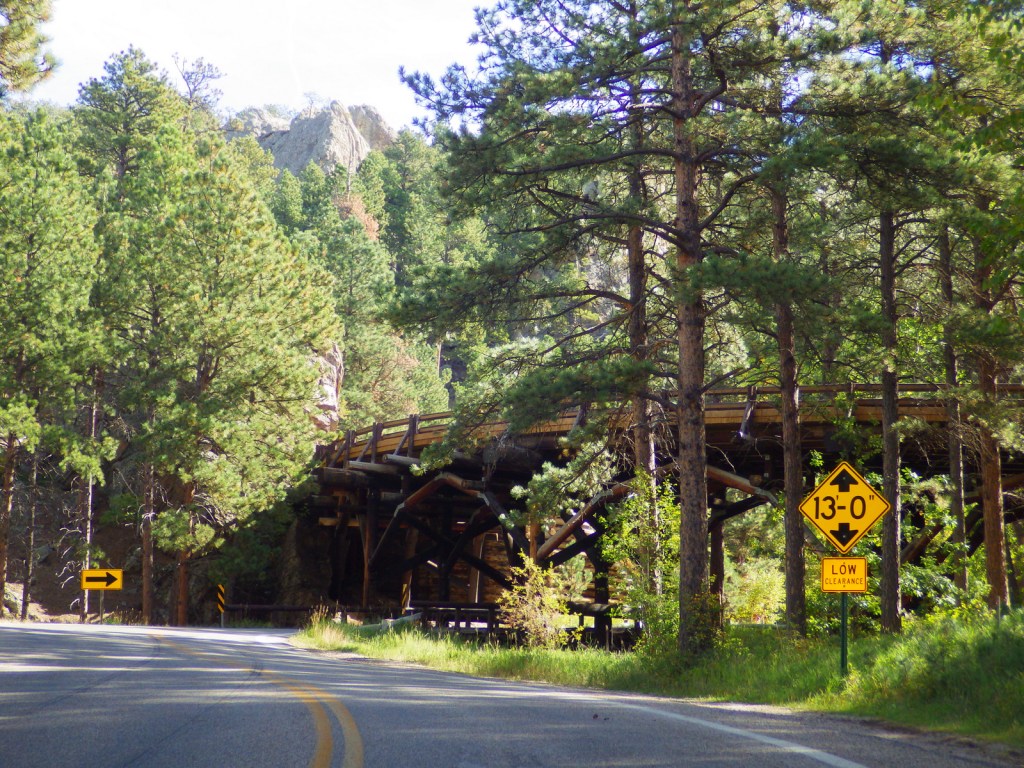
All access roads are paved, but there are size limits on the Norbeck Highway due to tunnels.

Camping

There are campgrounds in Wind Cave National Park, Custer State Park, and Black Hills National Forest.

Related Sites

Jewel Cave National Monument (South Dakota)

Minuteman Missile National Historic Site (South Dakota)

Badlands National Park (South Dakota)

Explore More – In the 1920s, who was the most controversial inclusion of the four presidents featured: Washington, Jefferson, Lincoln, or Roosevelt?

Natchez Trace National Scenic Trail

Natchez Trace National Scenic Trail

Mississippi-Alabama-Tennessee

Managed by National Park Service

Established 1983

67 miles

Website: nps.gov/natt

Overview

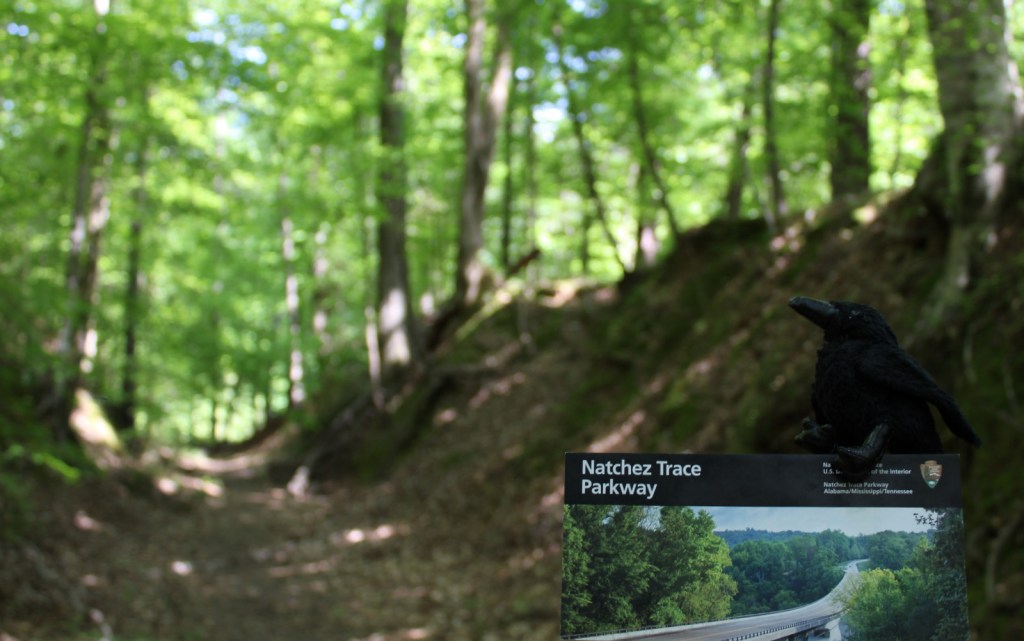
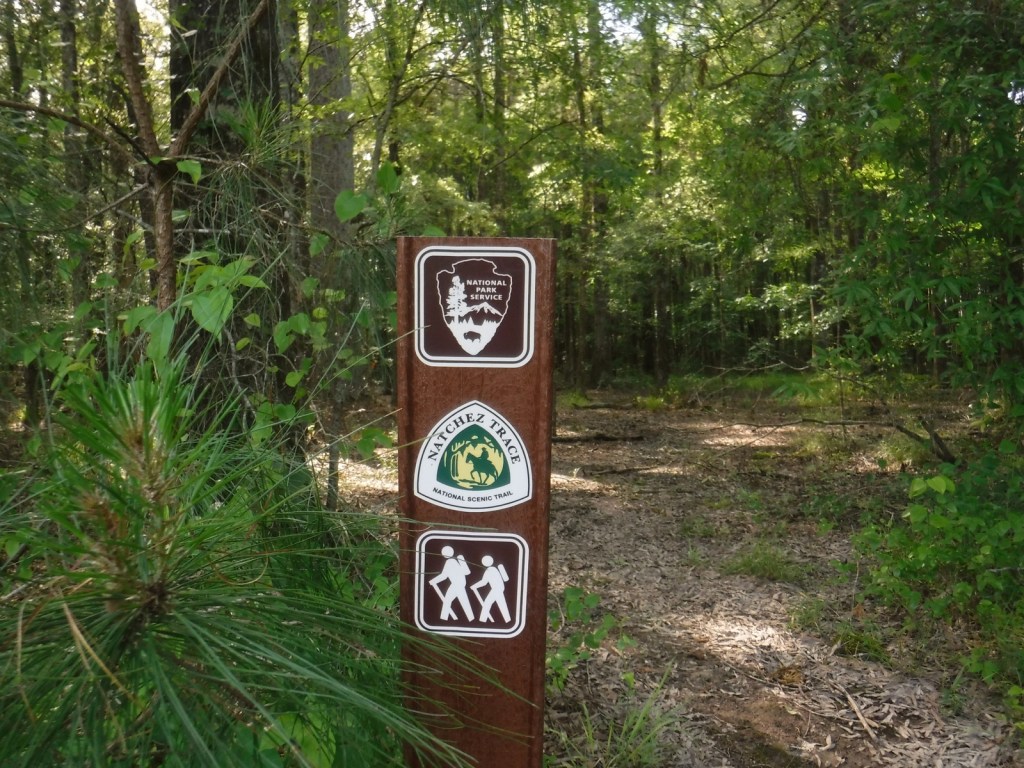
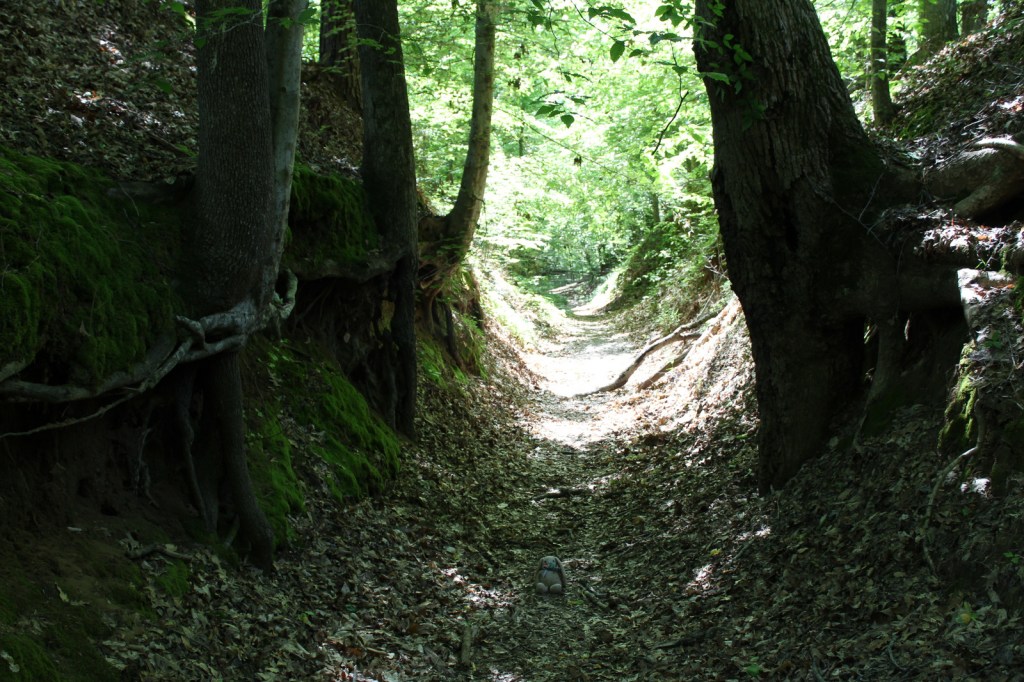
Not as well-known as the Natchez Trace Parkway it parallels, Natchez Trace National Scenic Trail is one of only six National Scenic Trails officially managed by the National Park Service (NPS).  The trace (or trail) started as an American Indian footpath.  Some of the mound builder sites protected here were inhabited when Hernando de Soto led the first Europeans into this area in 1540.  The Natchez Trace was heavily used in the 1800s by “Kaintuck” flatboatmen returning from New Orleans who left the Mississippi River from Natchez, Mississippi and continued on foot north to Nashville, Tennessee.  Today you can follow portions of the “sunken” trail worn down by travelers for centuries.
Highlights

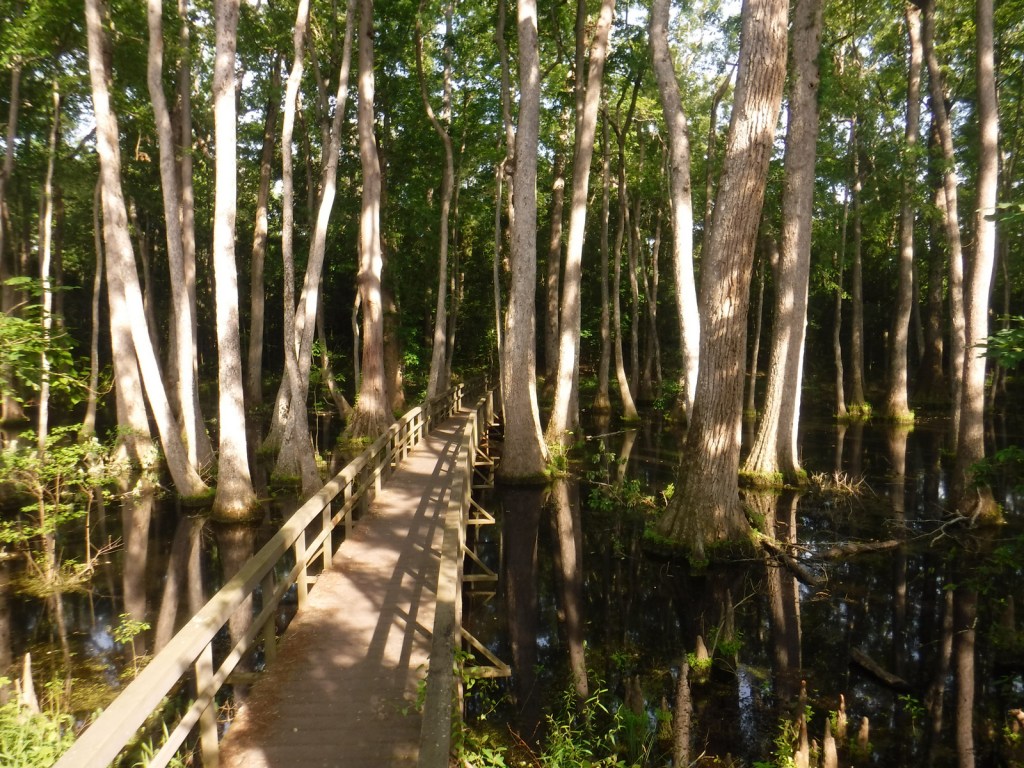
Rocky Springs, Owens Creek Waterfall, Tupelo-Baldcypress Swamp, Grindstone Ford, Witch Dance Horse Trail, War of 1812 Memorial

Must-Do Activity

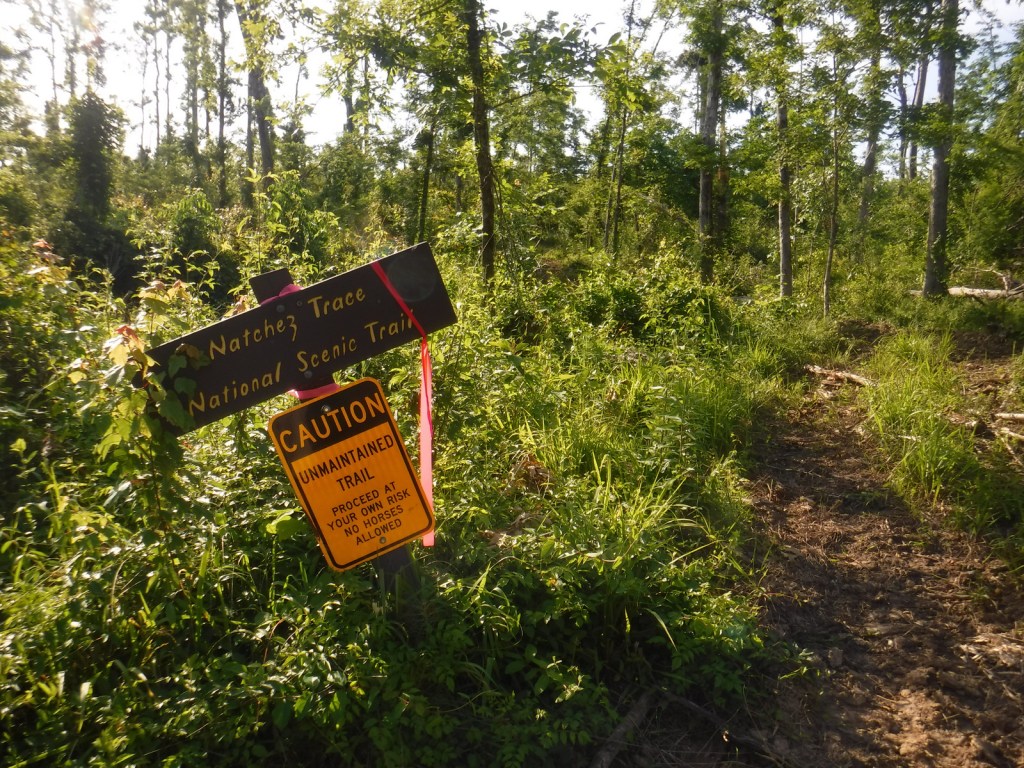
The Natchez Trace National Scenic Trail does not follow the entire 444-mile parkway, but exists in five segments totaling 67 miles in length.  The two longest sections are near Leipers Fork, Tennessee (Miles 408-427) and north of Jackson, Mississippi (Miles 108-130).  There are many other places to go hiking along the Natchez Trace Parkway, including one of our favorite spots, Tishomingo State Park (Mile 304) in Mississippi.  Near Tupelo, the Parkway Visitor Center at Mile 266 is another must-do stop to learn the history of the trace.

Best Trail

There are eight miles of the original trail around the Rocky Springs Campground near Mile 58 in Mississippi, which provides access to Owens Creek Waterfall and a historic town site.

Instagram-worthy Photo

In early April the dogwood trees bloom along the Natchez Trace Parkway.  At Mile 275 is Dogwood Valley, which also has a short section of “sunken” historic trail.

Peak Season

Spring and fall

Hours

https://www.nps.gov/natt/planyourvisit/hours.htm

Fees

None

Road Conditions

The entire 444-mile Natchez Trace Parkway is paved from Natchez, Mississippi to Nashville, Tennessee, but not all trailheads are RV accessible.

Camping

There are three NPS campgrounds along the Natchez Trace Parkway, as well as those in sites like Mississippi’s Tishomingo State Park.  The three NPS campgrounds are free with running water, plus there are also five bike-only campsites along the route.

Related Sites

Tupelo National Battlefield (Mississippi)

Natchez National Historical Park (Mississippi)

Natchez Trace Parkway (Mississippi-Alabama-Tennessee)

Vicksburg National Military Park (Mississippi)

Nearest National Park

Hot Springs

Explore More – The Natchez Trace Parkway officially joined the NPS system in 1938, but when was construction of the road finally completed?

Fire Island National Seashore

Overview

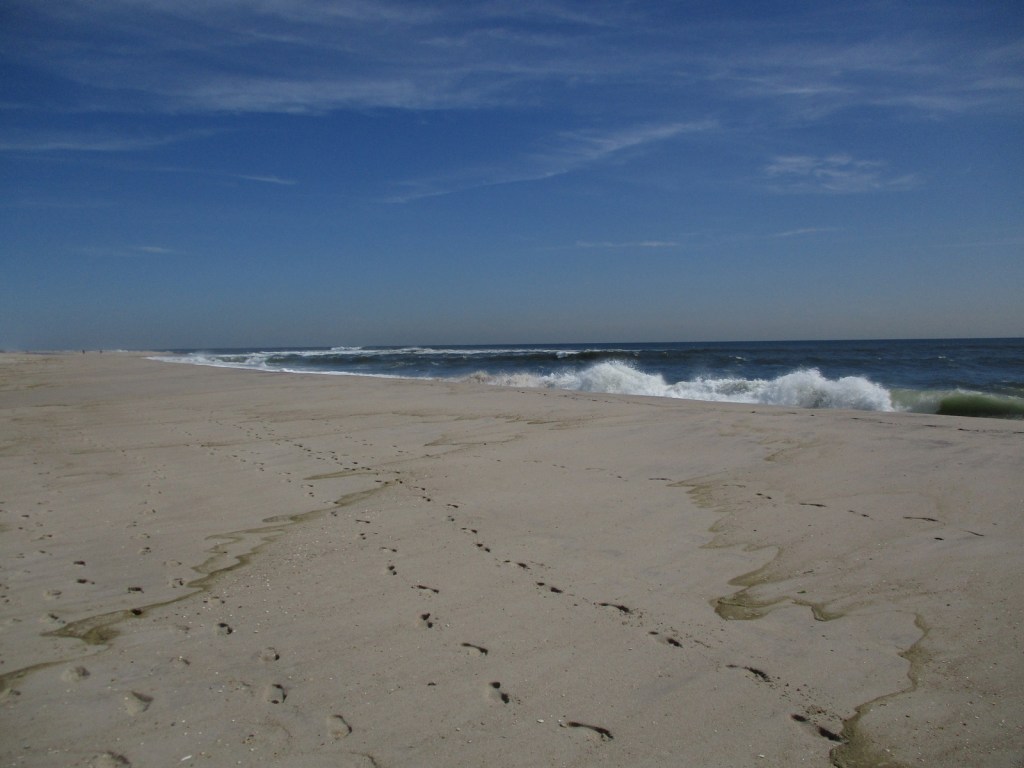
Established in 1964, Fire Island National Seashore stretches across 26 miles of the 32-mile long barrier island off the southern coast of New York’s Long Island.  It encompasses 17 communities that were present when it was created, but otherwise it is mostly roadless and wild.  Backcountry camping is allowed in the Otis Pike Wilderness (1,363 acres), the only federally designated Wilderness area in the state of New York.

Highlights

Fire Island Lighthouse, William Floyd Estate, Sunken Forest Trail, Otis Pike Wilderness

Must-Do Activity

About 2.2-million visitors come to Fire Island annually, but not necessarily to the National Seashore, which is primarily accessed by ferry boats from Long Island.  A short walk down the coast can usually escape the crowds, but be aware that the area around Fire Island Lighthouse is an unofficial nude beach.  Visitors can also tour the home and grounds at William Floyd Estate, a 613-acre historical site on Long Island once home to a signer of the Declaration of Independence.

Best Trail

There are nature trails at Fire Island Lighthouse, Sailors Haven, Watch Hill, and Fire Island Wilderness Visitor Centers, plus the beach is wide and good for walking.

Instagram-worthy Photo

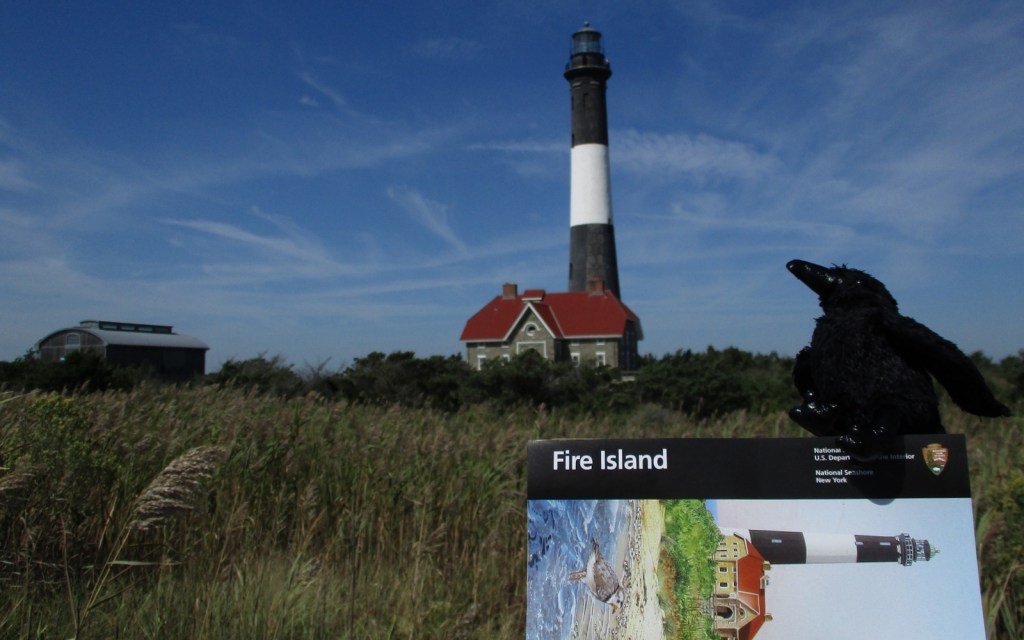
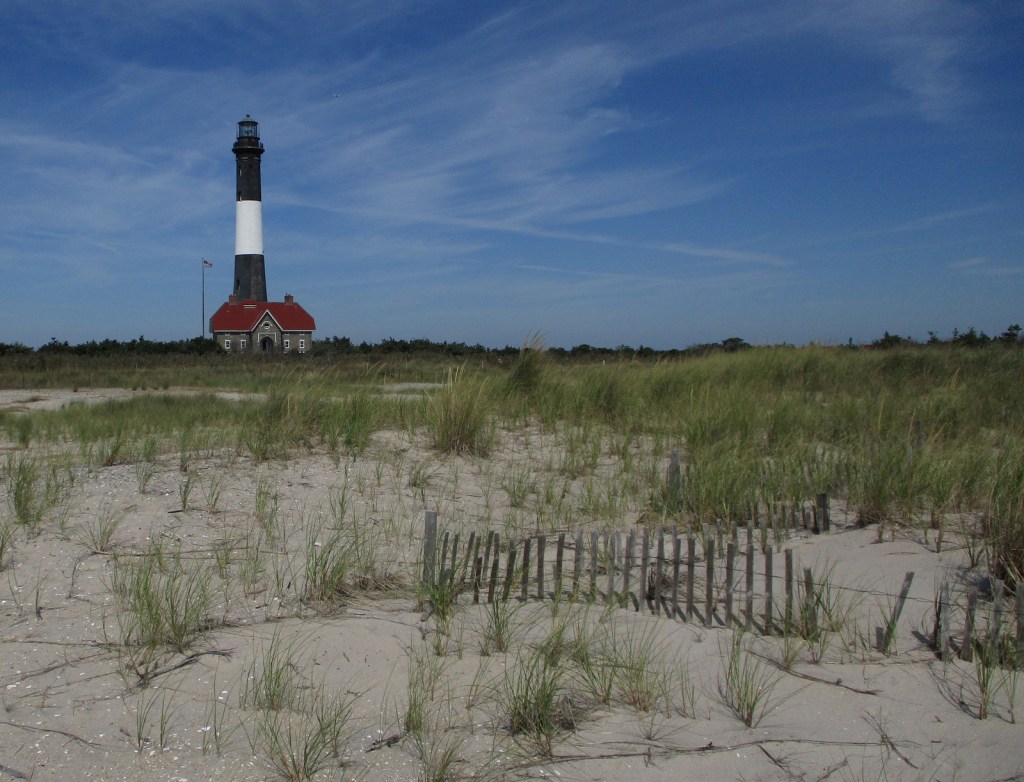
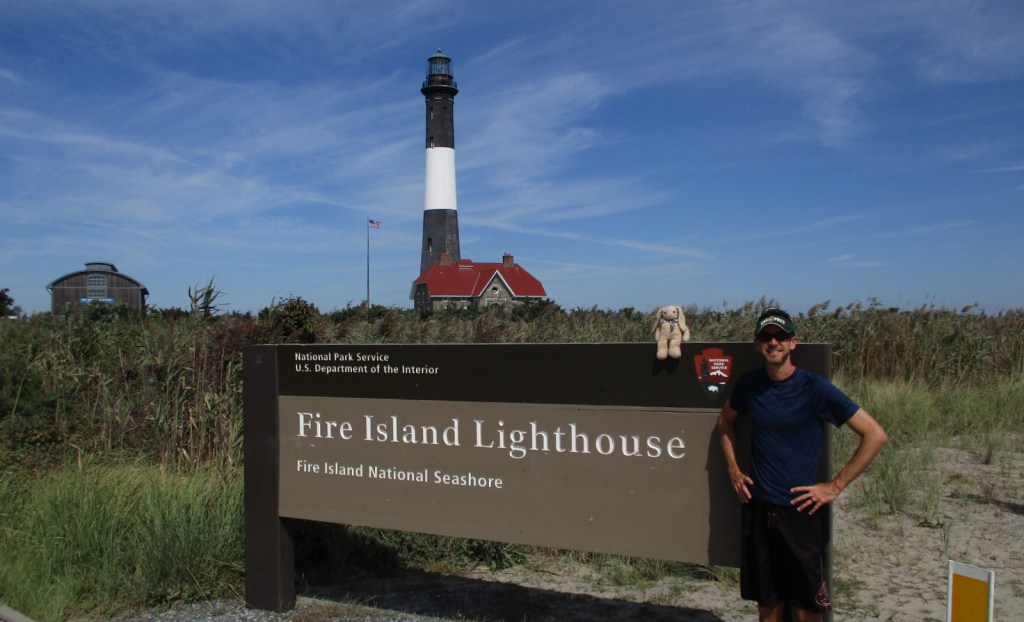
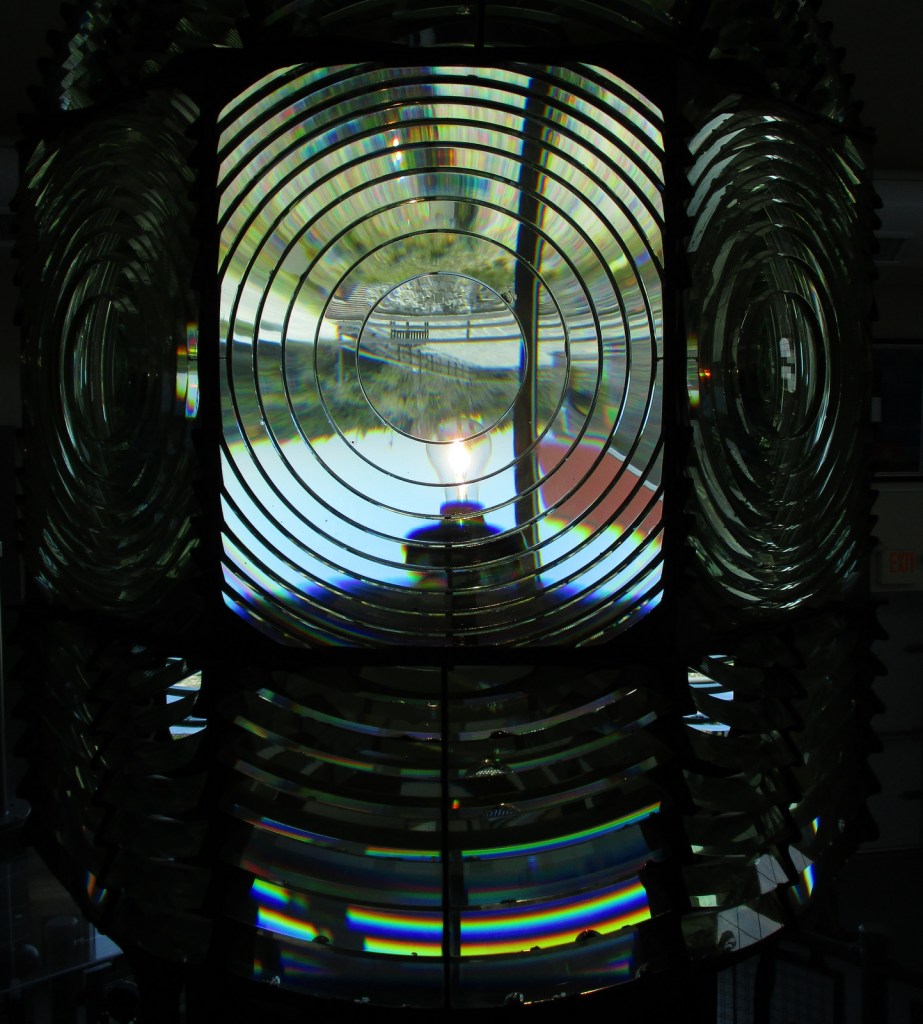
The 167-foot tall Fire Island Lighthouse was built in 1858.  It is run by a nonprofit organization that offers a free museum inside, but charges a fee to climb to the top.

Peak Season

Summer

Hours

https://www.nps.gov/fiis/planyourvisit/hours.htm

Fees

None, except for ferries and to climb to the top of Fire Island Lighthouse

Road Conditions

There are no roads in the National Seashore, but you can drive to the western and eastern edges in Robert Moses State Park and Smith Point County Park, respectively.

Camping

Only reachable by boat, Watch Hill has a campground with restrooms and provides access to backcountry camping in Otis Pike Wilderness (permit required).

Related Sites

Gateway National Recreation Area (New York-New Jersey)

Sagamore Hill National Historic Site (New York)

Cape Cod National Seashore (Massachusetts)

Explore More – How old are the American holly trees that grow along the 1.5-mile Sunken Forest boardwalk trail at Sailors Haven?