Tag Archives: history

Francis Marion National Forest

Francis Marion National Forest

South Carolina

Managed by U.S. Forest Service, Southern Region

414,700 acres (258,864 federal/ 155,836 other)

Website: https://www.fs.usda.gov/scnfs

Overview

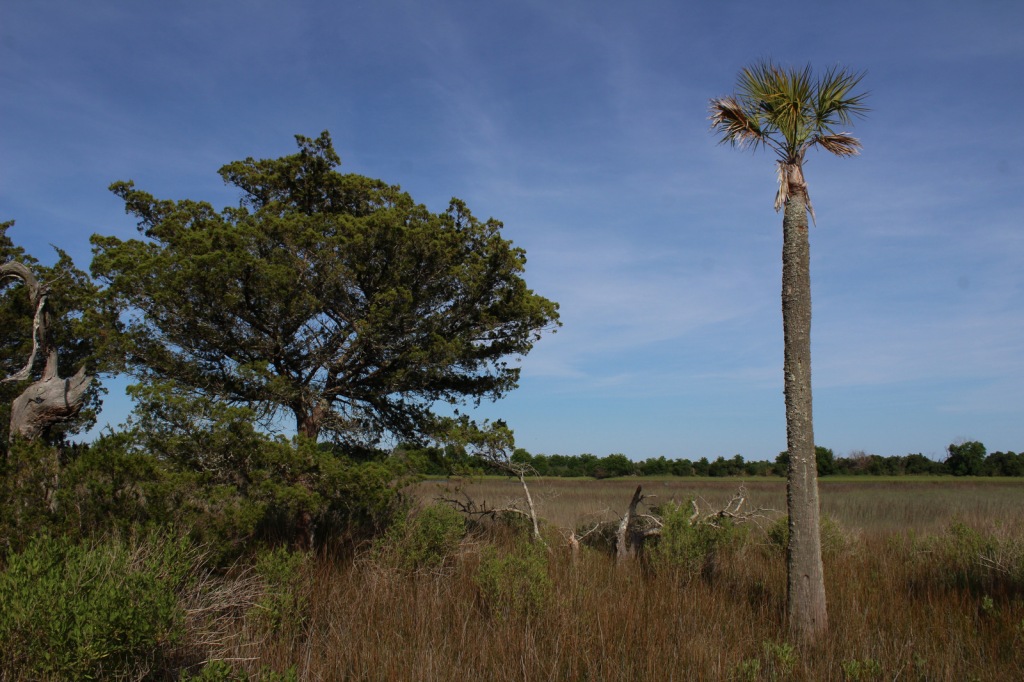
Located on South Carolina’s coast between Myrtle Beach and Charleston, Francis Marion National Forest was devastated by the 130-mile-per-hour winds of Hurricane Hugo in 1989.  Young and damaged trees have grown back in the subtropical coniferous and maritime forests, although some attractions like the Sewee Shell Ring Boardwalk have never been rebuilt.  Other historic sites in the National Forest include the 1768 St. James Church, Battery Warren from the Civil War, and Watahan Historical Area, which has colonial plantations and the site of a 1782 Revolutionary War battle.  On the Santee River, Guilliard Lake Scenic Area has three trails that visit an old-growth baldcypress forest, but the National Forest’s four Wildernesses are mostly inaccessible wetlands. 

Highlights

Sewee Visitor and Environmental Education Center, Buck Hall Recreation Area, Battery Warren Historic Site, Huger Recreation Area, Honey Hill Recreation Area, I’on Swamp Interpretive Trail, Shell Ring Trail, Palmetto Trail

Must-Do Activity

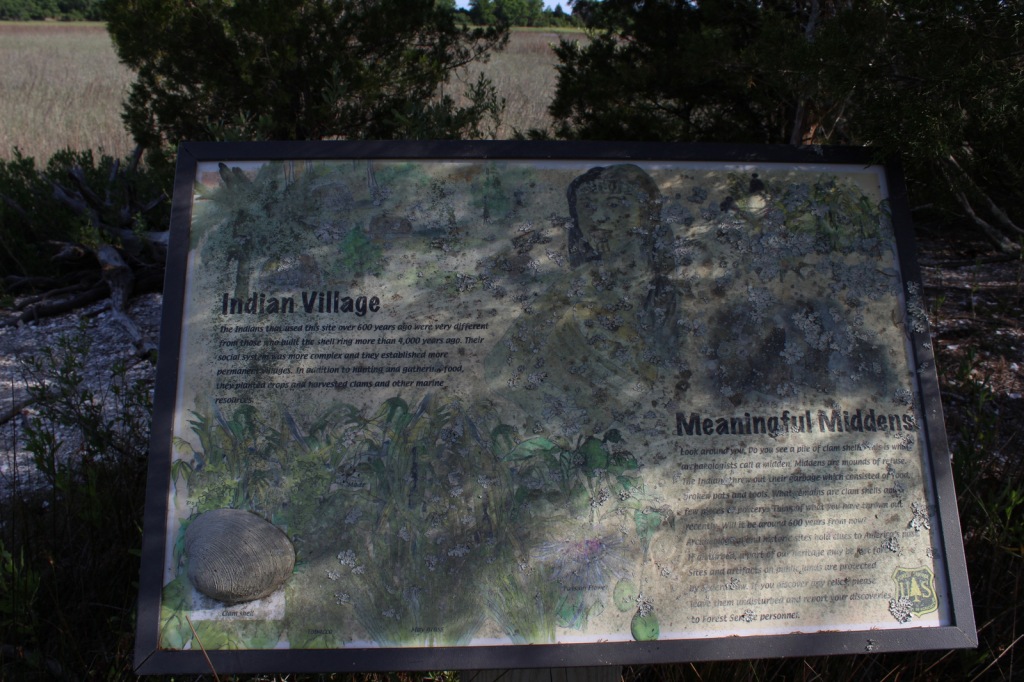
Sewee Visitor and Environmental Education Center is a good place to start a visit, and includes an exhibit on reintroducing red wolves.  Not far away, Sewee Shell Ring Boardwalk was never rebuilt after Hurricane Hugo in 1989, but the trail to the boardwalk remains open (despite what you might read online).  A one-mile loop trail takes visitors to a 4,000-year-old ceremonial ring made of oyster shells and a 600-year-old shell midden, but no longer out into the salt marsh.  Another historic walk is the I’on Swamp Interpretive Trail where signs explain the embankments and ditches built by slaves to create rice paddies.

Best Trail

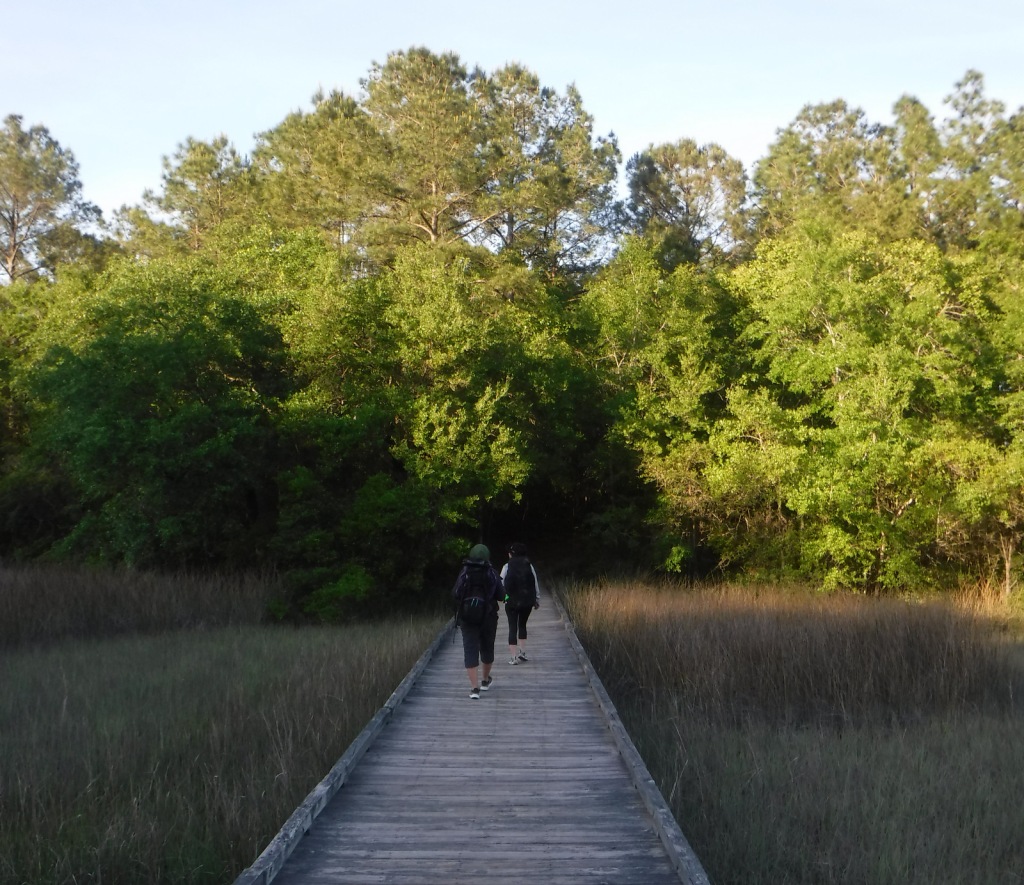
A free permit is required to backpack the Palmetto Trail on its 47-mile stretch through Francis Marion National Forest.  The easternmost seven miles of this statewide trail was opened in 2003 running from the Swamp Fox Trailhead to Buck Hall Recreation Area (fee) on the Intracoastal Waterway bordering Cape Romain National Wildlife Refuge.  Both trailheads are easily accessible from Highway 17.  This sandy section of the Palmetto Trail is known as the Awendaw Passage because it follows Awendaw Creek for most of its length.  There are bridges and boardwalks built over the wettest areas, but very few good places to set up a campsite due to the density of the forest understory. 

Watchable Wildlife

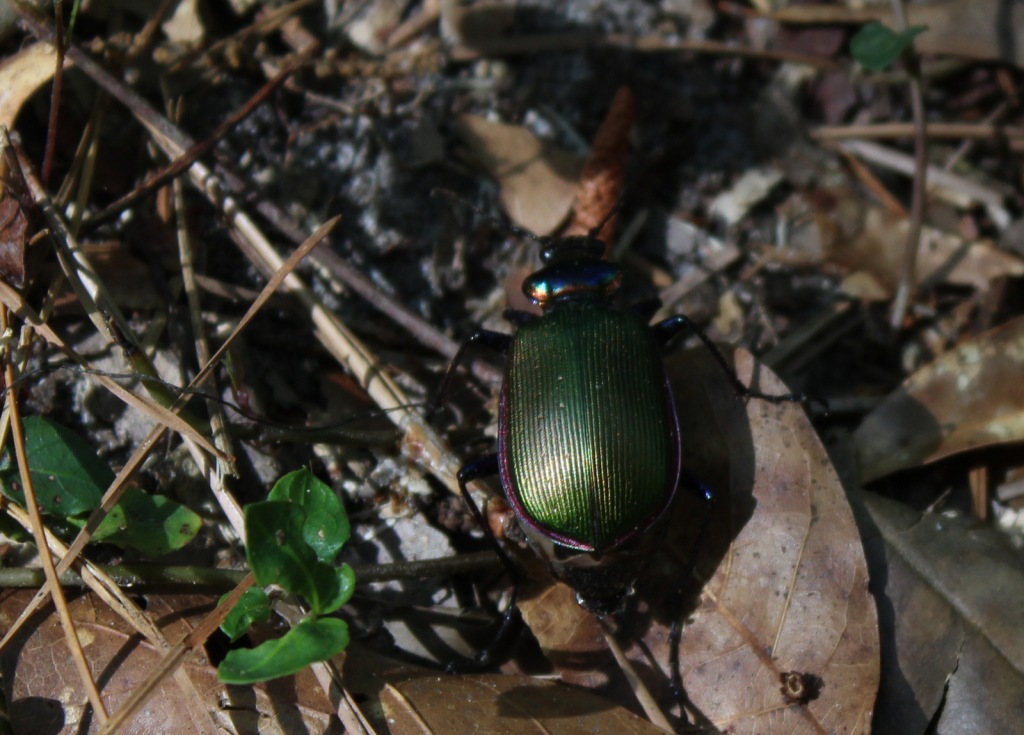
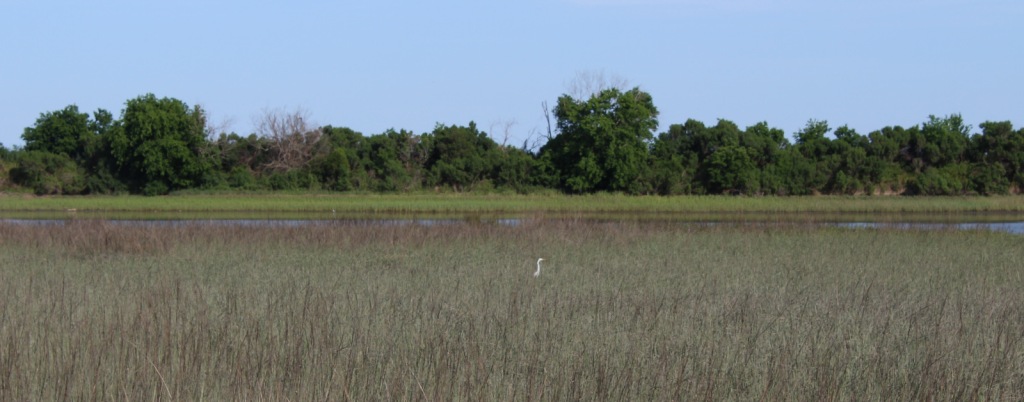
We saw a variety of wildlife in Francis Marion National Forest, including coastal species you do not find in any other National Forest, like crabs and mussels.  The salt marshes provide habitat for large birds like Mississippi kites, ospreys, little blue herons, and great egrets.  We spotted red-headed woodpeckers and pileated woodpeckers, and there are also endangered red-cockaded woodpeckers.  While backpack camping, we saw fireflies, bats, fox squirrels, and a seldom-seen whippoorwill, a bird known for its distinctive, repetitive calls at night.  In Awendaw Creek, we saw a muskrat and four-foot-long rat snake, but did not find any alligators or river otters. 

Instagram-worthy Photo

Battery Warren was built by slaves during the Civil War so soldiers could defend the railroad bridge across the Santee River.  The earth embankments are still visible at the end of a short trail maintained by the U.S. Forest Service.

Peak Season

Spring

Fees

There is a fee to park and launch a boat at Buck Hall Recreation Area.  A free permit (available online) is required to backpack camp on the Palmetto Trail in Francis Marion National Forest.

Road Conditions

The main roads cutting through the National Forest are paved, and even the unpaved roads we drove were flat, packed sand.

Camping

Buck Hall Campground is located at a boat launch on the Intracoastal Waterway, while scenic Edmund Campground has Spanish moss-draped trees near the northern end of Wambaw Creek Wilderness.  Huger Campground and Halfway Campground are located along the Palmetto Trail.  Extensive wetlands and thick woodlands make dispersed camping and backpacking difficult in Francis Marion National Forest.

Wilderness Areas

Hell Hole Bay Wilderness

Little Wambaw Swamp Wilderness

Wambaw Creek Wilderness

Wambaw Swamp Wilderness

Related Sites

Fort Sumter and Fort Moultrie National Historical Park (South Carolina)

Reconstruction Era National Historical Park (South Carolina)

Charles Pinckney National Historic Site (South Carolina)

Croatan National Forest (North Carolina)

Nearest National Park

Congaree

Conifer Tree Species

baldcypress, longleaf pine, shortleaf pine, loblolly pine

Flowering Tree Species

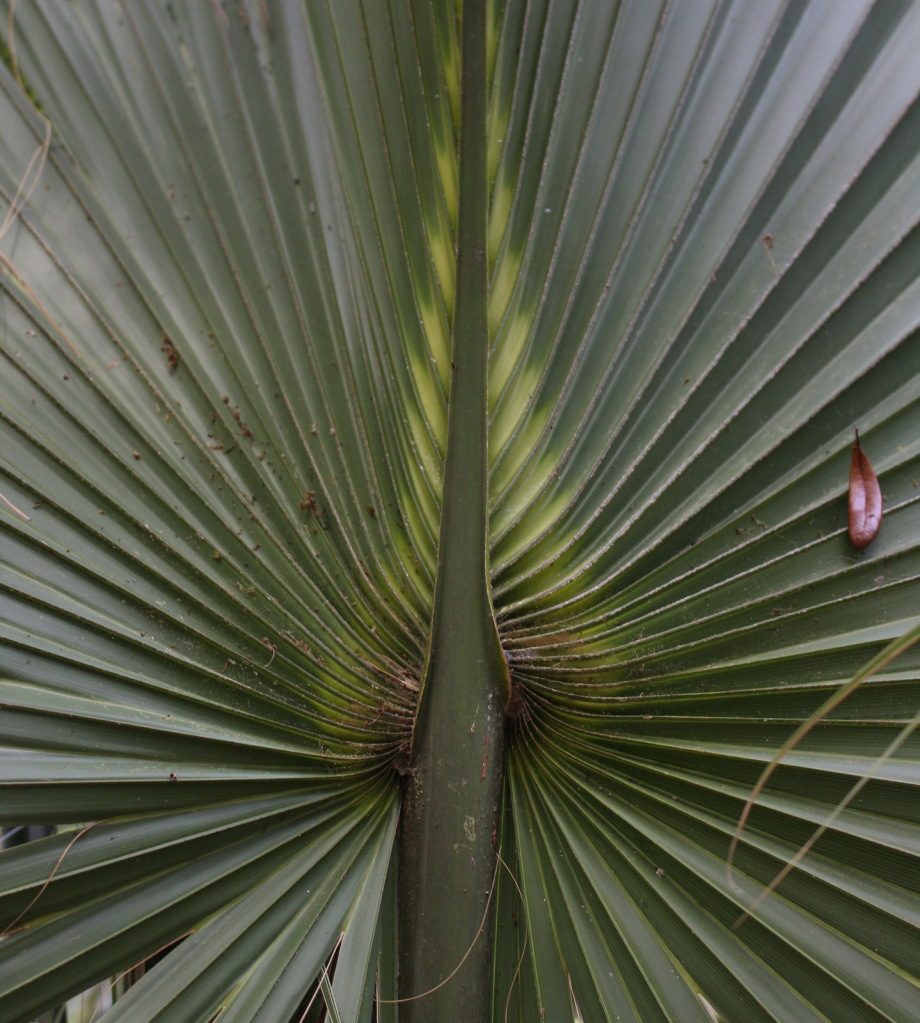
tulip-poplar, sweetgum, American holly, yaupon holly, live oak,  overcup oak, water oak, cherrybark oak, willow oak, southern red oak, white oak, American beech, green ash, red bay, red buckeye, swamp cottonwood, water tupelo, water locust, water hickory, bitternut hickory, sweet bay magnolia, Carolina willow, titi, southern bayberry

Explore More – What was Francis Marion’s nickname earned by employing guerilla tactics against the British during the American Revolutionary War?

Learn more about this and the 154 other National Forests in our new guidebook Out in the Woods

We are a participant in the Amazon Services LLC Associates Program, an affiliate advertising program designed to provide a means for us to earn fees by linking to Amazon.com and affiliated sites.

Flathead National Forest

Flathead National Forest

Montana

Managed by U.S. Forest Service, Northern Region

2,628,720 acres (2,404,925 federal/ 223,795 other)

Website: https://www.fs.usda.gov/flathead

Overview

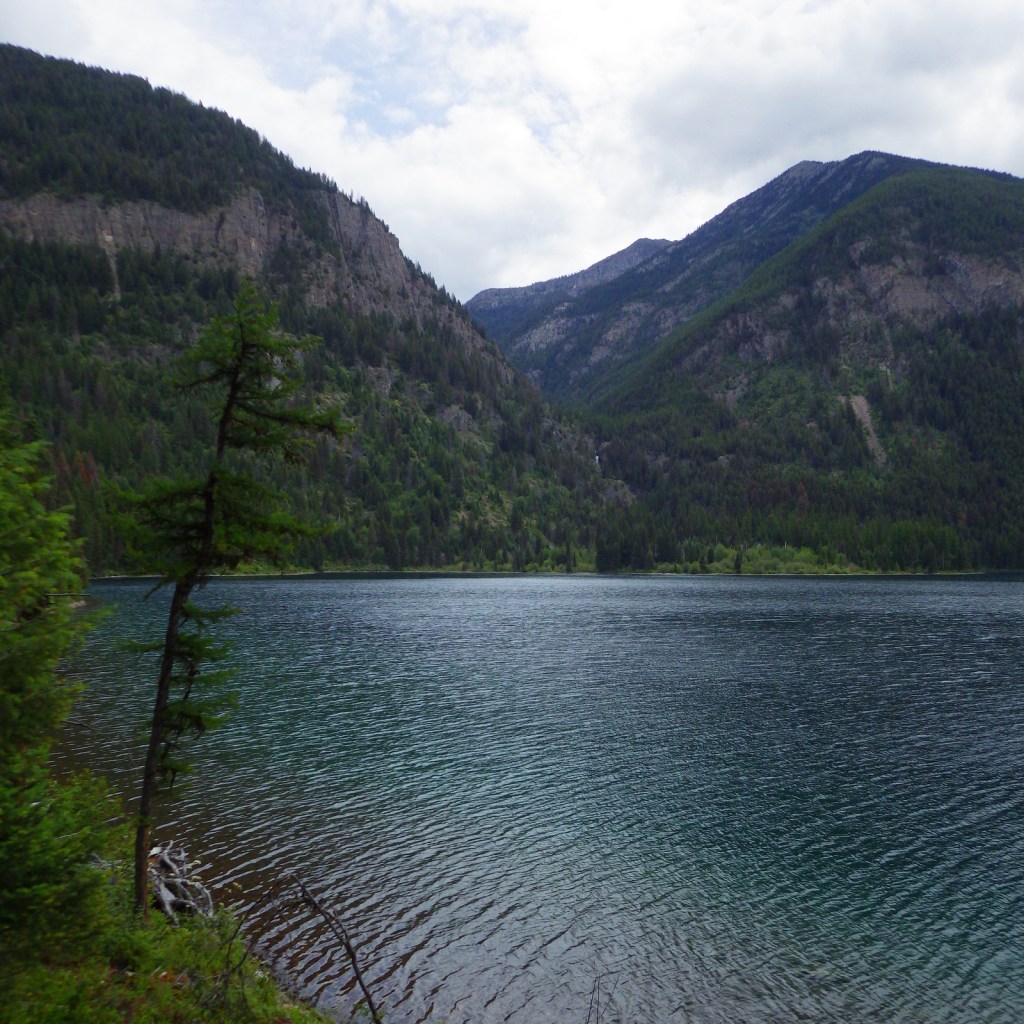
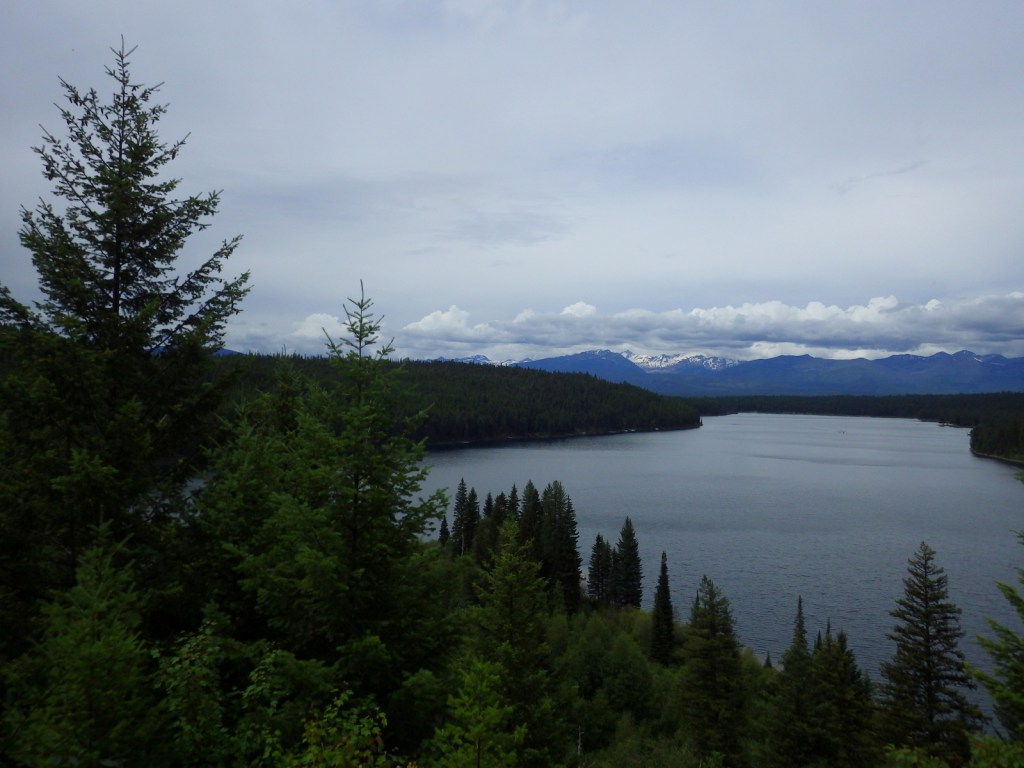
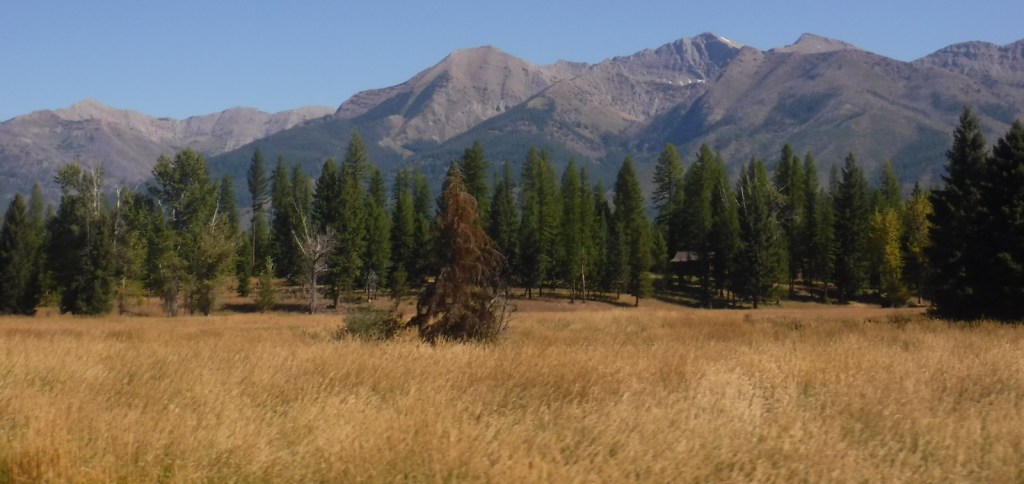
Flathead National Forest borders the entire south and west sides of Glacier National Park, providing important wildlife habitat in the Great Bear and Bob Marshall Wilderness areas.  It also borders the Flathead Indian Reservation, with the Mission Mountains Tribal Wilderness neighboring the beautiful Mission Mountains Wilderness (see Best Trail).  Flathead National Forest is known for great hiking and backpacking, especially from trailheads off Highway 83 east of Flathead Lake.  The National Forest contains most of the extensive Flathead National Wild and Scenic River, with the South Fork known for one particular four-mile stretch of rapids up to Class V.  The 564-foot-tall Hungry Horse Dam created a 34-mile-long reservoir with many boat ramps and campgrounds.

Highlights

Hungry Horse Reservoir, Holland Lake, Martin Falls, Glacier Lake, Big Salmon Falls, Flathead National Wild and Scenic River, Coram Experimental Forest, Jewel Basin, Danny On Memorial National Recreation Trail, Pacific Northwest National Scenic Trail, Continental Divide National Scenic Trail

Must-Do Activity

Near the town of Kalispell, Jewel Basin Hiking Area (stock prohibited) is famous among backpackers, but further south so is Holland Lake.  Several campgrounds surround the lake, including the free Owl Creek Packer Camp used by stock trailers.  From there the steep Holland-Gordon Trail climbs 2,100 feet in 5.8 miles one-way to Upper Holland Lake and continues into “the Bob” (Bob Marshall Wilderness).  A shorter option is a 3.2 mile-roundtrip that ascends only 550 feet to pretty Holland Falls.

Best Trail

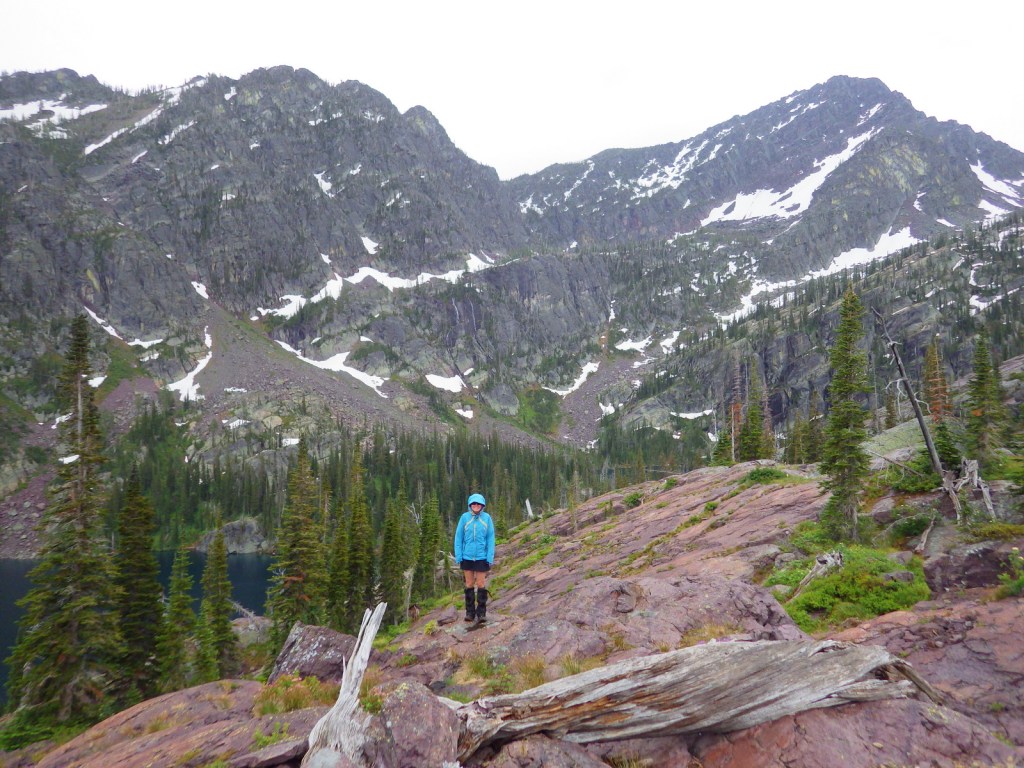
Flathead National Forest contains more than 2,800 miles of hiking trails, including 38 miles of the Pacific Northwest National Scenic Trail and a shorter stretch of the Continental Divide National Scenic Trail (which is mostly to the east in Lewis and Clark National Forest).  Accessible from Highway 83 in the southwest corner of Flathead National Forest is Glacier Lake Trailhead.  A long, good dirt road leads to the edge of the Mission Mountains Wilderness and a popular trail that accesses multiple mountain lakes.  It is only 1.5 miles one-way to Glacier Lake, but we continued on to Turquoise Lake for an 11.6-mile out-and-back hike with a cumulative elevation gain of 2,460 feet.  Both destinations are great for backpacking with stunning alpine scenery, but keep in mind that this is grizzly bear country and come prepared.

Watchable Wildlife

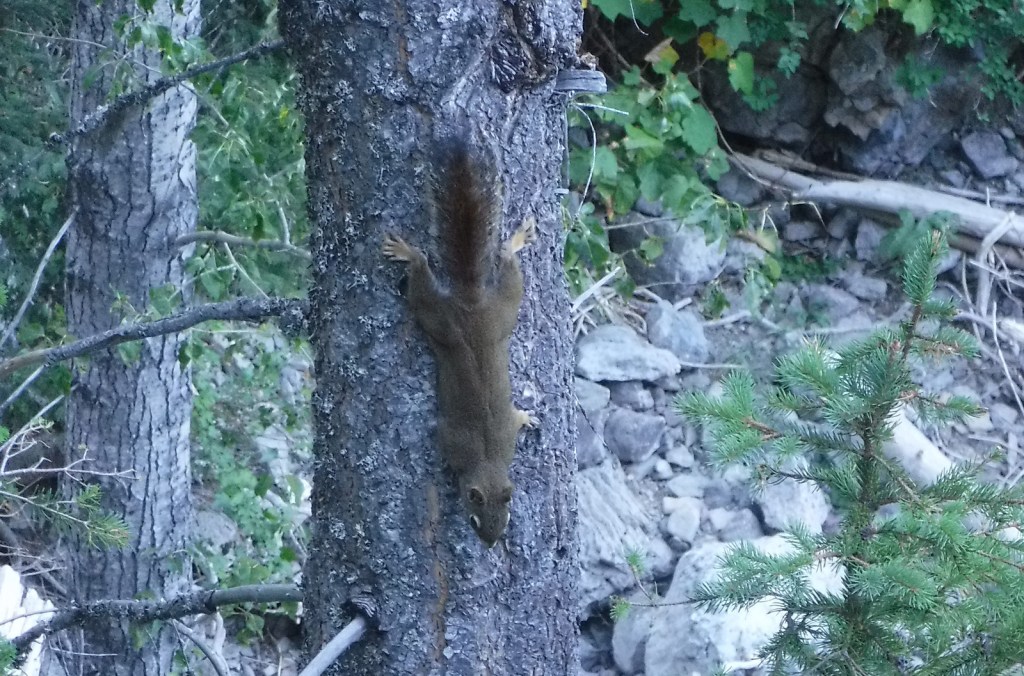
The most talked about species of wildlife found here is the grizzly bear, whose population primarily resides in the 1.5-million-acre Bob Marshall-Great Bear-Scapegoat Wilderness complex.  Other large mammals include black bear, Canada lynx, bobcat, mountain lion, coyote, wolverine, and beaver, as well as ungulates like moose, elk, mountain goat, bighorn sheep, and white-tailed deer.  Prominent birds include bald eagles, ospreys, ruffed grouse, dusky grouse, white pelicans, and trumpeter swans.  Fishermen are drawn to the lakes and rivers for a variety of species, including the bull trout.

Instagram-worthy Photo

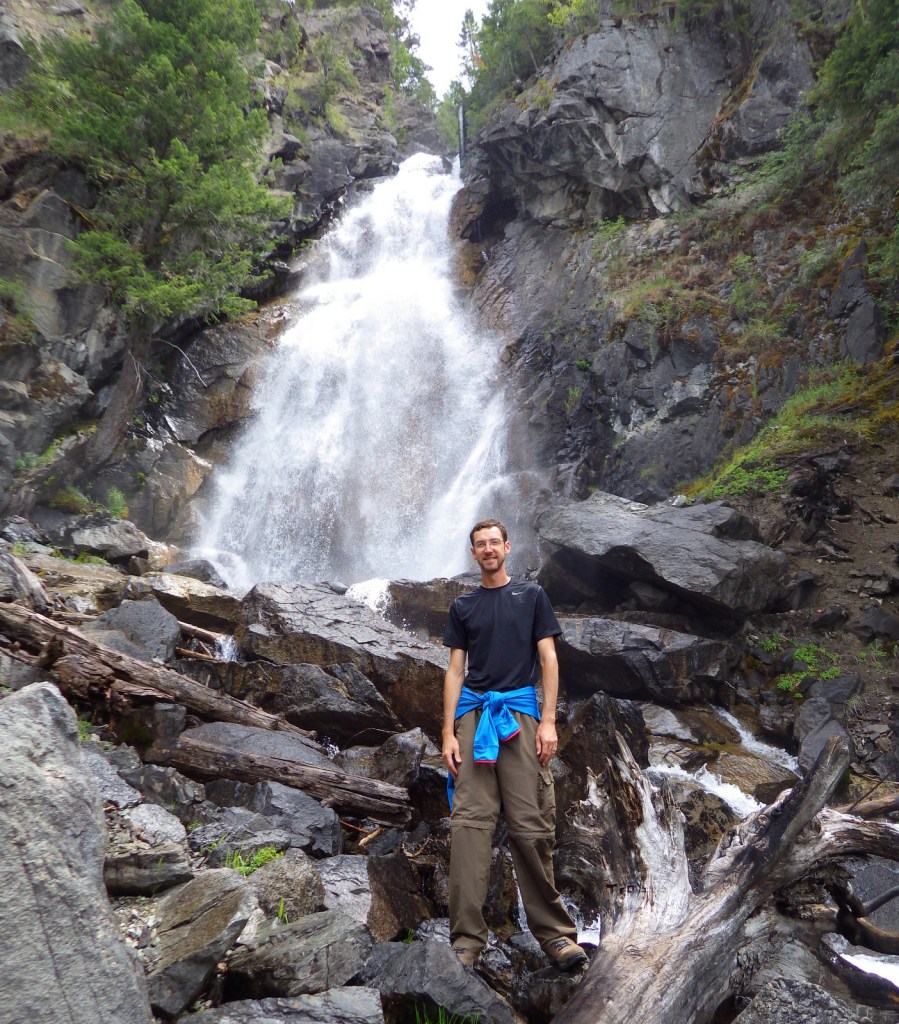
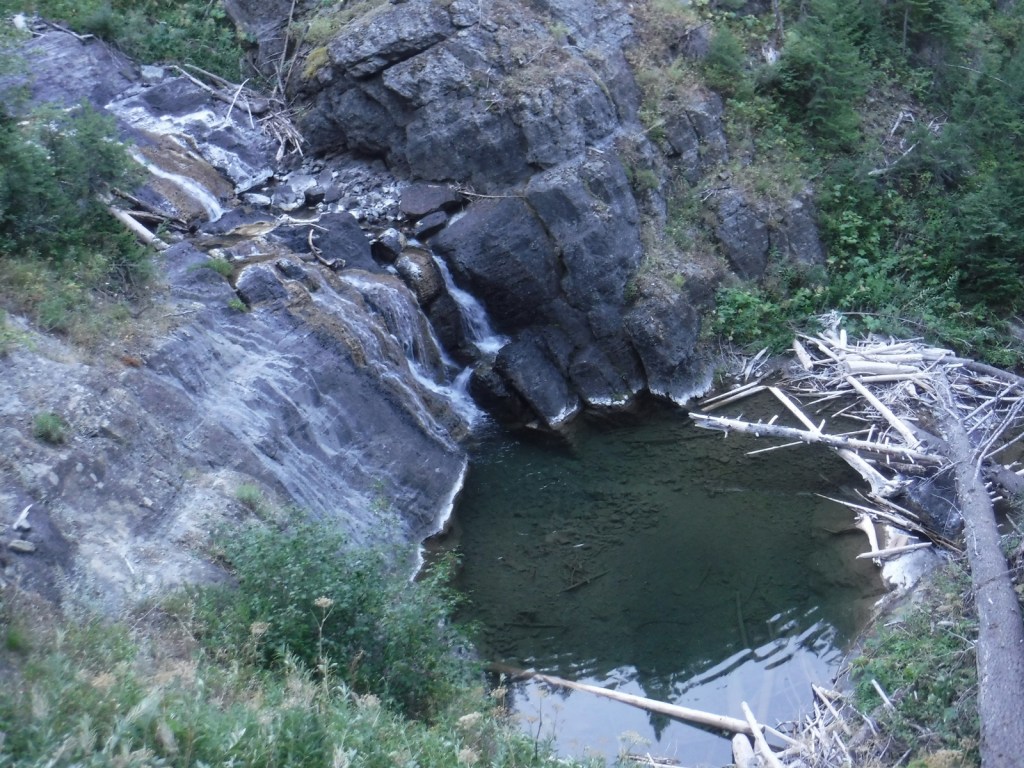
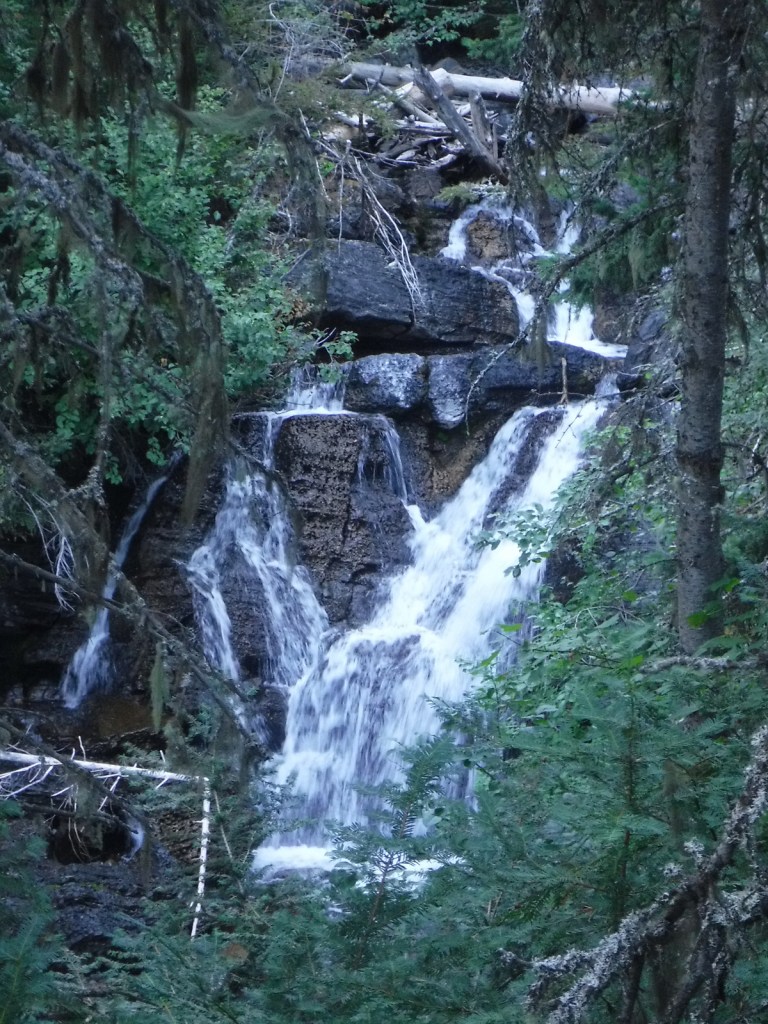
The steep terrain on the western flank of the Bob Marshall Wilderness creates numerous waterfalls, such as Barrier, Big Salmon, Dean, and Needle Falls.  Holland Falls is a short 3.2-mile roundtrip hike that ascends only 550 feet from Holland Lake.

Peak Season

Summer

Fees

None?

Road Conditions

The National Forest contains 1,700 miles of roads, so there are probably some rough ones out there, but we never had a problem accessing the major trailheads in a passenger vehicle.

Camping

Flathead National Forest has 31 campgrounds and 14 cabins available for rent.  Several campgrounds surround Hungry Horse Reservoir and Holland Lake, including the free Owl Creek Packer Camp used by stock trailers. 

Wilderness Areas

Bob Marshall Wilderness (also in and Lewis and Clark National Forest)

Great Bear Wilderness (also in Lewis and Clark National Forest)

Mission Mountains Wilderness

Related Sites

Lolo National Forest (Montana)

Grant-Kohrs Ranch National Historic Site (Montana)

Nez Perce National Historical Park (Idaho-Oregon-Washington-Montana)

Nearest National Park
Glacier

Conifer Tree Species

ponderosa pine, lodgepole pine, whitebark pine, Douglas-fir, Engelmann spruce, subalpine fir, western larch, alpine larch

Flowering Tree Species

quaking aspen, paper birch, sagebrush

Explore More – Coram Experimental Forest is an 800-acre area managed for what commercial tree species?

Learn more about this and the 154 other National Forests in our new guidebook Out in the Woods

We are a participant in the Amazon Services LLC Associates Program, an affiliate advertising program designed to provide a means for us to earn fees by linking to Amazon.com and affiliated sites.

Fishlake National Forest     

Fishlake National Forest           

Utah

Managed by U.S. Forest Service, Intermountain Region

1,539,737 acres (1,461,226 federal/ 78,511 other)

Website: https://www.fs.usda.gov/fishlake

Overview

Much of Fishlake National Forest is at high elevation in central Utah, which is also true of its namesake Fish Lake that sits at 8,800 feet.  Fish Lake is the largest natural mountain lake in Utah and lent its name to the Fish Lake Cutoff on the Old Spanish Trail, which ran from Santa Fe to Los Angeles.  There are hundreds of miles of trails open to ATVs in the National Forest, including the 238-mile Paiute ATV Trail and the Gooseberry ATV Trails accessible from Interstate 70.  There are also plenty of trails for hikers, backpackers, mountain bikers, and equestrians, including the trail that crosses the South Fork of North Creek Trail 60 times as it covers ten miles leaving from beautiful Blue Lake at the base of Mt. Baldy.

Highlights

Beaver Canyon Scenic Byway, Wildcat Guard Station, Tushar Mountains, Delano Peak, Bullion Falls, Pistol Rock, Koosharem Canyon, Fishlake Scenic Byway, Fool Creek Canyon petroglyphs, Blue Lake, Bullion Canyon Trail System, Skyline National Recreation Trail, Lakeshore Trail, Old Spanish National Historic Trail

Must-Do Activity

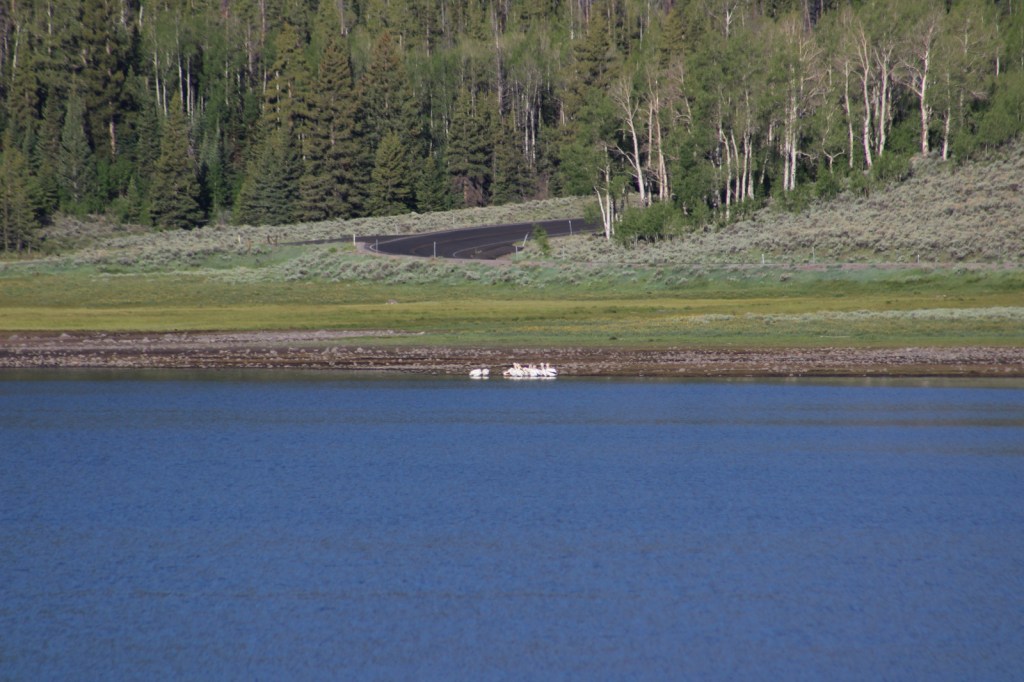
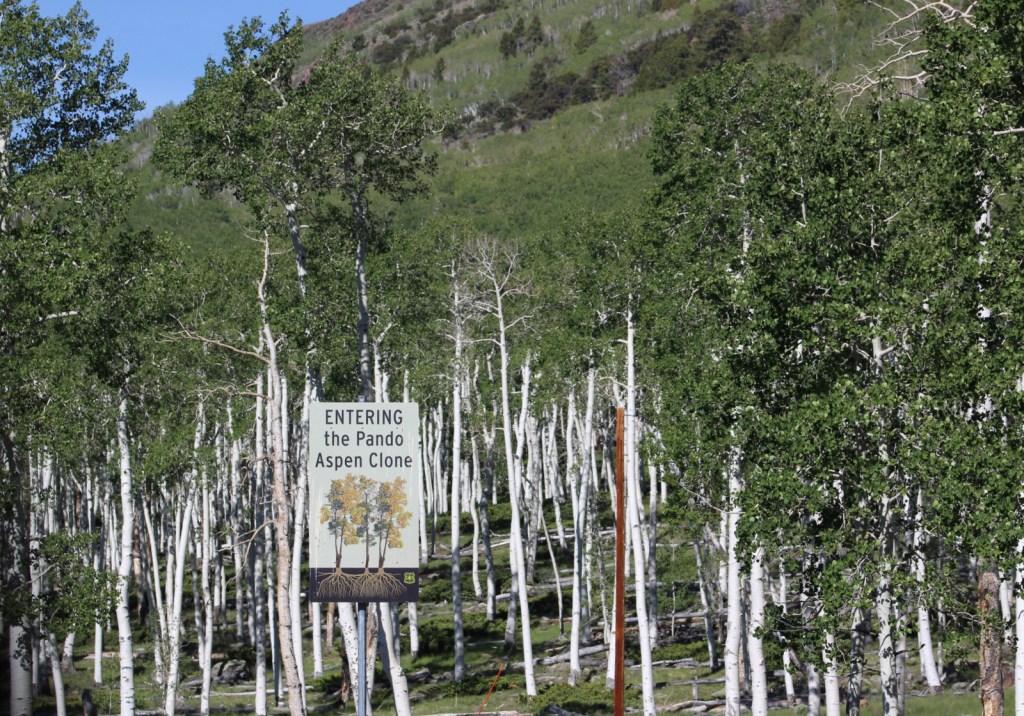
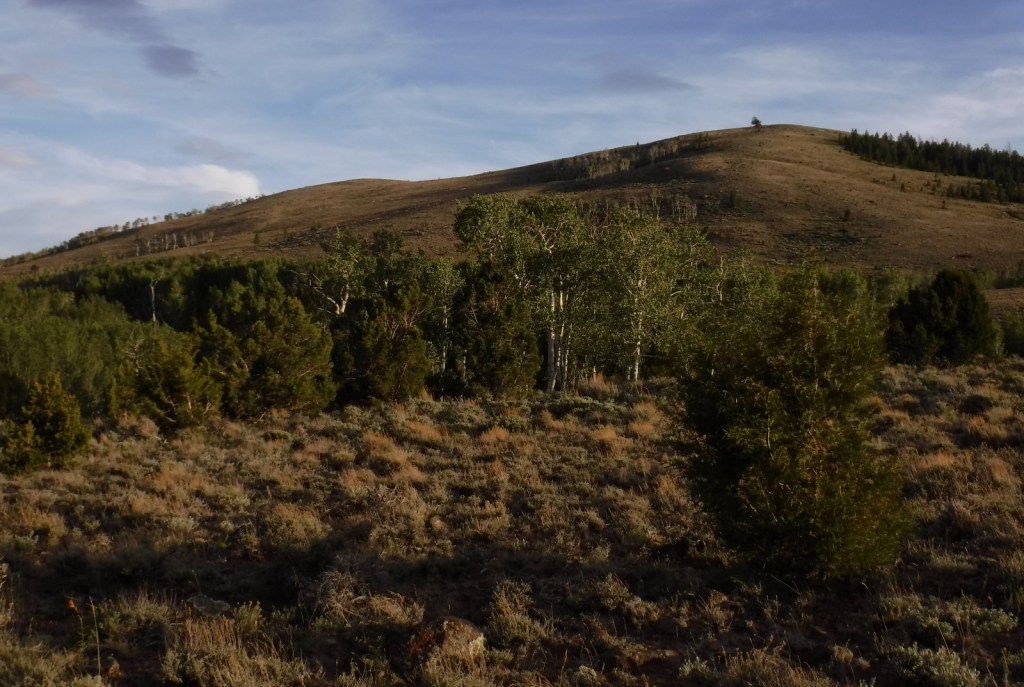
Fish Lake’s most famous resident is the aspen clone dubbed Pando (meaning “I spread” in Latin).  Connected by a single root system, stems of Pando cover 106 acres and it is estimated to have started growing 80,000 years ago, arguably making it the oldest and heaviest living organism on the planet.  Campers enjoy the popular Lakeshore Trail that is in four discontinuous sections adding up to about 15 miles.  We found the road to Pelican Promontory on the north side of the lake too rough for our passenger vehicle and the five-mile Pelican Canyon Trail too overgrown to follow after a mile, although we did see (and hear) a northern goshawk on nest. 

Best Trail

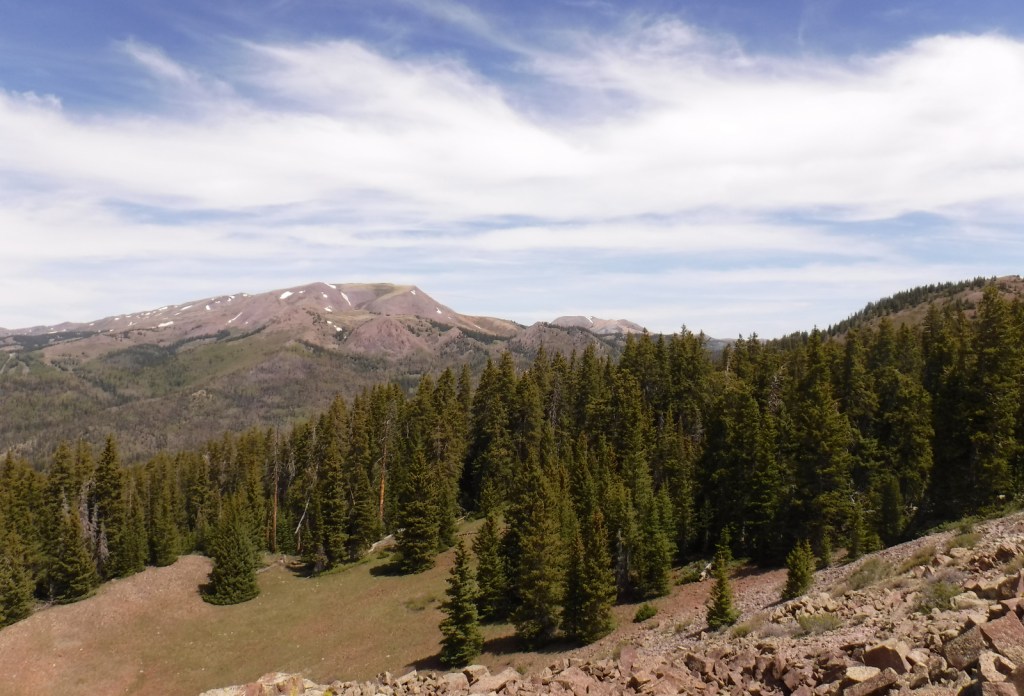
In the Tushar Mountains, Beaver Canyon Scenic Byway (Highway 153) switchbacks its way up to several trailheads for the 8.3-mile-long Skyline National Recreation Trail.  We attempted to access Lake Stream Trailhead in the middle, but found the road at Puffer Lake required high-clearance.  Instead, we drove the rough quarter-mile spur road to Big Flat Trailhead (at 10,220 feet in elevation) and hiked two miles to a rocky outcrop with good views.  We did not attempt to drive to the trail’s western terminus at Big John Flat Trailhead that sits beneath 12,173-foot Delano Peak.

Watchable Wildlife

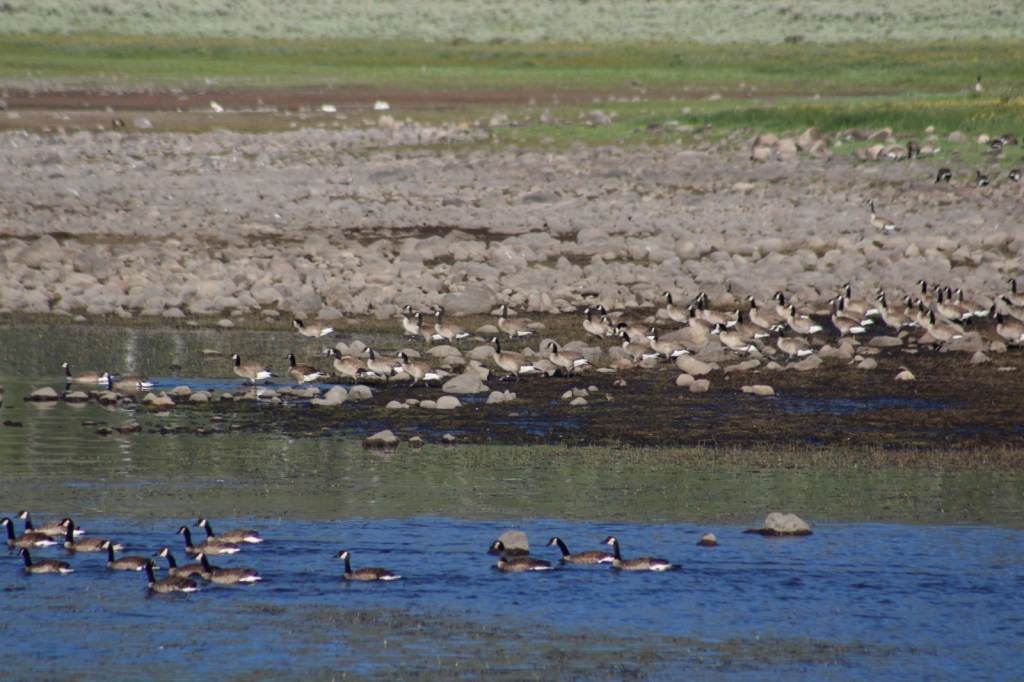
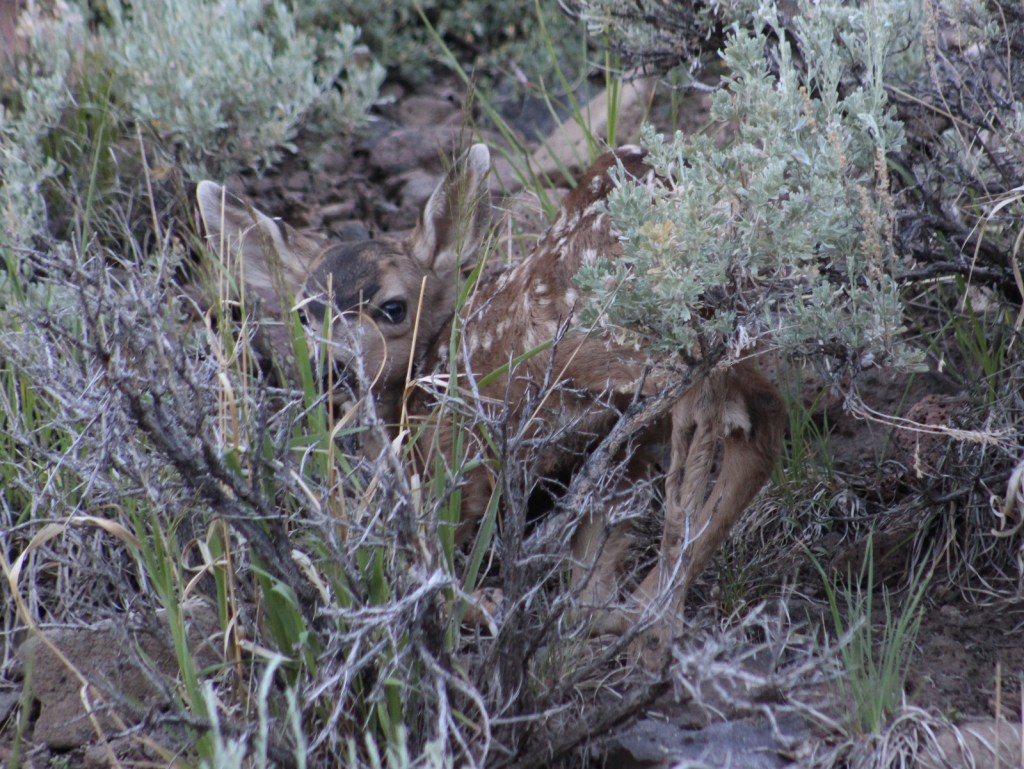
We first heard and then saw a northern goshawk on a nest (see photos) as we struggled to follow the overgrown Pelican Canyon Trail at Fish Lake.  Additional birds of note are bald eagles, kestrels, several species of owls, turkey vultures, Canada geese, white pelicans, and wild turkeys.  Ungulates found here are elk, mule deer, pronghorns, bighorn sheep, mountain goats, and even some moose.  Other large mammals include black bears, bobcats, mountain lions, red foxes, coyotes, pine martens, minks, badgers, porcupines, beavers, snowshoe hares, and pika.  As you might expect from a National Forest named Fishlake, fishing is a popular activity in the lakes and streams for rainbow trout, lake trout, splake, and other species, even in the winter.

Instagram-worthy Photo

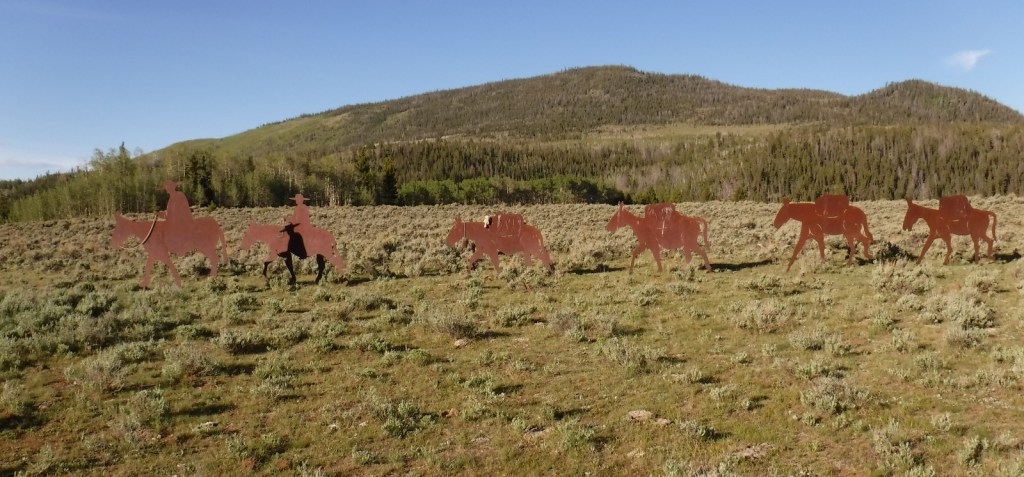
Stop at the informational pullout on the Fishlake Scenic Byway to read about the Fish Lake Cutoff of the Old Spanish Trail, then get your photo with the metal cutouts of a pack train in the sagebrush flats near Zedd’s Meadow.

Peak Season

Summer

Fees

$5 day use fee at Ponderosa Picnic Area or America the Beautiful pass

Road Conditions

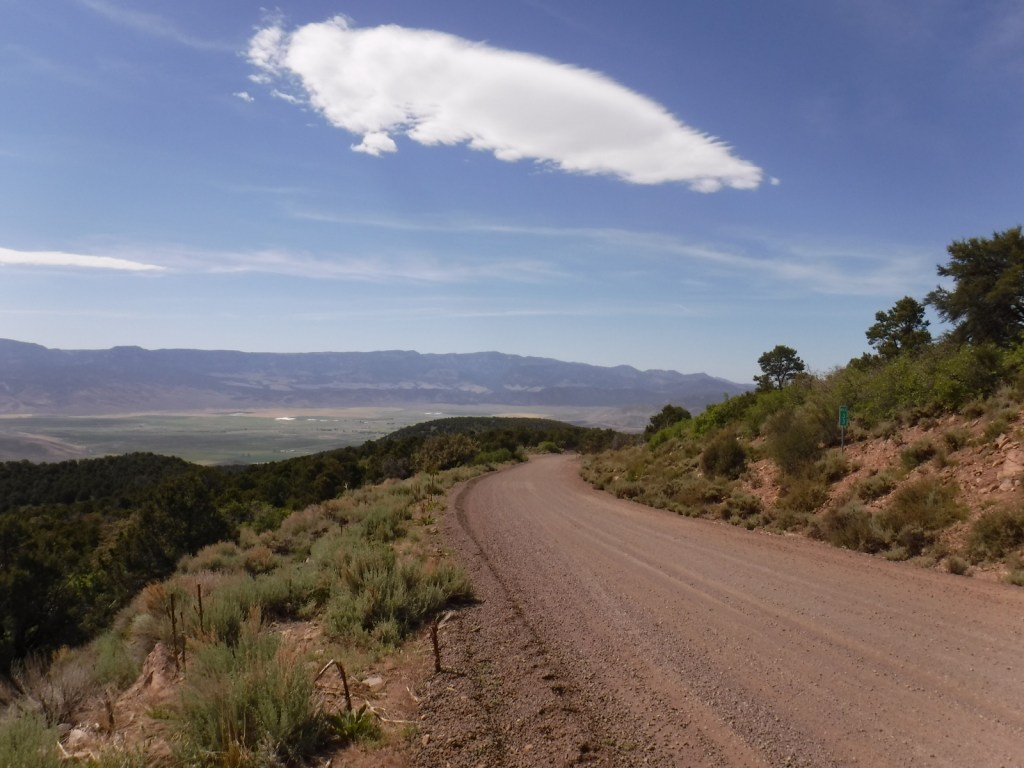
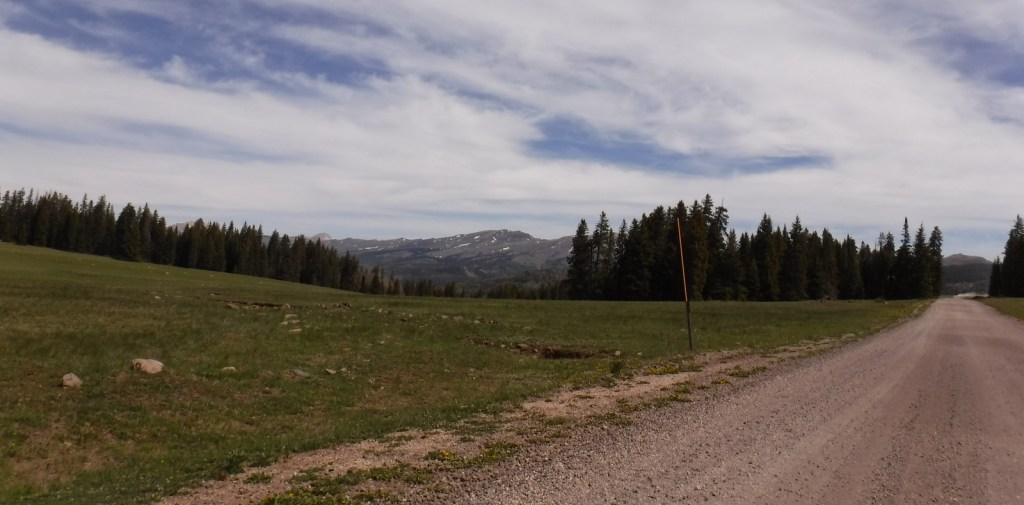
There are some rough roads in this area that require high-clearance vehicles, including the ones to Pelican Promontory and Puffer Lake.  Fishlake Scenic Byway and Beaver Canyon Scenic Byway are paved, but connecting between the two required driving some good gravel roads that were already snow free during our mid-June visit.

Camping

The Aquarius Ranger Station is available for rental from May through October, as are the historic cabins at the Gooseberry Administrative Site.  There are several campgrounds at Fish Lake and others located throughout the National Forest, in addition to one scenic spot on a ridge adjacent to the Second Crossing of Salina Creek in the White Mountains.

Wilderness Areas

None

Related Sites

Dixie National Forest (Utah)

Bryce Canyon National Park (Utah)

Cedar Breaks National Monument (Utah)

Nearest National Park

Capitol Reef

Conifer Tree Species

subalpine fir, white fir, Engelmann spruce, Douglas-fir, ponderosa pine, singleleaf pinyon pine, Utah juniper

Flowering Tree Species

quaking aspen, Gambel oak, bigtooth maple, Fremont cottonwood, sagebrush

Explore More – Which famous American explorer named the Old Spanish Trail in the 1840s (hint: he has a National Forest named after him, but maybe not the one you first think)?

Learn more about this and the 154 other National Forests in our new guidebook Out in the Woods

We are a participant in the Amazon Services LLC Associates Program, an affiliate advertising program designed to provide a means for us to earn fees by linking to Amazon.com and affiliated sites.

Home of Franklin D. Roosevelt National Historic Site

Home of Franklin D. Roosevelt National Historic Site

New York

Managed by National Park Service

Established 1944

645 acres

Website: nps.gov/hofr

Overview

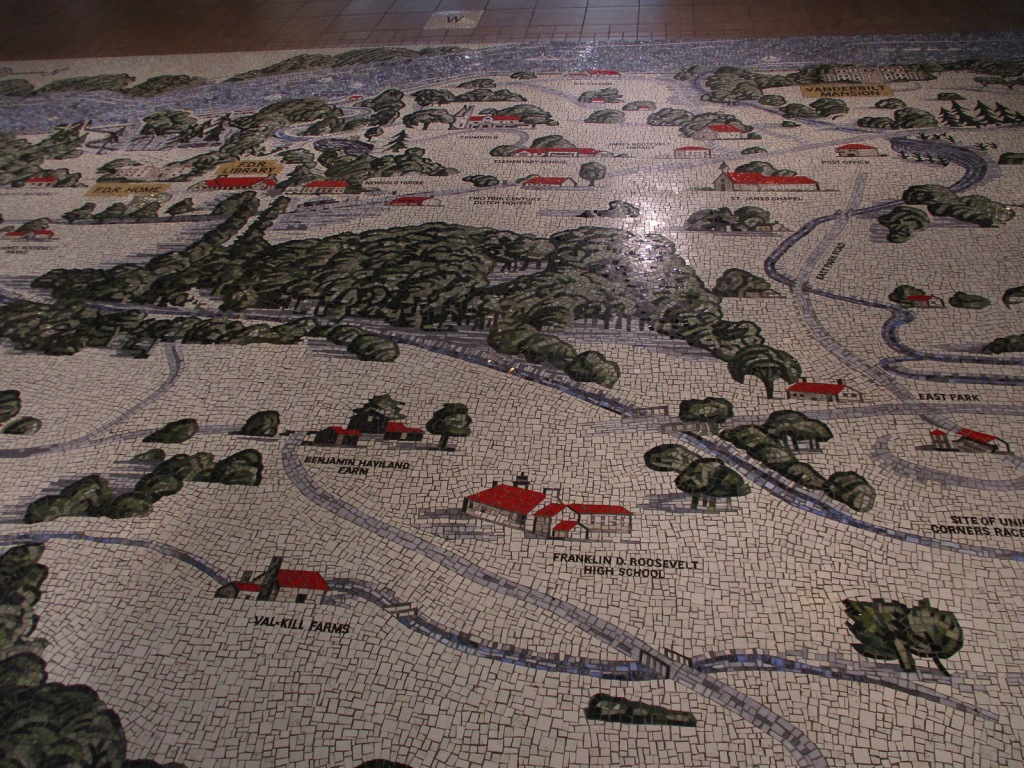
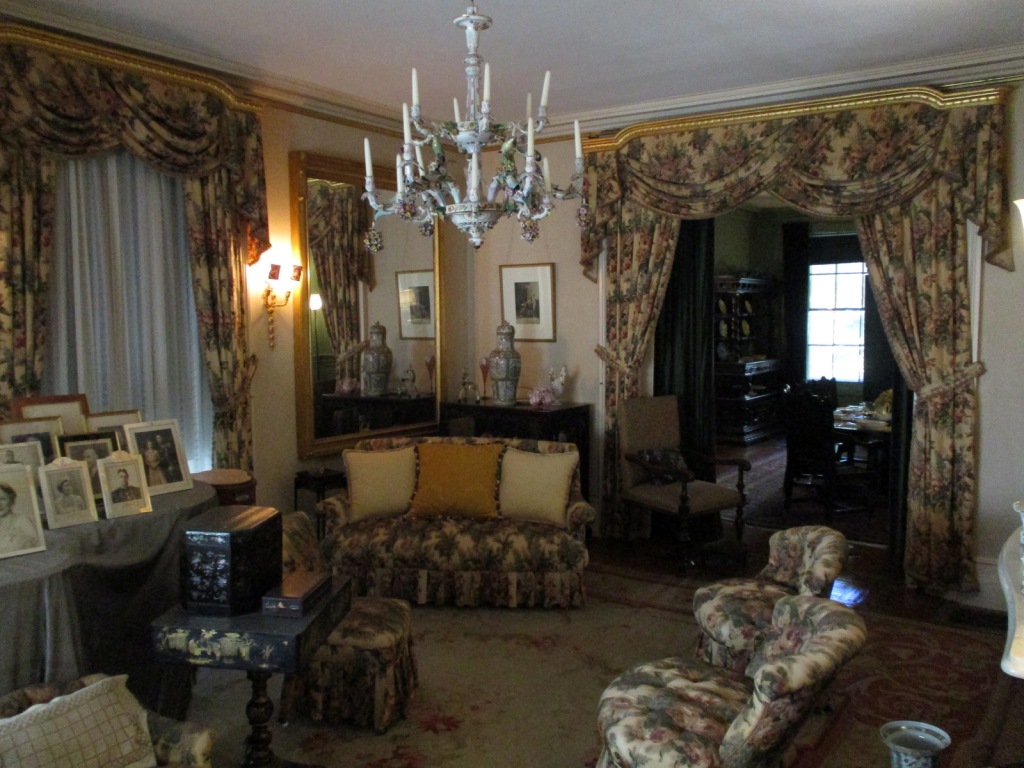
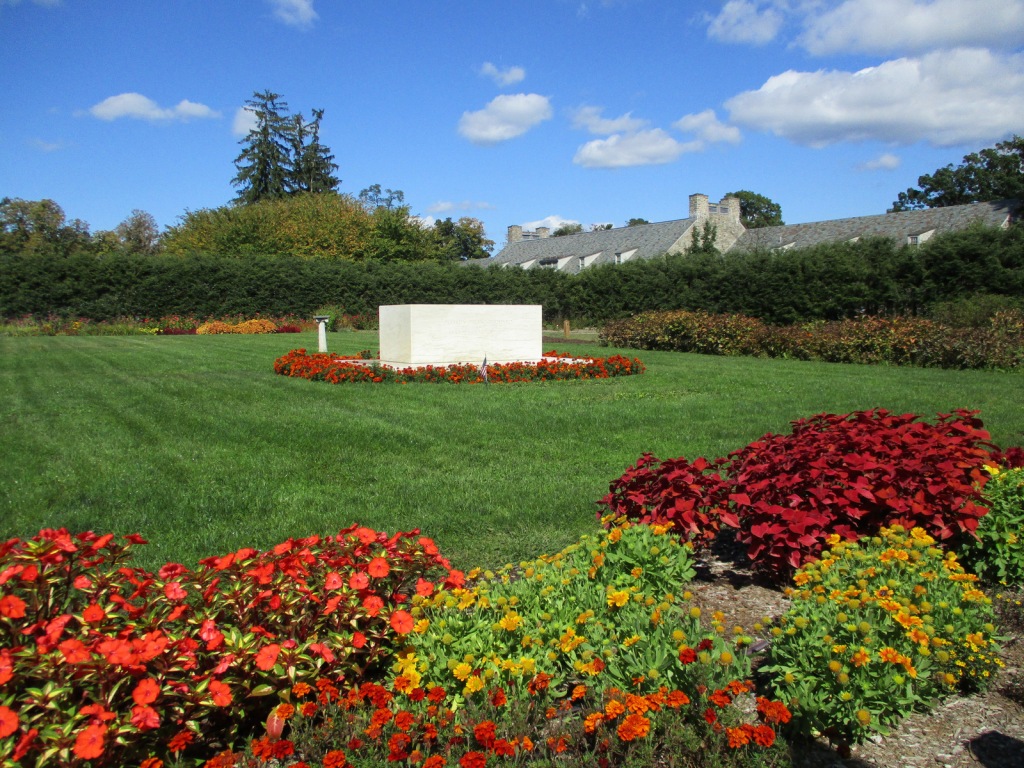
In 1882, Franklin Delano Roosevelt (FDR) was born at Springwood, his family’s estate on the Hudson River in Hyde Park, New York.  In 1905, FDR married his distant cousin Eleanor and moved into the mansion with his mother.  FDR contracted polio in 1921 and was paralyzed from the waist down, so some changes were made to Springwood to make it more wheelchair accessible.  After FDR became President, noteworthy visitors to the house included England’s King George VI and Winston Churchill.  FDR was buried on the property in 1945 and Eleanor in 1962, in the rose garden alongside Fala, their famous Scottish terrier.  Exactly one year after his death, the mansion opened to the public.

Highlights

Springwood, FDR Presidential Library and Museum, Top Cottage, Hyde Park Trail

Must-Do Activity

Start your visit at the Henry A. Wallace Visitor and Education Center where you can purchase tickets for the tour inside the mansion (reservations recommended), the 22-minute film A Rendezvous With History, the Presidential Library and Museum (not managed by the National Park Service), and Top Cottage, which is located behind the nearby Eleanor Roosevelt National Historic Site.  Tours meet inside the visitor center then walk a quarter-mile to the mansion.  Top Cottage was built in 1938 and is only accessible on a guided tour in the summer, which a park ranger discouraged us from going on saying it was mostly a seminar-style discussion of world politics (Top Cottage tours were closed through at least 2022). 

Best Trail

Hyde Park Trail connects Vanderbilt Mansion National Historic Site with Home of Franklin D. Roosevelt National Historic Site following the Hudson River.  The trail then heads two miles east towards Eleanor Roosevelt National Historic Site and Top Cottage.

Instagram-worthy Photo

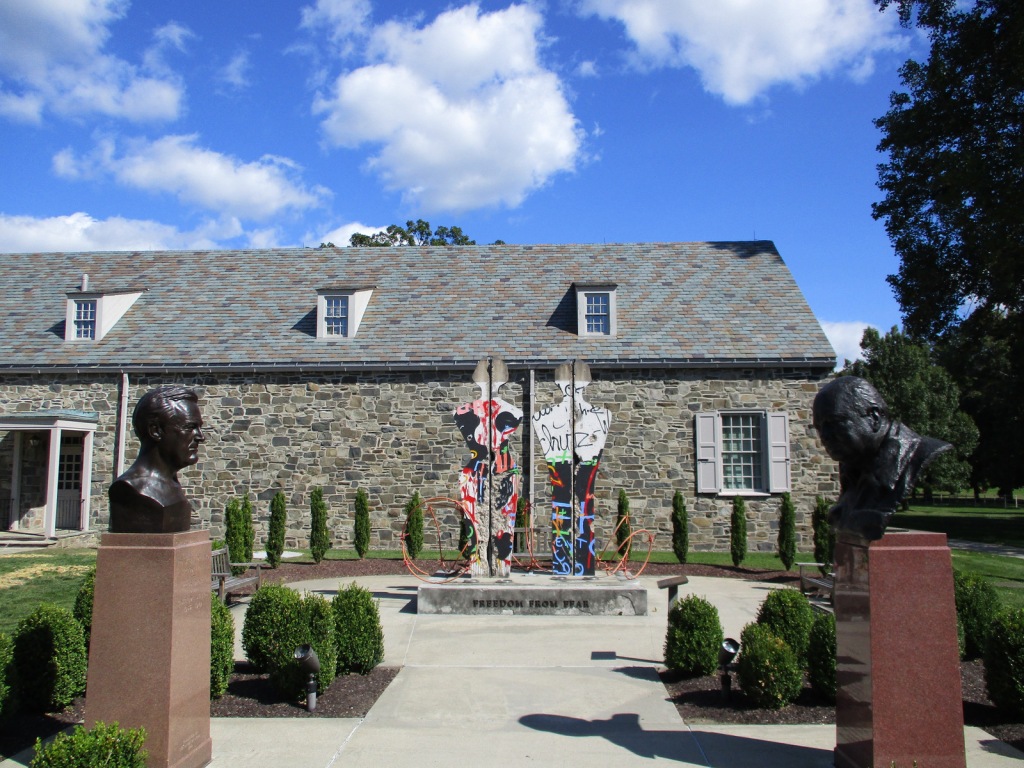
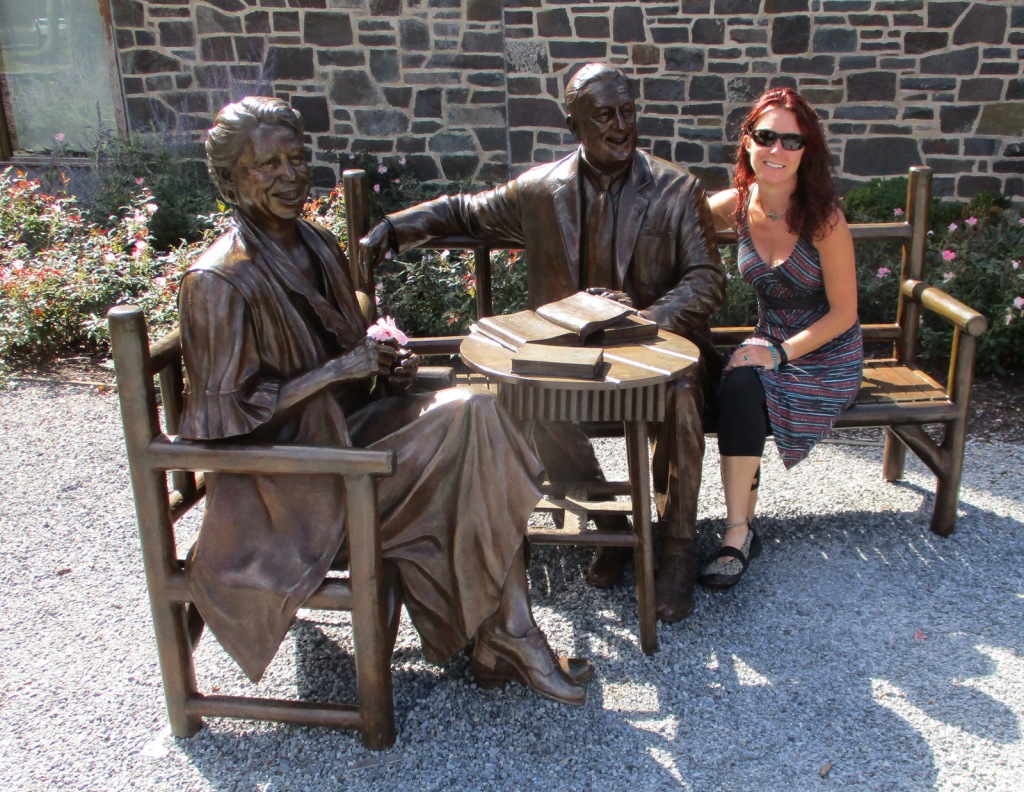
Freedom From Fear is a sculpture of a man and woman made from a section of the Berlin Wall, installed here in 1994 with a companion piece at the Winston Churchill Memorial in Fulton, Missouri.  Both were created by Edwina Sandys, Churchill’s granddaughter.

Peak Season

Summer

Hours

https://www.nps.gov/hofr/planyourvisit/hours.htm

Fees

$10 per person for mansion tour or free with America the Beautiful pass; $10 per person for Top Cottage tour with $5 off for America the Beautiful pass; separate entry fee for FDR Presidential Library and Museum

Road Conditions

All roads are paved with ample parking.

Camping

Mills-Norrie State Park has 45 campsites about five miles north of Hyde Park on Highway 9.

Related Sites

Franklin Delano Roosevelt Memorial (District of Columbia)

Eleanor Roosevelt National Historic Site (New York)

Martin Van Buren National Historic Site (New York)

Explore More – In what year was there an assassination attempt on FDR?

Finger Lakes National Forest

Finger Lakes National Forest

New York

Managed by U.S. Forest Service, Eastern Region

16,259 acres (16,259 federal/ 0 other)

Website: https://www.fs.usda.gov/main/gmfl/home

Overview

America’s newest National Forest was formally established in 1985.  Its existence is the result of the federal government purchasing abandoned farmland in the 1930s on the Backbone Ridge between Seneca and Cayuga Lakes.  Management shifted from the Soil Conservation Service to the Forest Service in 1954, but it did not become Finger Lakes National Forest for another 30 years.  According to Iroquois legend, the Finger Lakes were formed when the Great Spirit laid hands on the land to bless it and the finger imprints filled with water.  Visitors come for hiking and bird watching, and, in addition, two acres next to Blueberry Patch Campground are managed for blueberry picking in the late summer.

Highlights

Camp Fossenvue, Seneca Lake, Blueberry Patch Recreation Site, Backbone Trail, Gorge Trail, Interlocken Trail, No Tan Takto Trail, Burnt Hill Trail, North Country National Scenic Trail

Must-Do Activity

Although it is the second smallest National Forest in the U.S., Finger Lakes National Forest has 38 miles of trails (including a spur of the North Country National Scenic Trail).  In 1996, the former Camp Fossenvue at Caywood Point on the shores of Seneca Lake was given to the National Forest.  The camp was founded in 1875 by seven women and was considered radical for its time by allowing women to engage in outdoor recreation and inviting notable suffragettes like Susan B. Anthony.  The Boy Scouts purchased the property in 1924 and later sold it to the Trust for Public Land.  The lake is accessed from the parking lot off State Route 414 by walking down a steep, half-mile-long gravel road with a 30% grade in places. 

Best Trail

The Gorge Trail is three miles out-and-back between trailheads on Burnt Hill Road and Mark Smith Road, crossing the Backbone Ridge.  The hike follows a pretty creek through a second growth forest of eastern hemlocks and various hardwood trees to access the Gorge Ponds and the 12-mile long Interlocken Trail, which is popular with cross-country skiers in the winter.  On a rainy afternoon in May, we saw several red newts on the trail and a mix of wildflowers, such as May-apples.

Watchable Wildlife

The first red newts we had ever seen were on the Gorge Trail, crawling through the duff on a rainy May afternoon.  These bright-orange amphibians are hard to miss among the green plants and brown decaying organic matter, but watch your step as they were right in the middle of the trail.  Finger Lakes National Forest also has white-tailed deer, gray squirrels, raccoons, coyotes, and bobcats, as well as 160 species of birds.  There are blueberry patches and old fruit tree orchards within the forest, which are good places to look for foraging animals.  Seneca Lake reaches 630 feet in depth and is home to many types of gamefish.

Instagram-worthy Photo

The sole remaining cabin at Camp Fossenvue is named the “Queen’s Castle” for Elizabeth Smith Miller, but no entry is permitted to the structure built in 1899 and placed on the National Register of Historic Places a century later.

Peak Season

Summer

Fees

None

Road Conditions

There are several unpaved roads in the National Forest, including Burnt Hill Road and Mark Smith Road, but we found all of them to be in good condition.

Camping

On Backbone Ridge, Blueberry Patch Campground is developed for vehicles under 24 feet in length and offers vault toilets.  Nearby, the Backbone Horse Campground has five campsites for horse trailers and six additional sites for all users.  Free dispersed camping is allowed throughout the forest (except in pastures from May 15 to October 31 due to cattle grazing) with one shelter available at the south end of the Interloken Trail. 

Wilderness Areas

None

Related Sites

Women’s Rights National Historical Park (New York)

Harriet Tubman National Historical Park (New York)

Home of Franklin D. Roosevelt National Historic Site (New York)

Nearest National Park

Cuyahoga Valley

Conifer Tree Species

eastern hemlock, eastern white pine

Flowering Tree Species

northern red oak, shagbark hickory, black walnut, witch-hazel, sugar maple, white ash, yellow birch, gray dogwood, black willow, elderberry, azalea

Explore More – Fossenvue is an anagram of what three-word phrase?

Learn more about this and the 154 other National Forests in our new guidebook Out in the Woods

We are a participant in the Amazon Services LLC Associates Program, an affiliate advertising program designed to provide a means for us to earn fees by linking to Amazon.com and affiliated sites.